
Wooden kitchens represent a timeless investment that brings natural warmth and elegance to the heart of your home. These beautiful spaces require specialized care that differs significantly from their laminate or painted counterparts. Understanding why wooden surfaces demand unique cleaning approaches isn’t just about maintenance—it’s about preserving your investment for decades to come.
The organic nature of wood makes it both incredibly durable and surprisingly vulnerable. Unlike synthetic materials that resist moisture and chemicals, wood responds to its environment by expanding, contracting, and absorbing substances it encounters. This living quality means that generic cleaning products can cause irreversible damage, stripping protective finishes, raising grain, or leaving permanent discoloration. Professional-grade wooden kitchen care requires knowledge of wood types, finish compatibility, and the delicate balance between effective cleaning and material preservation.
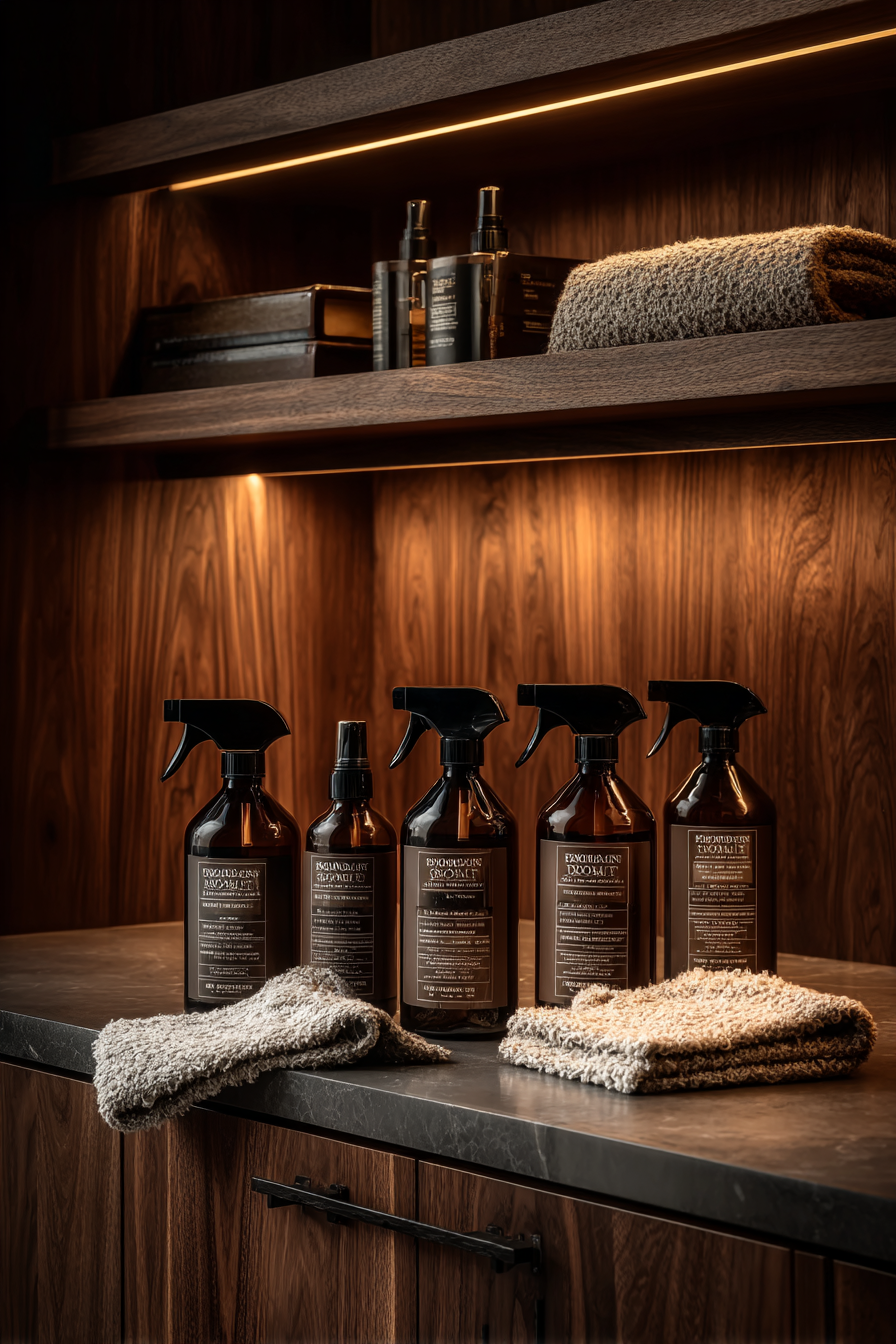
This comprehensive guide explores why wooden kitchens need specialized cleaning solutions, covering everything from the science of wood absorption to practical product recommendations. Whether you’re maintaining a rustic farmhouse kitchen or a sleek contemporary space with wooden accents, understanding these principles will help you keep your surfaces beautiful while avoiding costly restoration work.
1. The Porous Nature of Wood Changes Everything
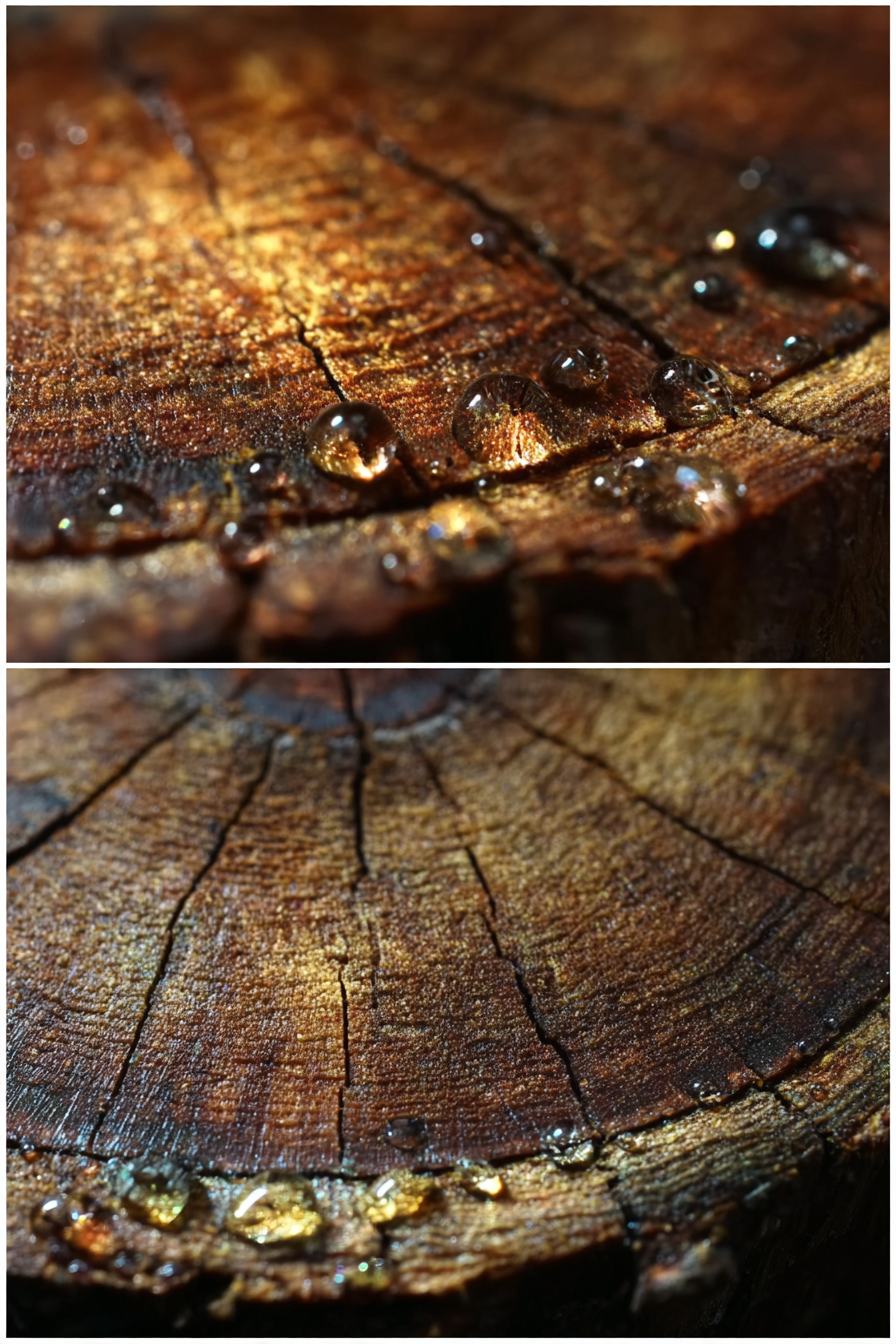
Wood’s cellular structure makes it fundamentally different from non-porous surfaces like stainless steel or tile. These microscopic channels that once transported water and nutrients in living trees now create pathways for liquids, oils, and chemicals to penetrate deep into the material. Standard kitchen cleaners designed for sealed surfaces can seep into these pores, causing expansion, warping, and deterioration that manifests months after application.
The moisture sensitivity of wood creates particular challenges in kitchen environments where humidity levels fluctuate dramatically. When aggressive cleaners introduce excess water, the wood absorbs it unevenly, leading to raised grain, splitting, or joint separation. Even properly sealed wooden surfaces have microscopic vulnerabilities where harsh chemicals can breach protective layers and compromise structural integrity over time.
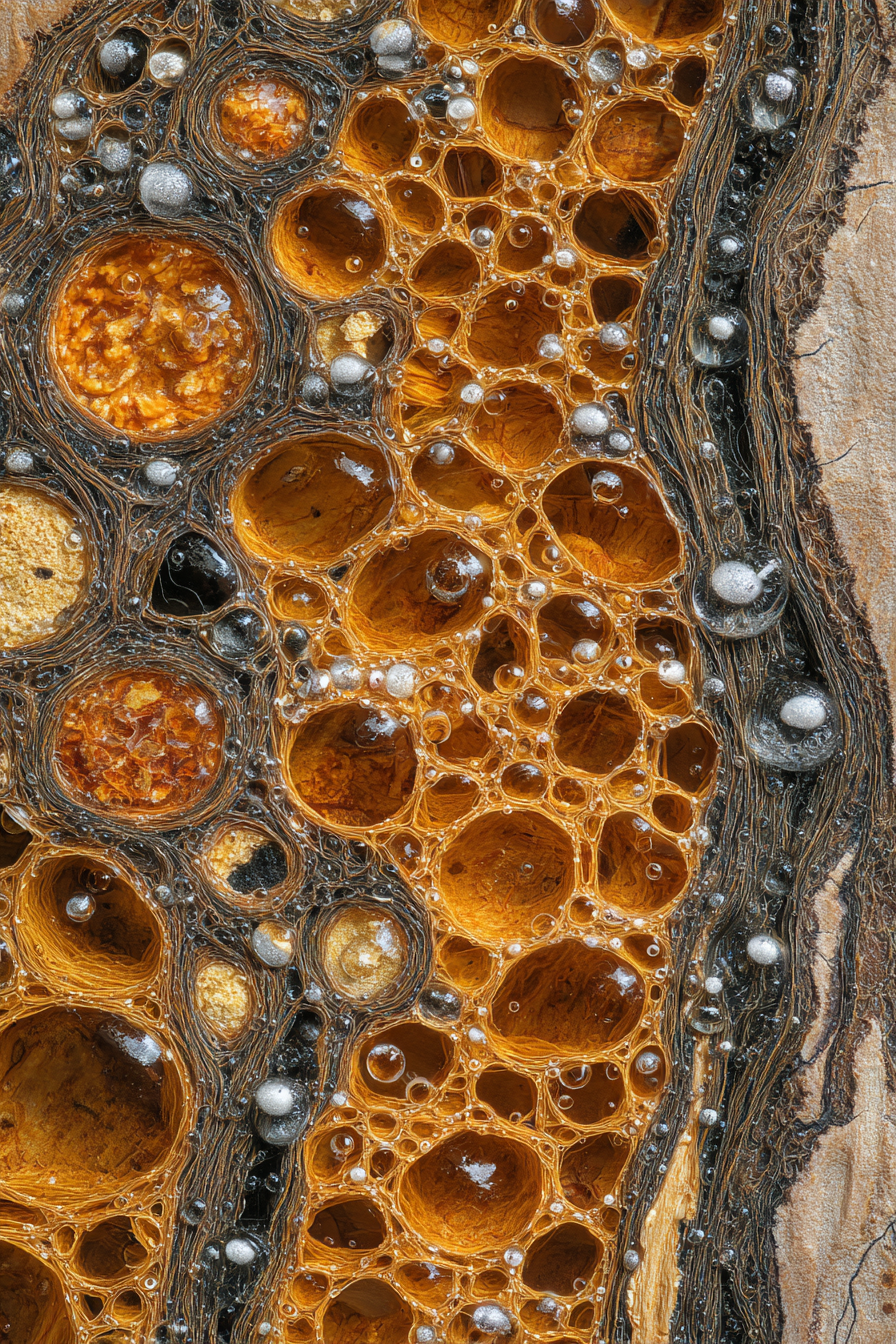
Different wood species exhibit varying porosity levels, which directly impacts cleaning product selection. Oak and ash feature open grain patterns requiring different care than tight-grained woods like maple or cherry. Understanding your specific wood type helps you choose formulations that clean effectively without exploitation of natural vulnerabilities inherent to each species.
- Test cleaning products on inconspicuous areas before full application
- Avoid products containing ammonia, bleach, or abrasive particles
- Use pH-neutral cleaners specifically formulated for wood surfaces
- Apply minimal moisture with microfiber cloths rather than spray bottles
- Research your wood species to understand its specific care requirements
- Inspect finish type (oil, varnish, lacquer) before selecting cleaners
2. Standard Cleaners Strip Protective Finishes
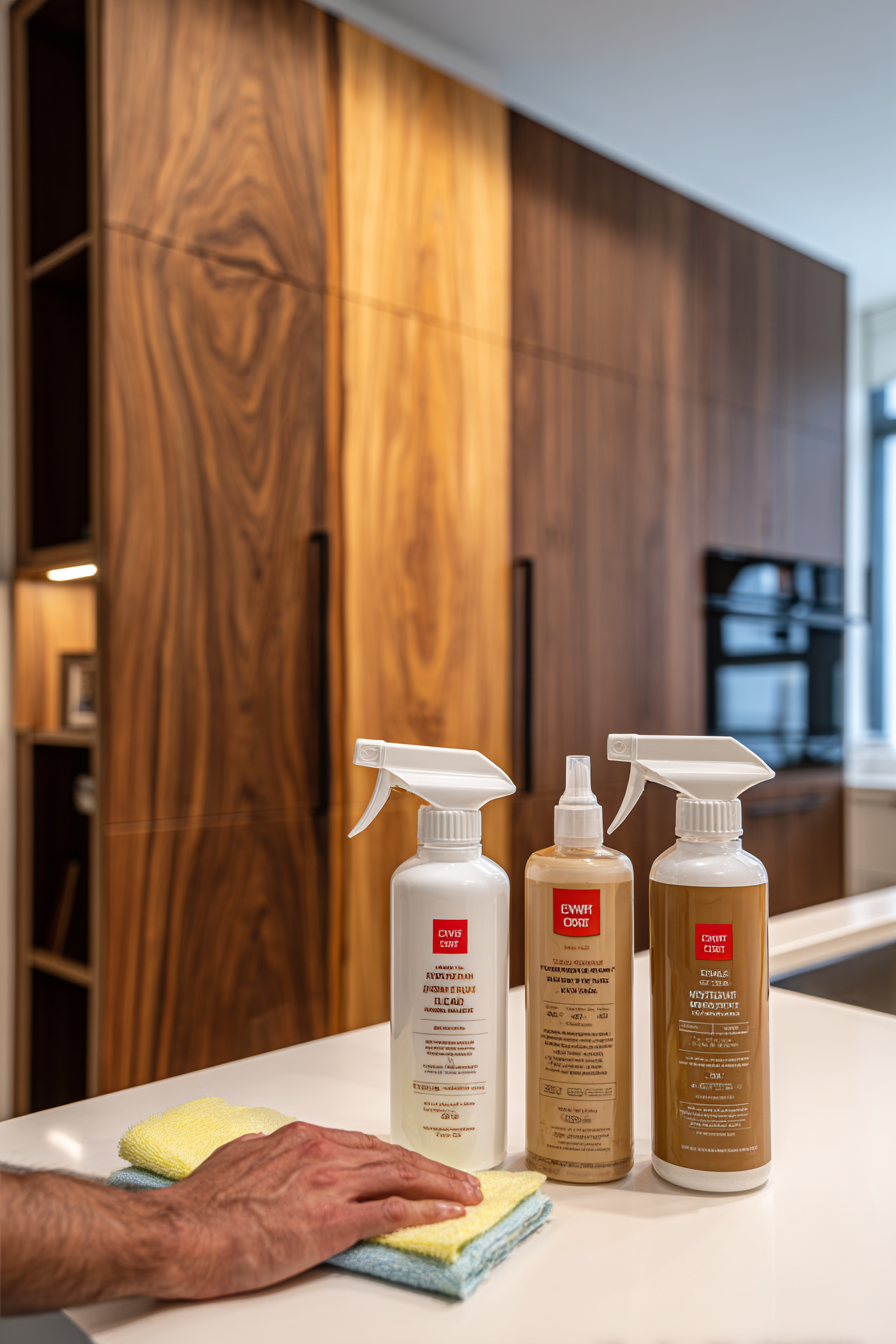
Most wooden kitchen surfaces feature protective coatings that create barriers between the raw wood and environmental threats. These finishes—whether polyurethane, lacquer, or oil-based sealants—require gentle maintenance that standard kitchen cleaners actively undermine. Alkaline substances in common multi-surface products gradually dissolve these protective layers, leaving wood exposed to staining, moisture damage, and accelerated aging.
The chemical composition of conventional cleaners includes degreasers and surfactants designed for resilient materials like granite or porcelain. When applied to finished wood, these agents create a dulling effect by etching microscopic patterns into the surface. This degradation appears as cloudiness or loss of luster that can’t be remedied without professional refinishing.
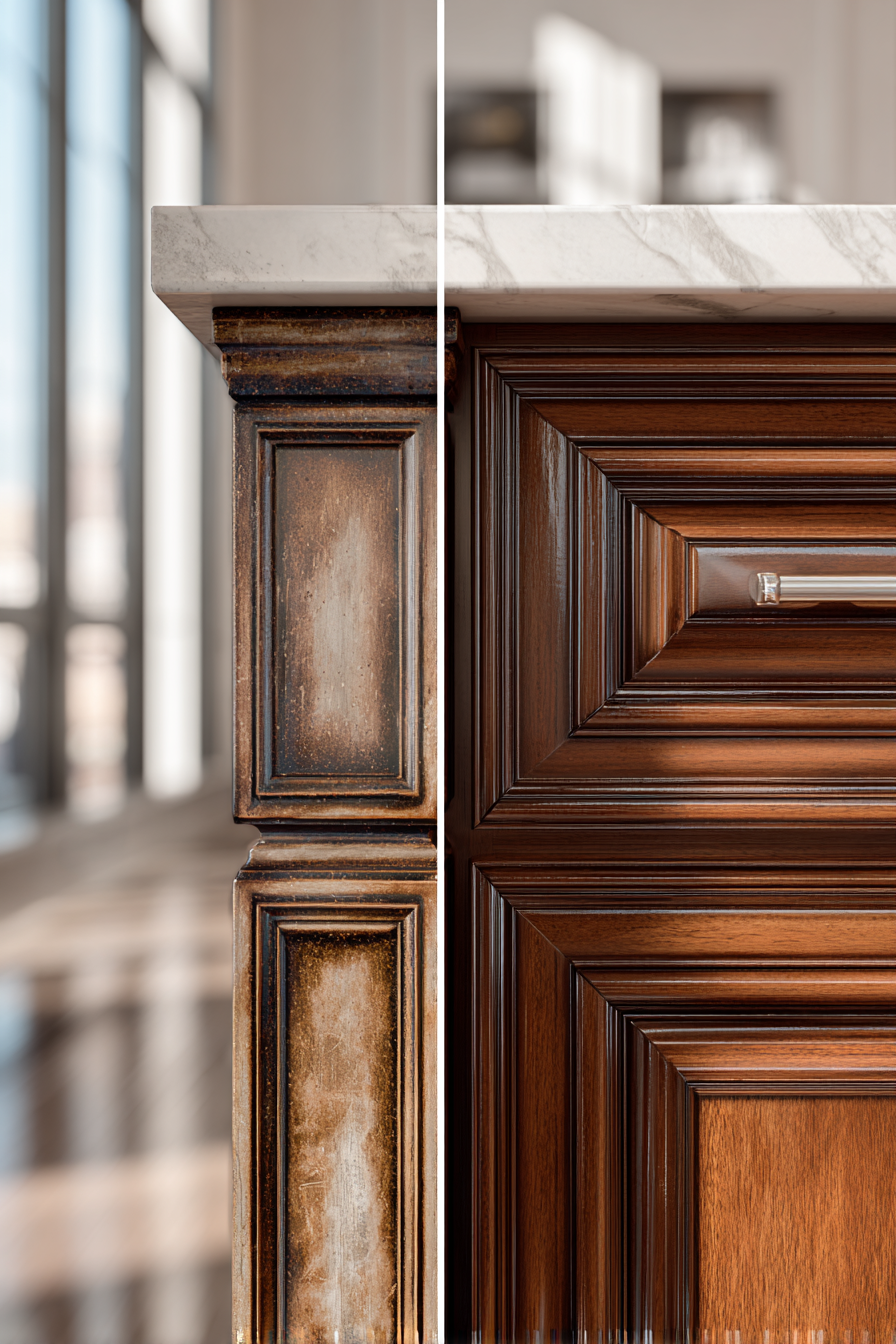
Silicone-based cleaners popular in many households create another serious problem for wooden surfaces. While they produce an immediate shine, silicone residue builds up over time, creating a slippery barrier that prevents proper adhesion if refinishing becomes necessary. Furniture restoration professionals often refuse to work on pieces contaminated with silicone because it requires intensive stripping procedures.
- Choose cleaners explicitly labeled “safe for wood finishes”
- Avoid products promising “deep cleaning” or “heavy-duty degreasing”
- Skip cleaners containing silicone, wax, or petroleum distillates
- Select water-based formulations over solvent-based options
- Read ingredient lists carefully for finish-compromising chemicals
- Maintain finish integrity with products designed for preservation
3. pH Balance Matters More Than You Think
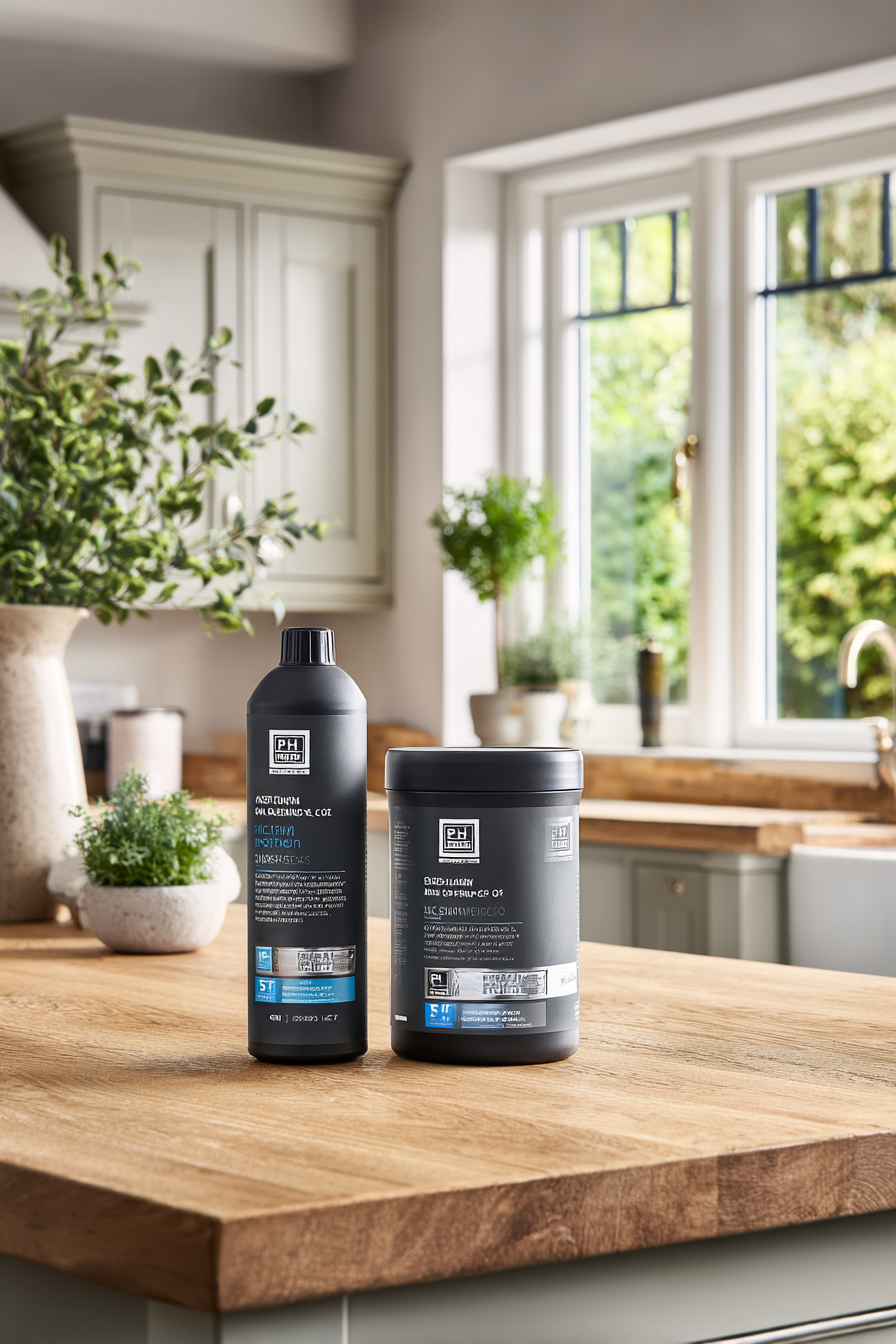
The acidity or alkalinity of cleaning products profoundly impacts wooden surfaces in ways that aren’t immediately visible. Wood naturally exists in a slightly acidic state, and pH-neutral cleaners (around 7.0) maintain this balance without triggering chemical reactions. Highly alkaline cleaners used on tile or stone create damaging effects when applied to wood, essentially “cooking” the surface at a molecular level.
Acidic formulations below pH 5.0 pose equal dangers by breaking down lignin—the natural polymer that gives wood its strength and structure. This deterioration manifests as softening, discoloration, and increased susceptibility to scratches. Professional wood care products maintain strict pH parameters that clean effectively while respecting wood’s chemical composition.
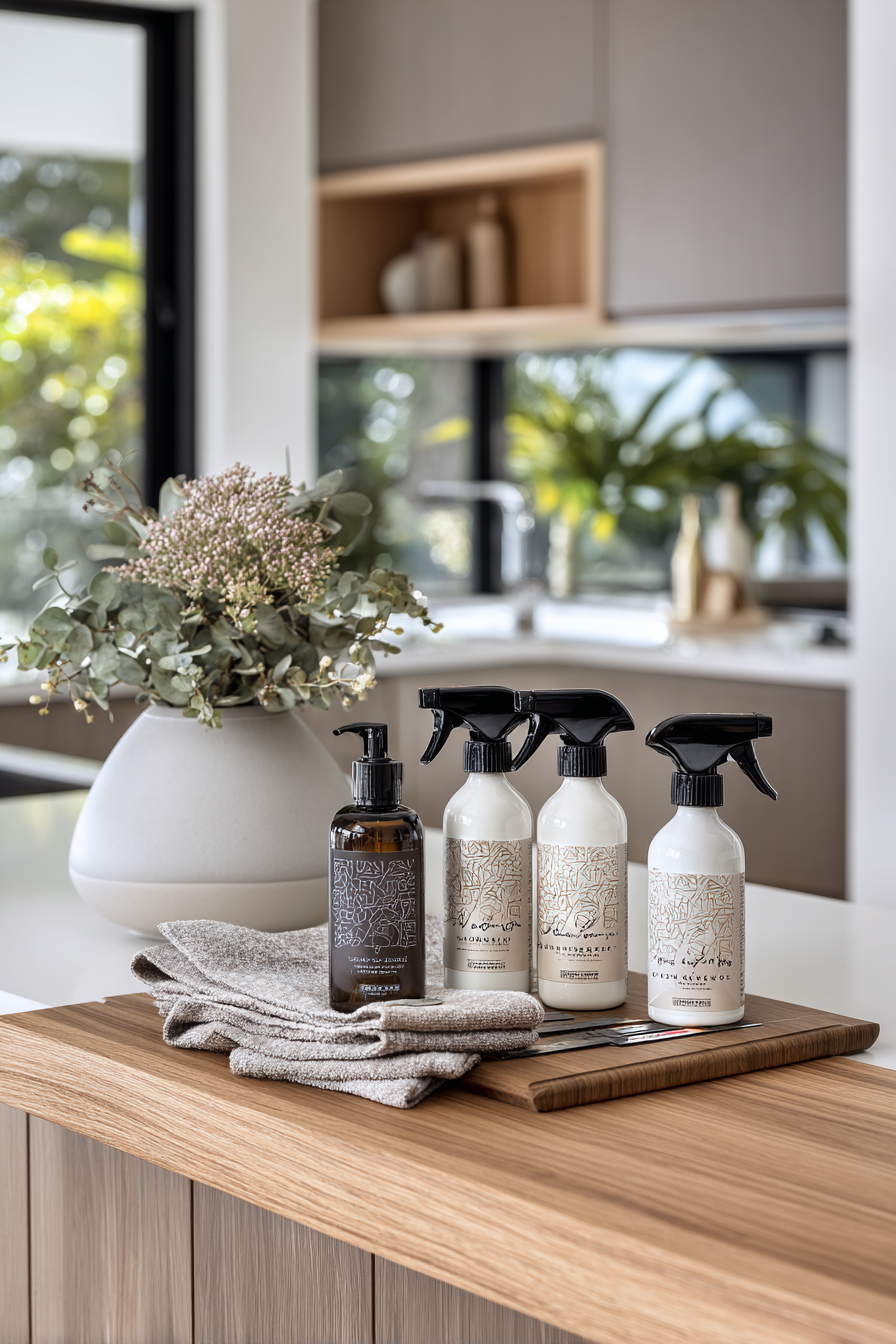
Testing pH levels isn’t just laboratory science—it’s practical kitchen maintenance. Many homeowners unknowingly use vinegar-based solutions thinking they’re “natural” and therefore safe. While vinegar works beautifully on certain surfaces, its high acidity slowly degrades wood finishes and can darken certain species like oak over prolonged exposure.
- Invest in pH-neutral cleaners specifically formulated for wood
- Avoid vinegar, lemon juice, or citrus-based cleaners on wooden surfaces
- Skip alkaline degreasers even for tough grease buildup
- Consider pH testing strips to verify cleaner compatibility
- Research manufacturer-recommended cleaning pH ranges for your finish
- Maintain consistent pH levels in all cleaning routines
4. Water Content and Application Methods Create Risk
The amount of water introduced during cleaning represents a critical variable that separates appropriate wood care from damage-inducing practices. Excessive moisture penetrates joints, seeps beneath finishes, and creates conditions for mold growth within wood’s cellular structure. Specialized wood cleaners feature controlled viscosity that limits water transfer while maintaining cleaning effectiveness.
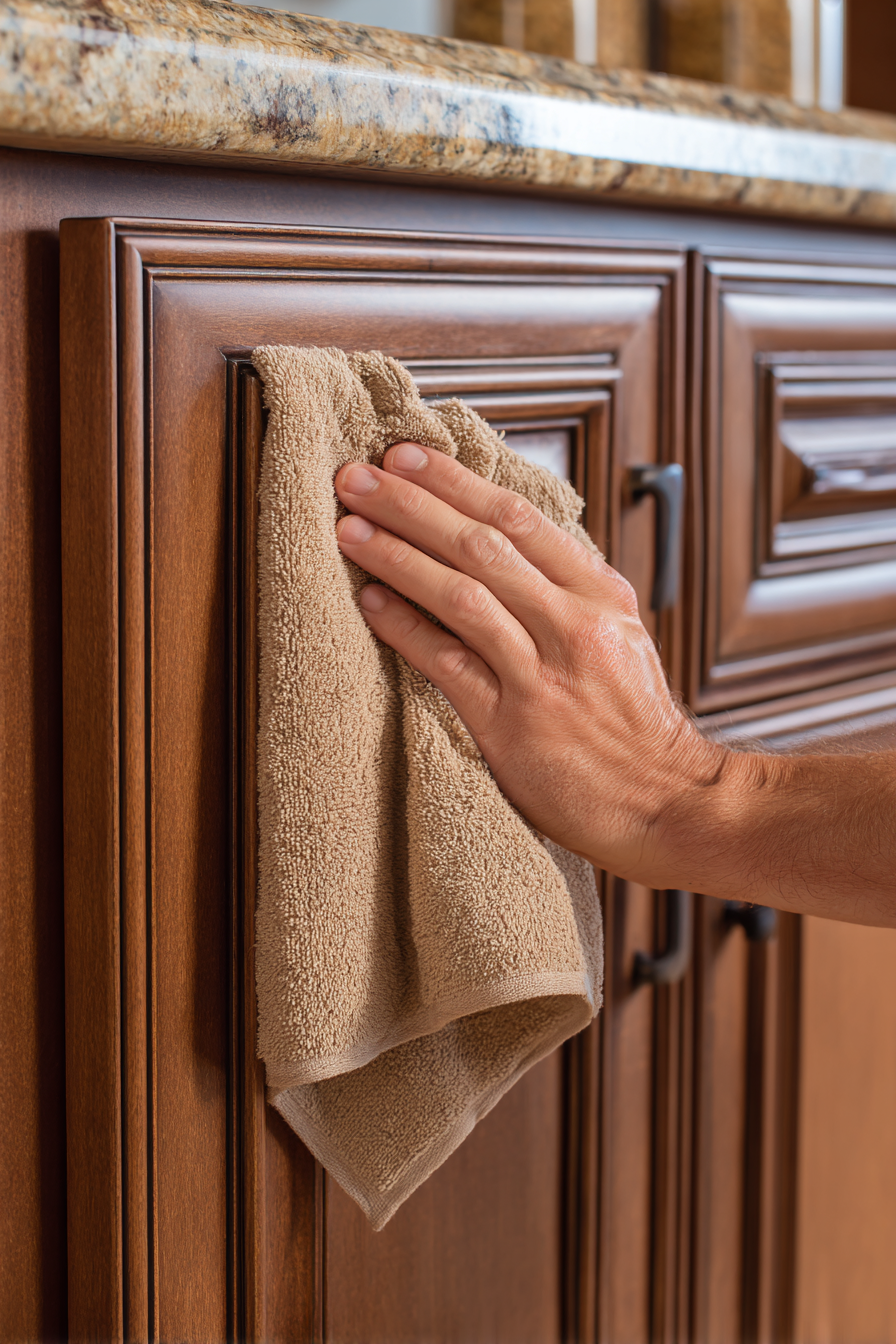
Application method determines whether appropriate products deliver safe results or cause unintended harm. Spray-and-wipe techniques that work perfectly on countertops introduce too much liquid when applied to wooden cabinets or surfaces. Damp cloth application—where cleaning solution is applied to the cloth rather than the surface—provides superior control over moisture exposure.
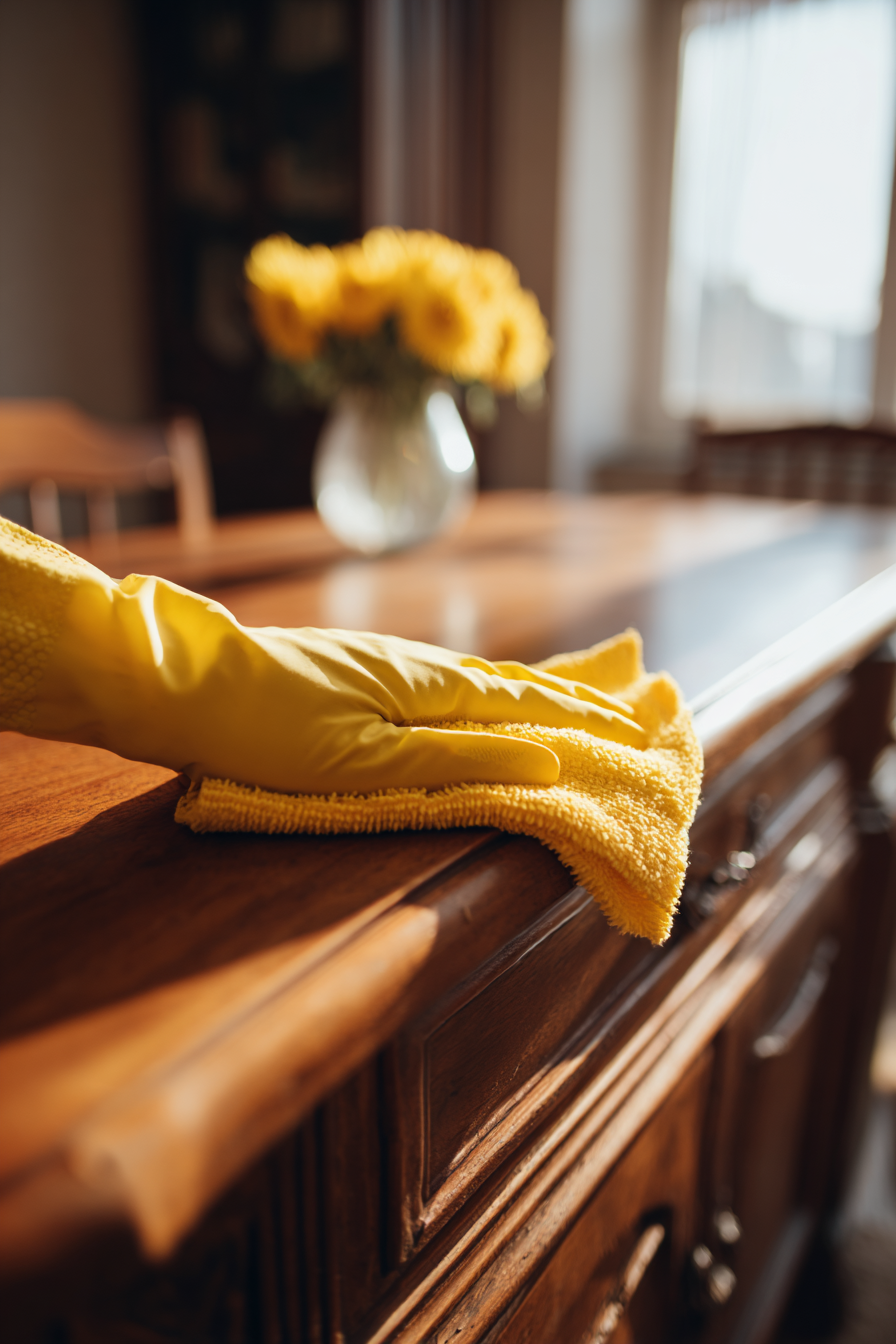
The drying time required after cleaning varies dramatically between standard products and wood-specific formulations. General kitchen cleaners leave surfaces wet for extended periods, maximizing absorption risk. Quality wood cleaners incorporate fast-evaporating components that clean effectively while minimizing moisture contact time to seconds rather than minutes.
- Apply cleaning products to cloths, never directly to wood surfaces
- Use barely damp microfiber cloths that don’t drip when squeezed
- Immediately dry surfaces with a separate clean cloth after cleaning
- Avoid steam cleaning or pressure washing wooden kitchen elements
- Choose cleaning products with rapid evaporation properties
- Never allow water to pool on wooden surfaces or in joints
5. Long-Term Preservation Requires Specialized Formulations
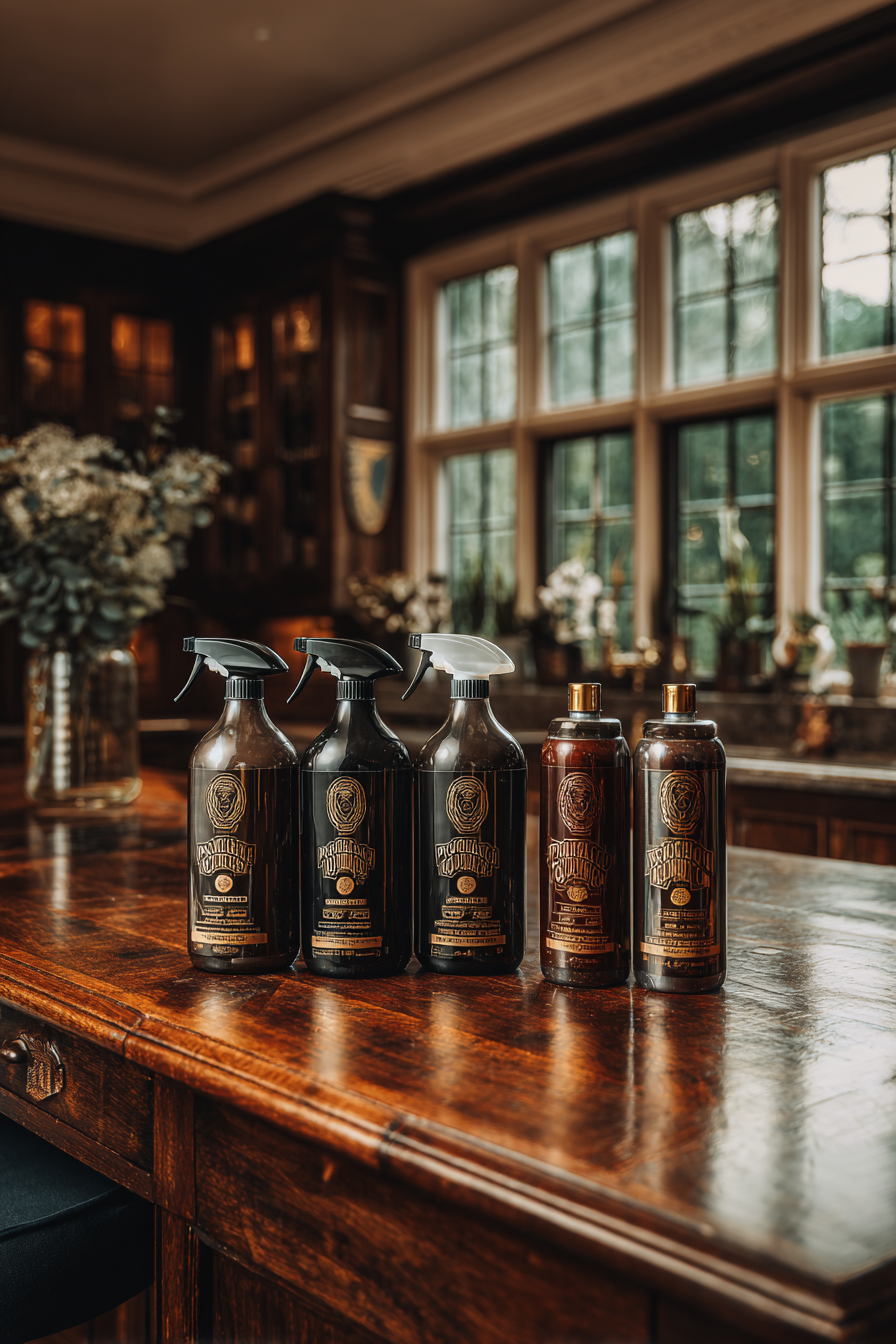
Wooden kitchen maintenance extends beyond immediate cleanliness to encompass long-term preservation strategies. Wood-specific cleaners contain conditioning agents that nourish finishes while removing soil, creating a maintenance routine that simultaneously cleans and protects. These formulations replace natural oils that evaporate over time, maintaining finish flexibility and preventing cracking.
The cumulative effect of using inappropriate products manifests years after initial application, making prevention infinitely more valuable than correction. Standard cleaners create incremental damage that compounds with each use—microscopic finish erosion, gradual dulling, and eventual breakthrough to raw wood. By the time visual damage appears, extensive refinishing becomes necessary rather than simple maintenance.
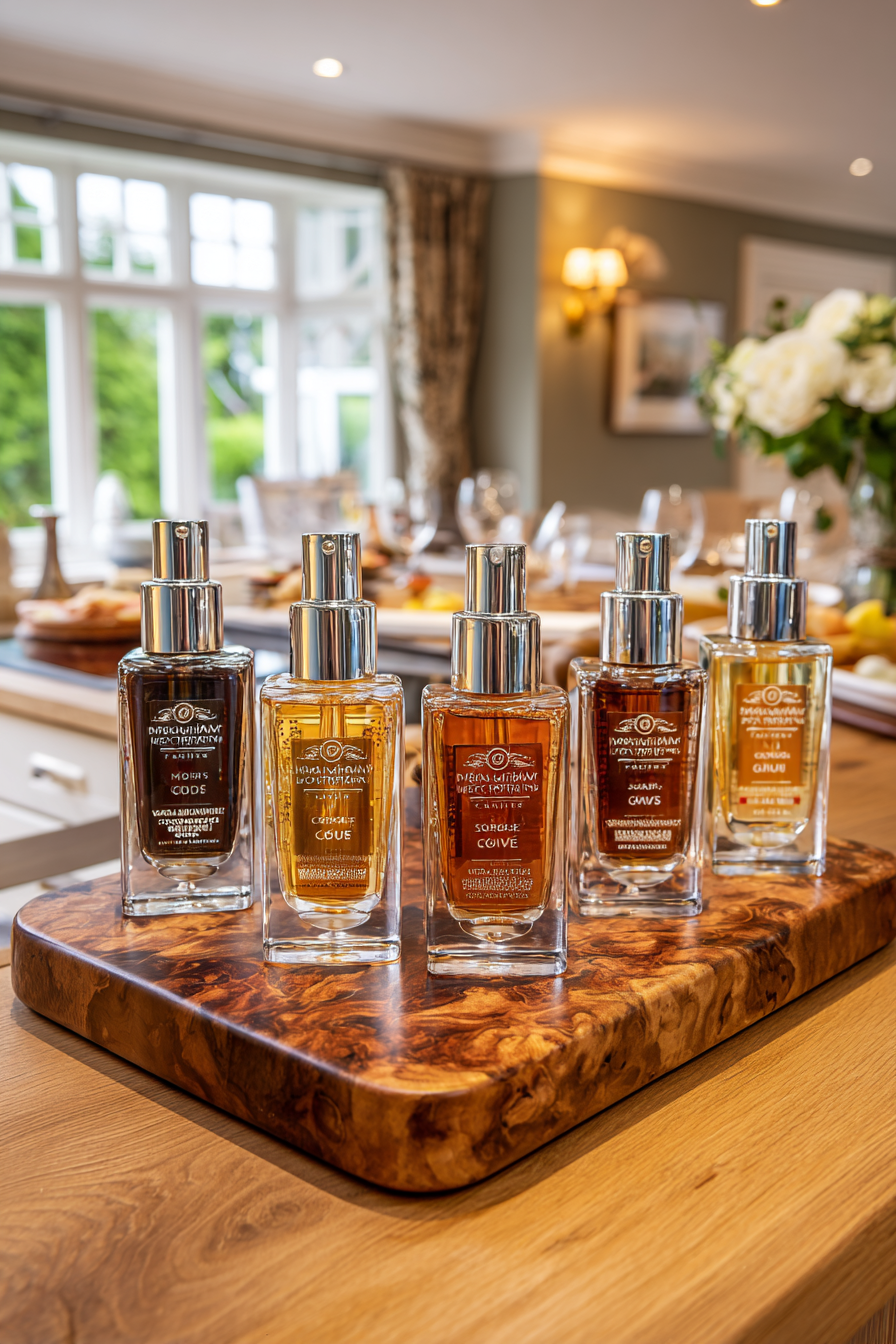
Professional-grade wood care products incorporate UV inhibitors and antioxidants that standard cleaners lack entirely. These protective additives slow the natural aging process that exposure to kitchen light and heat accelerates. While more expensive initially, specialized formulations extend the time between refinishing projects by years, representing significant long-term savings.
- Invest in cleaner-conditioner combinations for dual-purpose maintenance
- Select products with UV protection for sun-exposed kitchen areas
- Consider annual deep conditioning treatments for wooden surfaces
- Budget for quality wood care products as part of kitchen maintenance
- Track cleaning product expenses against potential refinishing costs
- Choose brands recommended by wood finish manufacturers
6. Natural vs. Synthetic Wood Demands Different Approaches
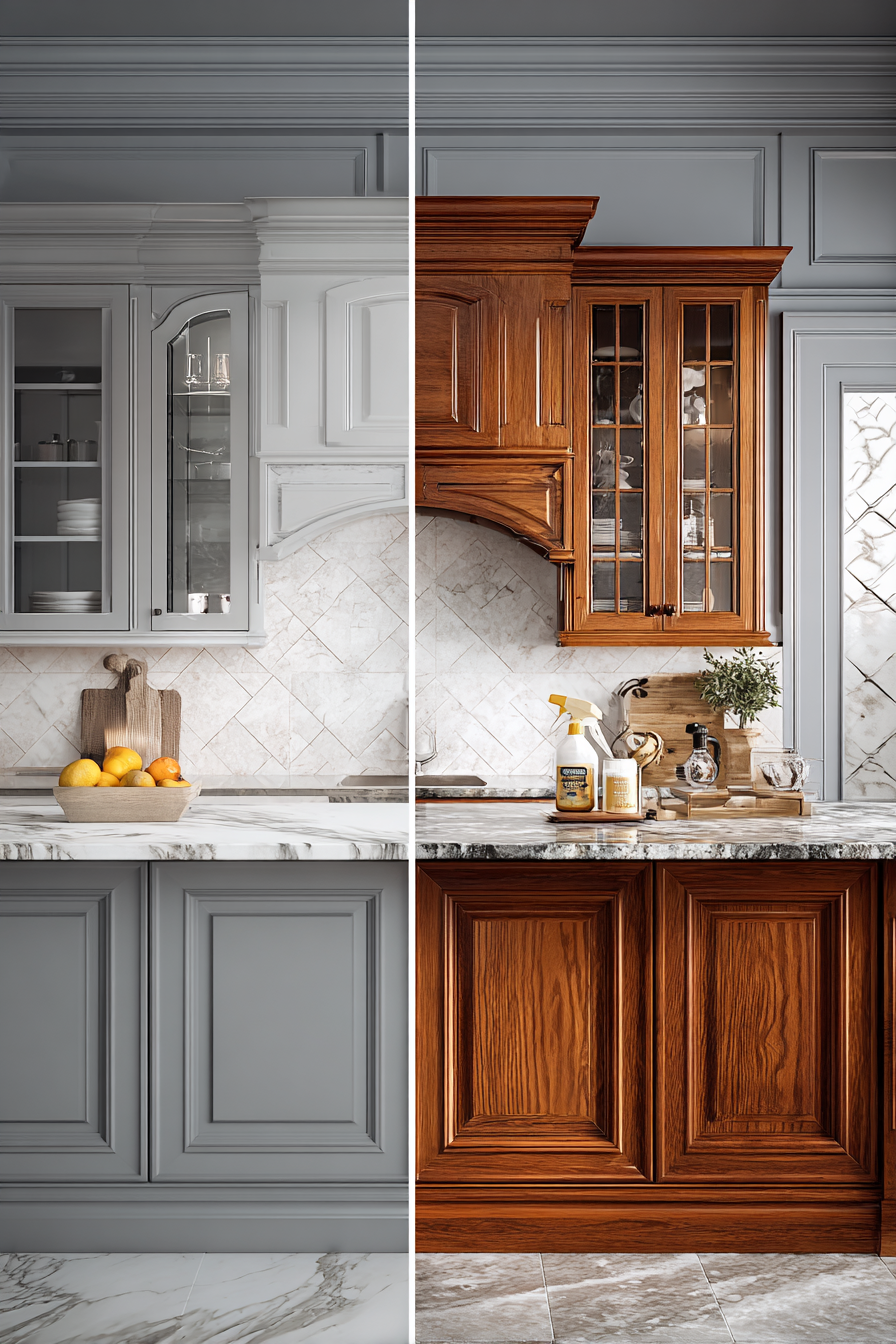
The distinction between solid wood and engineered wood products fundamentally changes cleaning requirements. Solid wood cabinets tolerate certain cleaning approaches that would destroy veneer-covered particleboard or MDF. Understanding your kitchen’s construction informs appropriate product selection and prevents catastrophic moisture damage to composite materials.
Engineered wood products feature thin wood veneers over substrate materials that swell dramatically when exposed to water. Moisture-sensitive cores require exceptionally gentle cleaning with minimal water content—standards that generic kitchen cleaners routinely violate. Wood-specific products designed for modern cabinetry account for these construction methods with ultra-low moisture formulations.
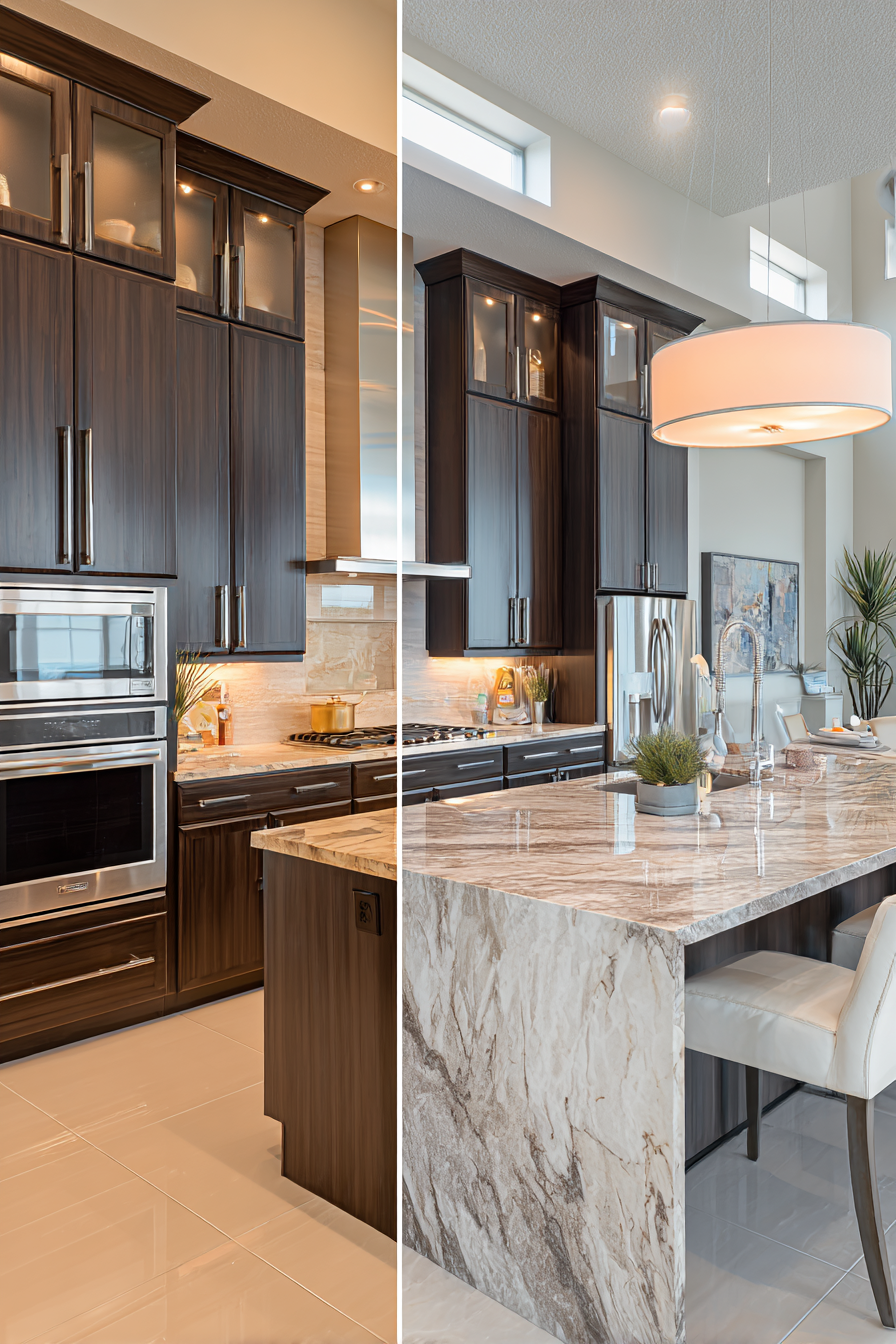
Exotic wood species common in luxury kitchens present additional considerations that standard cleaning products ignore entirely. Woods like teak, mahogany, or walnut contain natural oils and tannins that react unpredictably to conventional cleaners. Specialized formulations respect these unique chemical compositions, preventing discoloration or oil extraction that generic products cause.
- Determine whether surfaces are solid wood, veneer, or laminate before cleaning
- Use extra caution with moisture on any engineered wood products
- Research exotic wood species for specific cleaning recommendations
- Avoid one-size-fits-all cleaners in kitchens with mixed materials
- Consider different products for different wood types in the same kitchen
- Consult manufacturers for cleaning guidelines on specialty woods
Conclusion
Wooden kitchens deserve cleaning products as thoughtfully designed as the spaces themselves. The specialized requirements of wood—from its porous structure to finish vulnerability—demand formulations that respect these natural characteristics rather than combat them. Investing in appropriate wood-specific cleaners protects your kitchen’s beauty and functionality while preventing expensive restoration work years down the line.
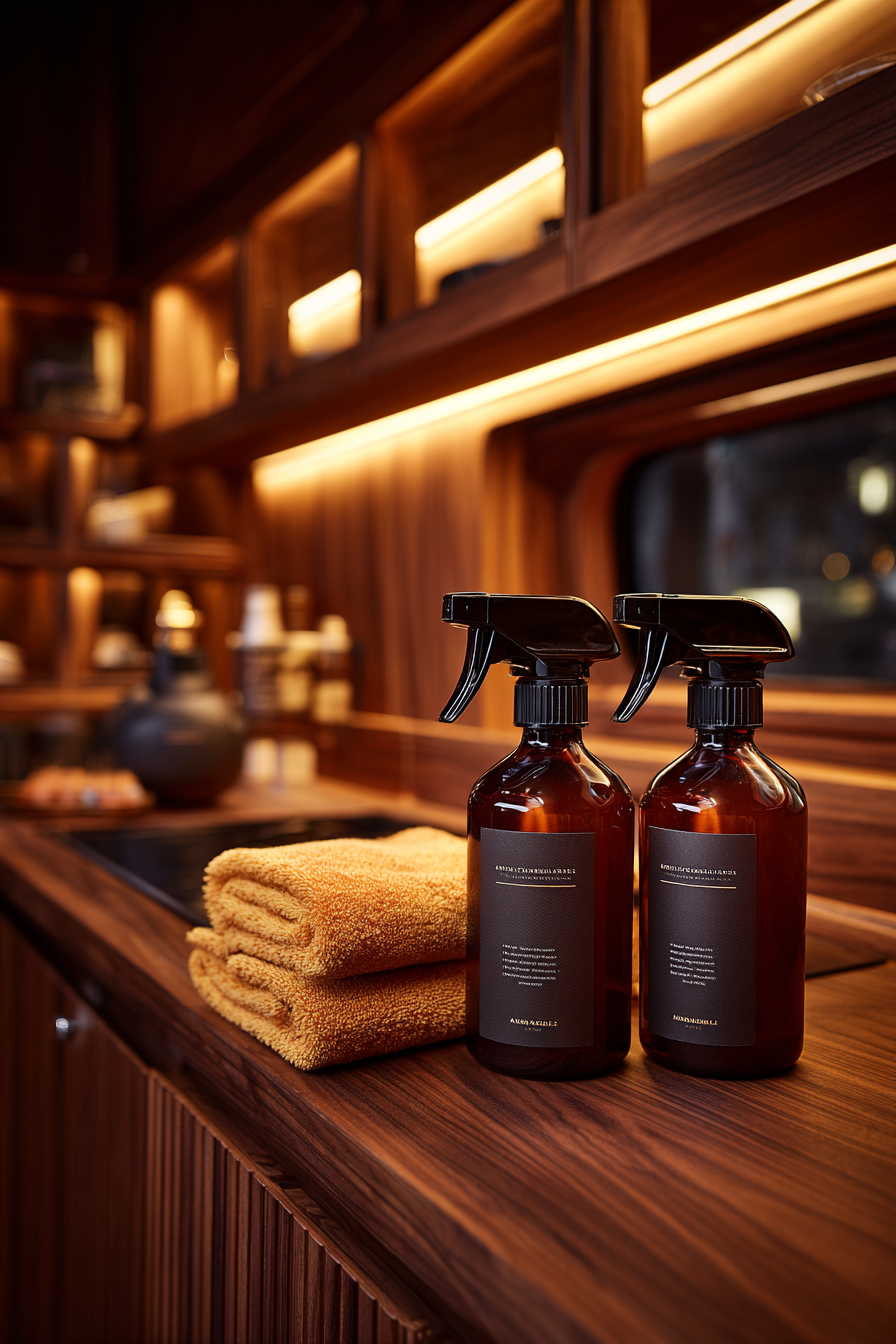
The transition from generic kitchen cleaners to wood-appropriate products represents a shift in perspective from short-term convenience to long-term stewardship. Your wooden kitchen isn’t just another surface to clean—it’s a living material that responds to how you care for it. Choose products that honor wood’s unique qualities, and you’ll enjoy a kitchen that maintains its warmth and character for generations.
"As an Amazon Associate, I earn from qualifying purchases."
