
The quality of your sleep doesn’t just depend on your mattress or pillow choice. Lighting temperature plays a crucial role in determining how well you rest each night. Many homeowners overlook this fundamental aspect of bedroom design, yet scientific research consistently shows that the color temperature of your lighting directly impacts your body’s natural sleep-wake cycle. Understanding the difference between warm and cool lighting can transform your bedroom from a space that keeps you alert into a sanctuary that promotes deep, restorative sleep.
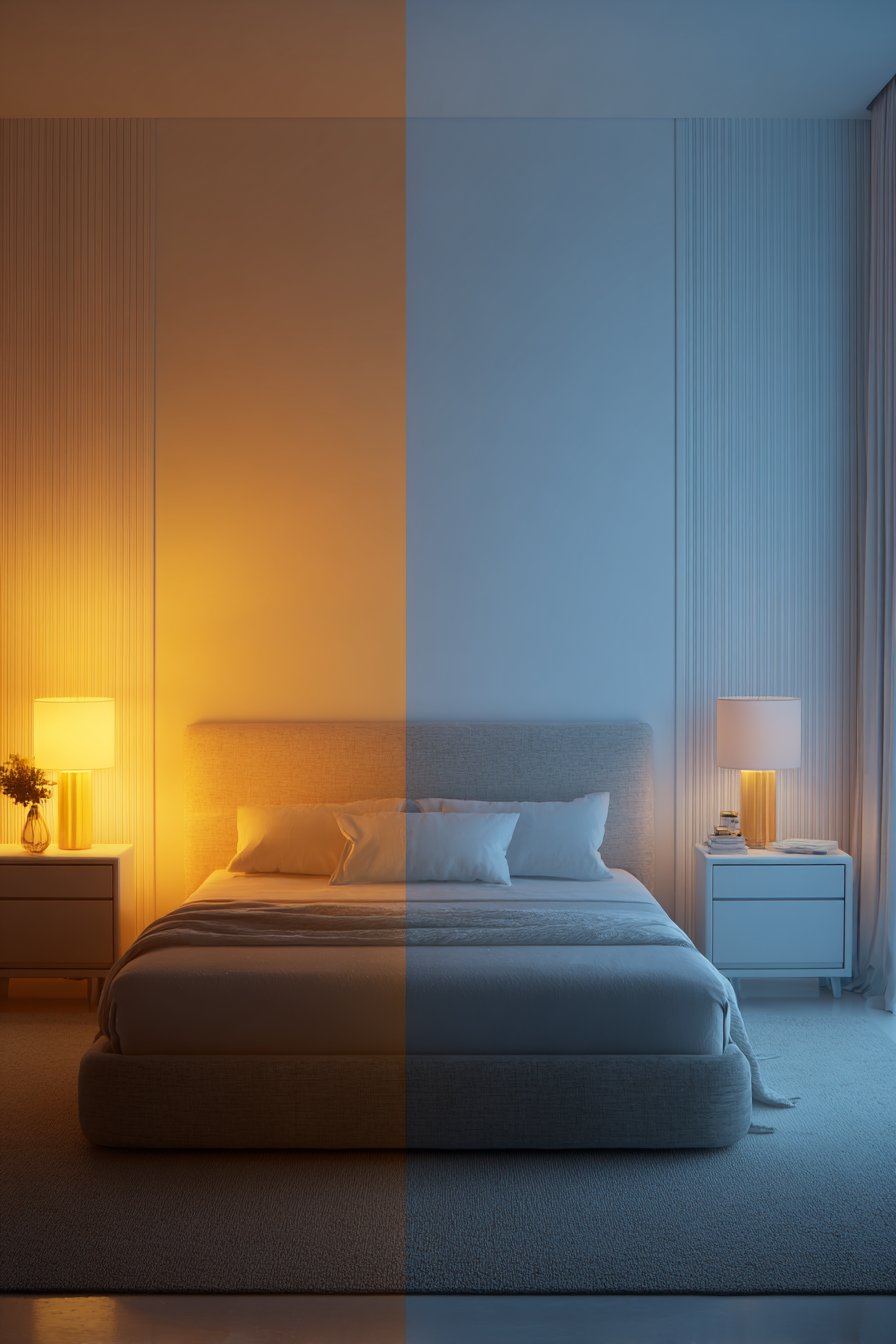
Interior designers and sleep specialists agree that strategic lighting choices can make or break your bedroom’s functionality. The light bulbs you select influence not only the aesthetic atmosphere but also your circadian rhythm, melatonin production, and overall sleep quality. This article explores the science behind warm and cool lighting, examines how each affects your ability to fall asleep and stay asleep, and provides practical guidance for creating the optimal bedroom lighting environment tailored to your needs.
1. Understanding Color Temperature in Bedroom Lighting
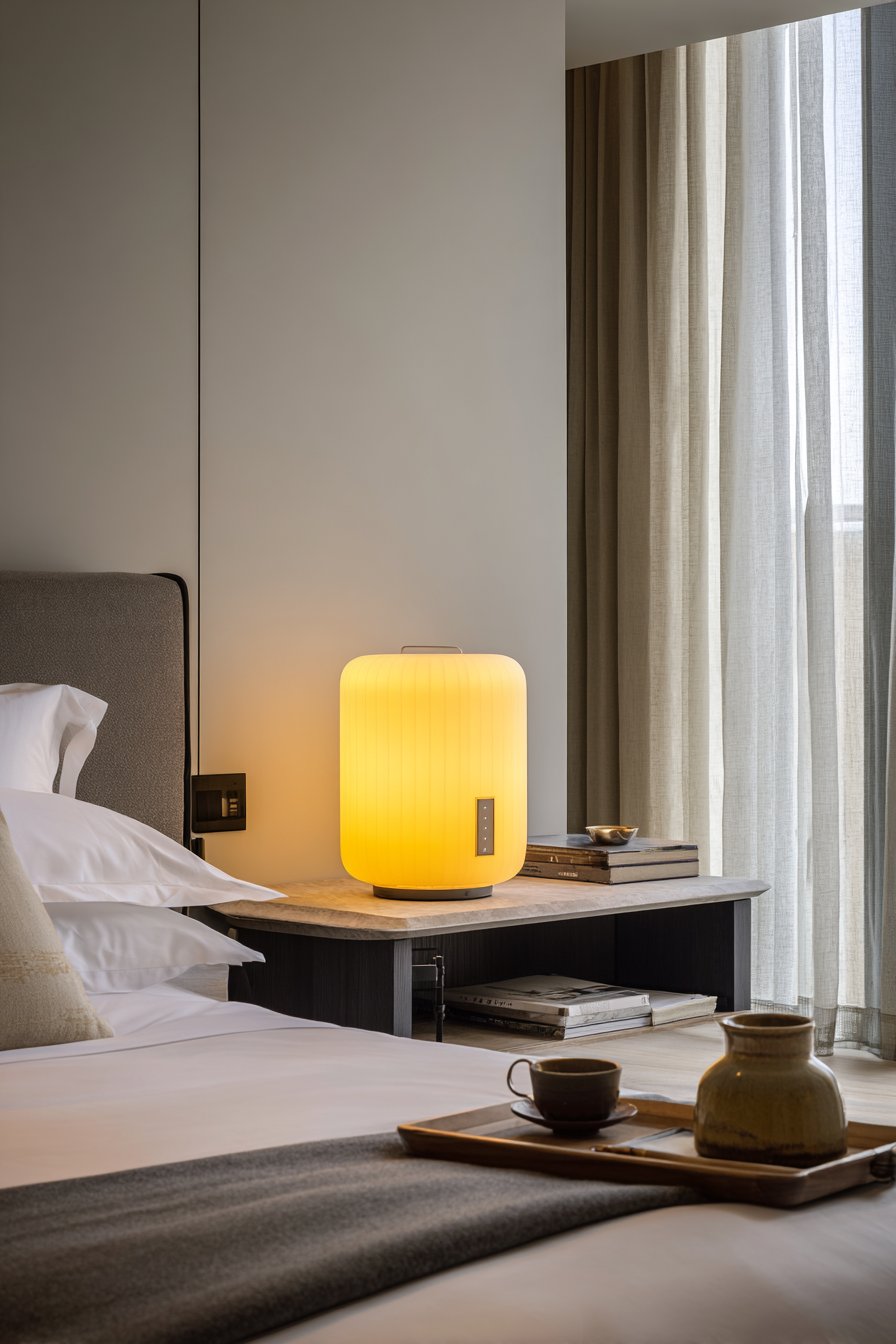
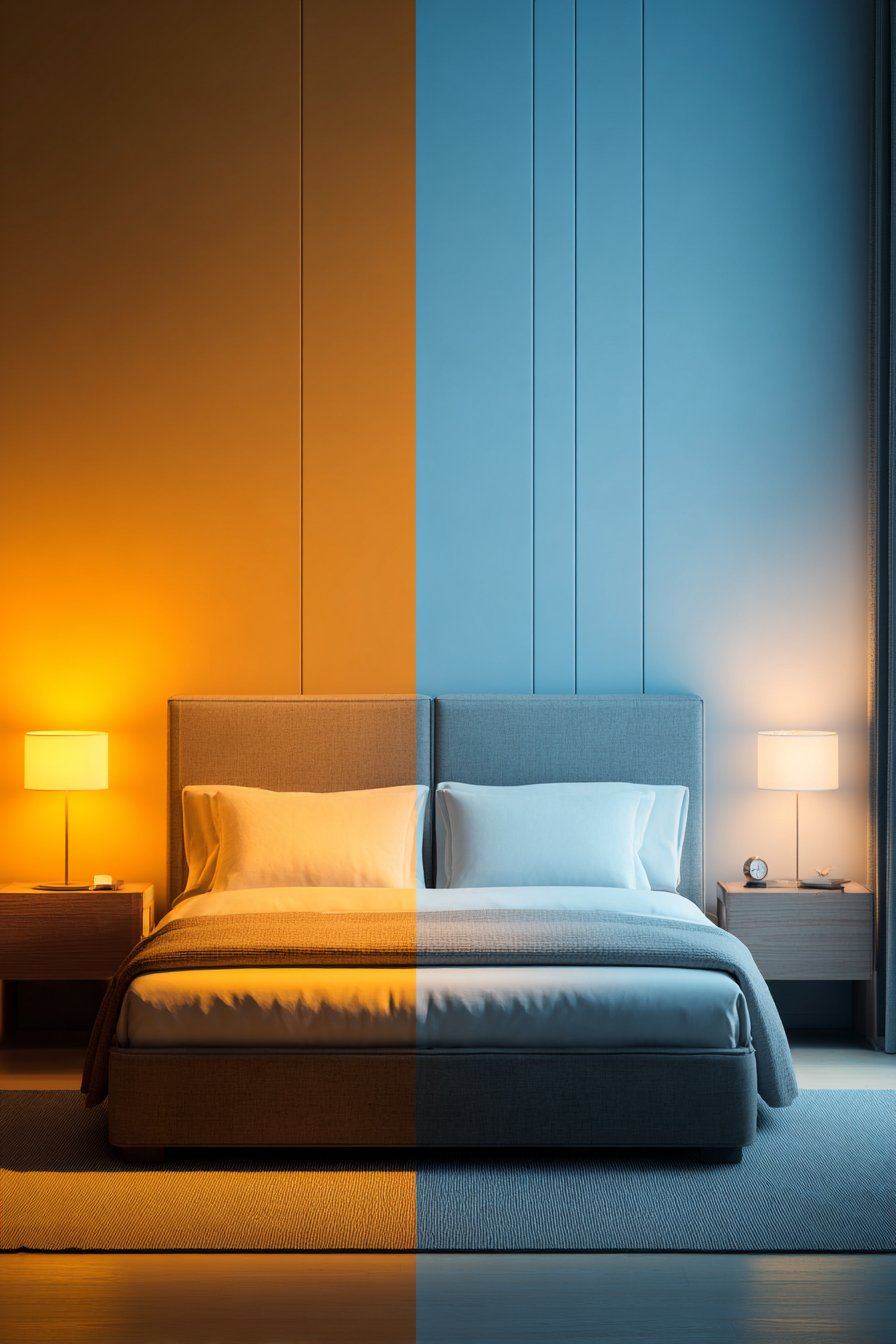
Color temperature measures the appearance of light emitted by a bulb, expressed in Kelvin units. Lower Kelvin numbers produce warm, yellowish light reminiscent of candlelight or sunrise, while higher numbers create cool, bluish light similar to midday sun. Most residential lighting falls between 2700K and 6500K on this spectrum, with each temperature range serving distinct purposes in your home.
Warm lighting typically ranges from 2700K to 3000K, creating cozy, amber-toned illumination that feels inviting and relaxing. Cool lighting starts around 5000K and extends to 6500K, producing bright, energizing white or blue-tinted light. The difference isn’t merely aesthetic—your brain interprets these light wavelengths as signals about time of day, triggering biological responses that either prepare you for activity or signal it’s time to wind down.
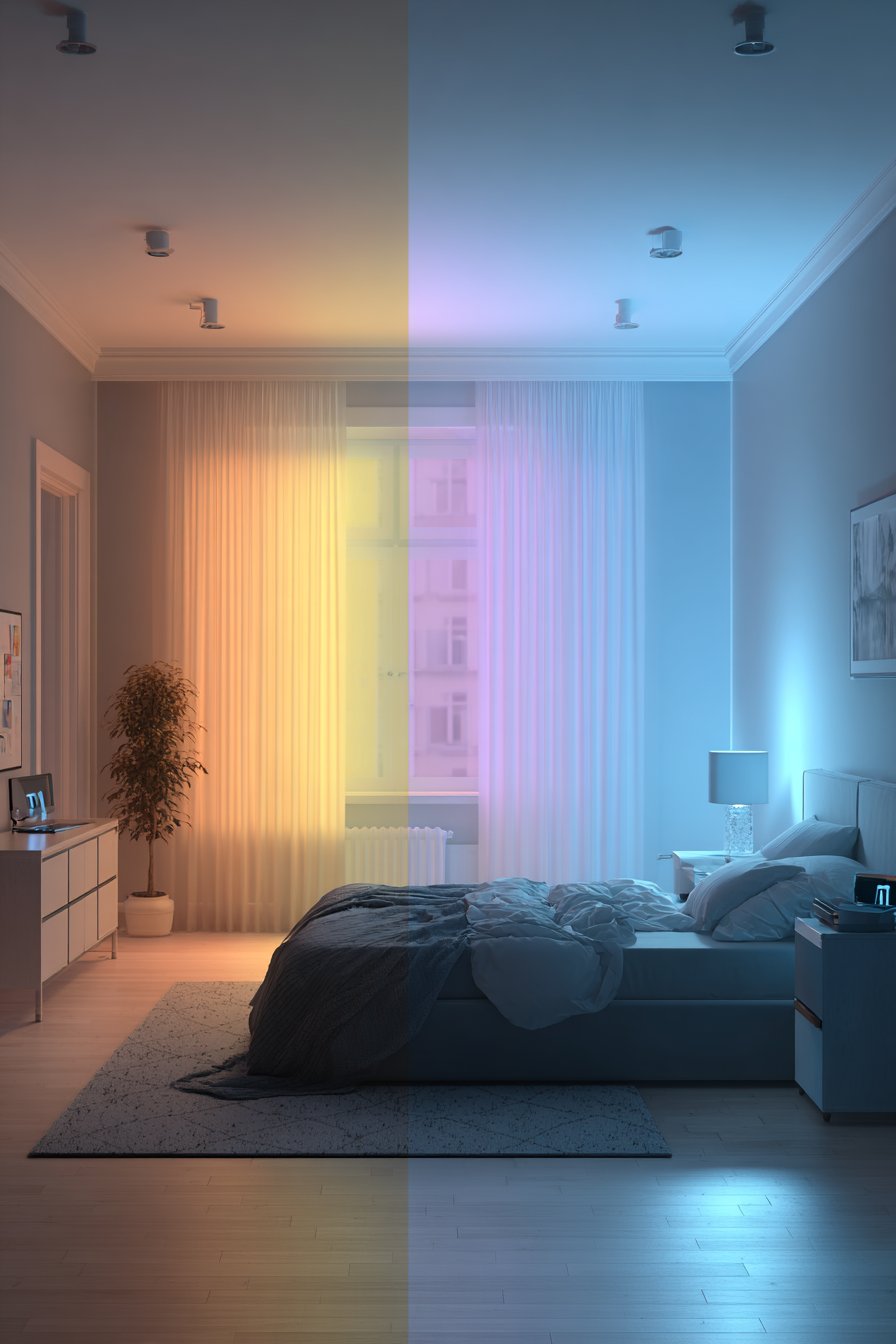
Understanding this fundamental distinction helps you make informed decisions about bedroom lighting. The wrong color temperature at the wrong time can disrupt your natural rhythms, making it harder to fall asleep even when you feel physically tired. Conversely, the right lighting choices work with your biology rather than against it.
- Choose bulbs labeled with their Kelvin rating for precise control
- Consider dimmable options to adjust intensity throughout the evening
- Test different temperatures before committing to a complete lighting scheme
- Remember that color temperature affects mood beyond just sleep preparation
- Look for smart bulbs that allow temperature adjustment via smartphone
- Combine multiple light sources at different temperatures for flexibility
2. How Warm Lighting Promotes Better Sleep
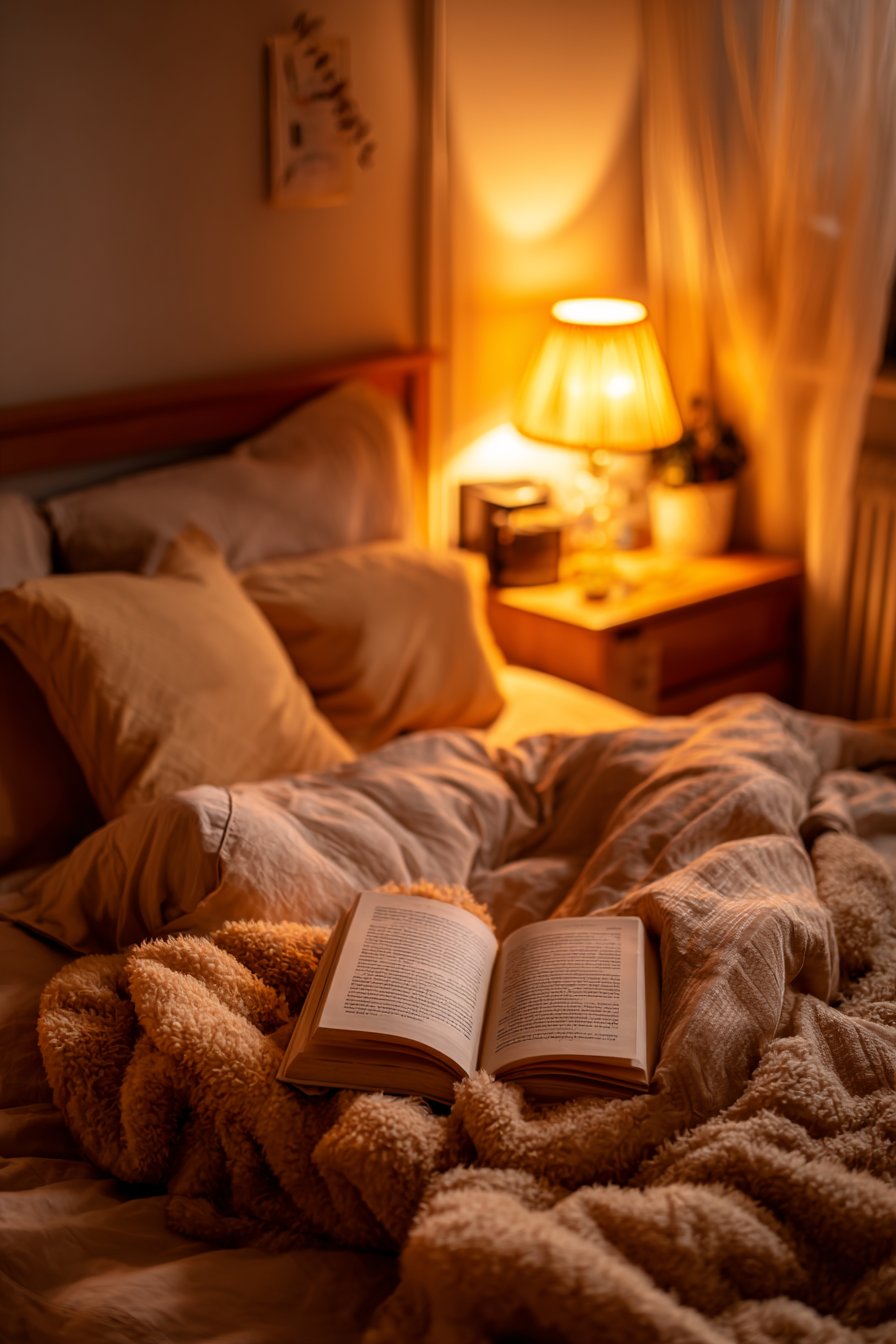
Warm lighting mimics the golden hour glow of sunset, signaling to your brain that nighttime approaches. This amber-toned illumination encourages your body to increase melatonin production, the hormone responsible for regulating sleep cycles. Research consistently demonstrates that exposure to warm light in the evening helps people fall asleep faster and experience fewer nighttime awakenings.
The biological mechanism is straightforward yet powerful. Your suprachiasmatic nucleus, the brain’s master clock, interprets warm light as an absence of the blue wavelengths present in daylight. This interpretation triggers a cascade of hormonal changes that prepare your body for rest. Your core temperature begins to drop slightly, your heart rate decreases, and you naturally feel more drowsy and relaxed.
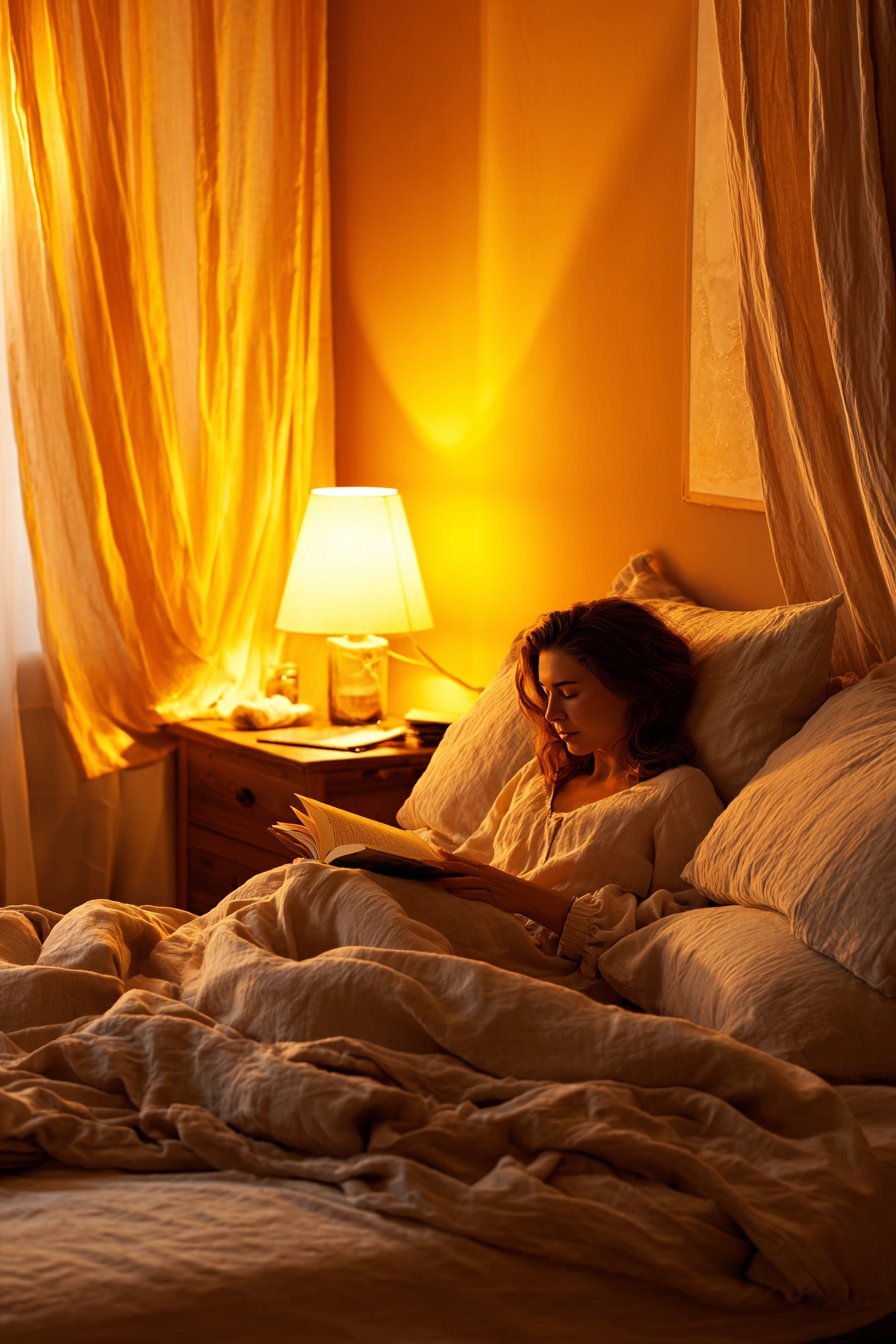
For bedroom applications, warm lighting creates an environment that supports rather than fights your natural inclinations. The soft, gentle quality of 2700K-3000K light reduces eye strain and creates a peaceful atmosphere conducive to pre-sleep activities like reading or meditation. This lighting choice particularly benefits individuals who struggle with insomnia or those sensitive to environmental factors affecting sleep.
- Install warm-toned bulbs in bedside lamps for evening reading
- Use 2700K lighting in overhead fixtures for general bedroom illumination
- Replace cool white bulbs at least two hours before bedtime
- Consider amber or red-tinted night lights for middle-of-night navigation
- Dim warm lights progressively as bedtime approaches for gradual transition
- Pair warm lighting with blackout curtains for an optimal sleep environment
3. The Alerting Effects of Cool Lighting
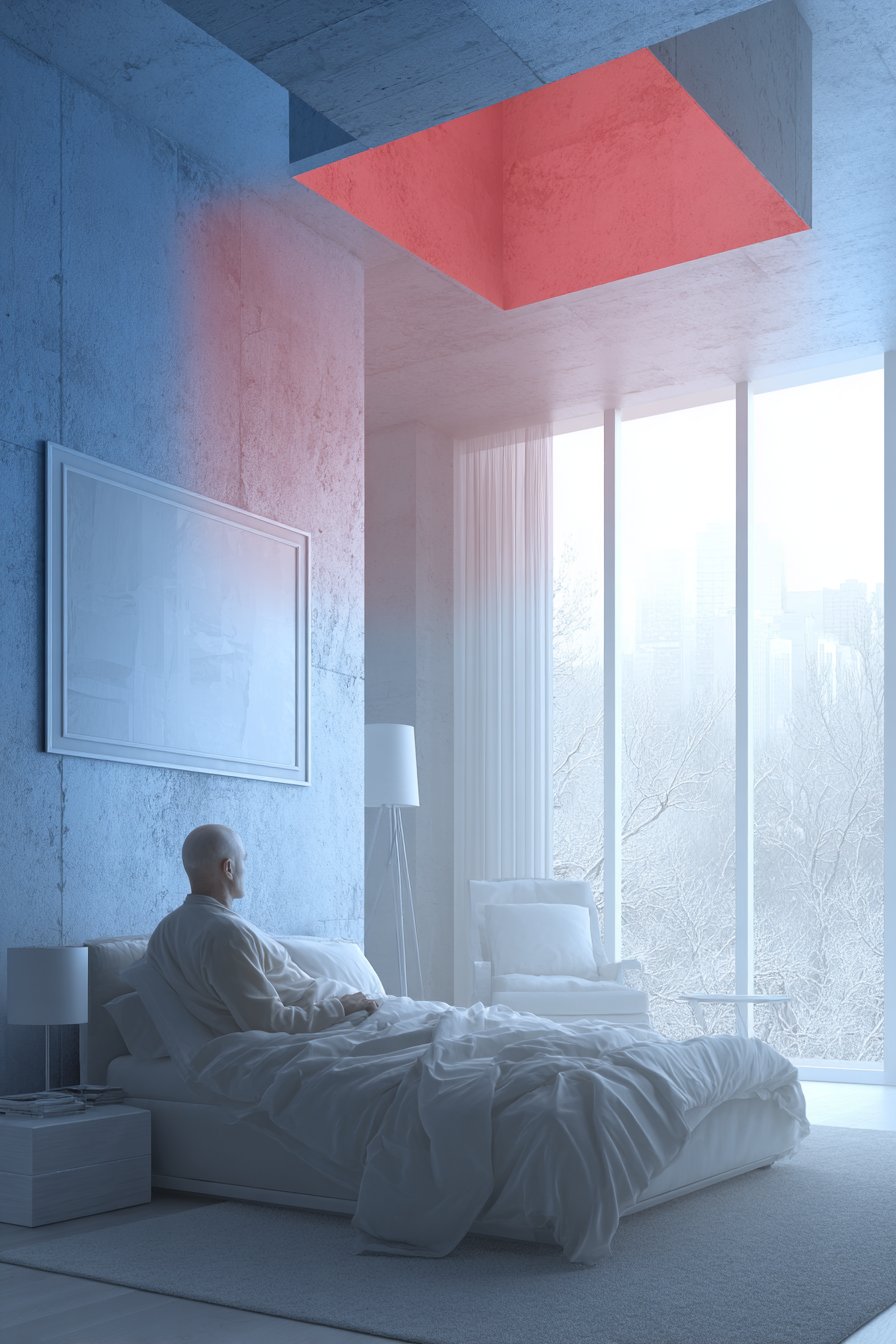
Cool lighting serves important functions in your home but can be counterproductive in bedrooms during evening hours. The blue wavelengths present in 5000K-6500K light closely resemble midday sunlight, signaling to your brain that it’s time for alertness and activity. This biological response made evolutionary sense when humans relied exclusively on natural light, but modern artificial lighting can confuse these ancient systems.
Exposure to cool lighting in the evening suppresses melatonin production for several hours, effectively shifting your circadian rhythm later. This phenomenon, called phase delay, makes it difficult to fall asleep at your desired bedtime. Studies show that just one hour of cool light exposure before bed can reduce melatonin levels by up to 50%, significantly impacting sleep quality and duration.
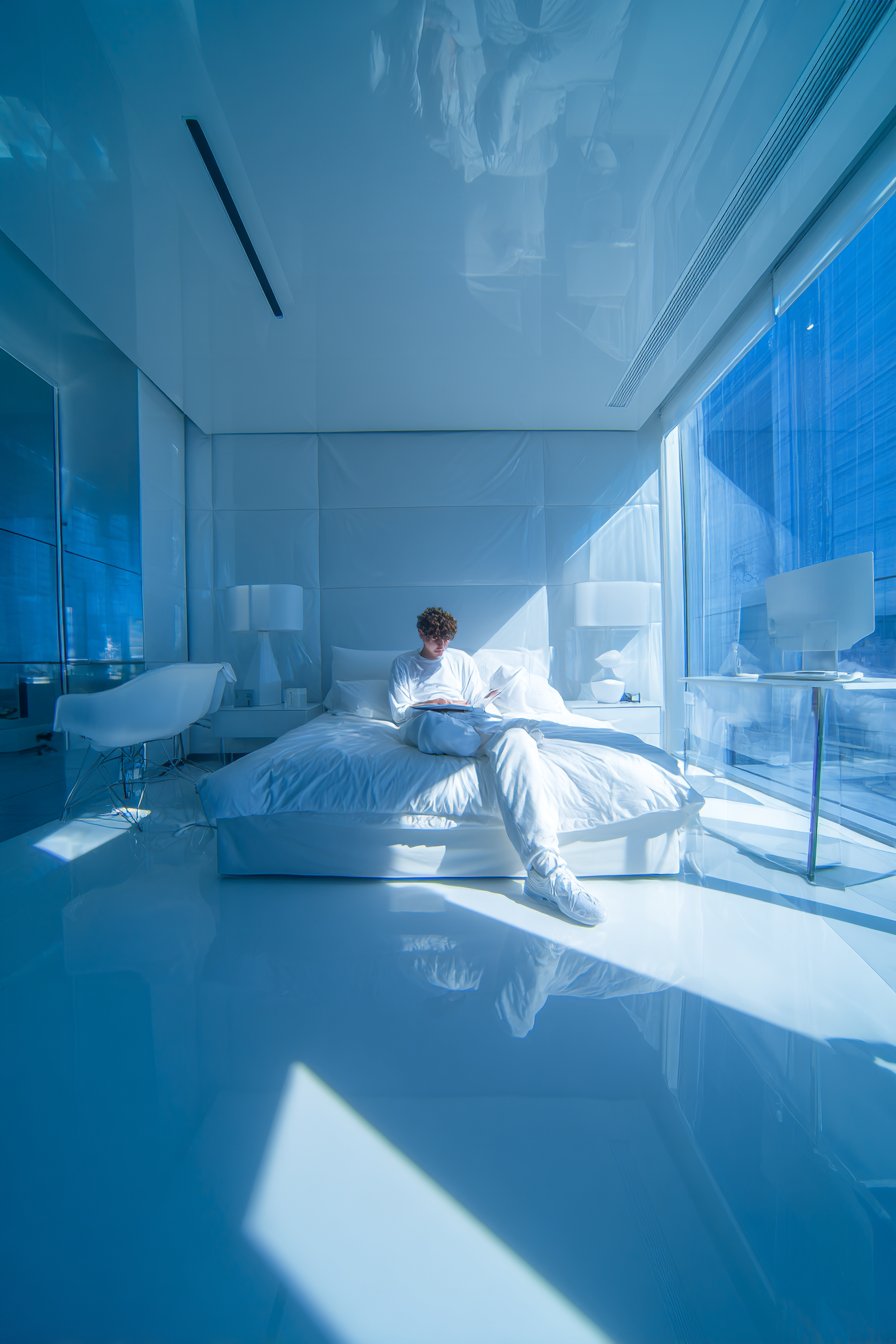
However, cool lighting isn’t entirely problematic for bedrooms. Morning exposure to cool-toned light can help you wake up more naturally and feel alert faster. Some people benefit from programmable lighting systems that provide energizing cool light in the morning and transition to warm tones as evening approaches, supporting healthy circadian rhythms throughout the day.
- Avoid screens emitting blue light at least one hour before sleep
- If you must use cool lighting, position it away from eye level
- Consider blue light filtering glasses for evening computer work
- Use cool lighting in bathrooms rather than bedrooms for morning routines
- Install smart lighting that automatically adjusts temperature throughout the day
- Reserve cool white bulbs for task lighting in non-bedroom spaces
4. Individual Differences and Personal Preferences
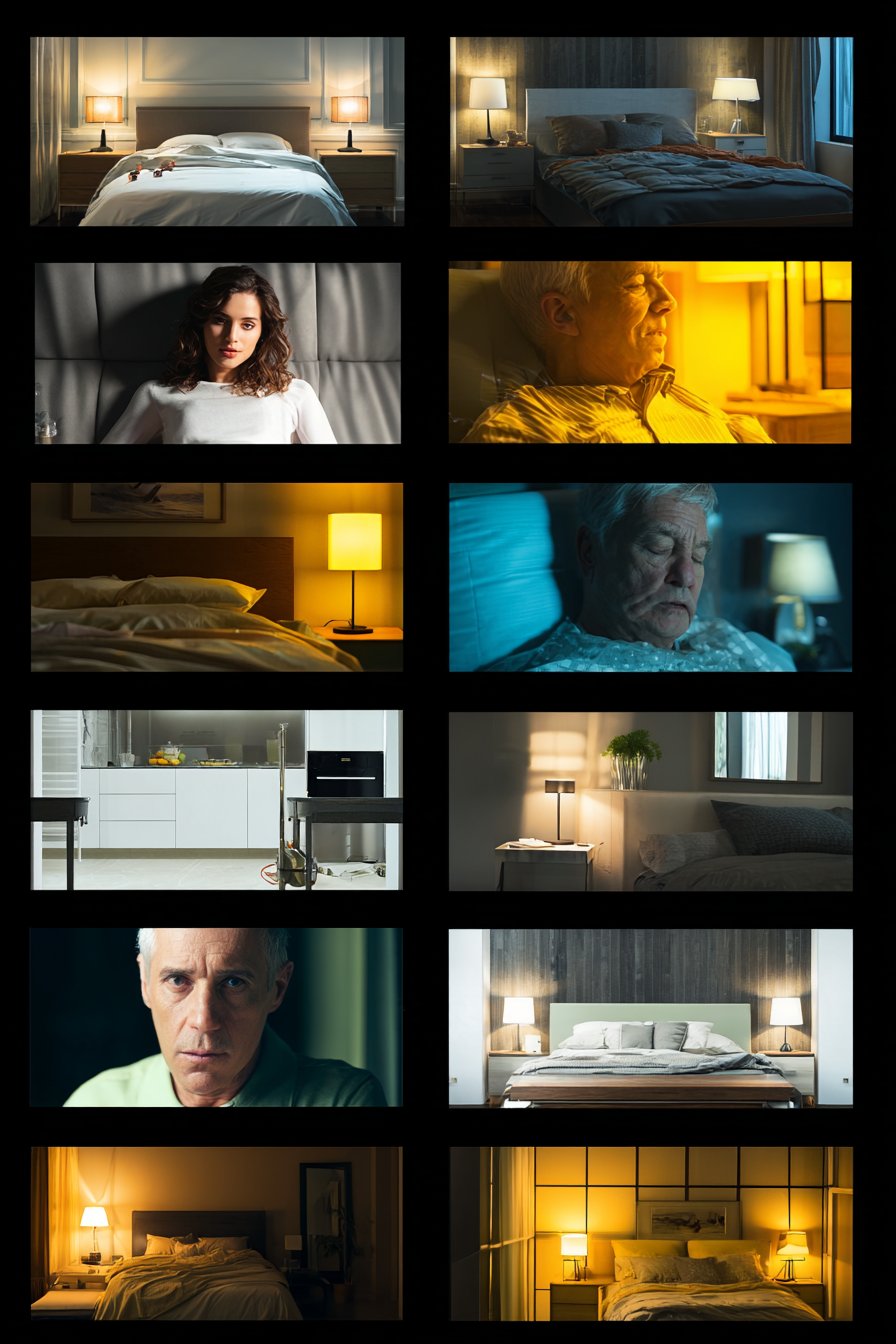
While scientific consensus favors warm lighting for sleep, individual responses vary based on age, lifestyle, and personal sensitivity. Older adults often prefer slightly brighter, cooler lighting because aging eyes need more illumination to see clearly. Younger individuals typically tolerate lower light levels and respond more dramatically to blue light exposure, making warm lighting especially important for teenagers and young adults.
Your personal chronotype—whether you’re naturally a morning person or night owl—also influences optimal lighting choices. Evening chronotypes may benefit from slightly cooler lighting earlier in the evening to help them stay alert, transitioning to warm tones closer to bedtime. Morning types often prefer warmer lighting throughout the evening since their bodies naturally prepare for sleep earlier.
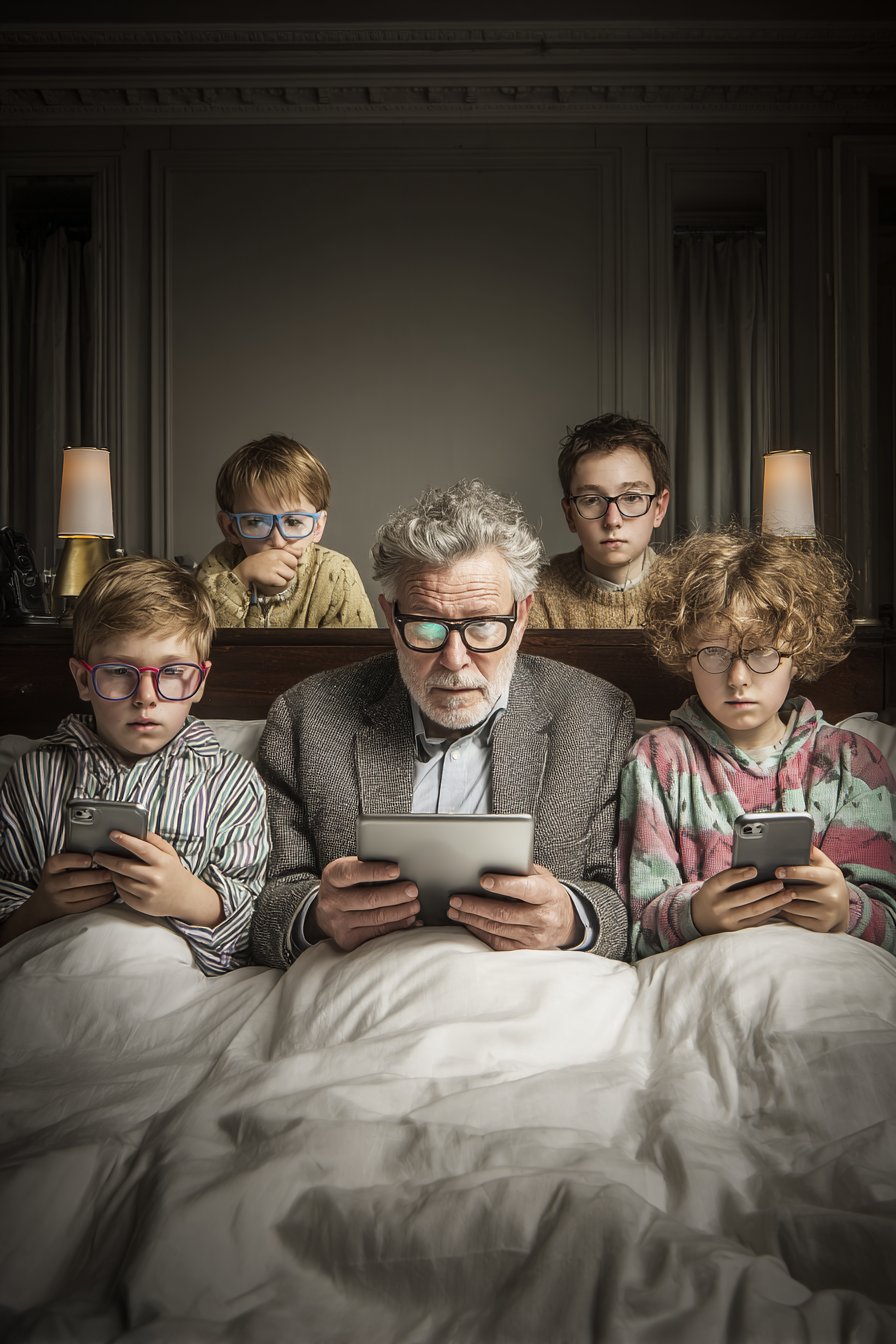
Lifestyle factors matter too. Shift workers face unique challenges since their sleep schedules conflict with natural light patterns. These individuals may need to create artificial darkness during daytime sleep and use strategic light exposure to reset their circadian clocks. Personal experimentation helps determine what works best for your specific circumstances and sleep patterns.
- Track your sleep quality while testing different lighting temperatures
- Consider your work schedule when planning bedroom lighting
- Adjust lighting based on seasonal changes in natural daylight
- Consult with a sleep specialist if you have persistent sleep difficulties
- Remember that consistency matters more than perfection
- Allow several weeks for your circadian rhythm to adjust to new lighting
5. Practical Implementation Strategies
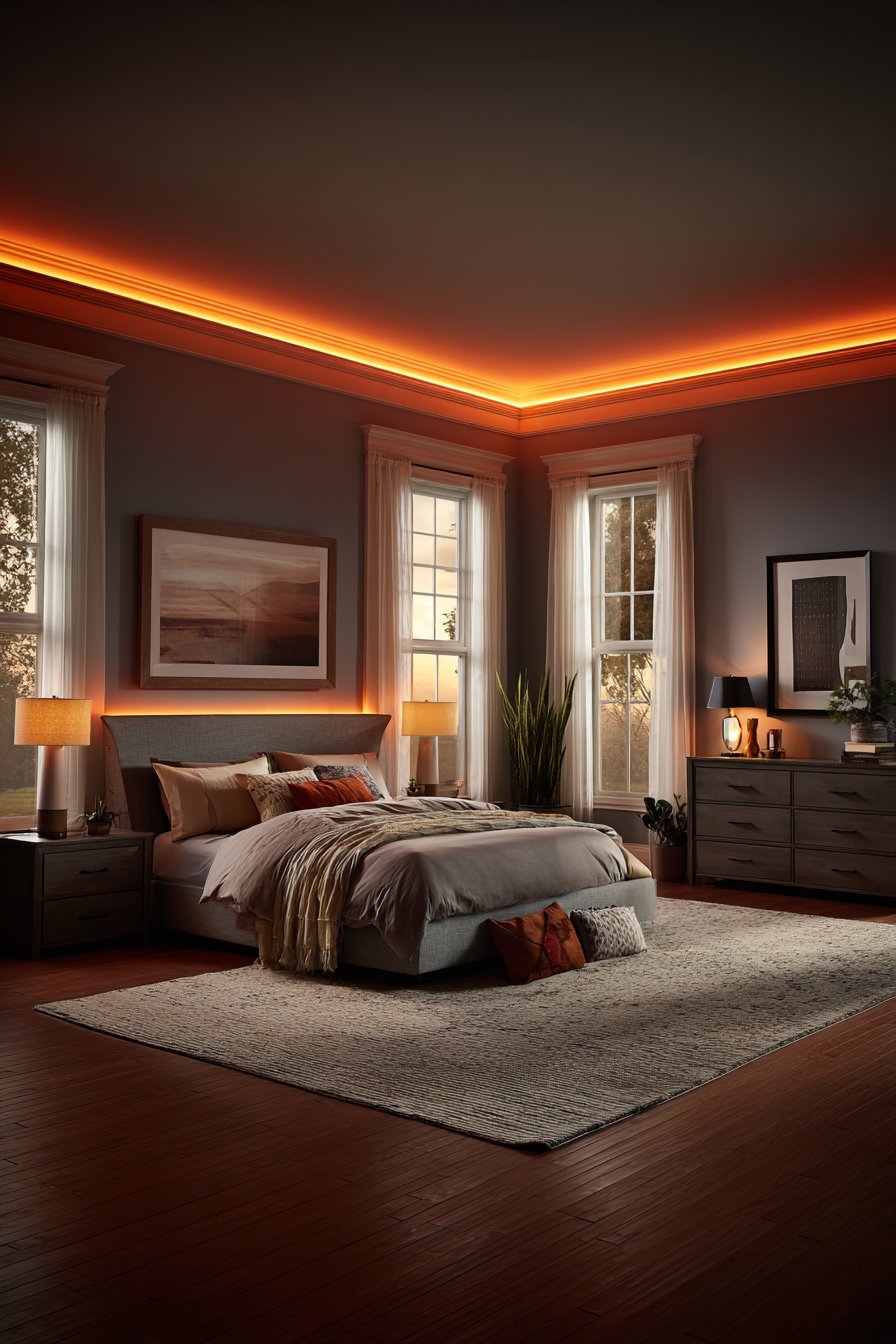
Creating optimal bedroom lighting doesn’t require expensive renovations or complex technology. Start by replacing bulbs in your most-used evening fixtures with warm-toned options rated 2700K-3000K. Focus first on bedside lamps, overhead lights, and any reading lights you use before sleep. This simple change often produces noticeable improvements in sleep latency—how quickly you fall asleep.
Dimmer switches provide valuable flexibility without requiring new fixtures. Installing dimmers allows you to gradually reduce light intensity as bedtime approaches, mimicking the natural sunset your ancestors experienced. Even inexpensive plug-in dimmer switches for lamps can make a significant difference in creating the right pre-sleep environment.
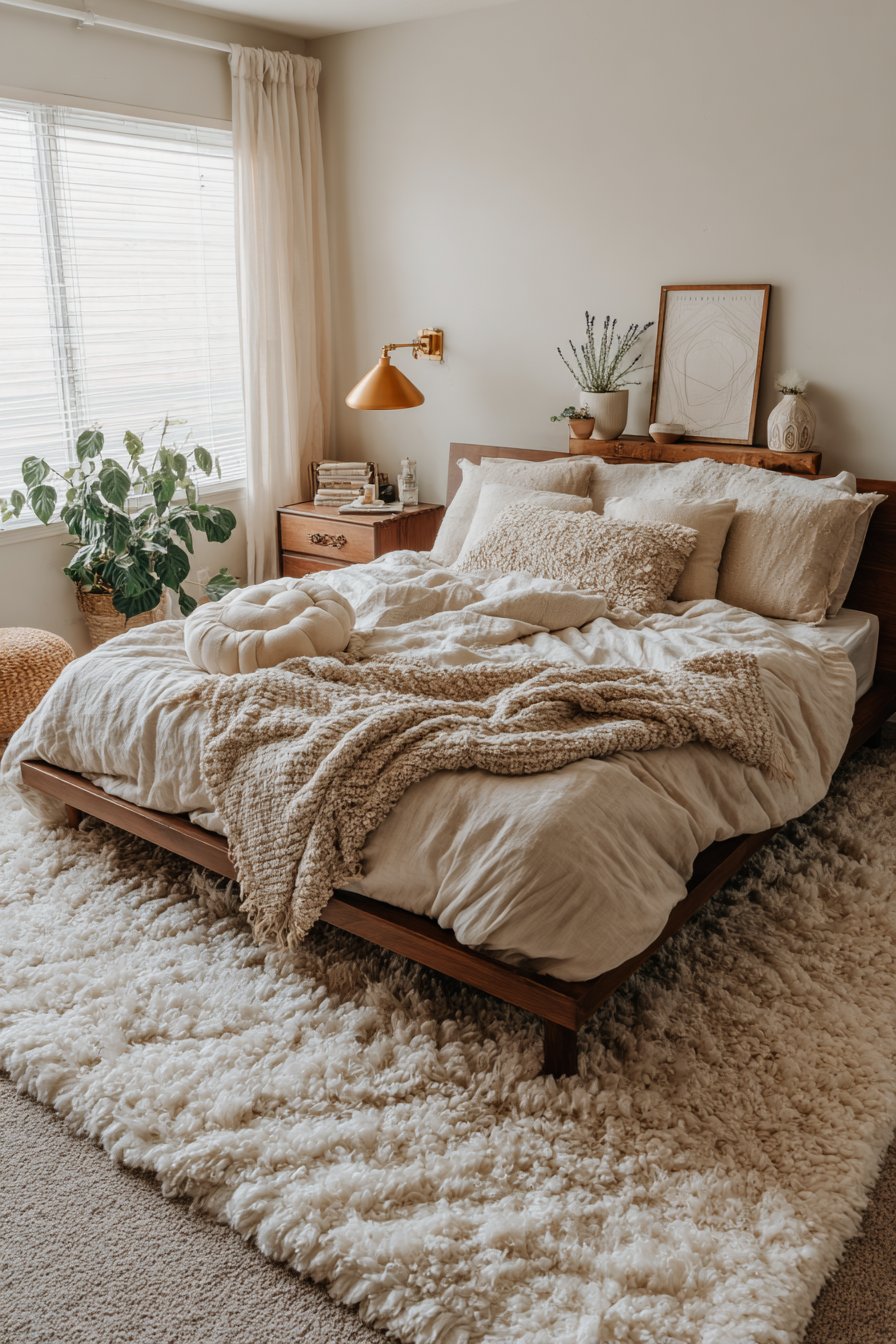
For those willing to invest more, smart lighting systems offer sophisticated control over both intensity and color temperature. These programmable solutions can automatically transition from cool to warm lighting throughout the evening, provide gentle wake-up illumination in the morning, and allow customization through smartphone apps. Popular options include Philips Hue, LIFX, and various budget-friendly alternatives.
- Begin with one or two key fixtures rather than replacing everything at once
- Choose dimmable LED bulbs for energy efficiency and longevity
- Position lamps to provide indirect lighting that reduces glare
- Install motion-activated night lights with warm amber bulbs for safety
- Keep a flashlight or red-filtered light near your bed for emergencies
- Consider battery-operated LED strips for customizable accent lighting
6. Combining Lighting with Other Sleep Hygiene Practices
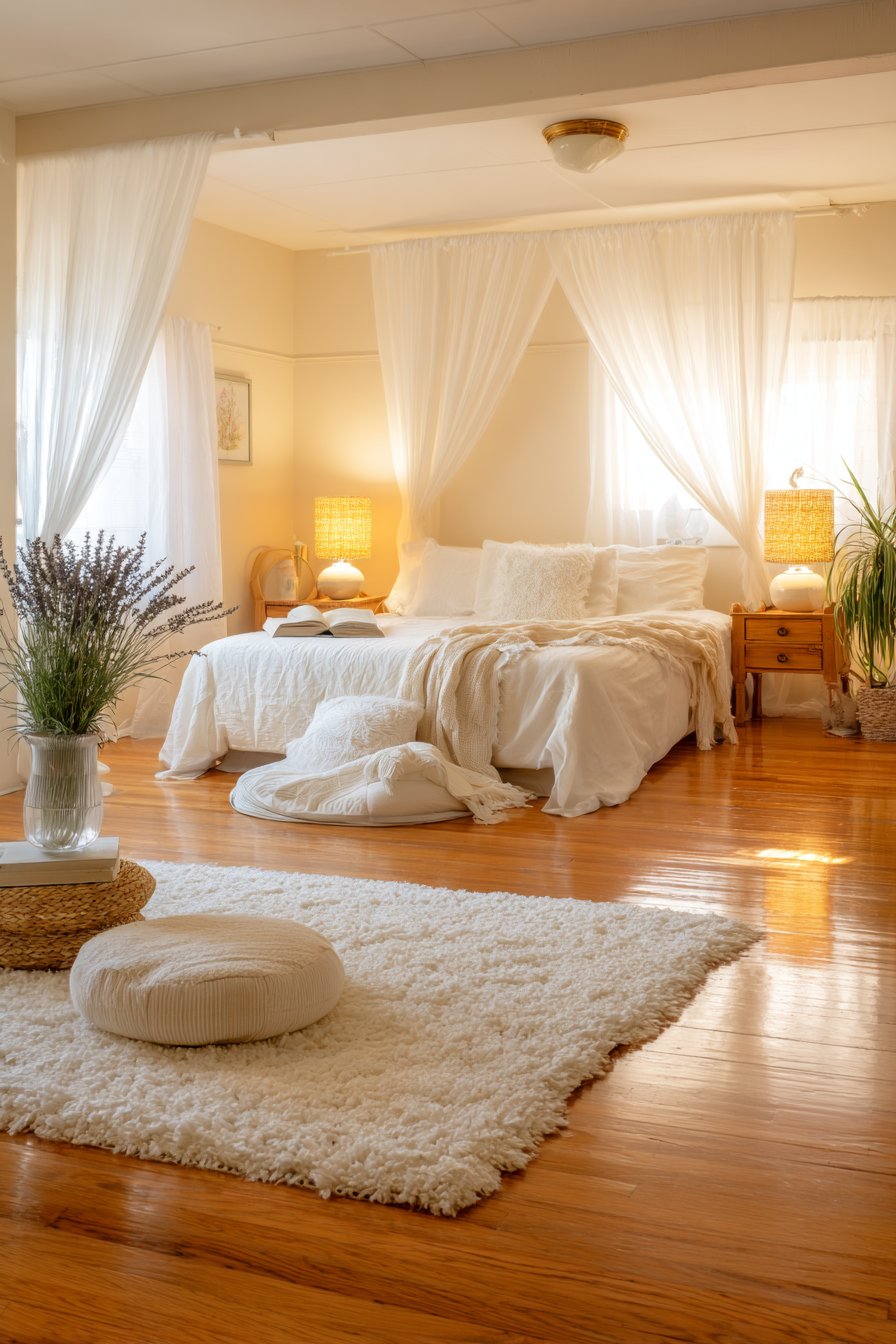
Optimal lighting works best when integrated with comprehensive sleep hygiene practices. Even perfect bedroom lighting can’t overcome the sleep-disrupting effects of caffeine consumption, irregular sleep schedules, or excessive screen time. Think of lighting as one essential component of a holistic approach to better sleep rather than a standalone solution.
Establish a consistent evening routine that includes dimming lights progressively. About two hours before bedtime, switch to warm lighting only and begin reducing overall illumination levels. This gradual transition gives your body clear signals that sleep approaches, allowing biological processes to shift accordingly. Combine this lighting strategy with other wind-down activities like light stretching, reading, or meditation.
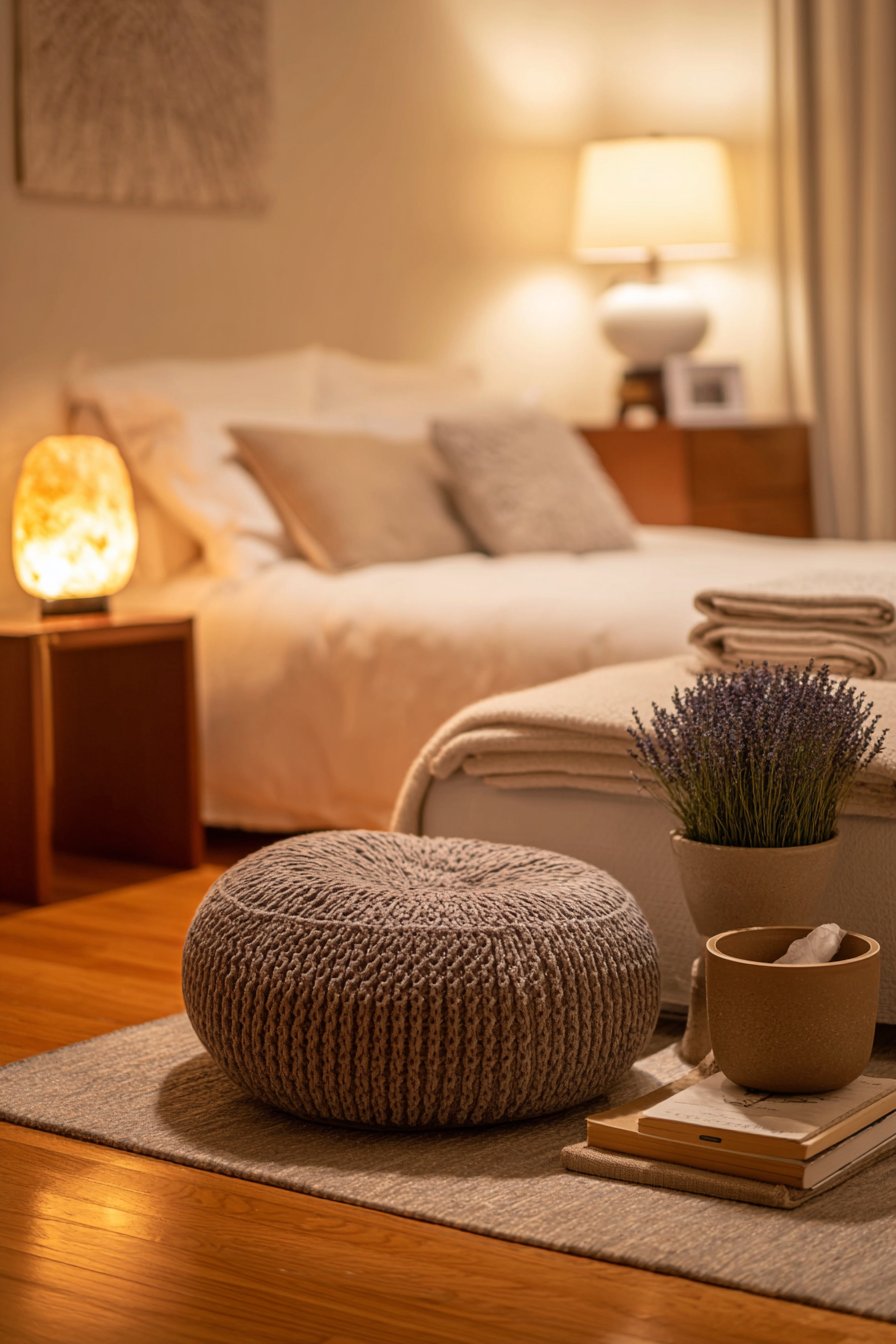
Environmental factors beyond lighting also matter significantly. Your bedroom temperature, noise levels, and bedding quality all impact sleep quality. Blackout curtains or eye masks eliminate disruptive light sources from outside, while maintaining a cool room temperature (around 65-68°F), which supports the natural temperature drop your body needs for deep sleep. Quality mattresses and pillows prevent physical discomfort that can interrupt rest.
- Create a 30-60 minute pre-sleep routine with consistent timing
- Remove all unnecessary light sources from your bedroom
- Keep your sleeping space exclusively for sleep and intimacy
- Maintain regular sleep and wake times even on weekends
- Limit caffeine intake to morning hours only
- Exercise regularly but avoid intense workouts close to bedtime
Conclusion
The evidence overwhelmingly supports warm lighting as the superior choice for bedroom environments intended to promote quality sleep. The amber tones of 2700K-3000K bulbs work harmoniously with your body’s natural circadian rhythms, encouraging melatonin production and creating a peaceful atmosphere conducive to rest. Cool lighting, while valuable for morning alertness and daytime productivity, can significantly disrupt your sleep-wake cycle when used in bedrooms during evening hours.
Implementing these lighting strategies doesn’t require dramatic changes or substantial investment. Simple bulb replacements, strategic use of dimmers, and mindful evening routines can transform your bedroom into a sleep sanctuary. Remember that individual differences mean some experimentation may be necessary to find your optimal lighting setup. Pay attention to how different lighting choices affect your sleep quality, energy levels, and overall well-being. Your bedroom should be a refuge that supports rather than hinders your body’s natural need for restorative sleep—and proper lighting is essential to achieving that goal.
"As an Amazon Associate, I earn from qualifying purchases."
