
Choosing the right bed frame isn’t just about aesthetics—it’s about finding a piece that fits seamlessly into your lifestyle and maintenance routine. The debate between upholstered and wooden bed frames has been ongoing among homeowners and interior designers alike. While both options offer distinct visual appeal and functional benefits, their maintenance requirements differ significantly. Understanding these differences can save you time, money, and frustration in the long run.
Your bedroom should be a sanctuary, not a source of constant upkeep concerns. The bed frame you select will influence not only the room’s overall design but also how much effort you’ll invest in keeping it looking pristine. Wooden frames bring timeless elegance and durability, while upholstered options offer luxurious comfort and acoustic benefits. Each material responds differently to daily wear, cleaning challenges, and environmental factors like humidity and sunlight.
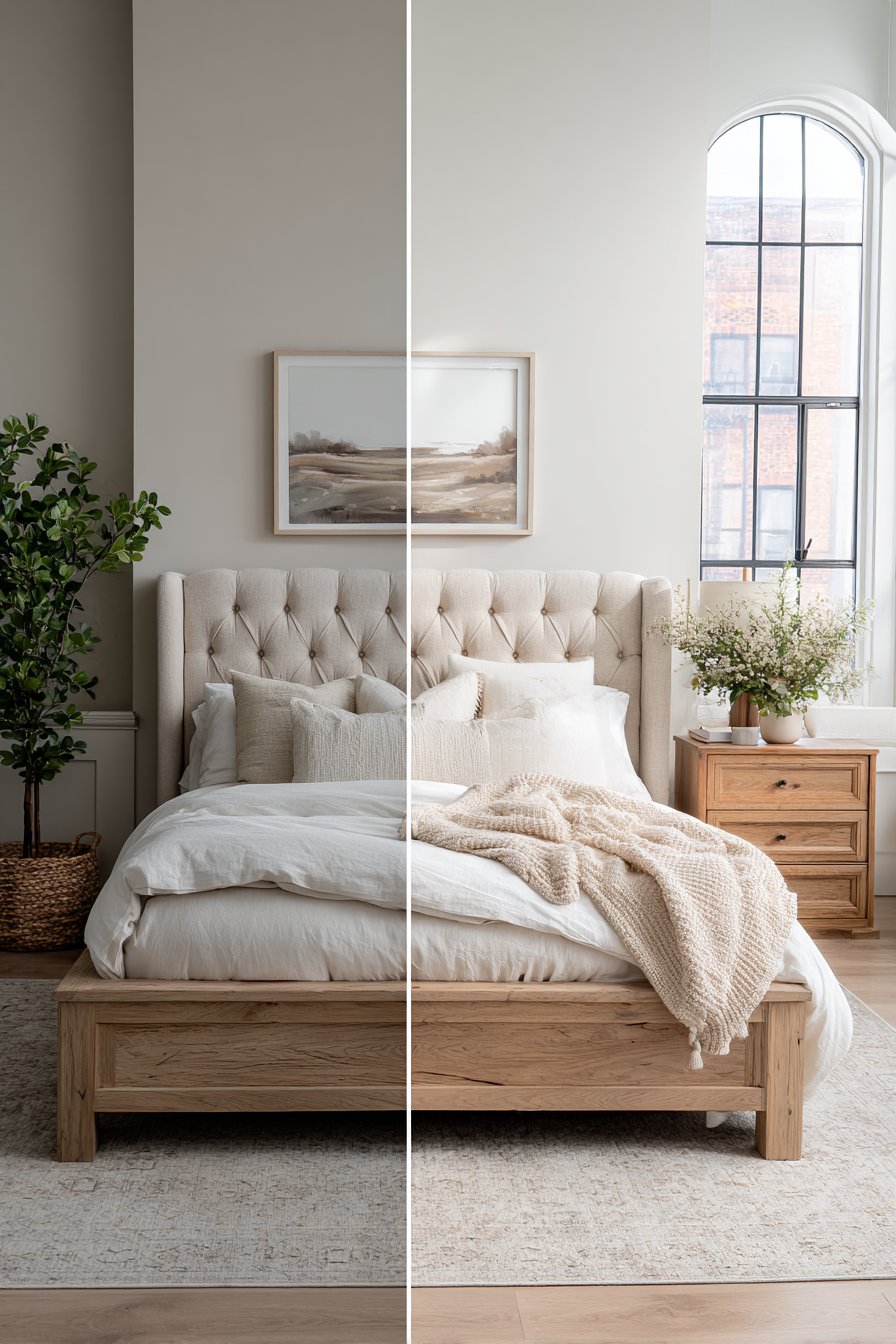
This comprehensive guide examines both bed frame types through the lens of practical maintenance. We’ll explore cleaning requirements, durability factors, repair considerations, and long-term care strategies. Whether you’re furnishing a master bedroom, guest room, or rental property, understanding these maintenance realities will help you make an informed decision that aligns with your lifestyle and housekeeping preferences.
1. Daily Cleaning Requirements
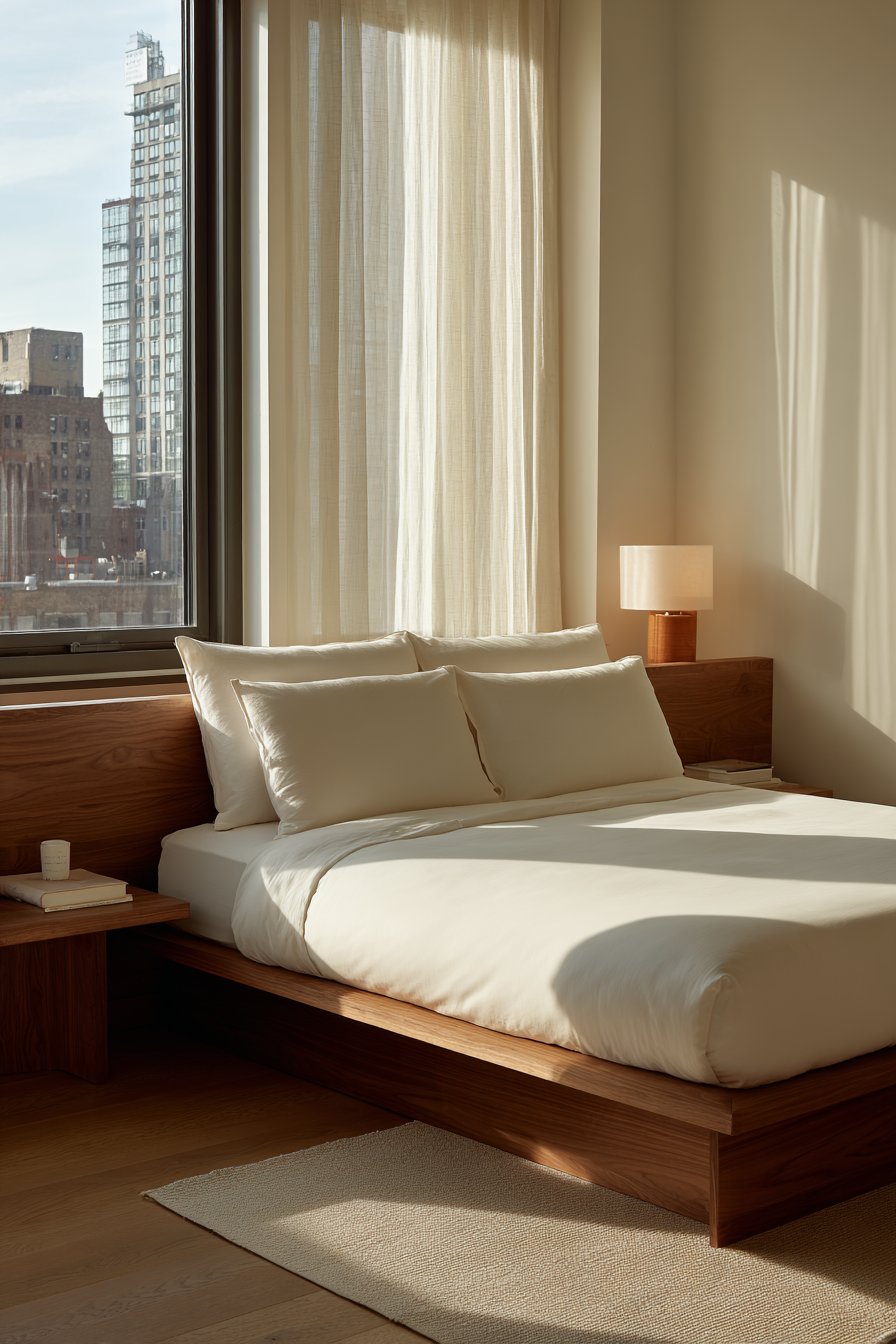
Wooden bed frames generally require minimal daily maintenance, making them ideal for busy households. A quick dusting with a microfiber cloth once or twice weekly keeps surfaces looking fresh. The smooth, sealed surface of quality wood resists dust accumulation better than textured materials. You won’t need specialized products for routine care—just a dry cloth and occasional polish.
Upholstered frames demand more consistent attention to maintain their appearance. Fabric surfaces trap dust, pet hair, and allergens within their fibers. Weekly vacuuming with an upholstery attachment becomes essential rather than optional. Without regular cleaning, upholstered frames can appear dingy surprisingly quickly, especially in lighter colors or high-traffic bedrooms.
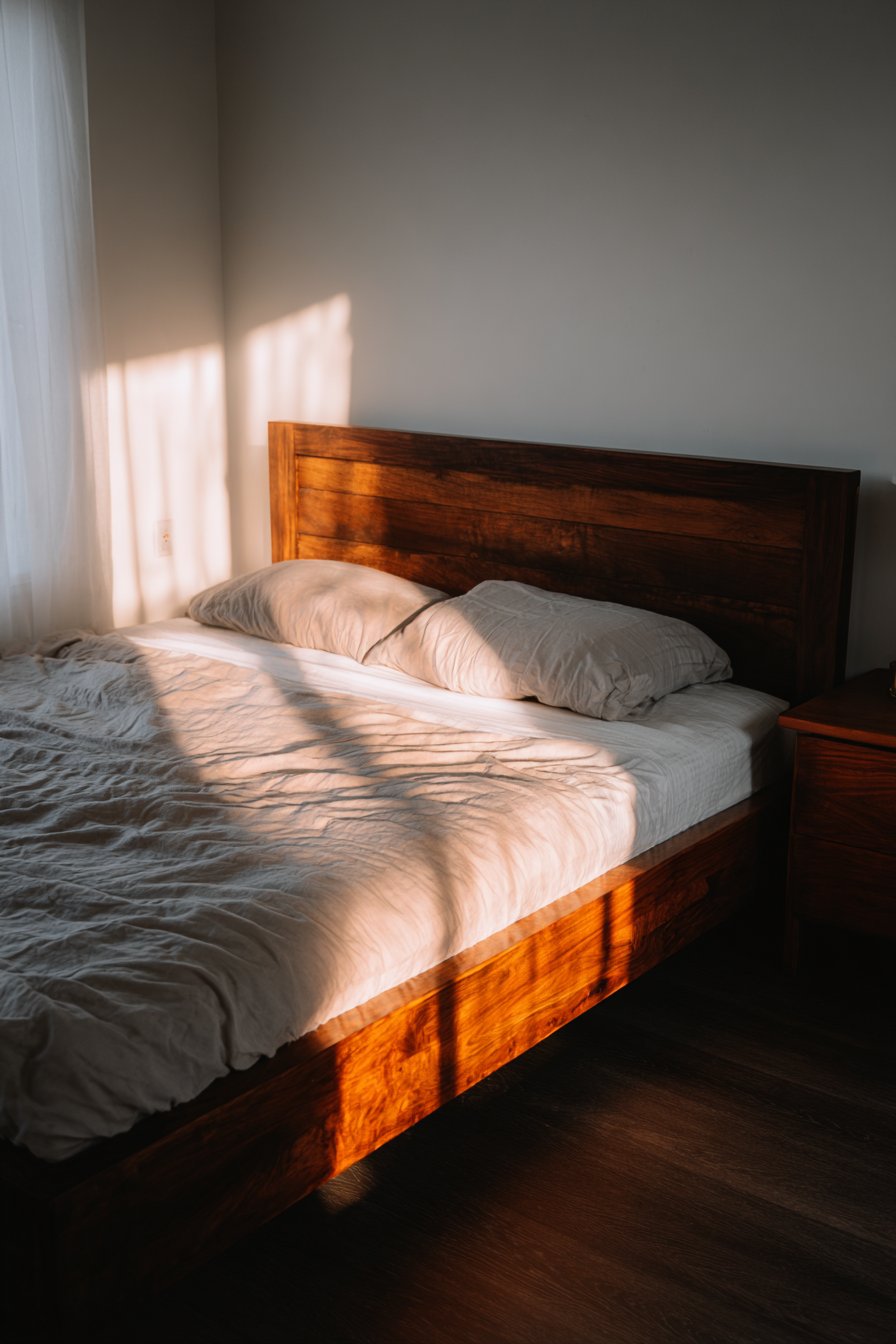
The texture of upholstered materials creates microscopic pockets where particles settle. This characteristic makes them problematic for allergy sufferers or homes with pets. Wooden frames, by contrast, offer nowhere for allergens to hide. Their non-porous surfaces can be wiped clean in seconds, making them significantly easier for daily upkeep.
- Dust wooden frames with microfiber cloths twice weekly for optimal appearance
- Vacuum upholstered frames weekly using appropriate attachments to prevent buildup
- Keep a lint roller near upholstered beds for quick touch-ups between thorough cleanings
- Rotate cleaning focus seasonally—wooden frames need more attention in dry months
- Consider fabric protector spray for new upholstered frames to simplify future cleaning
- Establish a consistent routine rather than waiting for visible dirt accumulation
2. Stain Resistance and Spill Management
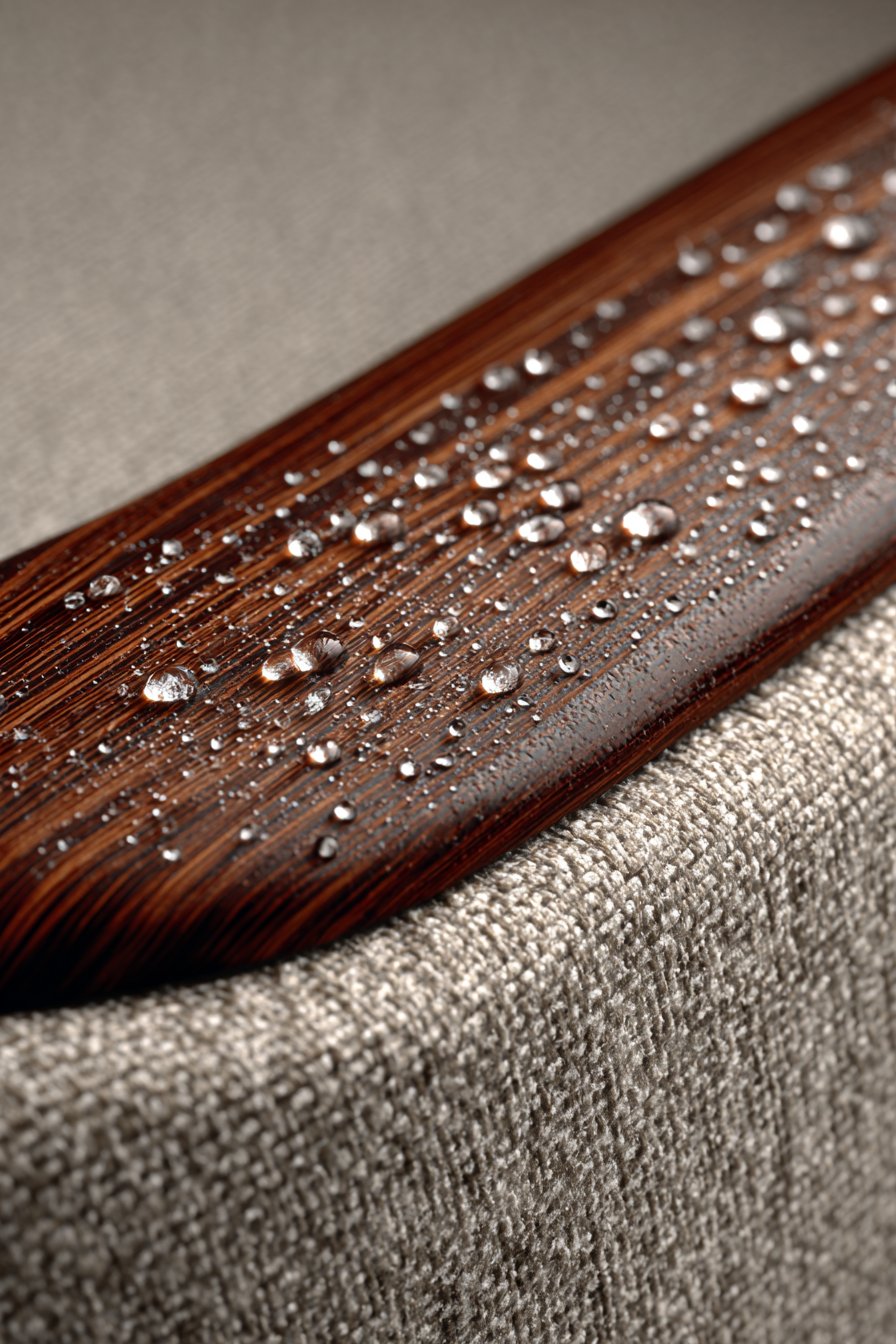
Wooden bed frames offer superior stain resistance when properly sealed. Spills bead on the surface rather than absorbing immediately, giving you time to wipe them away. Modern finishes create protective barriers that prevent liquids from penetrating the wood grain. Even water rings and minor spills can typically be addressed with simple household remedies.
Upholstered frames present significant stain challenges that require immediate action. Fabric absorbs liquids within seconds, making permanent staining highly likely if not treated instantly. Coffee, wine, cosmetics, and body oils can leave lasting marks on upholstery. The porous nature of fabric means stains penetrate deeply, often becoming impossible to remove completely.
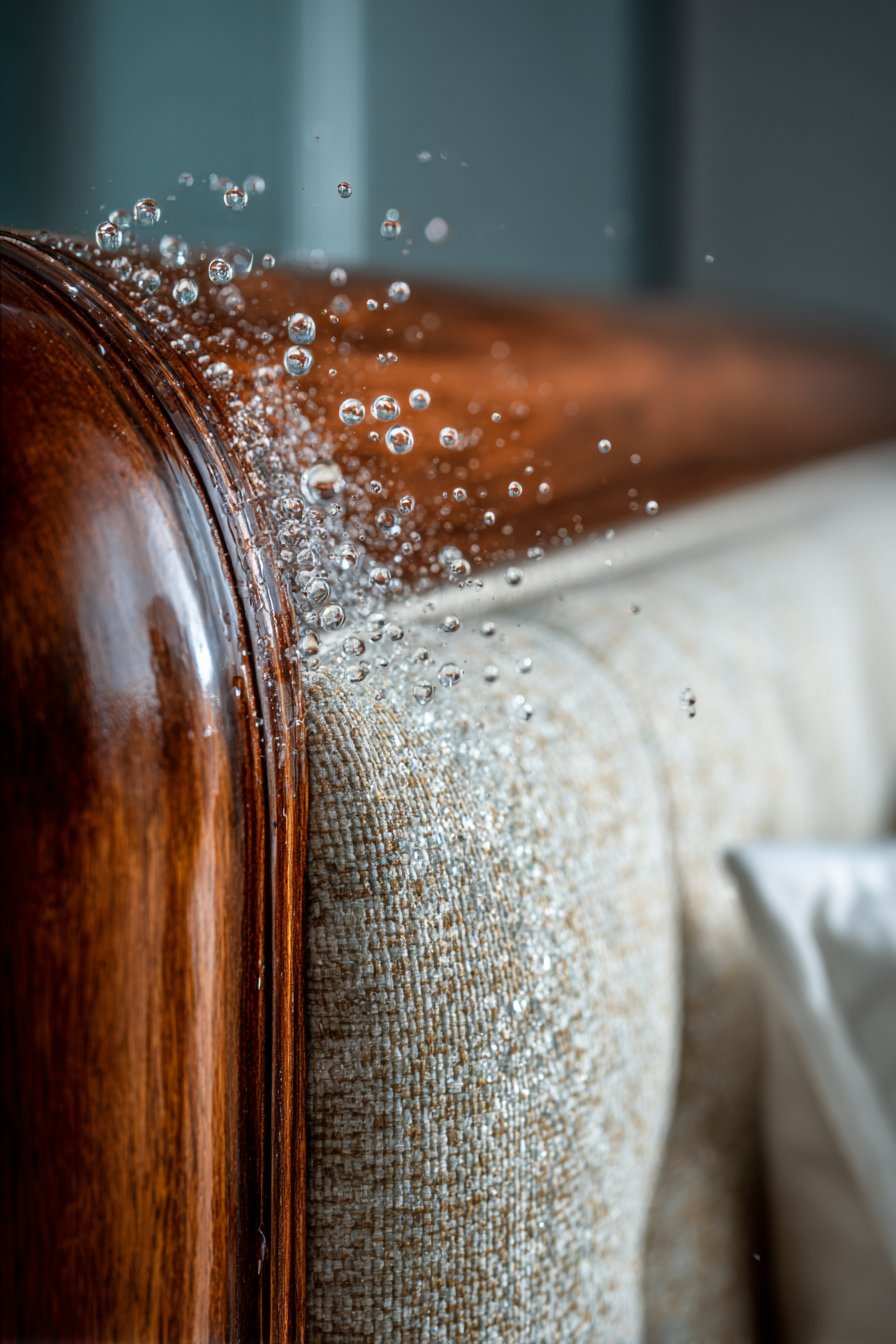
The investment in stain-resistant treatments can help upholstered frames, but these protective coatings require reapplication and aren’t foolproof. Wooden frames need no such ongoing treatment. A single quality finish applied during manufacturing typically lasts for years. This fundamental difference makes wooden frames dramatically easier for households with children, pets, or anyone who enjoys breakfast in bed.
- Wipe wooden frame spills immediately with a slightly damp cloth, then dry completely
- Keep enzymatic cleaners specifically designed for upholstery stains readily accessible
- Test any cleaning solution on hidden upholstered areas before treating visible spots
- Apply multiple thin coats of wood polish rather than heavy applications for best protection
- Consider removable, washable slipcovers for upholstered frames in high-risk environments
- Address upholstered stains within 5 minutes for the best chance of complete removal
3. Durability and Long-Term Wear
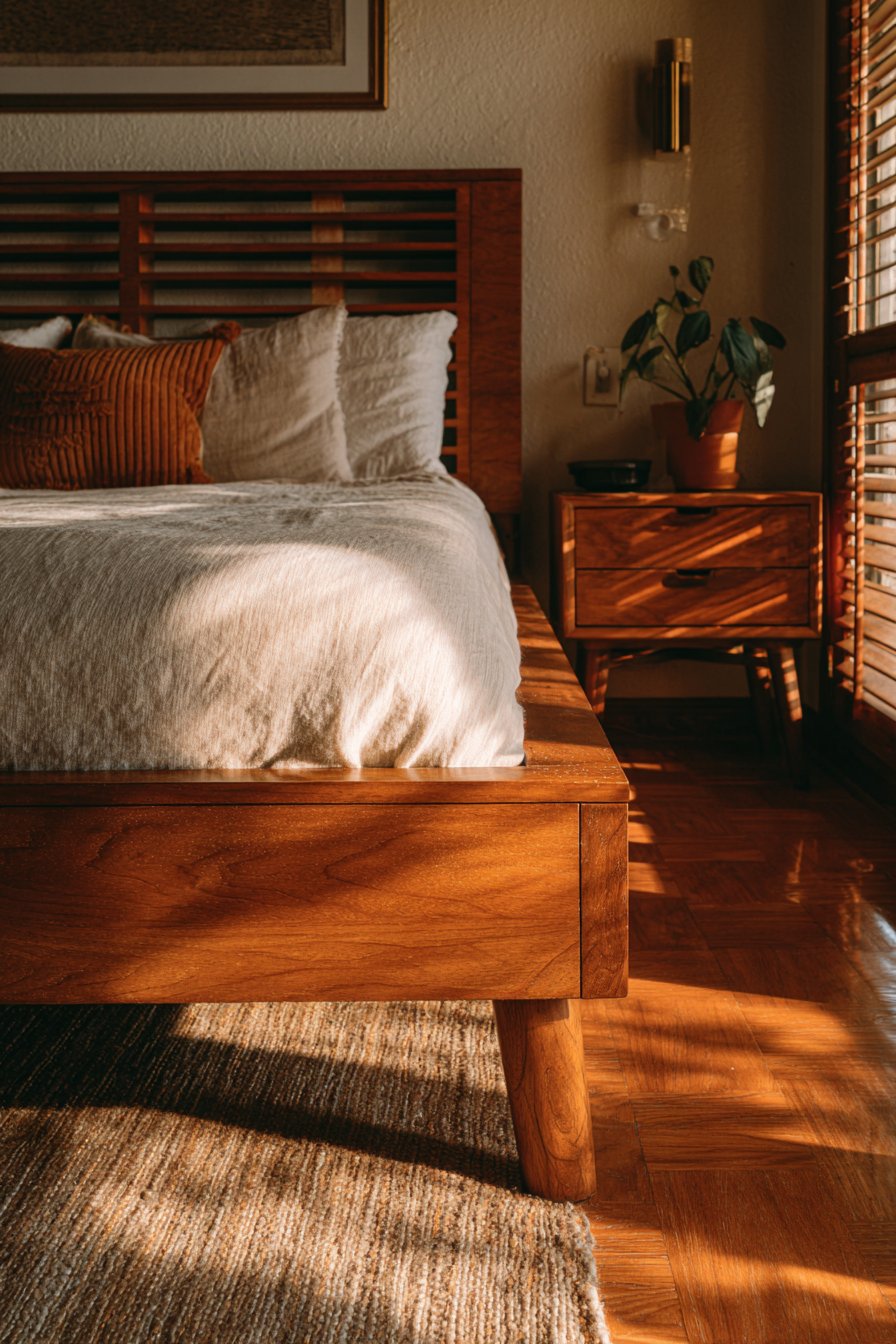
Quality wooden frames demonstrate exceptional longevity, often lasting decades with minimal maintenance. Solid hardwoods like oak, maple, and walnut resist denting, scratching, and structural degradation. The natural strength of wood means frames maintain their integrity even under significant weight and movement. Minor surface scratches can often be buffed out or add character rather than detracting from appearance.
Upholstered frames show visible wear patterns much faster than their wooden counterparts. Fabric pilling, color fading, and compression occur naturally over time. High-contact areas like the headboard edge and footboard corners become noticeably worn within 3-5 years. The foam padding beneath fabric can compress unevenly, creating an aged appearance even when the frame structure remains sound.
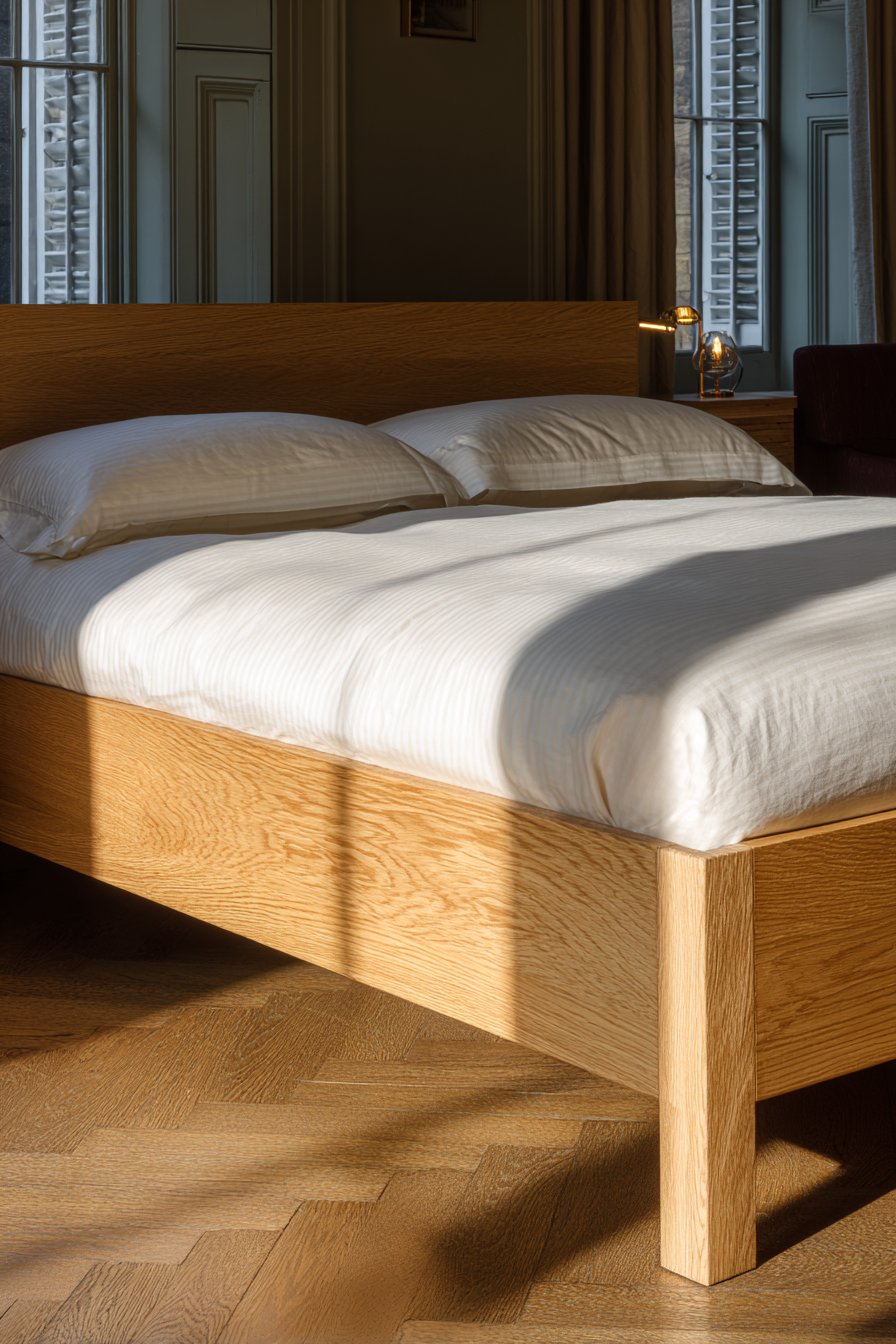
The structural lifespan differs significantly between these options. Wooden frames commonly serve multiple generations when properly maintained. Upholstered frames typically need recovering or replacement within 7-10 years, even with excellent care. This reality makes wooden frames more cost-effective long-term, despite potentially higher initial investment for quality pieces.
- Choose hardwoods over softwoods for wooden frames requiring maximum durability
- Inspect upholstered frame stitching quarterly for early signs of separation or wear
- Rotate mattress positions to distribute weight evenly across frame surfaces
- Apply furniture wax to wooden frames annually to maintain protective finish
- Consider performance fabrics rated for 50,000+ double rubs if selecting upholstered options
- Budget for upholstery replacement costs when calculating true lifetime frame expenses
4. Repair and Restoration Potential

Wooden frames offer remarkable repair flexibility that upholstered options cannot match. Scratches, dents, and finish damage can be sanded and refinished multiple times. Broken slats or support pieces can be replaced individually without affecting the entire frame. Even structural damage often remains repairable by skilled woodworkers, extending frame life indefinitely.
Upholstered frame repairs present limited options and higher costs. Once fabric stains permanently or tears significantly, complete reupholstery becomes the only solution. This process often costs 60-80% of purchasing a new frame. Padding deterioration, foam compression, and fabric separation all require professional intervention. DIY repairs rarely achieve professional-quality results on upholstered pieces.
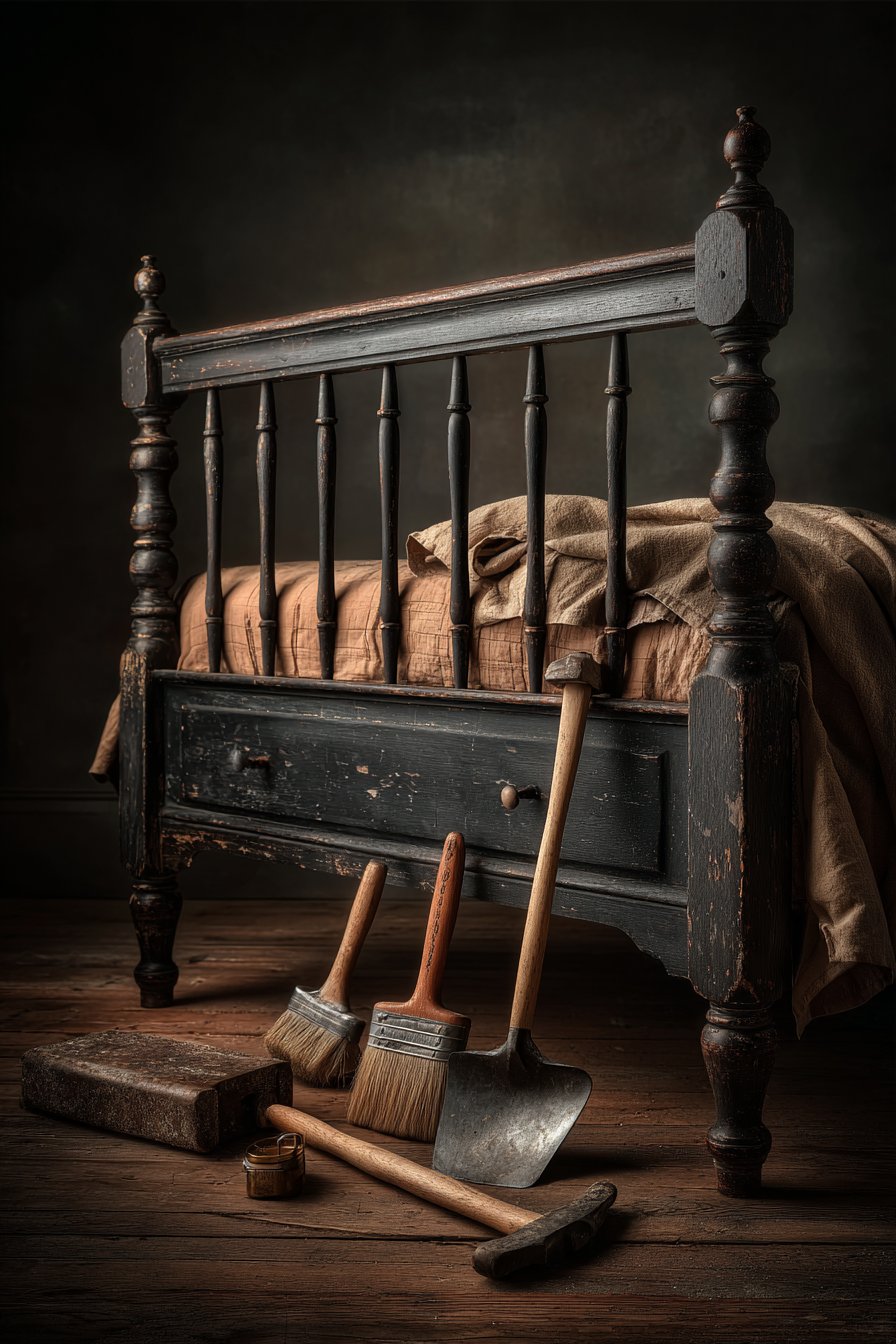
The restoration potential of wooden frames adds significant value. Vintage wooden frames can be completely transformed through refinishing, changing from dark to light tones or vice versa. Upholstered frames offer fabric change options, but the underlying structure eventually shows age. Wooden frames can literally be restored to like-new condition multiple times throughout their lifespan.
- Address wooden frame scratches immediately with matching furniture markers or wax sticks
- Consult professional upholsterers before attempting DIY fabric repairs on visible areas
- Keep extra yardage of original upholstery fabric for future patch repairs if possible
- Learn basic wood repair techniques to handle minor damage independently
- Document wooden frame condition with photos before starting any refinishing projects
- Compare reupholstery quotes against new frame prices before committing to restoration
5. Environmental Factors and Material Response
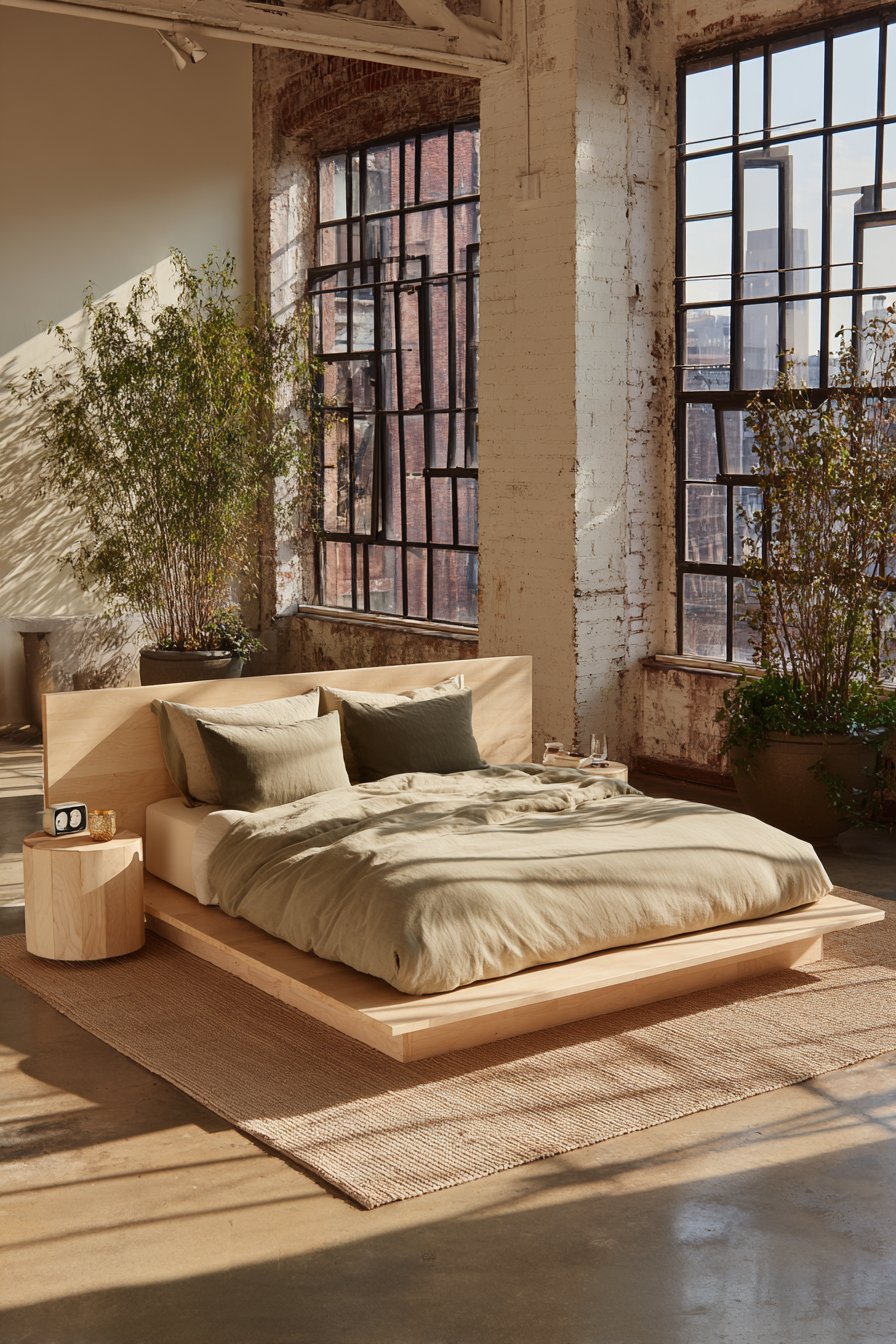
Wooden frames react to humidity fluctuations in ways that require understanding but not necessarily extensive maintenance. Wood naturally expands with moisture and contracts when dry. Maintaining consistent indoor humidity between 40-60% prevents warping and cracking. Wooden frames positioned away from heating vents and direct sunlight maintain their finish and structural integrity longer.
Upholstered frames face multiple environmental vulnerabilities that wooden frames avoid. Fabric fades noticeably in direct sunlight, sometimes unevenly if only portions receive exposure. Moisture encourages mildew and mold growth within padding materials. Pet dander and dust mites find ideal habitats in upholstered materials, creating potential health concerns.
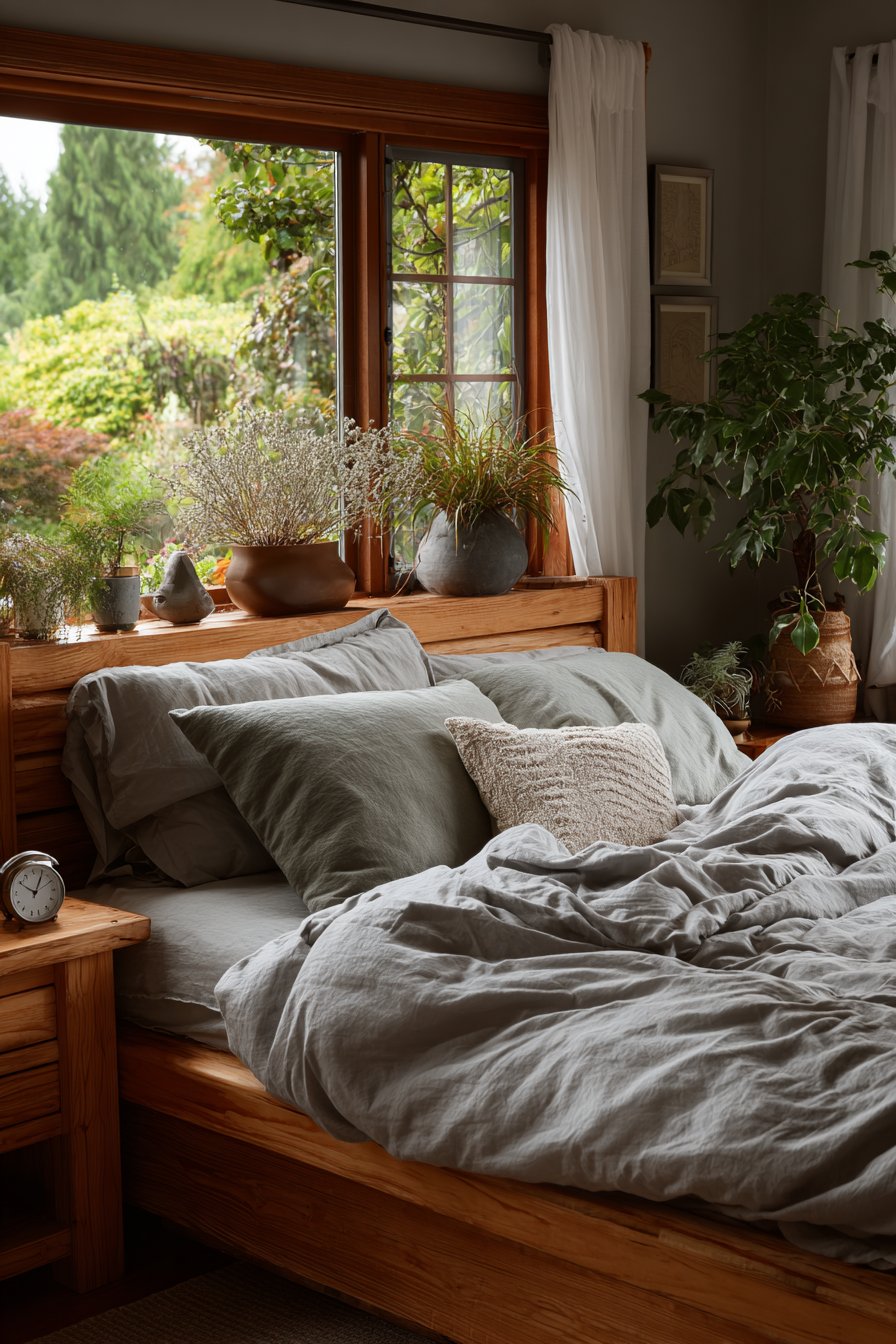
The chemical sensitivity of upholstery requires more careful product selection. Many cleaning solutions damage or discolor fabrics, requiring specific pH-balanced products. Wooden frames accept various cleaning approaches without material damage. Temperature extremes also affect materials differently—upholstery can develop odors in heat, while properly finished wood remains stable.
- Use a hygrometer to monitor bedroom humidity levels for wooden frame longevity
- Position upholstered frames perpendicular to windows to minimize direct sun exposure
- Apply UV-protective window films in rooms with significant natural light and upholstered furniture
- Avoid placing wooden frames directly against exterior walls in humid climates
- Run dehumidifiers in basements or humid regions to protect both frame types
- Schedule professional upholstery cleaning annually in homes with pets or allergies
6. Cost of Maintenance Over Time
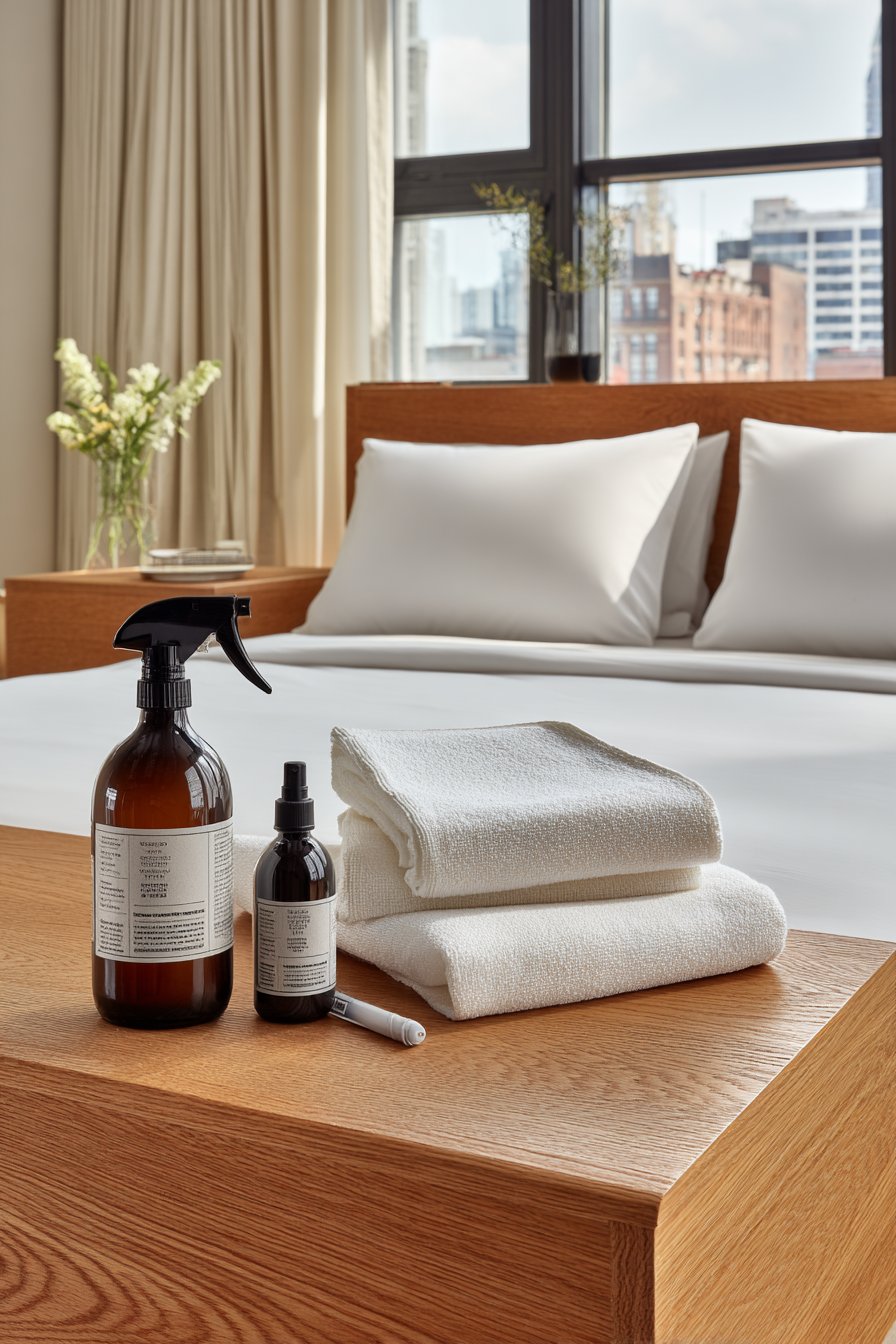
Wooden frames require minimal ongoing financial investment for maintenance. Basic supplies—microfiber cloths, wood polish, and occasional touch-up markers—cost under $50 annually. Professional refinishing every 10-15 years ranges from $200-500 but remains optional rather than necessary. The absence of recurring costs makes wooden frames remarkably economical over their lifespan.
Upholstered frames demand continuous maintenance expenditures that accumulate significantly. Professional cleaning services cost $75-150 per session, recommended annually. Stain removal treatments, fabric protectors, and specialized cleaning products add $100-200 yearly. Complete reupholstery every 7-10 years costs $400-800, representing a substantial ongoing investment.

The total cost of ownership reveals wooden frames as the more economical choice. While quality wooden frames may cost more initially, their maintenance expenses remain predictable and minimal. Upholstered frames require both time and money continuously, with costs increasing as the frame ages. These financial realities make wooden frames particularly suitable for budget-conscious households and rental properties.
- Budget $50 annually for wooden frame maintenance supplies and polish
- Set aside $200 yearly for upholstered frame cleaning and protection products
- Compare 10-year total ownership costs including purchase price and maintenance
- Consider maintenance time value when calculating true cost differences
- Research warranty coverage differences between wooden and upholstered options carefully
- Calculate break-even points for repair versus replacement on aging frames
Conclusion
The maintenance comparison between upholstered and wooden bed frames clearly favors wooden options for ease of care. Wooden frames require less frequent cleaning, resist stains naturally, and withstand decades of use without significant maintenance investment. Their repair potential and environmental stability make them practical choices for busy households, rental properties, and anyone seeking low-maintenance bedroom furniture. However, the decision ultimately depends on your specific priorities and circumstances.
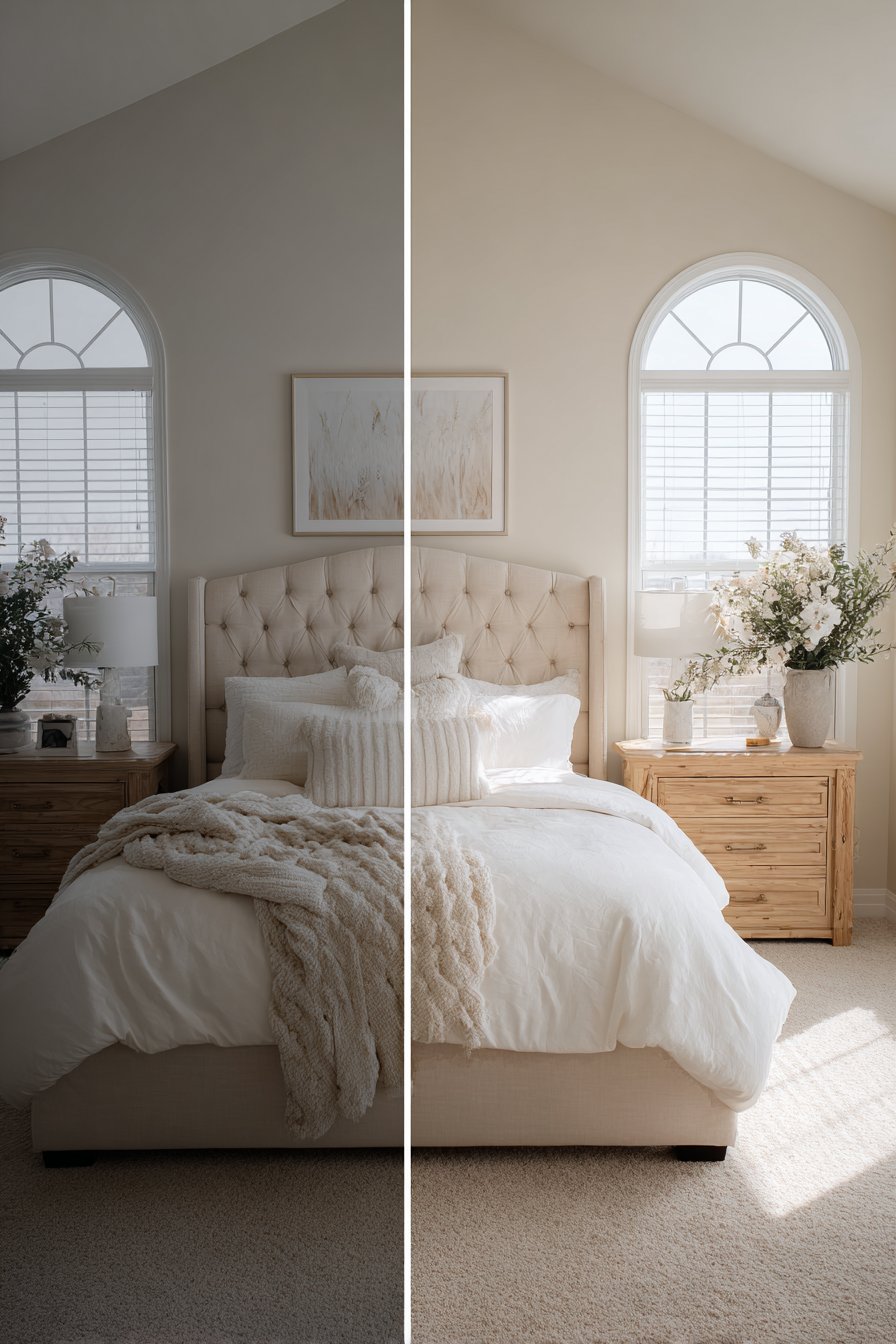
If you value the soft, cushioned aesthetic of upholstered frames and don’t mind investing time in regular maintenance, they can certainly work beautifully. Consider your household’s lifestyle, presence of pets or children, and honest assessment of cleaning commitment. Choose wooden frames for maximum durability and minimal upkeep, or embrace upholstered options when comfort and aesthetic appeal outweigh maintenance concerns. Either way, understanding these maintenance realities ensures your bed frame choice enhances rather than complicates your daily life.
"As an Amazon Associate, I earn from qualifying purchases."
