
Small bedrooms often get a bad reputation, but the truth is that size doesn’t determine comfort. With thoughtful design choices and strategic planning, even the most compact sleeping space can feel open, airy, and surprisingly generous. The secret lies in understanding how our perception of space works and using design principles that trick the eye into seeing more square footage than actually exists.
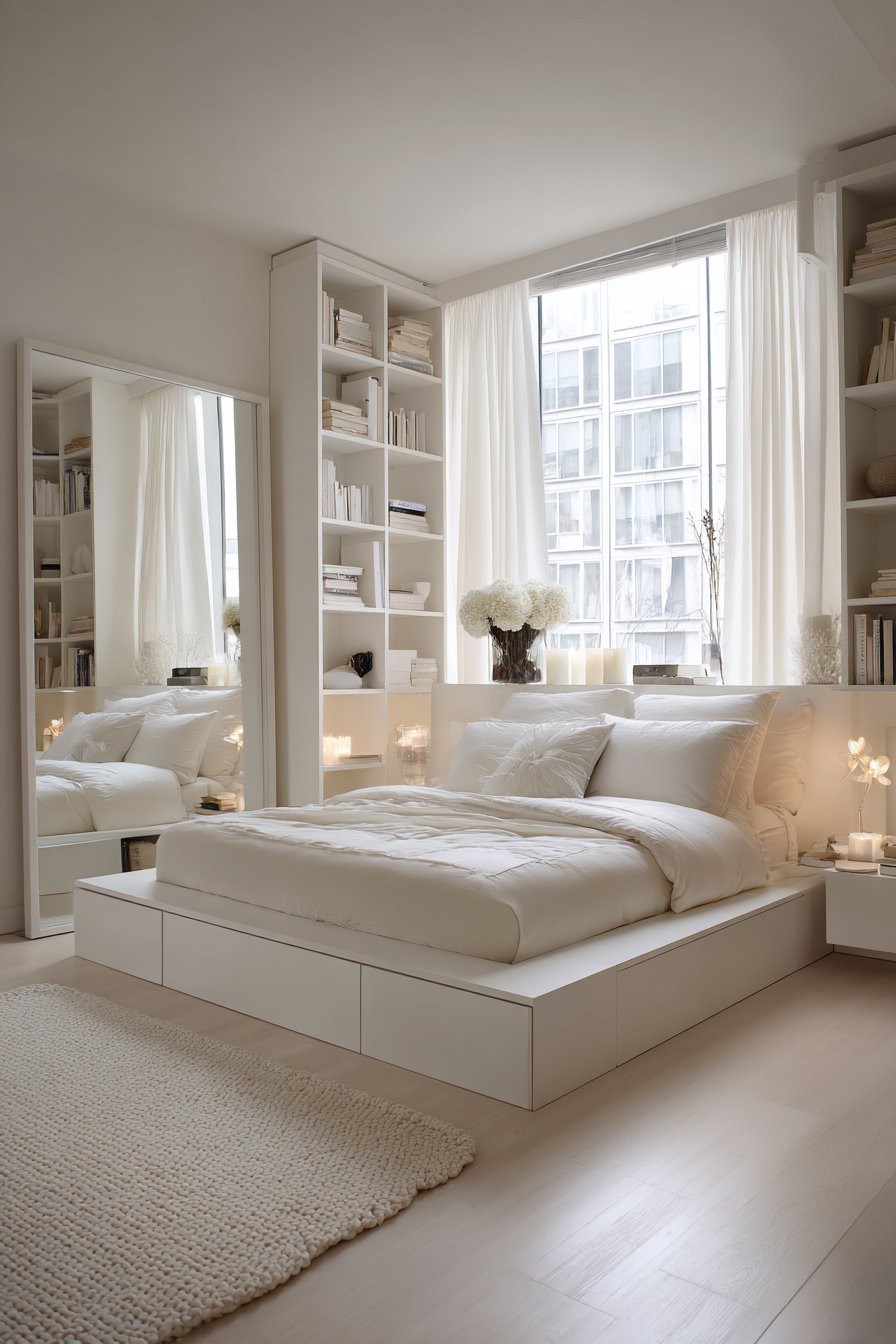
Creating a spacious feel in a tiny bedroom isn’t about knocking down walls or undertaking expensive renovations. It’s about making smart decisions with color, furniture, lighting, and layout. These elements work together to manipulate visual boundaries and create an environment that feels welcoming rather than cramped. When executed properly, a small bedroom can become a cozy sanctuary that feels much larger than its actual dimensions suggest.
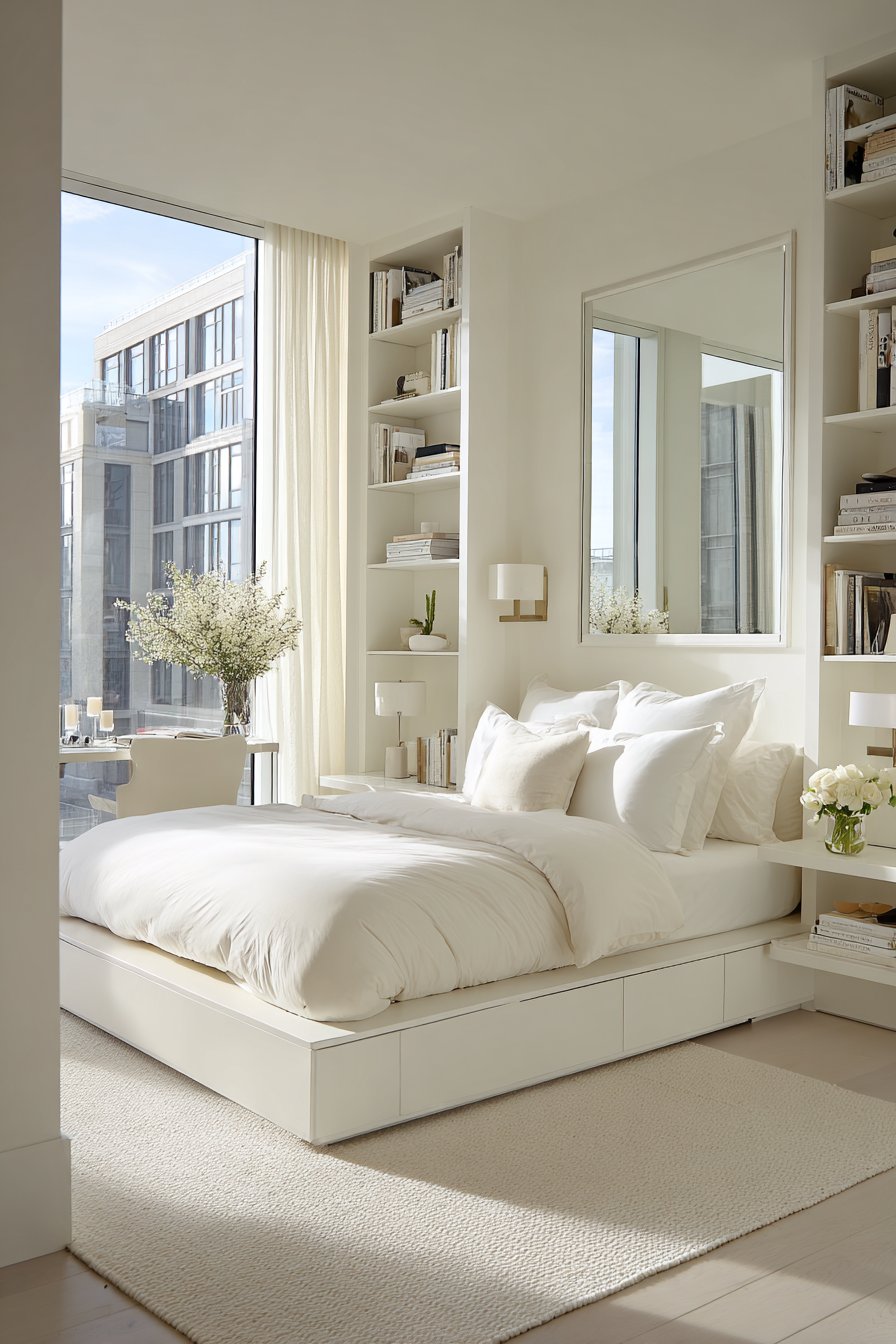
This article explores proven techniques that interior designers use to maximize the perceived space in compact bedrooms. From color psychology to furniture selection, each strategy addresses a specific aspect of spatial perception. Whether you’re working with a studio apartment or simply have a smaller bedroom, these ideas will help you transform your space into a room that feels open, functional, and beautifully designed.
1. Light Colors Create Visual Expansion
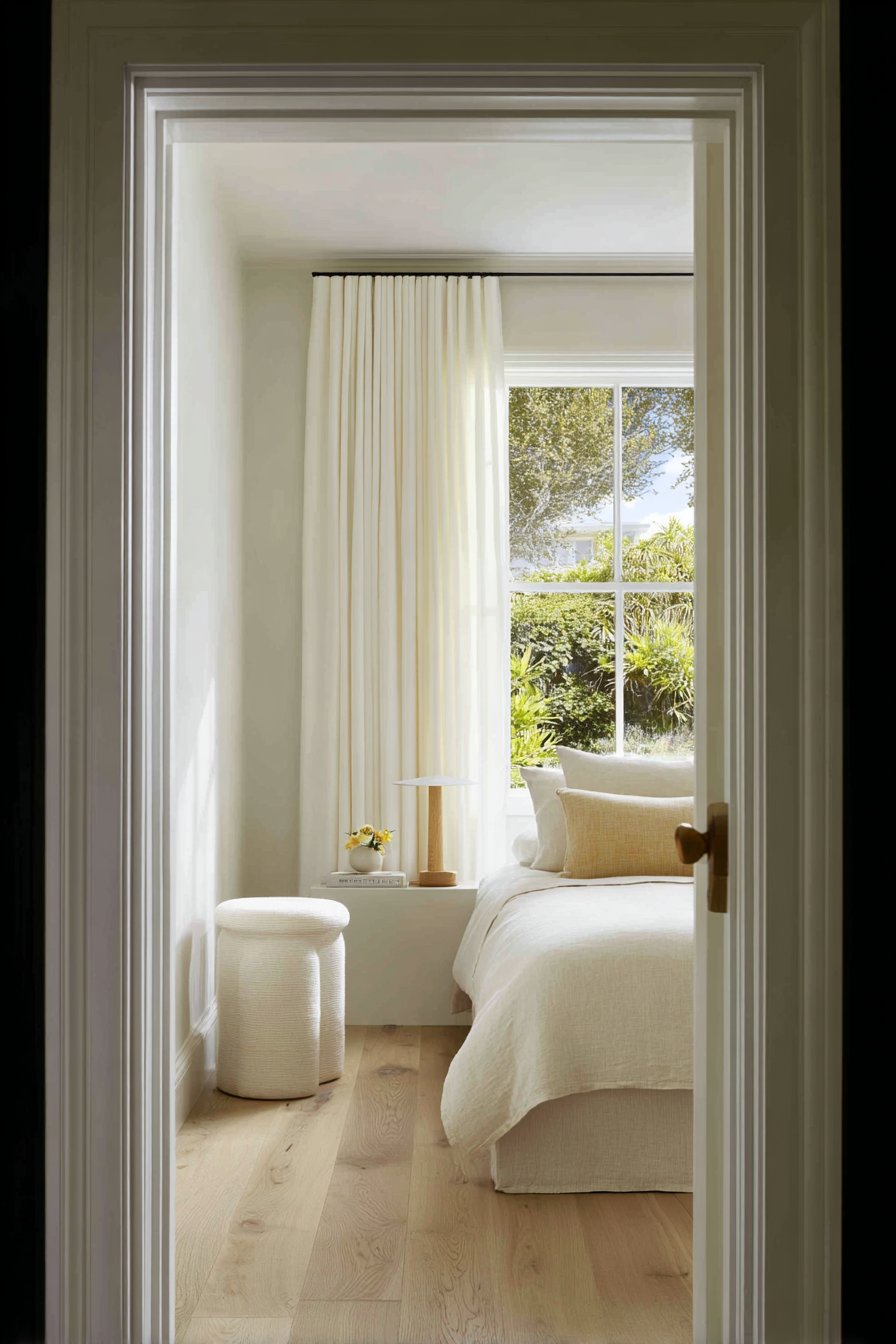
The most powerful tool for making a small bedroom feel spacious is color selection. Light, neutral colors reflect more light than dark shades, which makes walls appear to recede and creates the illusion of more space. White, cream, soft gray, and pale pastels are excellent choices that instantly open up a room. These hues create a continuous visual flow that eliminates the feeling of confinement.
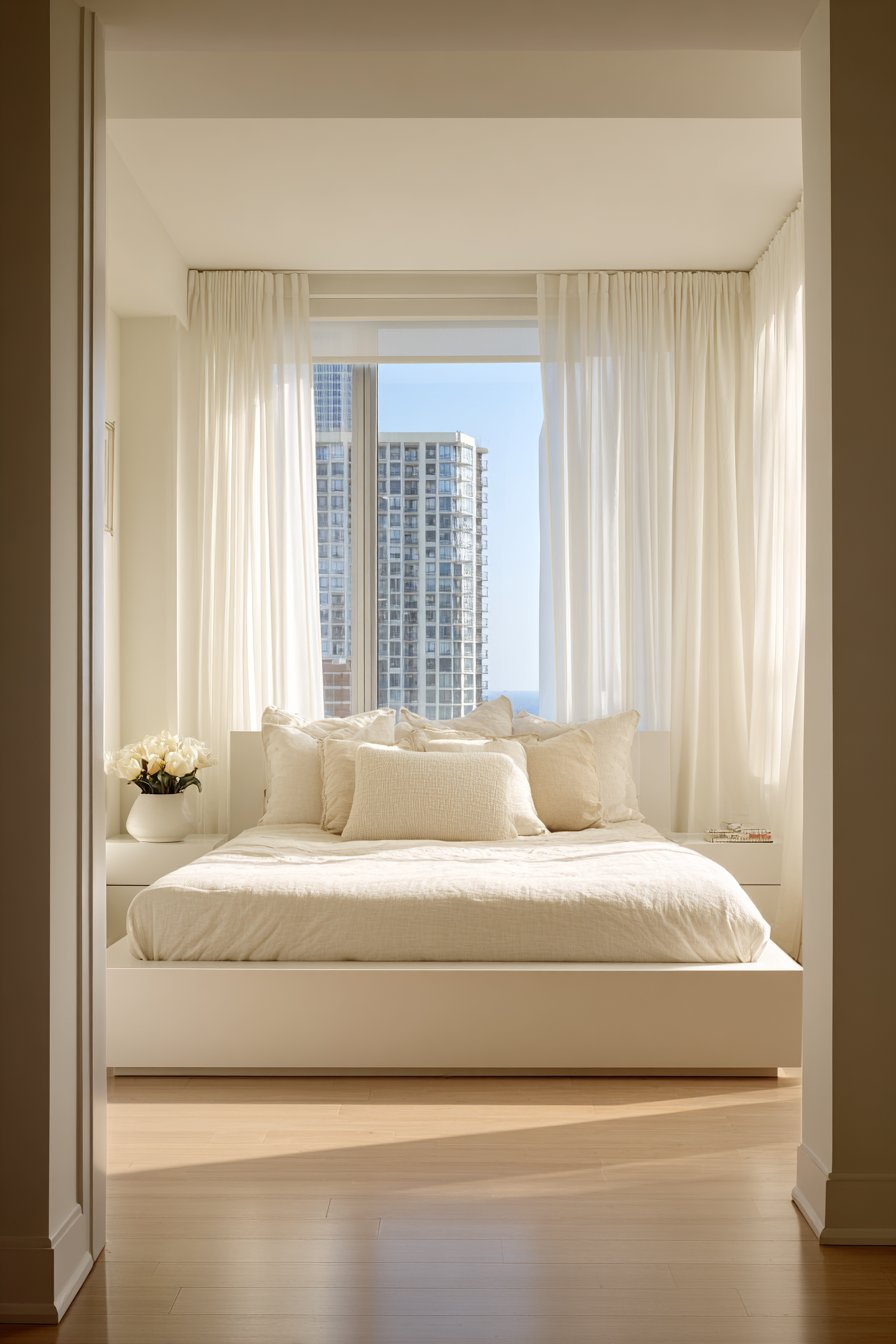
Beyond wall color, maintaining a light palette throughout the room amplifies this effect. Light-colored bedding, furniture, and window treatments work together to create a cohesive, airy atmosphere. The lack of stark contrasts allows the eye to move freely around the space without hitting visual barriers. This seamless color story is what professional designers rely on when working with compact dimensions.
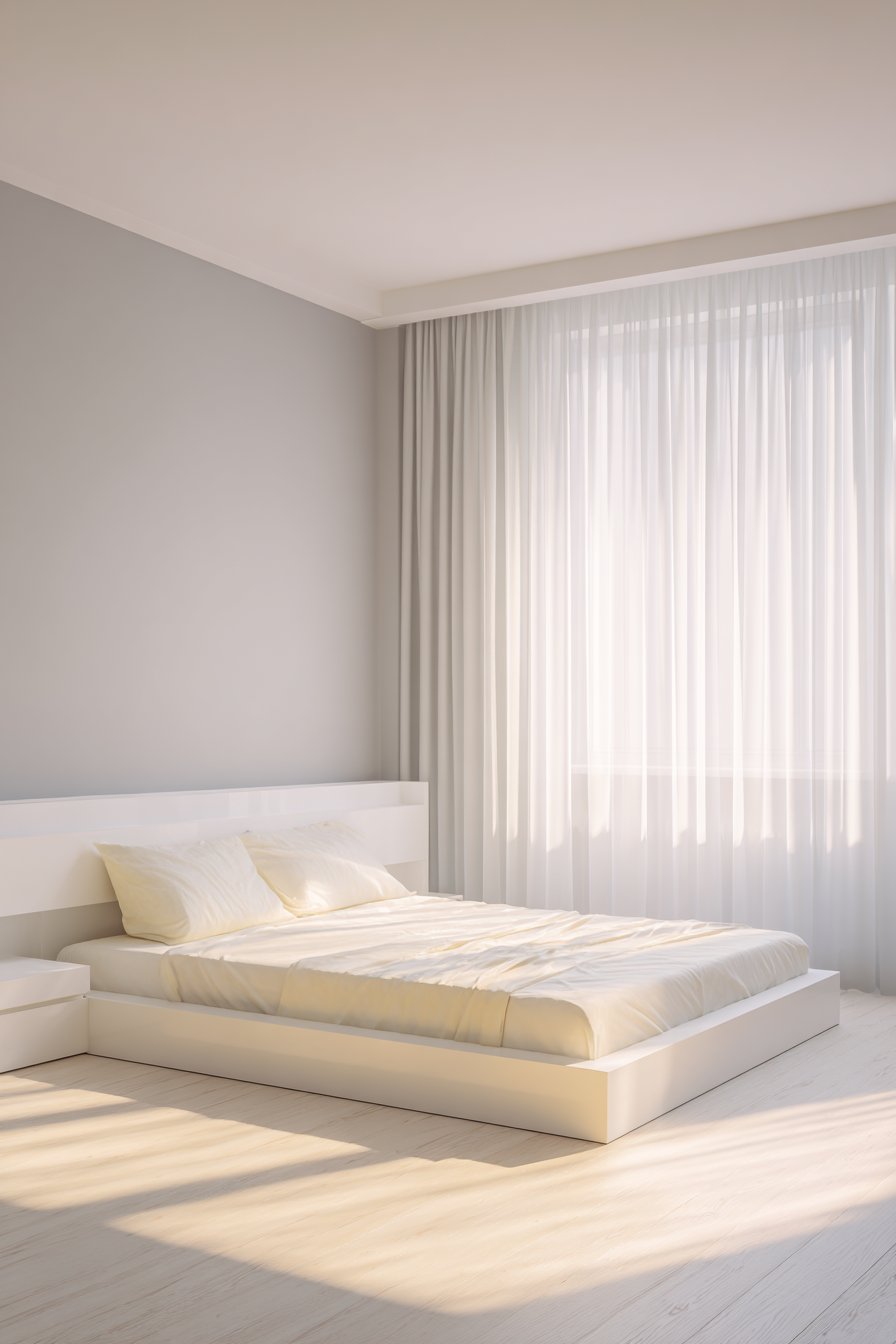
Consider the psychological impact of color as well. Light shades evoke feelings of openness, cleanliness, and calm, which naturally makes a space feel less cramped. When your bedroom uses a monochromatic light scheme, the boundaries between walls, ceiling, and floor blur slightly, creating an expanded sense of volume that transforms the entire room.
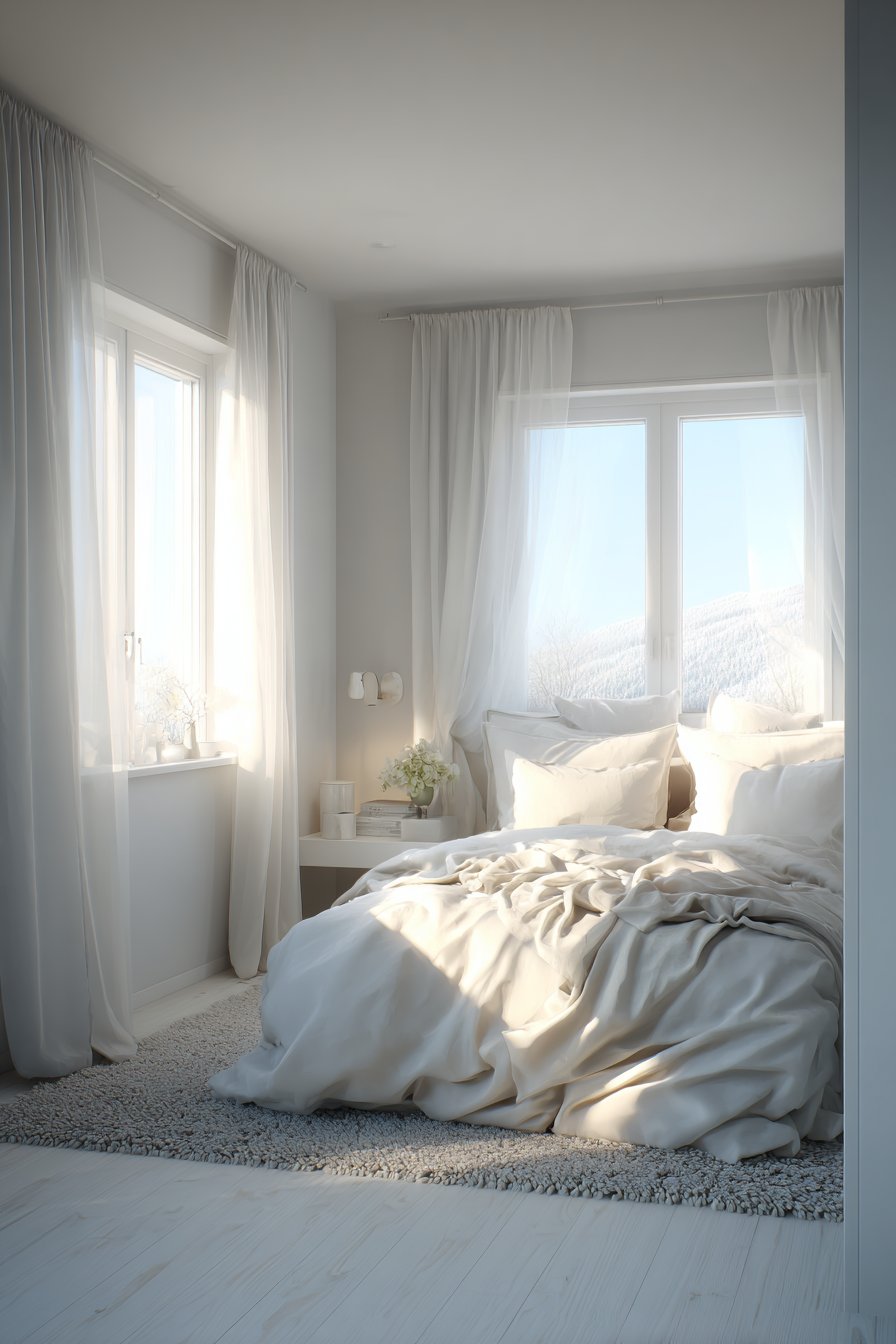
- Paint walls in soft white or light gray tones to maximize light reflection
- Choose bedding in cream or pale colors that complement your wall shade
- Select light-colored flooring or area rugs to maintain visual continuity
- Use white or light wood furniture to avoid visual weight
- Consider painting the ceiling a shade lighter than walls to add height
2. Strategic Mirror Placement Doubles Visual Space
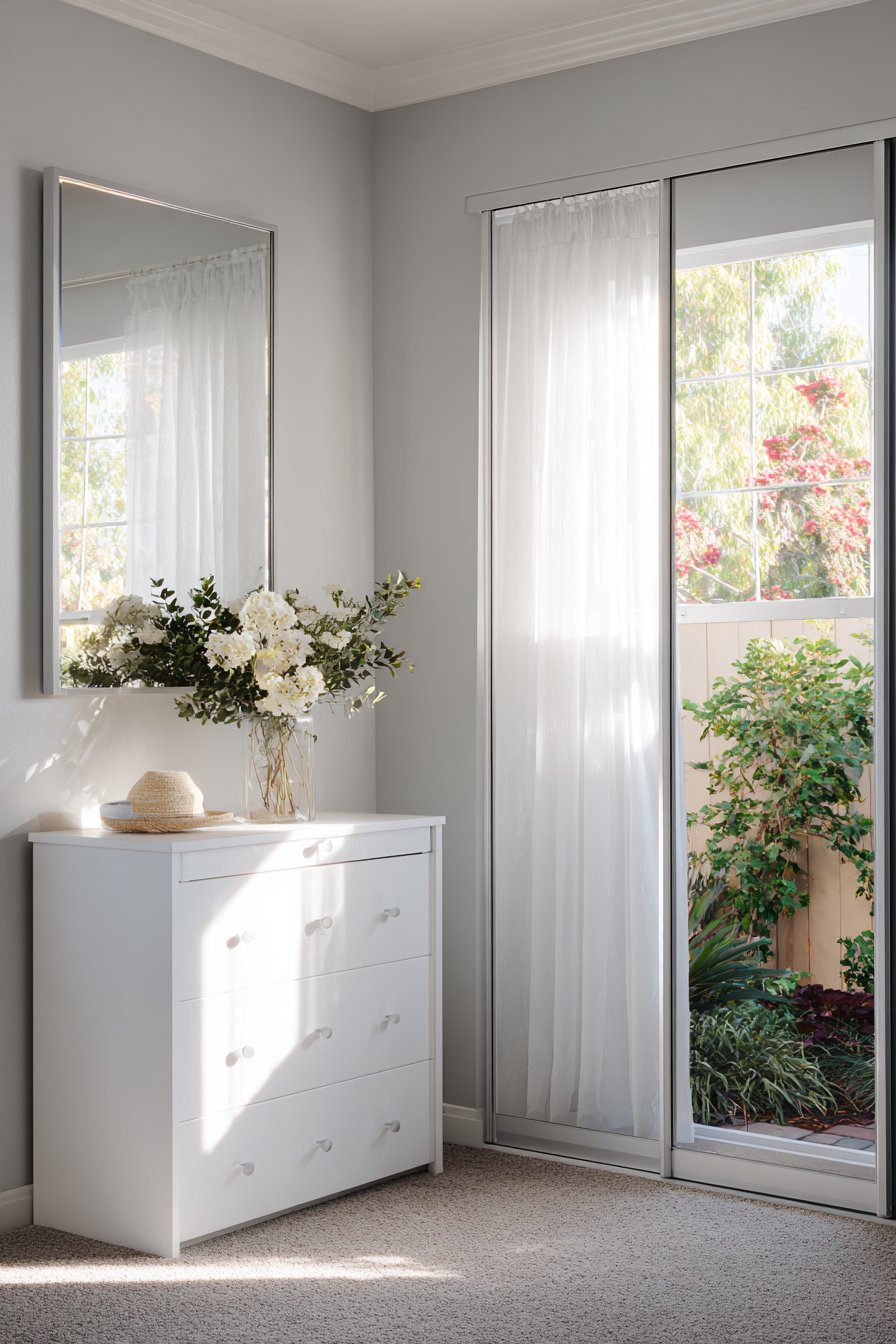
Mirrors are the secret weapon of small space design because they literally double what you see. A well-placed mirror reflects light and views, creating the illusion that your bedroom extends beyond its actual walls. The key is positioning mirrors where they’ll capture the most light and reflect the most attractive parts of your room. This optical illusion is incredibly effective at making tight quarters feel generous.
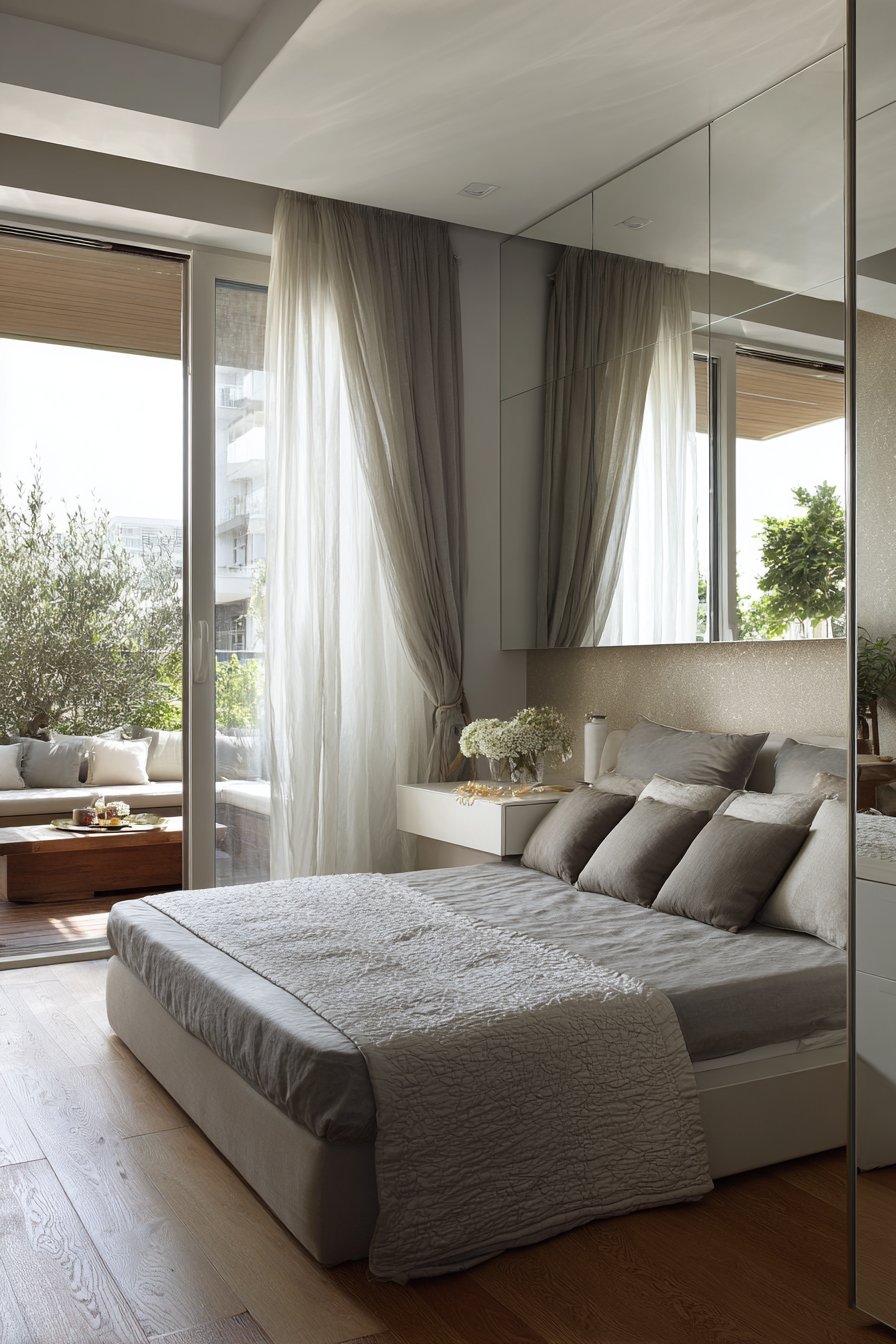
Large mirrors work better than small ones for creating spaciousness. A full-length mirror on a wall or a substantial mirror above a dresser can transform the perceived size of your bedroom. Placing a mirror opposite a window is particularly effective because it captures natural light and outdoor views, bringing more brightness and depth into the space. This technique essentially creates a second window that doesn’t actually exist.
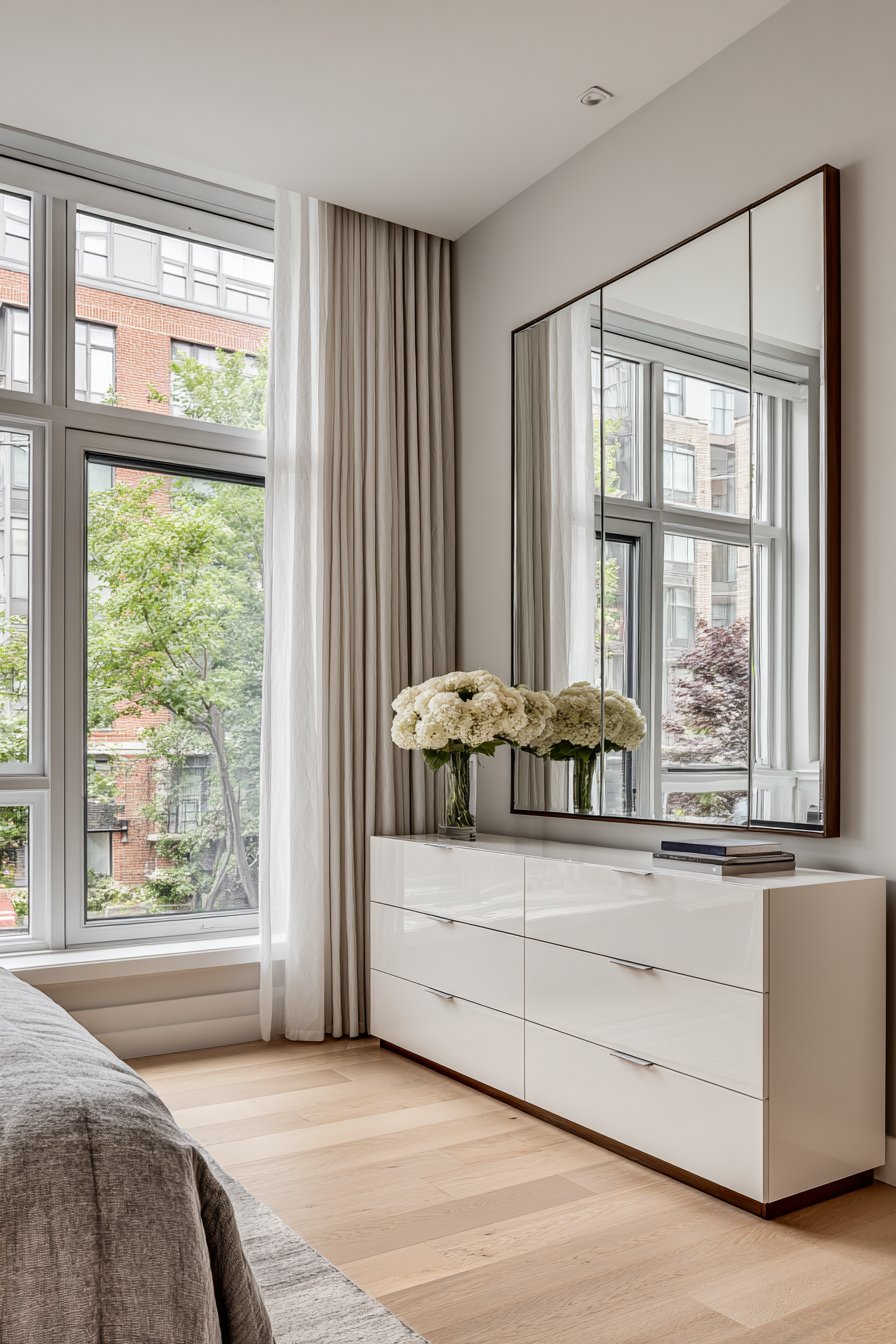
Mirrored furniture and closet doors offer additional opportunities to expand visual space. A mirrored closet door serves both functional and aesthetic purposes, reflecting the entire room while providing necessary storage. Avoid placing mirrors where they’ll reflect clutter or unattractive views, as this will amplify the negative rather than enhance the space.
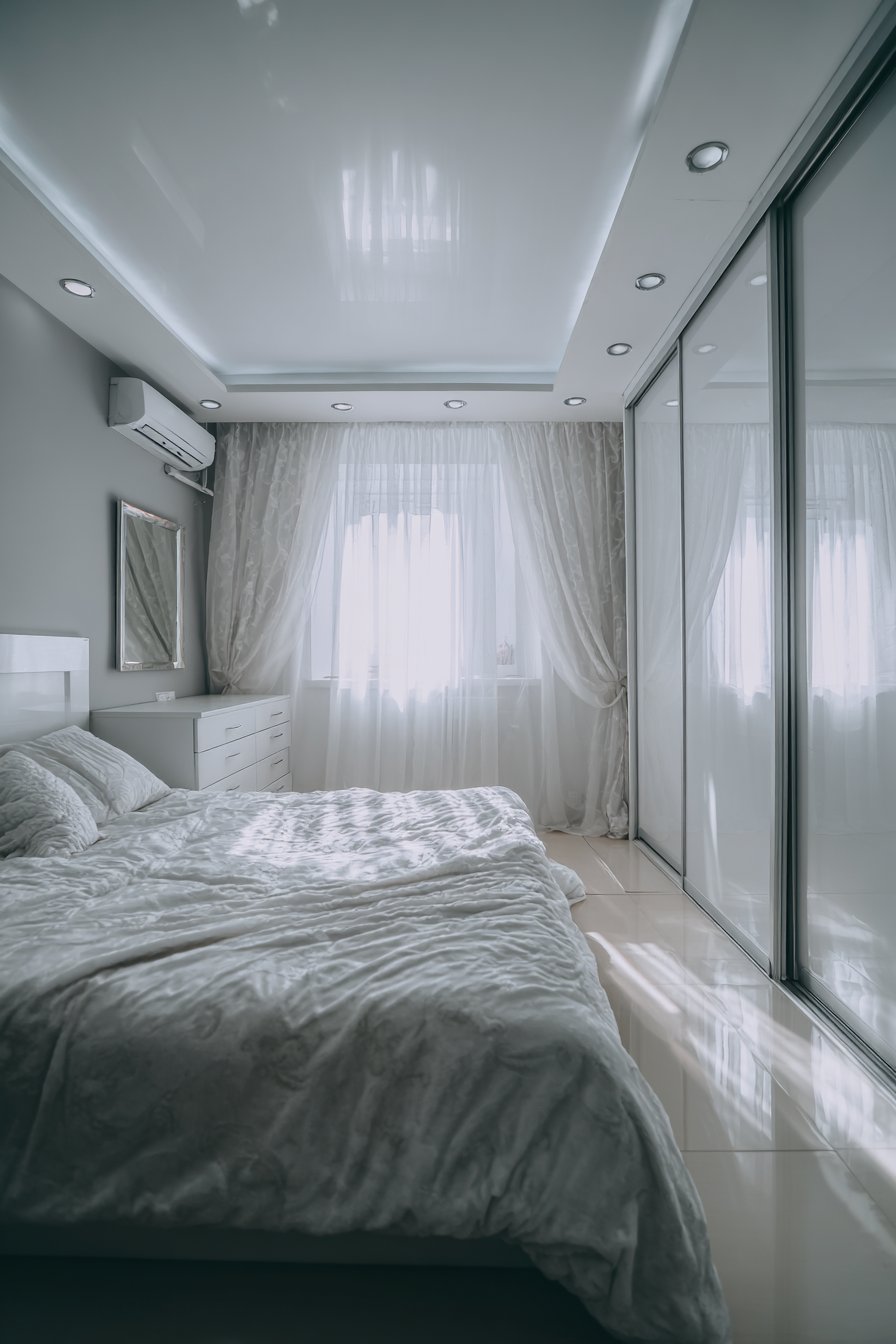
- Install a large mirror opposite your primary window for maximum light reflection
- Consider mirrored closet doors to make the room feel twice as large
- Use a full-length mirror on a wall rather than small decorative mirrors
- Position mirrors to reflect attractive focal points or artwork
- Avoid mirror placement that reflects messy areas or creates awkward sightlines
3. Vertical Storage Maximizes Floor Space
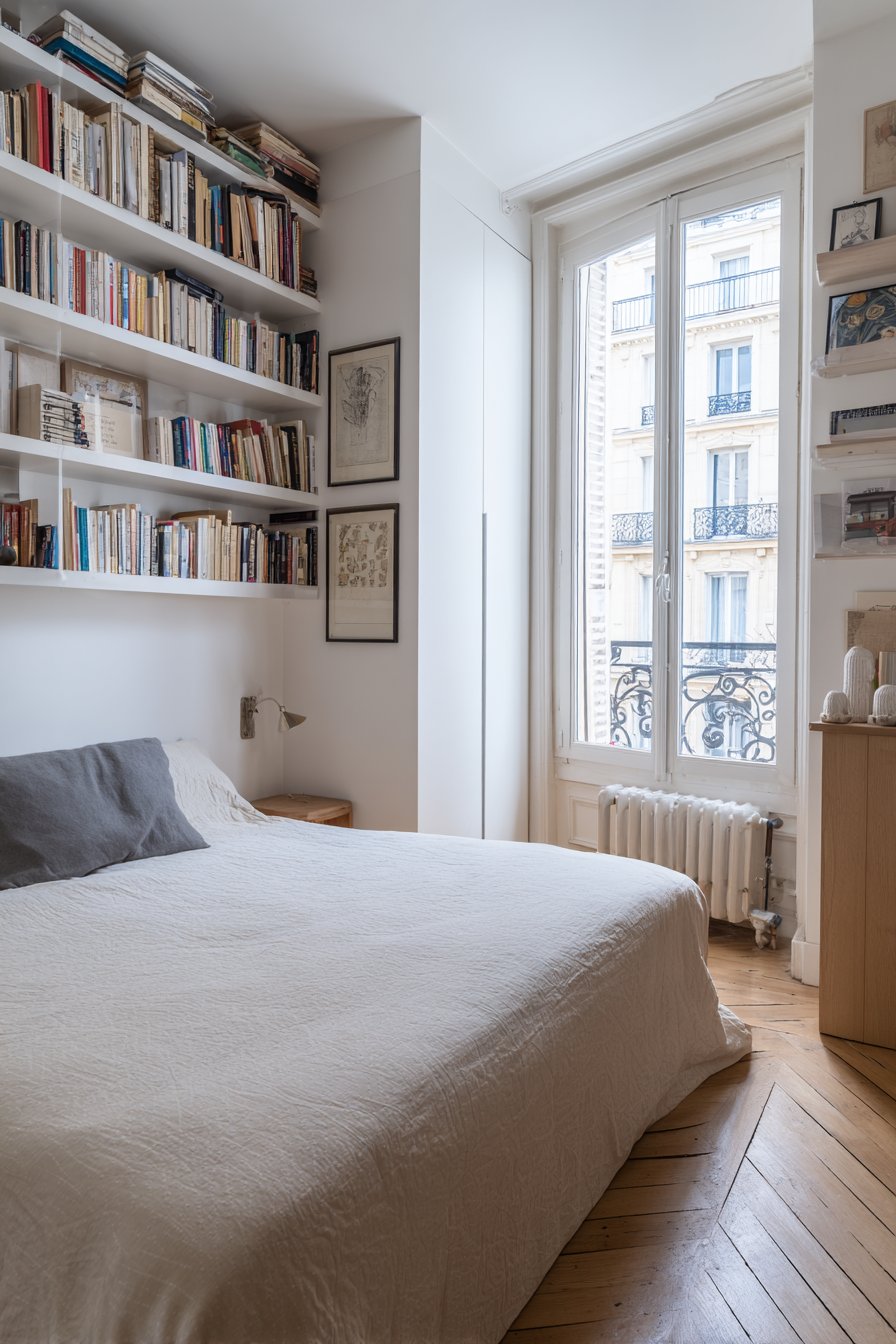
When floor space is limited, the solution is to build upward. Vertical storage draws the eye up and takes advantage of often-wasted wall space above furniture. Tall bookcases, wall-mounted shelves, and floor-to-ceiling wardrobes provide abundant storage without consuming precious square footage. This vertical emphasis also makes ceilings appear higher, which contributes to an overall sense of spaciousness.
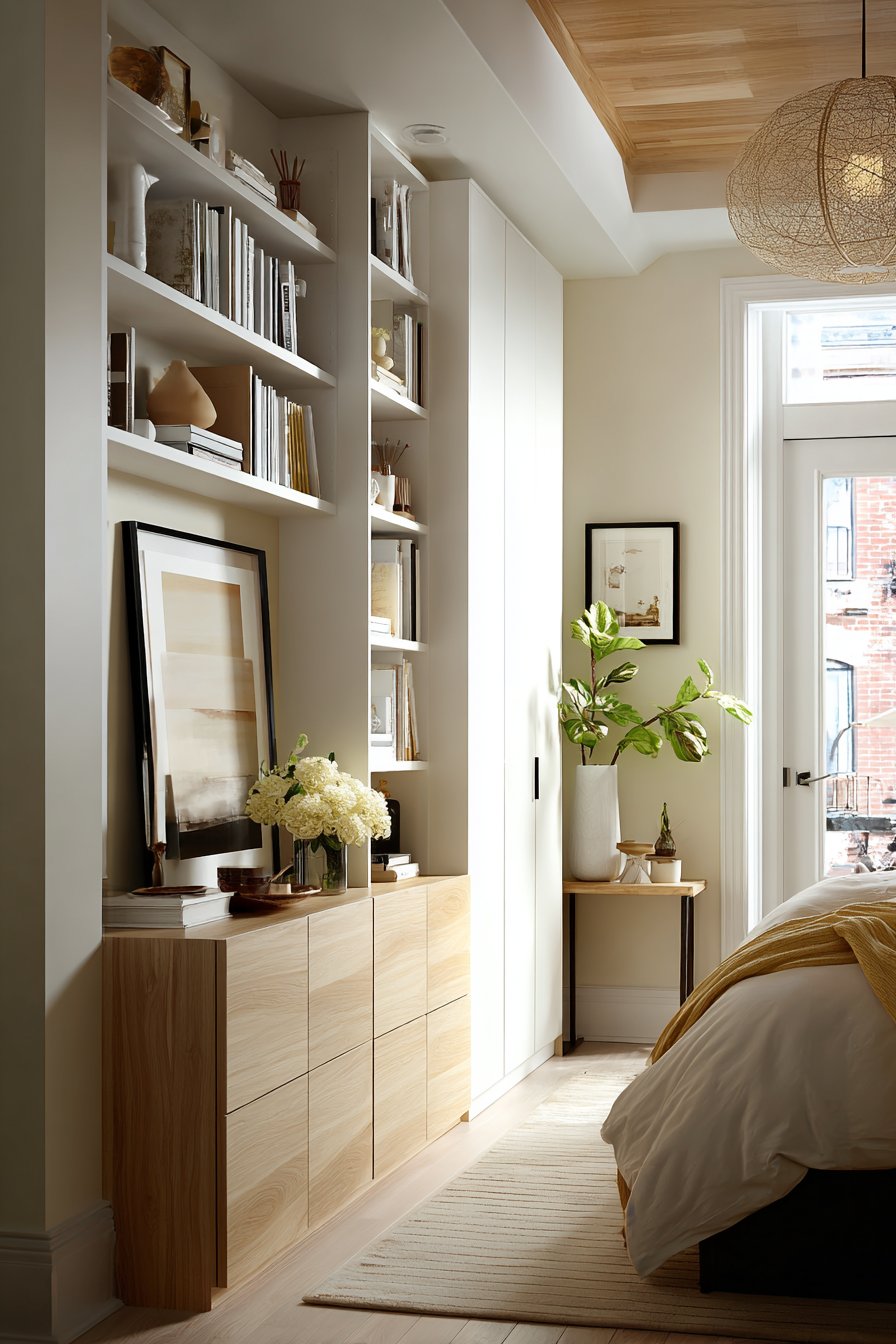
The psychological effect of vertical lines cannot be overstated. Just as vertical stripes make a person appear taller, vertical storage solutions make a room feel more expansive. By keeping the floor clear and moving storage upward, you create an uncluttered foundation that makes the room feel open and easy to navigate. This approach is far more effective than spreading storage horizontally across multiple low pieces.
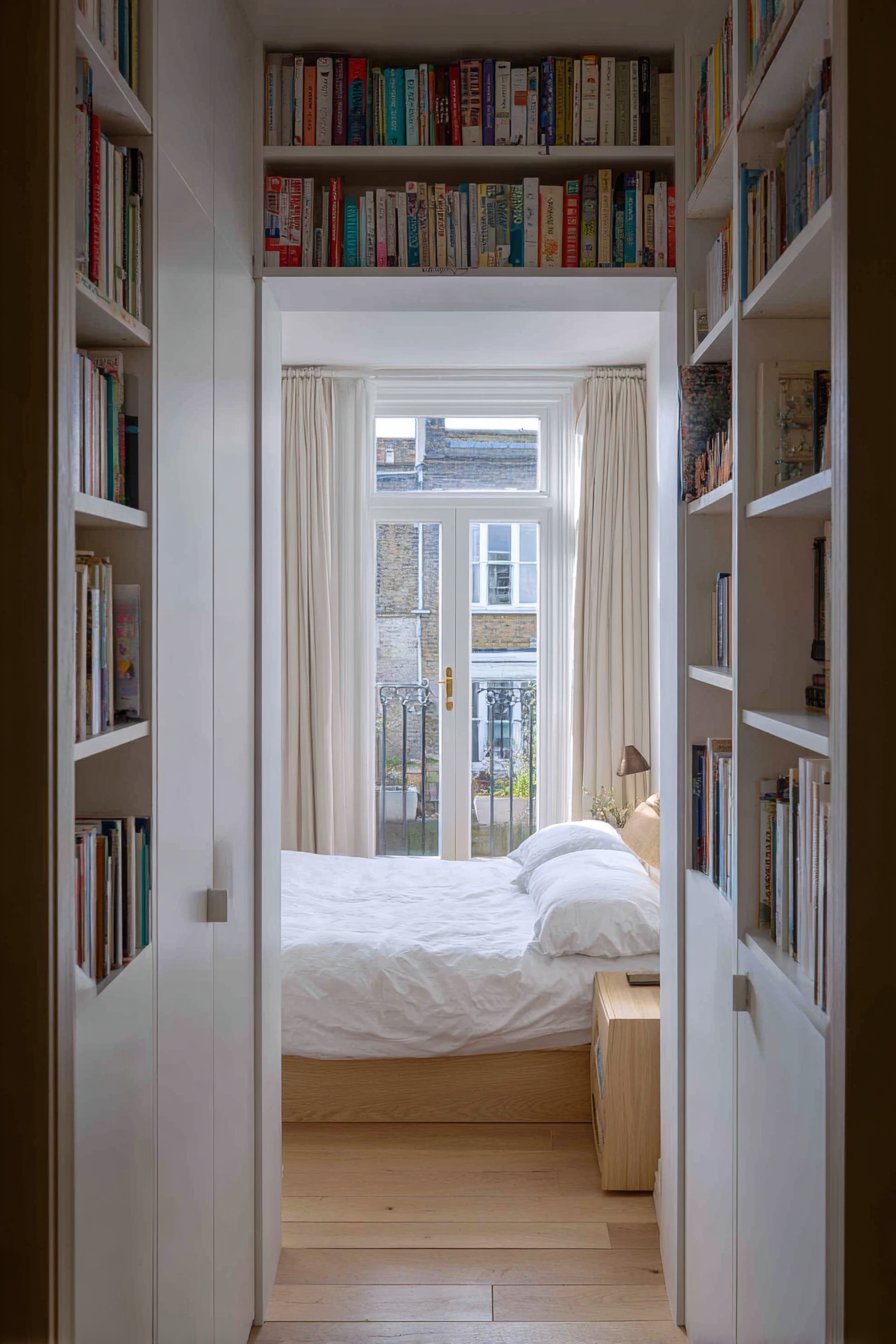
Wall-mounted nightstands and floating shelves are excellent alternatives to traditional furniture. These pieces provide necessary functionality while maintaining the appearance of open floor space beneath them. The floating effect creates visual lightness that makes the room feel less crowded, even when you have all the storage you need.
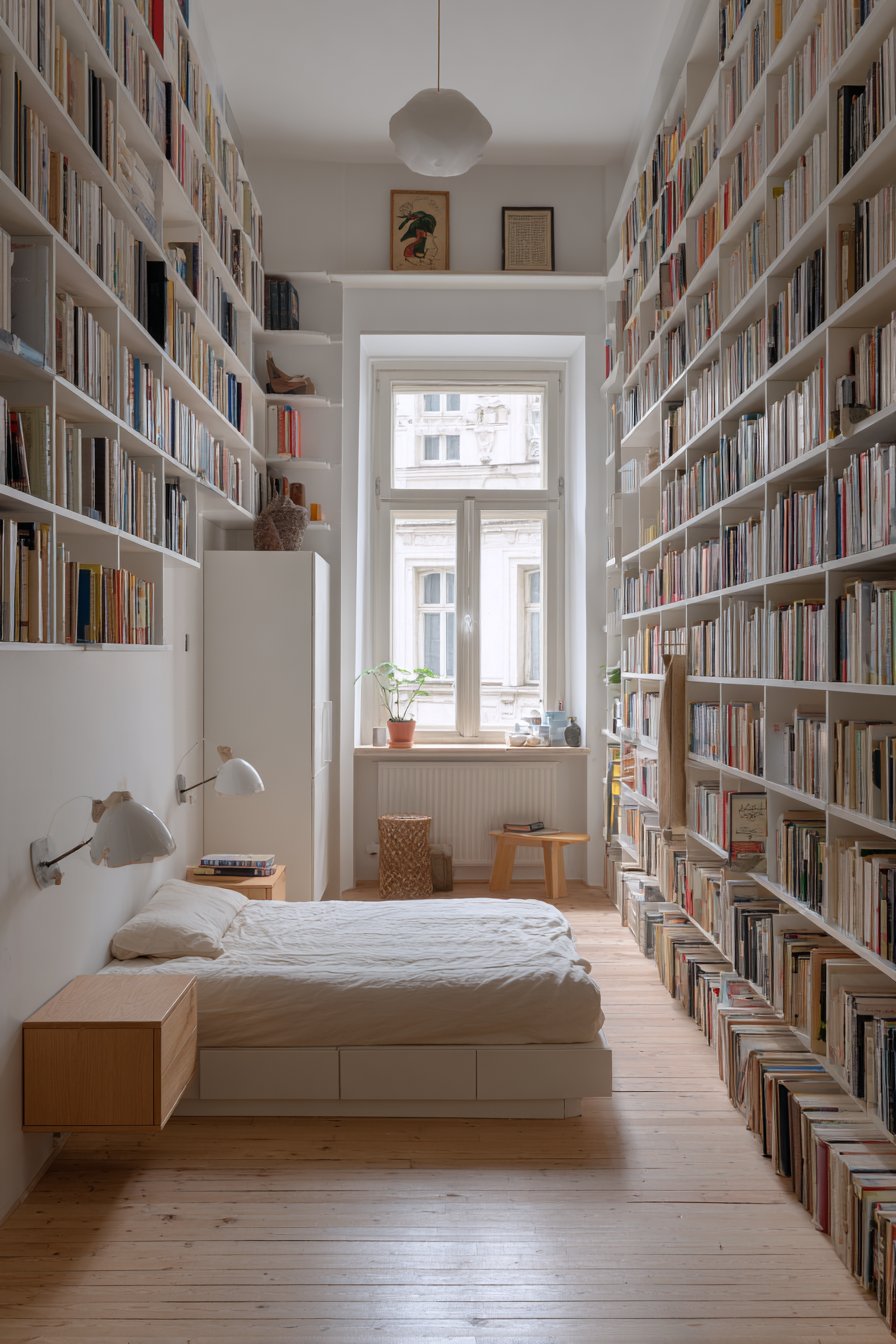
- Install floor-to-ceiling shelving units to maximize storage capacity
- Use wall-mounted floating shelves instead of bulky bookcases
- Choose tall, narrow furniture pieces over short, wide ones
- Mount nightstands on the wall to keep floor space visible
- Utilize the space above the door with a shelf for rarely used items
4. Multi-Functional Furniture Reduces Clutter
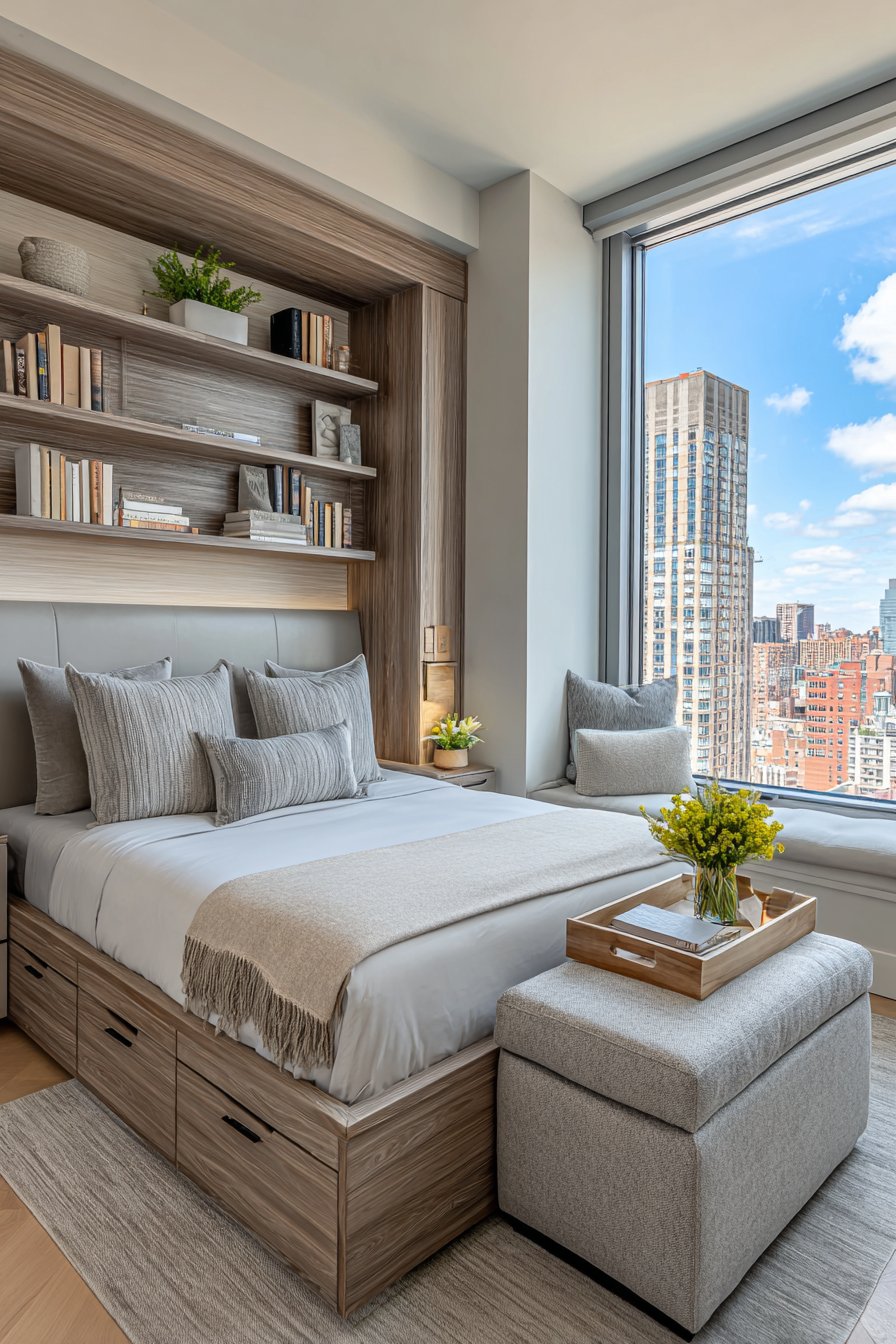
In a small bedroom, every piece of furniture should earn its place by serving multiple purposes. A bed with built-in drawers eliminates the need for a separate dresser. An ottoman that opens for storage provides seating while hiding blankets or off-season clothing. This dual-purpose approach reduces the number of furniture pieces needed, which directly translates to more open floor space and a less crowded feeling.
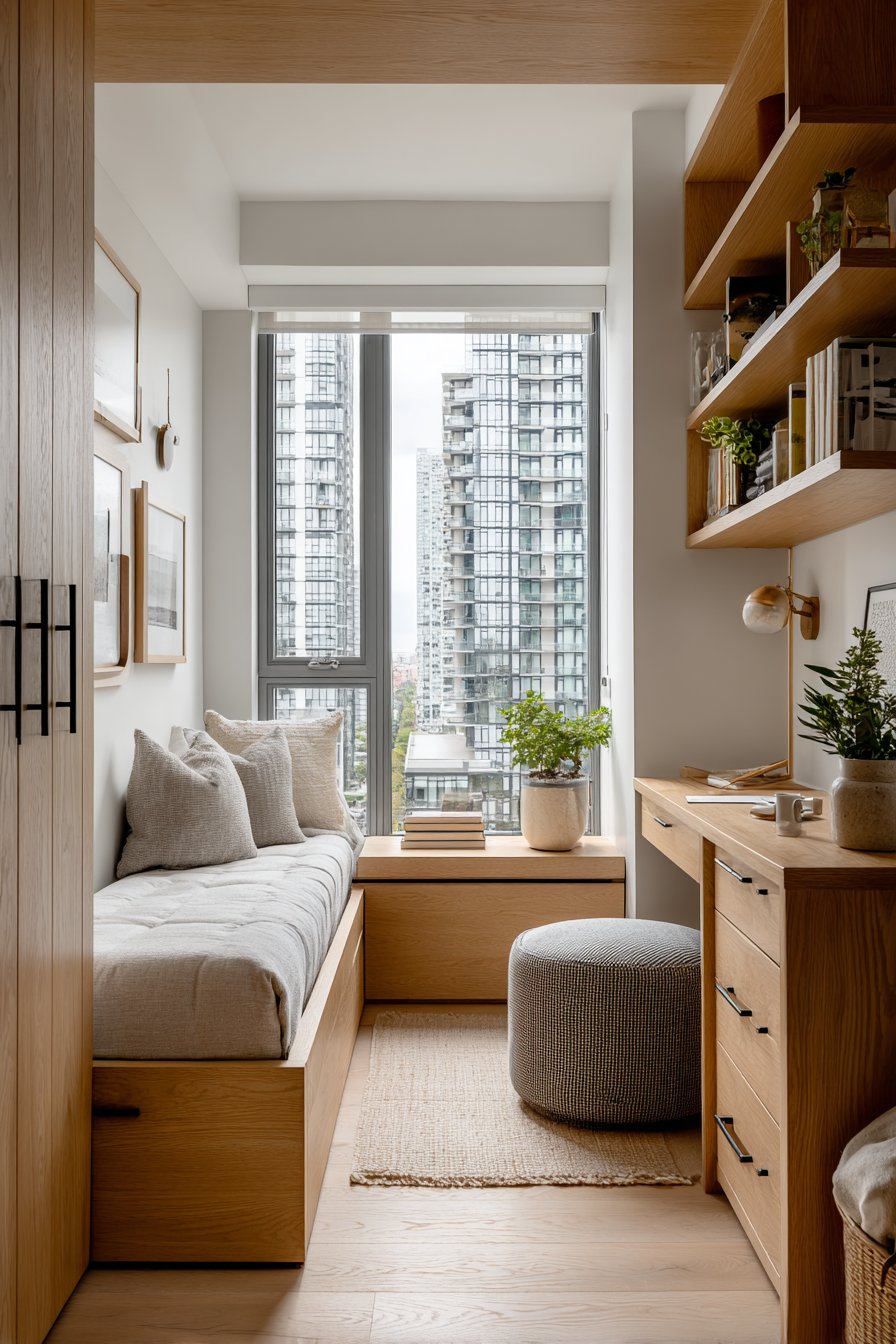
The key to selecting multi-functional furniture is finding pieces that don’t compromise on style while delivering practical benefits. Modern designs offer storage solutions that are beautifully integrated into the furniture itself, maintaining clean lines and attractive appearances. A well-designed storage bed looks like a standard bed but offers the storage capacity of several drawers without consuming additional space.
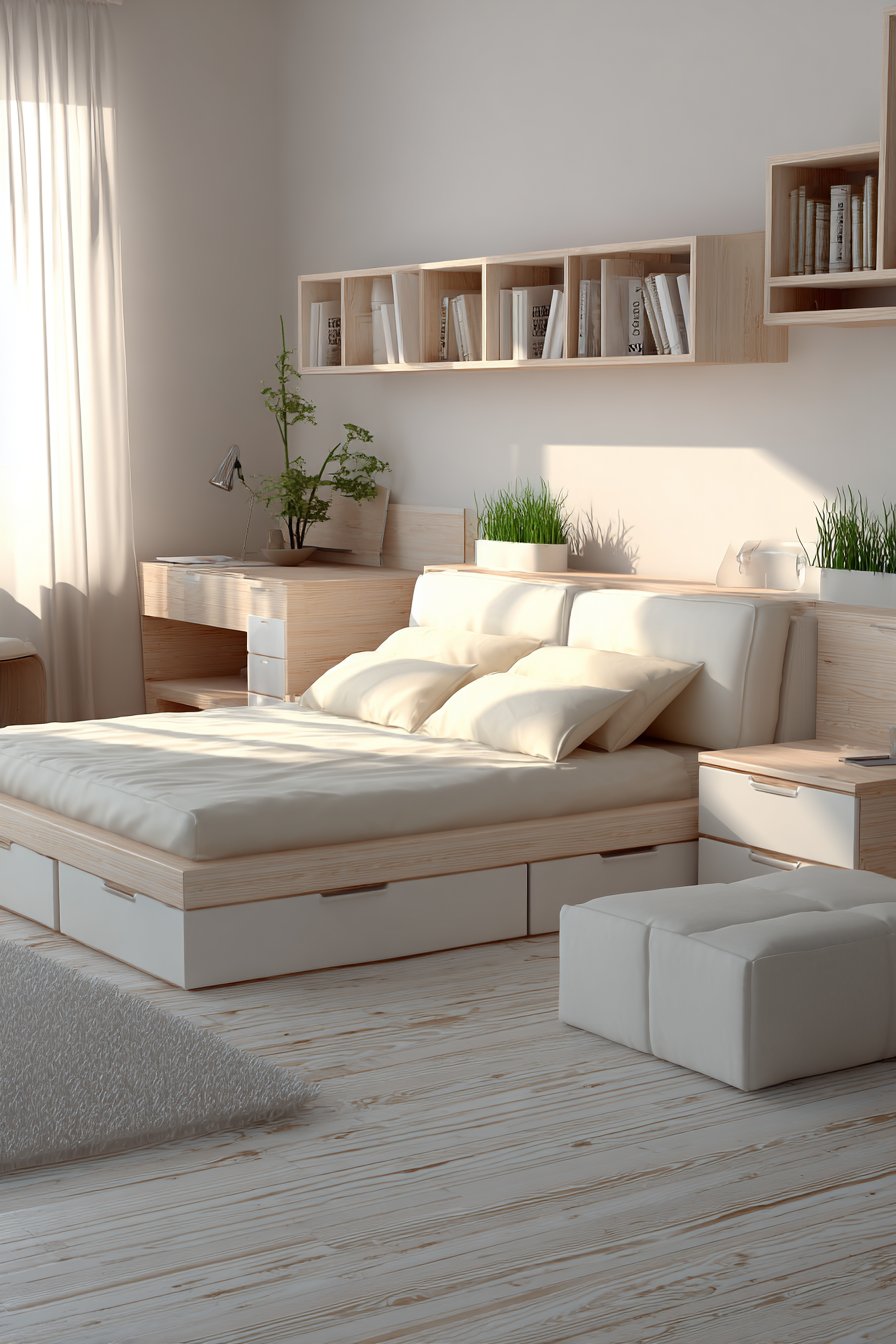
Consider your bedroom activities when choosing furniture. If you work or study in your bedroom, a fold-down desk or a nightstand that converts to a workspace might be perfect. If you enjoy reading, a headboard with built-in shelves keeps books within reach without requiring a bookcase. This thoughtful selection process ensures every item contributes to both function and spaciousness.
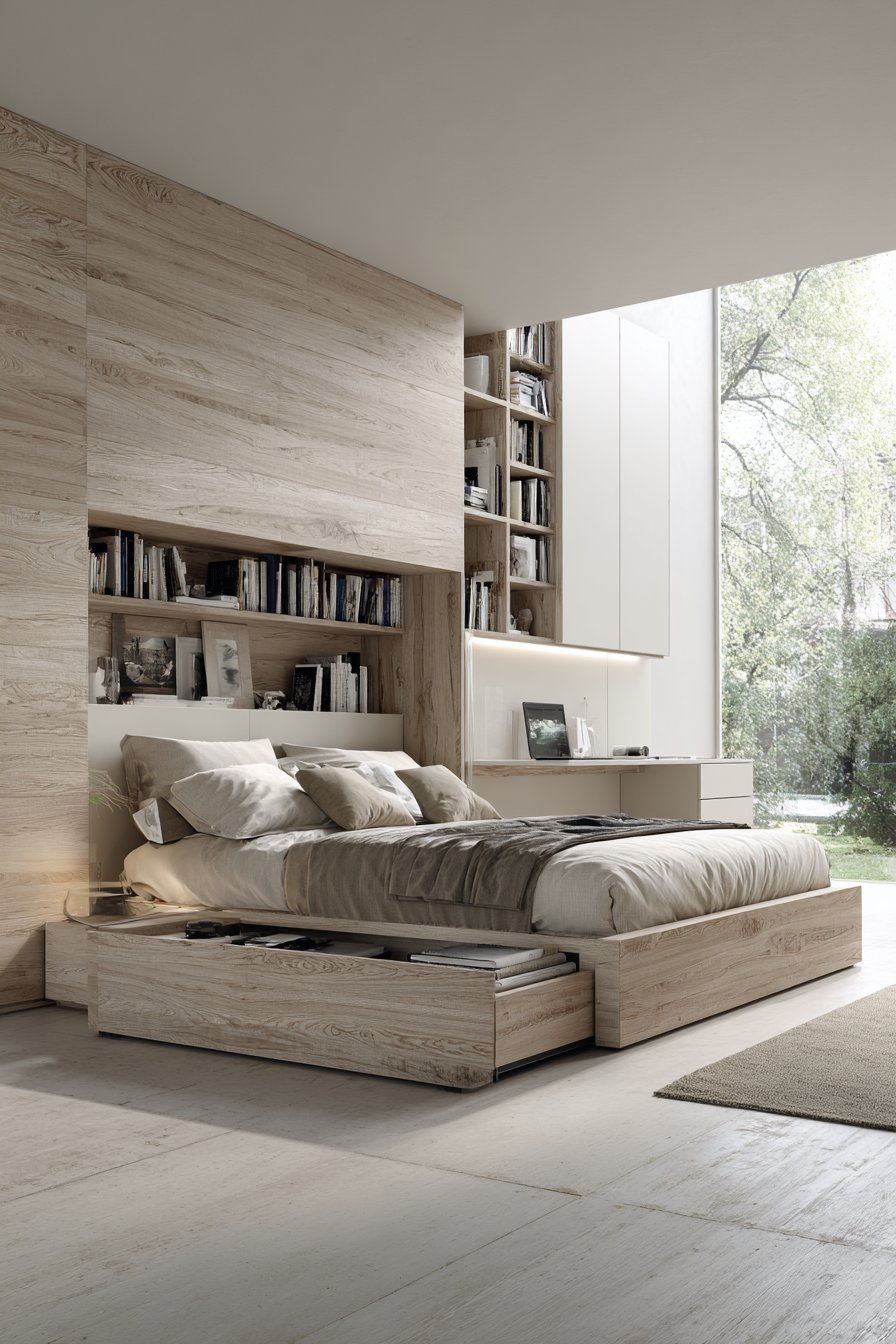
- Invest in a bed frame with built-in storage drawers underneath
- Choose an ottoman or bench that opens to store linens and clothing
- Select a nightstand with multiple shelves or drawers for maximum utility
- Consider a Murphy bed if you need the room for other daytime activities
- Use a trunk or storage chest as both seating and blanket storage
5. Minimal Window Treatments Allow Light Flow
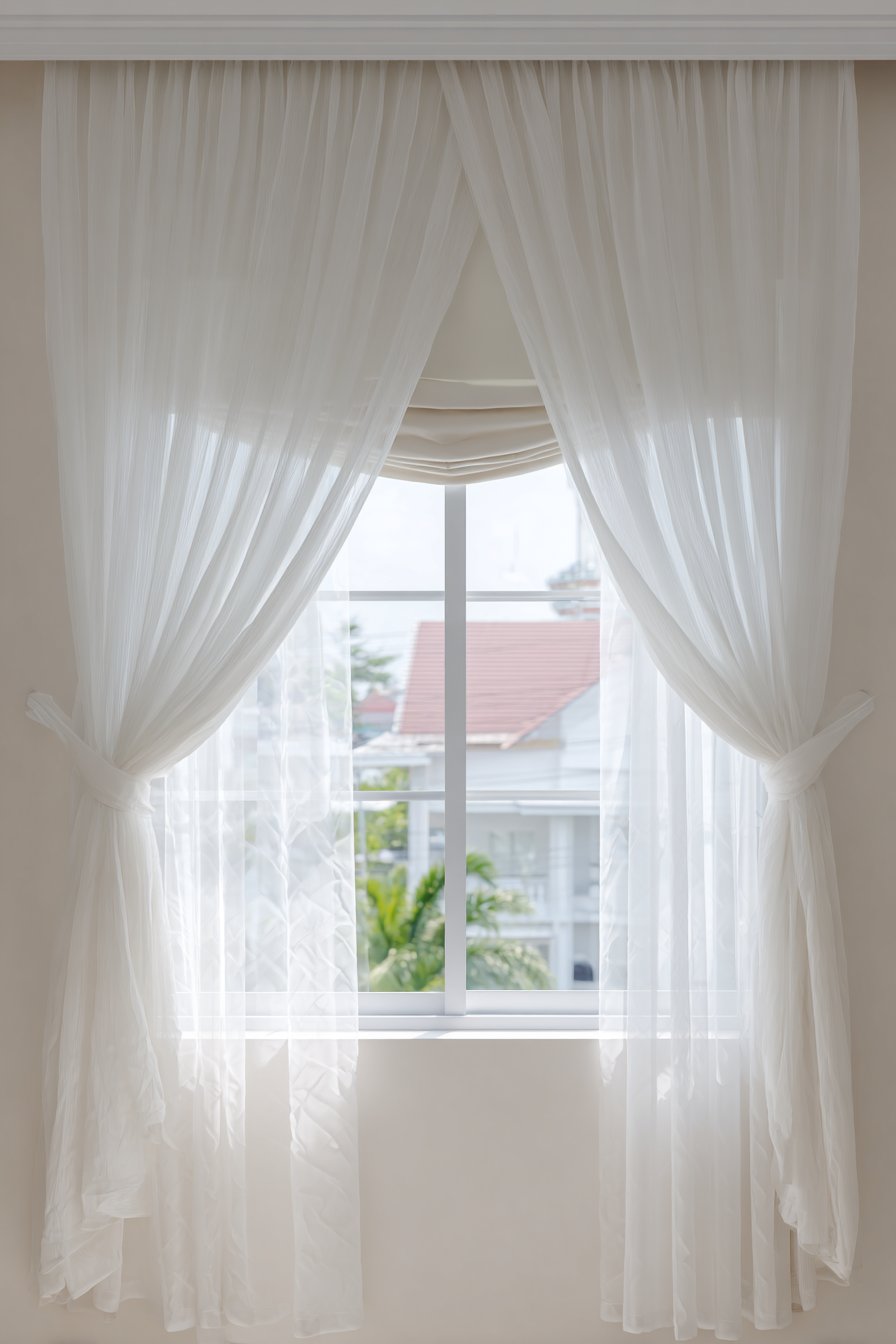
Heavy curtains and elaborate window treatments can make a small bedroom feel darker and more confined. Simple, light-filtering options allow natural light to flood the space while maintaining privacy. The more natural light that enters your bedroom, the larger and more open it will feel. This connection to the outdoors also makes the space feel less isolated and confined.
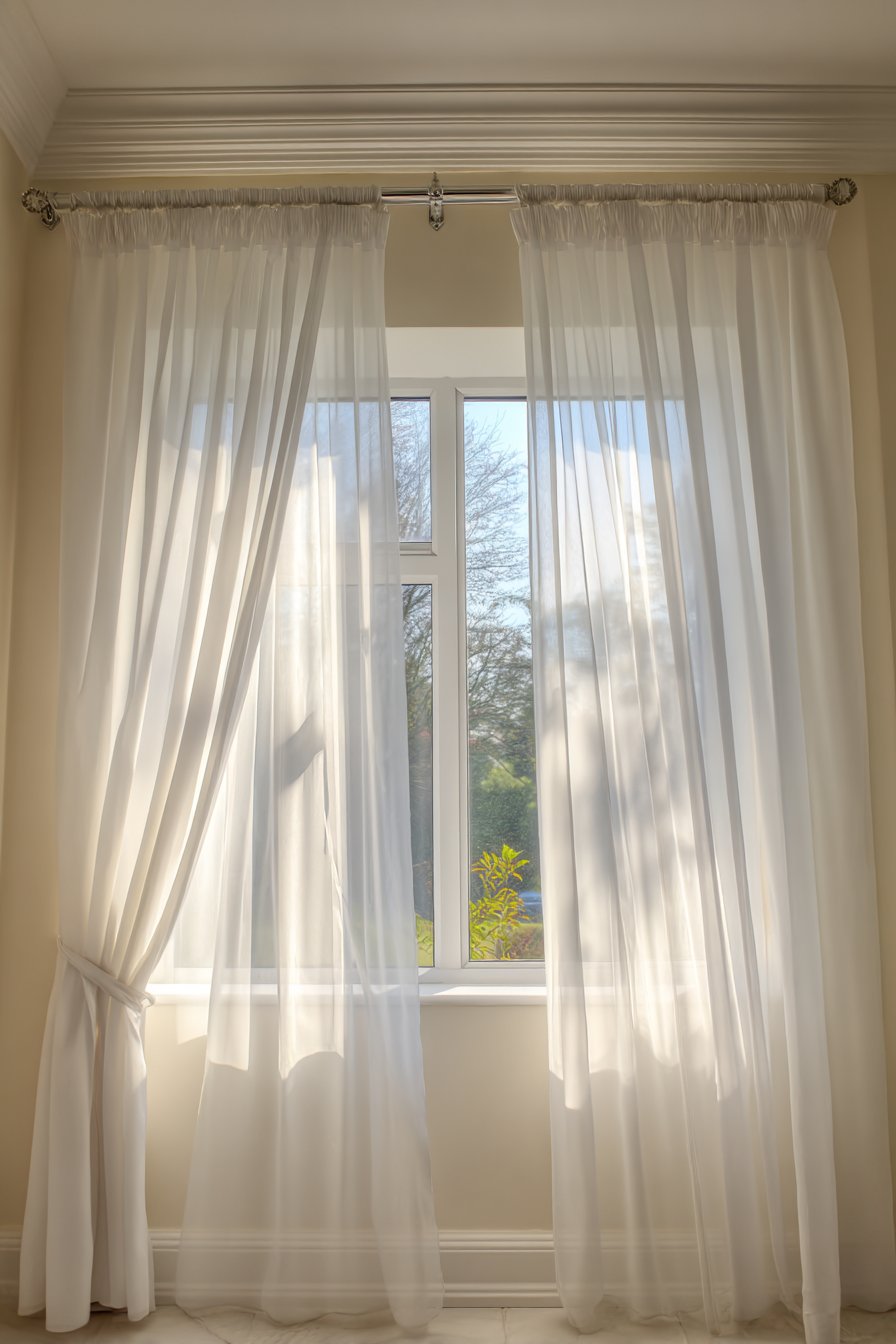
Sheer curtains, roman shades, or simple roller blinds mounted inside the window frame keep the window area clean and uncluttered. When treatments are mounted as close to the glass as possible, they create the illusion of larger windows and don’t encroach on valuable wall space. Avoiding heavy fabrics and excessive layers maintains an airy, unencumbered feeling around windows.
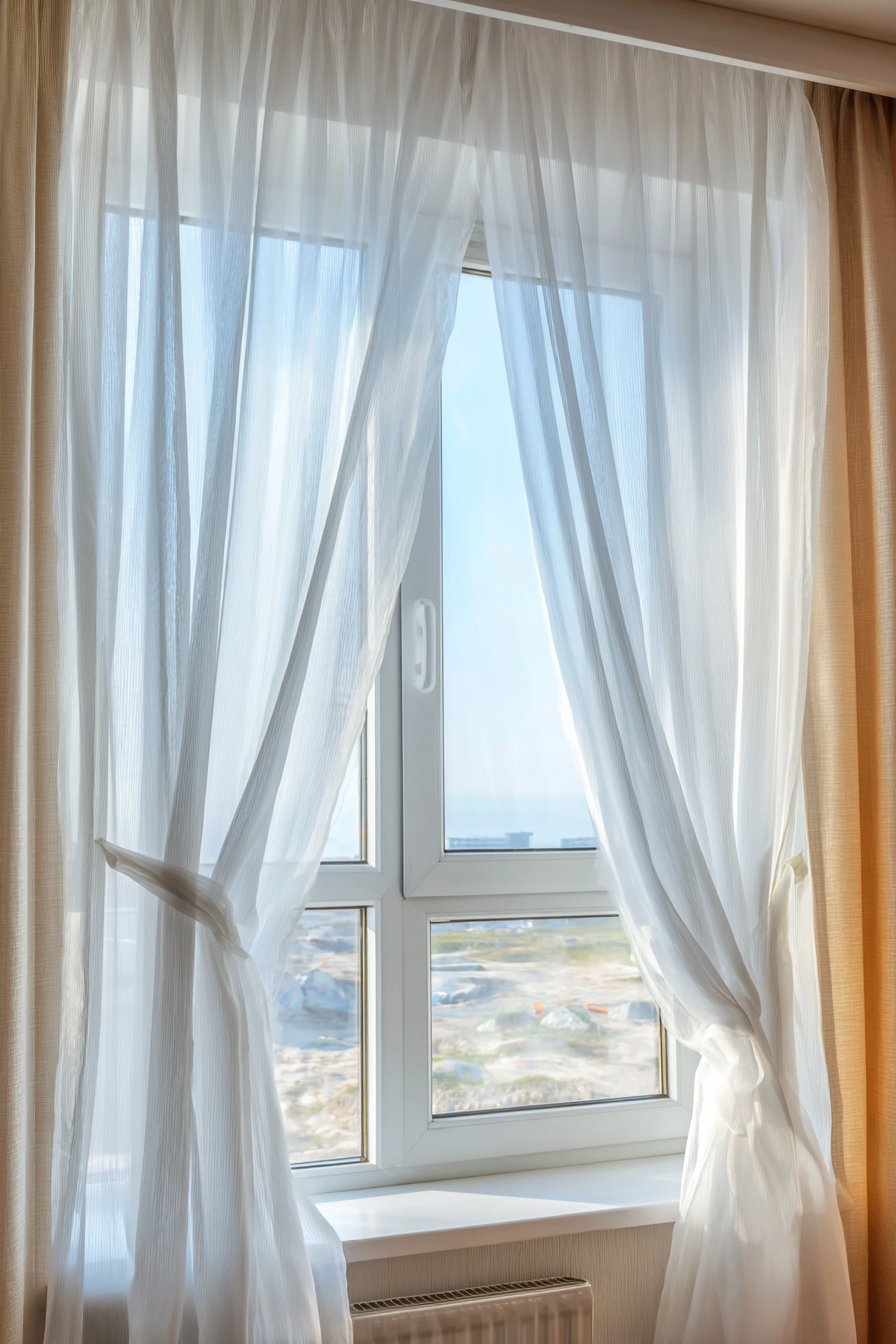
The color and style of window treatments should complement your overall light color scheme. White or cream treatments virtually disappear, allowing the window itself to become a focal point. If you need blackout capabilities for sleep, consider cellular shades that mount inside the frame and provide both light control and insulation without the visual heaviness of traditional drapes.
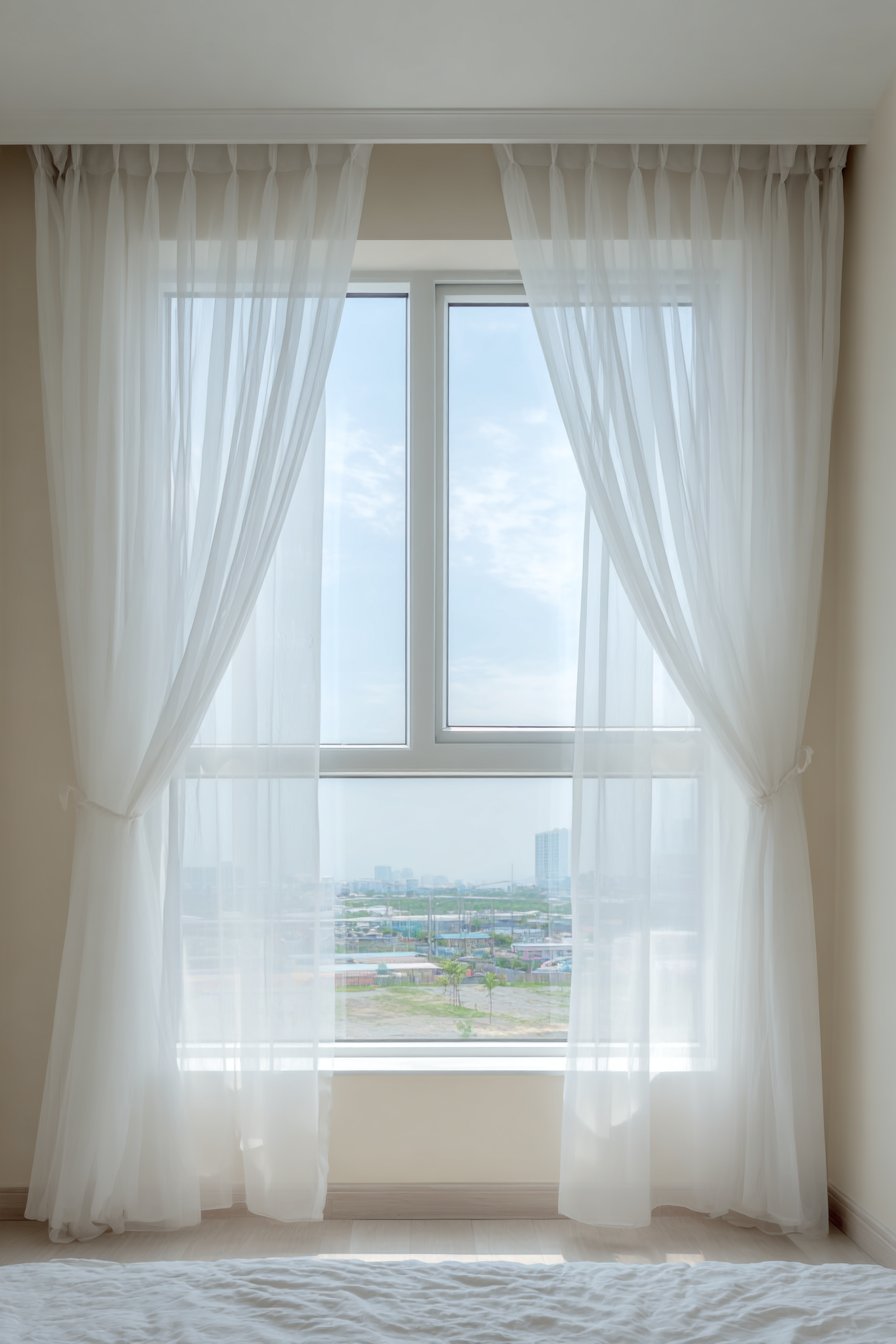
- Install sheer white curtains that filter light without blocking it completely
- Mount curtain rods as close to the ceiling as possible to add height
- Choose simple roller shades or roman shades over heavy drapes
- Keep window treatments in light colors that match your walls
- Avoid valances and elaborate treatments that add visual clutter
6. Decluttered Surfaces Create Visual Breathing Room
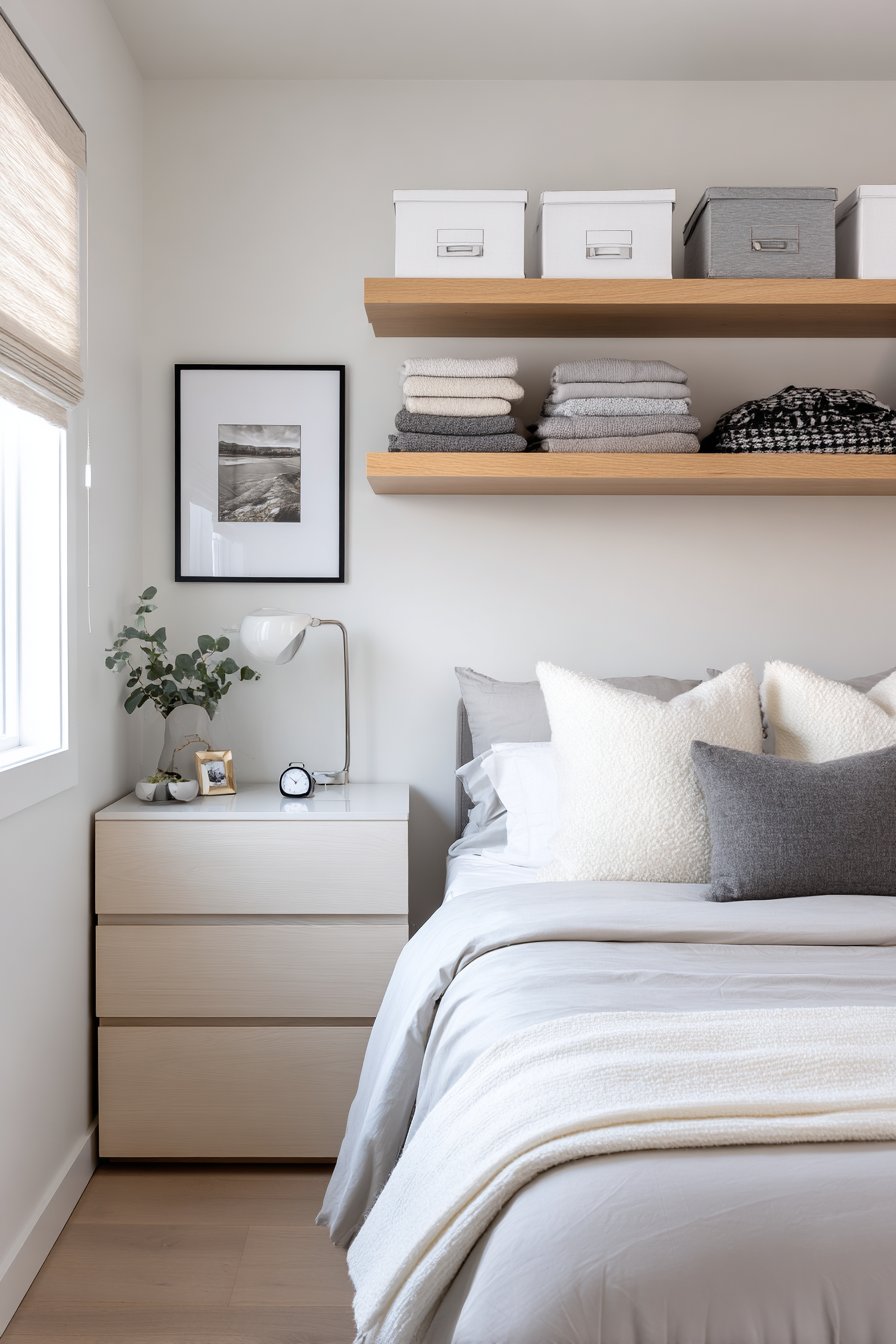
Nothing makes a small space feel cramped faster than visible clutter. Clear surfaces create visual calm and make a room feel more spacious because the eye can move freely without encountering obstacles. This doesn’t mean your bedroom needs to be sterile, but rather that every visible item should be intentional and contribute to the room’s aesthetic. Strategic editing of belongings is essential in small spaces.
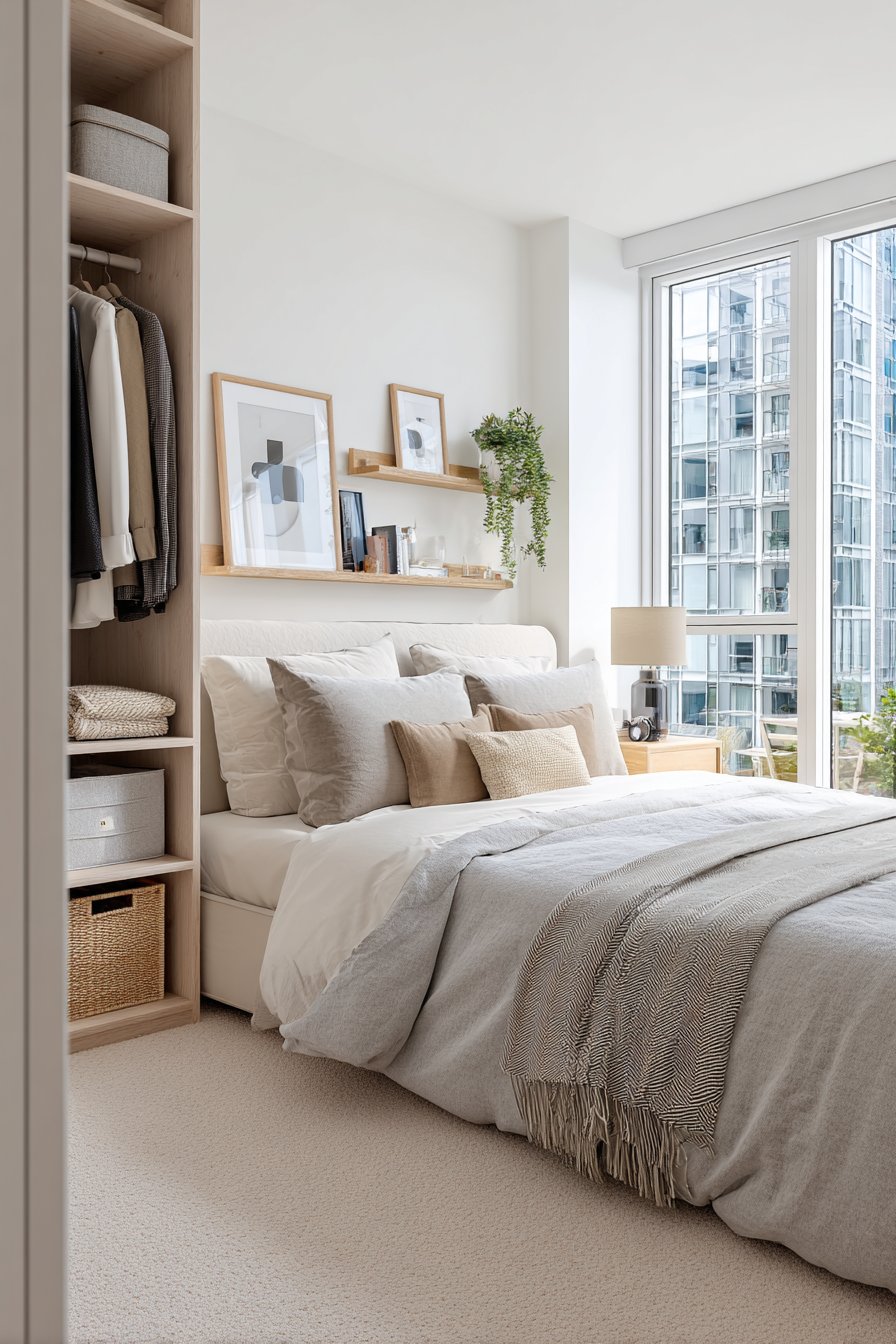
Implementing a “one in, one out” rule helps maintain clutter-free surfaces. When you bring something new into your bedroom, remove something else. This discipline prevents the gradual accumulation that shrinks perceived space. Nightstands should hold only essentials like a lamp, alarm clock, and perhaps one decorative item. Dressers can display a few carefully chosen pieces rather than becoming catch-all surfaces.
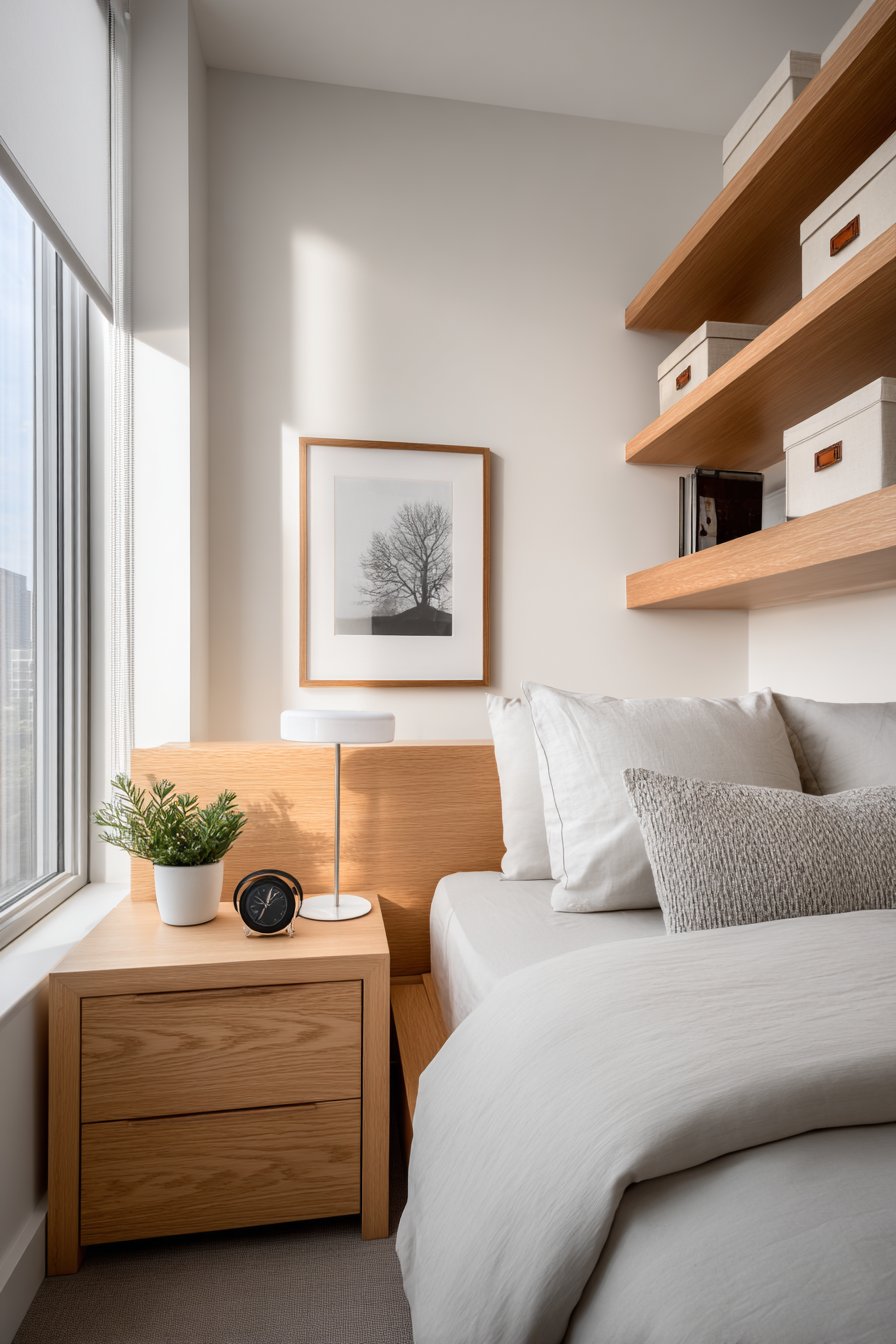
Hidden storage is your best friend when maintaining clear surfaces. Drawer organizers, under-bed storage boxes, and closet systems keep belongings organized and out of sight. When everything has a designated home, it’s easier to maintain the clean, open feeling that makes a small bedroom feel spacious. This organizational foundation makes daily maintenance effortless and sustainable.
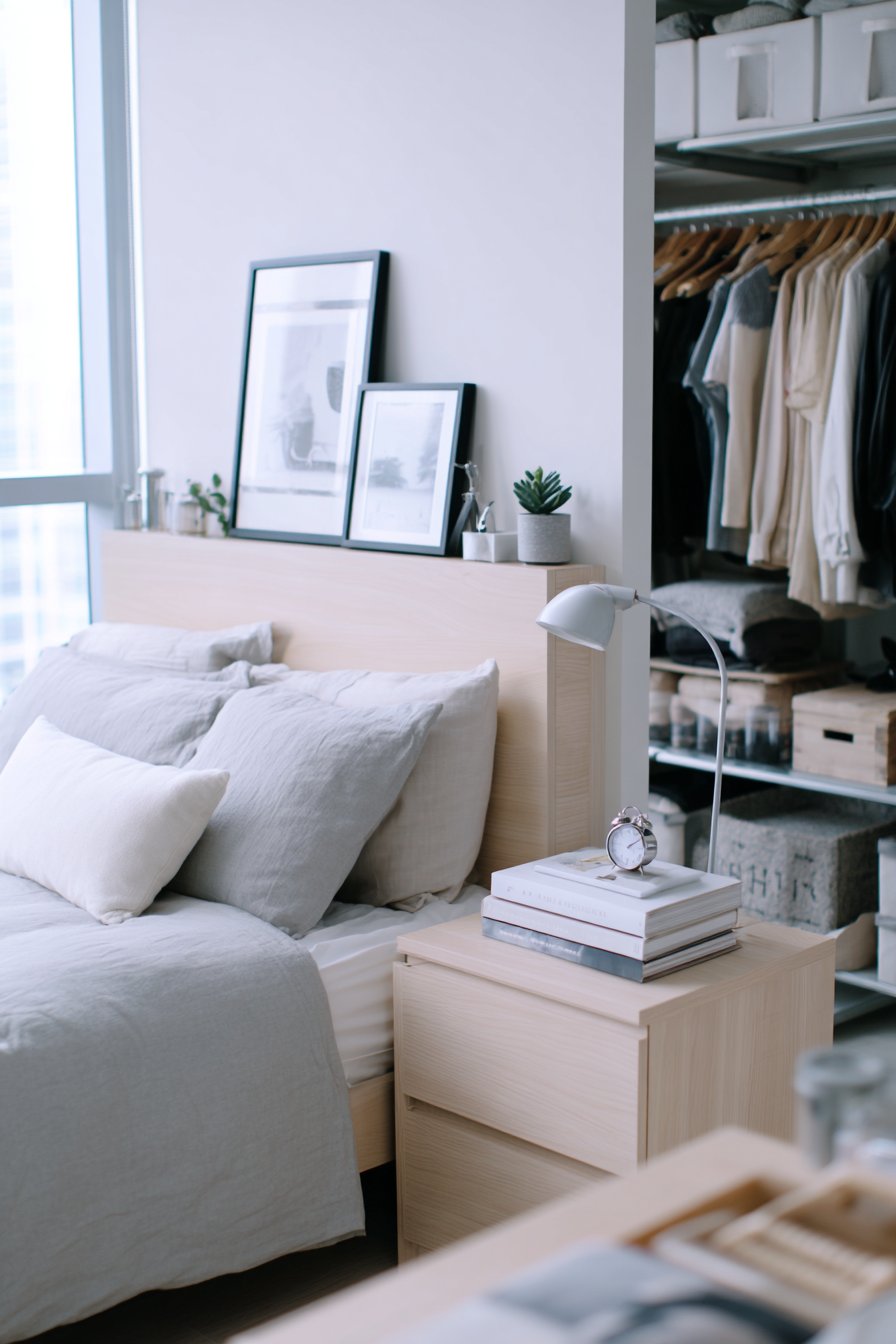
- Limit nightstand items to absolute essentials only
- Use decorative boxes or baskets to contain small items
- Keep only current-season clothing visible in your closet
- Implement drawer organizers to maximize hidden storage efficiency
- Adopt a regular decluttering schedule to prevent accumulation
7. Low-Profile Furniture Emphasizes Ceiling Height

Furniture height significantly impacts how spacious a room feels. Low-profile pieces create more visual space between the furniture and ceiling, which makes the room appear taller and more open. A platform bed sits lower than a traditional bed frame, creating the illusion of higher ceilings. This horizontal emphasis is particularly effective in rooms with standard eight-foot ceilings.
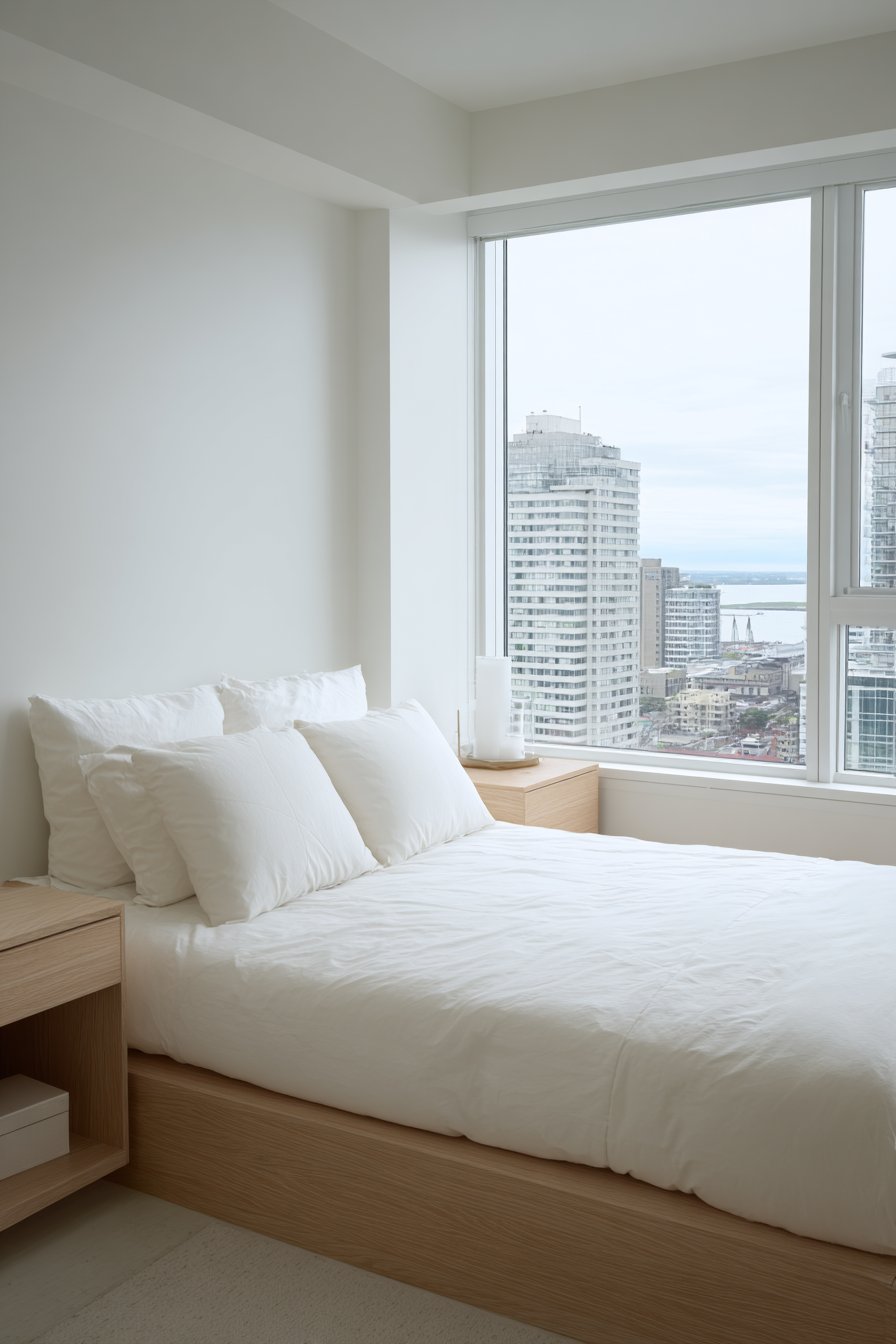
The principle works because our eyes naturally compare the relationship between furniture height and ceiling height. When furniture is low, the ceiling appears farther away, creating a sense of vertical spaciousness. This effect is amplified when combined with other techniques like vertical storage and light colors. The contrast between low furniture and tall storage creates visual interest while maximizing perceived space.
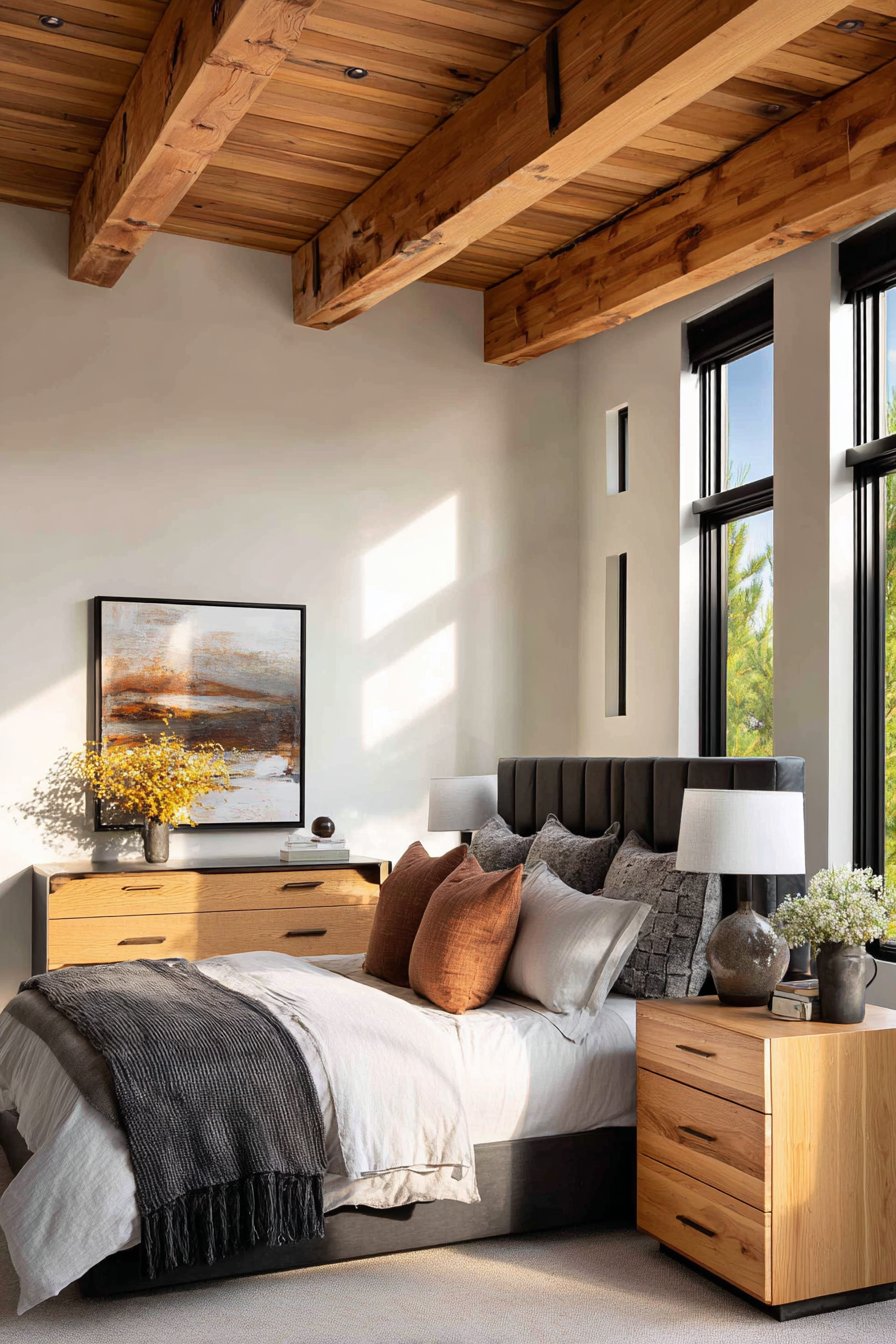
Modern and minimalist furniture styles naturally tend toward lower profiles, which makes them ideal for small bedrooms. A low platform bed, streamlined dresser, and simple nightstands maintain clean horizontal lines that don’t interrupt sightlines across the room. This uninterrupted flow is essential for creating the open feeling that makes a tiny bedroom comfortable.

- Choose a platform bed or low-profile bed frame instead of high traditional styles
- Select dressers and nightstands that are lower than typical heights
- Avoid tall headboards that draw the eye downward
- Keep furniture heights below 36 inches when possible
- Maintain consistent furniture heights for visual harmony
8. Strategic Lighting Layers Add Depth and Dimension
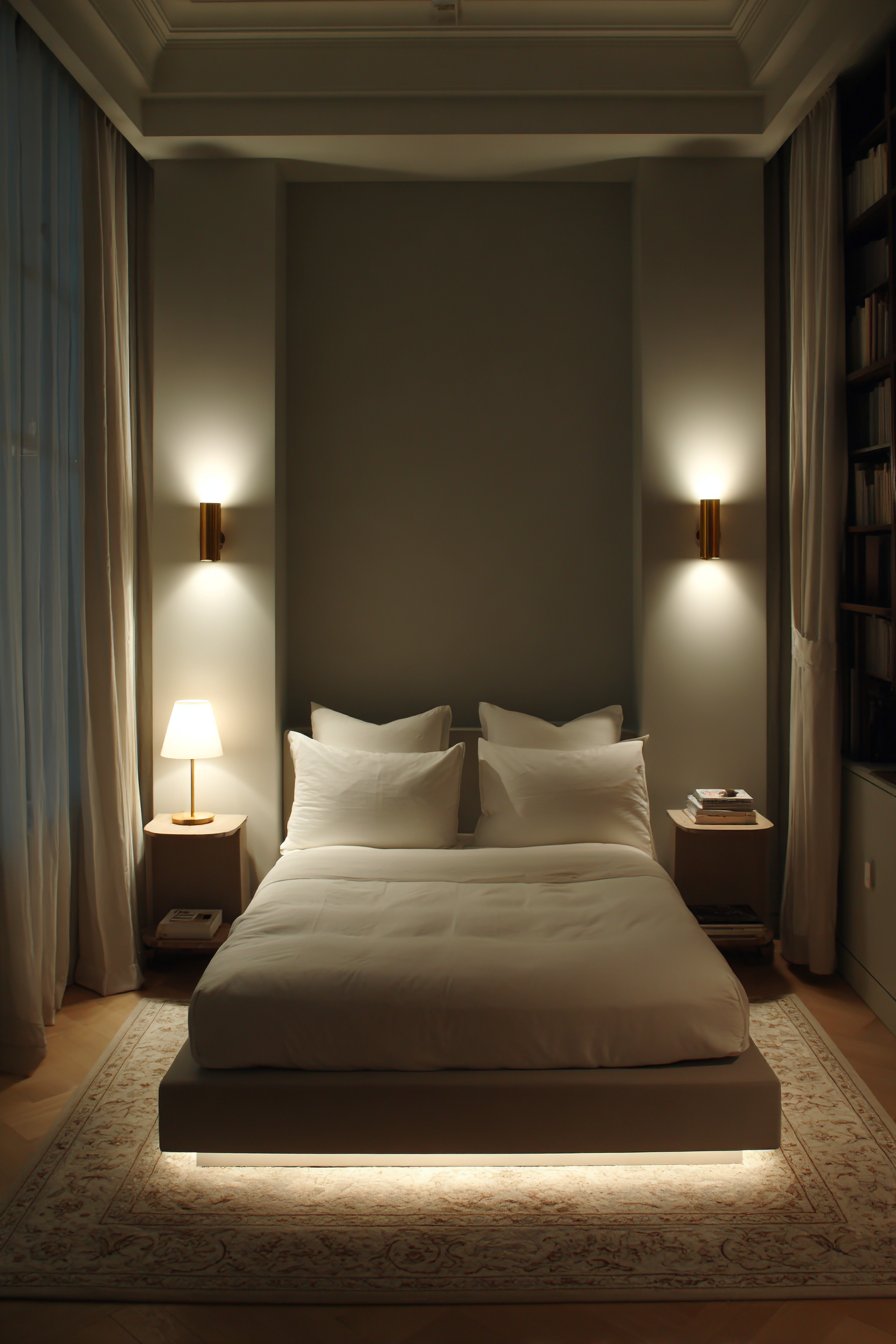
Proper lighting can transform perceived space more dramatically than almost any other element. Multiple light sources at different heights create depth and dimension that make a room feel larger. A single overhead light flattens a space, while layered lighting with ambient, task, and accent sources adds complexity and visual interest. This three-dimensional approach to lighting tricks the eye into perceiving more space.
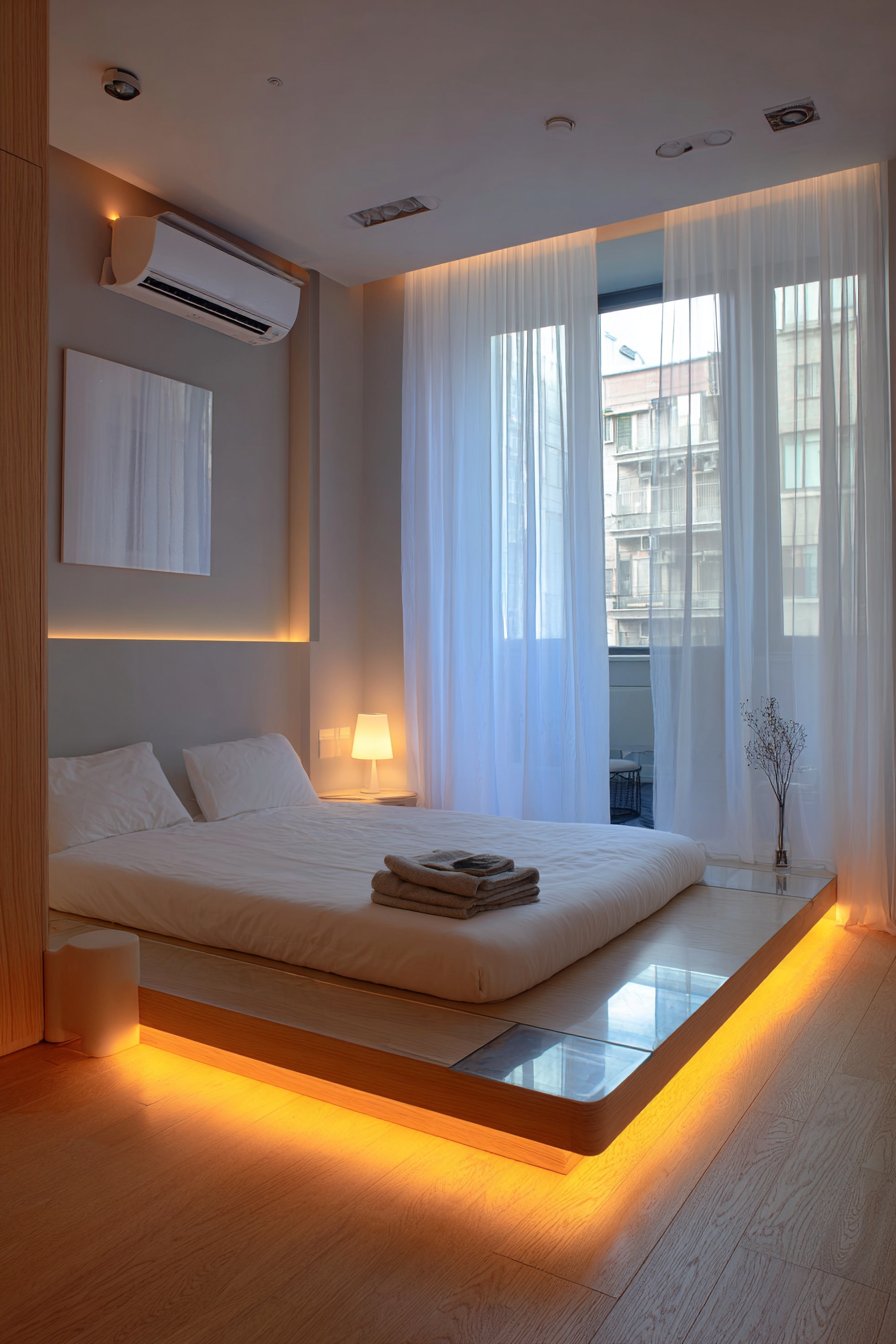
Natural light should be your primary source, but artificial lighting fills in during evening hours and darker days. Wall-mounted sconces save nightstand space while providing reading light. Under-bed lighting creates a floating effect that makes the bed appear weightless. Dimmer switches allow you to adjust lighting levels for different moods and times of day, adding versatility to your small space.
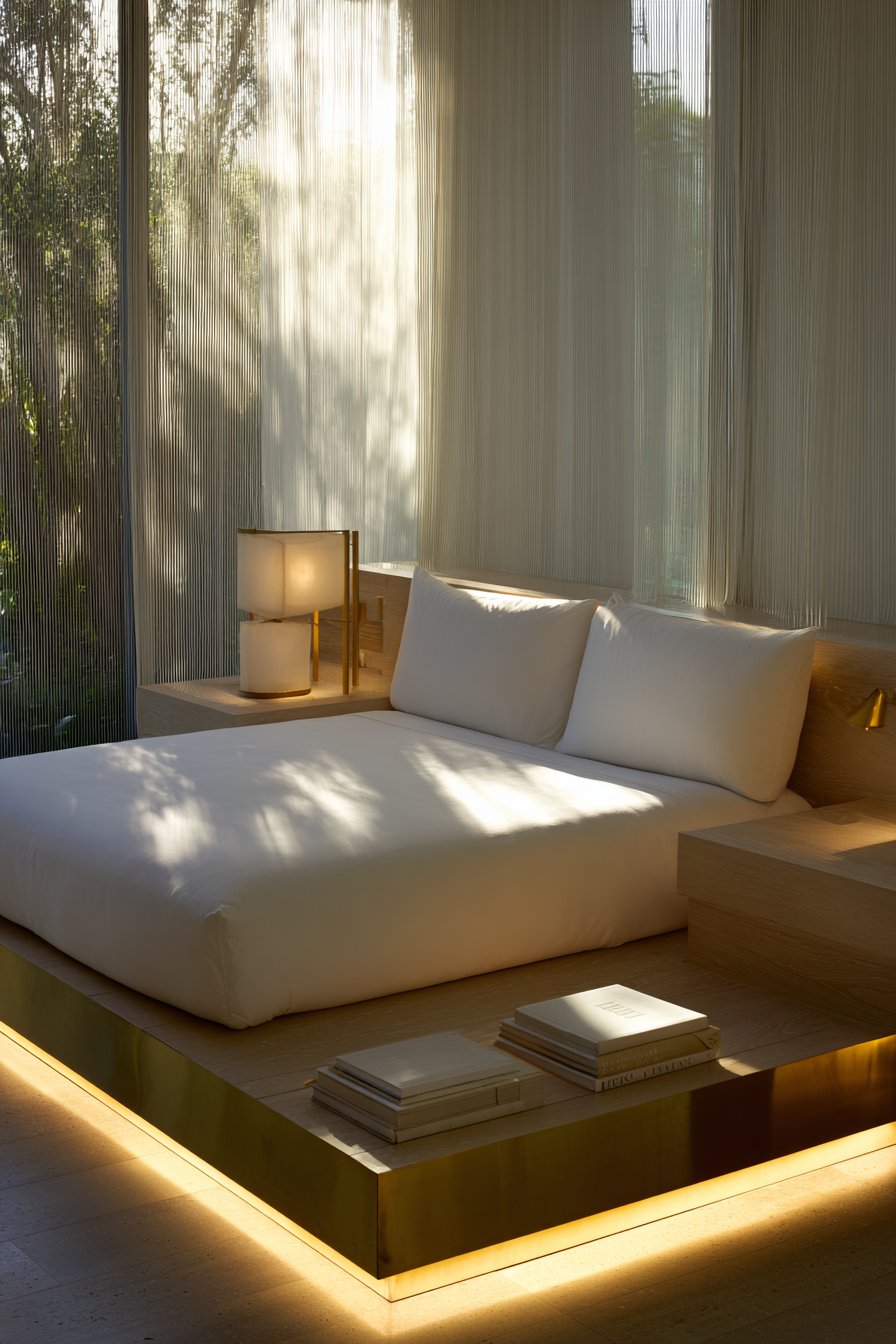
Avoid harsh overhead lighting that creates unflattering shadows and makes the space feel smaller. Instead, use multiple softer sources that wash walls with light and eliminate dark corners. Lighting directed upward makes ceilings appear higher, while strategically placed lamps draw attention to the room’s best features. This thoughtful illumination creates an inviting atmosphere that feels much more spacious than poorly lit compact rooms.
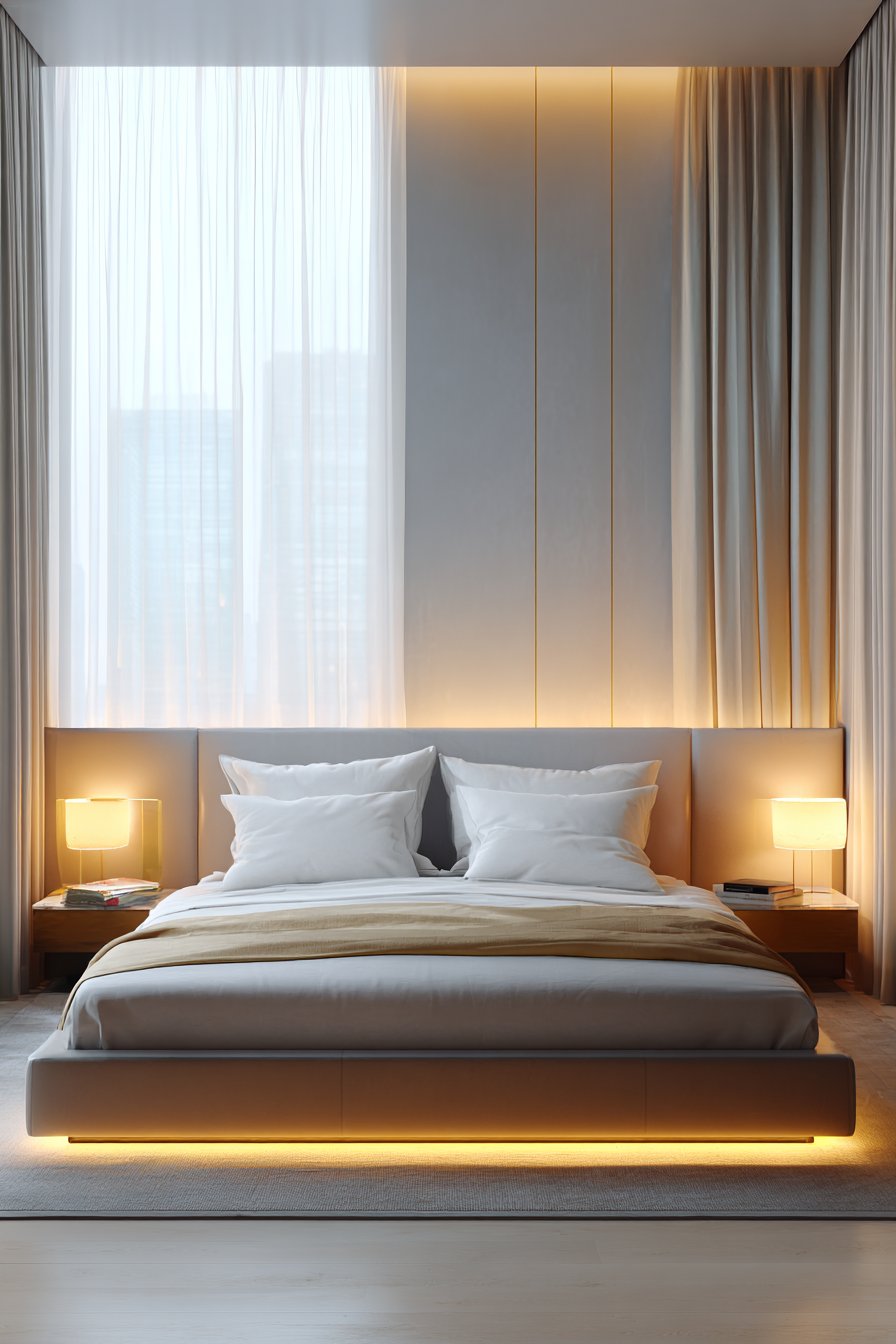
- Install dimmer switches to control lighting intensity and mood
- Use wall-mounted sconces to save nightstand surface space
- Add LED strip lighting under the bed for a floating effect
- Place a lamp in the darkest corner to eliminate shadows
- Choose warm white bulbs that create inviting rather than clinical light
9. Continuous Flooring Eliminates Visual Barriers
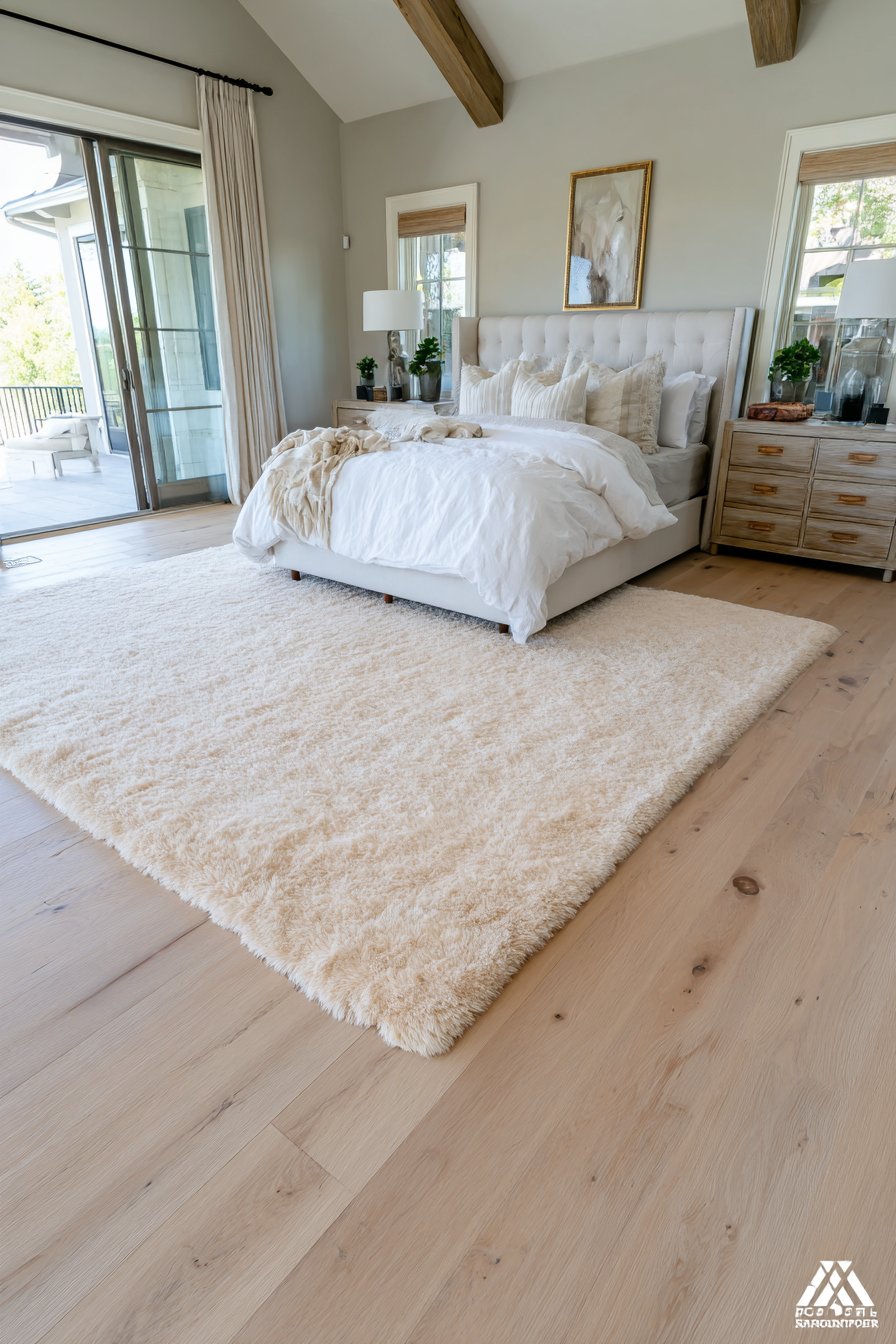
Flooring that flows continuously without interruption makes a small bedroom feel significantly larger. Area rugs should be large enough to extend under furniture rather than small rugs that break up the floor into sections. When the same flooring material extends from wall to wall, the eye perceives a unified space rather than separate zones. This visual continuity is powerful in creating spaciousness.
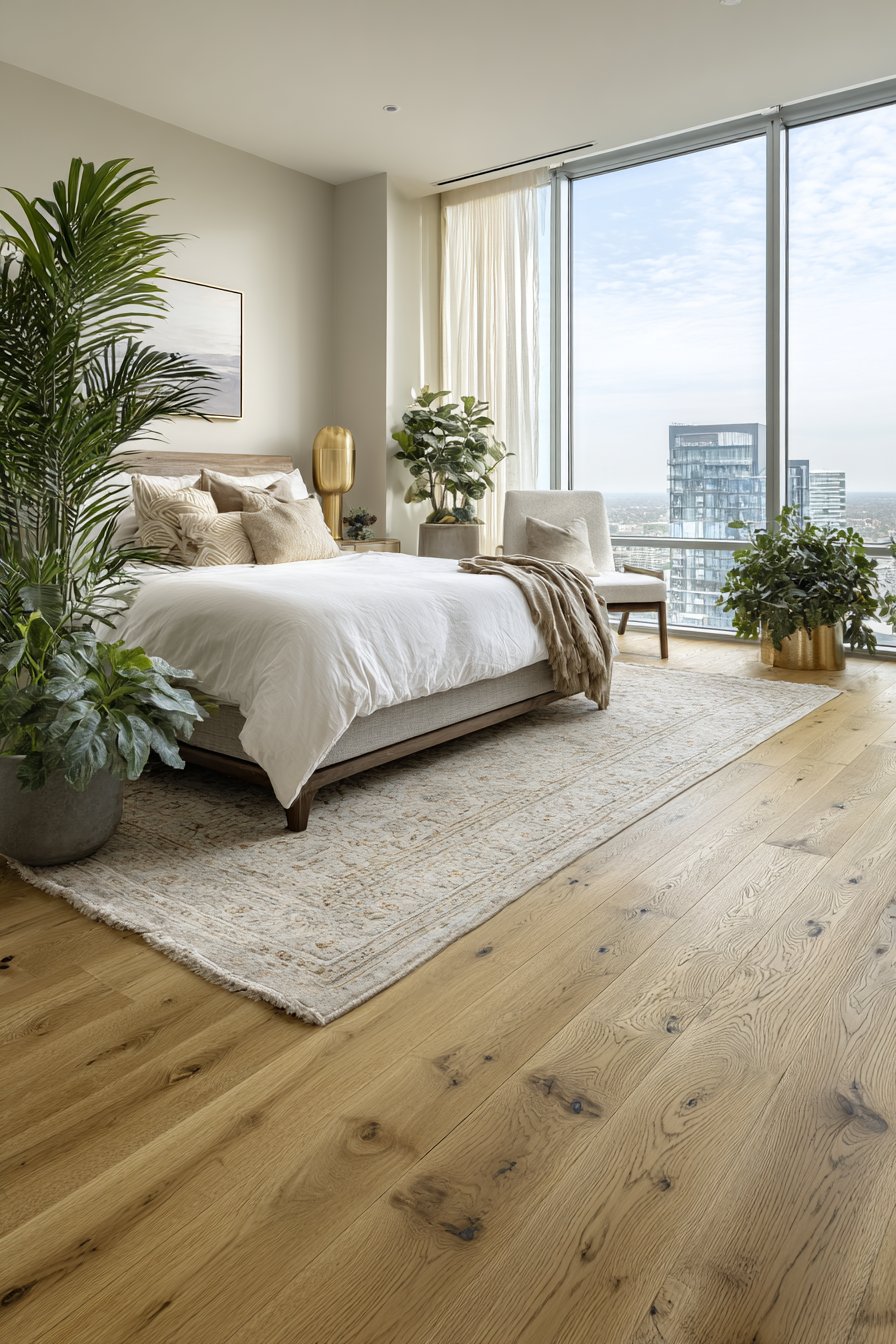
If you use an area rug, choose one in a light color that complements your walls and bedding. The rug should be large enough that at least the front legs of your bed and nightstands rest on it. This creates a cohesive furniture grouping that feels intentional rather than scattered. Small, disconnected rugs make a space feel choppy and smaller than it actually is.
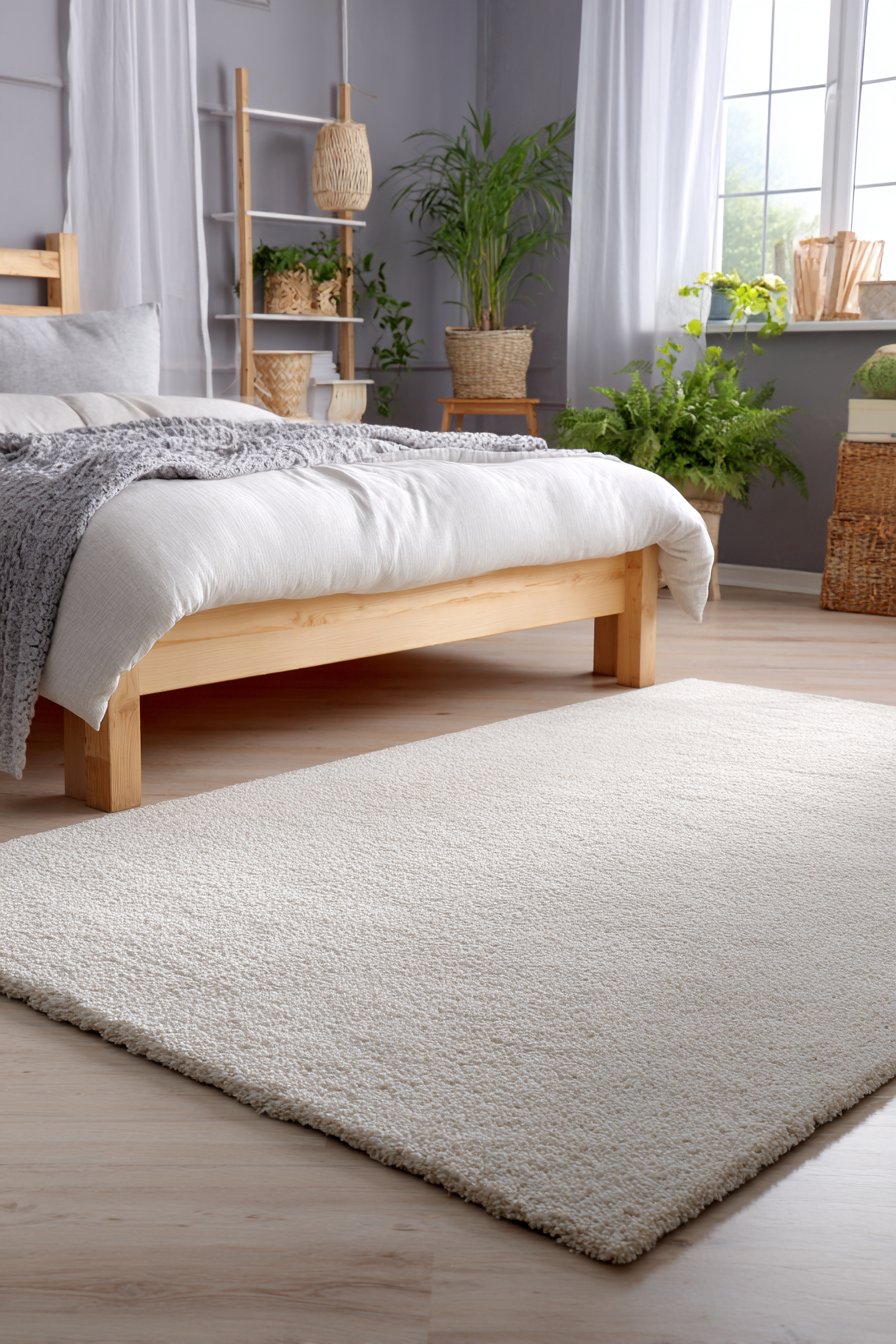
Hardwood, laminate, or light-colored carpet all work well in small bedrooms when maintained consistently throughout. Avoid changing flooring materials within the bedroom, as transitions create visual breaks that shrink perceived space. If your flooring is dark, a large, light-colored rug can help brighten the room while maintaining the continuous flow that’s essential for spaciousness.
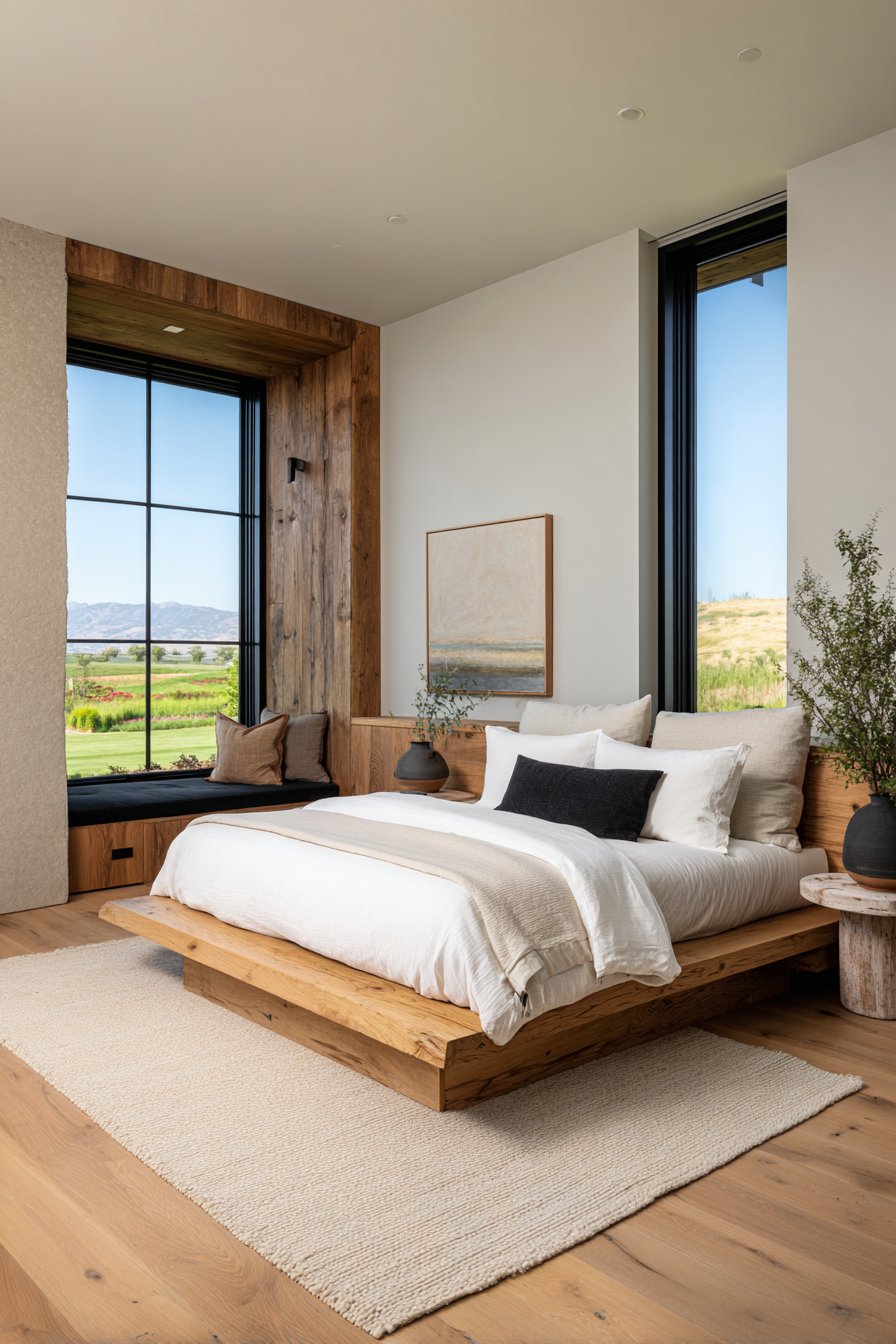
- Use one large area rug instead of multiple small ones
- Ensure rugs are large enough for furniture legs to rest on them
- Choose light-colored flooring materials when possible
- Avoid transitioning between different flooring types in the bedroom
- Keep floors as visible as possible by avoiding oversized rugs
Creating a spacious feel in a tiny bedroom is entirely achievable through thoughtful design choices that work with perception rather than against physical limitations. By implementing these strategies—from color selection and mirror placement to furniture choices and lighting—you can transform even the smallest bedroom into a comfortable, open sanctuary. The key is understanding that perceived space matters more than actual square footage when it comes to how comfortable and relaxed you feel in your bedroom.
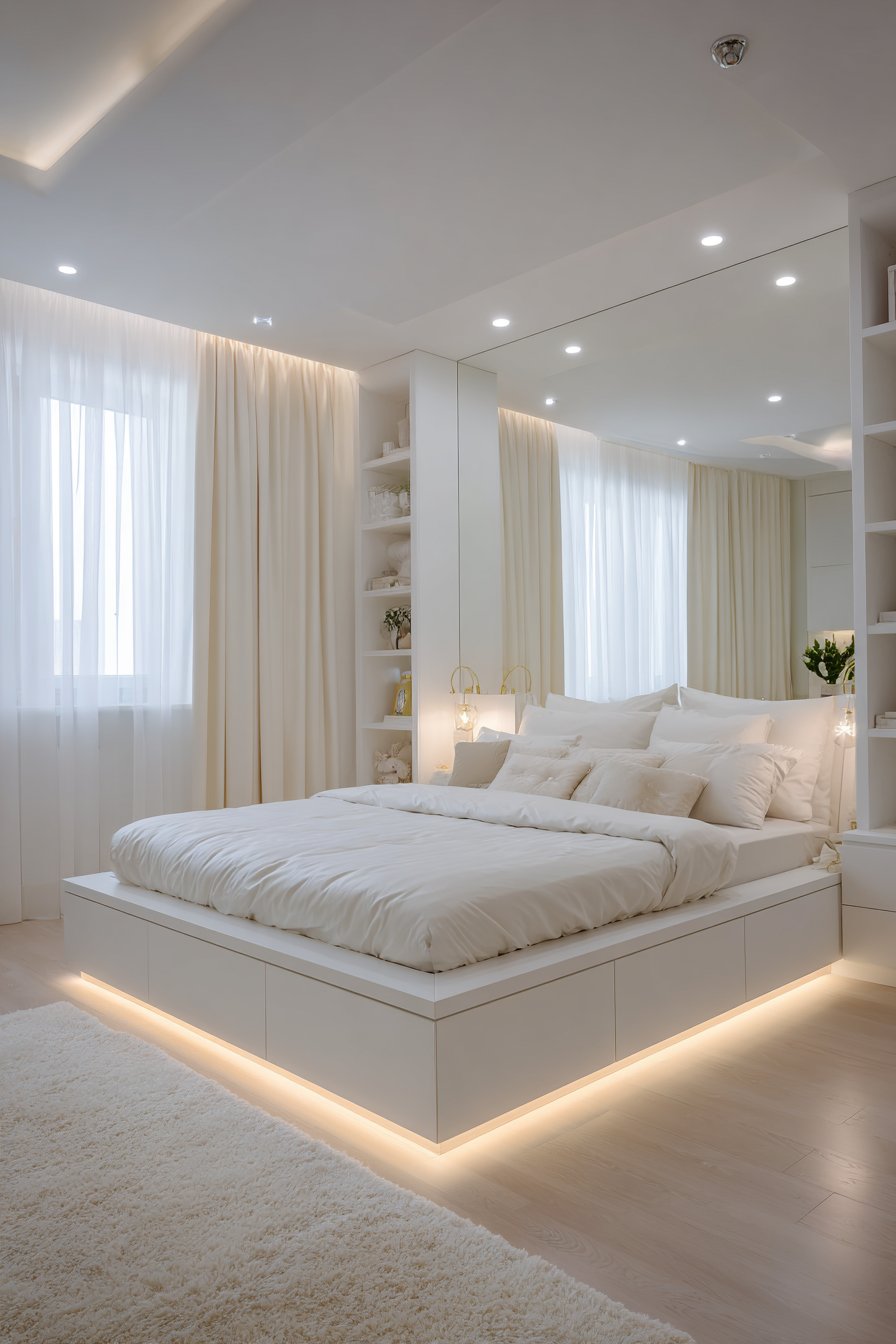
Remember that you don’t need to implement every suggestion at once. Start with the changes that resonate most with your style and budget, then gradually incorporate additional techniques. Even small adjustments like painting walls a lighter color or decluttering surfaces can make a noticeable difference in how spacious your bedroom feels. Experiment with these ideas, trust your instincts, and create a bedroom that proves tiny spaces can indeed feel wonderfully expansive.
"As an Amazon Associate, I earn from qualifying purchases."
