
Teenage years represent a critical developmental period where identity formation, independence, and self-expression become paramount concerns. A teenager’s bedroom serves as far more than just a sleeping space—it’s their personal sanctuary where they study, socialize, create, and discover who they’re becoming. Designing these crucial spaces without teenage input risks creating rooms that feel imposed rather than owned, undermining the very sense of autonomy and self-determination that adolescents desperately need during this transformative life stage.
Collaborative bedroom design with teenagers teaches valuable life skills while ensuring spaces actually serve their evolving needs and preferences. When teens participate meaningfully in design decisions, they learn about budgeting, planning, compromise, and translating vision into reality. These practical lessons extend far beyond decorating, building confidence and decision-making capabilities that serve them throughout adulthood. Moreover, rooms designed collaboratively get used more enthusiastically and maintained more carefully than spaces imposed by well-meaning parents acting alone.

This comprehensive guide explores ten compelling reasons why teenage bedroom design absolutely requires their active participation and input. From fostering independence to ensuring functional study spaces, each factor demonstrates how collaborative design processes benefit both teenagers and parents. Whether you’re planning a complete bedroom makeover or incremental updates, understanding these principles will help you create spaces that truly support your teenager’s development while maintaining household harmony and respecting reasonable budgets and boundaries.
1. Develops Identity and Self-Expression
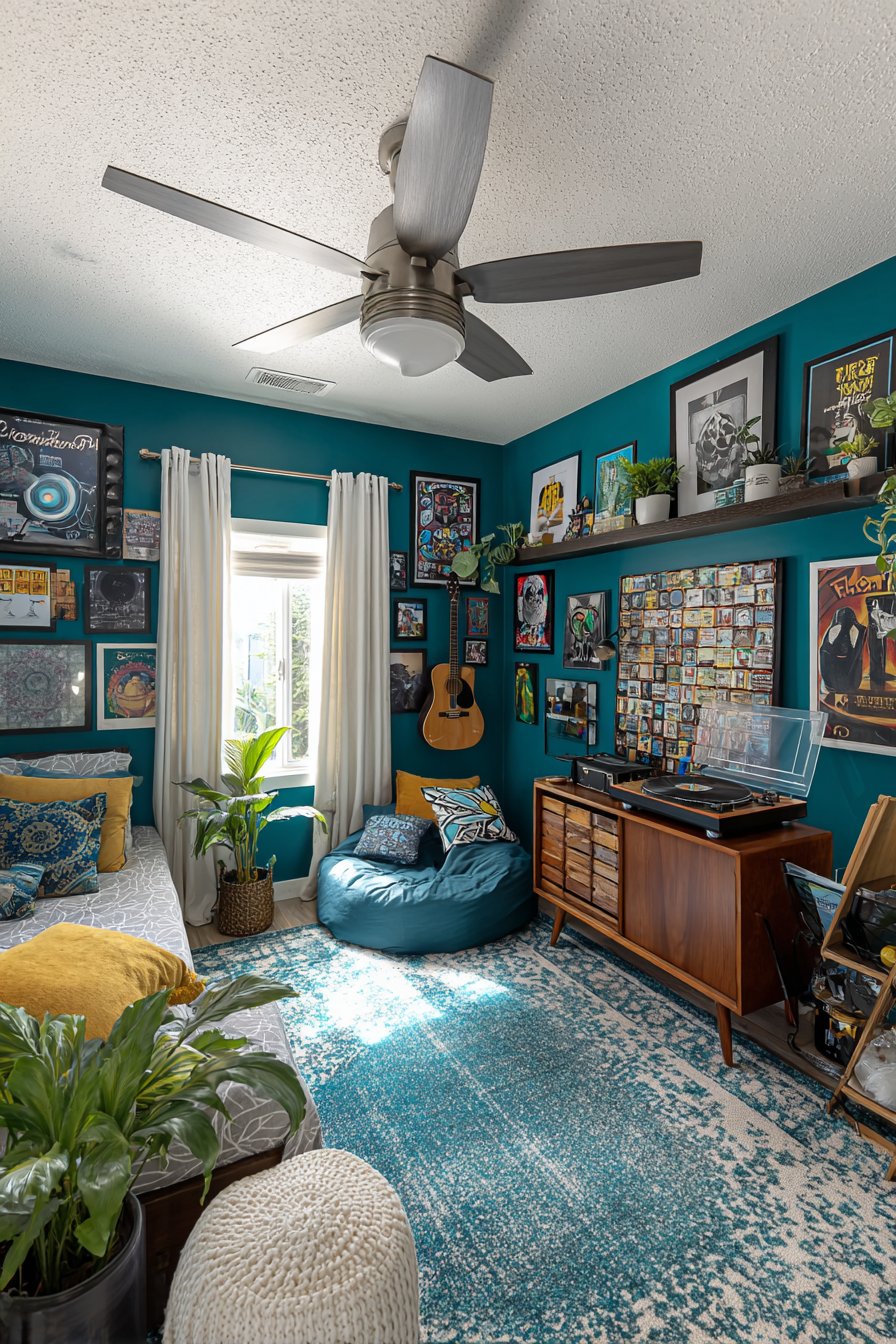
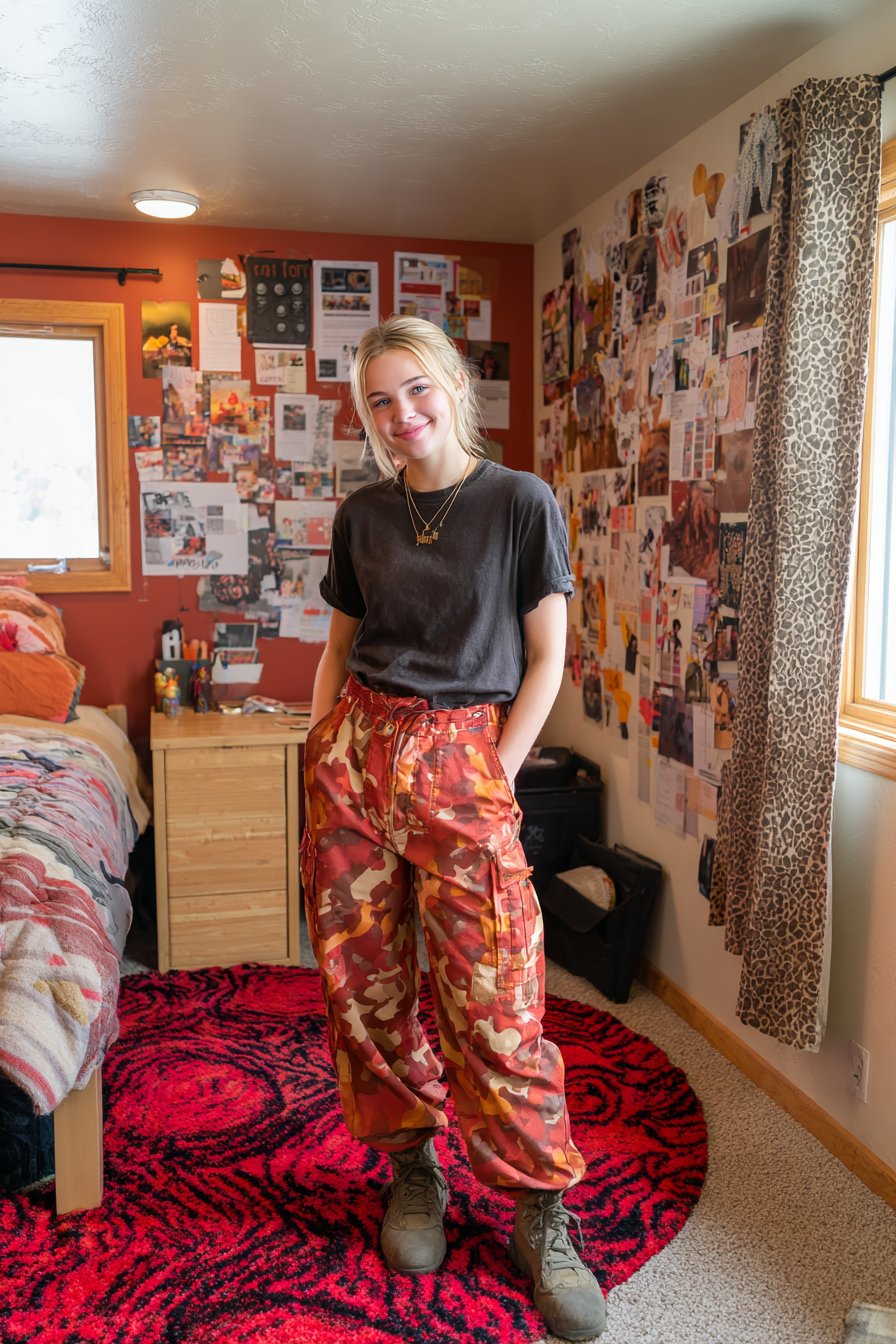
Personal identity formation represents teenagers’ primary developmental task, and their bedroom provides the safest laboratory for this crucial exploration. Allowing teens to choose colors, themes, artwork, and decorative elements lets them express emerging identities through tangible design choices.
This physical manifestation of self helps teenagers understand and communicate who they are becoming, making the bedroom a critical tool in healthy adolescent development.
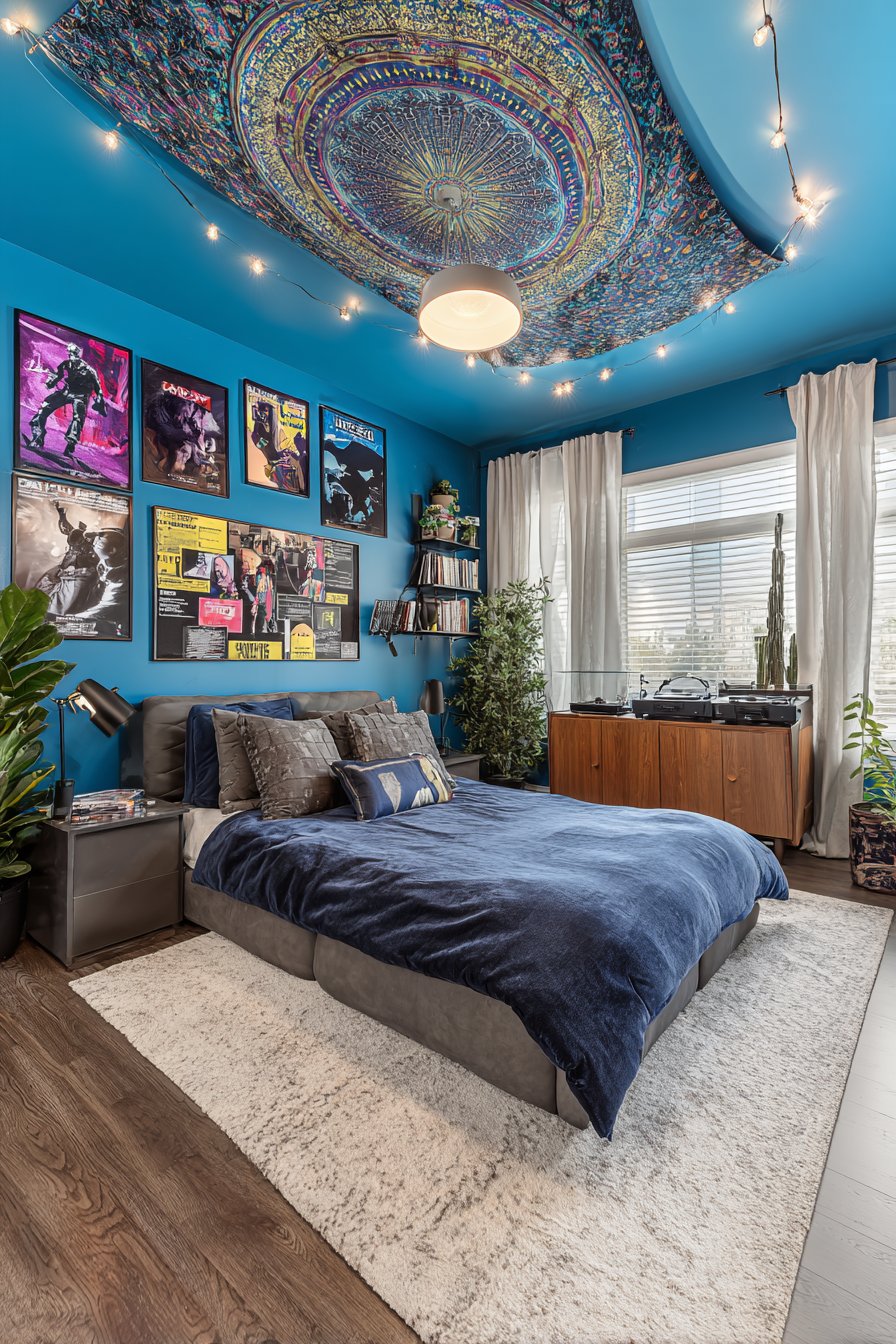
Design preferences reveal authentic teenage personalities in ways that conversation sometimes cannot. A teen drawn to minimalist aesthetics might be discovering preferences for order and simplicity, while one choosing bold colors and eclectic collections might be exploring creative, unconventional paths. These choices deserve respect as valid expressions of developing selves rather than dismissed as phases requiring correction by adult taste.
Ownership of space creates psychological benefits that extend far beyond aesthetics into emotional wellbeing and self-confidence. When teenagers shape their environments, they experience the empowering feeling that their preferences matter and their voices deserve hearing. This validation builds self-esteem and demonstrates that their emerging adult opinions carry weight in family decisions, fostering healthy parent-child relationships through mutual respect.
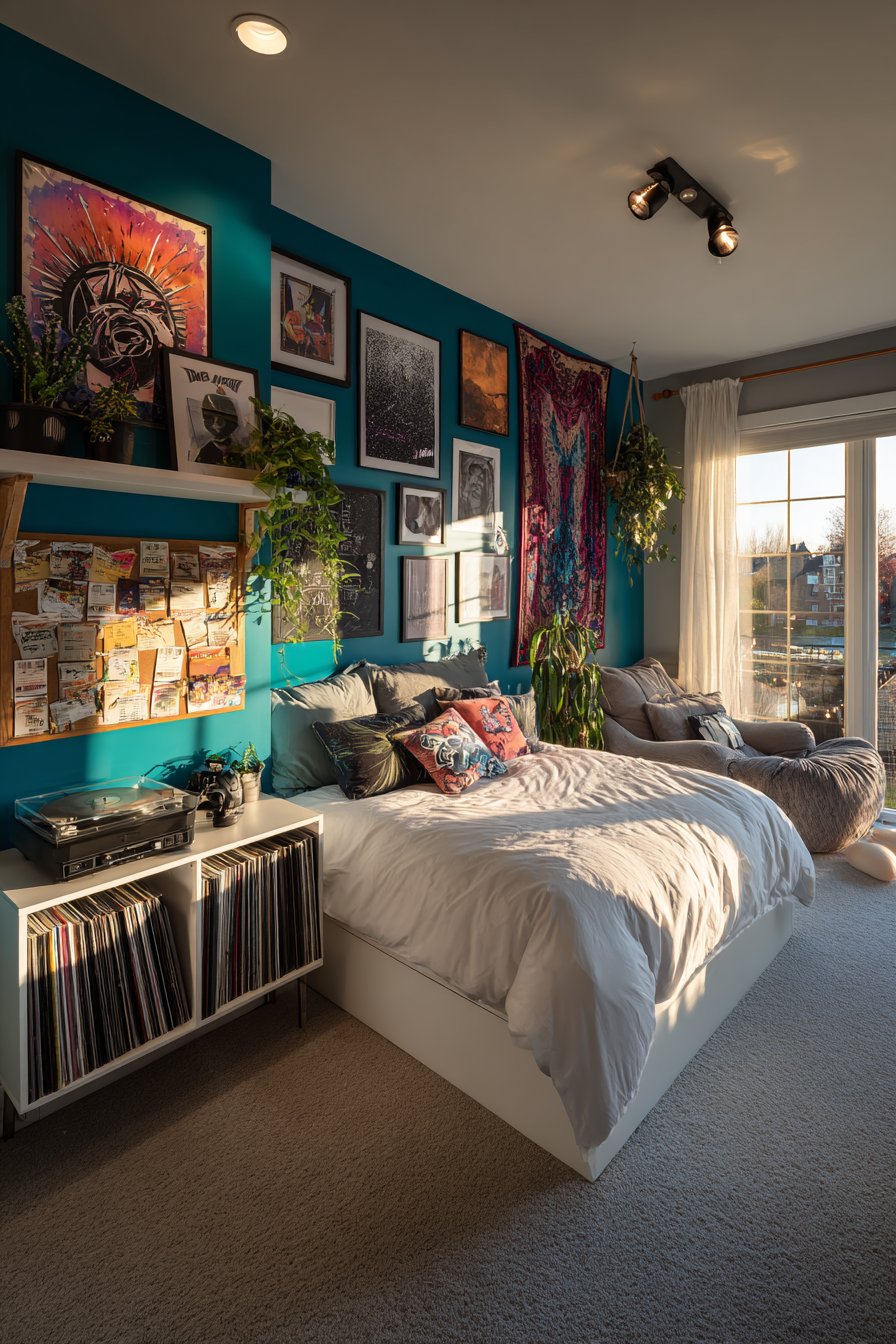
- Ask teens to create vision boards showing design elements that appeal to them
- Respect their aesthetic preferences even if they differ from your taste
- Allow bold color choices in bedrooms while maintaining neutral common spaces
- Support self-expression that reflects current interests and developing identity
- Recognize that design preferences reveal important aspects of personality development
- Avoid dismissing teenage choices as “just phases” requiring correction
2. Ensures Functional Study and Work Spaces
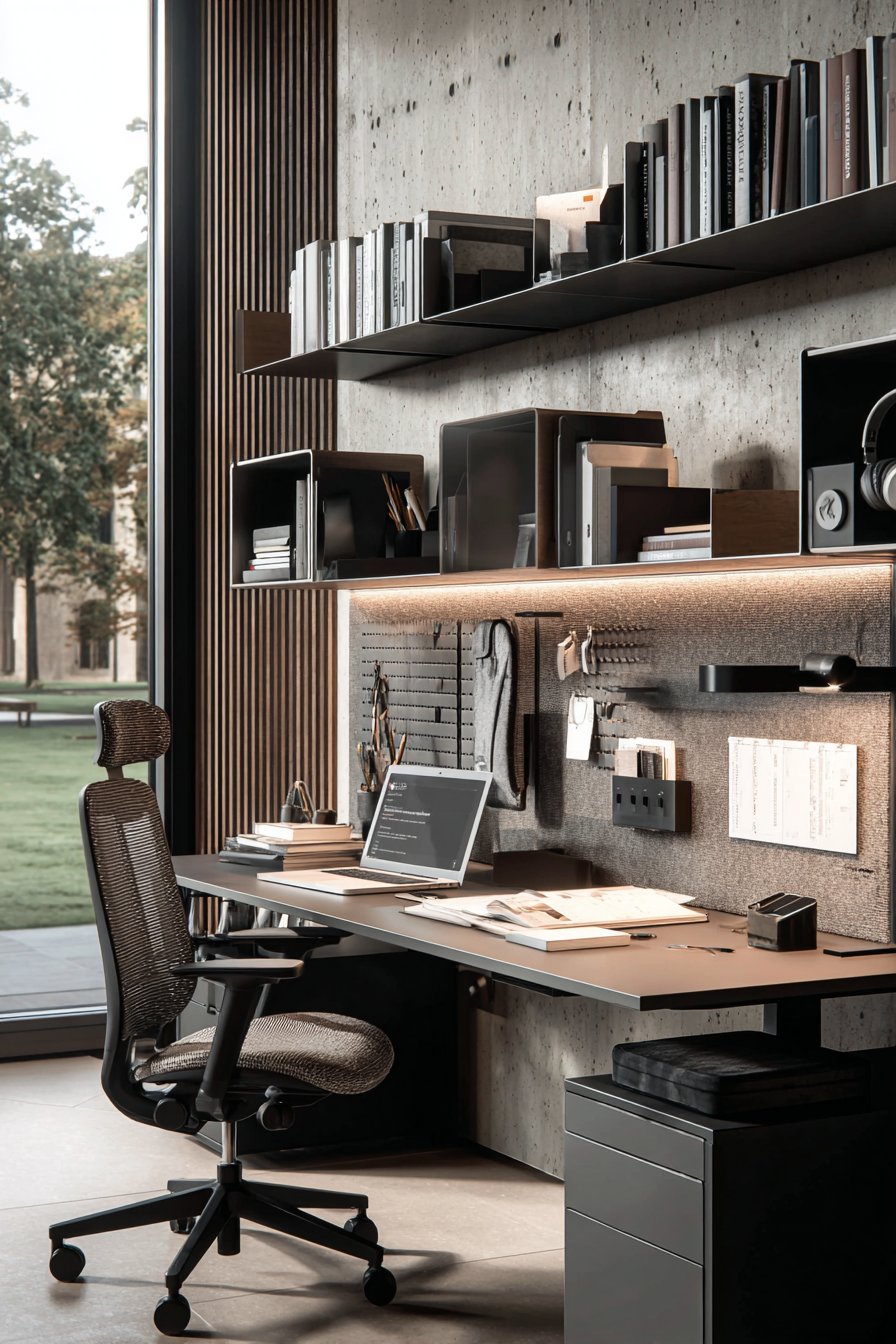
Academic demands on teenagers require properly designed study areas that actually support their specific homework and project needs. Teens understand better than parents which subjects need spread-out workspace, what technology they use daily, and how they prefer to organize materials. Their input ensures study areas accommodate actual use patterns rather than adult assumptions about how teenagers should work.
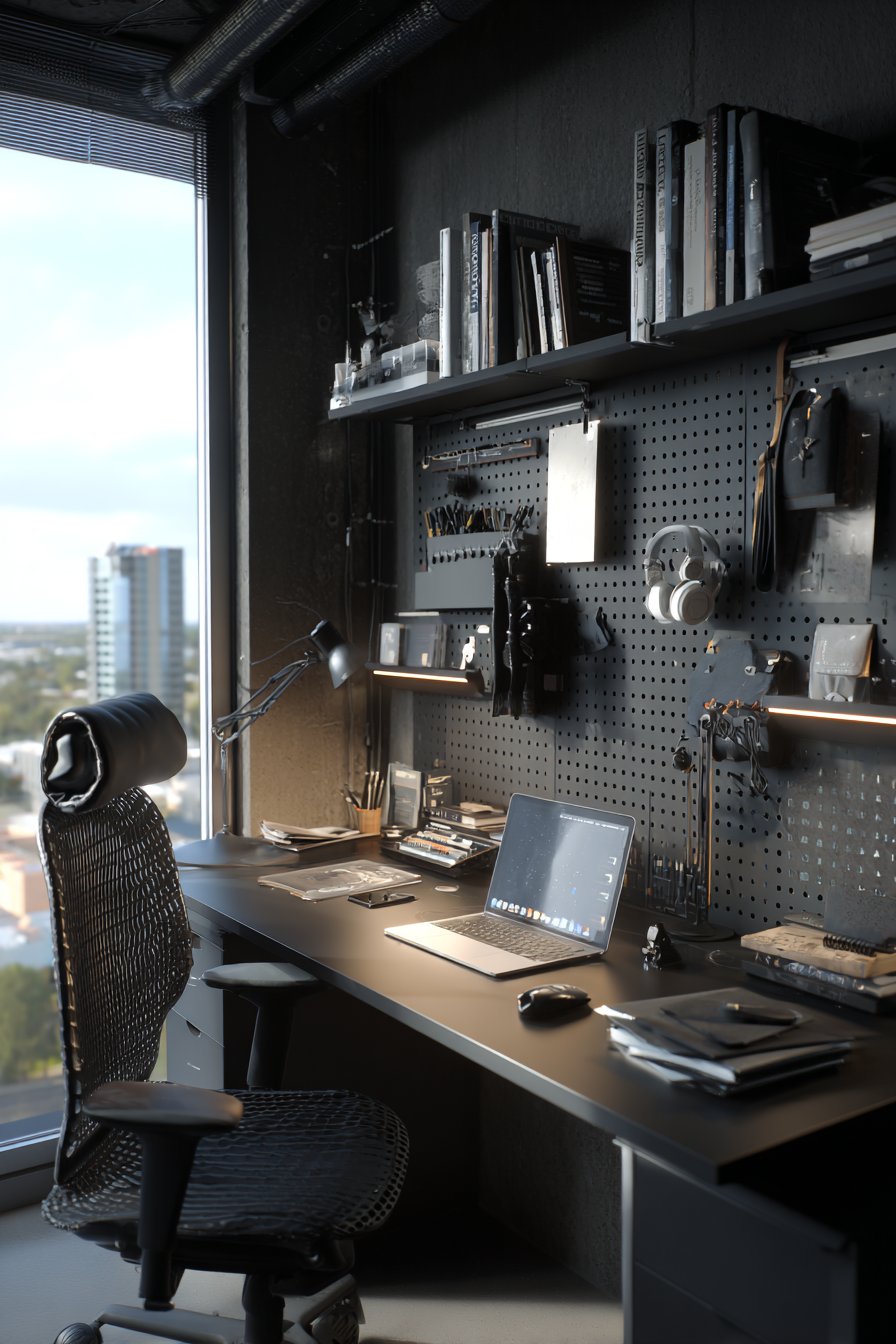
Ergonomic requirements for teenage bodies differ from both children and adults as they experience rapid growth spurts. Teens can communicate whether desk heights feel comfortable, if seating provides adequate support during extended study sessions, and where task lighting should focus. This practical feedback prevents expensive furniture mistakes that force uncomfortable workarounds, undermining productivity and potentially causing physical strain.
Technology integration needs in modern teenage bedrooms far exceed what many parents instinctively understand. Teens know how many devices require charging simultaneously, where outlets need positioning for laptop and phone use, and what cable management solutions actually function practically. Their technical literacy ensures spaces accommodate contemporary study requirements rather than outdated assumptions about teenage room functionality.
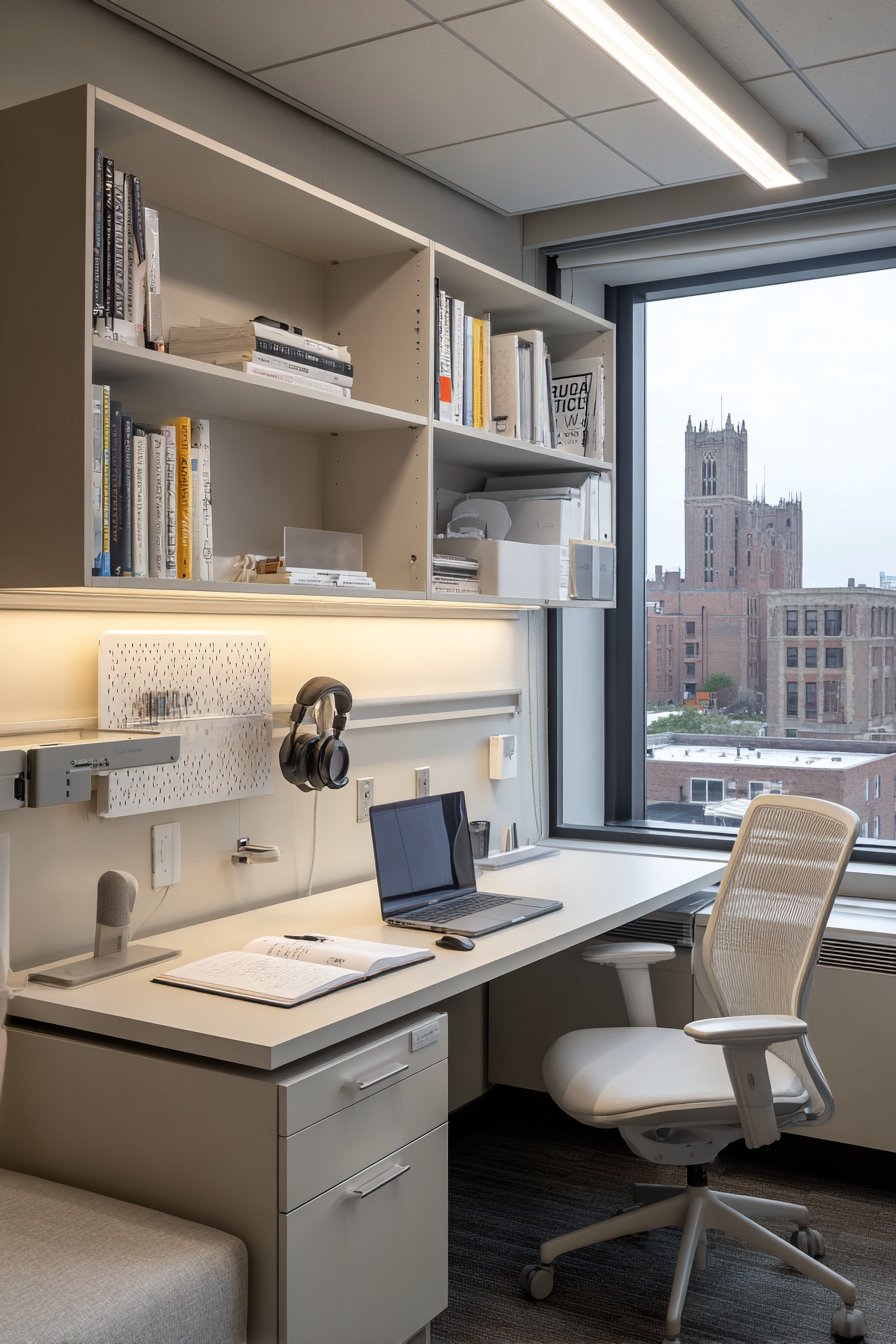
- Involve teens in selecting desks and chairs for proper ergonomic fit
- Ask about technology needs including outlet placement and charging stations
- Discuss lighting requirements for evening homework and screen use
- Ensure adequate storage for textbooks, supplies, and project materials
- Consider their preferred study environment—quiet solitude or background music
- Plan workspace that accommodates both digital and traditional studying methods
3. Teaches Budgeting and Financial Literacy
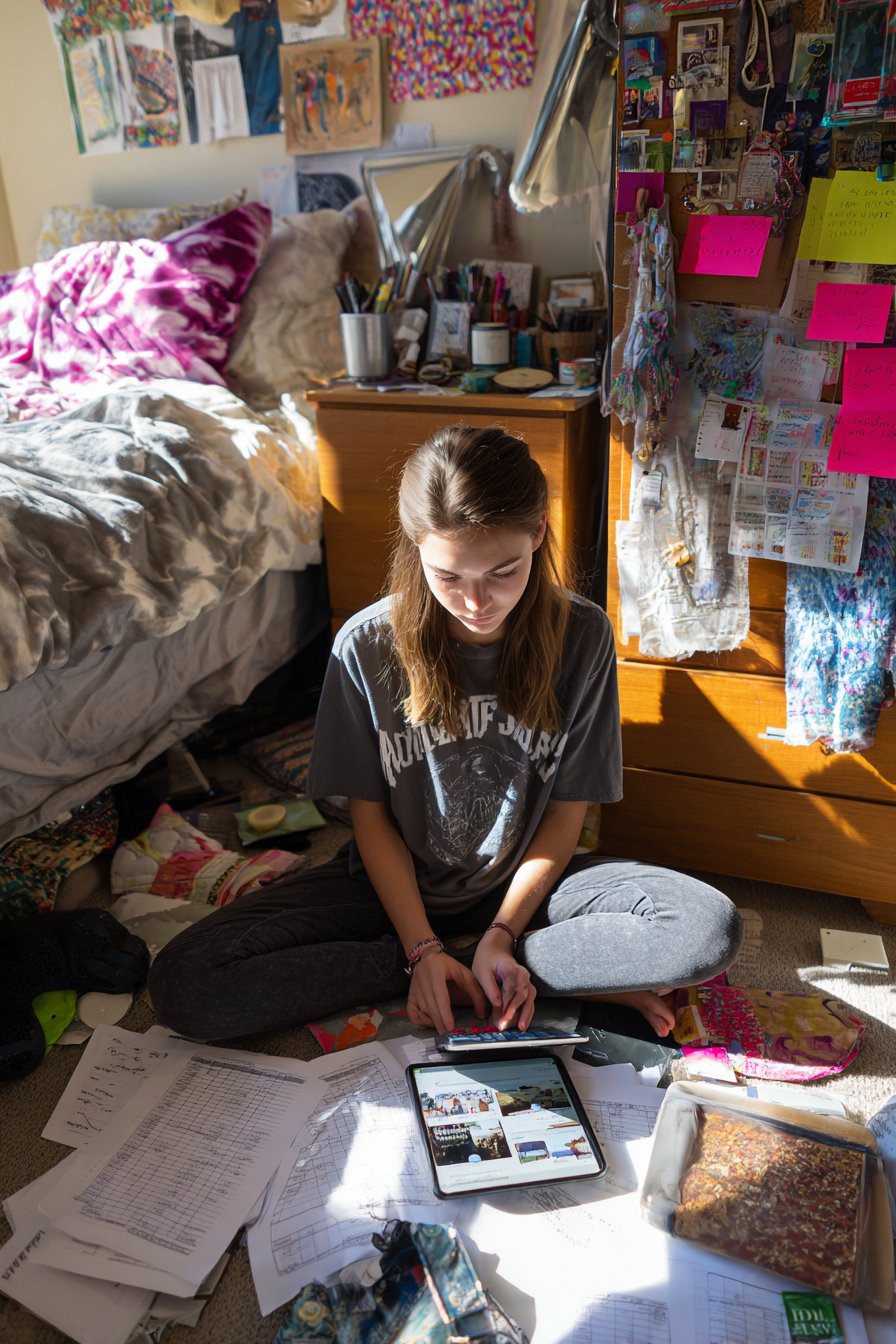
Budget constraints provide excellent real-world teaching opportunities when teenagers participate in bedroom design decisions. Presenting realistic budgets and involving teens in prioritization teaches valuable financial literacy as they learn to balance wants against costs. This practical experience with limited resources prepares them for adult financial decision-making far better than lectures about money management ever could.

Cost-benefit analysis becomes tangible when teenagers must choose between expensive statement pieces and budget-friendly alternatives. Should they spend more on a quality desk that lasts through college, or prioritize trendy decor that might be replaced sooner? These trade-off decisions teach critical thinking about value, quality, and long-term planning that serves them throughout life.
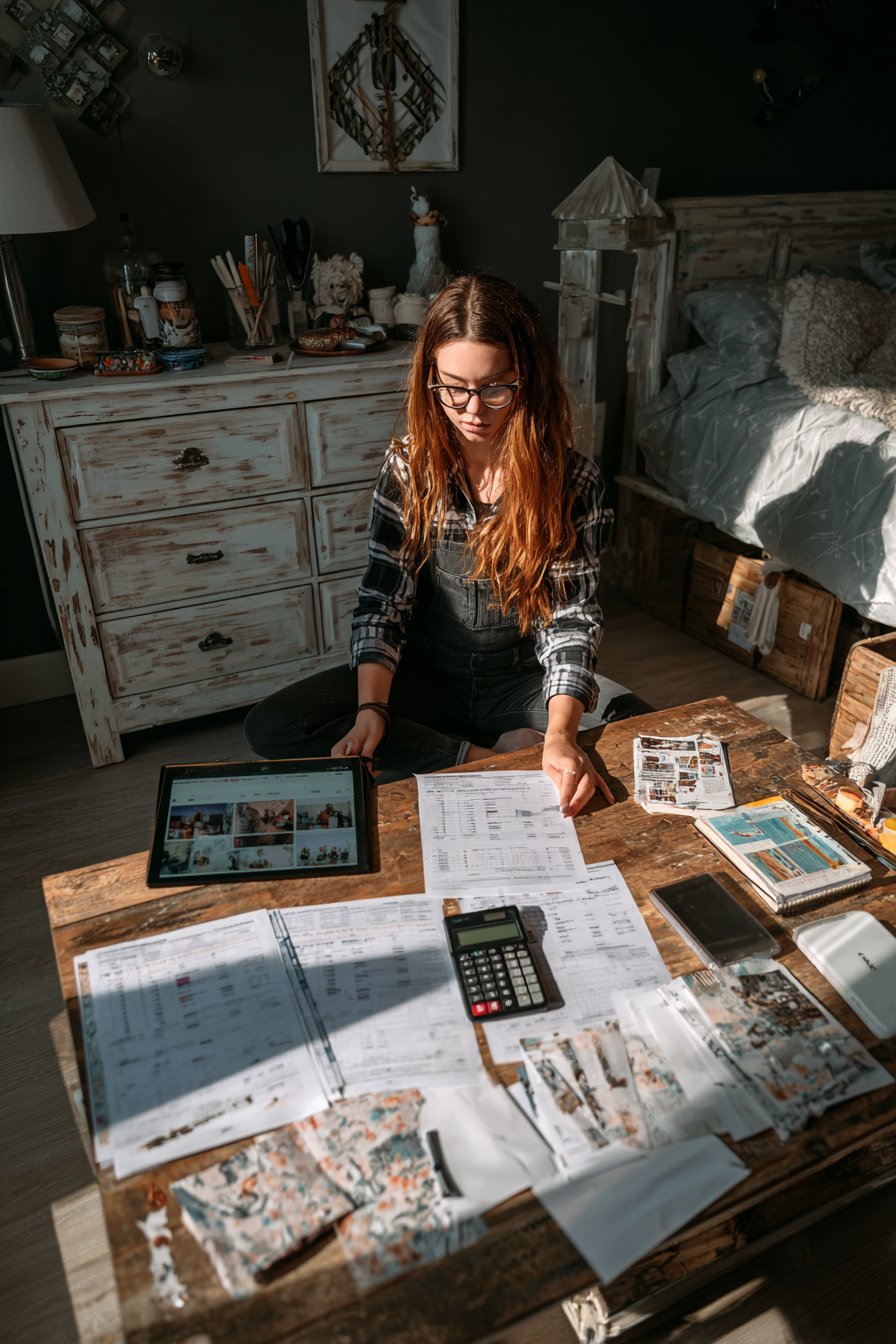
Creative problem-solving emerges when budget limitations require innovative solutions rather than simply purchasing everything desired. Teens might propose DIY projects, thrift store hunting, or phased implementation spreading costs over time. This resourcefulness builds resilience and creativity while demonstrating that limitations spark innovation rather than simply preventing satisfaction.

- Set realistic budgets and explain reasoning behind financial constraints
- Encourage teens to research costs and compare pricing for desired items
- Teach distinction between needs and wants through prioritization exercises
- Involve them in finding budget-friendly alternatives to expensive choices
- Consider phased implementation allowing them to save for desired items
- Celebrate creative solutions that achieve desired effects within budget limits
4. Builds Decision-Making Skills and Confidence

Choice-making practice in low-stakes bedroom design builds competence that transfers to higher-stakes life decisions. Selecting paint colors, furniture arrangements, or storage solutions provides safe opportunities to make decisions, experience consequences, and adjust course if needed. This practice develops judgment and confidence essential for increasing independence as teenagers approach adulthood.

Living with consequences of their design choices teaches accountability in gentle, supportive contexts. If a chosen paint color feels too dark or furniture arrangement proves impractical, teens experience natural consequences without serious harm. These learning moments build wisdom about considering decisions carefully and thinking through practical implications before committing.
Problem-solving opportunities arise naturally when initial design ideas prove impractical or budget constraints require adjustments. Teens develop resilience and flexibility as they navigate compromises and find solutions to unexpected challenges. This process builds the adaptive thinking and persistence required for successfully managing adult responsibilities and inevitable setbacks throughout life.

- Present multiple options rather than dictating single correct answers
- Allow teens to make final decisions on agreed-upon design elements
- Support their choices even when you might have selected differently
- Help analyze potential consequences without taking over decision-making
- Celebrate successful decisions and gently guide through less optimal ones
- Recognize that learning from mistakes builds stronger decision-making abilities
5. Respects Their Growing Need for Independence
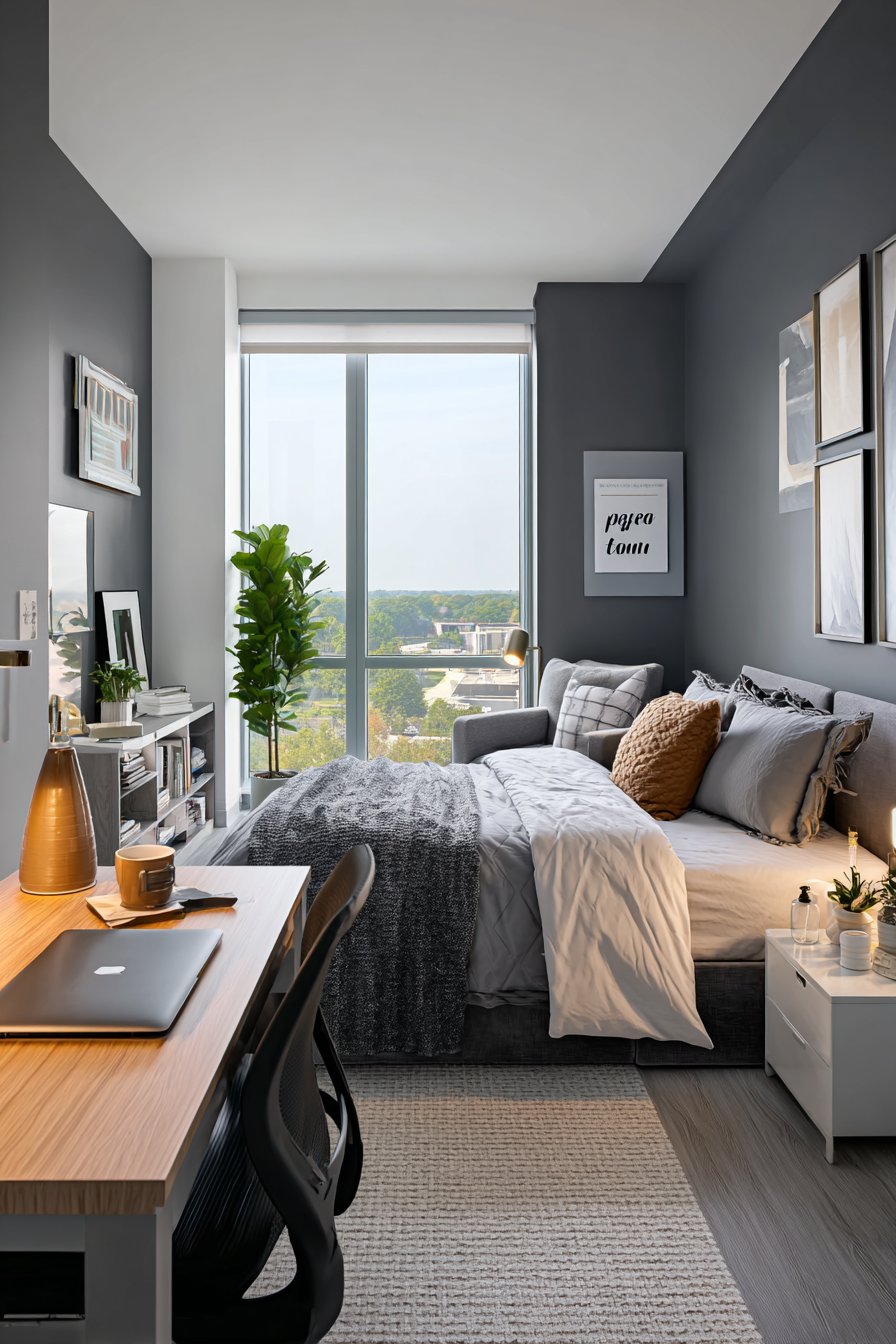
Autonomy needs intensify dramatically during adolescence as teenagers prepare for eventual adult independence. Controlling every aspect of their bedroom design contradicts this developmental imperative, creating unnecessary power struggles and resentment. Allowing meaningful input in personal spaces demonstrates respect for their growing maturity while maintaining appropriate boundaries in shared household areas.
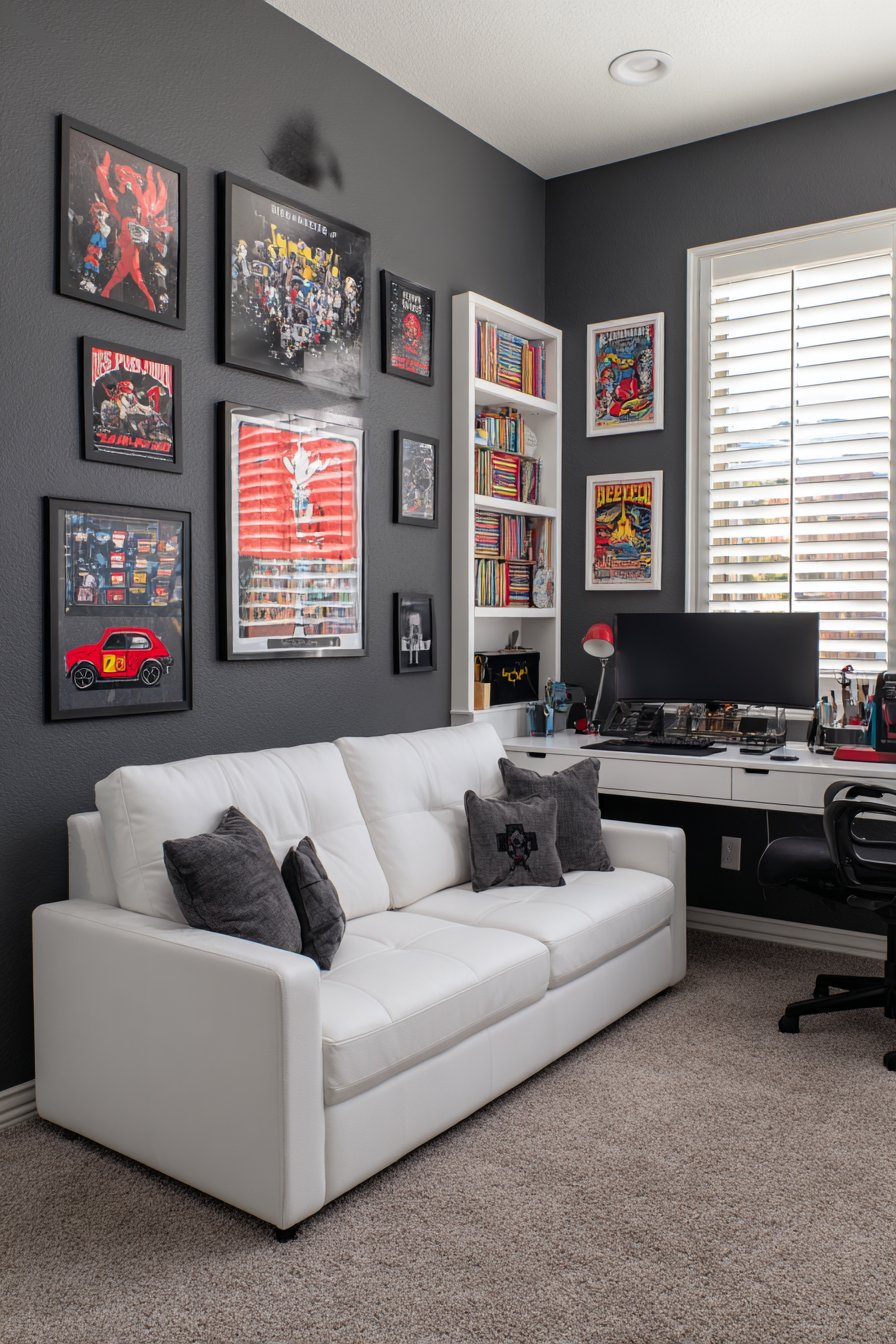
Age-appropriate control over personal environments represents healthy developmental progression that should be encouraged rather than resisted. Teenagers naturally seek increasing influence over their lives, and bedrooms provide perfect opportunities to grant this control safely. This measured independence in low-risk contexts builds confidence for handling larger freedoms as they mature toward full adulthood.
Trust building occurs when parents respect teenage design preferences even when they differ from adult taste. This demonstration of trust strengthens parent-teen relationships during often turbulent adolescent years. Conversely, micromanaging bedroom design communicates lack of trust that damages relationships and undermines teenagers’ confidence in their own judgment and capabilities.
- Establish clear boundaries between personal bedrooms and shared spaces
- Grant increasing design autonomy as teenagers demonstrate responsibility
- Respect their privacy and personal space within household rules
- Avoid imposing adult aesthetic preferences on their personal sanctuaries
- Recognize that different bedroom styles don’t reflect on parenting quality
- Support their independence while remaining available for guidance when requested
6. Ensures Rooms Reflect Current Life Stages
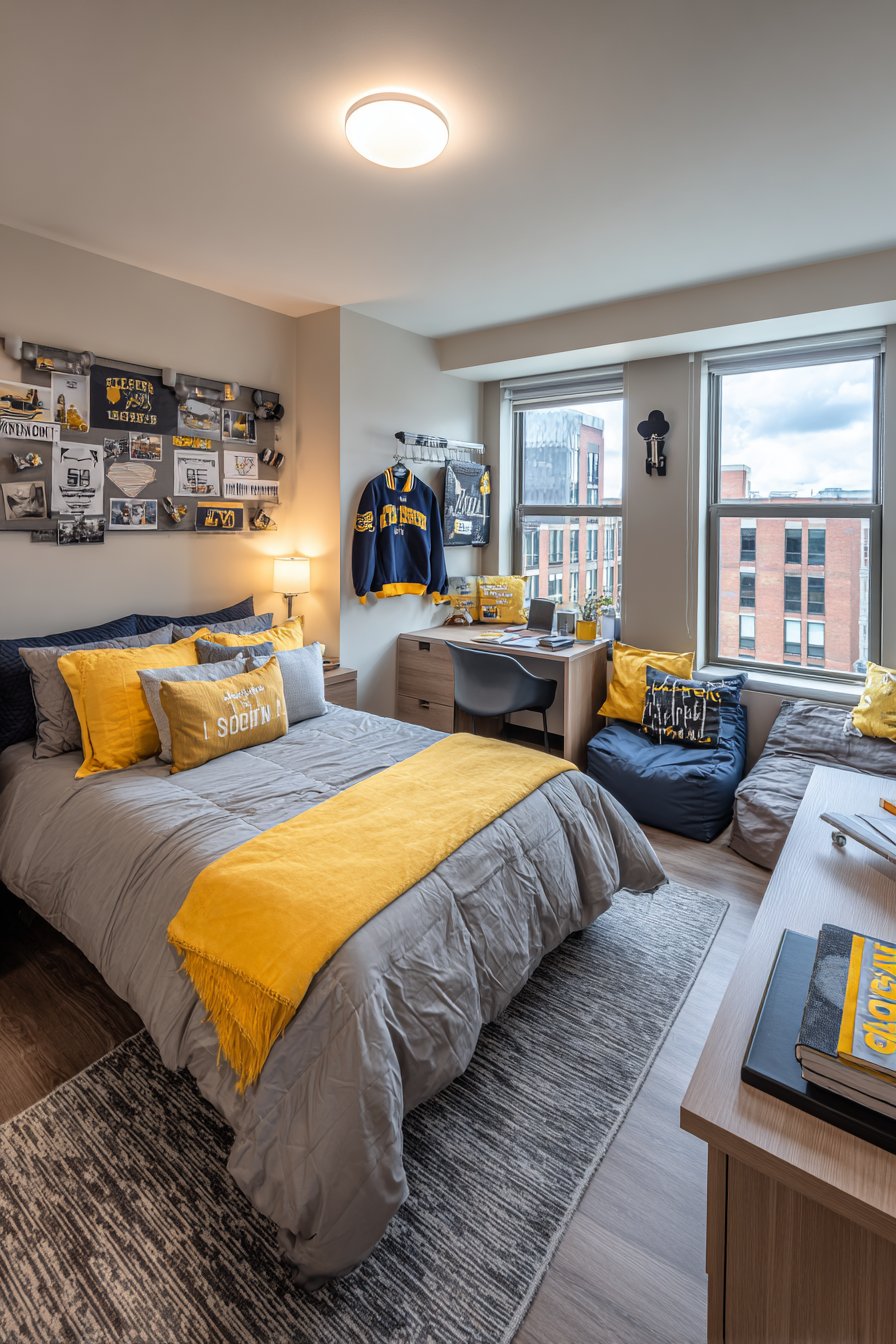
Rapidly changing interests characterize teenage years as they explore activities, hobbies, and social groups searching for meaningful connections. Bedroom design reflecting six months ago might feel completely irrelevant to current passions. Teenagers provide essential insight into what matters now, ensuring spaces support actual current activities rather than outdated interests they’ve outgrown.
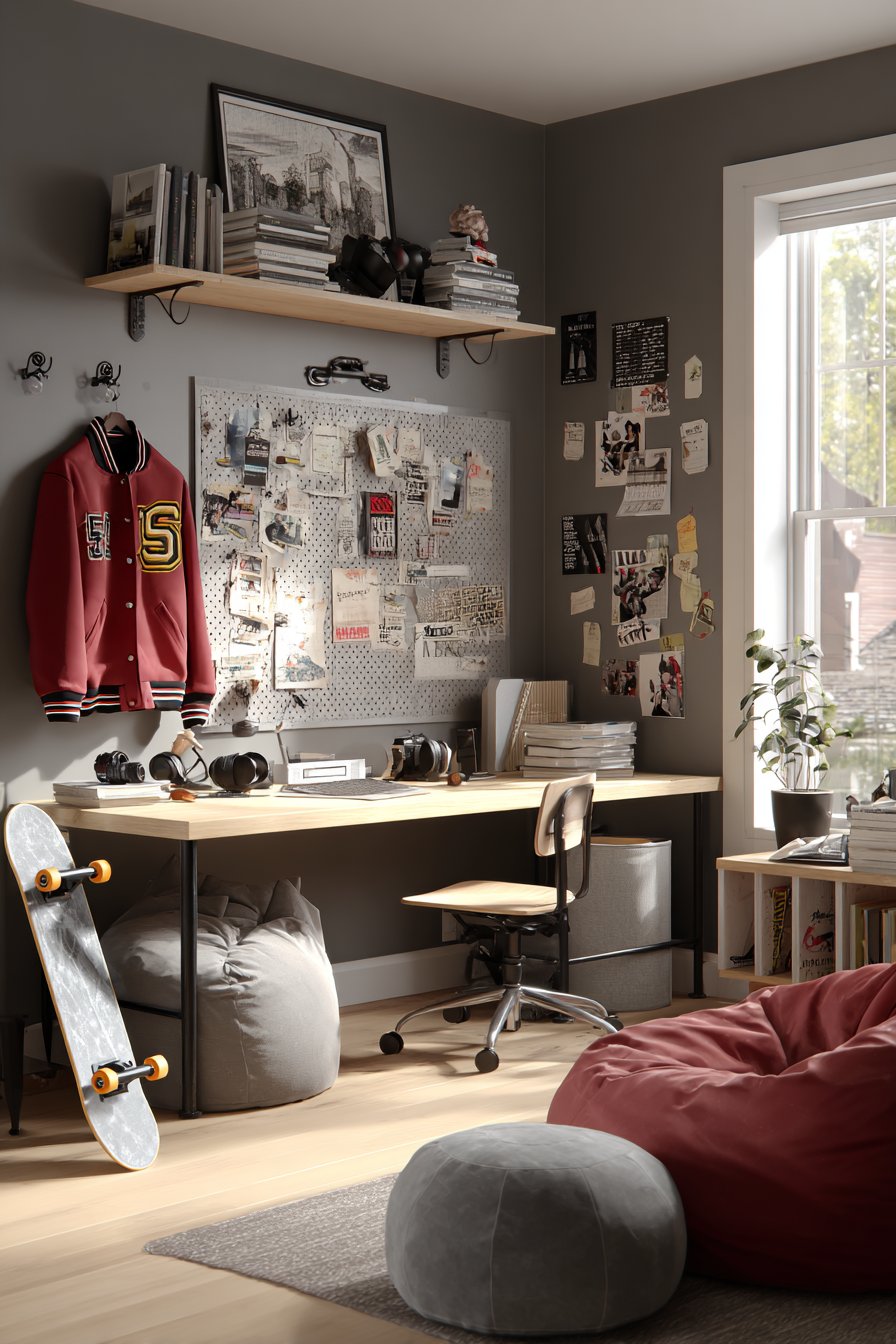
Social dynamics of teenage life require room functionality that adults might not intuitively understand. Teens know whether they need floor space for hanging out with friends, seating for multiple people, or privacy for intimate conversations. Their input ensures rooms accommodate the social functions that matter deeply during adolescence when peer relationships take center stage developmentally.
Activity requirements change dramatically as teenagers progress through high school years. Freshman needs differ substantially from senior year requirements as college preparation intensifies and responsibilities increase. Teens understand their evolving needs better than parents can anticipate, ensuring design decisions accommodate current realities rather than adult assumptions about teenage life.
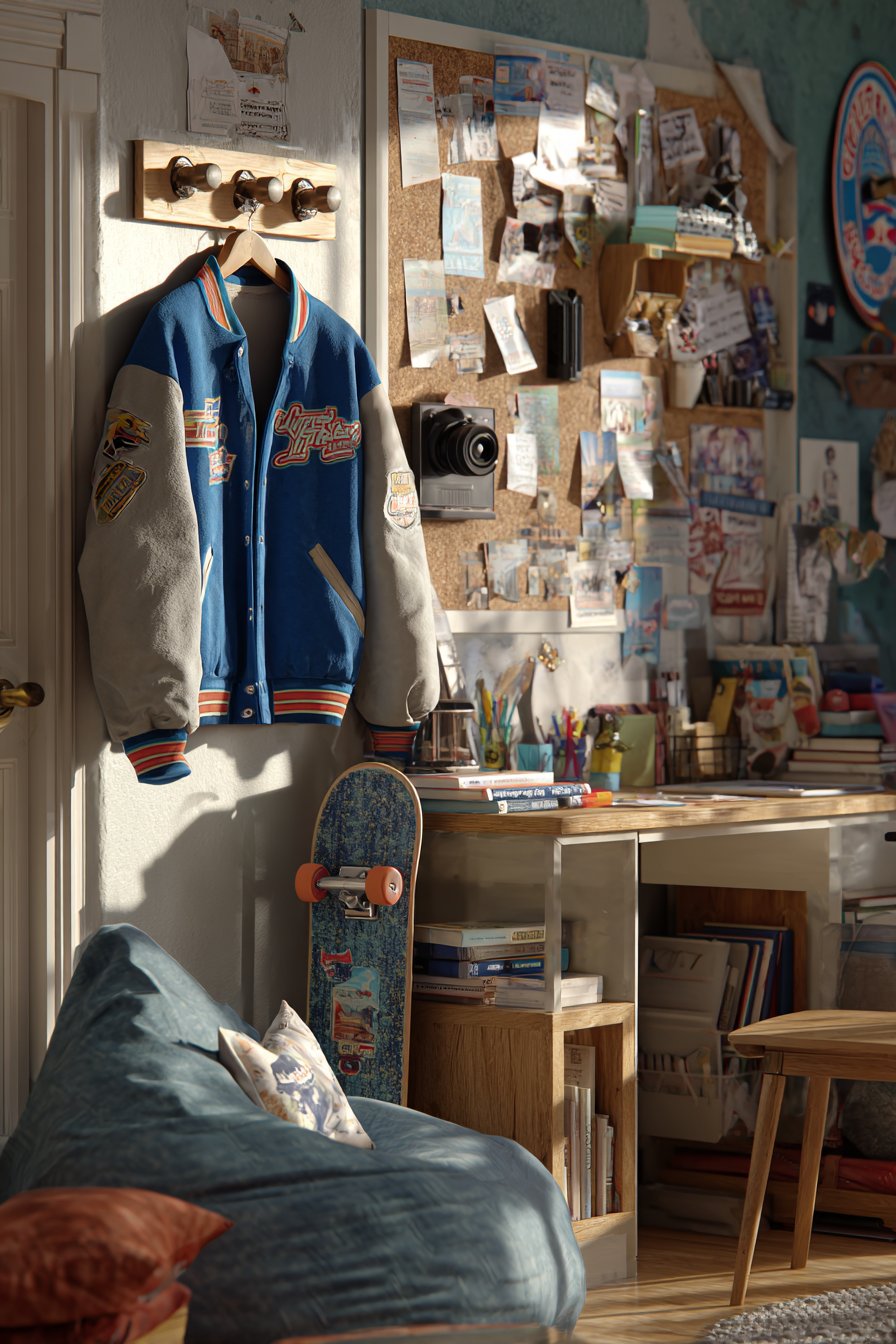
- Conduct regular check-ins about whether the room still serves their needs
- Support updates as interests and activities evolve over time
- Avoid expensive permanent features tied to specific hobbies or interests
- Use removable decor for current passions that might change
- Ask about social use of the room and design accordingly
- Plan flexibility into initial design for inevitable teenage transitions
7. Creates Spaces They Actually Maintain
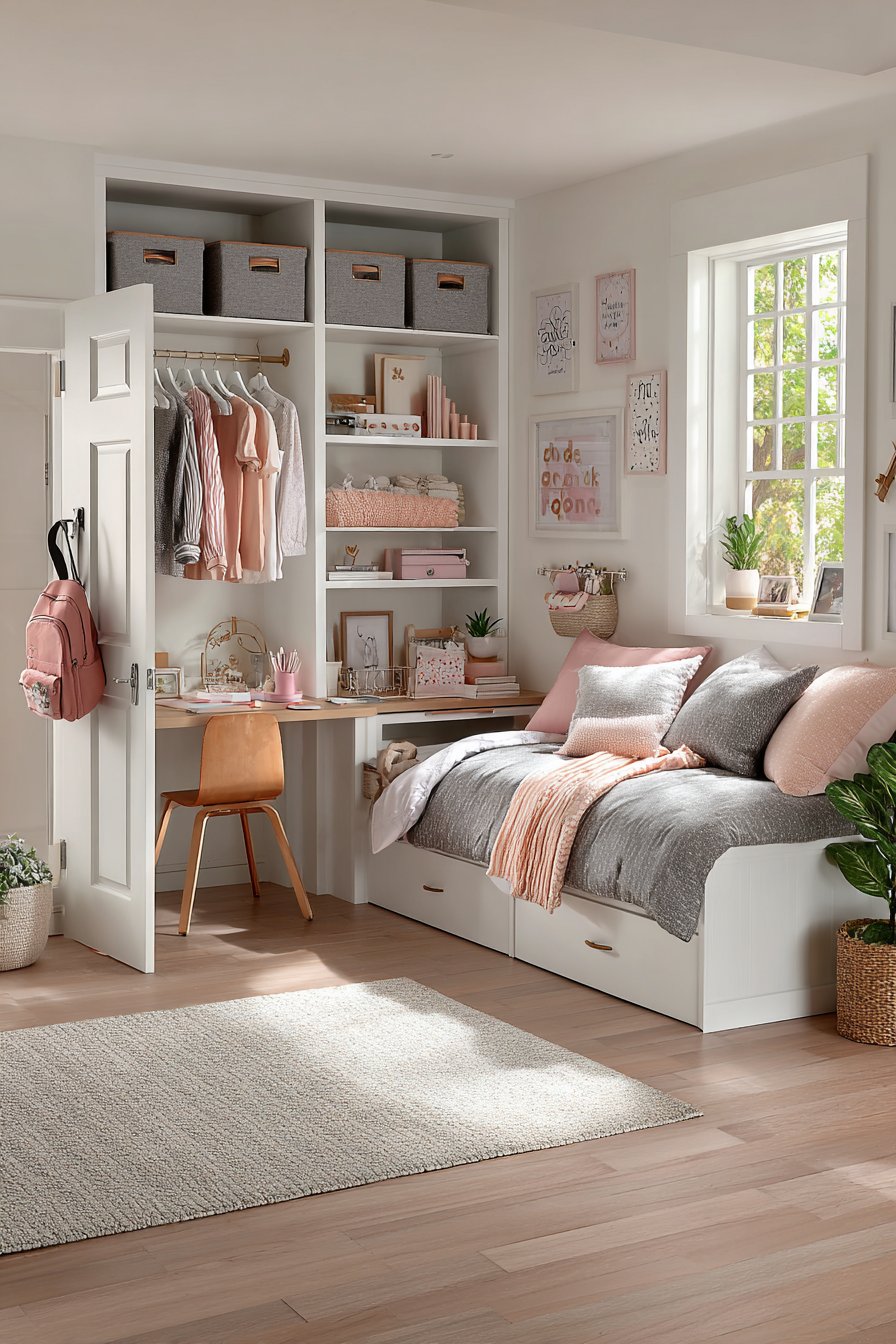
Investment in outcomes increases dramatically when teenagers participate in creating their bedroom design. Rooms they helped design become spaces they take pride in and therefore maintain more carefully. This natural consequence teaches responsibility through intrinsic motivation rather than parental nagging, making bedroom maintenance far less contentious for everyone involved.
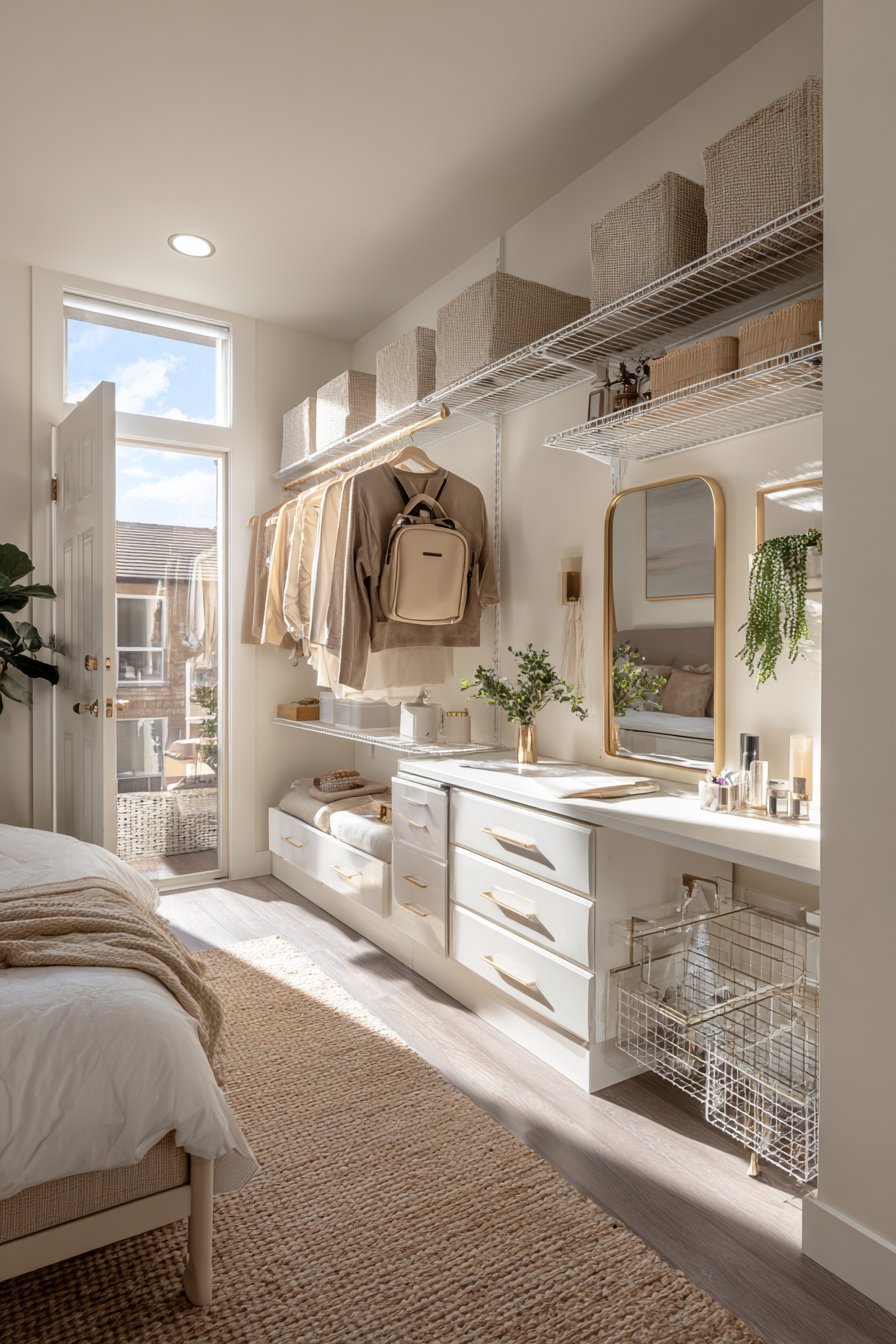
Practical storage solutions actually get used when teenagers design them based on real organizational needs rather than adult ideals. A teen who hangs clothes on chairs knows whether open wardrobe racks or closed closets better serve their habits. Their honest input about actual behavior leads to functional systems that work with rather than against natural tendencies.
Organizational systems succeed when they match teenage logic and routines rather than imposing adult-preferred methods. Ask where they naturally set down backpacks, which items they use daily, and how they prefer accessing belongings. This user-centered approach creates intuitive organization that requires minimal effort to maintain rather than constant battles over arbitrary systems that never stick.
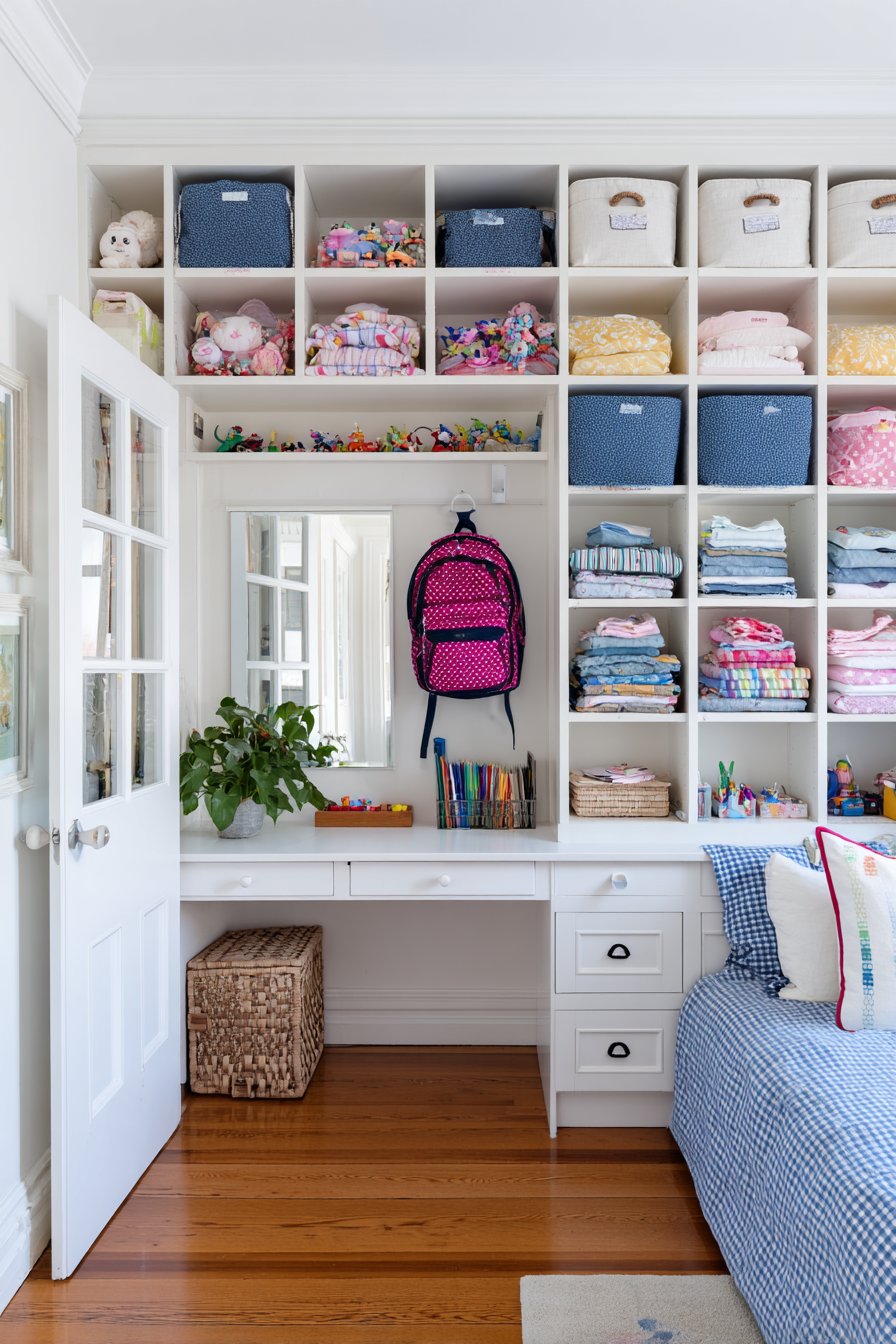
- Ask teens about their actual habits when designing storage solutions
- Create organizational systems that work with their natural tendencies
- Recognize that rooms they design get maintained more consistently
- Provide organizational tools but let them determine placement and use
- Avoid imposing organizational systems that conflict with their logic
- Celebrate maintained spaces and connect to pride of ownership
8. Accommodates Sensory Needs and Preferences
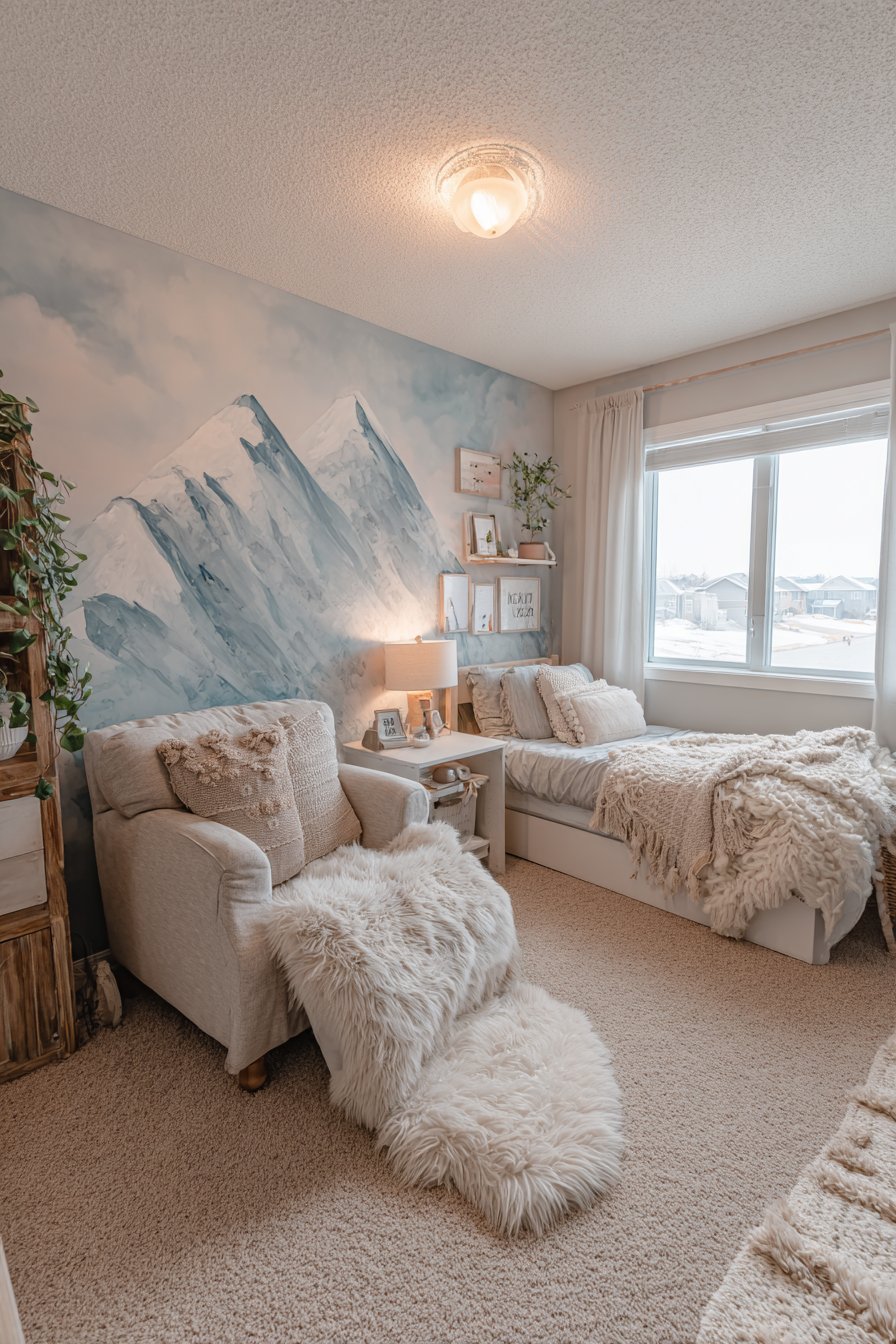
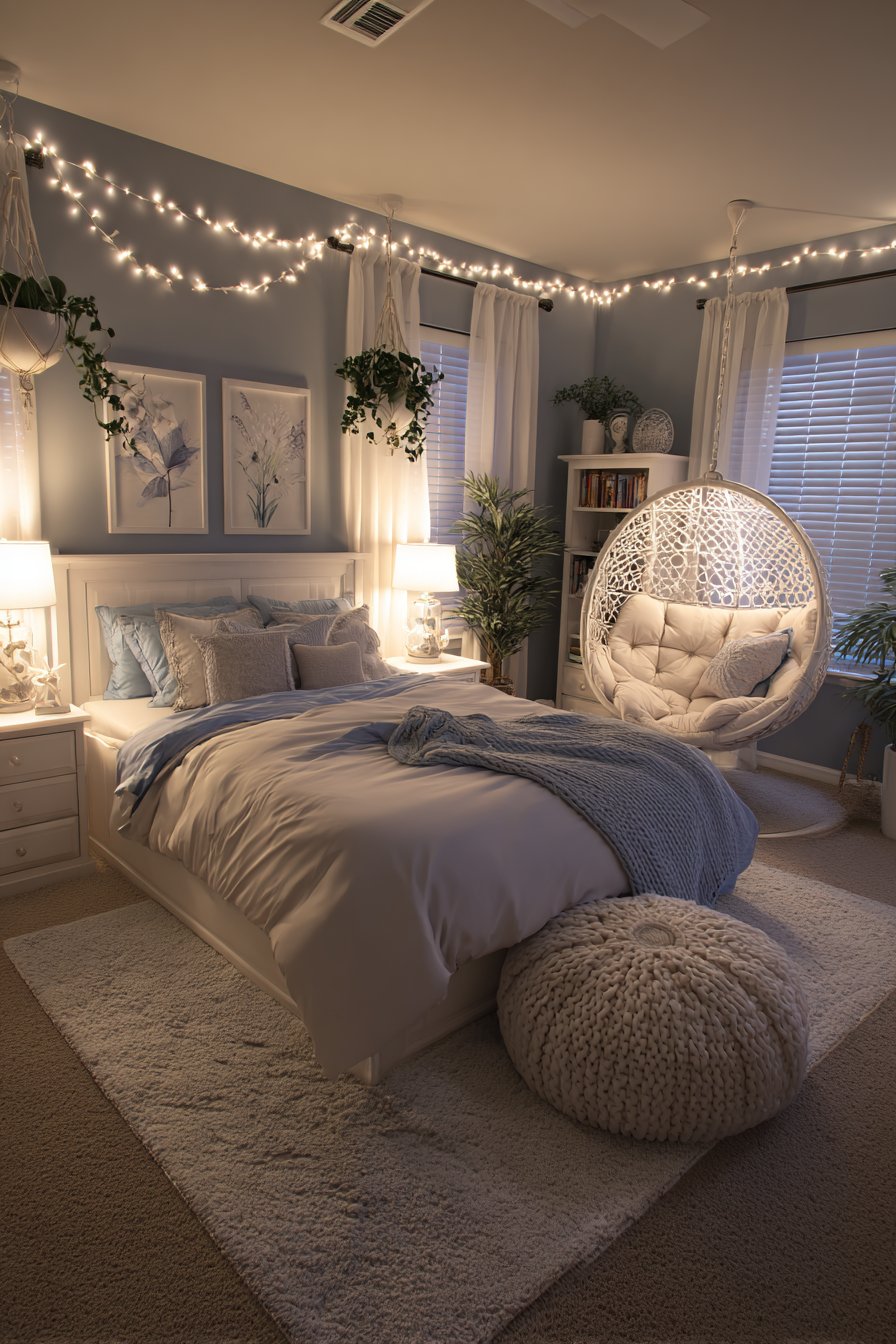
Individual sensory profiles vary significantly, with some teenagers requiring quiet, dim environments while others thrive with music and bright colors. Teens understand their own sensory needs far better than parents can guess, ensuring bedrooms genuinely support rest and relaxation. Ignoring these preferences creates spaces that actually interfere with sleep and wellbeing rather than supporting them.
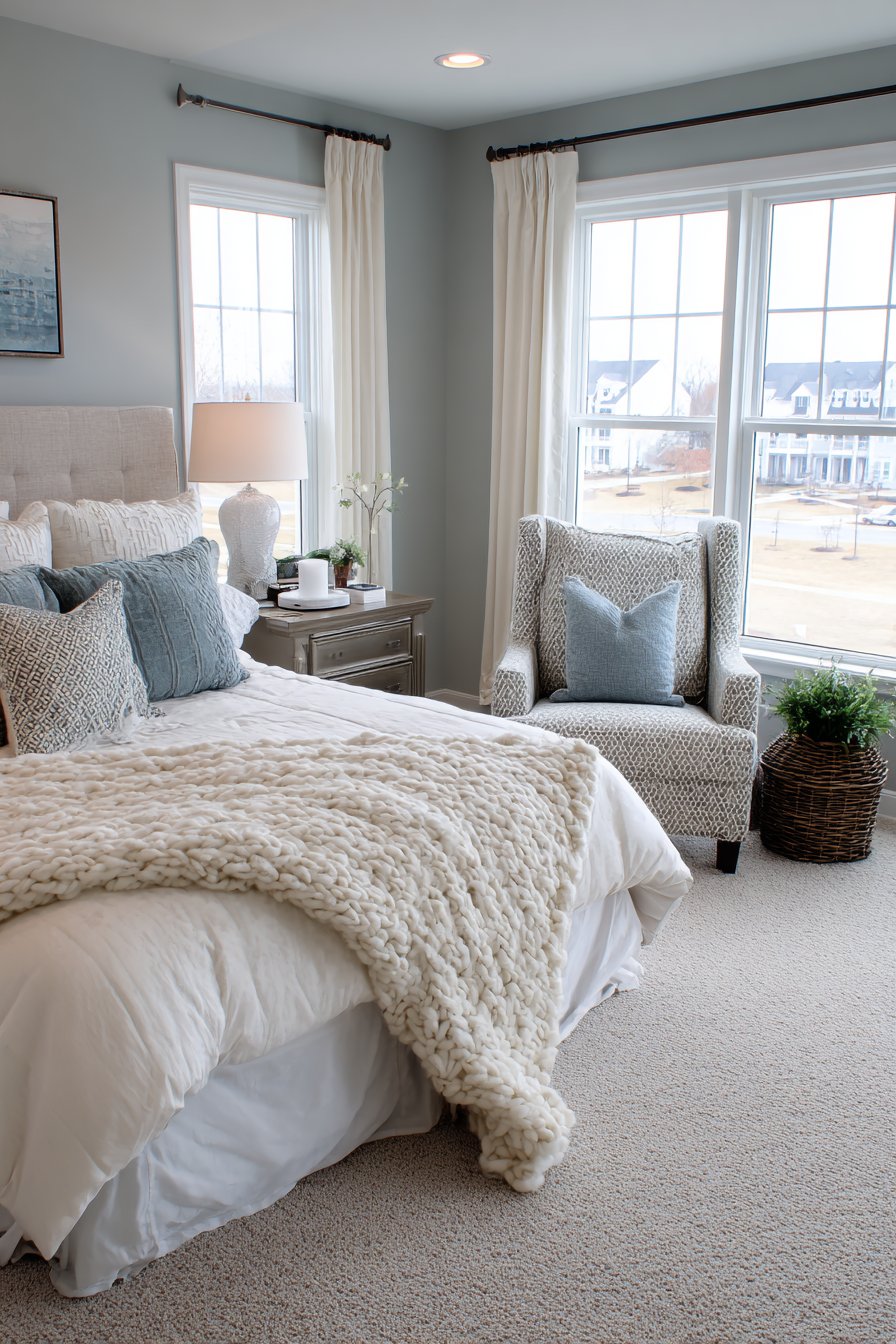
Lighting preferences affect sleep quality, study effectiveness, and overall comfort in profound ways. Some teens study best under bright task lighting, while others prefer softer ambient light. Sleep requirements vary with some needing complete darkness while others feel more secure with night lights. These personal differences demand individual input rather than one-size-fits-all solutions.
Sound management needs differ dramatically between teenagers who require silence for concentration and those who study effectively with background music. Some need white noise machines for sleep, while others find any sound disruptive. These acoustic preferences profoundly affect room functionality, making teenage input essential for creating spaces that actually support their wellbeing and productivity.
- Discuss lighting needs for various activities throughout the day
- Ask about sound preferences for studying, relaxing, and sleeping
- Provide options like blackout curtains and dimmer switches for flexibility
- Consider sensory sensitivities when selecting materials and textures
- Respect individual differences in comfort requirements
- Allow experimentation to discover what truly supports their wellbeing
9. Strengthens Parent-Teen Relationships
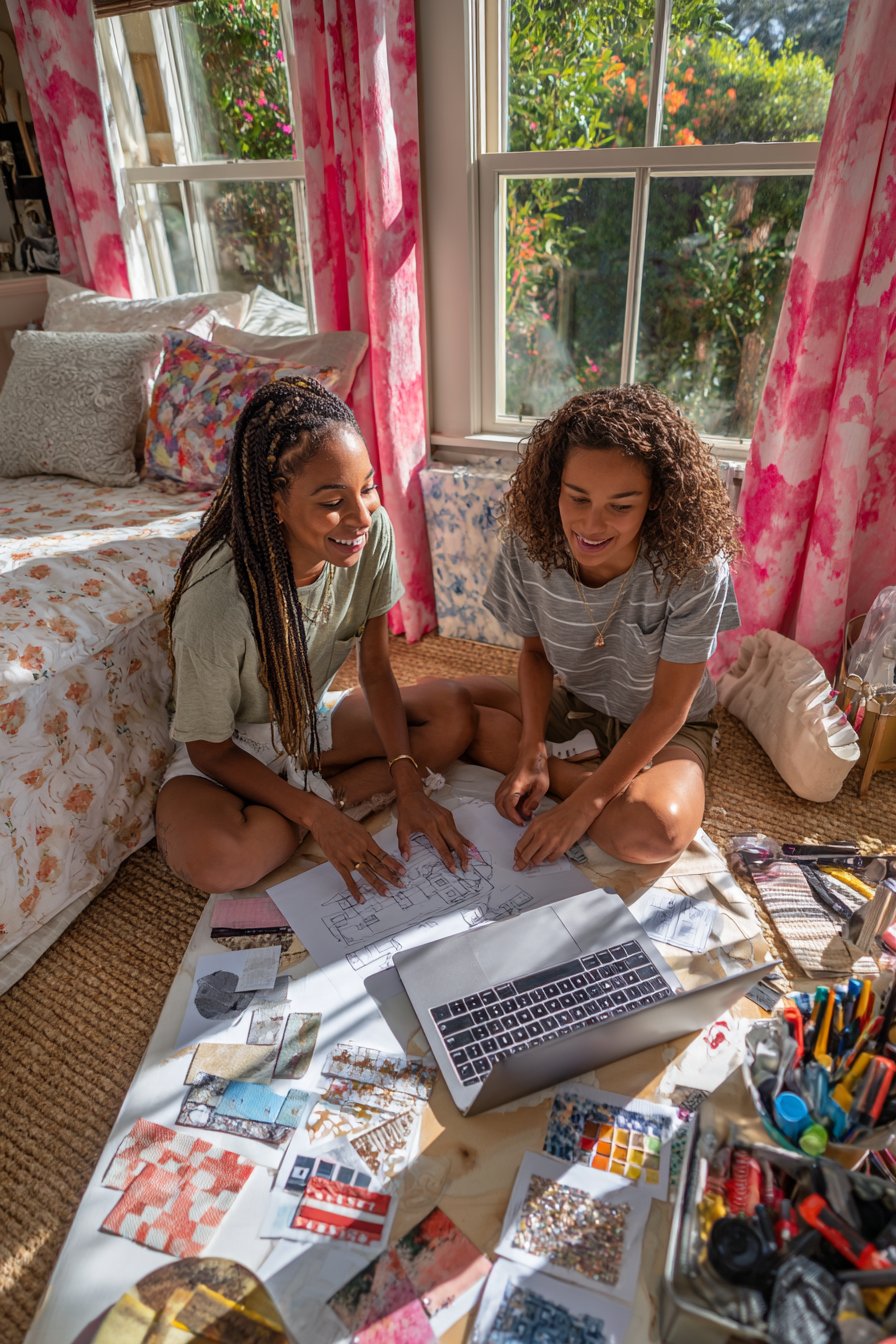
Collaborative projects provide positive interaction opportunities during years when parent-teen relationships often become strained. Working together on bedroom design creates shared goals and teamwork experiences that build connection. These constructive interactions counterbalance inevitable conflicts over rules and responsibilities that characterize adolescence for most families.

Mutual respect develops through design collaboration that honors teenage perspectives while maintaining parental boundaries. When parents genuinely listen to preferences and incorporate teenage input, teens feel valued and respected. This positive dynamic improves overall family relationships by demonstrating that parents see them as emerging adults whose opinions matter genuinely.
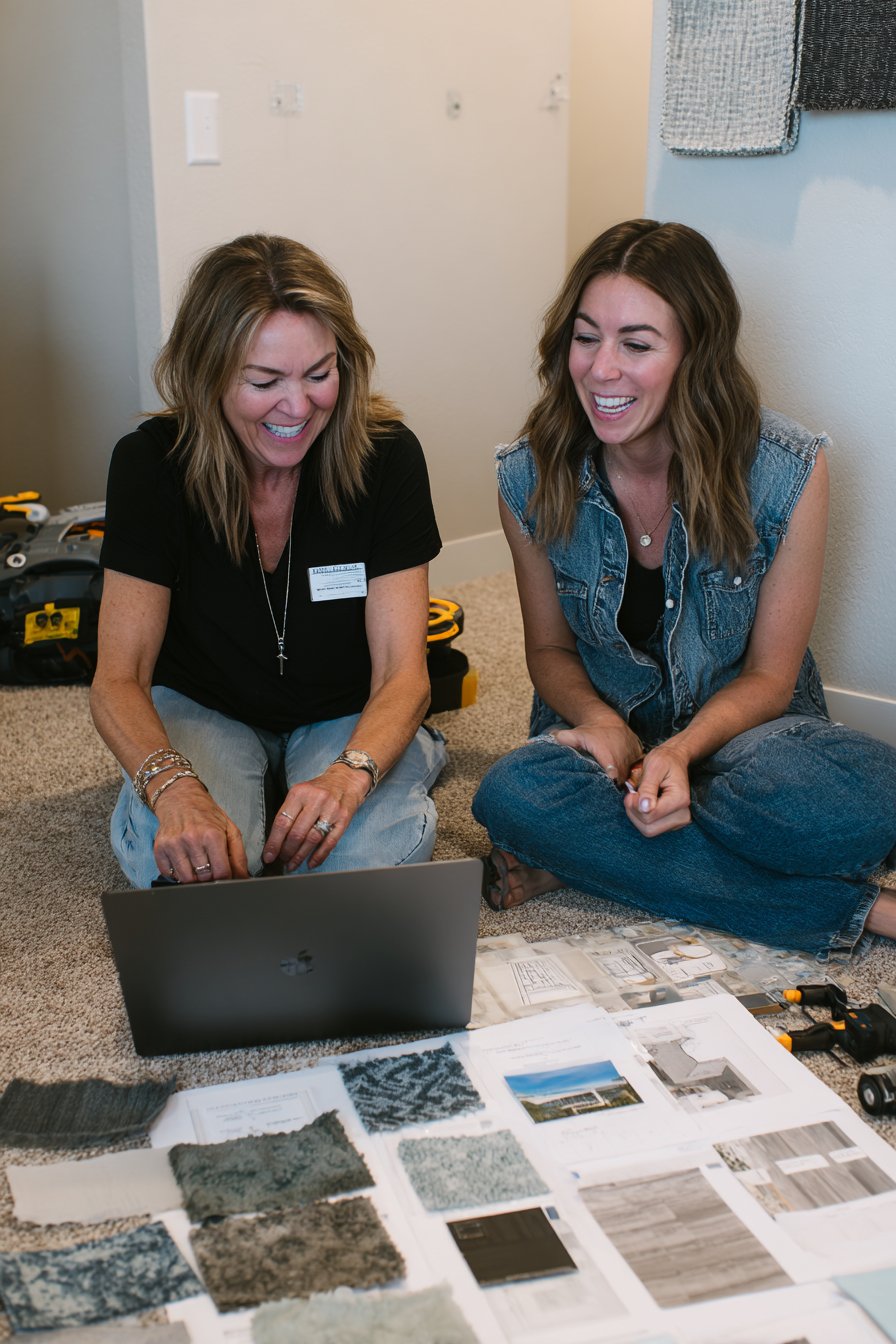
Communication skills improve through design discussions requiring teens to articulate preferences, defend choices, and negotiate compromises. These conversations teach persuasion, listening, and conflict resolution in low-stakes contexts. The skills developed through bedroom design negotiations transfer to more significant life discussions about academics, social decisions, and future planning.

- Use design conversations as opportunities for quality time together
- Practice active listening to understand their vision and reasoning
- Model respectful negotiation and compromise through the design process
- Celebrate successful collaboration and completed projects together
- Recognize design work as relationship-building rather than just decoration
- Use the collaborative experience to strengthen communication patterns
10. Prepares Them for Adult Living Spaces
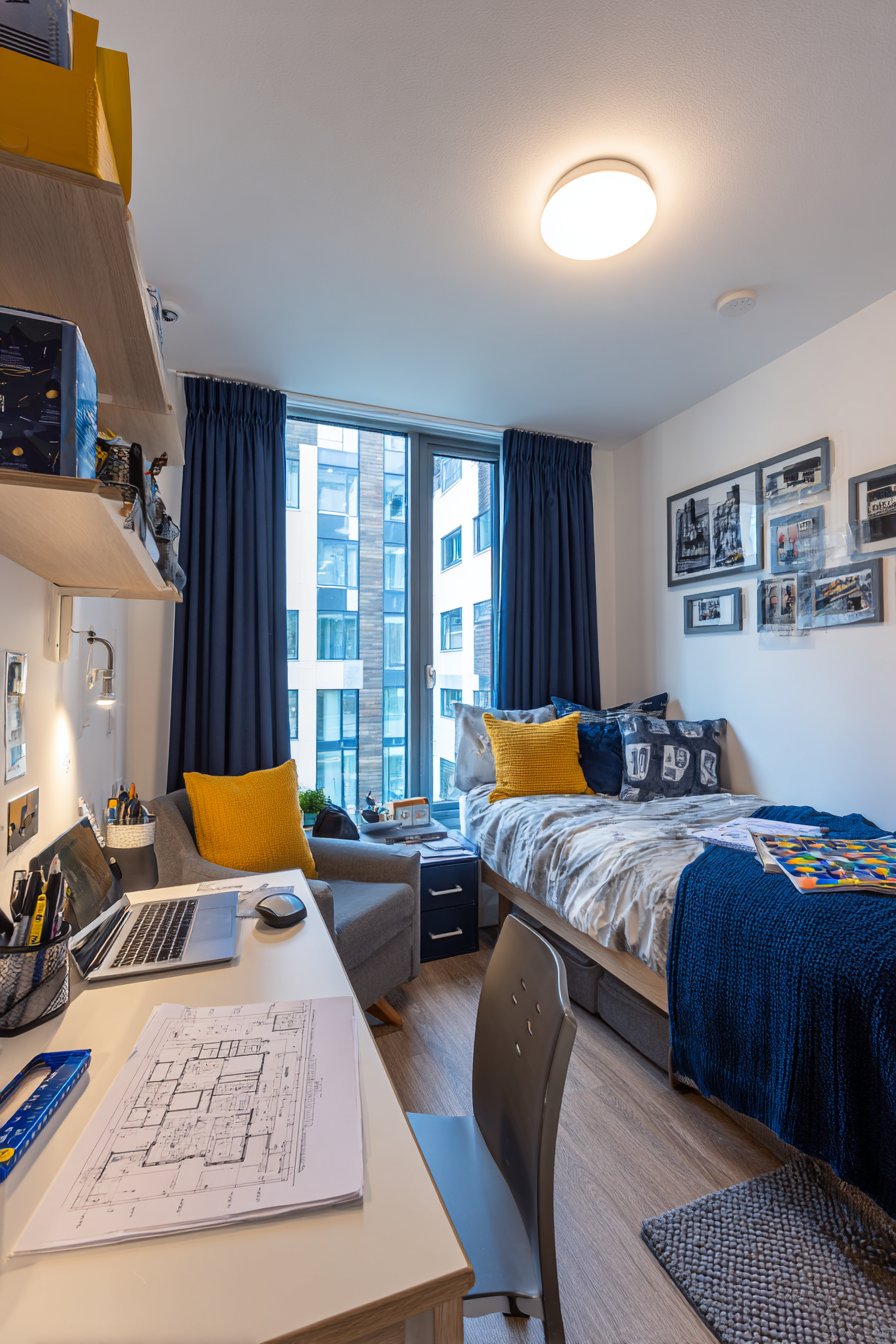
Spatial planning skills developed through bedroom design transfer directly to apartment hunting and furnishing when teenagers leave home. Understanding how furniture is arranged, what storage suffices, and how spaces function prepares them for independent living. This practical experience proves far more valuable than arriving at college or first apartments with no idea how to create functional living environments.
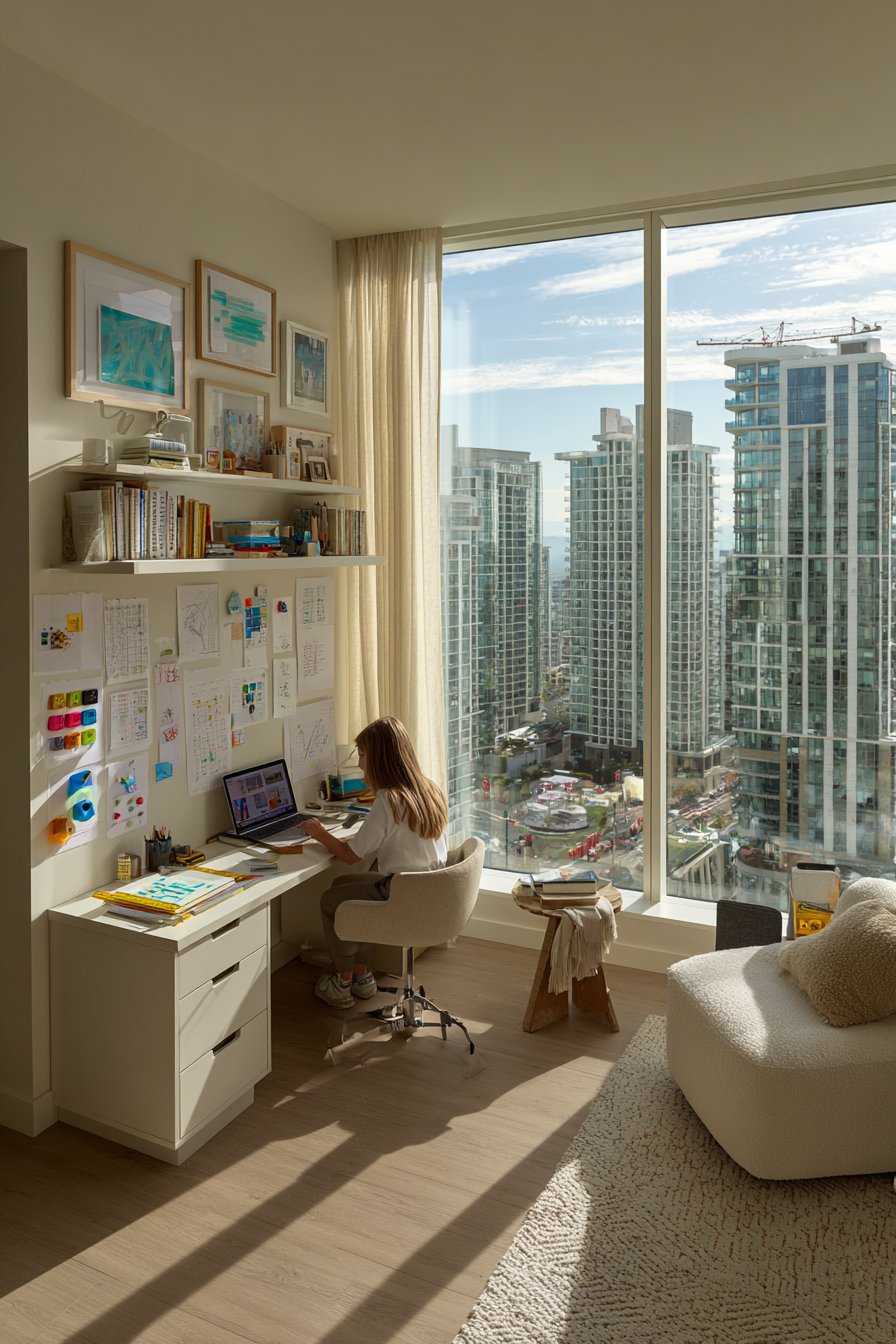
Design vocabulary and concepts learned through bedroom projects provide tools for communicating with landlords, roommates, and eventually interior designers. Understanding terms like layout, functionality, and aesthetic helps teenagers advocate for their needs in future living situations. This literacy prevents them from accepting unsuitable spaces simply because they lack language to identify problems or envision solutions.
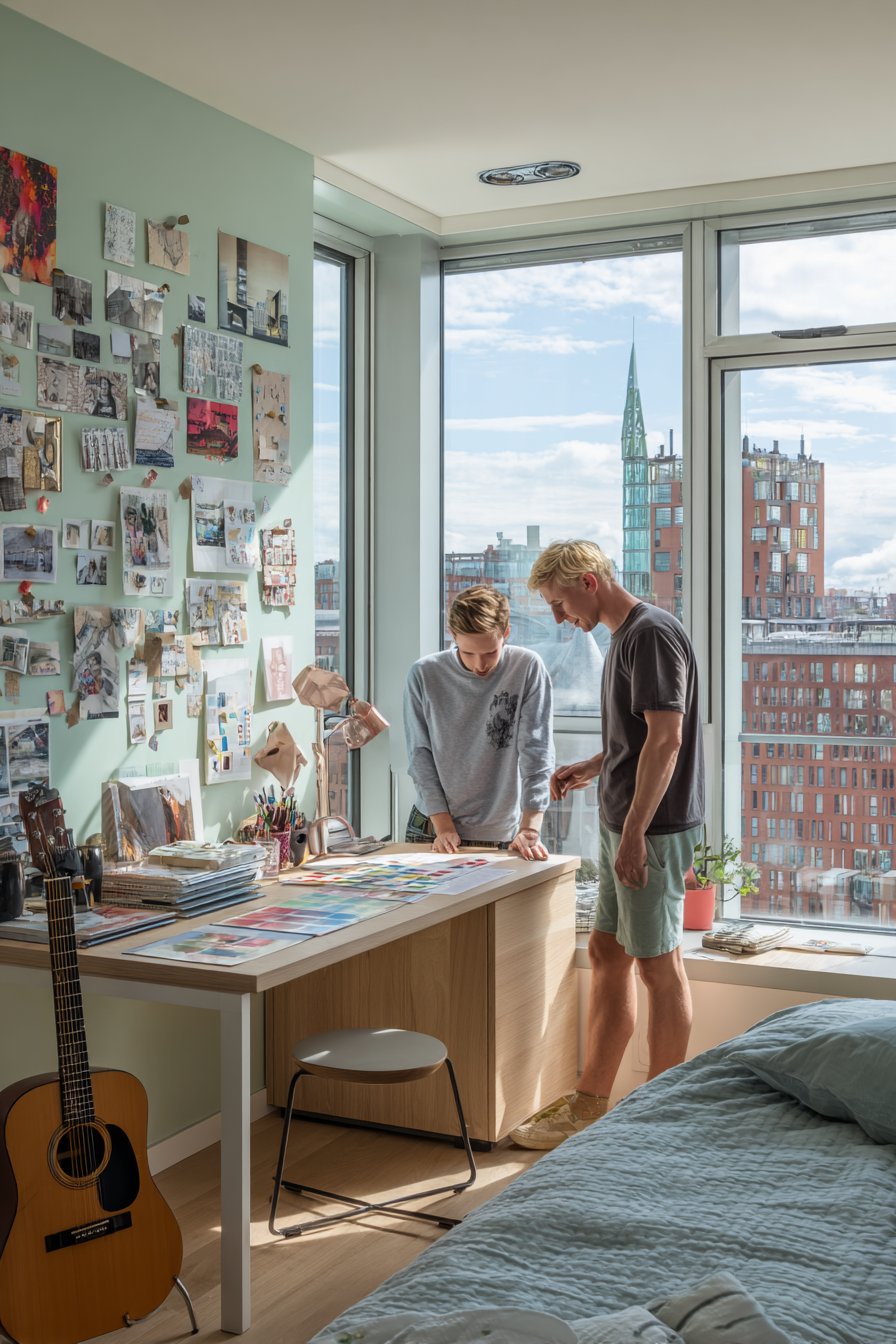
Life skills including measuring, planning, budgeting, and project management transfer from bedroom design to countless adult contexts. The teenager who learns to measure for curtains and calculate paint quantities has practiced math in practical applications. These real-world skills complement academic learning and build competence for managing adult responsibilities independently and confidently.

- Teach practical skills like measuring, planning layouts, and calculating quantities
- Discuss how design principles apply beyond their current bedroom
- Connect bedroom decisions to future apartment and home considerations
- Involve them in hands-on aspects like painting or furniture assembly
- Explain design terminology and concepts as you work together
- Frame the project as preparation for independent adult living
Conclusion
Including teenagers meaningfully in bedroom design benefits their development far beyond creating attractive spaces. The ten reasons explored here—from fostering identity to preparing for independence—demonstrate how collaborative design processes teach valuable life skills while ensuring rooms genuinely serve teenage needs. Remember that successful collaboration requires genuine respect for teenage input rather than token participation in predetermined adult decisions.
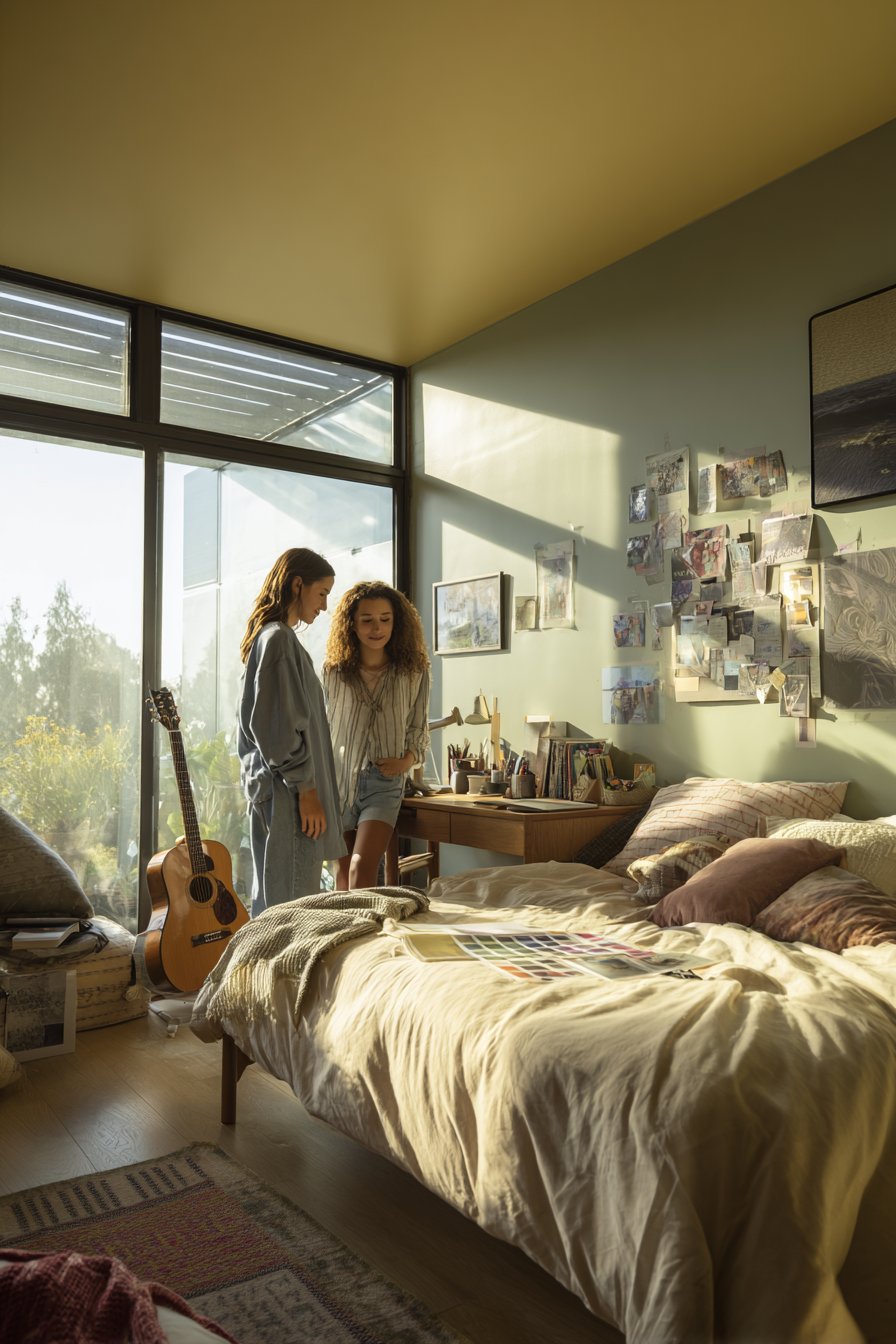
Start conversations early about upcoming bedroom updates, giving teenagers time to research, develop preferences, and articulate visions. Set clear parameters around budgets and household rules while granting maximum freedom within those boundaries. The goal isn’t giving teenagers everything they want but rather teaching them to make thoughtful decisions, navigate constraints creatively, and take ownership of outcomes.
Trust that rooms reflecting teenage personality and meeting their functional needs ultimately serve everyone better than parent-imposed designs that look perfect but feel foreign. Embrace this collaborative opportunity to strengthen relationships, build confidence, and create spaces where your teenager genuinely thrives during these crucial developmental years. The investment in their input pays dividends far exceeding the bedroom itself.
"As an Amazon Associate, I earn from qualifying purchases."
