
Spring is a season of renewal, color, and celebration. It brings an irresistible energy that spills naturally into our homes — and especially onto our dining tables. Whether you’re hosting a casual brunch, an Easter gathering, or a formal dinner party, a thoughtfully designed spring tablescape sets the stage for memorable entertaining. The table is more than a surface; it becomes a visual statement about your style and hospitality.
Thoughtful interior design transforms ordinary meals into extraordinary experiences. A well-composed table tells guests they are truly welcomed. Spring, with its palette of soft pastels, fresh greens, and blooming botanicals, offers an incredible seasonal canvas. Tablescaping for spring is accessible to every budget and skill level, yet the results can look effortlessly designer-worthy.
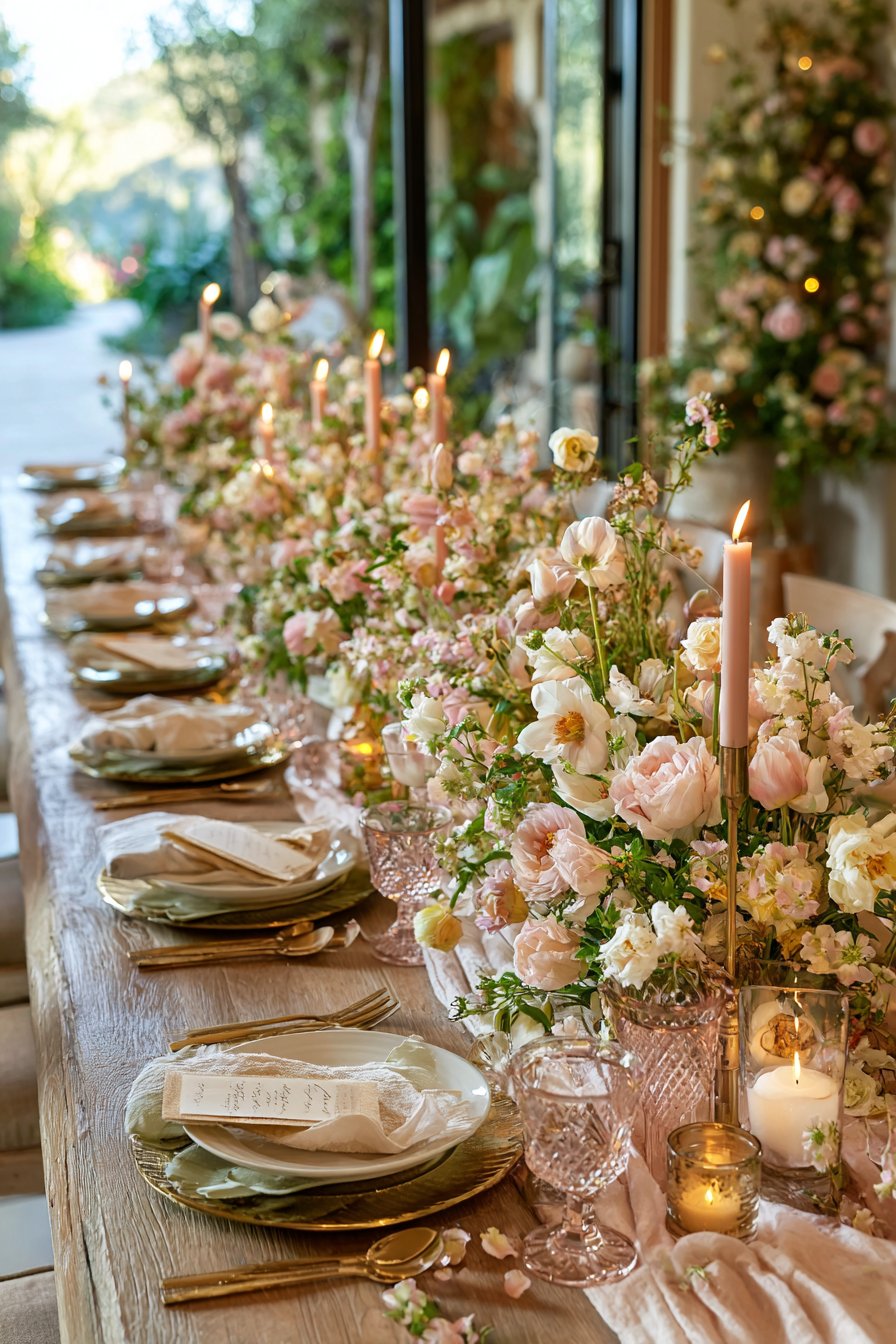
This article explores the key elements that make spring tablescapes ideal for entertaining. From color palettes and florals to layered textures and personalized details, you’ll discover actionable ideas for creating a table setting that feels both fresh and intentional. Each section dives into a specific design principle, helping you build your own stunning seasonal tablescape with confidence.
1. The Power of a Fresh Spring Color Palette
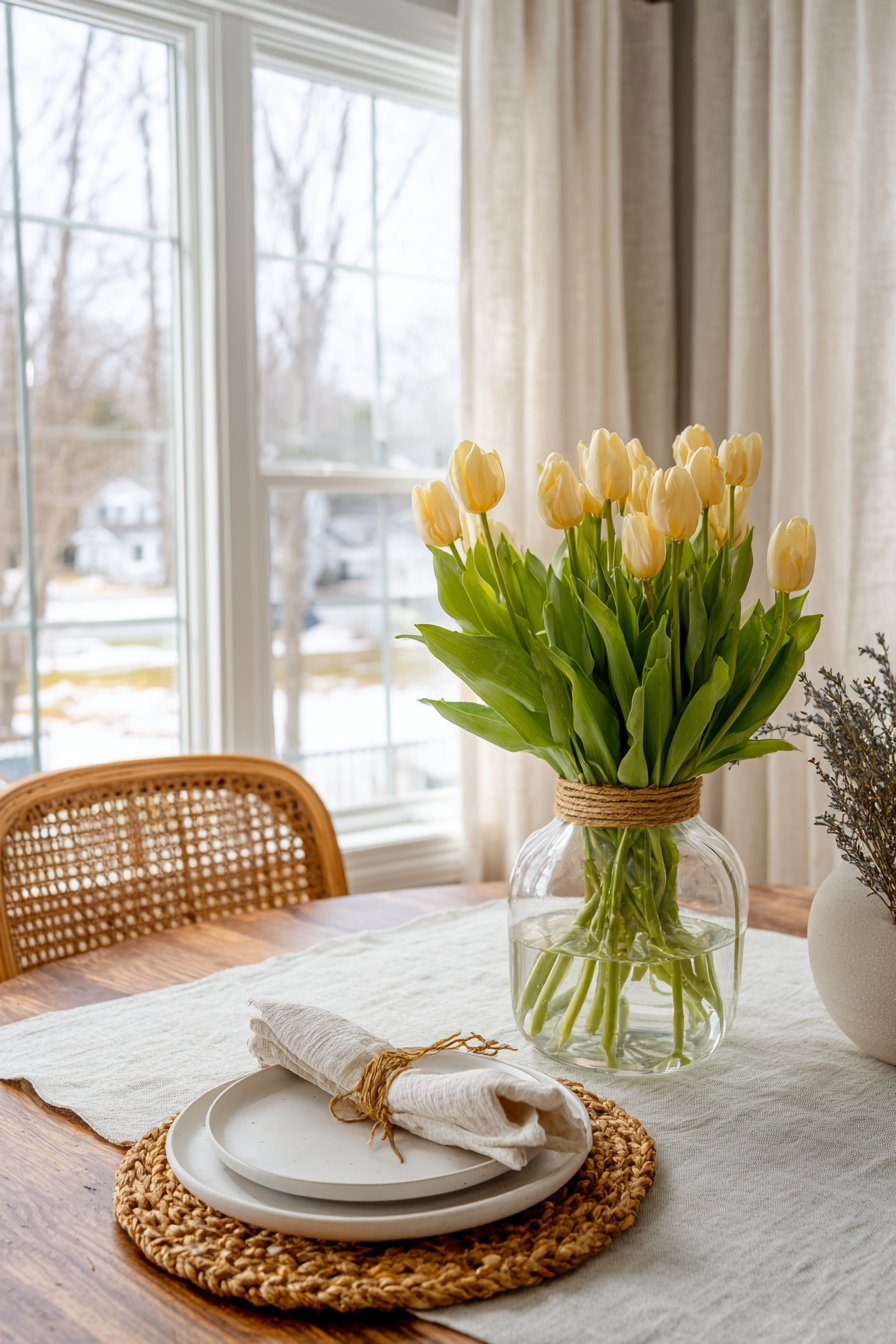
Color is the single most impactful element of any tablescape. Spring’s natural color language speaks in soft blush pinks, sage green, lavender, butter yellow, and sky blue. These tones instantly evoke warmth, lightness, and joy. They feel appropriate for daytime entertaining and elegant enough for evening events.
When choosing your palette, start with two or three anchor colors and build from there. For example, pair sage green linens with white ceramic plates and blush pink napkins. Add gold or brass accents for warmth. This prevents your table from looking too busy while maintaining a cohesive, curated look that guests will admire the moment they sit down.
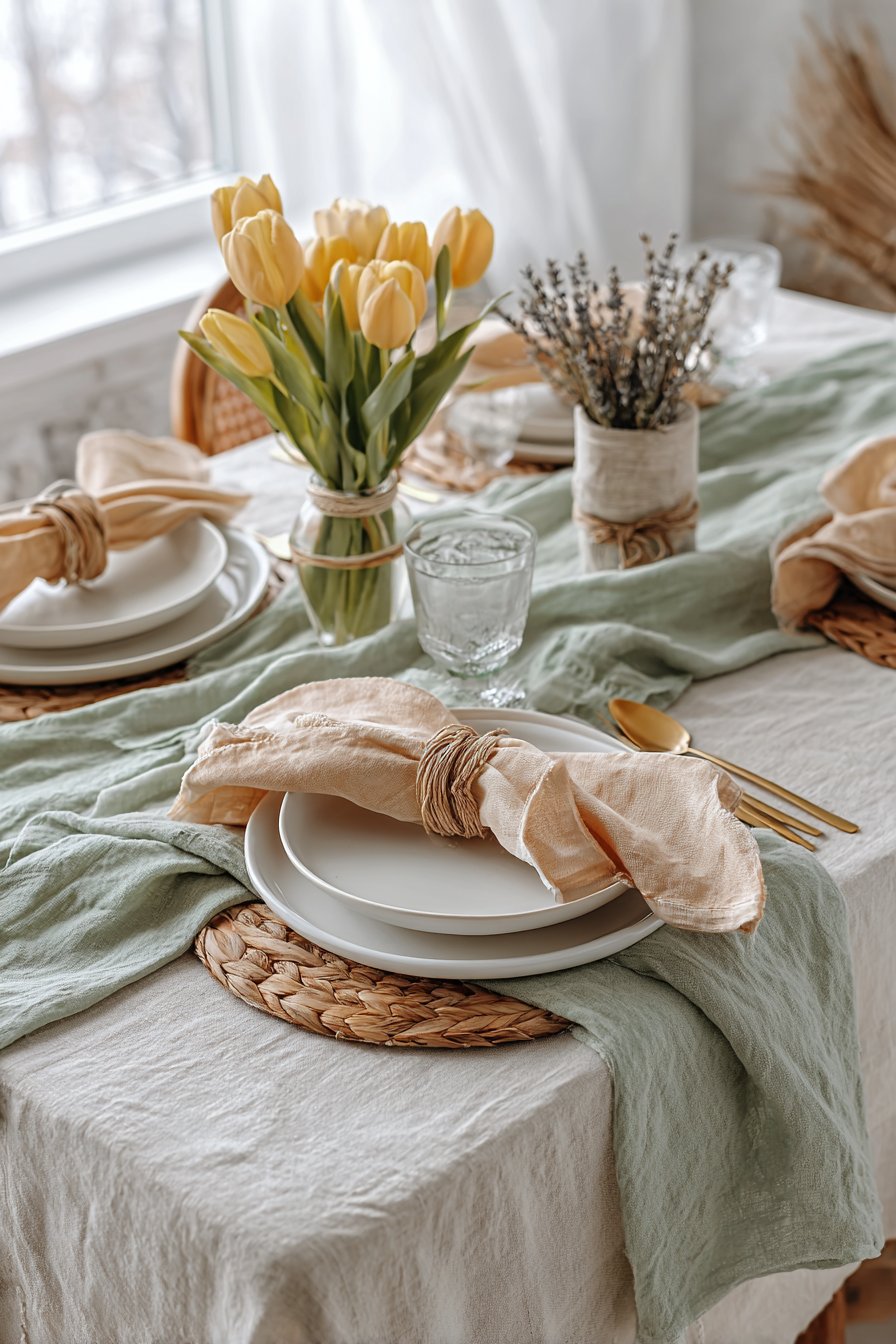
Don’t be afraid to use unexpected color combinations either. Terracotta with soft mint, or lilac with warm cream, can feel surprisingly sophisticated. The key is balance — distribute your colors evenly across the table so the eye moves naturally from one element to the next. Spring is forgiving; almost any soft, nature-inspired pairing works beautifully.
- Start with a neutral base (white, ivory, or linen tablecloth) and layer color from there
- Choose one dominant color and two supporting accent colors for harmony
- Use color in layers: linens, florals, candles, and tableware all contribute
- Test your palette in natural daylight before finalizing
- Avoid overly saturated neons — keep tones soft, muted, and season-appropriate
- Add metallic accents (gold, brass, silver) to elevate the spring palette
2. Seasonal Florals as the Centerpiece Star
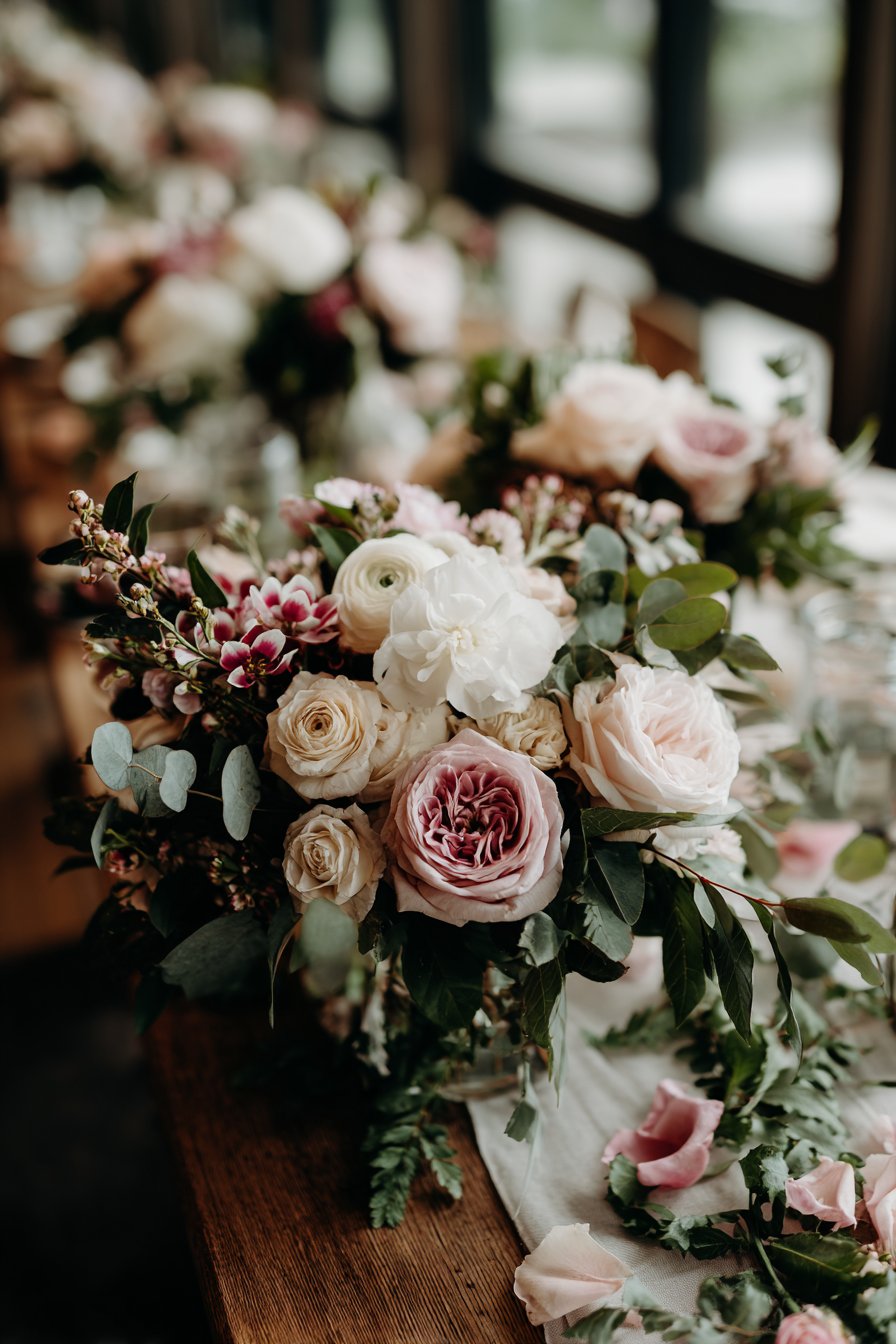
No spring table is complete without flowers. Fresh seasonal florals are the crown jewel of any spring tablescape and the element guests notice first. Tulips, ranunculus, peonies, hyacinths, and daffodils are all quintessential spring blooms that bring both color and fragrance to the table.
When arranging florals, scale and proportion matter enormously. A centerpiece that is too tall blocks conversation across the table. Aim for arrangements under 12 inches in height for seated dining, or use low, sprawling arrangements that feel lush without obstructing sightlines. A single large floral arrangement works well for rectangular tables; multiple smaller vases work beautifully for round or long farm-style tables.
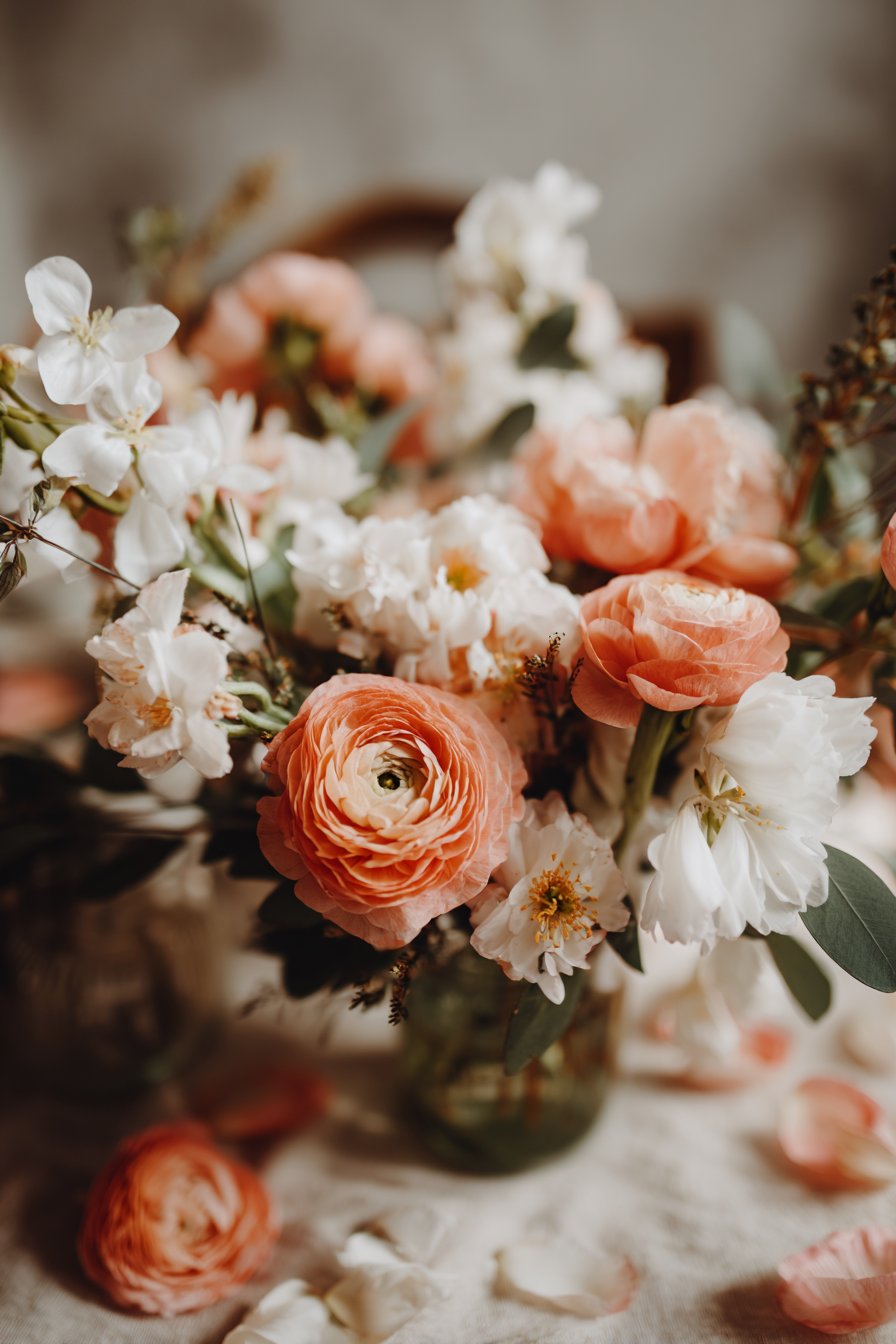
Don’t overlook wildflower and greenery combinations as cost-effective alternatives. Mixing grocery store tulips with eucalyptus, ferns, or simple foliage creates a luxurious-looking arrangement for a fraction of the price. Mason jars, bud vases, and vintage pitchers make charming vessels that enhance the spring garden aesthetic naturally.
- Use an odd number of floral arrangements for visual balance (1, 3, or 5 vessels)
- Mix flower types and heights for a natural, gathered-from-the-garden look
- Choose flowers in your chosen palette to unify the tablescape
- Refresh water daily if setting up your table 1–2 days in advance
- Consider potted herbs (lavender, rosemary, thyme) as fragrant, edible alternatives
- Line the center with scattered petals or greenery for a romantic, organic feel
3. Layered Linens for Texture and Depth
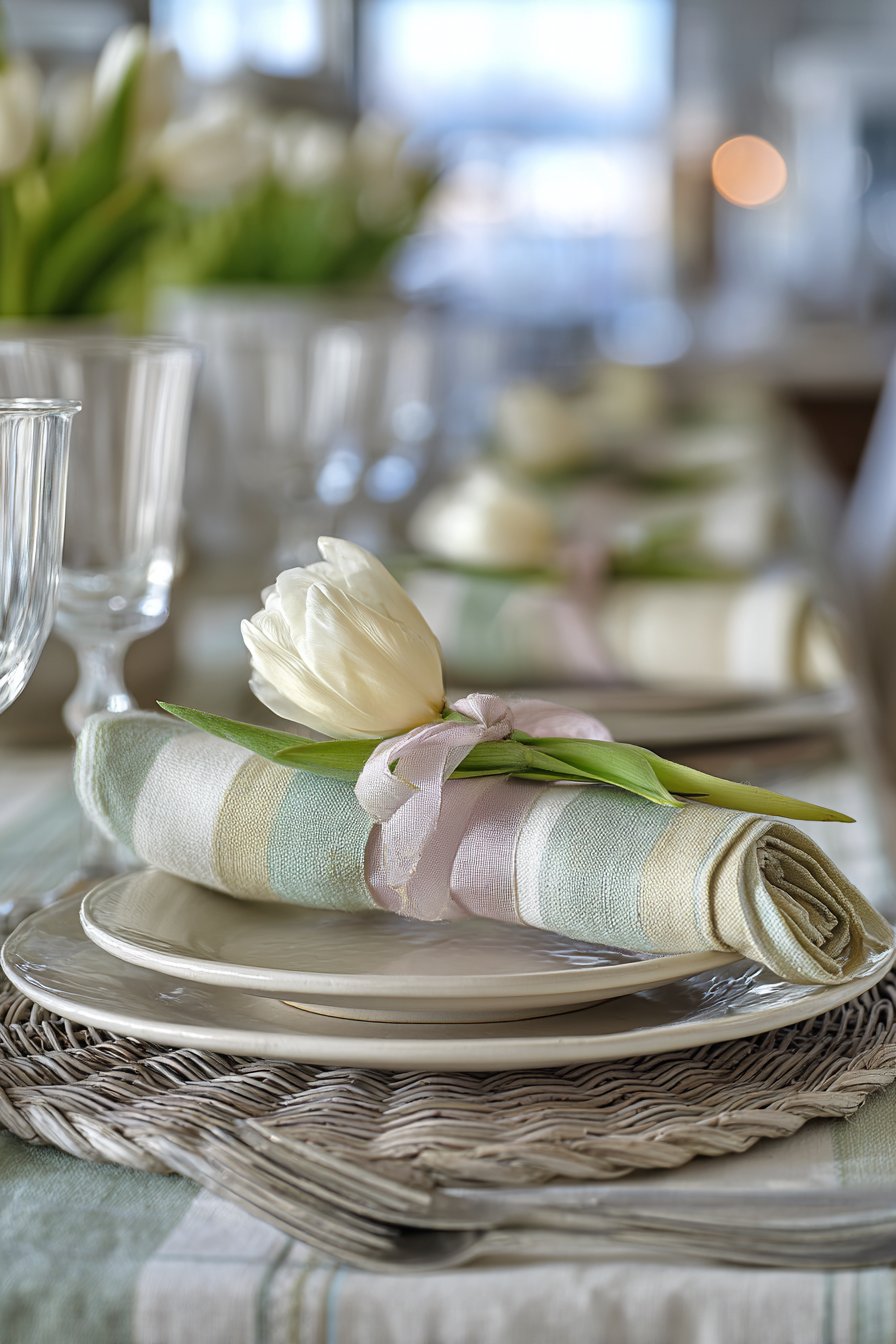
Linens form the foundation of every tablescape and are often underestimated in their design potential. The right combination of tablecloth, table runner, and napkins adds dimension, texture, and color to the table before a single plate is placed. Spring linens should feel light and breathable — linen, cotton, and soft chambray are ideal choices.
Layering linens is a technique that instantly elevates a table setting. Begin with a full tablecloth in a neutral or soft solid color. Add a table runner in a contrasting texture or print — a striped cotton runner over a white linen cloth feels casually elegant. Then fold or roll napkins into beautiful shapes or tie them with natural twine, ribbon, or a sprig of herbs.
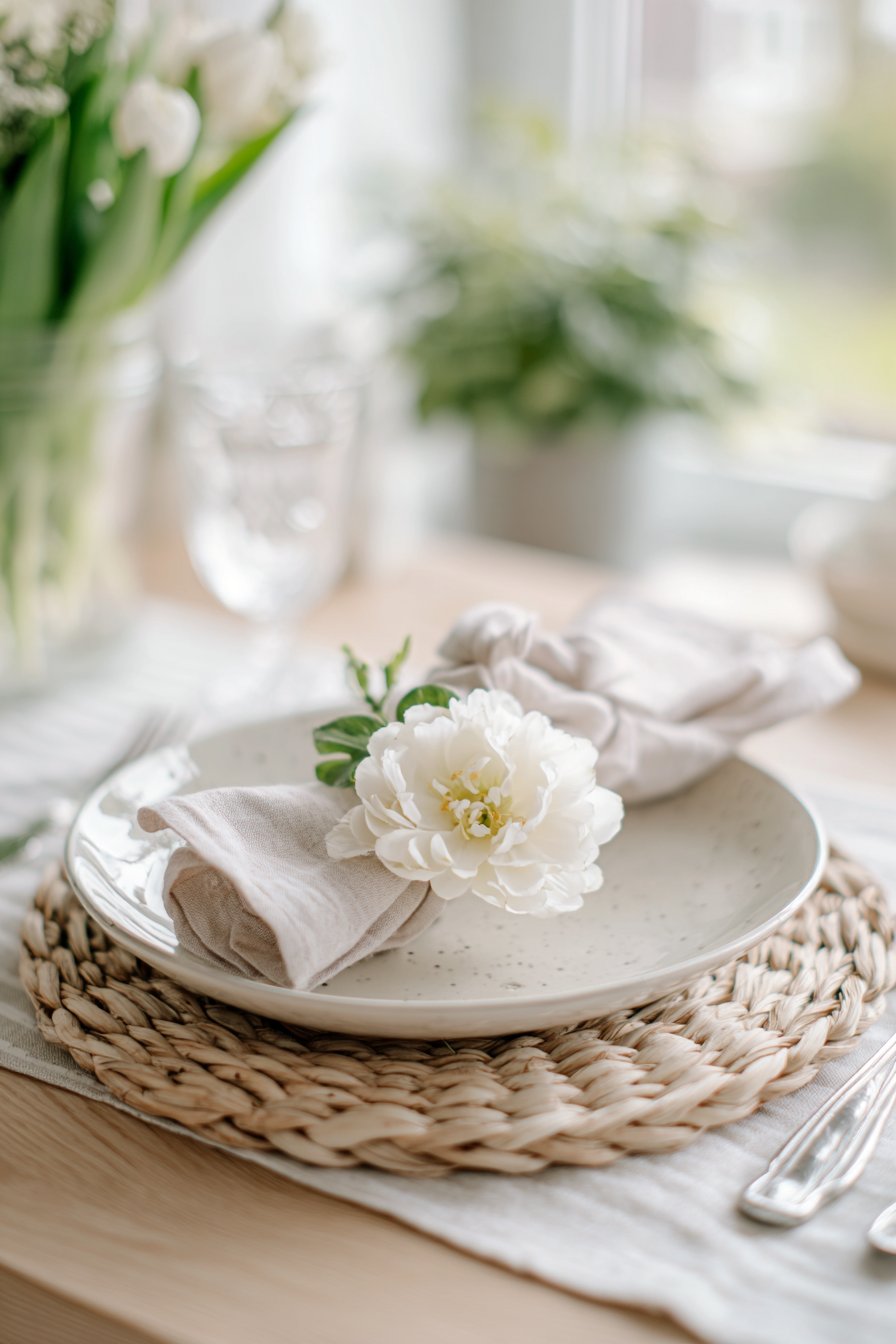
Texture is as important as color when it comes to spring linen styling. A nubby linen tablecloth adds rustic warmth, while a smooth cotton broadcloth reads as more polished and formal. Consider mixing textures within the same tonal family for a layered, editorial look that feels intentional rather than accidental or overdone.
- Choose tablecloths in soft neutrals: white, ivory, blush, or pale sage
- Layer a patterned or textured runner over a solid base cloth
- Use cloth napkins — paper napkins undermine the elegance of a styled table
- Fold napkins into simple, beautiful shapes: rectangles, triangles, or loose rolls
- Tie napkins with ribbon, twine, or a single bloom for a personalized finishing touch
- Iron or steam linens before use — wrinkles diminish the effect of even the best tablescape
4. Thoughtful Tableware Selection
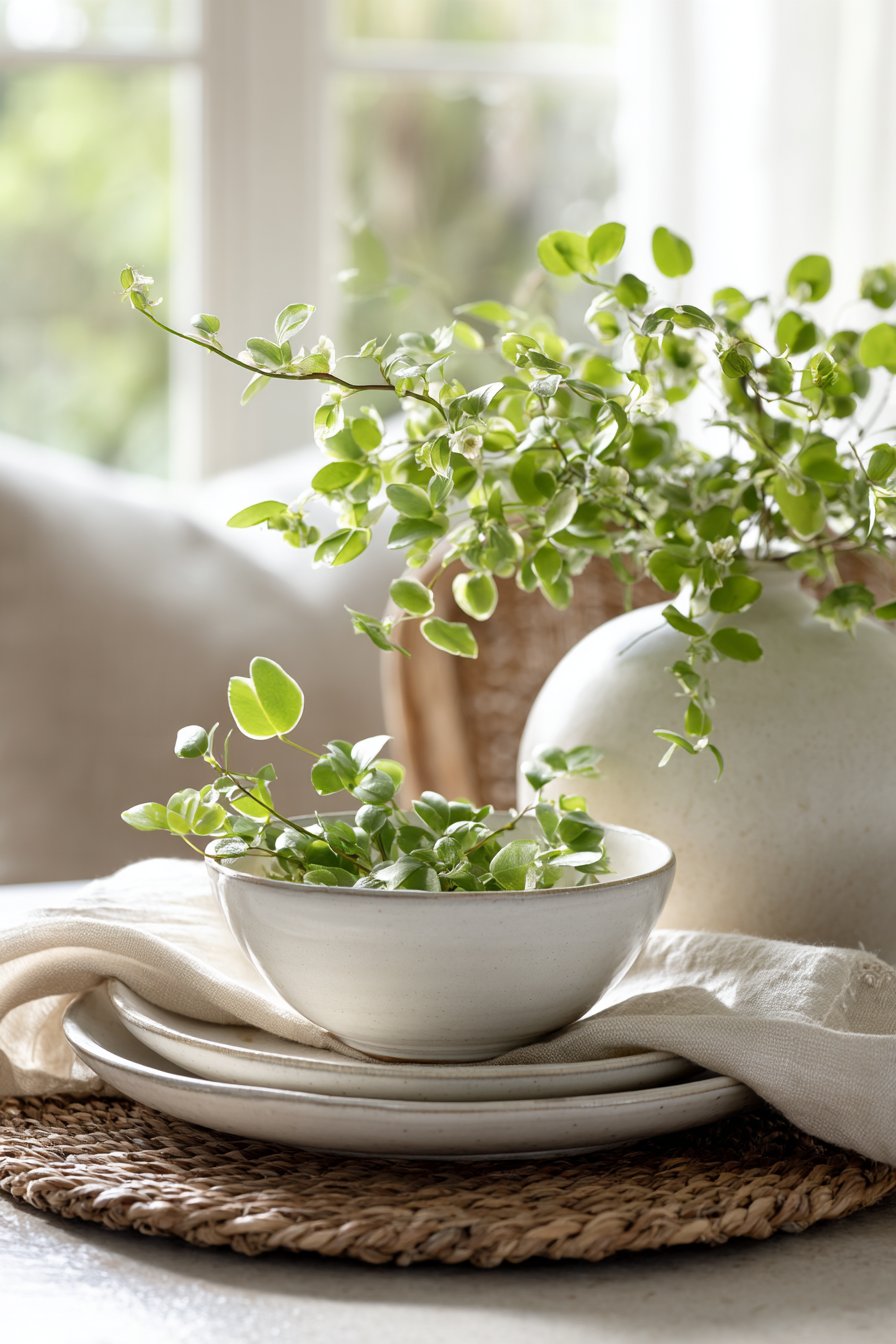
The plates, bowls, and serving pieces you choose define the formality of your tablescape. For spring entertaining, opt for tableware that feels fresh, clean, and seasonally appropriate. White or cream ceramic plates are universally flattering and work with any color palette. They also allow food to look its absolute best — always a bonus when entertaining.
Mixing tableware styles is a modern approach that adds personality and charm. Pair a classic white dinner plate with a patterned salad plate in a floral or geometric spring print. Add a textured ramekin or a hand-thrown ceramic bowl for an artisanal touch. The result feels curated and layered rather than matchy-matchy or overly formal.
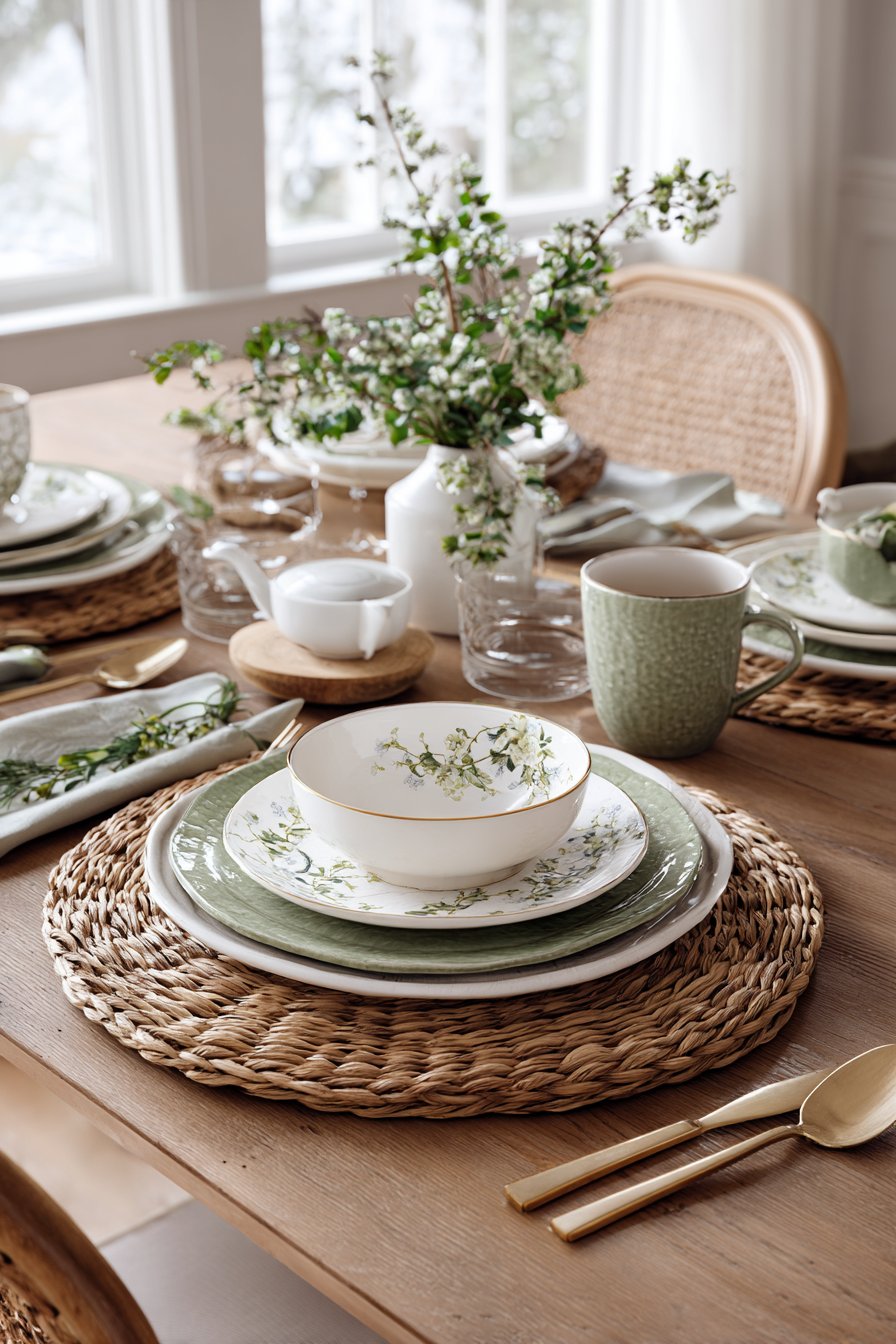
Don’t underestimate the power of charger plates to add drama and dimension beneath your dinner plates. Gold, rattan, or woven chargers add a layer of visual interest and elevate even simple tableware dramatically. For spring, natural materials like rattan or bamboo chargers complement botanicals and organic textures beautifully while keeping the aesthetic grounded.
- Invest in a simple white dinnerware set that can be styled across all seasons
- Mix vintage or thrifted plates with modern pieces for eclectic, personal charm
- Use charger plates to anchor each place setting and add visual depth
- Coordinate tableware color with your overall palette — don’t let it clash
- Choose serving platters that complement your centerpiece and linens
- Display stacked plates as a design element when space allows
5. Glassware and Stemware as Design Elements
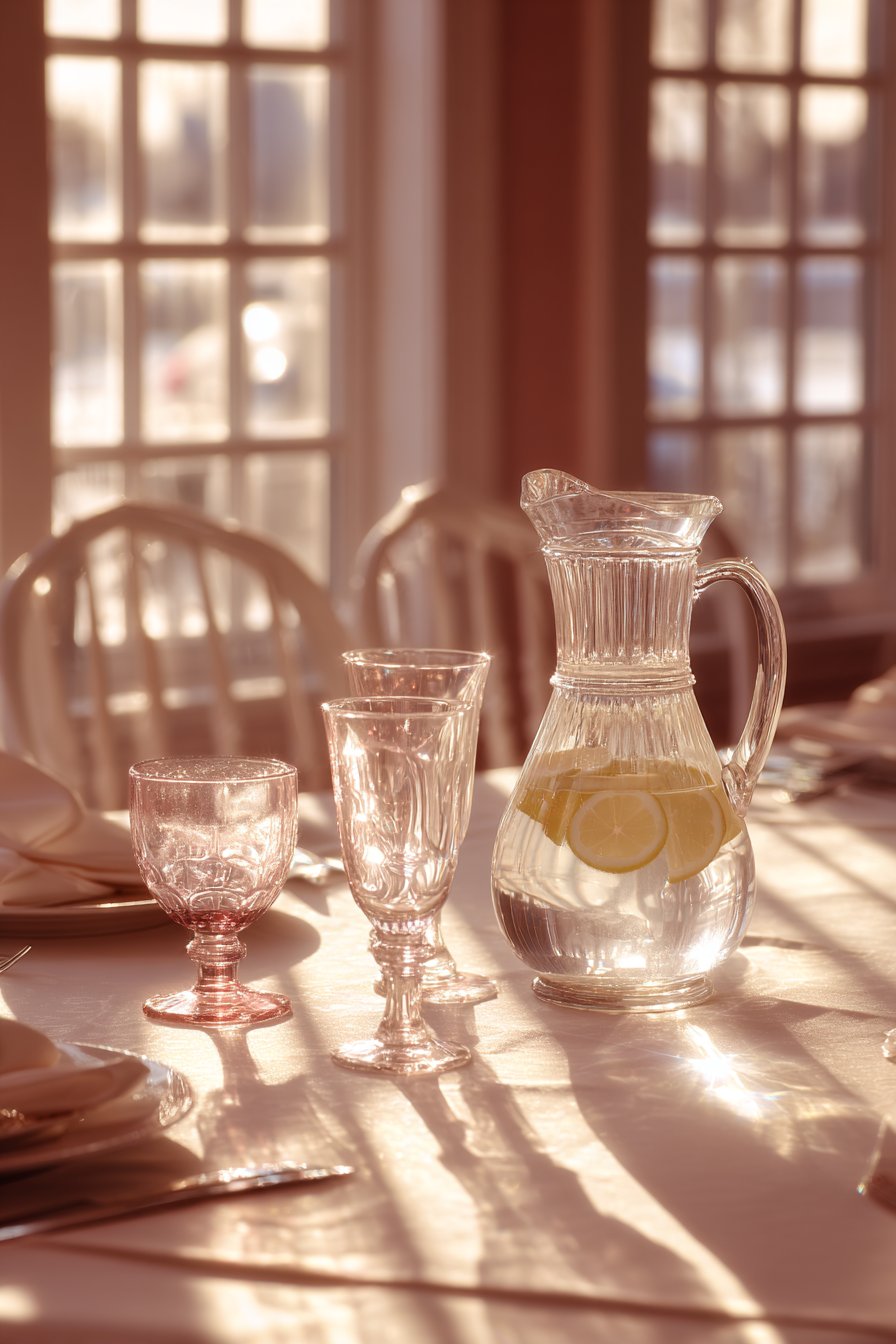
Glassware does double duty on a spring table — it serves a functional and aesthetic purpose simultaneously. The sparkle and transparency of glass adds lightness and refinement to any table setting. For spring, clear glass catches the daylight beautifully, especially when entertaining outdoors or near windows.
Colored or tinted glassware is an easy way to introduce seasonal color with elegance. Pale green, soft amber, or dusty rose glassware immediately reads as spring-appropriate. Even a single color of wine glass can tie together an entire tablescape. Mix and match intentionally — a colored water goblet with a clear wine glass is a chic, contemporary combination.
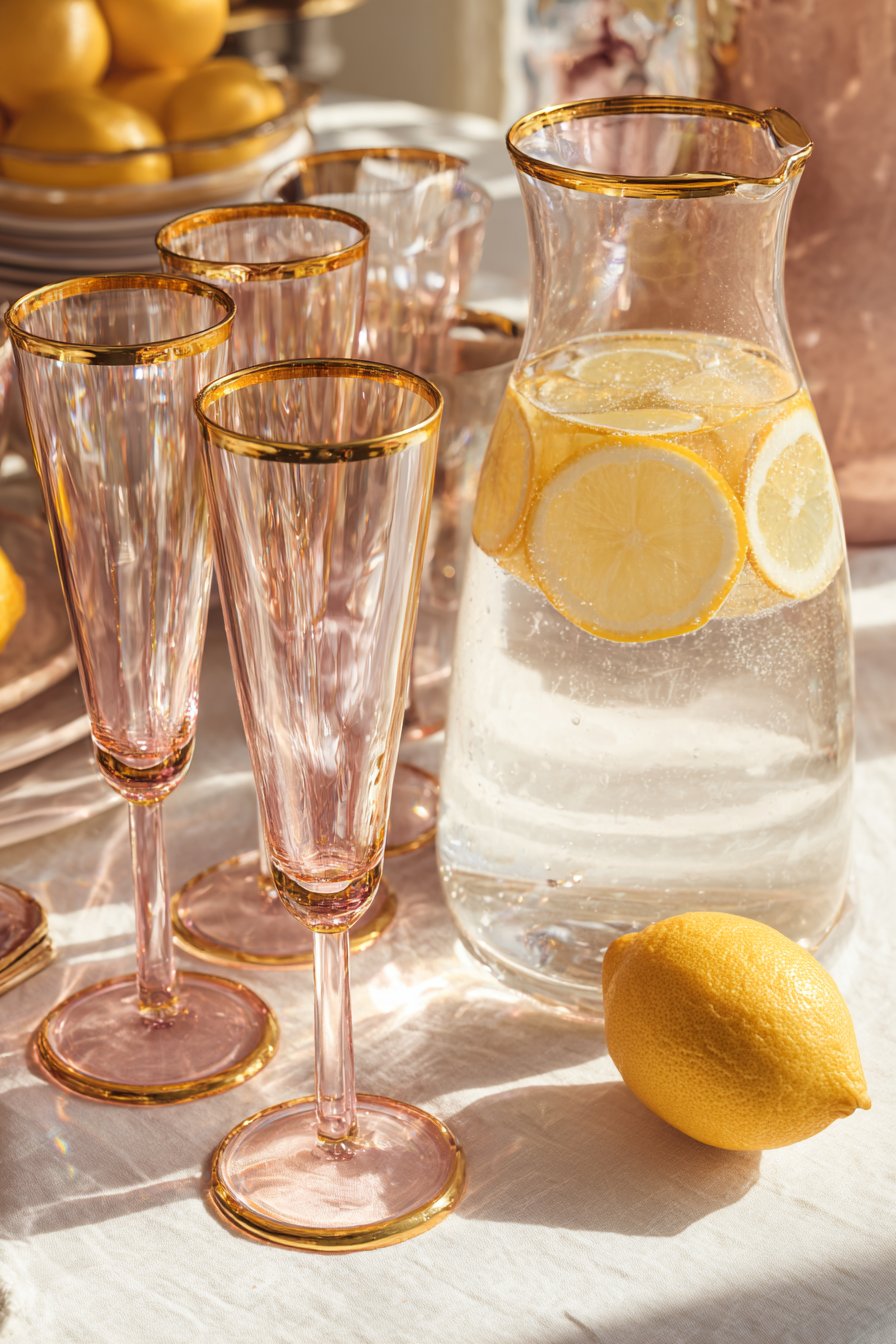
Consider including a variety of glassware heights to create visual interest at eye level. Water goblets, wine glasses, champagne flutes, and even small juice glasses each contribute to a layered, dimensional table. Fill glassware with water and a floating flower or fruit slice for an unexpected, decorative detail that delights guests before dinner even begins.
- Polish glassware before setting the table — fingerprints and water spots are highly visible
- Introduce one accent color of glass to tie into your palette
- Vary heights: use tall wine glasses alongside shorter tumblers for visual rhythm
- Fill a decorative carafe or pitcher with water and lemon slices for a styled drink station
- Consider vintage crystal or mismatched glasses for a bohemian, collected aesthetic
- Store glassware stem-up when not in use to prevent odors from transferring
6. The Art of the Perfect Place Setting
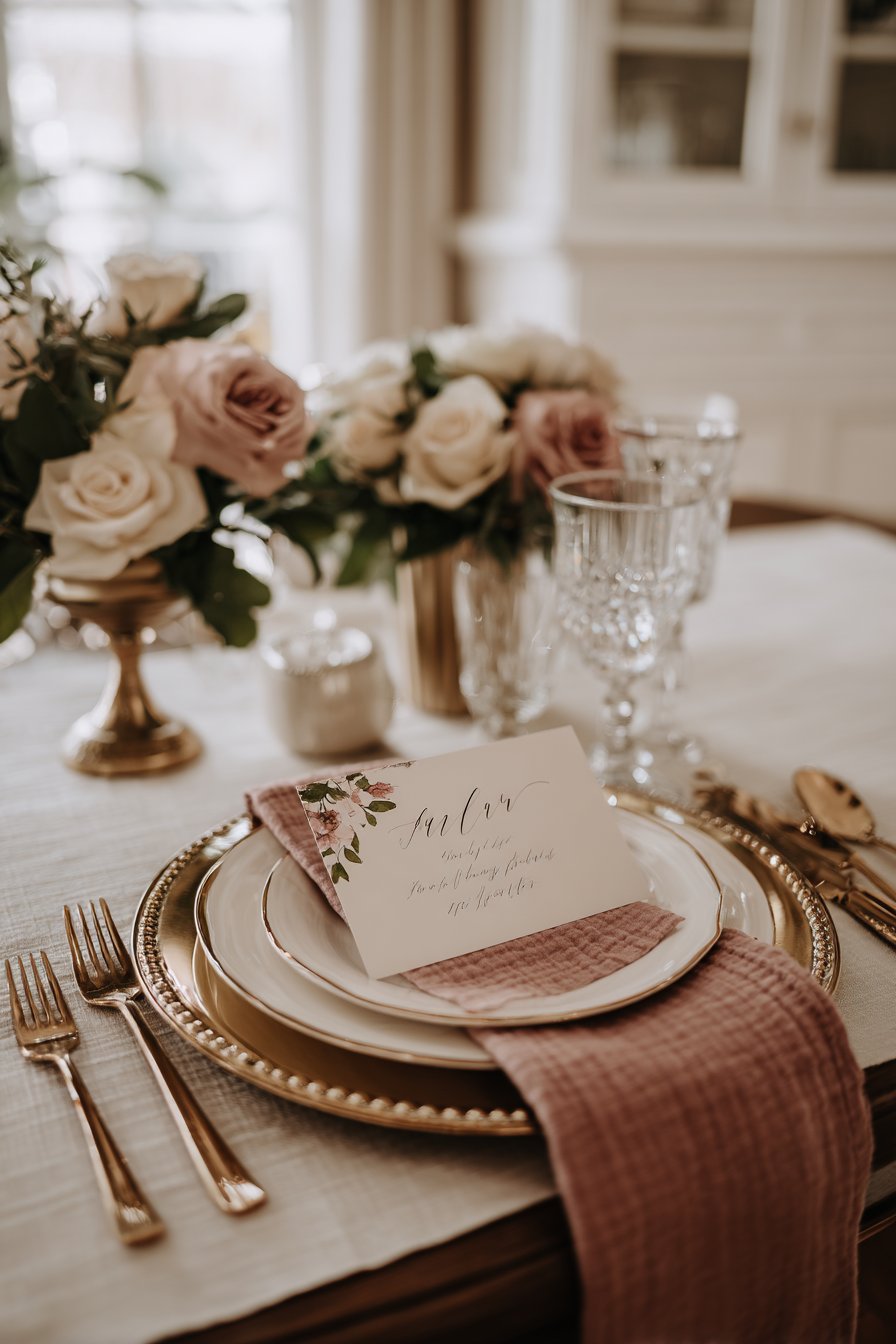
A properly laid place setting communicates care and attention to detail. For spring entertaining, the goal is to strike a balance between polished formality and relaxed warmth. Begin with your charger or dinner plate as the anchor, then build outward with flatware, glassware, and napkins according to your menu and event formality level.
Flatware placement follows a simple rule: work from the outside in with each course. Salad fork to the left, dinner fork inside it, dinner knife to the right of the plate, spoon to the far right. Dessert utensils can be placed horizontally above the plate or brought out with dessert. Consistency across every place setting signals professionalism and thoughtfulness as a host.
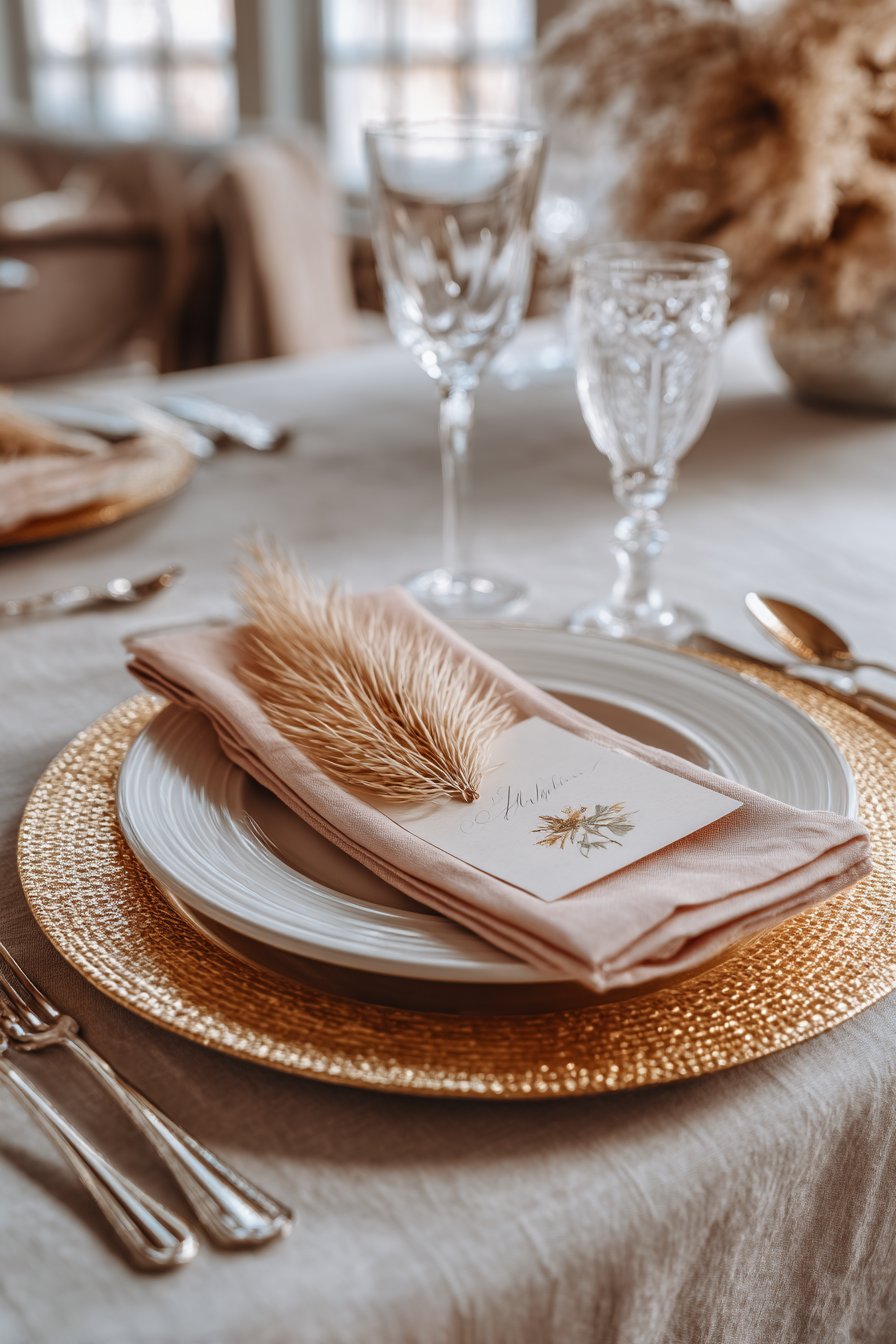
A personalized place card adds a charming, guest-focused element to each setting. Write names on small cards, clay tags, seed packets, or even painted stones. This practical element doubles as a keepsake and makes guests feel genuinely considered. Spring themes like butterflies, pressed flowers, or watercolor botanicals make beautiful motifs for DIY place cards.
- Align all flatware precisely — use a ruler if needed for formal settings
- Space place settings evenly: allow at least 24 inches per guest for comfort
- Tuck the napkin under the fork or place it on the charger for a polished look
- Add a personalized place card to each setting for a memorable, host-forward detail
- Use seasonal motifs on place cards: flowers, butterflies, or watercolor botanicals
- Lay each setting from a consistent edge distance for visual uniformity
7. Candles and Ambient Lighting
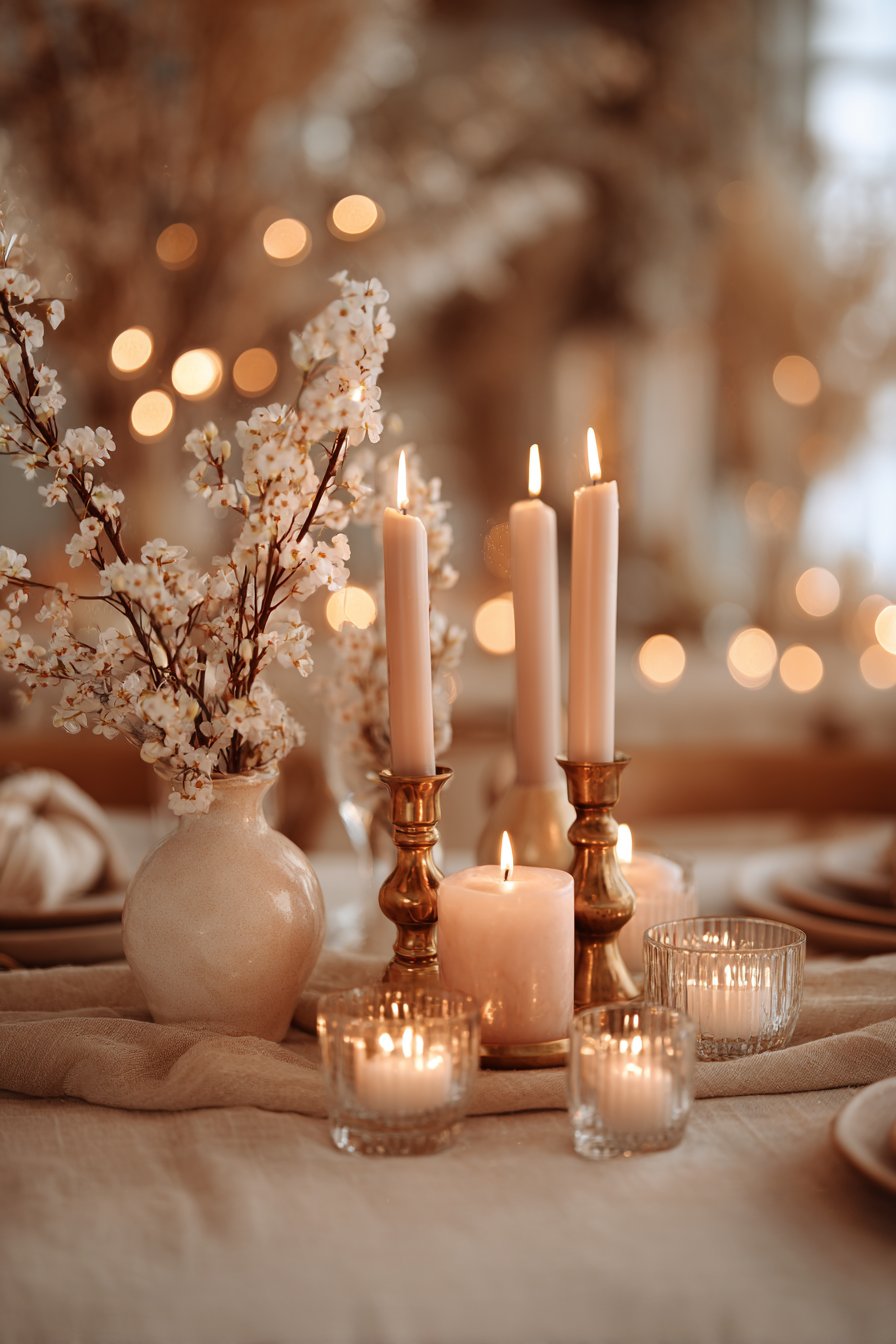
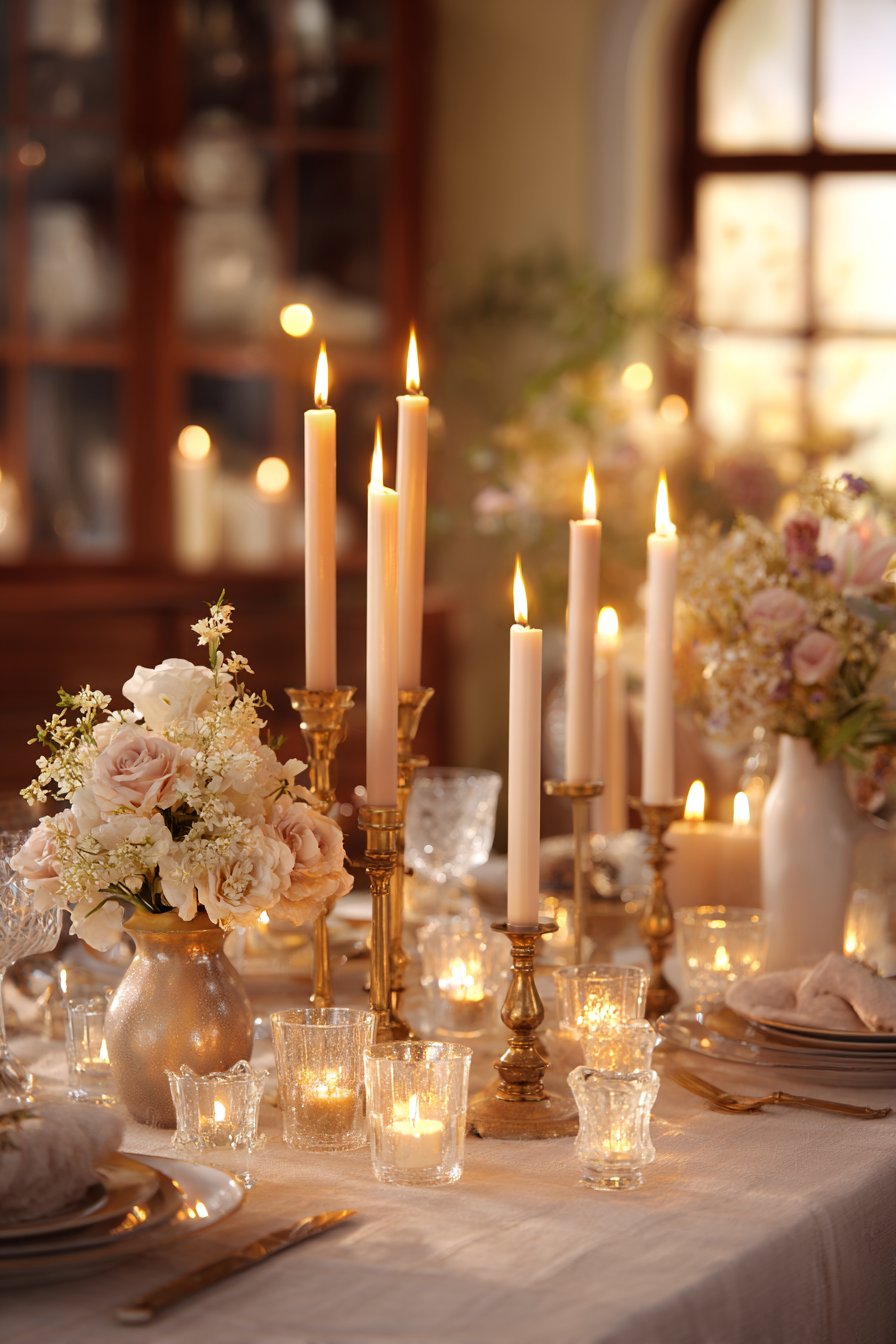
Lighting transforms atmosphere more quickly and dramatically than any other single element. For spring tablescapes, candles add a warm, golden glow that flatters guests and creates a sense of occasion. Even at a daytime brunch, a few lit candles on the table signal that this meal is special and intentional.
Taper candles in spring hues — blush, sage, ivory, or lavender — are elegant and easy to source. Pair them with simple brass or ceramic candlestick holders for a refined look. For a more casual or boho spring vibe, cluster small votive candles or tea lights in glass vessels along the center of the table. The flickering effect adds romantic, dynamic energy that static decor cannot replicate.
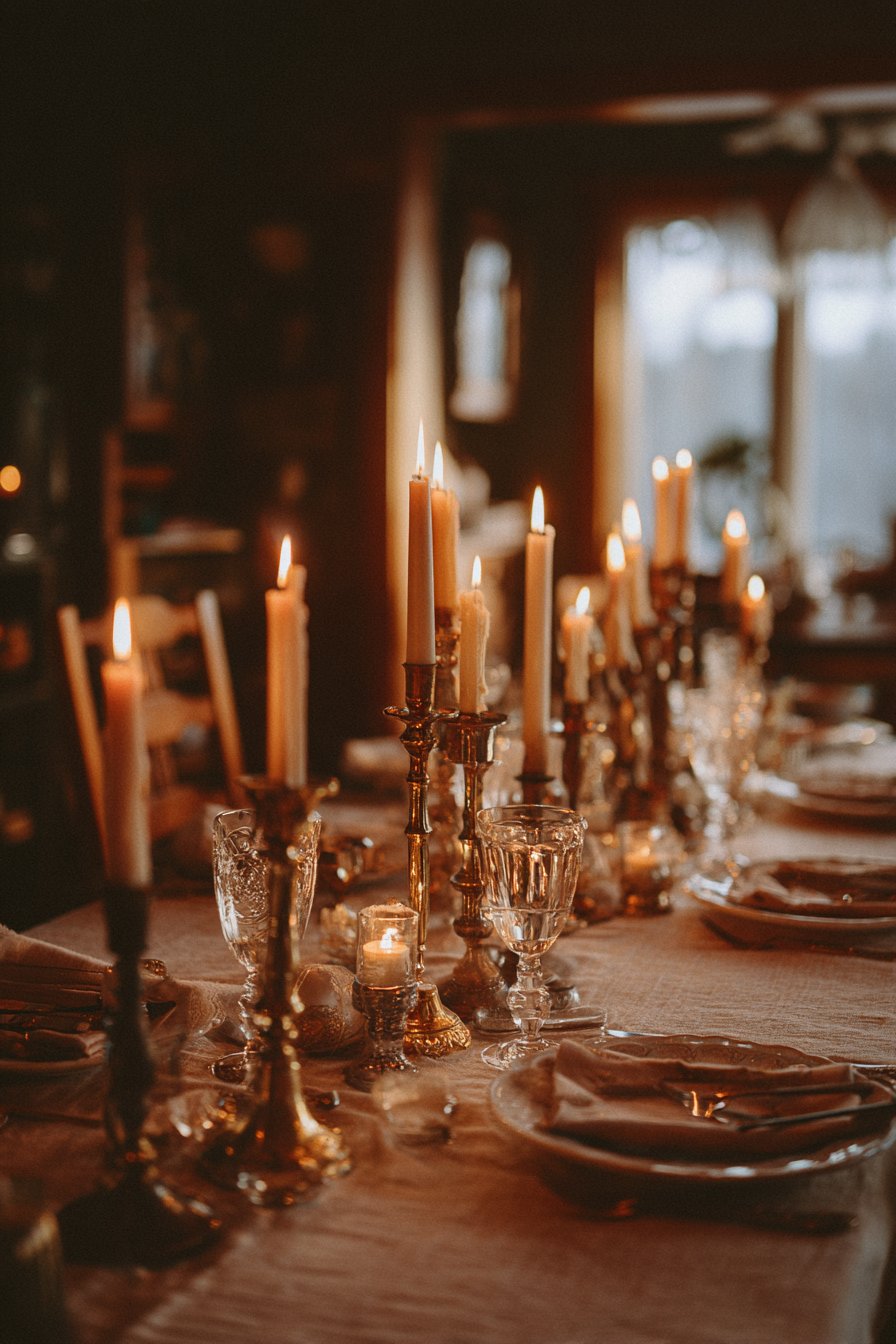
For daytime entertaining, pillar candles or lanterns work well even unlit. Their form adds visual structure to the tablescape. Consider LED candles for outdoor entertaining or for settings where open flame is impractical. Modern LED options now flicker realistically and pose no wind or fire hazard — perfect for alfresco spring dinners on a breezy patio.
- Use an odd number of candles for balanced, asymmetric styling
- Choose candles in your palette — off-white, blush, sage, and cream are all spring-perfect
- Vary candle heights for visual drama: mix tapers, pillars, and votives
- Always use unscented candles at the dinner table so they don’t clash with food aromas
- Place candles where they won’t obstruct guest sightlines or conversation
- Use mirrored or metallic candle holders to amplify light across the table beautifully
8. Nature-Inspired Accents and Organic Elements
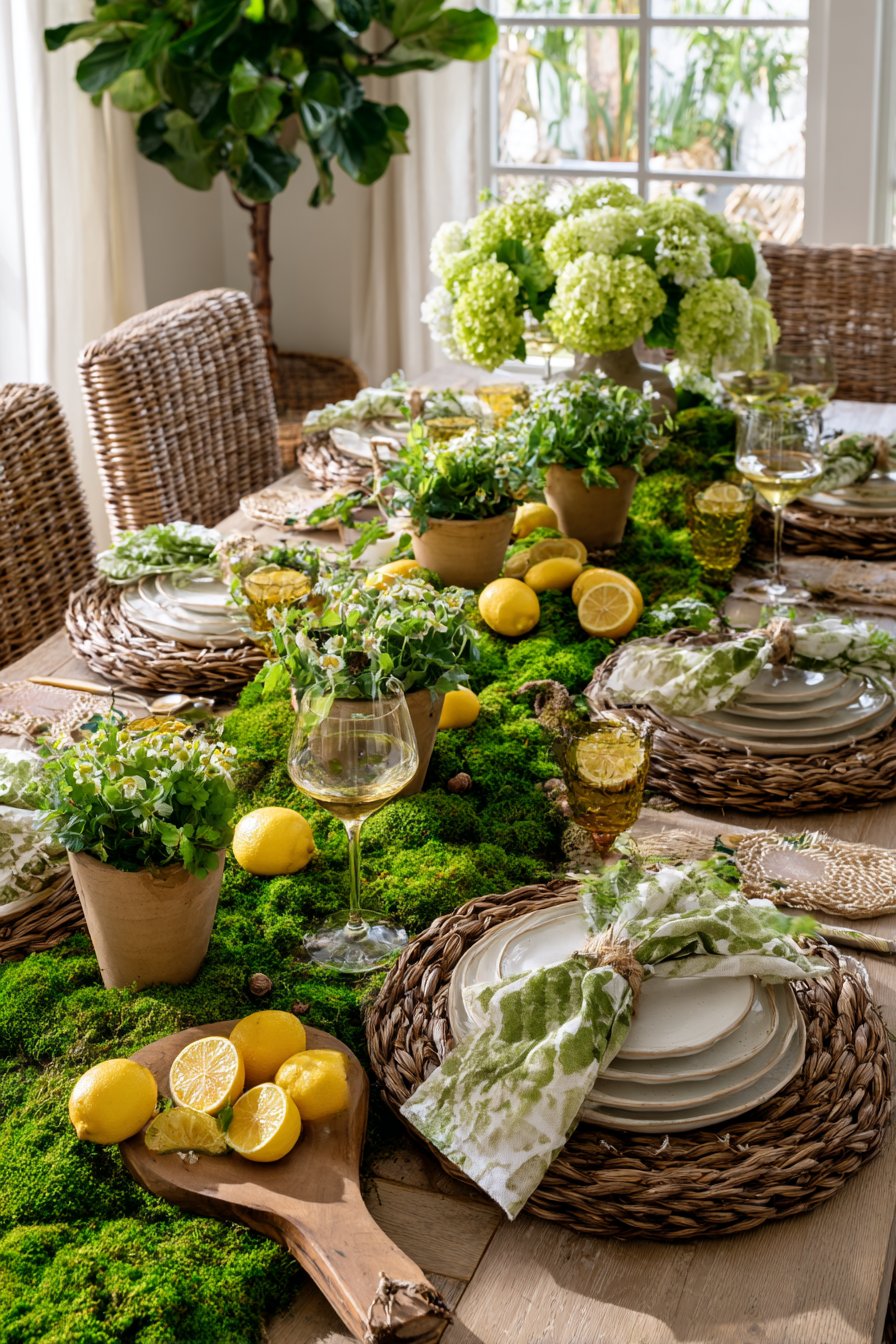
Spring’s greatest design gift is the abundance of natural material available for decorating. Beyond florals, consider incorporating organic textures like moss, stones, driftwood, seed pods, and pinecones into your tablescape. These elements ground the design in the natural world and create a beautiful contrast with refined tableware and linens.
Potted plants and succulents make wonderful table accents that guests can take home as favors after the event. A small terracotta pot planted with a single hyacinth or succulent beside each place setting doubles as a favor and a design element. This approach is sustainable, personal, and surprisingly impactful on the overall look and feel of the table.
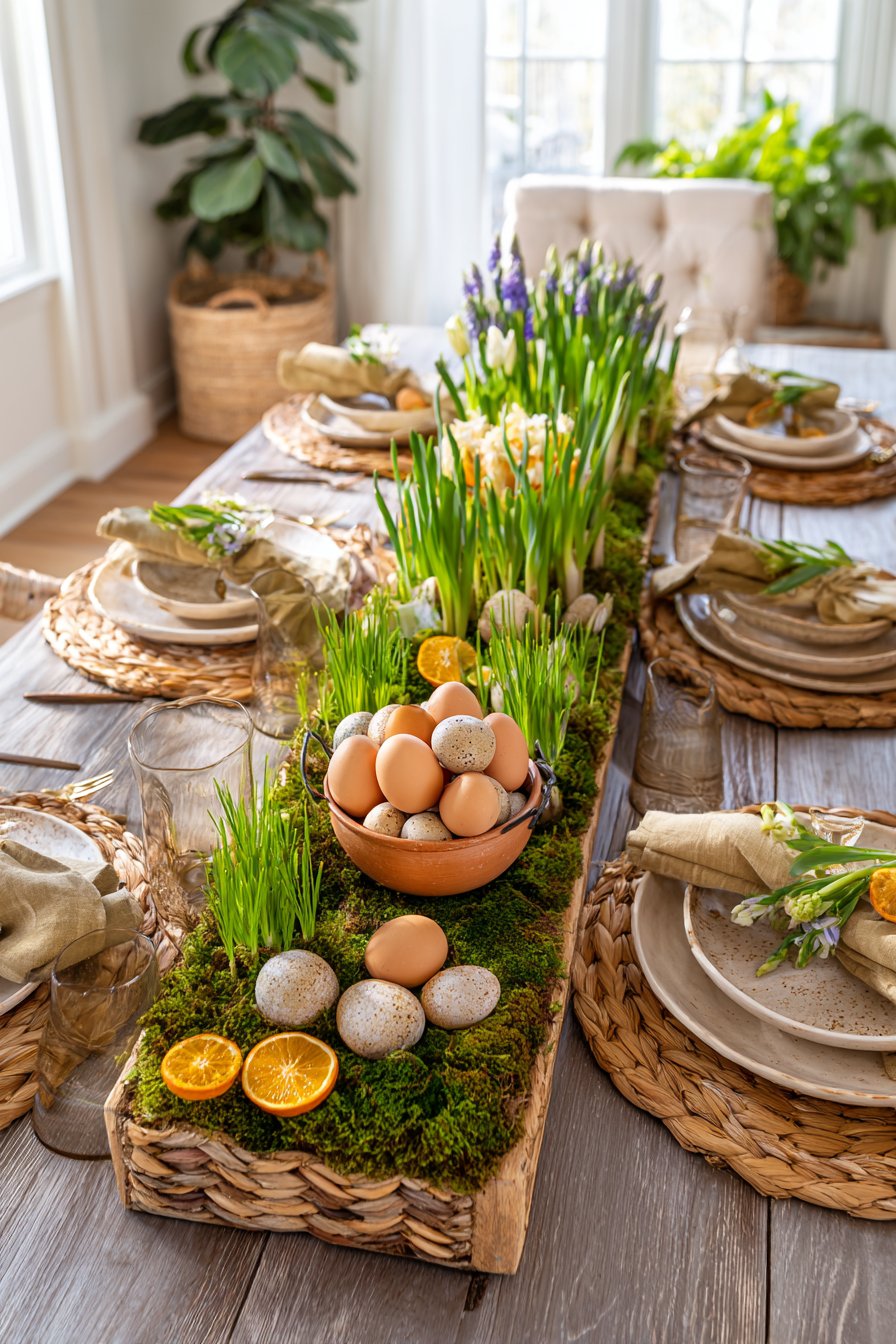
Scatter natural elements loosely along your centerpiece runner for an effortless, gathered aesthetic. Think: pebbles, seashells, small pine cones, moss balls, or dried citrus slices. These textural details add depth without overwhelming the design. They also tell a story — one of nature, seasons, and the beauty found in simple organic things.
- Gather foliage, branches, or greenery from your garden to weave into arrangements
- Use potted plants as dual-purpose décor and take-home favors
- Scatter small natural objects (pebbles, moss, dried slices) along the table runner
- Incorporate feathers, shells, or driftwood for a coastal or bohemian spring theme
- Layer a moss runner beneath florals for a lush, garden-to-table aesthetic
- Choose wooden serving boards and utensils to reinforce the natural theme
9. Personalized Menus and Stationery Details
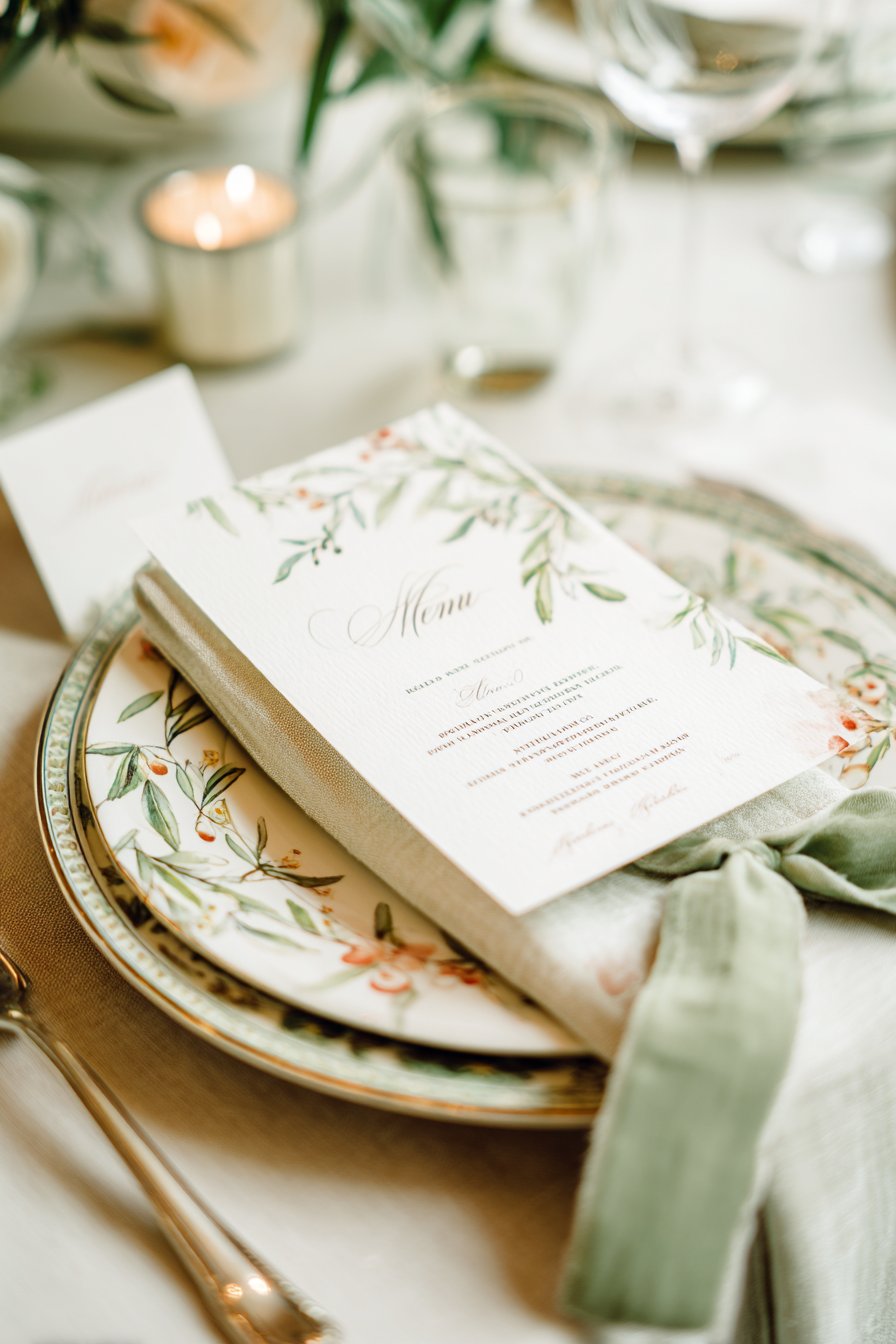
Printed menus and event stationery elevate a casual dinner into a dining experience. A small menu card at each place setting tells guests what to expect and creates a sense of anticipation. For spring entertaining, design menu cards with watercolor florals, botanical illustrations, or simple script fonts in your chosen palette’s colors.
Handwritten stationery carries a warmth that digital invitations cannot replicate. Even a simple handwritten note of welcome beside a place setting, or a small card with the guest’s name, communicates genuine thought and effort. These paper details are inexpensive but extraordinarily impactful in how guests perceive the occasion.
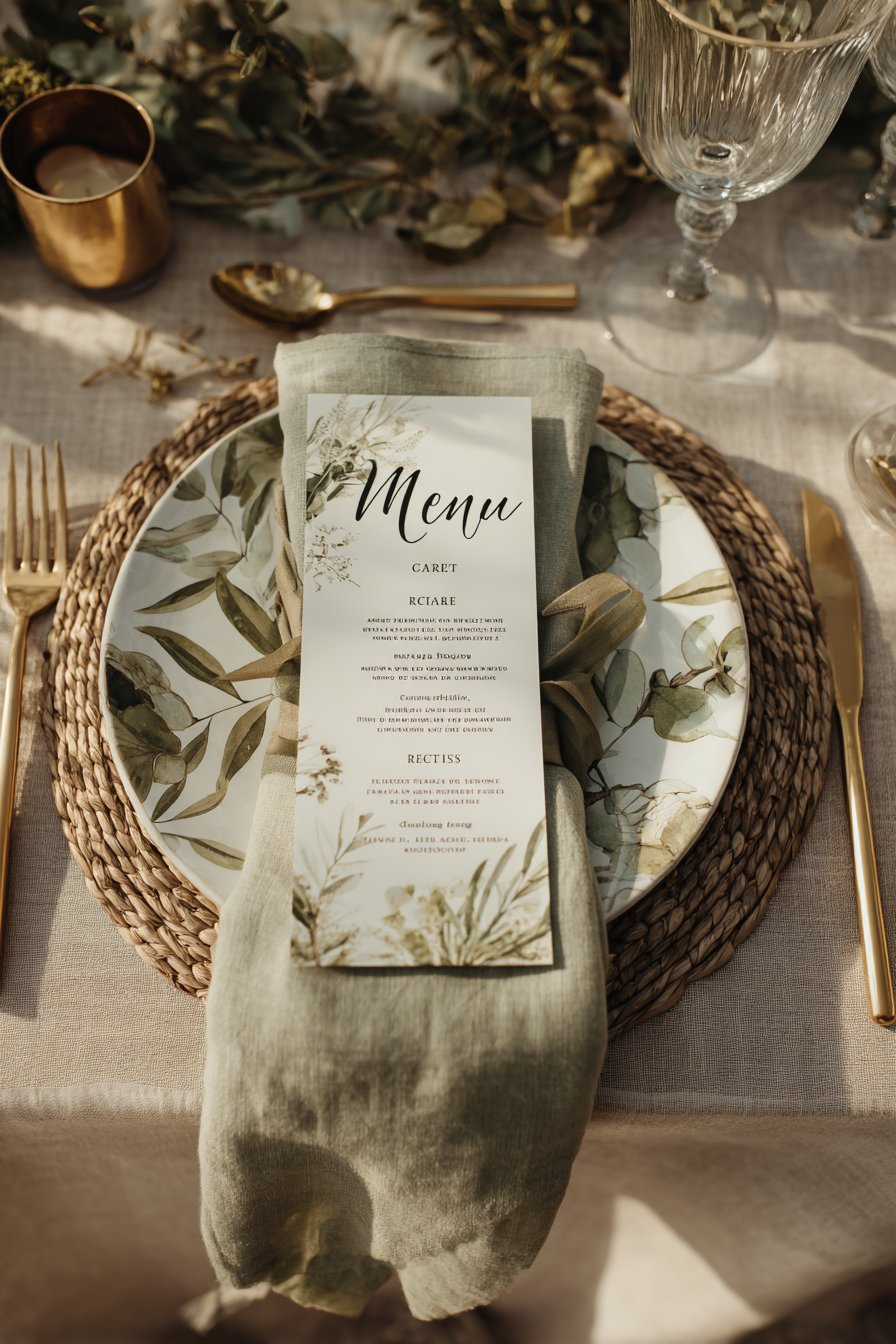
Consider creating a small welcome card or recipe card to accompany a signature spring cocktail or dish. Sharing the recipe with guests turns the meal into an experience they can recreate at home. It becomes a conversation starter and a tangible memory they carry with them long after the dinner is over.
- Design menu cards using free tools like Canva with spring botanical templates
- Use calligraphy or hand-lettering for names on place cards for an artisan touch
- Include a brief note of welcome from the host to add a personal, warm layer
- Match stationery paper weight and finish to the overall formality of the event
- Coordinate stationery colors with your palette: blush, sage, cream, and gold work well
- Offer a printed recipe card for your signature dish or cocktail as a memorable take-home
10. Outdoor Spring Tablescapes for Alfresco Dining
Alfresco entertaining is one of spring’s greatest pleasures, and a beautifully set outdoor table takes advantage of the season’s natural backdrop. Whether on a patio, in a garden, or on a rooftop terrace, the outdoor setting adds an element of organic beauty that no indoor space can fully replicate. The surrounding flowers, trees, and open sky become part of the design.
For outdoor tablescapes, weather-resistant materials are essential. Choose linens that are machine-washable, and opt for melamine or enamelware plates that resist wind and breakage. Acrylic wine glasses look elegant outdoors and eliminate the risk of broken glass. Anchor lightweight items with small decorative weights, stones, or clusters of heavier objects.
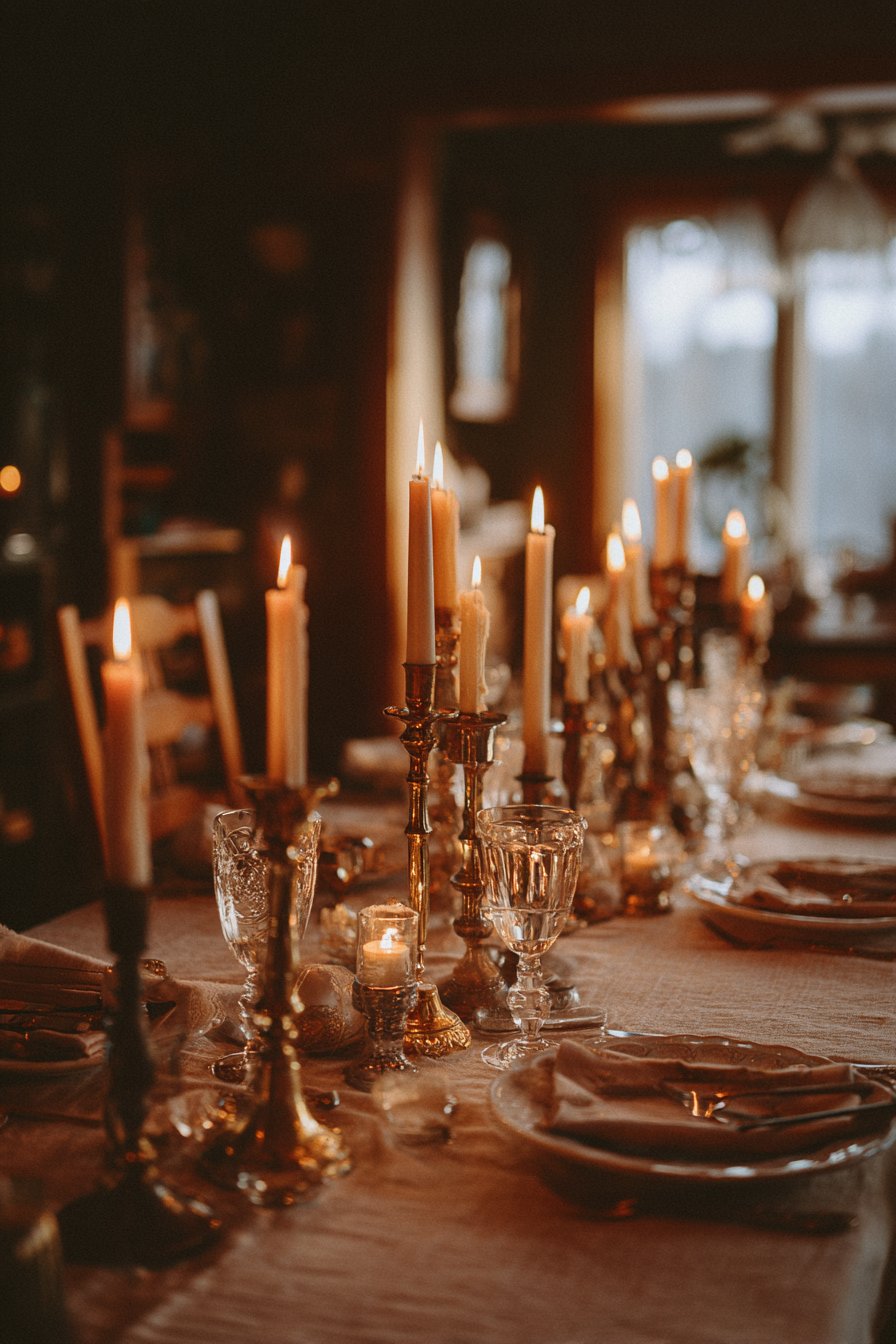
Lighting for outdoor dining transitions beautifully into evening. String lights overhead, lanterns on the table, and candles in glass hurricanes create a magical outdoor atmosphere. The transition from golden daylight to warm candlelight is one of the most romantic elements of alfresco spring entertaining — embrace it with intention and let nature do much of the design work for you.
- Use weighted centerpieces or low arrangements that won’t blow over in wind
- Choose machine-washable linens for easy cleanup after outdoor gatherings
- Select melamine, enamelware, or acrylic drinkware for outdoor safety and style
- String café lights or fairy lights overhead to create a canopy of soft evening glow
- Anchor napkins under flatware or fold them tightly against the wind
- Set the table close to your kitchen for efficient service and flow during the meal
Conclusion
A spring tablescape is far more than decoration — it is an act of generosity and creativity directed at the people you love and welcome into your home. The elements covered in this article — color palette, florals, linens, tableware, glassware, candles, and personal touches — all work together to create a dining experience that feels season-perfect and deeply considered.
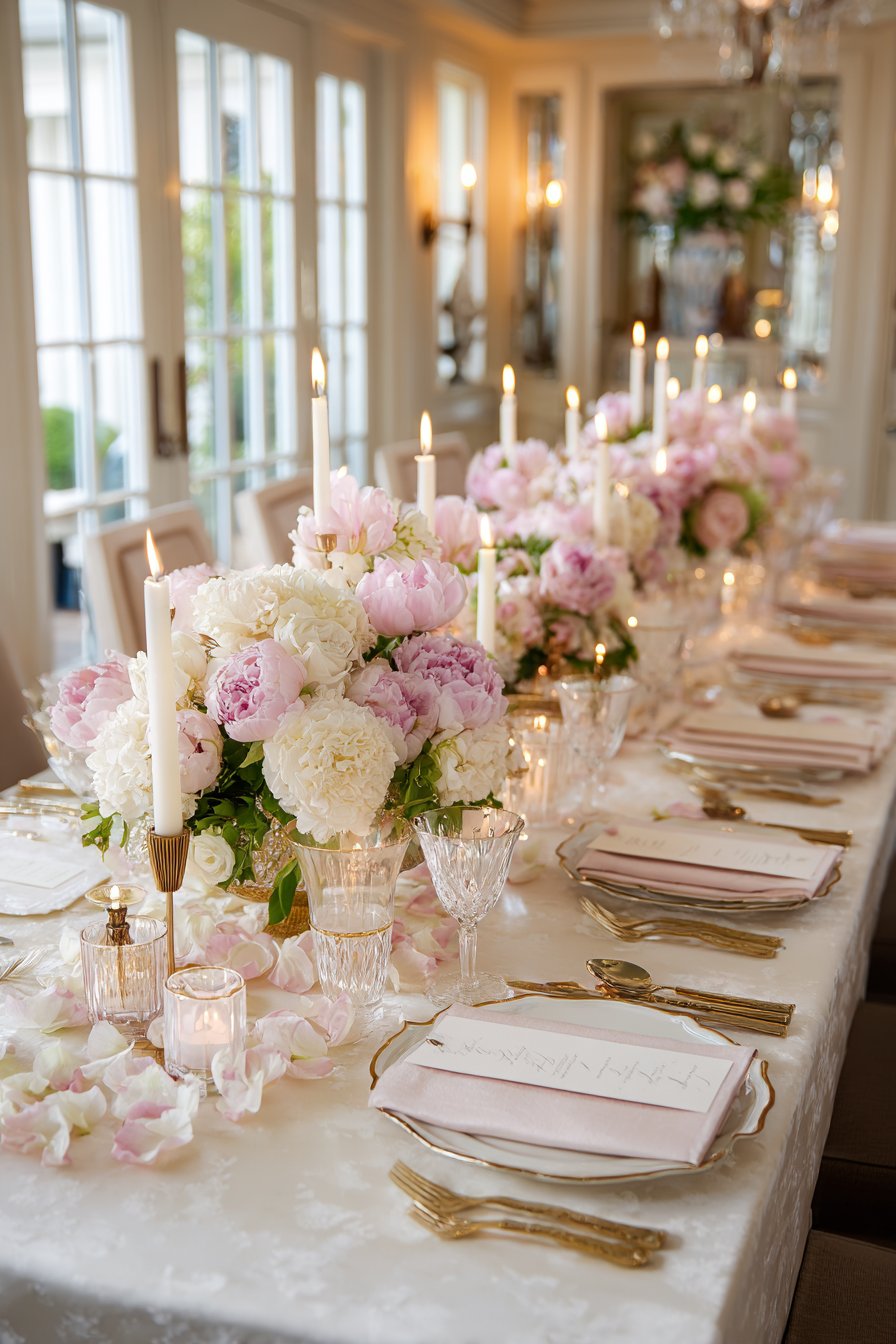
The most important thing to remember is that perfection is not the goal — connection is. Start with one or two of these ideas and build from there. Experiment with what you have, gather florals from your garden, mix vintage plates with new pieces, and add a handwritten note. Spring invites us to create beauty that feels fresh, joyful, and alive — and your table is the perfect place to begin.
"As an Amazon Associate, I earn from qualifying purchases."
