
Spring is the season of renewal, and your living room deserves to feel that shift. As temperatures rise and daylight stretches longer, there’s a natural urge to shed the heavy, cozy layers of winter and welcome something fresher. Thoughtful interior updates don’t require a full renovation — even small, intentional changes can completely transform how a room feels, looks, and breathes.
The living room is the heart of any home. It’s where conversations happen, where families gather, and where you decompress after a long day. Strategic seasonal updates allow this space to evolve with your mood and lifestyle. From swapping out textiles to rethinking your lighting plan, spring offers the perfect opportunity to realign your home with the energy of the season.
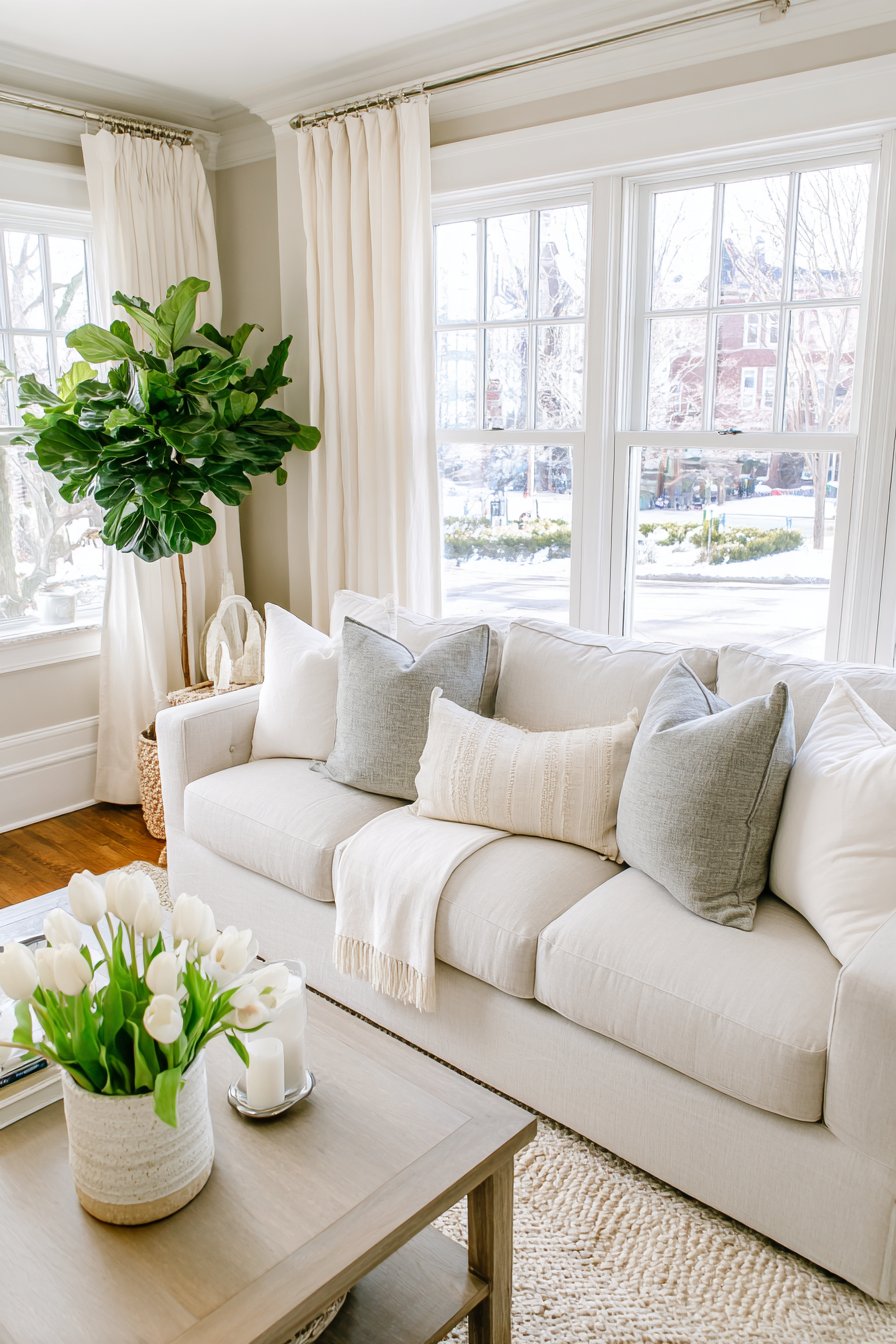
This article walks you through 7 practical and inspiring spring updates that can instantly brighten your living room. Whether you prefer a modern minimalist look or a warm, layered aesthetic, these ideas are adaptable, budget-friendly, and deeply effective. Each tip is grounded in design principles and real-world application, so you can implement them with confidence.
1. Swap Heavy Textiles for Lighter Fabrics
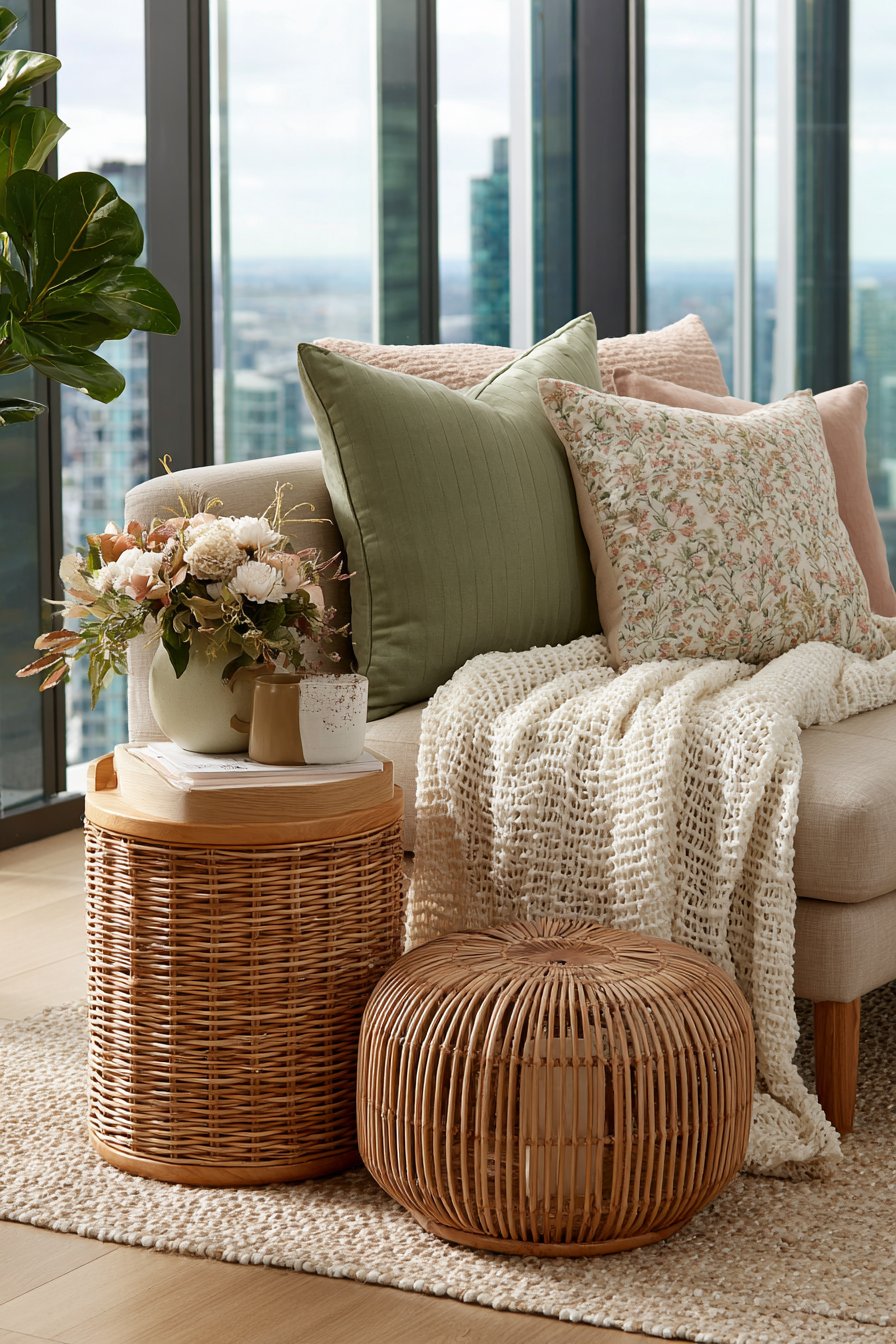
One of the most impactful and immediate ways to refresh your living room for spring is by swapping out heavy winter textiles. Wool throws, velvet cushions, and dark flannel covers absorb light and create a sense of warmth that’s perfect for January but feels suffocating by April. Transitioning to lighter materials signals a visual and tactile shift that instantly lifts the room.
Replace those thick throws with linen or cotton alternatives in soft, muted tones. Think ivory, sage green, pale blush, or warm sand. These colors reflect natural light beautifully and pair well with almost any existing furniture. Cushion covers in breathable fabrics add texture without weight, keeping the room feeling casual and airy.
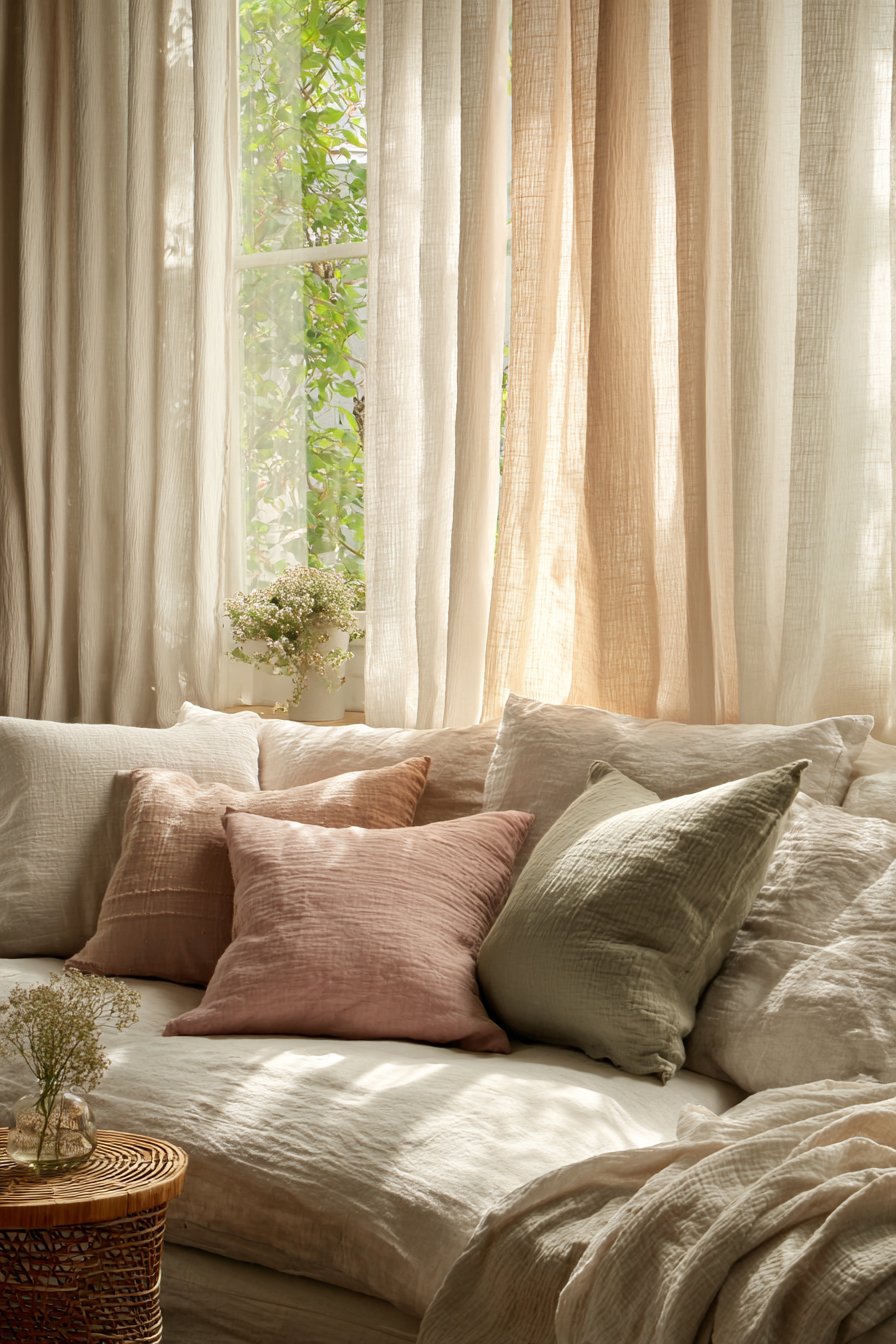
Layer thoughtfully rather than stripping everything away at once. A single lightweight linen throw draped casually over an armchair, paired with two breezy cushion covers, can make a sofa corner feel entirely new. You don’t need to replace everything — just enough to shift the seasonal mood.
- Swap velvet or wool cushion covers for linen or cotton options
- Choose spring tones like sage, ivory, blush, or dusty blue
- Replace heavy throws with open-weave or gauze-style blankets
- Store winter textiles in vacuum storage bags to free up space
- Layer two to three lightweight cushions instead of five heavy ones
- Look for textiles with subtle botanical or stripe patterns for a fresh feel
2. Introduce Fresh Greenery and Botanicals
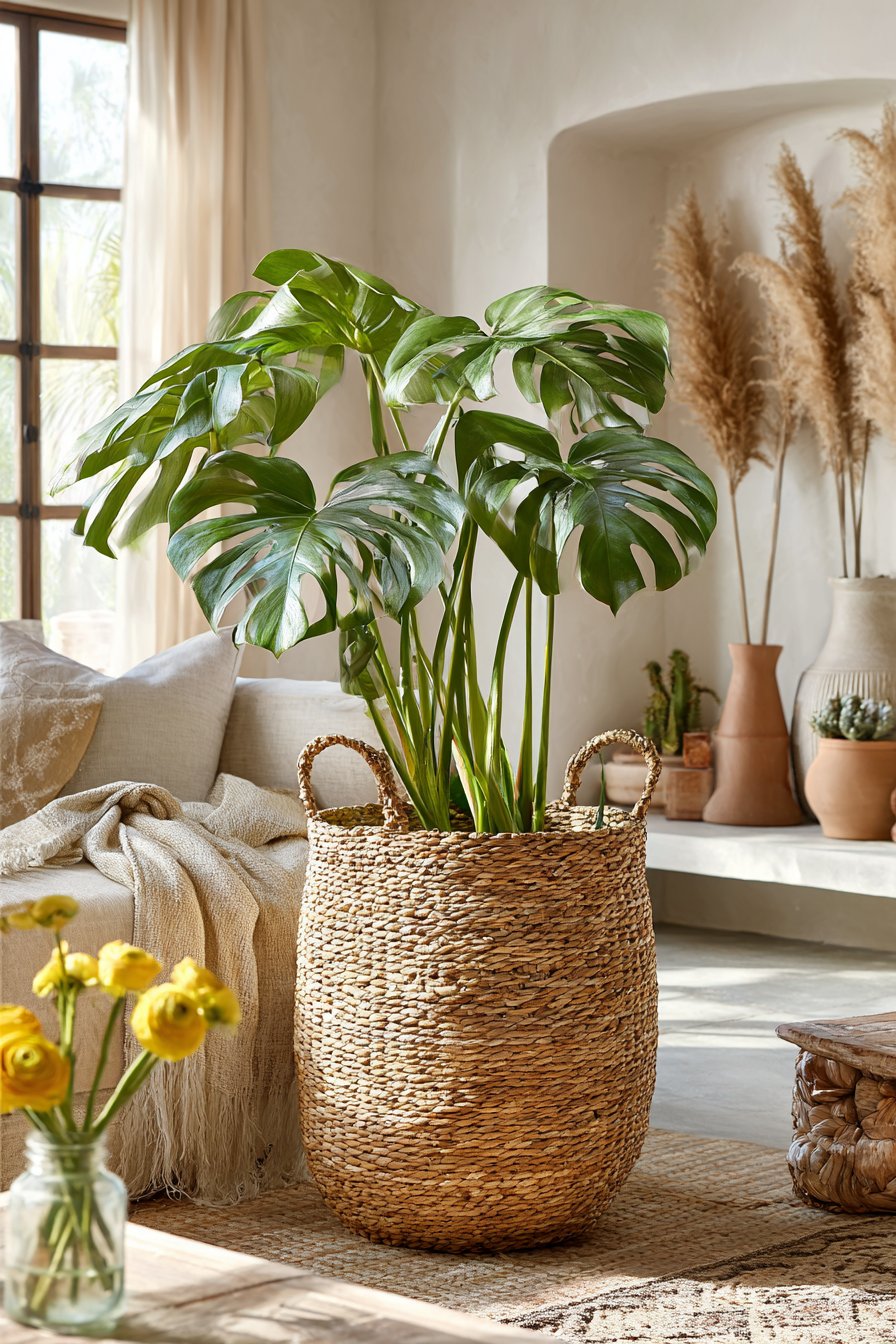
Nothing says spring quite like bringing nature indoors. Live plants are one of the most cost-effective ways to brighten a living room, improve air quality, and add organic texture to your decor. The presence of greenery instantly softens hard architectural lines and creates a sense of calm and vitality.
Choose plants that thrive indoors and require low to moderate maintenance. Pothos, peace lilies, snake plants, and monstera deliciosa are all excellent choices for living rooms with varying light conditions. For a more curated look, mix plant heights — place a tall fiddle leaf fig in a corner and cluster smaller succulents or trailing plants on shelves and coffee tables.
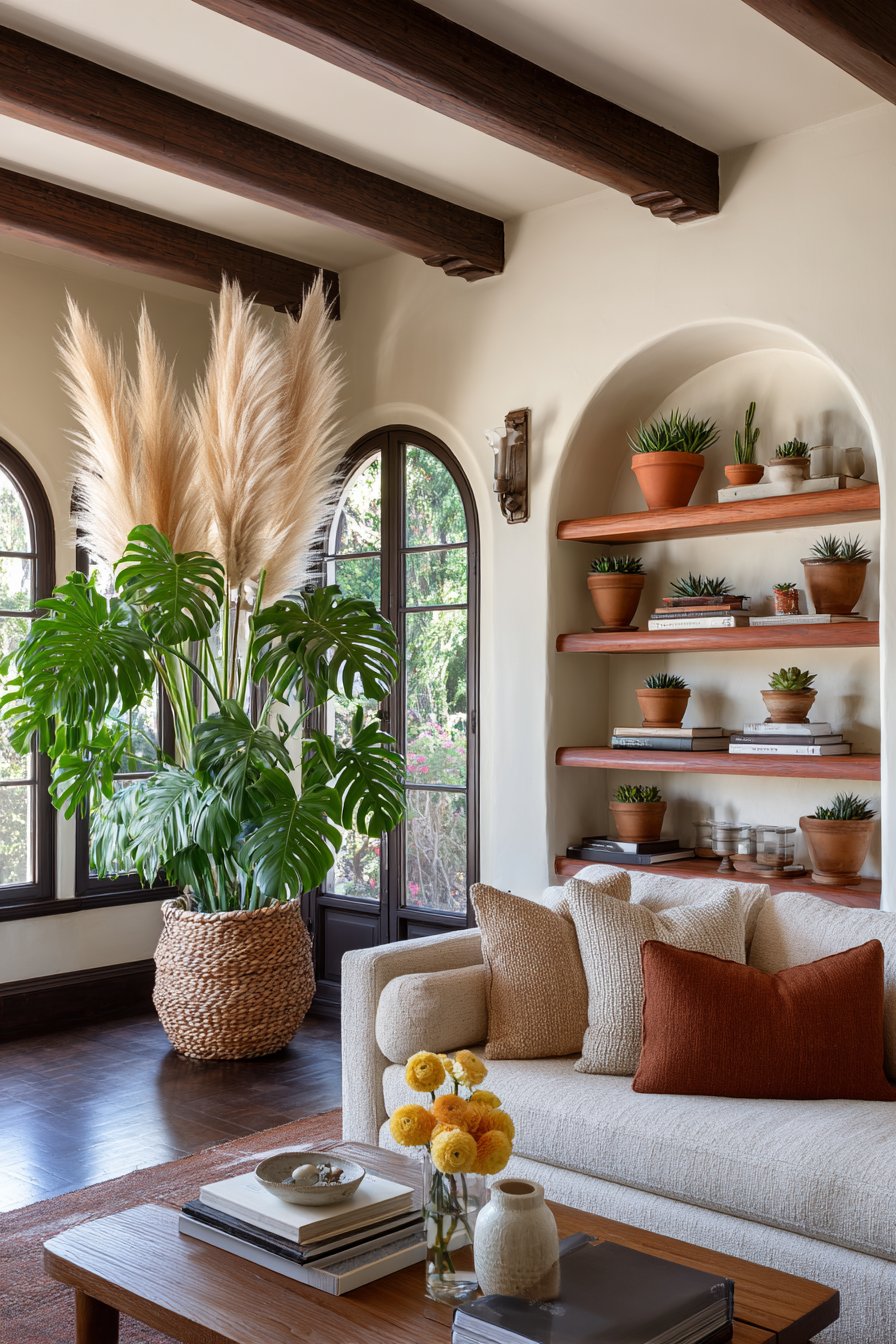
Beyond live plants, dried botanicals and floral arrangements are also having a major design moment. Dried pampas grass, eucalyptus stems, and preserved flowers offer long-lasting beauty without the upkeep. Pair them with fresh seasonal blooms like tulips, daffodils, or ranunculus for a living arrangement that celebrates the season beautifully.
- Place a tall statement plant like a fiddle leaf fig or monstera in an empty corner
- Use woven baskets or terracotta pots for a warm, earthy look
- Cluster three different-sized plants together on a console table or shelf
- Add a small vase of fresh seasonal flowers to your coffee table weekly
- Combine live plants with dried stems for low-maintenance contrast
- Choose pots in neutral tones that complement your existing color palette
3. Update Your Color Palette with Spring Accents
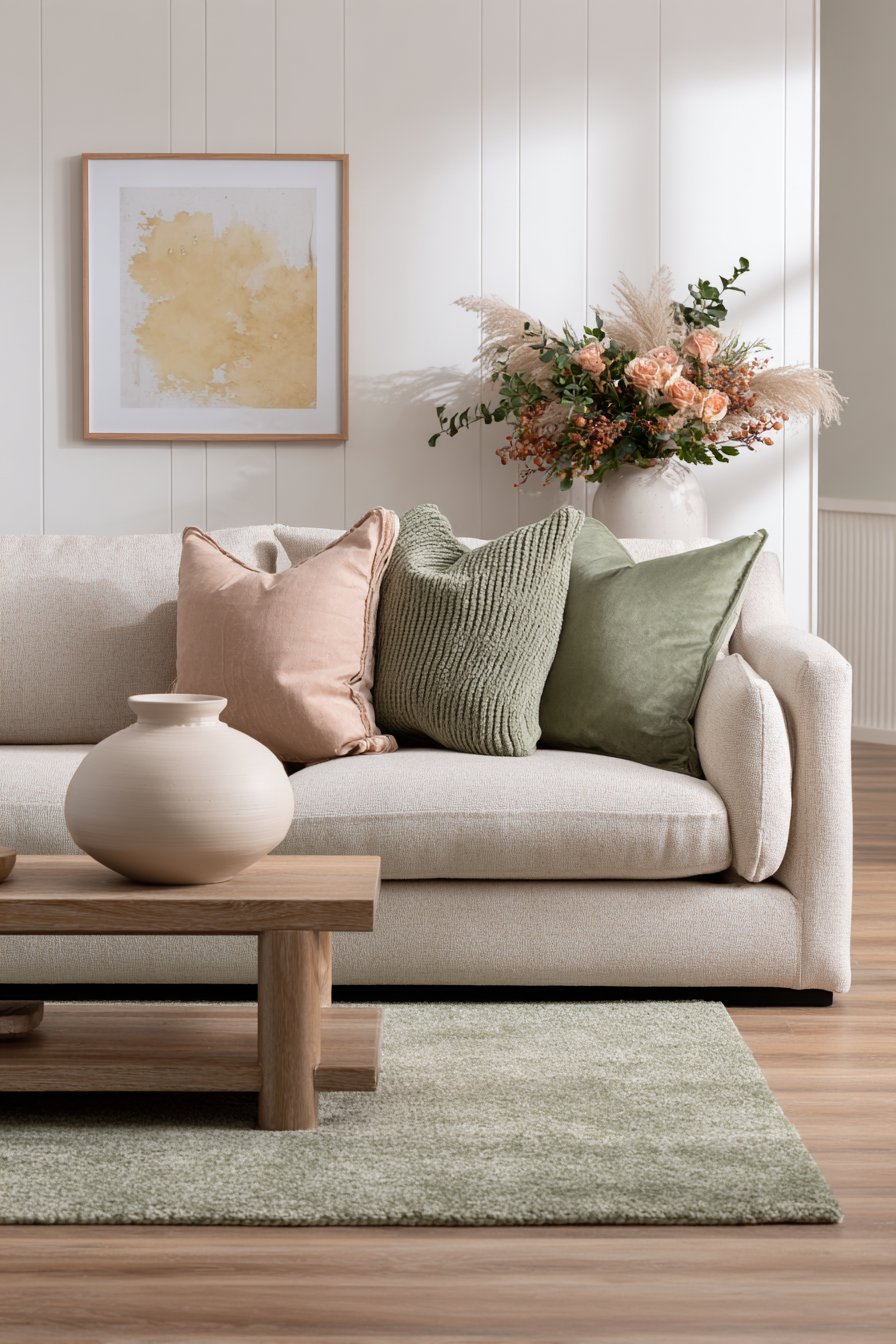
You don’t need to repaint your entire living room to introduce spring-inspired color. Seasonal accents — through accessories, art, and textiles — are enough to shift the mood from cozy winter tones to something fresher and more vibrant. Color theory tells us that certain hues evoke specific feelings, and spring palettes are designed to uplift.
Focus on soft, natural tones inspired by the season: pale greens, warm whites, dusty pinks, buttery yellows, and sky blues. These work harmoniously with most neutral base colors like beige, gray, or white. Even a single bold accent — like a terracotta vase or a chartreuse throw pillow — can introduce unexpected energy without overwhelming the space.
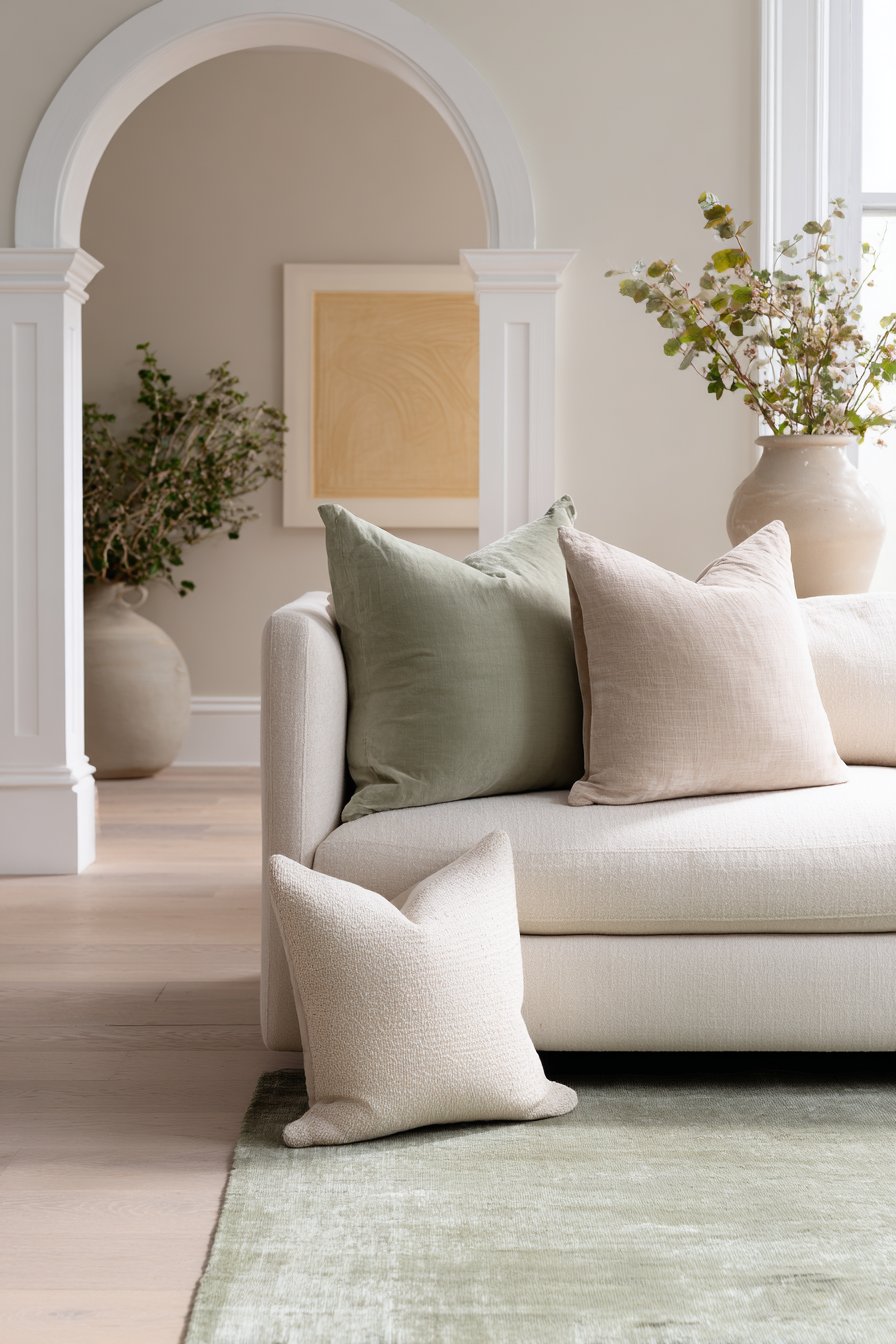
For a more cohesive color refresh, try the 60-30-10 rule. Sixty percent of the room stays in your dominant neutral. Thirty percent shifts to a secondary spring tone, perhaps through a rug or curtains. The remaining ten percent comes from bold accents in accessories, plants, and artwork. This balanced approach keeps the room grounded while still feeling seasonal.
- Introduce two to three accent colors from the same spring palette
- Use colored glassware or ceramic vases to add subtle pops of color
- Swap dark throw pillows for options in blush, mint, or soft yellow
- Hang a piece of botanical wall art to add color and nature simultaneously
- Consider a light-colored area rug to brighten up dark wood flooring
- Keep the base palette neutral so seasonal accents feel intentional, not chaotic
4. Maximize Natural Light in Every Corner
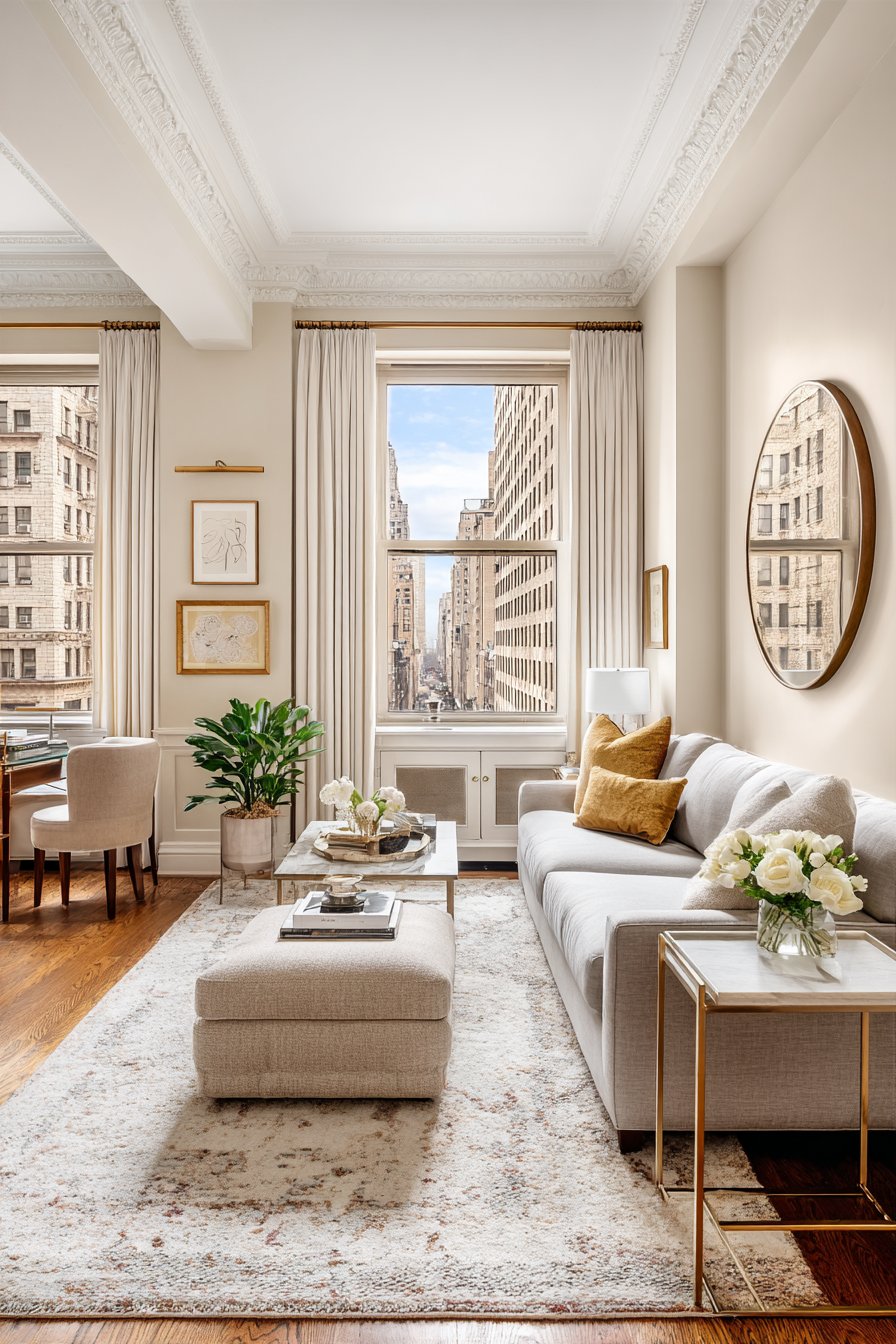
Spring means more daylight, and your living room should make the most of it. Maximizing natural light is one of the most powerful design moves you can make — it changes how colors appear, makes rooms feel larger, and genuinely improves your mood and energy. The good news is that most light-boosting strategies are affordable and reversible.
Start by replacing heavy drapes with sheer or semi-sheer curtains in white or light linen tones. These allow light to filter through gently while still providing privacy. If you have curtains hung close to the window frame, consider moving the rod higher and wider — this creates the illusion of taller ceilings and lets more light enter from the sides.
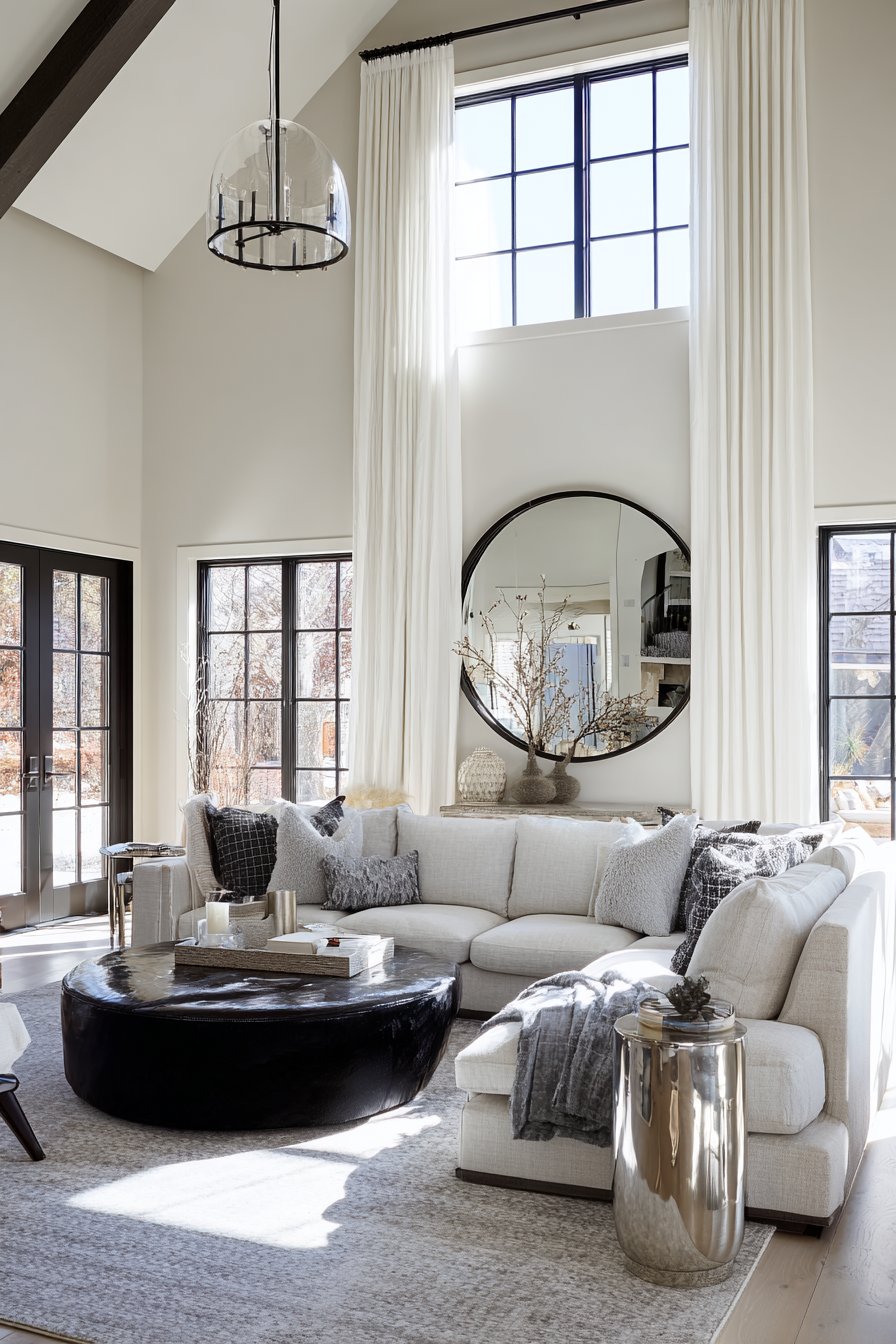
Mirrors are your best friend when it comes to light amplification. Strategically placed mirrors across from windows can effectively double the amount of natural light in a room. Choose a large statement mirror or an artfully arranged gallery of smaller ones. Reflective surfaces on side tables, picture frames, and even metallic light fixtures all contribute to a brighter, more luminous atmosphere.
- Replace dark or heavy drapes with sheer linen or cotton curtains
- Hang curtain rods close to the ceiling and wide beyond the window frame
- Place a large mirror directly across from your main window
- Clean windows thoroughly to remove winter grime and let light in fully
- Remove bulky furniture or decor that blocks window access
- Use gloss-finish paint on window trims to reflect more light inward
5. Declutter and Edit Your Accessories
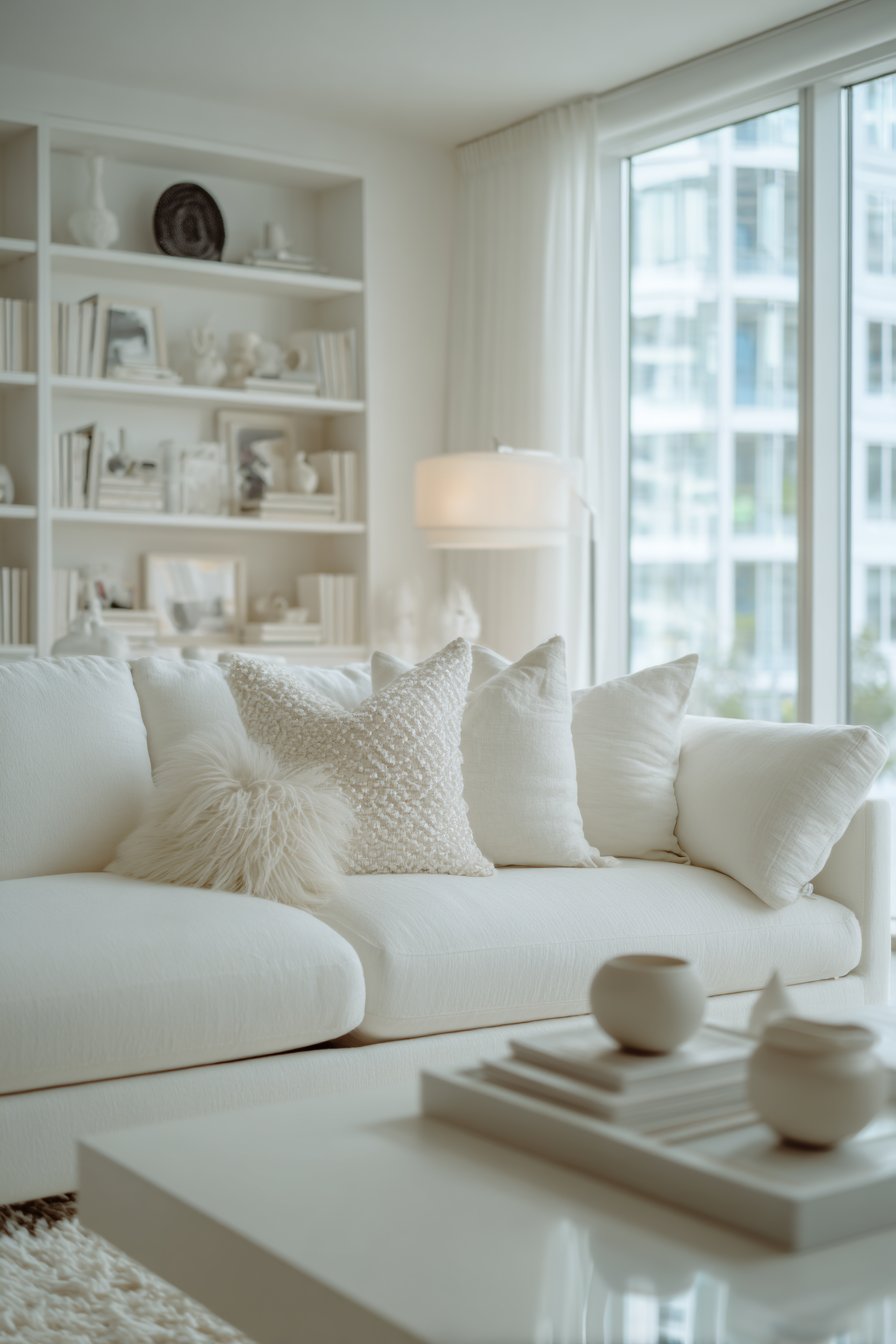
Spring cleaning isn’t just a household chore — it’s a design philosophy. Over the winter months, living rooms tend to accumulate layers of objects, blankets, books, and decor that made sense in context but now crowd the space. A curated, decluttered room feels significantly brighter and more inviting, even before you add a single new item.
The principle of intentional editing means keeping only the objects that serve a clear purpose or bring genuine joy. Start by removing everything from your shelves, surfaces, and coffee tables. Then reintroduce only what you love and what works together visually. As a rule, odd numbers of objects tend to look more natural and dynamic than even groupings.
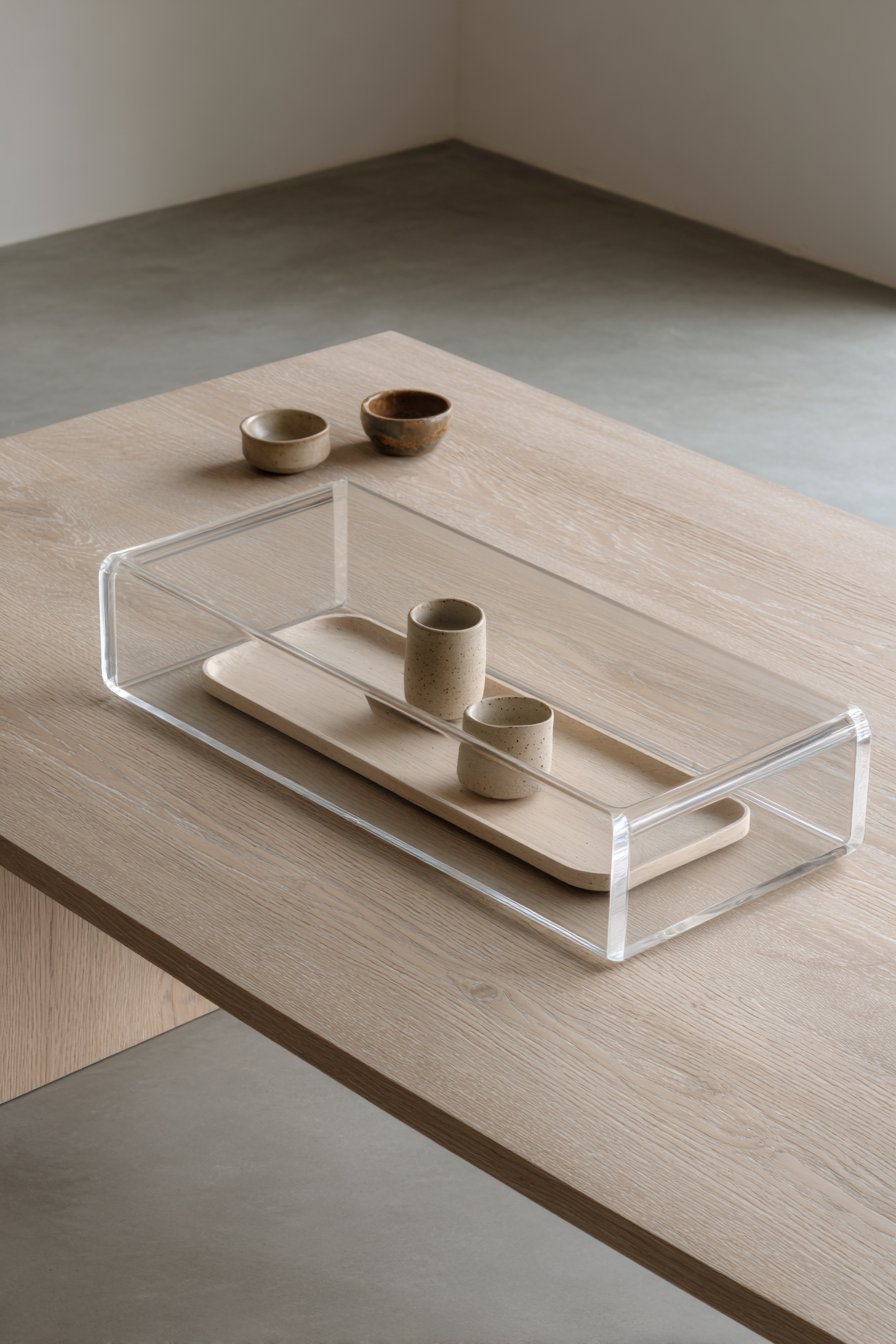
Apply the concept of negative space deliberately. Empty stretches of shelf, a bare corner, or a clear coffee table surface all contribute to a sense of openness and calm. Spring interiors tend to feel lighter not because more is added, but because less is kept. Donate, store, or rotate seasonal decor to ensure the room only holds what belongs in this moment.
- Remove all accessories from surfaces and reintroduce only your favorites
- Group decorative objects in sets of three or five for visual balance
- Clear at least one-third of every shelf to create breathing room
- Store winter-specific decor like pinecone arrangements or candle clusters
- Use trays to contain small accessories and create a tidy, composed look
- Rotate your art and decorative objects seasonally to keep the space feeling fresh
6. Refresh Your Lighting Scheme
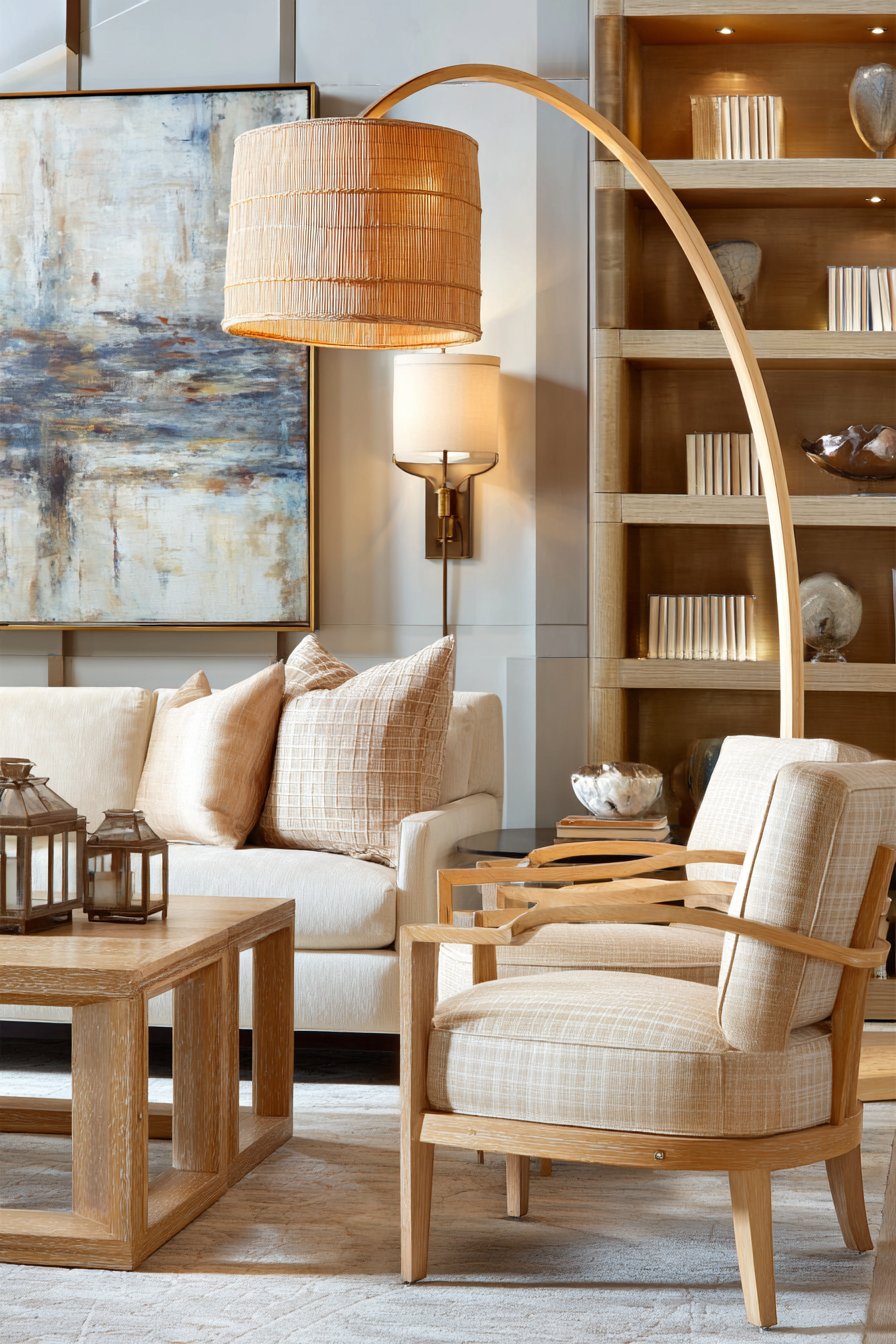
Natural light is essential, but artificial lighting plays an equally important role in how a living room feels during spring evenings. Winter lighting tends to lean warmer and more concentrated — think flickering candles and amber bulbs. Spring calls for something brighter and more diffused, reflecting the clarity and openness of the season.
Start by auditing your current bulbs. Replace any warm-toned incandescent bulbs with daylight LED options (around 5000K color temperature) to mimic the feel of natural light. This single change can make a living room feel dramatically more open and fresh. In floor lamps and table lamps, opt for bulbs that cast an even, wide-reaching glow rather than a concentrated pool.

Consider adding layered lighting if you haven’t already. A combination of overhead light, task lighting, and ambient accent lighting creates a flexible, dynamic atmosphere. Plug-in sconces, arc floor lamps, and LED strip lights behind shelves all add dimension. For spring, prioritize fixtures with light-toned shades — white linen, frosted glass, or pale rattan — that diffuse light beautifully.
- Replace warm amber bulbs with daylight LEDs in the 4000K–5000K range
- Add a tall arc floor lamp to illuminate a previously dark corner
- Use plug-in wall sconces as an easy, no-wiring lighting upgrade
- Choose lampshades in white linen or pale materials to diffuse light softly
- Install dimmer switches to control mood lighting throughout the day
- Add LED strip lighting behind a bookshelf or under a console for an ambient glow
7. Layer in Seasonal Scent and Sensory Details
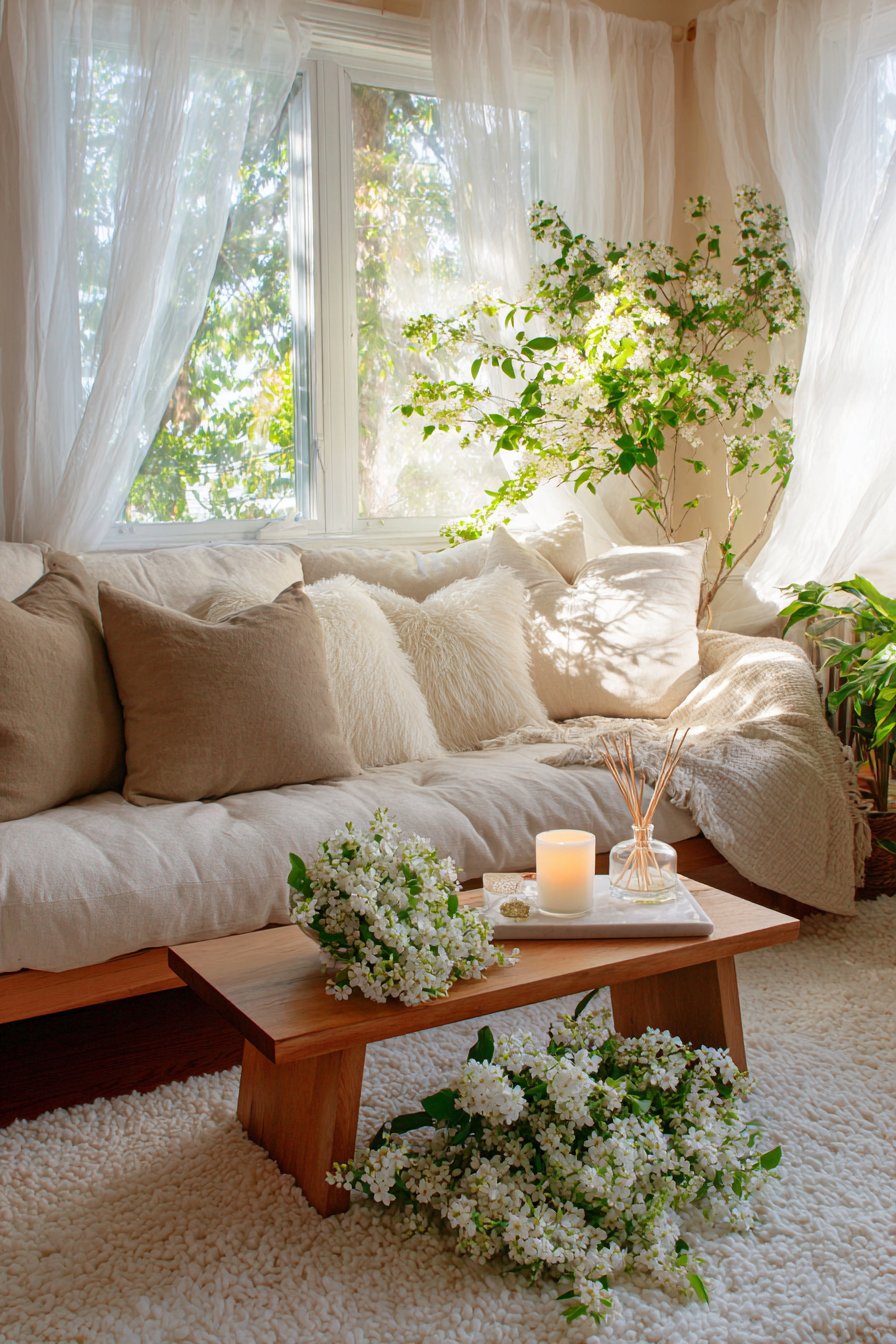
Design is not purely visual — it engages all five senses. One of the most overlooked yet powerful spring updates is refreshing the scent and sensory atmosphere of your living room. The right fragrance can instantly evoke the feeling of open windows, fresh blooms, and warm morning air, even when you’re indoors.
Transition from heavy winter scents like cinnamon, clove, and sandalwood to lighter spring-inspired options. Think citrus, green tea, white jasmine, fresh linen, or cucumber. Reed diffusers, soy candles, and room sprays are all effective delivery methods. Place them near entryways or on coffee tables where they’re most likely to greet people as they enter the room.
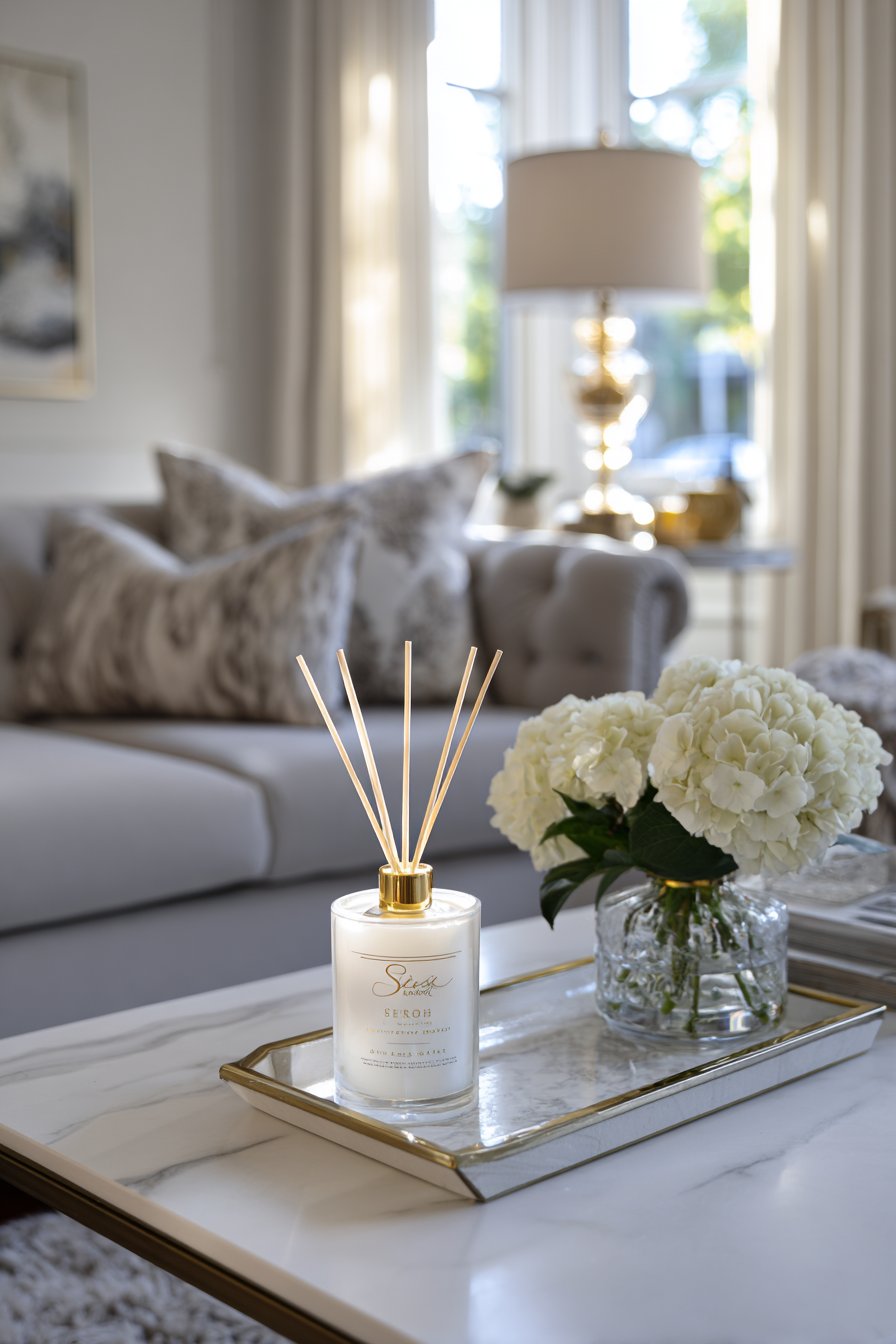
Beyond scent, consider tactile and auditory sensory details that amplify the spring feeling. A lightweight, soft-textured rug underfoot, the sound of a small tabletop water feature, or the visual movement of a ceiling fan on a low setting all contribute to a multi-sensory spring atmosphere. These subtle layers work together to create a living room that doesn’t just look like spring — it genuinely feels like it.
- Switch to spring-inspired candles or diffusers in floral, citrus, or green tea scents
- Open windows during the day to let in fresh air and natural sounds
- Use a linen spray on cushions and upholstery for a clean, seasonal freshness
- Add a soft, low-pile rug in a light neutral tone for tactile warmth
- Place a small tabletop water fountain for a calming ambient sound element
- Rotate scents monthly to keep the sensory experience feeling fresh and new
Conclusion
Refreshing your living room for spring doesn’t require a big budget or a complete overhaul. These 7 strategic updates — from swapping textiles and maximizing light to introducing greenery and refreshing your scent palette — work together to create a space that feels genuinely renewed. Each change is intentional, adaptable, and grounded in sound design principles.
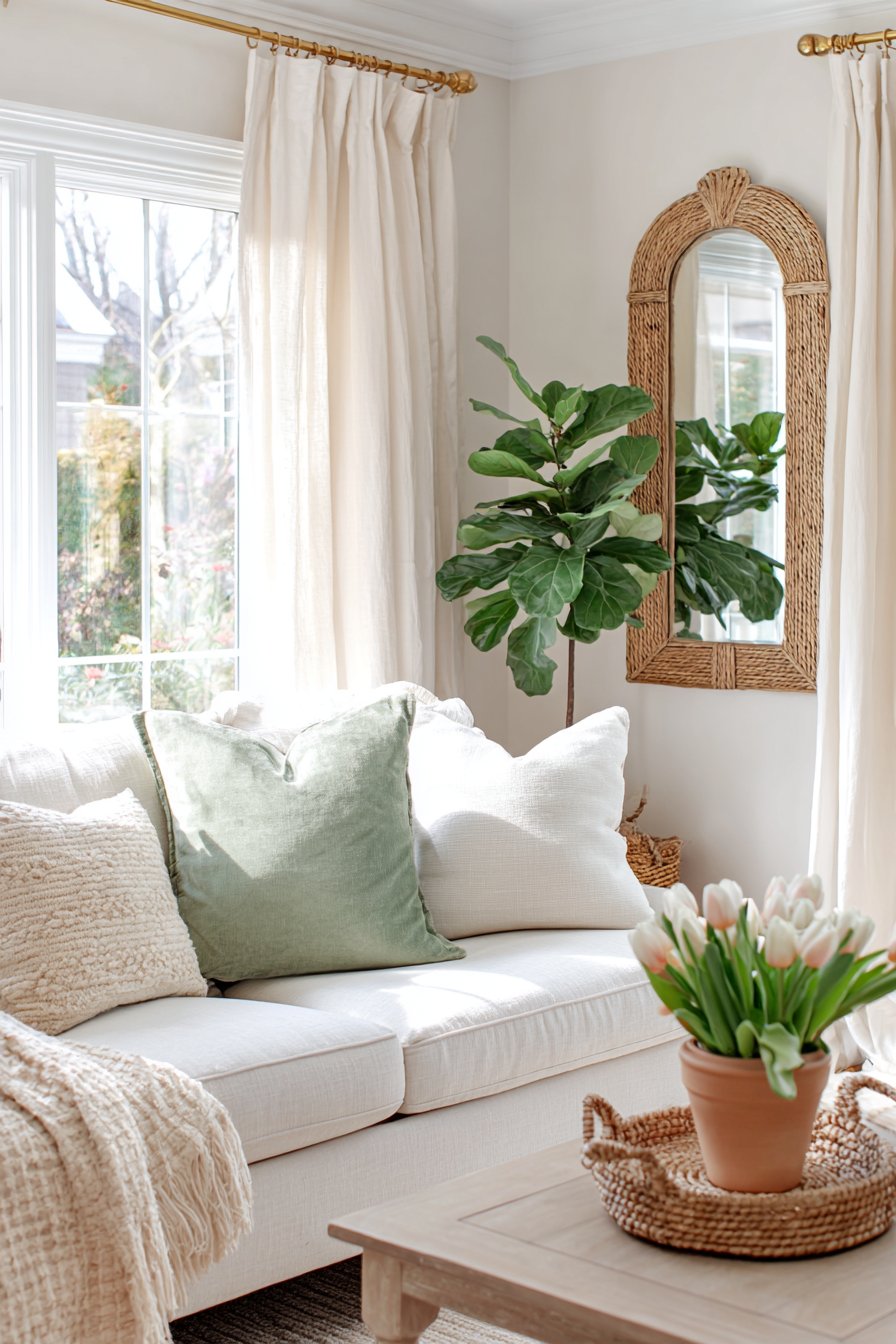
The most inspiring spaces are those that evolve with the seasons and reflect the people who live in them. Use these ideas as a starting point, then trust your instincts to make them your own. Spring is a reminder that even small transformations carry real power — and your living room is the perfect place to let that renewal begin.
"As an Amazon Associate, I earn from qualifying purchases."
