
A small bedroom doesn’t have to feel cramped or claustrophobic. With the right design strategies, you can transform even the most compact sleeping space into an airy, open sanctuary. The key lies in understanding how visual perception works and leveraging design principles that trick the eye into seeing more space than actually exists.
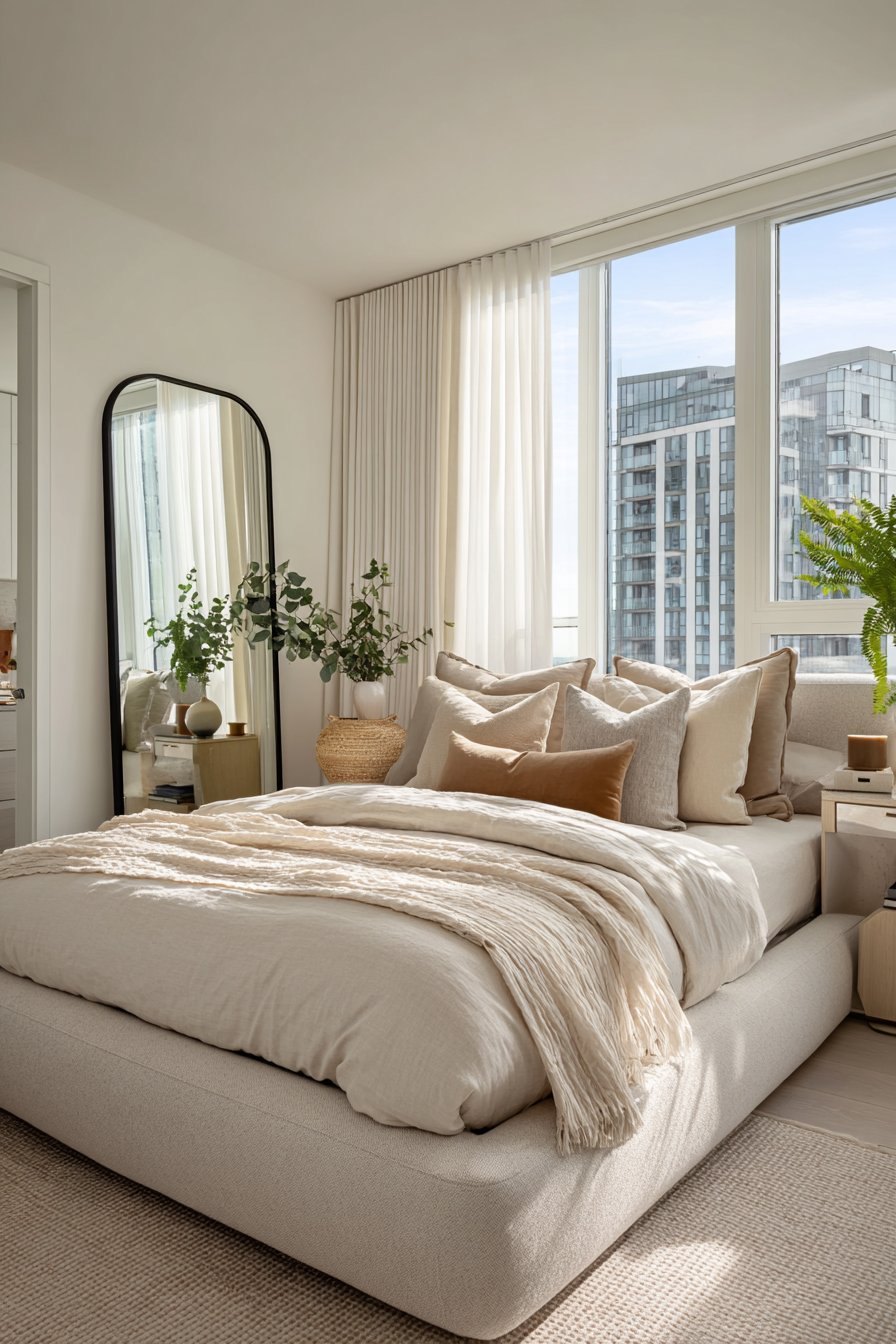
Creating the illusion of spaciousness requires thoughtful planning and strategic choices in furniture, color, lighting, and layout. The beauty of these techniques is that they don’t require knocking down walls or undertaking expensive renovations. Instead, they rely on clever design decisions and spatial awareness to maximize every square inch. Whether you’re living in a studio apartment, sharing a bedroom, or simply dealing with limited square footage, these seven proven strategies will help you create a bedroom that feels significantly larger without changing its actual dimensions.
1. Embrace Light Colors on Walls and Ceilings
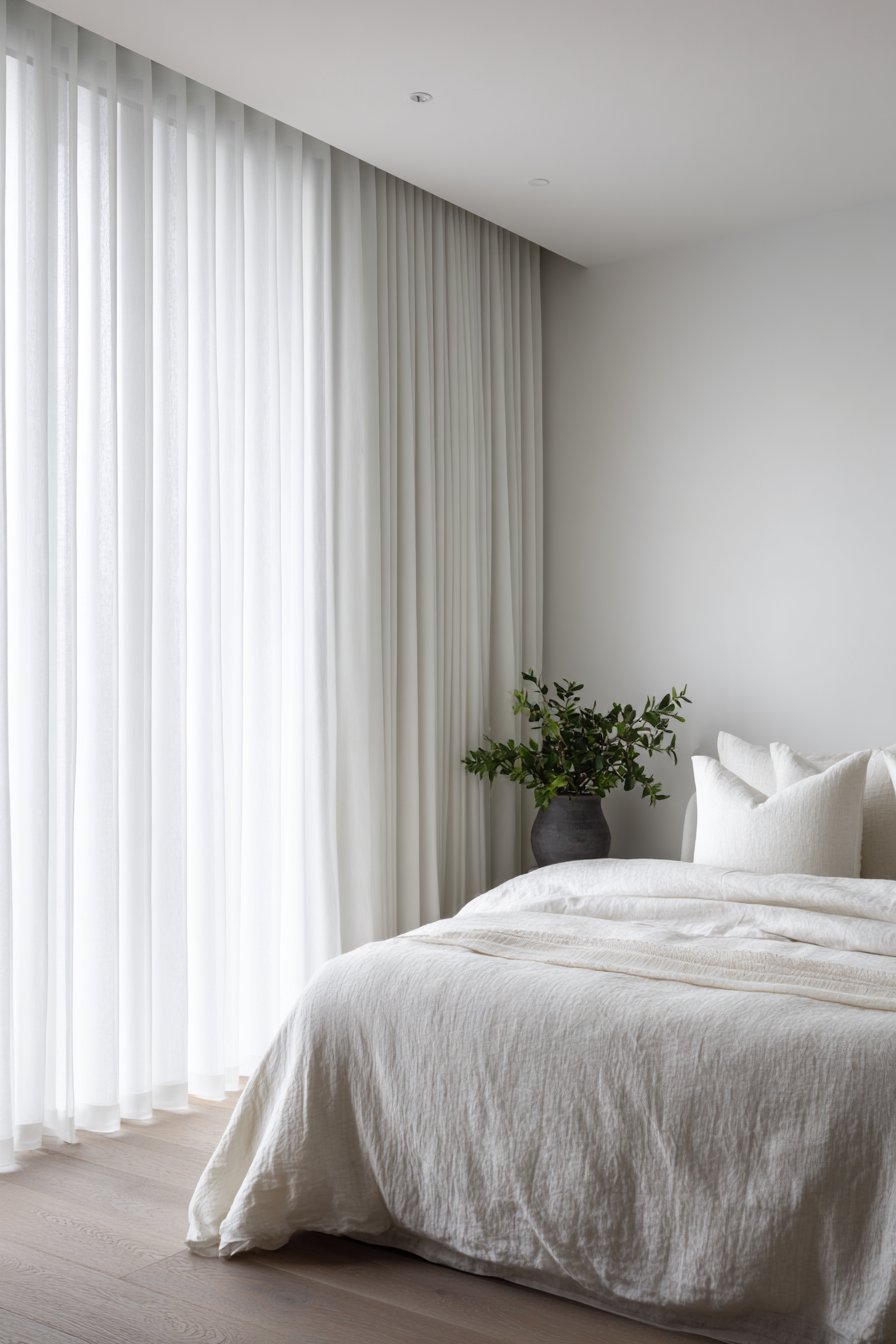
Light, neutral colors are your greatest ally when trying to make a small bedroom appear more spacious. Soft whites, creams, pale grays, and subtle pastels reflect natural light rather than absorbing it, creating an airy atmosphere that pushes visual boundaries outward. This optical illusion works because our eyes perceive lighter surfaces as receding, while darker tones appear to advance toward us.
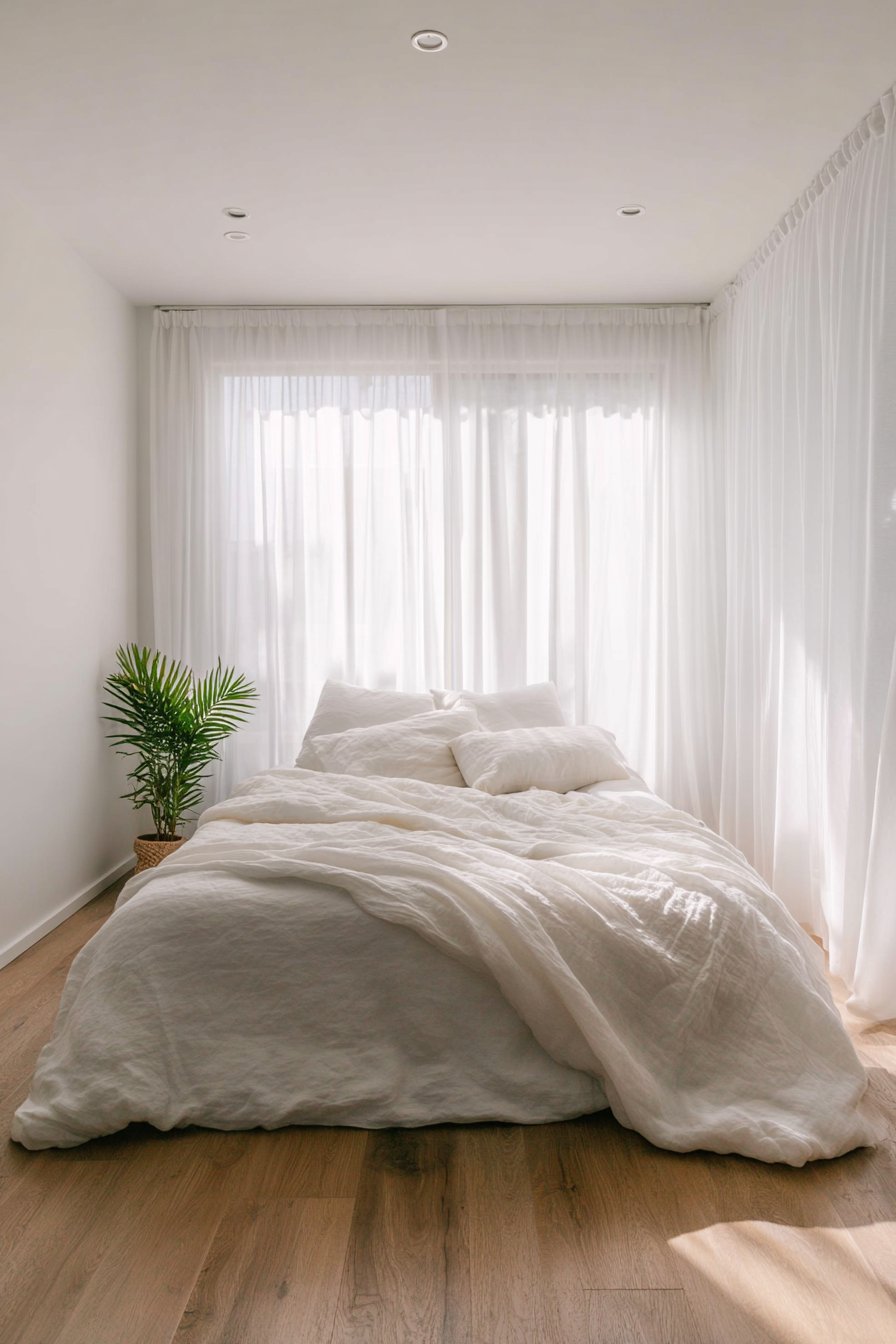
Consider painting your ceiling the same color as your walls, or even a shade lighter. This technique eliminates the visual break between vertical and horizontal surfaces, creating seamless continuity that makes the room feel taller and more expansive. Many homeowners make the mistake of choosing stark white without considering undertones, which can make a room feel cold rather than spacious.
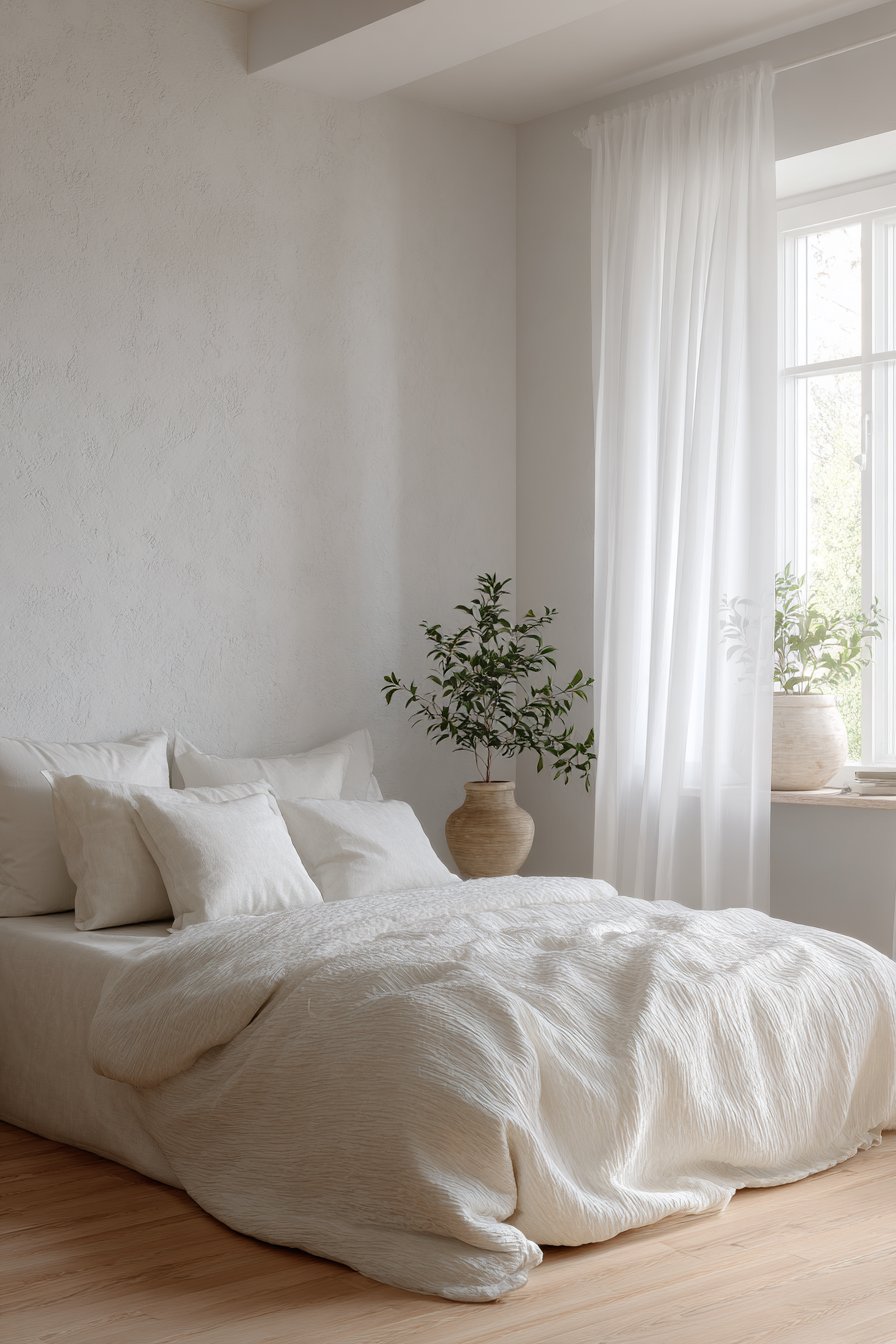
The 60-30-10 rule applies perfectly here: use your light base color for 60% of the room (walls and ceiling), a complementary medium tone for 30% (bedding, curtains), and save bold accents for the remaining 10%. This creates visual harmony without overwhelming the space with too much contrast, which can actually make small rooms feel choppy and smaller.
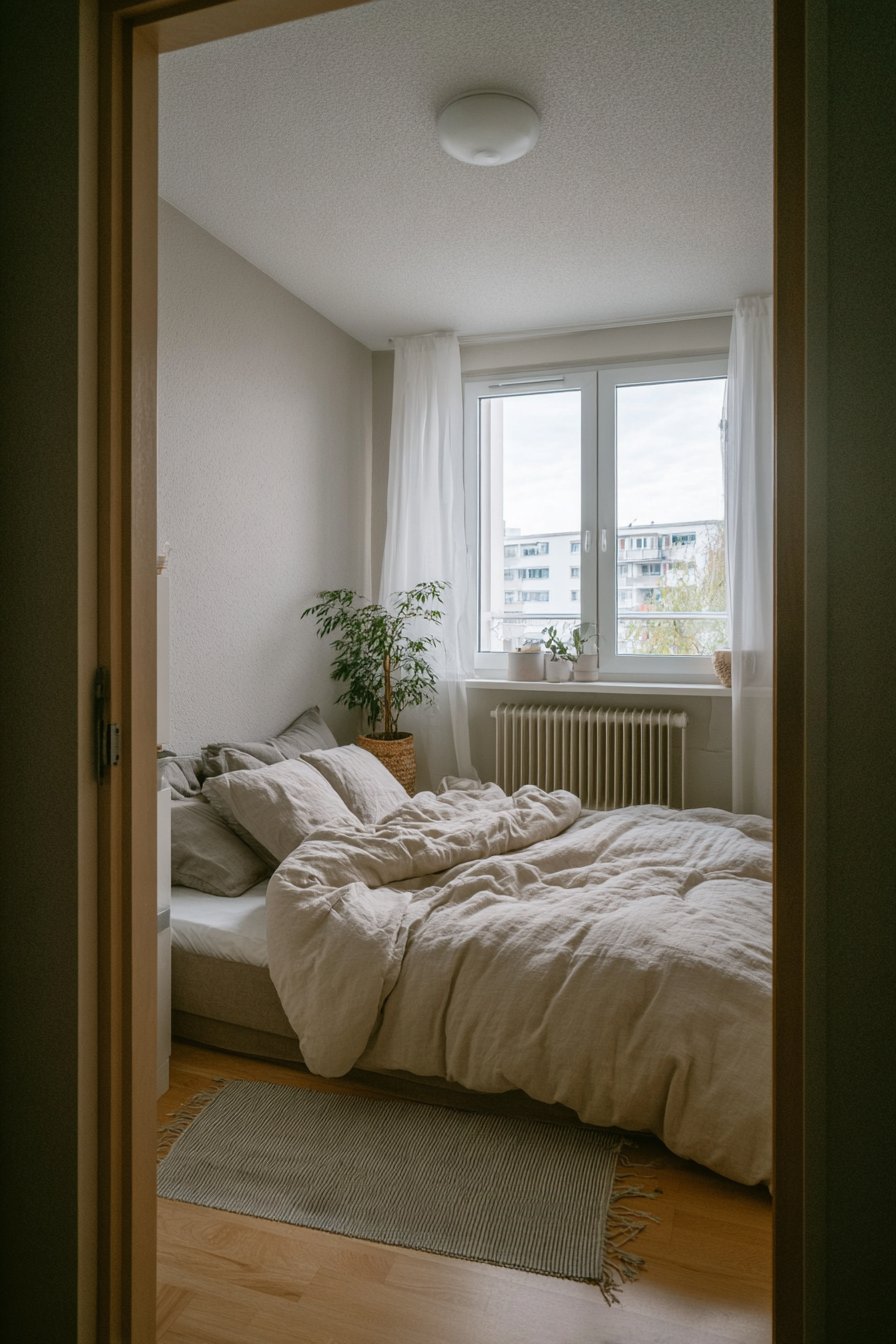
- Choose warm whites with cream or beige undertones for north-facing rooms
- Opt for cool whites with gray or blue undertones for south-facing spaces
- Paint trim and molding the same color as walls to eliminate visual breaks
- Use matte or eggshell finishes rather than glossy paints that can highlight imperfections
- Test paint samples in different lighting conditions before committing
- Consider extending the wall color onto closet interiors for added depth
2. Maximize Natural Light and Layer Artificial Lighting
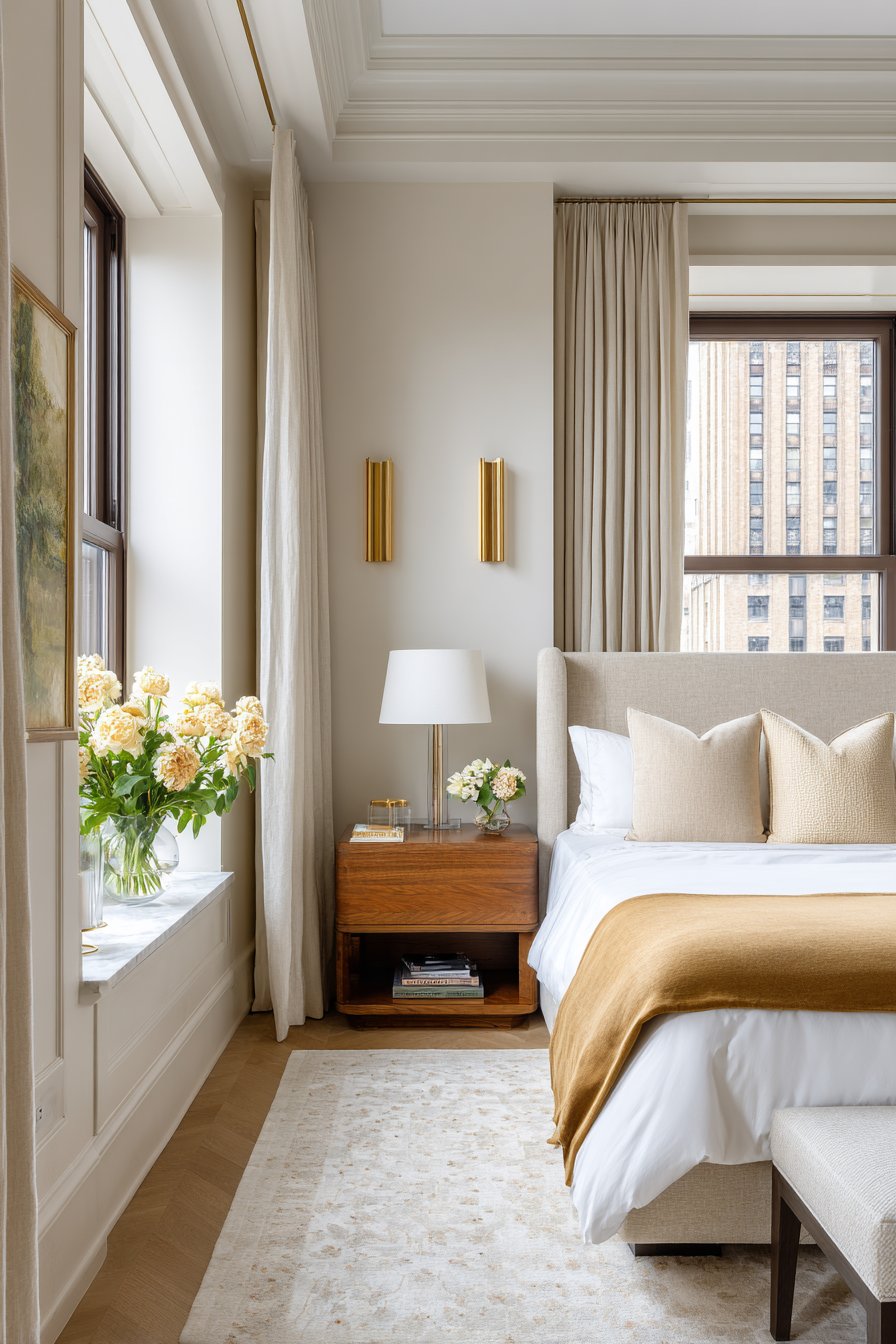
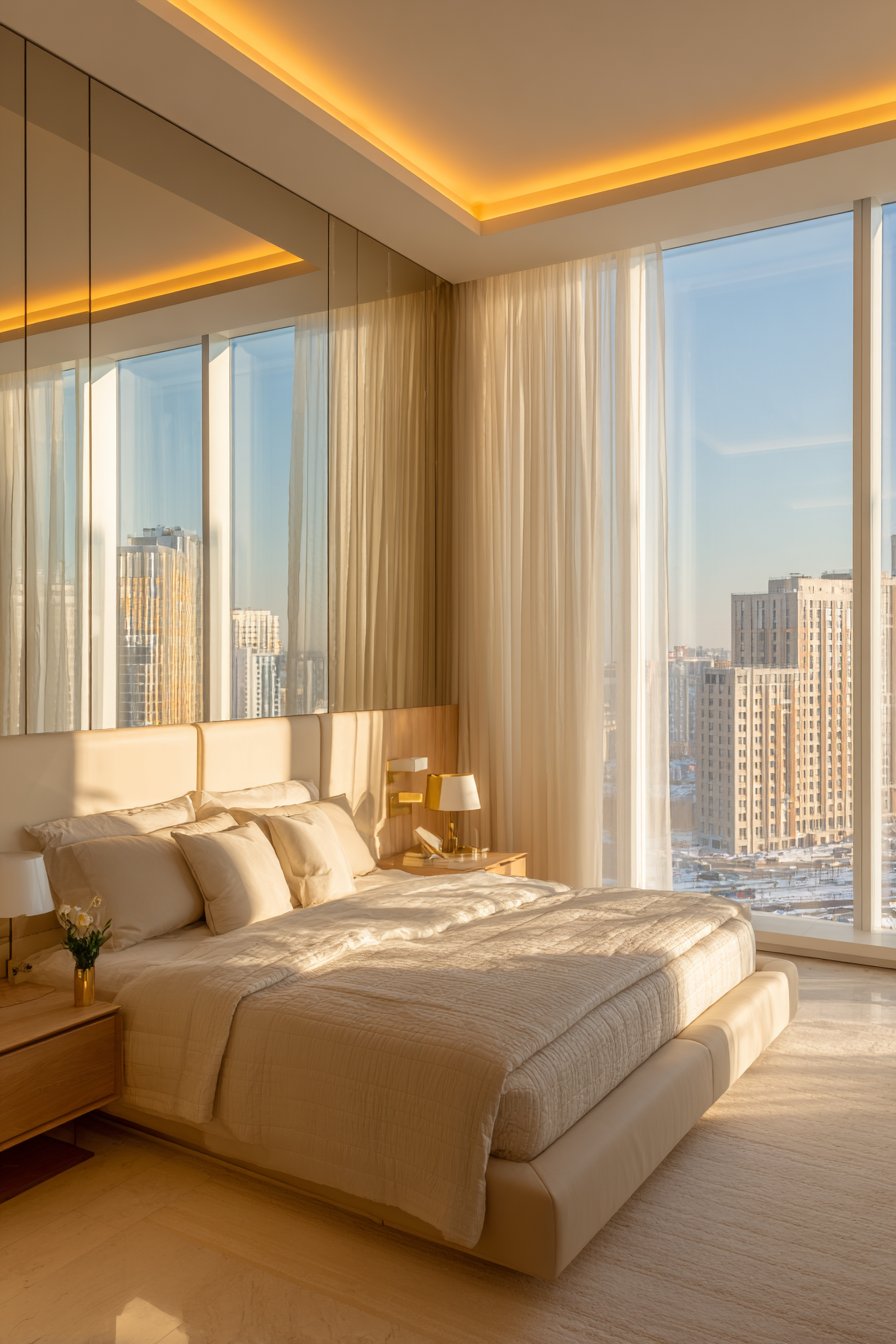
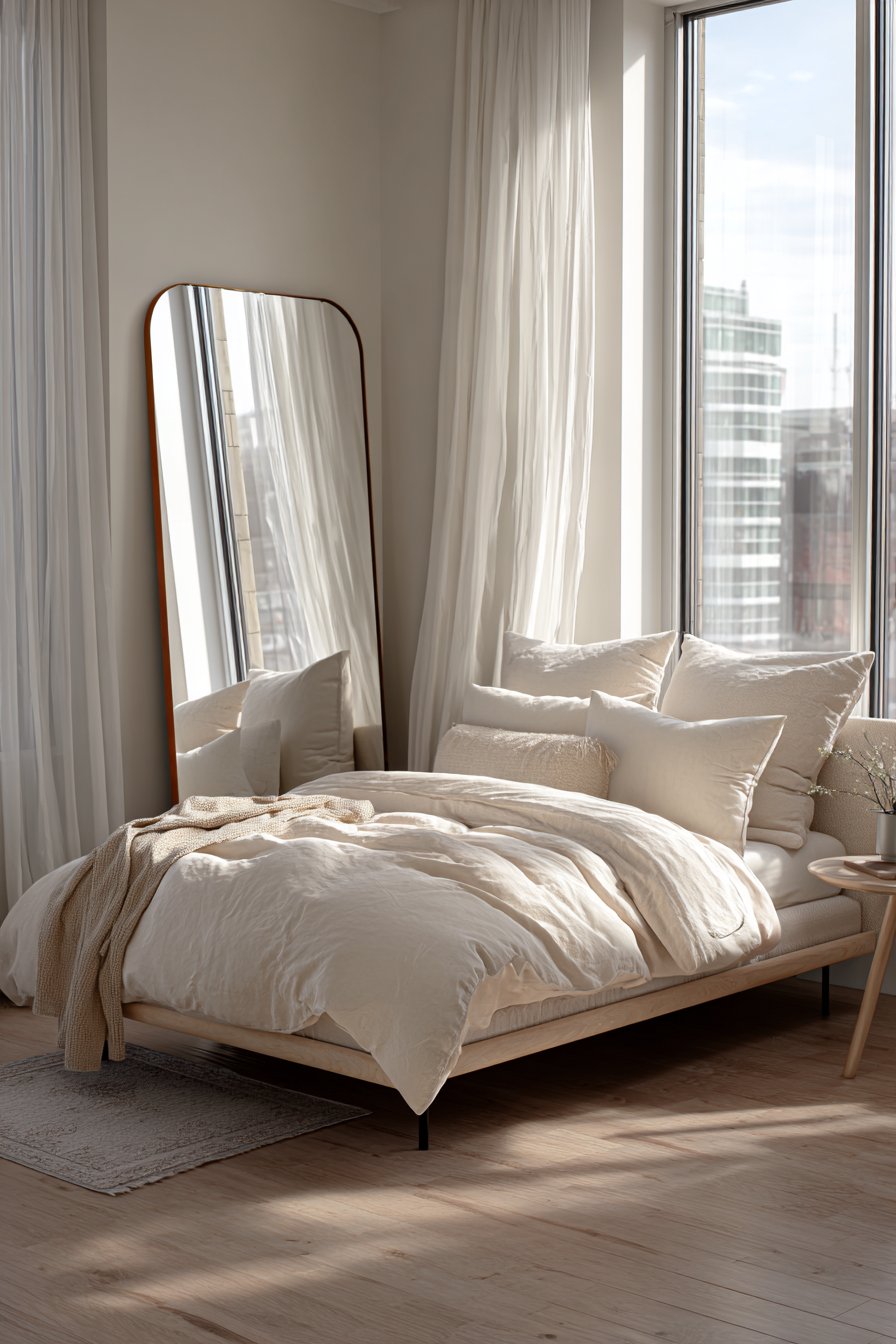
Natural light is perhaps the most powerful tool for expanding visual space. Unobstructed windows allow sunlight to flood the room, creating depth and dimension that artificial lighting alone cannot achieve. Remove heavy drapes and opt for sheer curtains or lightweight linen panels that provide privacy while still permitting light to filter through.
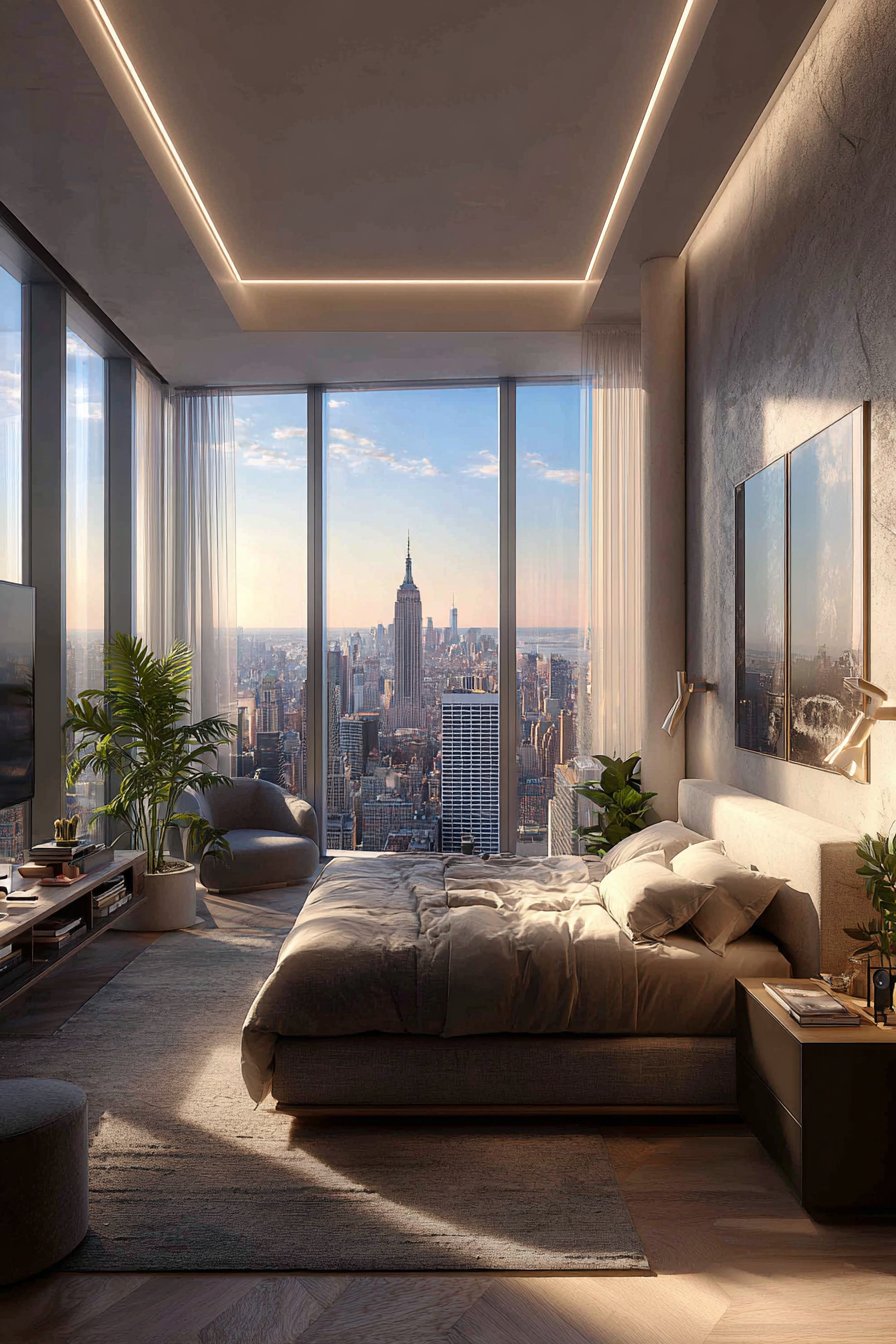
When natural light is limited, strategic layered lighting becomes essential. Combine ambient lighting (overhead fixtures), task lighting (reading lamps), and accent lighting (wall sconces) to eliminate dark corners that make rooms feel smaller. Each light source serves a specific purpose while contributing to the overall sense of spaciousness.
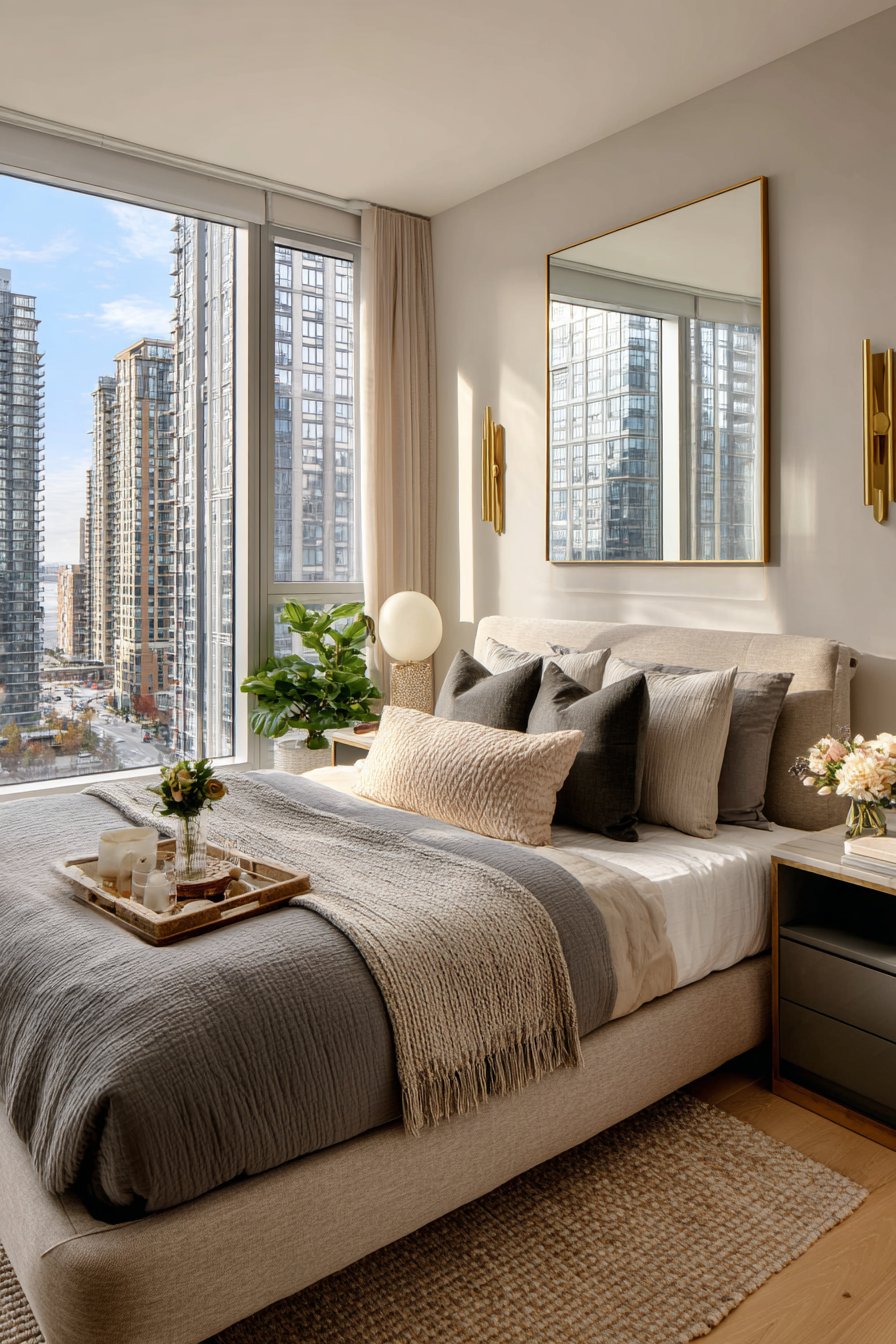
Avoid relying solely on a single overhead fixture, which creates harsh shadows and flattens the room’s dimension. Instead, distribute multiple light sources at different heights to create depth and visual interest. Wall-mounted fixtures are particularly effective because they don’t consume valuable floor or surface space while still providing essential illumination.
- Install dimmer switches to control light intensity and mood throughout the day
- Use LED bulbs with a color temperature between 2700K-3000K for warm, inviting light
- Mount curtain rods as close to the ceiling as possible to create vertical lines
- Place mirrors opposite windows to reflect and amplify natural light
- Consider installing a skylight or solar tube if architecturally feasible
- Use translucent window treatments rather than heavy blackout curtains
3. Choose Multi-Functional Furniture with Storage
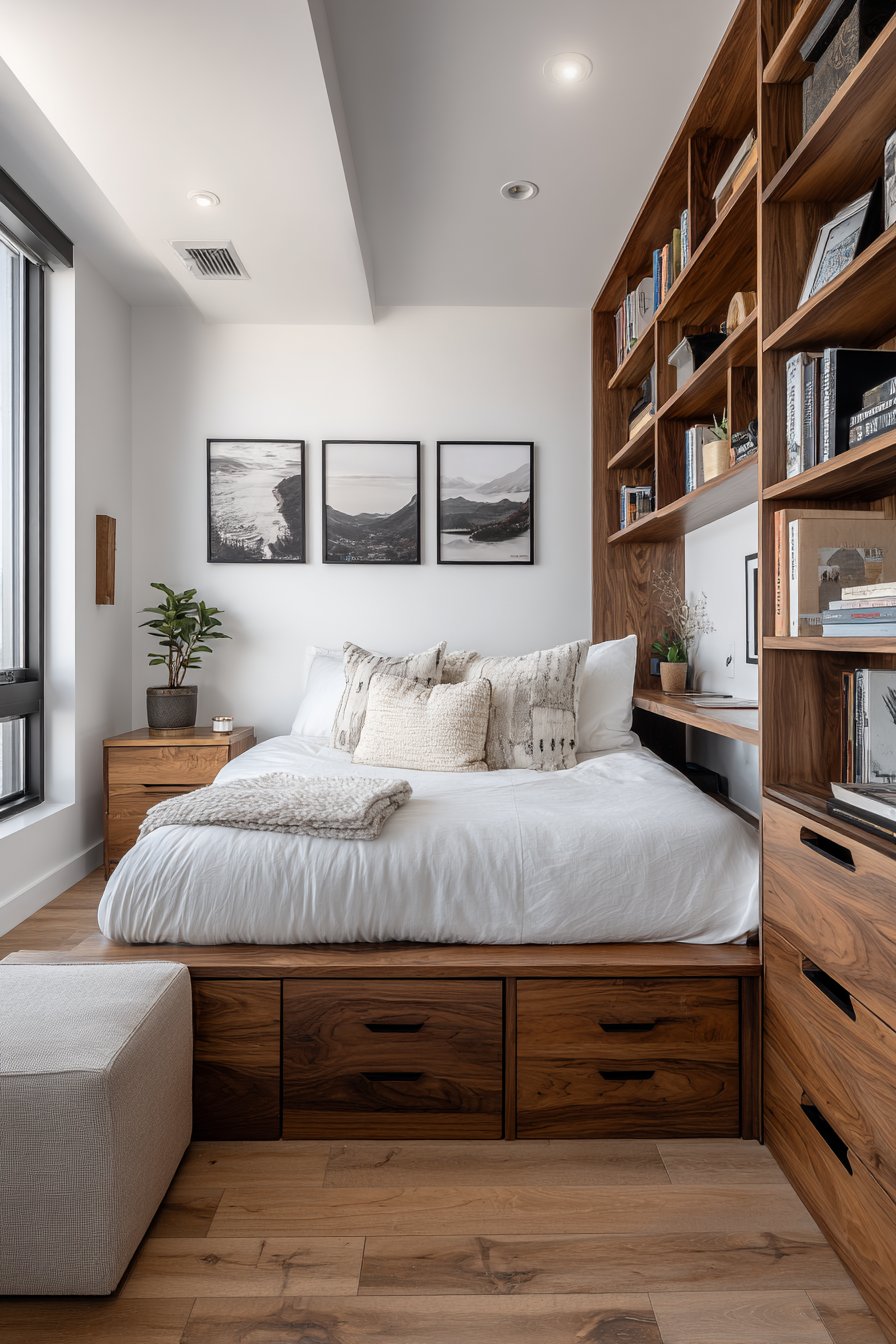
In small bedrooms, every piece of furniture must earn its place by serving multiple purposes. A bed frame with built-in drawers eliminates the need for a separate dresser, instantly freeing up valuable floor space. Storage ottomans, lift-top benches, and headboards with integrated shelving provide functionality without adding visual clutter.
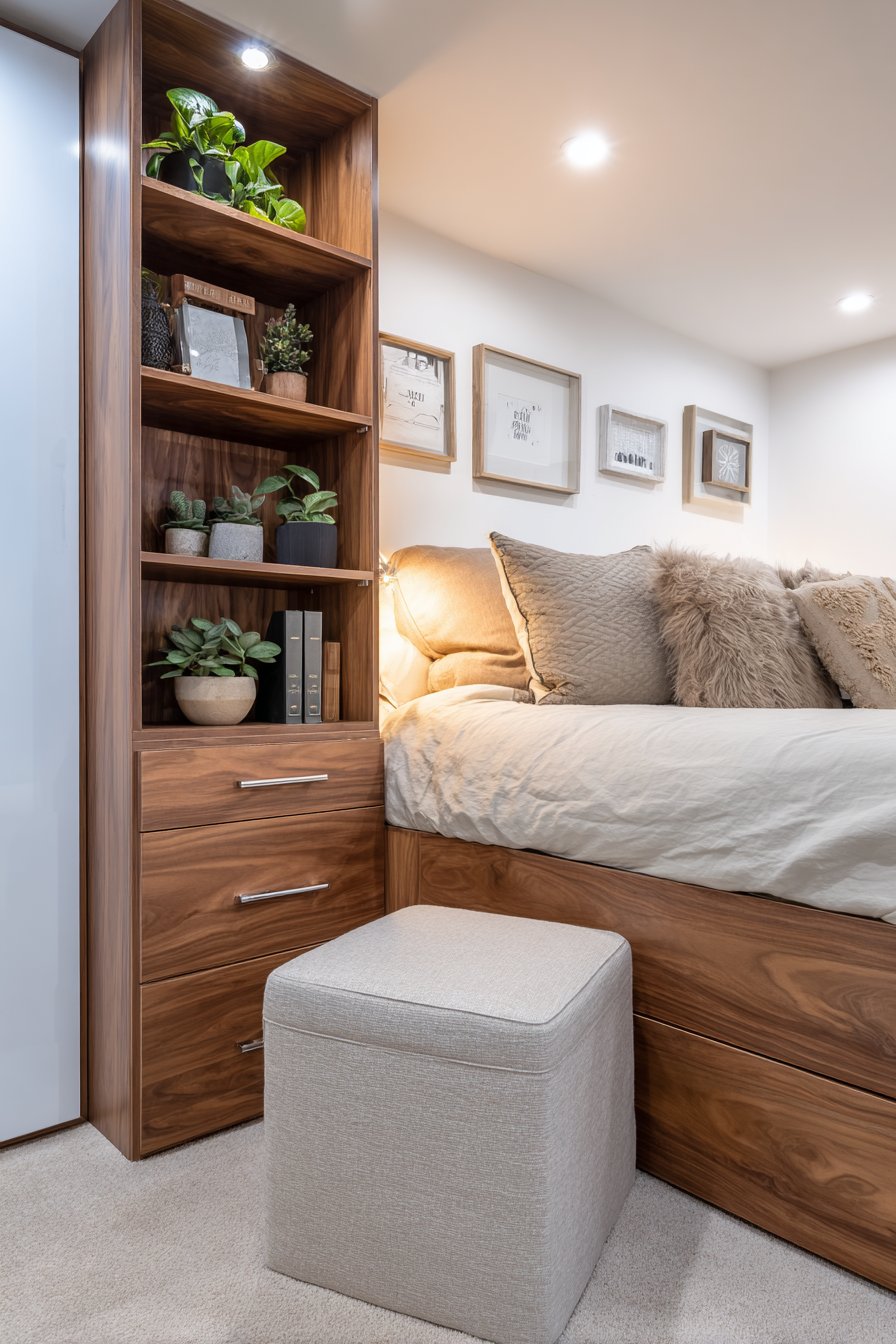
The principle of furniture economy means selecting pieces that work harder so you can own fewer items overall. A nightstand with drawers and shelving offers more utility than a simple side table, while a wardrobe with mirror doors provides storage and reflects light simultaneously. This approach reduces the furniture footprint while maintaining or even increasing storage capacity.
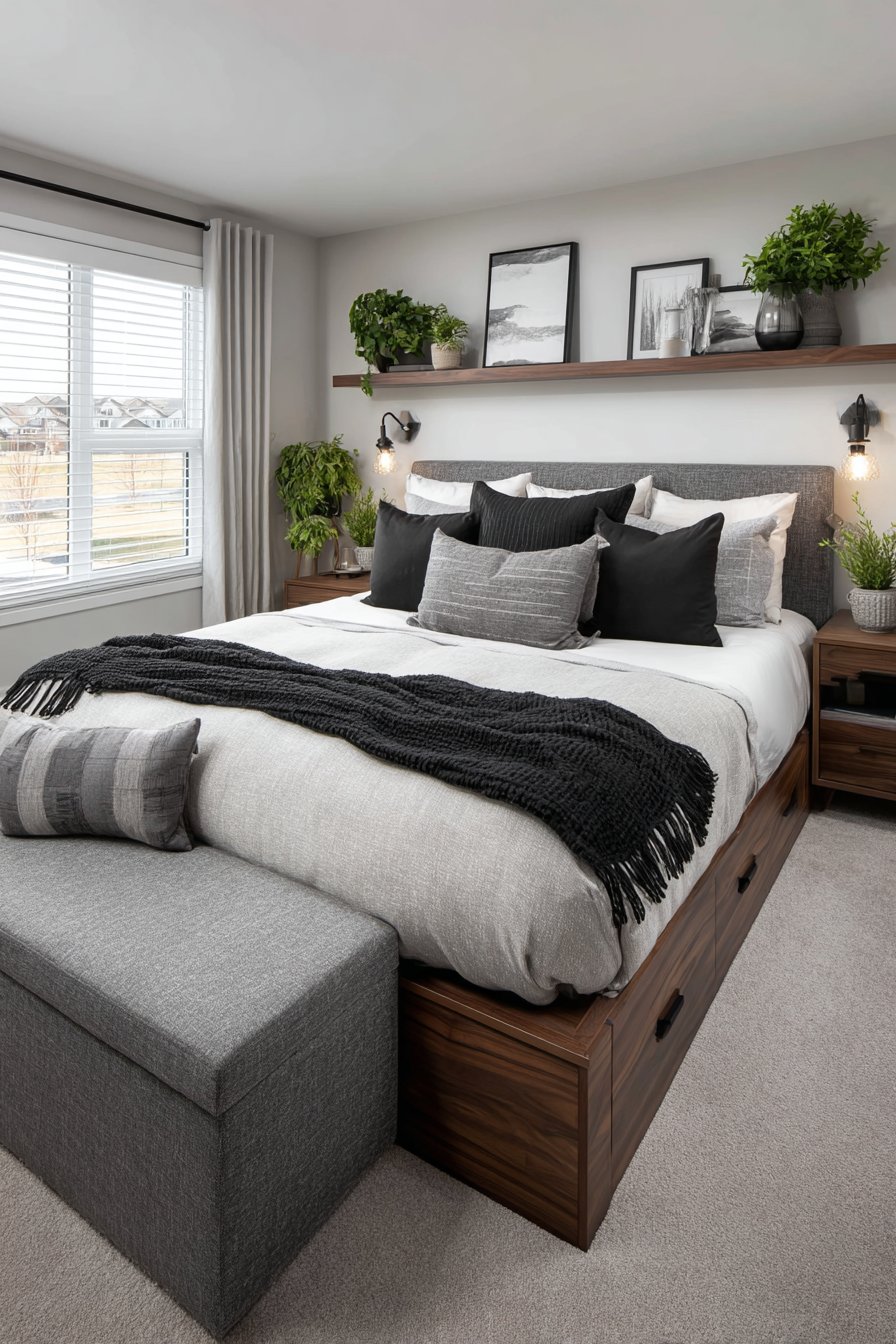
Scale matters tremendously in compact spaces. Furniture that’s too large overwhelms the room, while pieces that are too small can make the space feel cluttered and disjointed. Aim for furniture that’s appropriately sized—typically, a platform bed or low-profile frame works better than a towering four-poster that draws the eye downward and emphasizes limited ceiling height.
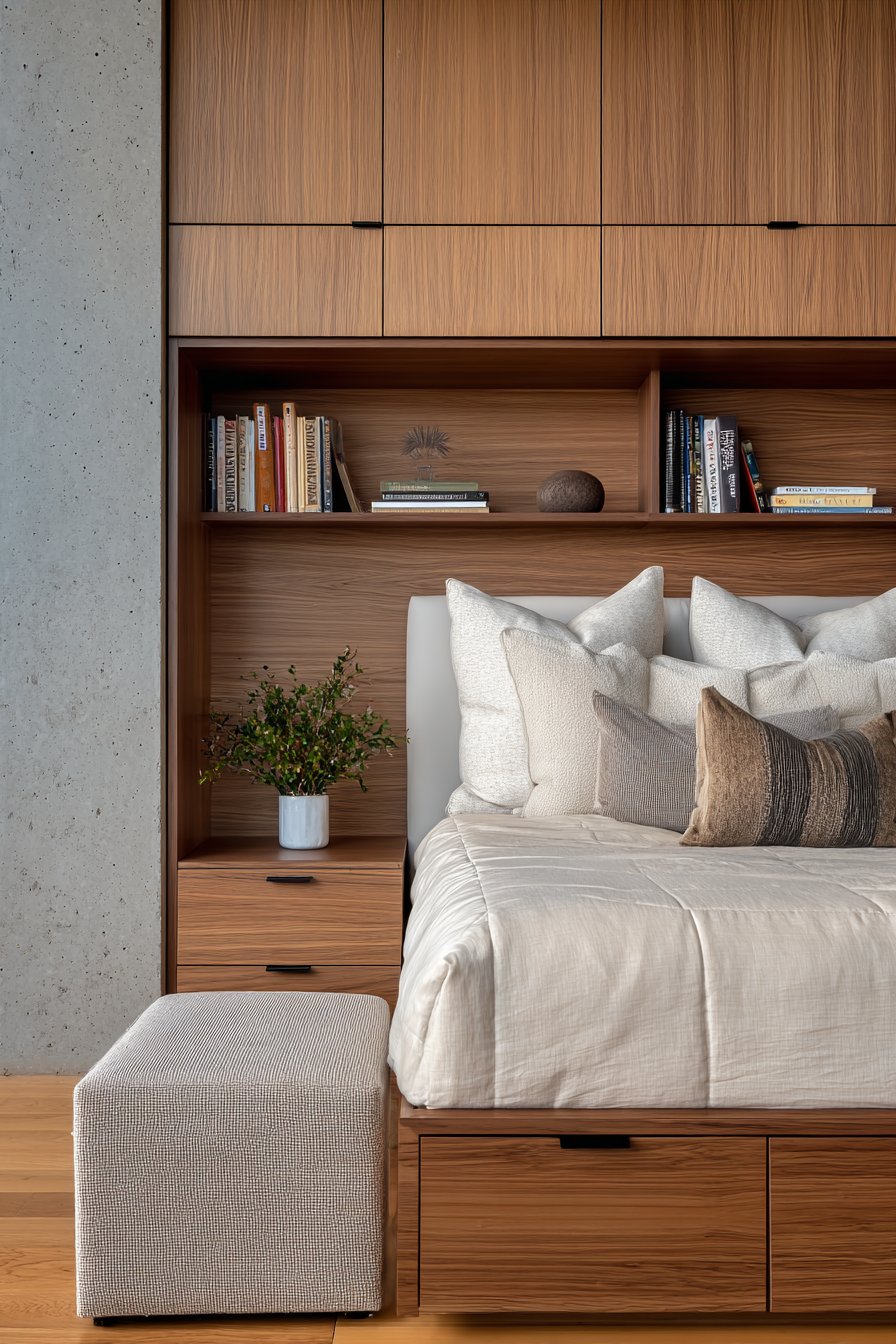
- Invest in a bed with hydraulic lift storage underneath for seasonal items
- Select nightstands that are 24-28 inches tall to maintain proper proportion
- Choose armless chairs or benches that tuck completely under desks or vanities
- Opt for wall-mounted floating nightstands to free up floor space
- Consider a Murphy bed or sofa bed for rooms serving dual purposes
- Use storage boxes or baskets that slide under the bed frame
4. Create Vertical Visual Lines with Strategic Decor
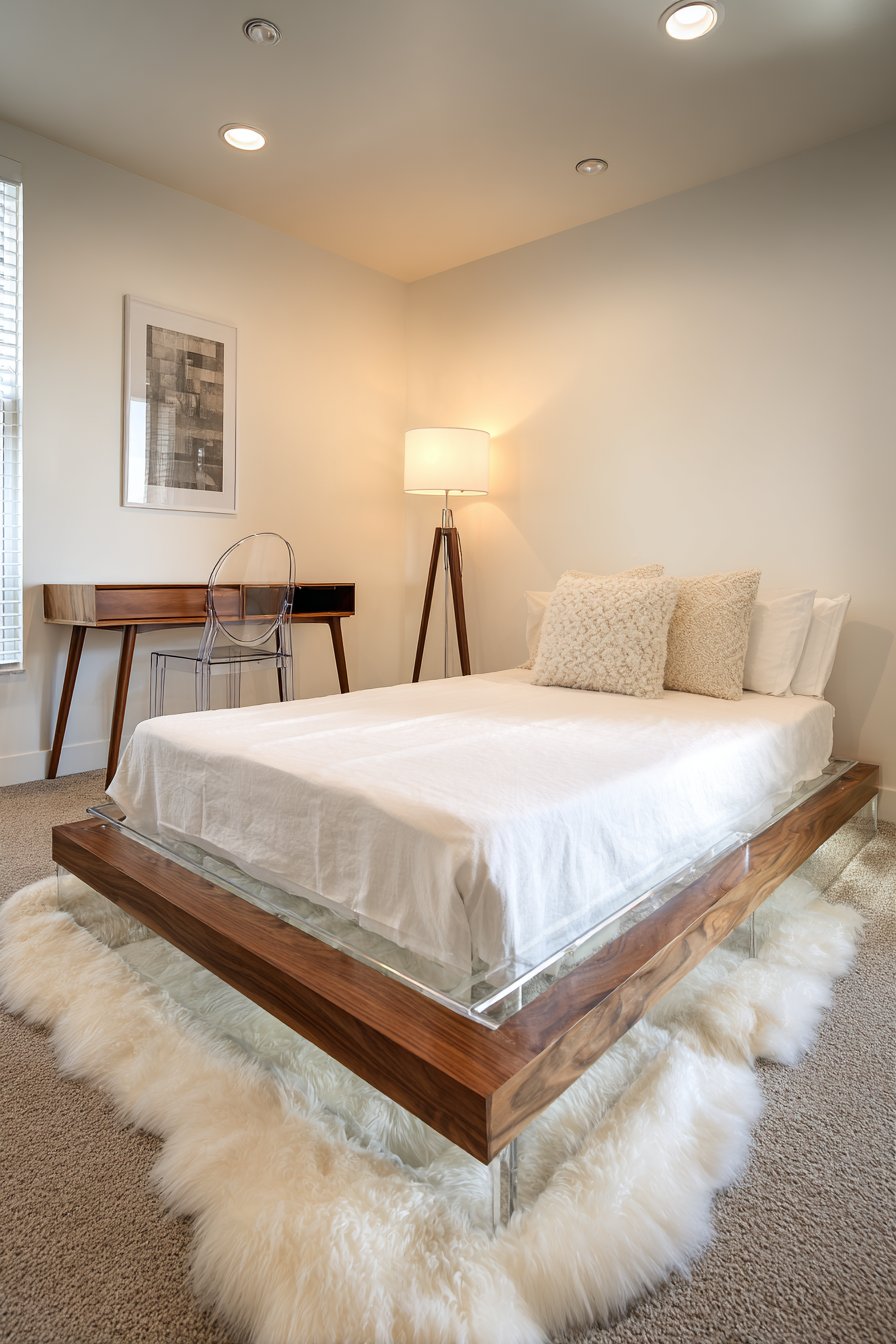
Drawing the eye upward is a proven technique for making ceilings appear higher and rooms feel more spacious. Vertical elements create the illusion of height by guiding visual perception along tall, continuous lines rather than horizontal breaks. Floor-to-ceiling curtains, vertical stripe wallpaper, and tall, narrow artwork all contribute to this effect.
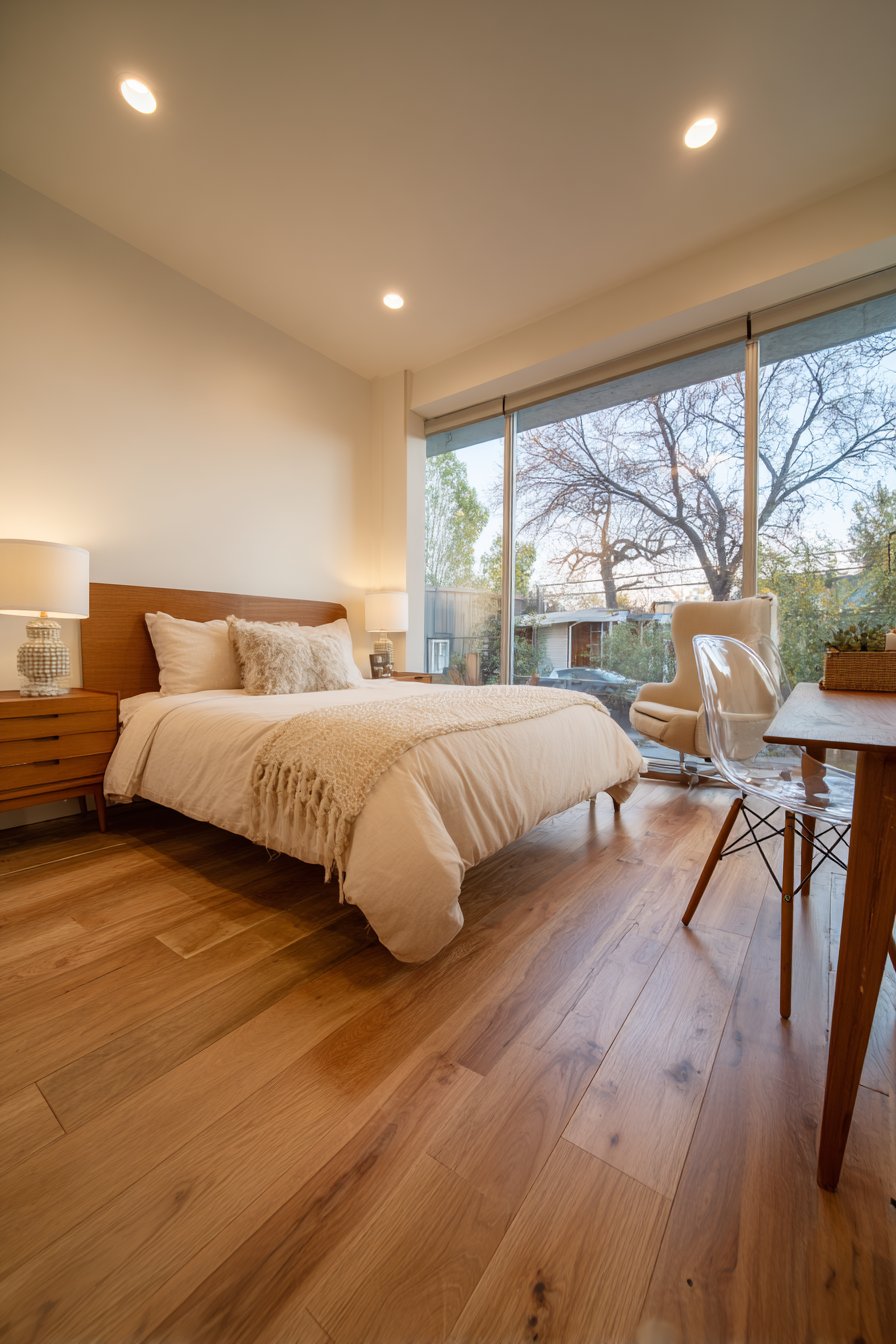
Hanging curtains at ceiling height rather than just above the window frame adds precious inches to your perceived ceiling height. The continuous fabric panels create unbroken vertical lines that make walls appear taller. This simple adjustment costs nothing if you’re already planning to install window treatments but delivers significant visual impact.
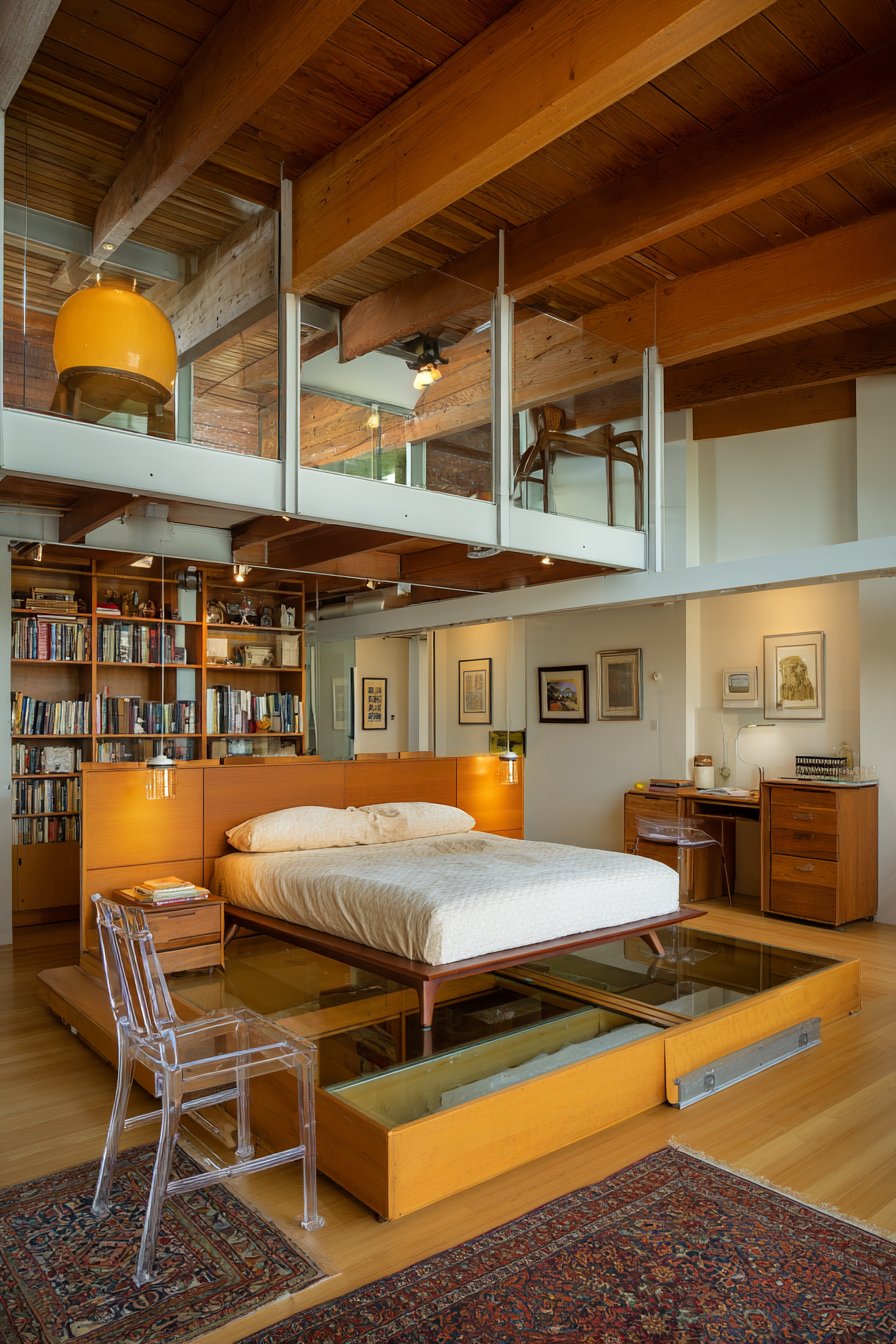
Tall, narrow furniture pieces like bookcases and wardrobes emphasize vertical space better than low, wide alternatives. A single floor-to-ceiling bookshelf draws the eye upward more effectively than three short bookcases arranged horizontally. This principle of vertical emphasis works with artwork too—a gallery wall arranged in a vertical orientation feels more expansive than a horizontal grouping.
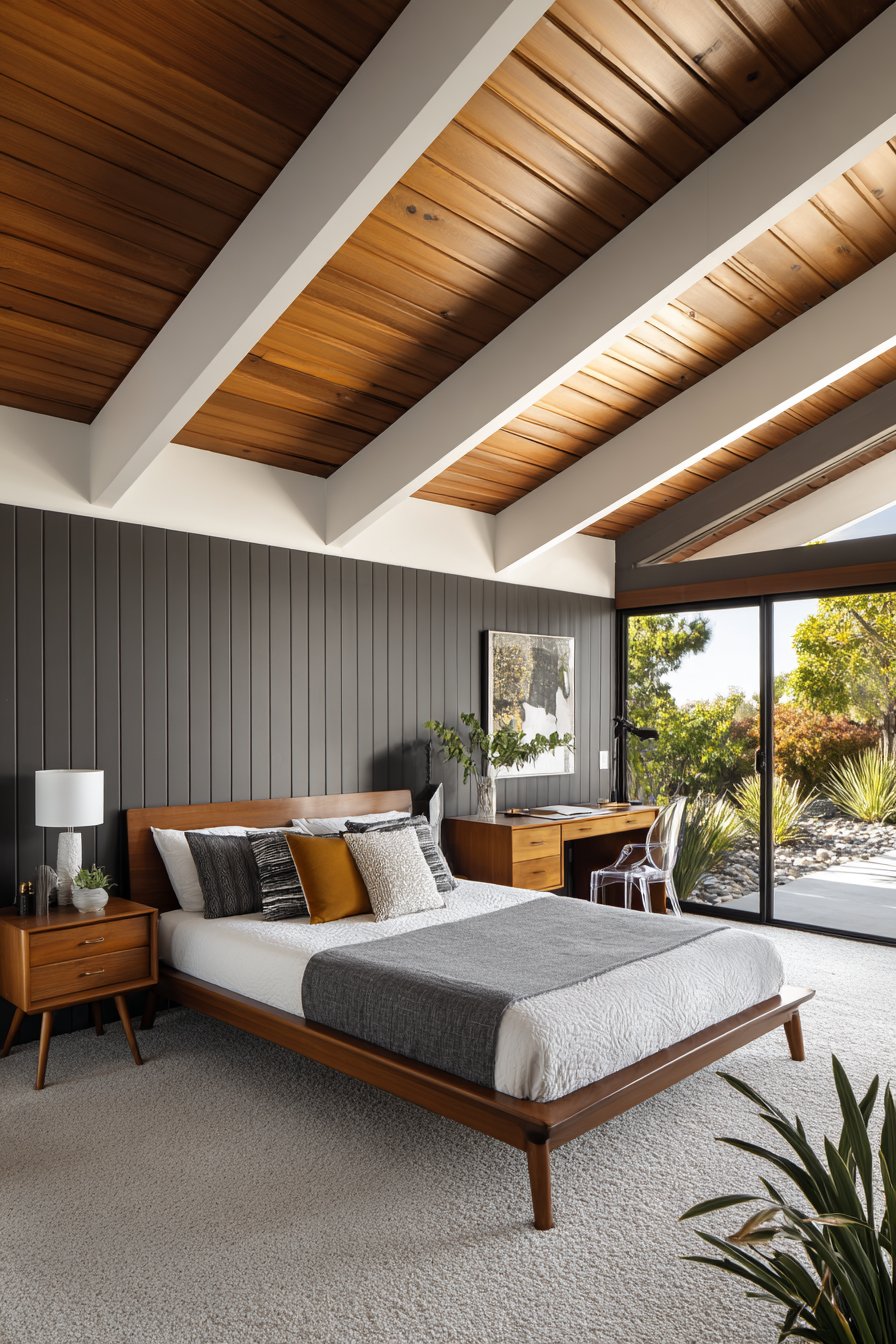
- Hang curtains 6-12 inches above the window frame and let them graze the floor
- Use vertical paneling or shiplap to add architectural interest and height
- Choose tall table lamps with slim profiles rather than short, squat fixtures
- Install floating shelves in vertical arrangements near ceiling height
- Select artwork with vertical orientation or arrange smaller pieces in vertical columns
- Paint one accent wall with vertical stripes in tonal variations
5. Minimize Visual Clutter with Smart Organization
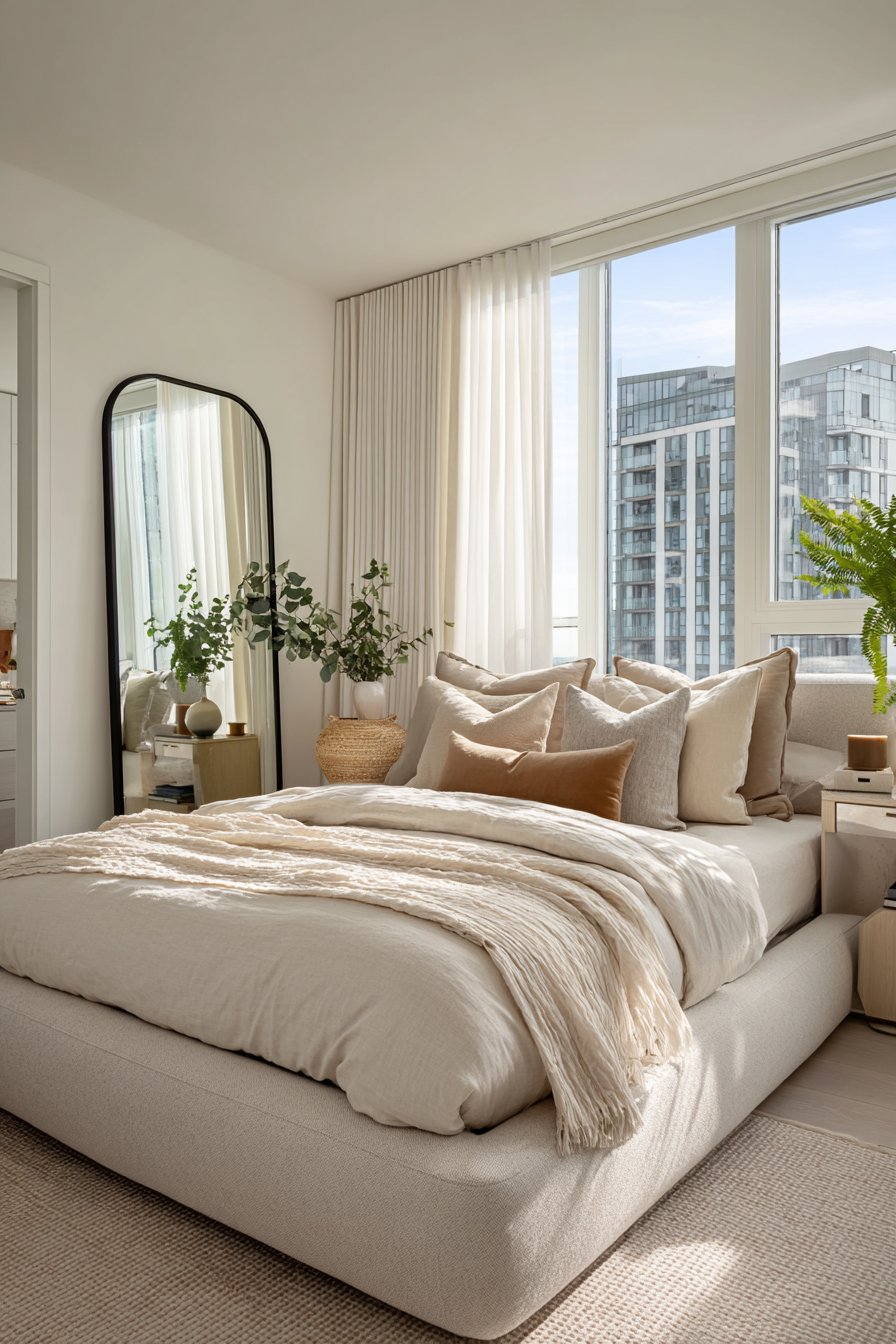
Visual clutter compresses perceived space faster than almost any other factor. A room filled with miscellaneous items, regardless of actual square footage, will always feel cramped and chaotic. Ruthless editing of belongings and maintaining clear surfaces creates breathing room that makes spaces feel significantly larger.
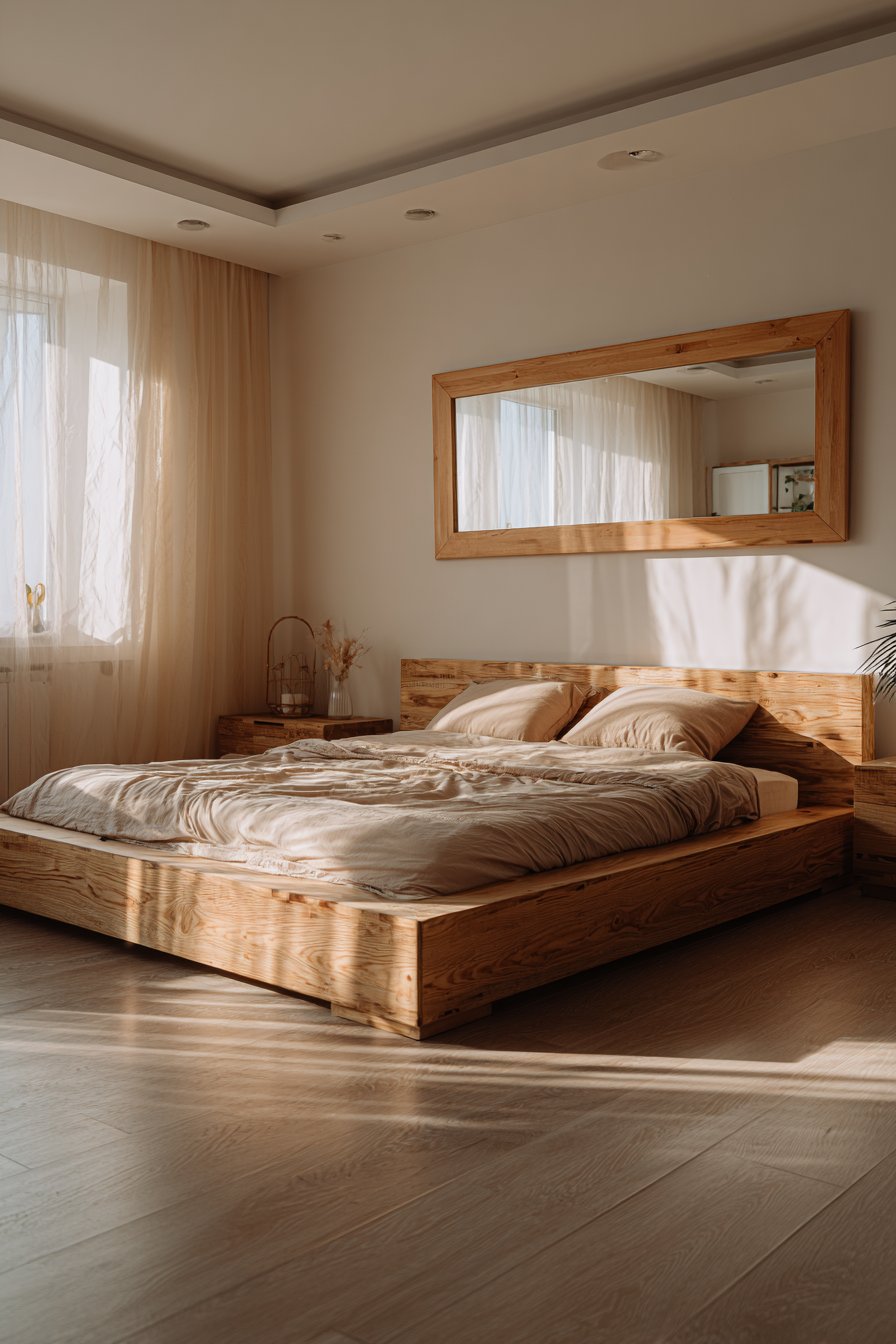
The principle of negative space—intentionally keeping some areas empty—allows the eye to rest and the room to breathe. Nightstands don’t need to display every item you might want at bedtime; strategic curation means choosing only the essentials for display while storing everything else out of sight. Clear horizontal surfaces reflect light and create visual calm.
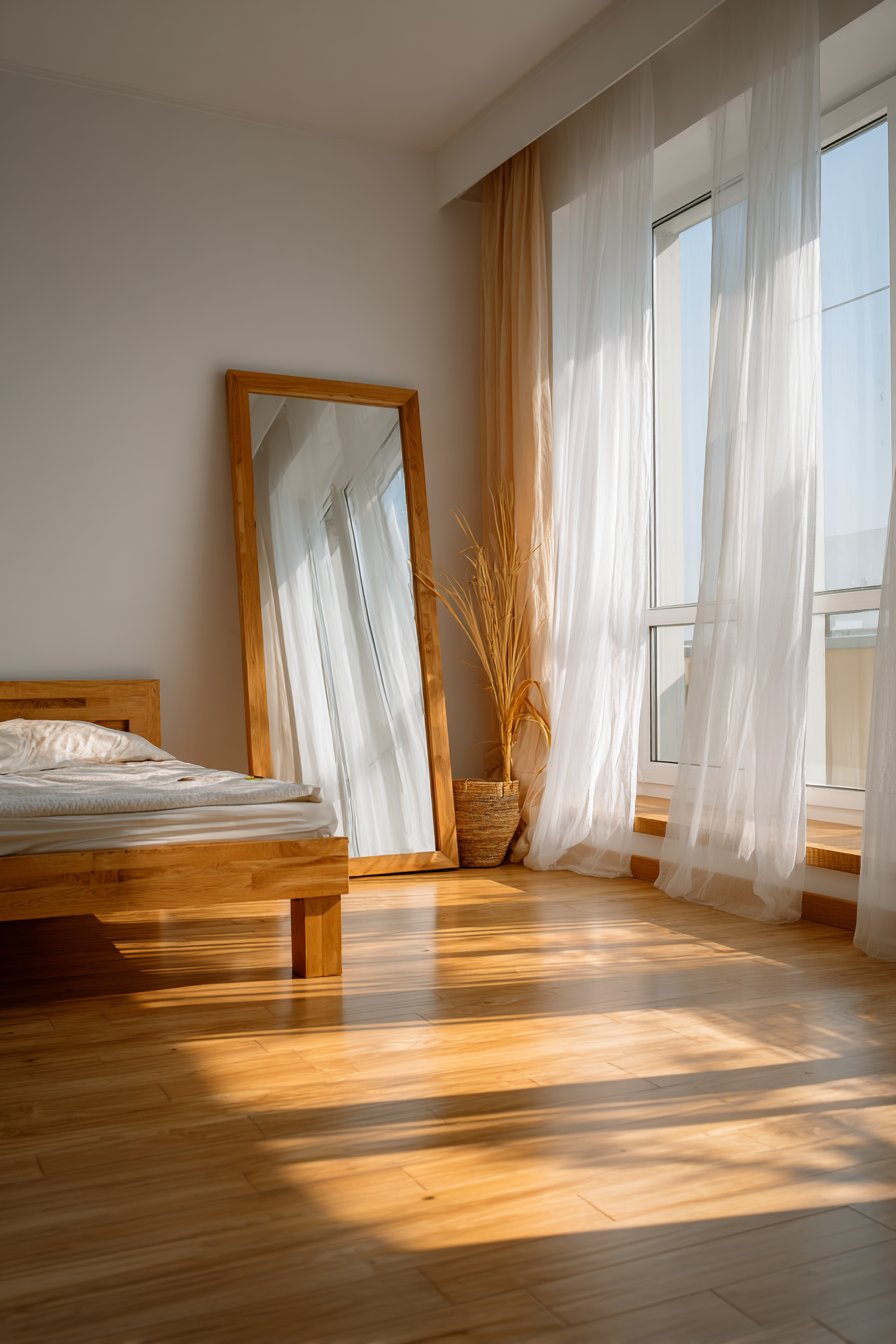
Closed storage solutions hide the inevitable accumulation of daily life while maintaining clean lines and uncluttered sightlines. Glass-front or open shelving can work in small bedrooms, but only when contents are meticulously organized and visually cohesive. For most people, closed cabinets and drawers prove more practical for maintaining the illusion of spaciousness.
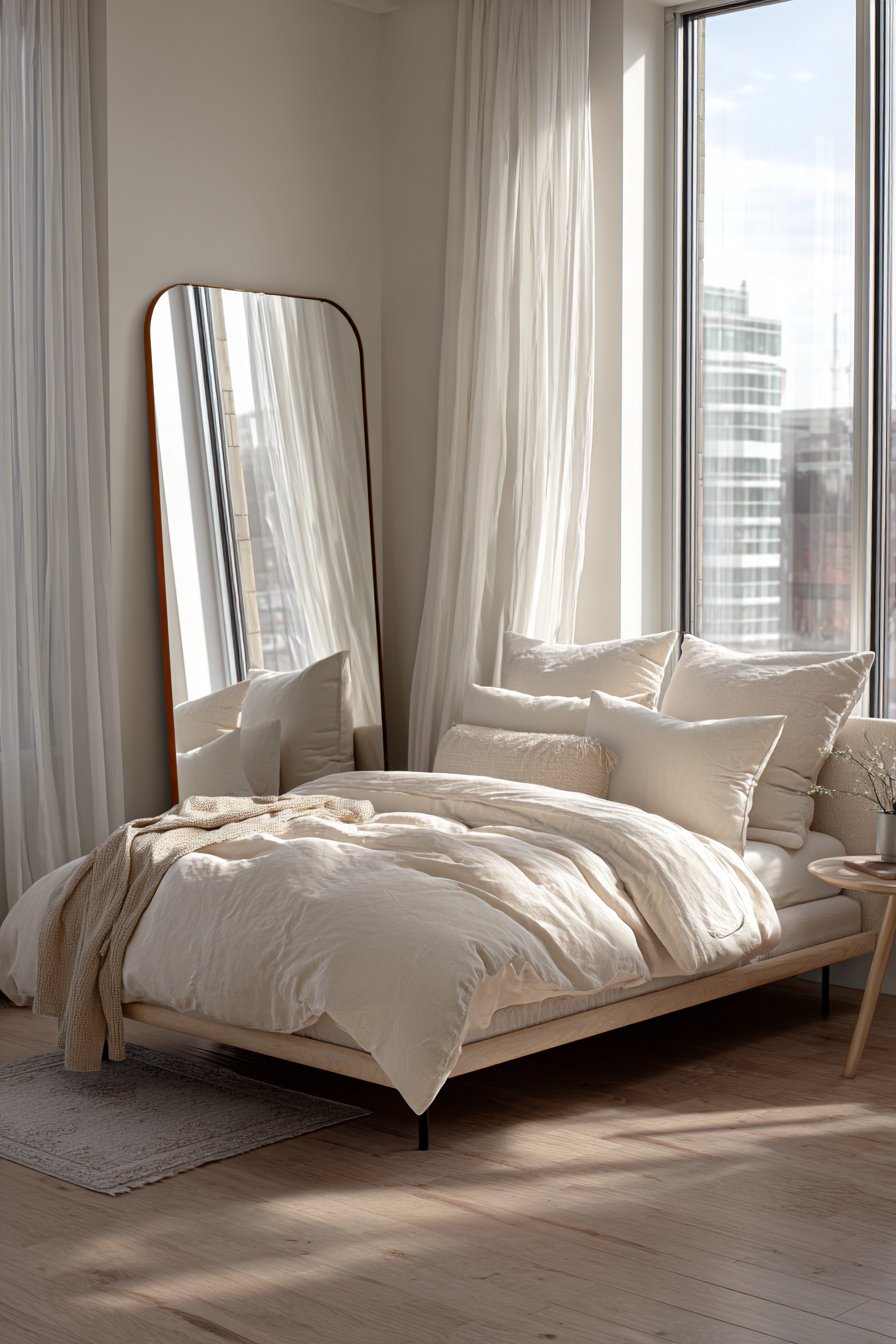
- Adopt a “one in, one out” policy to prevent the accumulation of unnecessary items
- Use matching hangers in closets to create visual uniformity and save space
- Install hooks behind doors for robes, bags, and frequently worn items
- Keep only current season clothing accessible and store off-season items elsewhere
- Use drawer dividers and organizers to maximize internal storage efficiency
- Limit decorative accessories to 3-5 meaningful pieces rather than many small items
6. Use Mirrors Strategically to Reflect Light and Space
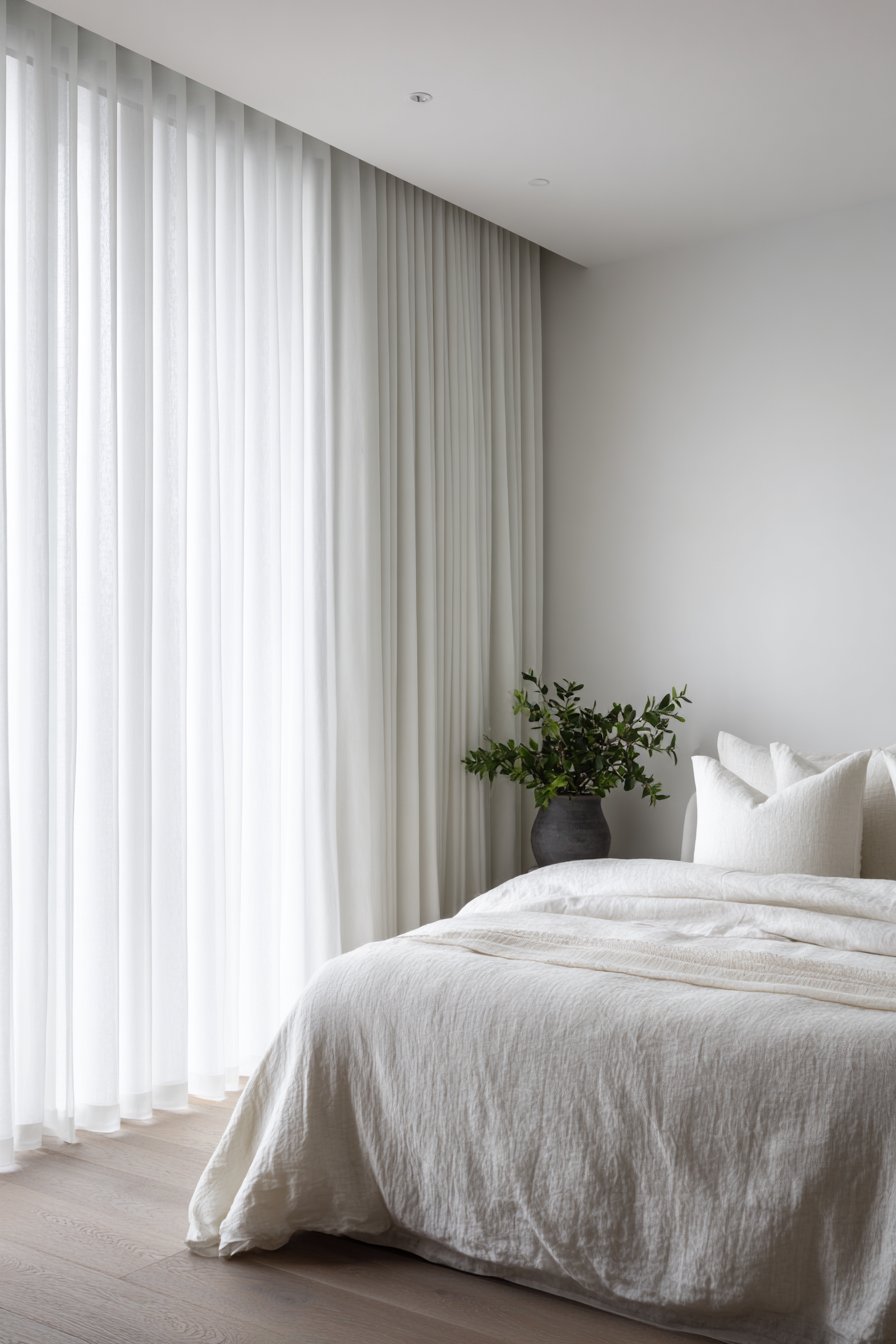
Mirrors are the interior designer’s secret weapon for small spaces, capable of doubling perceived square footage when positioned correctly. A large mirror reflects the room back on itself, creating depth and the illusion of an additional window or doorway. The key is strategic placement rather than randomly hanging mirrors wherever wall space exists.
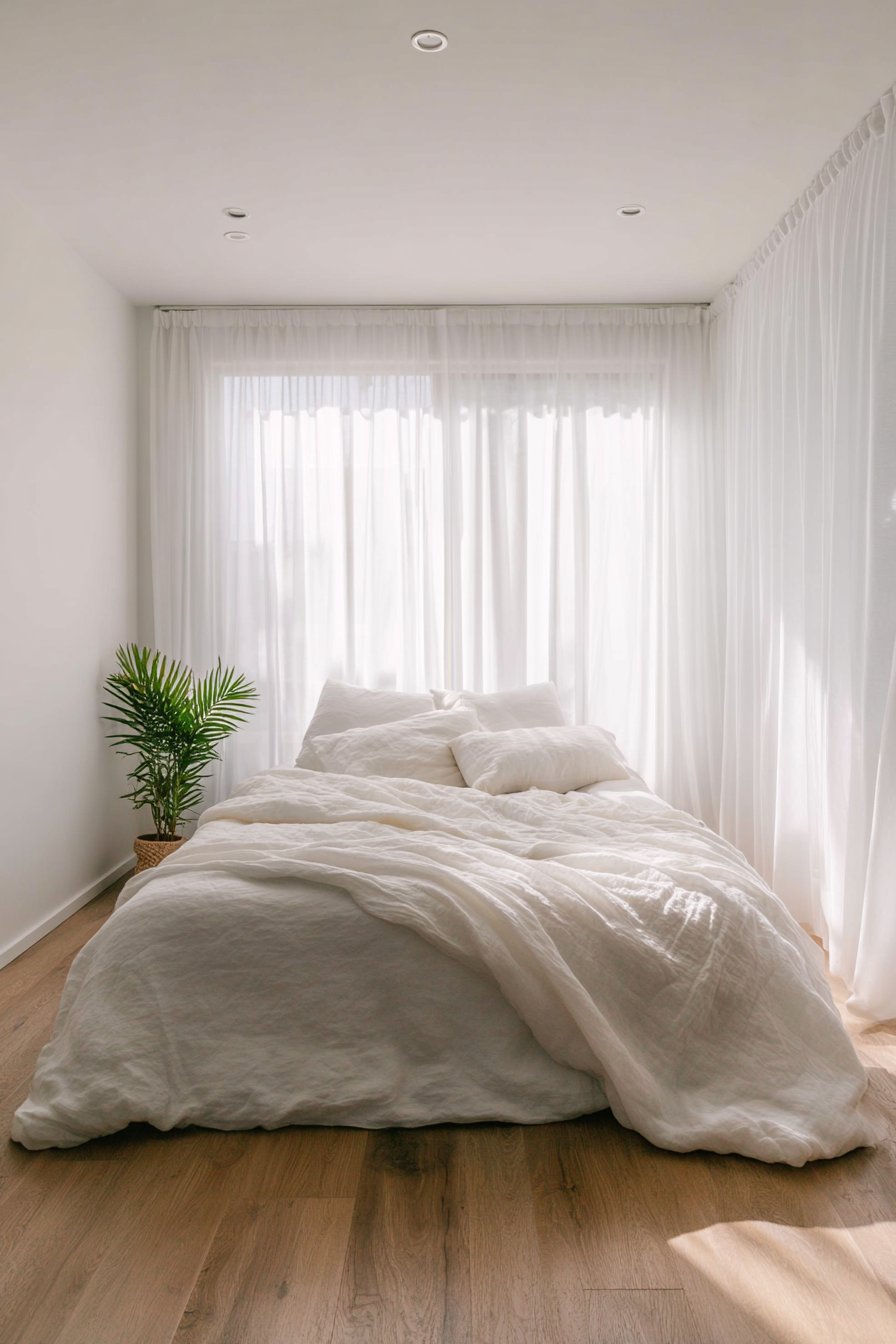
Position mirrors opposite windows or light sources to maximize light reflection throughout the room. This amplifies both natural daylight and artificial lighting, brightening dark corners and creating a more open atmosphere. A floor-to-ceiling mirror on one wall can transform a narrow bedroom into what appears to be a significantly wider space.
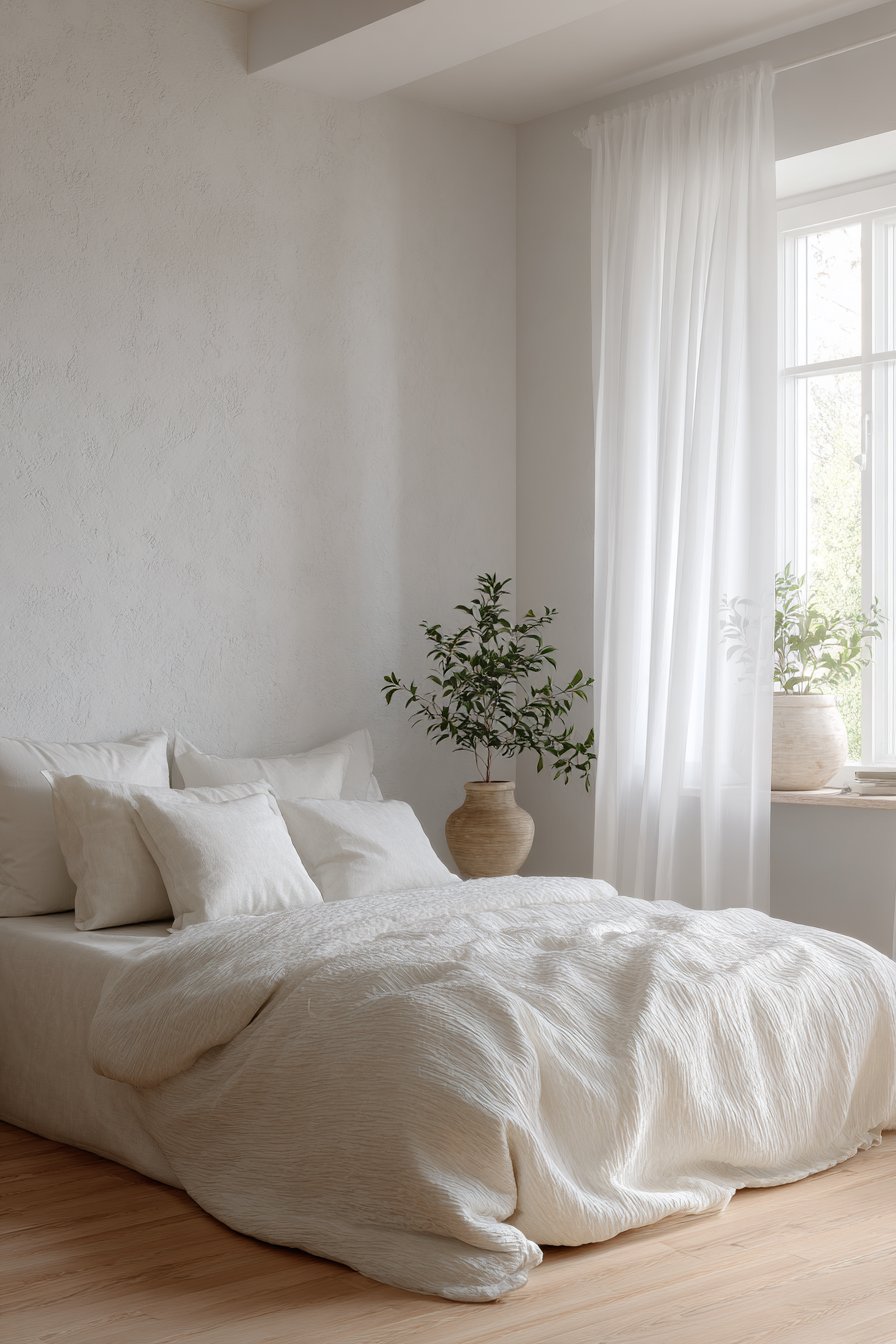
Size matters with mirrors in small bedrooms. Several small mirrors create visual fragmentation, while one large statement mirror provides a single, expansive reflection that enhances spaciousness. Mirrored closet doors, mirrored furniture accents, or a oversized leaning mirror all contribute to the illusion without requiring wall installation.
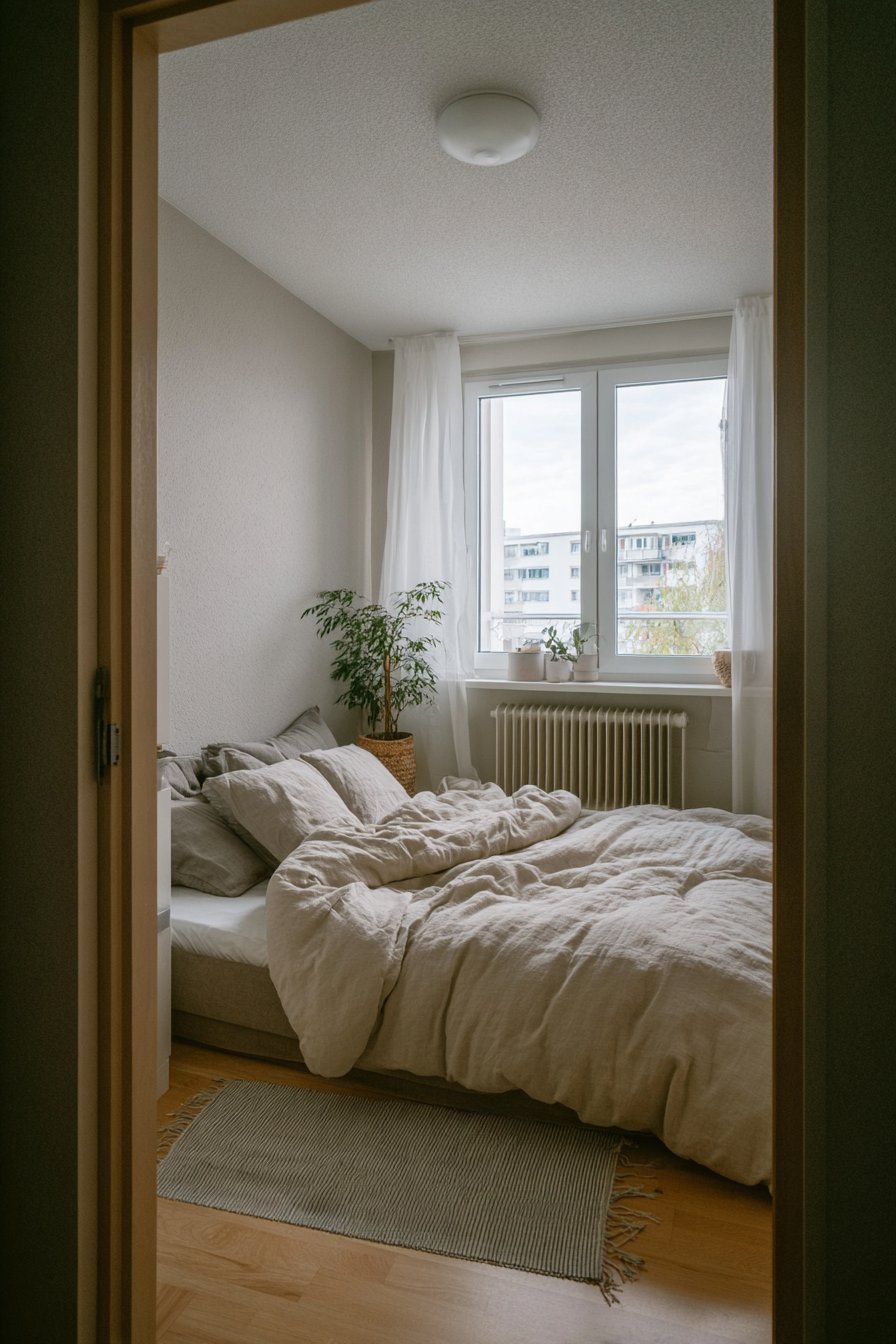
- Hang a large mirror directly opposite the bedroom door to create immediate depth
- Use mirrored nightstands to reflect light without adding visual weight
- Install mirrored sliding closet doors to double the perceived room width
- Position mirrors to reflect attractive views or architectural features
- Avoid placing mirrors directly opposite the bed if it feels uncomfortable
- Choose frameless mirrors or thin frames that don’t compete with the reflection
7. Select Low-Profile Furniture and Maintain Clear Sightlines
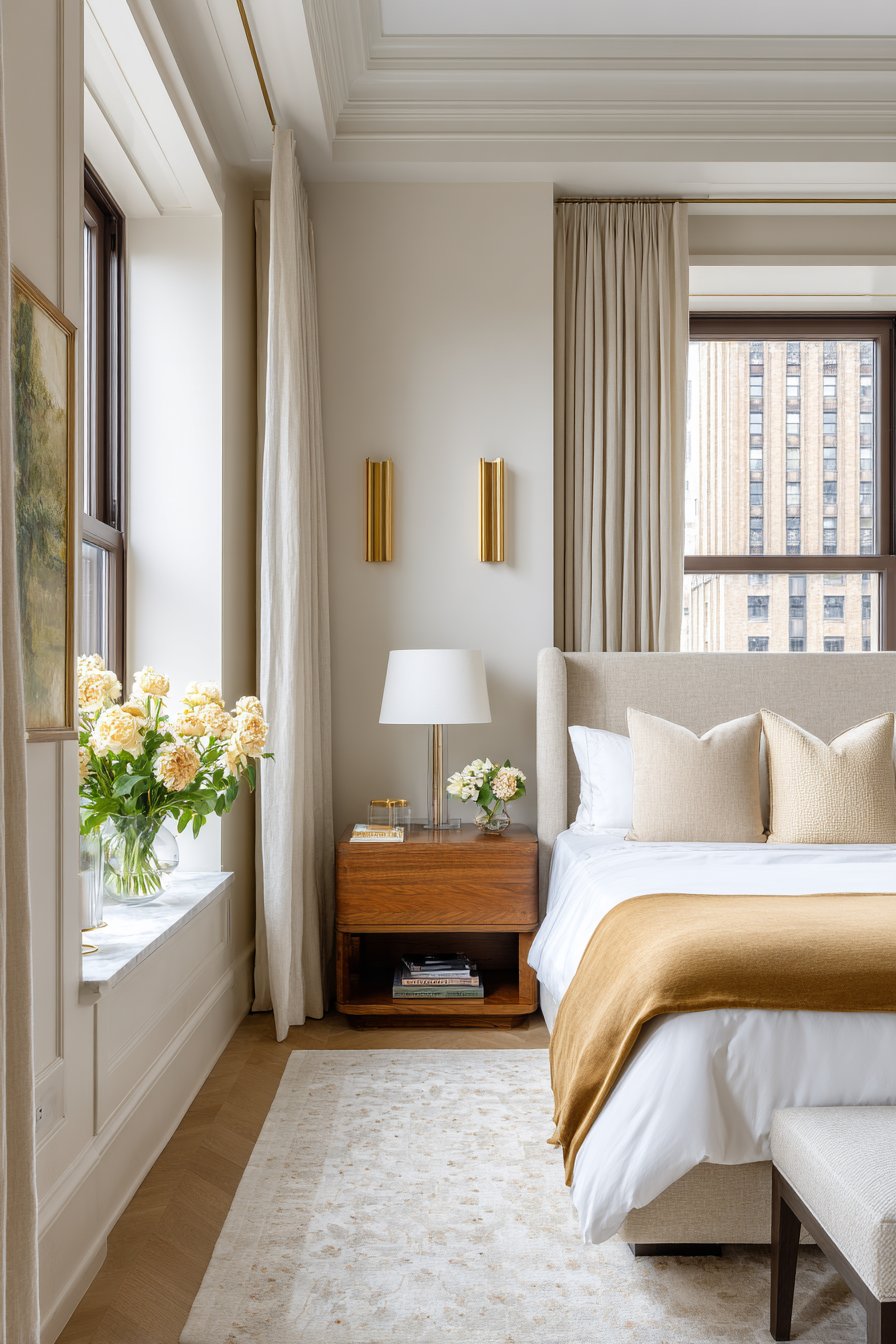
Furniture that sits closer to the ground creates the perception of higher ceilings by emphasizing the vertical space between furniture tops and ceiling. Platform beds, low-slung sofas, and minimalist benches maintain clear sightlines across the room, preventing visual obstruction that makes spaces feel cramped.
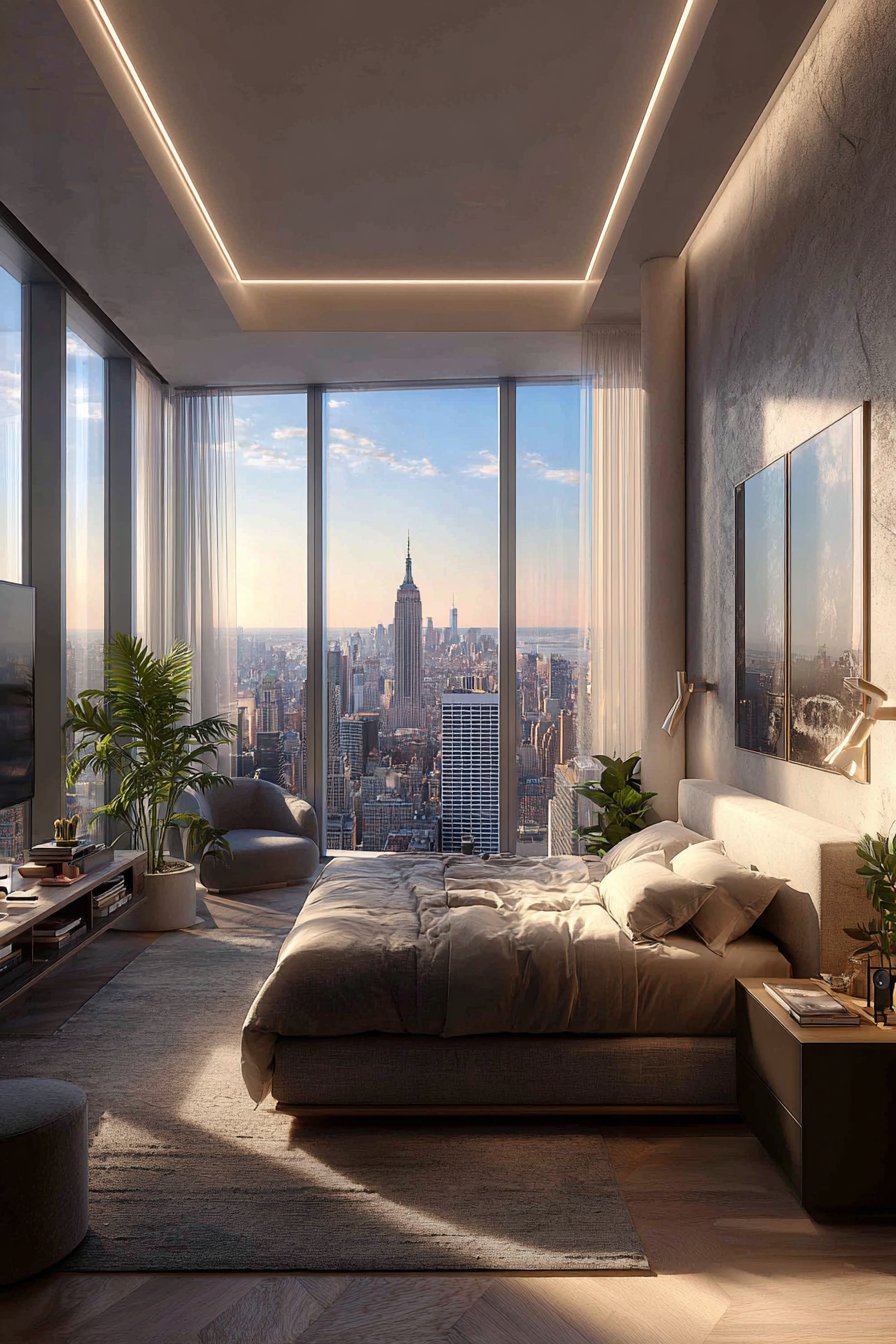
The ability to see across the room or under furniture creates visual continuity that tricks the eye into perceiving more space. When you can see the floor extending under a bed or beneath furniture, the room feels more open than when furniture sits directly on the floor with solid bases that block sightlines.
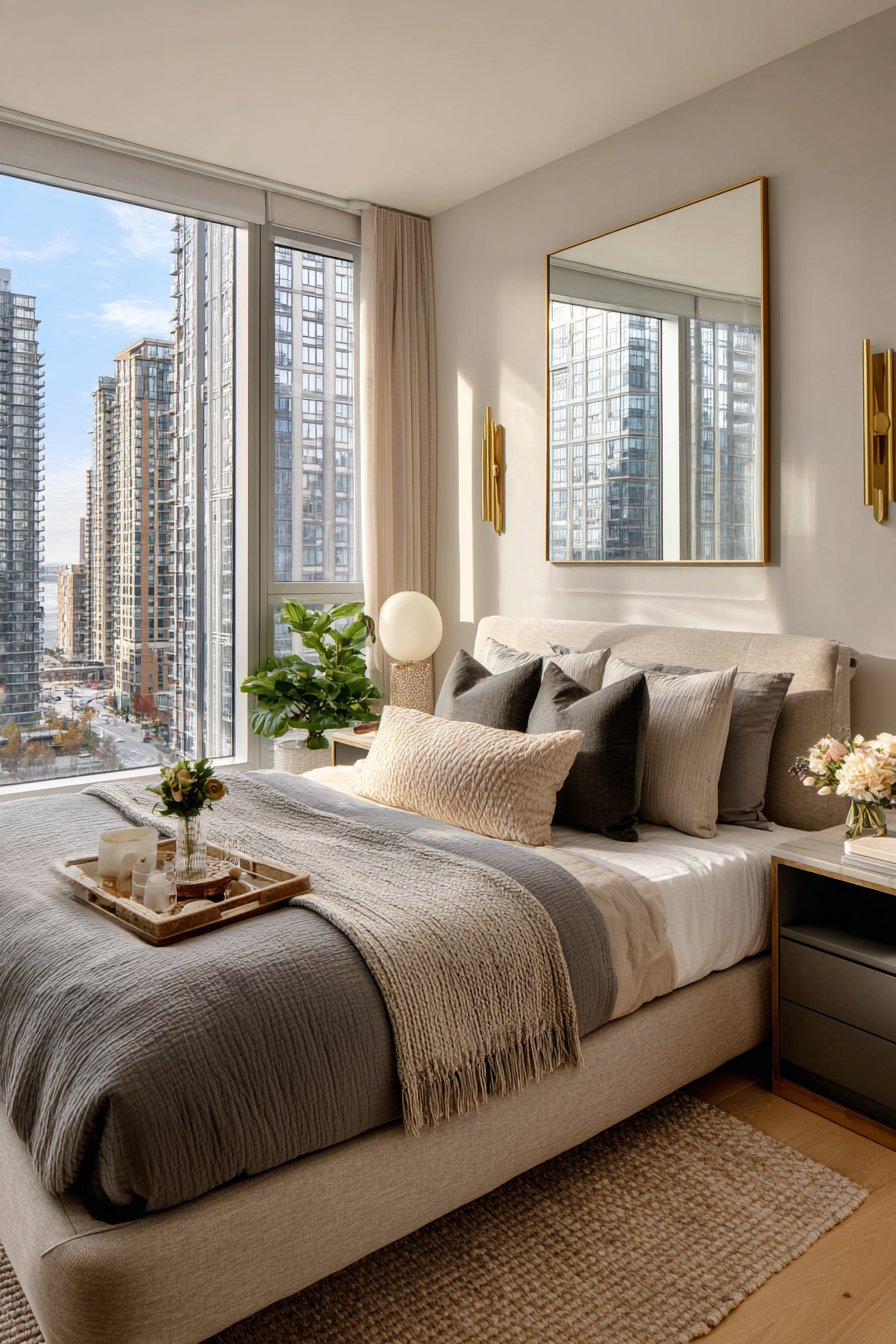
Furniture with exposed legs rather than solid bases allows light to flow underneath, creating airiness and transparency that benefits small rooms. A bed frame with visible legs feels lighter than a platform that extends to the floor, even if the actual footprint is identical. This principle applies to all furniture—dressers, nightstands, chairs, and storage units.
- Choose bed frames 18-24 inches high to maintain proportion while showing floor space
- Select furniture with tapered or angled legs rather than thick, blocky supports
- Opt for transparent furniture like acrylic chairs or glass tables when possible
- Arrange furniture to create clear pathways at least 24-30 inches wide
- Avoid blocking windows or architectural features with tall furniture
- Keep at least 18 inches of clear space on either side of the bed for easy movement
Conclusion
Transforming a small bedroom into a space that feels open and airy doesn’t require structural changes or significant financial investment. By implementing these seven strategies—light colors, maximized lighting, multi-functional furniture, vertical visual lines, minimal clutter, strategic mirrors, and low-profile pieces—you can dramatically alter your room’s perceived size. The key is approaching your space with intentionality, making deliberate choices that work together to create visual expansion.
Remember that creating the illusion of space is about perception rather than reality. Start with one or two strategies that resonate most with your personal style and budget, then gradually incorporate additional techniques as you refine your space. Your small bedroom has tremendous potential to become a peaceful, spacious retreat that proves that square footage matters far less than thoughtful design.
"As an Amazon Associate, I earn from qualifying purchases."
