When it comes to kitchen design, few decisions carry more visual weight than your cabinet style. Cabinets cover the majority of wall space in most kitchens. They define the room’s character before a single accessory is added. Whether you’re renovating fully or refreshing selectively, understanding the difference between Shaker and flat-panel cabinets is essential to achieving your desired aesthetic.
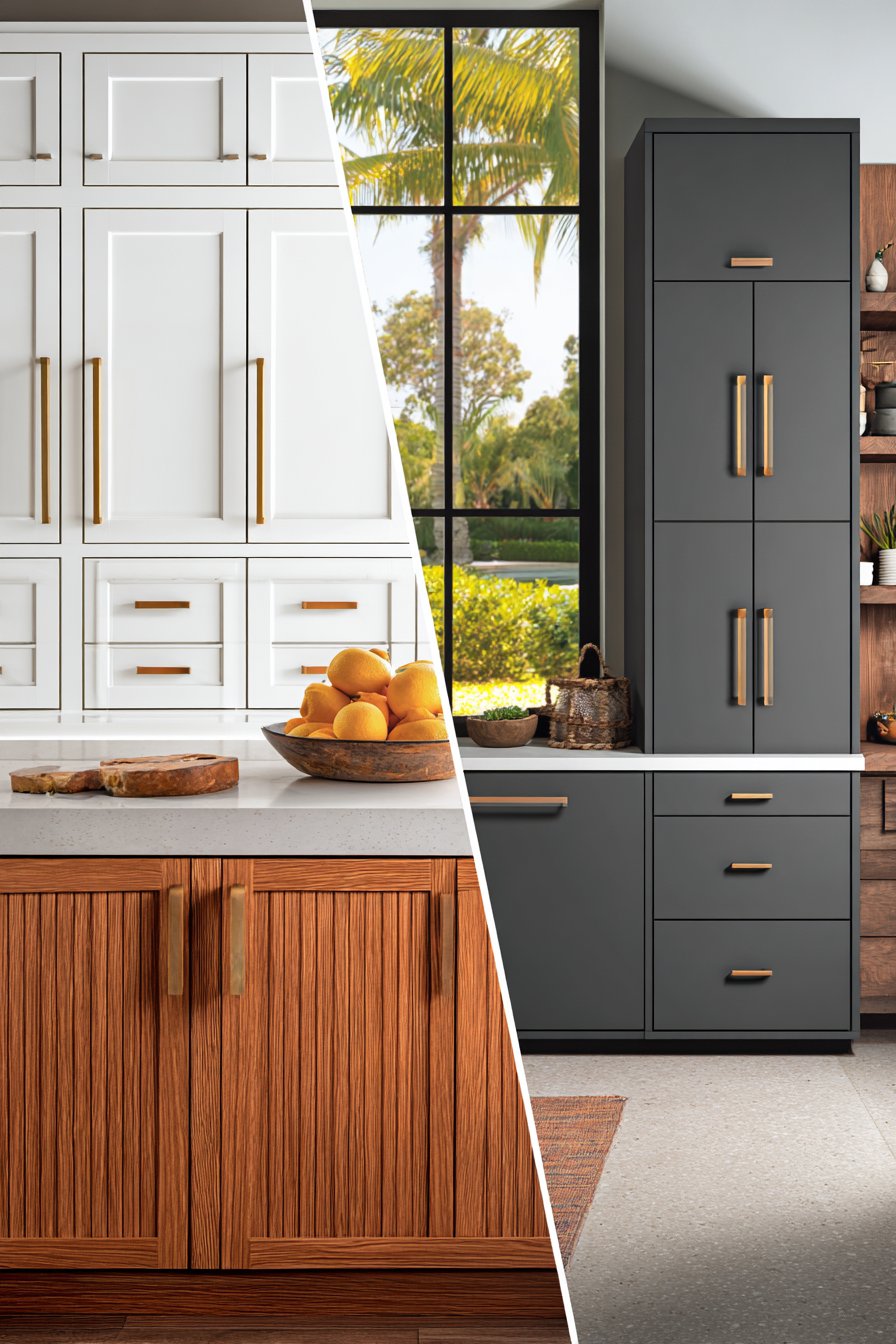
Both styles have passionate advocates in the interior design world. Each brings a distinct visual language that shapes the entire room’s atmosphere. One feels crafted and warm, while the other feels sleek and architectural. Choosing between them is more than a practical decision — it’s a statement about how you want to live and what you want your home to say.
This article breaks down the defining characteristics of each style. You’ll discover which suits modern design better, which offers more versatility, and how to make the right choice for your specific space, budget, and personality.
1. Understanding Shaker Cabinet Style
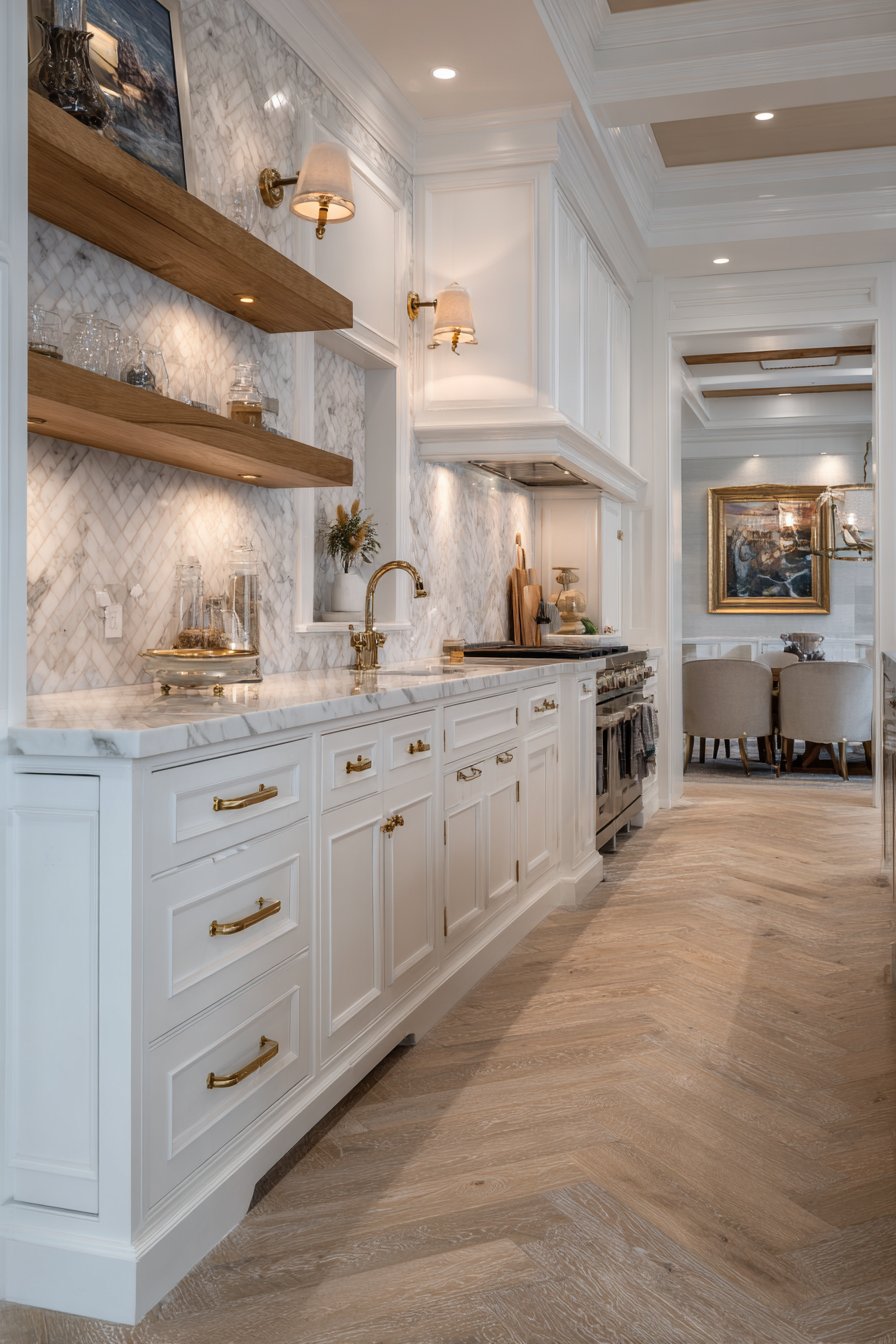
Shaker cabinets trace their roots to 18th-century craftsmanship. Their signature feature is a recessed center panel framed by a flat rail and stile border. This five-piece door construction creates subtle dimension without ornate decoration. The design philosophy behind Shaker style is simplicity, honesty, and purposeful form.
What makes Shaker cabinets enduring is their adaptability. They sit comfortably in traditional, transitional, and modern farmhouse kitchens alike. The recessed panel catches soft shadows, adding quiet visual interest to large cabinet runs. This gentle depth prevents the monotony that fully flat surfaces can sometimes create in low-light kitchens.
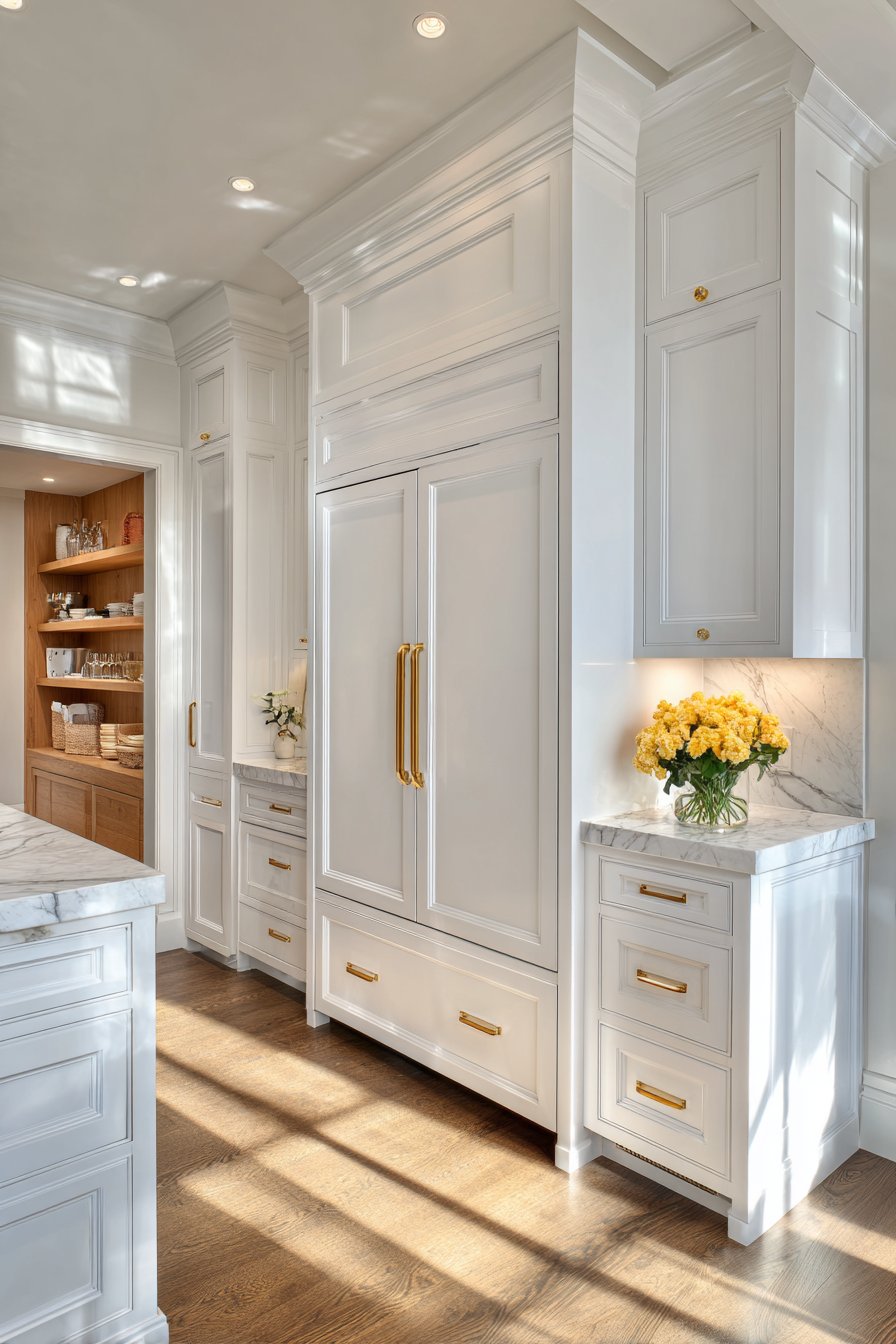
Despite originating centuries ago, Shaker cabinets remain a top-selling cabinet style in the United States and UK. Their clean lines satisfy minimalist sensibilities. Their crafted edge satisfies those who value warmth and character. They occupy a design sweet spot between formal and casual.
- Choose white or off-white Shaker cabinets to create a timeless transitional kitchen
- Pair with brushed brass hardware for a warm, contemporary feel
- Use Shaker uppers with flat-panel lowers for a layered modern look
- Select inset Shaker doors for a premium, furniture-grade appearance
- Opt for painted finishes over wood grain to lean more contemporary
- Avoid ornate crown molding, which conflicts with Shaker simplicity
2. Understanding Flat-Panel Cabinet Style
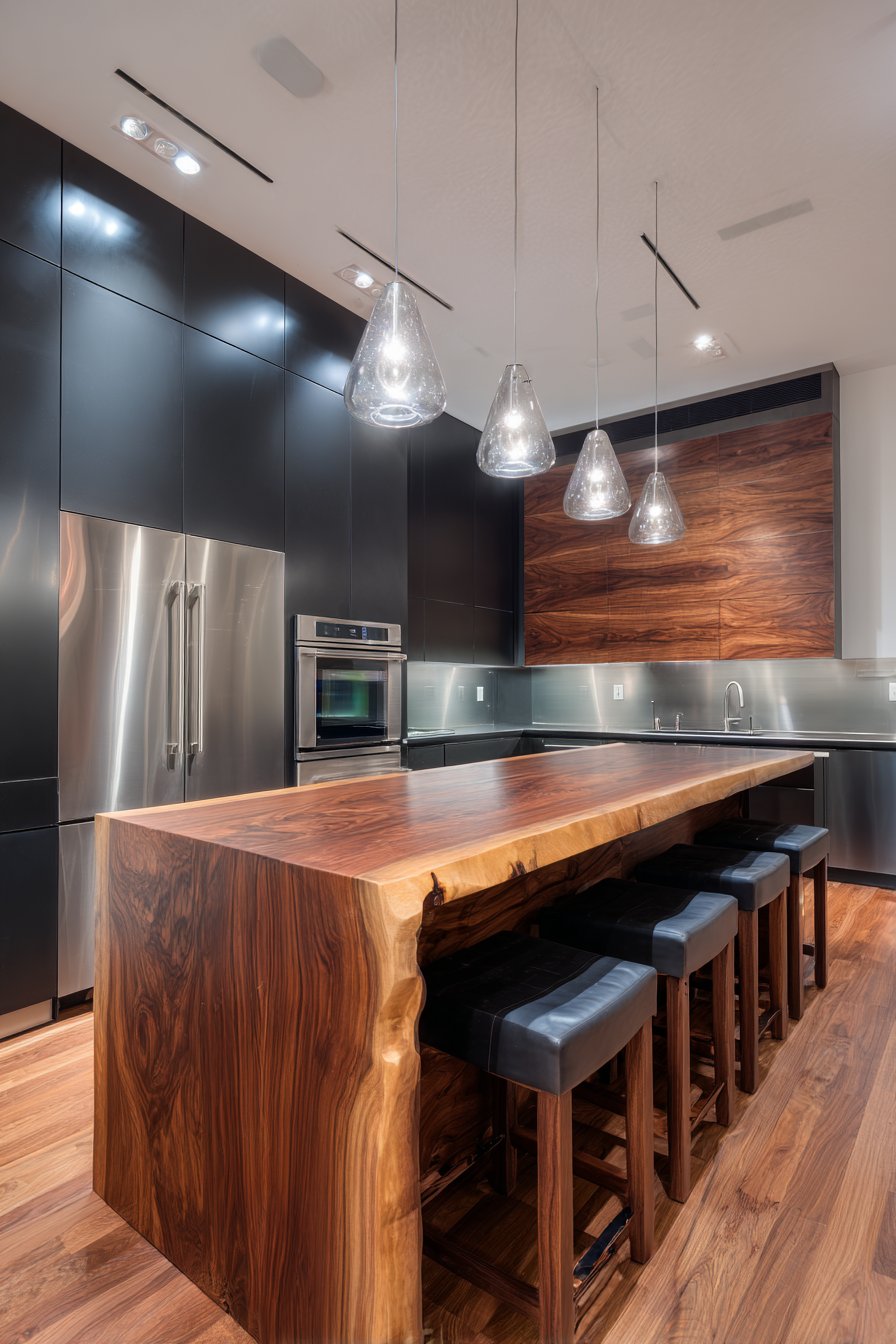
Flat-panel cabinets, also called slab cabinets, feature a single smooth door face with no frame, recess, or raised detail. The surface is entirely uninterrupted. This creates a bold, seamless visual plane that reads as distinctly modern and architectural. There is nowhere for ornamentation to hide — and that’s entirely intentional.
The aesthetic appeal of flat-panel cabinets lies in their graphic clarity. Each door becomes a clean rectangle. When repeated across a kitchen, these forms create strong visual rhythm. This makes flat-panel cabinetry the preferred choice in European-influenced, minimalist, and contemporary design schemes where precision and restraint are celebrated.
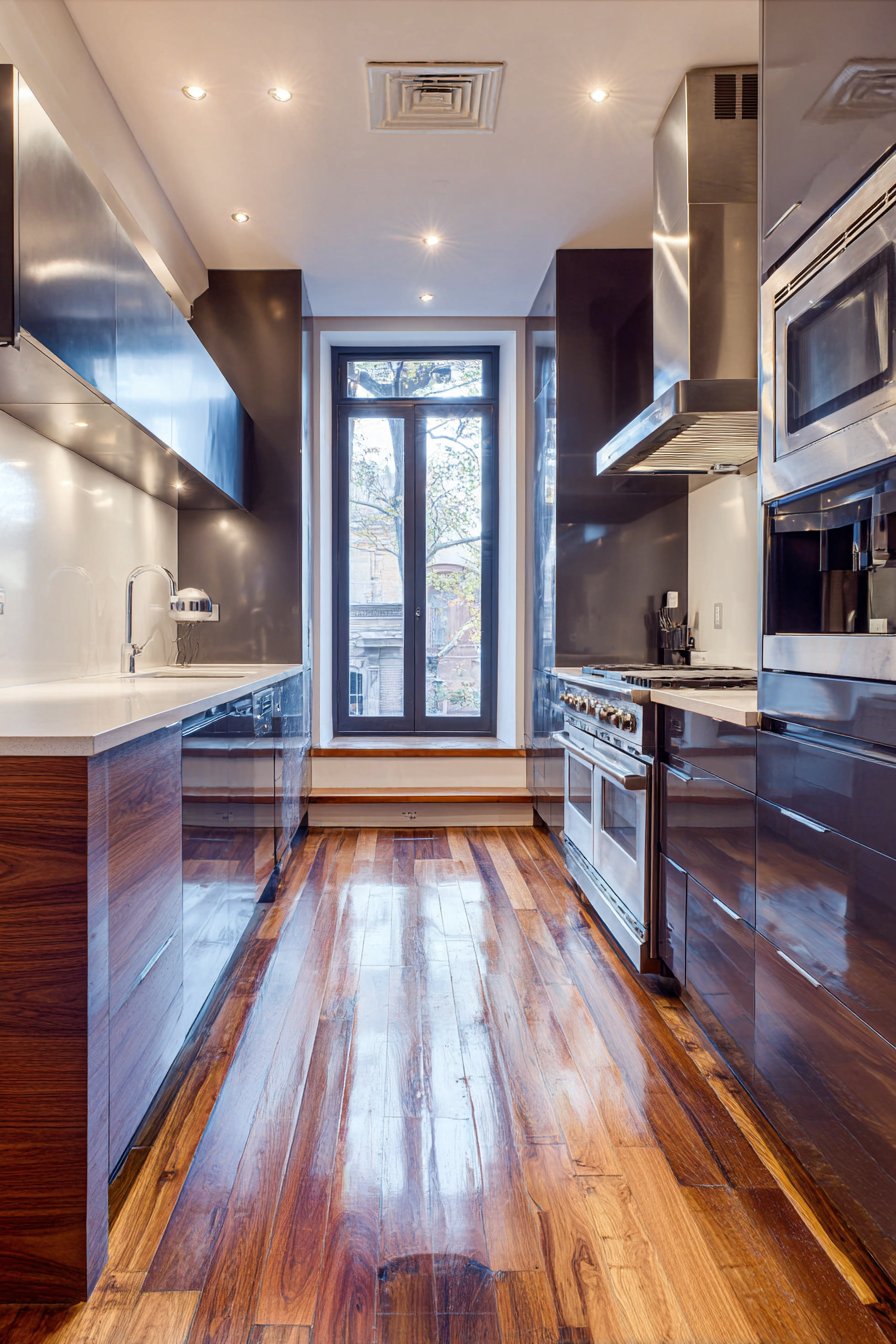
Material choice becomes especially critical with slab cabinets. Since there’s no frame detail to create visual interest, the surface itself must deliver. High-gloss lacquer, matte acrylic, textured laminate, and book-matched wood veneer all perform exceptionally well on flat-panel doors. The material carries the entire aesthetic burden.
- Choose handleless flat-panel cabinets for maximum seamlessness in modern kitchens
- Use integrated push-to-open mechanisms to eliminate visible hardware entirely
- Select matte black or deep charcoal finishes for a dramatic contemporary statement
- Consider vertical grain wood veneer to add organic warmth without sacrificing modernity
- Pair with waterfall countertops to reinforce the sleek, continuous aesthetic
- Ensure precision installation — gaps and misalignment are immediately visible
3. Which Style Reads as More Modern?
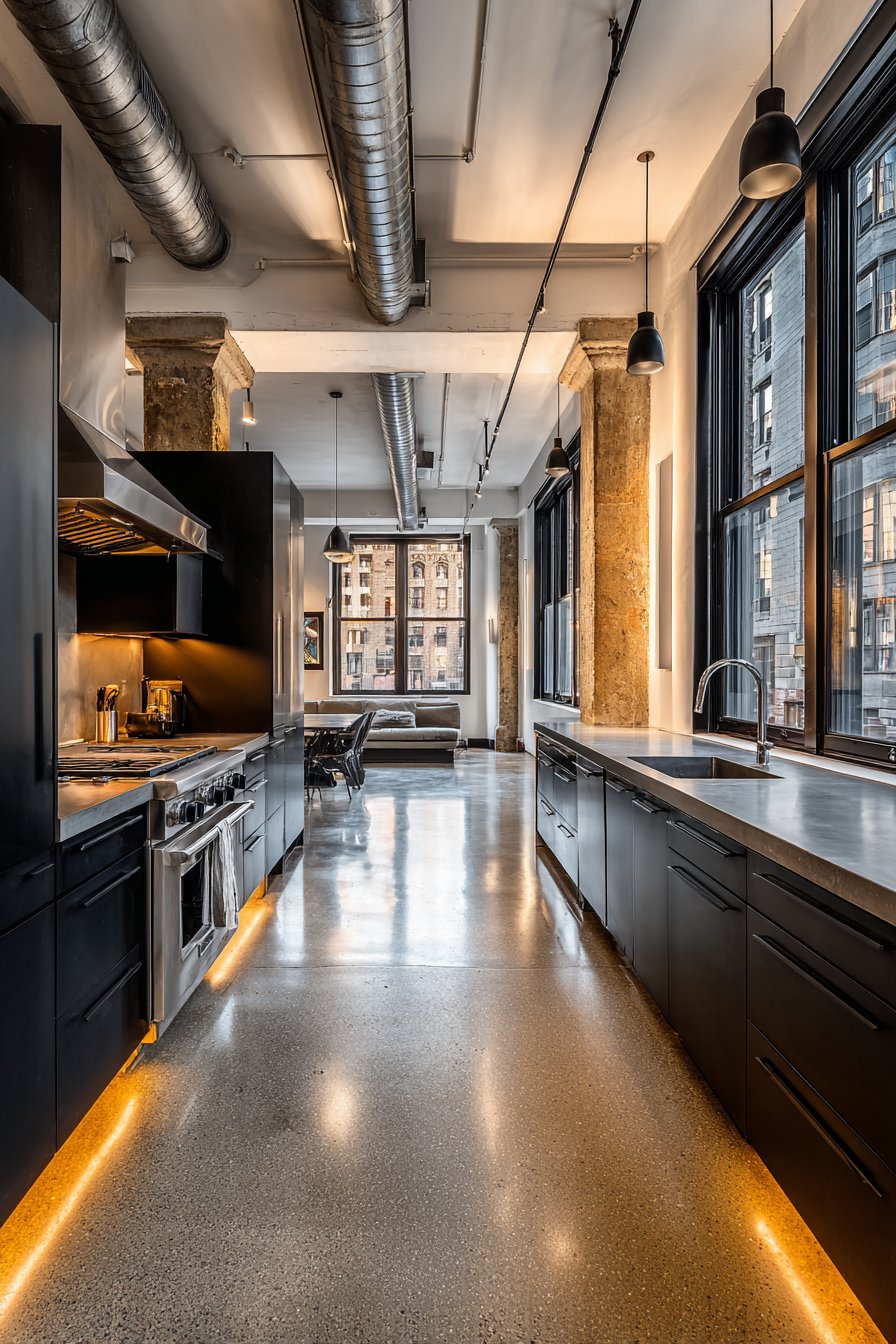
The term “modern” in design refers to a specific aesthetic rooted in minimalism, clean geometry, and functional honesty. By that definition, flat-panel cabinets are objectively more modern. They eliminate decorative detail entirely. They align perfectly with the less-is-more philosophy that defines contemporary architecture and interior design.
However, the word “modern” is often used loosely to mean “current” or “fresh-feeling.” By that broader definition, Shaker cabinets can absolutely feel modern. Their clean profile, when paired with minimalist hardware and a neutral palette, reads as effortlessly current. Many award-winning kitchens today use Shaker cabinetry with decidedly contemporary results.
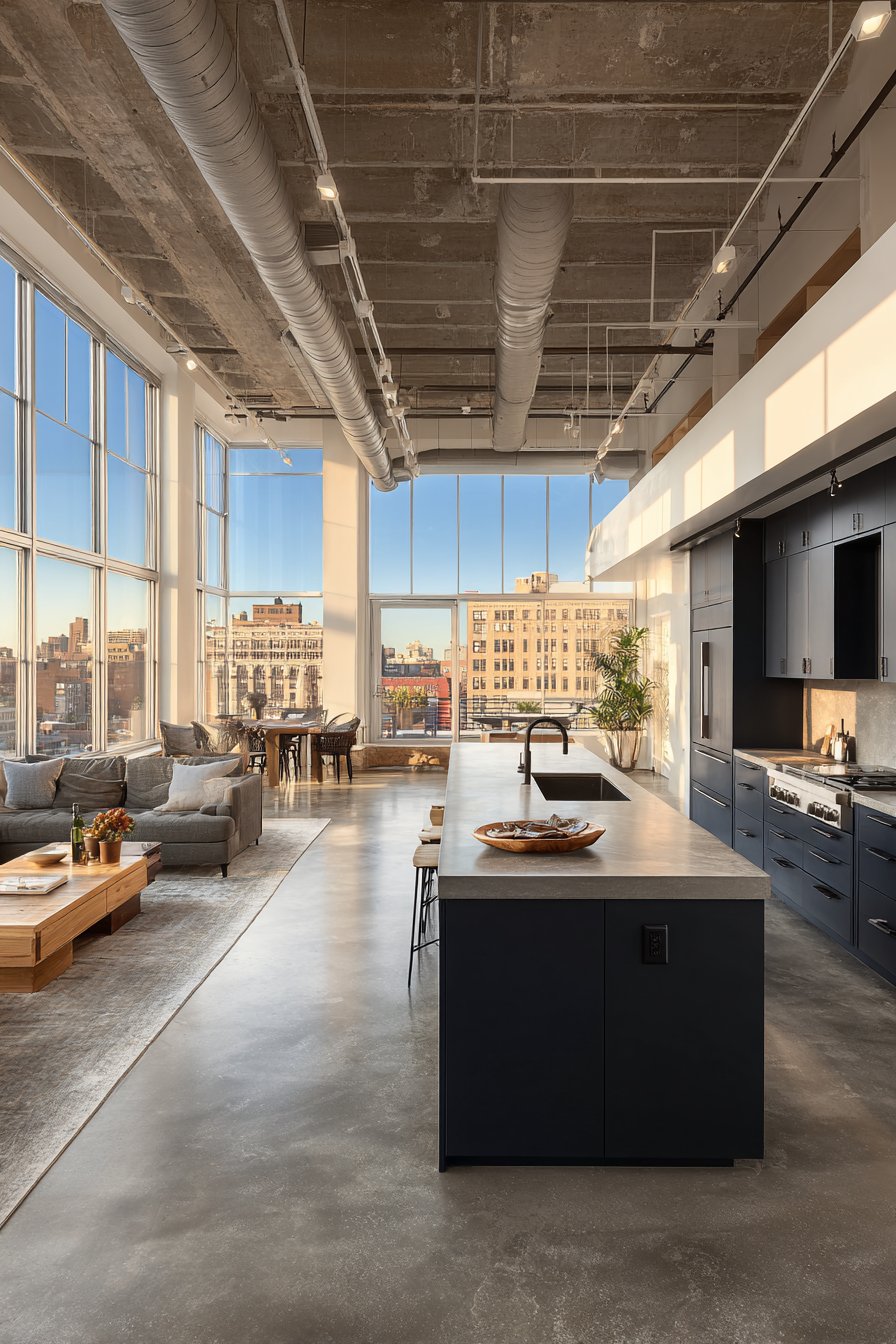
The determining factor is context and execution. Flat-panel cabinets in an open-plan loft feel architecturally modern. Shaker cabinets in a white-and-warm-wood kitchen feel timelessly stylish. Both can succeed or fail at modernity depending on how surrounding elements — lighting, countertops, flooring — are chosen.
- Choose flat-panel for urban, industrial, or high-design contemporary spaces
- Choose Shaker for transitional, farmhouse-modern, or soft contemporary aesthetics
- Add horizontal cabinet pulls to either style to enhance modern appeal
- Use integrated appliances and paneling to amplify modernity regardless of door style
- Avoid mixing both styles equally — pick one as dominant and use the other as accent
- Test both styles using 3D kitchen design tools before committing
4. Color and Finish Considerations
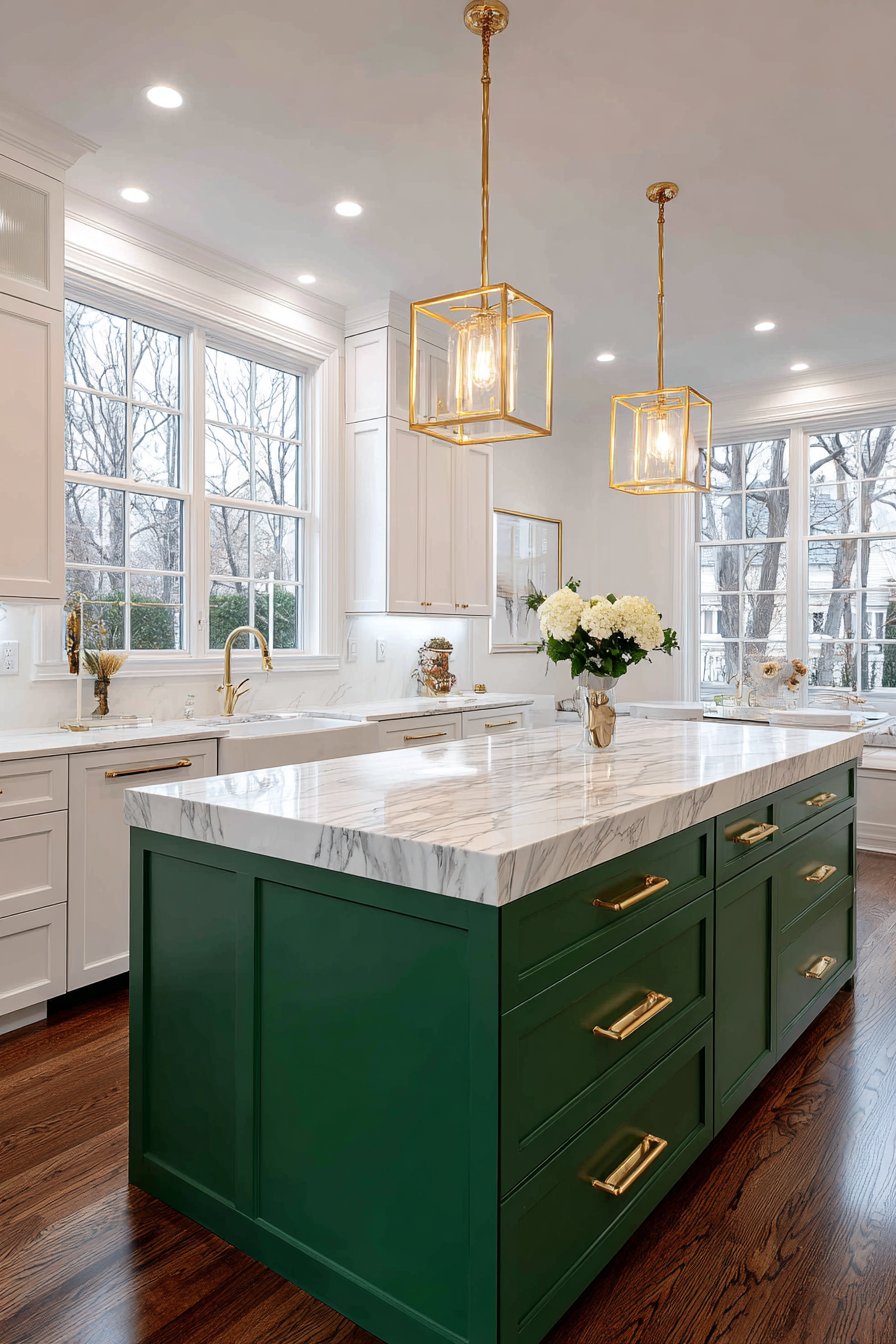
Color dramatically shifts how both cabinet styles are perceived. Flat-panel cabinets in white feel clinical and precise. The same style in deep navy or forest green feels dramatic and design-forward. Shaker cabinets in soft sage read as organic and welcoming. In charcoal or black, they become striking and sophisticated.
For modern appeal, both styles benefit from matte and satin finishes. High-gloss finishes can work beautifully but require immaculate maintenance. Fingerprints and smudges show prominently on gloss surfaces, especially flat-panel doors where surface perfection is non-negotiable. Matte finishes forgive daily life more graciously.
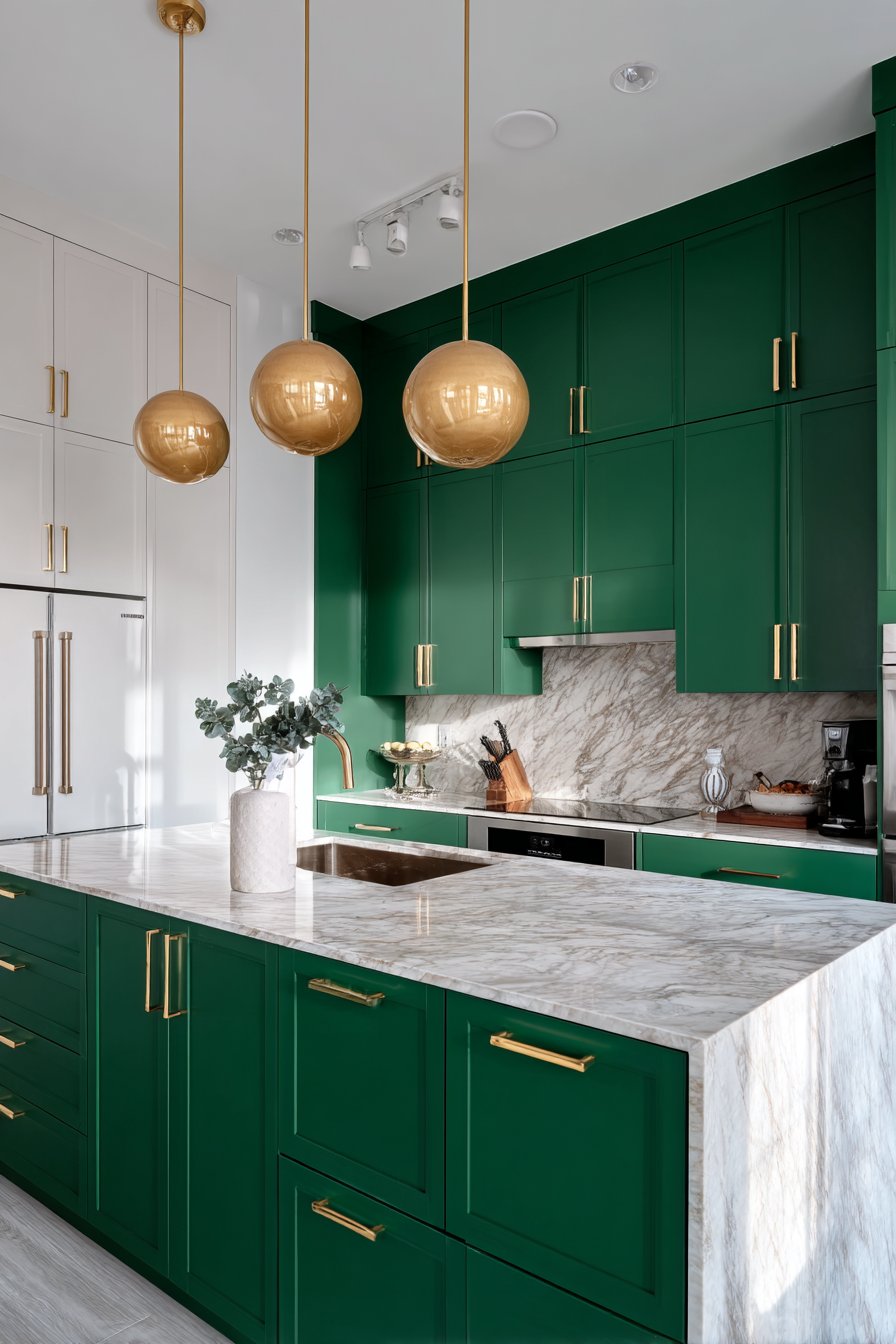
Two-tone cabinetry is a popular strategy that works with both Shaker and flat-panel styles. Pairing white uppers with darker lowers grounds the kitchen visually. This technique adds depth and sophistication without requiring complex architectural changes.
- Use warm whites like Benjamin Moore White Dove for approachable modern Shaker kitchens
- Try deep greens or blues on flat-panel islands for a bold focal point
- Choose wood-toned flat-panel cabinets to soften sterile contemporary kitchens
- Keep upper cabinets lighter to visually expand ceiling height
- Avoid stark cool whites unless paired with warm countertops or flooring
- Test paint samples in multiple lighting conditions before finalizing
5. Hardware Choices That Define Modernity
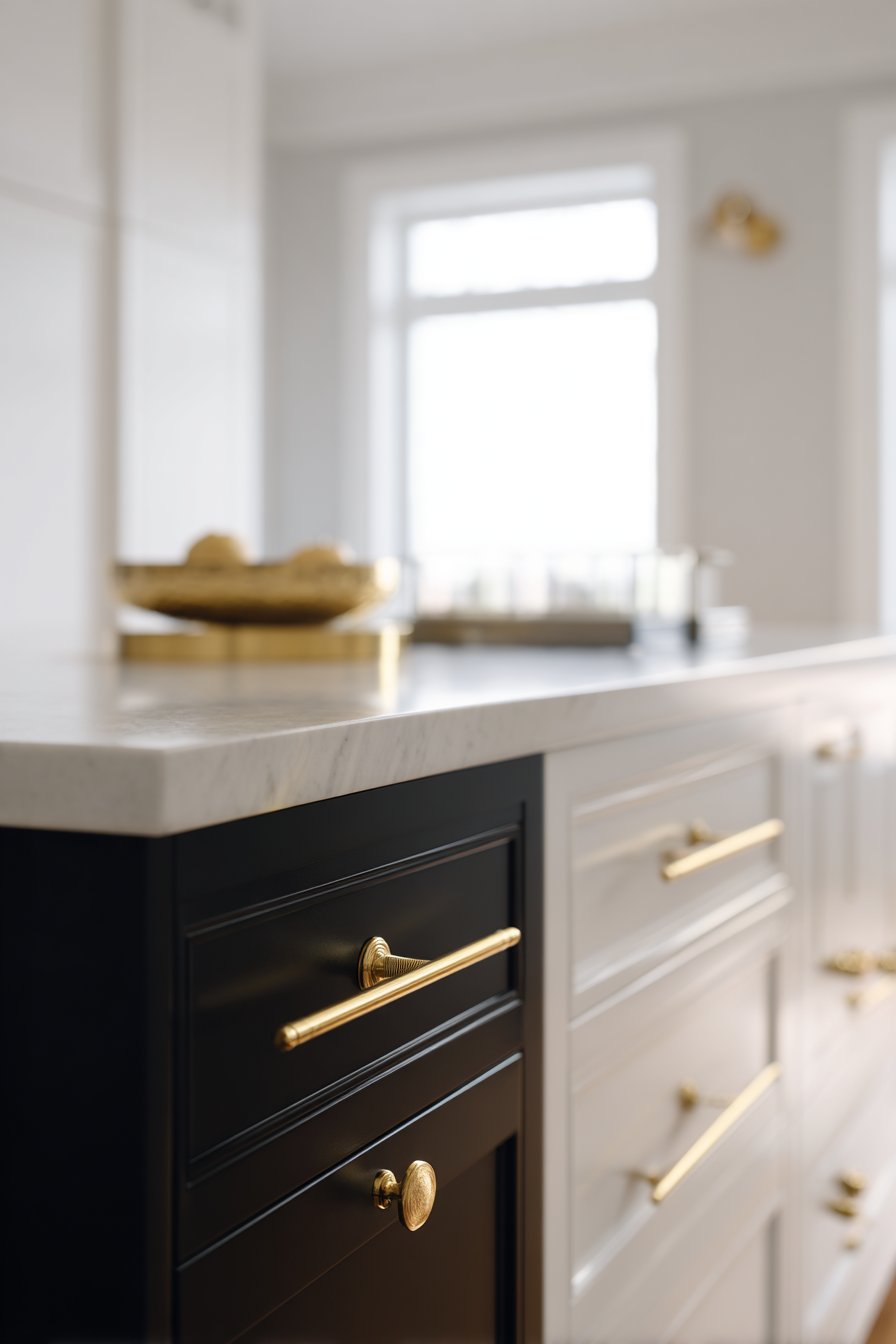
Hardware is the jewelry of cabinet design. The right handle or pull can push either style firmly into modern territory. For flat-panel cabinets, long bar pulls or integrated recessed channels reinforce the architectural, linear aesthetic. For Shaker cabinets, thin cylindrical pulls or flat cup handles maintain clean lines while honoring the door’s crafted quality.
The rise of handleless kitchen design has benefited both styles. Push-to-open mechanisms and J-pull profiles create an uninterrupted surface that photographs beautifully. This approach works particularly well with flat-panel cabinets in open-plan spaces where visual noise must be minimized.
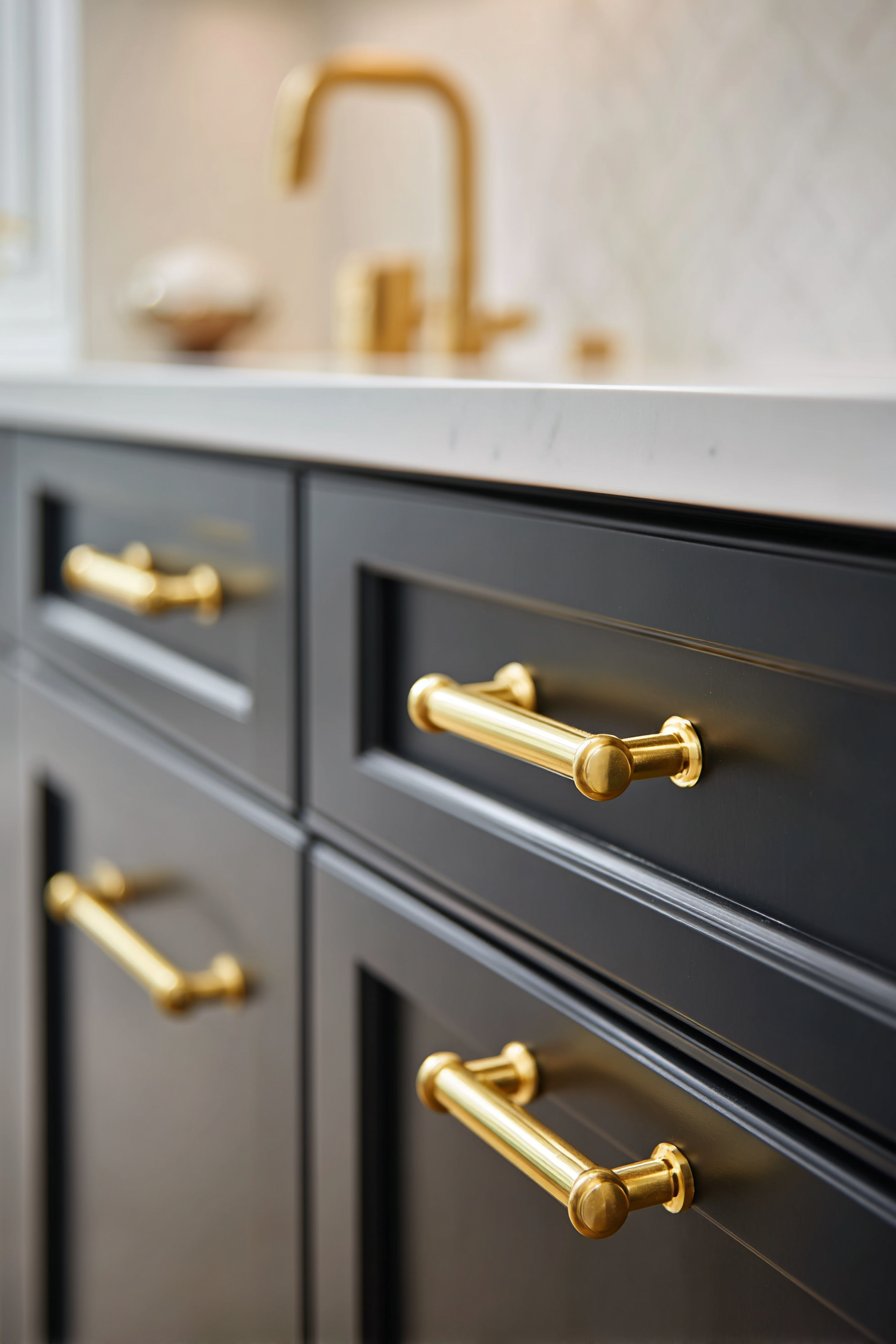
Finish selection matters enormously. Brushed gold and warm brass create a current, design-forward look with both styles. Matte black hardware reads as bold and contemporary. Brushed nickel and chrome feel cleaner and more classic. Mixed metal hardware is a growing trend but requires careful restraint to avoid visual chaos.
- Use long linear pulls (12–24 inches) on flat-panel cabinets for maximum modernity
- Choose small knobs or cup pulls for a refined Shaker kitchen look
- Consider no hardware at all using routed J-pulls on lower cabinets
- Mix matte black and warm wood elements for an editorial kitchen aesthetic
- Avoid ornate or antique-style hardware with either modern cabinet style
- Ensure hardware scale matches cabinet size for visual proportion
6. Budget and Long-Term Value
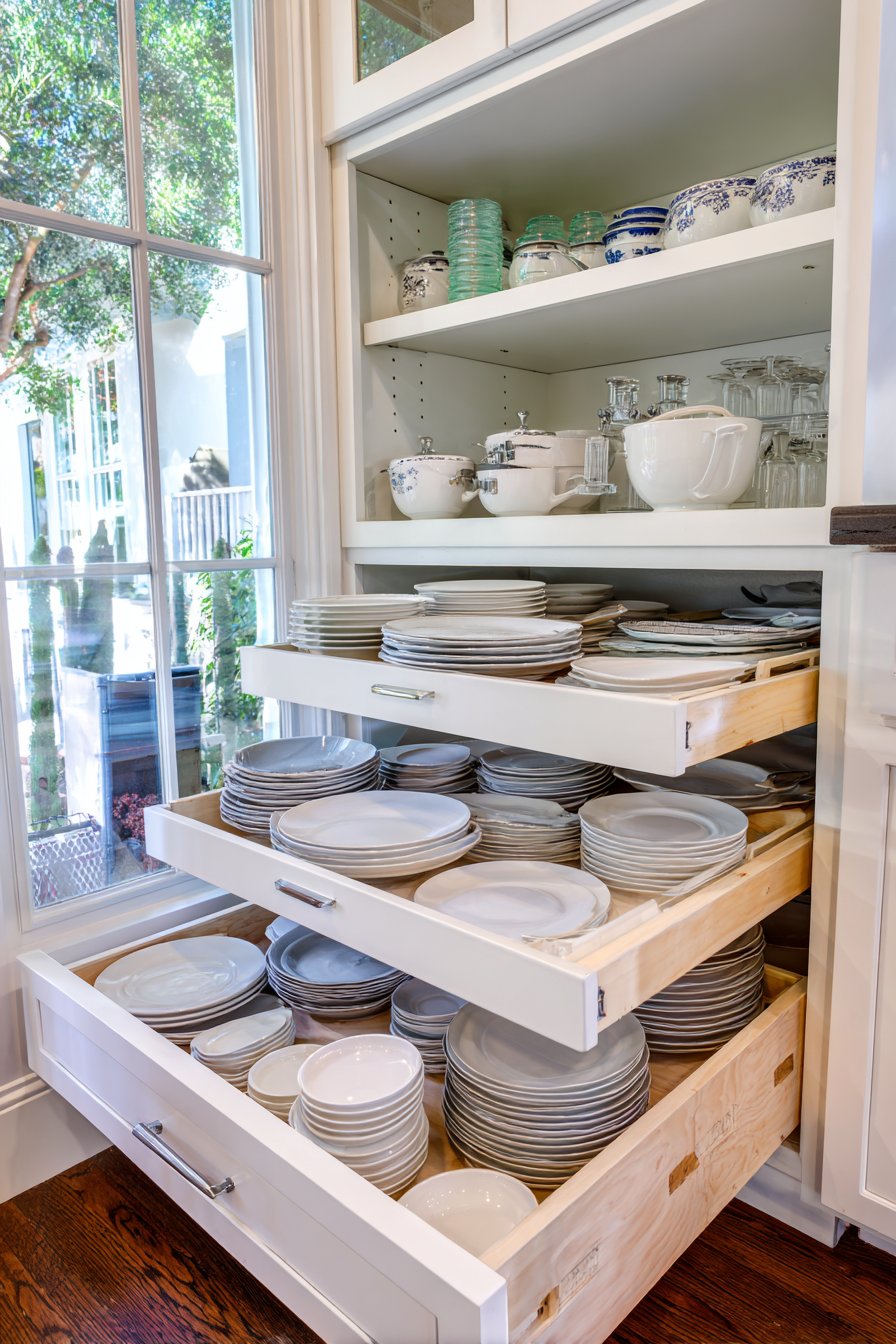
From a cost perspective, flat-panel cabinets are often less expensive to manufacture. They require fewer components and less labor. However, premium materials significantly raise costs. High-gloss lacquer, solid wood veneer, and custom sizing all add up quickly. Entry-level flat-panel cabinets in laminate remain one of the most budget-friendly options available.
Shaker cabinets occupy a mid-range price point across most manufacturers. Their construction requires more material and craftsmanship. However, they offer excellent long-term design durability. Because Shaker style is genuinely timeless, homeowners rarely feel the need to renovate again within a decade. The investment tends to hold its value effectively.
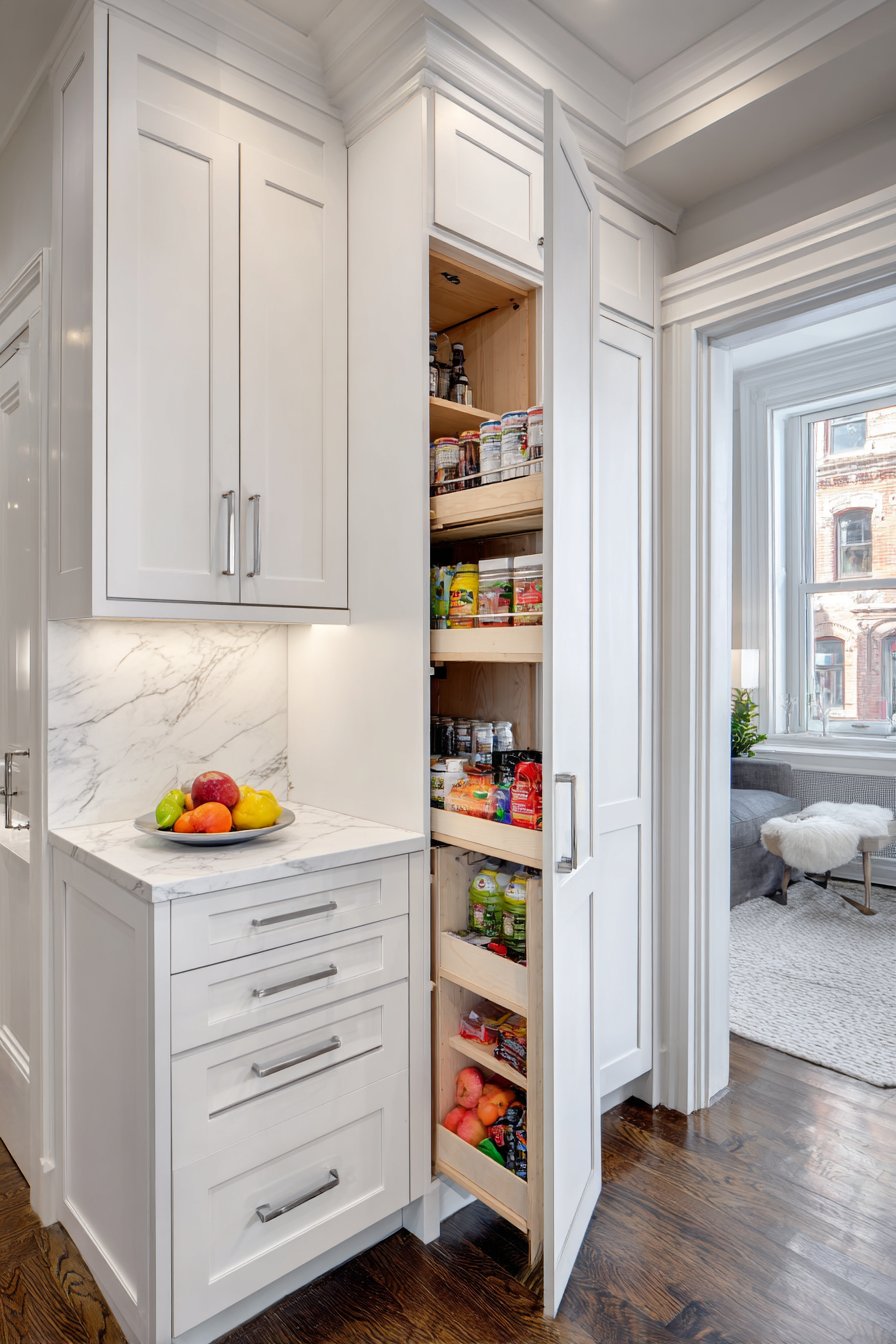
For resale value, both styles perform well in current real estate markets. Buyers respond positively to clean, updated cabinetry regardless of door style. However, Shaker cabinets tend to appeal to a broader buyer demographic, making them a safer investment in markets with diverse buyer preferences.
- Budget $150–$400 per linear foot for mid-range flat-panel cabinetry installed
- Expect $200–$500 per linear foot for quality Shaker cabinetry with installation
- Invest in solid wood or plywood boxes rather than particleboard for longevity
- Prioritize soft-close hardware on all doors and drawers for daily satisfaction
- Consider semi-custom cabinetry as a cost-effective middle ground for both styles
- Avoid ultra-budget laminate flat-panel cabinets in high-humidity environments
Both Shaker and flat-panel cabinets offer compelling paths to a modern, beautiful kitchen. Flat-panel excels in bold, architectural spaces that prioritize precision and minimalism. Shaker delivers timeless warmth with contemporary edge when paired with thoughtful finishes and hardware. Neither style is universally superior — the better choice is always the one that aligns with your life, your home, and your vision.
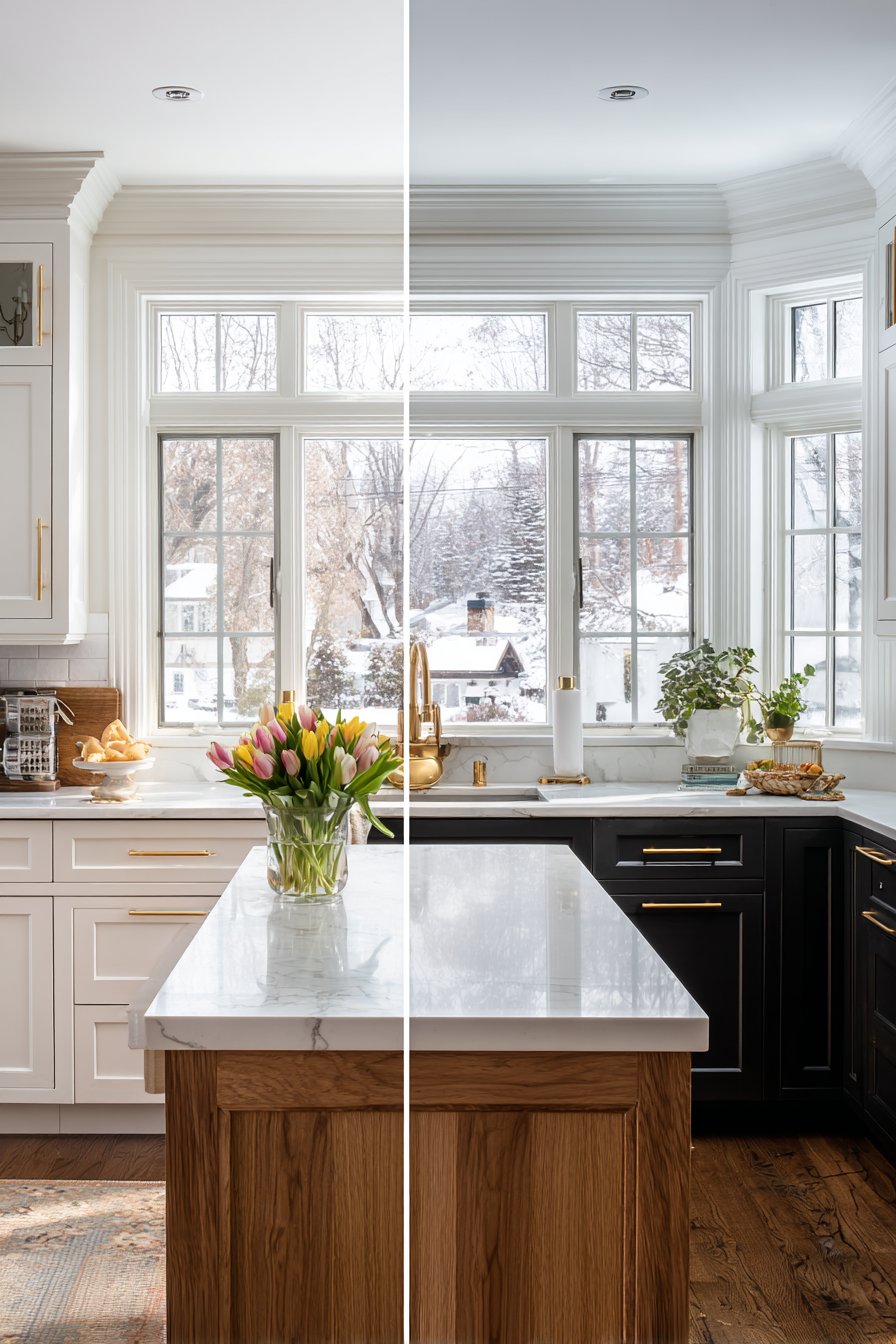
Ultimately, great design is never about following trends blindly. It’s about making intentional choices that reflect your personal aesthetic and serve your household’s needs. Invest in quality construction, choose finishes that excite you, and approach your kitchen with confidence. The result will be a space that feels both personally authentic and genuinely modern for years to come.
"As an Amazon Associate, I earn from qualifying purchases."
