
The modern home is evolving, and nowhere is this transformation more evident than in the kitchen. A semi open kitchen represents the perfect middle ground between traditional closed kitchens and completely open-plan designs. This hybrid approach has gained tremendous popularity among homeowners seeking to balance privacy with connectivity, offering a versatile solution that addresses the limitations of both extremes.
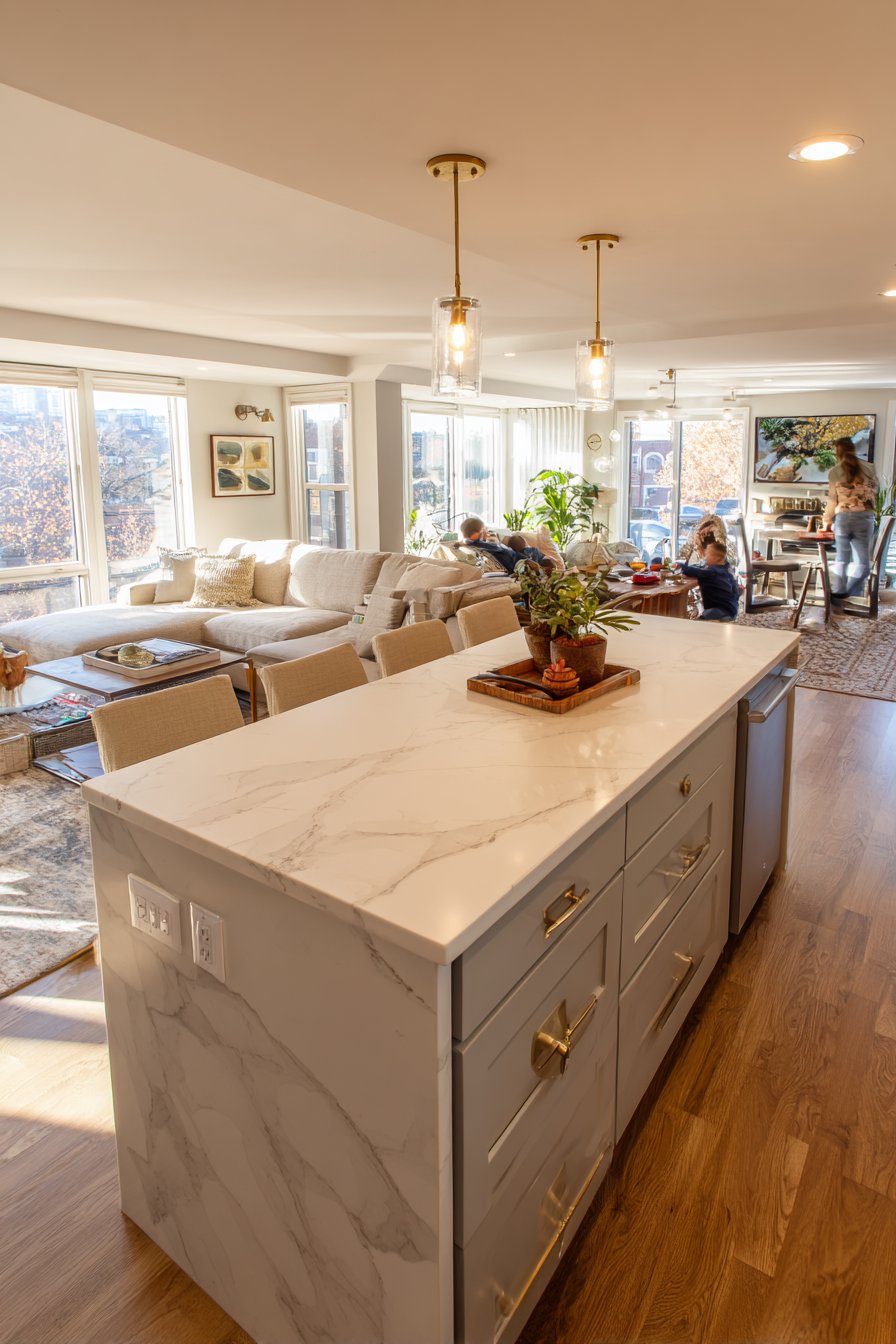
Today’s families crave spaces that foster connection while maintaining functionality. The semi open kitchen concept achieves this delicate balance by incorporating partial walls, half partitions, or strategic openings that link the cooking area to adjacent living spaces. This design philosophy acknowledges that while we want to feel connected to our families and guests, we also need practical solutions for containing cooking odors, managing noise, and maintaining visual order.
Whether you’re renovating an existing kitchen or planning a new build, understanding the advantages of this increasingly popular layout will help you create a space that truly works for your lifestyle.
1. Enhanced Social Interaction While Cooking
The semi open kitchen transforms cooking from a solitary activity into a social experience. Unlike traditional closed kitchens that isolate the cook, this design allows you to engage with family members and guests while preparing meals. You can monitor children doing homework, participate in conversations, or watch television without feeling disconnected from household activities.
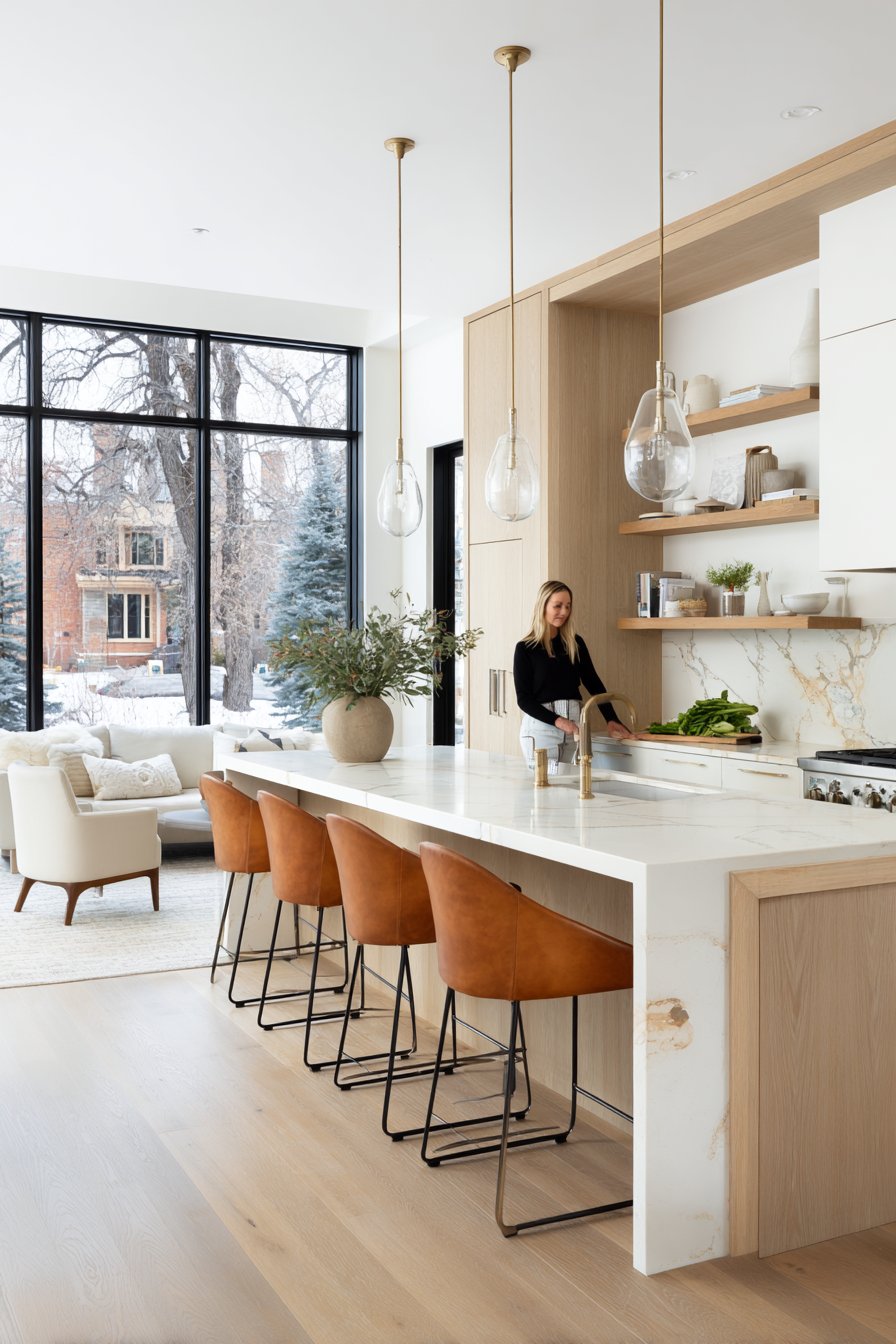
This layout proves particularly valuable during entertaining and gatherings. The cook no longer misses out on party conversations or feels excluded from the fun. Guests can casually interact with the host, creating a more relaxed and inclusive atmosphere. The partial openness invites conversation without the awkwardness of everyone crowding into a cramped cooking space.
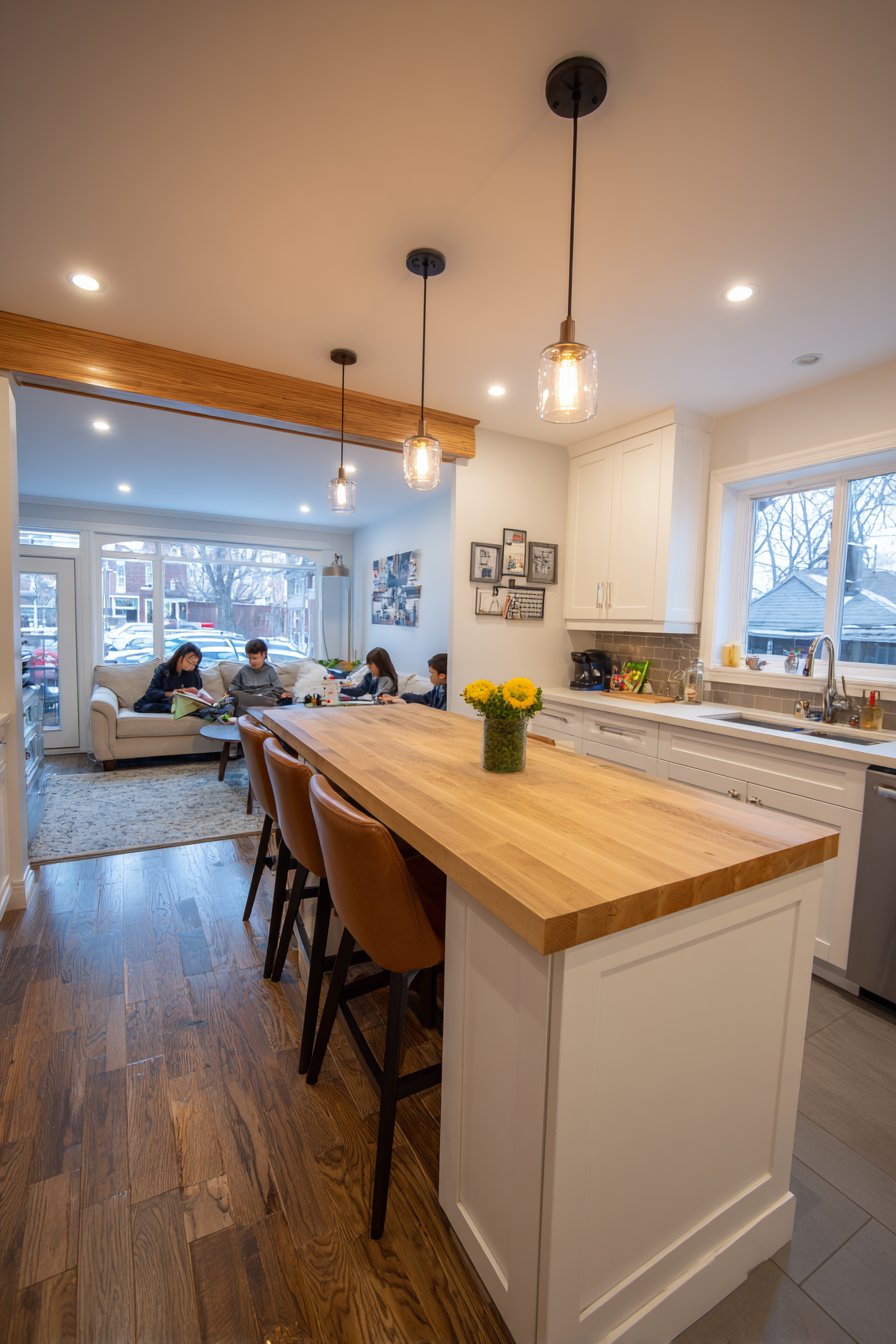
The psychological benefits extend beyond mere convenience. Maintaining visual contact with loved ones while cooking creates a sense of togetherness that strengthens family bonds. Parents appreciate being able to supervise children while managing meal preparation, and couples enjoy the collaborative atmosphere that a semi open kitchen naturally encourages.
- Position the cooking area to face the main living space for maximum visibility
- Install a breakfast bar or peninsula counter for casual seating and interaction
- Keep sight lines clear by avoiding tall cabinets on the open side
- Create a comfortable conversation distance of 8-12 feet between kitchen and seating areas
- Add bar stools that complement both kitchen and living room aesthetics
- Consider a pass-through window with a countertop for serving and chatting
2. Better Control Over Cooking Odors and Noise
One of the most practical advantages of a semi-open kitchen is superior odor management. While fully open kitchens allow cooking smells to permeate the entire living area, the partial barriers in a semi open design contain these odors more effectively. Strategic placement of walls or partitions helps direct ventilation and prevents fish, garlic, or spice aromas from settling into upholstery and fabrics.
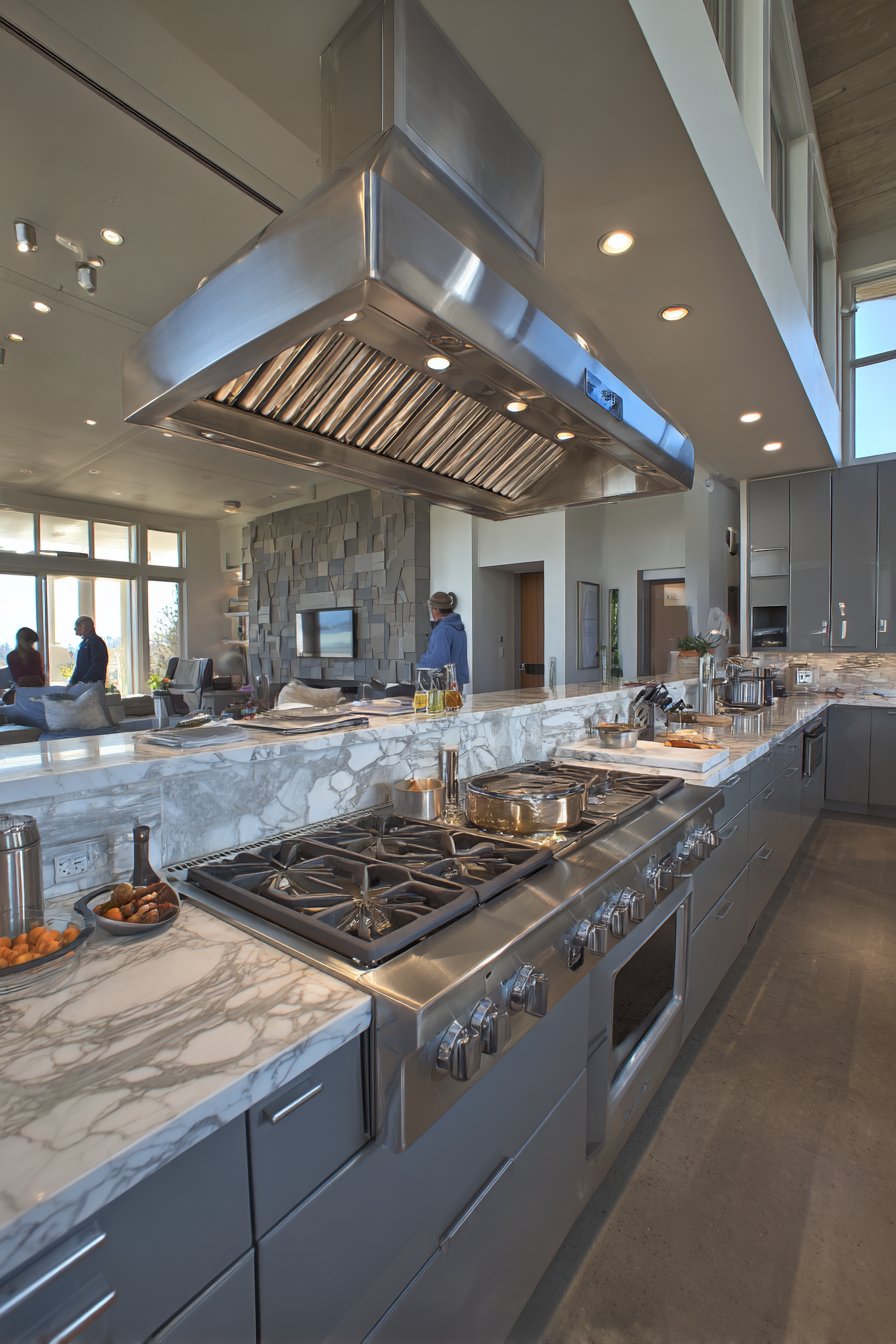
The same principle applies to noise containment. Kitchen activities generate significant sound from appliances, running water, clattering dishes, and food preparation. A semi open layout dampens these sounds without completely isolating the cook, creating a more peaceful environment in adjacent living spaces while maintaining connection.
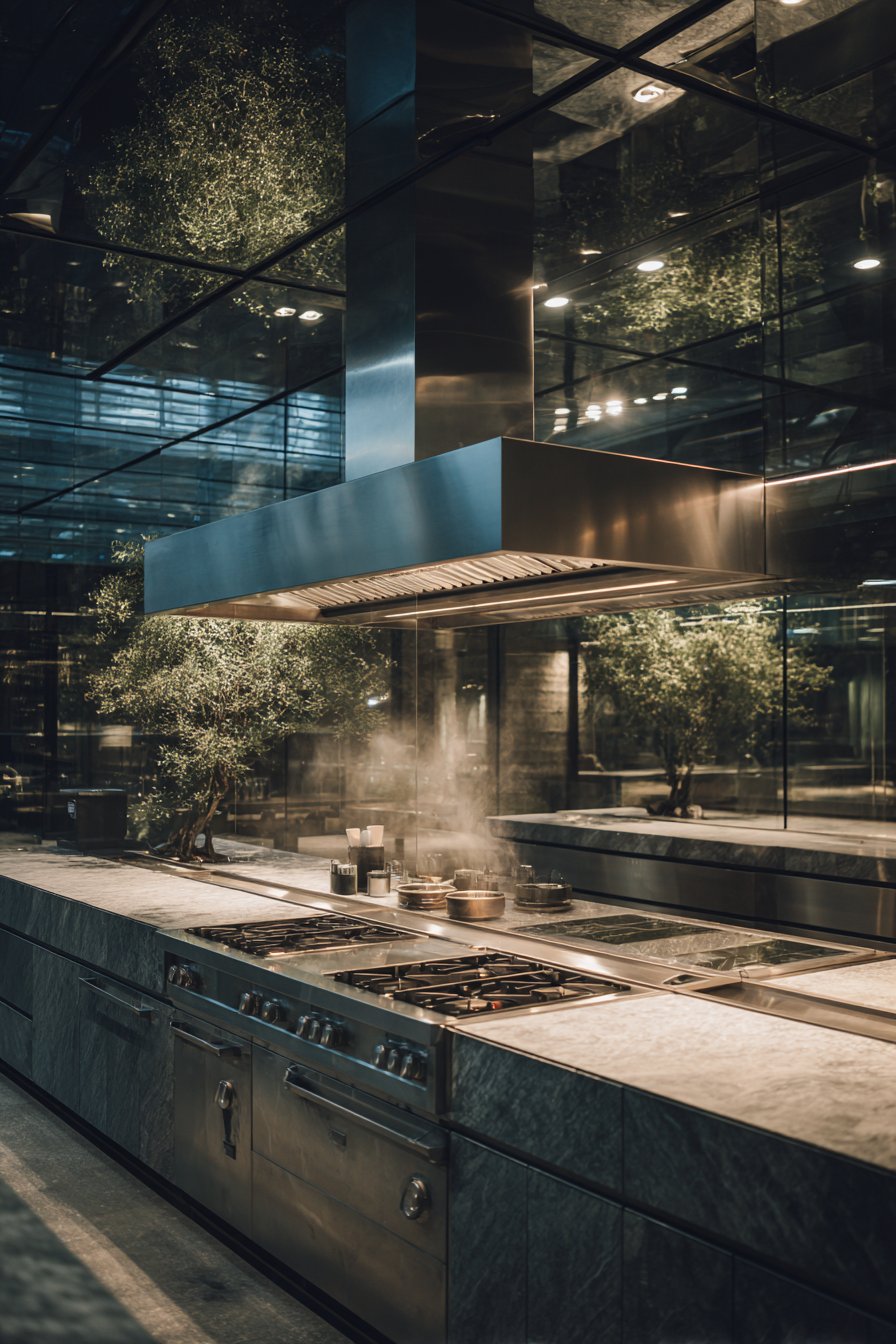
- Install a high-quality range hood with adequate CFM rating for your kitchen size
- Position the stove against the closed wall section for better ventilation control
- Use solid half-walls or glass partitions to physically block odor pathways
- Add acoustic panels or sound-absorbing materials on partial walls
- Choose quieter appliances with lower decibel ratings
- Implement proper ventilation systems that exhaust outside rather than recirculating
3. Flexible Space Definition and Zoning
Semi open kitchens excel at creating distinct functional zones without rigid separation. This design allows you to define different areas for cooking, dining, and living while maintaining visual and spatial flow. The partial walls or dividers act as gentle boundaries that organize your home’s layout without the constraints of traditional room divisions.
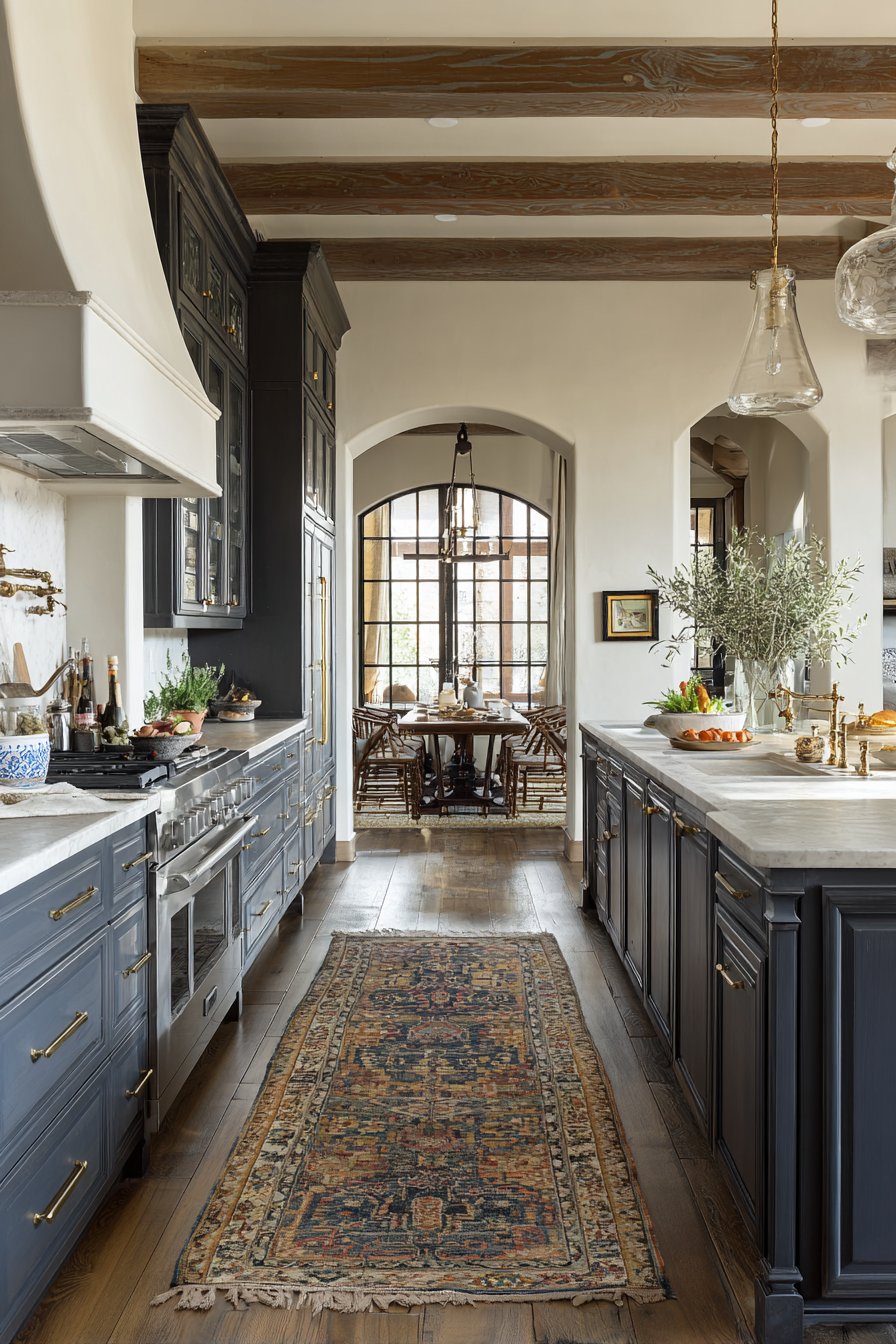
This flexibility proves invaluable for modern multitasking lifestyles. You can establish clear zones for different activities while retaining the open feel that makes spaces appear larger. The kitchen maintains its identity as a dedicated workspace while contributing to the overall sense of spaciousness in your home.
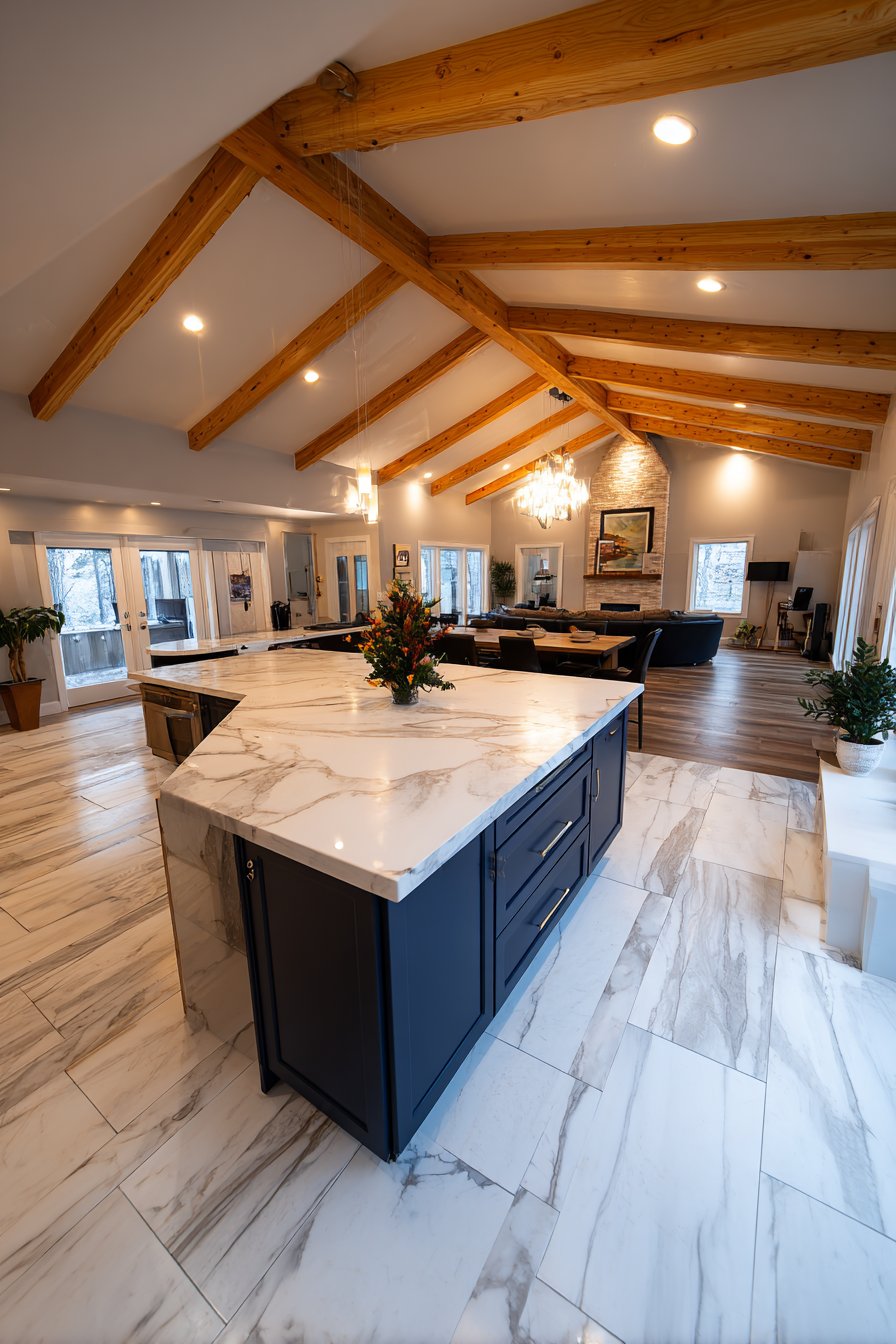
The semi open approach also accommodates changing needs over time. As your family grows or lifestyle evolves, the flexible nature of this design allows for easier modifications compared to fully closed or completely open layouts. You can adjust furnishings and flow patterns without major structural renovations.
- Use flooring transitions to subtly define kitchen and living zones
- Install a peninsula or island as a natural divider between spaces
- Employ different lighting schemes for each functional area
- Vary ceiling heights or add beams to distinguish the kitchen zone
- Position furniture strategically to reinforce spatial boundaries
- Choose complementary but distinct color palettes for each area
4. Increased Natural Light Distribution
The semi open design facilitates natural light circulation throughout your home more effectively than closed kitchens. By incorporating openings, pass-throughs, or partial walls, daylight from windows in adjacent rooms can filter into the kitchen area. This reduces reliance on artificial lighting during daytime hours and creates a brighter, more inviting cooking environment.
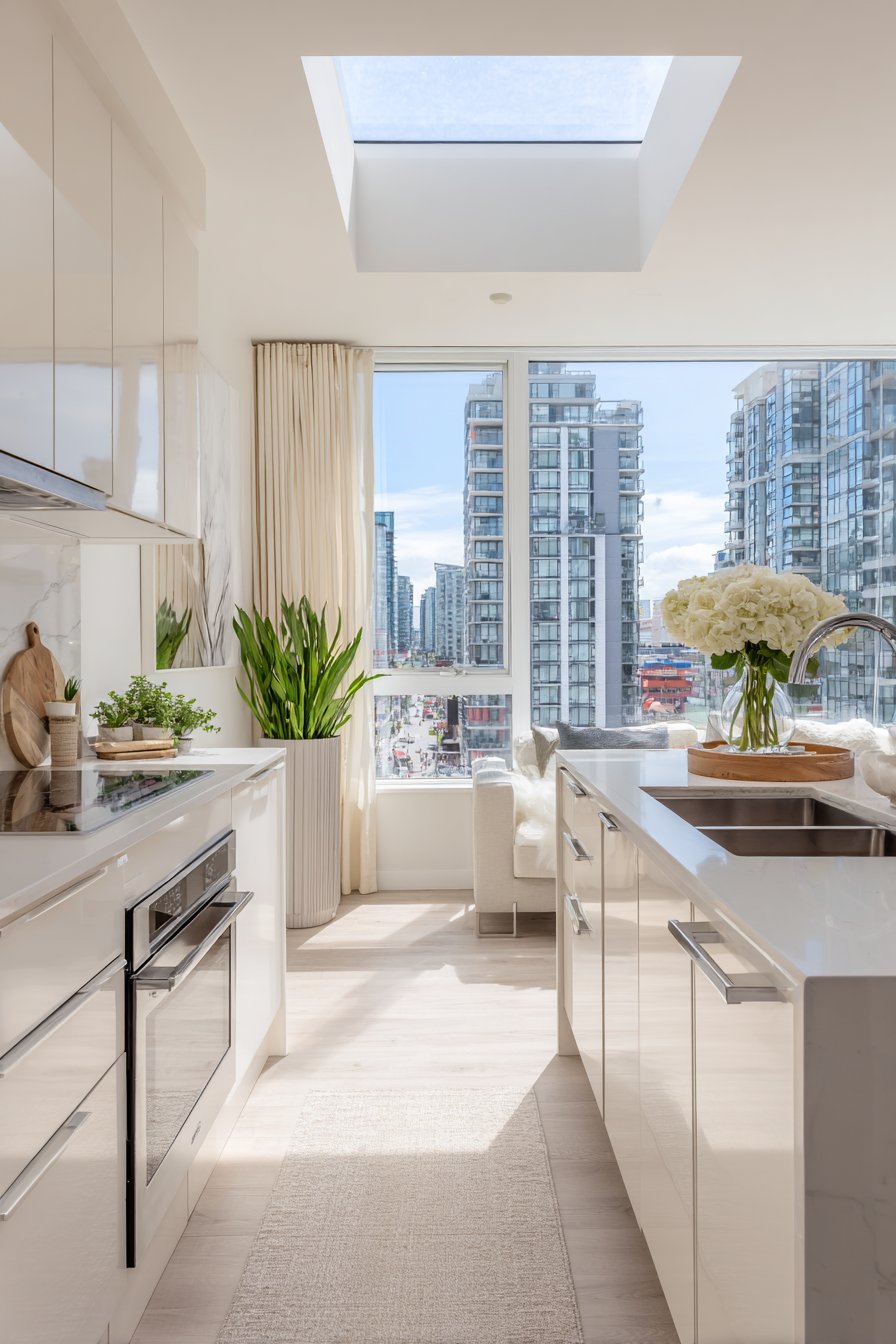
Natural light has proven health and wellness benefits, including improved mood, better sleep patterns, and enhanced productivity. A semi open kitchen ensures these benefits reach your cooking space even if the kitchen itself has limited window access. The connection to naturally lit living areas makes the entire space feel more vibrant and energizing.
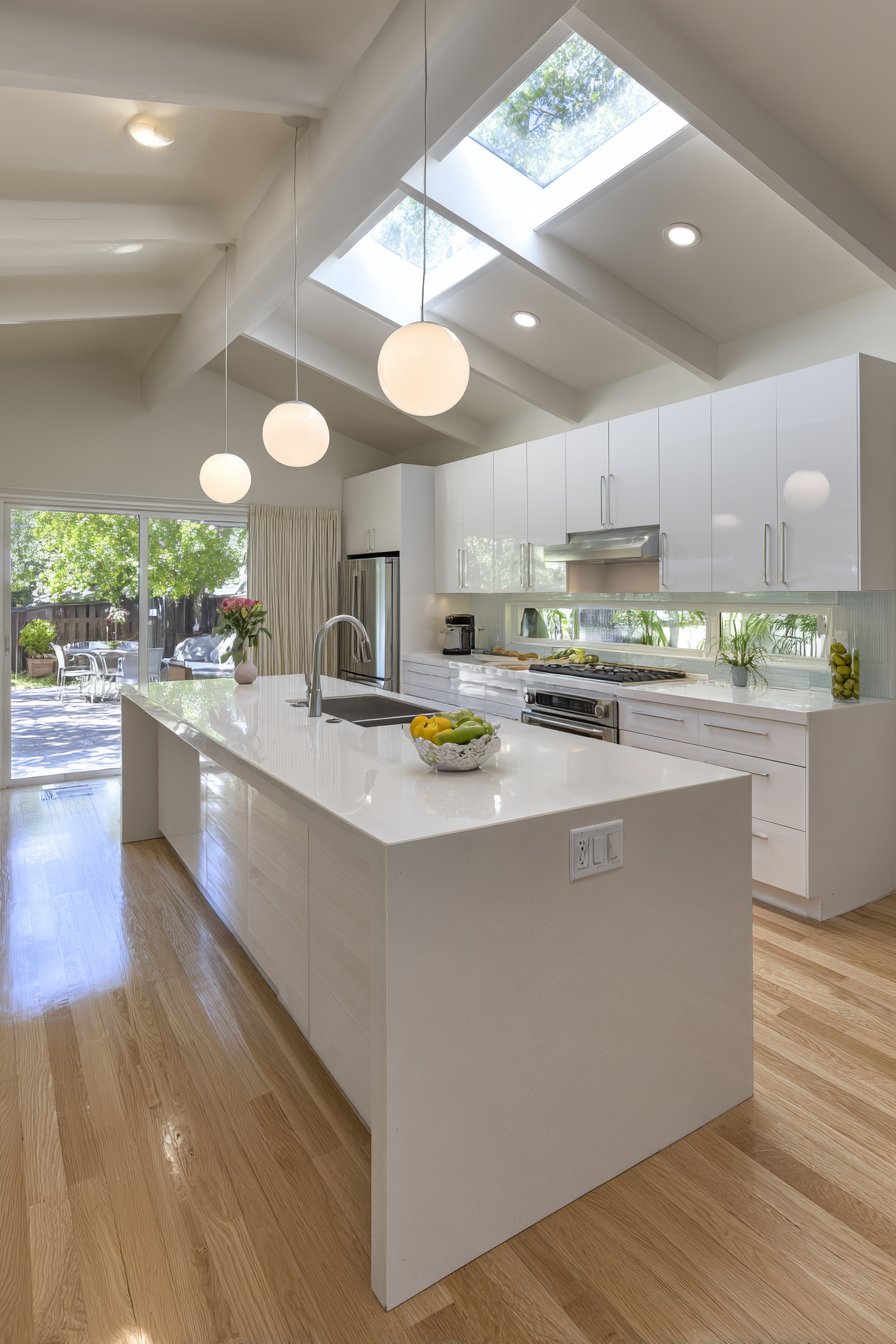
Strategic placement of reflective surfaces amplifies this advantage. Glass elements, glossy finishes, and mirrors can bounce light deeper into the kitchen zone, maximizing the brightness achieved through the semi open design.
- Install glass panels or windows in partial walls to maximize light transfer
- Use light-colored materials on dividing walls to reflect rather than absorb light
- Position mirrors strategically to bounce natural light into darker kitchen corners
- Choose sheer window treatments that filter rather than block sunlight
- Consider skylights or solar tubes if your kitchen has limited wall windows
- Paint ceilings white to enhance overall light reflection throughout both spaces
5. Improved Home Value and Market Appeal
Real estate experts consistently report that semi open kitchens boost property values more than traditional closed layouts. Homebuyers actively seek this design because it offers the best of both worlds. The flexibility and modern appeal of semi open kitchens make properties more marketable and can command higher selling prices.
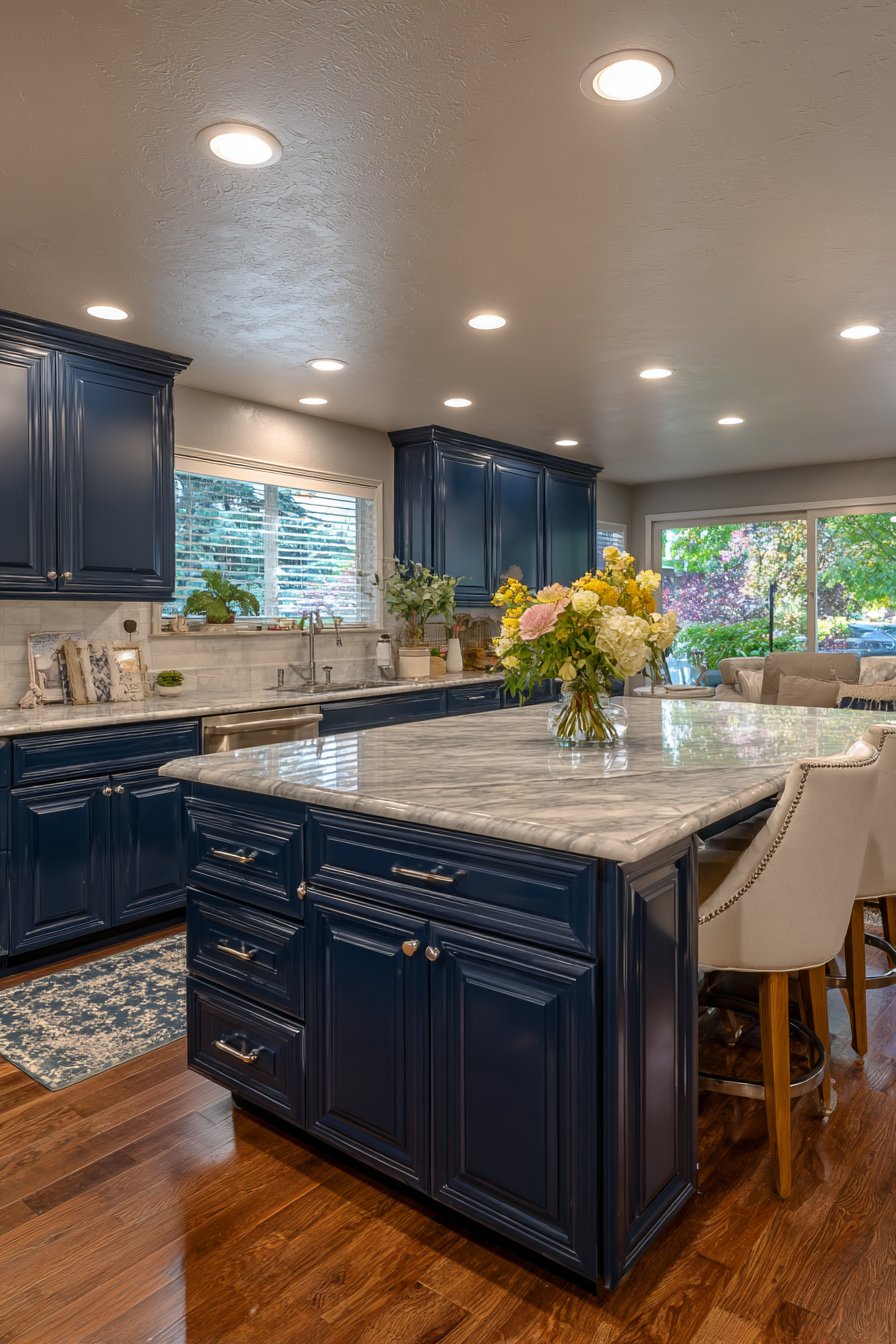
This layout addresses common buyer concerns about fully open concepts while avoiding the dated feel of completely enclosed kitchens. Prospective buyers appreciate the practical benefits and recognize that this design accommodates various lifestyle preferences. Whether buyers have young children, enjoy entertaining, or simply want a contemporary home, the semi open kitchen appeals to diverse demographics.
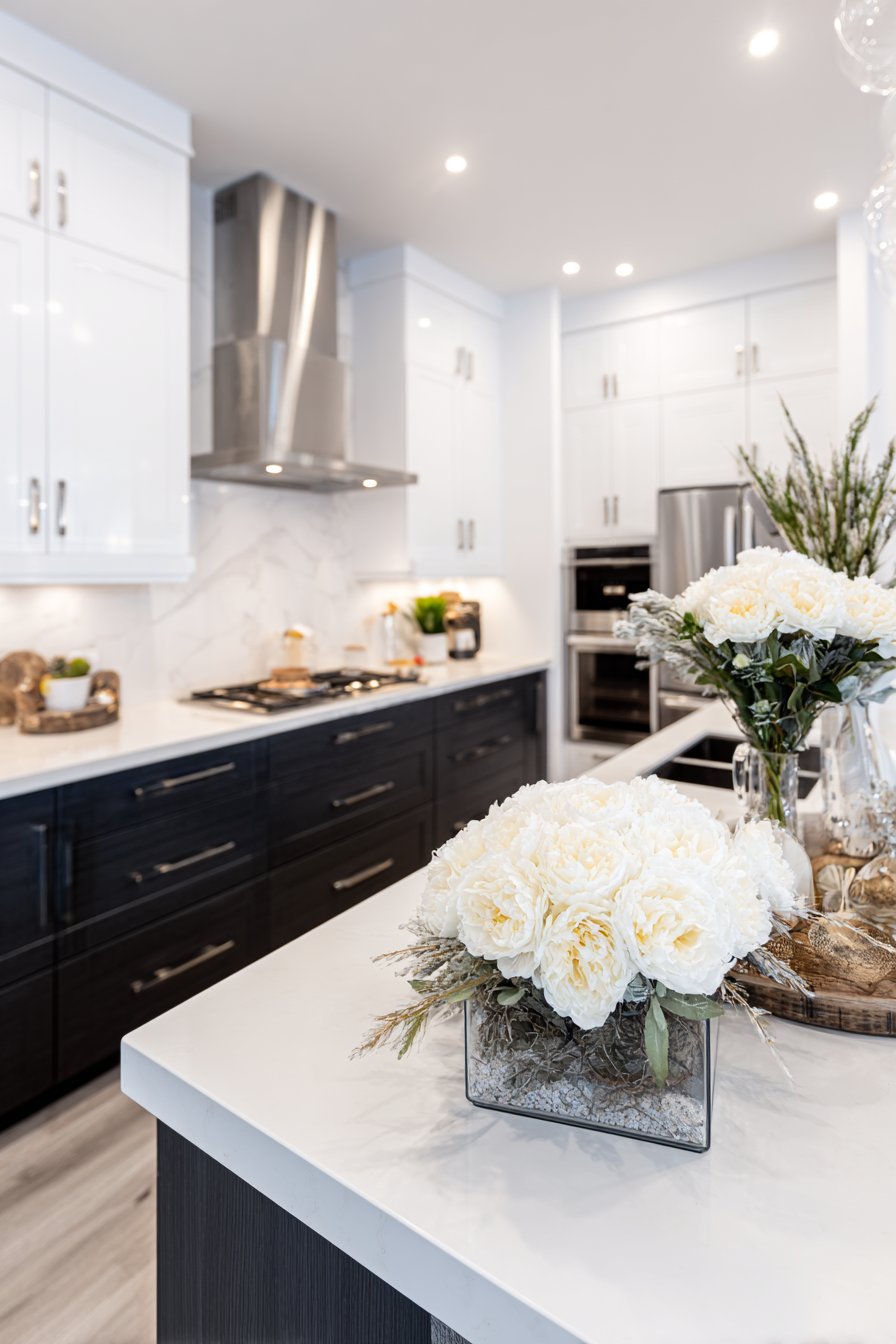
The long-term investment value extends beyond immediate resale considerations. As design trends continue favoring connectivity and flexibility, semi open kitchens maintain relevance better than extreme layouts that may fall out of favor.
- Highlight the versatility of your semi open kitchen when listing your home
- Use professional staging to showcase how the space functions for different activities
- Emphasize the practical benefits like odor control in marketing materials
- Photograph the kitchen from angles that capture both connection and definition
- Compare your layout to both closed and fully open alternatives during showings
- Maintain high-quality finishes that complement the semi open design concept
6. Greater Safety and Supervision Capabilities
For families with children, the semi open kitchen provides enhanced supervision opportunities. Parents can prepare meals while maintaining visual contact with kids playing in adjacent living areas. This oversight helps prevent accidents and allows quick response to any issues, creating peace of mind that closed kitchens simply cannot provide.
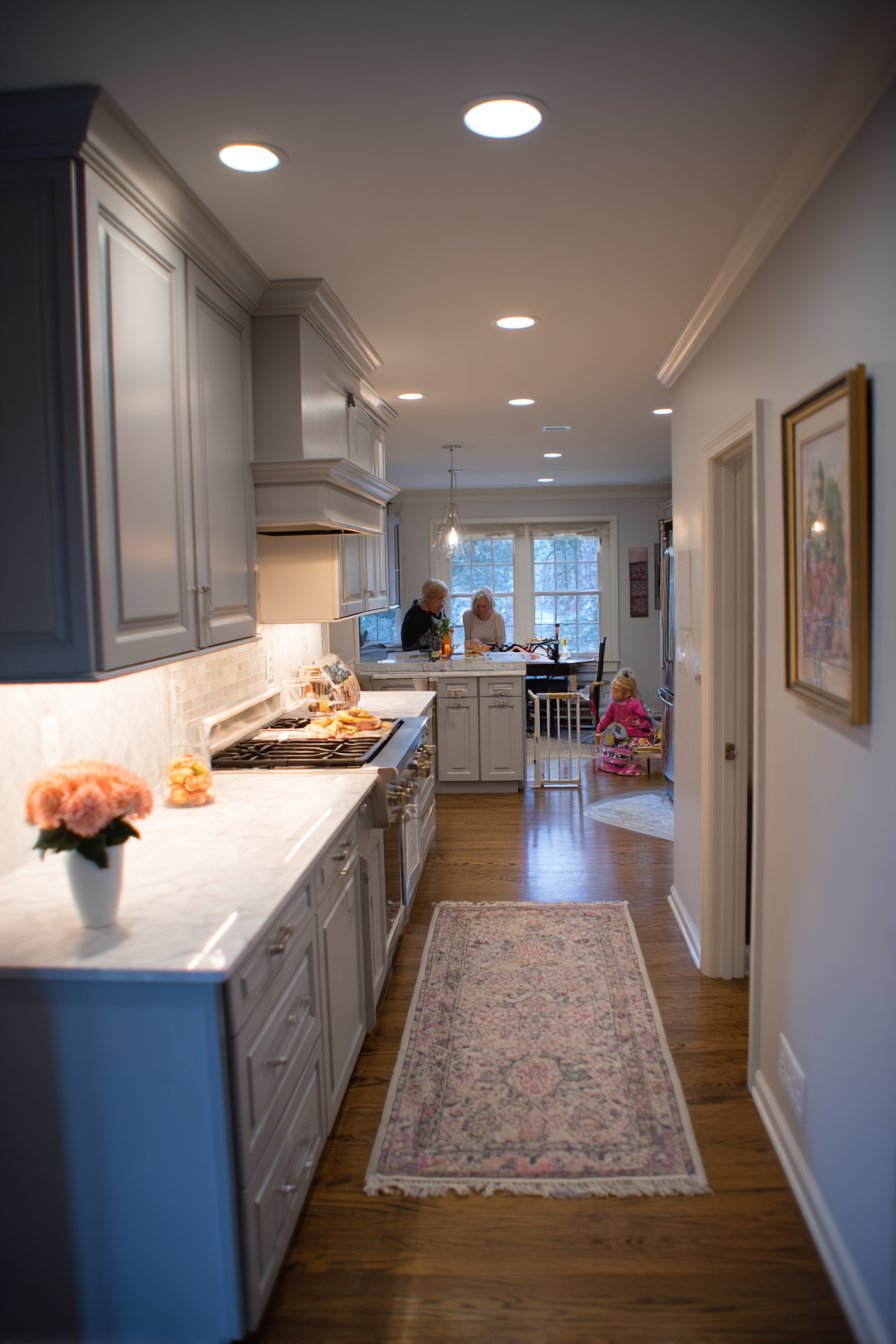
The partial barriers also offer safety advantages by limiting direct access to the cooking zone. Young children and pets can be kept at a comfortable distance from hot stoves, sharp utensils, and other kitchen hazards while still remaining within sight. This creates a protective buffer zone that improves household safety.
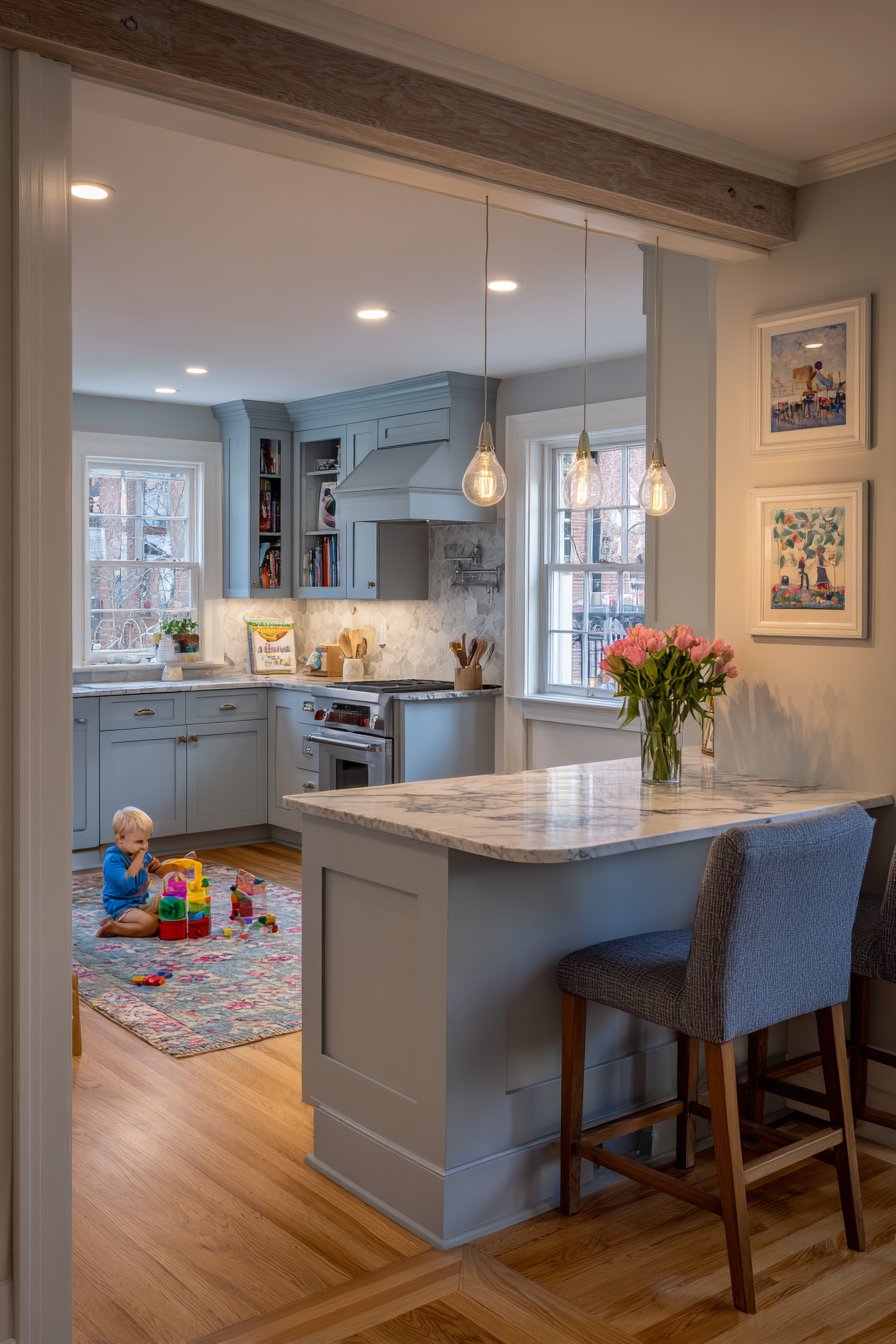
The design equally benefits elderly family members who may need monitoring. Whether caring for aging parents or concerned about their own safety, homeowners appreciate the ability to stay connected while managing potentially dangerous kitchen tasks.
- Install half-walls at 42-48 inches to block toddler access while maintaining visibility
- Position the stove and oven on the closed wall side away from openings
- Use childproof gates at kitchen entrances for additional security when needed
- Keep sharp objects and chemicals in cabinets on the closed side of the kitchen
- Install adequate lighting to ensure clear visibility of both kitchen and living areas
- Create a visual monitoring station by placing prep areas facing supervision zones
7. Aesthetic Versatility and Design Options
Semi open kitchens offer remarkable design flexibility that accommodates virtually any style preference. Whether you favor modern minimalism, rustic farmhouse, industrial chic, or classic traditional, this layout adapts beautifully. The partial walls and dividers become opportunities for creative expression through materials, textures, and architectural details.
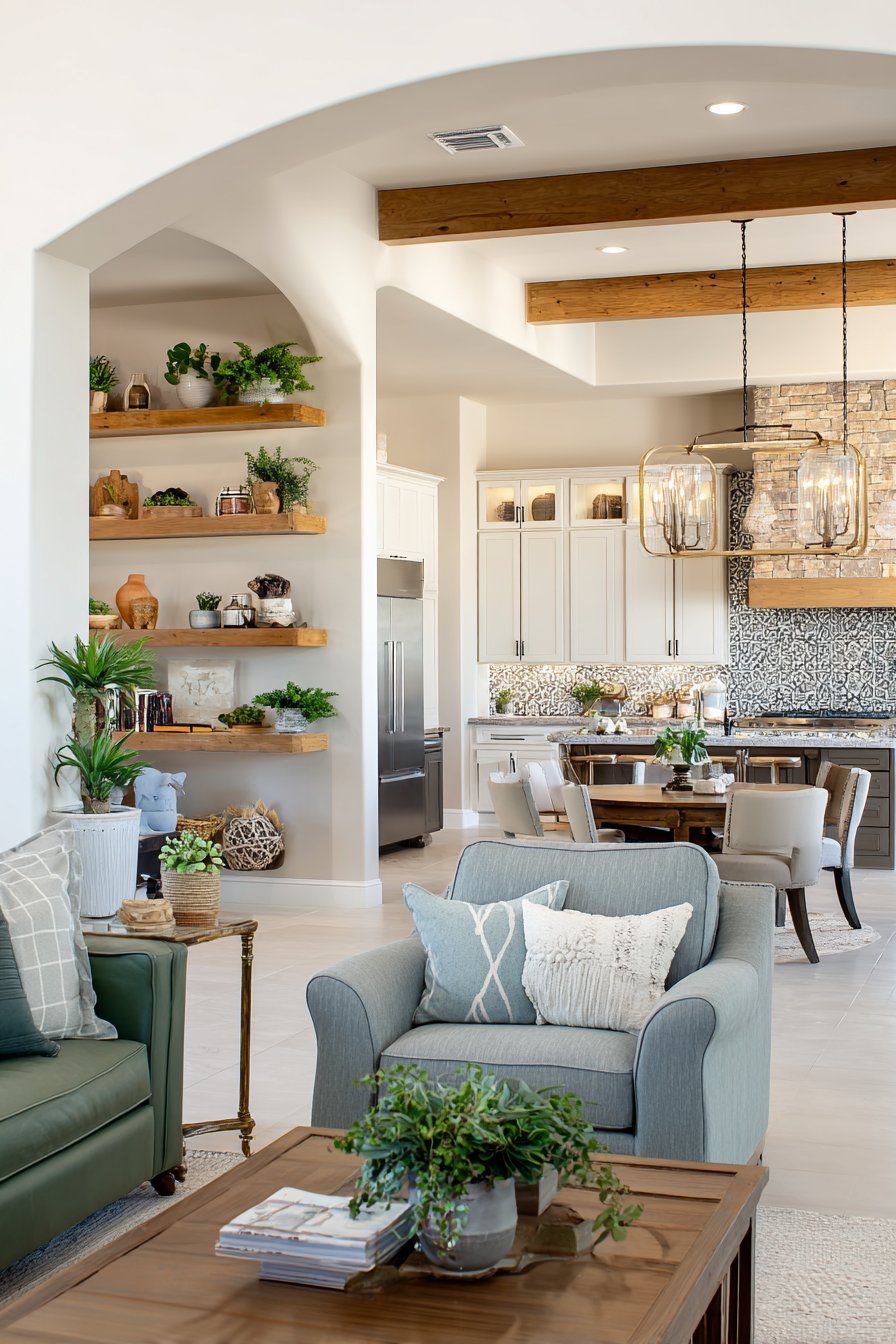
The transition areas between kitchen and living spaces allow for artistic focal points. You might feature a stunning backsplash visible from the living room, install decorative columns, or showcase a beautiful countertop material. These design elements enhance both spaces while maintaining the functional benefits of partial separation.
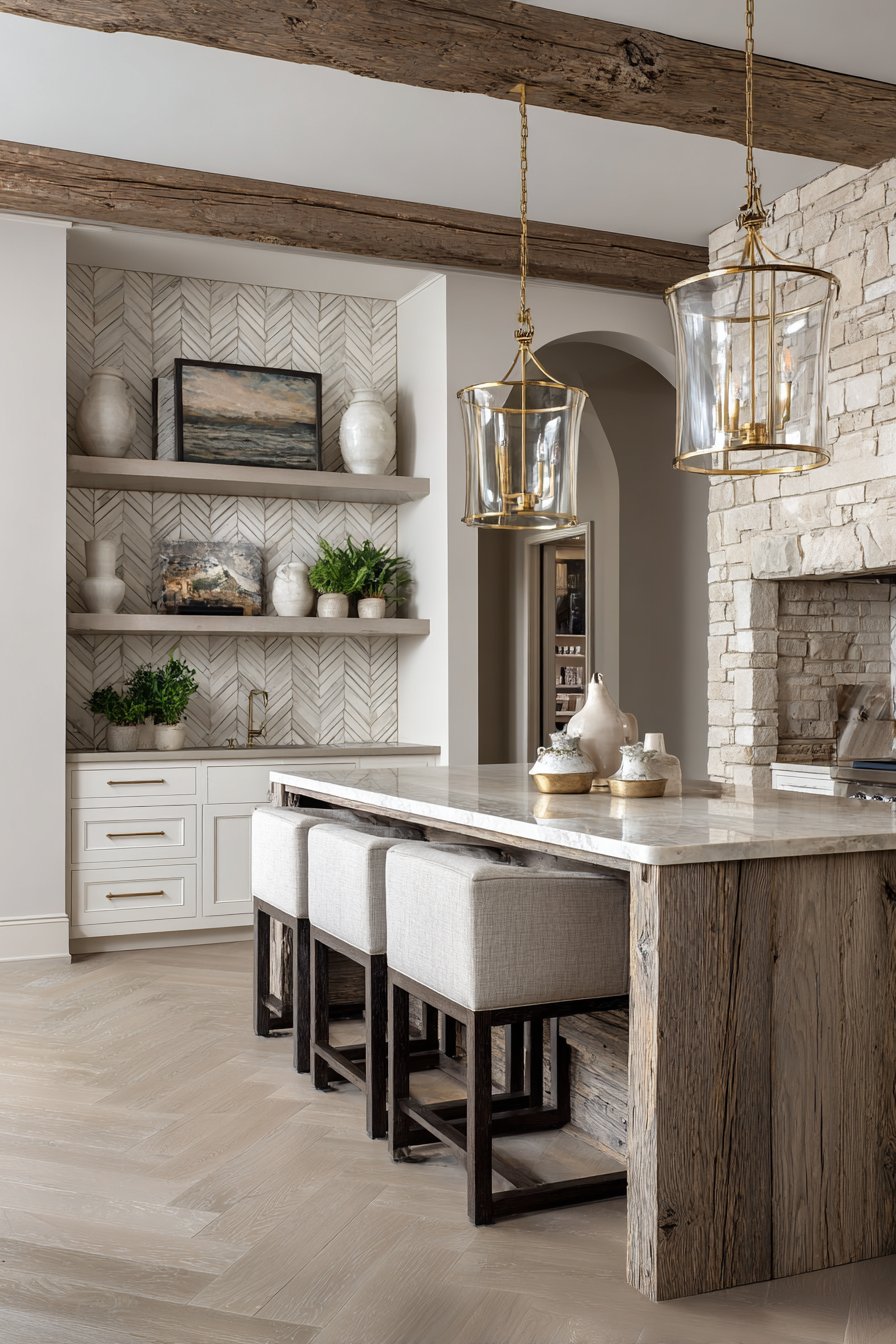
This versatility extends to future redesign possibilities. As your tastes evolve or design trends shift, the semi open kitchen’s flexible nature makes updates easier and more cost-effective than rigid layouts requiring extensive structural modifications.
- Choose complementary materials that flow between kitchen and living areas
- Use the partial wall as a gallery for artwork or open shelving displays
- Install decorative beams or architectural details on dividing elements
- Select statement lighting fixtures that serve both spaces visually
- Coordinate color schemes while allowing each zone its own character
- Incorporate natural materials like wood or stone for timeless appeal
8. Cost-Effective Renovation Option
Converting a closed kitchen to semi open typically requires less structural work than creating a fully open floor plan. This translates to lower renovation costs while still achieving a modern, connected feel. You can often remove portions of walls rather than entire structures, reducing expenses for load-bearing modifications, new support beams, and extensive finishing work.
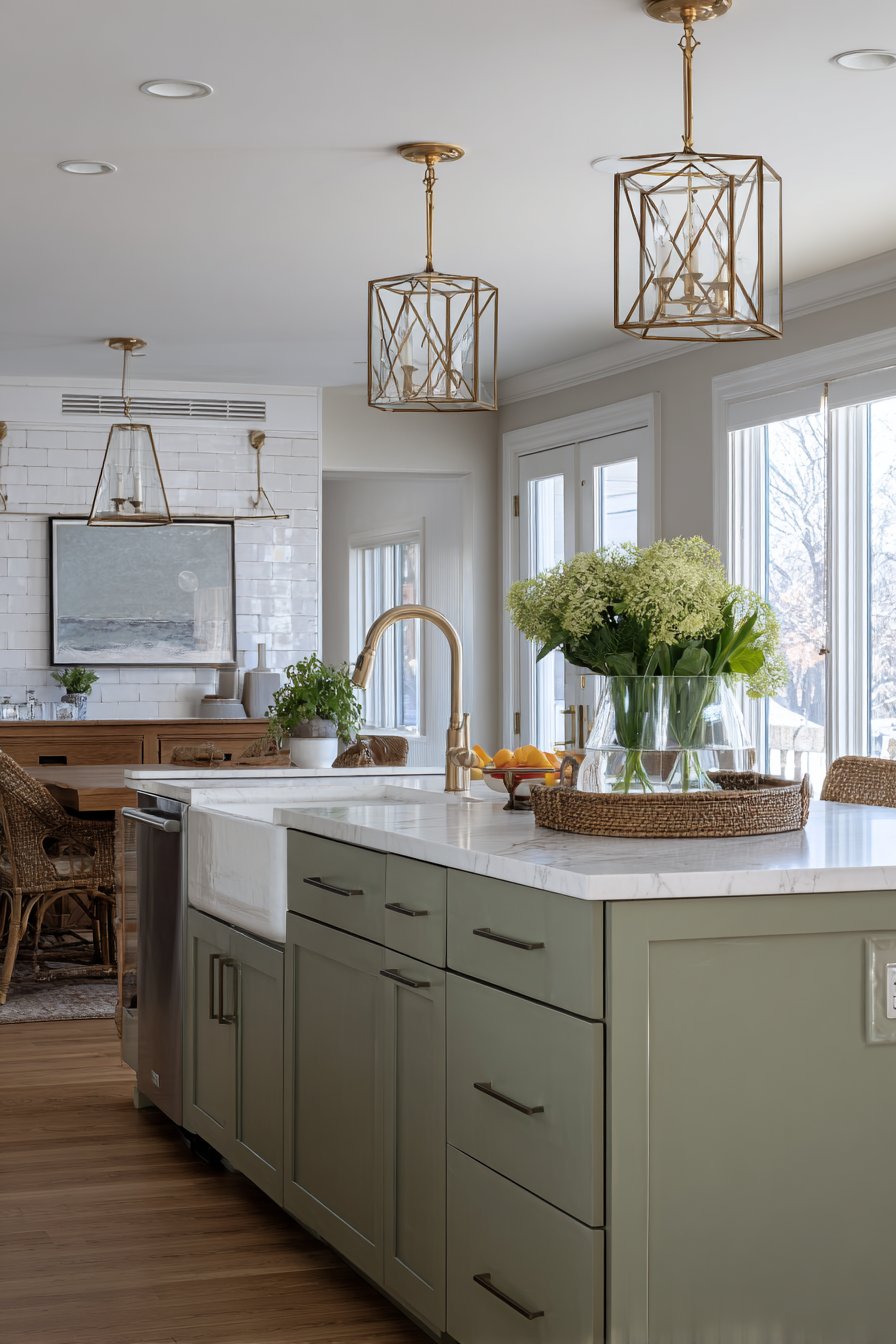
The semi open approach also minimizes collateral renovation needs. Fully opening a kitchen often necessitates refinishing entire living areas, replacing all flooring to match, and updating lighting throughout. A semi open conversion contains changes to a smaller area, keeping your budget more manageable while delivering significant impact.
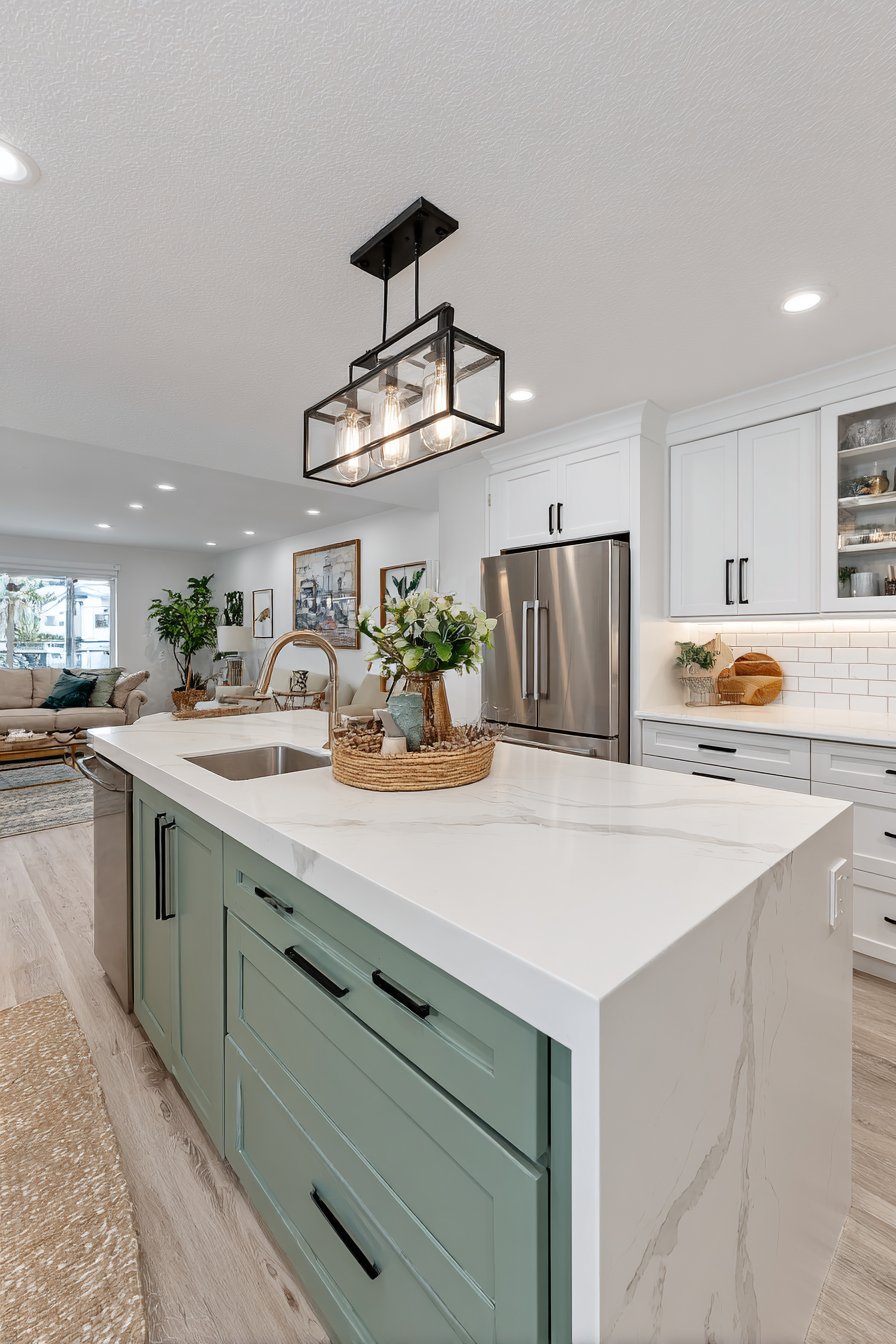
Long-term energy efficiency provides ongoing cost savings. The partial barriers help retain heated or cooled air in smaller zones more effectively than completely open layouts, potentially reducing utility bills. The improved natural light distribution also decreases daytime lighting costs.
- Consult a structural engineer to identify which walls can be partially removed safely
- Keep existing plumbing and electrical locations to minimize relocation costs
- Use cost-effective materials like drywall for new half-walls or partitions
- Repurpose removed materials for other home projects when possible
- Time renovations during contractor off-seasons for better pricing
- Prioritize changes that deliver maximum visual impact for minimum investment
Conclusion
The semi open kitchen represents an intelligent evolution in home design, offering a practical compromise that addresses the limitations of both closed and fully open layouts. From enhanced social interaction and better odor control to improved property values and design versatility, this approach delivers multiple advantages that enhance daily living. The ability to maintain a connection with family while managing the practical realities of cooking makes this layout ideal for contemporary lifestyles.
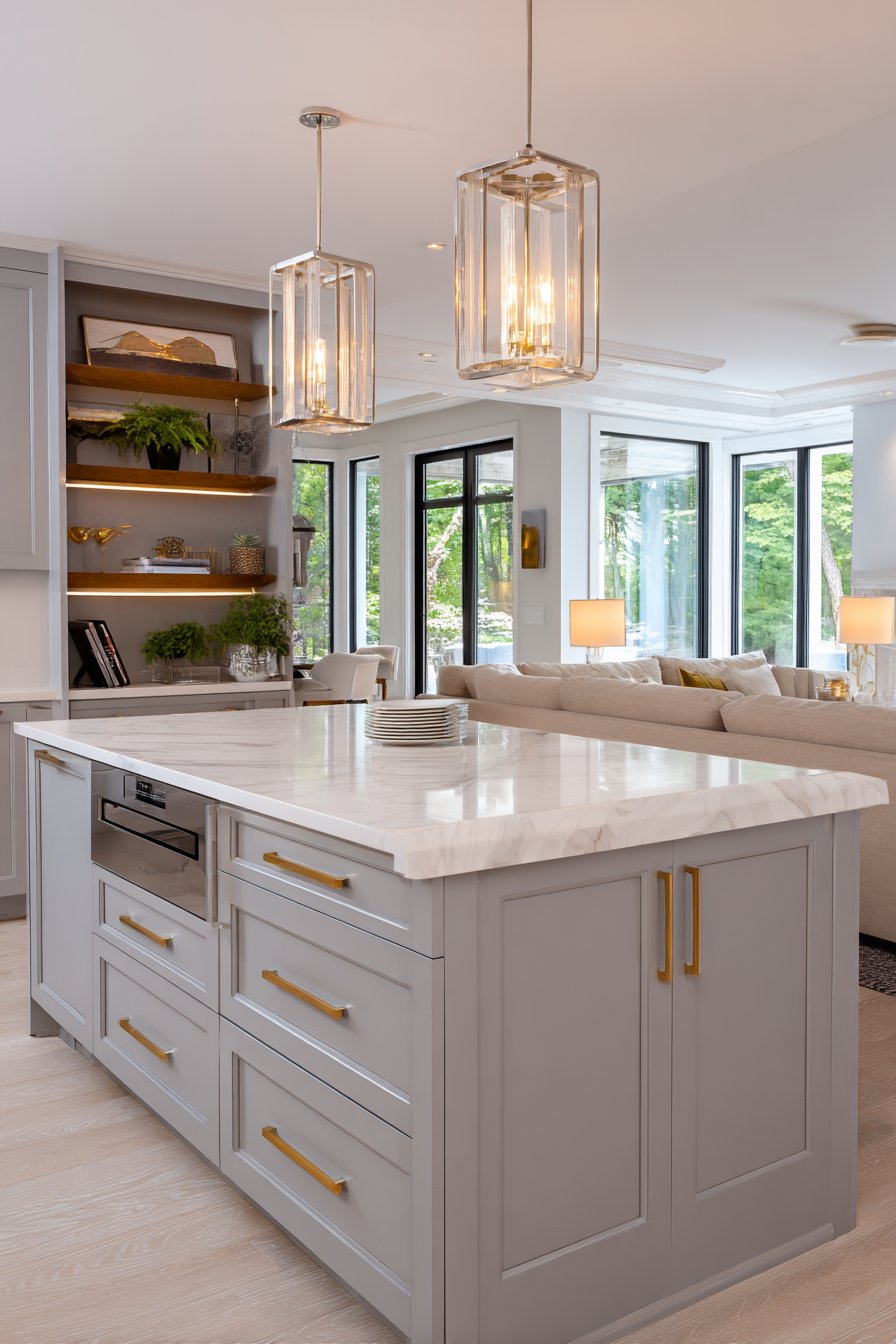
Whether you’re planning a renovation or building a new home, the semi open kitchen deserves serious consideration. Its flexibility, functionality, and timeless appeal ensure that your investment will serve you well for years to come. By thoughtfully implementing partial barriers and strategic openings, you can create a kitchen that truly becomes the heart of your home—connected yet defined, open yet controlled, and perfectly suited to how you actually live. Embrace this balanced approach and discover how a semi open kitchen can transform your home into a more harmonious, efficient, and enjoyable living environment.
"As an Amazon Associate, I earn from qualifying purchases."
