
Choosing the right seating for a small living room is one of the most impactful decisions you can make. The furniture you select defines how the space feels, flows, and functions daily. A wrong choice can make a cozy room feel claustrophobic. A smart choice can transform even the tightest floor plan into a stylish, comfortable retreat.
Most homeowners face a common dilemma: go with a classic sofa or invest in a sectional? Both options have loyal fans and valid arguments. The answer, however, depends on your room’s layout, your lifestyle, and how you use your living space. Understanding the strengths and limitations of each piece is essential before making a purchase.
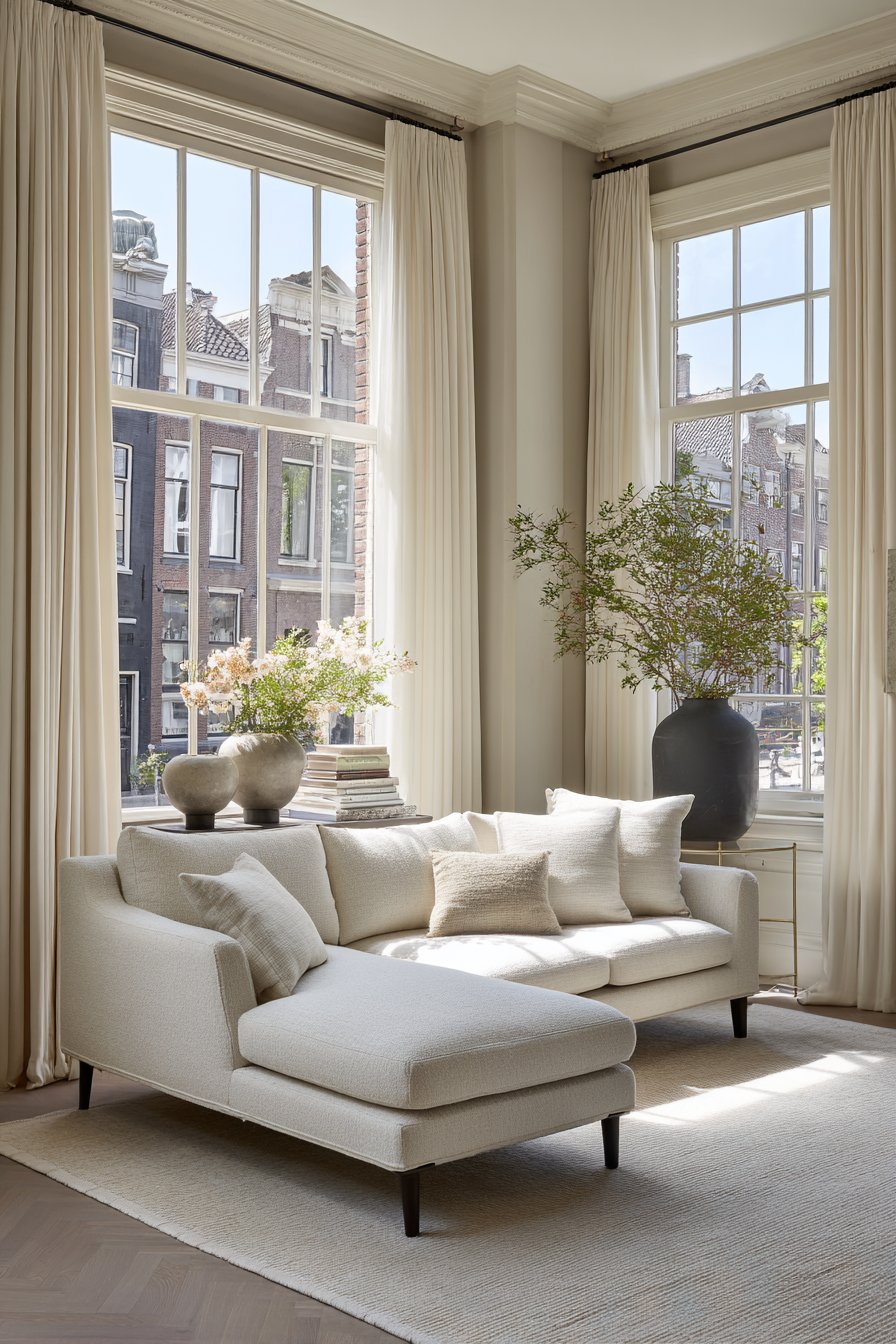
This article breaks down everything you need to know. From spatial planning to style, traffic flow to comfort, we cover it all. Whether you’re furnishing a studio apartment or a compact family room, this guide will help you make a confident, well-informed decision.
1. Understanding the Size Difference
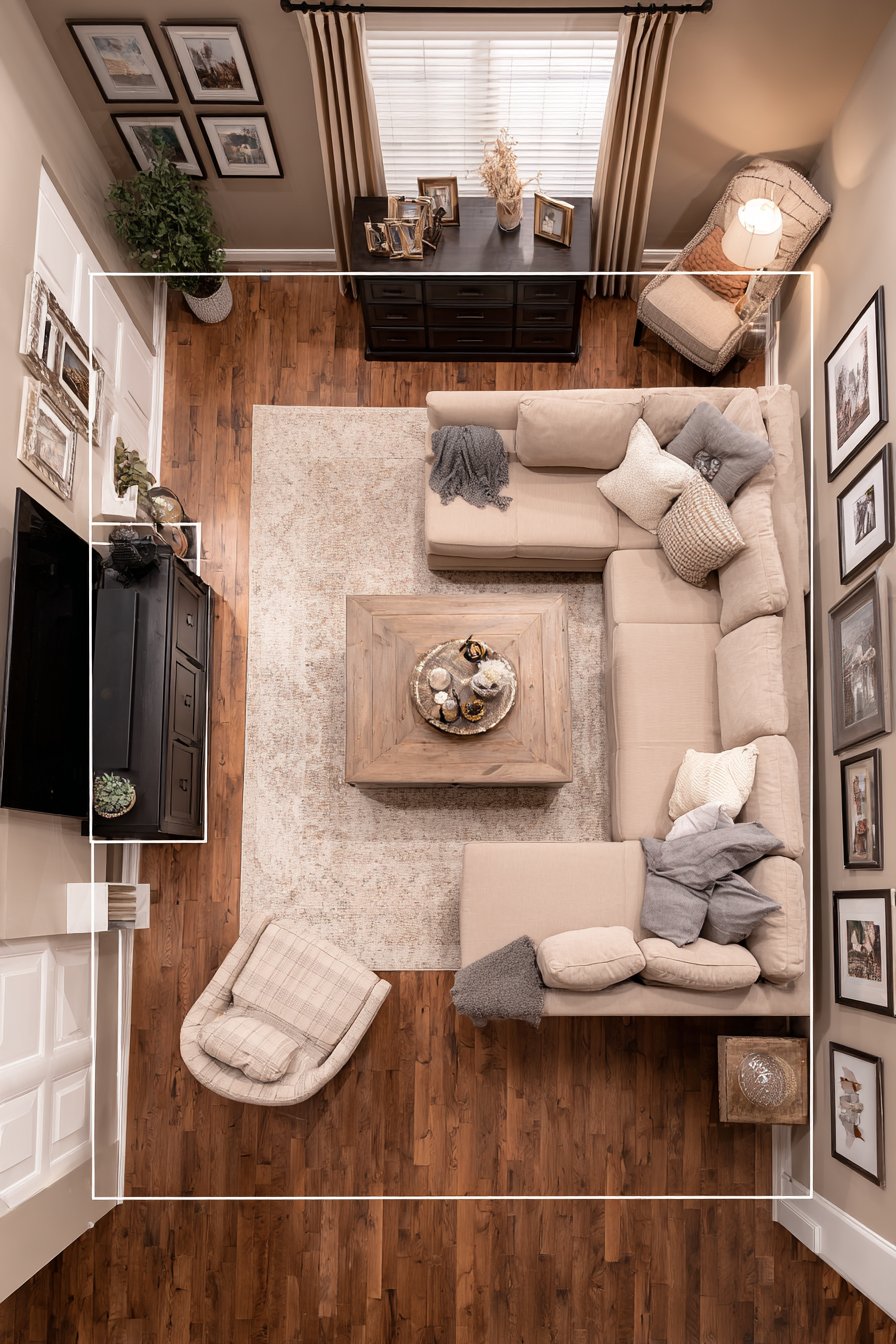
The most obvious distinction between a sectional and a sofa is physical footprint. A standard sofa typically ranges from 72 to 96 inches in length. A sectional, by contrast, can span well over 110 inches and occupies two walls or more. In a small living room, every inch matters significantly.
When you place an oversized sectional in a tight room, you risk blocking natural pathways. Traffic flow becomes restricted, and the space starts to feel cramped rather than cozy. Designers often recommend leaving at least 36 inches of walking clearance around major furniture pieces to maintain an open, breathable layout.
A standard three-seater sofa gives you flexibility that a sectional simply cannot. You can pair it with accent chairs, a loveseat, or an ottoman to create a layered seating arrangement. This modularity allows small rooms to feel curated and intentional rather than overwhelmed by one dominant piece.
- Measure your room before shopping — know your exact dimensions
- Aim for sofas under 84 inches in rooms smaller than 12×14 feet
- Leave at least 18 inches between the sofa and coffee table
- Consider the door and window placement before deciding on a layout
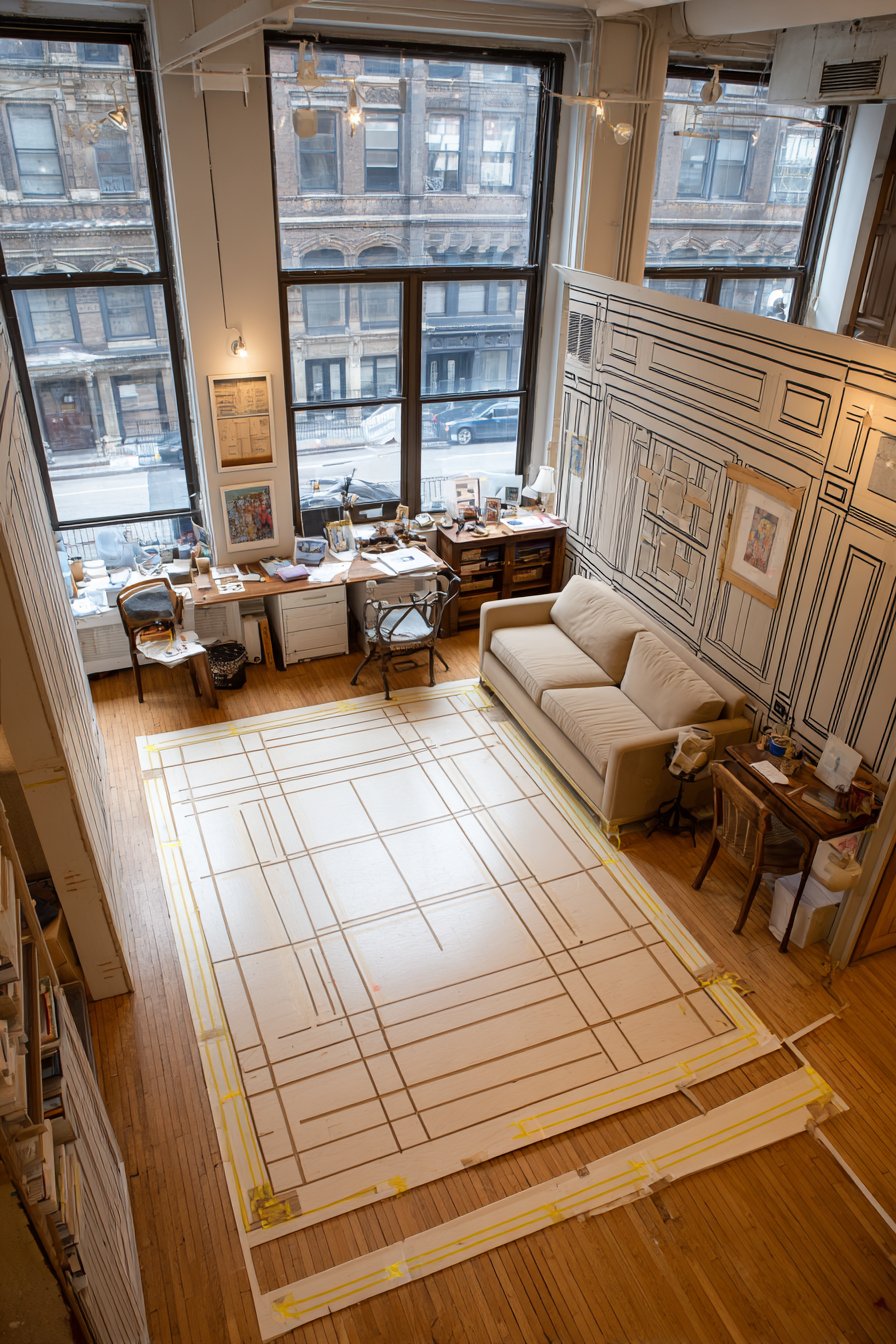
- Use painter’s tape on the floor to visualize furniture footprint
- Avoid furniture that reaches all the way to the walls on both sides
2. The Case for a Sofa in Small Spaces
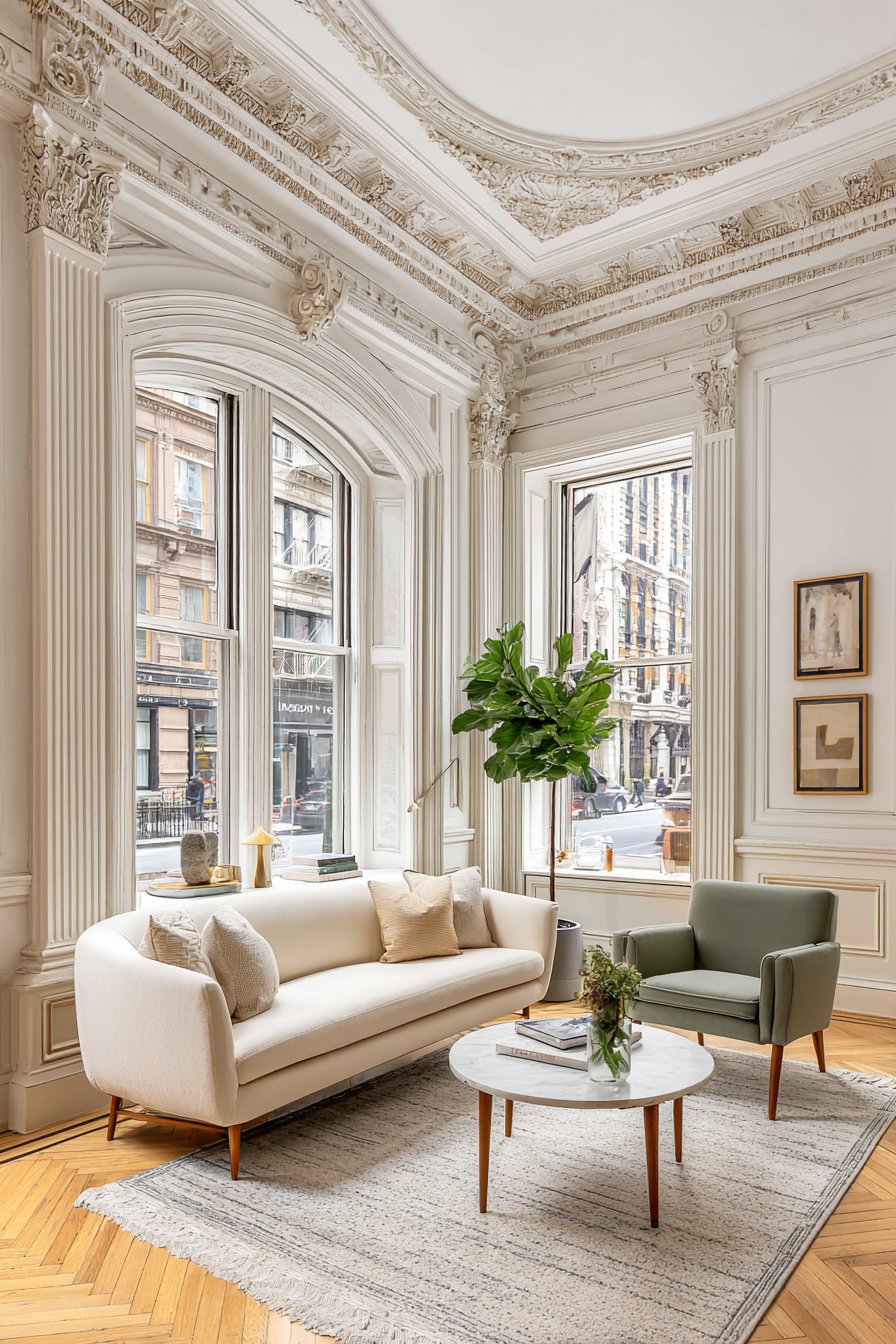
A traditional sofa is the gold standard for small living rooms for many good reasons. Its compact silhouette fits naturally against a single wall, freeing up the rest of the room for movement, decor, and additional seating. Interior designers consistently recommend it as the first choice for rooms under 200 square feet.
Sofas offer incredible design versatility. They come in countless styles — from mid-century modern to Lawson, Chesterfield to track-arm — allowing you to match the piece precisely to your aesthetic. You can easily switch out accent pillows, throws, and side tables to refresh the look without replacing the sofa itself.
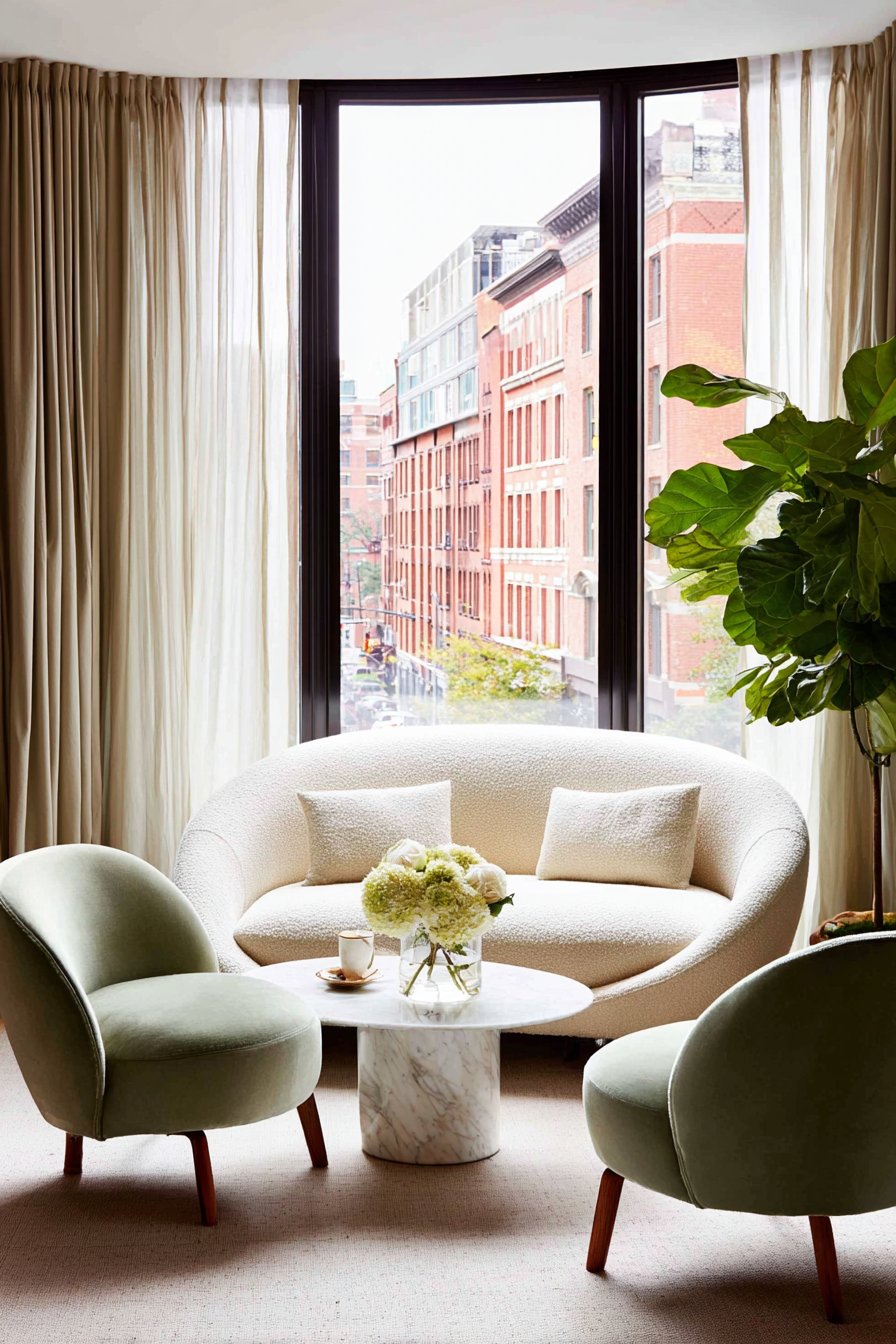
Another powerful advantage is budget flexibility. Quality sofas are generally more affordable than full sectionals. For a small space, investing in a well-made sofa with durable upholstery makes more sense than splurging on a sectional you can’t fully enjoy. The savings can go toward other impactful decor elements.
- Choose a tight-back sofa to visually open up a small room
- Opt for legs rather than a skirted base — this creates an airy appearance
- Select light or neutral upholstery to amplify the sense of space
- Pair with two accent chairs instead of a loveseat for a balanced arrangement
- Go for a sofa with built-in storage if your room lacks closet space
- Avoid deep-seat sofas — they can feel too bulky in compact rooms
3. When a Sectional Can Actually Work
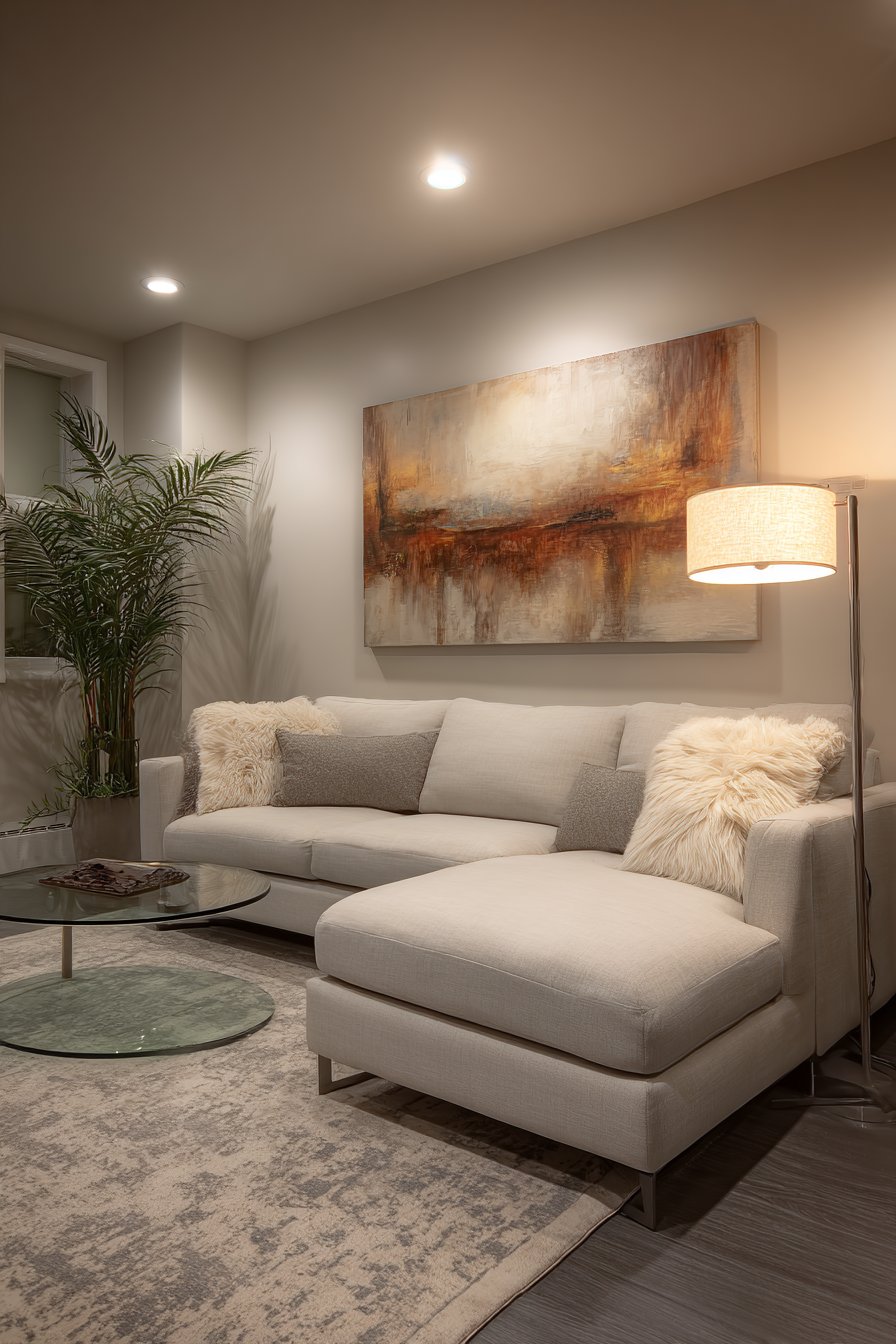
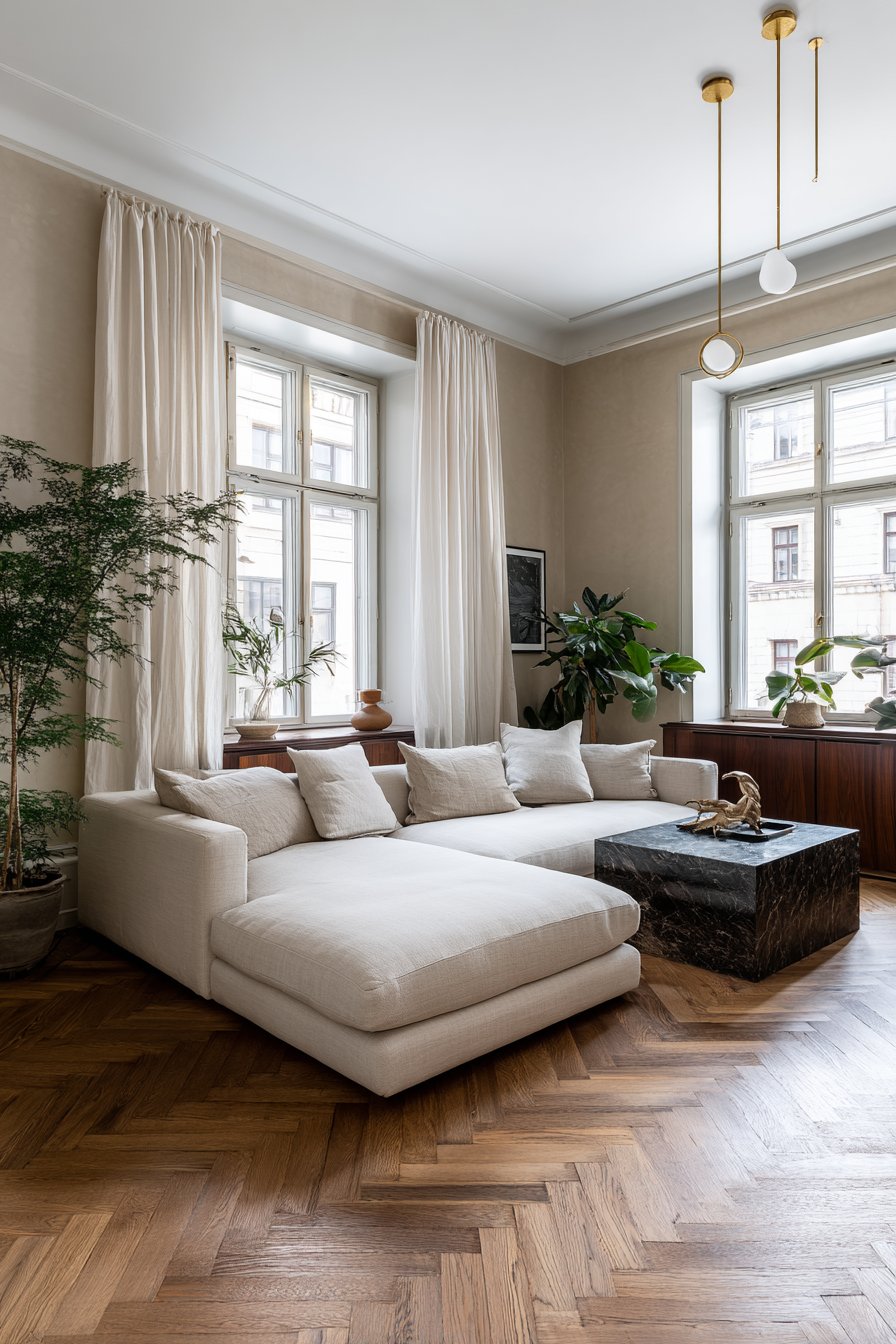
Many designers argue that a sectional is always wrong for small rooms. But that’s not entirely true. A compact L-shaped sectional — specifically designed for smaller spaces — can work beautifully when placed correctly. The key is choosing the right scale and configuration.
The advantage of a corner sectional is that it hugs the walls, maximizing seating without invading the central floor space. This setup leaves the middle of the room open, which is exactly what small-space design demands. You gain significantly more seating capacity without sacrificing the room’s visual openness.
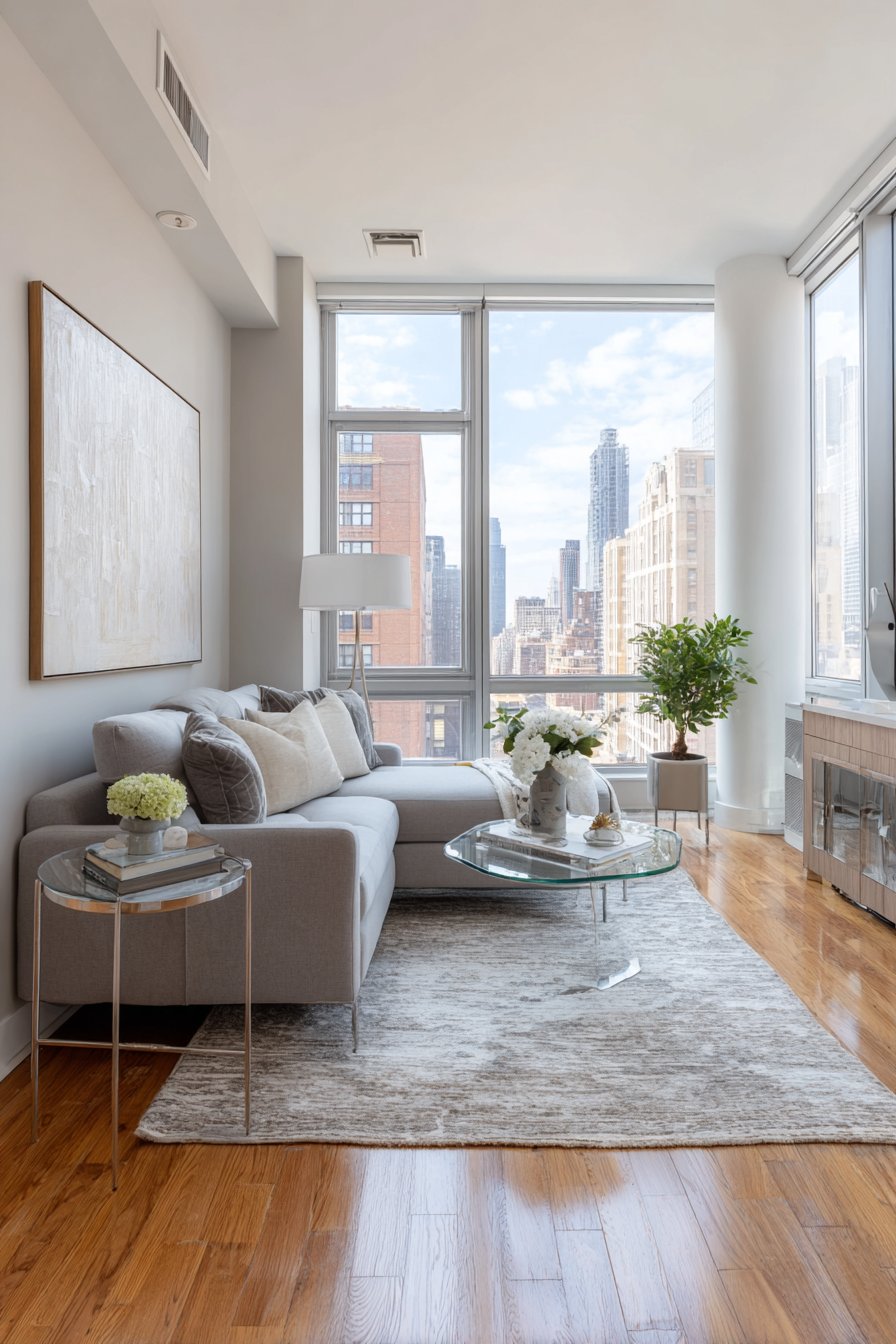
Look for sectionals with a chaise lounge on one end rather than a full double-sided L-shape. These are more proportional for rooms under 300 square feet. Many furniture brands now offer small-scale sectionals specifically designed with apartment living in mind — they deliver the sectional aesthetic without the overwhelming bulk.
- Choose a sectional under 100 inches on its longest side
- Opt for a right-angle or L-shape that fits neatly into a corner
- Avoid sectionals with deep seats deeper than 38 inches
- Select a sectional with slim arms to reduce overall visual weight
- Light-colored upholstery makes sectionals feel less imposing
- Look for modular designs that let you reconfigure the layout as needed
4. Traffic Flow and Room Functionality
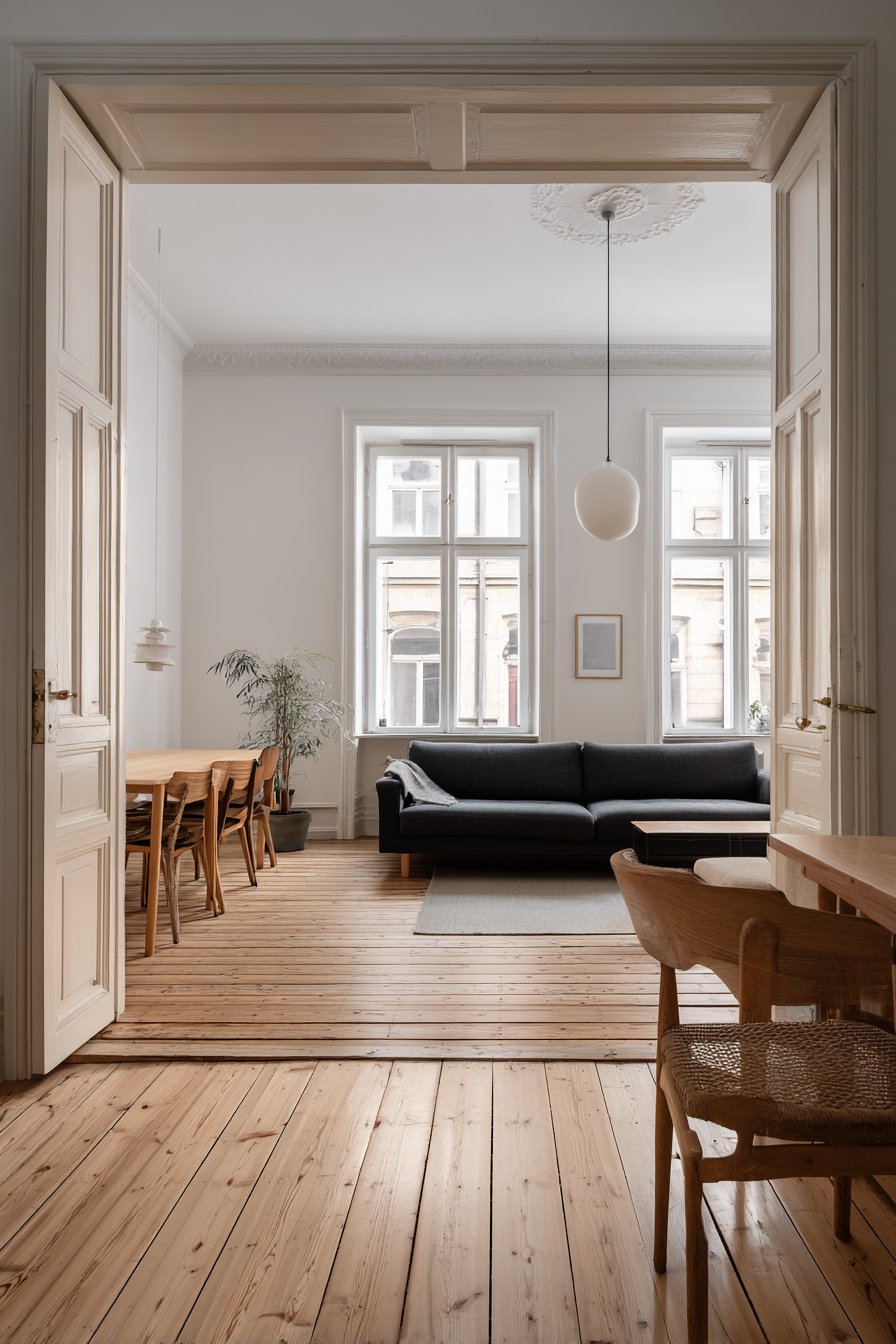
Traffic flow is one of the most overlooked considerations when choosing living room furniture. A piece might look stunning in a showroom but completely disrupt daily movement at home. In a small living room, this issue is amplified significantly.
Sofas naturally lend themselves to better circulation patterns because they occupy only one side of the room. You can orient them facing a TV wall or fireplace and leave the adjacent areas clear. This creates a natural pathway through the room that feels intuitive and comfortable for anyone moving through the space.
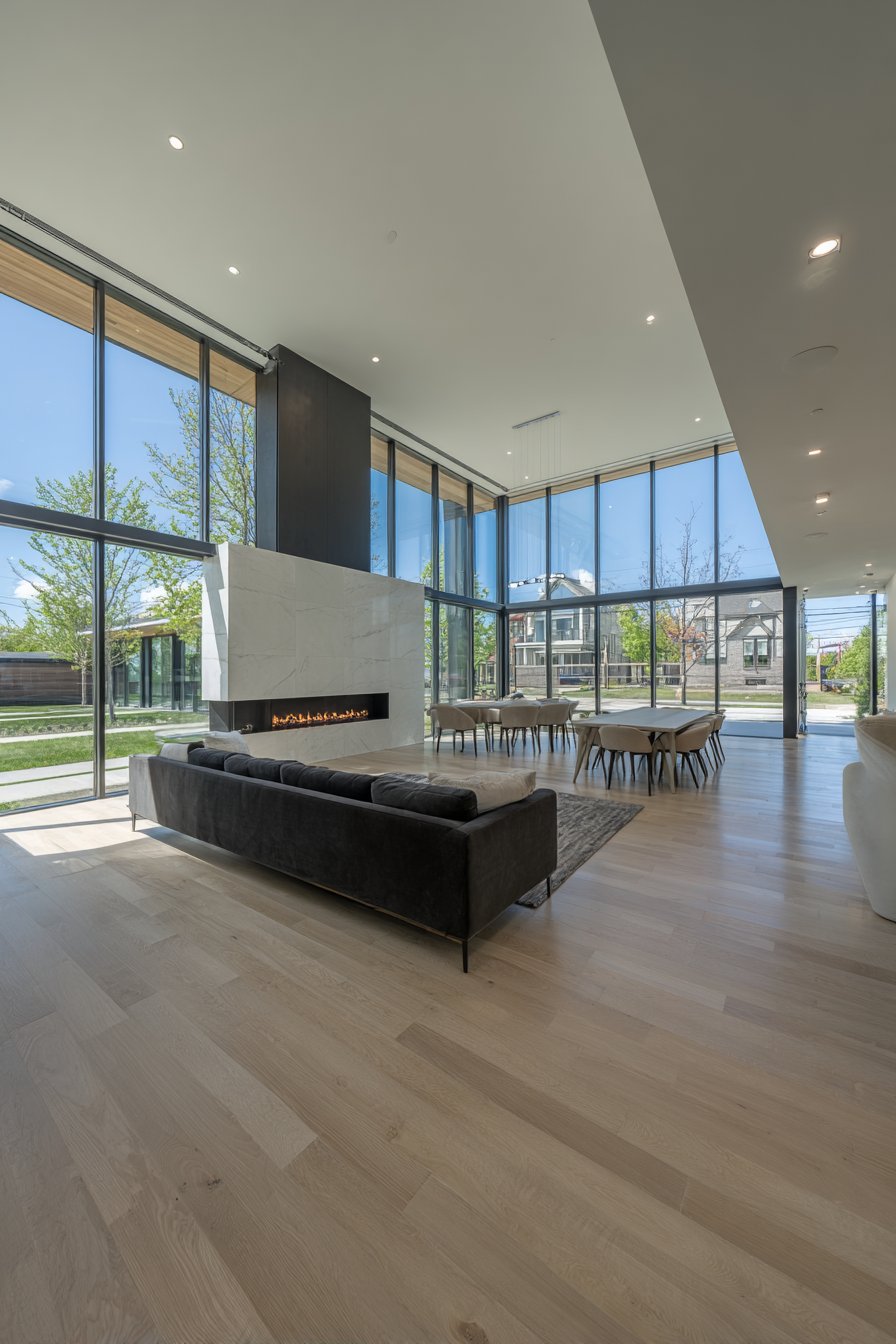
Sectionals, on the other hand, can create dead zones — corners of the room that become inaccessible or awkward. If your small living room connects to a dining area or kitchen, a sectional might inadvertently block the sightline or the passage between rooms. Always walk through your intended layout before committing to a furniture choice.
- Draw a floor plan to scale before purchasing any large furniture
- Mark doorways, windows, and entryways on your plan
- Ensure at least 36 inches of clearance for main pathways
- Think about how guests move through your space during gatherings
- Consider multi-purpose layouts that serve both lounging and entertaining
- Revisit traffic flow needs seasonally — your lifestyle may shift throughout the year
5. Visual Weight and Room Perception
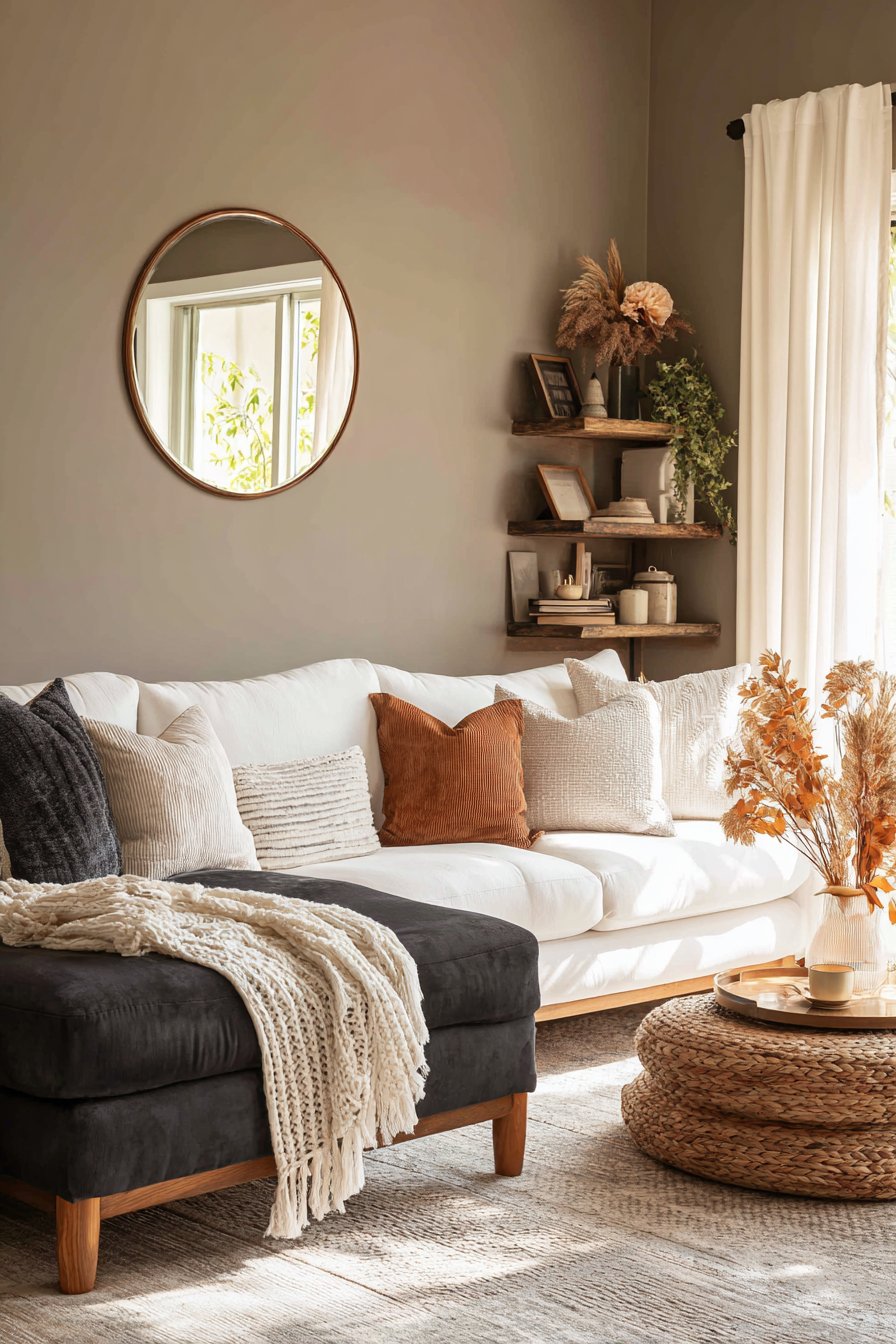
The concept of visual weight plays a crucial role in how a room feels. Heavy, bulky furniture makes a small room feel closed-in and oppressive. Lighter, more streamlined pieces create a sense of openness and airiness that small rooms desperately need.
Traditional sofas score much better on visual weight for small spaces. You can choose designs with exposed wooden legs, open bases, and slim profiles that let light pass underneath. This simple design choice makes the floor appear more visible, which psychologically expands the perceived size of the room.
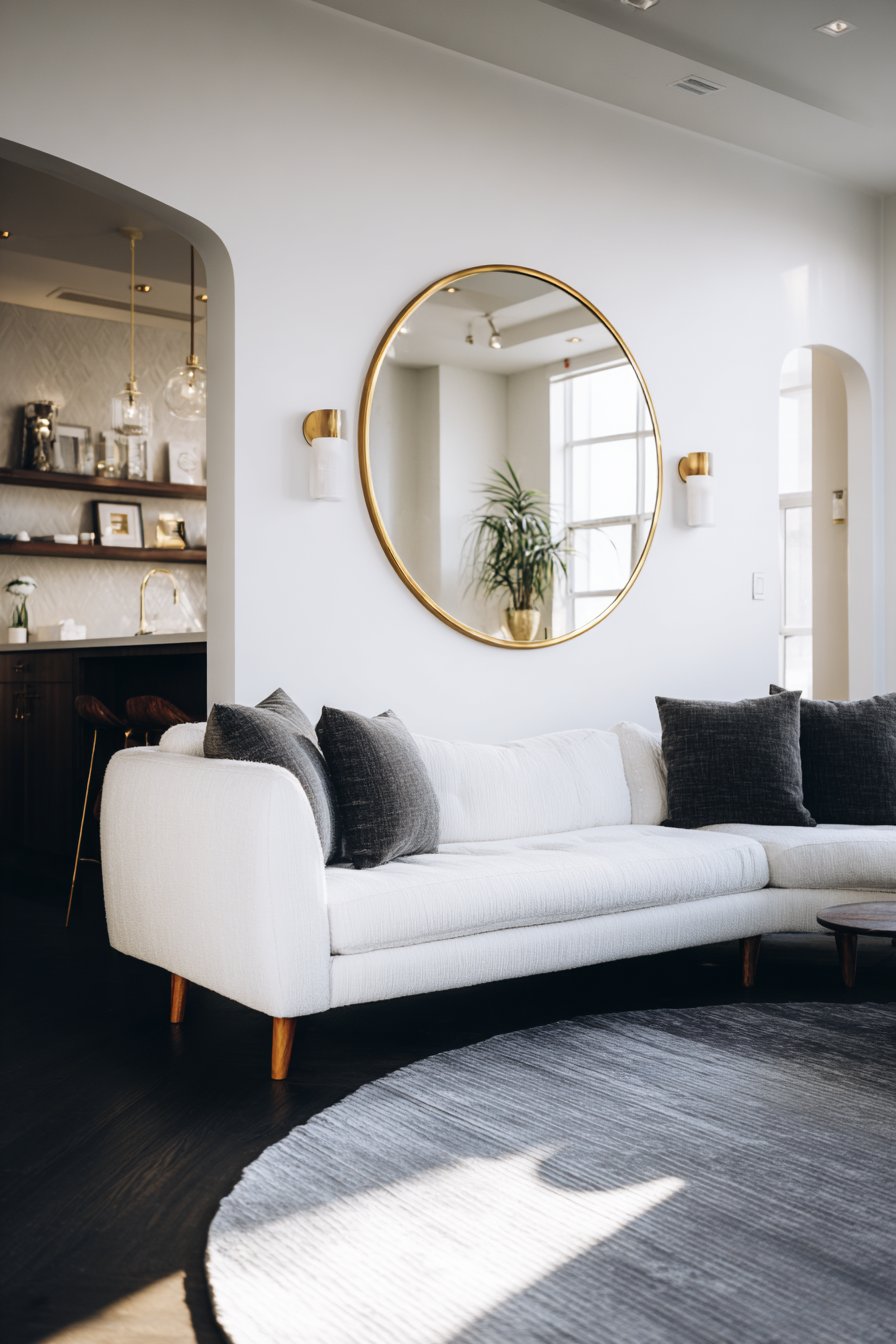
Sectionals carry inherently more visual mass. Even if the dimensions are technically manageable, the sprawling shape of a sectional draws the eye across the entire room. This can make walls seem closer and the ceiling feel lower. If you go with a sectional, choosing one in a light, neutral color and a low-profile design helps mitigate this effect dramatically.
- Choose furniture with raised legs to reduce visual heaviness
- Avoid dark, saturated upholstery colors in small rooms
- Use mirrors strategically behind the sofa to amplify depth
- Keep the sofa or sectional color close to the wall tone for a seamless look
- Incorporate glass or acrylic accent pieces to balance solid furniture mass
- Avoid matching oversized furniture with heavy rugs and drapes simultaneously
6. Seating Capacity Needs

One of the strongest arguments in favor of a sectional is seating capacity. If you regularly host family gatherings, movie nights, or social events, a sectional simply provides more spots for people to sit comfortably. A standard sofa seats three; a sectional seats five or more.
However, it’s worth asking yourself: how often do you actually need that extra seating? If you entertain occasionally, a sofa paired with two accent chairs or a bench-style ottoman can easily accommodate guests without permanently overcrowding your space. This hybrid approach gives you flexible seating that adapts to different occasions.
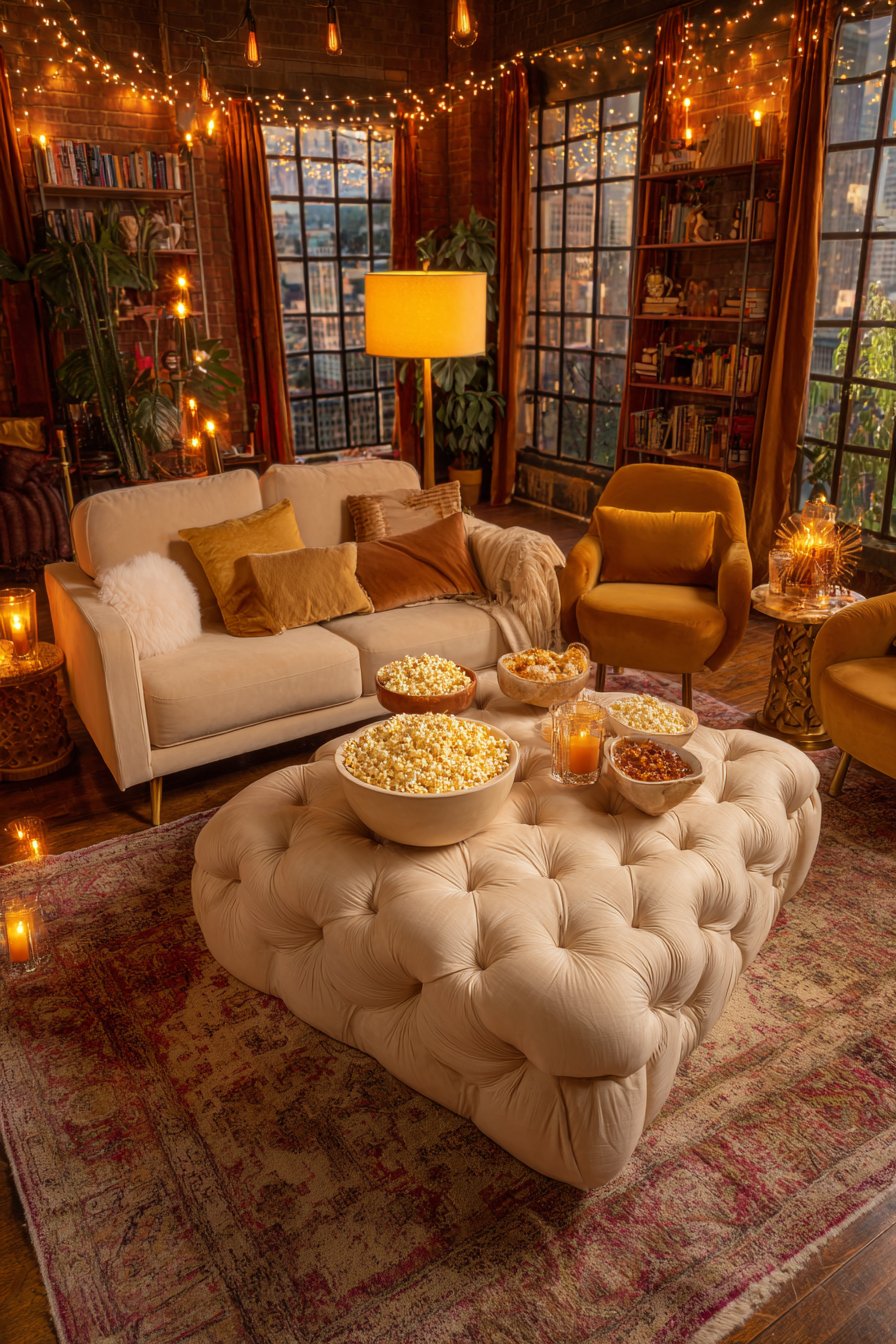
For families with children or people who use their living room as a primary lounging and relaxation hub, a sectional’s sprawling comfort may well justify the trade-off in space. There’s nothing quite like stretching out on a chaise end after a long day. In this case, prioritizing comfort and daily use makes complete sense.
- Assess your average daily usage versus peak entertaining needs honestly
- Consider an ottoman that doubles as extra seating when needed
- Pair a sofa with stackable poufs for occasional overflow seating
- If you entertain often, a small sectional may be worth the spatial compromise
- For solo dwellers or couples, a loveseat plus chair may be the ideal solution
- Think long-term — choose seating that serves your evolving lifestyle
7. Layout and Configuration Flexibility
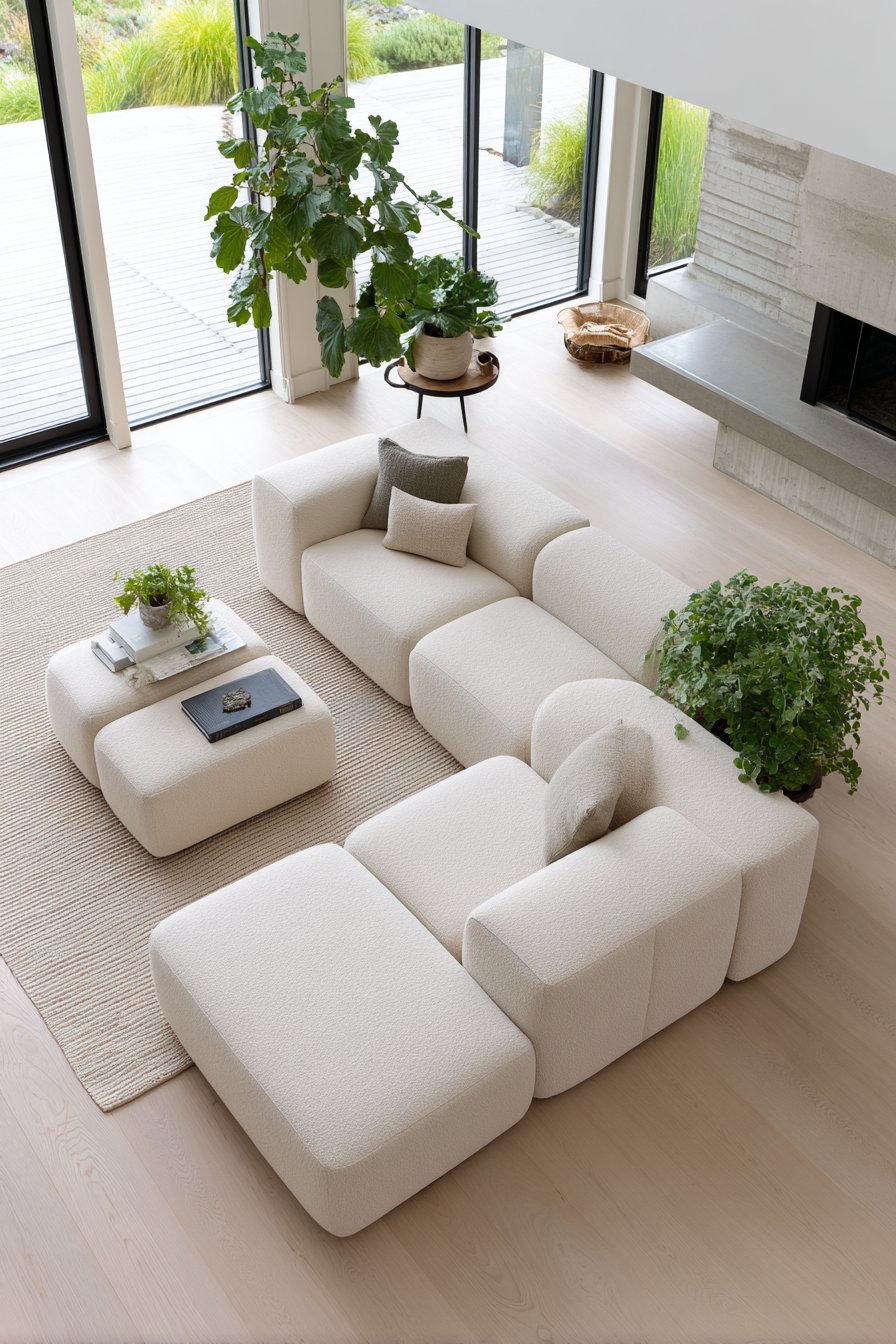
Flexibility is a major advantage of the traditional sofa. You can reposition a sofa easily as your room’s needs change. Moving it to a different wall, angling it, or pairing it with different companion pieces takes minimal effort and opens up creative layout possibilities.
Sectionals are far less layout-flexible by nature. Once you commit to an L-shape or U-shape configuration, you’re largely locked into that arrangement. Reconfiguring a sectional often means disassembling it, which can be a significant undertaking in a small apartment with narrow hallways.
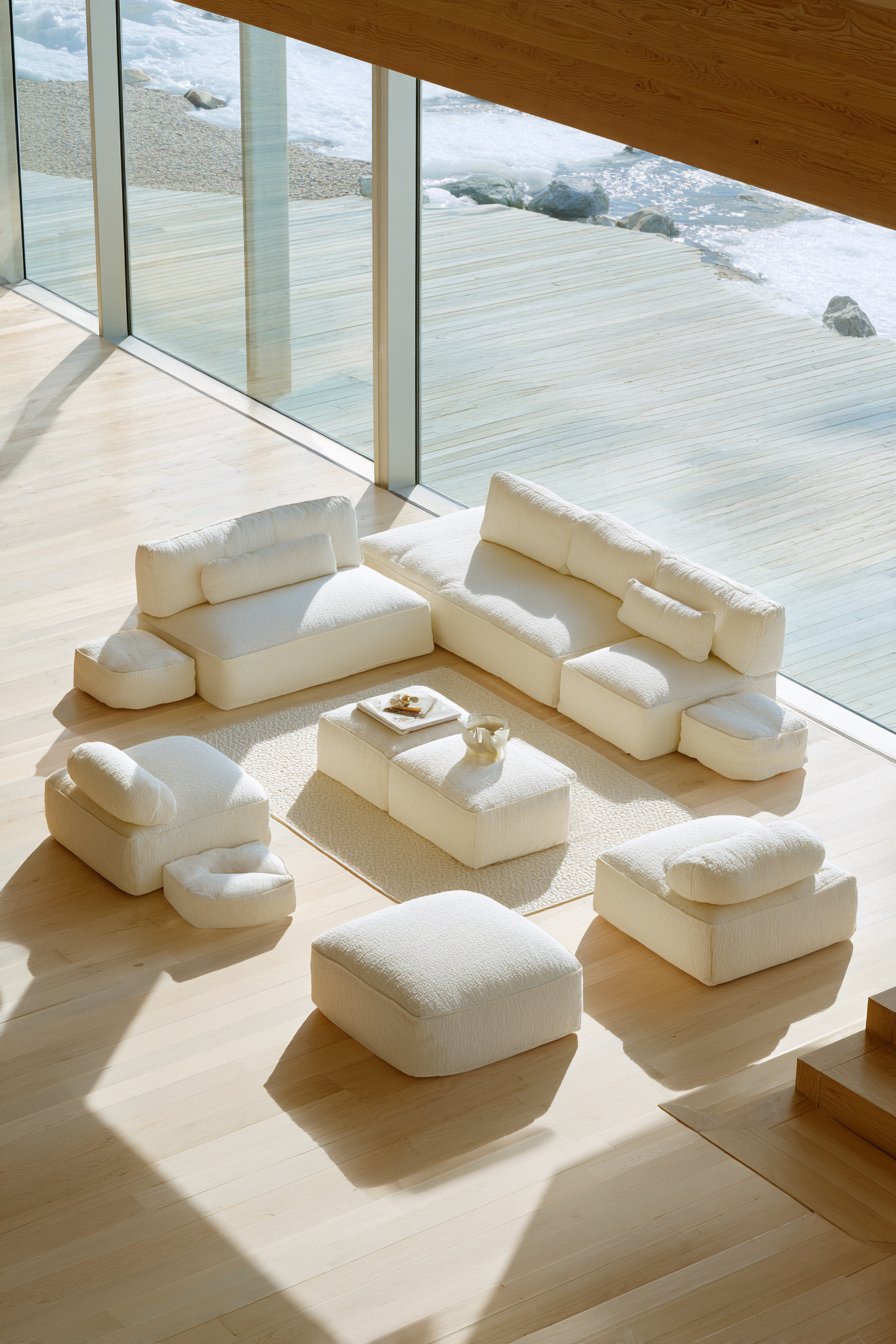
Modular sectionals are the exception to this rule. These innovative designs consist of separate pieces that can be rearranged in multiple configurations. They offer the comfort and seating capacity of a sectional with the spatial adaptability of individual furniture pieces. For small spaces that demand flexibility, modular designs are worth the higher investment.
- Choose modular designs if flexibility is a priority for your lifestyle
- Test different sofa orientations using painter’s tape before settling
- Consider a floating layout — pulling the sofa away from the wall adds depth
- Keep a few portable seating options like floor cushions for flexibility
- Avoid furniture that’s too heavy to move without professional help
- Revisit your layout every year or two to keep the space feeling fresh
8. Style and Aesthetic Considerations
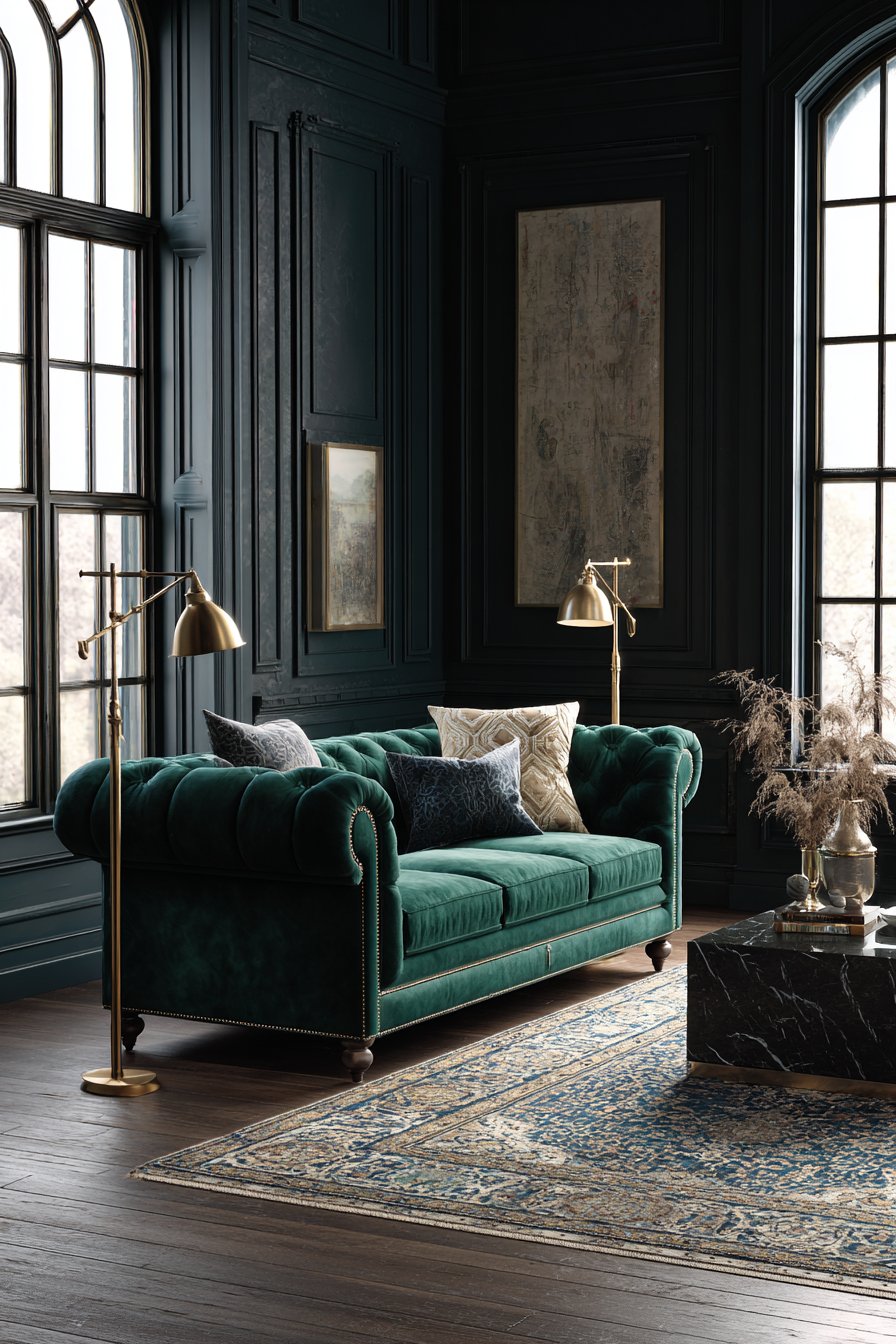
Your furniture choice dramatically affects the overall aesthetic of your living room. A well-chosen sofa can anchor a small space elegantly, creating a focal point that draws the eye and sets the design tone. The right upholstery, silhouette, and detailing make a significant stylistic statement.
Sectionals often create a more casual, relaxed atmosphere. They signal comfort and informality — perfect for family rooms and casual entertainment spaces. If your design vision leans toward a laid-back, cozy aesthetic, a thoughtfully chosen sectional can absolutely deliver that feeling, even in a smaller room.
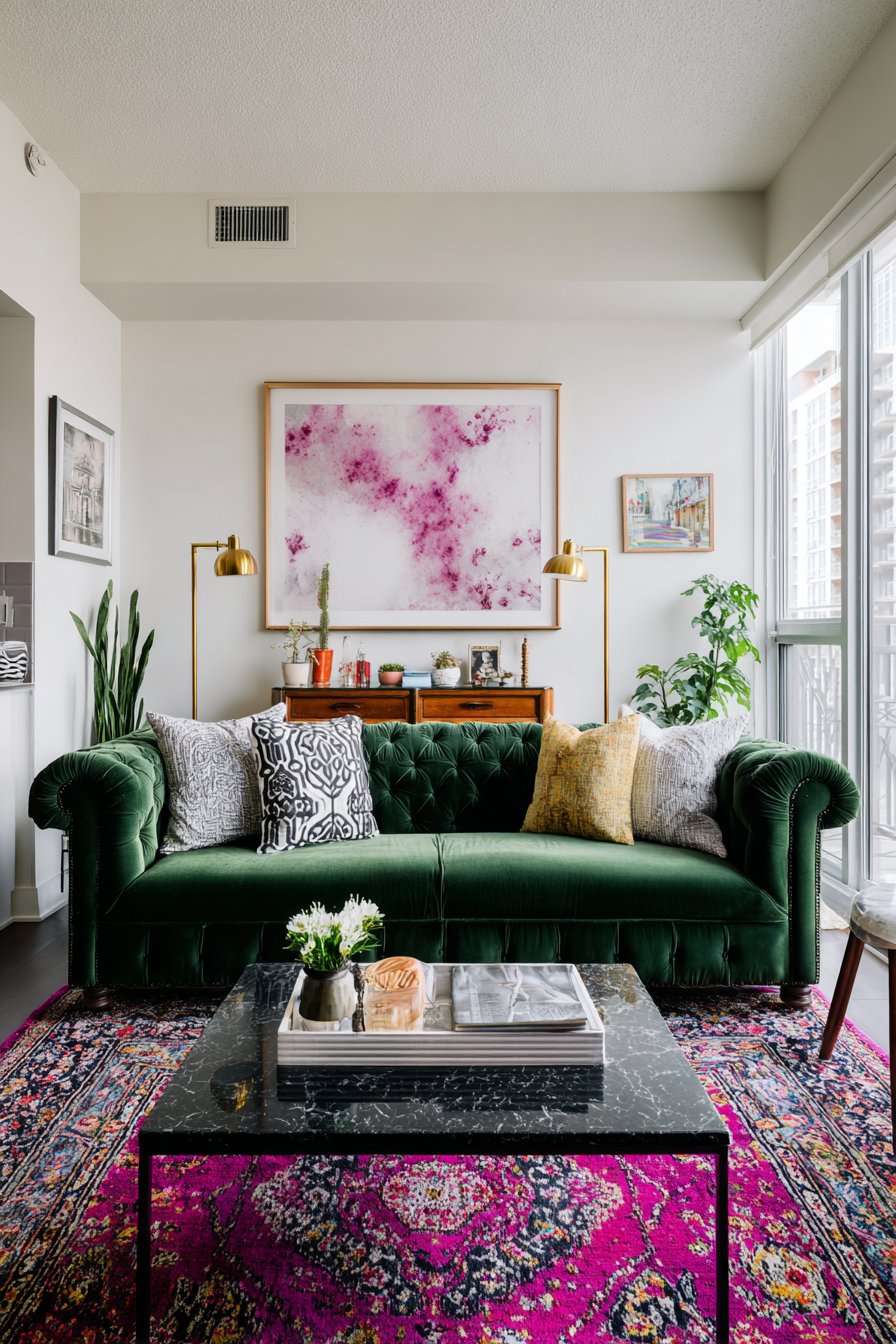
Sofas, on the other hand, offer greater design range. A structured Chesterfield sofa feels formal and elegant. A low-profile mid-century design feels sophisticated and airy. A rolled-arm sofa feels classic and timeless. This stylistic diversity makes the sofa a more versatile tool in the interior designer’s kit for small-space work.
- Match your sofa or sectional style to your overall design vision intentionally
- In minimalist rooms, choose clean-lined sofas with simple silhouettes
- In bohemian spaces, opt for textured upholstery like velvet or boucle
- Avoid overly ornate designs in small rooms — they compete with the limited space
- Use accent pillows to bridge the sofa’s style with the rest of the decor
- Consider a statement color sofa as the room’s focal point
9. Budget Considerations for Small Spaces
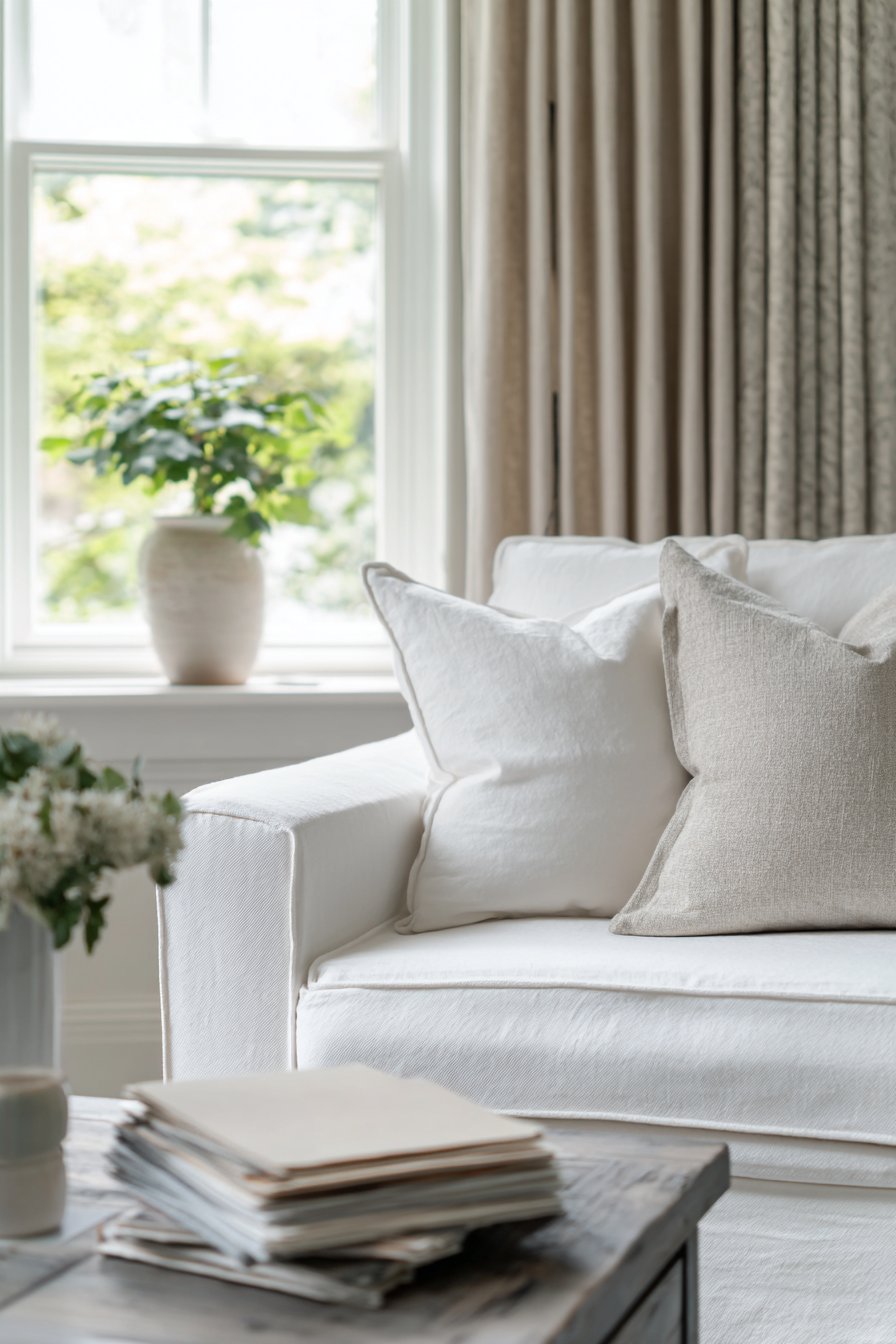
Budget reality often plays the deciding role in furniture decisions. For most homeowners, a quality sofa represents a more accessible investment than a full sectional. You can find beautifully crafted sofas at nearly every price point, from budget-friendly options under $800 to investment-grade pieces over $3,000.
Sectionals generally cost more — both upfront and in the long run. They require more upholstery fabric, more frame material, and more labor to produce. Additionally, if you ever need to reupholster or repair a sectional, the cost is proportionally higher than a comparable sofa project.
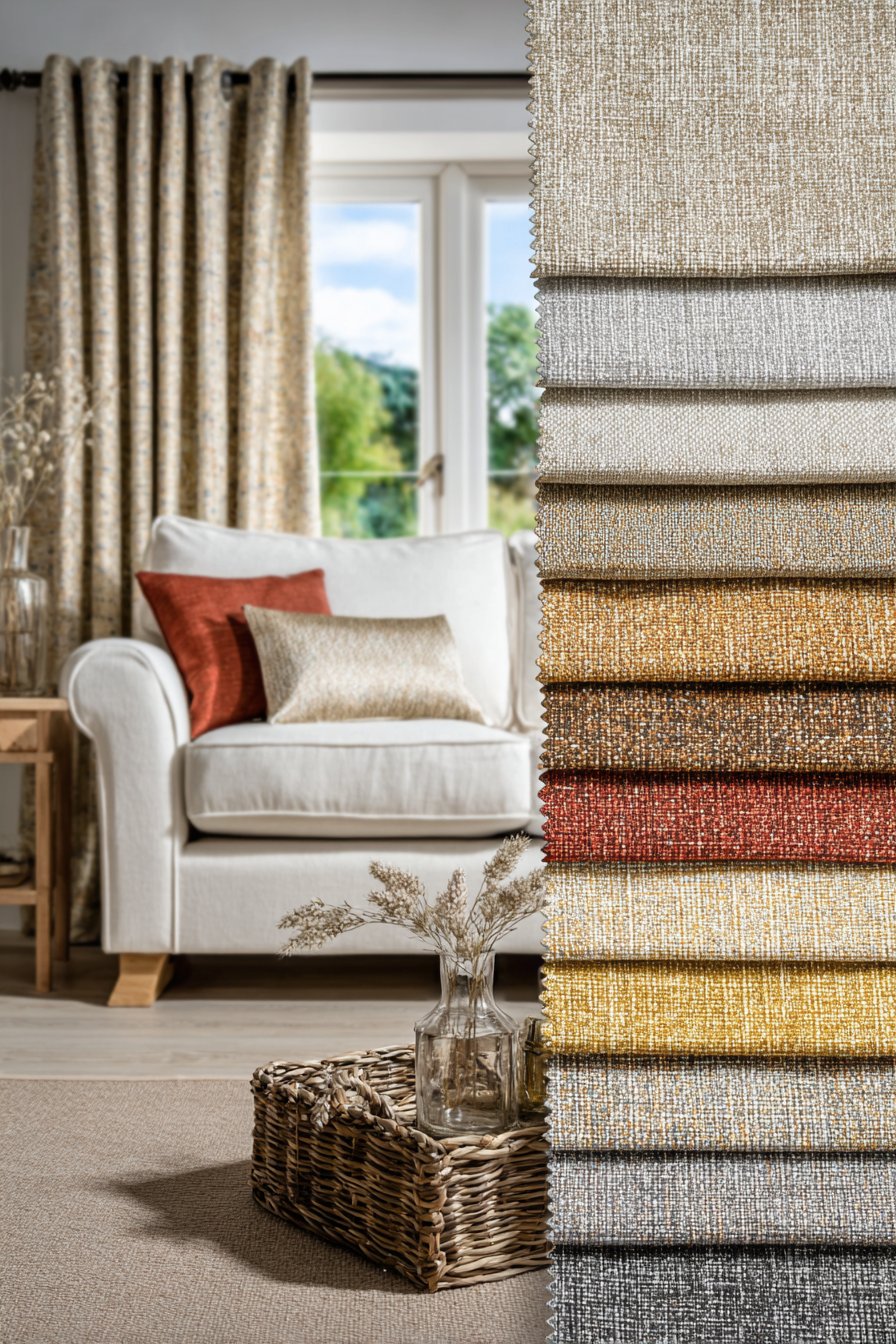
That said, if a sectional truly serves your needs better, the cost per use argument often justifies the investment. A sectional that perfectly fits your lifestyle and lasts 15 years delivers far more value than a cheaper sofa replaced every five years. Prioritize quality and fit over initial price tag whenever your budget allows.
- Set a realistic budget range before beginning your furniture search
- Factor in delivery, assembly, and potential protection plan costs
- Invest in high-quality cushion cores — foam density determines longevity
- Consider outlet stores and floor models for significant savings on quality pieces
- Don’t compromise on frame quality — hardwood frames outlast engineered wood significantly
- A slipcover sofa offers style flexibility at a fraction of the reupholstery cost
10. Final Verdict: Which Should You Choose?
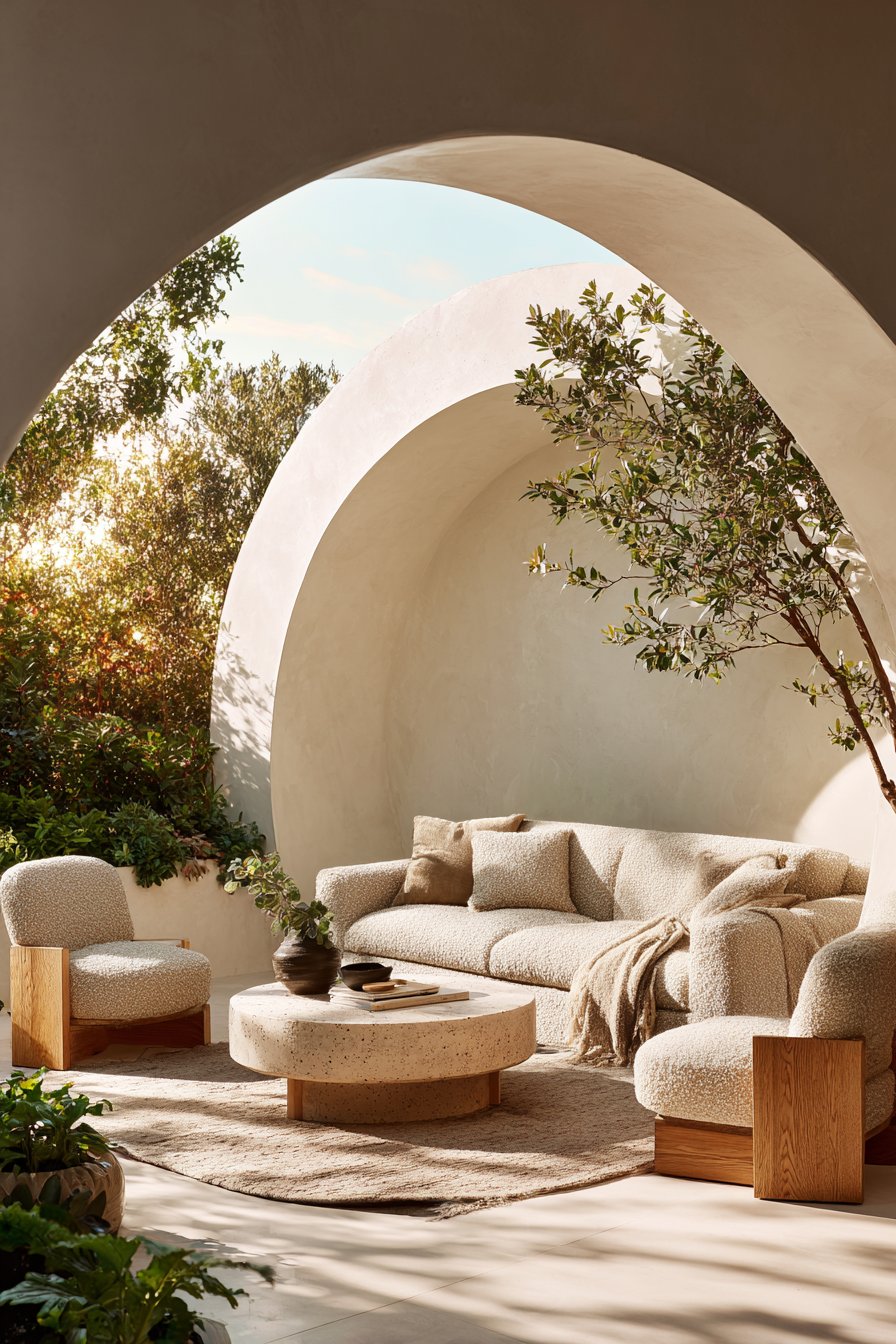
After weighing all the factors, the answer becomes clearer based on your specific situation. For most small living rooms under 250 square feet, a traditional sofa remains the superior choice. It offers better traffic flow, greater design flexibility, and a lighter visual footprint that keeps the room feeling open and intentional.
However, if your small room has a natural corner configuration, if seating capacity is a genuine daily need, or if you’ve found a compact sectional specifically designed for apartment living, a sectional can absolutely work. The critical step is measuring precisely and visualizing the layout thoroughly before committing to any purchase.
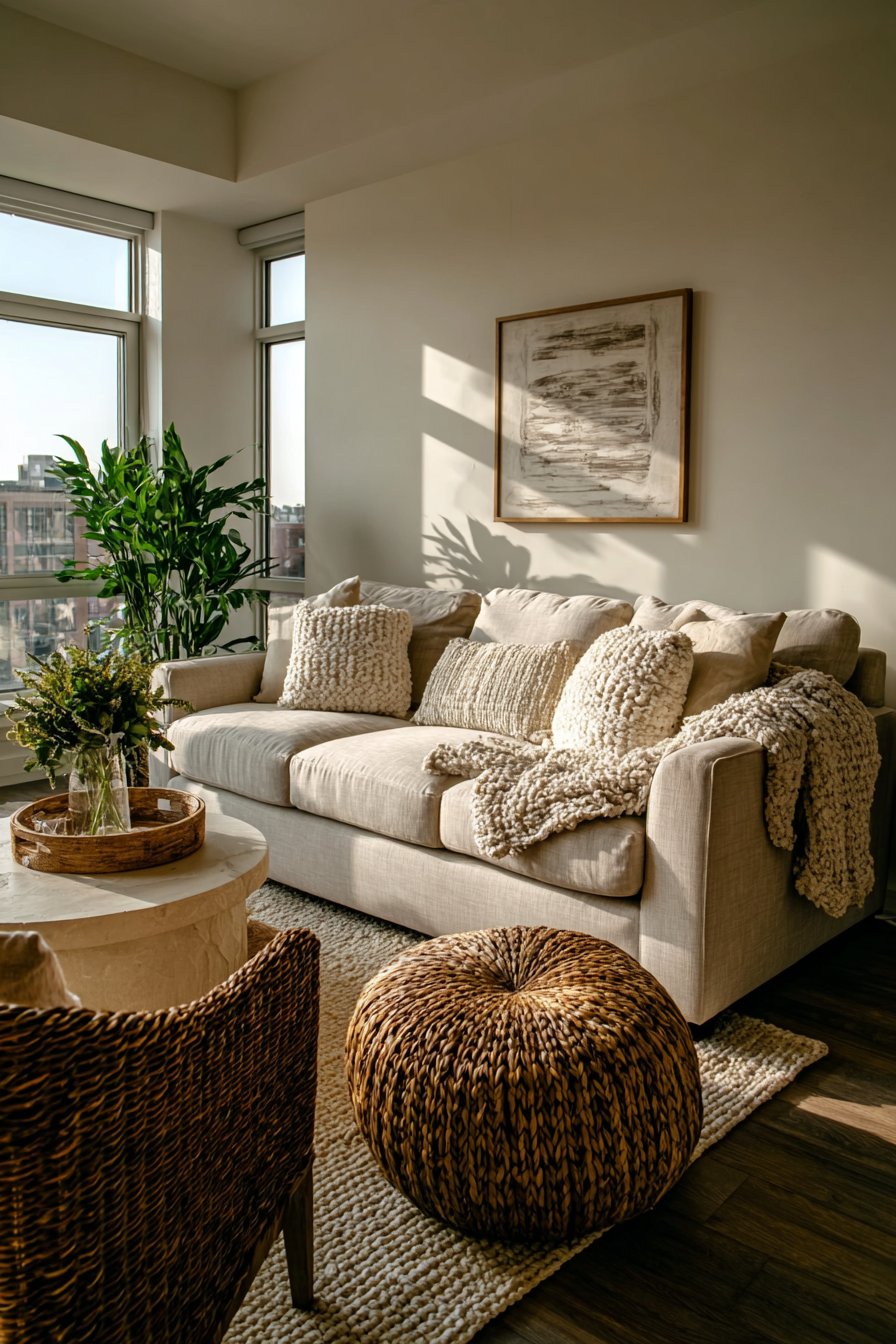
The best living room isn’t necessarily the one with the most impressive piece of furniture. It’s the one where every element serves a purpose, the space flows effortlessly, and the design reflects the personality of the people who live there. Whether you choose a sofa or a sectional, choose with intention and confidence.
- Always prioritize function over aesthetics — beauty follows good planning
- Revisit your decision after living in the space for a few weeks
- Don’t rush — take time to test pieces in-store before purchasing
- Use online room planners to visualize your layout digitally before buying
- Ask a friend or designer for a second opinion on your final choice
- Remember: the right furniture makes your home feel like you
Conclusion
Choosing between a sectional and a sofa for a small living room ultimately comes down to your unique lifestyle, layout, and design goals. Sofas win on versatility, visual lightness, and flexibility — making them the safer choice for most compact spaces. Sectionals can work beautifully when chosen at the right scale and placed in the right configuration.
Use the insights from this guide to evaluate your space honestly and shop with confidence. Great interior design isn’t about following rigid rules — it’s about understanding principles and applying them creatively to your own home. Trust your instincts, measure carefully, and create a living room that truly works for the life you live every day.
"As an Amazon Associate, I earn from qualifying purchases."
