
Quality sleep remains one of the most critical factors affecting our overall health, productivity, and wellbeing. Yet millions struggle nightly to achieve the restorative rest their bodies desperately need. The solution often lies not in medications or complicated routines, but in the intentional design of your bedroom environment. Your sleeping space profoundly impacts sleep quality through elements like lighting, color, temperature, and sensory comfort. By optimizing these factors, you create conditions that naturally promote deep, rejuvenating sleep.
Thoughtful bedroom design serves as the foundation for healthy sleep habits and daily energy. Different design approaches cater to individual preferences—some people find peace in minimalist spaces, while others need warmth and texture. The key is understanding which environmental factors most significantly affect your personal sleep quality. From light-blocking solutions to temperature regulation, each element plays a specific role in either supporting or disrupting your natural sleep cycles.

These nine evidence-based tips focus on creating a bedroom environment that actively promotes relaxation and better sleep starting tonight. Each recommendation addresses specific sleep disruptors while providing practical, achievable solutions. You’ll discover how simple adjustments to your bedroom’s design and environment can transform your sleep experience. Whether you struggle with falling asleep, staying asleep, or simply want to enhance your rest quality, these targeted strategies offer immediate improvements you can implement right away.
1. Optimize Bedroom Temperature for Sleep

Room temperature dramatically impacts sleep quality, yet it’s often overlooked in bedroom design. Research shows the ideal sleep temperature falls between 60-67°F (15-19°C). Our body temperature naturally drops during sleep, and a cooler room facilitates this process. When bedrooms run too warm, the body struggles to achieve the temperature drop necessary for deep sleep, resulting in restless nights and frequent waking.
Create a cooler sleeping environment through strategic design choices beyond just thermostat adjustment. Choose breathable bedding materials like cotton, linen, or bamboo that promote airflow rather than trapping heat. Layer blankets so you can adjust coverage throughout the night as body temperature fluctuates. Consider a ceiling fan or standing fan for air circulation, which also provides gentle white noise that masks disruptive sounds.
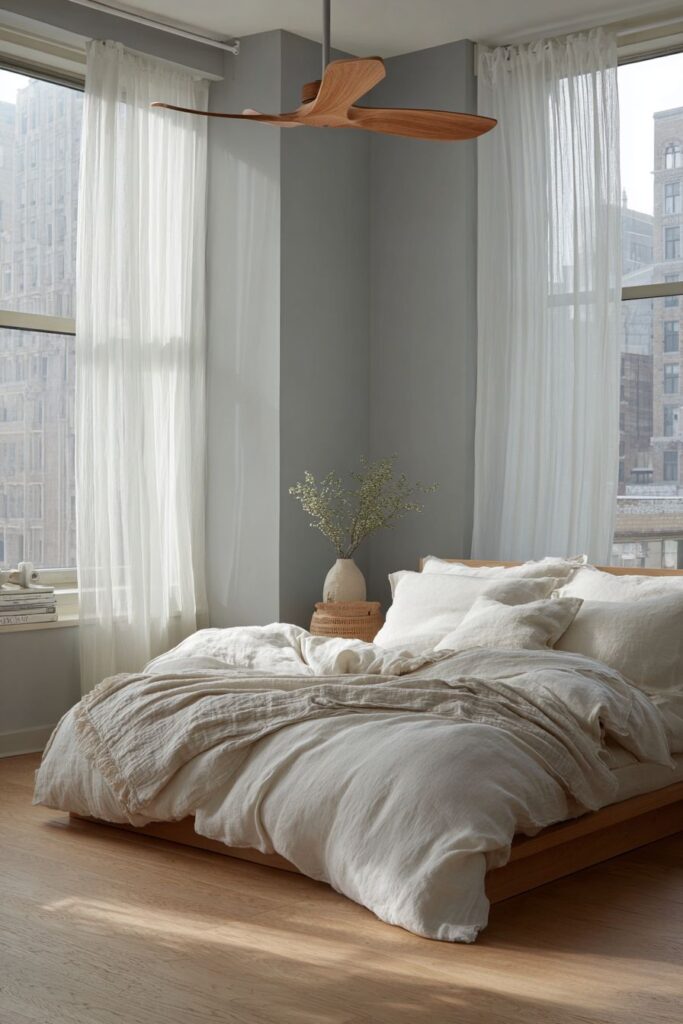
Pay attention to heat sources in your bedroom that might be sabotaging sleep. Electronics generate surprising warmth when left plugged in overnight. Heavy curtains trap heat during summer months while inadequate window coverings allow cold drafts in winter. Assess your bedroom’s temperature profile throughout the night and make seasonal adjustments to maintain that crucial 60-67°F range year-round.
- Set thermostat between 60-67°F specifically for sleep hours
- Use a programmable thermostat to lower temperature automatically at bedtime
- Choose breathable cotton or linen bedding instead of synthetic materials
- Layer blankets for easy temperature adjustment throughout the night
- Use a ceiling or standing fan for air circulation and white noise
- Close vents or use draft stoppers to prevent cold air infiltration in winter
2. Block Out Light Completely
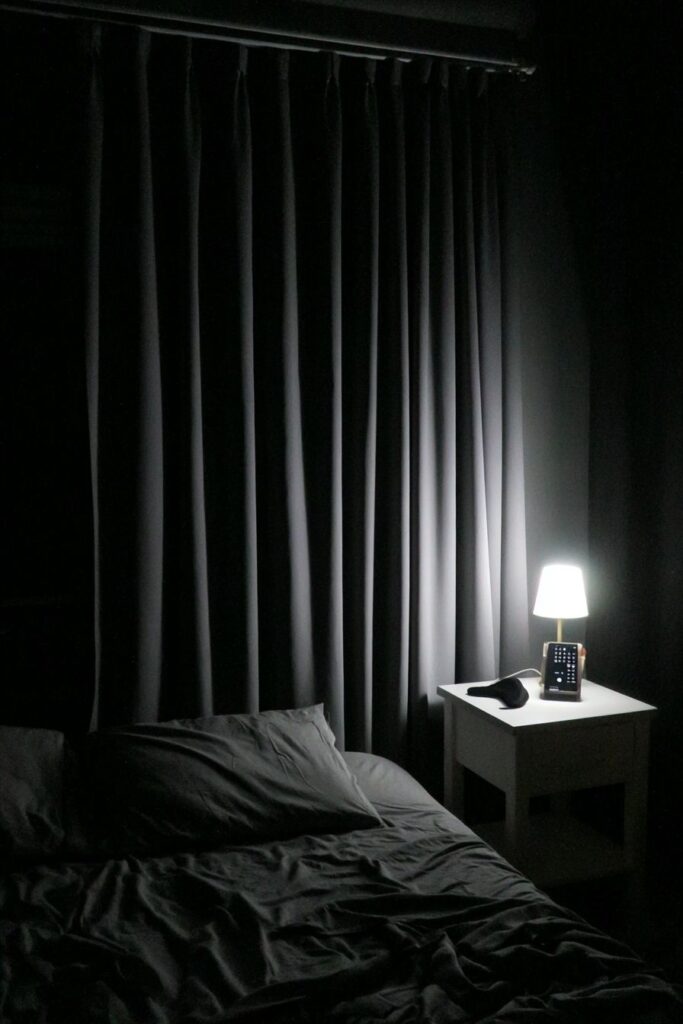
Darkness triggers melatonin production, the hormone that regulates sleep-wake cycles. Even small amounts of light from street lamps, devices, or hallway cracks can suppress melatonin and fragment sleep. Creating a completely dark bedroom environment is one of the most effective interventions for improving both sleep onset and sleep quality throughout the night.
Install blackout curtains or shades that eliminate all external light sources. Choose curtains that extend beyond window frames to prevent light leakage around edges. Layer blackout liners behind decorative curtains if you want aesthetic options during the day. For immediate improvement, use blackout clips or Velcro strips to seal curtain edges against walls, preventing those annoying light strips that penetrate standard curtain installations.

Address internal light sources that disrupt sleep just as significantly as external ones. Cover or remove electronic devices with LED displays, including alarm clocks, chargers, and power strips. Use electrical tape to cover small indicator lights you can’t eliminate. If you need nighttime visibility for bathroom trips, install motion-activated night lights in hallways rather than keeping bedroom lights on. These emit minimal light only when needed, preserving your bedroom’s darkness.
- Install blackout curtains or cellular shades that block 100% of light
- Use blackout clips or Velcro to seal curtain edges against walls
- Cover all LED displays with electrical tape or turn devices away
- Remove electronics with lights from bedroom entirely when possible
- Use motion-activated hallway night lights instead of bedroom lighting
- Consider a sleep mask as backup for travel or temporary situations
3. Choose Calming Colors

Color psychology profoundly affects mood, stress levels, and ability to relax. Bedrooms painted in cool, muted tones promote tranquility while bright, saturated colors increase alertness and energy. The most sleep-promoting colors include soft blues, gentle greens, pale grays, and warm neutrals. These hues lower heart rate and blood pressure, creating physiological conditions conducive to sleep.

Blue stands as the most effective color for bedrooms according to sleep research. Soft, dusty blue tones create calming environments that help both mind and body prepare for rest. Green follows closely, evoking nature and promoting feelings of safety and renewal. If you prefer warmer tones, choose muted versions of beige, taupe, or pale lavender rather than stimulating oranges or energizing yellows.

Extend your calming color scheme beyond walls to bedding, curtains, and accessories. Create a cohesive palette using three colors maximum to avoid visual chaos. Keep patterns minimal and subtle—busy prints stimulate the brain rather than calming it. The goal is creating visual harmony that allows your eyes to rest easily on every surface, sending relaxation signals to your nervous system.
- Paint bedroom walls in soft blue, sage green, or warm gray
- Choose muted, desaturated versions of colors rather than bright hues
- Limit your color palette to three complementary tones maximum
- Select bedding and curtains that coordinate with wall color
- Avoid red, bright orange, or energizing yellow in sleep spaces
- Use varying shades of one color for cohesive, calming effect
4. Invest in Quality Bedding

Premium bedding directly impacts sleep comfort through texture, temperature regulation, and overall sensory experience. Your body spends roughly one-third of life in bed, making bedding one of the most important investments for health and wellbeing. Quality sheets, pillows, and mattresses provide the foundation for restorative sleep that cheaper alternatives simply cannot match.
Choose sheets with a thread count between 300-500 for optimal balance of softness and breathability. Higher counts aren’t necessarily better—extremely high thread counts often use inferior fibers or deceptive weaving. Natural materials like long-staple cotton, linen, or bamboo outperform synthetics in moisture wicking and temperature regulation. These fabrics keep you cool in summer and cozy in winter through their inherent breathability.
Don’t overlook pillow quality in your bedding investment strategy. The right pillow maintains proper neck alignment while providing comfort for your preferred sleep position. Side sleepers need firmer, higher pillows while back sleepers require medium support. Replace pillows every 1-2 years as they lose supportive structure. Consider your mattress age too—mattresses lose support after 7-10 years, directly impacting sleep quality regardless of other bedroom improvements.

- Choose natural fiber sheets in 300-500 thread count for best quality
- Select pillows based on your sleep position for proper neck support
- Replace pillows every 1-2 years and mattresses every 7-10 years
- Layer bedding for easy temperature adjustment throughout the night
- Wash sheets weekly in hot water to remove allergens and oils
- Invest in a mattress protector to extend mattress life and maintain hygiene
5. Eliminate Electronic Devices

Blue light emission from phones, tablets, and computers suppresses melatonin production for up to three hours. This wavelength of light tricks the brain into thinking it’s daytime, disrupting natural sleep-wake cycles. Beyond light exposure, the mental stimulation from scrolling social media, checking emails, or watching videos keeps your brain in an alert state incompatible with sleep.
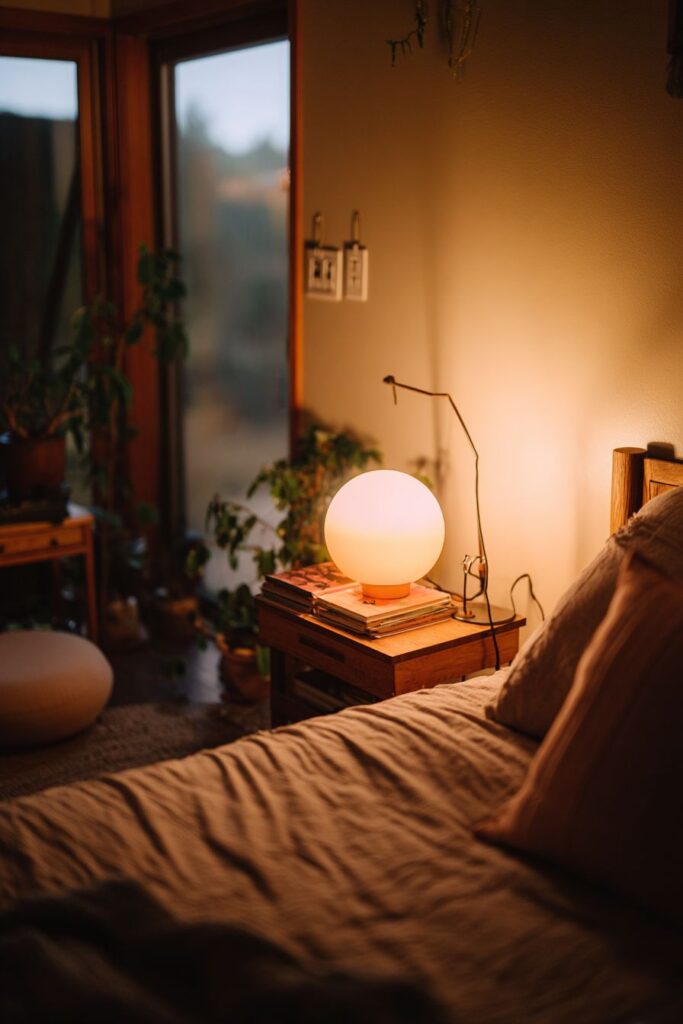
Create a technology-free zone in your bedroom starting at least one hour before bedtime. Remove televisions, computers, and tablets from the sleeping space entirely. Charge phones in another room or at minimum place them across the room rather than on nightstands. This physical distance eliminates temptation to check devices during night wakings that would otherwise resolve naturally within minutes.
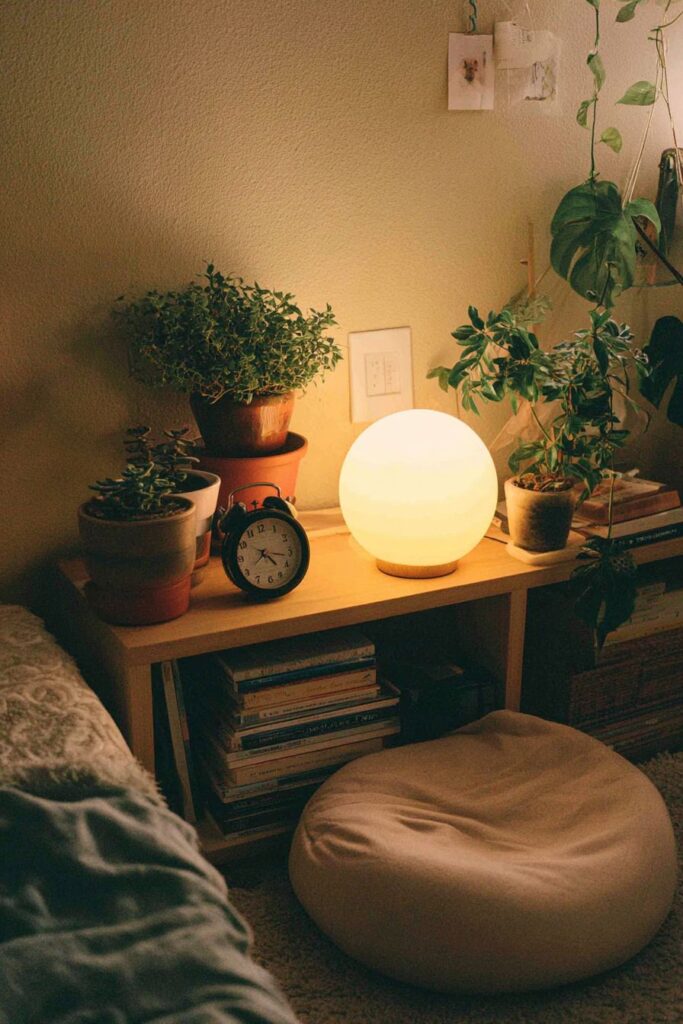
If you absolutely must have devices in the bedroom, implement strict boundaries around their use. Enable night mode or blue light filters, though these provide only partial protection. Set an automatic shutdown time using app timers to prevent endless scrolling. Consider using an old-fashioned alarm clock instead of your phone so you have zero reason to keep devices near the bed.
- Remove all electronic screens from bedroom completely if possible
- Charge phones in another room or across the bedroom minimum
- Stop all screen use at least one hour before bedtime
- Use an analog alarm clock instead of phone alarm
- Enable night mode if you must use devices near bedtime
- Install blue light filtering apps as backup protection only
6. Control Noise Levels
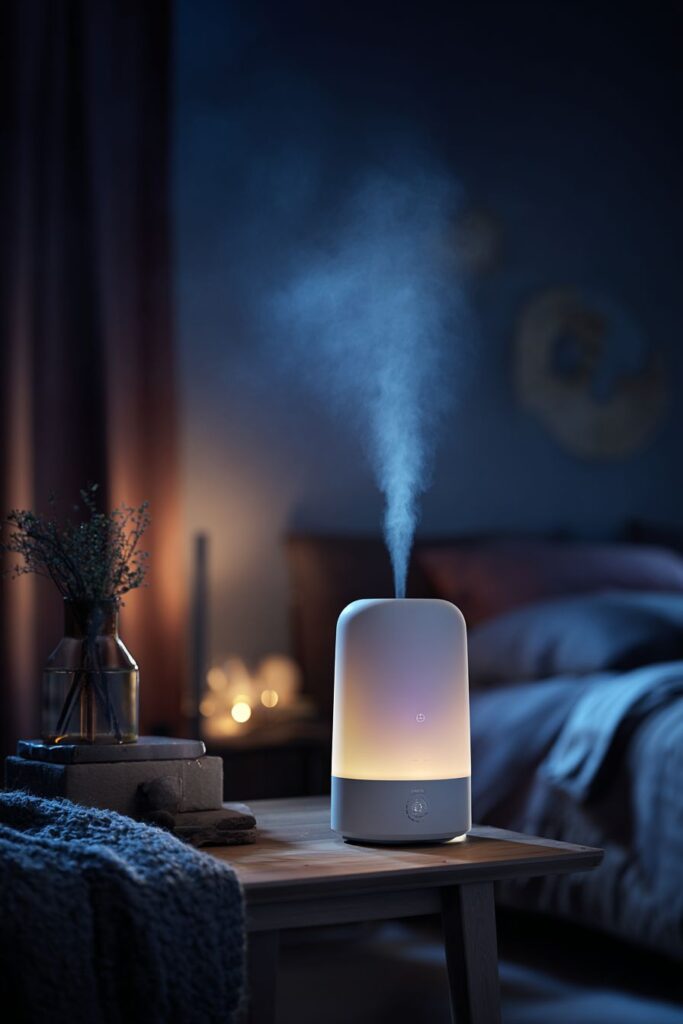
Noise disruption fragments sleep even when you don’t consciously wake, reducing time spent in deep restorative stages. Traffic sounds, neighbor activity, household noise, and partner snoring all compromise sleep quality significantly. Creating a quiet environment or effectively masking disruptive sounds improves both sleep onset time and overall sleep continuity throughout the night.
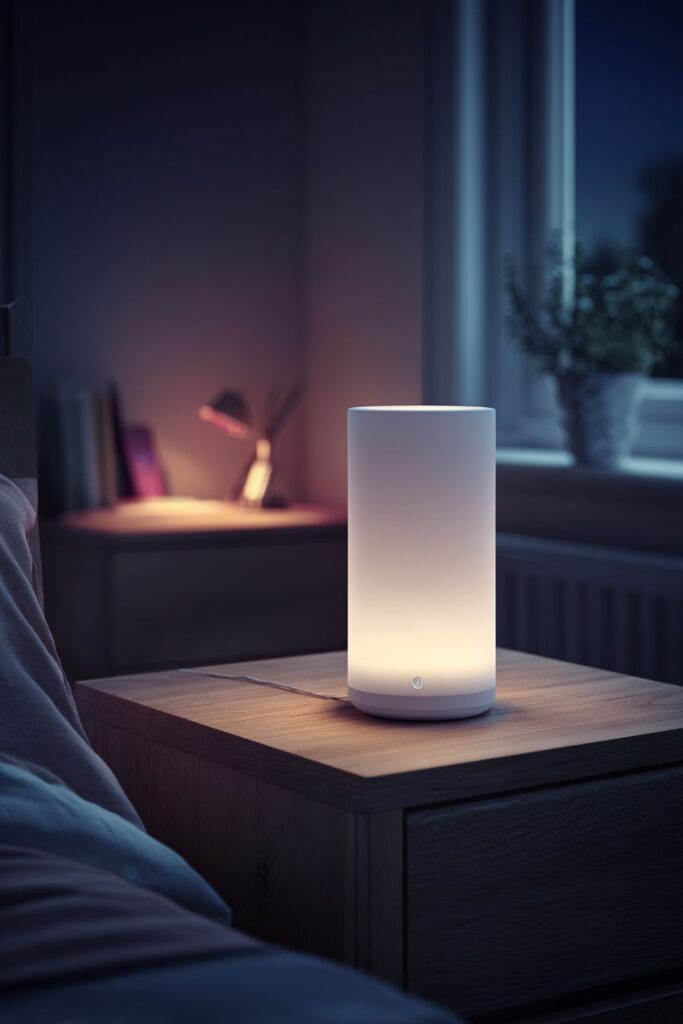
White noise machines effectively mask irregular sounds that trigger awakening. The consistent, neutral sound helps the brain tune out sudden noises while providing gentle auditory backdrop. Choose machines with continuous sound loops rather than those with obvious repetitions. Alternatively, use apps or fans that generate natural white noise. Position the sound source between you and the noise source for optimal masking effectiveness.
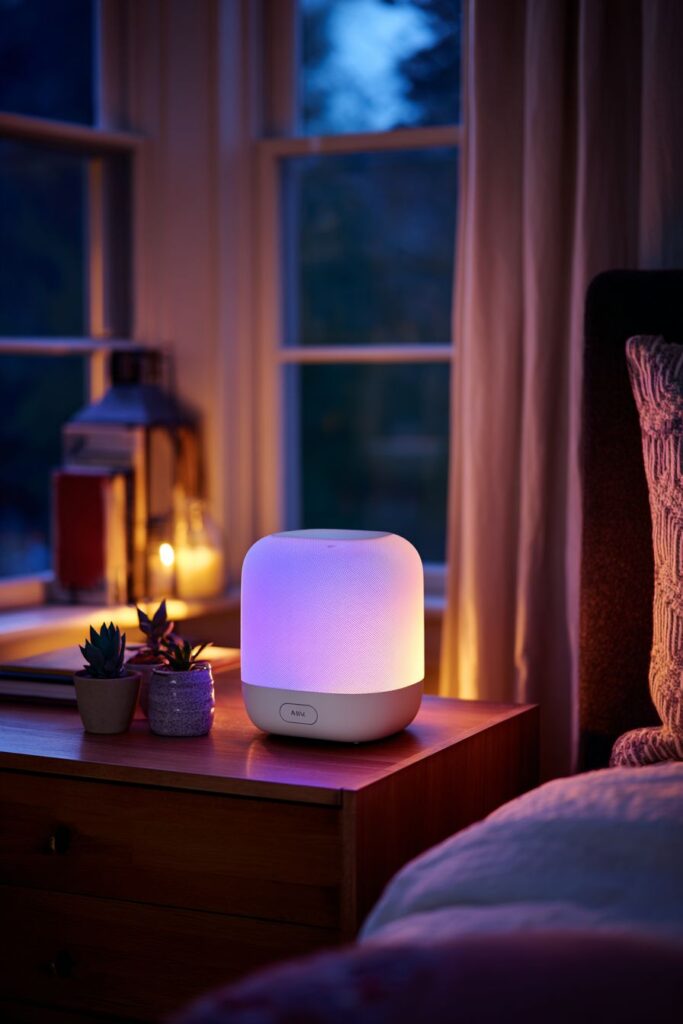
For severe noise issues, combine multiple sound reduction strategies. Install heavy curtains that provide surprising sound dampening along with light blocking. Add weatherstripping around doors to prevent sound leakage. Use rugs and fabric wall hangings to absorb rather than reflect sound. For persistent problems, consider high-quality earplugs designed specifically for sleeping—they block disruptive noise while allowing you to hear important sounds like alarms.
- Use white noise machine to mask irregular disruptive sounds
- Position sound source between you and noise for best masking
- Install heavy curtains that provide both light and sound blocking
- Add weatherstripping to doors to prevent sound leakage
- Try comfortable foam or silicone earplugs designed for sleeping
- Use fans for dual benefit of white noise and air circulation
7. Declutter Your Sleep Space

Visual clutter creates mental clutter that prevents relaxation and triggers stress responses. When your bedroom contains piles of laundry, work materials, exercise equipment, or general chaos, your brain perceives it as an uncompleted task list rather than restful sanctuary. This subconscious stress makes it significantly harder to transition into sleep mode each evening.
Remove everything from your bedroom that doesn’t directly support sleep or getting dressed. Relocate exercise equipment, work materials, and hobby supplies to other rooms. Keep surfaces like nightstands and dressers clear of everything except absolute essentials—perhaps a lamp, book, and glass of water. The visual simplicity signals to your brain that this space has one primary purpose: rest.
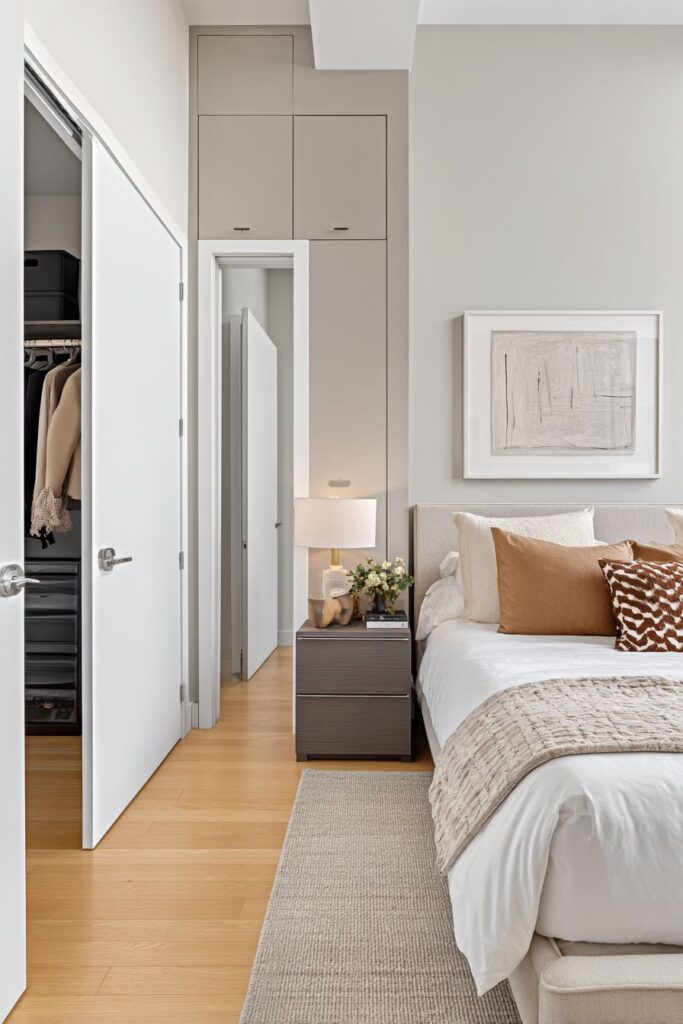
Implement daily habits that maintain organization rather than letting clutter accumulate. Make your bed each morning—this simple act creates immediate visual order and sets a positive tone. Put away clothing immediately rather than draping it over chairs. Designate specific storage locations for everything and return items there consistently. These small disciplines prevent the gradual clutter buildup that undermines your bedroom’s peaceful atmosphere.
- Remove all work materials, exercise equipment, and non-sleep items from bedroom
- Keep nightstand surfaces clear except lamp and current book
- Make bed every morning to maintain visual order
- Put away clothing immediately rather than piling on furniture
- Use drawer organizers to contain small items out of sight
- Do a quick 5-minute bedroom tidy before bed nightly
8. Incorporate Relaxing Scents

Aromatherapy leverages the powerful connection between scent and the limbic system to promote relaxation and sleep. Certain fragrances demonstrably reduce heart rate, lower blood pressure, and decrease stress hormones. The most effective sleep-promoting scents include lavender, chamomile, bergamot, and sandalwood. These natural aromatics create sensory environments that trigger both physical and mental relaxation.
Lavender stands as the most researched and effective sleep scent. Studies show lavender increases deep sleep stages while reducing the time it takes to fall asleep. Use lavender through various delivery methods—essential oil diffusers, pillow sprays, or sachets tucked into pillowcases. Choose pure essential oils rather than synthetic fragrances that lack therapeutic benefits and may contain irritating chemicals.
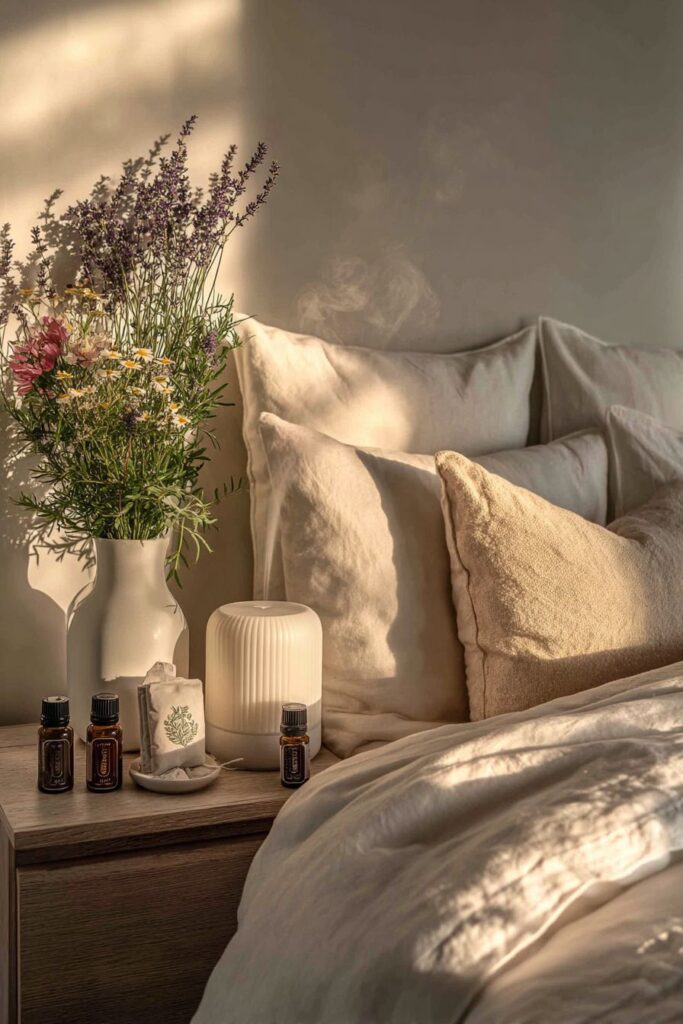
Incorporate relaxing scents into your bedtime routine for maximum effectiveness. The consistent nightly use creates powerful associations between the scent and sleep. Diffuse oils for 30 minutes before bed, spray linens during evening turndown, or apply diluted oils to pulse points. Keep scents subtle and pleasant rather than overwhelming—the goal is gentle sensory support for relaxation, not overpowering fragrance that itself becomes distracting.
- Use lavender essential oil in a diffuser 30 minutes before bed
- Spray pillows and sheets with diluted lavender or chamomile water
- Place dried lavender sachets inside pillowcases
- Choose pure essential oils rather than synthetic fragrance products
- Keep scents subtle and pleasant rather than overwhelming
- Create consistent nightly routine, associating scent with sleep time
9. Establish a Cool-Down Routine

Pre-sleep rituals signal to your body that it’s time to transition from wakefulness to rest. The hour before bed should involve progressively calming activities that lower both mental arousal and physical tension. This predictable routine helps regulate your circadian rhythm while creating psychological associations between specific activities and sleep preparation.

Dim lighting throughout your home during the final hour before bed to encourage melatonin production. Engage in relaxing activities like reading physical books, gentle stretching, or meditation. Avoid stimulating content—work emails, stressful news, action movies—that increases alertness. The goal is creating a gentle transition period that allows your nervous system to shift into rest mode naturally.
Make your bedroom the final destination in your pre-sleep routine rather than spending the entire hour there. Complete hygiene tasks, prepare tomorrow’s clothing, and set out anything needed for morning in other spaces. Enter your bedroom only when truly ready for sleep. This associates your bedroom specifically with sleep rather than wake-time activities, strengthening the sleep-space connection that improves both falling asleep and returning to sleep after night wakings.

- Dim all lights in your home during the hour before bedtime
- Engage in calming activities like reading, stretching, or meditation
- Complete all preparation tasks outside the bedroom when possible
- Establish consistent bedtime and wake time even on weekends
- Avoid stimulating content like news, work emails, or intense shows
- Enter bedroom only when genuinely ready to sleep
Conclusion
Creating a relaxing bedroom that promotes better sleep requires attention to multiple environmental factors working together. These nine evidence-based tips address the most significant sleep disruptors while providing practical solutions you can implement immediately. Start with changes that address your specific sleep challenges—whether that’s light exposure, temperature issues, or mental stress. Even small improvements compound over time to create dramatically better sleep quality.
Remember that optimal sleep profoundly impacts every aspect of life including mood, productivity, health, and relationships. Your bedroom investment deserves priority equal to other health expenditures. Experiment with these recommendations and pay attention to which changes most improve your sleep experience. Trust the process, maintain consistency, and give your body time to adjust to the new sleep environment. Better sleep awaits—starting tonight—in your newly optimized bedroom sanctuary.
"As an Amazon Associate, I earn from qualifying purchases."
