
Choosing the right countertop is one of the most consequential decisions in any kitchen remodel. It affects how your space looks, how you cook, and how much time you spend maintaining it. Two materials dominate the conversation: quartz and granite. Both are beautiful, durable, and capable of transforming a kitchen into something extraordinary. But which one is truly easier to live with day after day?
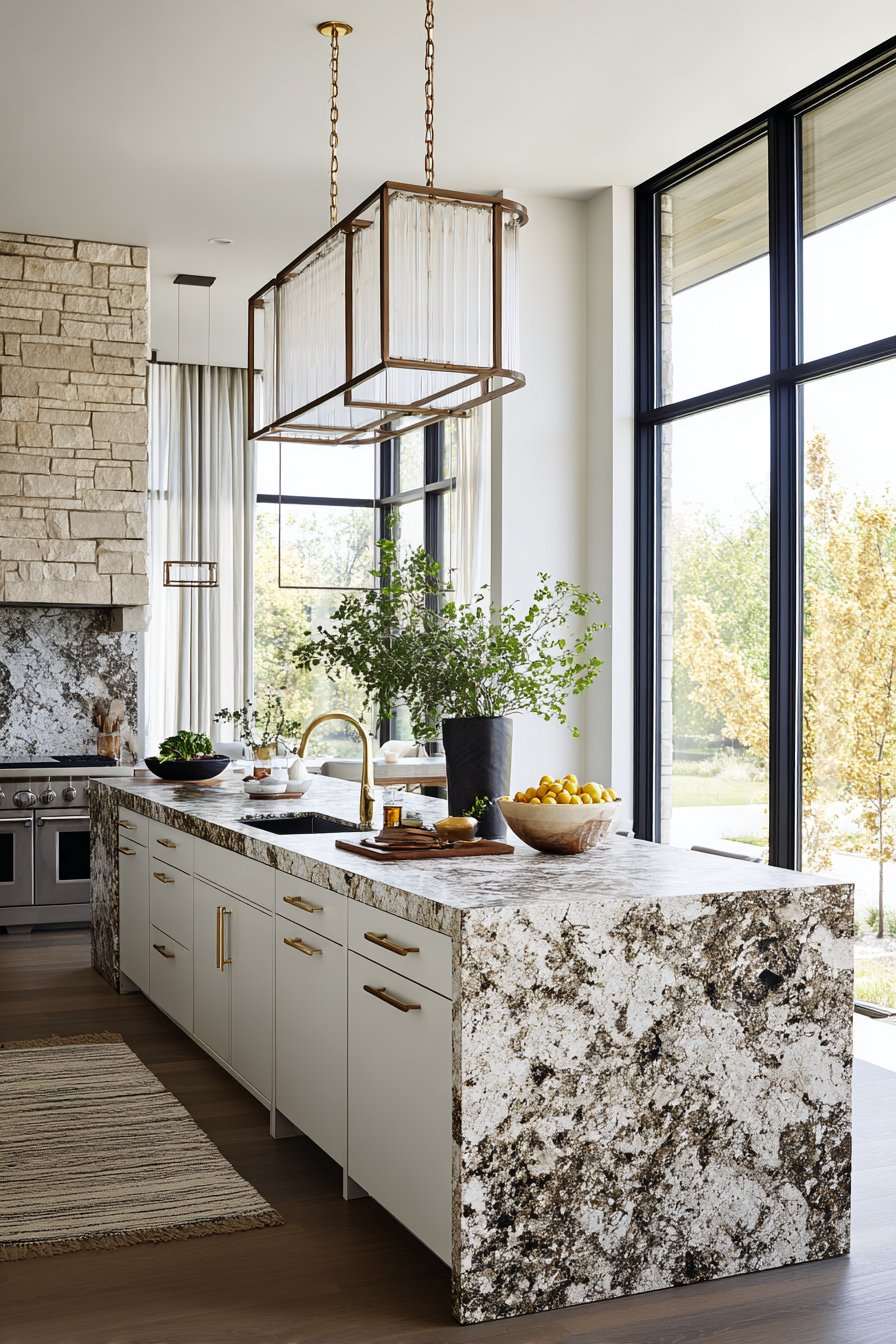
The answer depends on your lifestyle, your cooking habits, and how much maintenance you’re willing to commit to. Understanding the real differences between these materials — beyond the showroom surface — will help you make a smarter investment. This article breaks down the six most important factors that separate quartz from granite in real-world use.
1. Maintenance and Sealing Requirements
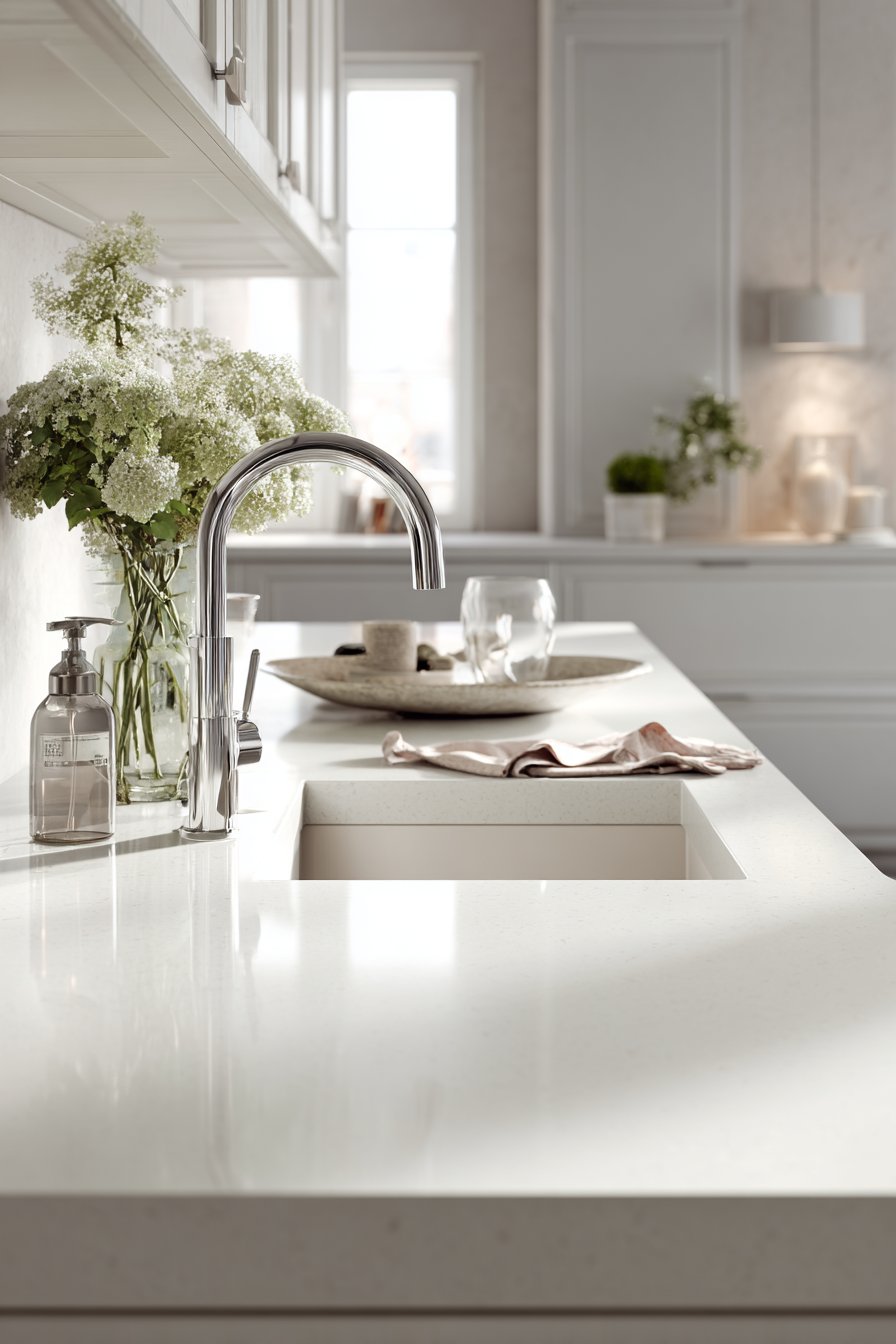
One of the most practical distinctions between these two materials is how much upkeep they demand. Granite is a natural stone, which means it is porous by nature. Without proper sealing, granite can absorb liquids, oils, and bacteria. Most granite countertops need to be resealed annually — sometimes more frequently, depending on the stone’s density and finish.
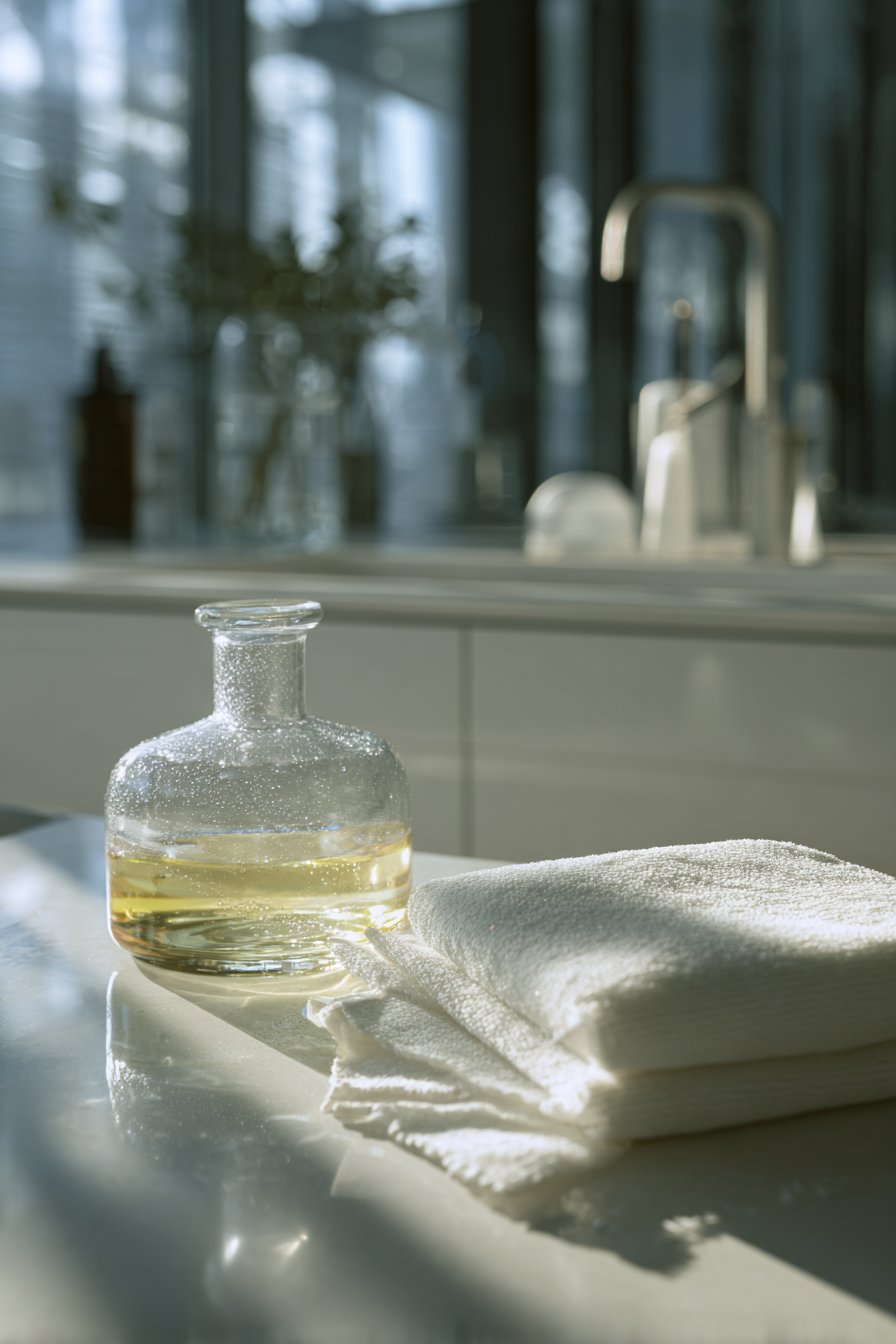
Quartz, on the other hand, is an engineered material made from 93–95% crushed quartz bound with polymer resins. This manufacturing process makes it non-porous. It never needs sealing. A simple wipe-down with a damp cloth and mild soap is all it takes to keep quartz looking pristine. For busy households or those who cook frequently, this difference is significant.
- Seal granite every 1–3 years to maintain stain resistance
- Test granite absorption by placing a water droplet on the surface for 10 minutes
- Use a penetrating stone sealer, not a topical coating, for best results
- Quartz requires no sealing — ever
- Clean both surfaces with pH-neutral cleaners to avoid surface damage
- Avoid bleach-based products on granite, which can break down the sealant
2. Stain Resistance in Everyday Use
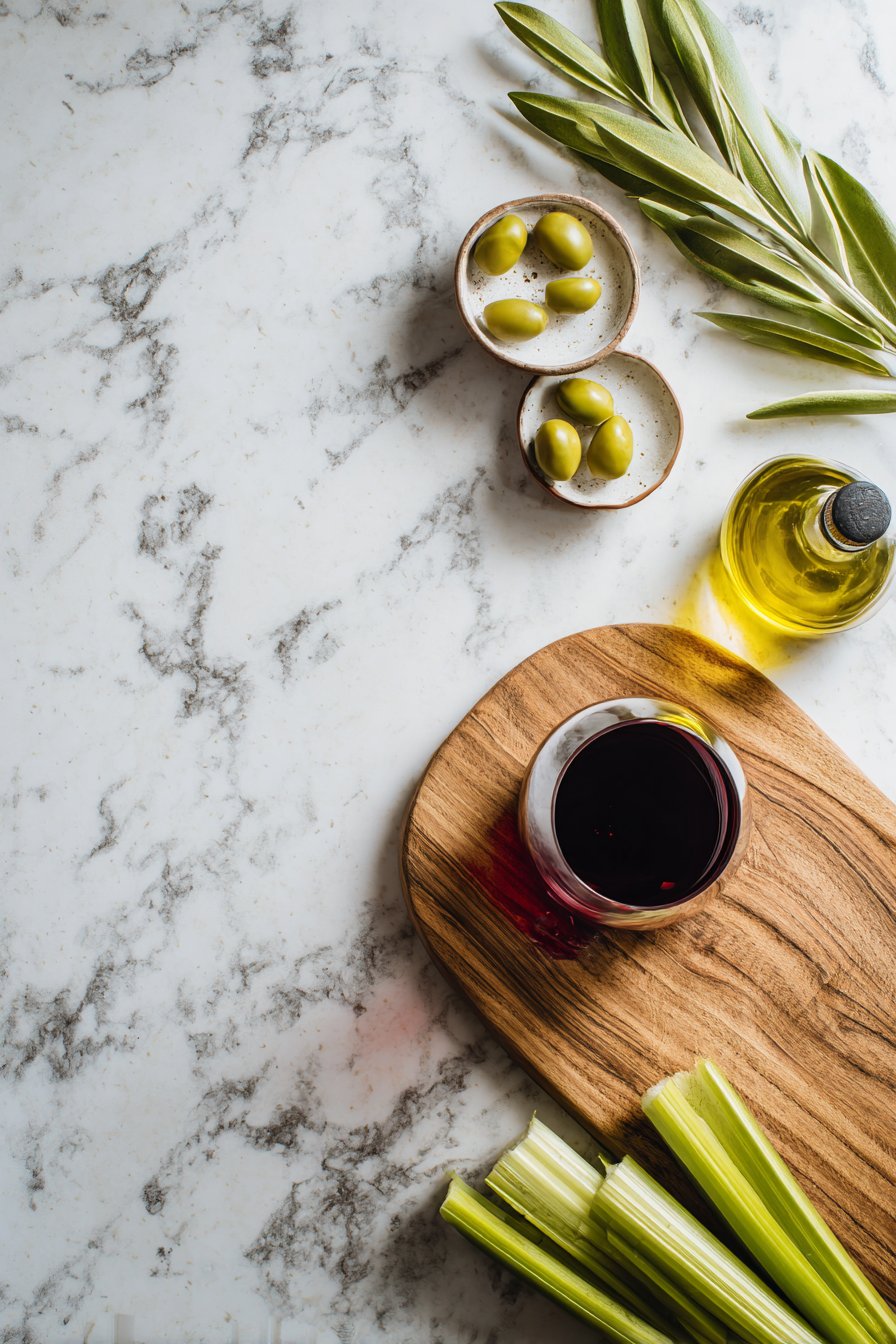
Your countertop faces daily attacks from coffee, wine, olive oil, and tomato sauce. Stain resistance is where quartz holds a decisive advantage over granite. Because quartz is non-porous, spills sit on the surface rather than penetrating it. Clean up quickly, and there’s virtually no risk of staining.
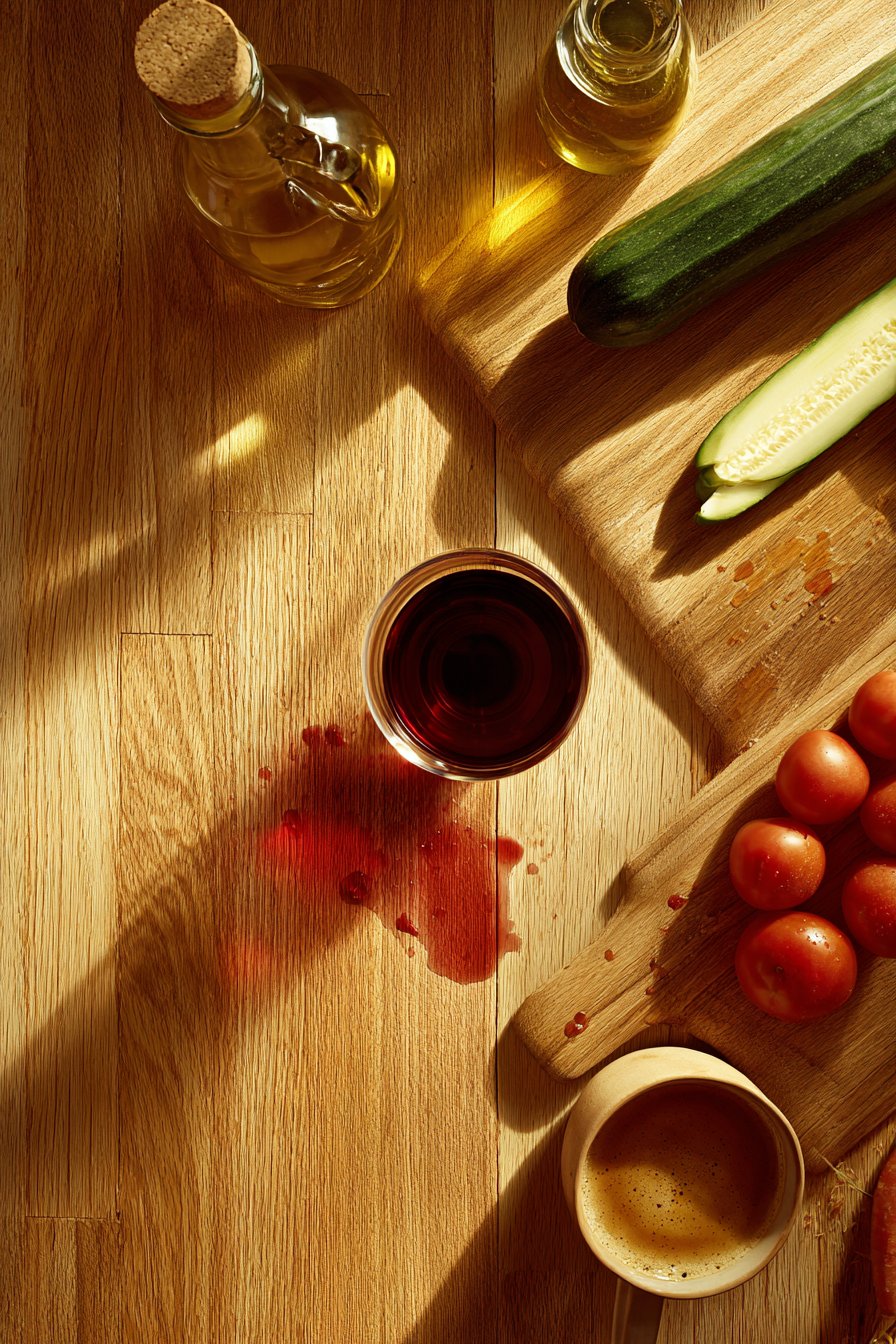
Granite’s porosity makes it more vulnerable, especially with acidic substances like lemon juice or red wine left to sit. Darker granites tend to hide stains better, while lighter granite slabs can show discoloration over time if not properly maintained. The sealant on granite provides protection, but it is not foolproof and degrades with use.
- Wipe spills on both surfaces within 30 minutes for best results
- Quartz is especially resistant to wine, coffee, and cooking oils
- Avoid setting hot pots directly on quartz — heat can damage the resin
- Granite can handle brief heat exposure better than quartz
- Use cutting boards on both surfaces to prevent scratching
- Never use abrasive scrubbers on either material
3. Durability and Scratch Resistance
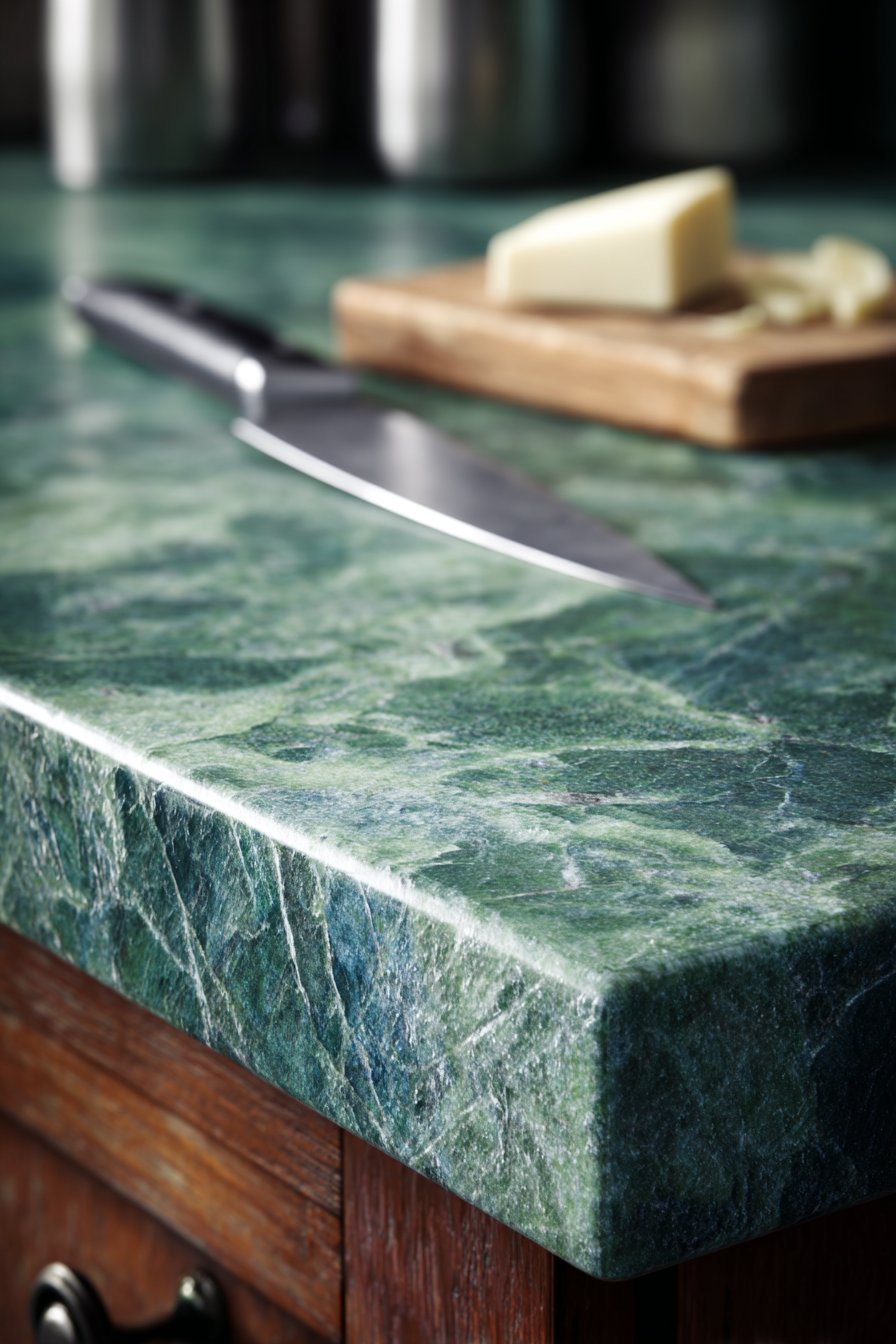
Both materials are extremely durable and rank high on the Mohs hardness scale. Granite rates between 6 and 7, making it resistant to scratches from everyday kitchen tools. Quartz rates slightly higher at around 7, offering comparable scratch resistance. In practical terms, neither surface should be used as a direct cutting surface.
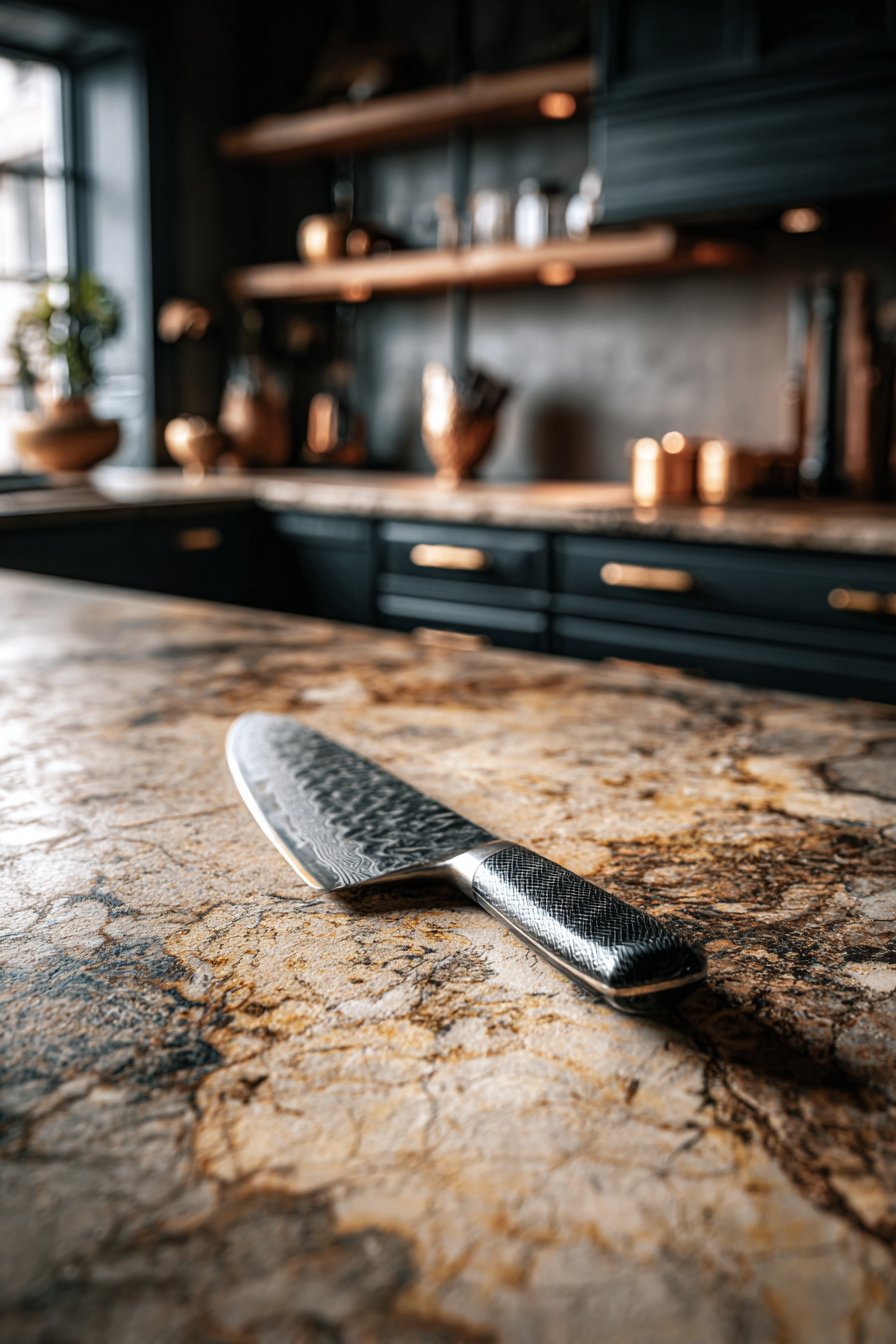
The key durability difference lies in crack and chip resistance. Granite, being a natural stone, can develop hairline cracks over time, especially near edges or under impact. Quartz, because of its engineered composition, is slightly more uniform in strength and less prone to chipping at edges. For high-traffic kitchens, this consistency gives quartz a slight edge in long-term durability.
- Never use kitchen knives directly on either surface
- Protect edges with careful installation and corner supports
- Granite may develop hairline cracks near undermount sinks over time
- Quartz resists chipping better due to its uniform resin composition
- Both materials can withstand normal kitchen use without visible wear
- Consider thickness — 3cm slabs offer more durability than 2cm for both materials
4. Heat Resistance
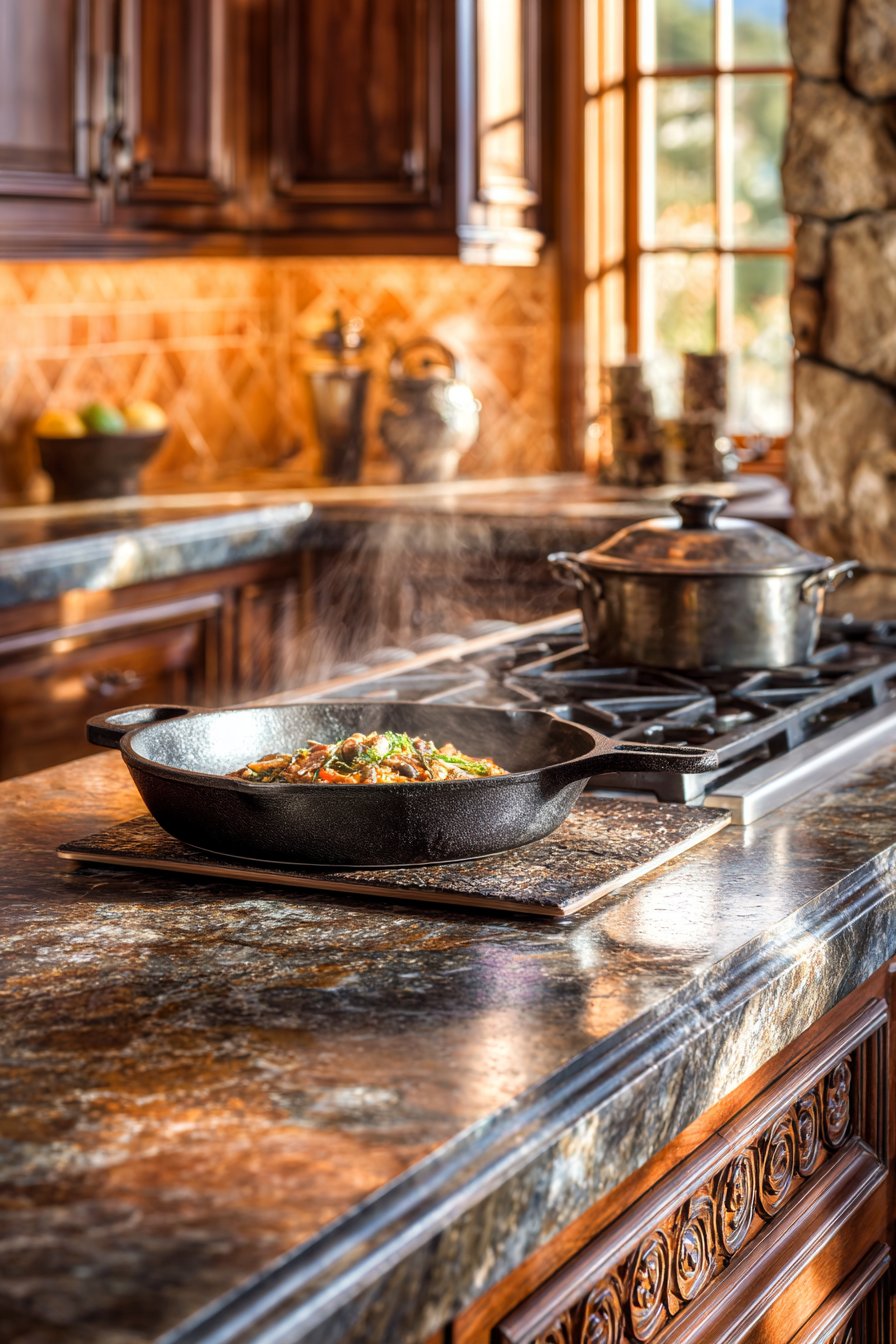
This is one category where granite outperforms quartz without question. As a natural stone formed under extreme geological heat, granite can handle hot pots and pans placed directly on its surface without damage. It will not discolor, warp, or crack from brief heat exposure.
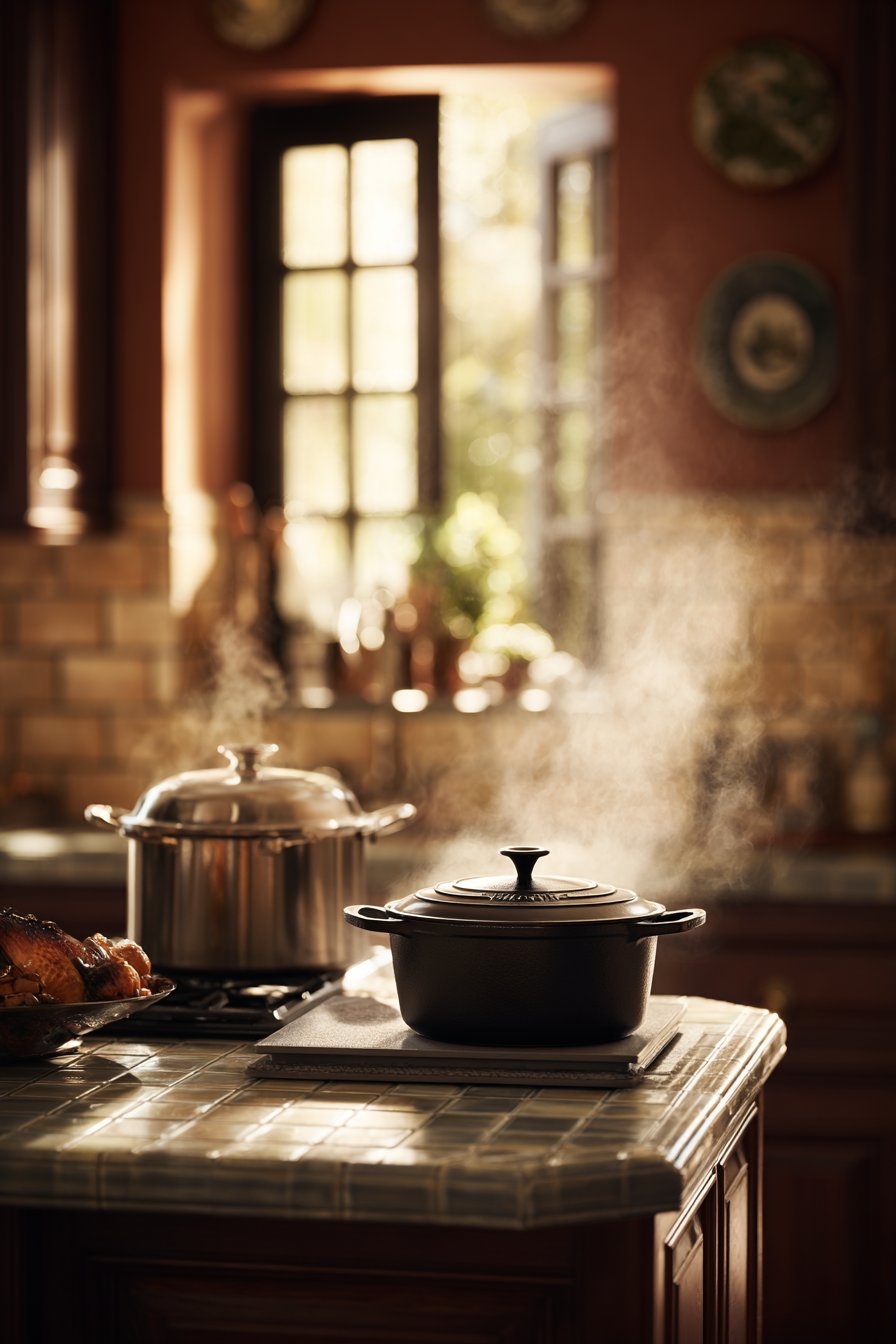
Quartz has a critical weakness here. The polymer resins that make quartz non-porous and highly stain-resistant are also sensitive to heat. Temperatures above 300°F can cause thermal shock, leading to discoloration, cracking, or dull spots. Always use trivets or hot pads when placing anything straight from the oven or stovetop onto quartz. If your cooking style involves frequent hot pan contact, granite may serve you better.
- Never place pots directly from the stove onto quartz surfaces
- Granite can handle brief contact with pots up to 400°F
- Use silicone trivets or heat-resistant pads on quartz at all times
- Sudden temperature changes can cause thermal shock on both materials
- Slow cookers and electric griddles can also damage quartz over time
- Built-in trivets in your countertop design are a smart preventive measure
5. Aesthetic Consistency and Design Flexibility
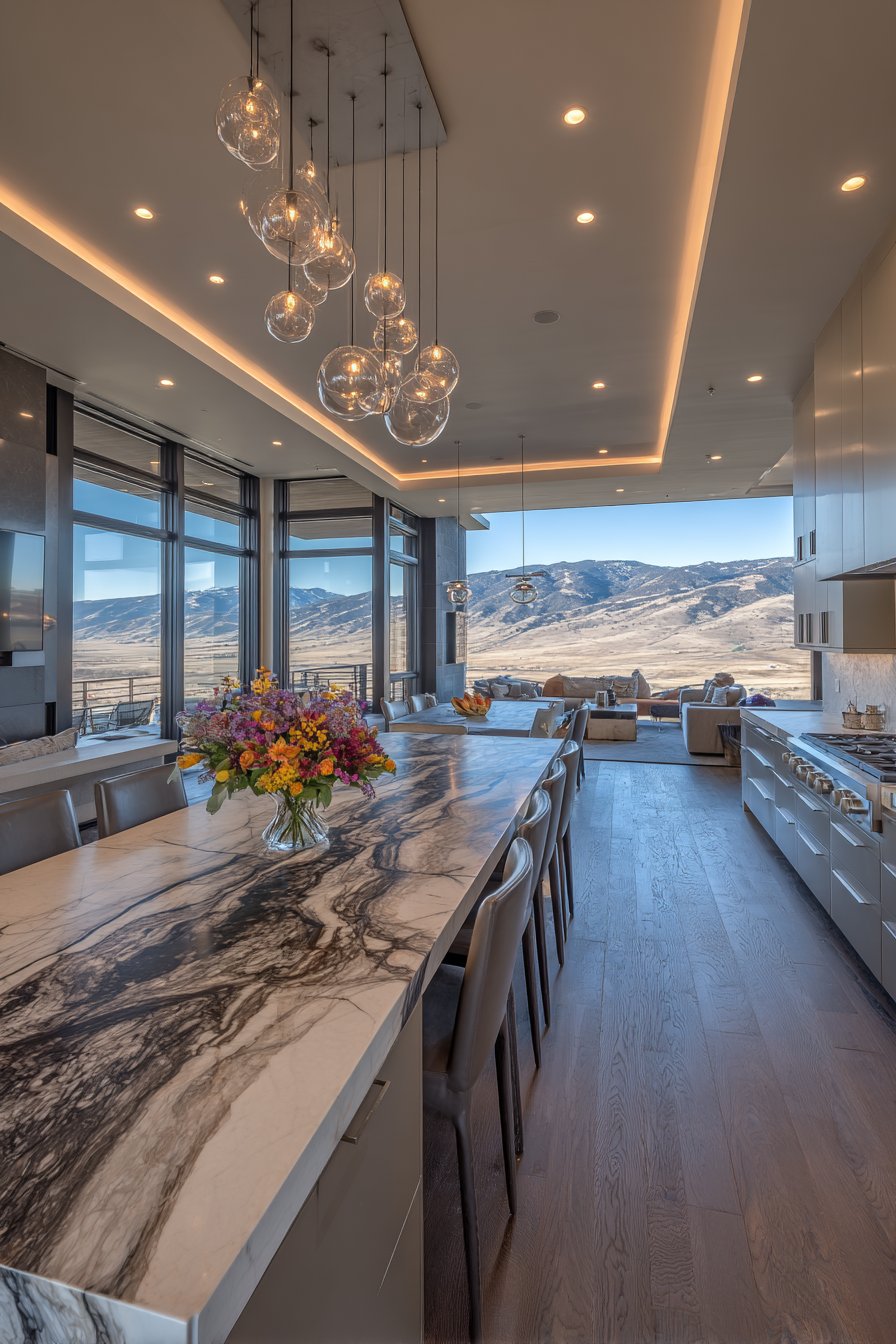
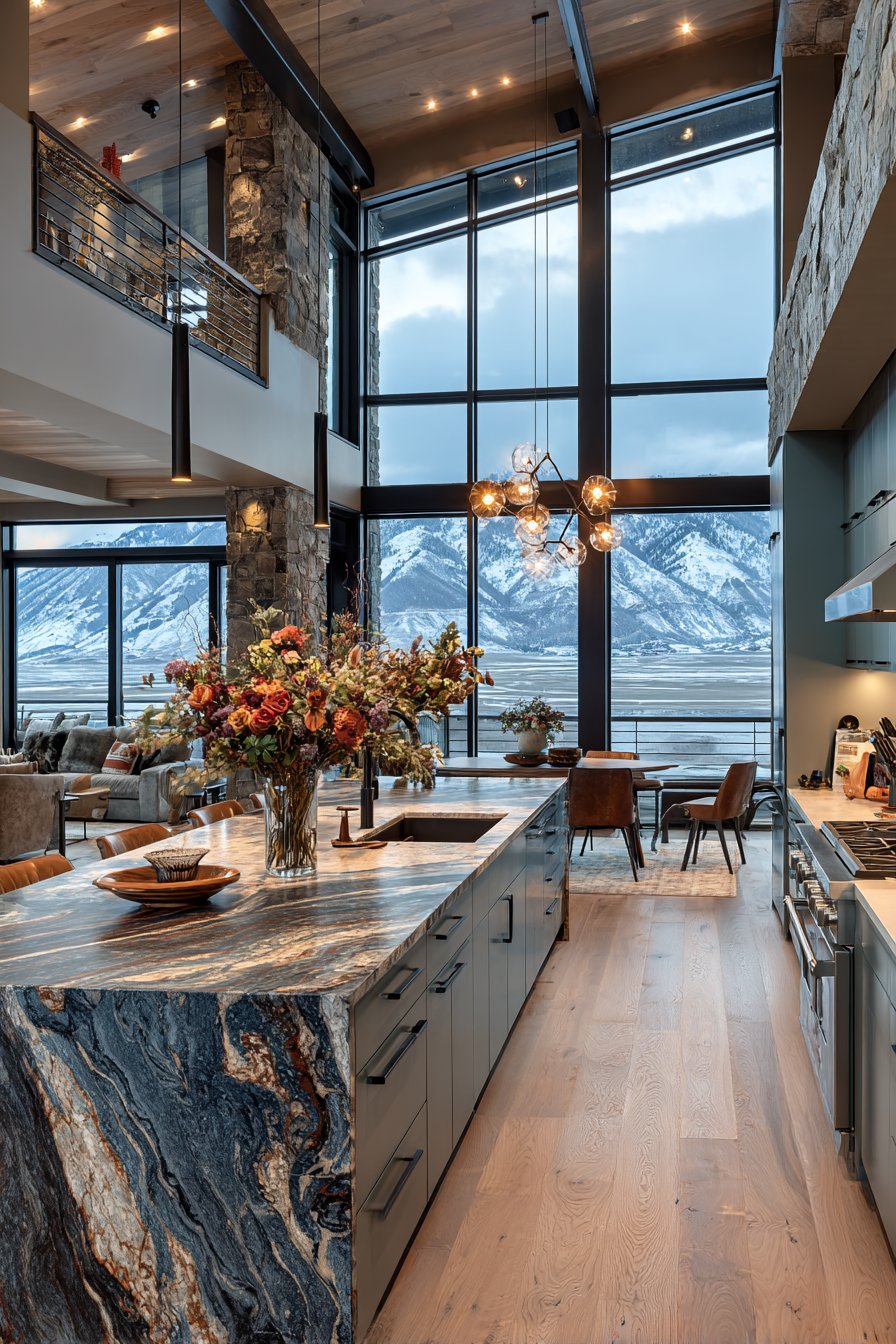
When it comes to visual appeal, both materials offer stunning results — but in different ways. Granite is entirely unique. Every slab is a one-of-a-kind product of geological processes, with veining, mineral deposits, and color variations that cannot be exactly replicated. If you want a countertop that functions as natural art, granite delivers that authentically.
Quartz offers predictable consistency. Because it is engineered, the pattern and color remain uniform across the entire slab and even across multiple slabs. This is a major advantage for large kitchens, islands, or projects requiring perfectly matched countertops. Quartz also comes in a wider range of colors, including options that mimic marble or solid neutrals that granite cannot naturally produce.
- Choose granite for dramatic, one-of-a-kind veining and natural character
- Select quartz when color consistency across large surfaces is critical
- Quartz is available in pure whites and solid blacks not found in natural stone
- Request book-matched granite slabs to create a mirrored pattern effect
- Quartz edges can be fabricated in more precise profiles than natural stone
- Both materials elevate resale value — buyers recognize quality in either material
6. Cost and Long-Term Value
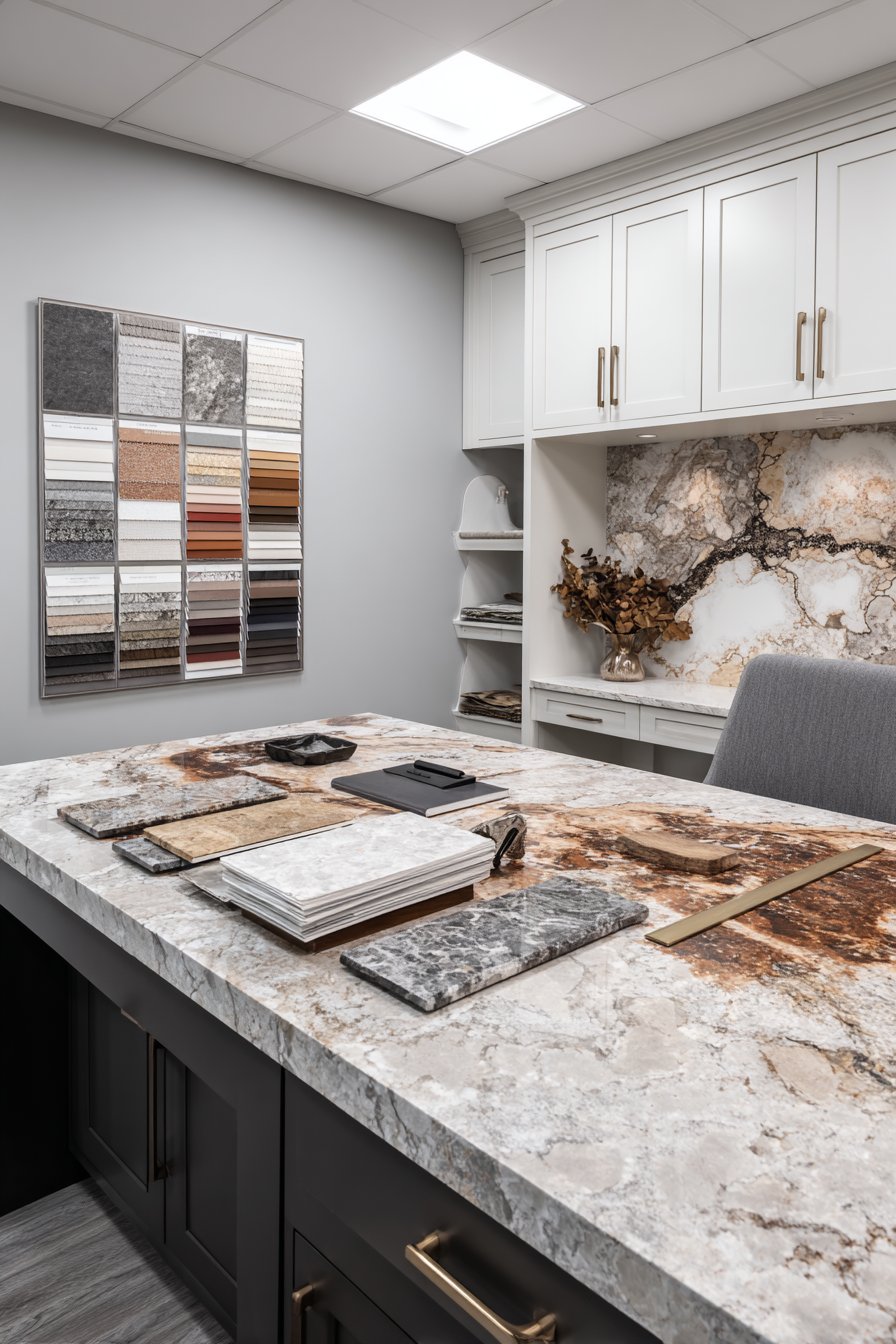
Both quartz and granite represent significant investments, but their cost profiles differ. Granite pricing varies widely based on rarity, origin, and pattern complexity. Basic granite starts around $40–$60 per square foot installed, while premium exotic slabs can exceed $200. The variability is part of what makes granite feel exclusive — but it also makes budgeting less predictable.
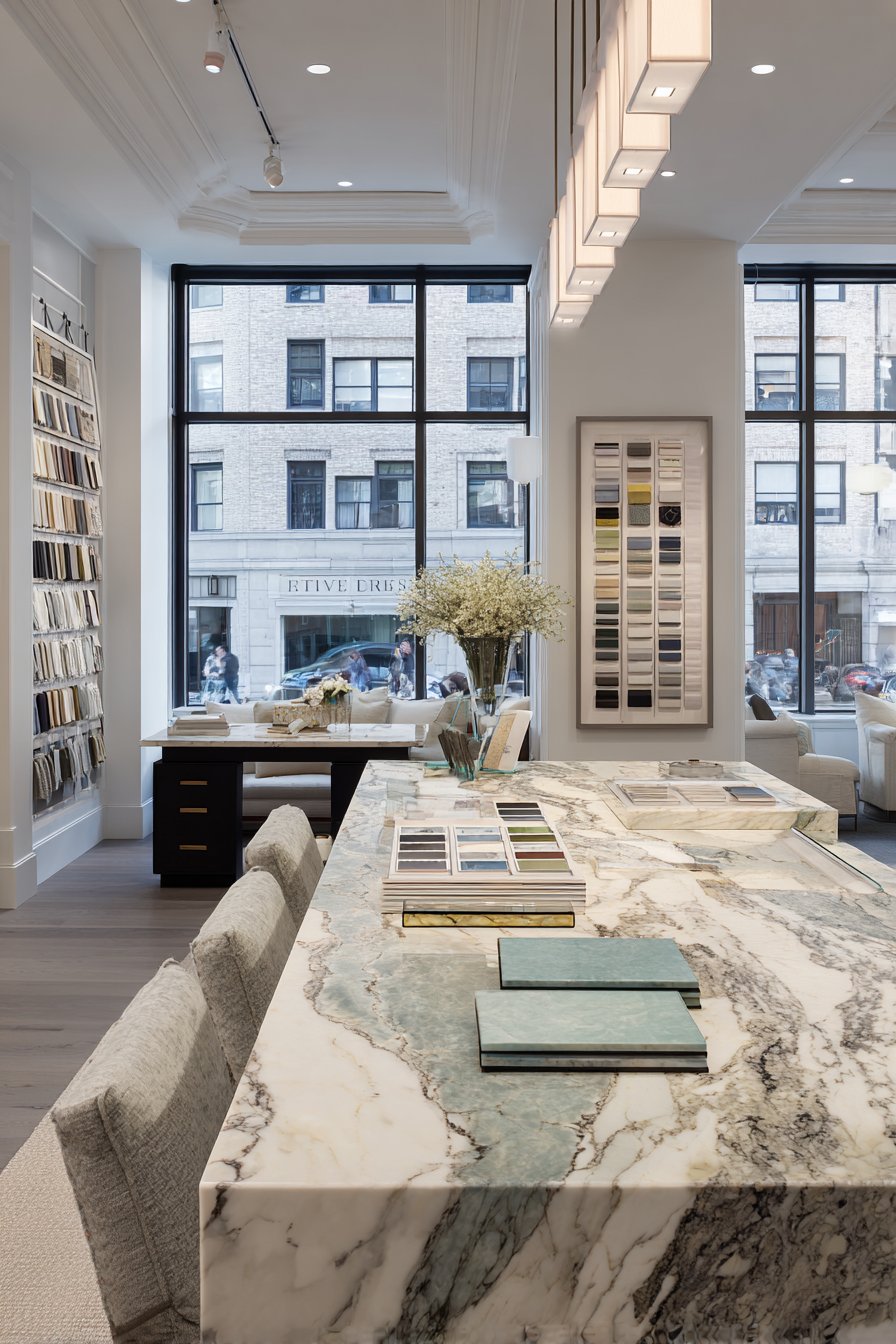
Quartz pricing is more standardized and transparent. Most quality quartz options fall between $50–$120 per square foot installed. Premium designer lines can push higher, but mid-range quartz offers exceptional quality at predictable prices. When factoring in lifetime maintenance costs — including annual sealing for granite — quartz often delivers better total value over a 10–15 year period.
- Get at least three quotes from fabricators for either material
- Factor in edge profiles and cutouts which add to total project cost
- Granite sealing adds $50–$100 per treatment to your maintenance budget
- Quartz has lower lifetime maintenance costs than granite on average
- Both materials increase home resale value and attract quality buyers
- Choose the material that fits your lifestyle first, then your budget
Conclusion
Both quartz and granite are exceptional countertop materials — but they suit different lifestyles. If you want a zero-maintenance surface that resists stains without annual upkeep, quartz is the easier choice for modern living. If you love the organic beauty of natural stone and cook with hot pots regularly, granite rewards you with unmatched authenticity and heat resilience.
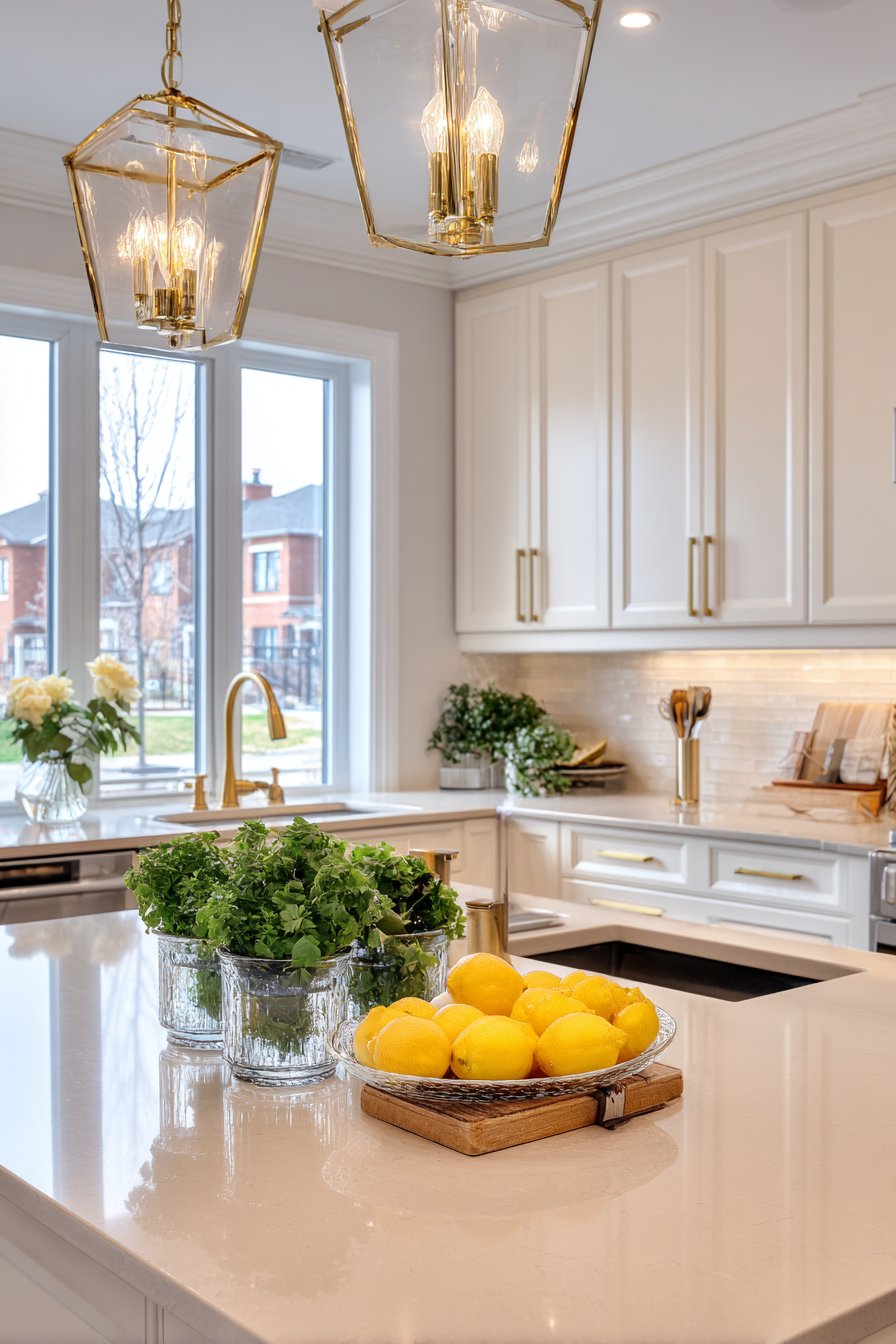
There is no wrong answer here. The best countertop is the one that fits how you actually live in your kitchen. Study your habits, visit showrooms to see both materials in person, and choose the surface that will make your kitchen feel like yours for decades to come. Great kitchens are built on thoughtful decisions — and you’re already making one.
"As an Amazon Associate, I earn from qualifying purchases."
