
Penthouse living represents the pinnacle of urban luxury, where breathtaking views meet sophisticated living spaces. The kitchen, often called the heart of the home, takes on special significance in these elevated residences. A professionally designed penthouse kitchen transforms this space from merely functional to truly exceptional, creating an environment that matches the grandeur of your surroundings.
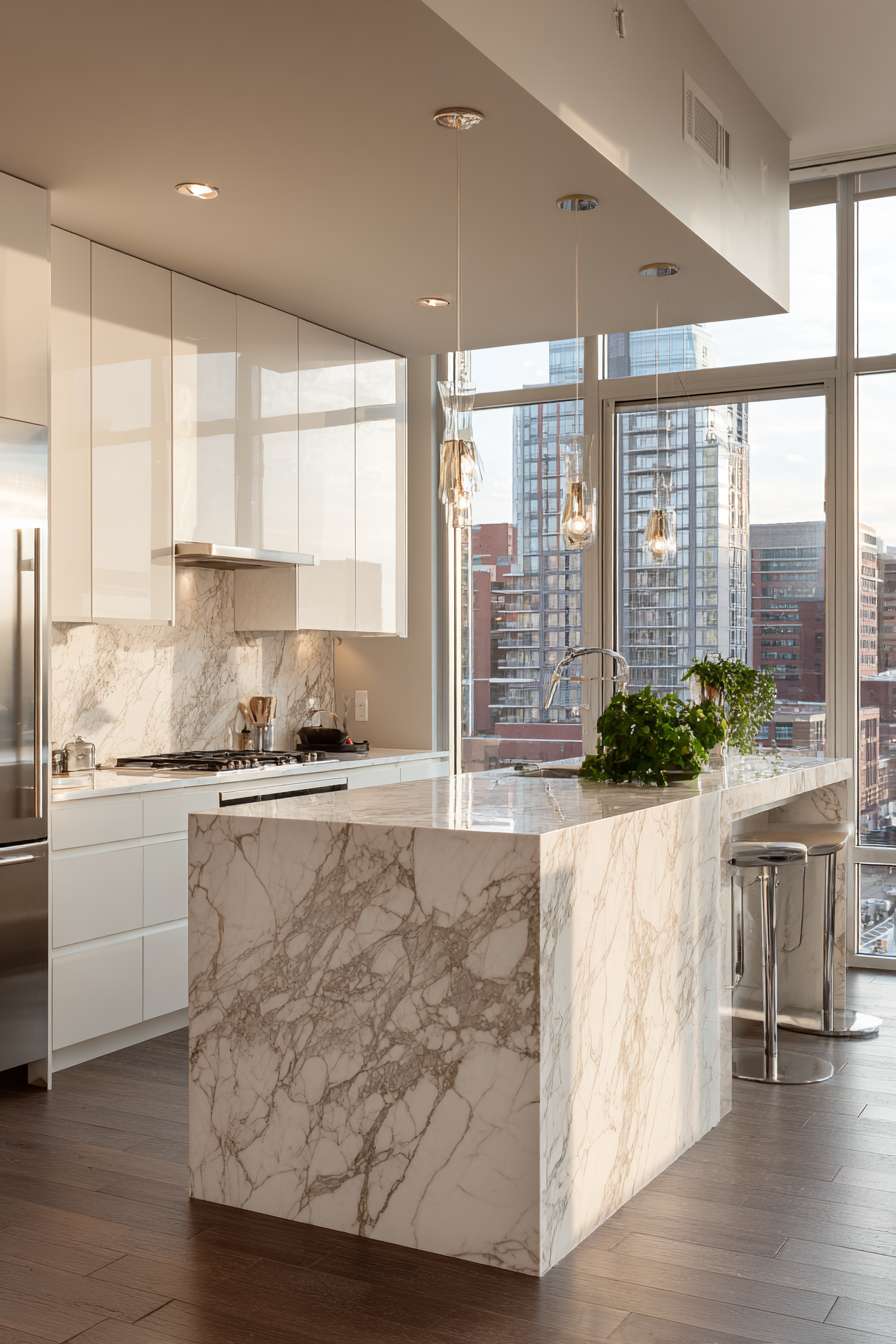
High-end penthouse kitchens demand more than standard design approaches. They require careful consideration of spatial flow, premium materials, and cutting-edge technology that seamlessly integrates with the overall aesthetic. Professional designers bring expertise in maximizing the unique architectural features these spaces offer, from floor-to-ceiling windows to open-concept layouts. The investment in professional design ensures your kitchen becomes a statement piece that enhances both daily living and property value.
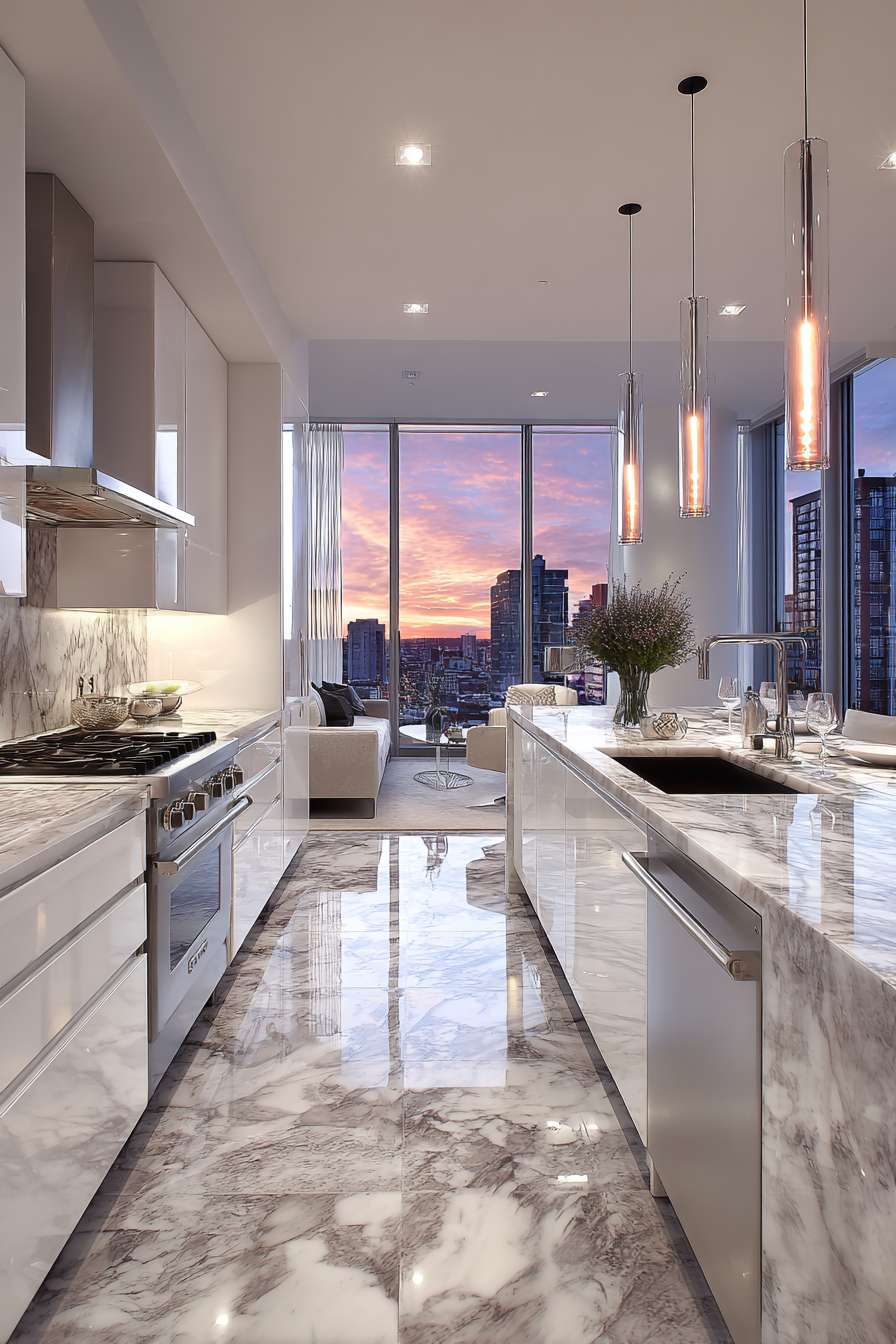
This article explores the compelling reasons why professional kitchen design is essential for penthouse spaces. We’ll examine how expert designers navigate complex challenges, incorporate luxury elements, and create kitchens that reflect your lifestyle while honoring the architectural distinction of penthouse living. Understanding these aspects helps you make informed decisions about one of your home’s most important spaces.
1. Maximizing Architectural Advantages Through Expert Spatial Planning
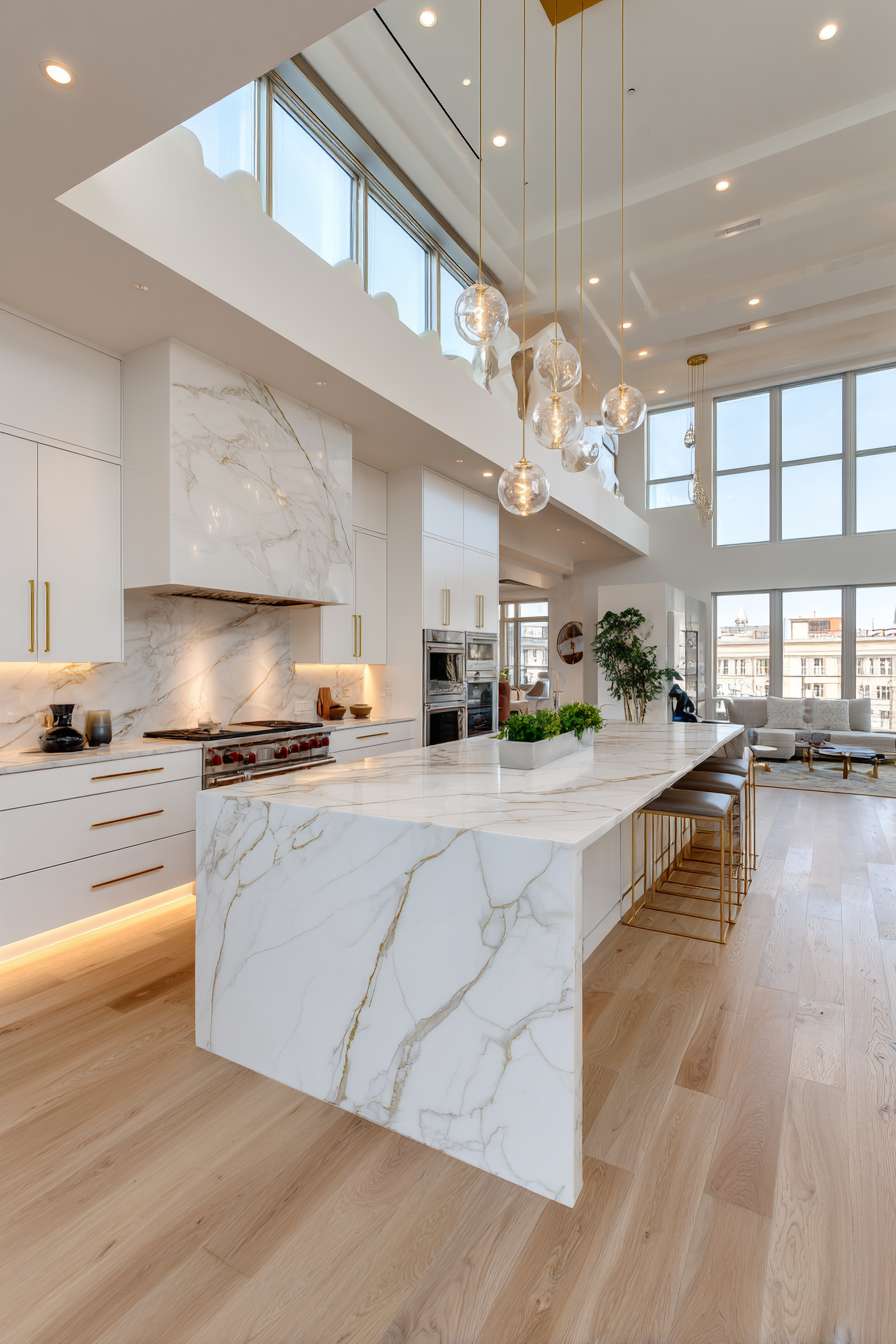
Professional designers possess the technical knowledge to capitalize on penthouse-specific architectural features that amateur approaches often overlook. Floor-to-ceiling windows, soaring ceilings, and unique structural elements require specialized understanding of how to balance functionality with aesthetics. These experts analyze sight lines, traffic patterns, and natural light dynamics to create layouts that feel both spacious and intimate.
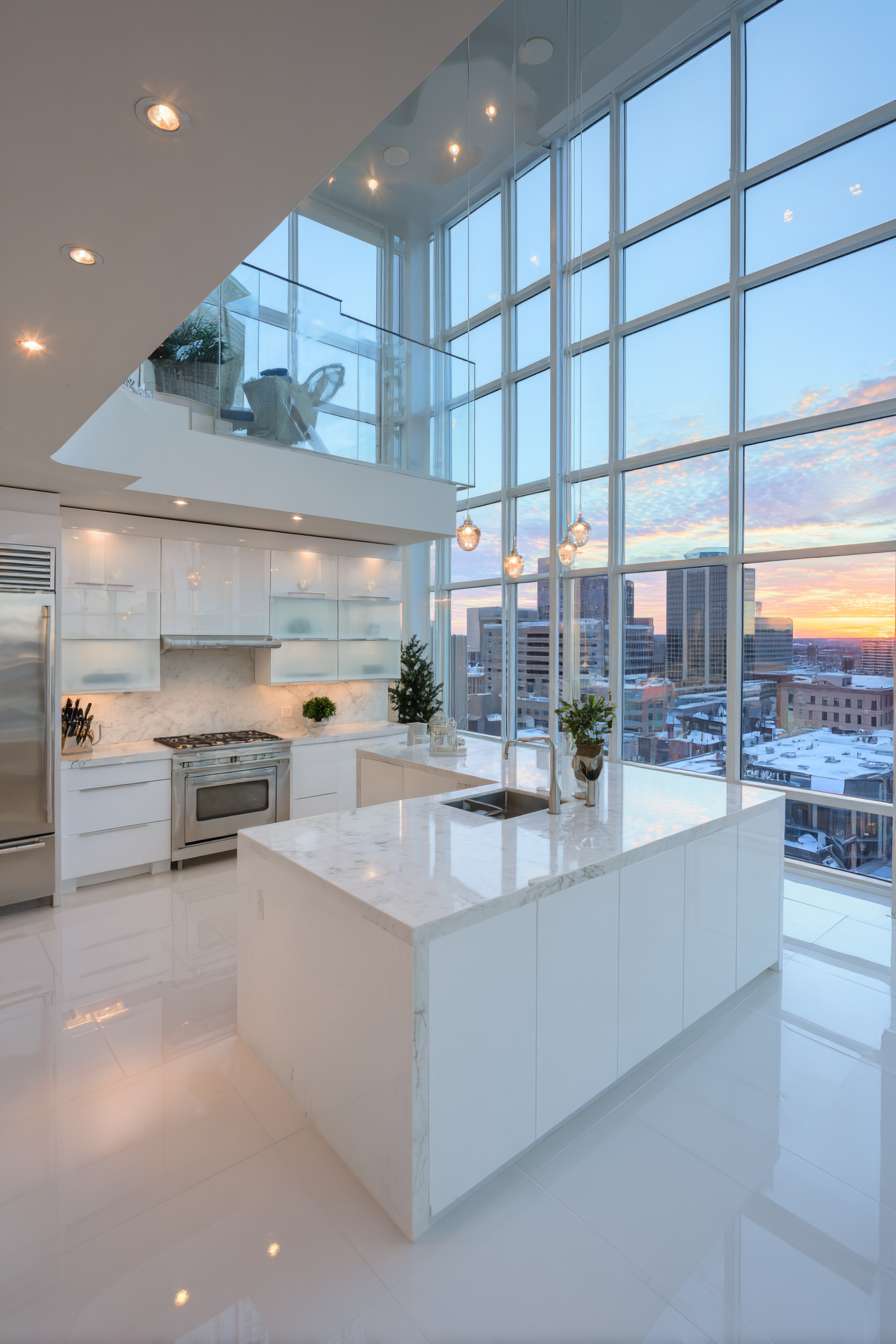
The strategic placement of kitchen elements becomes crucial in penthouses where open-concept designs dominate. Professional designers understand how to position islands, appliances, and storage to maintain unobstructed views while ensuring efficient workflow. They consider how different times of day affect lighting and temperature, adjusting material selections accordingly. This level of planning prevents costly mistakes that could compromise both functionality and visual appeal.
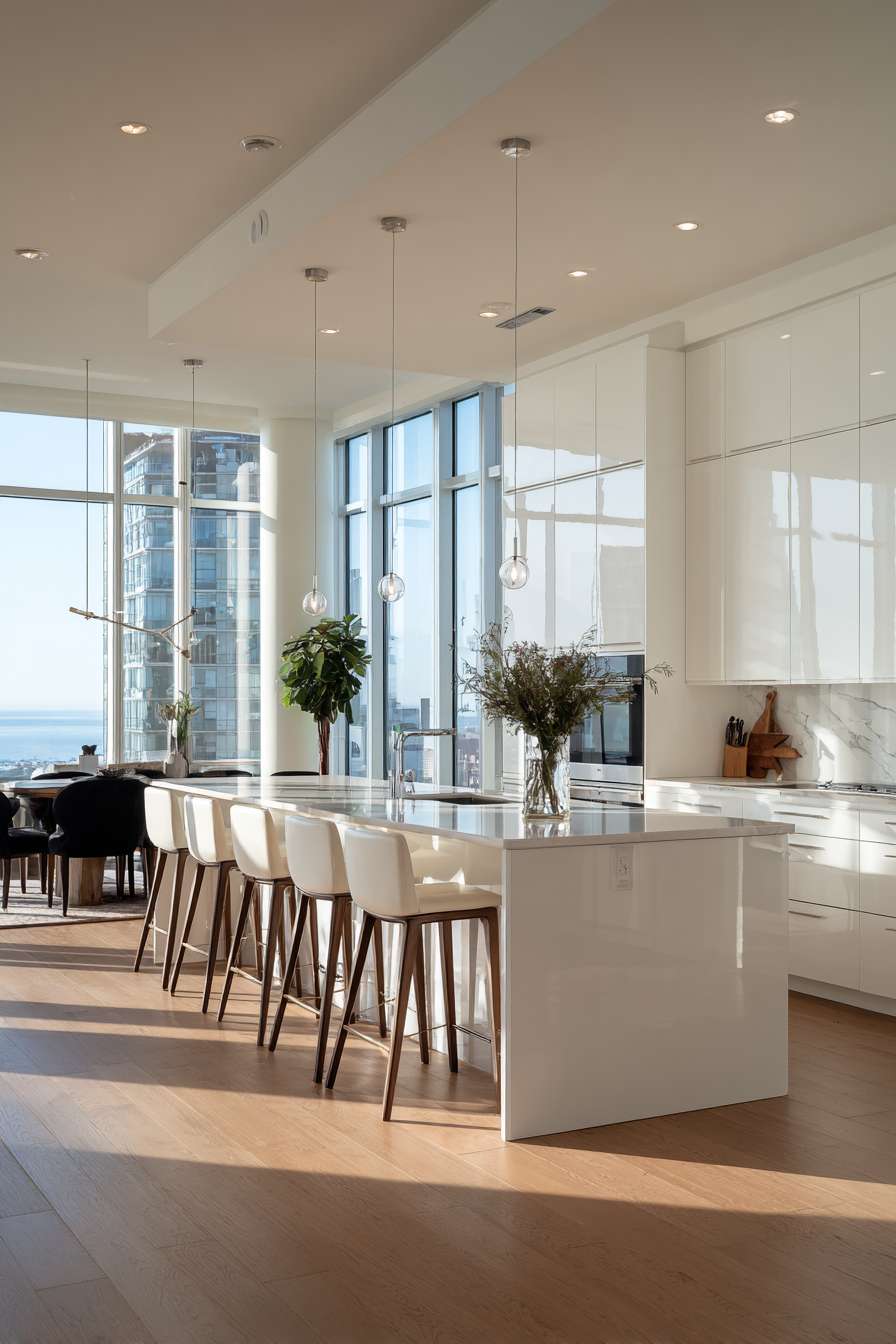
Penthouse kitchens often feature non-standard dimensions and ceiling heights that challenge conventional design solutions. Experts know how to proportion cabinetry, select appropriate scale fixtures, and create custom solutions that complement rather than compete with dramatic architectural elements. Their experience with luxury spaces ensures every design decision enhances the overall penthouse experience.
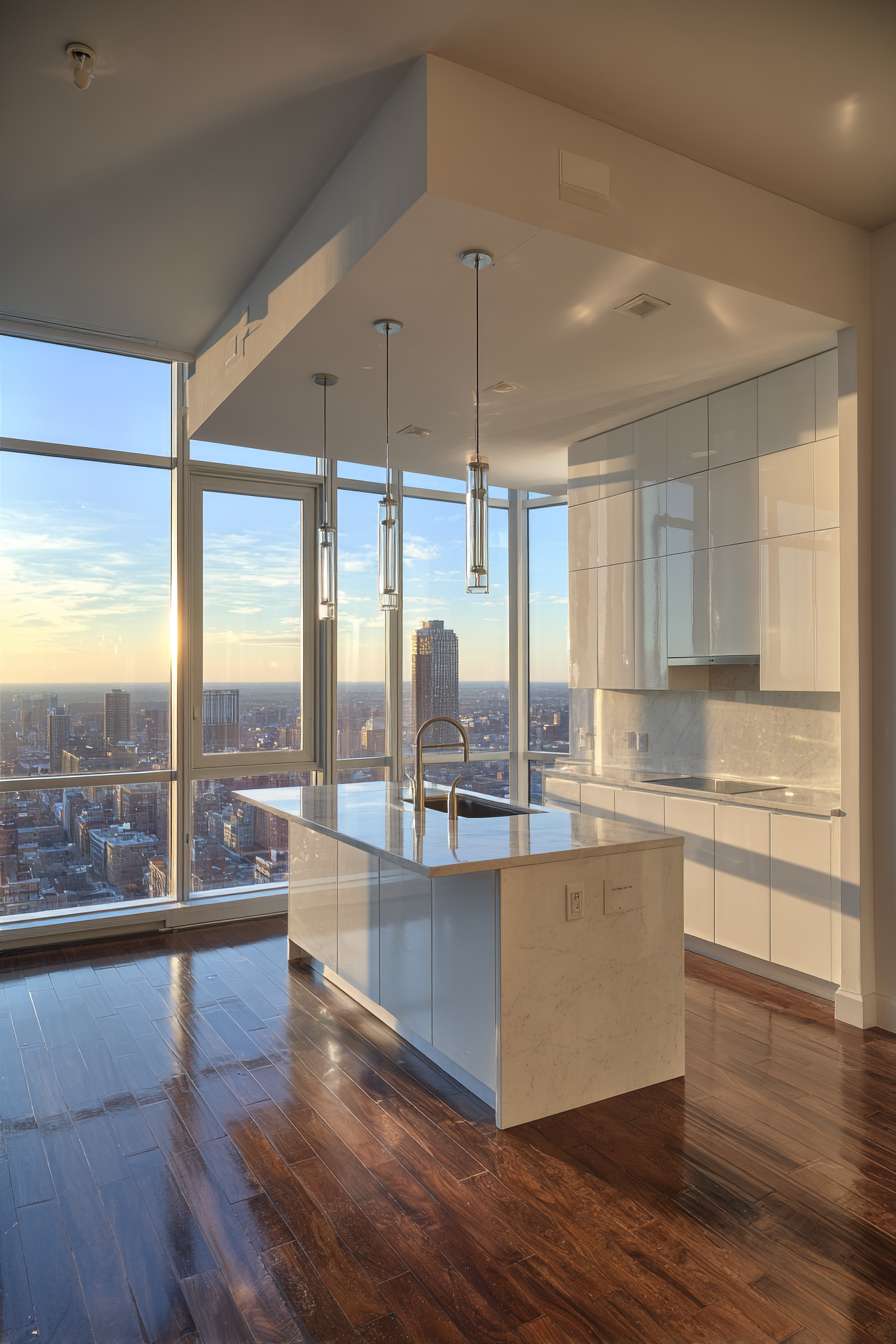
- Position work zones to preserve panoramic views while maintaining functionality
- Design custom cabinetry that extends to full ceiling height without overwhelming the space
- Integrate ventilation systems that handle high-capacity cooking without compromising aesthetics
- Balance open shelving and closed storage to maintain visual lightness
- Create seamless transitions between kitchen and adjacent living areas
- Plan lighting schemes that layer ambient, task, and accent illumination effectively
2. Selecting Premium Materials That Reflect Luxury Living Standards
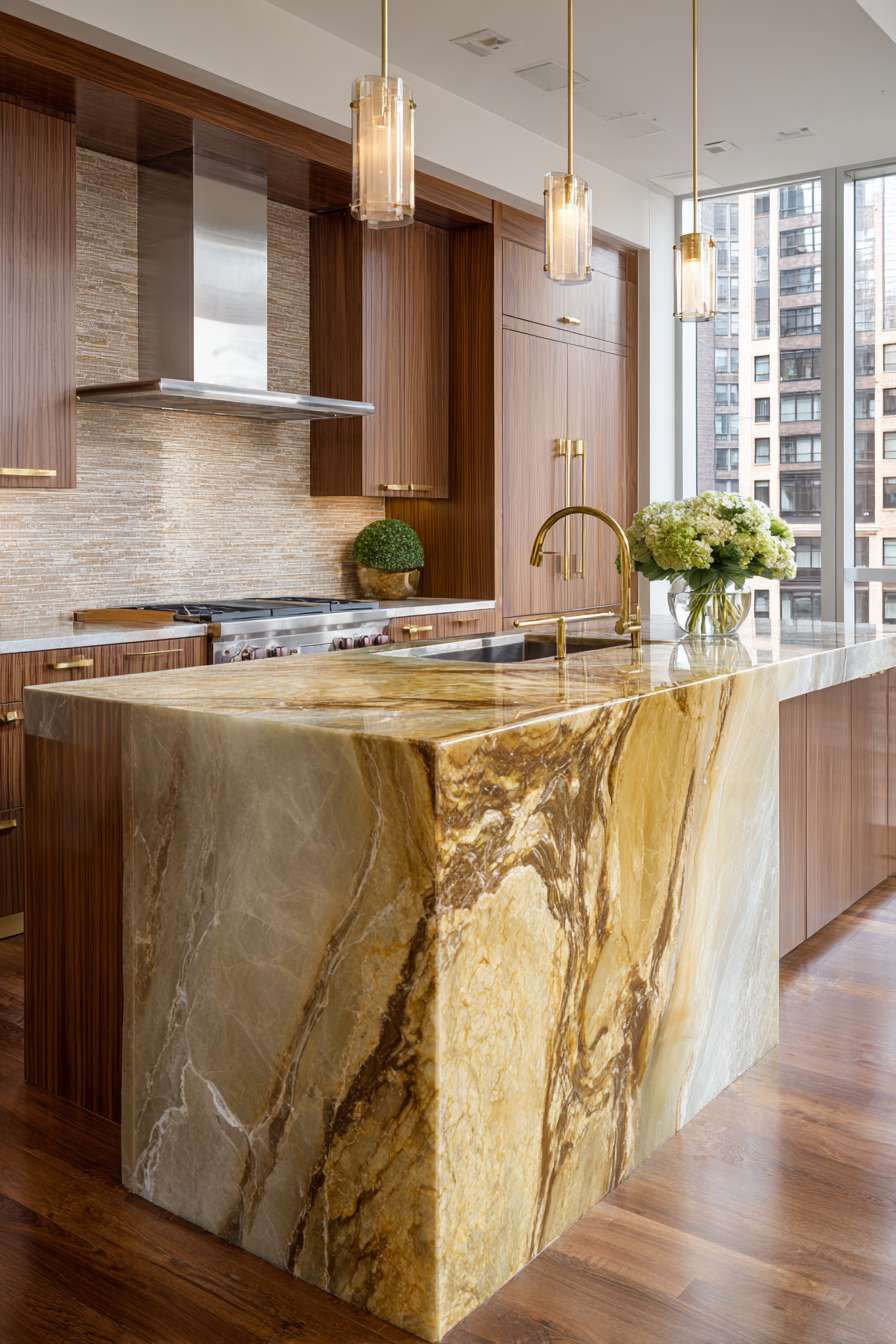
The material palette in a penthouse kitchen must meet elevated expectations for both beauty and performance. Professional designers maintain relationships with specialty suppliers and understand which materials deliver long-term durability in high-use luxury environments. They navigate the overwhelming marketplace to source surfaces, hardware, and finishes that coordinate perfectly while maintaining individual character.
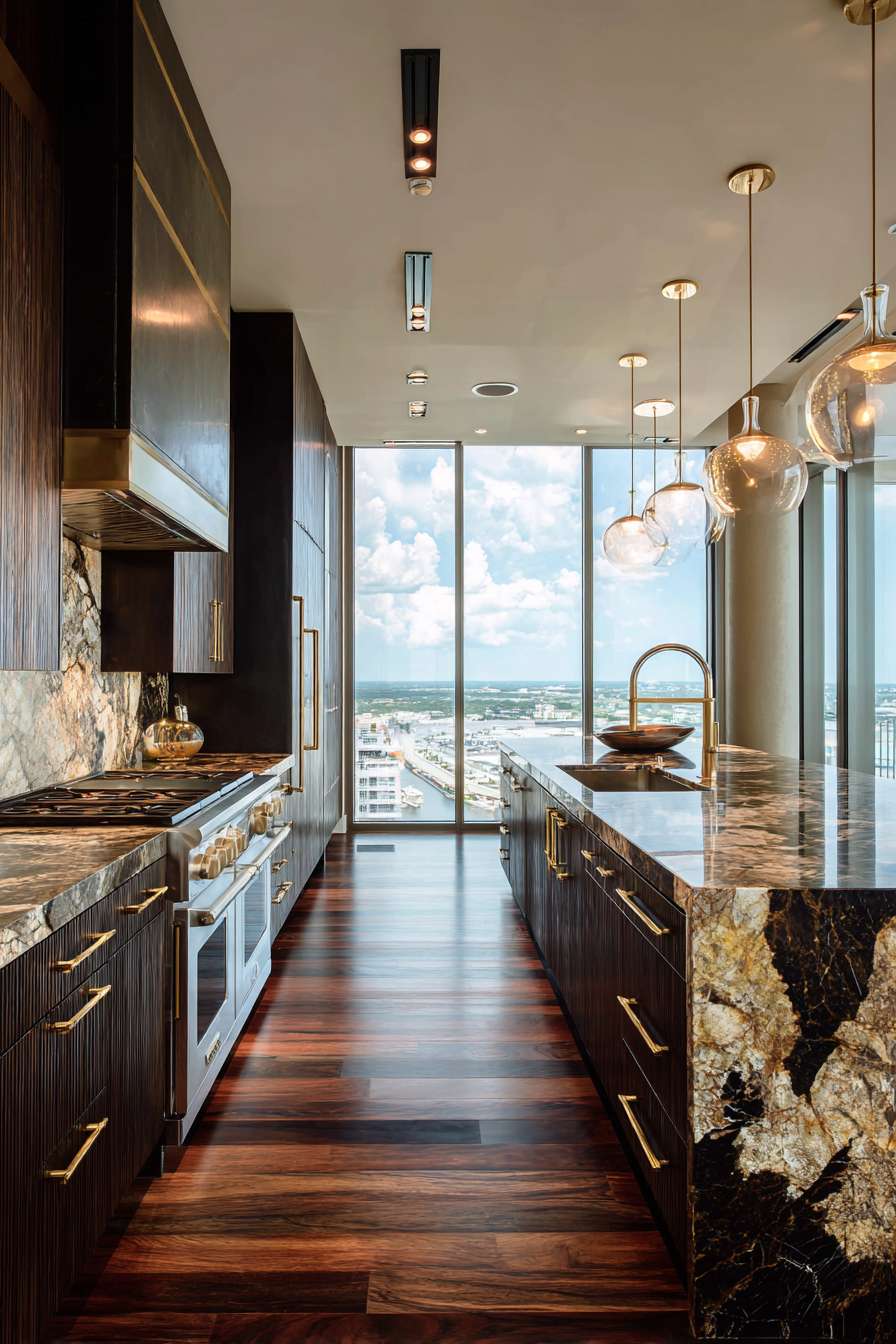
Natural stone selections like rare marbles, exotic granites, and premium quartzites require expert evaluation to ensure proper application. Designers understand the technical properties of different stones, including porosity, reactivity with acids, and maintenance requirements. This knowledge prevents inappropriate material choices that could result in staining, etching, or premature wear. They also source stone slabs personally to ensure color consistency and veining patterns meet exacting standards.
High-end penthouses demand materials that perform as beautifully as they appear, and professional designers test durability under real-world conditions. They understand which metal finishes resist fingerprints, which wood species tolerate temperature fluctuations, and which engineered surfaces offer the best value without compromising aesthetics. This expertise saves thousands in replacement costs while ensuring your kitchen maintains its pristine condition.
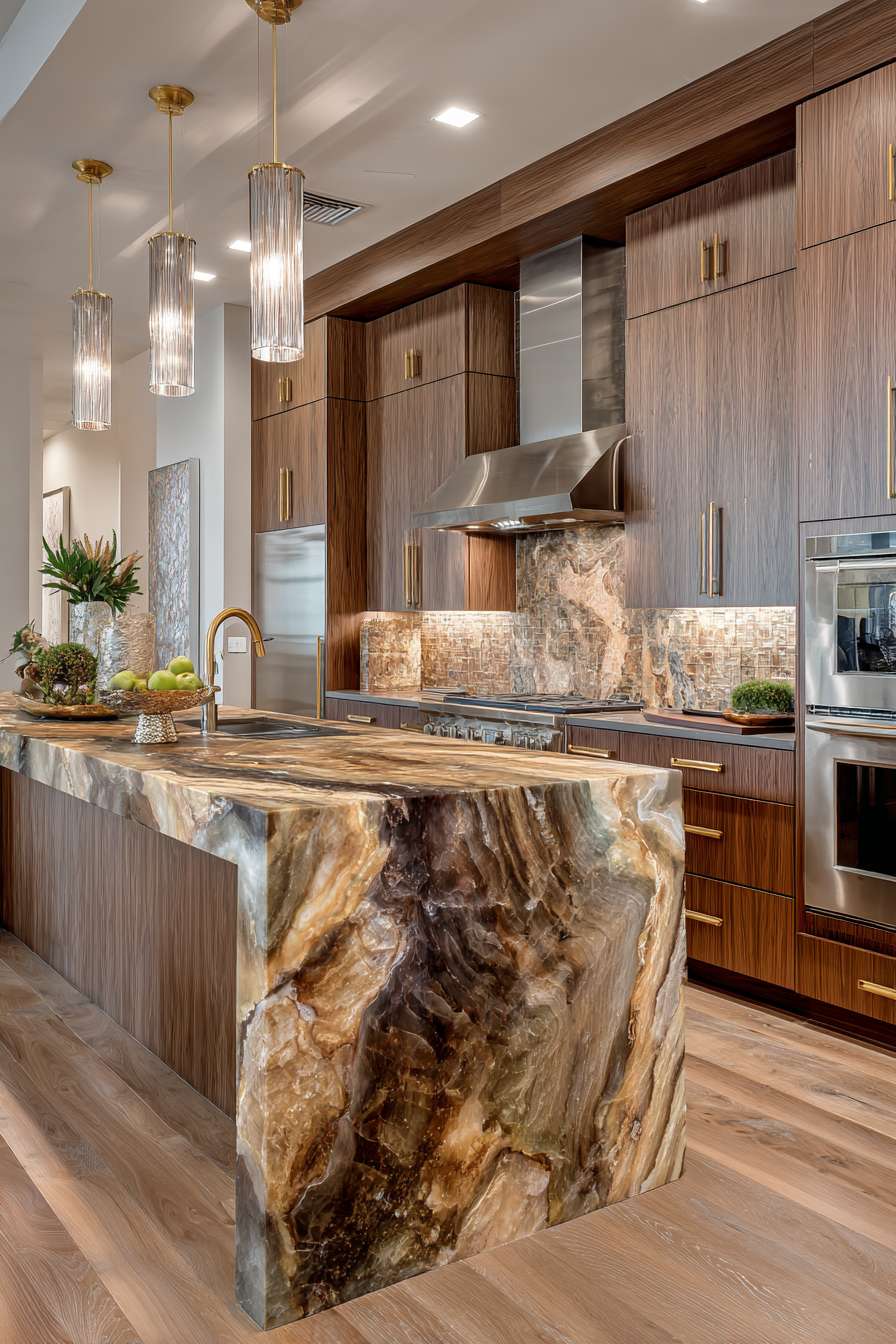
- Specify commercial-grade appliances with residential styling for optimal performance
- Select backsplash materials that withstand heat while creating visual interest
- Choose flooring that handles foot traffic while complementing adjacent spaces
- Coordinate hardware finishes across all elements for cohesive sophistication
- Source sustainable materials that align with environmental values without sacrificing quality
- Establish maintenance protocols appropriate for each material selection
3. Integrating Smart Technology Seamlessly Into High-End Design
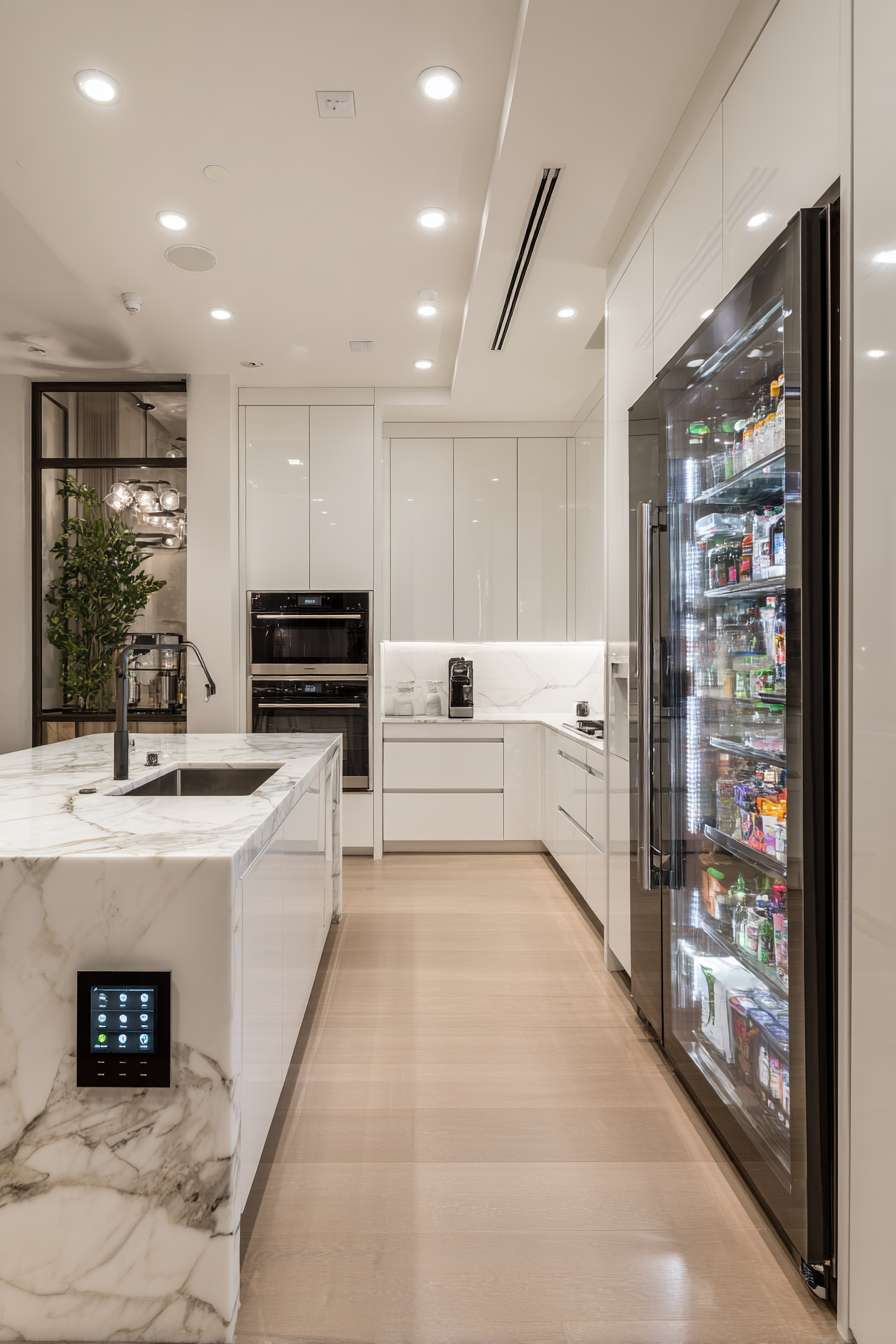
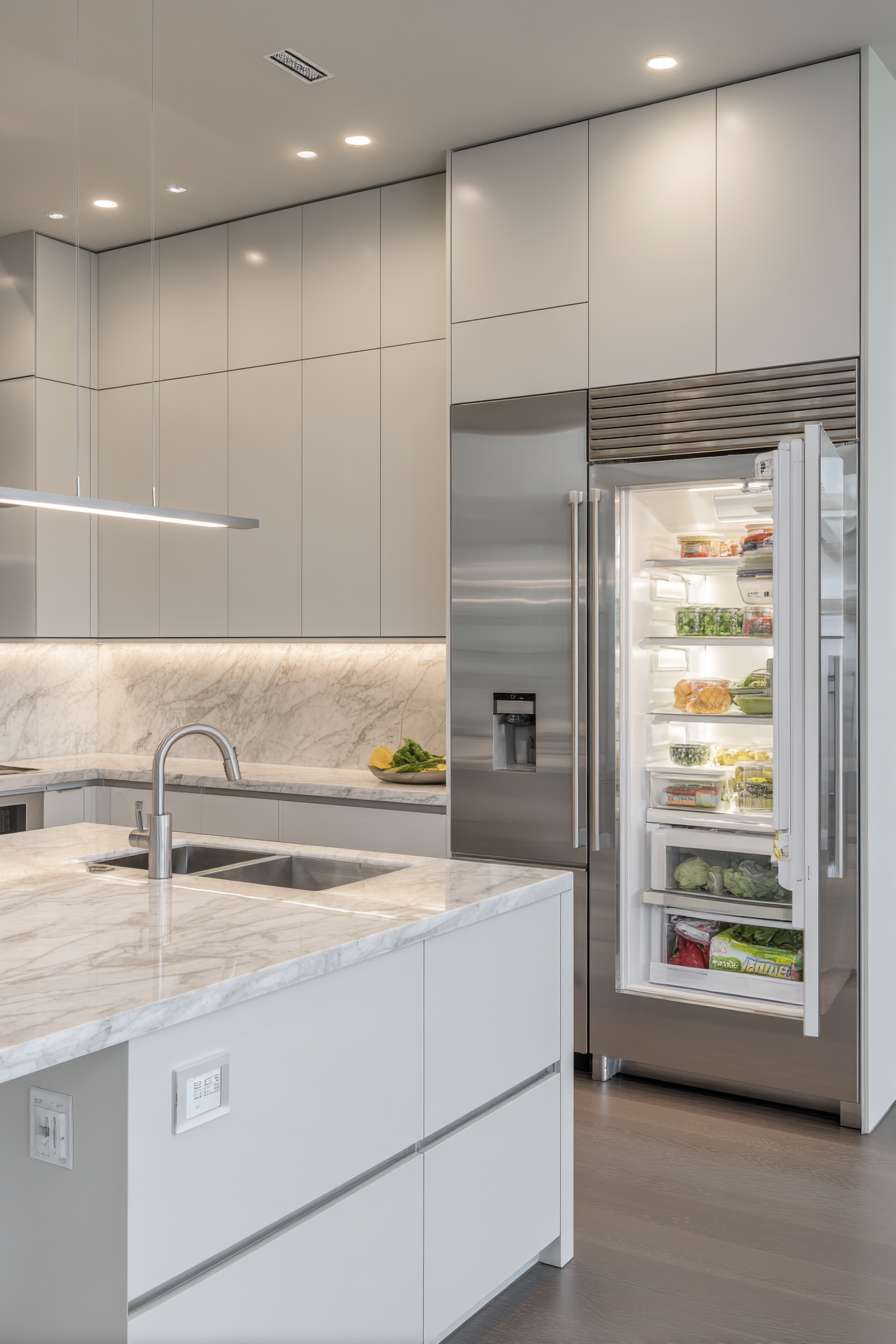
Modern penthouse kitchens require sophisticated technology integration that remains invisible until needed. Professional designers understand how to incorporate smart home systems, automated appliances, and advanced climate control without cluttering the aesthetic. They plan for current technology while building in flexibility for future upgrades, protecting your investment against obsolescence.
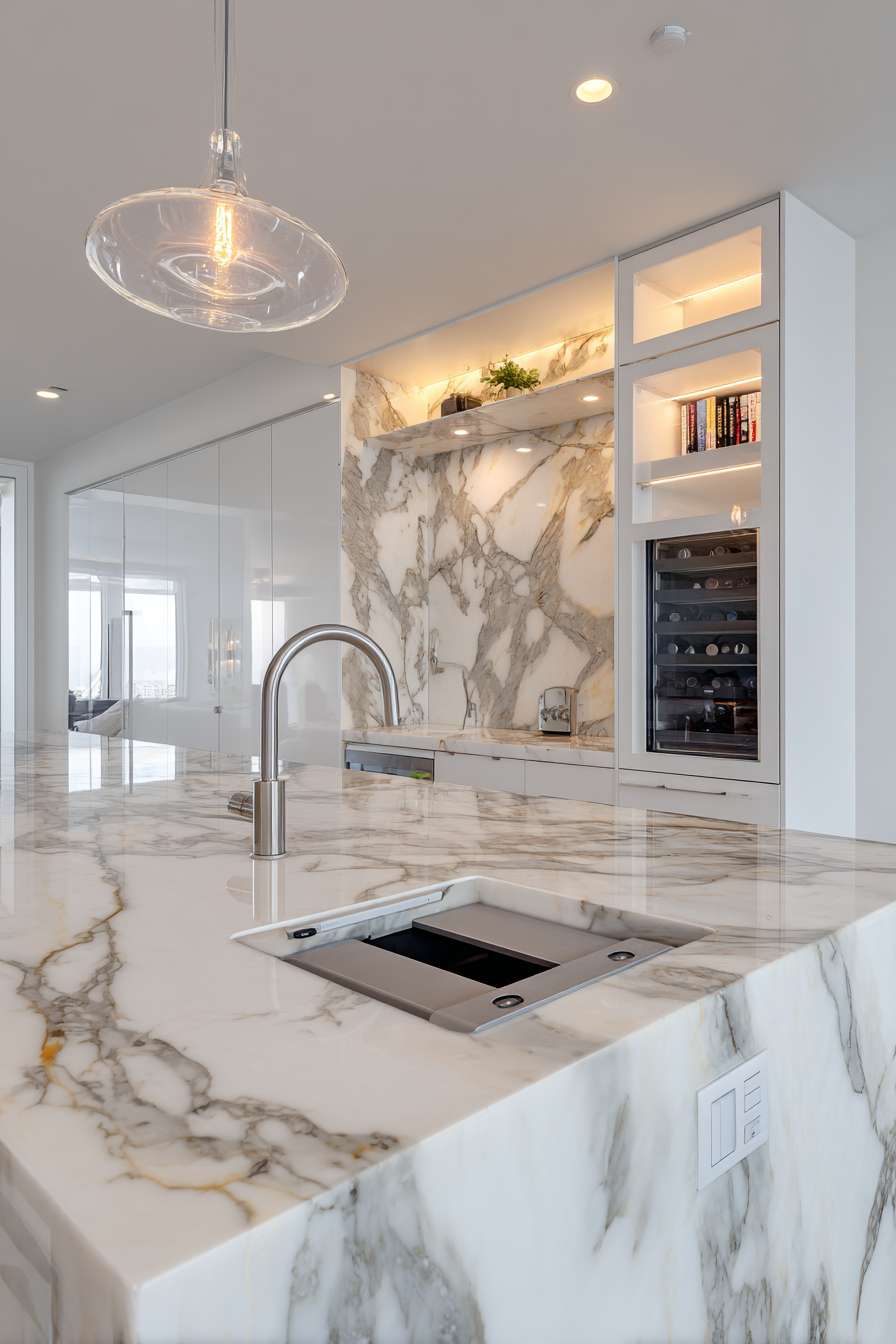
Connectivity infrastructure must be carefully planned in luxury kitchens where wireless control of lighting, temperature, and appliances has become standard. Designers coordinate with technology specialists to ensure proper placement of routers, charging stations, and control panels. They hide wiring within walls and cabinetry, maintaining clean lines while enabling full functionality. This behind-the-scenes planning prevents the tangled cords and visible equipment that undermine sophisticated design.
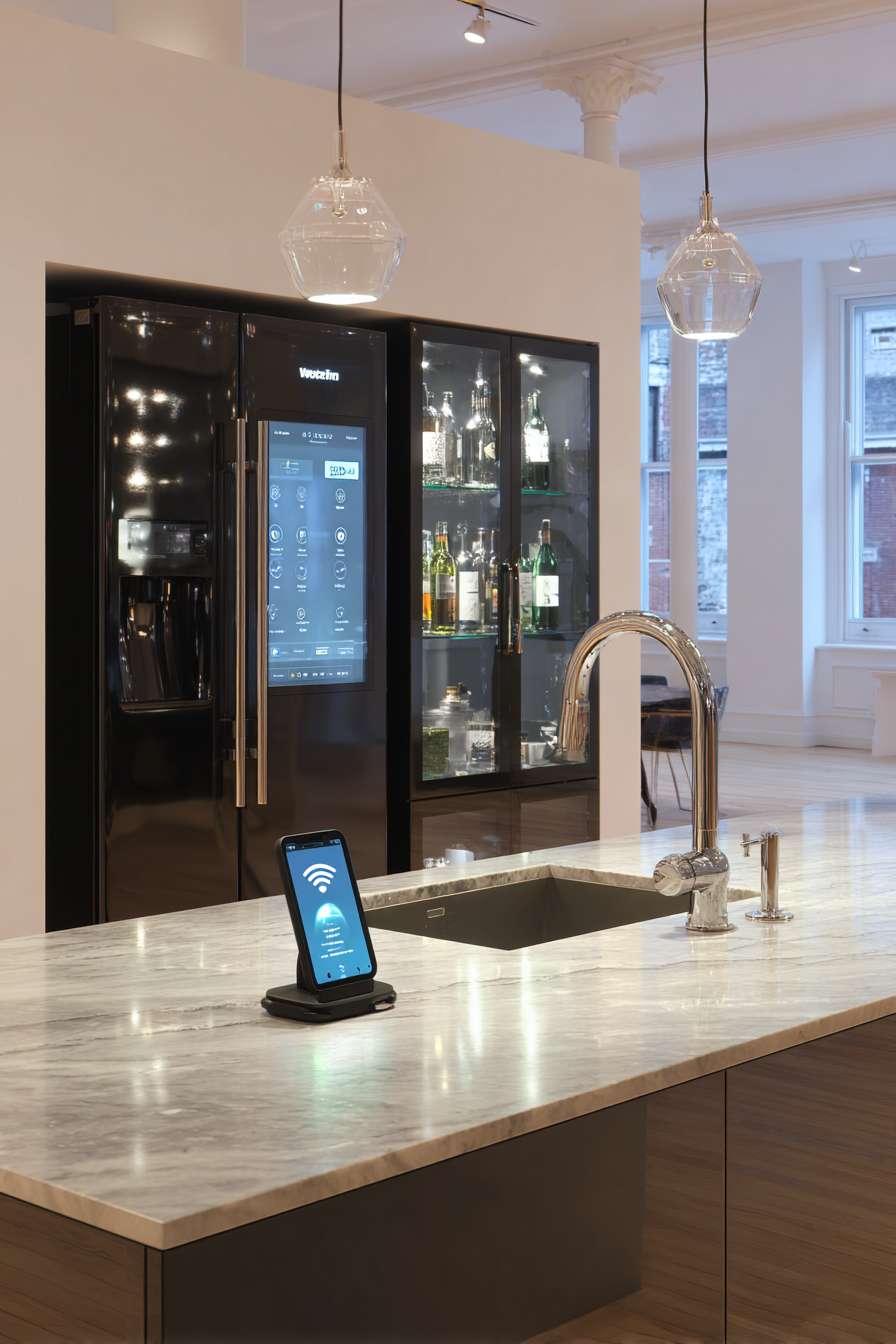
Professional designers stay current with emerging kitchen technology, from touchless faucets to refrigerators with interior cameras. They evaluate which innovations truly enhance daily living versus those that add unnecessary complexity. Their experience helps prioritize investments in technology that delivers meaningful benefits while avoiding trendy features that quickly become dated or frustrating to use.
- Install pop-up charging stations within countertops for seamless device power access
- Integrate voice-controlled systems for hands-free operation during food preparation
- Design dedicated appliance garages with built-in electrical outlets for countertop equipment
- Plan for robust Wi-Fi coverage throughout the kitchen space
- Incorporate motion-sensor lighting in cabinets and drawers for convenience
- Select appliances with remote monitoring and diagnostic capabilities
4. Creating Custom Storage Solutions That Maximize Vertical Space
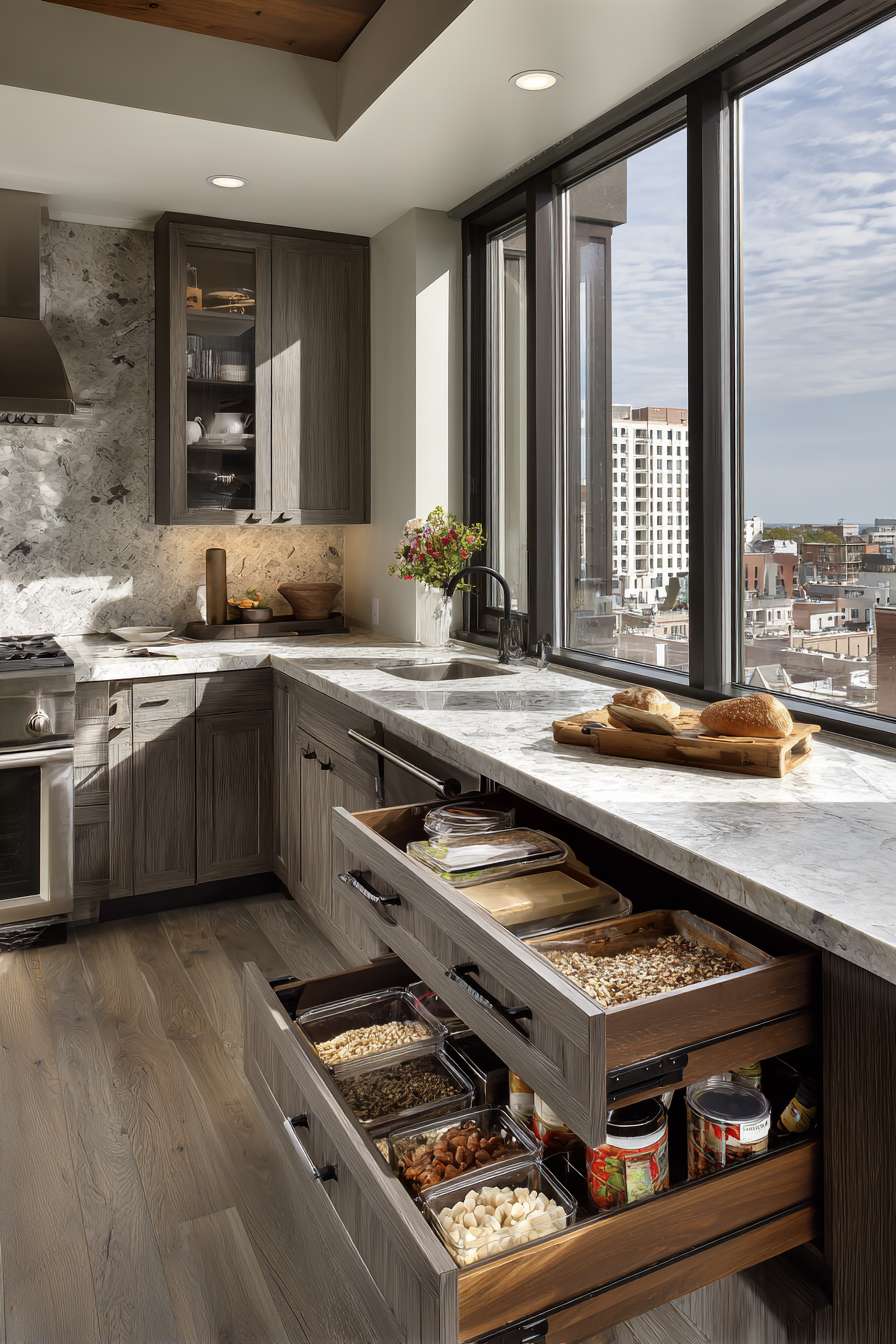
Penthouse kitchens often feature impressive ceiling heights that require innovative storage approaches. Professional designers create custom cabinetry systems that utilize vertical space efficiently while maintaining accessibility. They understand the psychology of proportion, ensuring tall cabinets enhance rather than overwhelm the space. This expertise transforms awkward dimensions into valuable storage assets.
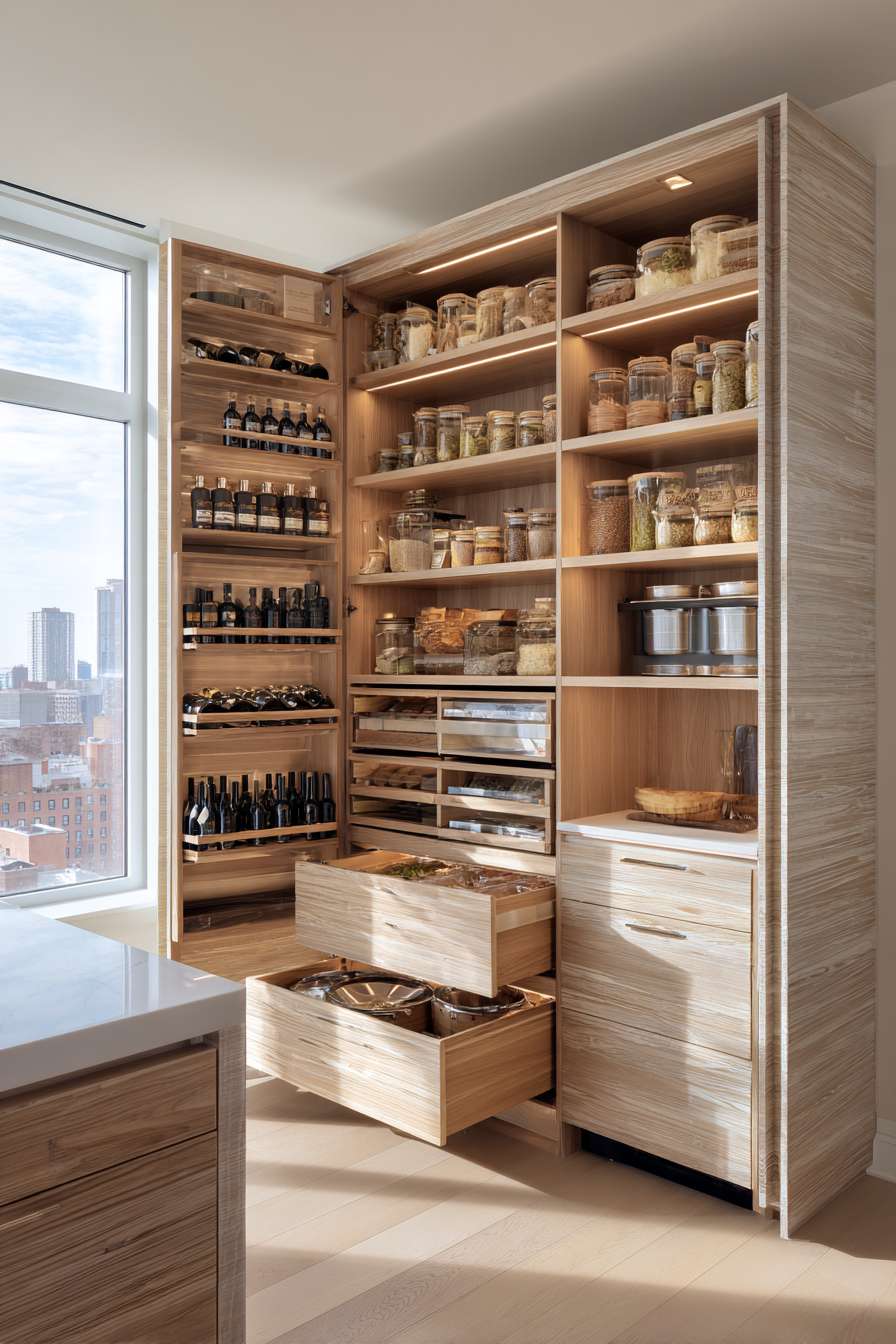
Specialized storage solutions in luxury kitchens go far beyond standard cabinets. Designers incorporate features like climate-controlled wine rooms, pull-out spice racks, appliance lifts, and custom drawer dividers that organize items perfectly. They analyze your cooking habits, entertaining frequency, and collection of kitchen tools to create personalized storage systems that anticipate your needs. This level of customization eliminates clutter while keeping everything within easy reach.
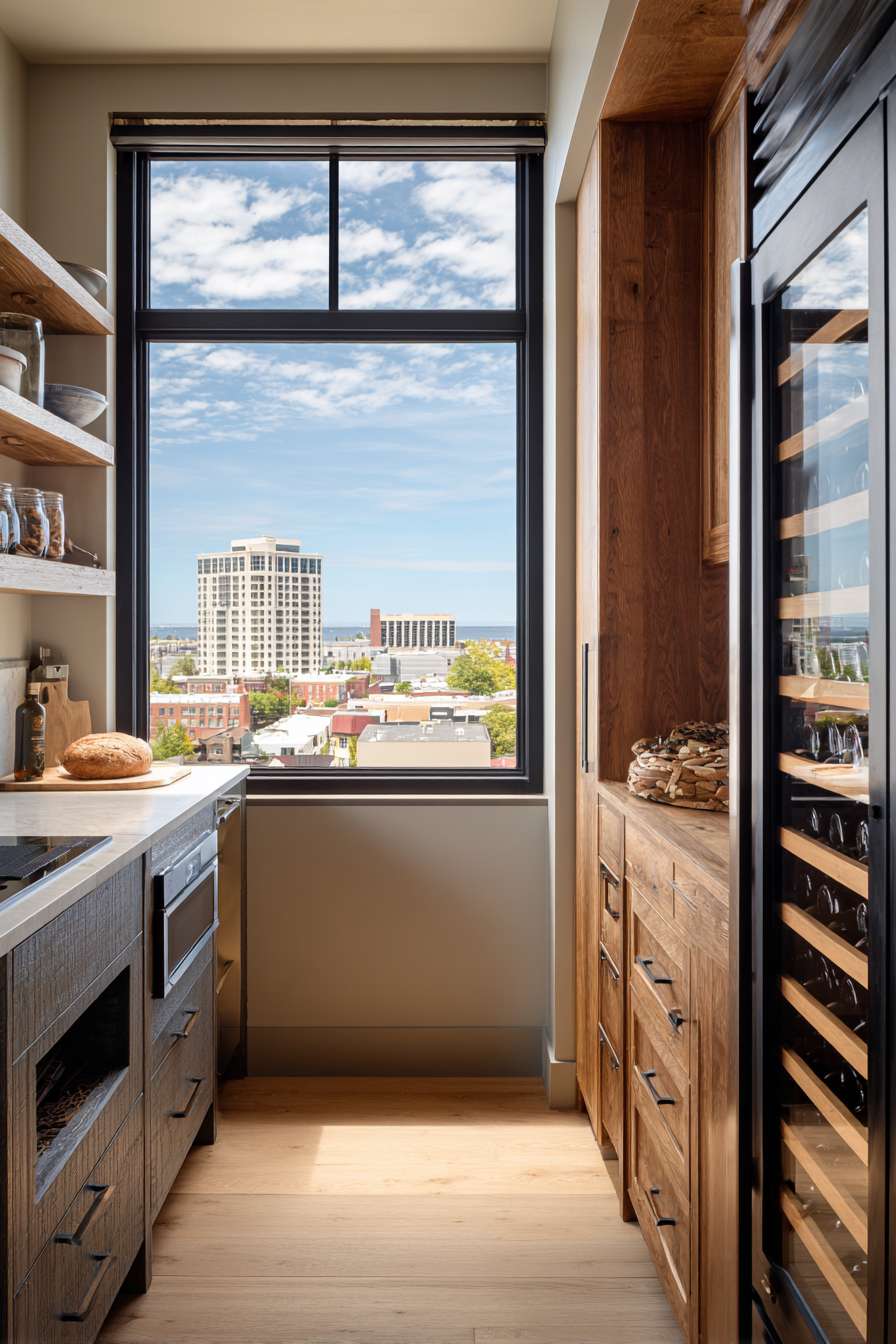
The investment in professional storage design pays dividends in daily convenience and long-term organization. Experts know which accessories deliver genuine utility versus those that consume space without adding value. They design storage that adapts to changing needs, incorporating adjustable shelving, modular systems, and multi-functional elements that evolve with your lifestyle.
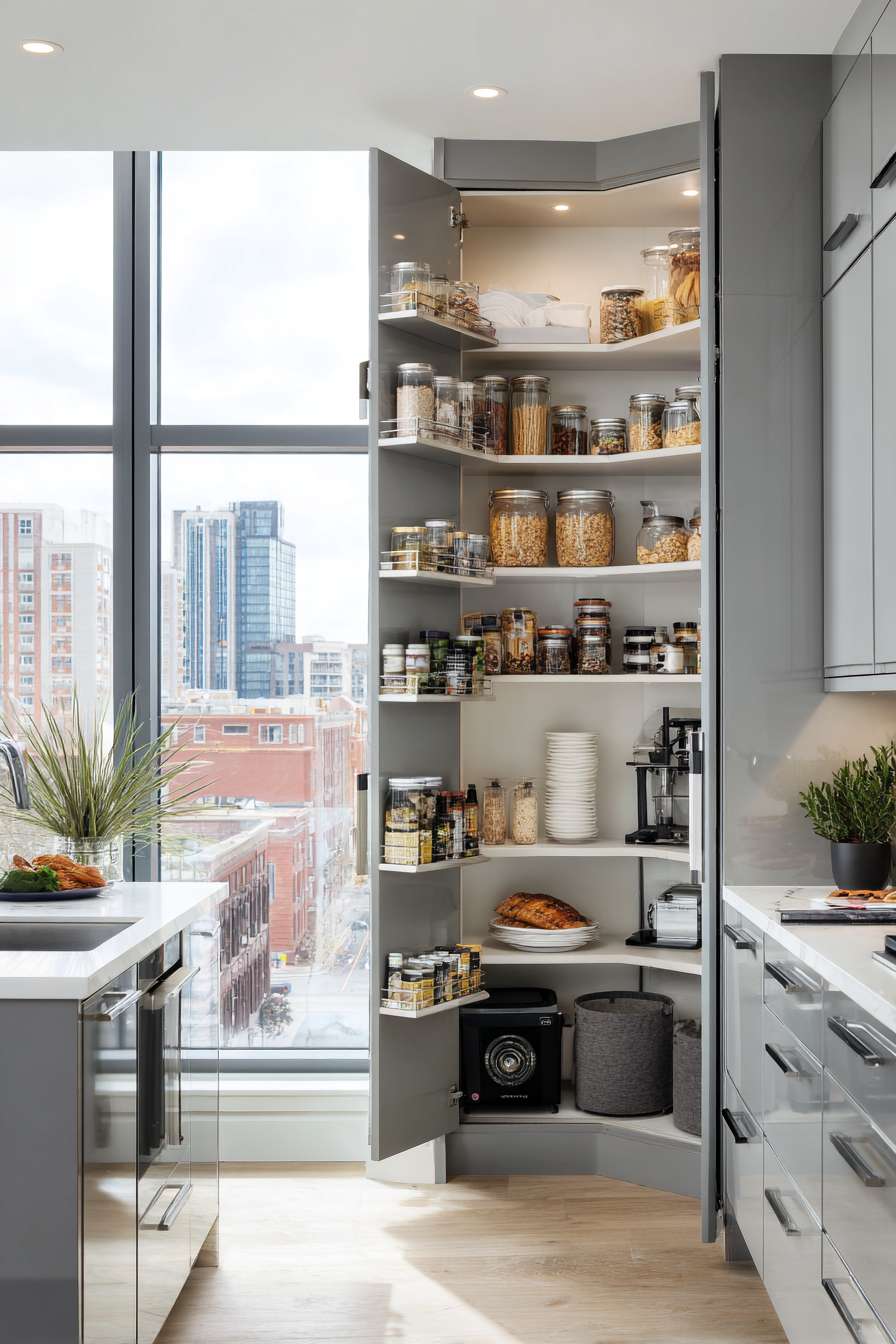
- Design floor-to-ceiling pantry systems with pull-out shelving for maximum accessibility
- Create dedicated zones for different activities including baking, beverage prep, and entertaining
- Install corner solutions that eliminate dead space in cabinet configurations
- Incorporate drawer systems with soft-close mechanisms and custom organization inserts
- Plan countertop storage that keeps essential items accessible without creating visual clutter
- Design integrated recycling and composting stations that maintain kitchen aesthetics
5. Ensuring Proper Ventilation in High-Rise Luxury Environments
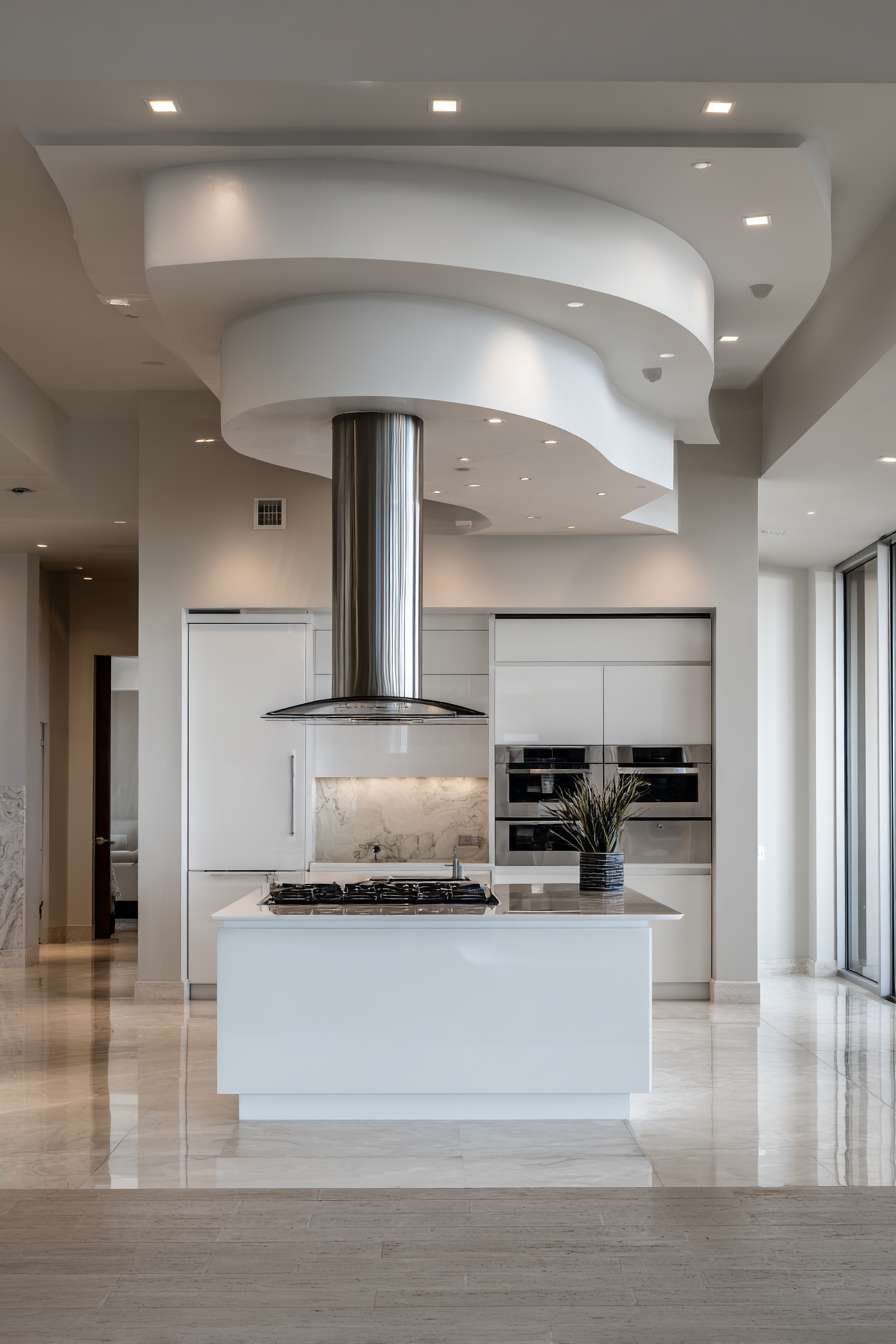
Ventilation systems in penthouse kitchens face unique challenges due to height, wind patterns, and building codes specific to high-rise structures. Professional designers work with mechanical engineers to specify systems that handle serious cooking while operating quietly and efficiently. They understand code requirements for makeup air, ductwork routing, and fire suppression that differ significantly from standard residential installations.
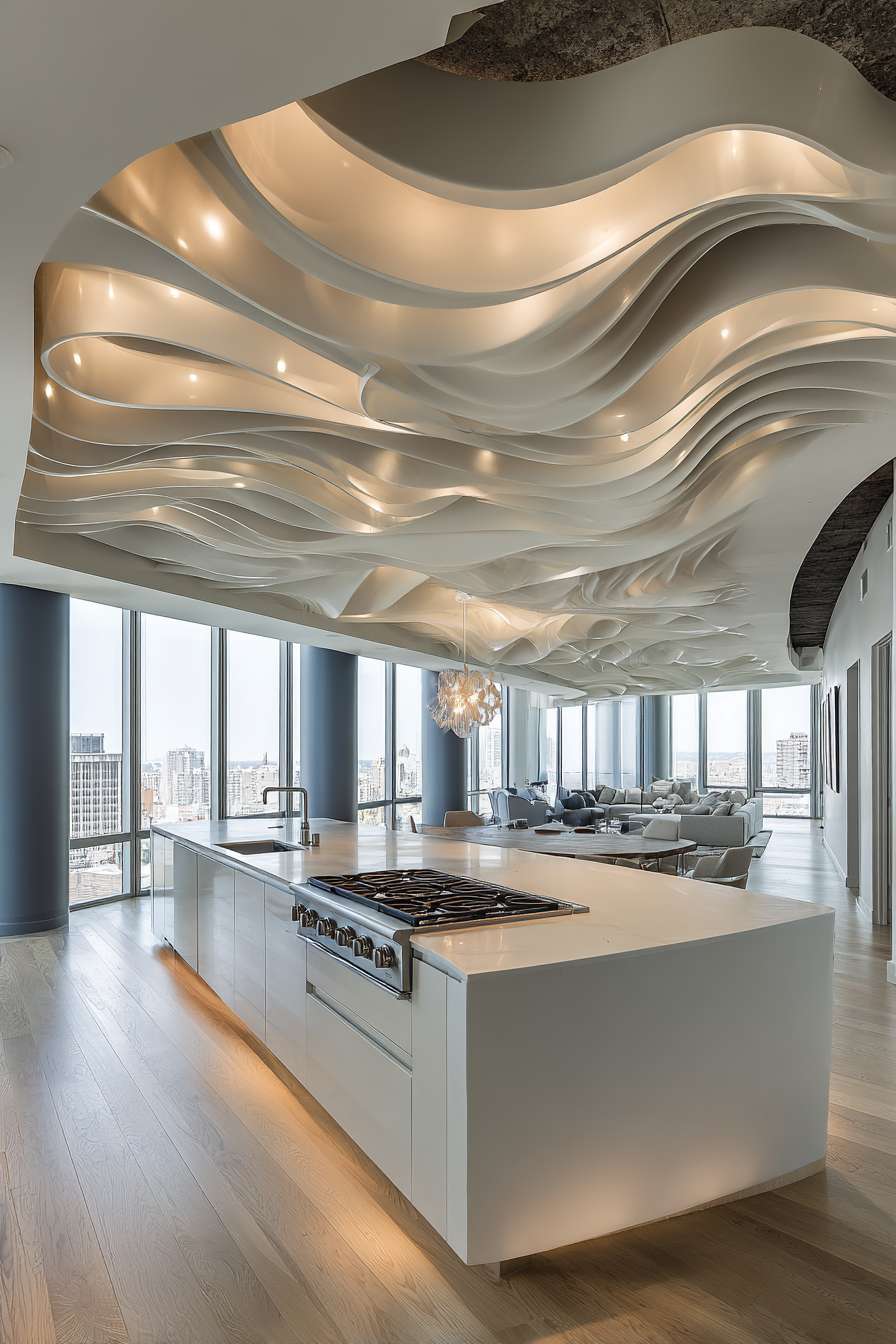
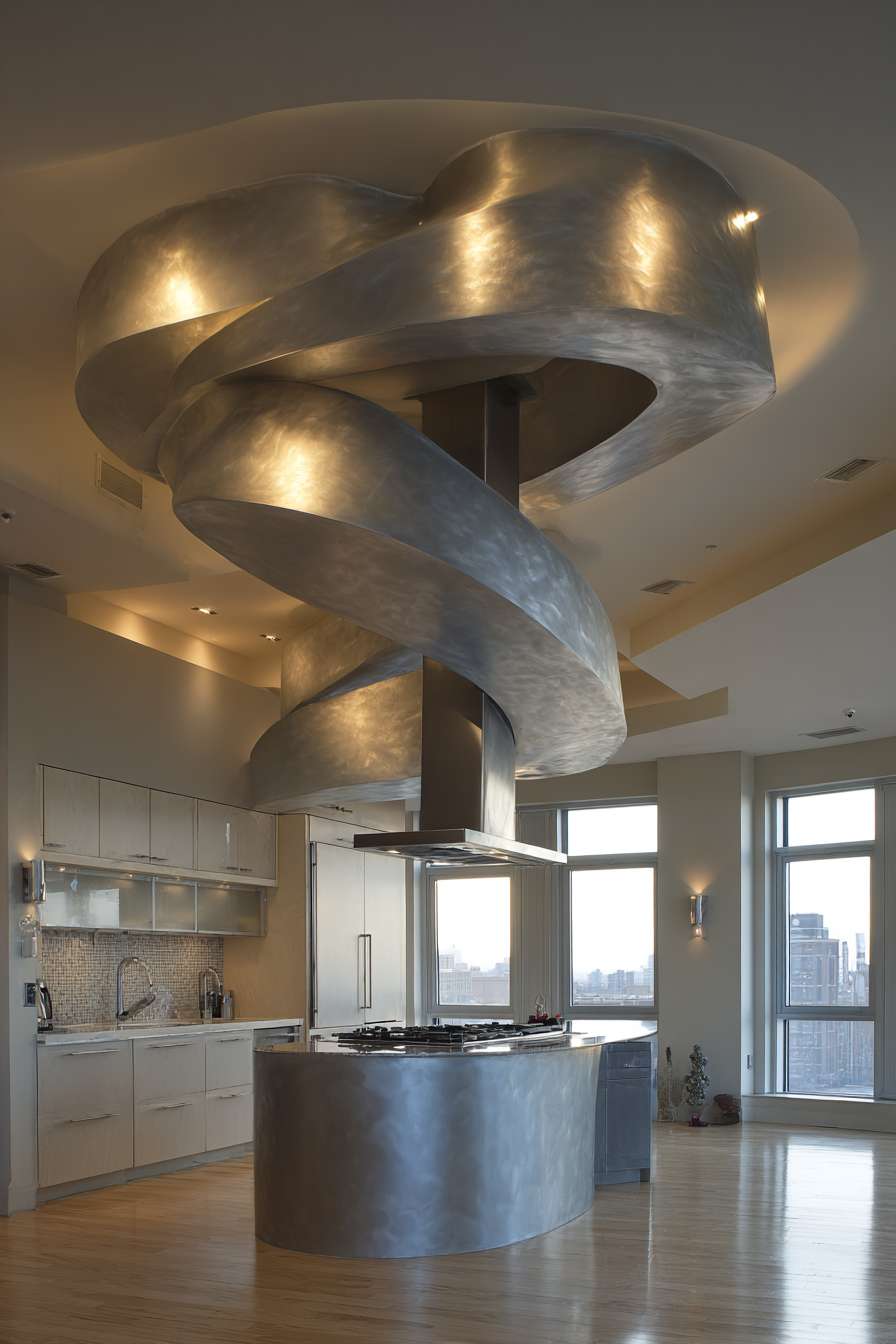
The visual integration of powerful ventilation equipment requires design expertise to maintain kitchen aesthetics. Professionals source statement range hoods that function as sculptural elements while delivering commercial-grade performance. They plan ductwork paths that navigate structural obstacles, coordinate with building management on exterior venting, and ensure systems meet both efficiency and noise standards appropriate for luxury living.
Poor ventilation planning creates problems that become apparent only after installation, when correction costs escalate dramatically. Professional designers prevent these issues by conducting thorough assessments of cooking habits, kitchen size, and air circulation patterns. They specify systems sized appropriately for the space and cooking intensity, ensuring your kitchen remains comfortable regardless of what’s happening on the cooktop.
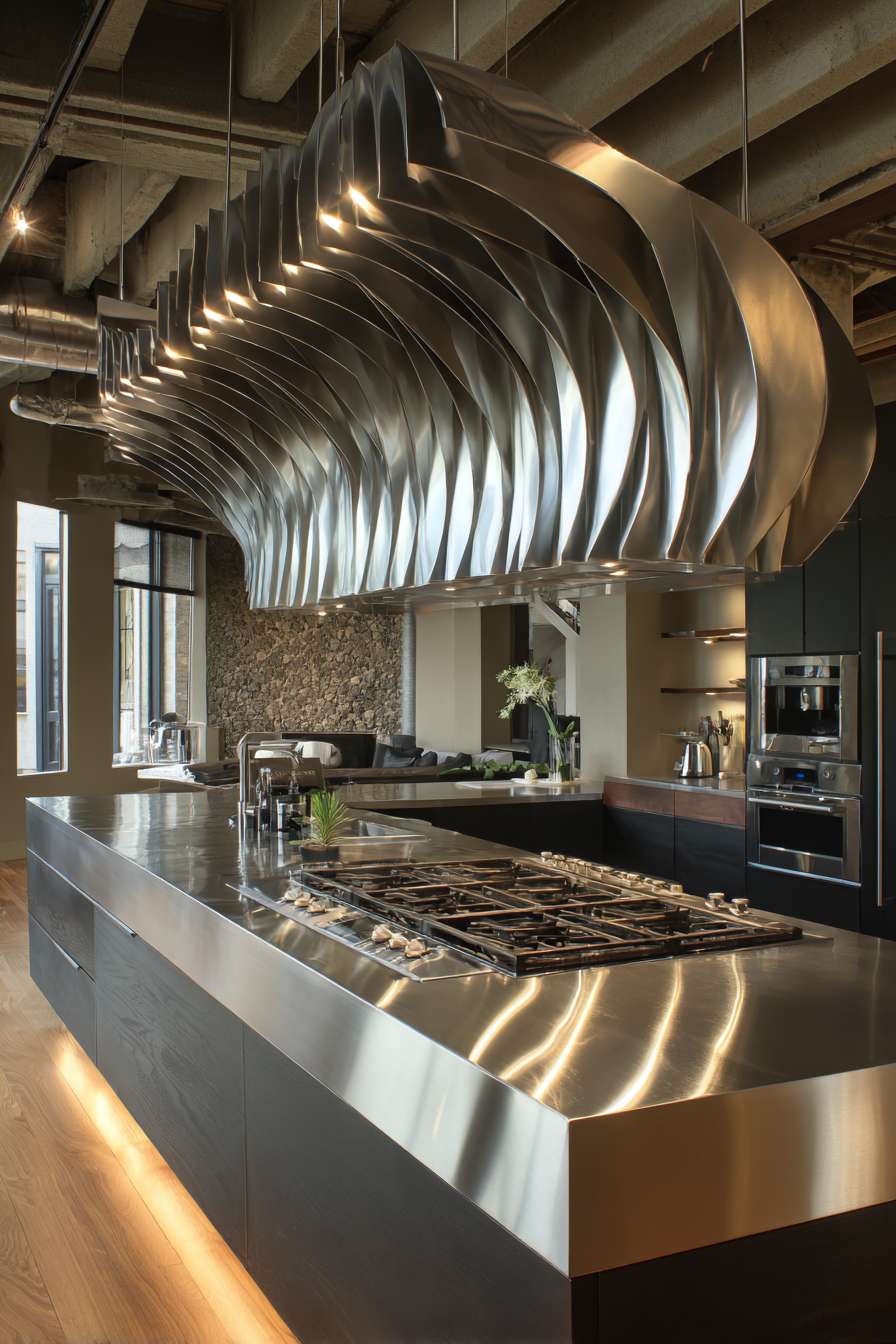
- Specify range hoods with minimum 1200 CFM capacity for serious cooking requirements
- Design makeup air systems that maintain proper building pressurization
- Select ultra-quiet ventilation equipment appropriate for open-concept layouts
- Coordinate hood design with ceiling treatments for integrated architectural appearance
- Plan steam and heat management for ovens and cooktops beyond primary ventilation
- Ensure compliance with building-specific requirements for high-rise kitchen ventilation
6. Coordinating With Building Management and Navigating Approval Processes

Penthouse renovations involve complex approval processes that professional designers navigate regularly. They understand building bylaws, structural limitations, and approval timelines that can delay or derail amateur projects. Their experience with condo boards and building management ensures your design meets all requirements while achieving your vision. This expertise prevents rejected plans and costly redesigns.
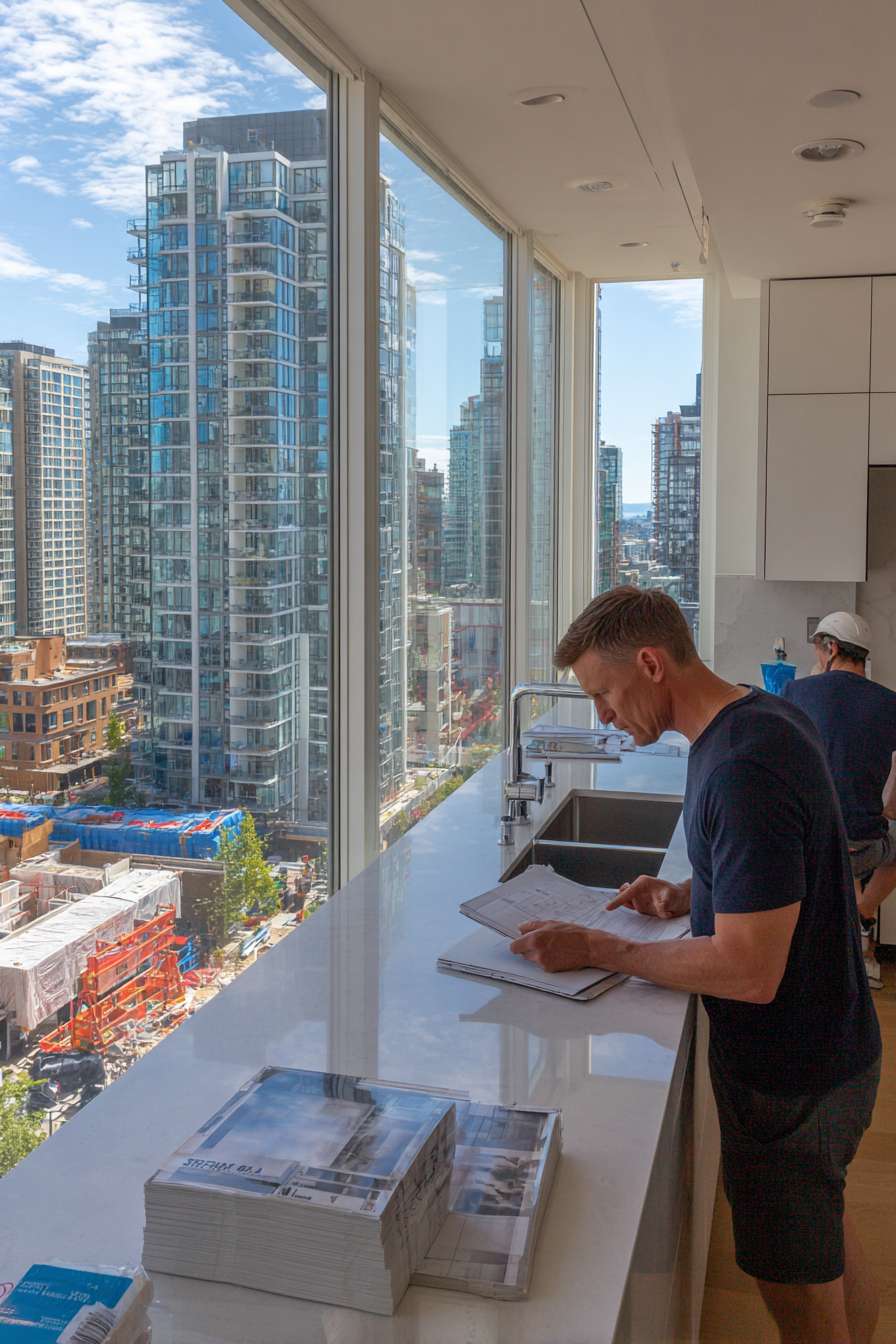
Professional designers maintain relationships with engineers, architects, and contractors experienced in high-rise renovations. They coordinate the required documentation, structural assessments, and permit applications efficiently. Their involvement ensures your project moves forward smoothly, with proper sequencing of trades and compliance with building-specific construction hours and procedures.

The value of professional coordination extends beyond paperwork to problem-solving when unexpected challenges arise. Designers who specialize in penthouse work anticipate potential issues with plumbing access, electrical capacity, and structural modifications. They develop contingency plans and alternative solutions that keep projects on schedule while maintaining design integrity.

- Prepare comprehensive design documentation that satisfies building approval requirements
- Coordinate engineering assessments for any structural modifications or load considerations
- Schedule work to comply with building restrictions on construction hours and freight elevator access
- Communicate effectively with building management throughout the renovation process
- Ensure all work meets fire safety codes specific to high-rise residential buildings
- Plan for logistics of material delivery and waste removal in building environments
7. Designing for Seamless Indoor-Outdoor Entertaining Flow
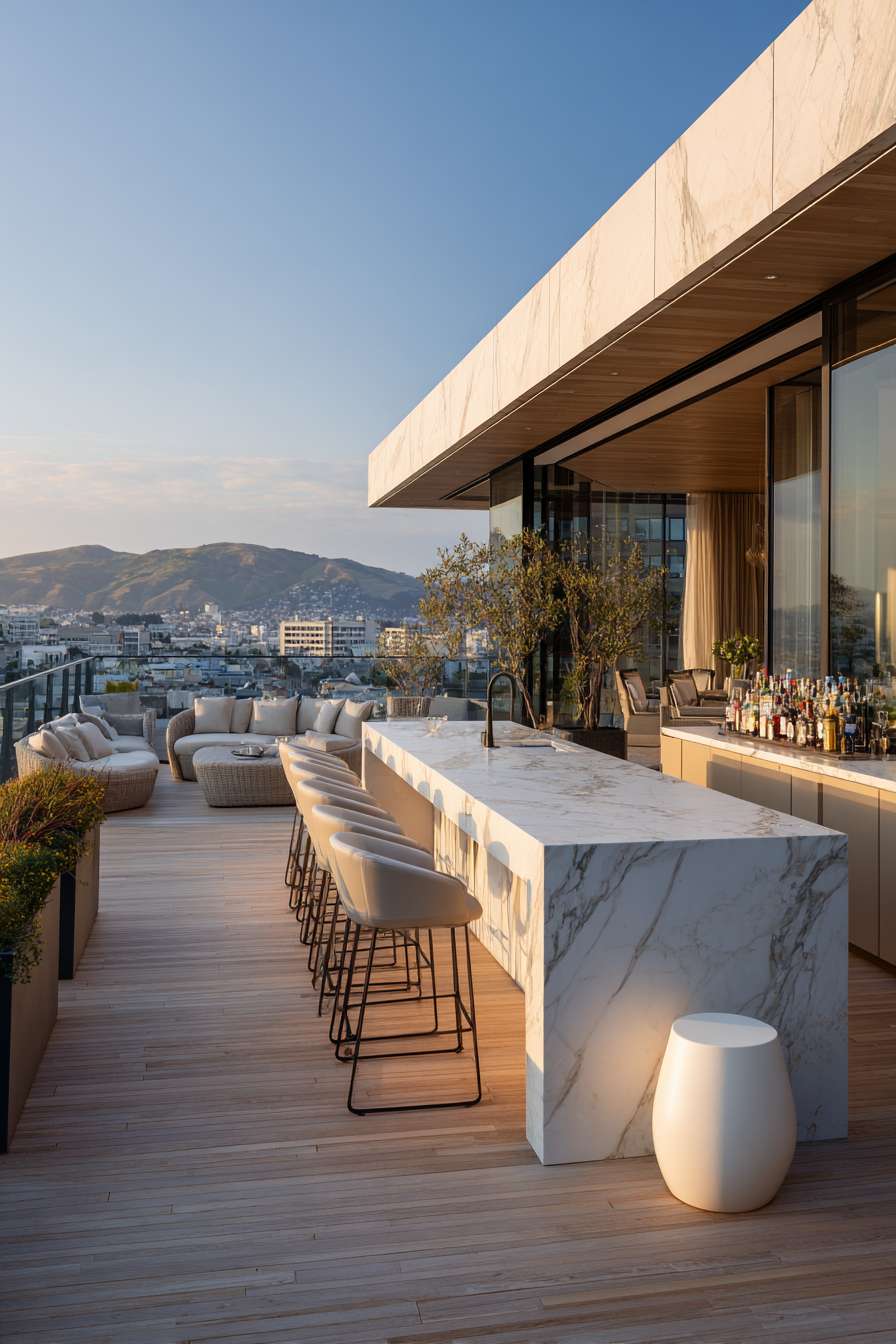
Many penthouses feature outdoor terraces that extend the living space and create unique entertaining opportunities. Professional designers understand how to create visual and functional connections between the kitchen and these outdoor areas. They select materials that transition naturally, plan serving areas accessible from both spaces, and design pass-through elements that facilitate effortless entertaining.
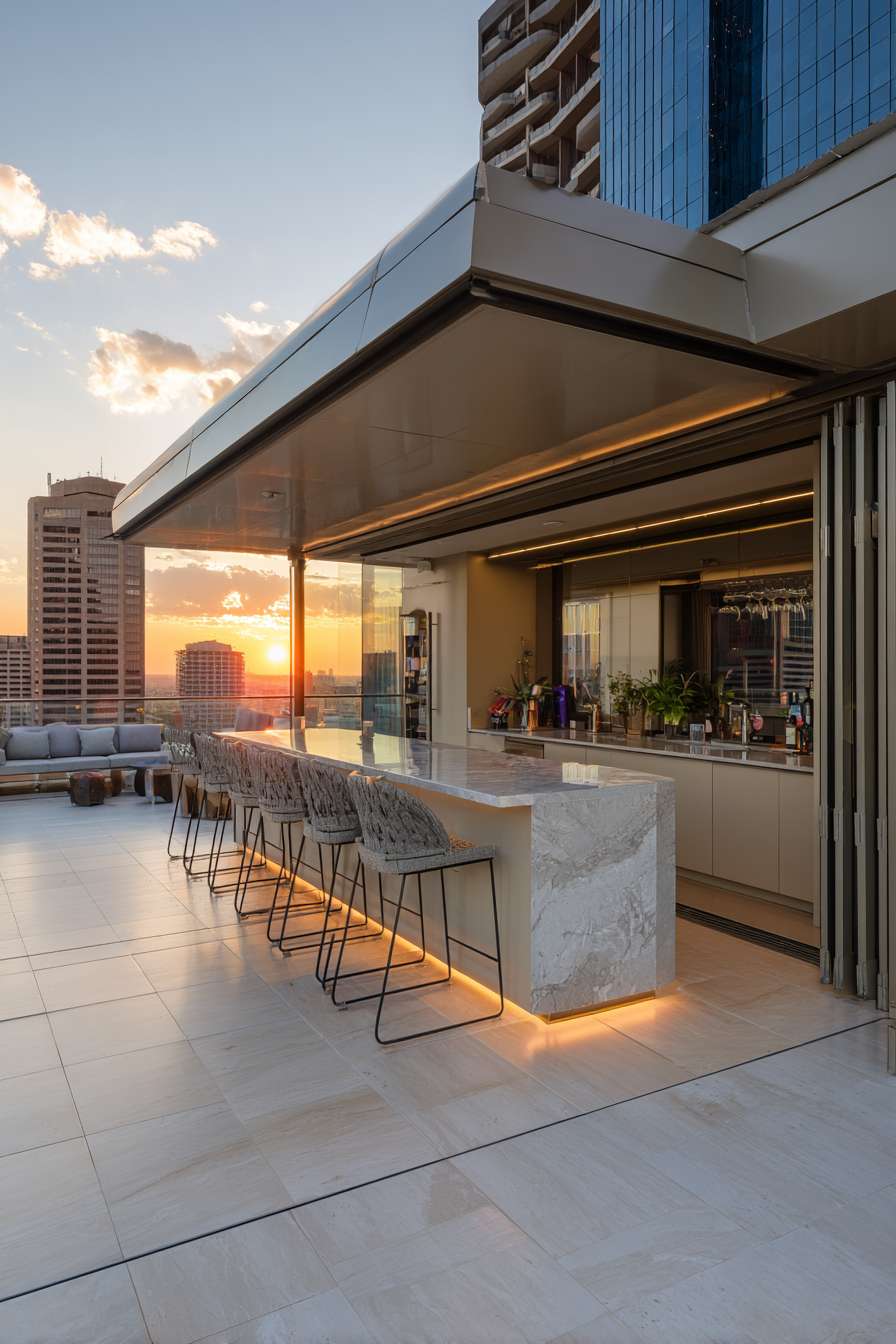
Indoor-outdoor flow requires thoughtful consideration of how both spaces will be used together. Designers incorporate features like bi-fold windows, sliding doors, or pass-through counters that literally open the kitchen to terraces. They coordinate lighting schemes that create ambiance in both areas, select weatherproof materials for transition zones, and plan storage for outdoor entertaining supplies within the kitchen footprint.
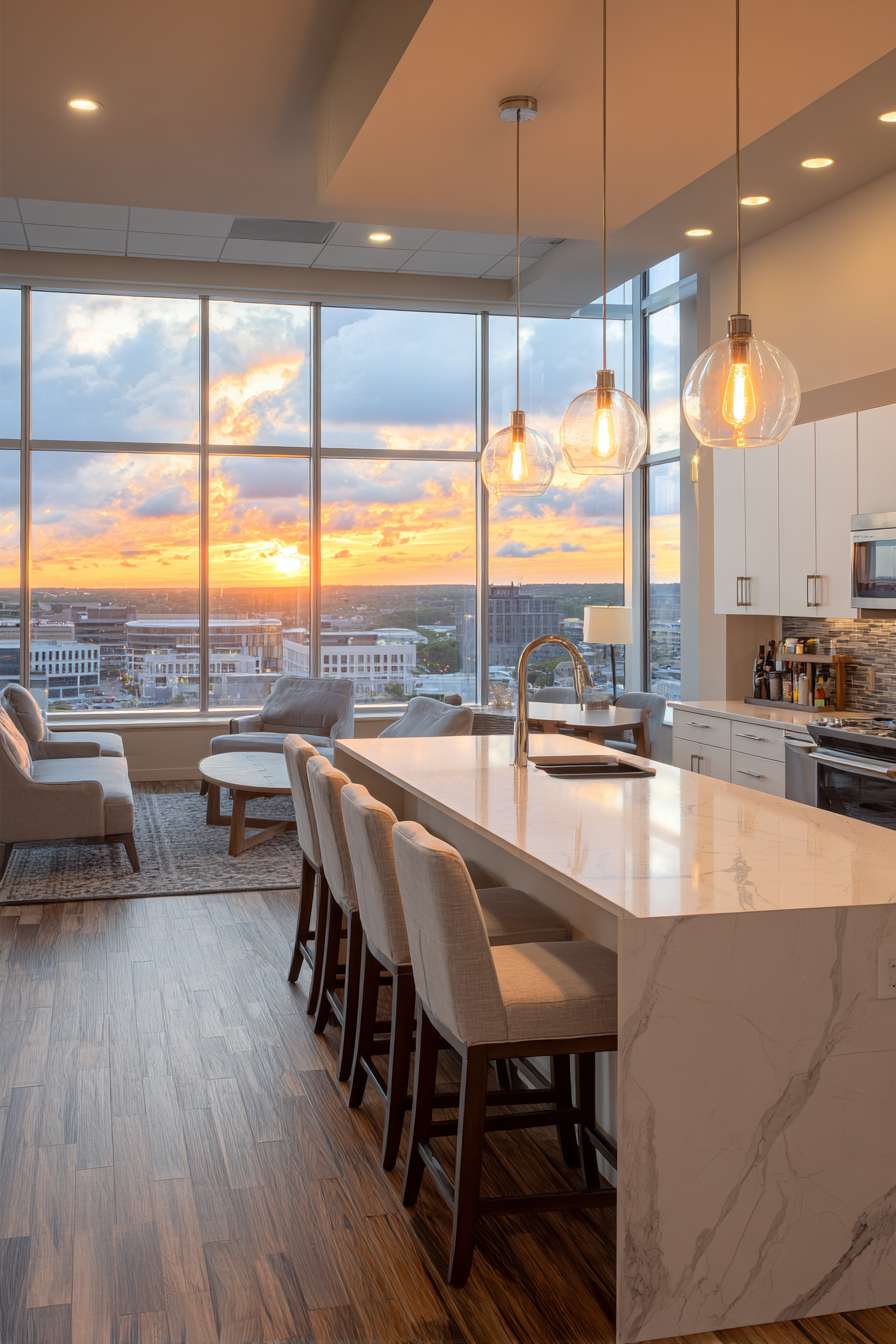
The entertaining potential of penthouse kitchens expands dramatically when outdoor spaces are properly integrated. Professional designers create layouts that support multiple activity zones, from intimate dinner preparations to large gathering scenarios. They understand traffic patterns during events and design spaces that accommodate both casual family meals and sophisticated entertaining without feeling cramped or chaotic.
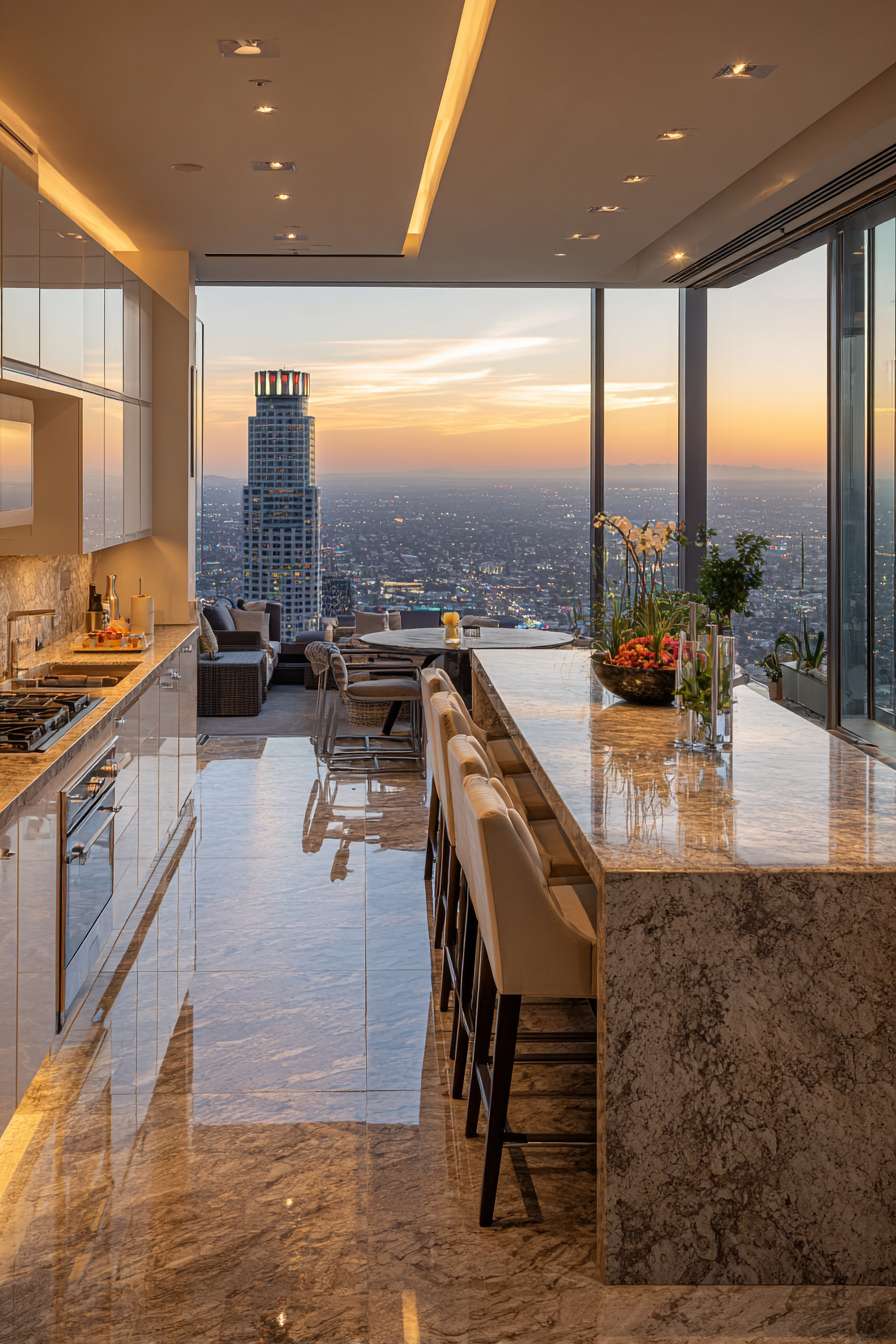
- Design kitchen islands with seating that faces toward outdoor views
- Create beverage stations accessible from both indoor and outdoor spaces
- Install weather-resistant cabinetry in transition areas for outdoor entertaining supplies
- Plan lighting that extends from kitchen through outdoor areas for evening events
- Select flooring materials that work in both environments for visual continuity
- Incorporate refrigeration and bar areas that serve both indoor and outdoor guests
8. Balancing Aesthetic Vision With Functional Requirements
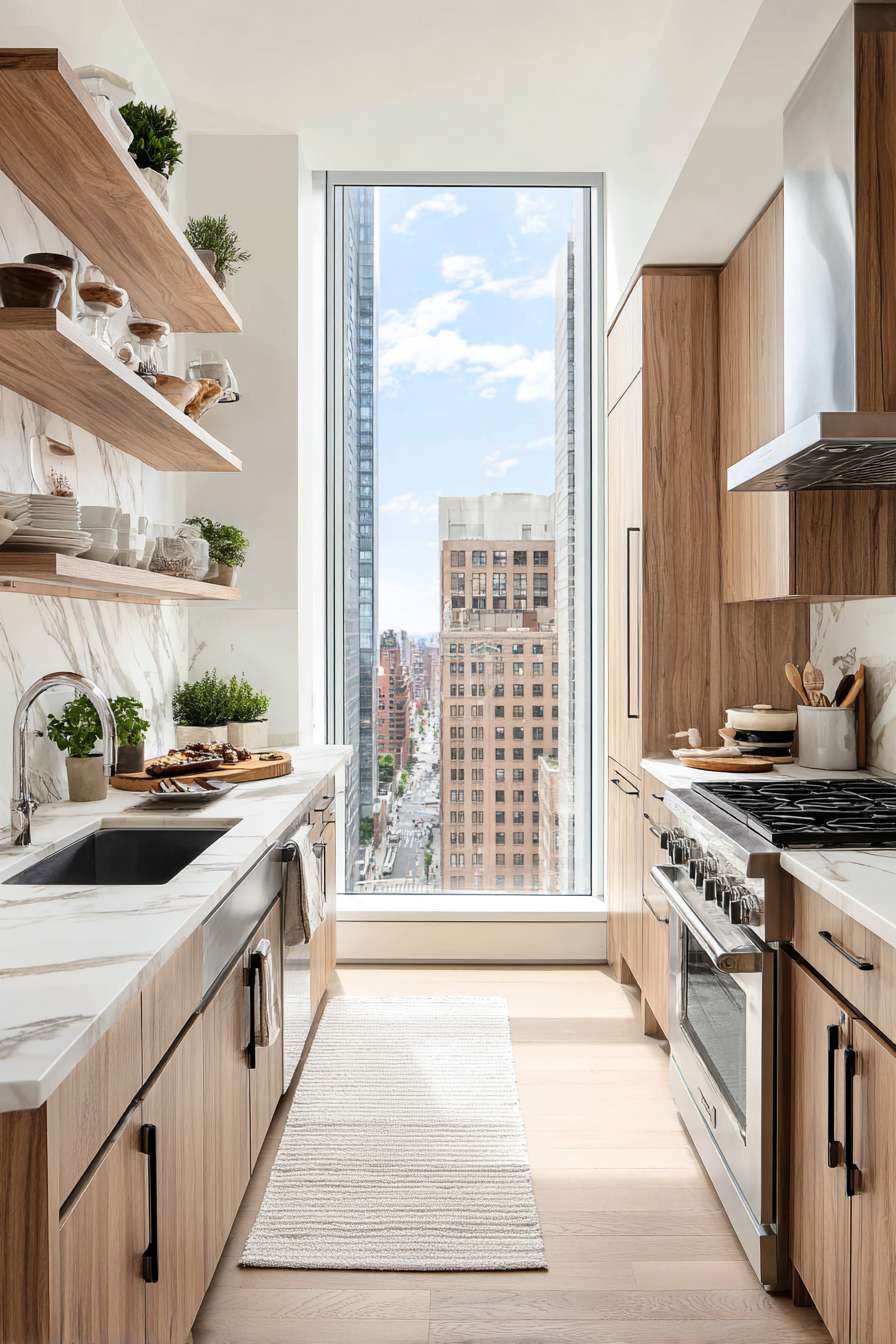
The artistic vision for a penthouse kitchen must coexist with practical functionality that supports daily living. Professional designers excel at balancing beauty with performance, ensuring the kitchen works as wonderfully as it appears. They understand the compromises inherent in design decisions and guide clients toward choices that optimize both aesthetics and usability.
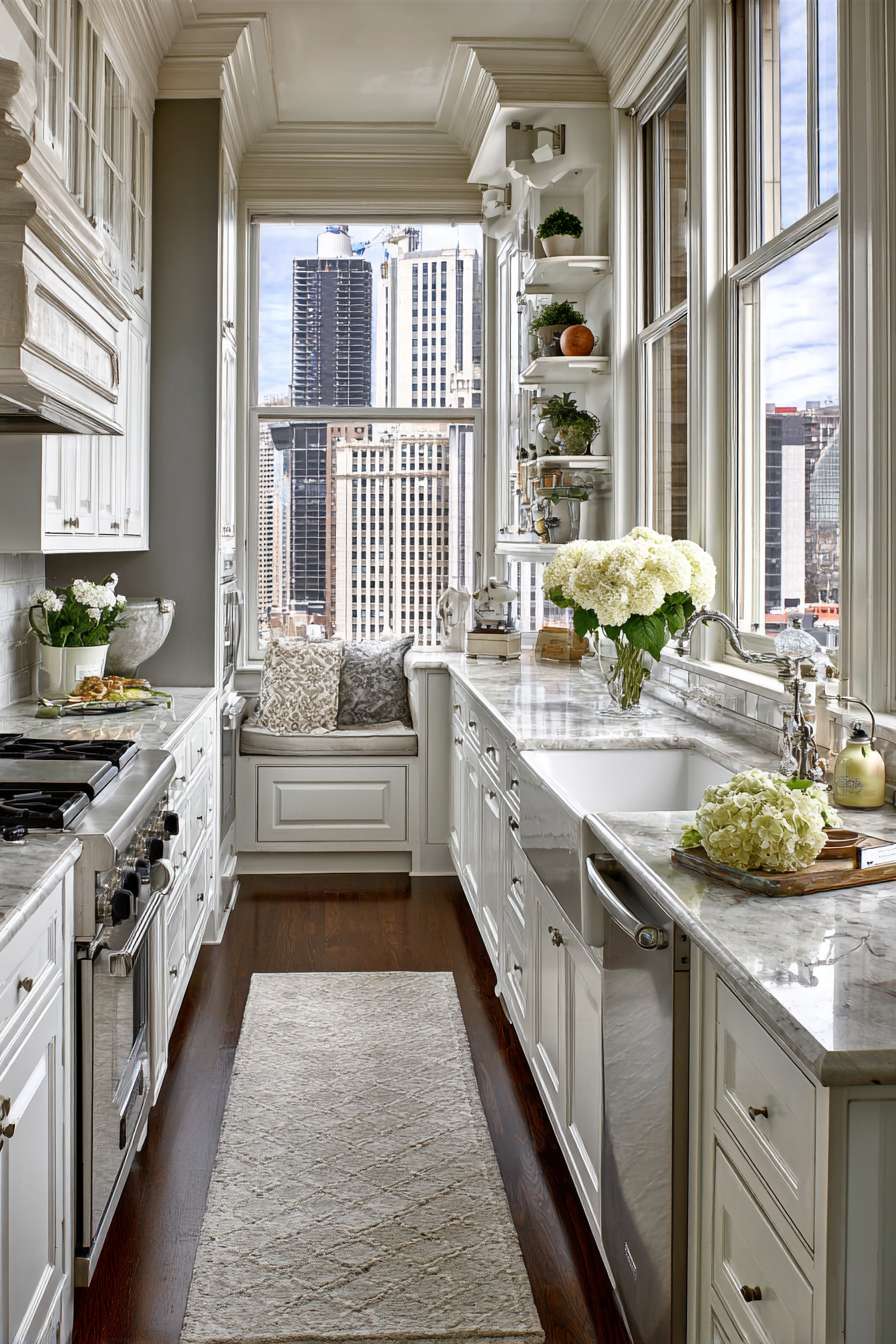
Functionality assessments conducted by professionals evaluate work triangle efficiency, counter space allocation, and storage accessibility. They prevent common mistakes like insufficient landing zones near appliances, inadequate task lighting, or workflow disruptions caused by purely aesthetic decisions. This practical expertise ensures your stunning kitchen doesn’t frustrate daily use with impractical layouts or finishes.
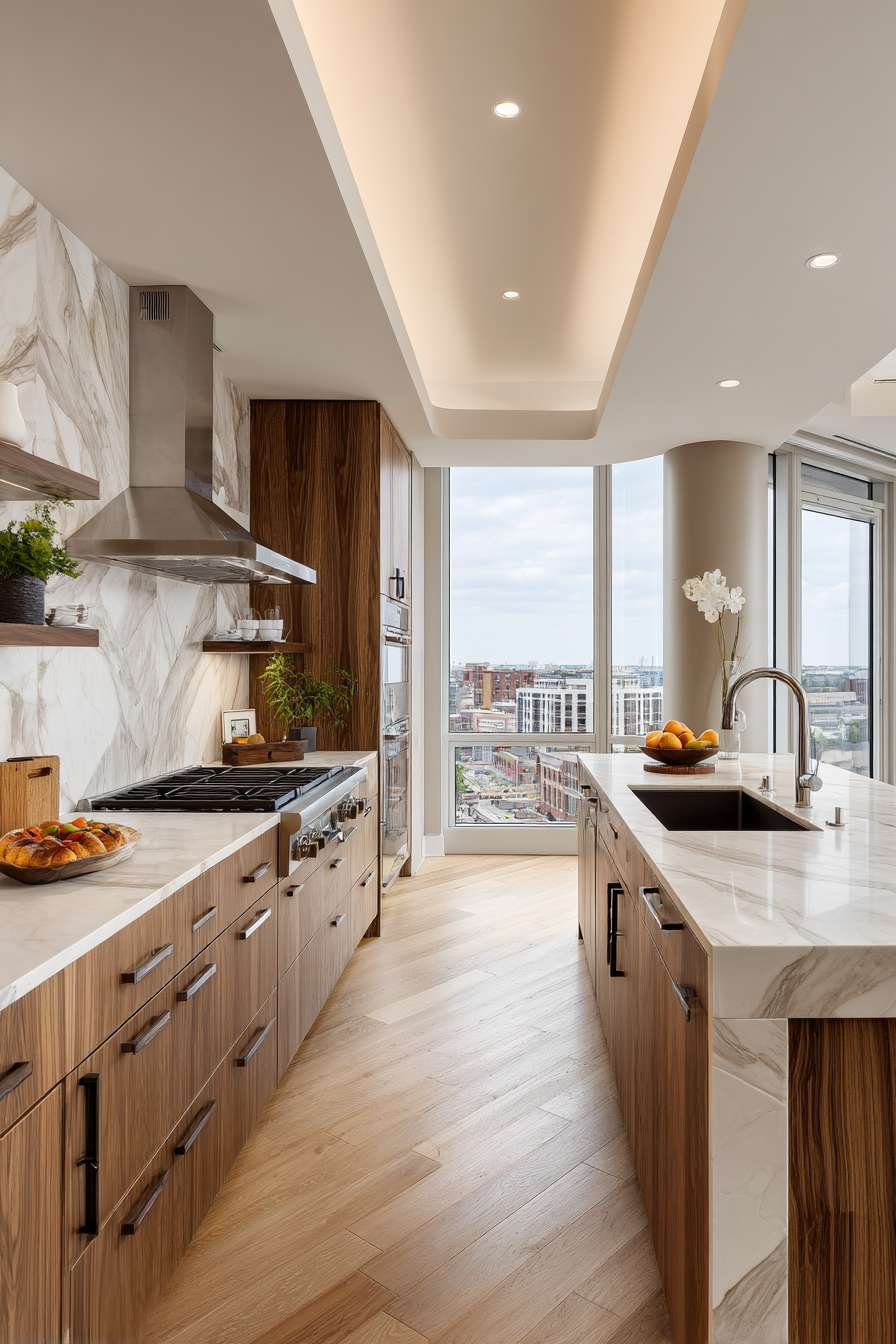
Professional designers create kitchens that evolve gracefully over time, selecting timeless elements for major investments while incorporating current trends in easily changeable details. They understand which design choices maintain value and which risk appearing dated quickly. This forward-thinking approach protects your investment while ensuring your kitchen remains personally meaningful and functionally relevant.
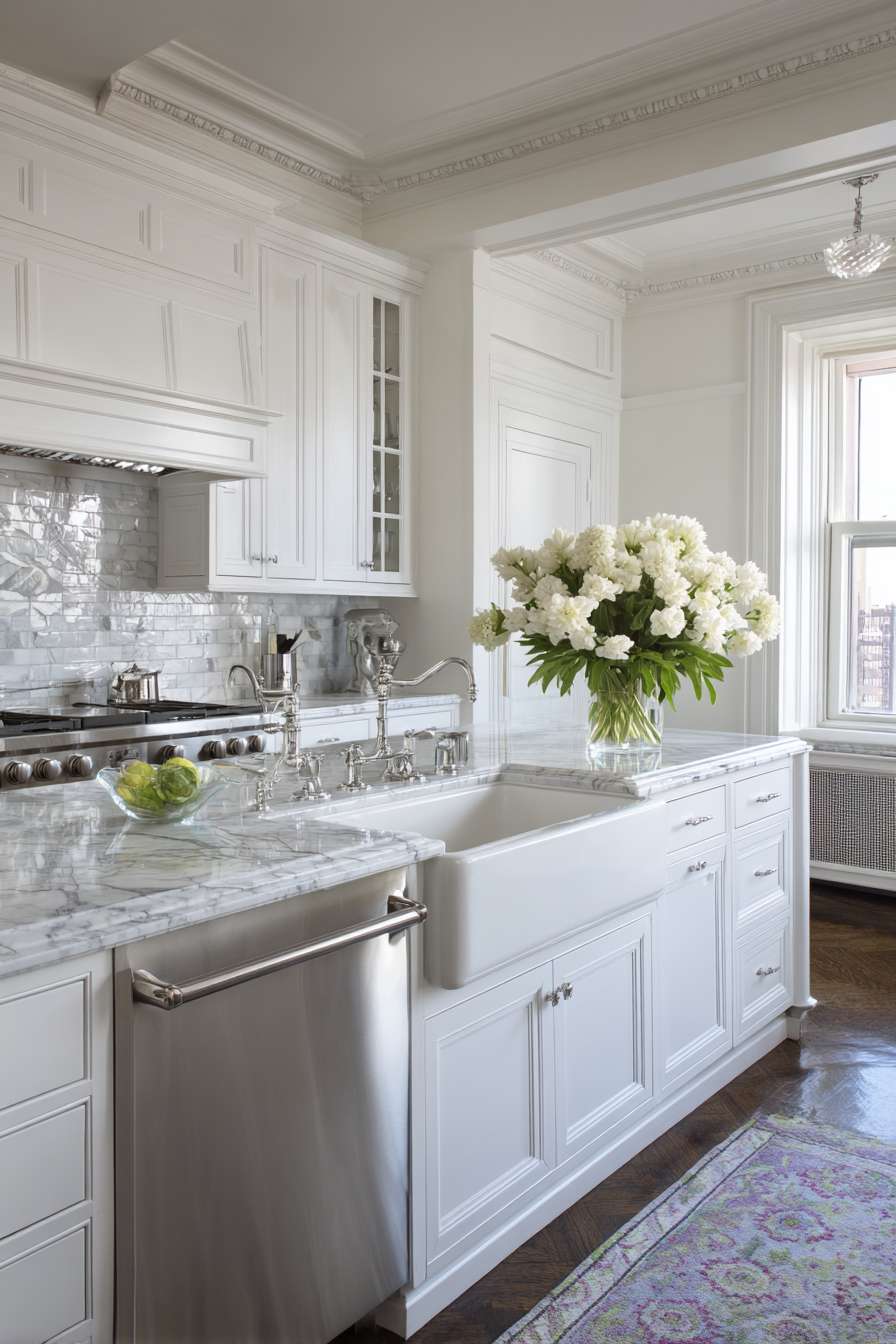
- Maintain minimum counter landing zones of 15 inches beside cooktops and refrigerators
- Position dishwashers within 36 inches of primary sink for efficient cleanup workflow
- Select finish materials that hide fingerprints and minor wear in high-touch areas
- Design adequate electrical capacity for current and future appliance needs
- Incorporate universal design principles that accommodate varying physical abilities
- Balance open display areas with concealed storage for maintaining visual serenity
9. Managing Budget Effectively While Maximizing Value
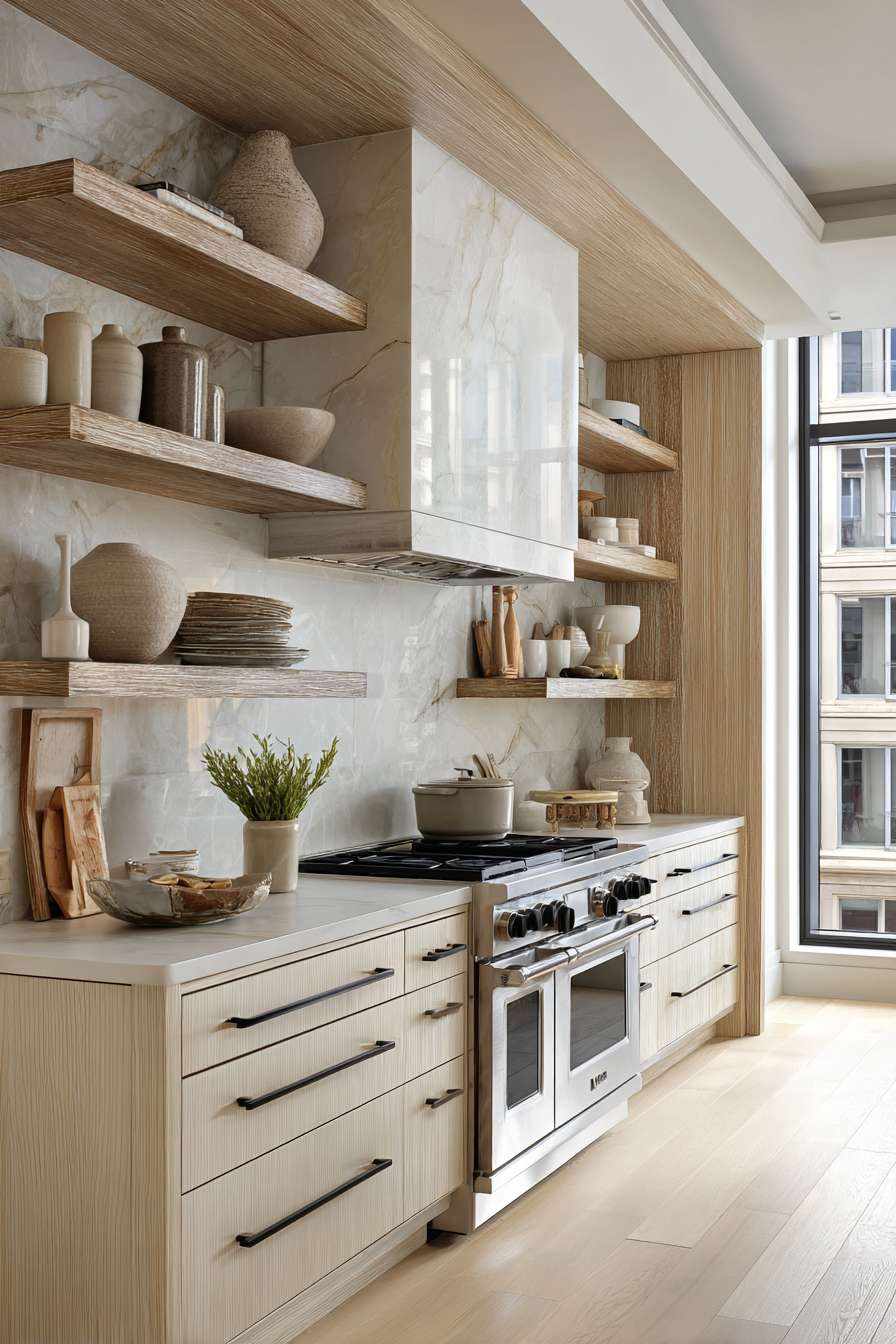
Professional kitchen designers bring financial expertise that protects clients from overspending while ensuring money flows toward elements delivering maximum impact. They understand cost hierarchies in materials, know where to invest versus economize, and maintain relationships with suppliers offering trade pricing. This knowledge typically saves more than the designer’s fee while delivering superior results.
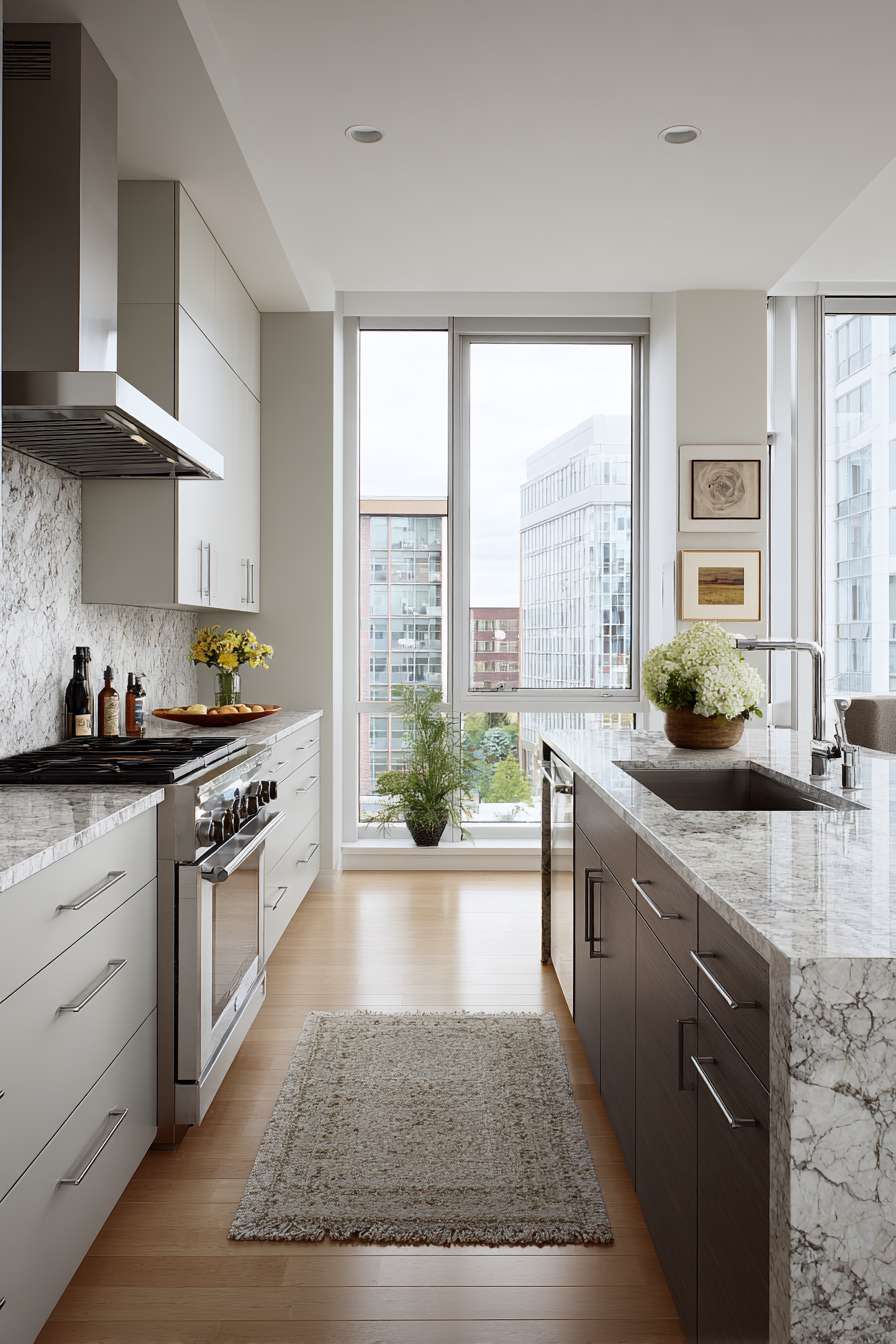
The value engineering process guided by professionals identifies opportunities to achieve desired aesthetics at lower costs without compromising quality. They suggest alternative materials, modified construction methods, and strategic selections that reduce expenses significantly while maintaining the design vision. Their experience prevents costly mistakes like incorrect material orders, inappropriate product selections, or inadequate budget reserves for unexpected issues.
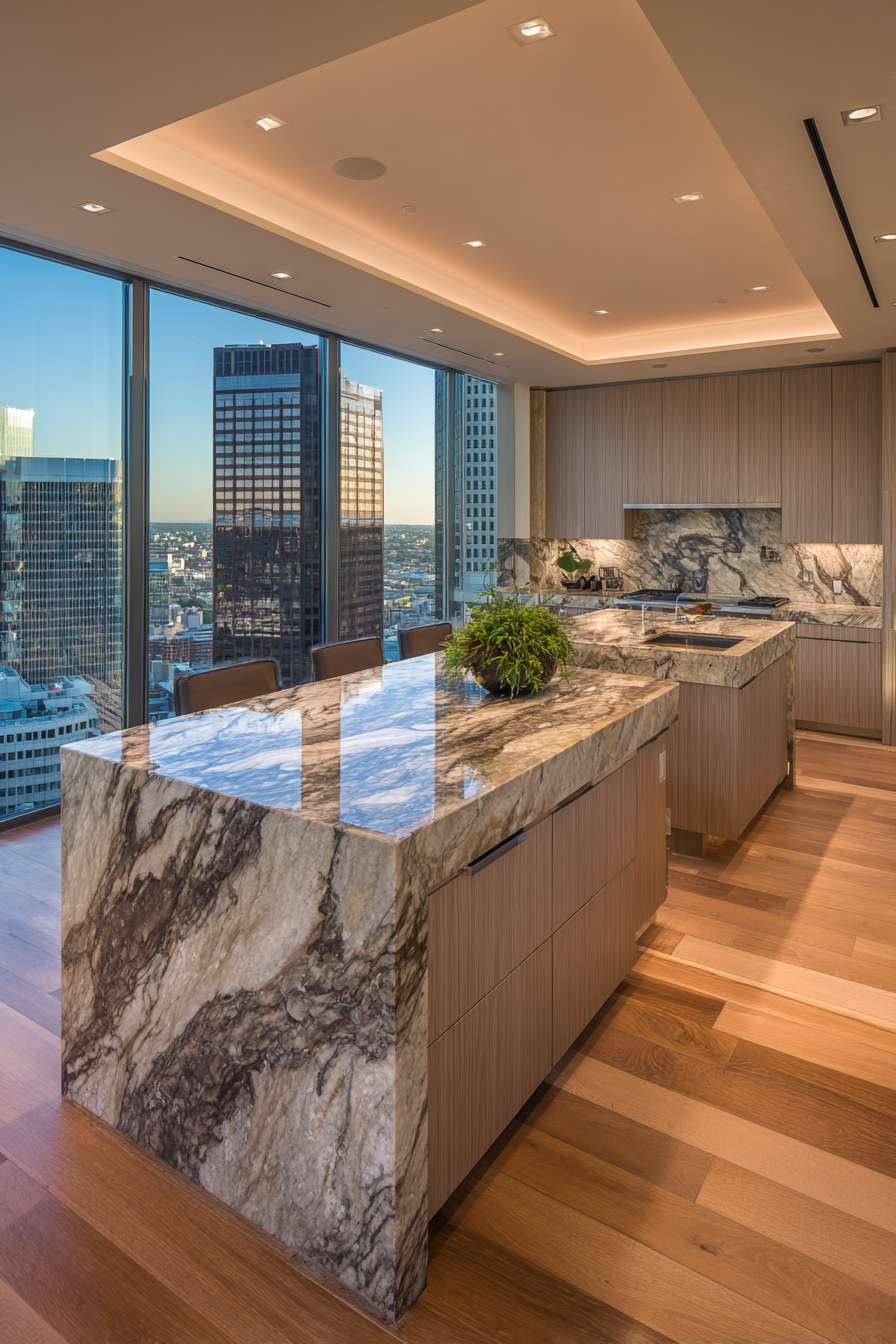
Professional designers establish realistic budgets that account for all project costs, including permits, labor, materials, appliances, and contingency reserves. They provide detailed specifications that enable accurate contractor bids and prevent expensive surprises during construction. This comprehensive financial planning ensures your penthouse kitchen project completes successfully within established parameters.
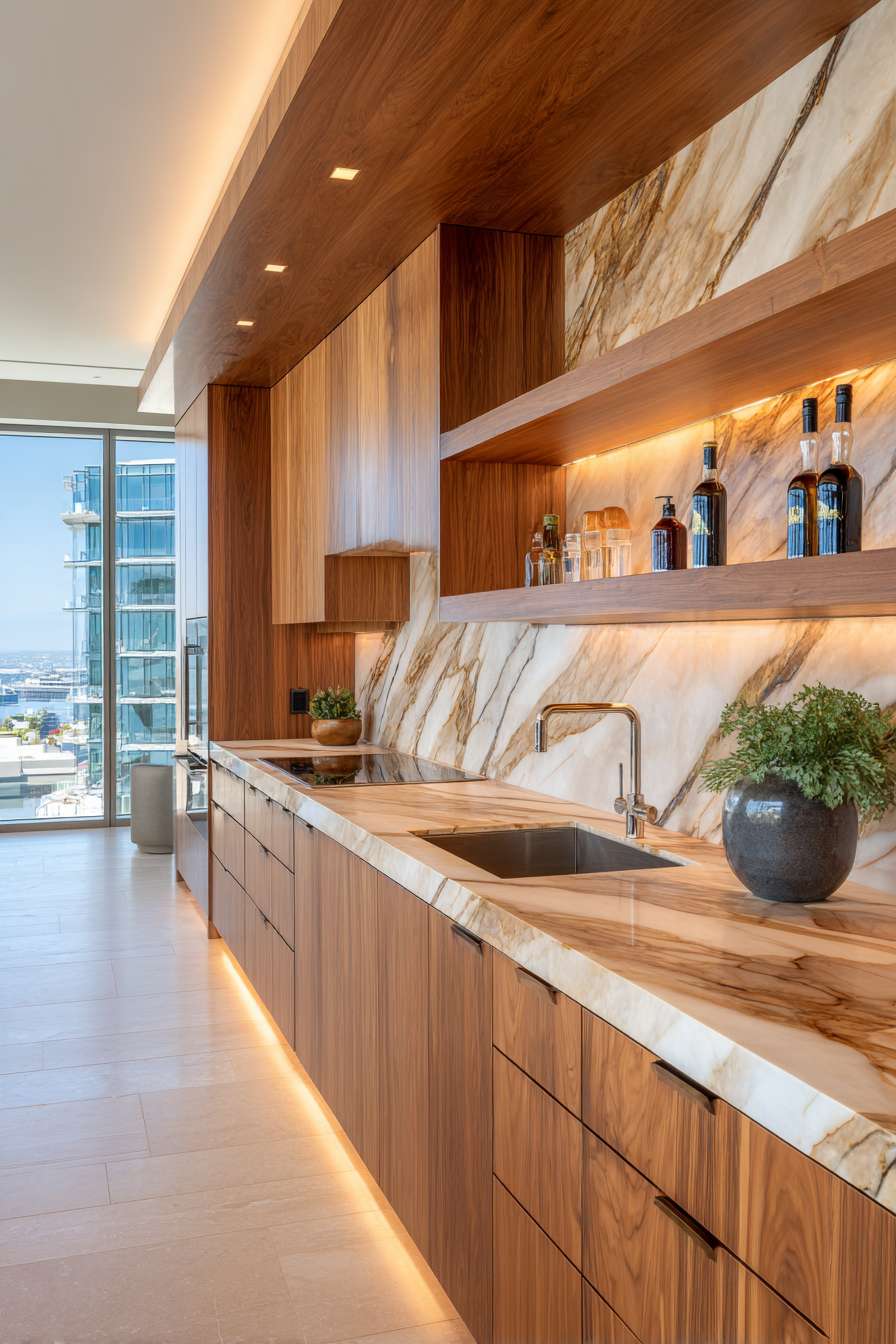
- Allocate 40-45% of budget to cabinetry and installation for optimal quality
- Invest in premium appliances that deliver performance matching luxury environment
- Reserve 10-15% contingency for unexpected issues common in high-rise renovations
- Prioritize spending on elements visible and used daily over purely decorative features
- Leverage designer trade accounts for discounts on materials and furnishings
- Create phased implementation plans if budget constraints require staged completion
Conclusion
A professionally designed penthouse kitchen represents far more than an aesthetic upgrade—it’s a strategic investment in your luxury living experience. The expertise professional designers bring to spatial planning, material selection, technology integration, and project coordination ensures your kitchen achieves its full potential. These specialists navigate the unique challenges of penthouse environments while creating spaces that reflect your personal style and enhance daily life.
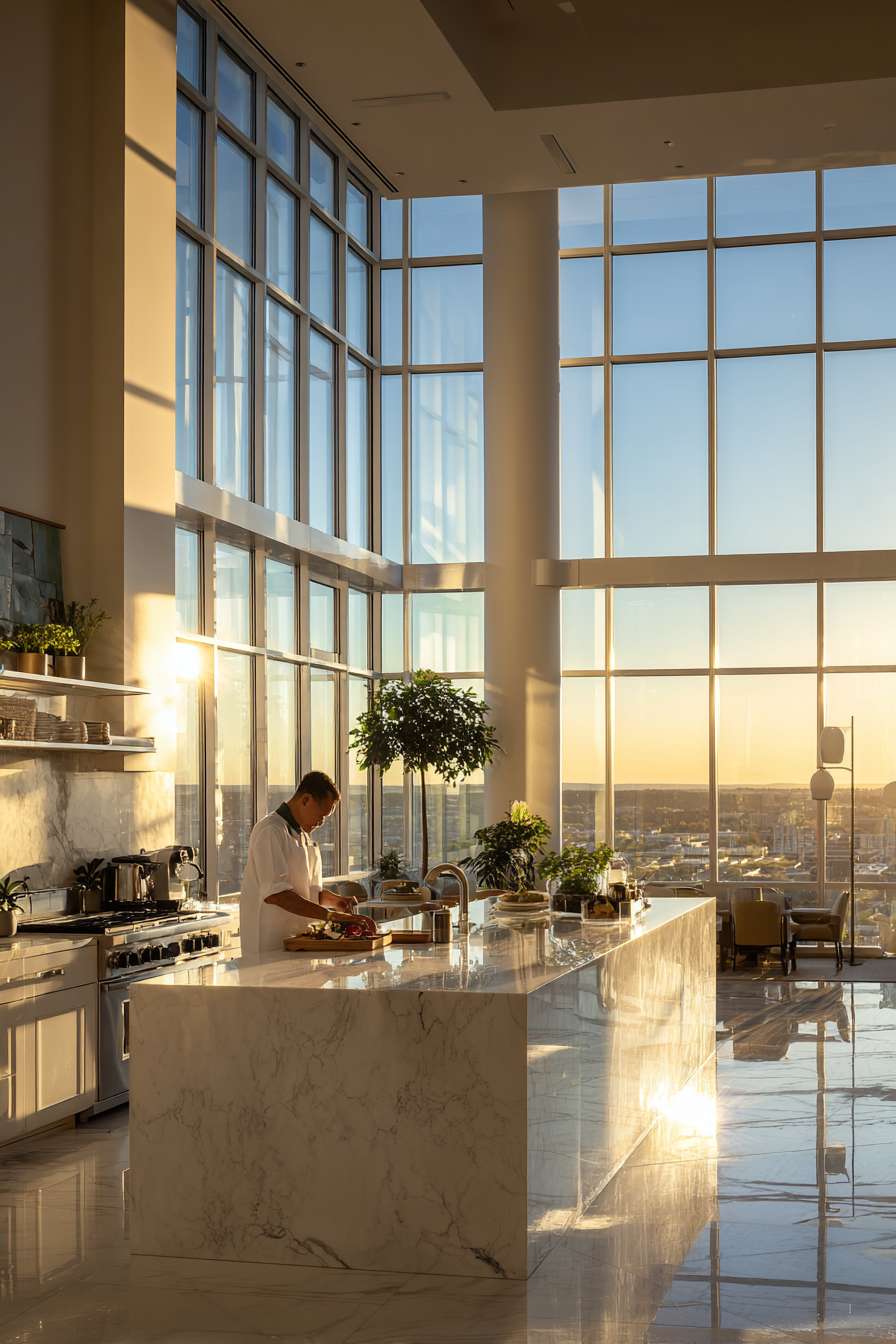
The complexity of penthouse kitchen design, from building approvals to custom solutions for extraordinary spaces, makes professional involvement essential rather than optional. Expert designers transform architectural challenges into design opportunities, creating kitchens that celebrate elevated living while delivering uncompromising functionality. Their ability to balance multiple considerations—from ventilation requirements to aesthetic vision—results in spaces that perform beautifully for years to come.
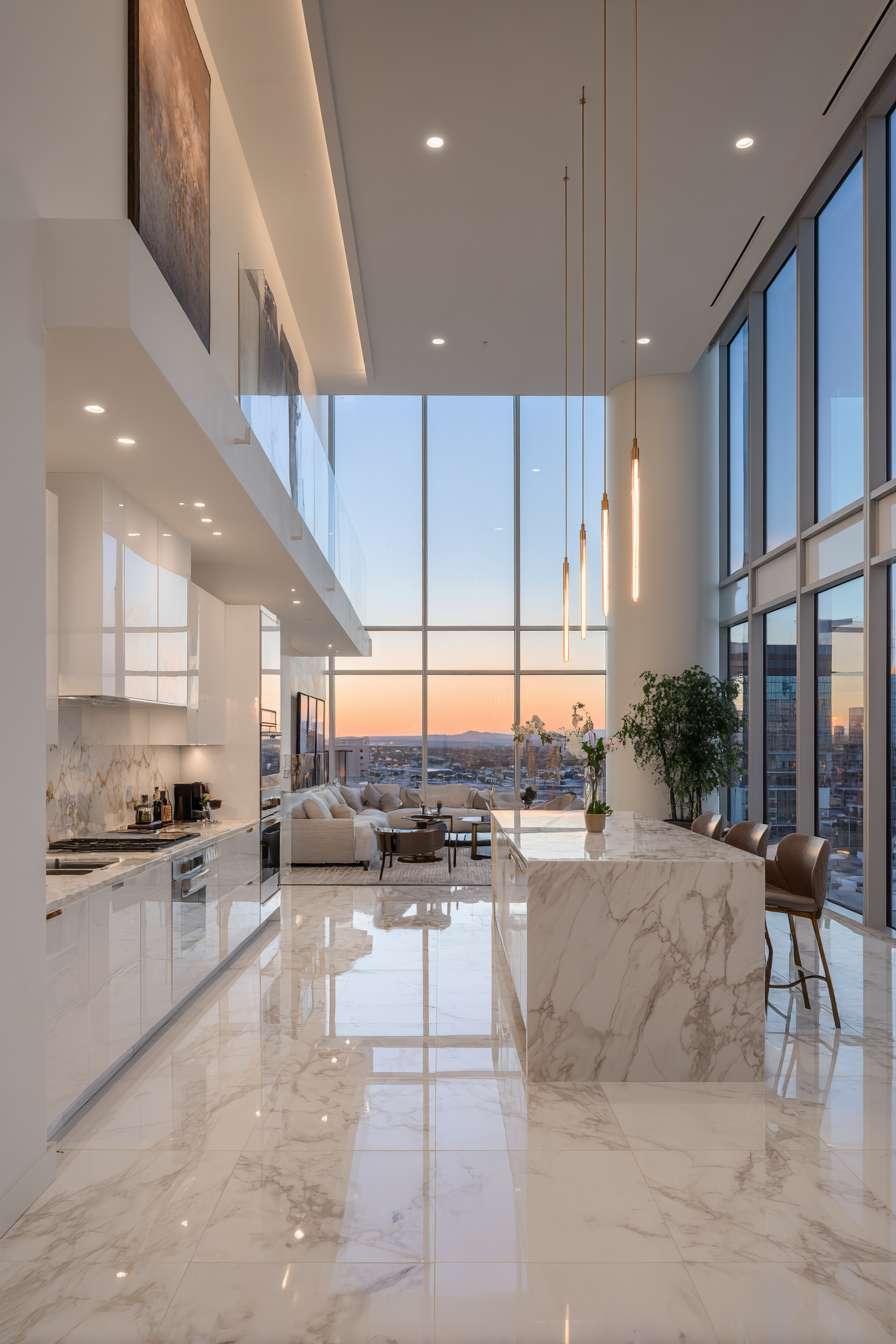
Investing in professional design protects your time, budget, and peace of mind while ensuring your penthouse kitchen becomes the spectacular space it deserves to be. The collaboration with experienced designers who understand luxury environments elevates your project from good to exceptional, creating a kitchen that truly honors your penthouse lifestyle and becomes the crown jewel of your home.
"As an Amazon Associate, I earn from qualifying purchases."
