
Choosing between an open and semi-open kitchen represents one of the most significant decisions in home design. This choice affects not only your daily cooking experience but also social dynamics, traffic flow, and overall home value. The kitchen layout determines how you interact with family and guests while preparing meals.
Modern homeowners increasingly view kitchens as multifunctional spaces rather than purely utilitarian rooms. The debate between open and semi-open designs reflects evolving lifestyle needs and architectural trends. Understanding the nuances of each layout helps you make informed decisions that align with your cooking habits, entertaining style, and home architecture.
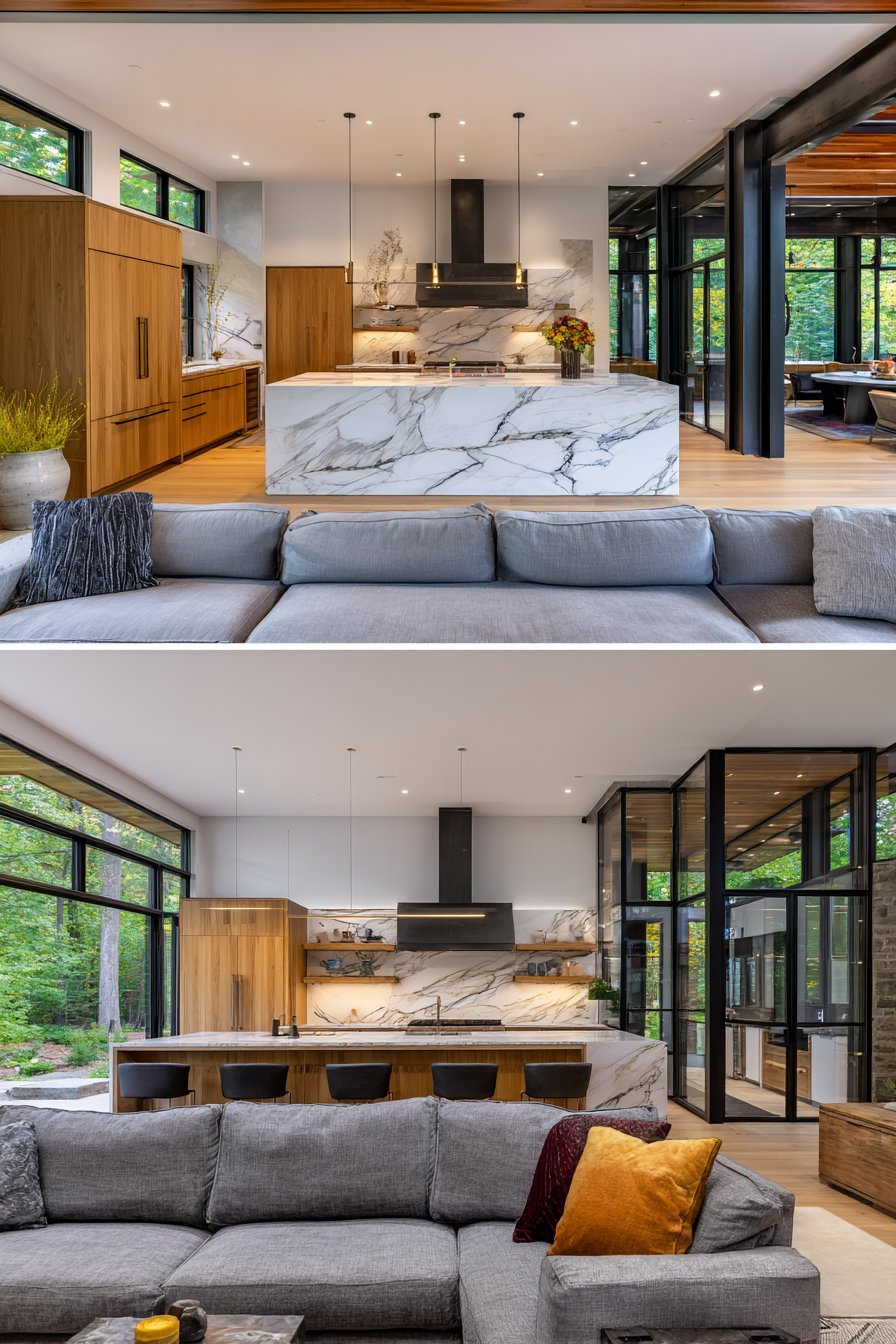
This comprehensive guide explores six essential aspects of open and semi-open kitchen layouts. We’ll examine spatial considerations, lifestyle compatibility, design flexibility, and practical implications. Whether you’re renovating an existing space or planning a new home, these insights will illuminate which kitchen configuration best serves your unique requirements.
1. Defining Open and Semi-Open Kitchen Layouts
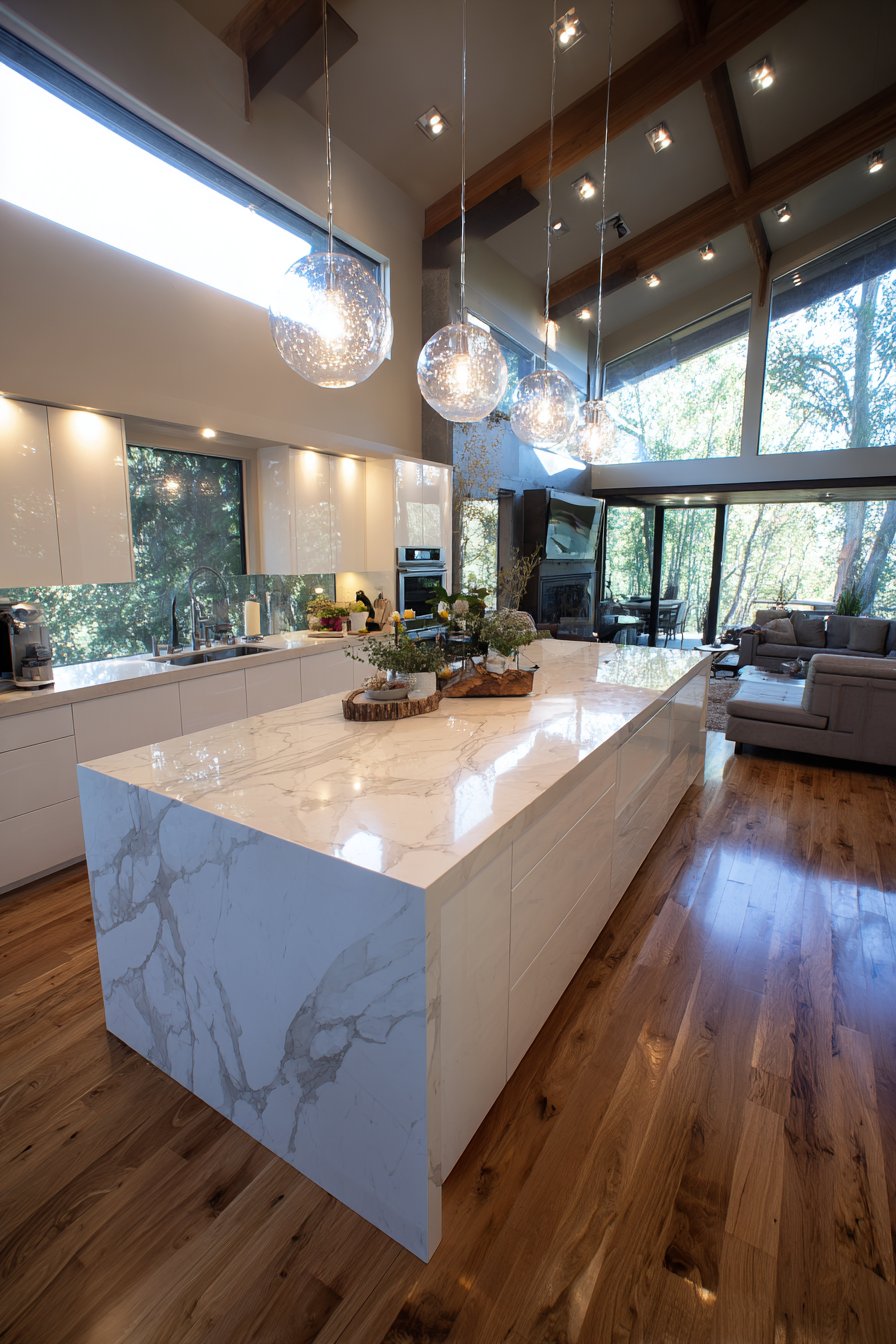
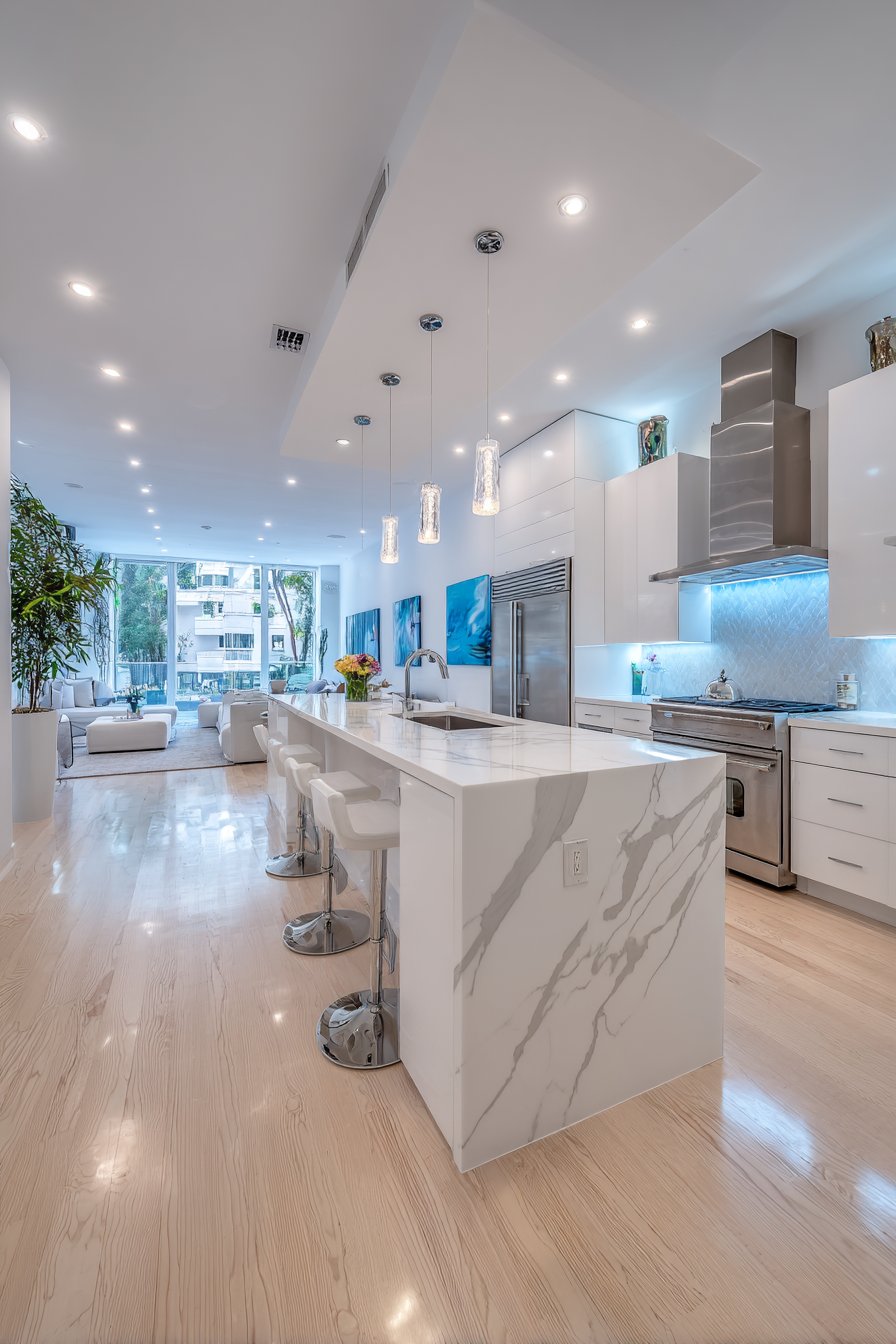
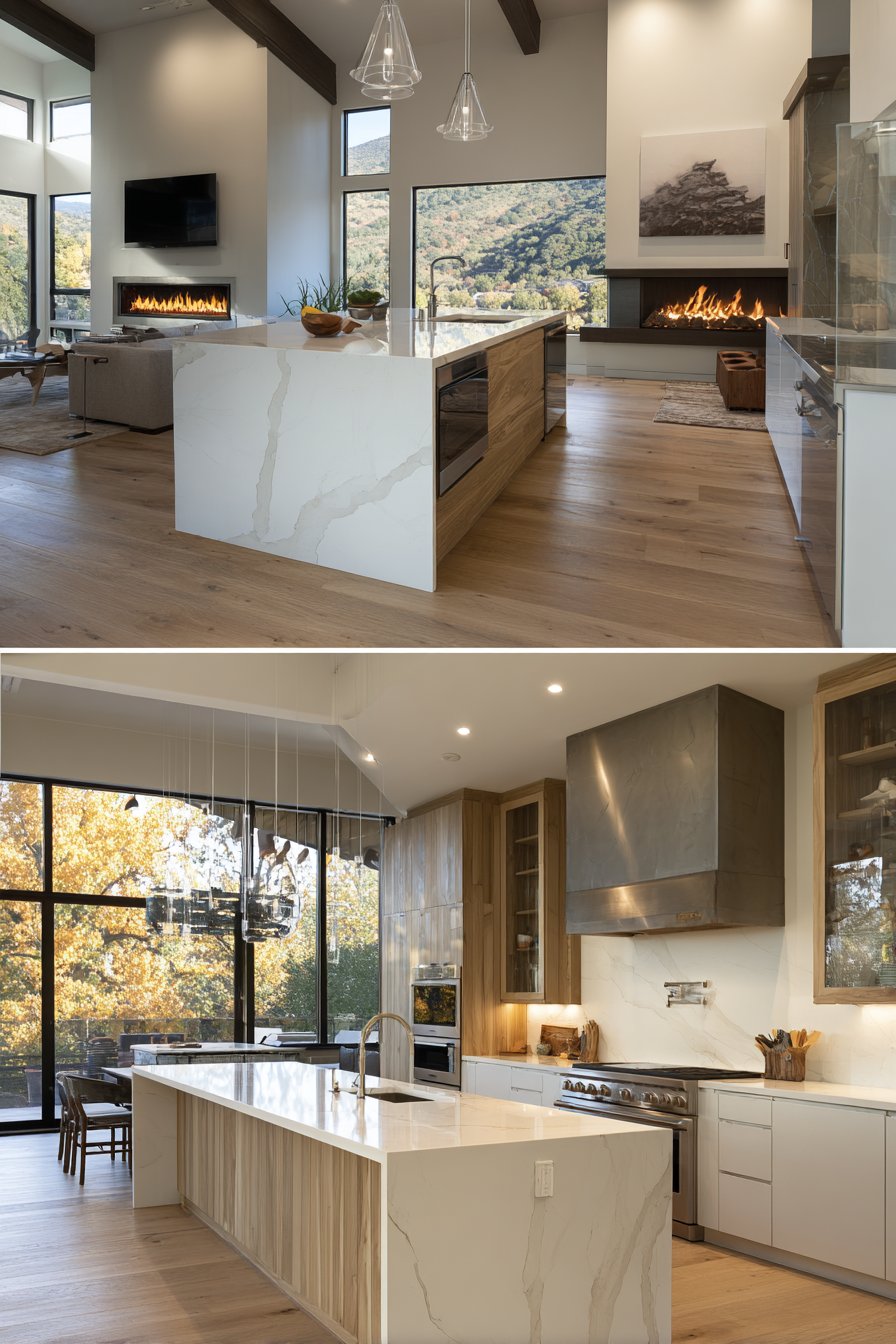
Open kitchens eliminate traditional barriers between cooking and living spaces, creating seamless visual flow throughout your home. These layouts typically feature kitchen islands or peninsulas as subtle dividers rather than walls. The design philosophy prioritizes connectivity and transparency, allowing cooks to engage with family members and guests simultaneously.
Semi-open kitchens incorporate partial walls, sliding doors, or architectural elements that provide flexible separation. These designs offer adjustable privacy while maintaining some connection to adjacent rooms. Common features include half-walls, pass-through windows, or glass partitions that define boundaries without complete isolation.
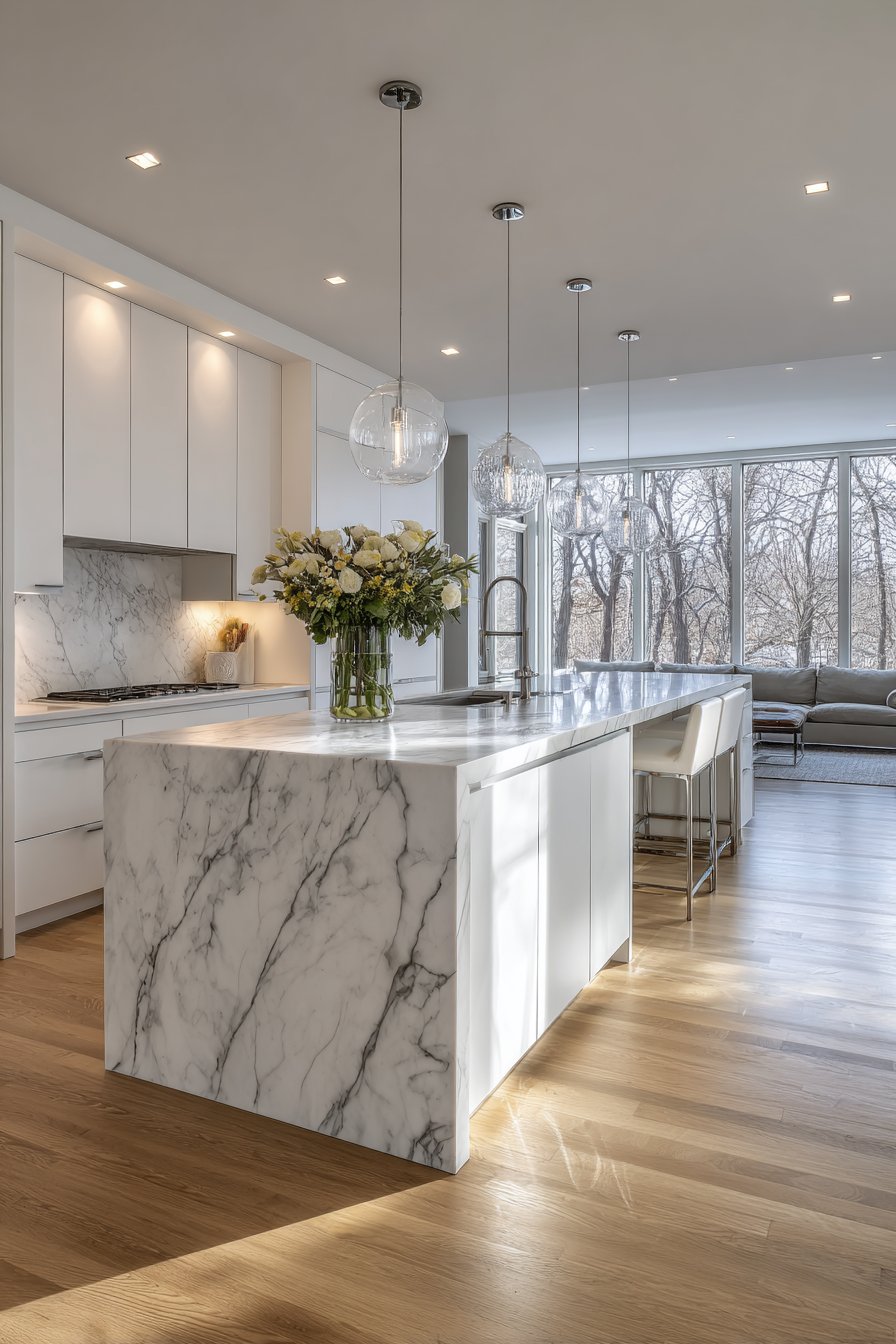
The fundamental difference lies in control over sensory elements—odors, sounds, and visual clutter. Open kitchens accept these as integrated parts of home life, while semi-open designs allow selective containment. This distinction profoundly impacts everything from entertaining style to resale value and daily comfort levels.
- Open layouts work best in homes with excellent ventilation systems
- Semi-open designs suit those who prefer cooking in focused solitude
- Consider your home’s architectural style before choosing a layout
- Evaluate whether you want kitchen activities visible from entertaining areas
- Think about how cooking smells affect your living spaces
- Assess your tolerance for visible kitchen mess during non-cooking times
2. Space Perception and Visual Flow
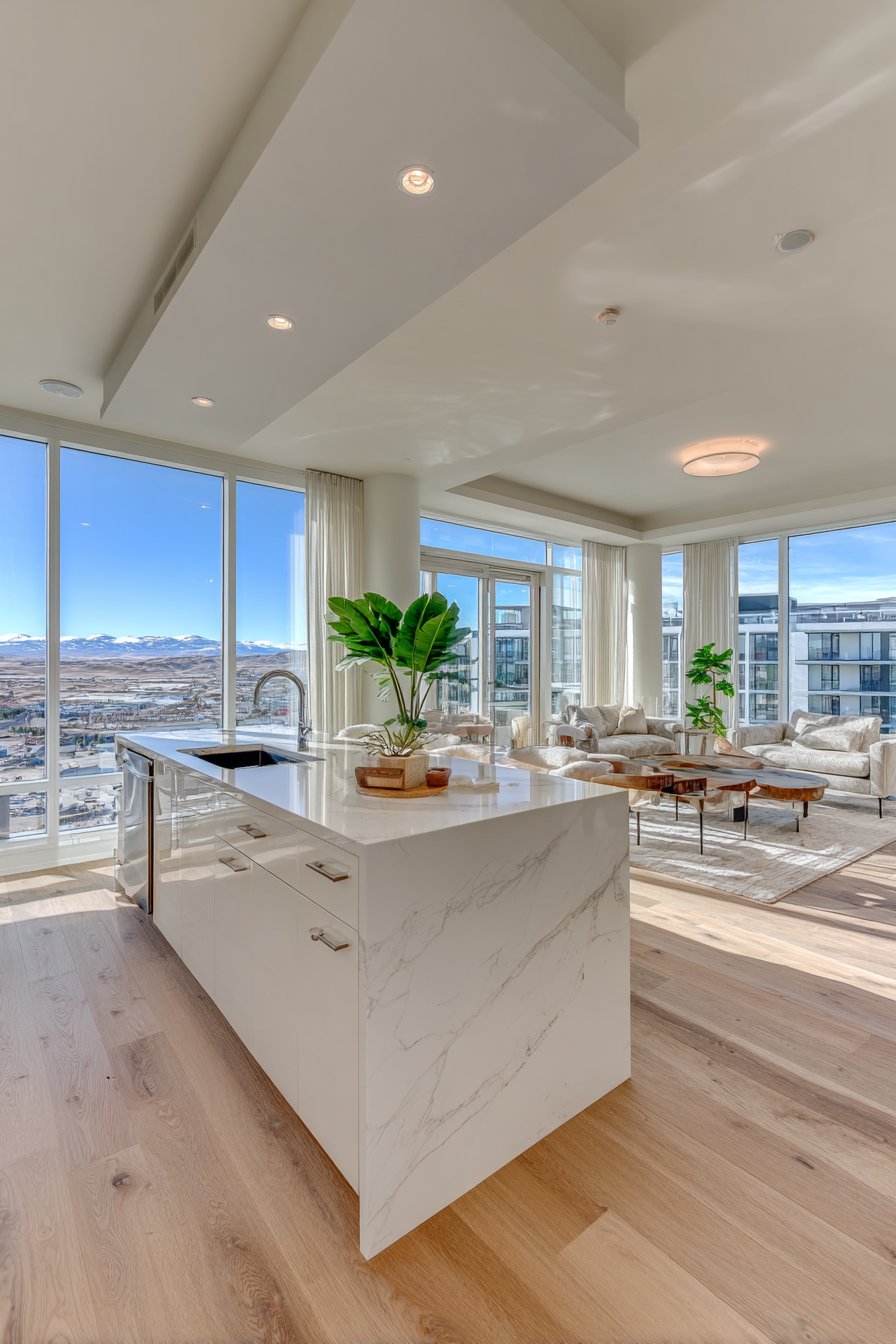
Open kitchens create an illusion of expansiveness that makes smaller homes feel significantly larger. By eliminating walls, you maximize sightlines and natural light distribution throughout connected spaces. This layout proves particularly advantageous in compact urban apartments where every square foot matters for psychological comfort.
The continuous visual plane in open designs allows strategic furniture placement that enhances traffic patterns. You can position dining tables, sofas, and kitchen islands to create natural pathways without physical obstructions. Light flows unimpeded from windows in one area to benefit adjacent spaces, reducing artificial lighting needs during daylight hours.
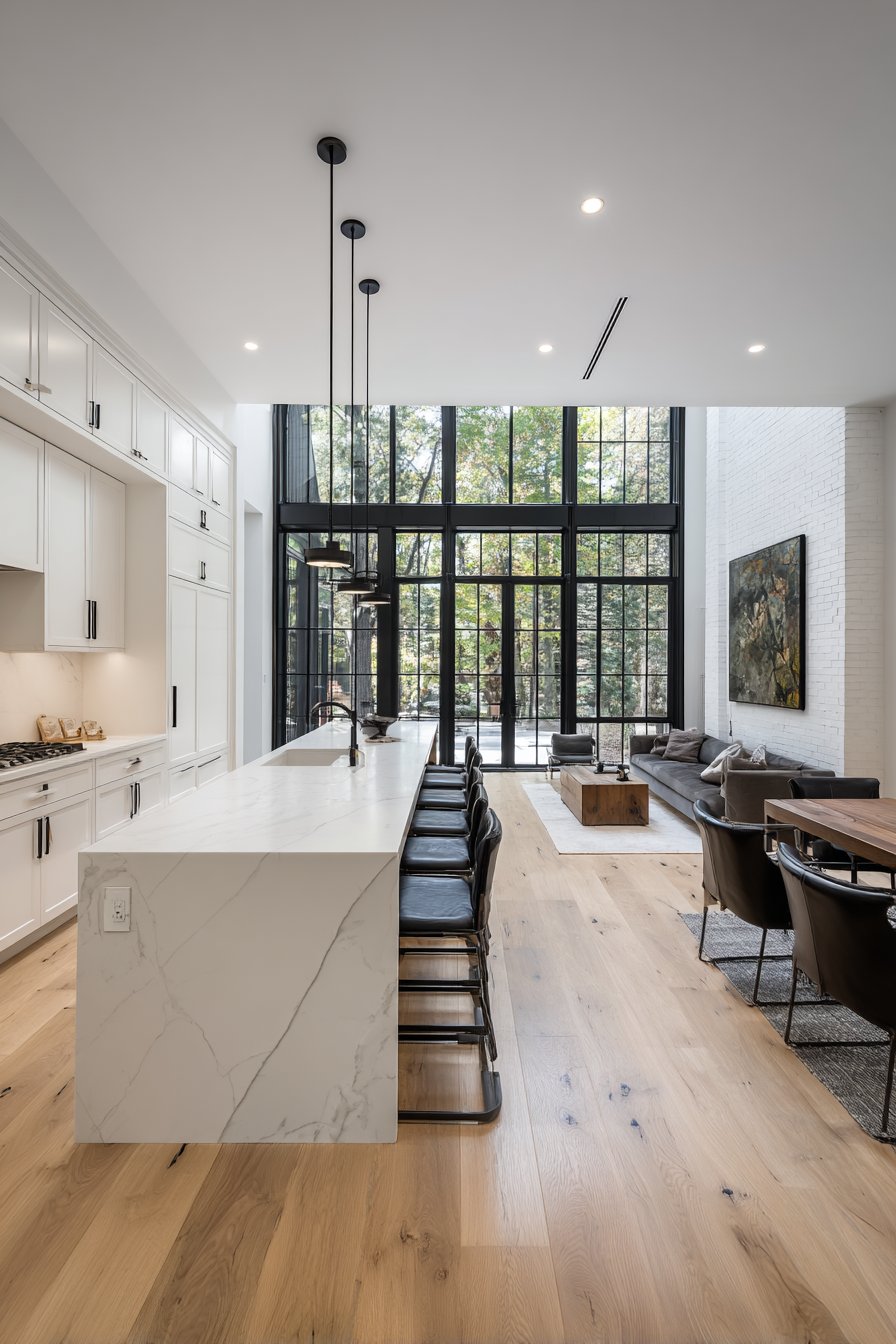
Semi-open kitchens provide defined zones while maintaining some spaciousness. Partial walls or architectural features create visual interest through layered perspectives. This approach works exceptionally well in larger homes where defining distinct functional areas prevents that empty, warehouse-like feeling that fully open plans sometimes create.
- Use consistent flooring across open layouts to enhance continuity
- Install recessed lighting to avoid breaking ceiling planes
- Choose semi-open designs if you need distinct temperature zones
- Consider sightlines from primary seating areas when planning openness
- Balance openness with sufficient wall space for storage and appliances
- Use color consistency to unify open spaces visually
3. Lifestyle and Social Dynamics
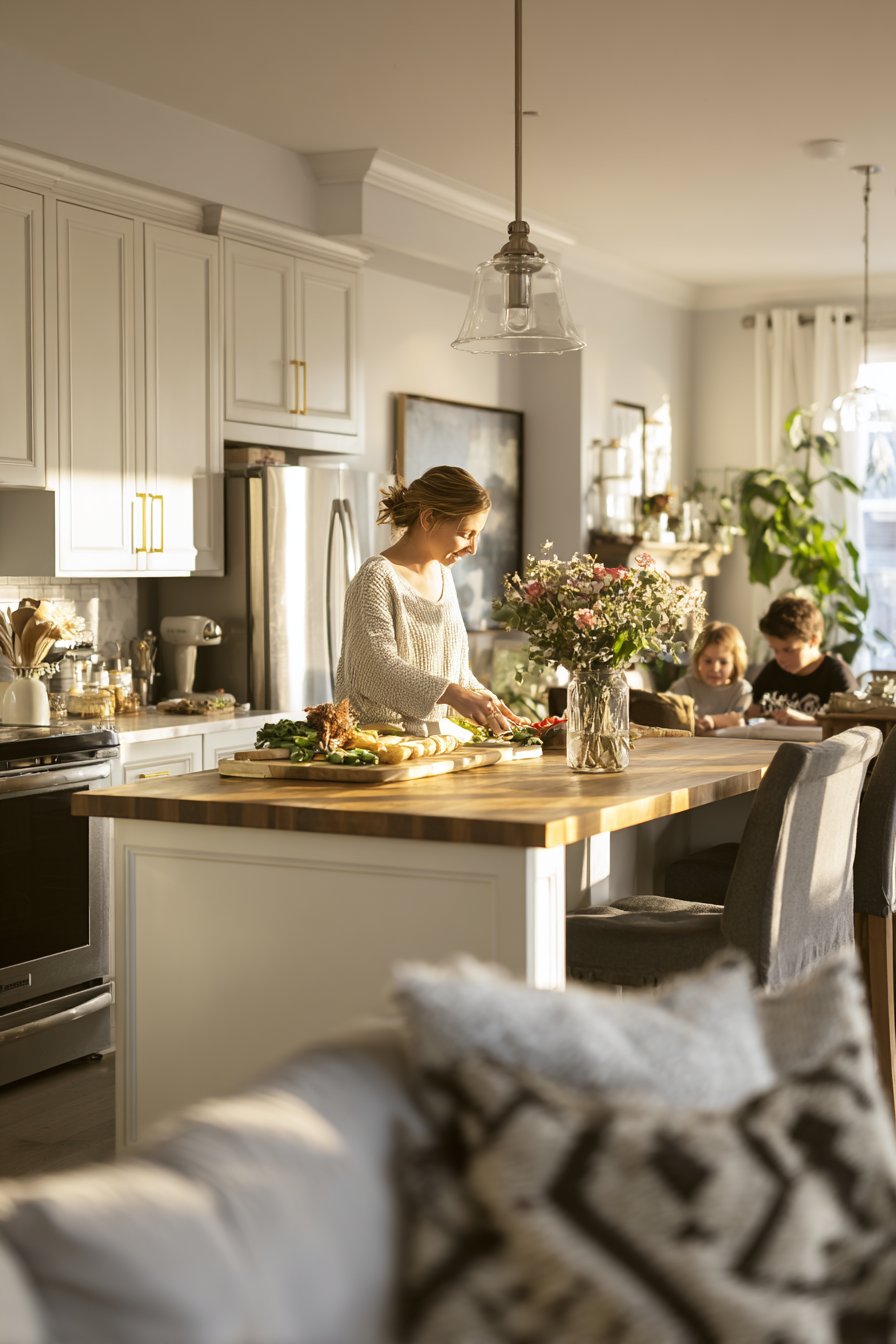
Open kitchens excel at facilitating social interaction during meal preparation and entertaining. Cooks remain part of conversations while chopping vegetables or monitoring stovetops. This layout particularly benefits families with young children, as parents maintain visual supervision while cooking.
The transparent nature of open designs promotes collaborative cooking experiences where multiple people work comfortably together. Guests naturally gravitate toward kitchen islands, creating informal gathering spots that blend food preparation with socializing. This integration reduces the isolation that traditional closed kitchens impose on whoever draws cooking duty.
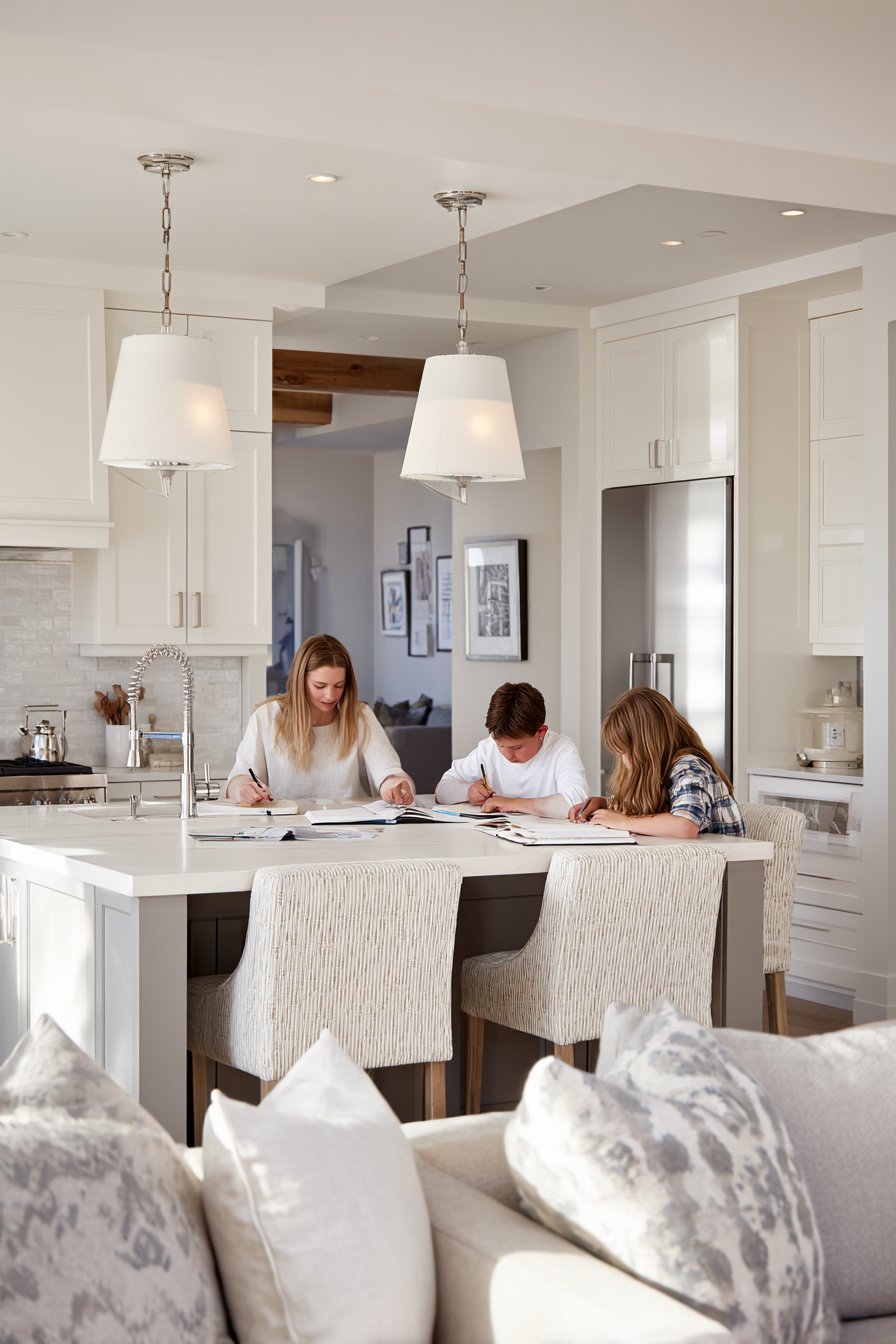
Semi-open layouts suit those who view cooking as meditative practice requiring concentration. The partial separation allows focused meal preparation without complete social isolation. You can close sliding doors during intensive cooking sessions, then open them when presenting finished dishes, offering flexibility that accommodates varying social needs.
- Open kitchens reduce barriers between family members during daily routines
- Semi-open designs protect introverts from constant social exposure
- Consider your entertaining frequency when choosing layouts
- Evaluate whether you prefer collaborative or solitary cooking experiences
- Think about supervision needs if you have young children
- Assess how important kitchen privacy feels to your household
4. Practical Considerations: Noise and Odors
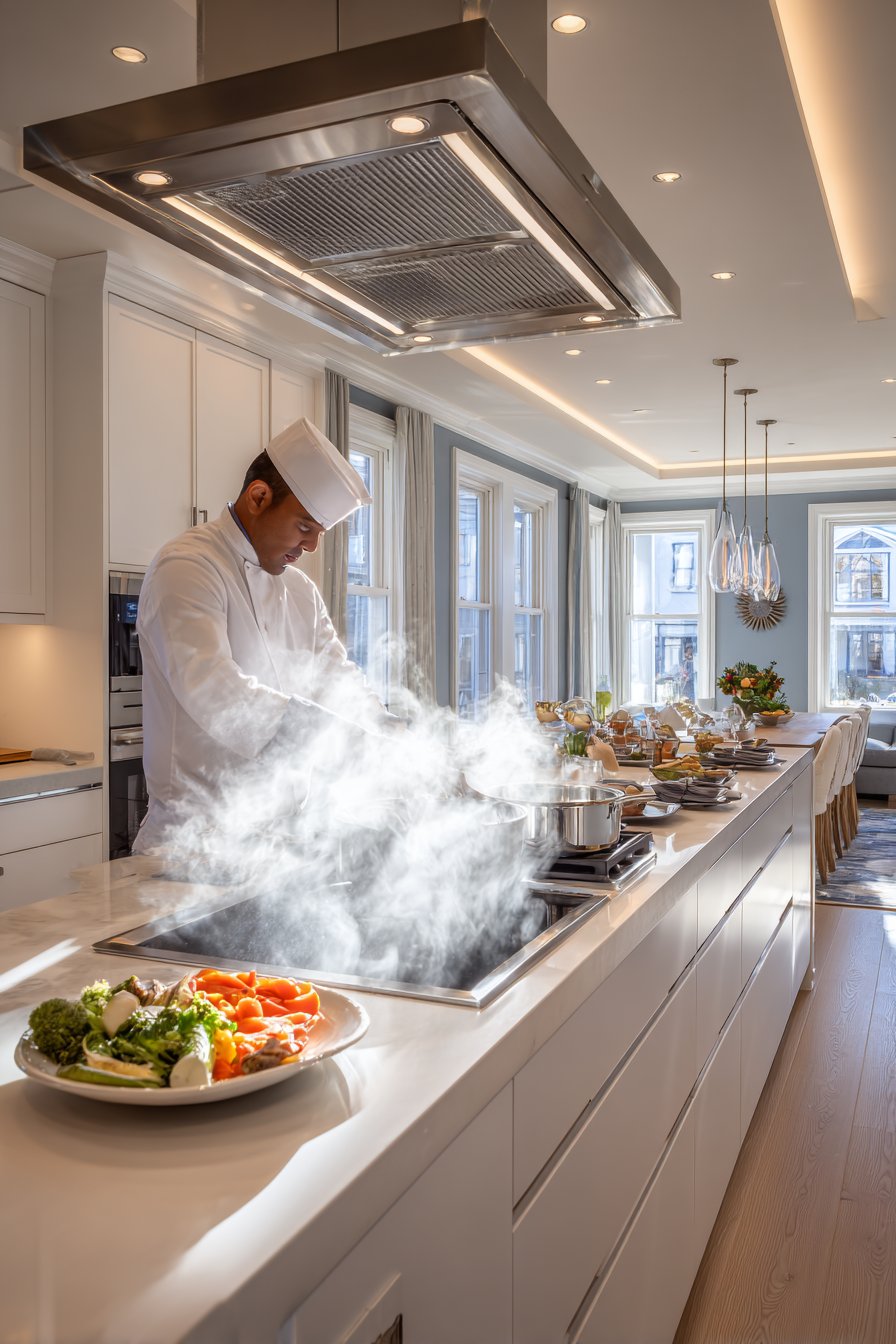
Open kitchens expose living areas to kitchen sounds and smells without filtration or buffering. Dishwashers, blenders, and exhaust fans become part of the ambient noise in entertainment spaces. Cooking aromas—whether pleasant or pungent—permeate throughout your home immediately and linger in fabrics and furnishings.
Investing in premium ventilation systems becomes essential with open layouts. High-CFM range hoods with effective capture zones minimize odor spread but add significant costs. Even with excellent ventilation, certain cooking methods like frying fish or using strong spices will affect adjacent living spaces more than in semi-open configurations.
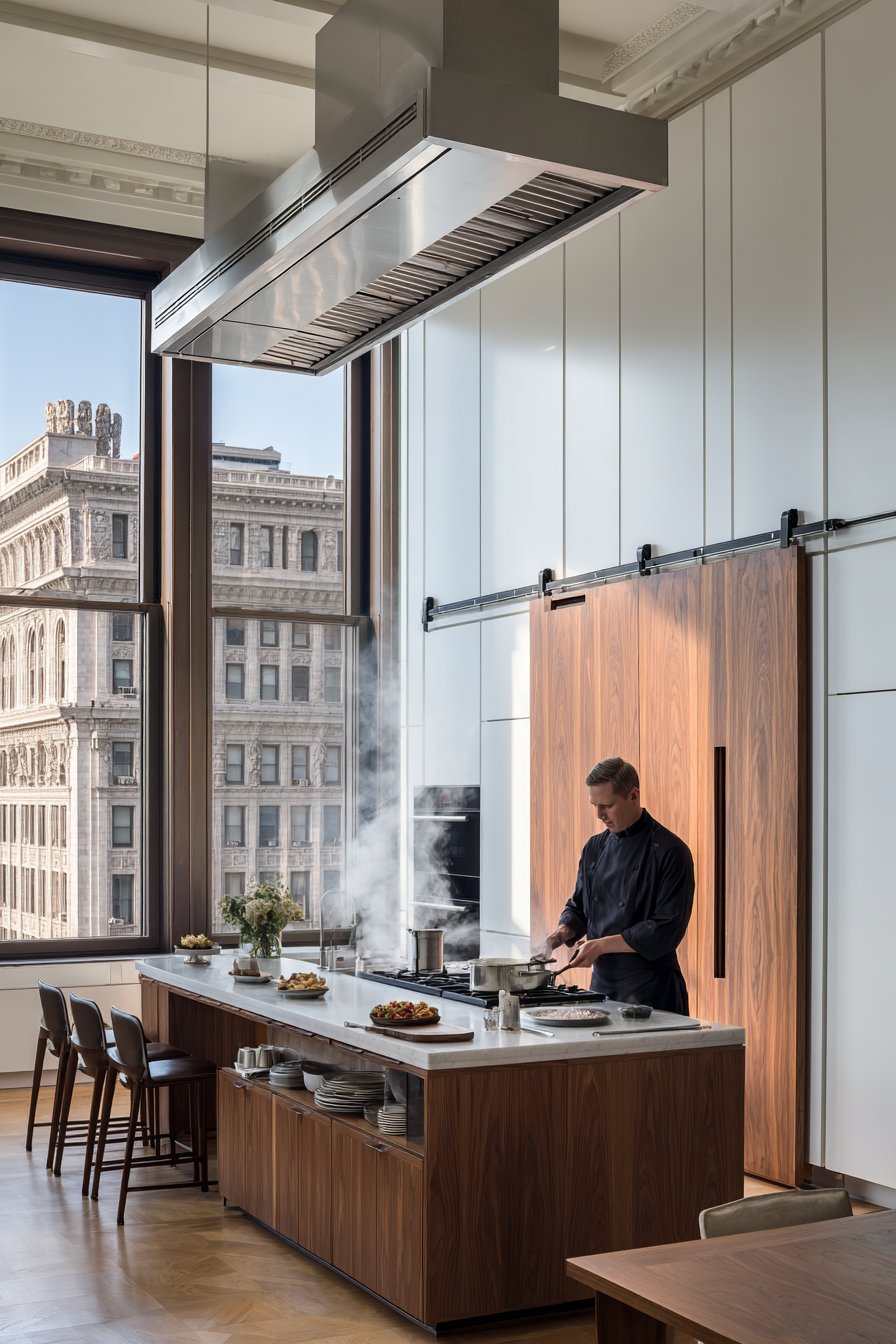
Semi-open kitchens provide sensory containment through strategic barriers. Partial walls block sound transmission while allowing air circulation when needed. Doors offer complete isolation during particularly aromatic cooking sessions, then retract to reconnect spaces when appropriate. This control proves invaluable for households with varying schedules or sensitivity to cooking disruptions.
- Install professional-grade ventilation in open kitchen layouts
- Use sound-dampening materials on shared walls in semi-open designs
- Consider cooking frequency and typical meal types before choosing
- Budget for higher-quality range hoods in open configurations
- Evaluate household members’ sensitivity to cooking odors
- Think about late-night cooking if bedrooms adjoin kitchen areas
5. Aesthetic Unity and Design Flexibility
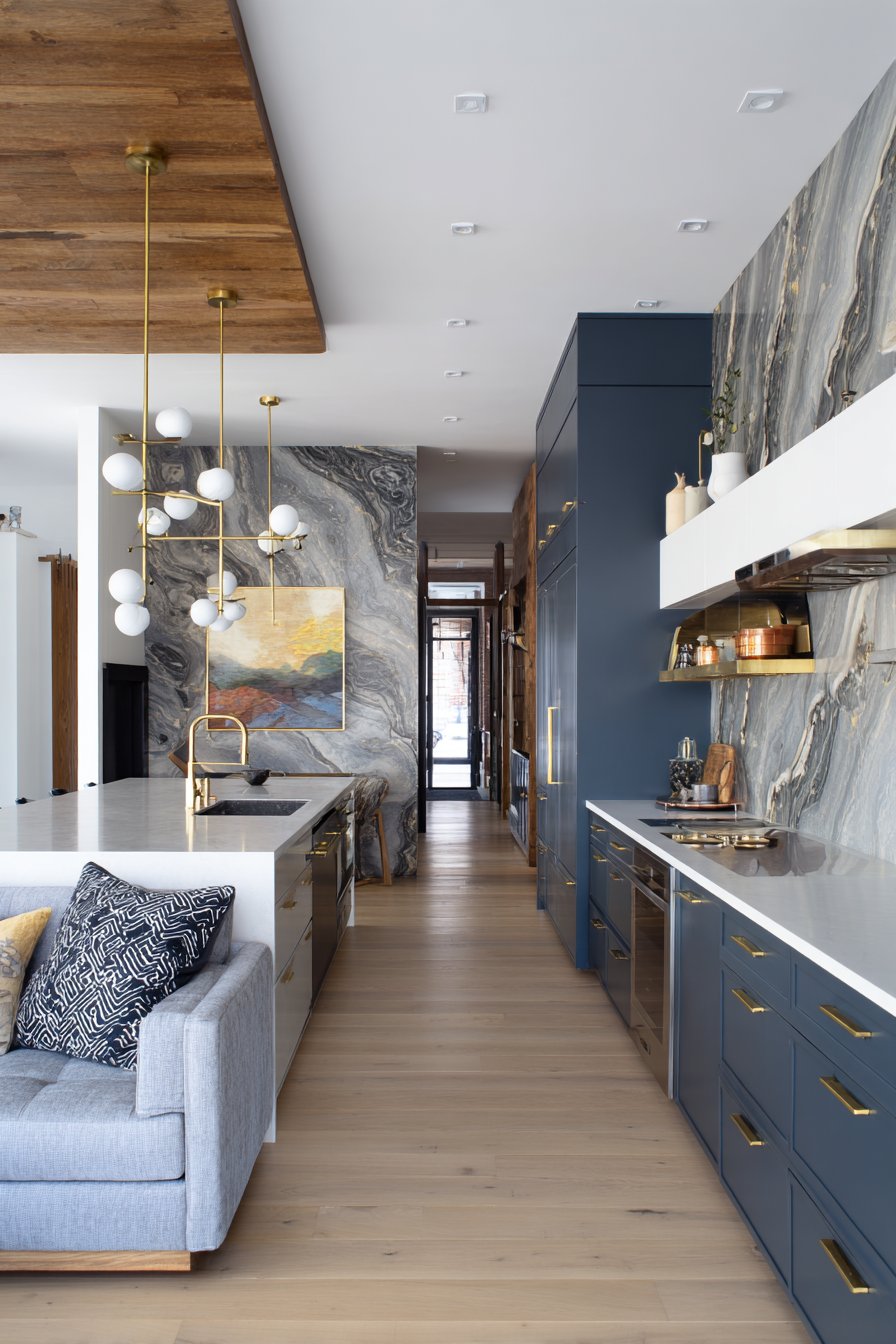
Open layouts demand cohesive design language across connected spaces since everything remains perpetually visible. Your kitchen finishes, color palette, and style must harmonize with adjacent living and dining areas. This requirement can limit design flexibility but creates striking visual consistency when executed thoughtfully.
The visibility in open kitchens means clutter management becomes critical to overall home aesthetics. Dirty dishes, appliances, and cooking mess directly impact your living room’s appearance. This reality requires disciplined organization habits or sufficient closed storage to maintain visual appeal throughout connected spaces.
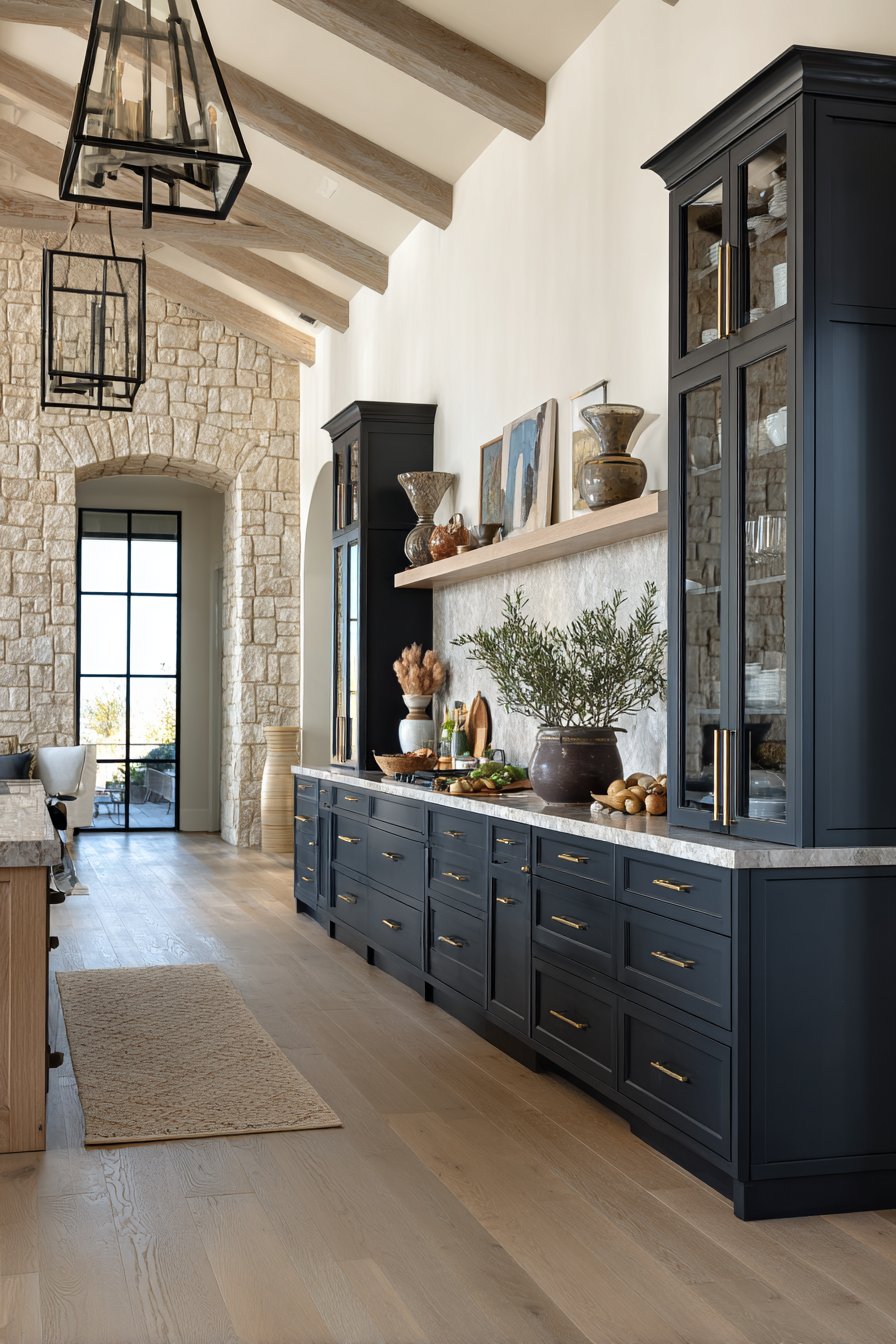
Semi-open designs allow distinct aesthetic zones with transitional elements that blend styles gracefully. You might choose rustic farmhouse elements in the kitchen while maintaining modern minimalism in the living room. Partial walls provide opportunities for featured materials or accent colors that define boundaries without creating harsh divisions.
- Choose timeless materials in open layouts to ensure long-term cohesion
- Plan abundant closed storage to hide kitchen clutter in open designs
- Use semi-open configurations to experiment with bolder kitchen colors
- Consider maintenance visibility when selecting finishes for open spaces
- Install consistent lighting fixtures across open floor plans
- Budget for coordinated furnishings that work across visible areas
6. Resale Value and Market Preferences
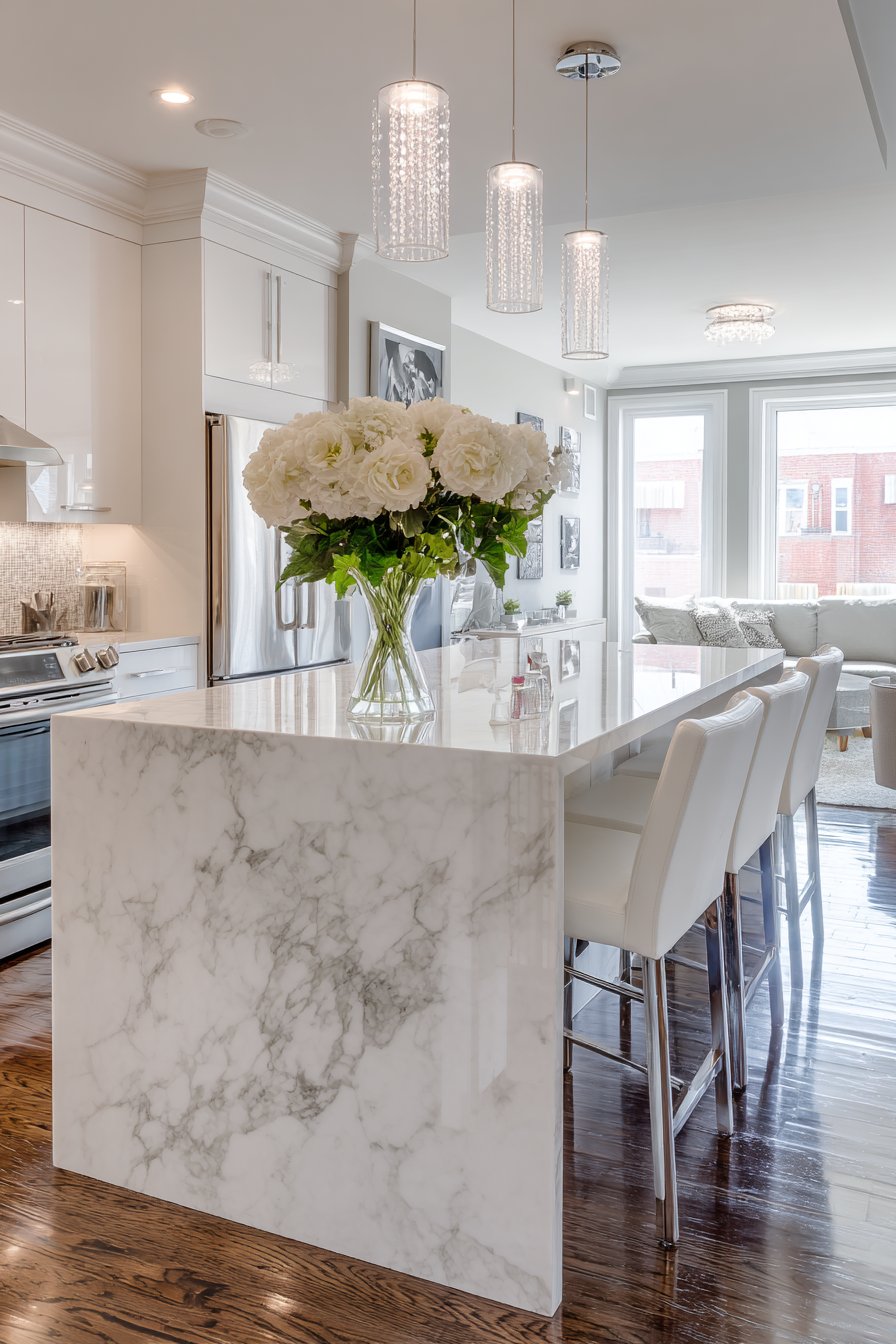
Open kitchens generally command higher resale values in contemporary housing markets. Many buyers specifically seek open floor plans, viewing them as modern, desirable features. This preference particularly holds true in urban markets and among younger demographics who prioritize entertaining and casual living styles.
However, regional and cultural variations affect layout preferences significantly. Some markets still value traditional separated rooms, especially in areas with strong culinary traditions or larger home sizes. Luxury segments sometimes prefer semi-open configurations that balance togetherness with refinement and formality.
Consider your long-term plans when choosing layouts. If you intend to remain in your home indefinitely, prioritize personal lifestyle needs over market trends. For shorter-term residences or investment properties, research local market preferences and consult real estate professionals about which configuration maximizes property appeal in your specific area.
- Research recent home sales in your area to understand buyer preferences
- Open layouts typically sell faster in competitive markets
- Semi-open designs may appeal to multigenerational households
- Consider whether your home’s age and style suit open configurations
- Evaluate reversibility of modifications before committing to major renovations
- Balance personal needs with potential resale implications for your timeline
Conclusion
The choice between open and semi-open kitchens ultimately reflects your unique lifestyle, cooking habits, and home architecture. Open layouts maximize spatial perception and social connectivity, creating homes that feel expansive and inclusive. Semi-open configurations provide flexibility and control, allowing selective privacy while maintaining connection to household activities.
Neither option proves universally superior—excellence lies in matching layout to lifestyle. Consider your entertaining frequency, cooking style, household composition, and sensory sensitivities when making this significant design decision. Whether you choose the flowing transparency of open kitchens or the adaptable boundaries of semi-open designs, thoughtful planning ensures your kitchen layout enhances daily life while supporting your home’s long-term value and functionality.
"As an Amazon Associate, I earn from qualifying purchases."
