
Modern minimalist kitchens possess an almost magical quality—they appear perpetually clean even when they’re not spotless. This phenomenon goes beyond simple aesthetics and taps into fundamental principles of visual psychology and spatial design. The sense of cleanliness these kitchens project isn’t accidental; it’s the result of deliberate design choices that manipulate our perception of order and hygiene.
The appeal of minimalist kitchen design has surged in recent years, not merely as a trend but as a practical response to increasingly busy lifestyles. These spaces offer more than just visual serenity—they create an environment where maintenance feels effortless and clutter seems impossible. Understanding why these kitchens feel cleaner reveals valuable insights into how thoughtful design can transform our daily experience of domestic spaces.
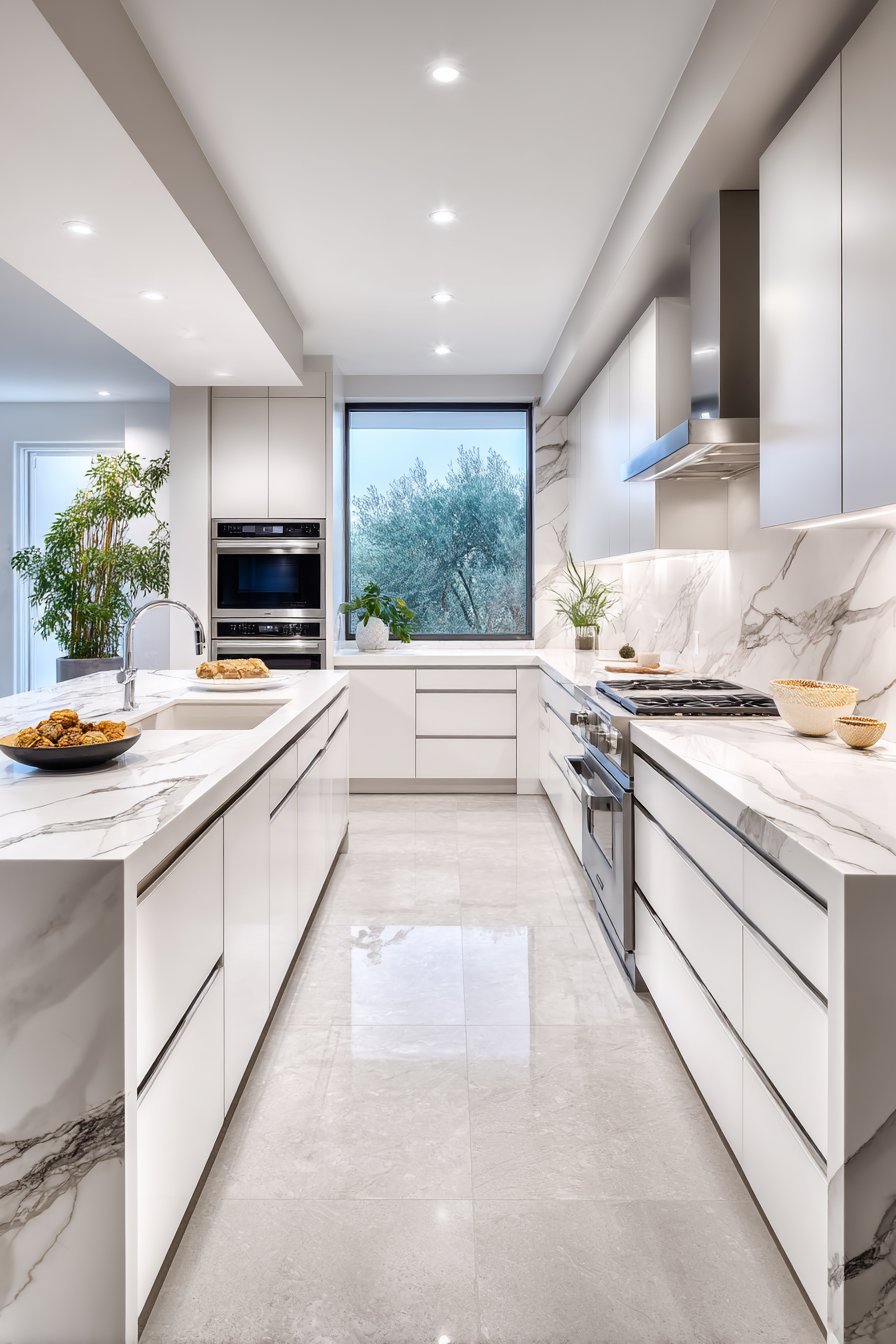
This article explores the specific design elements that create the illusion of perpetual cleanliness in modern minimalist kitchens. From concealed storage solutions to strategic material selections, we’ll examine how these spaces achieve their remarkably pristine appearance and why they’ve become the gold standard for low-maintenance luxury in contemporary home design.
1. Seamless Surface Integration Eliminates Visual Clutter
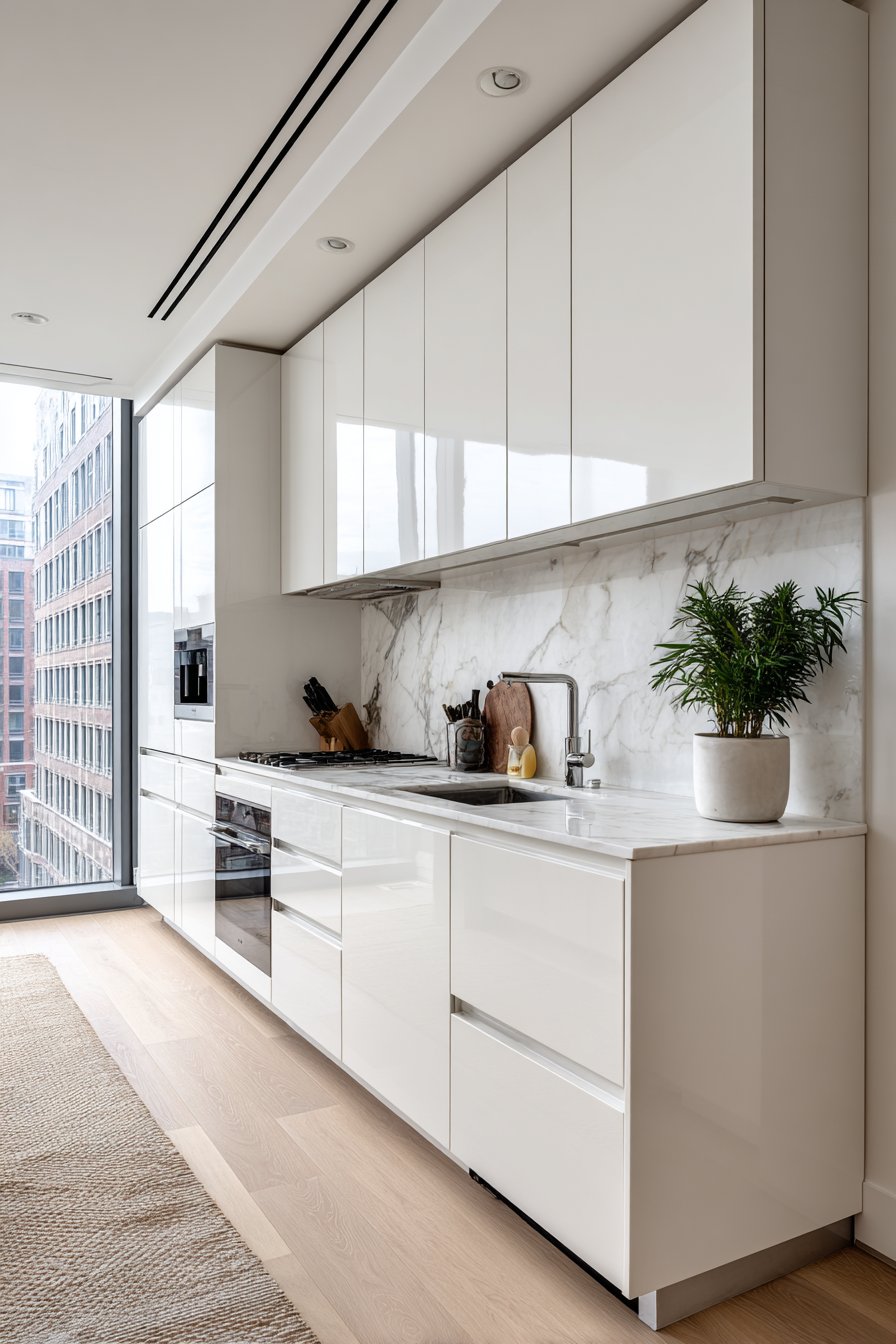
The cornerstone of the minimalist kitchen’s clean appearance lies in surface continuity—the practice of extending materials without visible breaks or transitions. When countertops flow seamlessly into backsplashes and cabinetry appears as uninterrupted planes, the eye finds fewer places to detect dirt or disorder. This continuity creates a psychological effect where the brain interprets the space as inherently organized.
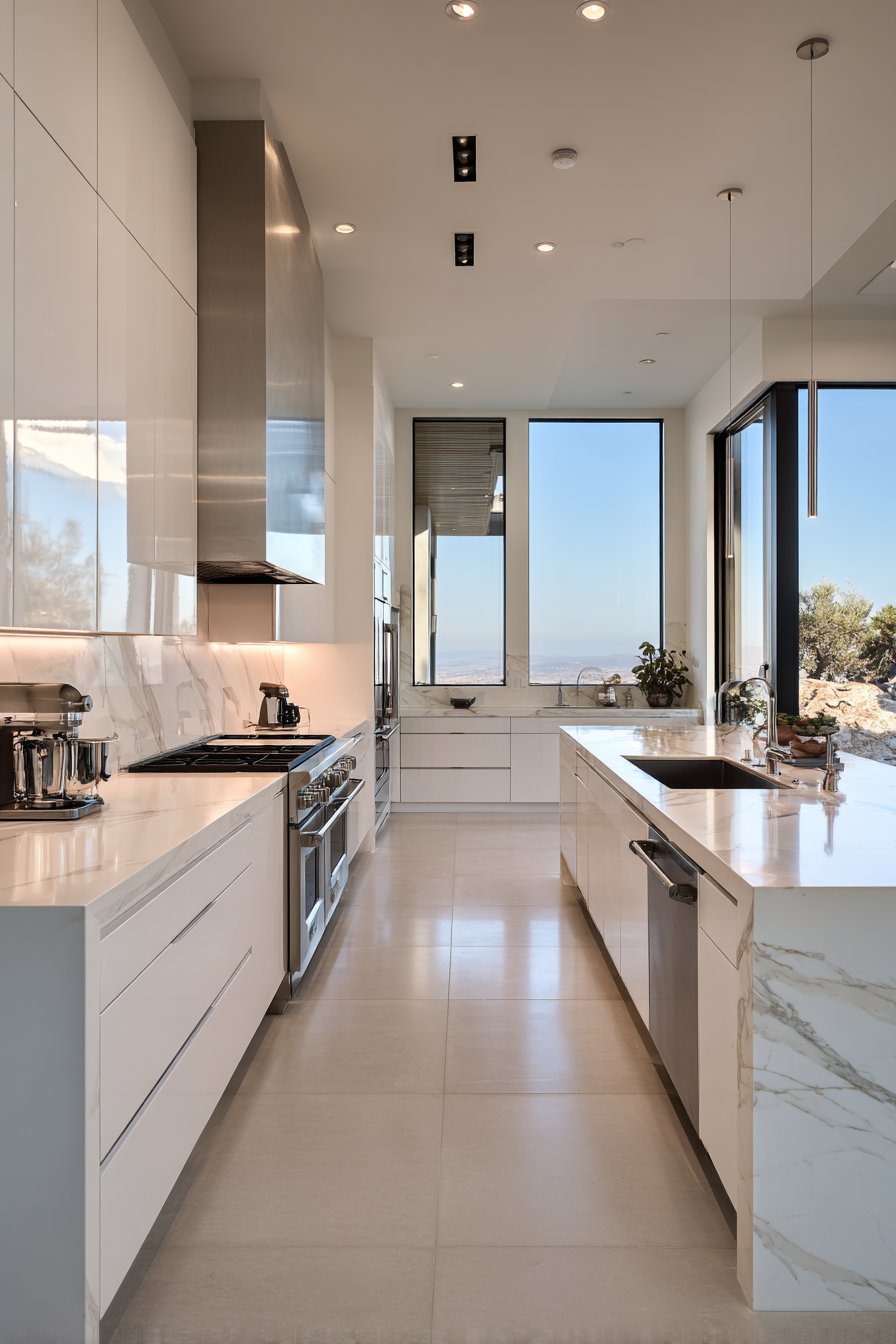
Handleless cabinets exemplify this principle perfectly. Without protruding hardware, cabinet fronts become smooth surfaces that reflect light uniformly and collect significantly less dust. Push-to-open mechanisms and integrated grooves provide functionality without compromising the clean-lined aesthetic that makes these kitchens feel perpetually maintained.
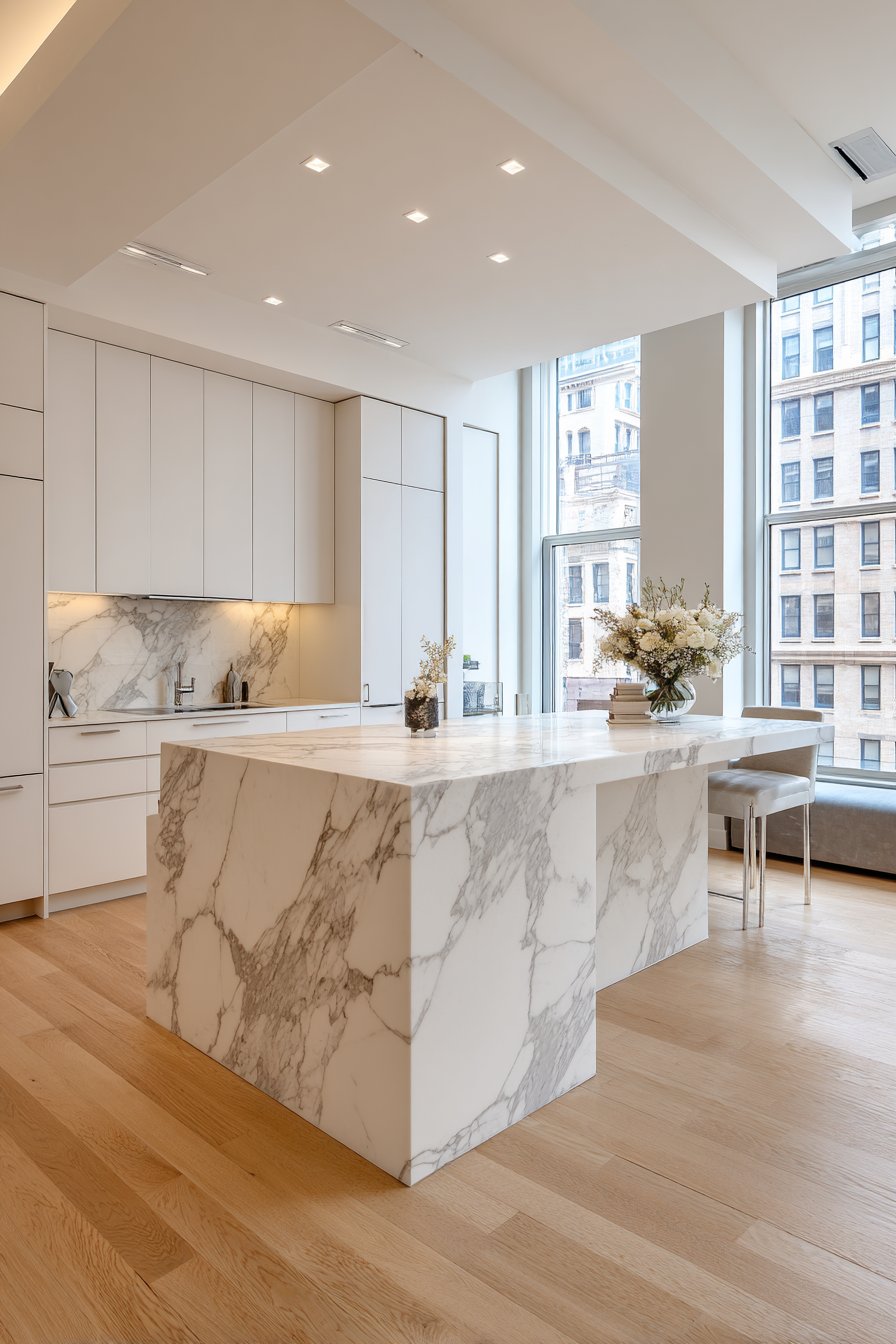
The absence of decorative molding and trim further enhances this effect. Traditional kitchens feature numerous horizontal surfaces where dust accumulates—crown molding, cabinet toe kicks, and decorative corbels all become maintenance liabilities. Minimalist designs eliminate these dust collectors entirely, creating genuinely cleaner spaces that also appear cleaner.
- Install integrated appliances with panel-ready fronts that match cabinetry
- Choose full-height backsplashes that eliminate the grout line between counter and wall
- Select slab-door cabinet styles without raised panels or decorative details
- Specify recessed toe kicks rather than decorative base molding
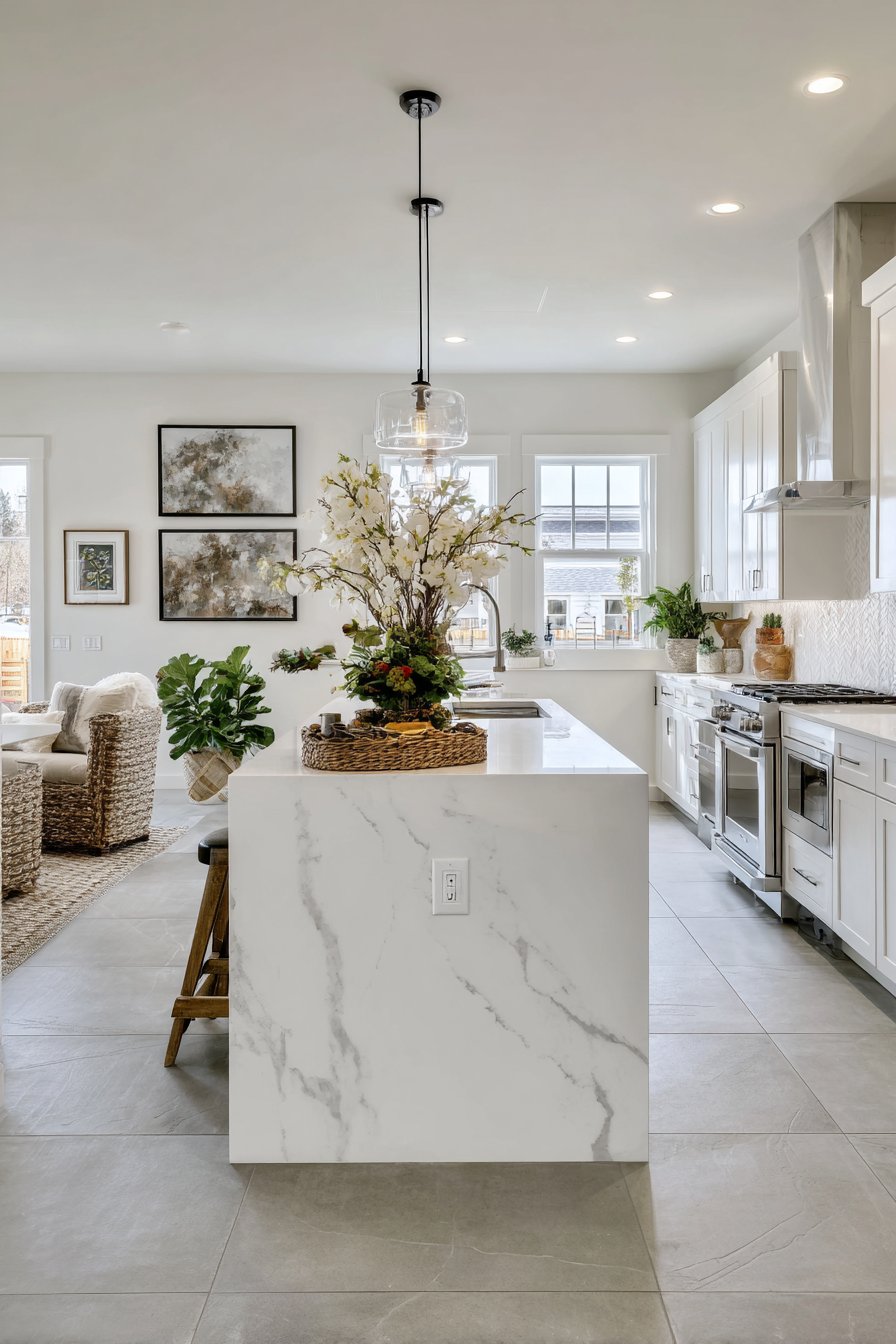
- Use waterfall countertops that eliminate the exposed cabinet edge
- Consider ceiling-height cabinets that eliminate the dust-collecting soffit space
2. Monochromatic Color Schemes Hide Imperfections
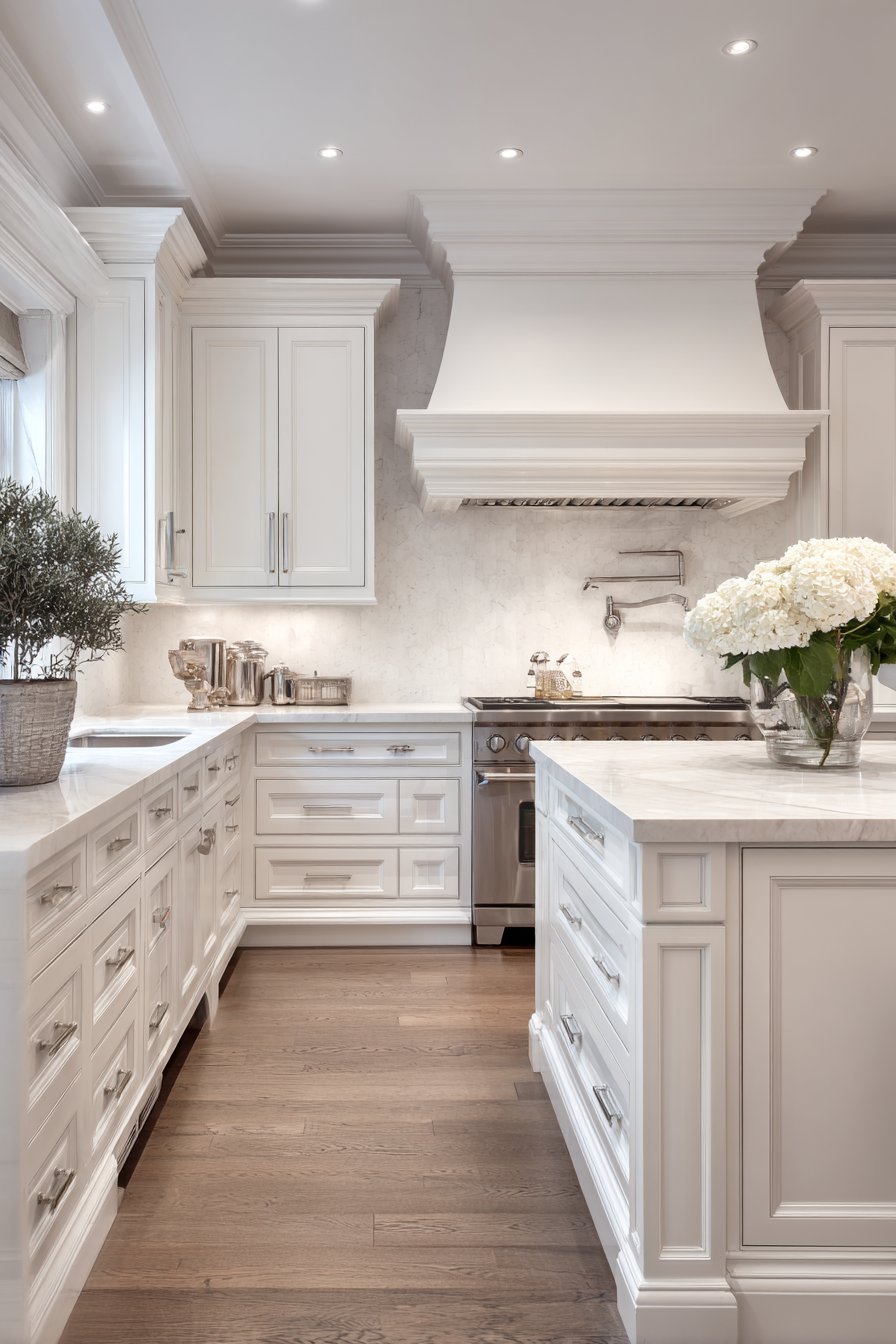
Color psychology plays a crucial role in how we perceive cleanliness. Monochromatic palettes, particularly in whites, grays, and blacks, create visual cohesion that masks minor imperfections. When everything shares similar tonal values, small spots or smudges become less noticeable than they would against contrasting backgrounds.
White kitchens remain popular not despite their supposed impracticality but because they paradoxically conceal everyday wear. Light dust, water spots, and minor stains disappear against white surfaces in ways they never would against darker materials. The key lies in choosing the right white—warm whites with subtle undertones prove more forgiving than stark, clinical whites.
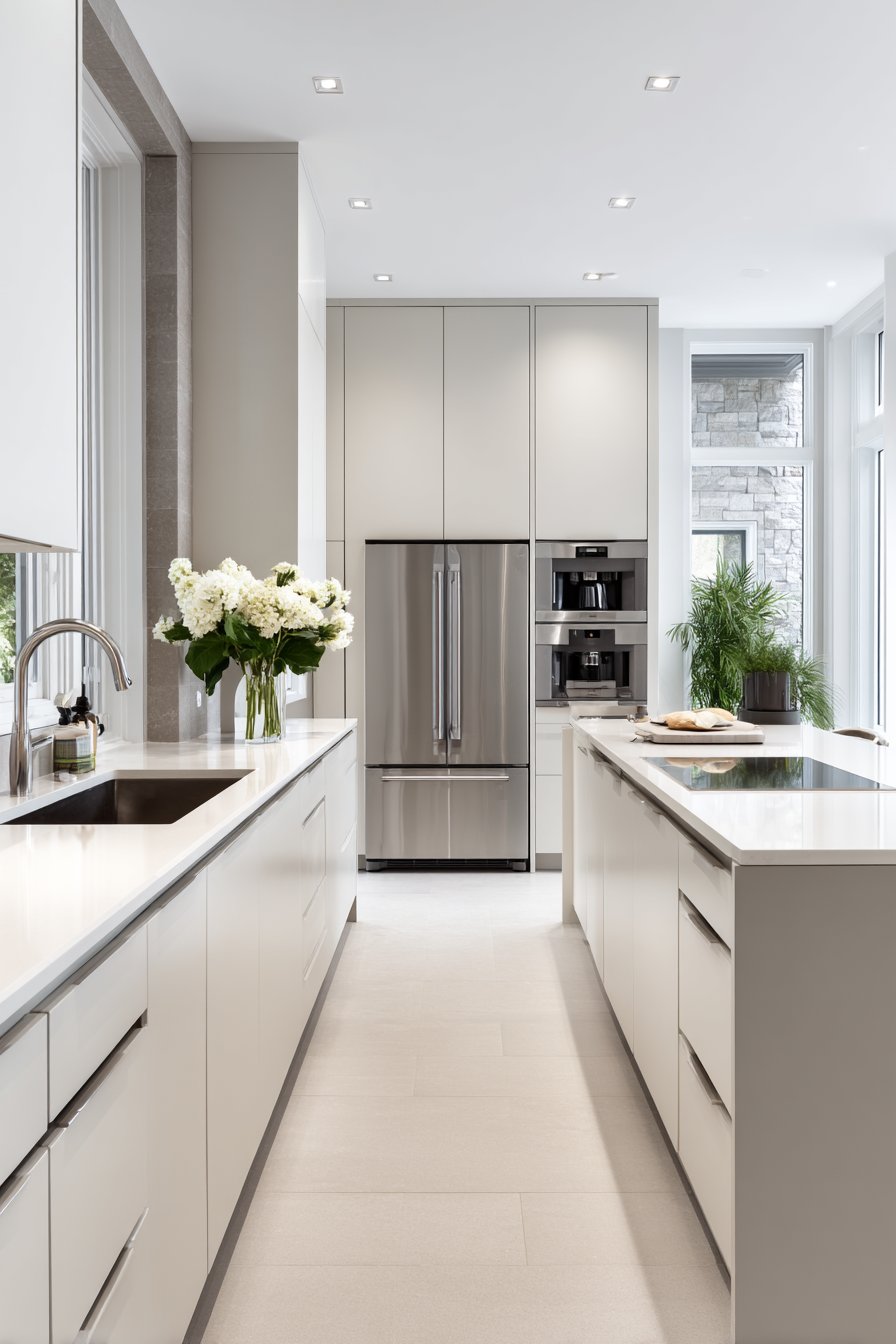
Conversely, matte black and charcoal finishes have gained popularity for similar reasons. These darker tones camouflage fingerprints and water marks that plague high-gloss surfaces. The unified color story prevents the eye from focusing on individual elements, creating an impression of cleanliness through visual simplicity rather than actual spotlessness.
- Choose matte or semi-matte finishes that don’t show fingerprints like glossy surfaces
- Maintain color consistency across all major surfaces for visual flow
- Use the 80-20 rule: 80% primary color with 20% accent for depth
- Select backsplash materials that match or complement countertop tones
- Avoid high-contrast grout colors that highlight dirt accumulation
- Consider warm grays rather than cool grays for more forgiving maintenance
3. Concealed Storage Systems Create Uncluttered Horizons
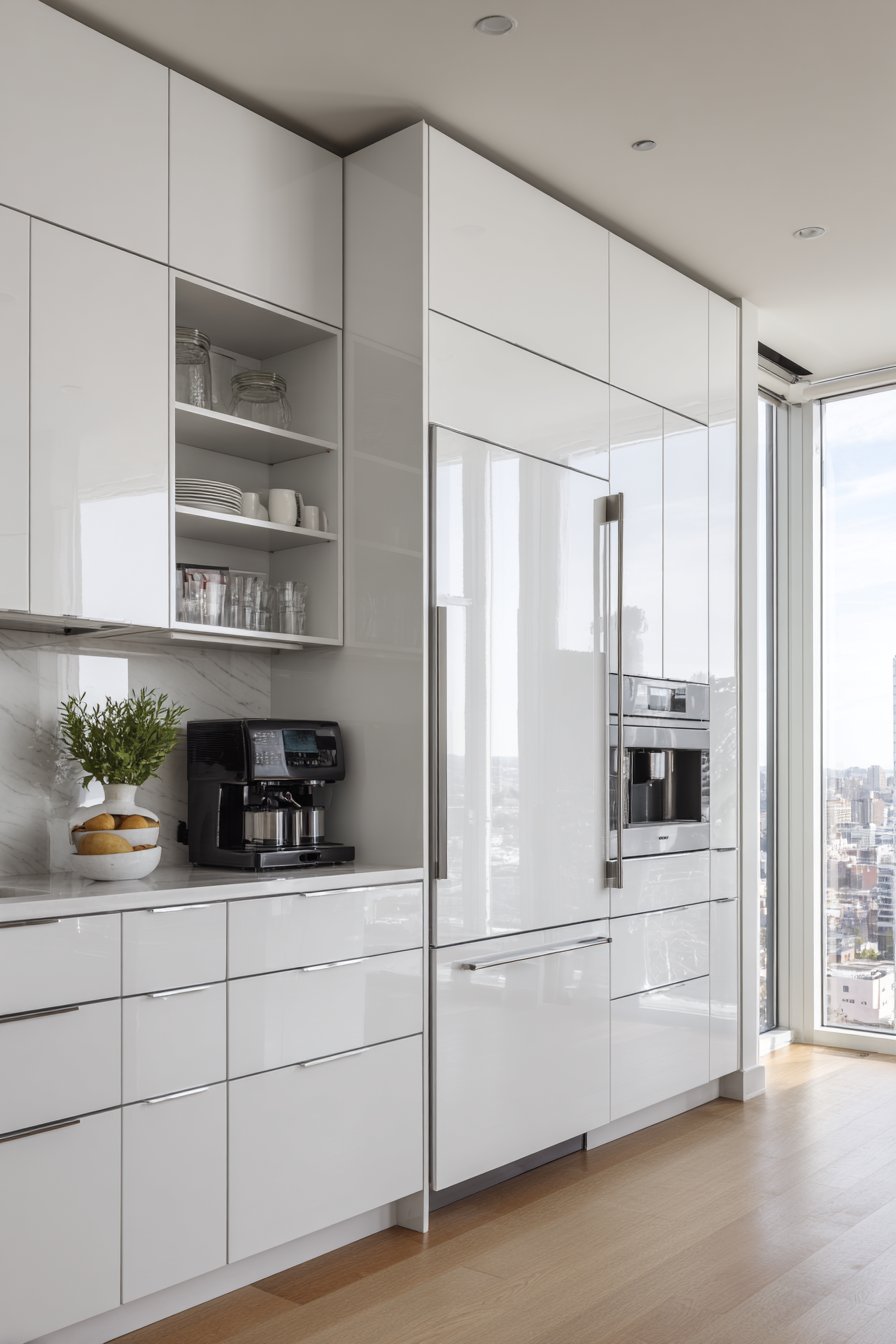
The minimalist principle of “everything in its place and nothing on display” fundamentally transforms how clean a kitchen appears. Hidden storage solutions ensure that countertops remain clear, creating expansive horizontal surfaces that signal order and cleanliness. When visual clutter disappears, the perception of cleanliness increases exponentially.
Integrated appliance garages, pull-out pantries, and drawer systems replace open shelving and countertop storage. These solutions don’t just hide items—they create a psychological clean slate where the absence of objects equals the presence of cleanliness. Even when the contents of these hidden spaces are disorganized, the kitchen appears pristine.
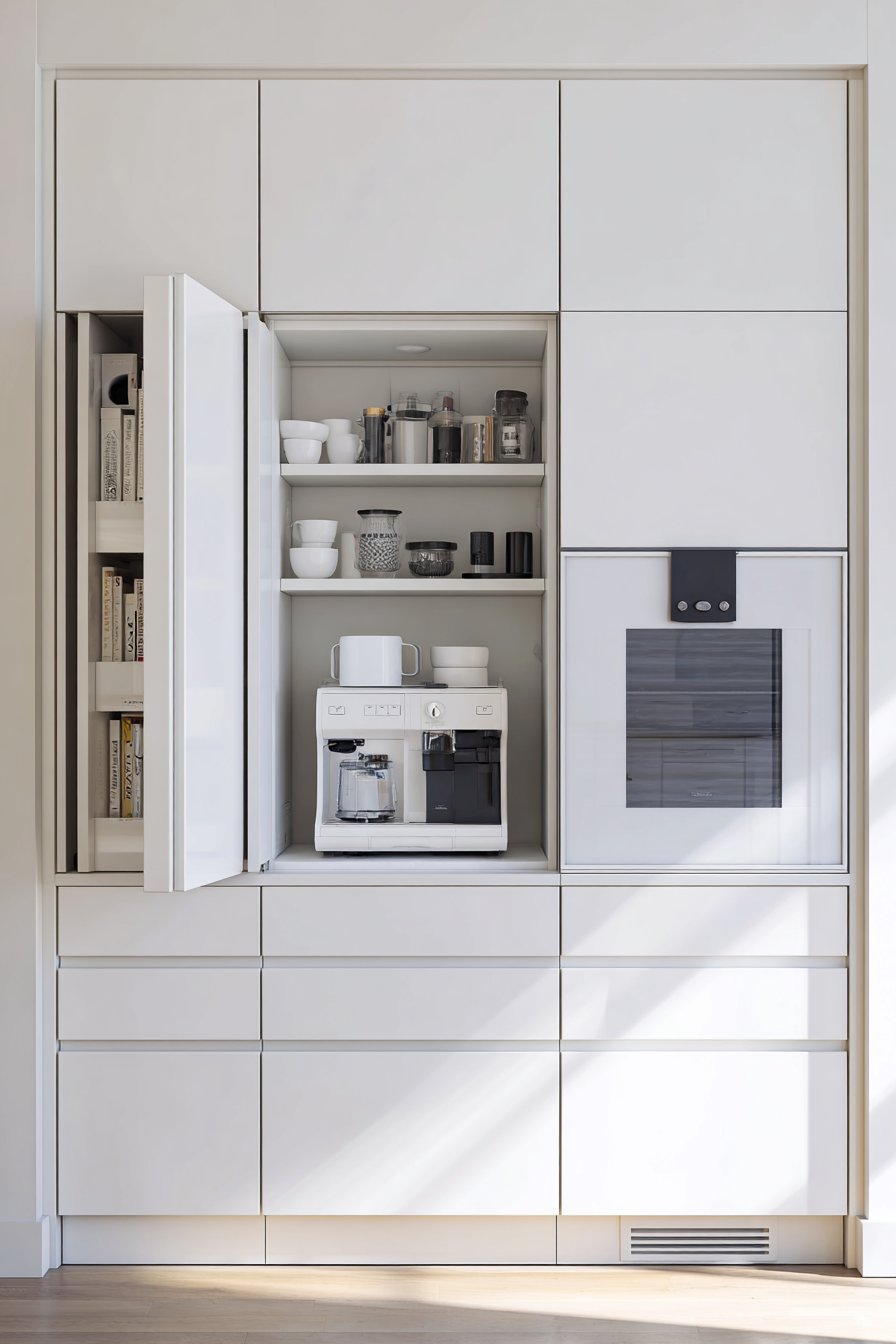
Floor-to-ceiling cabinetry maximizes this effect by utilizing every inch of vertical space without visible gaps. The continuous surfaces prevent dust accumulation in hard-to-reach areas while providing abundant concealed storage capacity. This approach allows for significant storage without the visual weight of traditional open shelving or glass-front cabinets.
- Install deep drawers with custom organizers for maximum hidden storage
- Use appliance garages for coffee makers and toasters to clear counters
- Specify pull-out pantry systems rather than traditional reach-in pantries
- Choose refrigerators with panel-ready fronts for seamless integration
- Install drawer dishwashers that disappear into cabinetry
- Create charging stations inside drawers to eliminate visible cords and devices
4. Strategic Lighting Masks Shadows and Imperfections
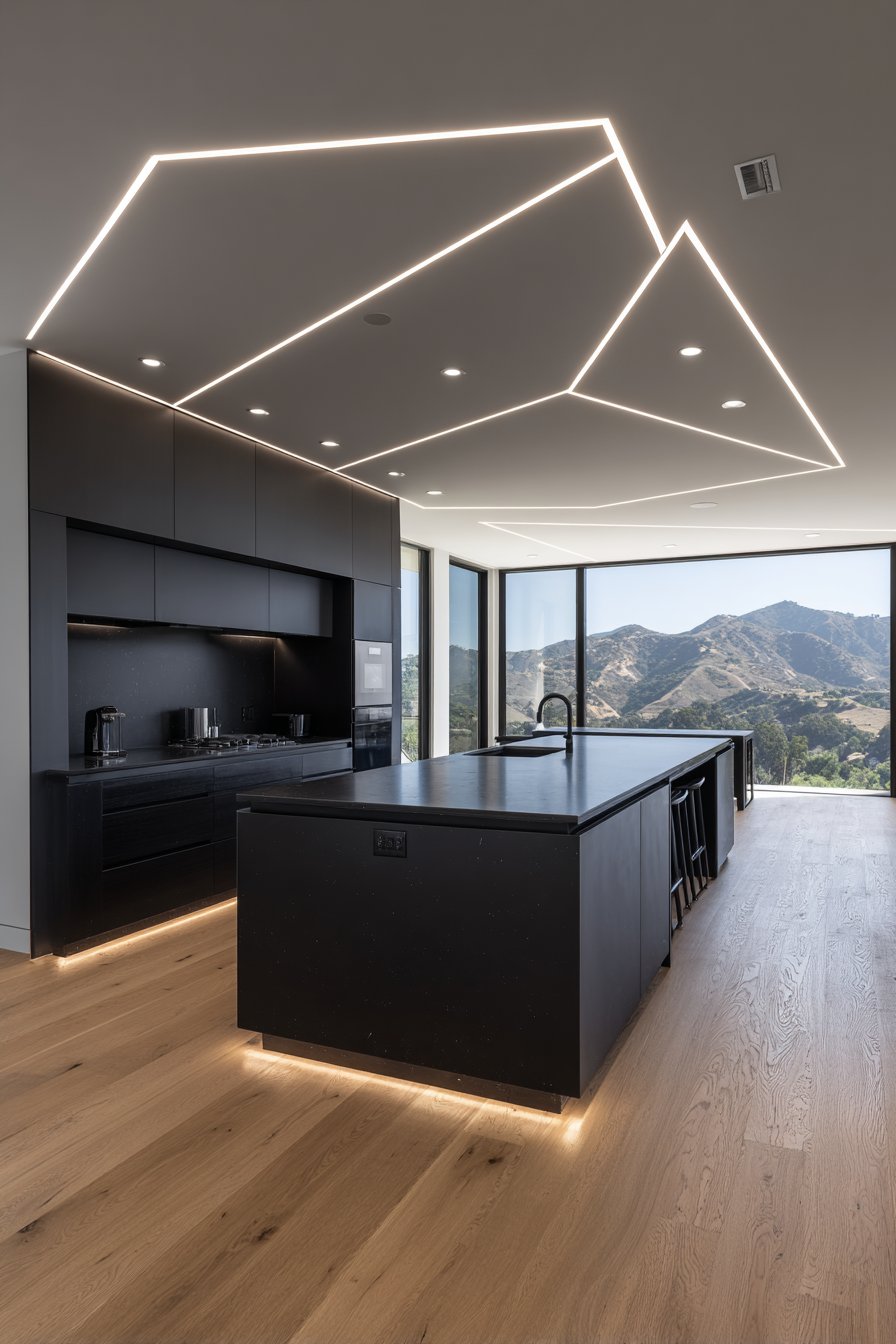
Lighting design in minimalist kitchens serves a dual purpose—functionality and visual deception. Well-planned illumination eliminates shadows where dirt appears to accumulate, creating an even brightness that suggests cleanliness. Under-cabinet lighting, in particular, prevents the shadowy crevices where grime typically becomes visible.
Recessed lighting provides ambient illumination without adding visual clutter through hanging fixtures or exposed bulbs. This architectural lighting approach maintains clean sight lines while ensuring adequate task lighting. The absence of decorative light fixtures means fewer surfaces to clean and fewer objects to interrupt the minimalist aesthetic.
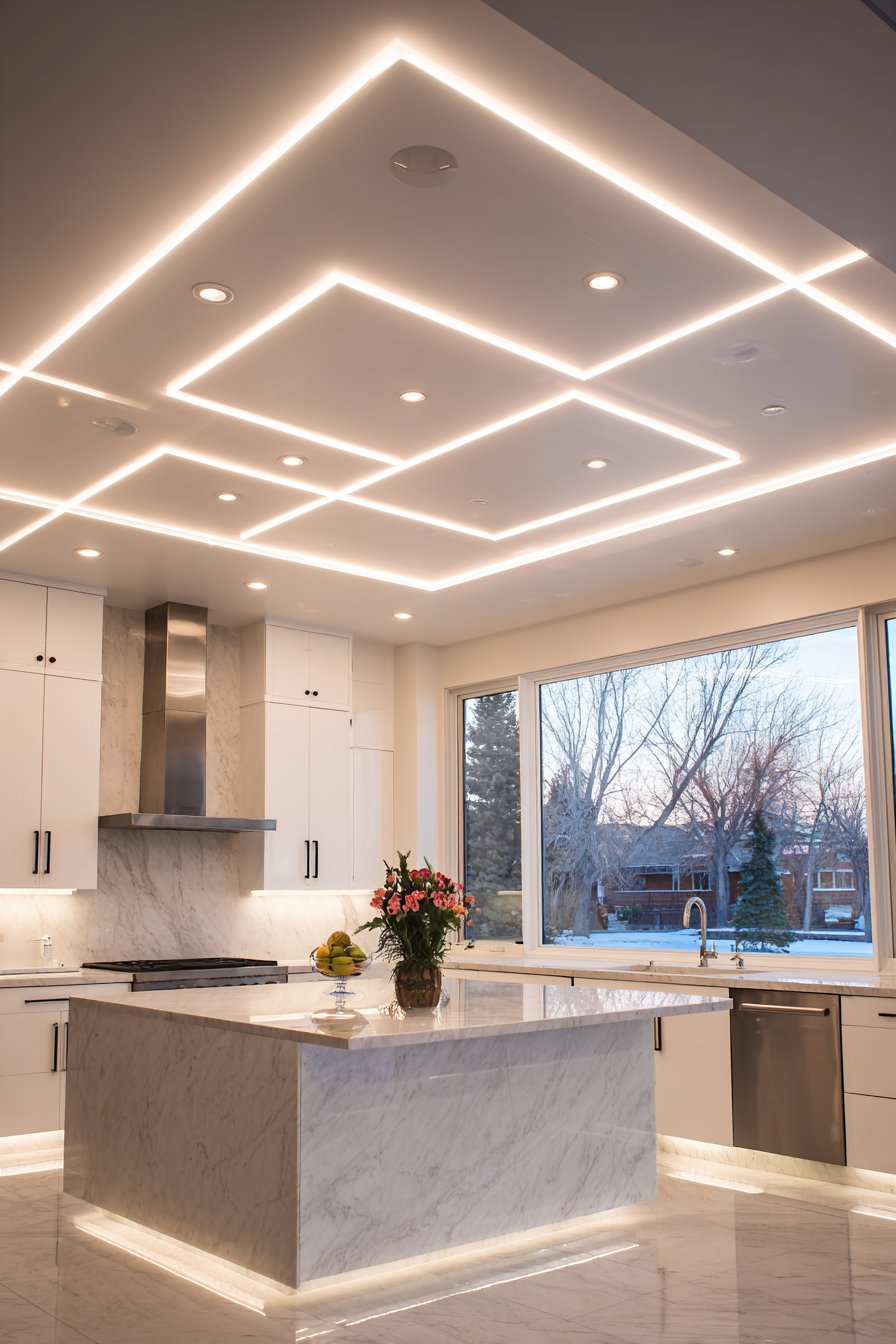
Natural light, maximized through large windows or skylights, further enhances the clean appearance. Daylight reveals true colors and creates dynamic shadows that add visual interest without permanence. The changing light quality throughout the day prevents the eye from fixating on any imperfections, as the space constantly appears slightly different.
- Install LED strip lighting under all wall cabinets for shadow-free counters
- Use dimmable recessed lights to adjust ambiance and reduce harsh shadows
- Position lighting to avoid creating shadows in work areas
- Choose fixtures with clean, geometric forms if pendants are necessary
- Maximize natural light through unobstructed windows
- Consider toe-kick lighting that creates a floating effect while illuminating floors
5. Minimal Grout Lines Reduce Maintenance Visibility
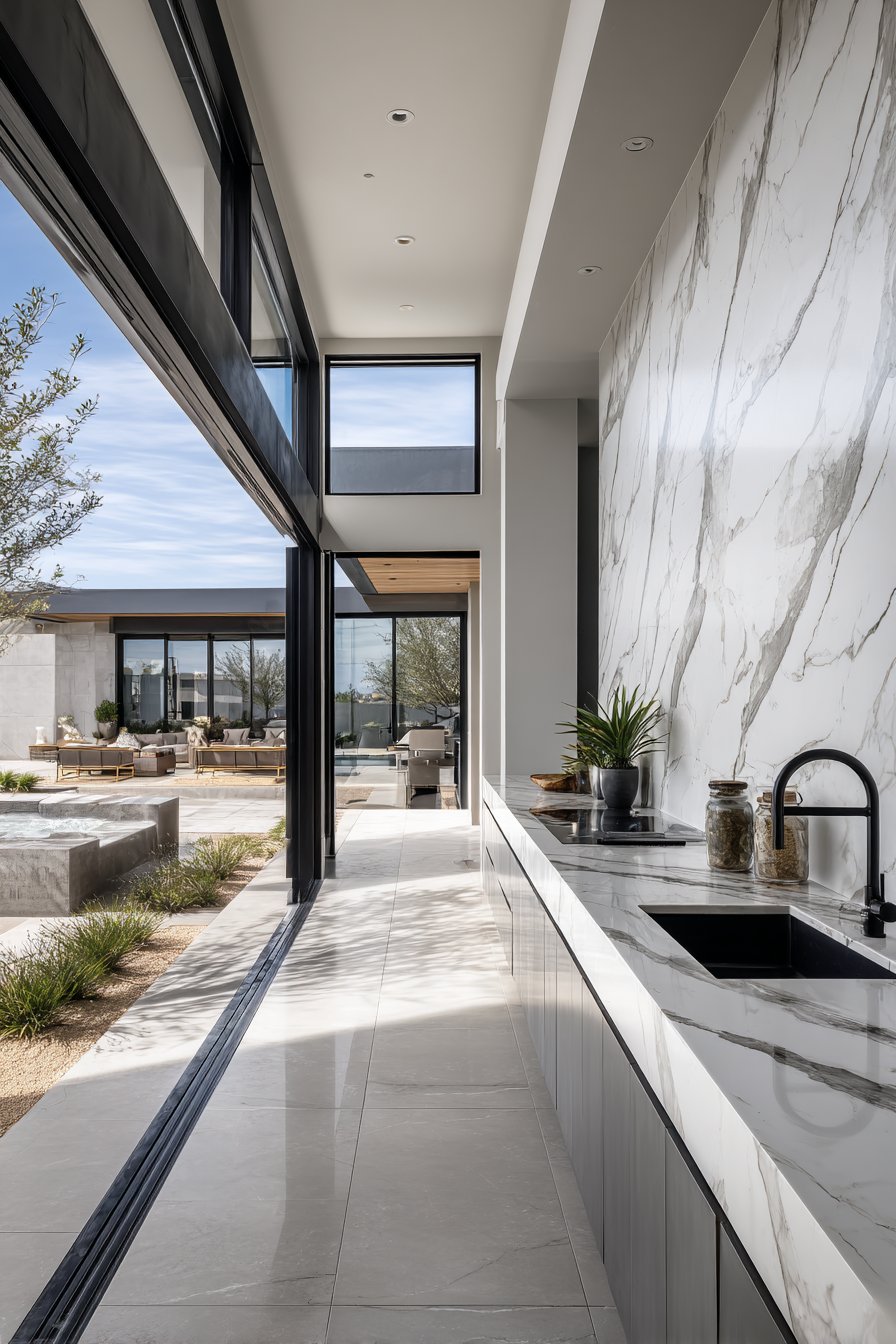
Grout presents one of the greatest maintenance challenges in kitchen design, constantly revealing dirt and requiring regular cleaning to maintain appearance. Minimalist kitchens address this through large-format tiles or solid-surface materials that eliminate or drastically reduce grout lines. The fewer seams and joints visible, the cleaner the space appears.
Slab backsplashes made from quartz, porcelain, or natural stone create completely grout-free surfaces that are genuinely easier to clean while appearing perpetually maintained. When grout lines are unavoidable, rectified tiles with minimal grout joints—often just 1/16 inch—create a nearly seamless appearance that disguises dirt accumulation.
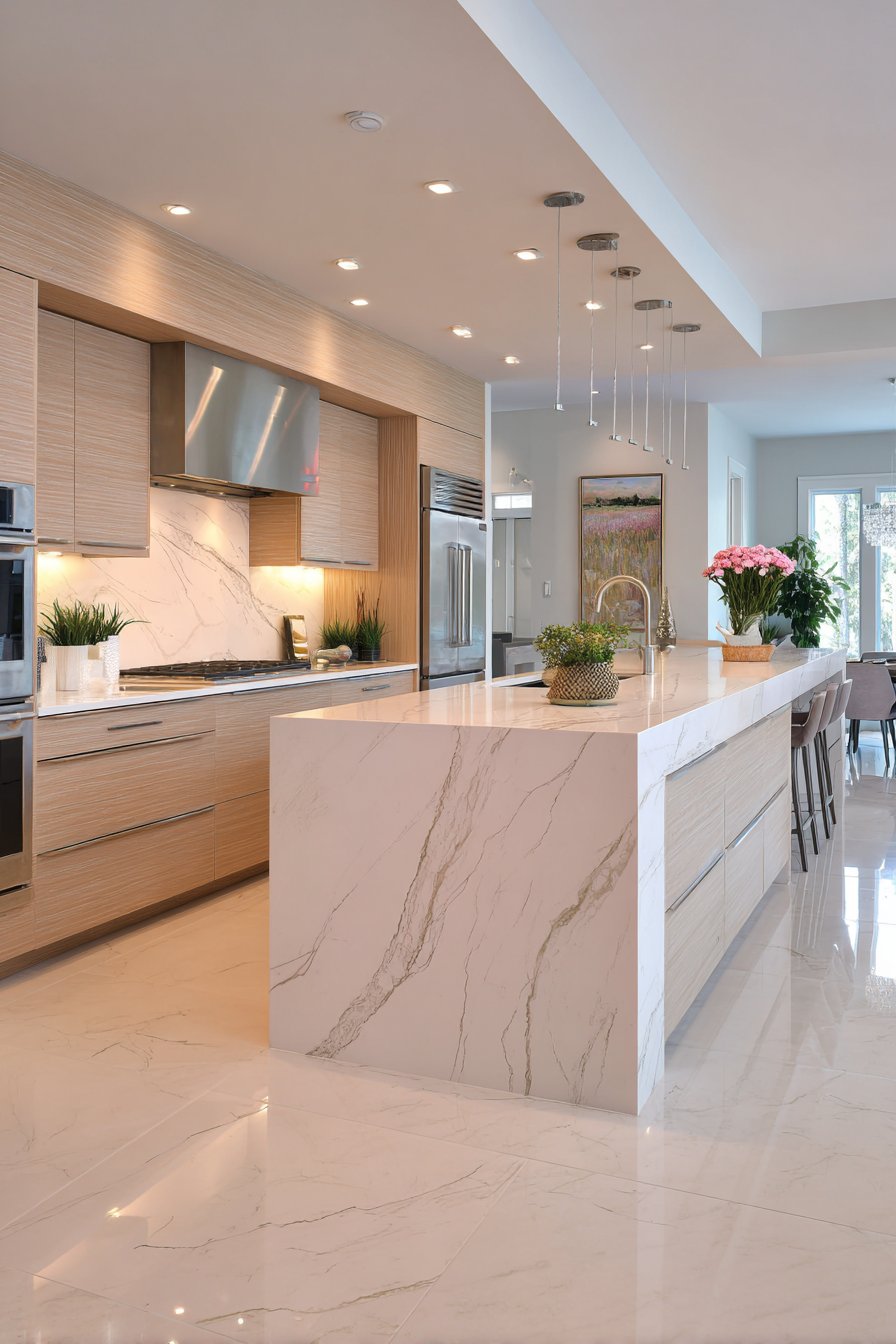
Epoxy grout in matching colors provides another solution for unavoidable grout lines. Unlike traditional cement-based grout, epoxy resists staining and maintains its color indefinitely. This means that even when grout exists, it doesn’t betray the passage of time or accumulation of kitchen residue that makes spaces feel unclean.
- Specify large-format tiles (24×24 inches or larger) to minimize grout lines
- Choose rectified tiles that allow for ultra-thin grout joints
- Use epoxy grout for superior stain resistance and color retention
- Match grout color precisely to tile color for camouflage effect
- Consider slab backsplashes that eliminate grout entirely
- Apply grout sealer immediately and reapply annually for cement-based grout
6. Quality Materials Age Gracefully Without Looking Worn
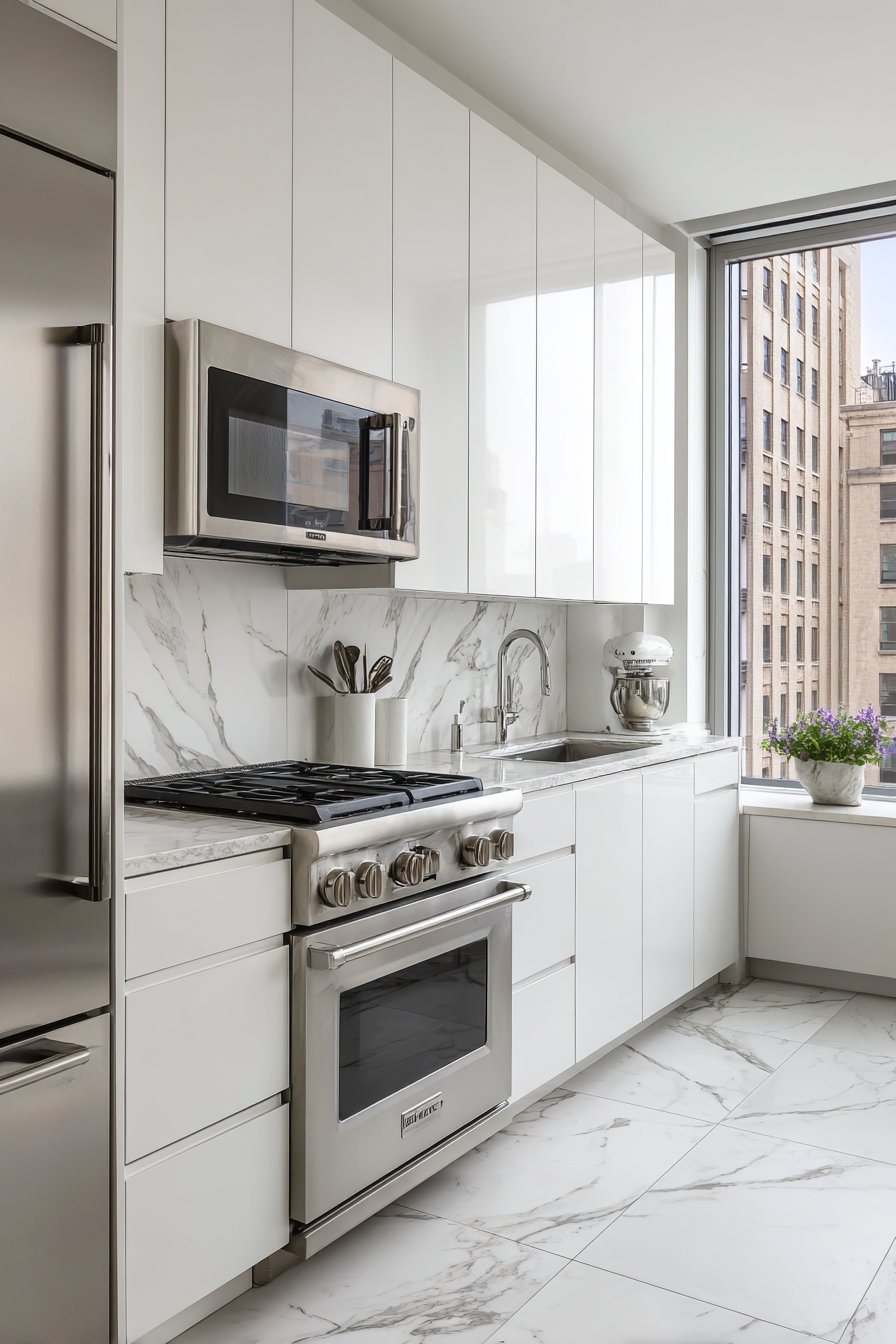
The materials selected for minimalist kitchens aren’t just chosen for aesthetics—they’re selected for their ability to age beautifully without showing wear. Engineered quartz countertops, for example, maintain their appearance for decades without the patina that develops on natural stone. This consistent appearance perpetuates the sense of newness that we associate with cleanliness.
Stainless steel, despite showing fingerprints, actually benefits from its uniform surface quality. Minor scratches blend into the material’s texture rather than standing out as damage. The industrial aesthetic of stainless steel has trained our eyes to interpret its characteristics as intentional rather than evidence of use or neglect.
High-quality cabinetry finishes—whether thermofoil, lacquer, or premium laminates—resist fading, chipping, and discoloration. These materials don’t accumulate the visual history that makes traditional wood cabinets appear dated or worn. The timeless appearance of well-chosen materials means the kitchen maintains its fresh appearance longer with less actual maintenance.
- Invest in engineered quartz for countertops that never need sealing
- Choose matte-finish stainless steel appliances to reduce fingerprint visibility
- Specify acrylic or lacquer cabinet finishes for durability and easy cleaning
- Select porcelain or ceramic tile over natural stone for consistency
- Use solid-surface materials for seamless repairs if damage occurs
- Prioritize quality over budget to ensure materials maintain appearance long-term
Conclusion
Modern minimalist kitchens achieve their remarkably clean appearance through deliberate design strategies that manipulate our perception while genuinely reducing maintenance demands. The combination of seamless surfaces, concealed storage, strategic lighting, and carefully selected materials creates spaces that feel perpetually fresh. These kitchens prove that apparent cleanliness stems as much from thoughtful design as from actual cleaning efforts.
Implementing these principles doesn’t require a complete kitchen renovation. Even small changes—reducing visible grout lines, concealing countertop appliances, or improving lighting—can significantly impact how clean your kitchen feels. The minimalist approach offers a practical solution for those seeking low-maintenance luxury without sacrificing functionality or warmth in their most-used living space.
"As an Amazon Associate, I earn from qualifying purchases."
