
The living room serves as the heart of any home, where families gather, guests are entertained, and memories are made. Achieving the perfect balance between timeless elegance and contemporary functionality can transform this essential space into a sanctuary that reflects both sophistication and comfort.
The modern classic style has emerged as one of the most sought-after interior design approaches, seamlessly blending traditional architectural elements with clean, contemporary lines.
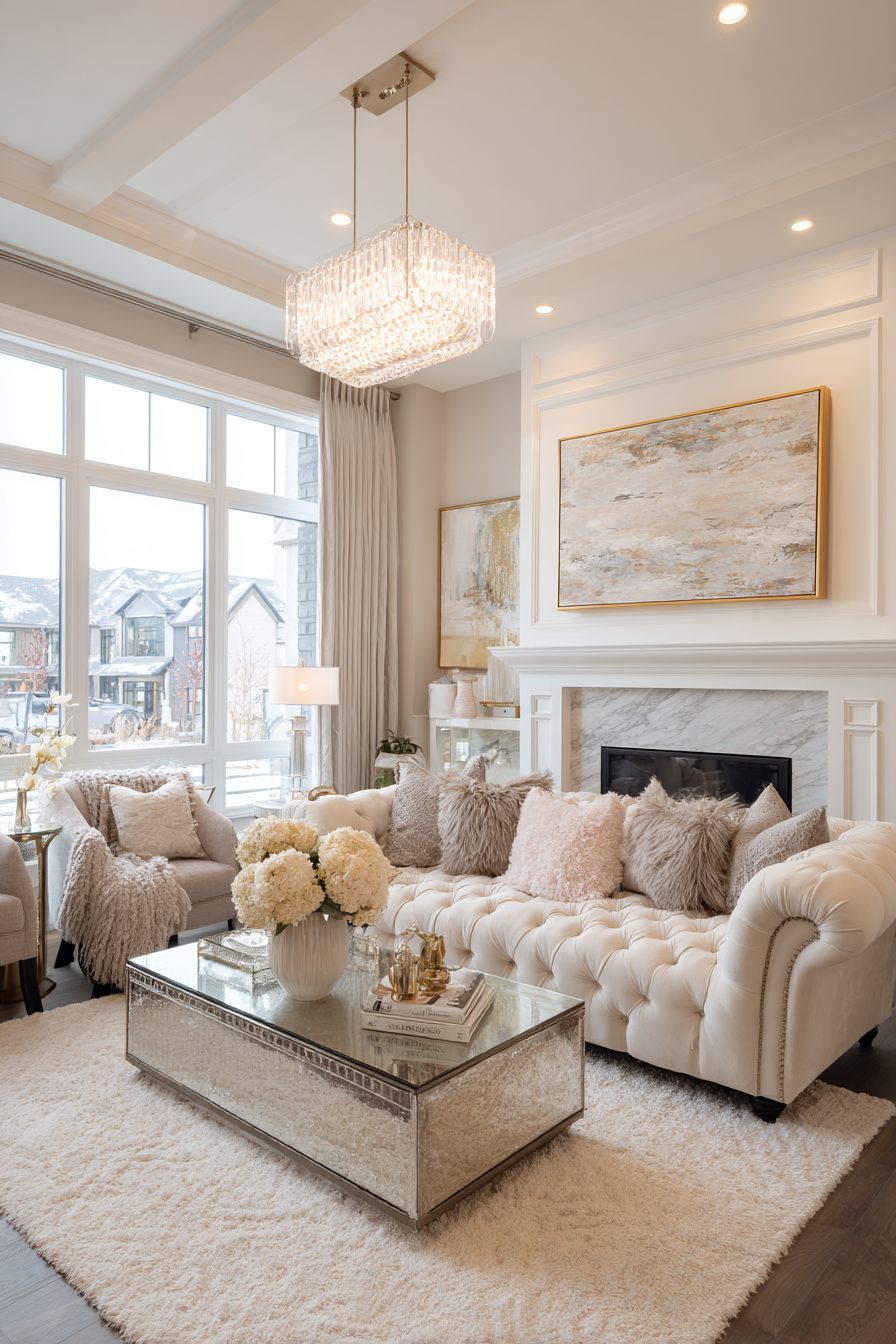
This harmonious fusion creates spaces that feel both familiar and fresh, honoring the past while embracing the present. The beauty of modern classic design lies in its versatility and enduring appeal. Unlike fleeting trends that quickly become dated, this style incorporates foundational design principles that remain relevant across decades. It speaks to those who appreciate the craftsmanship of traditional furniture but prefer the uncluttered aesthetic of modern interiors.
Throughout this comprehensive guide, we’ll explore essential strategies for creating a modern classic living room that exudes sophistication without sacrificing comfort. From selecting the perfect color palette to choosing statement furniture pieces, each element plays a crucial role in achieving this coveted design style. Whether you’re renovating an existing space or starting fresh, these expert insights will help you craft a living room that stands the test of time.
1. Master the Neutral Color Foundation
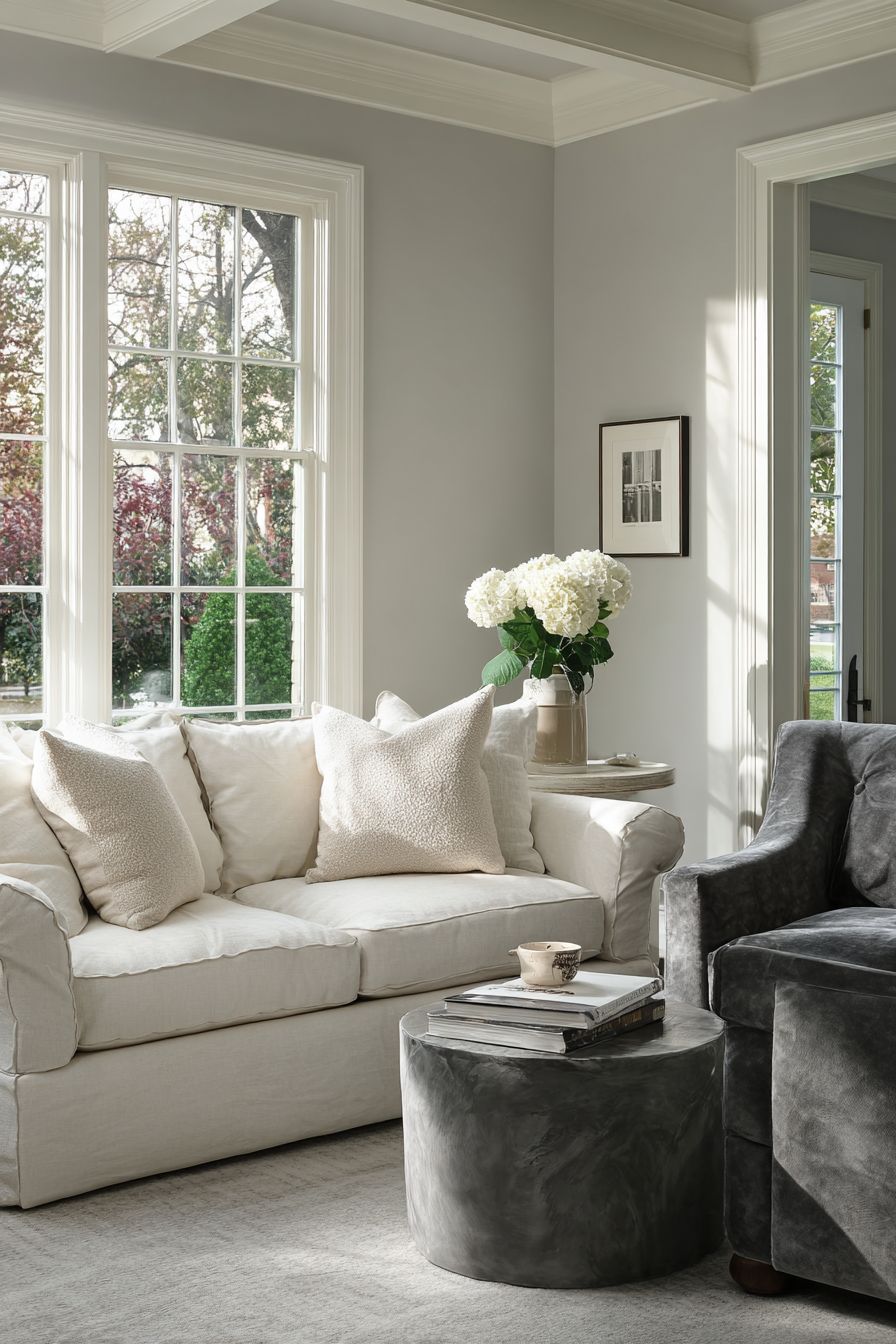
The cornerstone of modern classic design begins with a sophisticated neutral palette that creates visual harmony throughout the space. Whites, creams, beiges, and soft grays form the essential backdrop that allows both traditional and contemporary elements to shine. This timeless color approach provides flexibility for layering textures and introducing accent colors without overwhelming the senses.
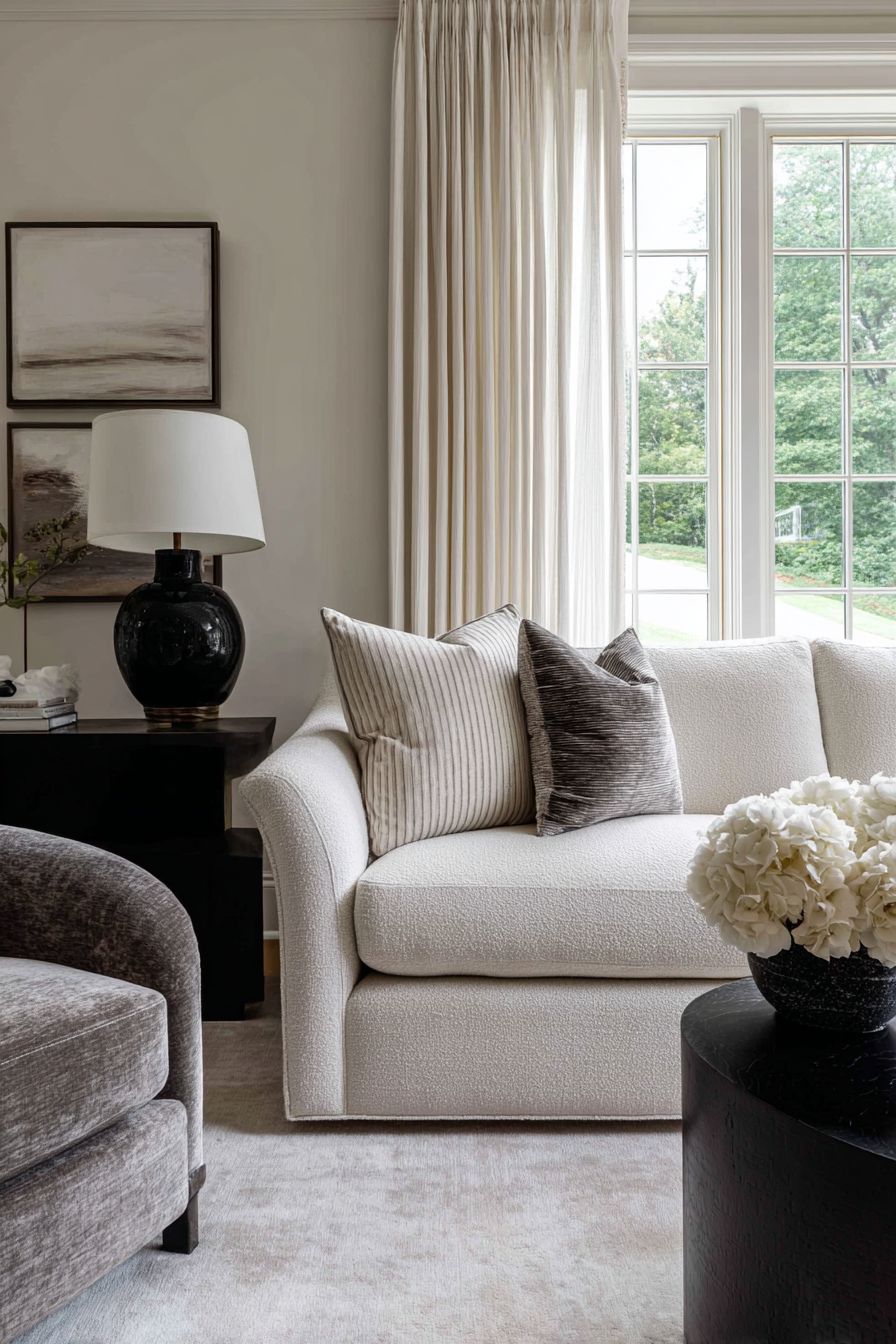
Choosing the right shades of neutral requires understanding undertones and how they interact with natural light. Warm neutrals like ivory and taupe create inviting atmospheres, while cooler grays and whites offer a more crisp, contemporary feel. The key lies in selecting three to four complementary neutral shades that work together seamlessly. Consider how morning and evening light transforms these colors throughout the day.
Accent walls in deeper neutrals like charcoal or mushroom gray can add dimensional depth without disrupting the cohesive flow. These darker tones ground the space and provide visual weight that balances lighter furniture pieces. Paint quality matters significantly—invest in premium paints with excellent coverage and durability for a professional finish.
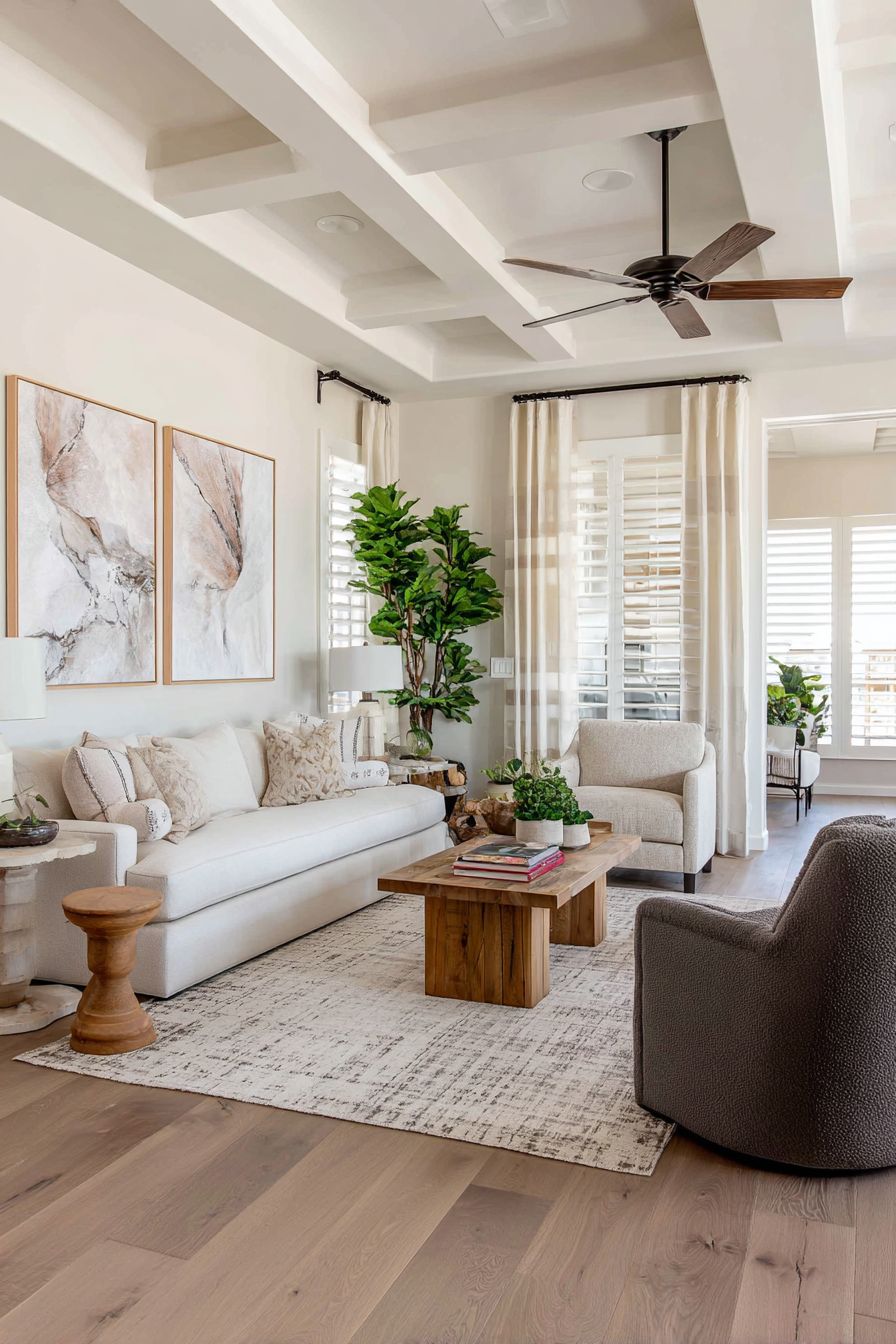
- Use warm whites for trim and moldings to create subtle contrast against wall colors
- Test paint samples on multiple walls to observe how natural light affects the shade
- Layer different neutral tones through textiles, rugs, and decorative accessories
- Consider matte finishes for walls and satin for trim to add textural variation
- Avoid stark white unless your space receives abundant natural light throughout the day
- Choose one dominant neutral and use others as supporting colors for cohesion
2. Select Furniture with Classical Silhouettes
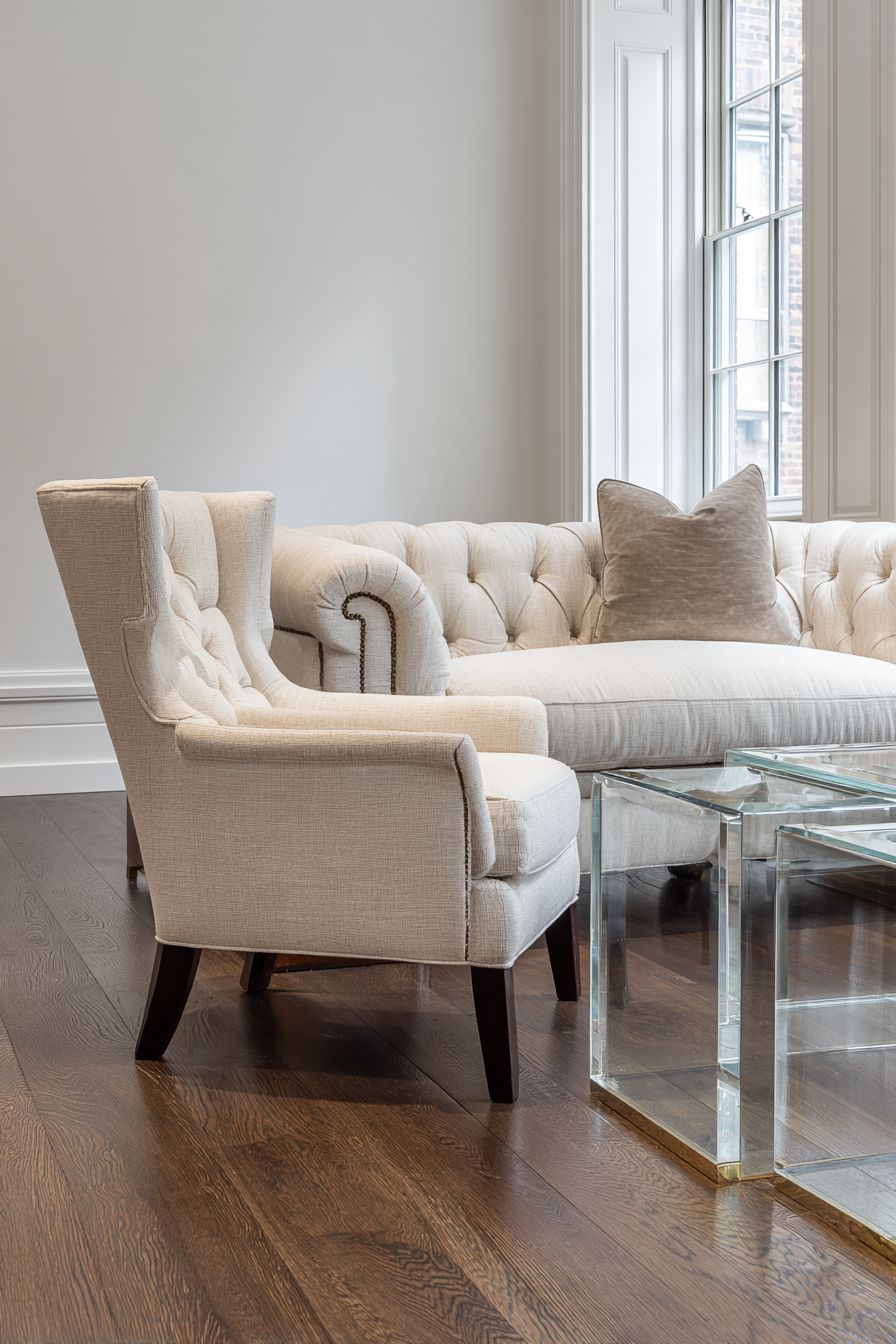
Furniture selection defines the character of your modern classic living room, requiring pieces with traditional profiles but streamlined details. Look for sofas and chairs featuring classic shapes like Chesterfields, wingbacks, or rolled arms, but executed in contemporary fabrics. The clean-lined approach eliminates excessive ornamentation while maintaining the elegant proportions that make traditional furniture timeless.
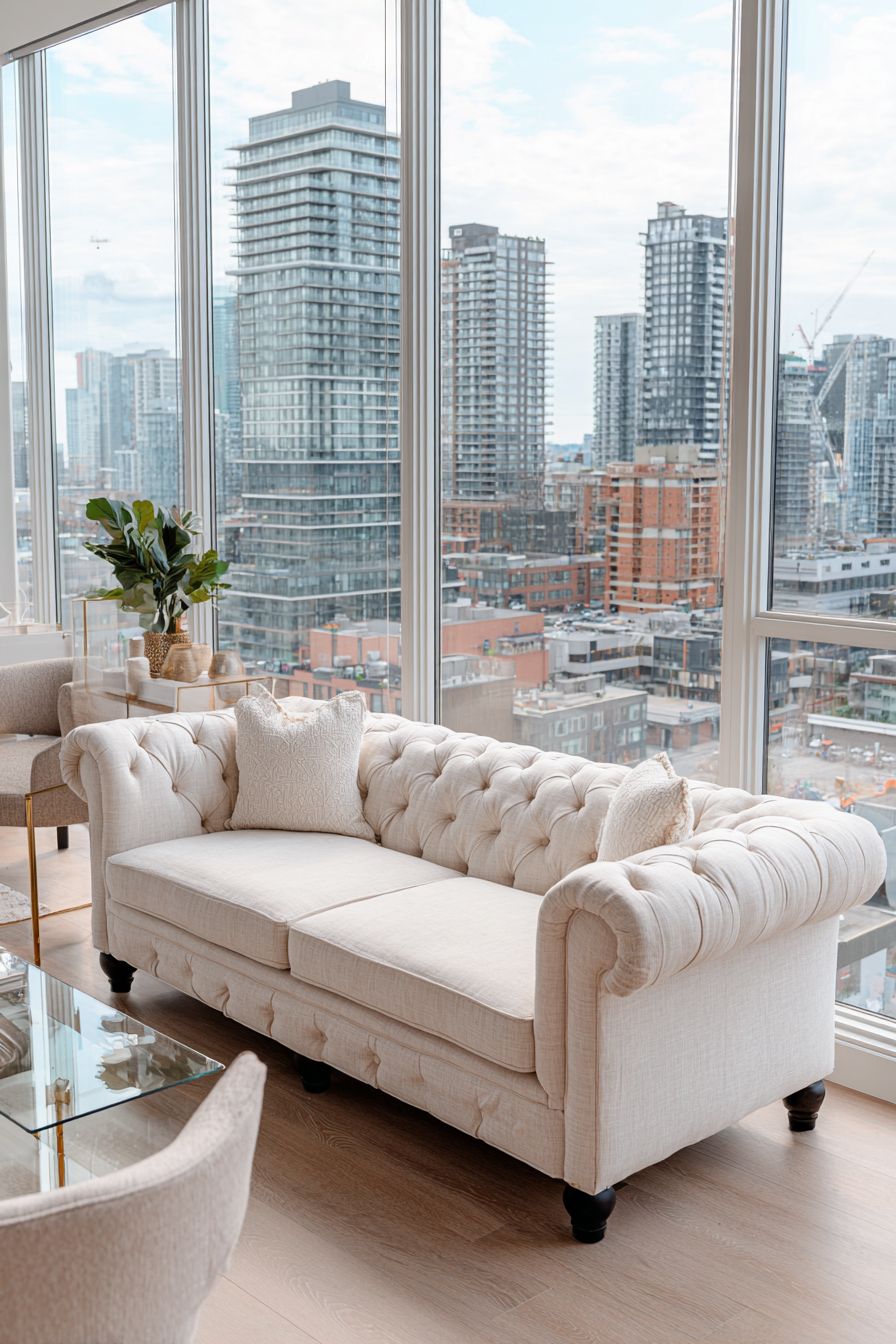
Quality construction becomes paramount when investing in statement furniture pieces that anchor your design. Hardwood frames, eight-way hand-tied springs, and down-blend cushions ensure both comfort and longevity. Modern classic style embraces substantial furniture that feels grounded and permanent, avoiding lightweight or flimsy pieces that compromise the overall aesthetic.
Mixing eras thoughtfully creates the dynamic tension that characterizes modern classic interiors. Pair a tufted traditional sofa with a sleek glass coffee table, or position modern accent chairs alongside an antique console. This intentional juxtaposition prevents the space from feeling like a period recreation while honoring classical design heritage.
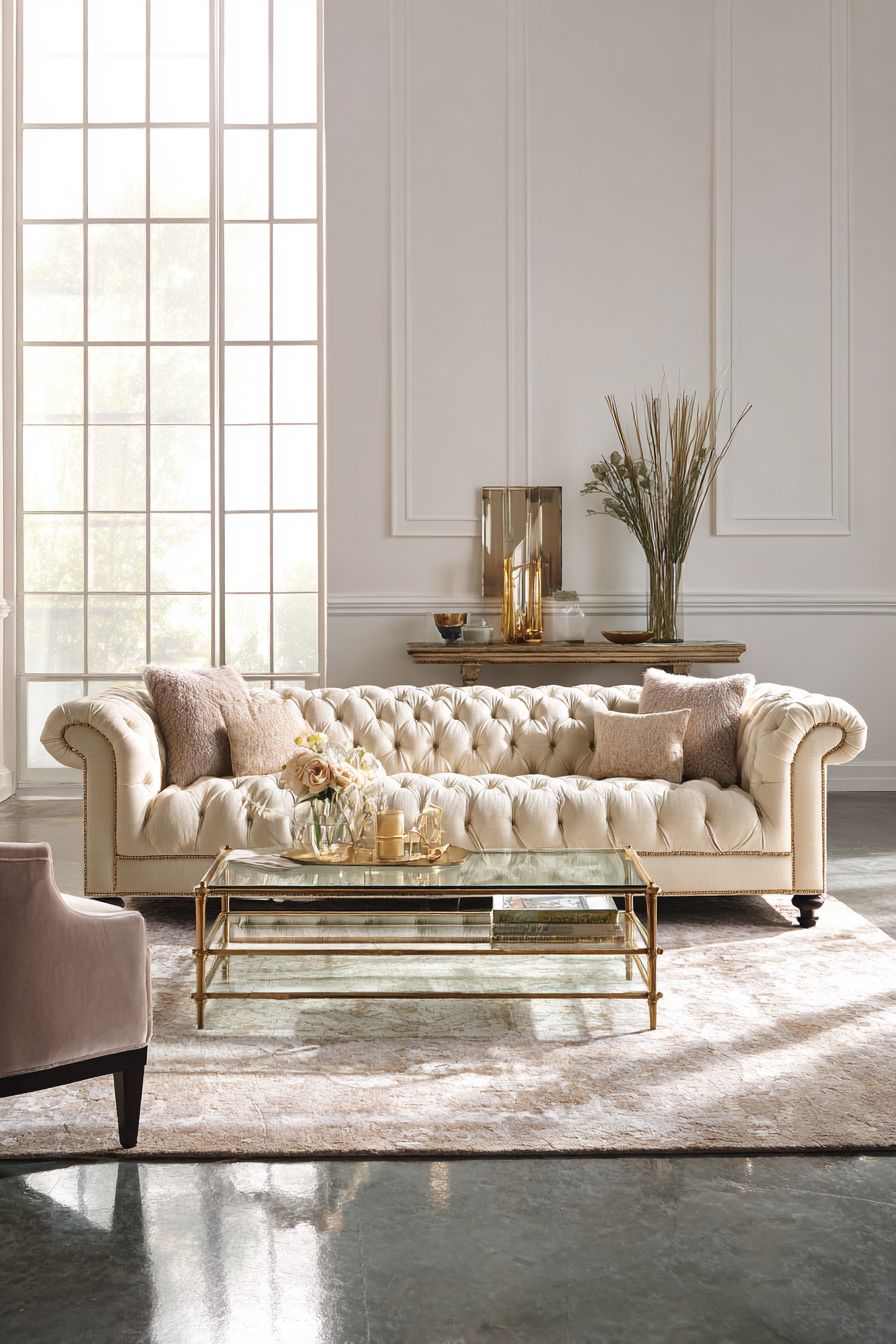
- Prioritize furniture with exposed wood legs in dark finishes for sophisticated contrast
- Choose sofas between 84-96 inches for proper scale in average living rooms
- Invest in high-quality upholstery fabrics that resist wear and maintain appearance
- Select pieces with subtle details rather than heavily carved or ornate elements
- Ensure furniture height allows for easy conversation and comfortable sight lines
- Maintain consistent scale across all pieces to create visual harmony
3. Incorporate Architectural Details and Moldings
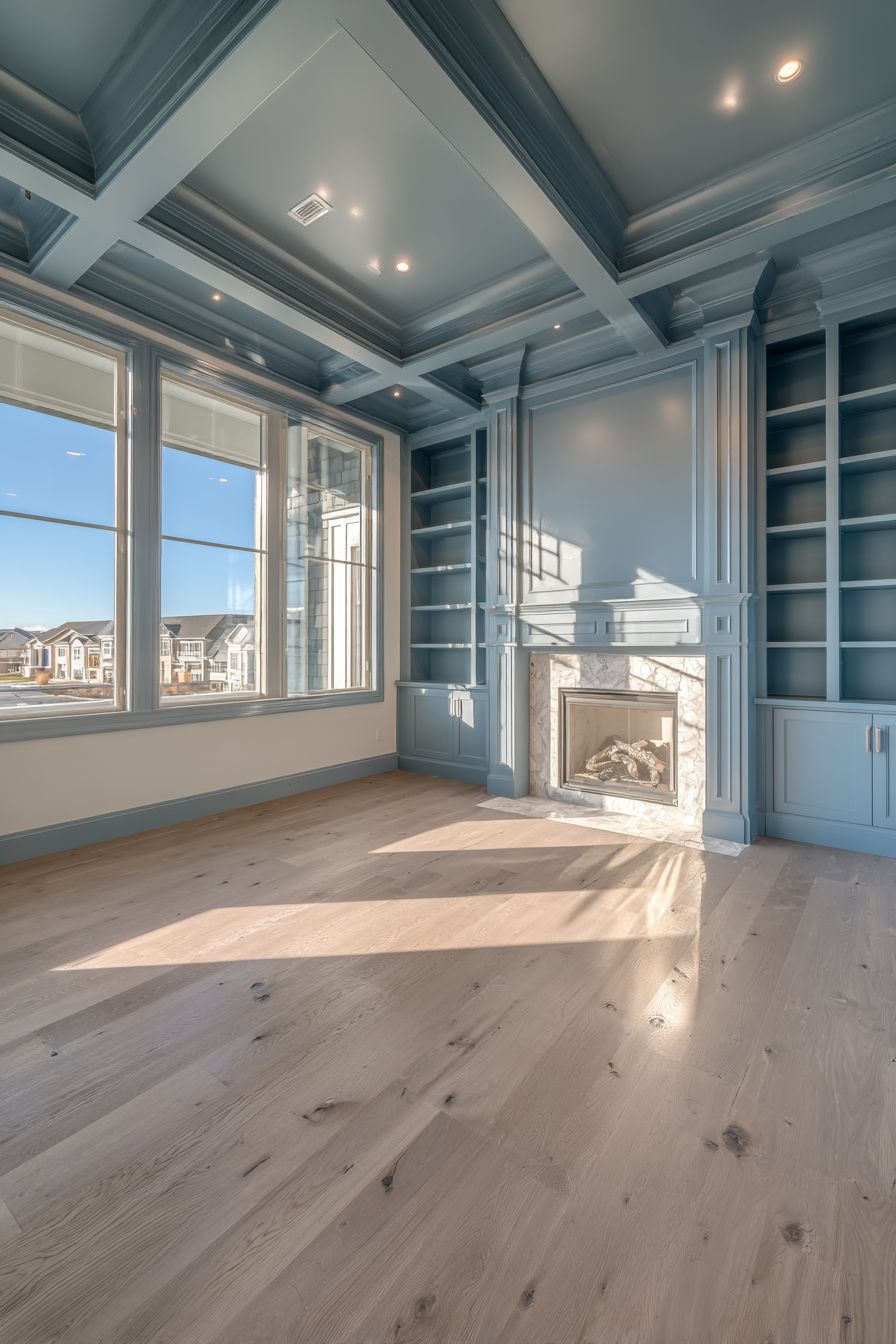
Architectural elements provide the structural elegance that distinguishes modern classic interiors from purely contemporary spaces. Crown molding, wainscoting, and ceiling medallions introduce traditional character that feels both substantial and refined. These details need not be elaborate—simple, well-proportioned moldings often make the strongest impact in modern classic design.
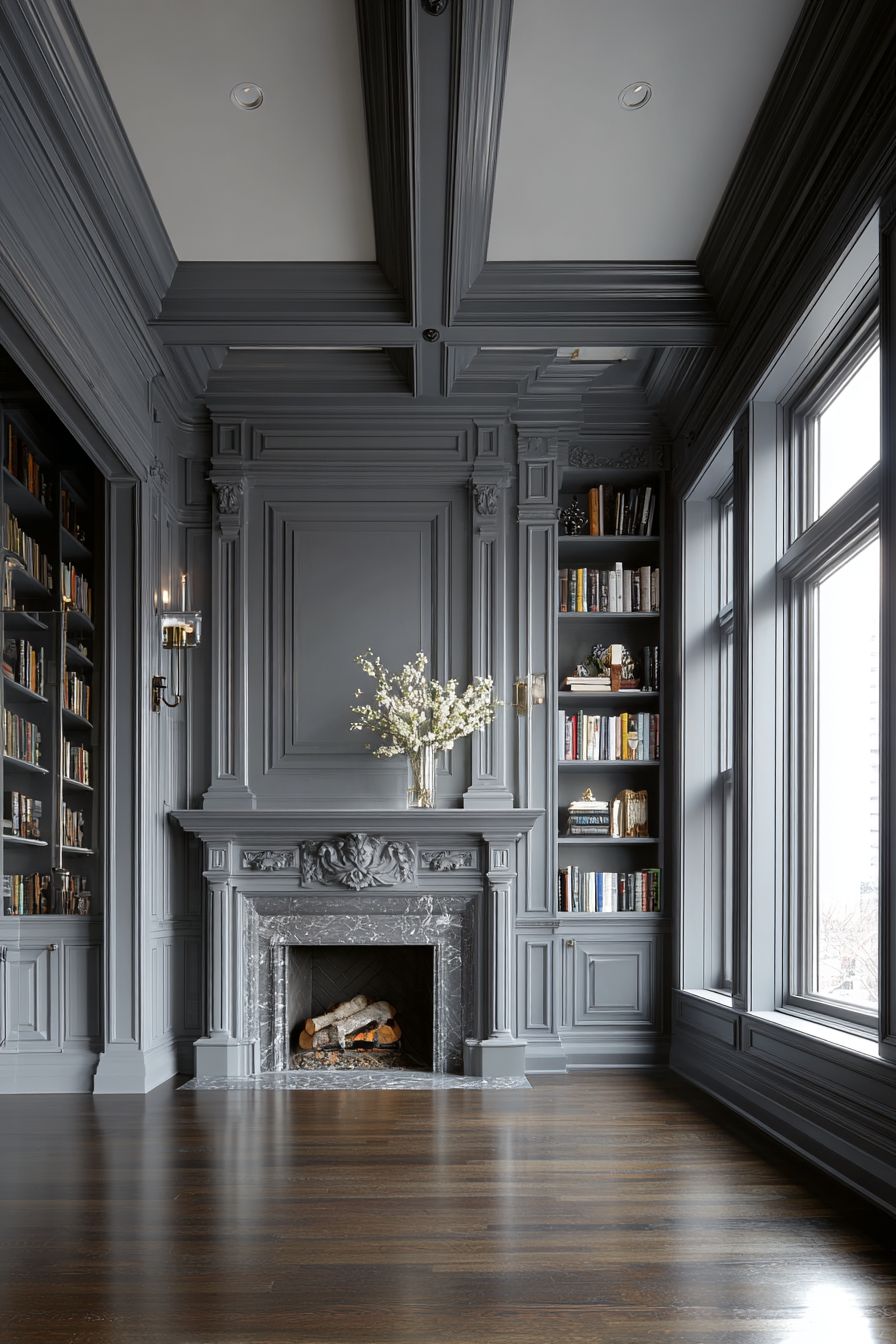
Consider adding picture frame molding to create wall panels that add dimensional interest without overwhelming the space. This technique works particularly well in larger living rooms where expansive wall surfaces benefit from subtle division. Paint moldings in the same color as walls for a contemporary interpretation, or use contrasting white for traditional emphasis.
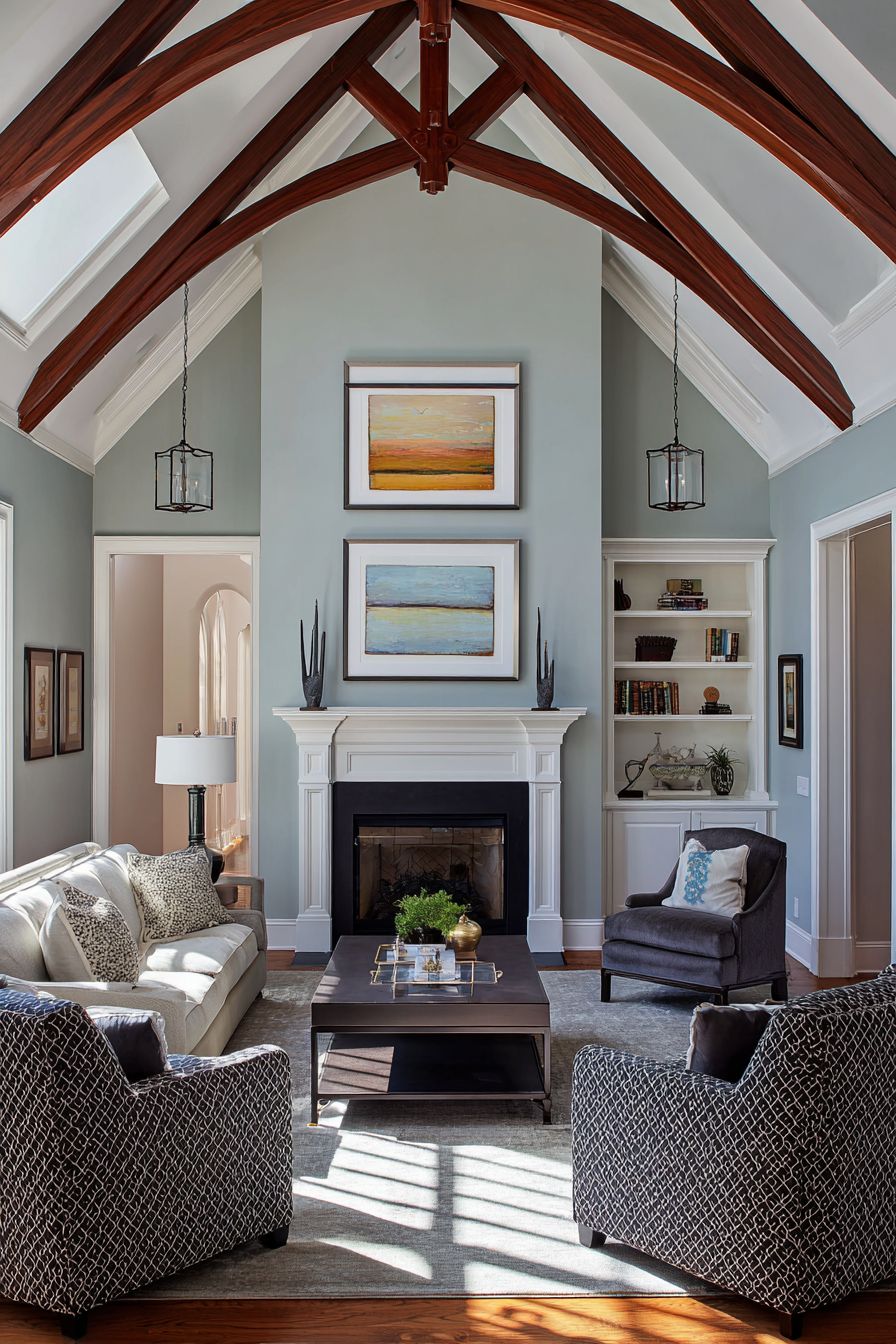
Existing architectural features should be highlighted and enhanced rather than concealed or ignored. Exposed beams, original fireplace mantels, or built-in bookcases become focal points that anchor the modern classic aesthetic. When architectural details are lacking, strategic additions like board-and-batten or decorative ceiling treatments can introduce the desired classical elements.
- Install crown molding at least 3-5 inches wide for proper visual weight
- Keep molding profiles simple and clean rather than heavily detailed
- Paint all architectural details in consistent colors for cohesive appearance
- Consider ceiling beams painted in contrasting tones for dramatic effect
- Add decorative corbels or brackets to shelving for classical reference
- Ensure all molding installations are level and professionally finished
4. Choose Statement Lighting as Focal Art
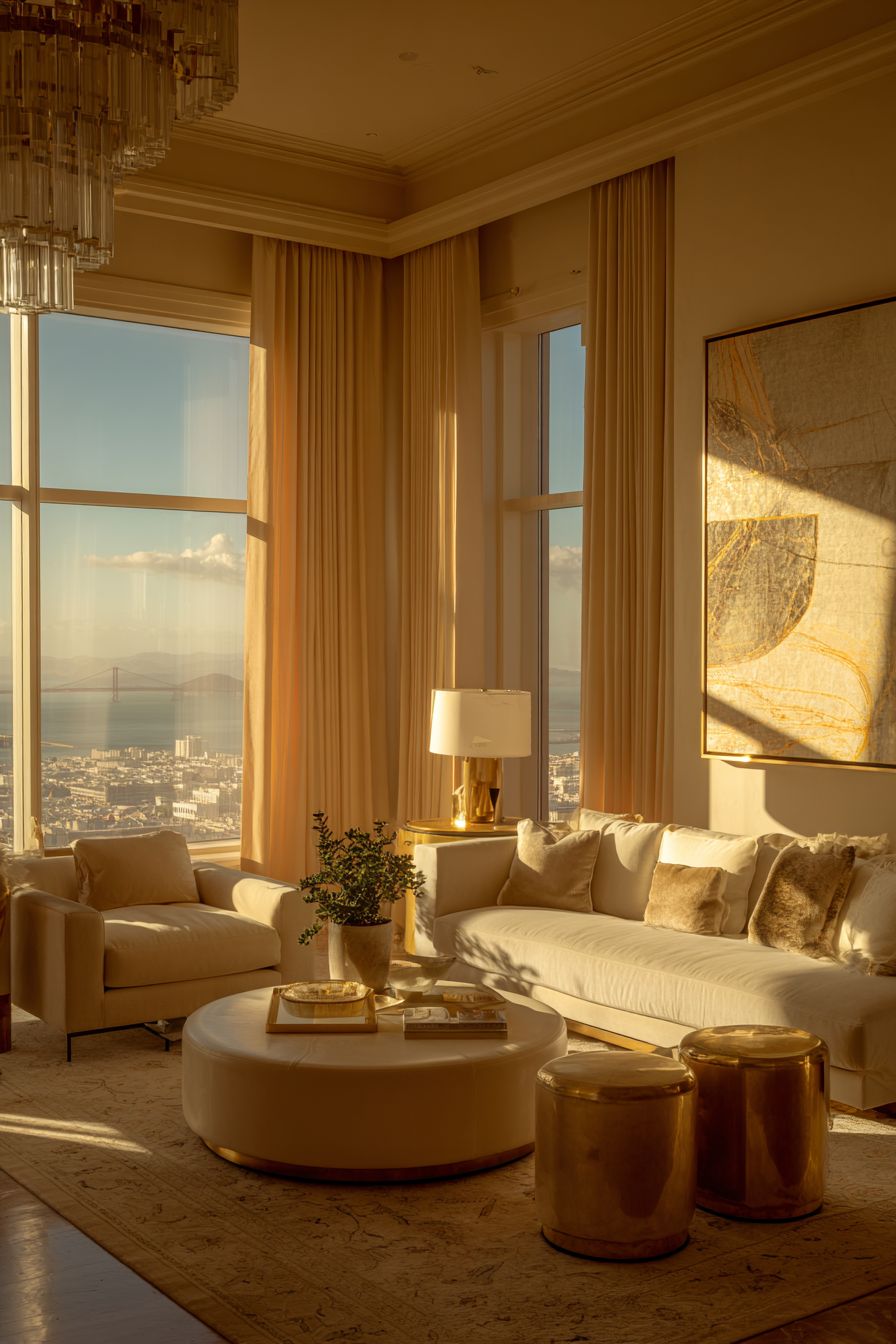
Lighting fixtures in modern classic spaces function as sculptural elements that bridge traditional and contemporary design sensibilities. A grand chandelier with clean geometric lines or a modern interpretation of a classic candelabra style creates instant visual impact. These statement pieces should command attention while complementing rather than competing with other design elements.
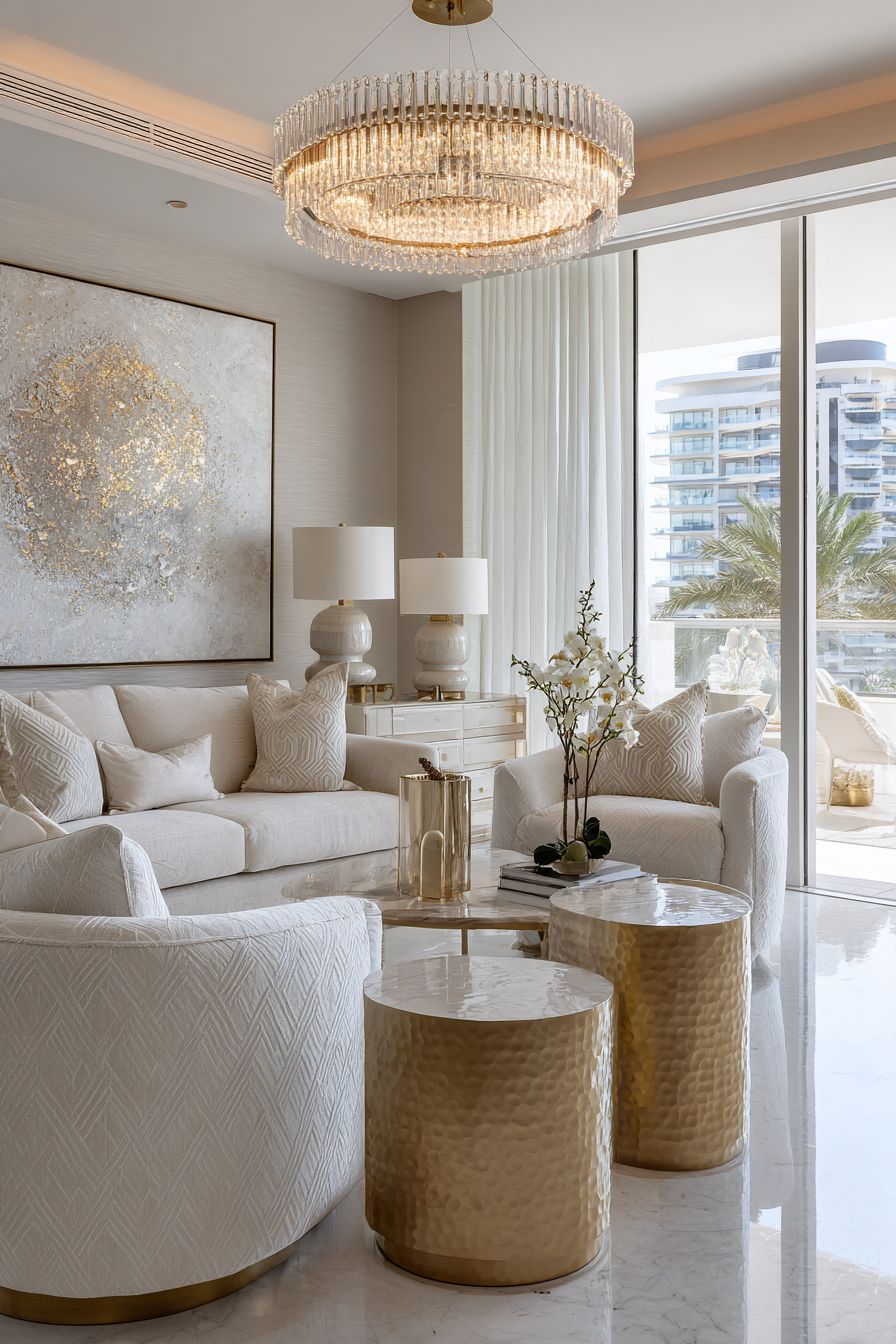
Layered lighting proves essential for creating the warm, inviting ambiance characteristic of successful modern classic interiors. Combine ambient overhead fixtures with strategic task lighting and accent lamps to ensure functionality across different times of day. Table lamps with traditional bases but modern shades exemplify the style’s harmonious blend.
Scale matters tremendously when selecting chandeliers or pendant lights for your living room. A fixture should be approximately one-half to two-thirds the width of your dining table or 30-36 inches in diameter for standard living rooms. Hang chandeliers 30-36 inches above furniture surfaces, ensuring adequate clearance for movement beneath.
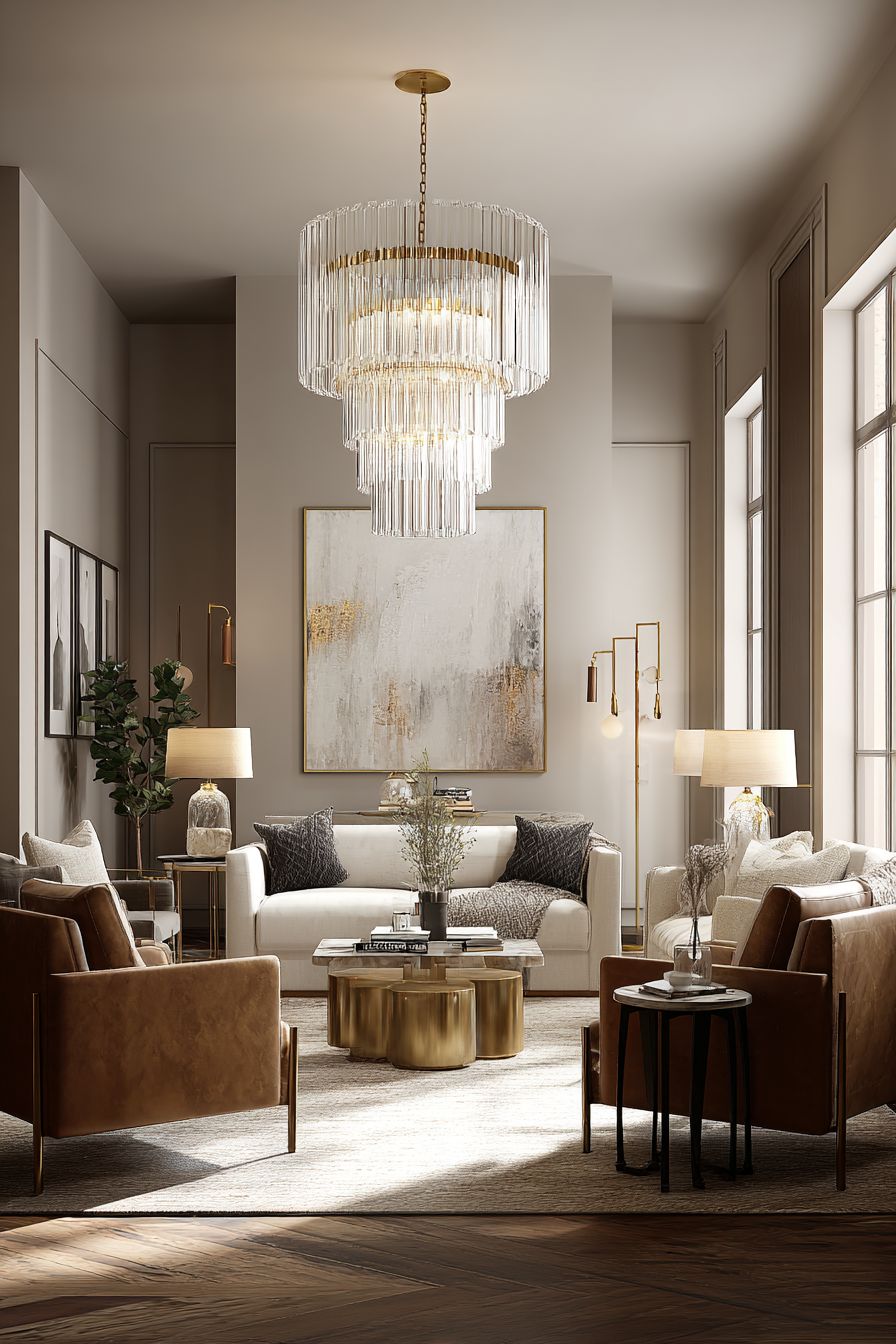
- Select fixtures with mixed materials like crystal and brushed metal for modern classic appeal
- Use dimmer switches on all lighting for adjustable ambiance throughout the day
- Choose warm-toned LED bulbs (2700-3000K) for flattering, inviting illumination
- Position floor lamps in corners to eliminate dark spaces and add layered light
- Install sconces flanking artwork or mirrors for gallery-quality accent lighting
- Ensure chandelier scale proportional to room size—measure before purchasing
5. Layer Textures Through Textiles and Fabrics
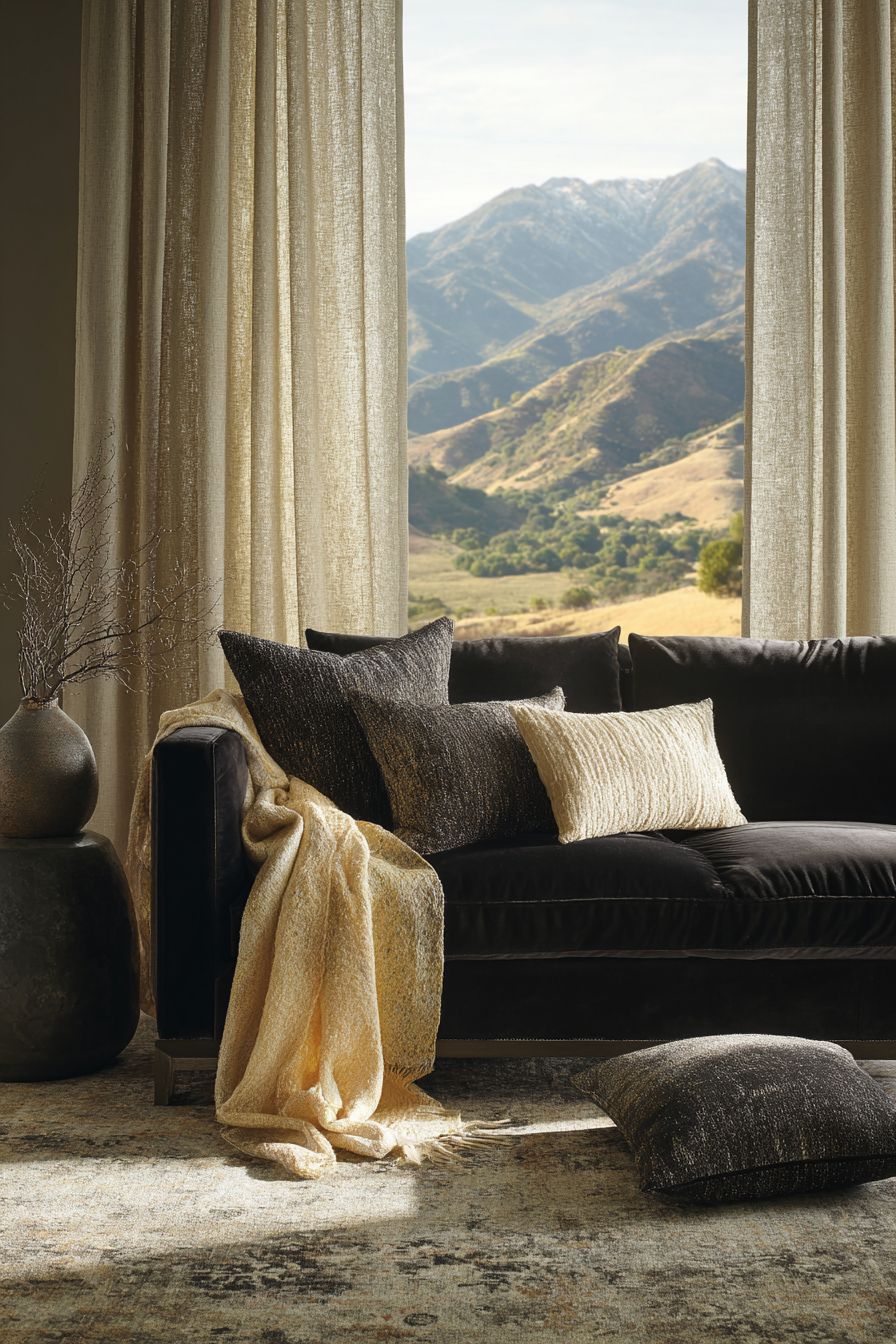
Texture creates visual richness and tactile interest essential to preventing modern classic spaces from feeling cold or sterile. Luxurious fabrics like velvet, linen, silk, and wool introduce sophisticated depth while maintaining the refined aesthetic. The interplay between smooth and textured surfaces adds complexity that engages multiple senses.
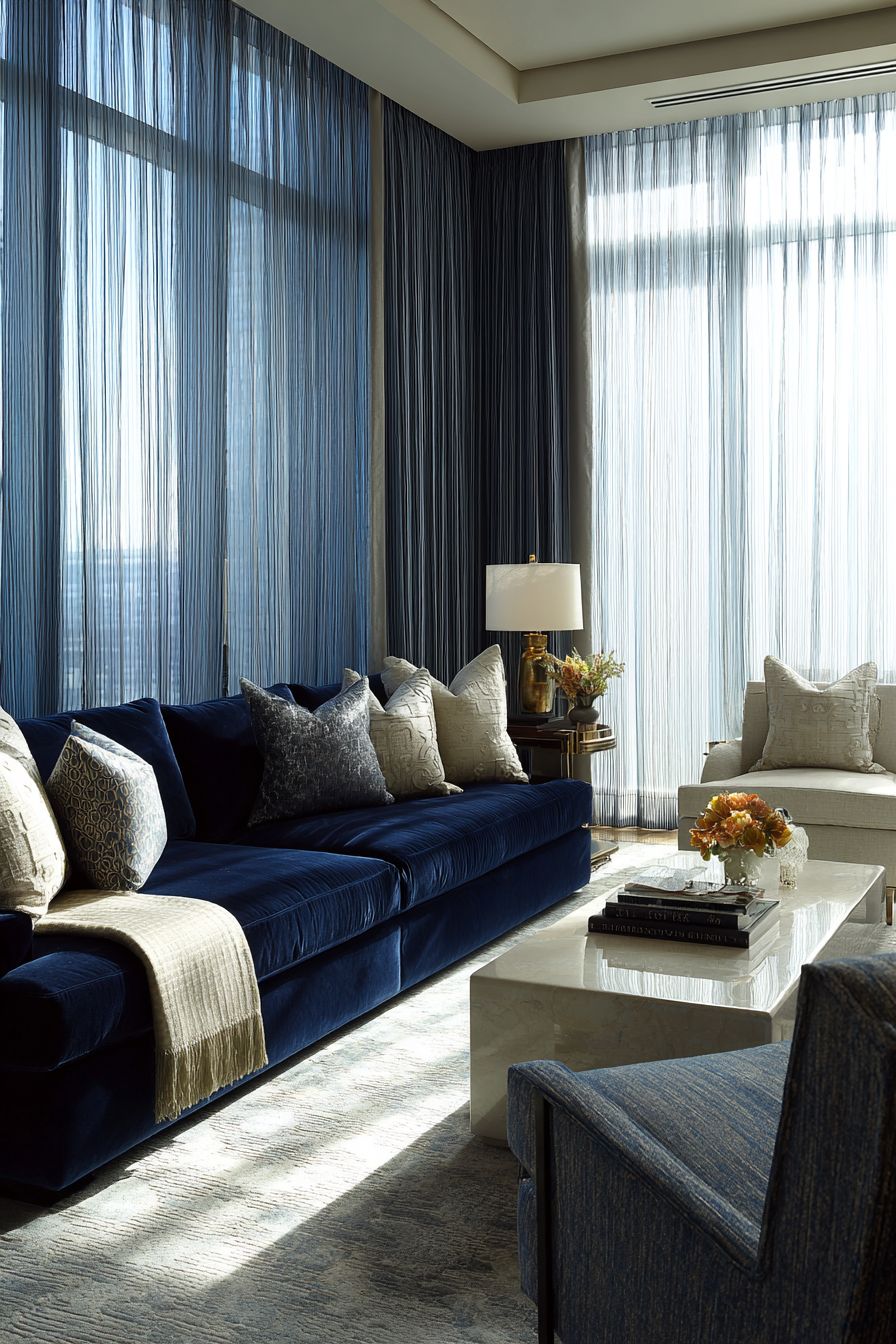
Window treatments should balance practical light control with decorative impact. Floor-length drapery panels in quality fabrics frame windows elegantly while softening architectural lines. Choose solid neutrals or subtle patterns that complement rather than dominate the space. Layering sheer panels beneath heavier drapes provides flexibility for light management throughout the day.
Throw pillows and blankets offer opportunities for introducing seasonal variation and personal expression without major commitment. Mix pillows of varying sizes, typically ranging from 18-24 inches, using three to five per sofa. Combine smooth, textured, and patterned options while maintaining your neutral color foundation with strategic accent colors.
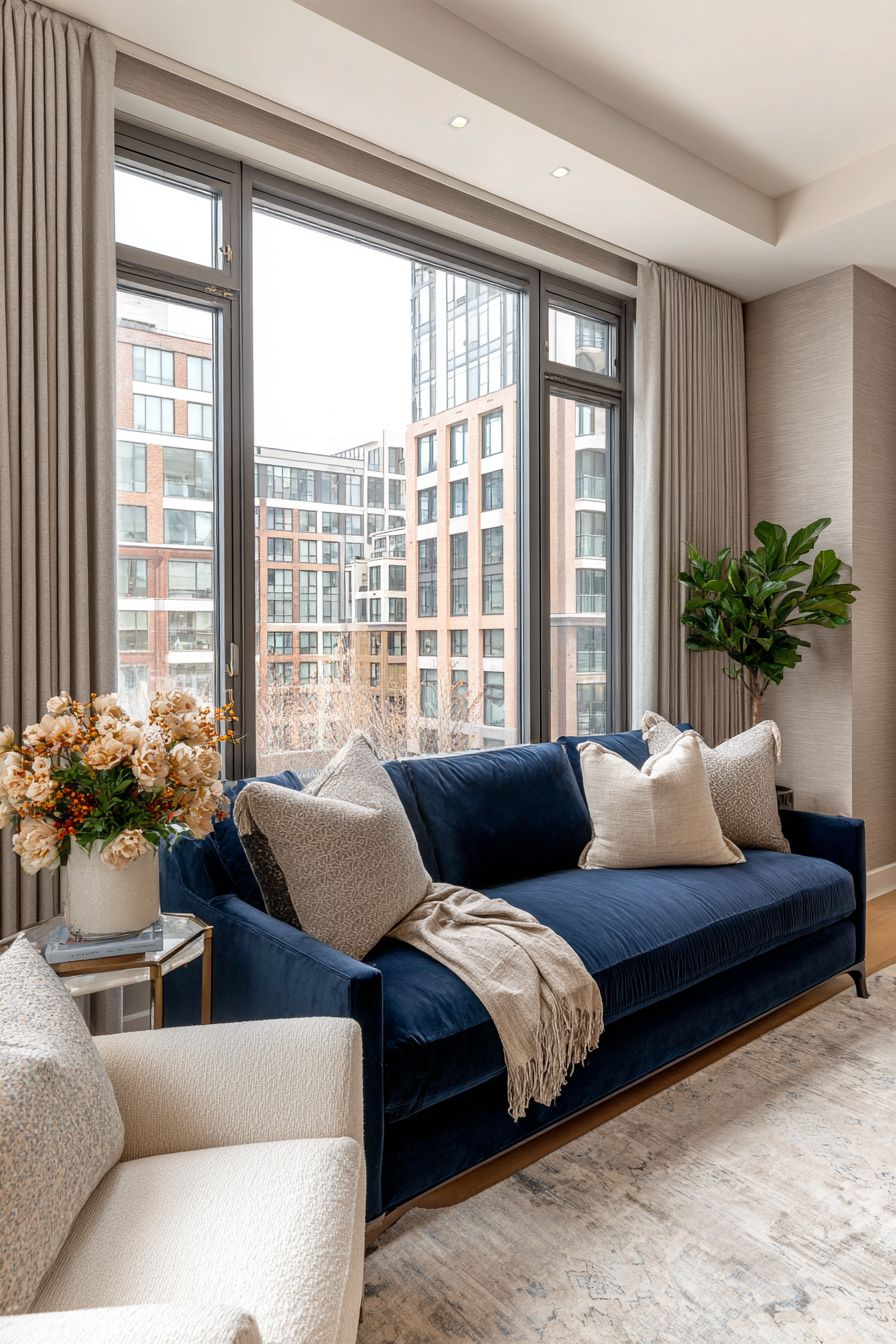
- Invest in heavy, lined drapery that hangs properly and provides insulation
- Choose natural fiber rugs like wool or silk for durability and luxury
- Layer smaller accent rugs over larger neutral base rugs for visual interest
- Select velvet for upholstery on at least one piece for rich texture
- Use linen for a more casual, breathable option on secondary seating
- Wash or professionally clean textiles regularly to maintain fresh appearance
6. Curate Artwork and Accessories Thoughtfully
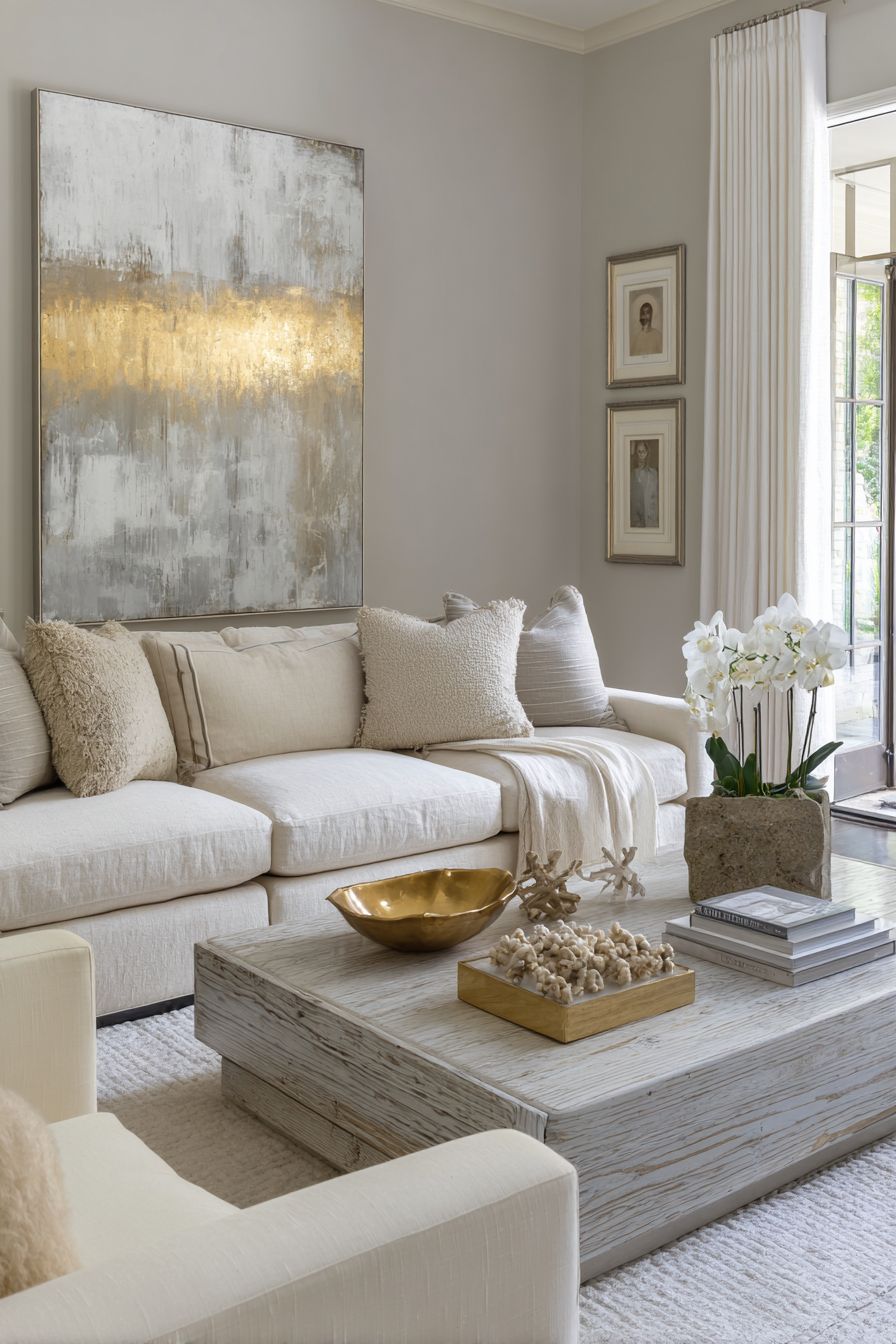
Art selection and placement dramatically influence the success of modern classic interiors, requiring careful curation rather than random accumulation. Large-scale artwork makes powerful statements and anchors seating arrangements with visual authority. Abstract pieces in neutral palettes or classical subjects in contemporary frames exemplify the style’s duality.
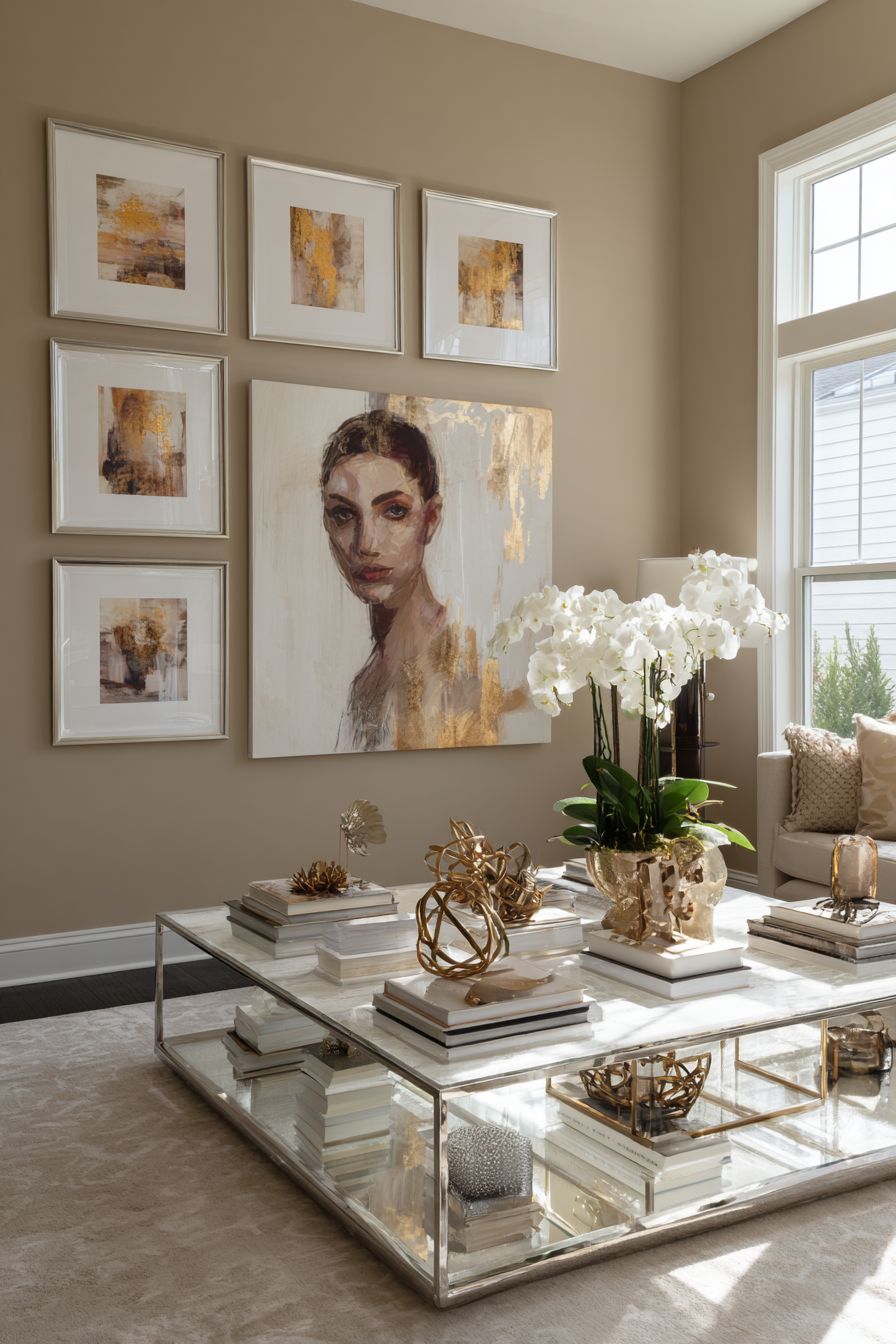
Gallery walls offer flexibility for displaying collections while adding personality to expansive wall surfaces. Maintain consistent frame styles and mat colors for cohesive presentation. Space artwork 2-3 inches apart and hang pieces so the center sits at eye level, approximately 57-60 inches from the floor.
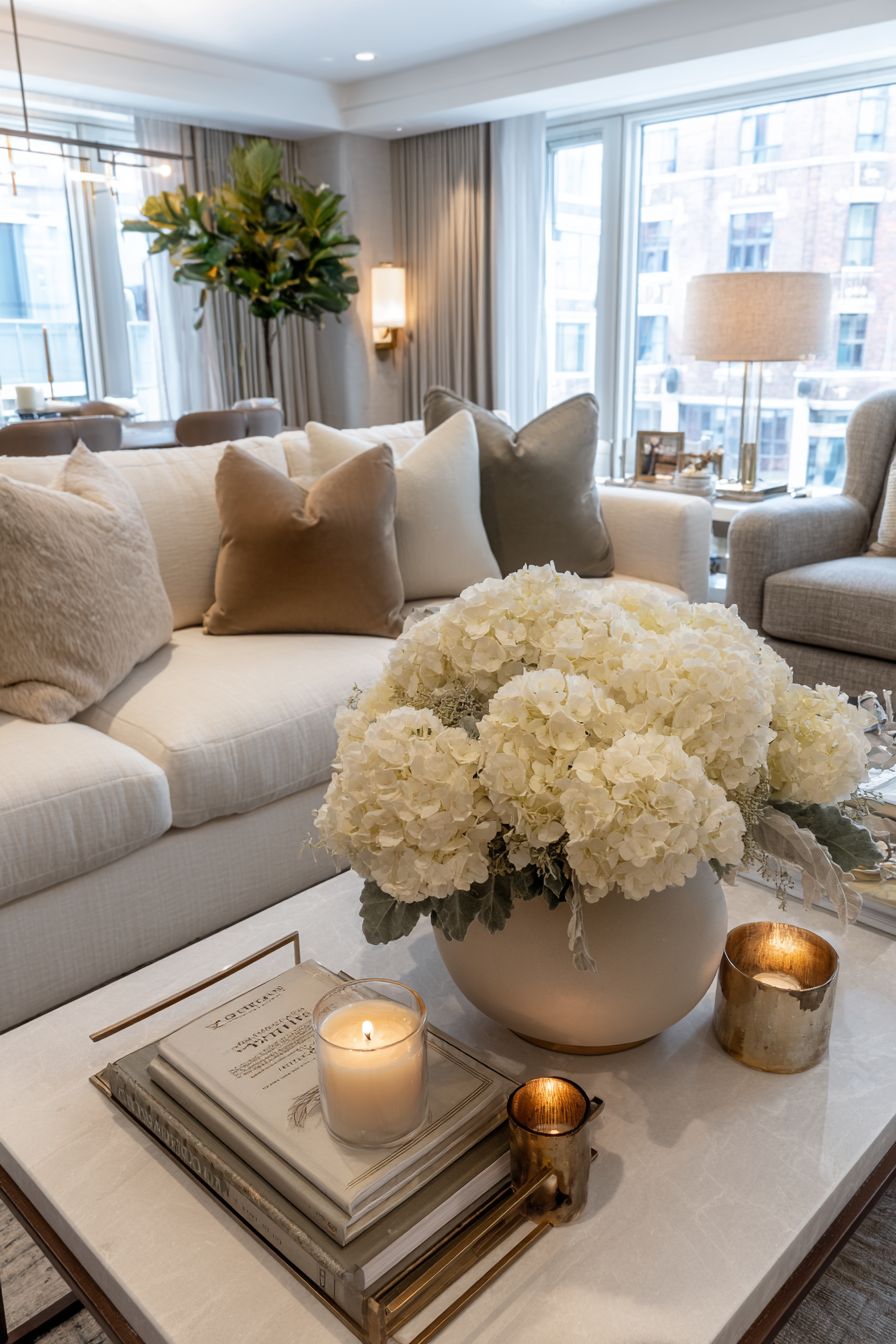
Accessories should be displayed with restraint, following the principle that less is more in modern classic design. Group decorative objects in odd numbers on surfaces, varying heights and textures for visual interest. Coffee table books, sculptural objects, and fresh flowers bring life to spaces without creating clutter.
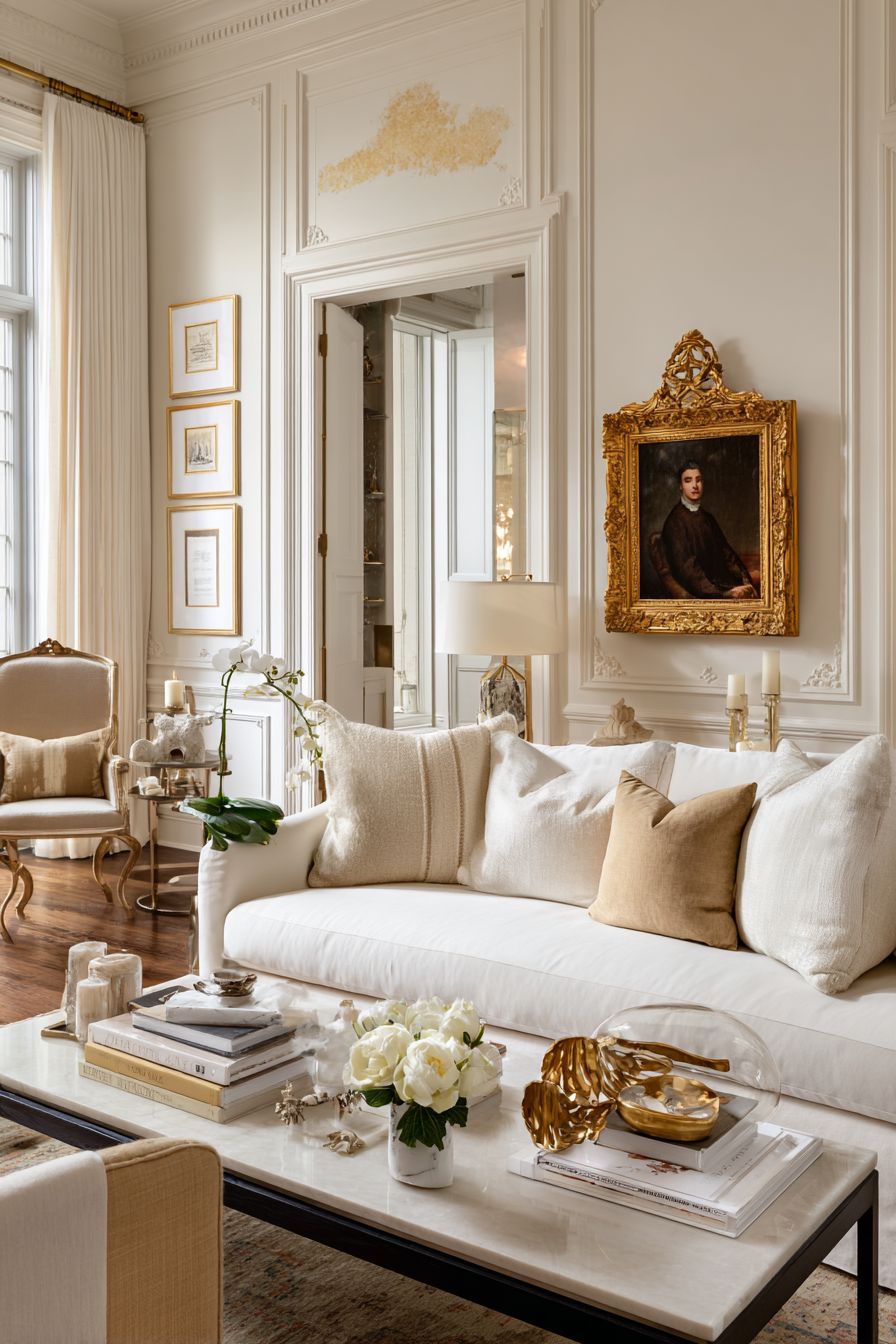
- Select artwork that relates to your color palette for integrated appearance
- Frame all art professionally with archival materials for preservation
- Use picture lights or track lighting to highlight significant artwork
- Limit coffee table accessories to three to five carefully chosen items
- Incorporate mirrors to reflect light and create illusion of expanded space
- Rotate seasonal accessories to maintain fresh, updated feeling
7. Balance Symmetry with Strategic Asymmetry
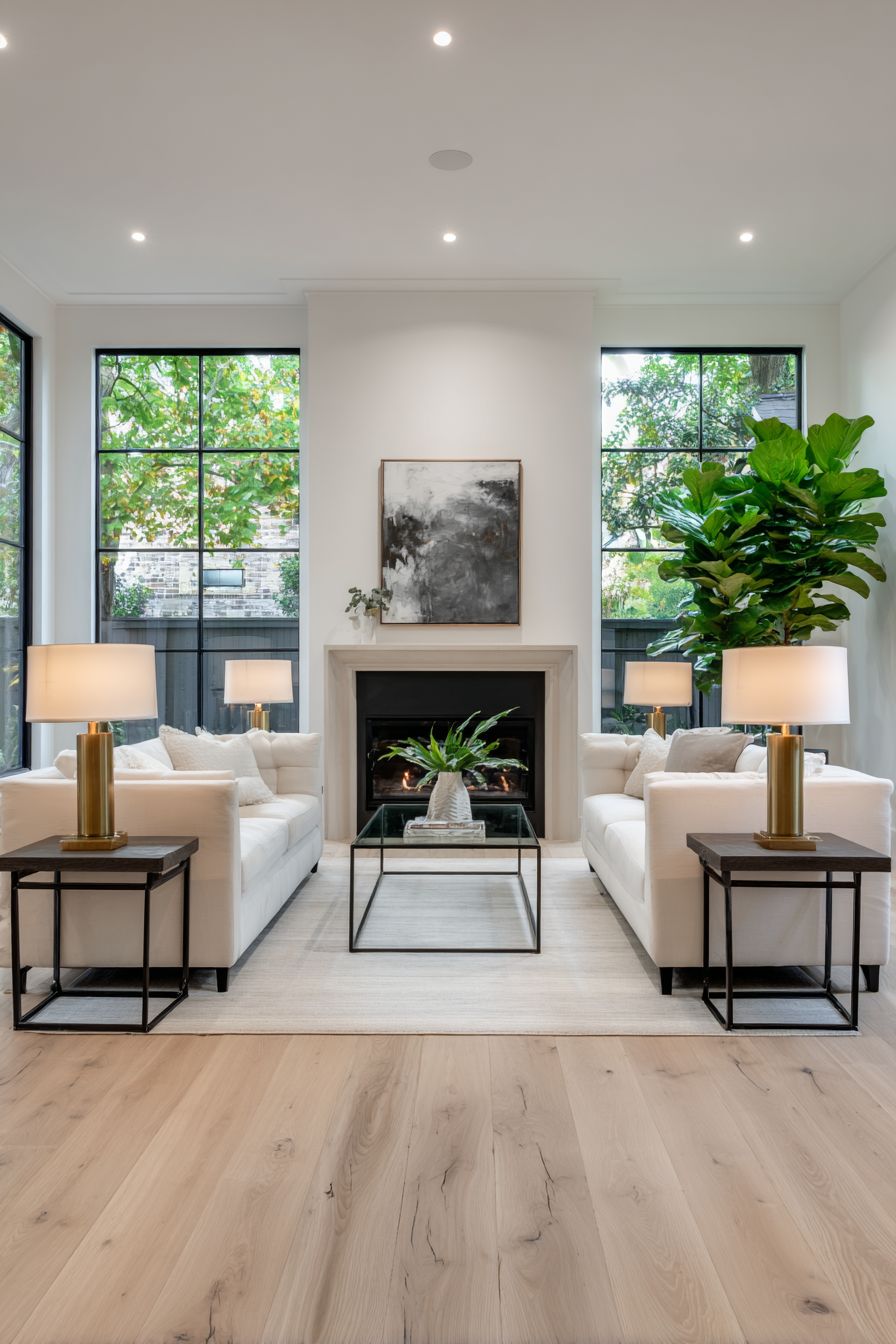
Classical design traditionally relies on formal symmetry that conveys order and balance, while modern aesthetics embrace more relaxed arrangements. The modern classic approach finds middle ground by establishing symmetrical foundations while introducing asymmetrical elements for contemporary interest. This balance prevents spaces from feeling too rigid or too chaotic.
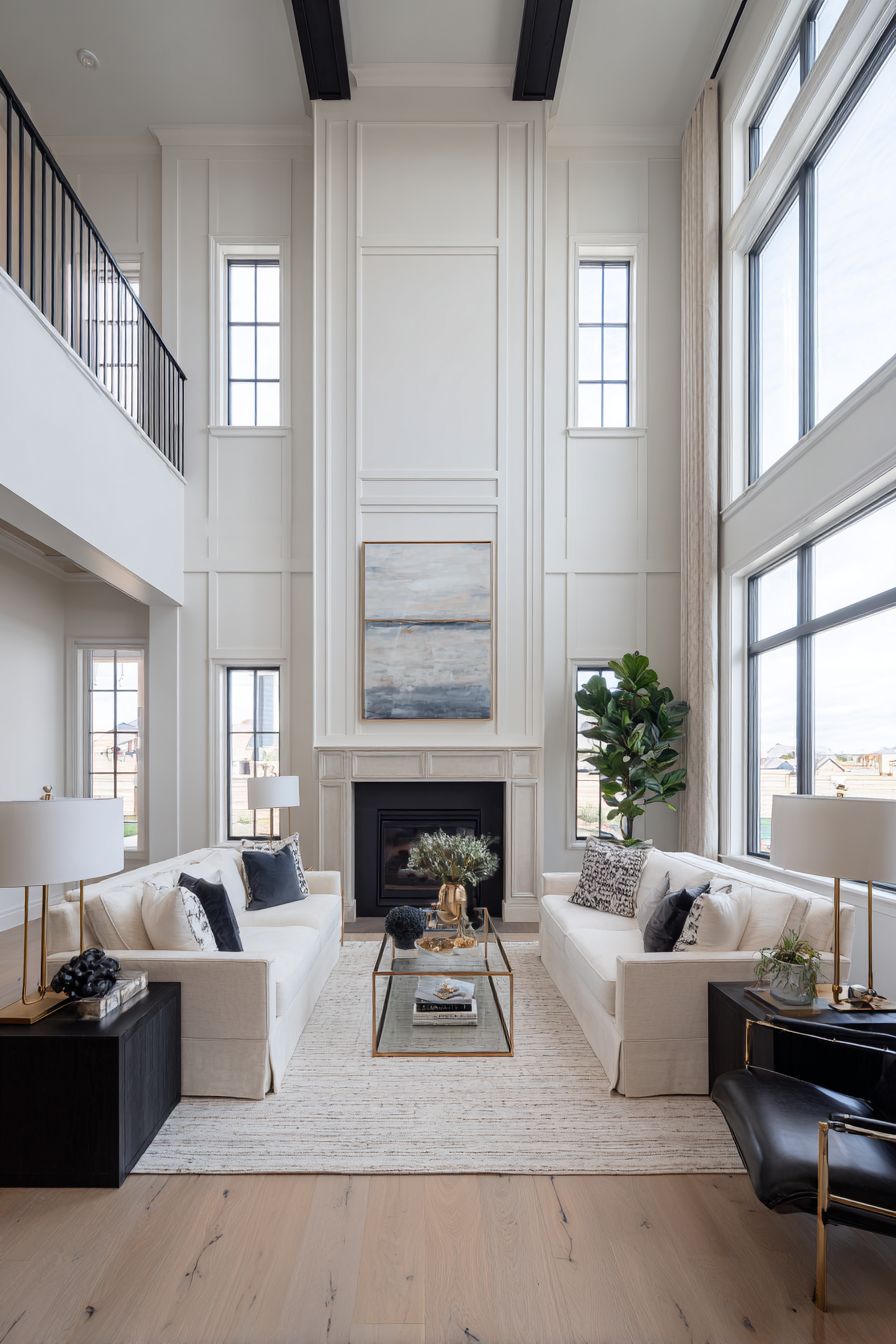
Symmetrical arrangements work beautifully for formal seating areas where identical sofas face each other across a coffee table. Flank fireplaces with matching chairs or lamps to reinforce classical sensibilities. This formal framework provides structure that grounds the entire room and creates inherent harmony.
Introduce asymmetry through accent furniture, artwork placement, or accessory groupings to add dynamic energy. Position a single modern chair at an angle, hang artwork in unexpected arrangements, or use floor lamps of different heights on opposite sides of the room. These deliberate imbalances create visual movement that enlivens traditional symmetry.
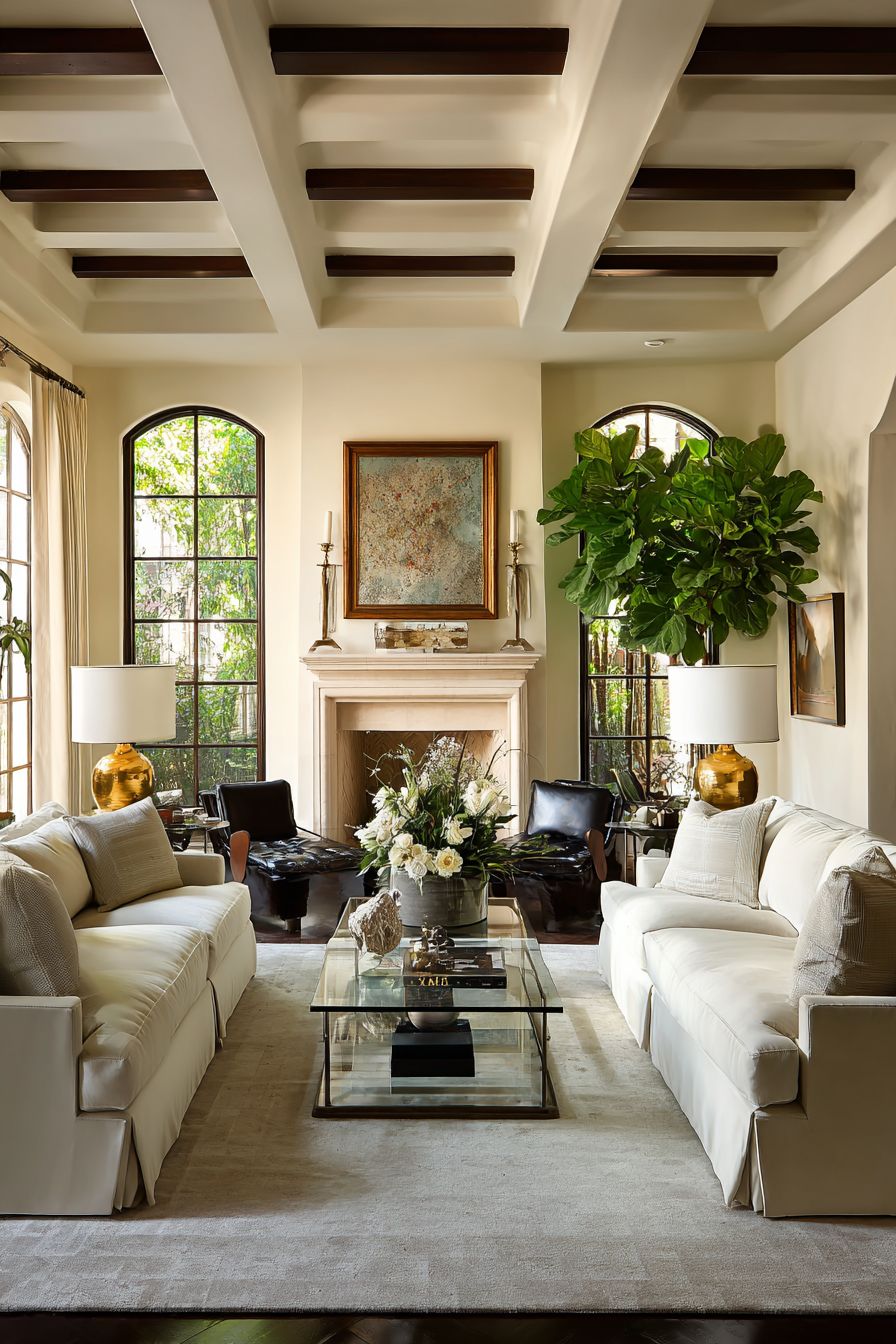
- Start with symmetrical furniture arrangement as your foundational structure
- Use identical table lamps on matching end tables for classical balance
- Break symmetry with one statement piece like an oversized plant or sculpture
- Arrange coffee table accessories asymmetrically for contemporary contrast
- Position area rugs centered under main seating for grounded symmetry
- Allow some furniture pieces to float away from walls for modern spatial flow
8. Integrate Modern Technology Seamlessly
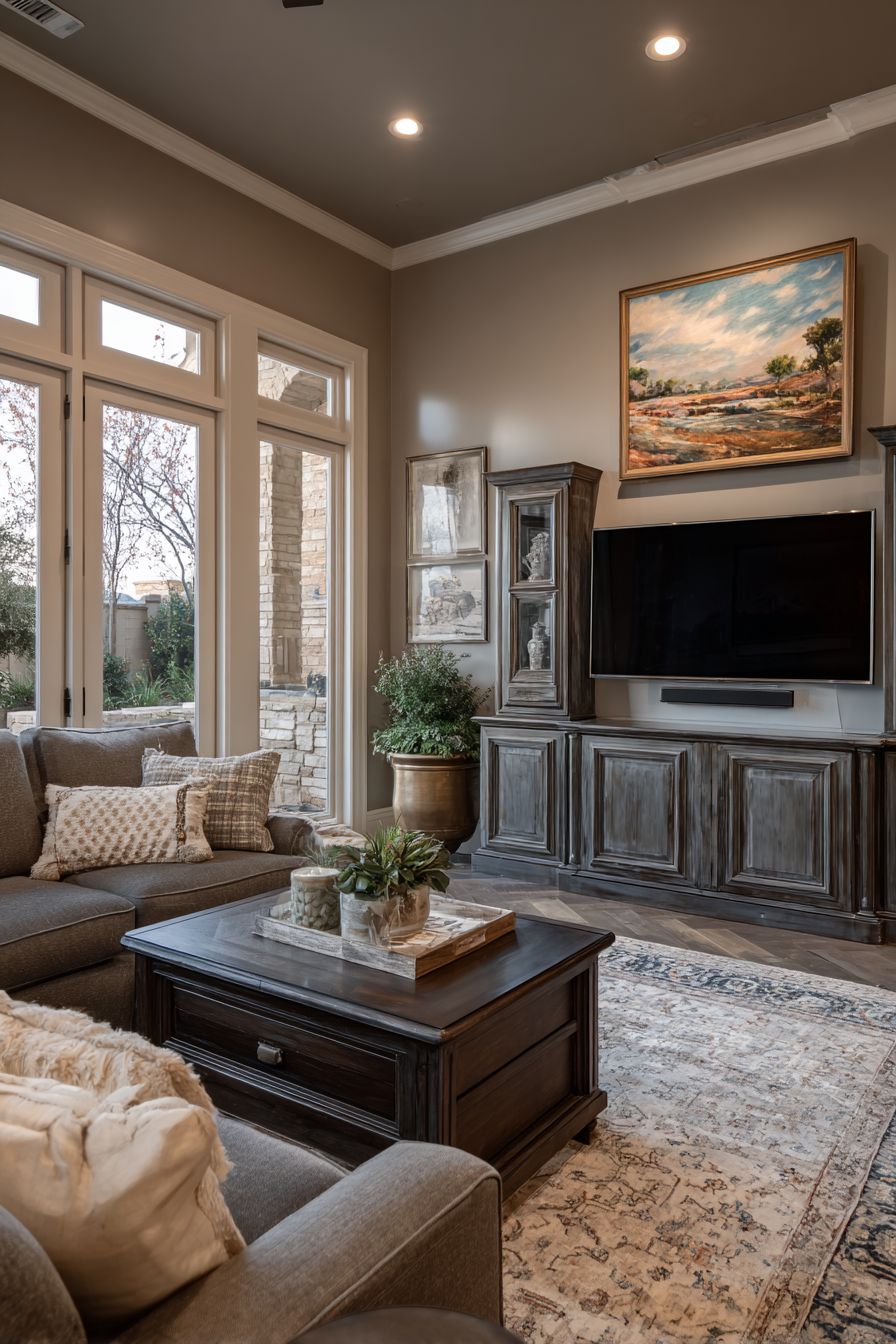
Contemporary living demands technological integration that classical design never anticipated, creating unique challenges for modern classic interiors. Concealing electronics while maintaining functionality requires strategic planning and custom solutions. Built-in cabinetry with doors hides televisions and equipment when not in use, preserving the room’s elegant aesthetic.
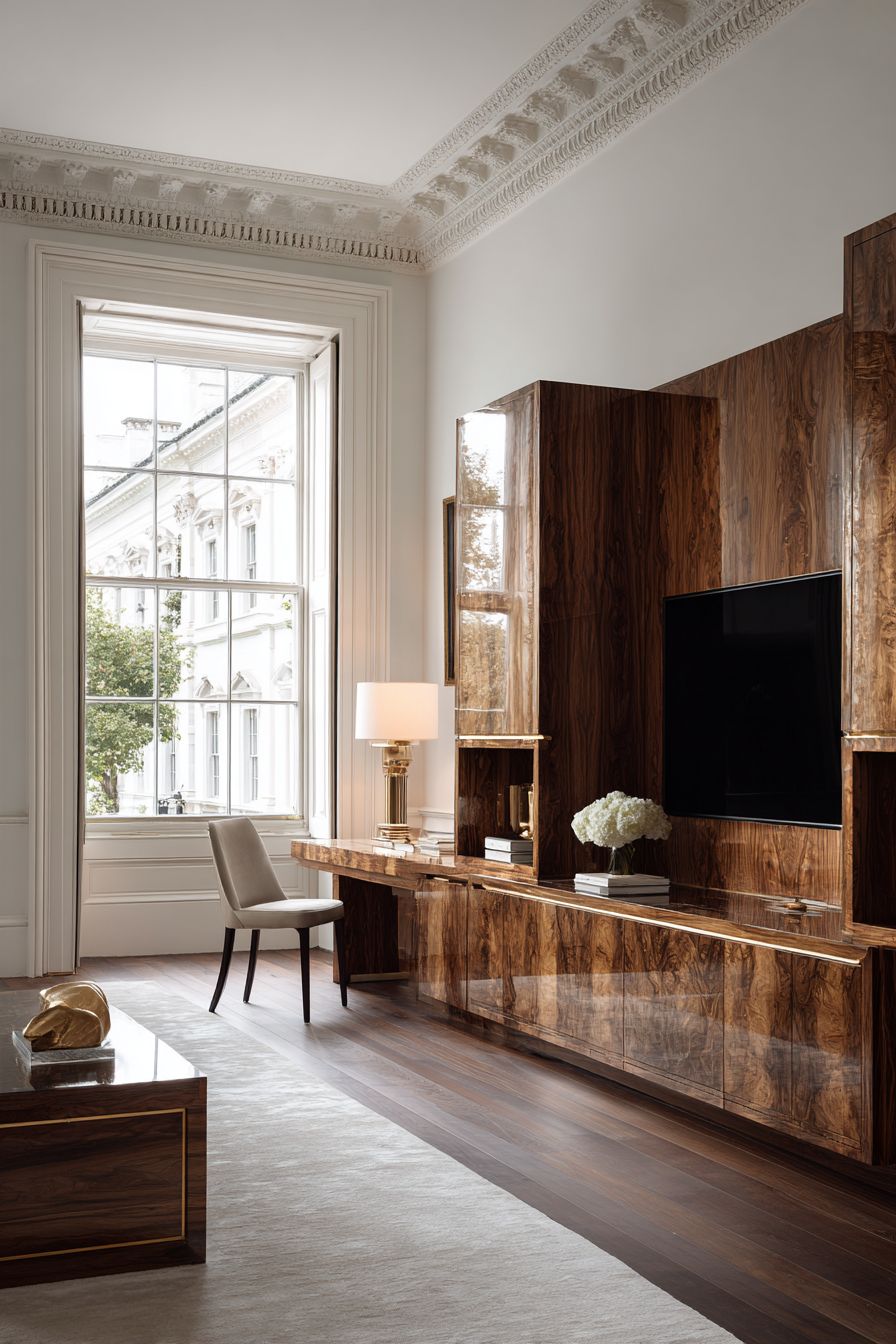
Smart home technology offers opportunities for enhancing comfort while maintaining the uncluttered appearance essential to modern classic style. Wireless speakers, automated lighting controls, and hidden charging stations provide modern convenience without visible technological intrusion. Choose devices in neutral colors that blend with your design palette.
Television placement requires particular attention in living rooms where this modern necessity must coexist with traditional furnishings. Mounting screens above fireplaces remains controversial but practical in many layouts. Alternatively, position televisions in substantial media consoles that resemble fine furniture, integrating technology as a natural element rather than an afterthought.
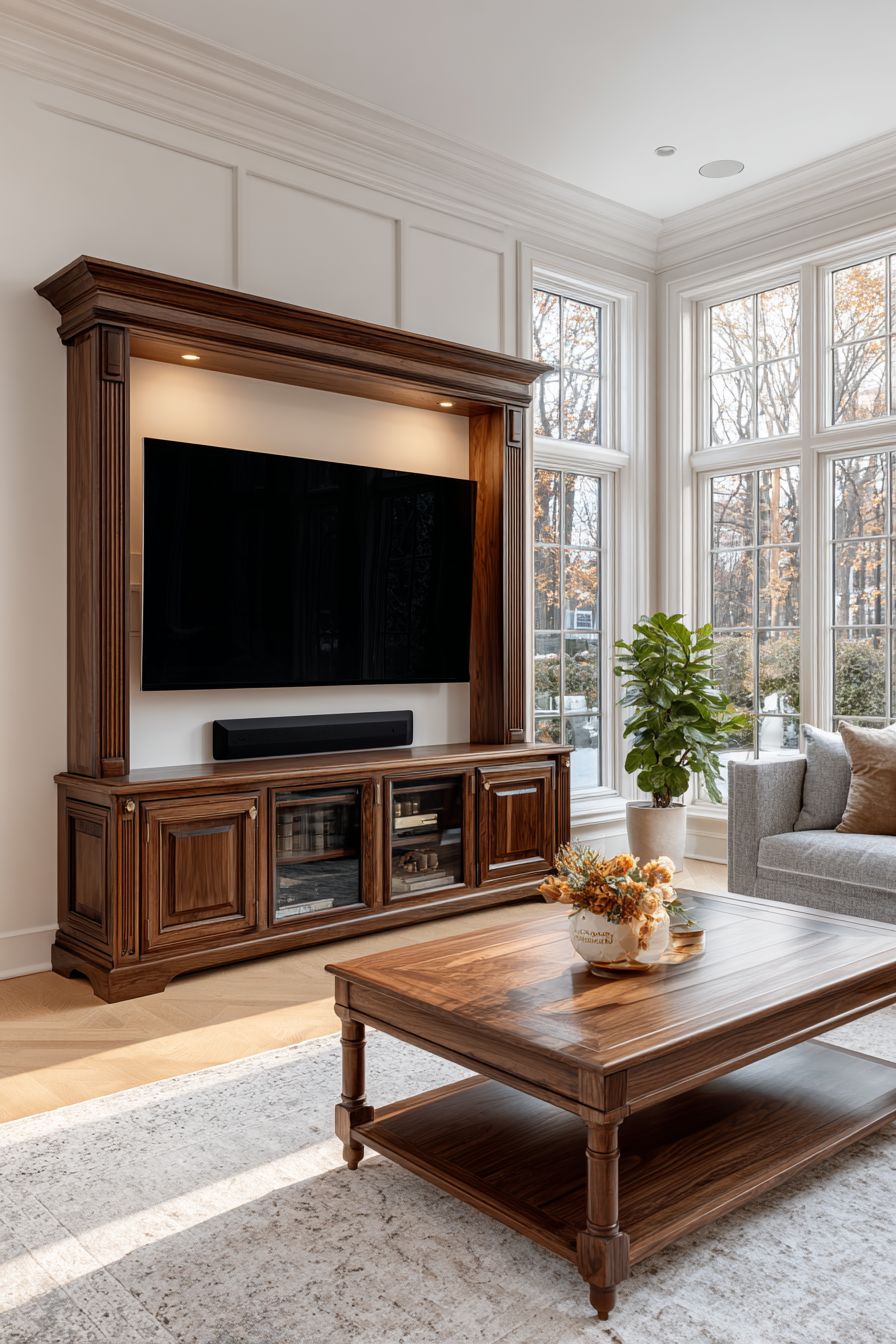
- Choose minimal, frameless television designs that disappear visually when off
- Install in-wall cable management systems for completely cord-free appearance
- Select universal remotes that control multiple devices for simplified operation
- Incorporate charging stations within furniture drawers or hidden compartments
- Use artwork or decorative screens to conceal televisions when not in use
- Position speakers strategically for optimal sound without visual intrusion
9. Add Classical Architectural Elements
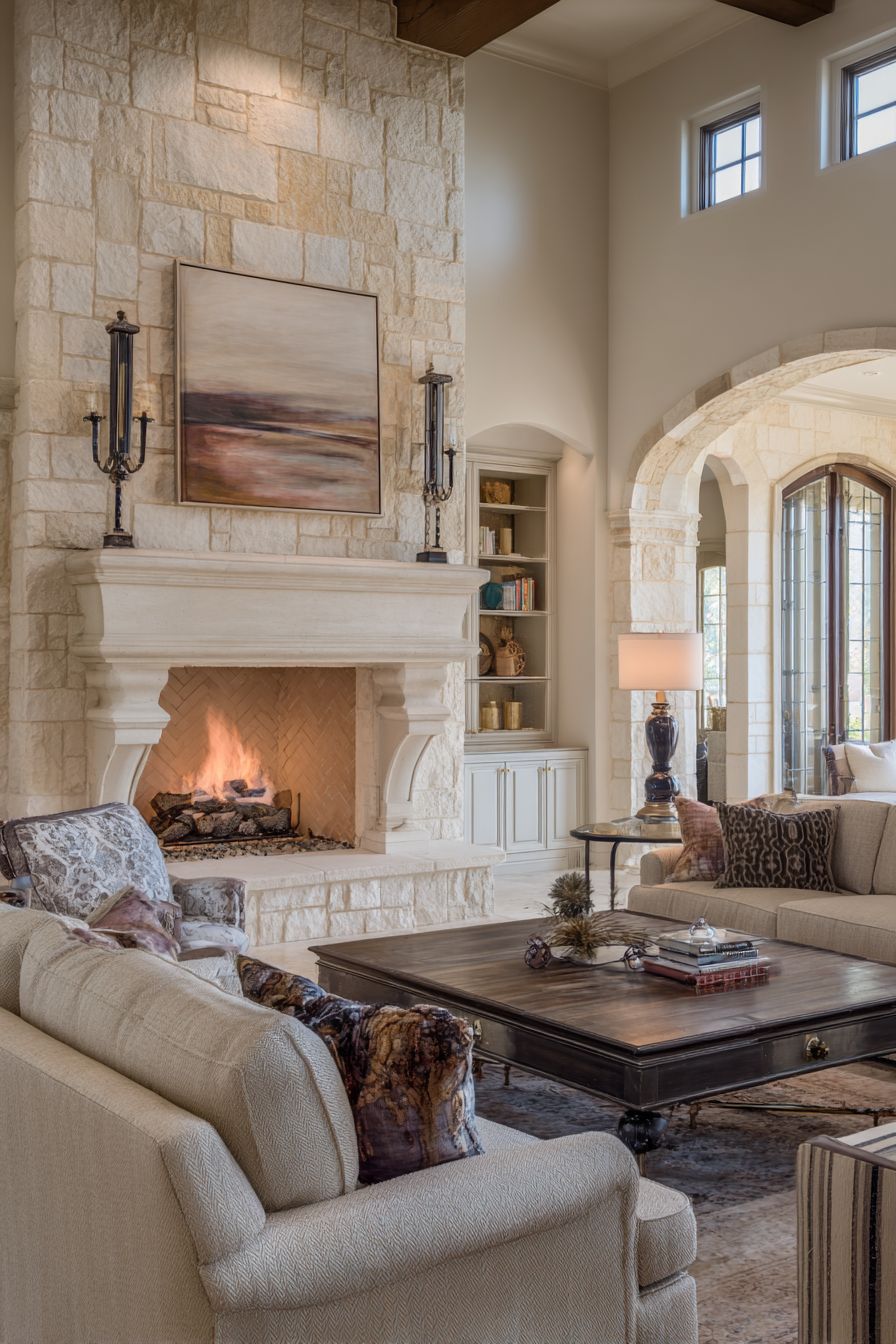
Fireplaces serve as natural focal points that embody the classical tradition while providing warmth and ambiance. Whether working with existing features or adding new ones, fireplaces anchor modern classic living rooms with undeniable presence. Surround them with substantial mantels in marble, stone, or quality wood that command attention.
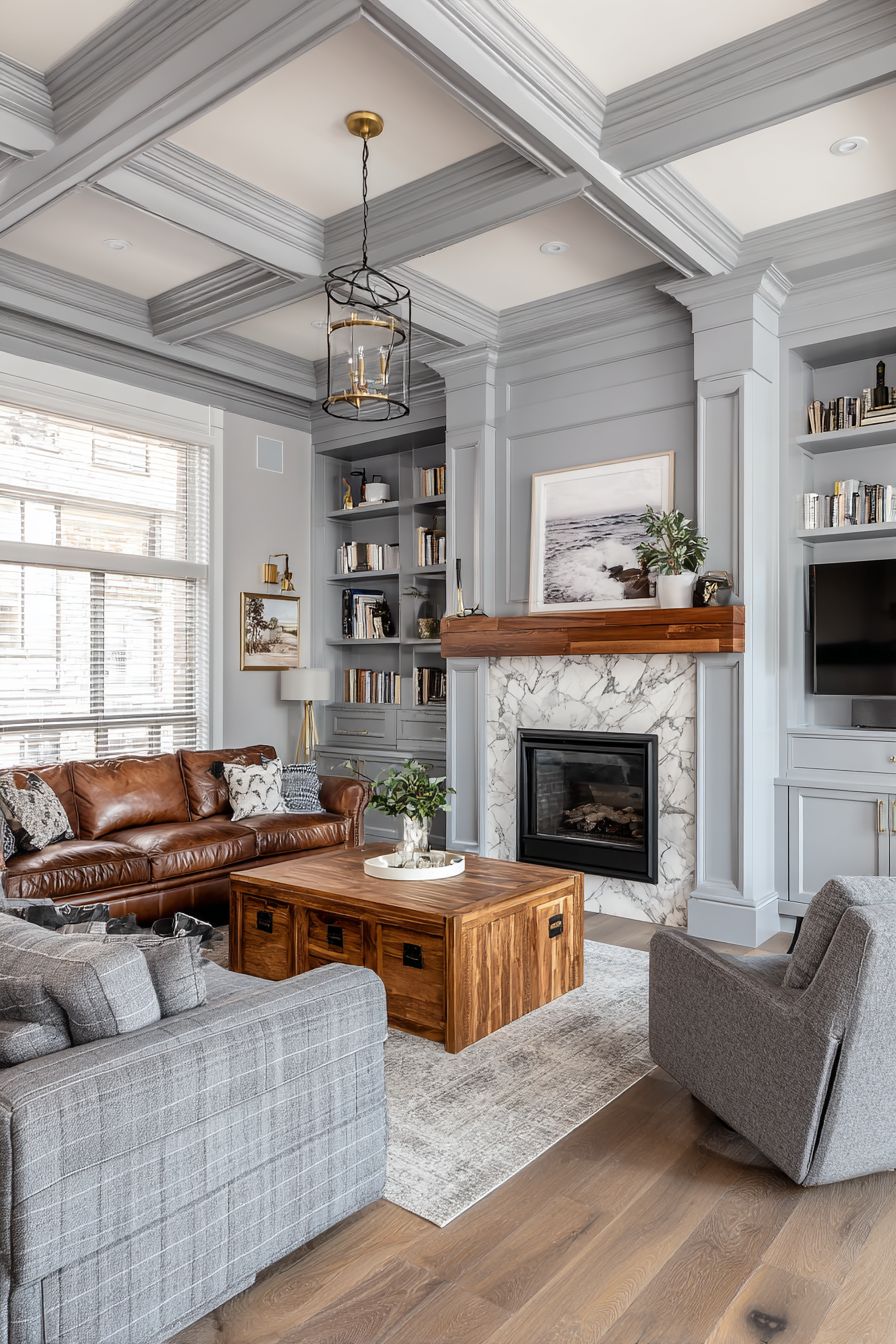
Built-in shelving and cabinetry flanking fireplaces create symmetrical balance while providing practical storage for books, accessories, and concealed items. Design these features with classical proportions—using traditional ratios and molding details—but finish them in contemporary colors. Paint built-ins the same color as walls for integrated appearance or contrast them in white for traditional emphasis.
Columns, pilasters, or half-walls can introduce architectural division in open-concept spaces while maintaining visual connection between areas. These elements reference classical architecture without requiring full structural changes. Even decorative applications of these features enhance the modern classic aesthetic significantly.
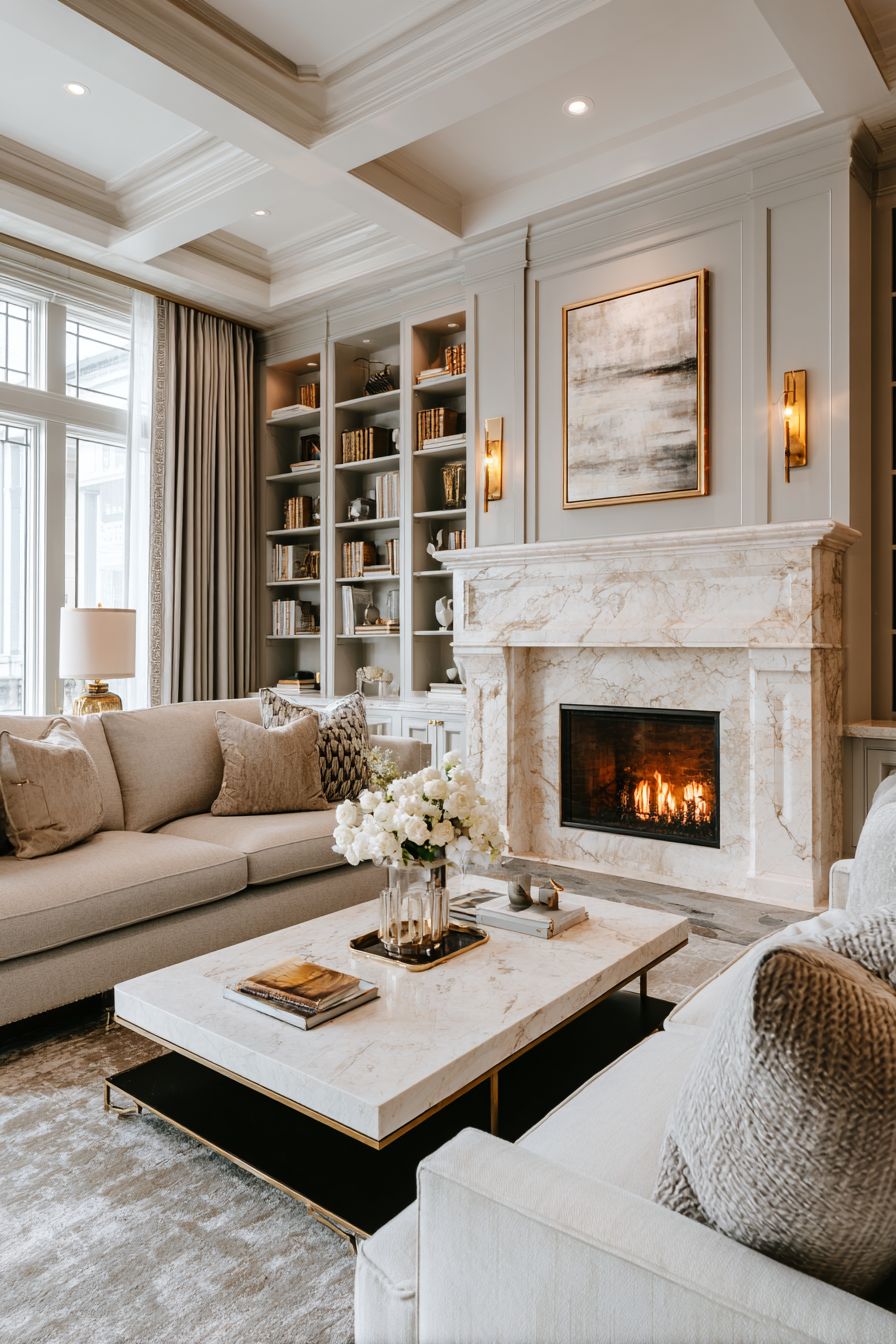
- Select fireplace surrounds in timeless materials like marble or limestone
- Proportion mantel depth and height appropriately for the fireplace opening size
- Design built-in cabinetry with adjustable shelving for flexibility over time
- Include task lighting within built-ins for both function and ambiance
- Choose hardware and hinges that complement your overall metal finish selections
- Ensure proper fireplace operation and safety with annual professional inspections
10. Perfect the Finishing Touches
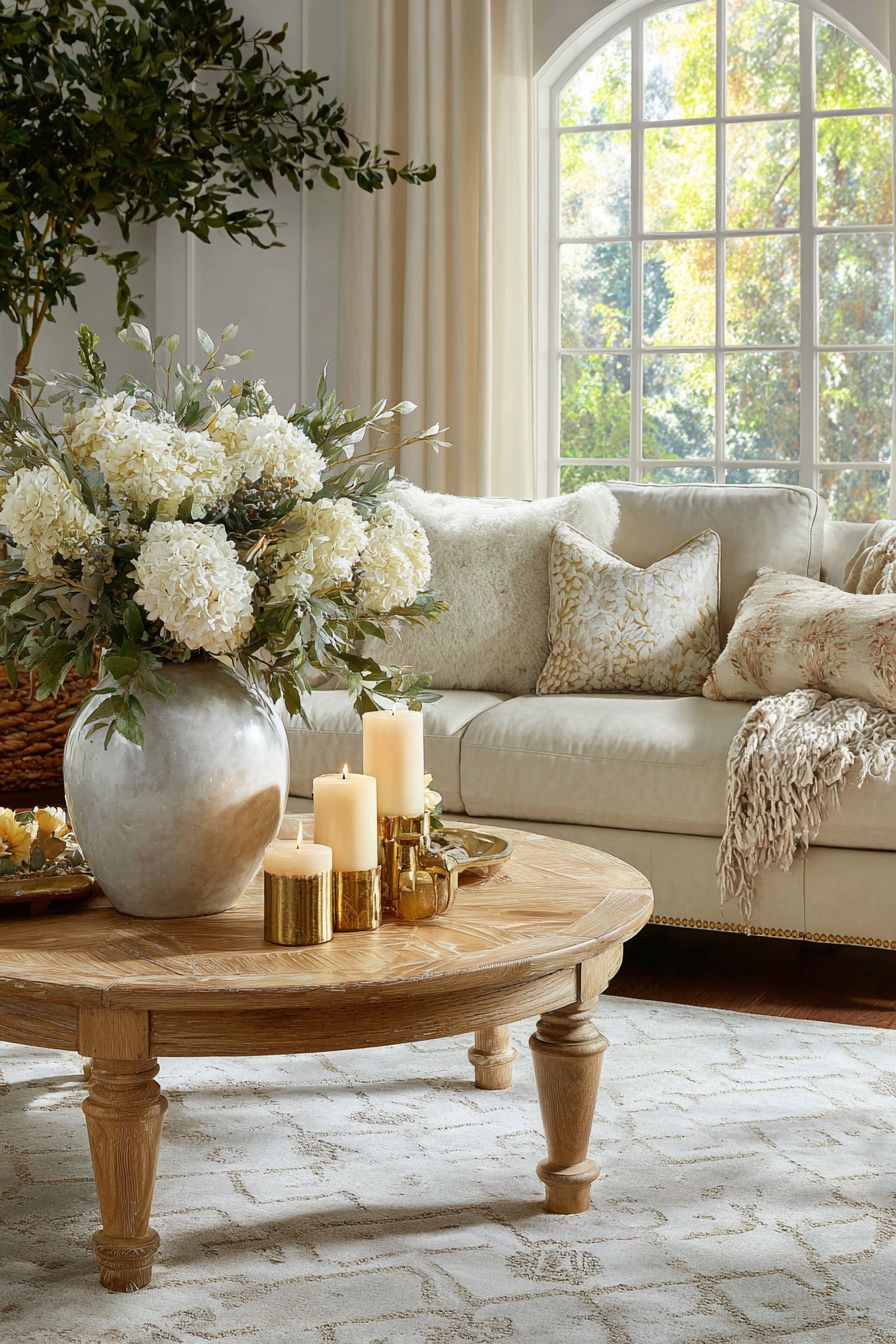
Hardware selection throughout your living room contributes to the cohesive aesthetic more than most realize. Cabinet pulls, curtain rods, and decorative hardware should coordinate in finish and style. Brushed metals like nickel, brass, or bronze work beautifully in modern classic spaces, offering sophistication without excessive shine.
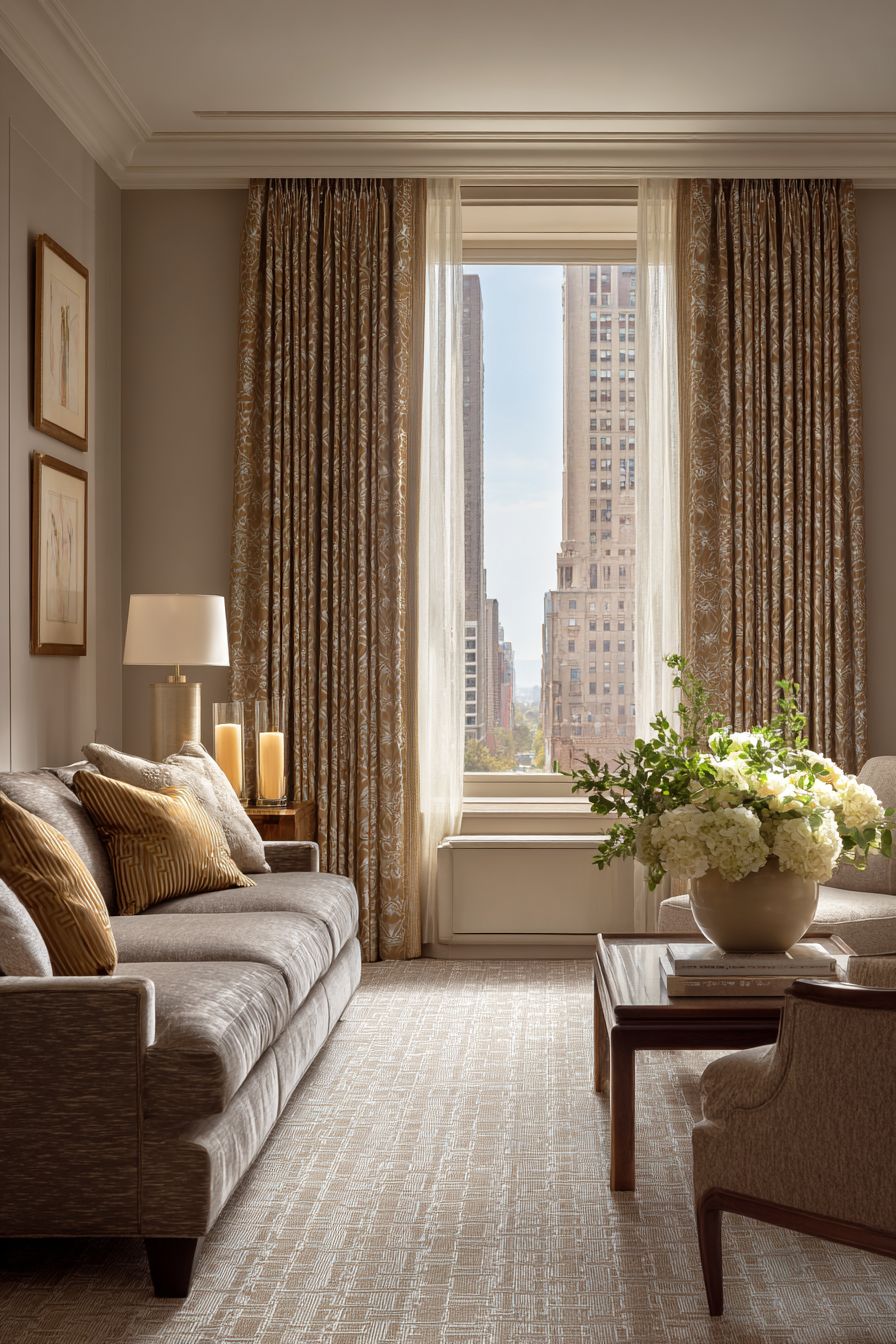
Area rugs define conversation areas and add essential warmth underfoot while contributing significantly to acoustic comfort. Choose rugs large enough to anchor furniture groupings—ideally, all front legs of sofas and chairs rest on the rug. Natural fiber options in neutral tones with subtle patterns provide visual interest without overwhelming the design.
Fresh flowers and greenery introduce organic elements that soften architectural lines and add life to composed spaces. Large arrangements in substantial vessels make dramatic statements on coffee tables or consoles. Rotate seasonal selections to maintain freshness and connect your interior to nature’s changing cycles.
- Select one metal finish and use consistently throughout the space
- Ensure area rugs extend at least 18 inches beyond furniture on all sides
- Invest in high-quality rug pads to prevent slipping and extend rug life
- Choose substantial vases and planters that complement your design scale
- Maintain fresh flowers weekly or use high-quality faux alternatives
- Add scented candles in elegant holders for multi-sensory ambiance
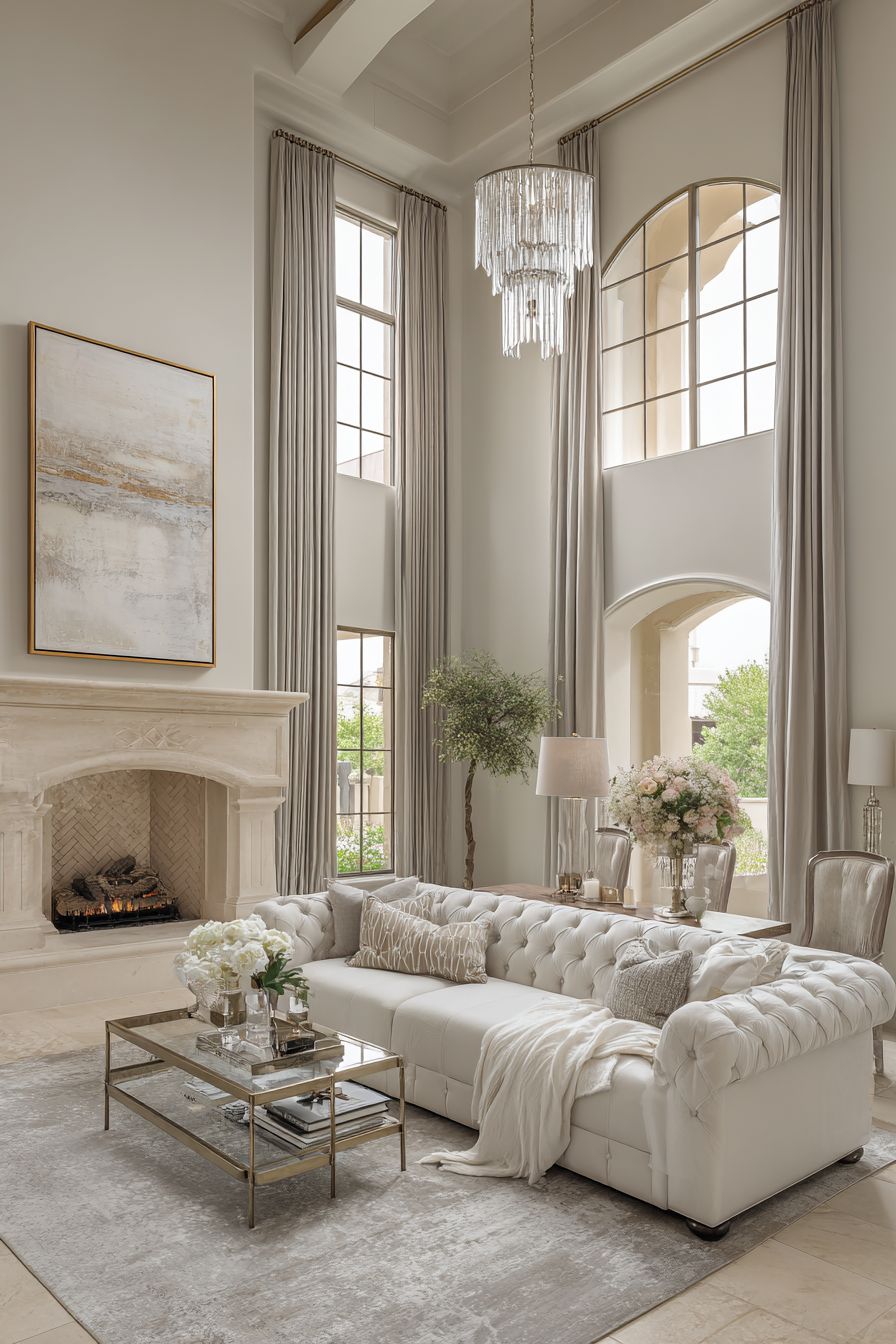
Creating a modern classic living room requires thoughtful integration of traditional elements with contemporary sensibilities, resulting in spaces that feel both timeless and current. This enduring style offers the perfect solution for those seeking sophisticated elegance without sacrificing modern comfort and functionality. By carefully selecting each element—from foundational colors to finishing accessories—you craft an environment that reflects refined taste and personal style.
The beauty of modern classic design lies in its flexibility and adaptability to individual preferences and architectural contexts. These principles provide a framework, but your personal interpretation makes the space uniquely yours. Don’t hesitate to experiment with the balance between traditional and modern elements until you achieve the perfect harmony that resonates with your lifestyle. Remember that creating a well-designed living room is a journey rather than a destination, evolving as your needs and tastes develop over time.
"As an Amazon Associate, I earn from qualifying purchases."
