
The modern kitchen has evolved beyond the restrictive design rules of matching everything perfectly. Today’s most sophisticated spaces embrace mixed metal finishes, creating depth, visual interest, and personalized character. However, mixing metals isn’t simply about randomly combining different finishes—it requires understanding balance, intentionality, and cohesive design principles that prevent your kitchen from looking chaotic or disjointed.
The art of combining brass with chrome, bronze with stainless steel, or gold with black finishes can elevate your kitchen from ordinary to extraordinary. This approach allows you to express personal style while incorporating various fixture periods, price points, and functional needs. Whether you’re renovating completely or updating existing elements, understanding the fundamentals of metal mixing ensures your kitchen maintains sophistication rather than appearing mismatched.
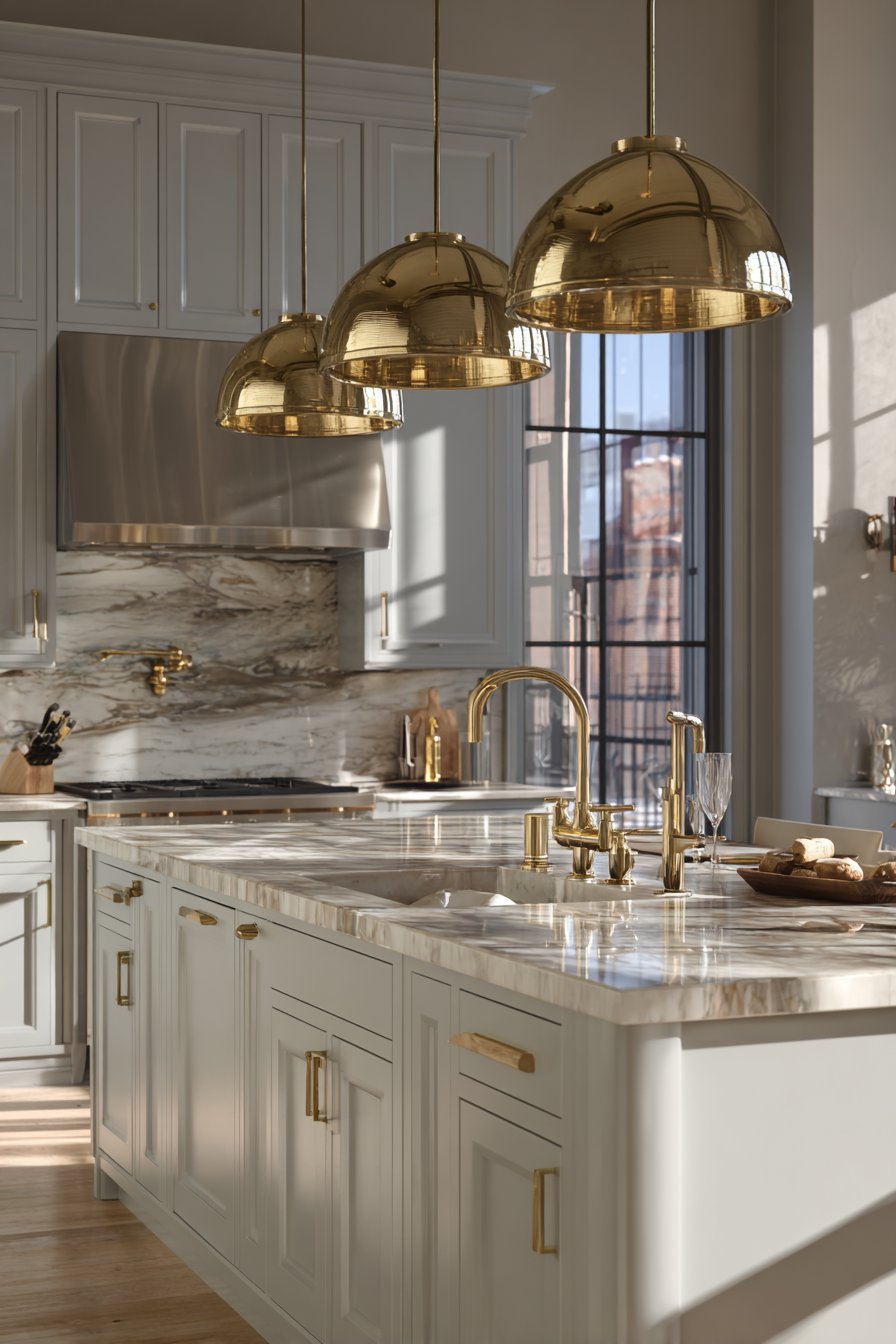
This comprehensive guide explores essential considerations before introducing multiple metal finishes into your kitchen. From establishing a dominant finish to understanding undertones, spatial distribution, and functional requirements, these insights will help you create a harmonious, professionally designed space that reflects contemporary design sensibility while maintaining timeless appeal.
1. Establish a Dominant Metal Finish
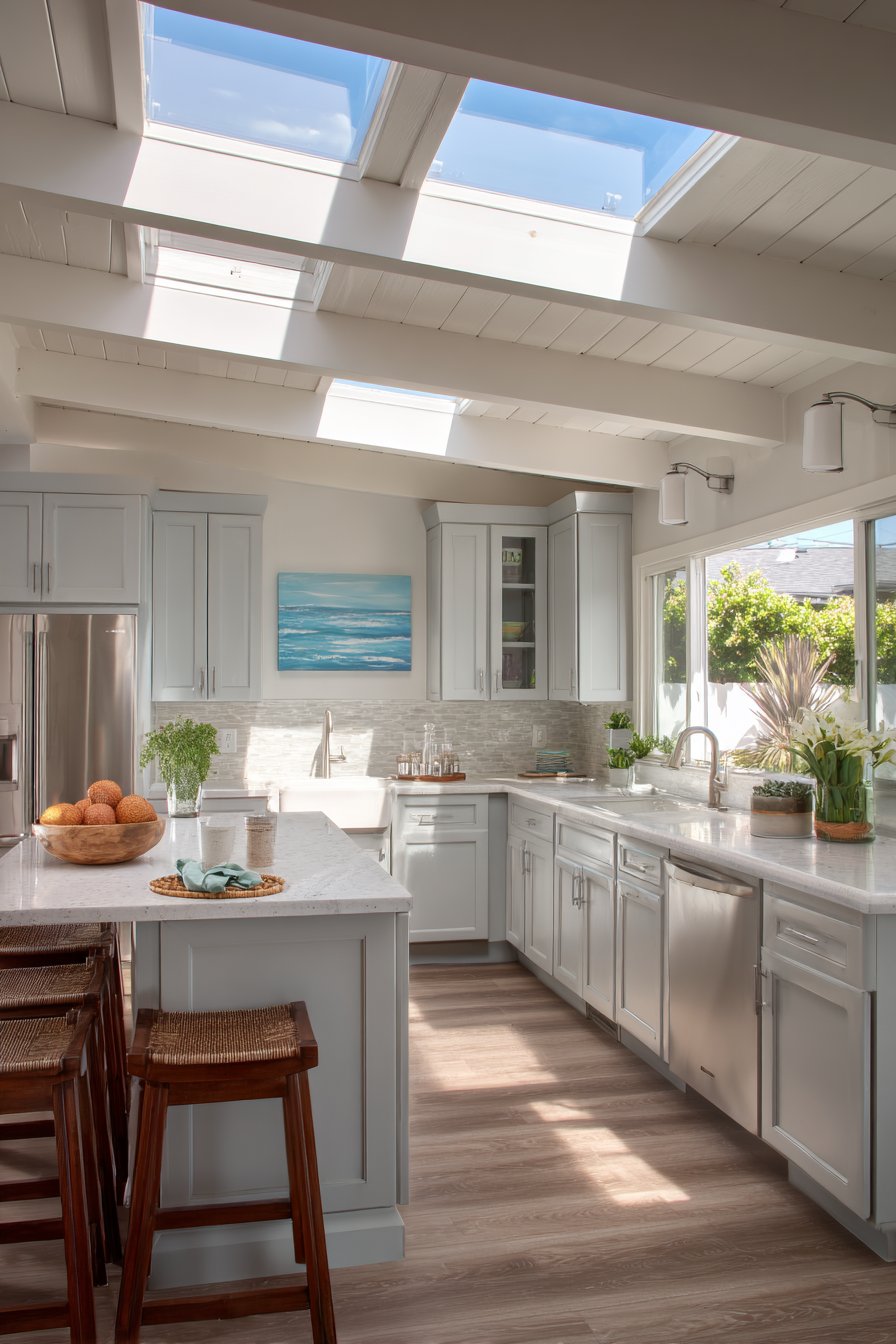
Every successful mixed-metal kitchen begins with selecting one primary finish that covers approximately 60-70% of visible metal surfaces. This dominant metal creates visual cohesion and prevents the space from feeling scattered. Your primary finish typically appears in major fixtures like cabinet hardware, faucets, or appliances, establishing the foundational aesthetic around which other metals complement.
Choosing your dominant metal involves considering existing elements you plan to keep, such as appliances or architectural features. Stainless steel often serves as an excellent primary finish in contemporary kitchens due to its neutral quality and compatibility with virtually every other metal. Alternatively, oil-rubbed bronze works beautifully in traditional spaces, while brushed brass suits transitional designs perfectly.
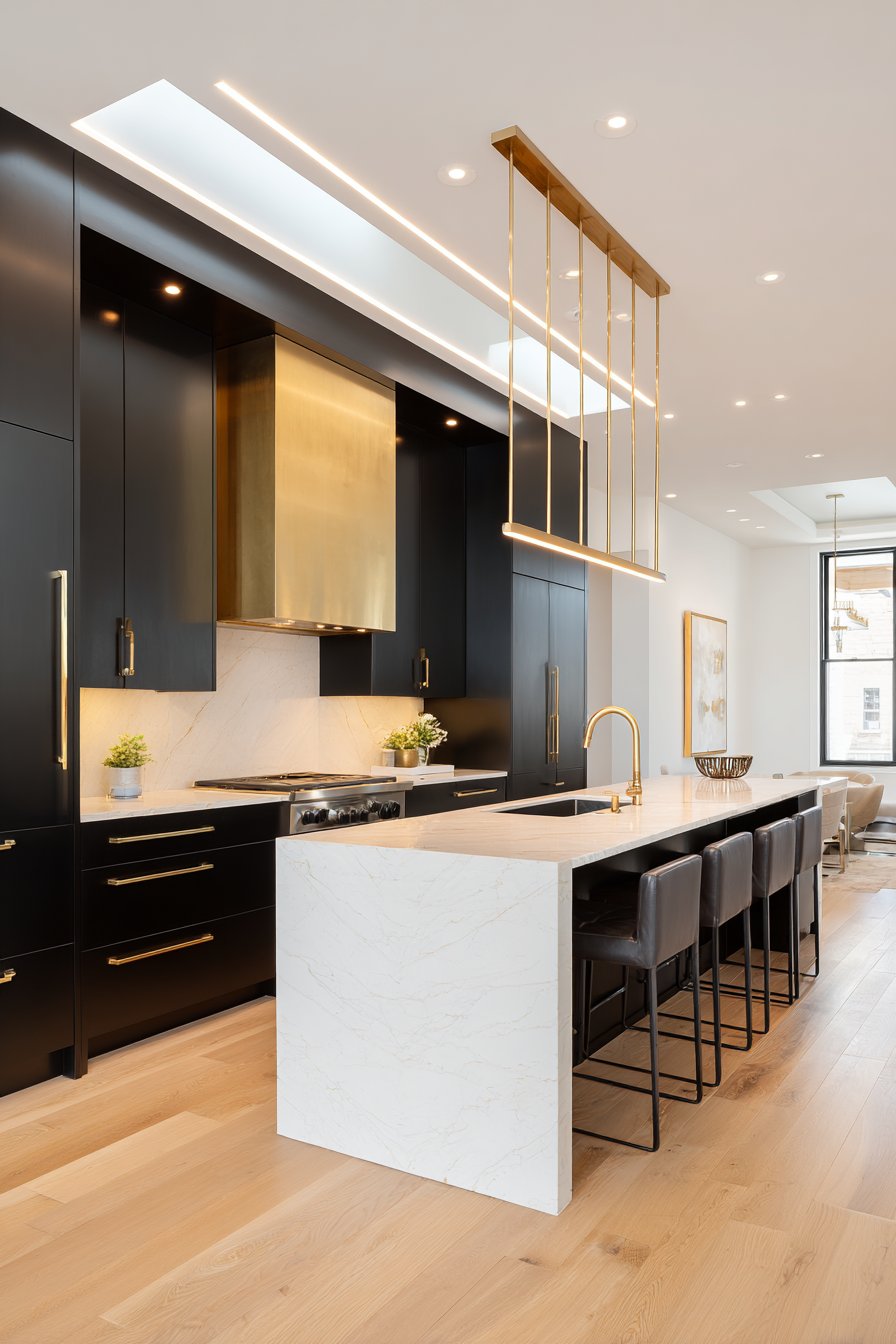
The dominance principle ensures that when someone enters your kitchen, their eye recognizes an intentional design rather than perceiving random combinations. This doesn’t mean one metal appears everywhere, but rather that it provides anchoring presence throughout the space, creating rhythm and visual flow that guides the eye naturally from one area to another.
- Select your dominant finish based on existing major appliances or architectural elements
- Use the 70-20-10 rule: 70% dominant, 20% secondary, 10% accent metal
- Consider which finish appears in the most visible or frequently used items
- Ensure your primary metal complements your overall design style
- Choose finishes that will remain available for future replacements or additions
- Document your dominant finish selection for consistency in future updates
2. Understand Metal Undertones and Temperatures
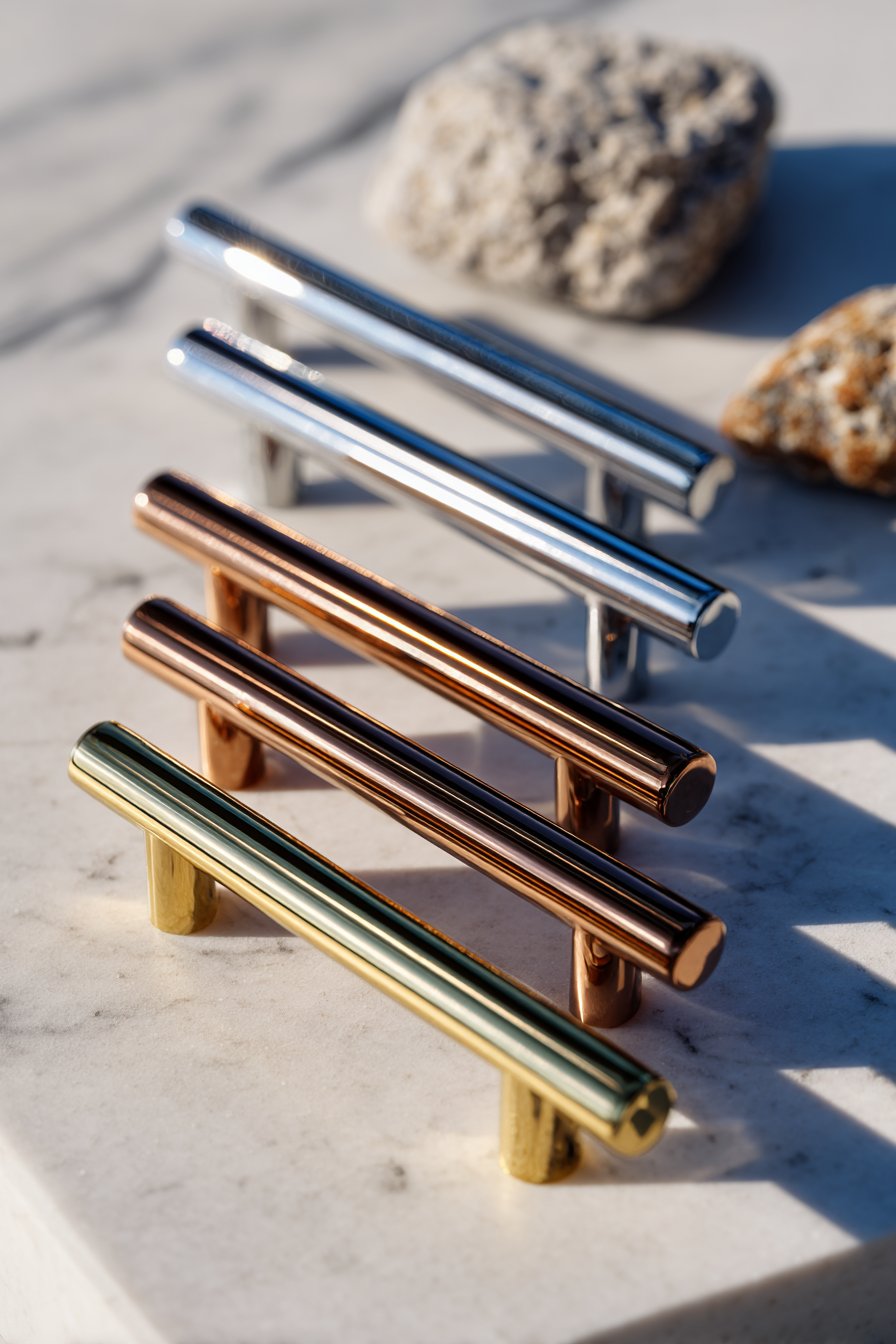
Metal finishes carry distinct warm or cool undertones that significantly impact how they harmonize together. Warm metals include brass, gold, copper, and bronze, featuring yellow, red, or orange undertones. Cool metals encompass chrome, stainless steel, and polished nickel, displaying blue, gray, or silver undertones. Successfully mixing metals requires understanding these temperature relationships to create intentional contrast rather than clashing confusion.
The most successful mixed-metal kitchens either combine metals within the same temperature family or deliberately contrast warm and cool tones with careful distribution. Mixing warm brass hardware with cool chrome faucets can look stunning when executed thoughtfully, but combining multiple warm metals with multiple cool metals typically creates visual chaos rather than sophisticated layering.
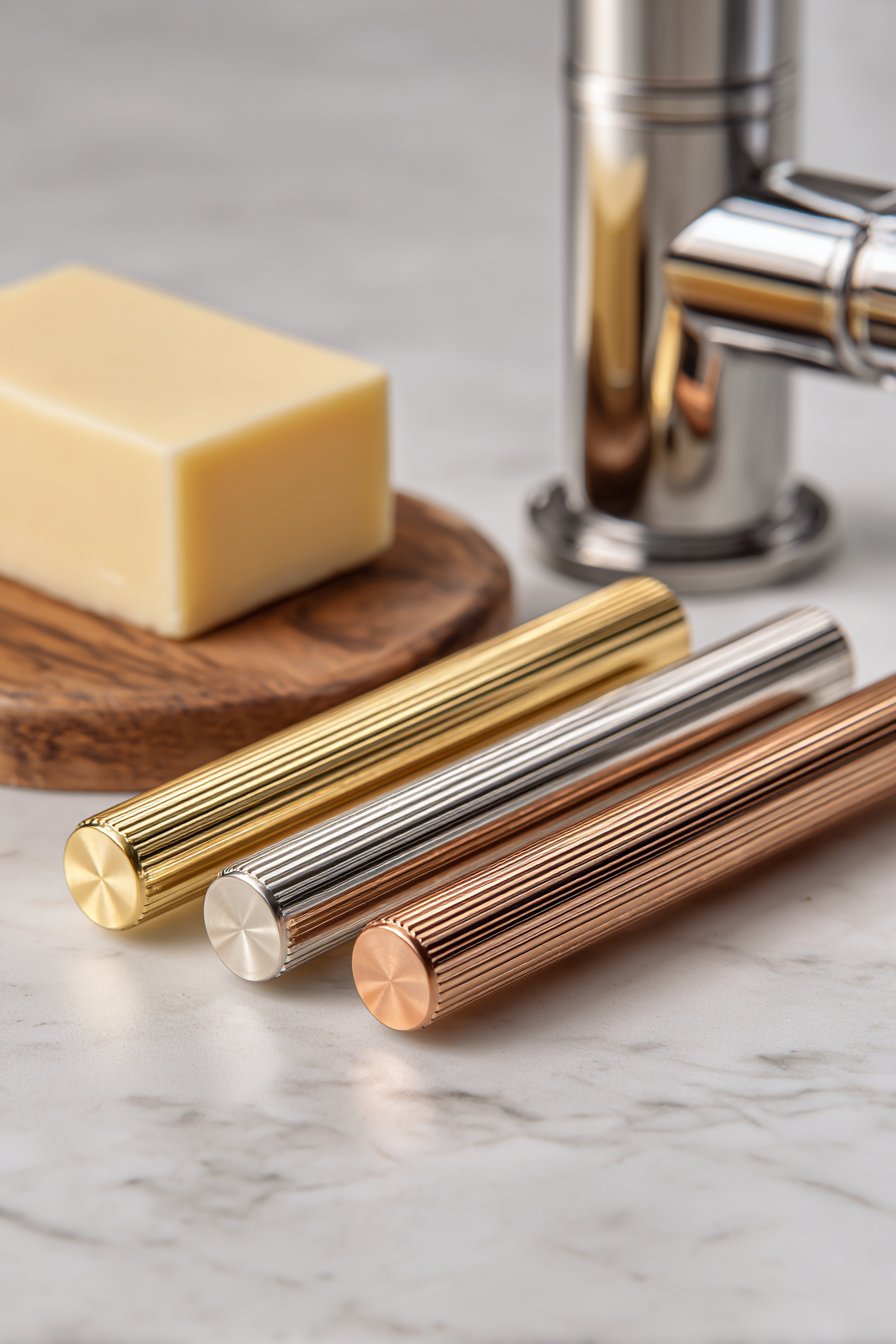
Pay attention to the specific undertones within each metal category as well. Not all gold finishes are created equal—some lean more yellow while others appear champagne or rose. Similarly, stainless steel varies from bright polished to muted brushed finishes with different gray undertones. Testing samples together in your actual kitchen lighting helps you identify compatible combinations before committing to purchases.
- Group metals by temperature: warm (brass, gold, bronze, copper) versus cool (chrome, steel, nickel)
- Limit your palette to 2-3 different metals to maintain cohesion
- Consider how natural and artificial lighting affects metal appearance throughout the day
- Test metal samples together before purchasing to ensure compatibility
- Remember that mixing within temperature families is generally safer than crossing temperatures
- Pay attention to subtle undertone variations within the same metal family
3. Consider the Visual Weight and Finish Texture
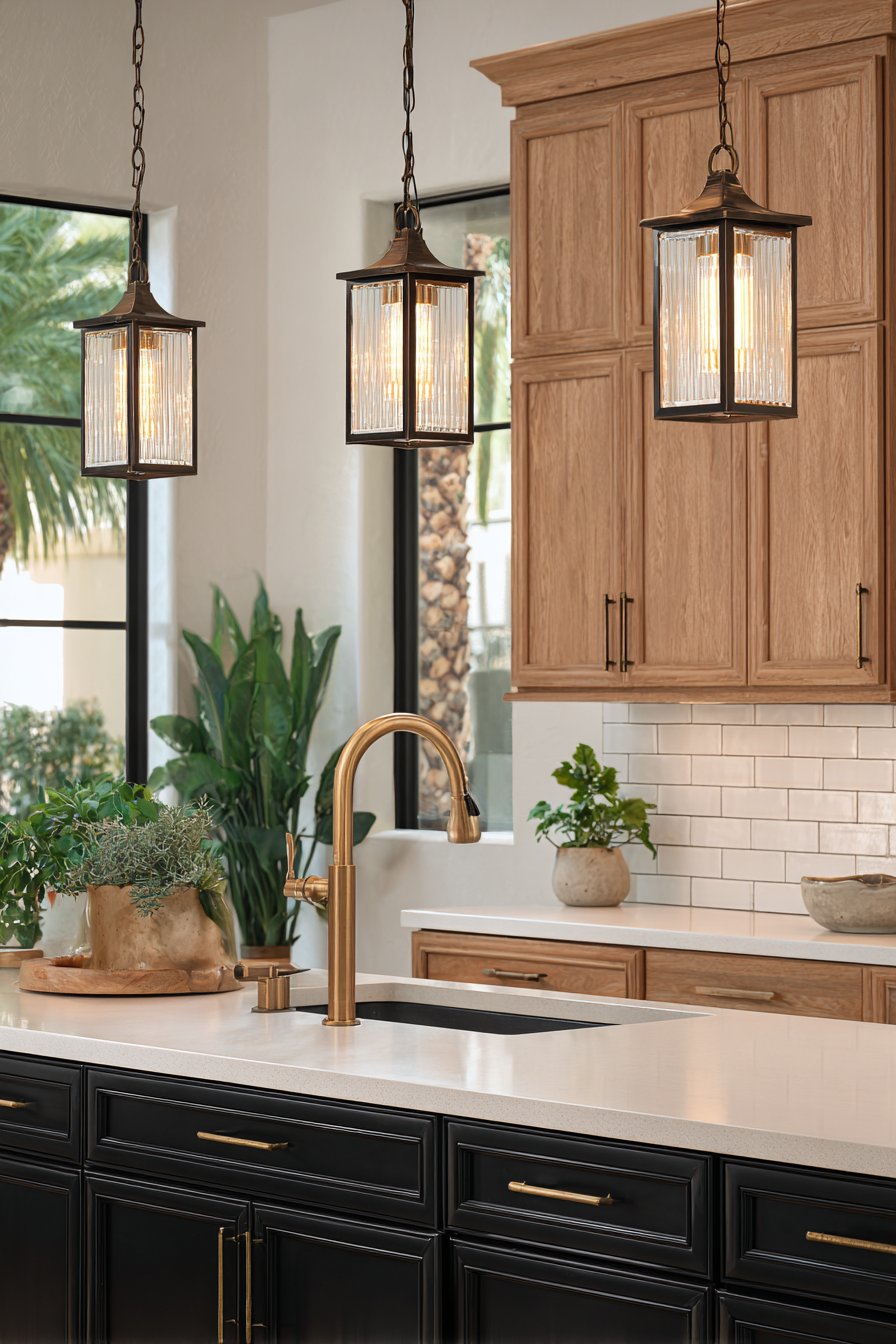
Beyond color temperature, metals differ dramatically in visual weight and surface texture, affecting how substantial or delicate they appear in your space. Matte black fixtures carry heavy visual weight, creating strong focal points, while polished chrome appears lighter and more reflective. Brushed finishes fall somewhere between, offering subtle texture without the drama of completely matte or highly polished surfaces.
Balancing visual weight prevents your mixed-metal scheme from feeling bottom-heavy or top-heavy. If you choose substantial oil-rubbed bronze for lower cabinet hardware, consider lighter polished nickel for upper elements to maintain balance. Conversely, if pendant lights feature bold brass, keeping cabinet hardware more understated ensures proper visual distribution throughout the vertical space.
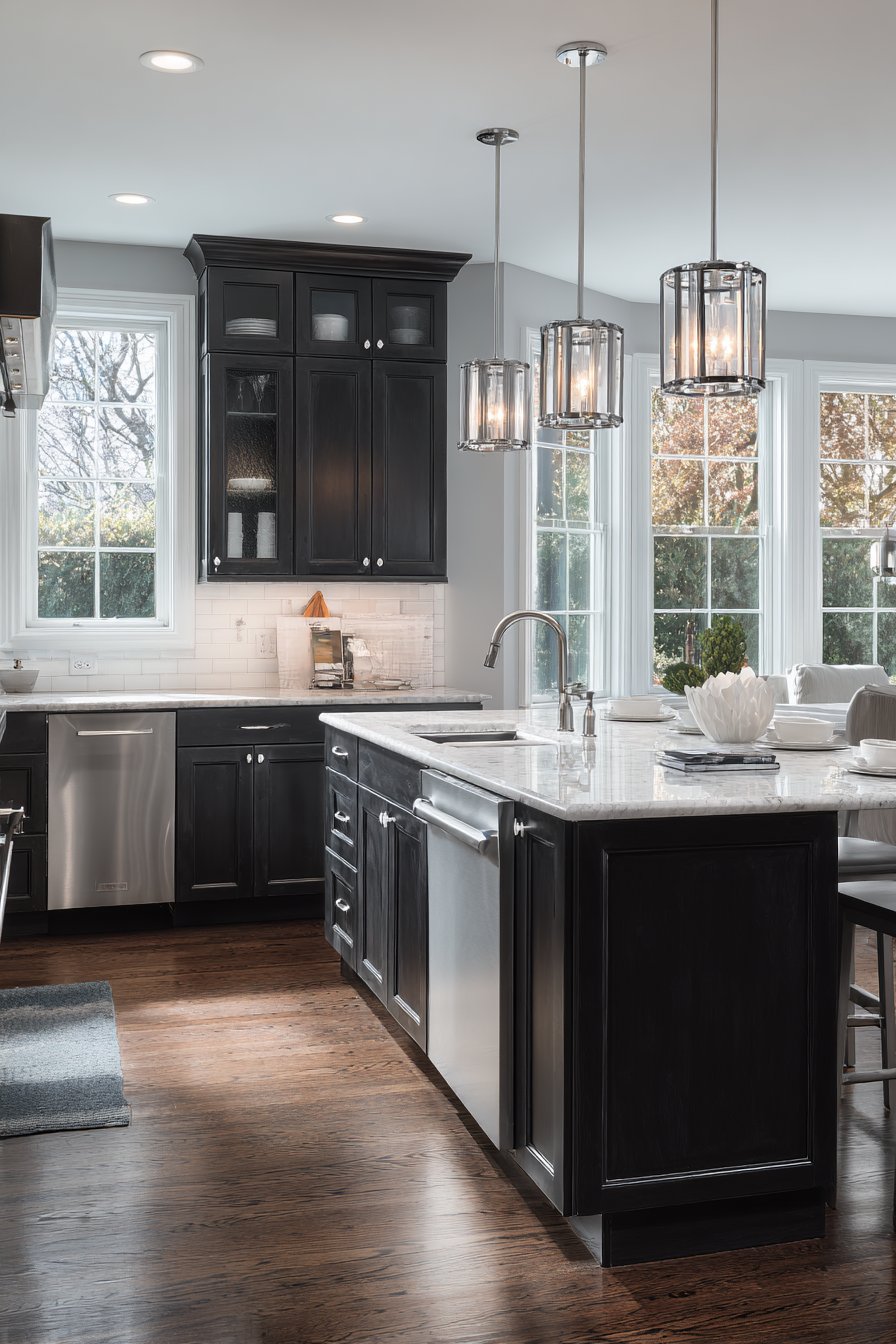
Surface texture also affects maintenance requirements and durability. Polished finishes show fingerprints and water spots more readily than brushed or matte surfaces, making them less practical for frequently touched items like cabinet pulls. Matte finishes generally hide wear better and suit high-traffic kitchens, while polished surfaces create more formal, dressy aesthetics that require more maintenance to preserve their pristine appearance.
- Balance heavier matte or dark finishes with lighter polished or brushed metals
- Consider maintenance requirements for each finish based on its location and use frequency
- Mix textures (matte, brushed, polished) for additional depth and interest
- Place visually heavier metals where they won’t overwhelm the space
- Use lighter finishes in upper zones to prevent top-heaviness
- Remember that texture affects how light interacts with the finish throughout the day
4. Create Intentional Groupings and Repetition
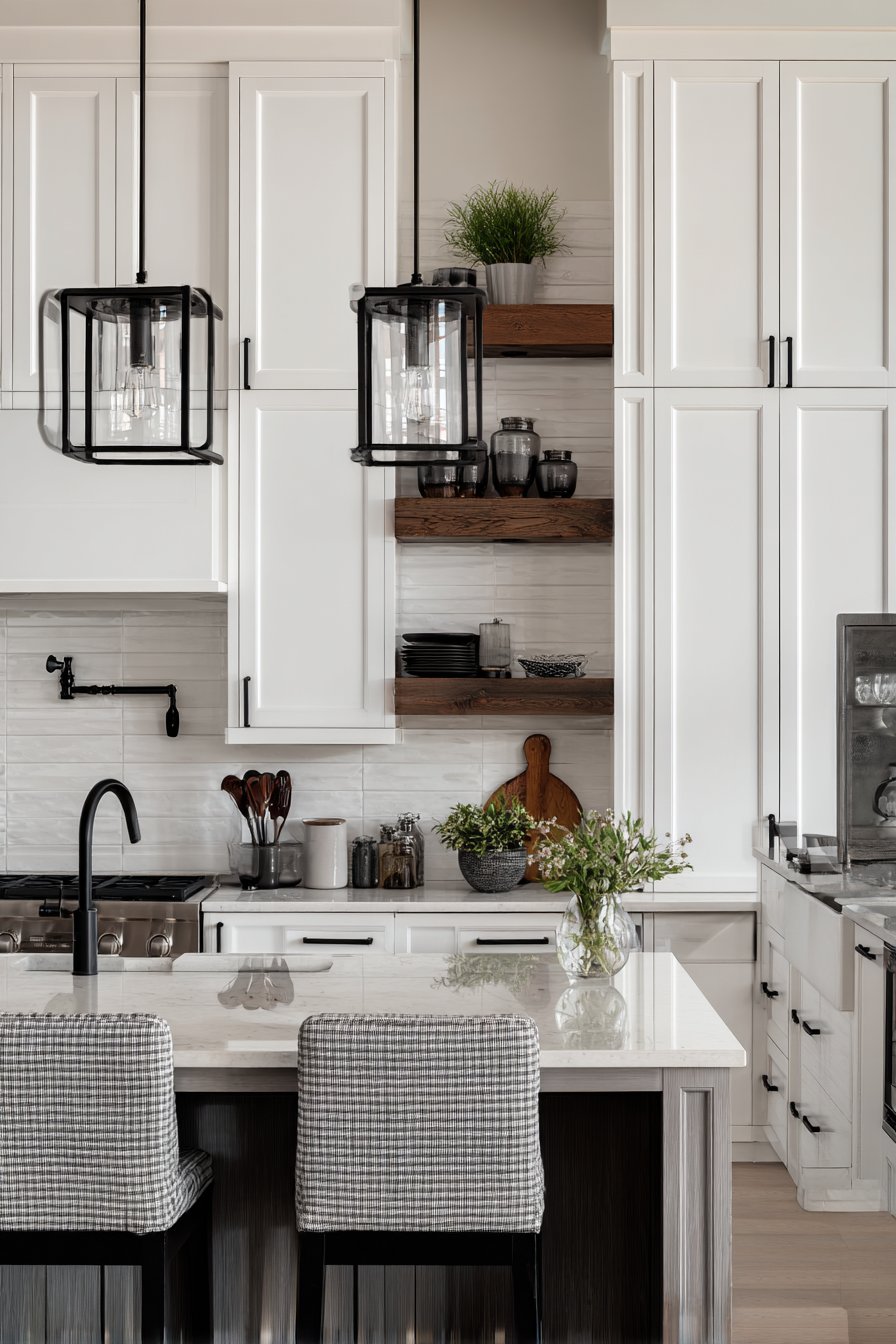
Random distribution of mixed metals creates confusion, while intentional repetition establishes deliberate design. Each metal finish should appear at least twice in your kitchen, creating visual relationships that the eye recognizes as purposeful choices. If brass appears only on your faucet, it looks like a mistake; when it also appears in cabinet hardware or lighting, it becomes part of a cohesive scheme.
Strategic grouping means placing the same finish in related functions or zones. For example, all plumbing fixtures might share one finish while cabinet hardware features another. Alternatively, you might group by zones, using one finish for the cooking area and another for the cleanup zone. This approach creates logical relationships that make sense functionally while maintaining visual interest.
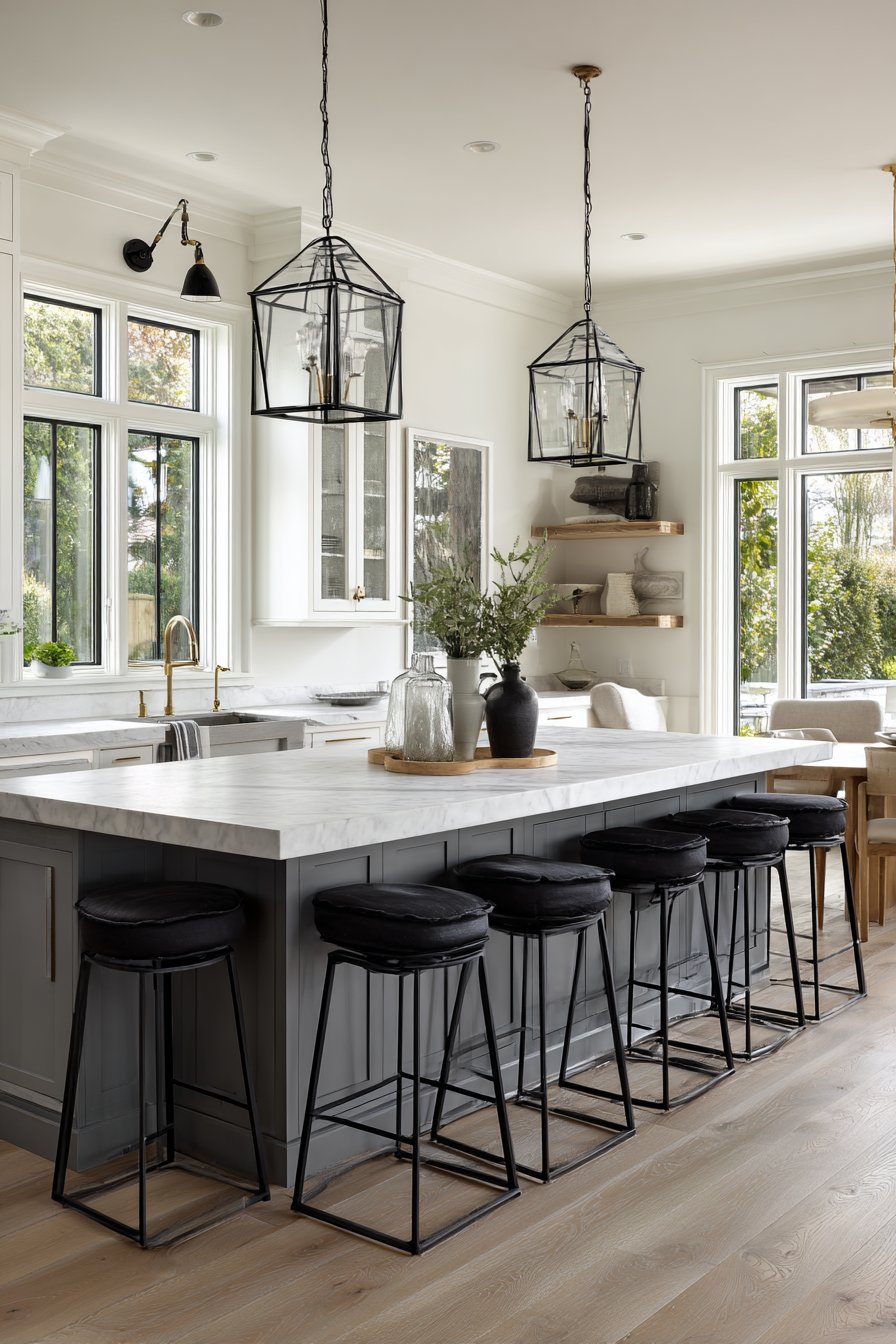
Consider creating a finish “map” during planning stages, noting where each metal will appear throughout your kitchen. This visualization helps ensure proper distribution and prevents accidentally clustering all of one finish in one corner while another appears only sporadically. Aim for rhythmic placement that guides the eye around the entire space rather than creating metal “dead zones” or overwhelming concentration areas.
- Repeat each metal finish at least twice to establish intentionality
- Group finishes by function (plumbing, hardware, lighting) or by zone
- Create a visual map showing finish distribution before purchasing
- Ensure metals appear throughout the space rather than clustering in one area
- Consider how the eye travels through your kitchen when planning placement
- Use repetition to create rhythm and flow between different kitchen zones
5. Account for Fixed Elements and Appliances
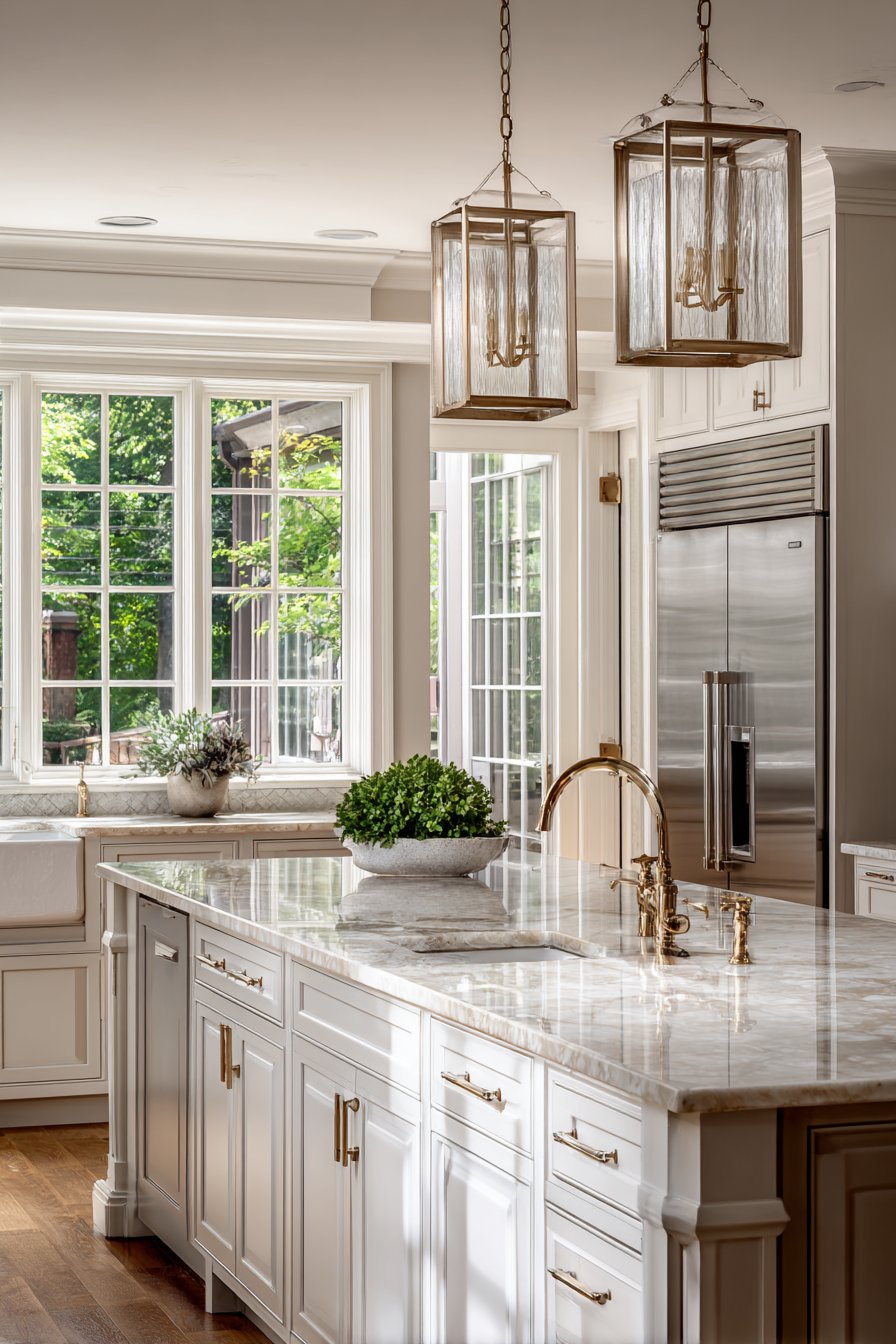
Your metal mixing strategy must accommodate existing fixed elements that aren’t changing, particularly major appliances. Stainless steel appliances remain standard in most kitchens, and while appliance panels can disguise some items, refrigerators, ranges, and dishwashers often display visible metal surfaces. These large fixed elements significantly influence which additional metals will harmonize successfully.
Black stainless steel has gained popularity but introduces different considerations than traditional stainless. This finish reads as a neutral anchor that pairs well with both warm and cool metals, though it carries more visual weight. White or panel-ready appliances offer maximum flexibility, essentially removing appliance finish from the metal-mixing equation entirely.
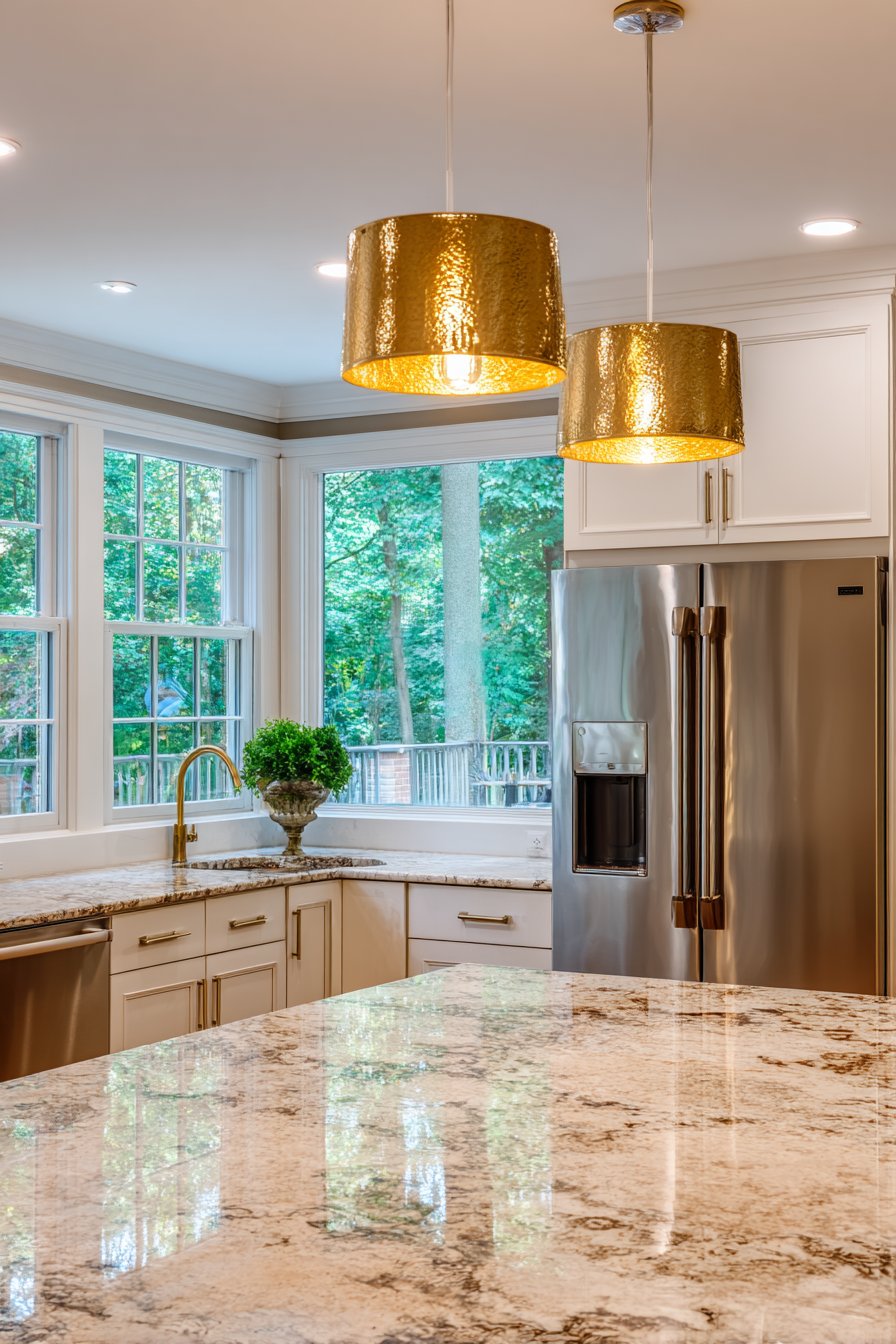
Architectural elements like windows, doors, and range hoods also factor into your metal decisions. If your windows feature bronze-finished hardware that’s staying, incorporating bronze elsewhere in your kitchen creates intentional connection. Similarly, structural elements like exposed beams with metal brackets or industrial-style details should inform rather than fight against your mixed-metal selections.
- Inventory all fixed metal elements before selecting new finishes
- Treat stainless steel appliances as a neutral that works with most metals
- Consider appliance panels or integrated appliances for maximum mixing flexibility
- Note architectural hardware on windows and doors in your planning
- Photograph existing elements to reference when shopping for new finishes
- Accept that some fixed elements limit your options and plan around them strategically
6. Balance Modern and Traditional Elements
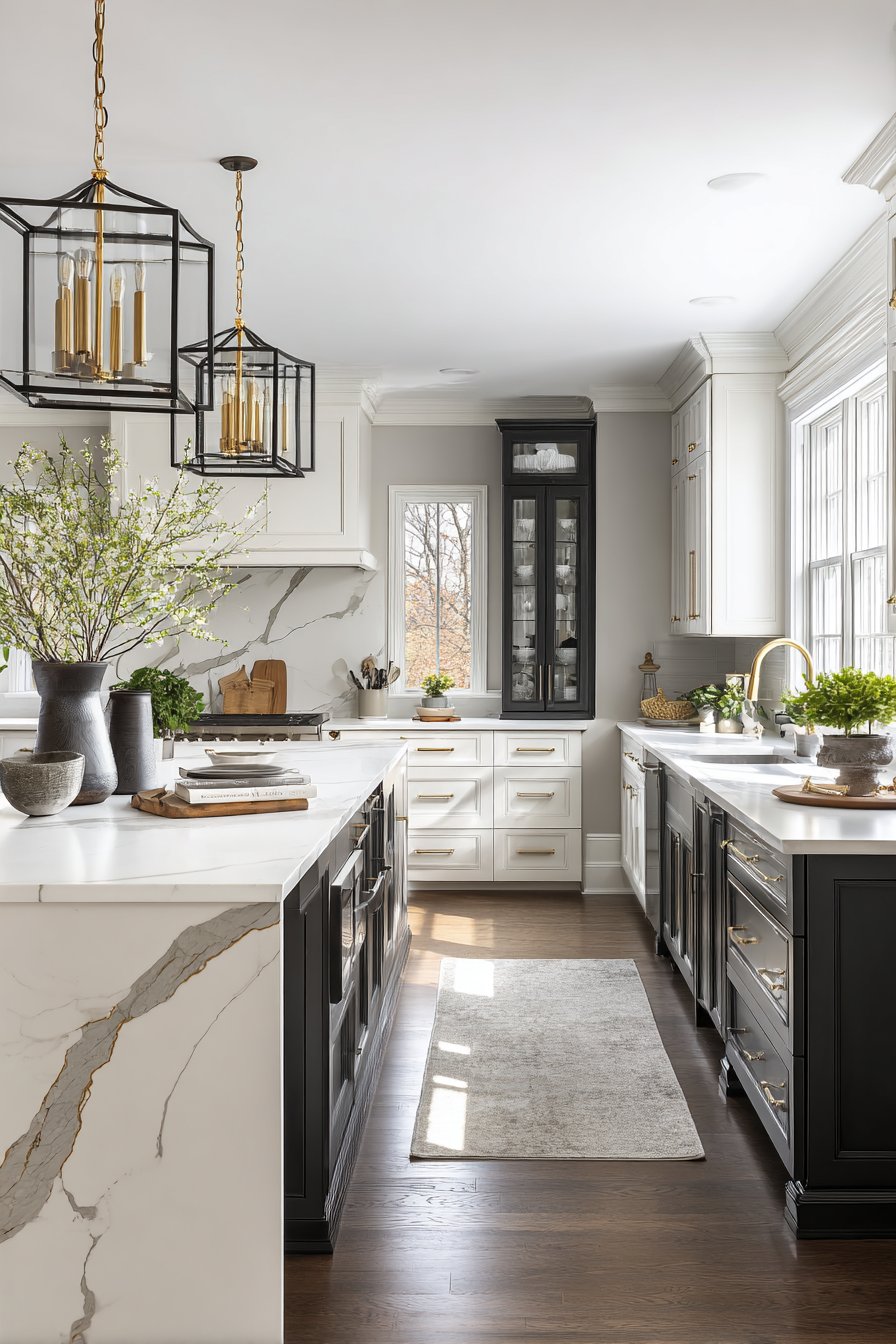
Mixed metal finishes offer an excellent opportunity to bridge design eras, combining contemporary and traditional elements for transitional appeal. Pairing modern matte black fixtures with classic polished brass creates dynamic tension that feels current without abandoning timeless elegance. This balance allows your kitchen to transcend specific trends, maintaining relevance as design preferences evolve.
Consider the style associations each metal carries. Chrome and stainless steel read decidedly modern, while oil-rubbed bronze and antique brass suggest traditional sensibility. Brushed gold and champagne bronze occupy middle ground, working equally well in contemporary or classic contexts. Understanding these associations helps you blend eras intentionally rather than accidentally creating style confusion.
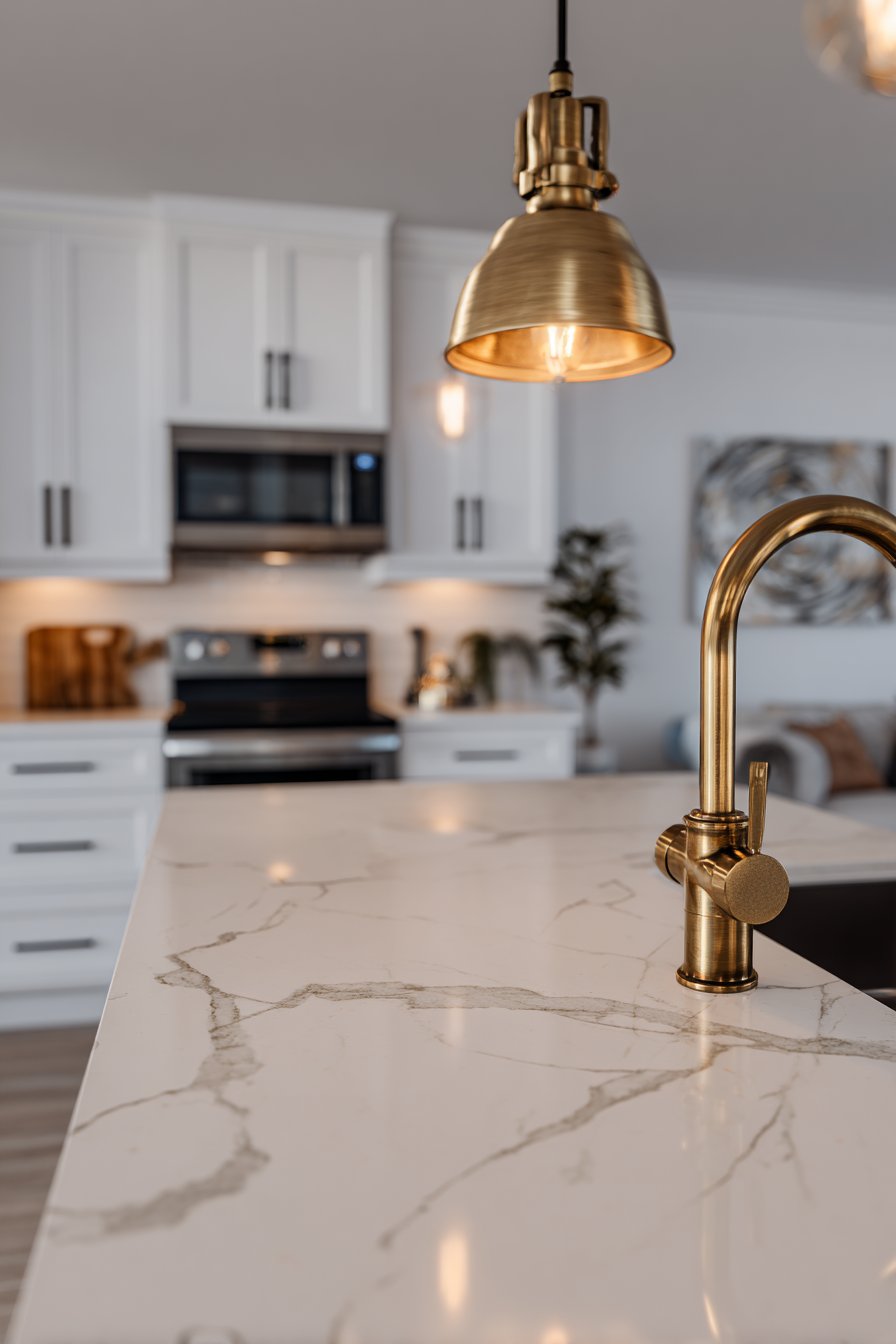
The proportions of modern versus traditional metals should reflect your overall design direction. If your kitchen leans contemporary with clean-lined cabinets and minimal ornamentation, let modern finishes dominate with just touches of warmer traditional metals for softness. Conversely, traditional kitchens benefit from predominantly classic finishes with carefully placed modern elements that prevent the space from feeling dated or overly formal.
- Use metal mixing to bridge traditional and contemporary design elements
- Let your overall design style guide the proportion of modern versus traditional finishes
- Understand the style associations each metal finish carries
- Create intentional contrast between clean modern lines and warmer traditional touches
- Avoid equal representation of modern and traditional—one should dominate
- Use transitional finishes like brushed gold to unify disparate style elements
Conclusion
Successfully mixing metal finishes transforms your kitchen from predictably coordinated to thoughtfully curated and personally expressive. By establishing a dominant finish, understanding undertones, balancing visual weight, creating intentional repetition, accommodating fixed elements, and bridging design eras, you can confidently combine metals that enhance rather than confuse your space. Remember that the goal isn’t perfection but rather creating a kitchen that reflects your unique style while maintaining visual harmony.
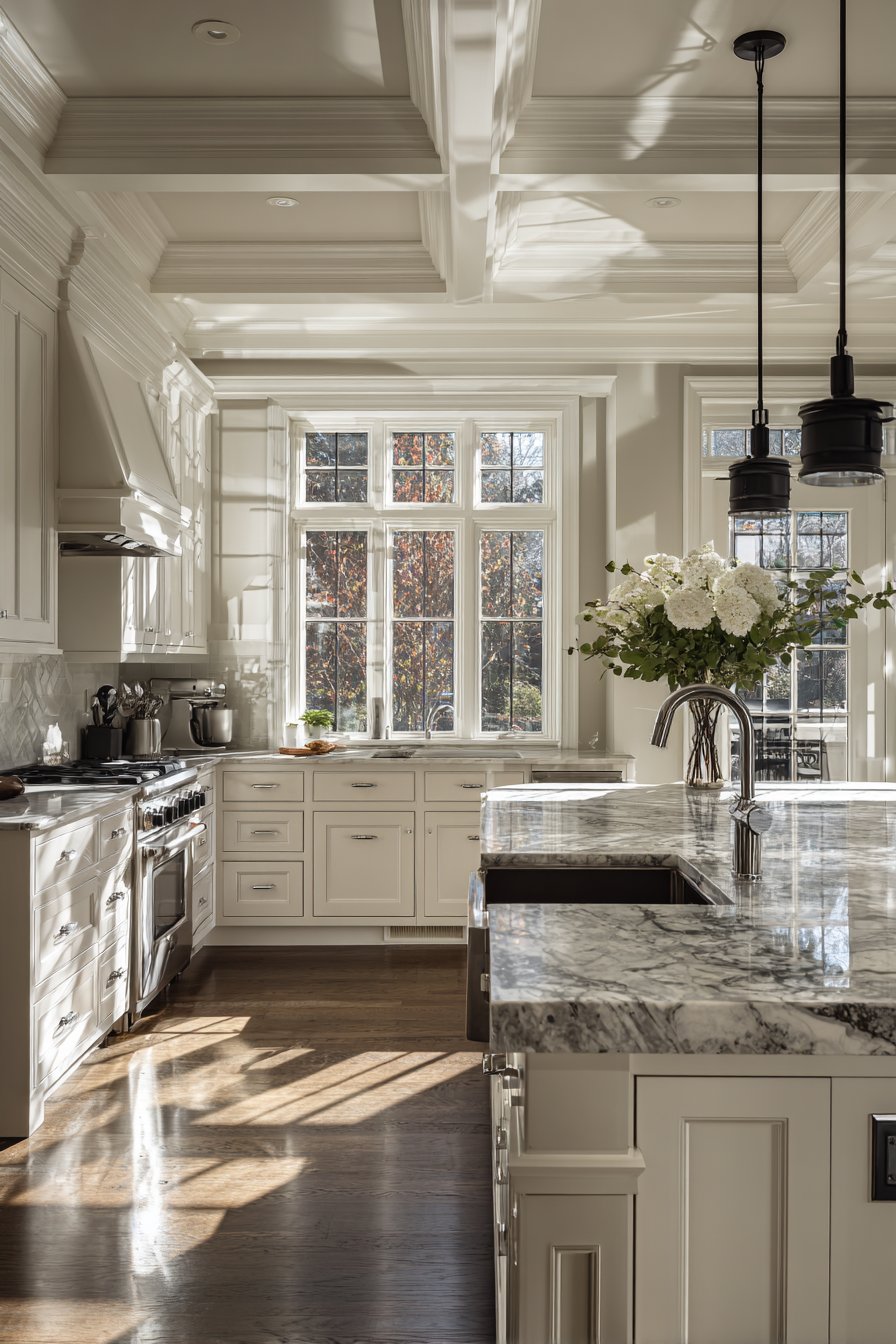
Start small if you’re hesitant, perhaps mixing just two finishes initially before introducing a third. Trust your instincts, test samples in your actual lighting conditions, and don’t be afraid to adjust as you go. The beauty of mixed metals lies in their ability to add depth, personality, and sophistication to your kitchen, creating a space that feels collected over time rather than purchased all at once from a single catalog.
"As an Amazon Associate, I earn from qualifying purchases."
