
Choosing the right paint finish for your living room is one of the most impactful decisions in any home refresh. The finish you choose affects not just color, but light reflection, texture visibility, and the overall mood of the space. Most homeowners focus on color selection and overlook the finish entirely — a mistake that can undermine even the most carefully chosen palette.
Understanding the difference between matte and gloss paint goes beyond aesthetics. Each finish has distinct functional properties that suit different lifestyles, room conditions, and design goals. Whether you’re designing a cozy family gathering space or a sleek modern lounge, the right paint sheen can make or break the final result.
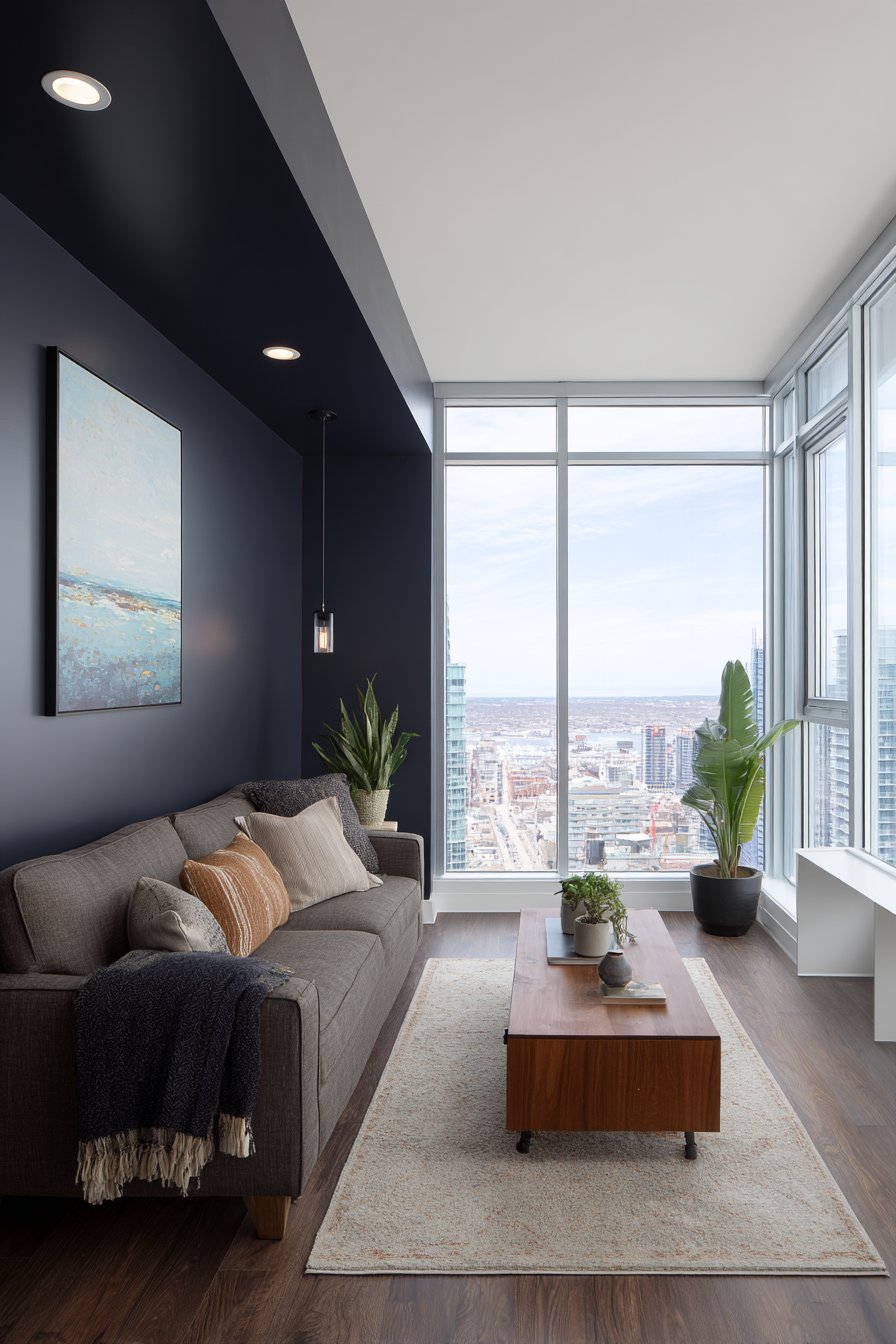
This article breaks down everything you need to know about matte and gloss paint finishes. We’ll explore durability, light behavior, aesthetic impact, and practical considerations to help you make the best choice for your living room walls. By the end, you’ll have a clear picture of which finish — or combination — works best for your home.
1. Understanding Paint Sheen Levels
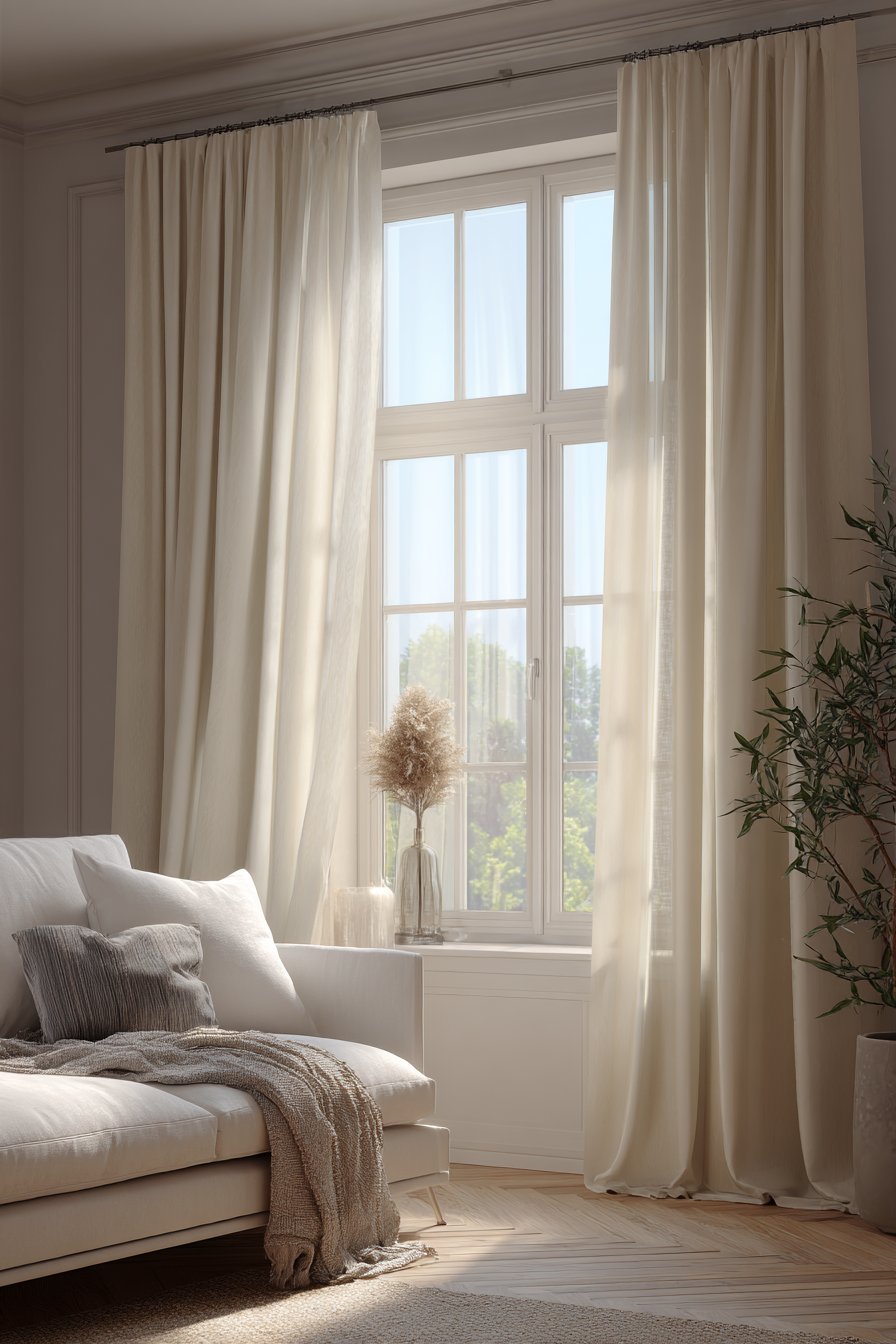
Before diving into the matte vs gloss debate, it helps to understand the full sheen spectrum. Paint finishes range from flat/matte at one end to high-gloss at the other, with eggshell, satin, and semi-gloss falling in between. Each level reflects light differently and carries unique characteristics.
Matte paint contains very little reflective pigment binder. It absorbs light rather than bouncing it back, which creates a soft, velvety appearance on walls. Gloss paint, on the other hand, contains a high resin content that creates a hard, shiny surface capable of reflecting significant amounts of light.
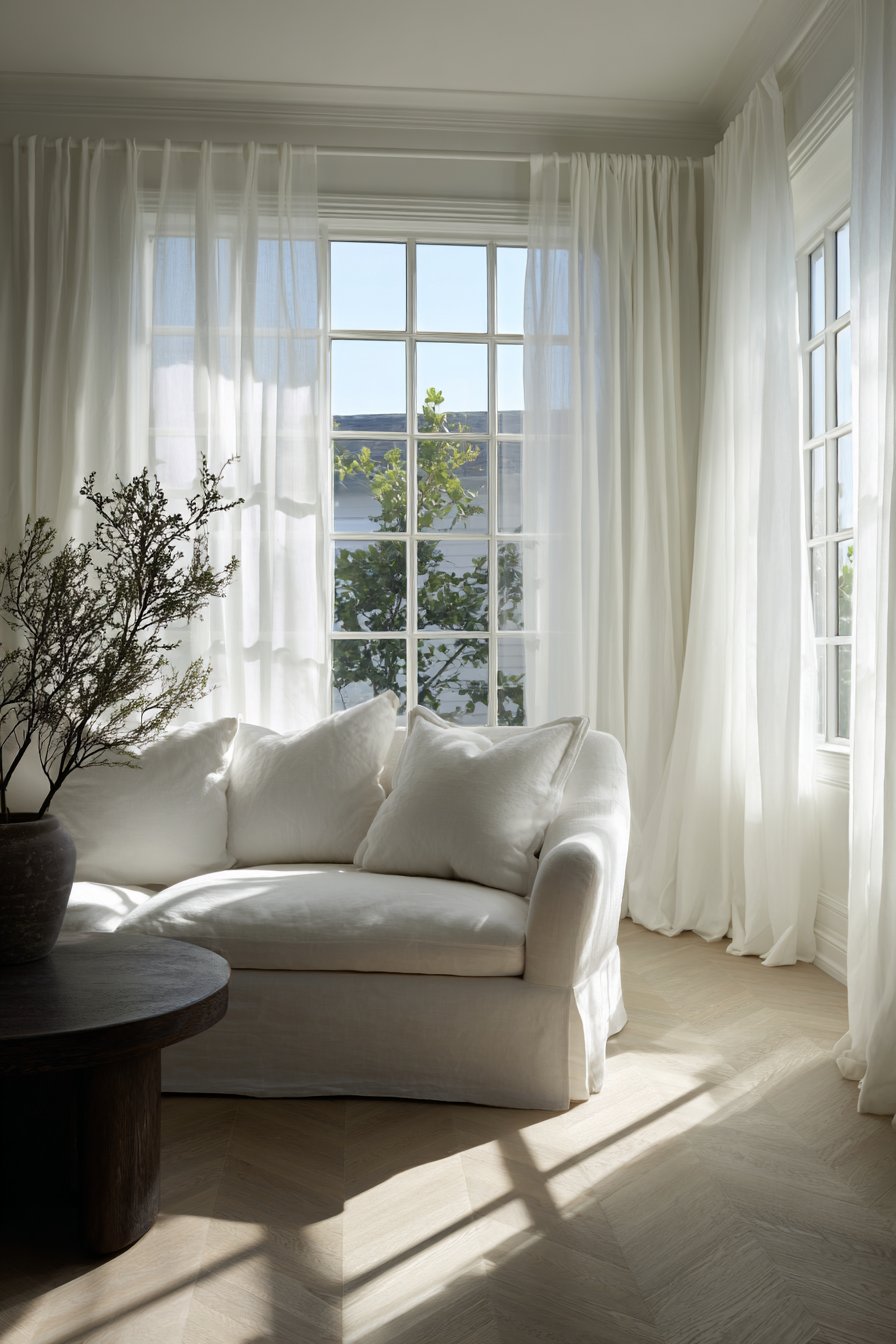
The sheen level also affects how paint interacts with wall imperfections. A higher gloss finish amplifies bumps, dents, and uneven textures, while matte finishes are forgiving and camouflage surface flaws naturally. This is a critical factor in older homes with walls that aren’t perfectly smooth.
- Flat/matte has 0–10% sheen and absorbs nearly all light
- Eggshell sits at 10–25% sheen and offers a subtle low lustre
- Satin ranges from 25–35% sheen and is the most popular mid-range choice
- Semi-gloss reaches 35–70% sheen and is common in kitchens and bathrooms
- High-gloss exceeds 70% sheen and is most durable and reflective
- Understanding the spectrum helps you choose precisely for your needs
2. The Aesthetic Appeal of Matte Paint
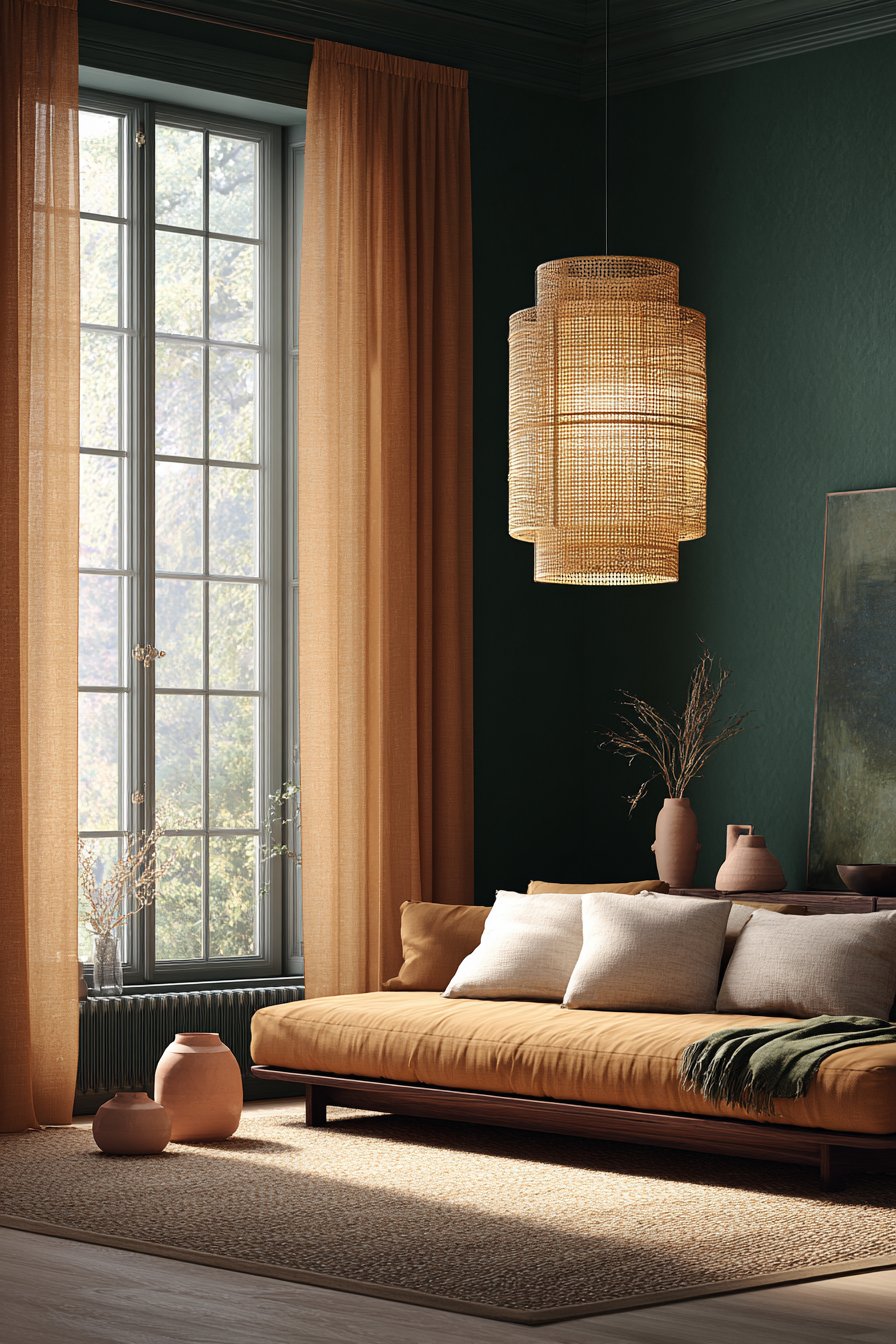
Matte paint has long been the preferred choice of professional interior designers for living room feature walls. Its non-reflective surface creates depth and richness in color that glossier finishes simply cannot replicate. Deep shades like navy, charcoal, or forest green look exceptionally stunning in matte.
The velvety texture of matte paint gives walls a sophisticated, gallery-like quality. It creates a calm, enveloping atmosphere that suits both contemporary and traditional interiors. Living rooms styled with Scandinavian minimalism, Japandi aesthetics, or cozy hygge design principles benefit enormously from a matte wall finish.
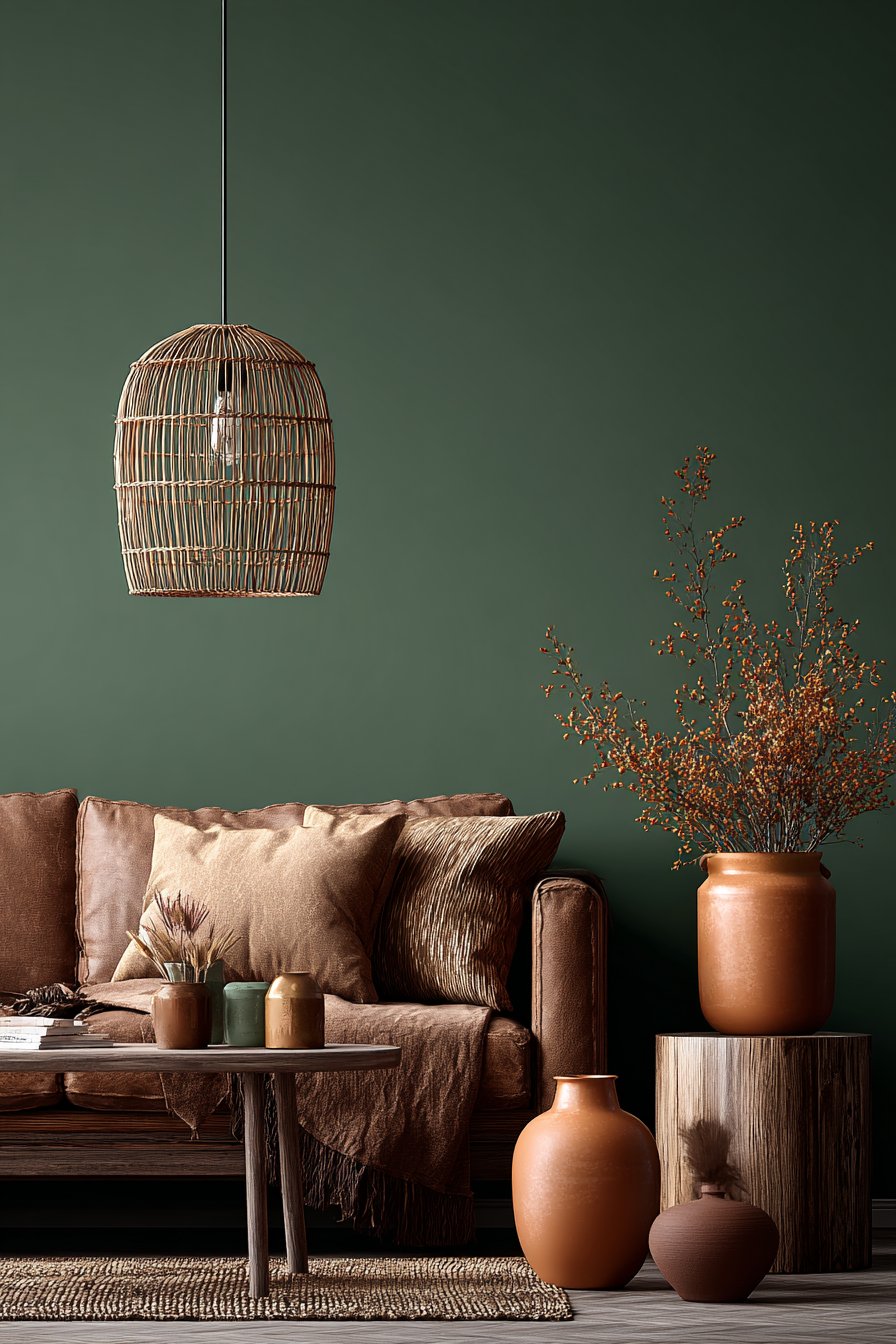
Matte paint also pairs beautifully with natural materials like wood, linen, stone, and jute. The soft, light-absorbing surface complements organic textures without competing for visual attention. This makes matte an ideal backdrop for layered, texture-rich interior schemes.
- Use matte paint to enhance color depth on feature walls
- Pair with warm lighting to amplify the cozy, rich effect
- Ideal for rooms with limited natural light where glare isn’t a concern
- Layer with textured textiles to complement the soft surface quality
- Choose matte for dark or saturated hues for maximum impact
- Works best in low-traffic living areas rather than hallways
3. The Visual Power of Gloss Paint
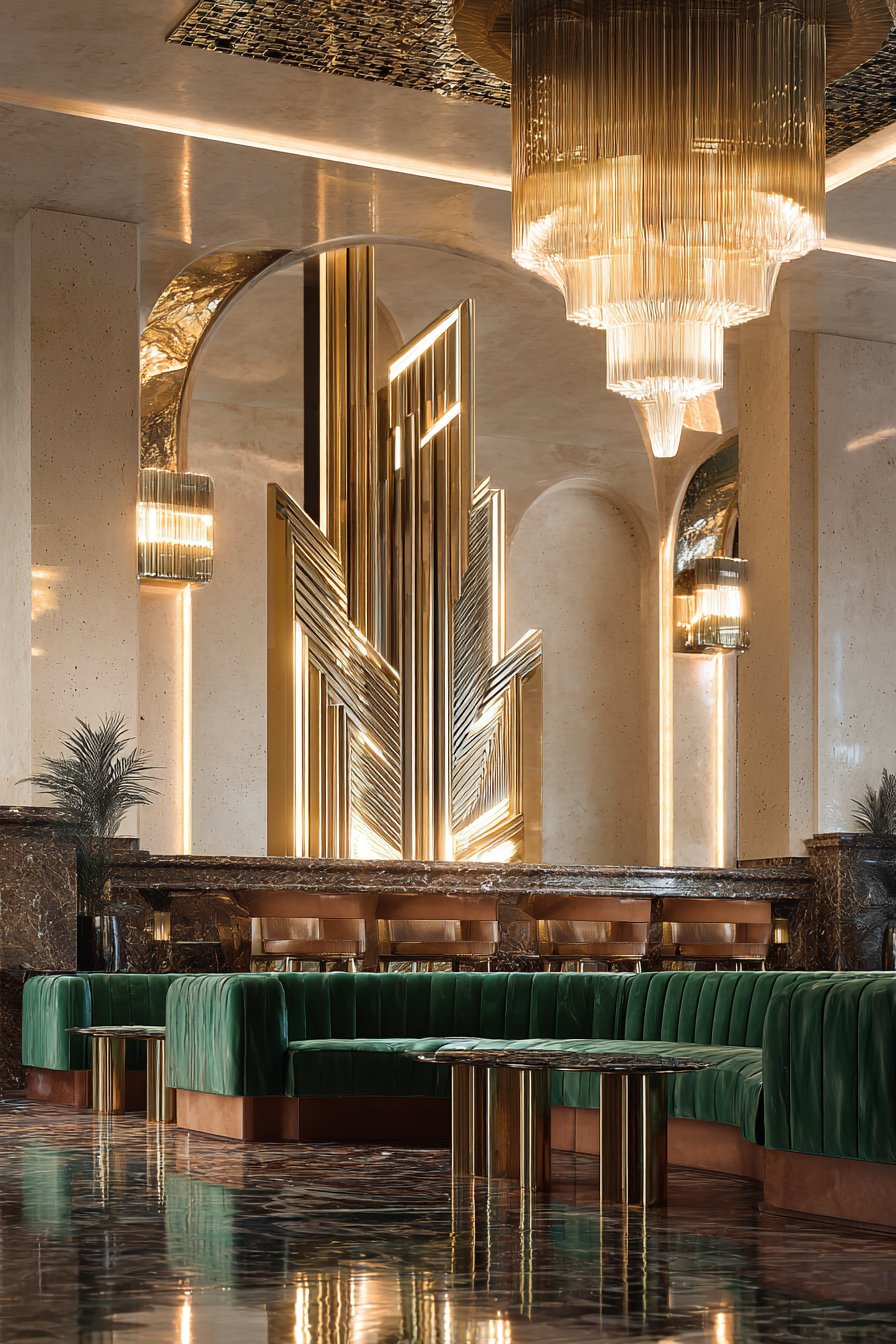
Gloss paint brings a dramatically different energy to living room walls. Its high-reflective surface bounces light around the room, which can make spaces feel significantly larger and brighter. In smaller living rooms or those with limited windows, this effect is genuinely transformative.
The sleek, lacquered finish of high-gloss paint is synonymous with glamour and modernity. It draws inspiration from luxurious hotel lobbies, art deco interiors, and contemporary designer spaces. A full wall painted in high-gloss creates a bold, statement-making backdrop that commands attention.
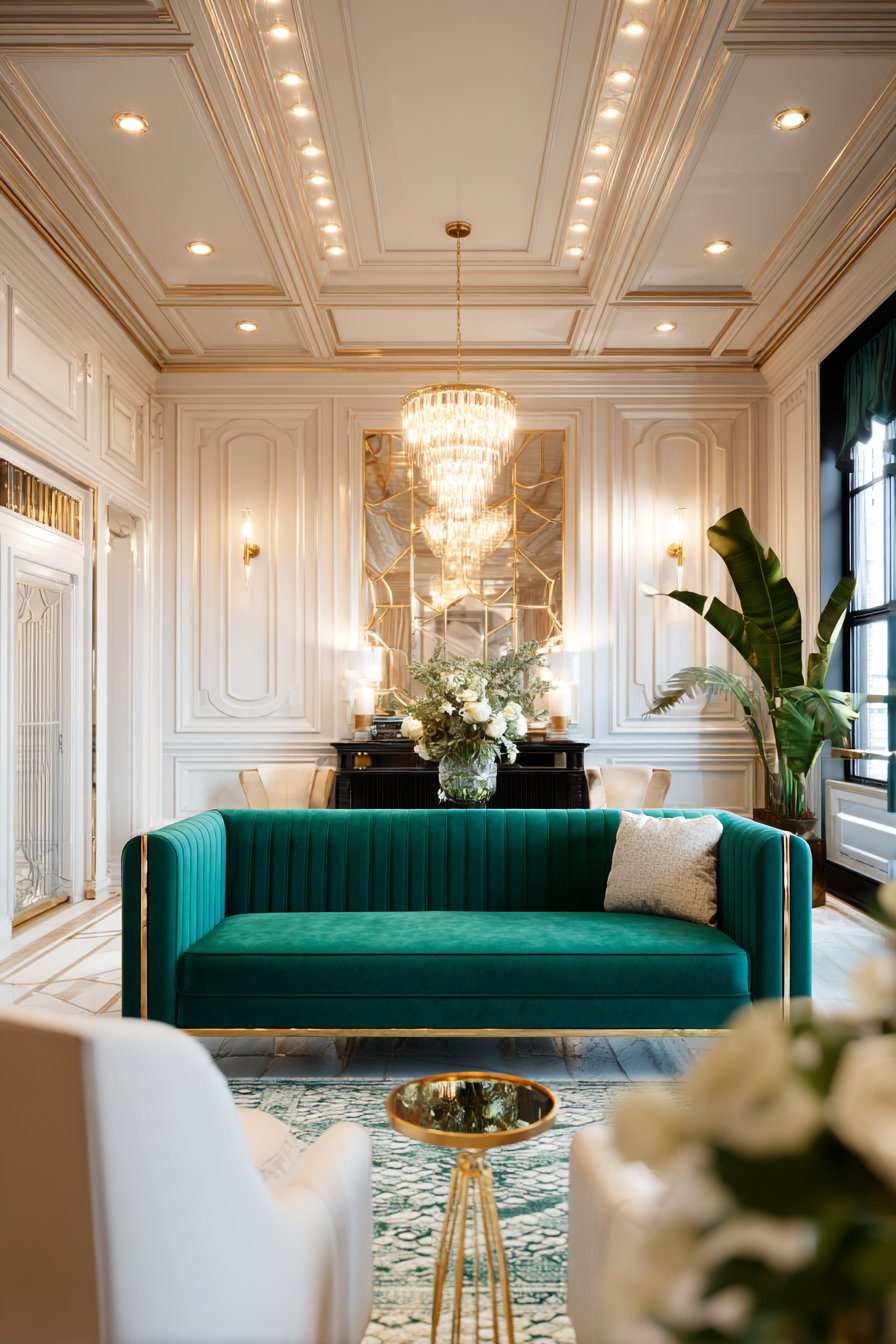
Gloss paint also has an incredible ability to highlight architectural details. Crown molding, wainscoting, paneling, and built-in cabinetry all look more refined and polished when painted in a gloss or semi-gloss finish. Many designers use gloss strategically — not on every wall, but as an accent finish to define and elevate key features.
- Use gloss paint to visually expand small or dark living rooms
- Apply to accent walls for a dramatic, high-impact statement
- Highlight architectural details like molding and paneling with semi-gloss
- Pair with matte walls for a sophisticated contrast effect
- Choose light, neutral tones in gloss for an airy, spa-like feel
- Keep gloss walls well-lit to maximize their reflective quality
4. Durability and Cleanability Compared
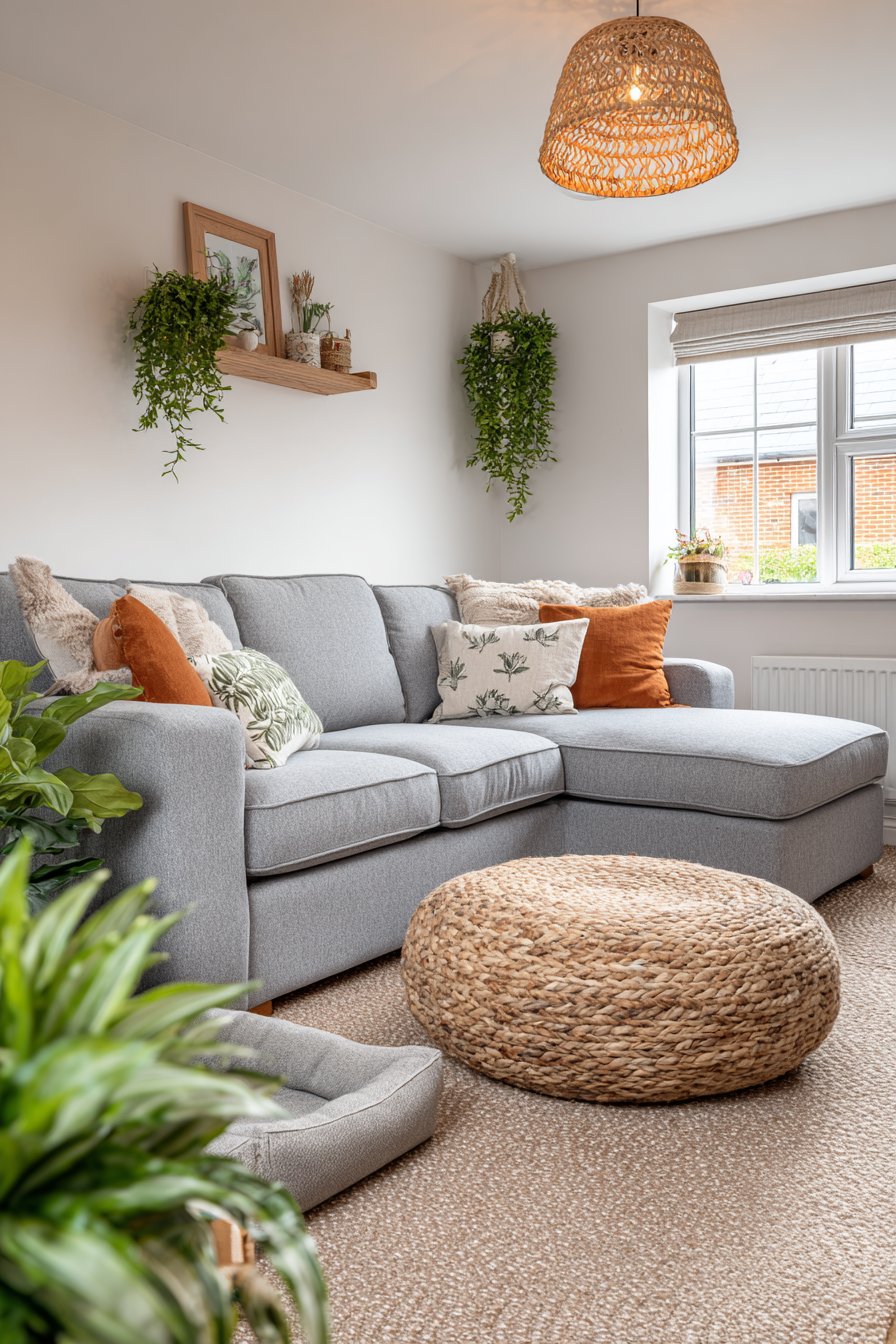
When it comes to long-term durability, gloss paint holds a clear advantage over matte. The higher resin content in gloss finishes creates a harder, more resilient surface that resists moisture, stains, and general wear. This is particularly relevant in busy family homes.
Matte paint, while beautiful, is more porous and therefore more susceptible to absorbing stains and fingerprints. Cleaning matte walls aggressively can cause sheen inconsistencies, leaving visible scrub marks that are difficult to blend. Spot cleaning with a damp cloth is usually the safest approach.
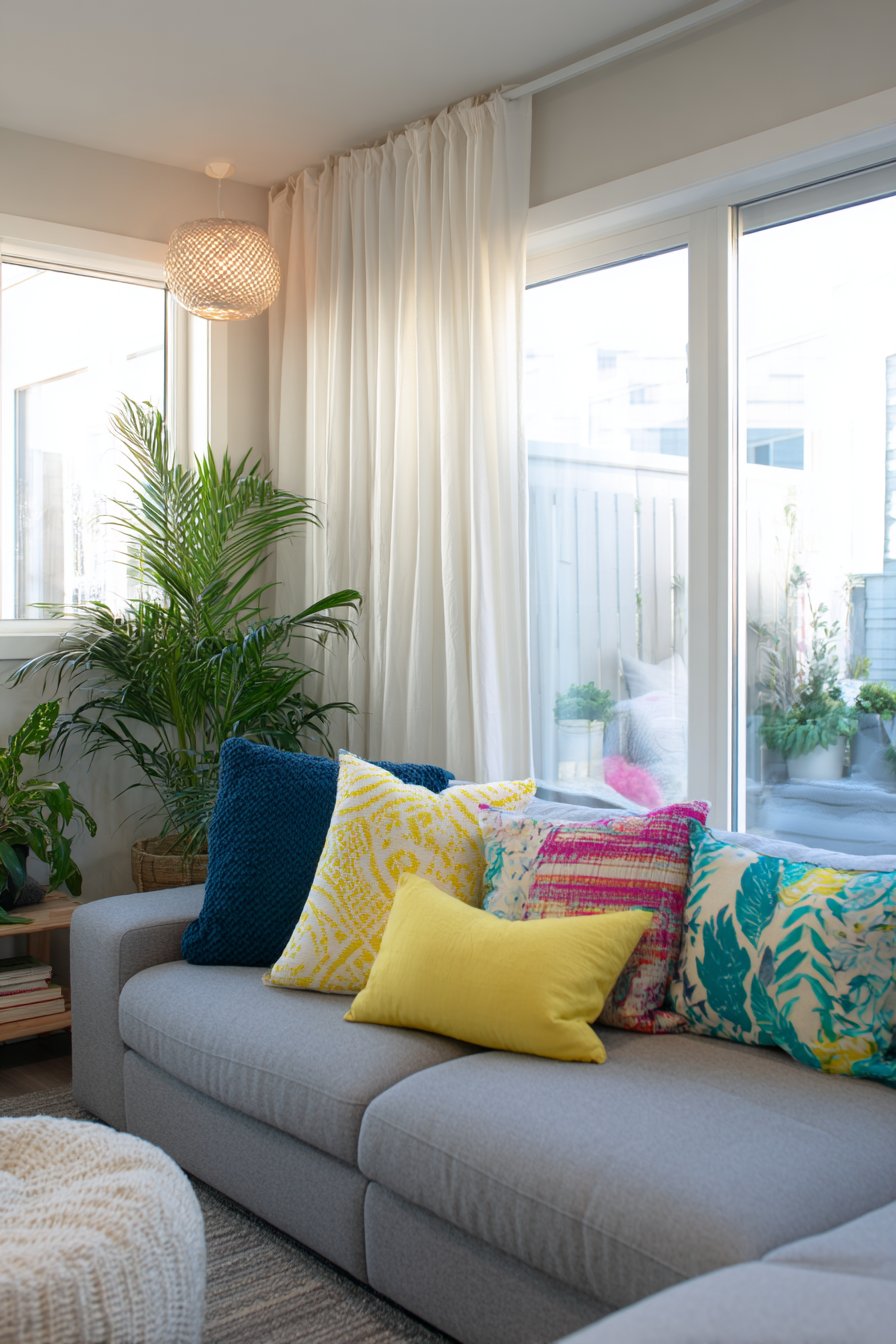
Gloss paint, however, can be wiped clean easily without damaging the surface. This makes it a more practical choice if your living room doubles as a playroom, or if you have young children and pets. Modern washable matte formulas are now available from premium brands, which offer a middle-ground solution.
- Choose gloss for high-traffic living rooms or family spaces
- Opt for washable matte products if you love the look but need practicality
- Avoid abrasive scrubbing on standard matte-painted walls
- Gloss resists moisture and humidity better than matte
- Touch up gloss paint carefully — blending patches is harder than with matte
- Invest in quality paint brands for better durability regardless of finish
5. How Each Finish Handles Light
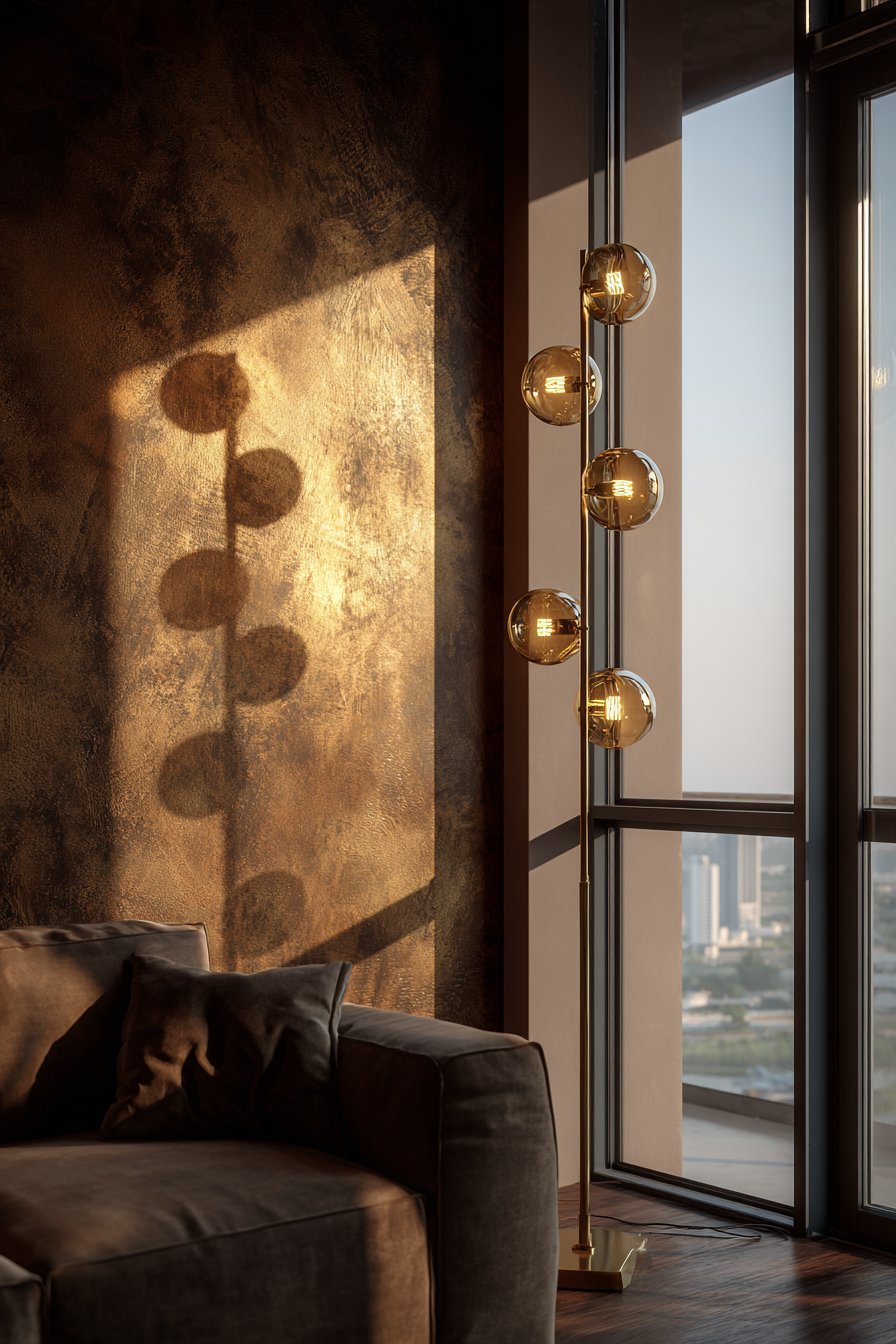
The way paint interacts with light is arguably its most defining characteristic for living room design. Natural and artificial lighting behave very differently on matte versus gloss surfaces, and understanding this dynamic will sharpen your decision-making significantly.
In rooms flooded with natural daylight, matte paint creates a soft, warm atmosphere by absorbing light evenly. It prevents glare and harsh reflections that can make a space feel uncomfortable. Rooms with large south-facing windows often benefit from a matte finish that gently diffuses sunlight.
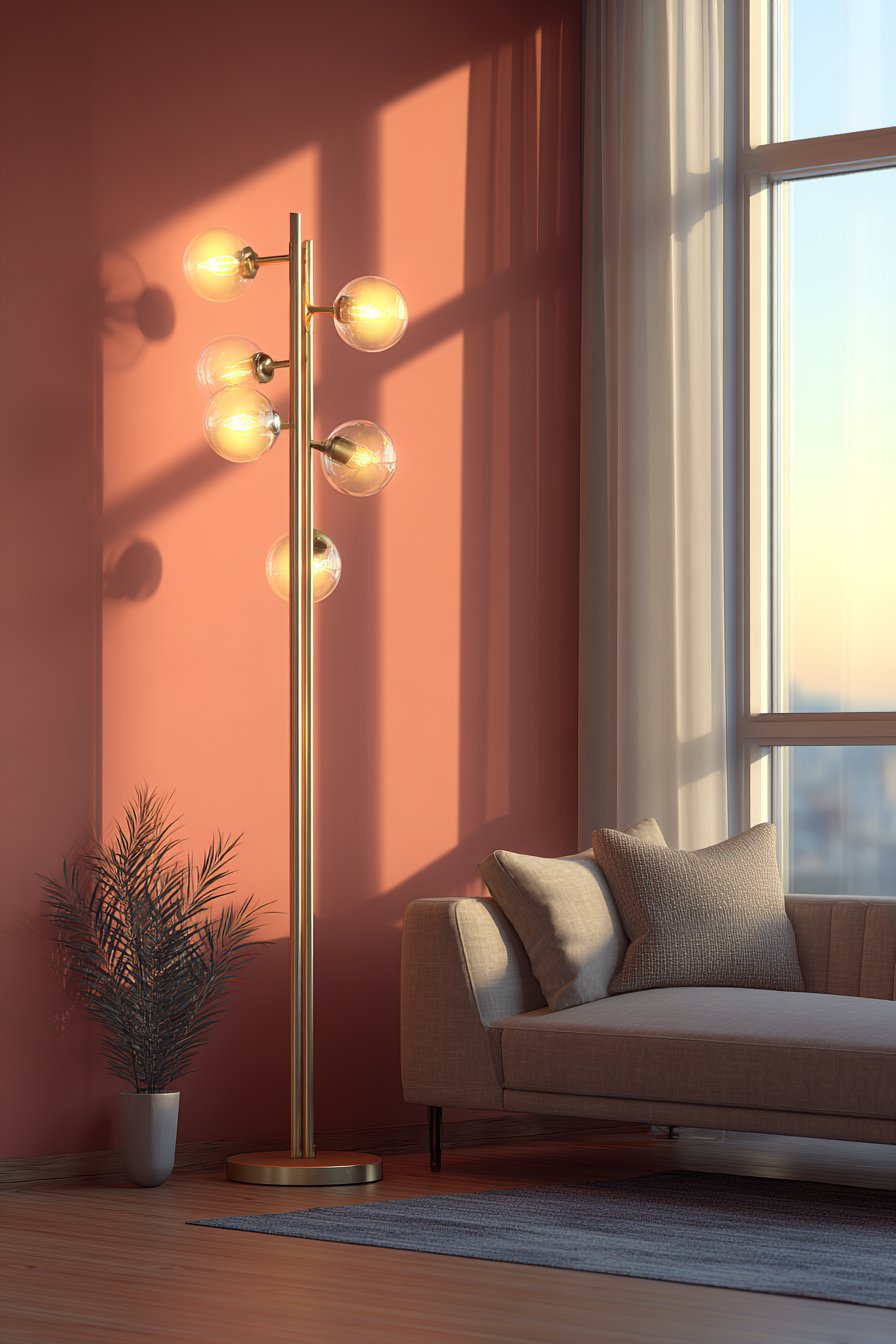
Gloss paint, conversely, amplifies and redirects light — both natural and artificial. This can be breathtaking in well-designed spaces with deliberate lighting. However, gloss walls are sensitive to the quality of light. Poor lighting placement can expose surface imperfections and create distracting reflections, especially with recessed or directional spotlights.
- Use matte in bright, south-facing rooms to reduce glare and harshness
- Choose gloss in north-facing or dimly lit spaces to boost brightness
- Test paint samples at different times of day before committing
- Consider warm-toned bulbs to complement matte finishes beautifully
- Use cool LED lighting to enhance the crispness of gloss surfaces
- Avoid gloss walls directly opposite large windows to prevent mirror-like glare
6. Wall Condition and Surface Preparation
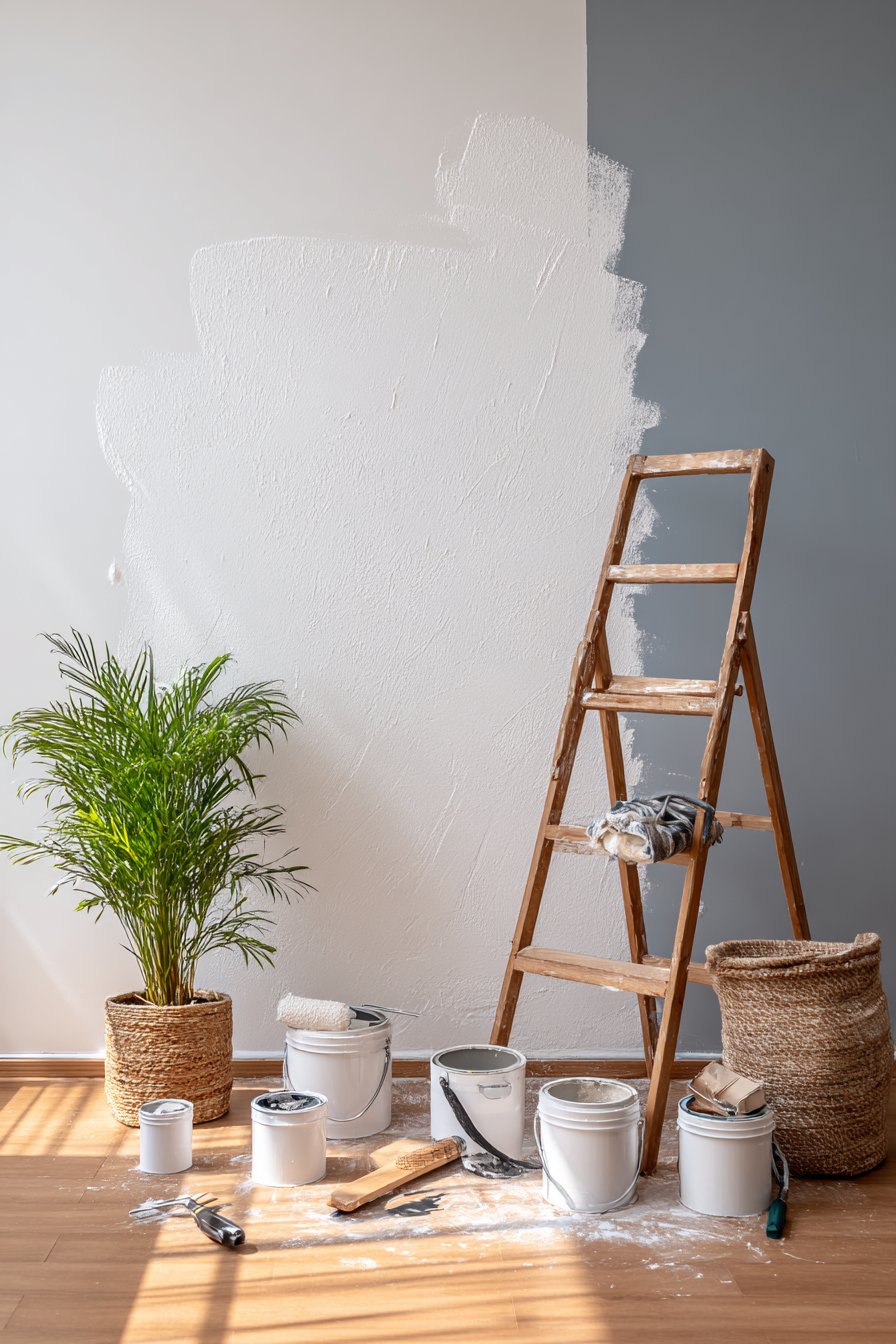
One of the most practical considerations when choosing between matte and gloss is the current condition of your living room walls. This factor alone can determine which finish is most appropriate — regardless of your aesthetic preferences.
Matte paint is remarkably forgiving on imperfect surfaces. It hides hairline cracks, minor dents, uneven texture, and roller marks far more effectively than any other finish. For walls that have seen years of use, or older plaster walls with natural variation, matte is the professional’s preferred choice.
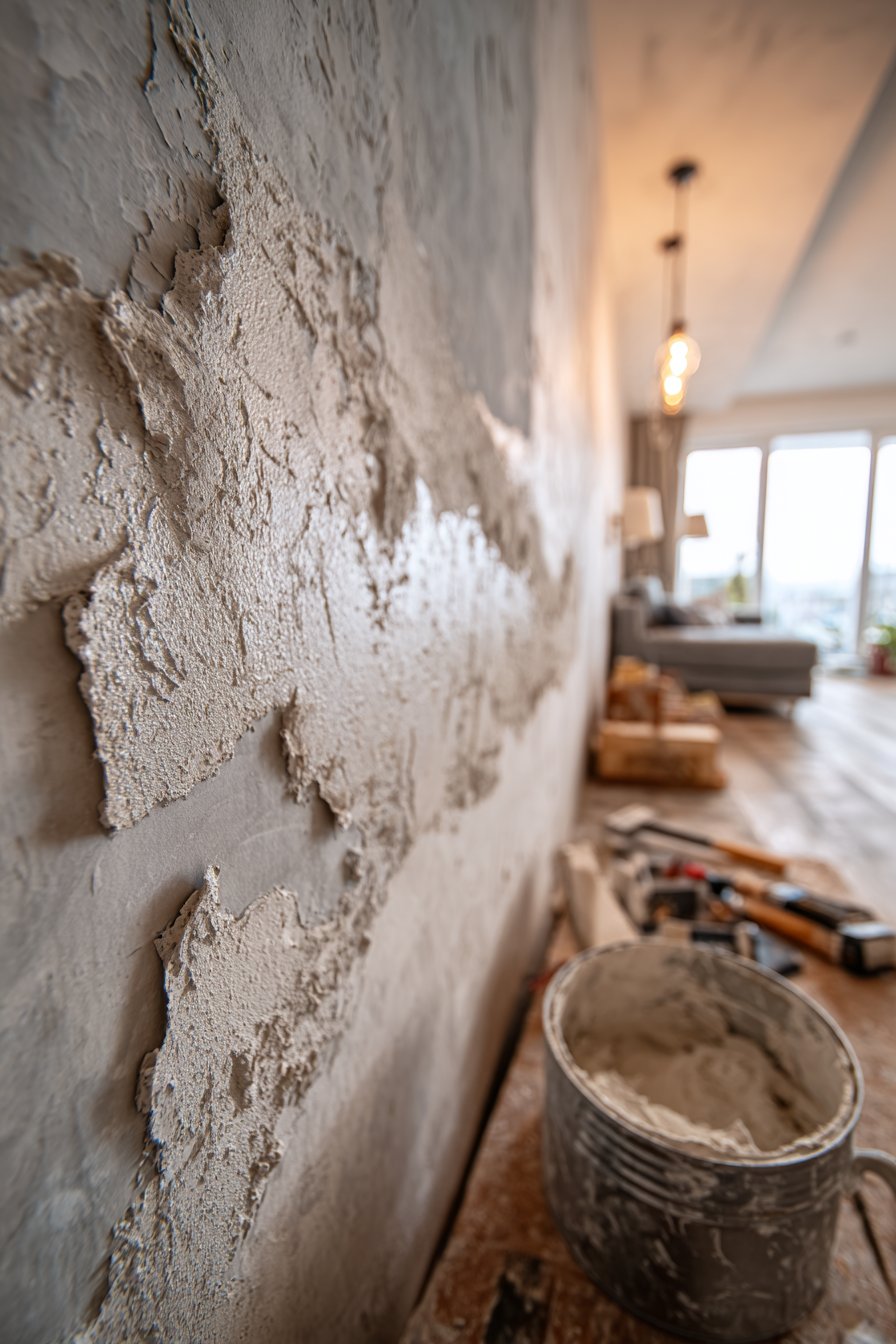
Gloss paint, however, requires meticulous surface preparation. Any imperfections — no matter how minor — will be highlighted and exaggerated by the reflective finish. Walls must be properly filled, sanded, primed, and smoothed before applying gloss. Skipping this step leads to visually disappointing results that are difficult to remedy.
- Always fill and sand walls thoroughly before applying any gloss finish
- Use a high-quality primer to ensure even adhesion and color consistency
- Matte paint can be applied over lightly imperfect walls without extensive prep
- In older homes, consider eggshell as a compromise between beauty and forgiveness
- Apply paint in thin, even coats to avoid streaks with either finish
- Always allow adequate drying time between coats for the best outcome
7. Color Perception and Room Mood
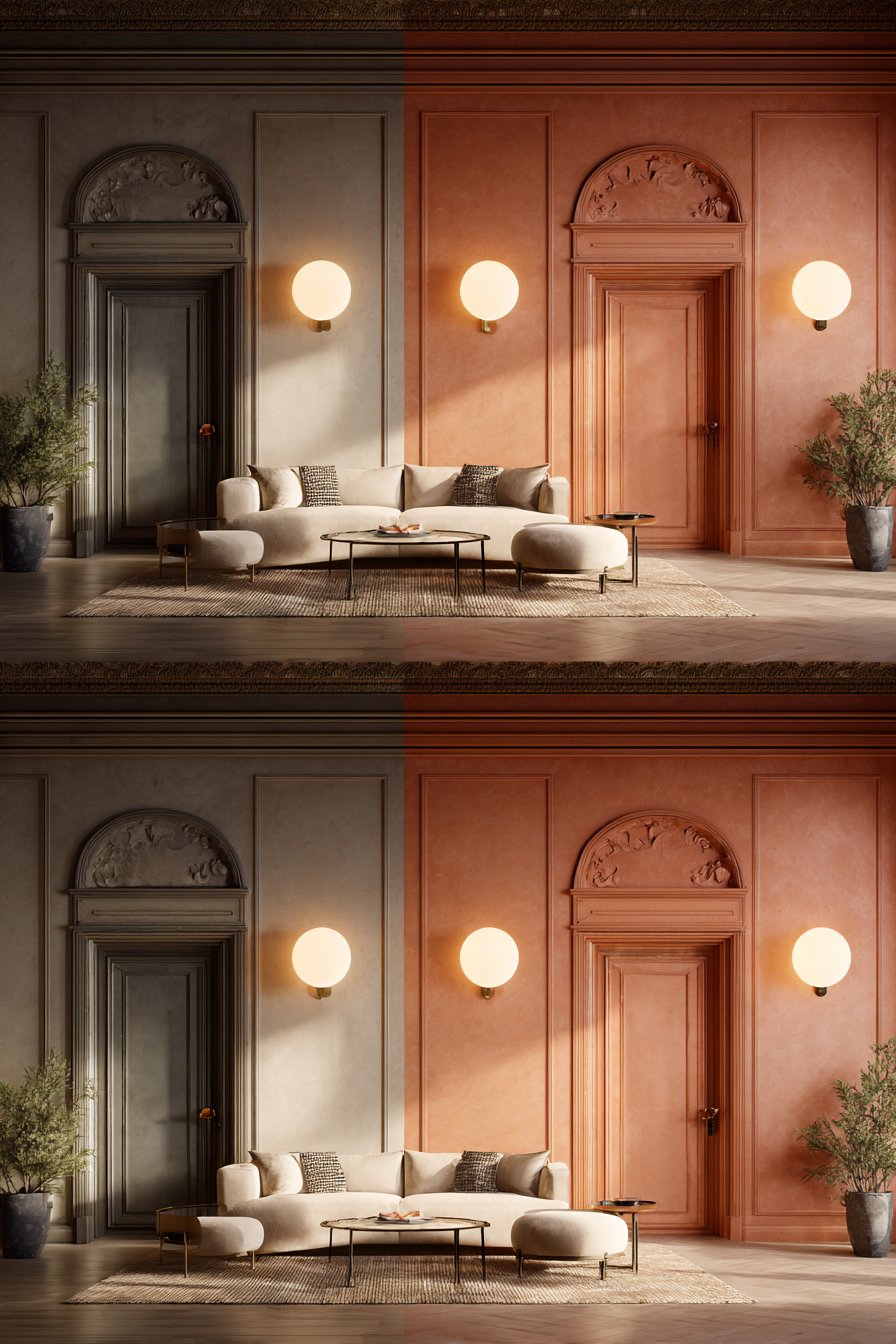
The same paint color will look noticeably different depending on whether it’s applied in a matte or gloss finish. This is one of the most frequently misunderstood aspects of paint selection and can lead to significant disappointment if not anticipated.
Matte finishes tend to make colors appear richer and deeper. Because the surface absorbs light, the pigment reads at full saturation. A matte terracotta or dusty sage appears more organic and earthy, contributing to a relaxed, grounded atmosphere in the living room.
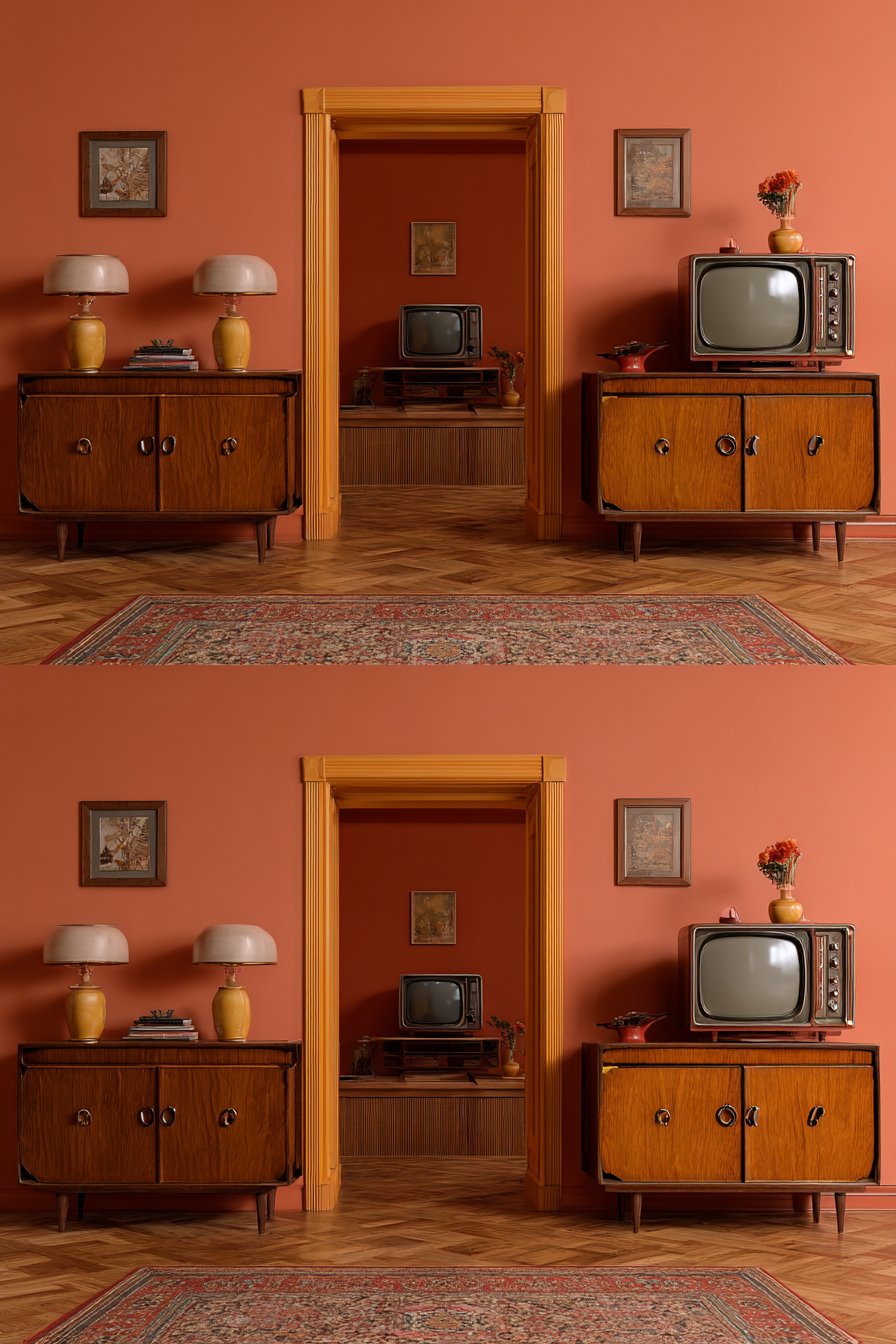
Gloss finishes make the same colors appear lighter and brighter. The reflective surface adds luminosity that can shift warm tones toward more vibrant, energetic territory. This can be a beautiful effect when used intentionally, but it may feel overly stimulating in spaces meant for rest and relaxation.
- Test paint samples in both finishes on the same wall before deciding
- Expect matte to read 5–10% darker than the same color in gloss
- Use matte for calm, restorative living room vibes and relaxation zones
- Choose gloss when you want a room to feel lively and dynamic
- Cooler colors in gloss can feel crisp and refreshing in modern interiors
- Warm colors in matte create an intimate, cocoon-like atmosphere
8. Combining Matte and Gloss in One Room
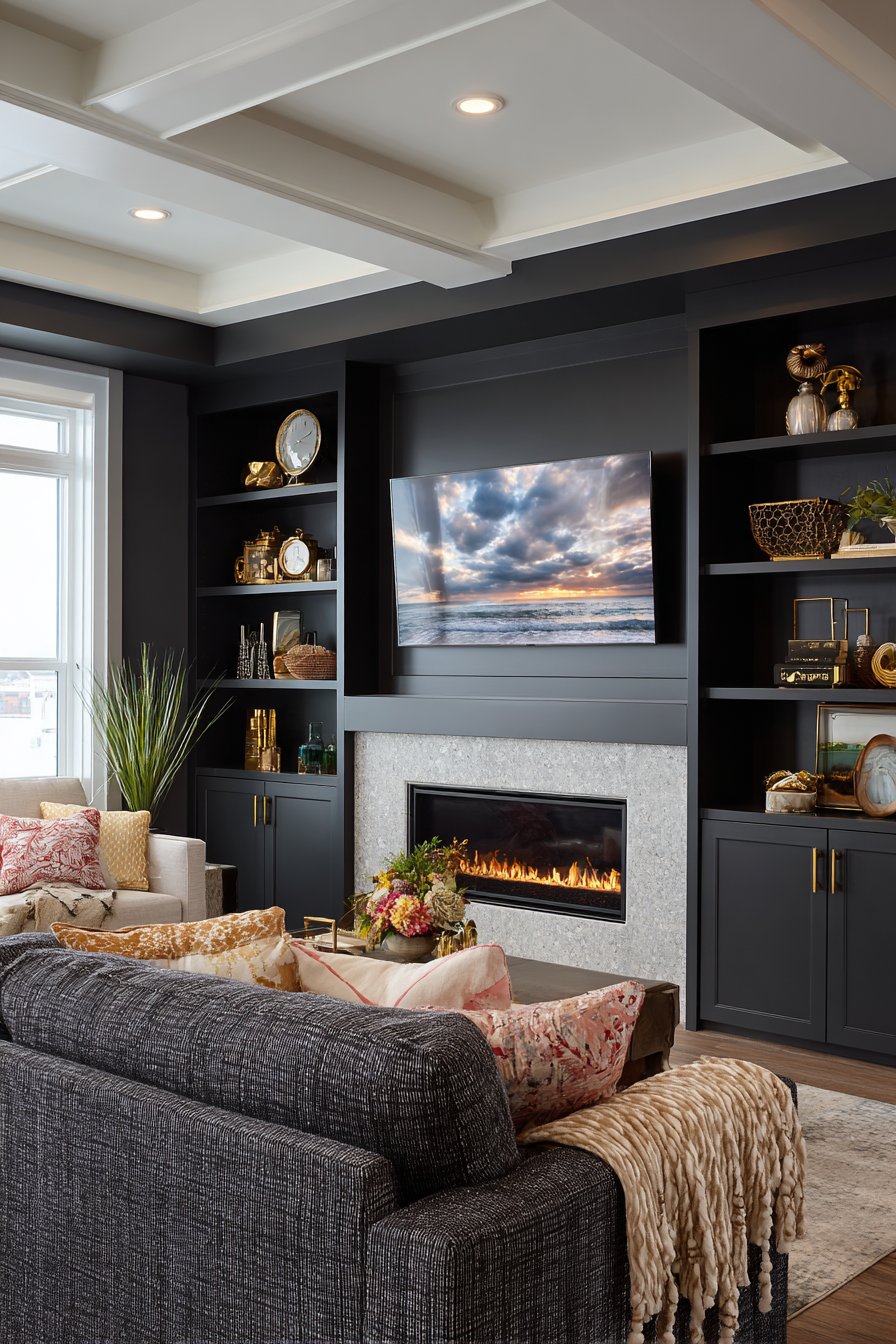
One of the most elegant solutions in contemporary interior design is combining both finishes strategically within the same living room. This layered approach delivers the benefits of both finishes and creates a sophisticated, professionally styled space.
A popular technique involves painting the walls in matte and the trim, ceiling, or architectural details in a semi-gloss or gloss finish. This classic combination defines the room’s structure beautifully. The contrast between the soft wall surface and the crisp, reflective trim creates visual hierarchy that elevates the entire interior.
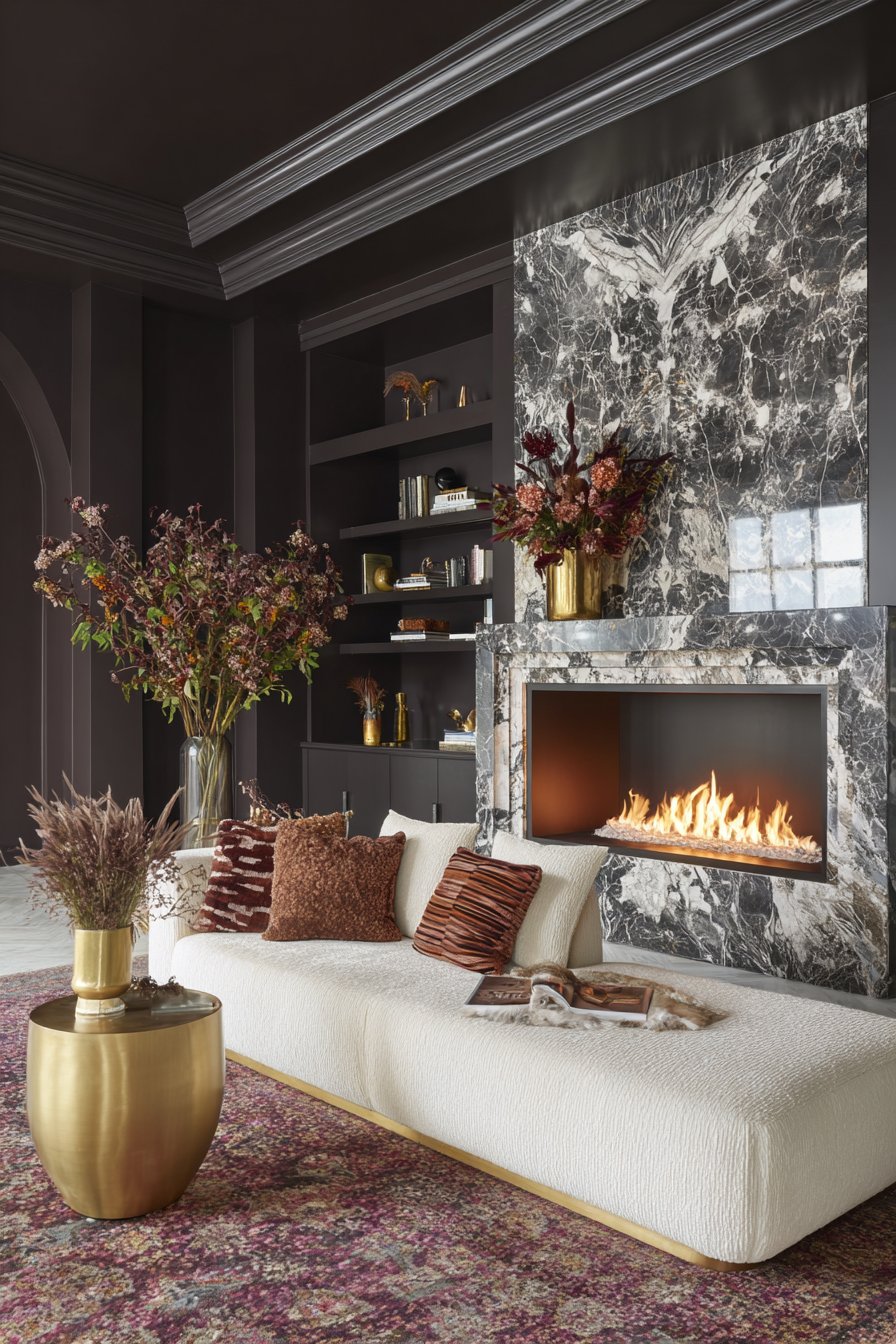
Another approach is using gloss paint on a single feature wall while keeping the remaining three walls in matte. This creates a focal point — behind a sofa, fireplace, or TV unit — that anchors the room. The contrast between finishes adds depth and dimension without requiring additional decor elements.
- Apply matte on walls and semi-gloss on trim for a timeless classic look
- Use one gloss feature wall to create a sophisticated focal point
- Paint built-in shelving or cabinetry in gloss for a polished accent
- Combine finishes on the same wall using paneling or wainscoting
- Use different sheens of the same color for a subtle, tonal effect
- Consult a professional decorator to map out the finish plan before painting
9. Budget and Cost Considerations
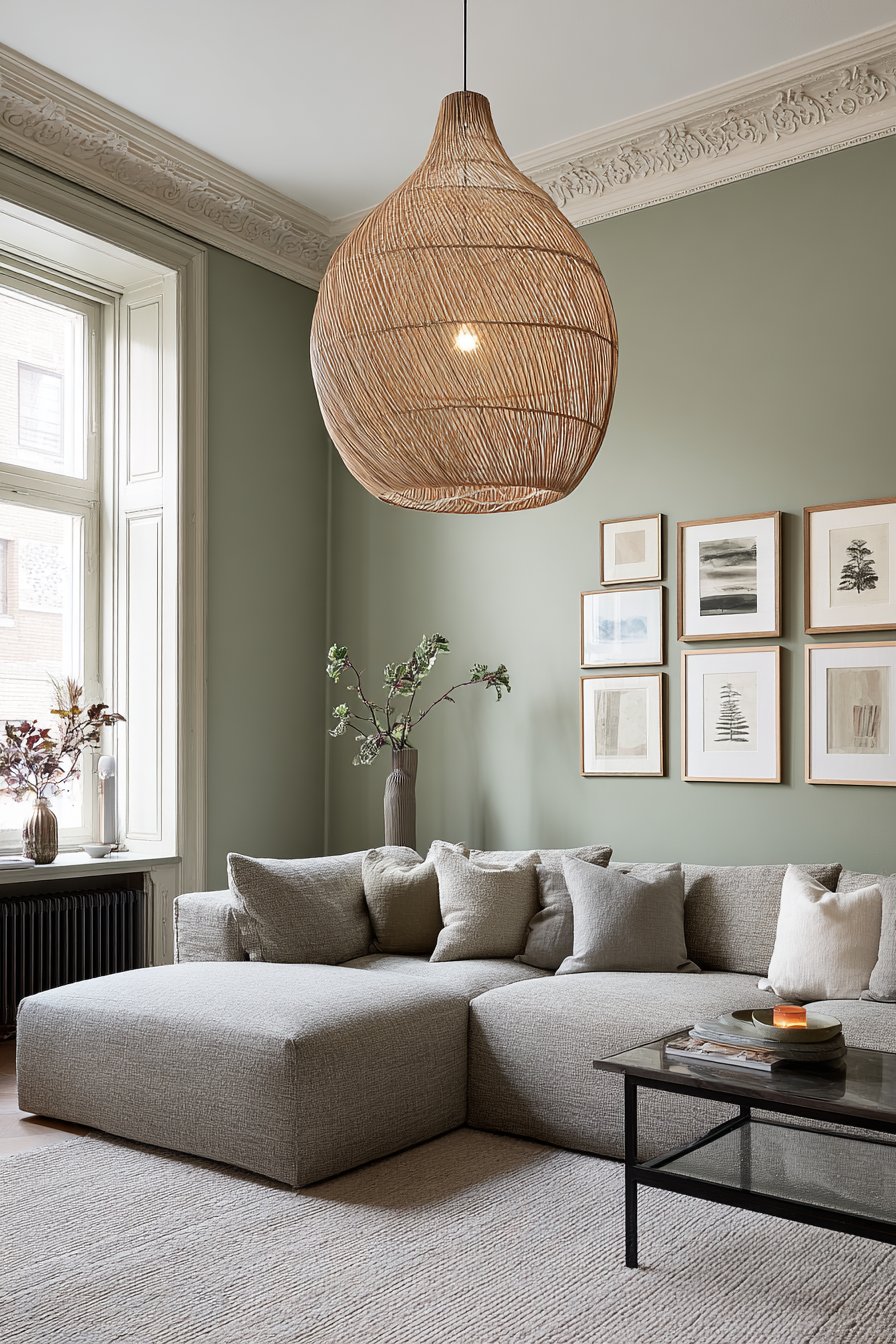
Paint budget planning is an often-overlooked aspect of the matte vs gloss decision. While the difference in price per can may seem minor, several factors can affect the total cost of your project significantly.
High-quality gloss paints typically cost slightly more than their matte counterparts due to the higher resin and binder content required for the reflective finish. Additionally, achieving a flawless gloss result often requires more coats of paint and more extensive surface preparation, adding to overall labor and material costs.
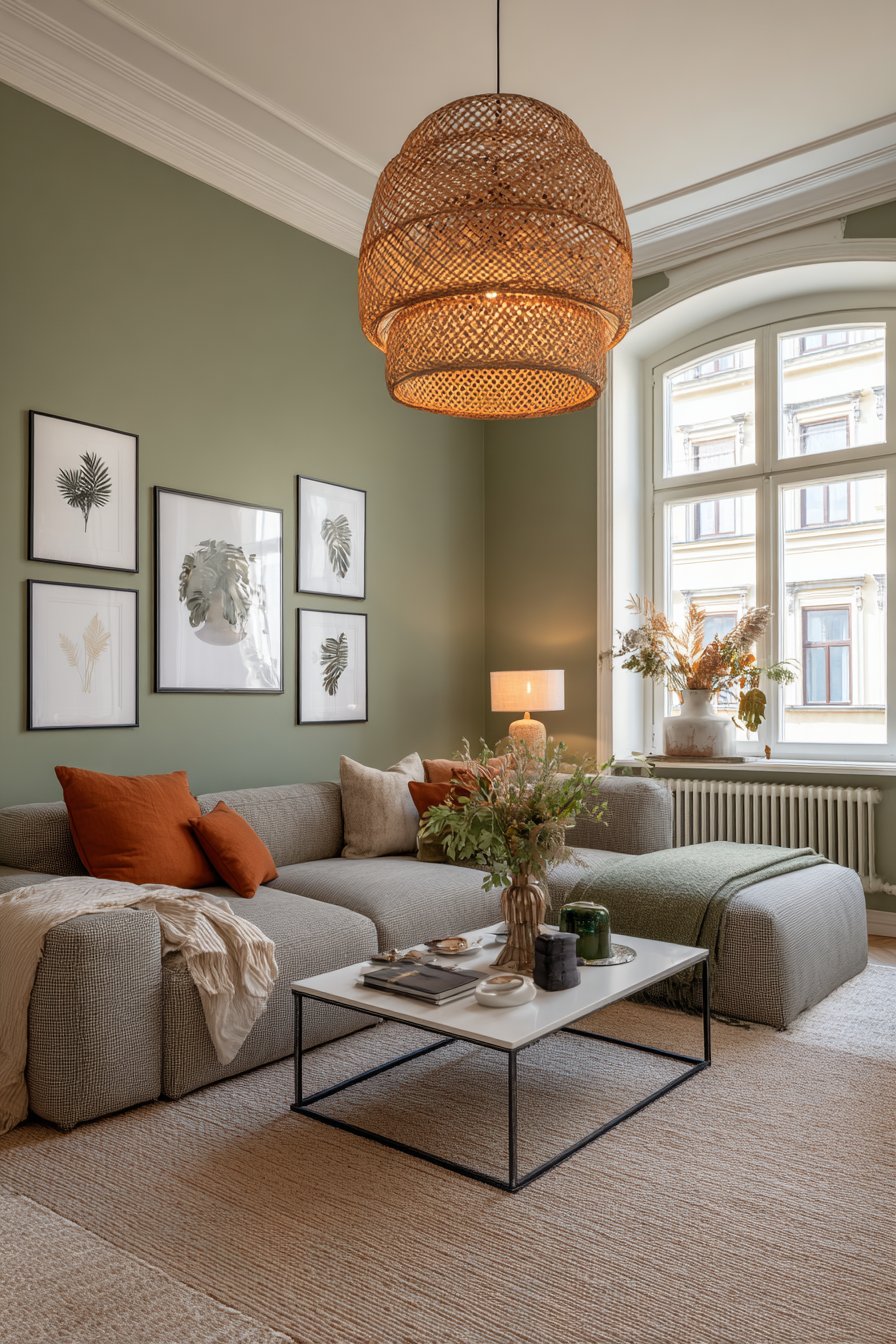
Matte paint is generally more budget-friendly and easier to apply, which reduces both material consumption and labor time. However, because matte is less durable, you may find yourself repainting sooner, especially in high-use areas — potentially offsetting the initial savings over time.
- Budget for extra surface prep materials when using gloss paint
- Factor in repainting frequency when calculating long-term costs
- Choose mid-range quality matte paint for best value in low-traffic rooms
- Invest in premium gloss paint for a finish that lasts and cleans well
- Consider professional application for gloss to avoid costly visible mistakes
- Sample pots are worth purchasing before committing to large quantities
10. Designer Tips for Making the Final Decision
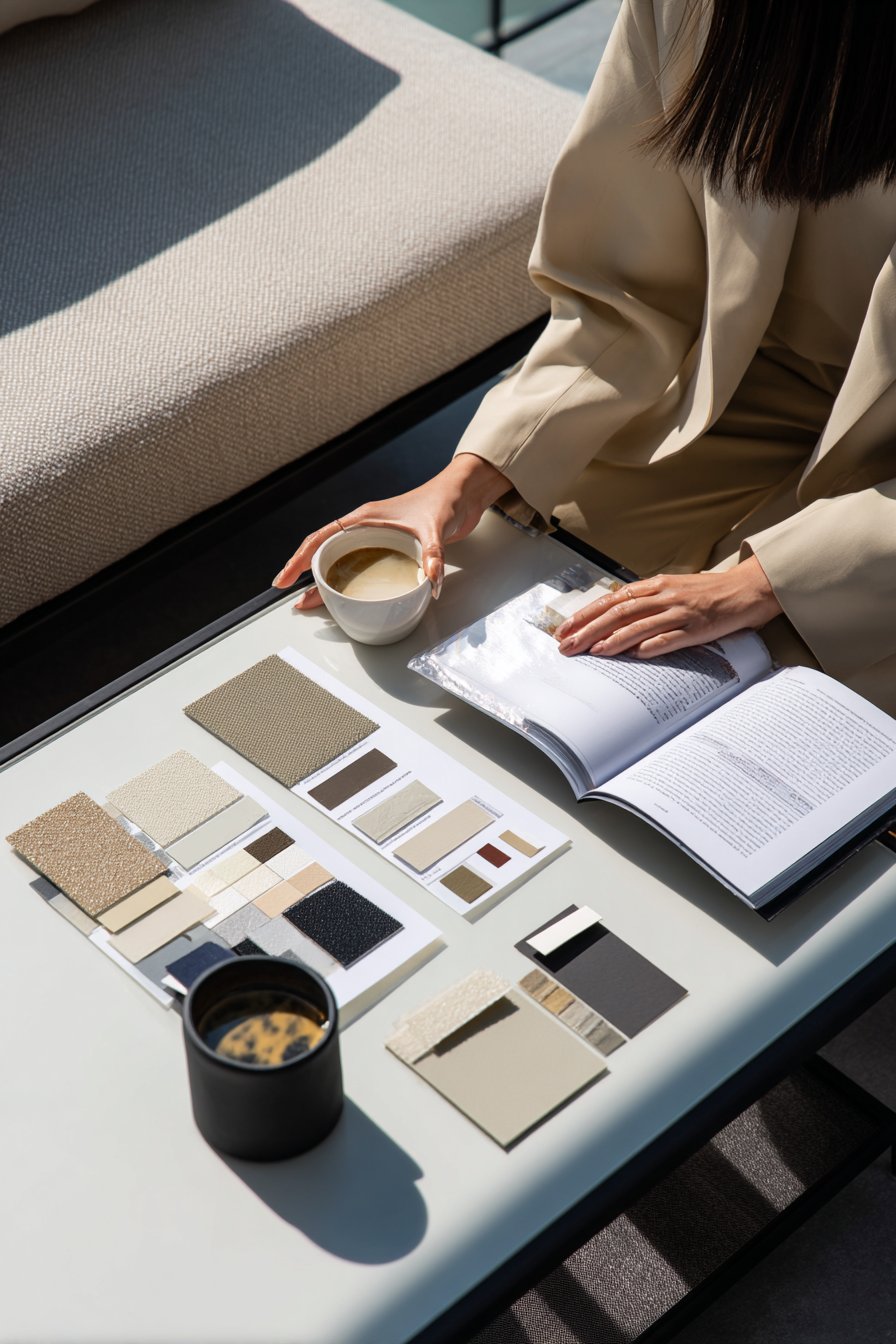
Choosing between matte and gloss ultimately comes down to your specific priorities — aesthetics, practicality, wall condition, and lifestyle all play a role. The best interior designers approach this decision systematically rather than emotionally.
Start by assessing your living room’s conditions: the amount of natural light, the state of the walls, and how the room is used daily. A formal sitting room used mainly for entertaining can support a more delicate matte finish. A family-centered living room where children play and snacks are shared calls for something more resilient.
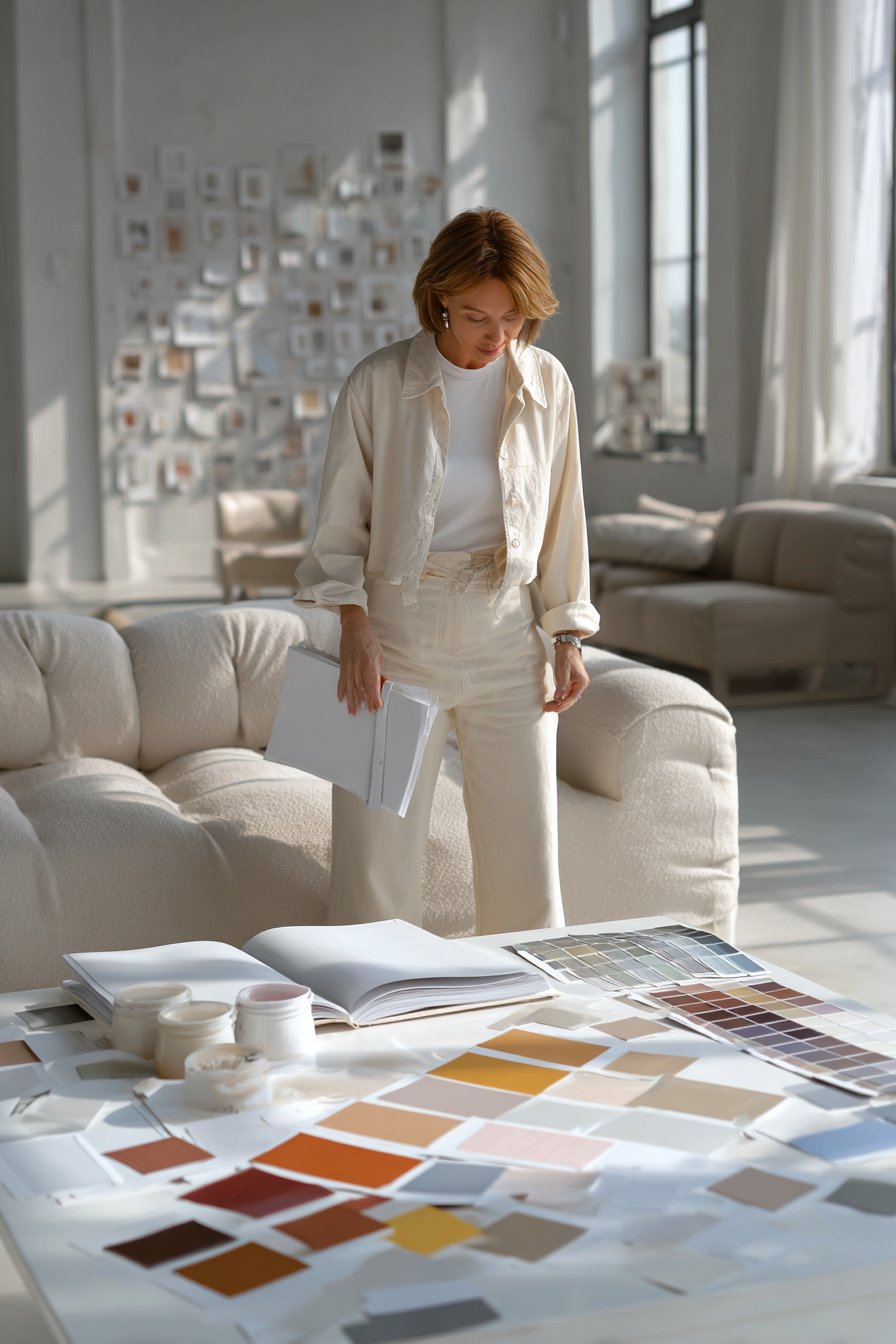
Consider also the overall design style you’re pursuing. Matte aligns beautifully with organic, artisan, and nature-inspired interiors. Gloss suits modern, maximalist, or art deco schemes where drama and reflection are design assets. When in doubt, eggshell or satin — the middle ground — offer a balanced compromise that suits most living rooms.
- Visit a paint showroom and view large sample boards in natural light
- Take photos of your living room and digitally overlay paint samples
- Ask yourself: “Is this room about calm retreat or dynamic energy?”
- Consider your cleaning habits honestly before choosing a delicate finish
- Review inspiration images online and note which finish those walls use
- Trust your instincts — the best finish is the one that makes you love your home
Conclusion
Both matte and gloss paint have a rightful place in living room design — the key is understanding what each finish offers and aligning that with your specific goals. Matte paint delivers richness, depth, and a sophisticated calm that suits relaxed, textured interiors. Gloss paint brings energy, light, and durability that works beautifully in modern, dramatic, or compact spaces.
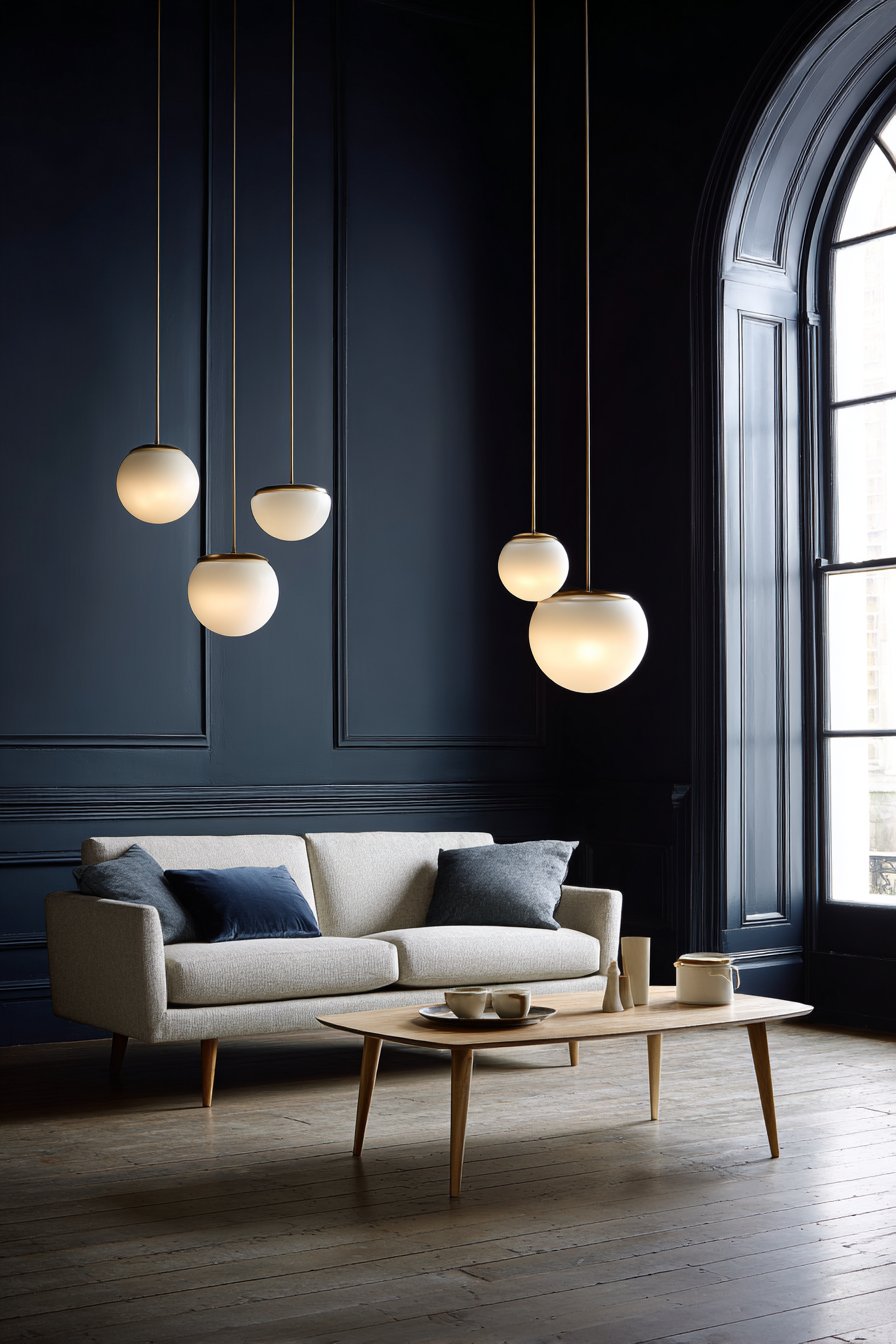
There is no universally “better” option — only the right choice for your living room, your lifestyle, and your vision. Whether you go all-in on a velvety matte palette, embrace the bold glamour of high-gloss walls, or combine both finishes for a layered designer effect, the most important step is making an informed, intentional decision. Paint your walls with confidence, and your living room will reward you with a space that truly feels like home.
"As an Amazon Associate, I earn from qualifying purchases."
