
Creating a luxury living room goes beyond simply filling a space with expensive furniture. It’s about crafting an environment that exudes sophistication, comfort, and timeless elegance. A truly luxurious living room reflects personal style while maintaining impeccable quality in every detail, from the materials used to the spatial arrangement.
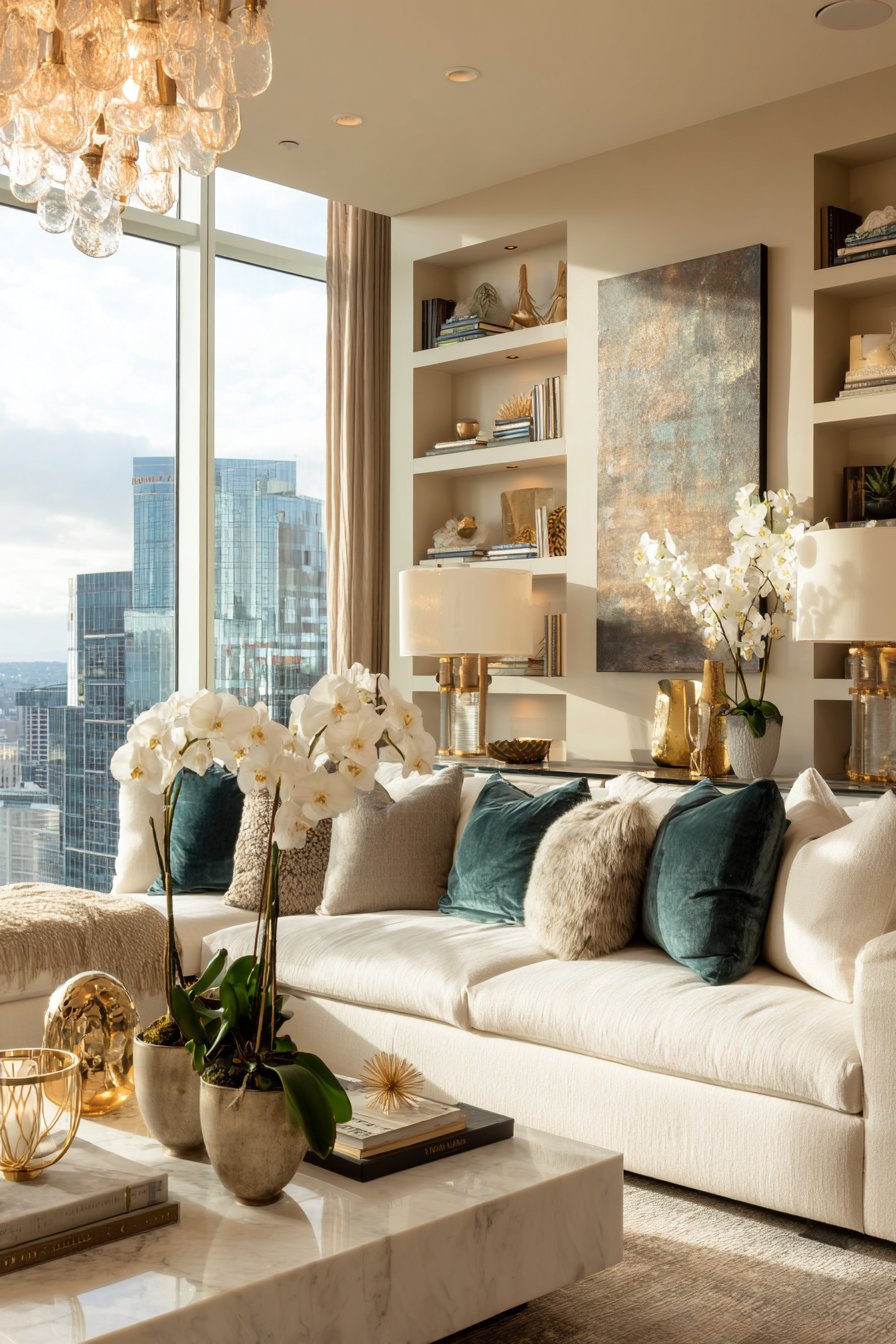
The essence of luxury lies in the harmonious blend of aesthetics and functionality. Today’s discerning homeowners seek spaces that not only impress guests but also provide a sanctuary for relaxation and entertainment. Understanding what elevates a living room from ordinary to extraordinary requires examining the fundamental elements that professional designers prioritize when creating high-end interiors.
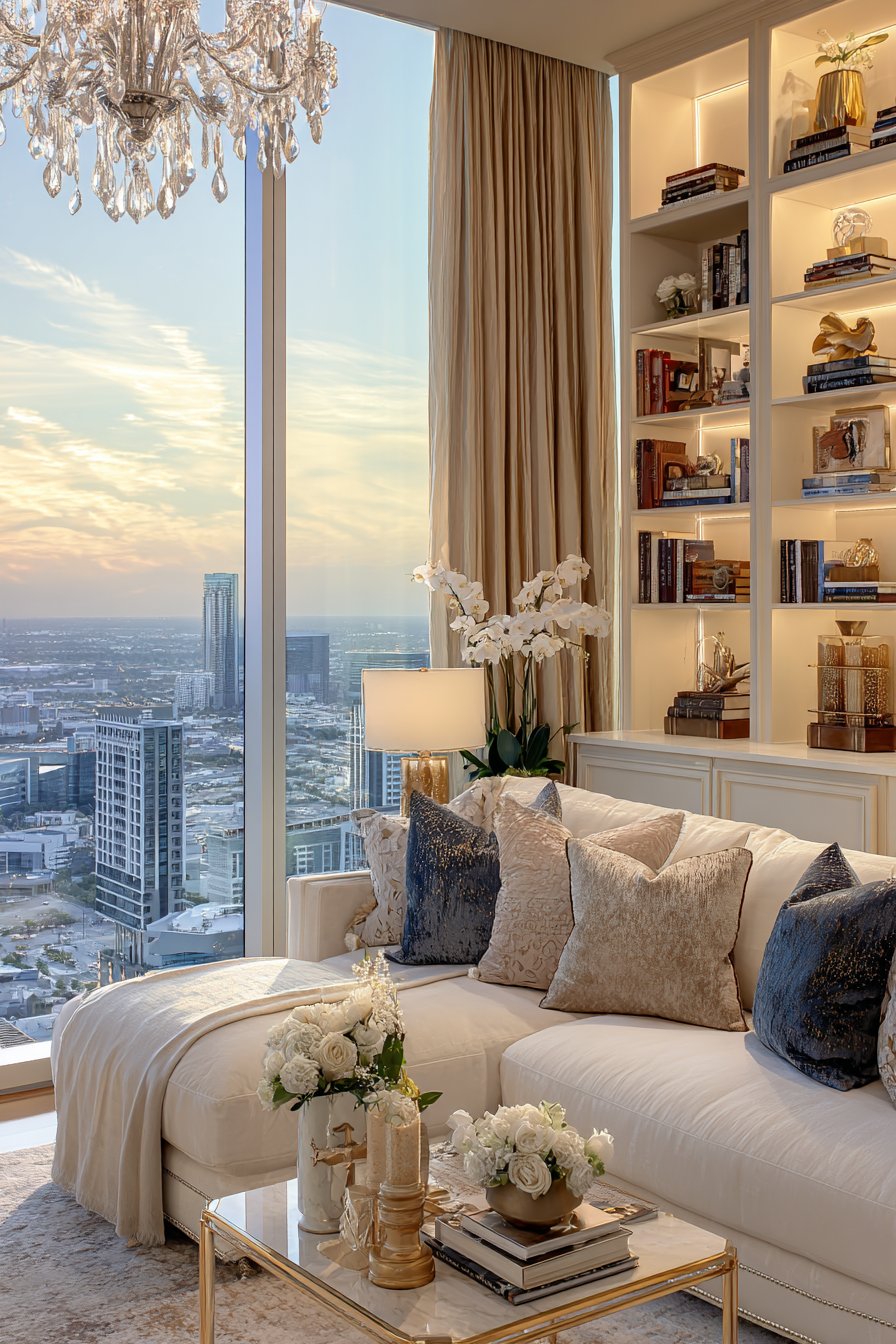
This comprehensive guide explores the defining characteristics of luxury living rooms, offering insights into the sophisticated design choices, quality materials, and thoughtful details that transform a standard space into an opulent retreat. Whether you’re renovating your current home or starting fresh, these principles will help you achieve that coveted luxurious ambiance.
1. High-Quality Materials and Finishes Create Lasting Impressions
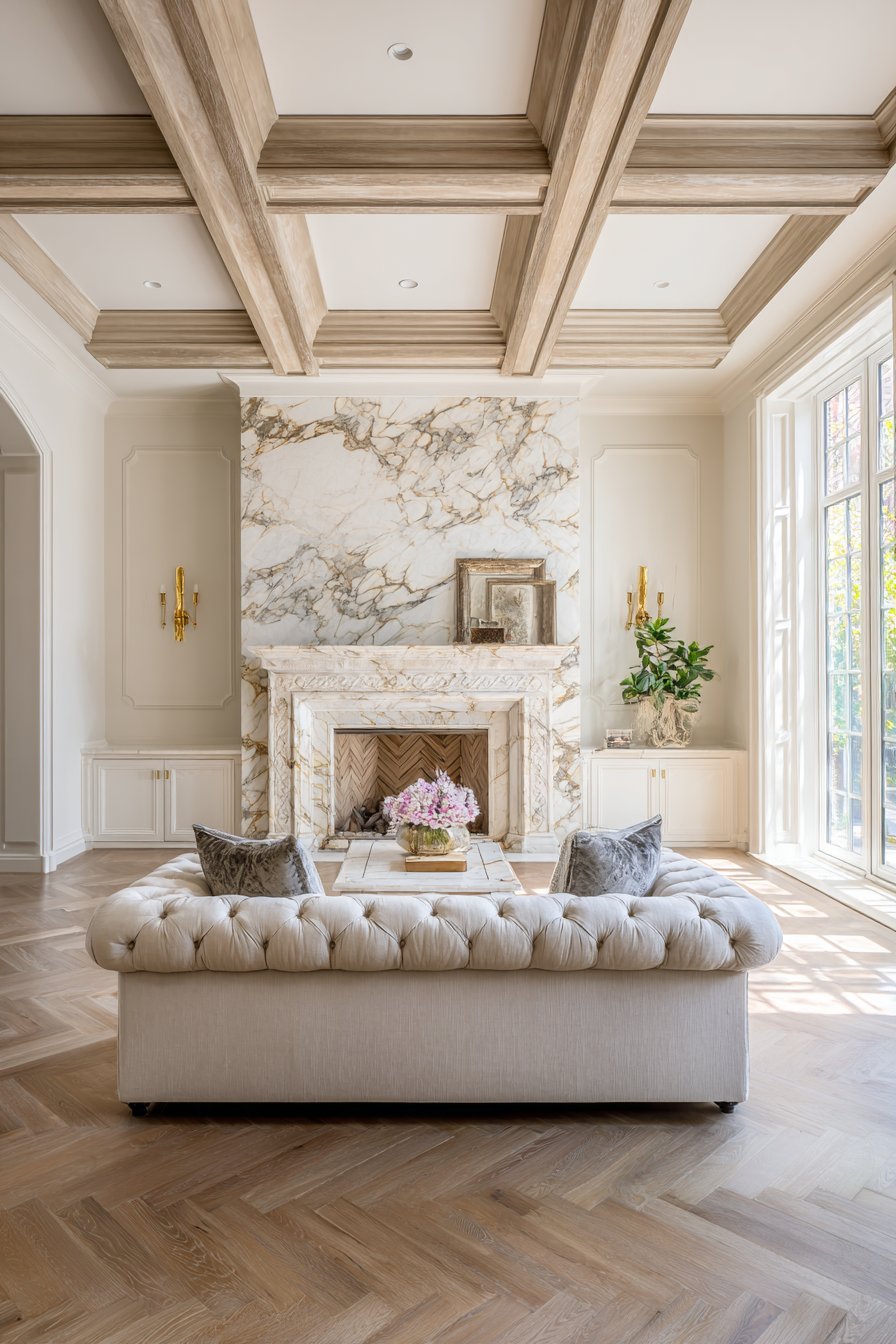
The foundation of any luxury living room begins with premium materials and superior craftsmanship. Cheap alternatives are immediately noticeable to the trained eye, while quality materials age gracefully and maintain their beauty for decades. Natural materials like marble, hardwood, and genuine leather communicate refined taste and investment in longevity.
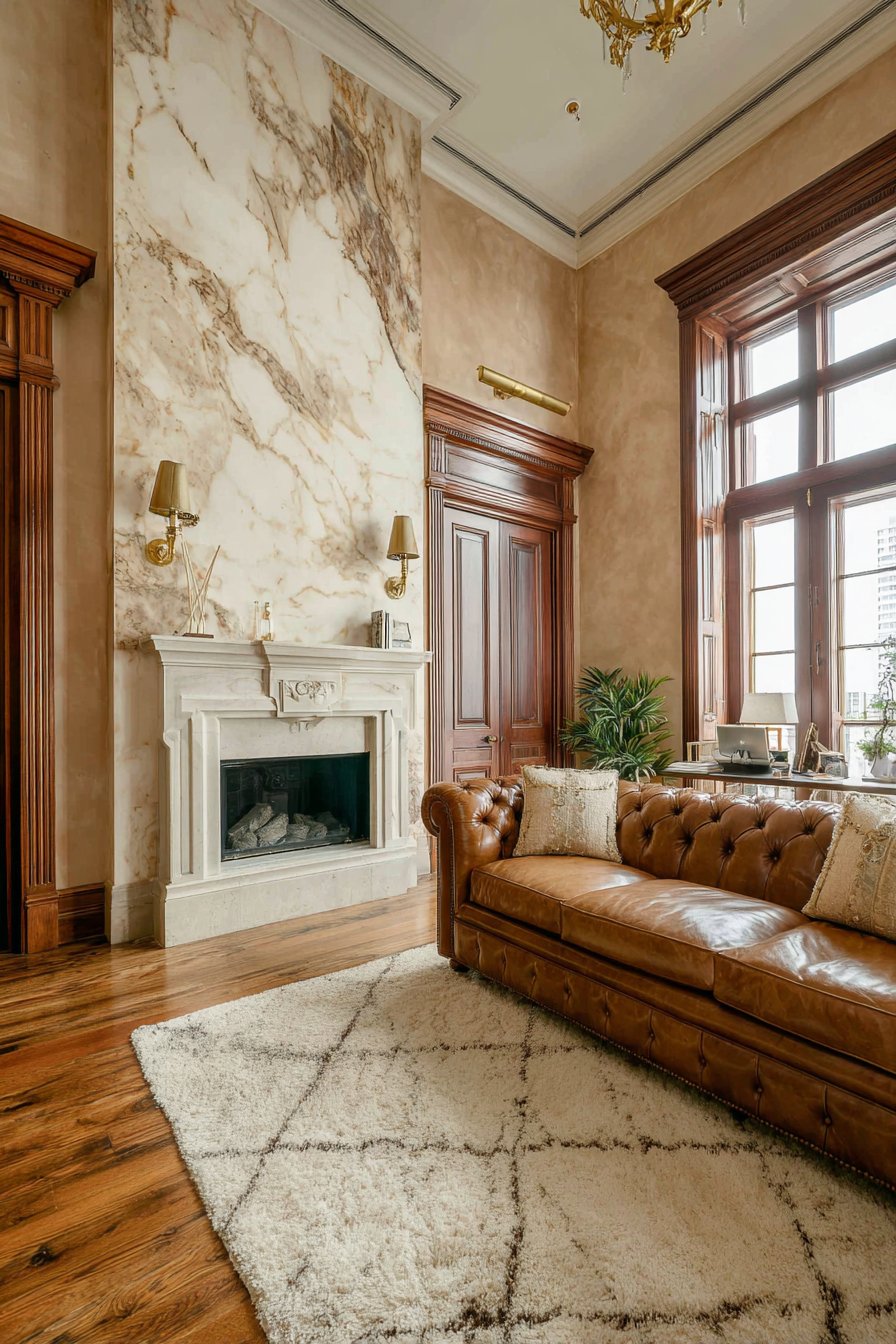
Wall treatments deserve special attention in luxury spaces. Consider venetian plaster, silk wallcoverings, or wood paneling instead of standard paint. These surfaces add tactile richness and visual depth that flat walls cannot achieve. Quality flooring options include wide-plank hardwood, natural stone, or hand-knotted wool rugs that anchor the space with sophistication.
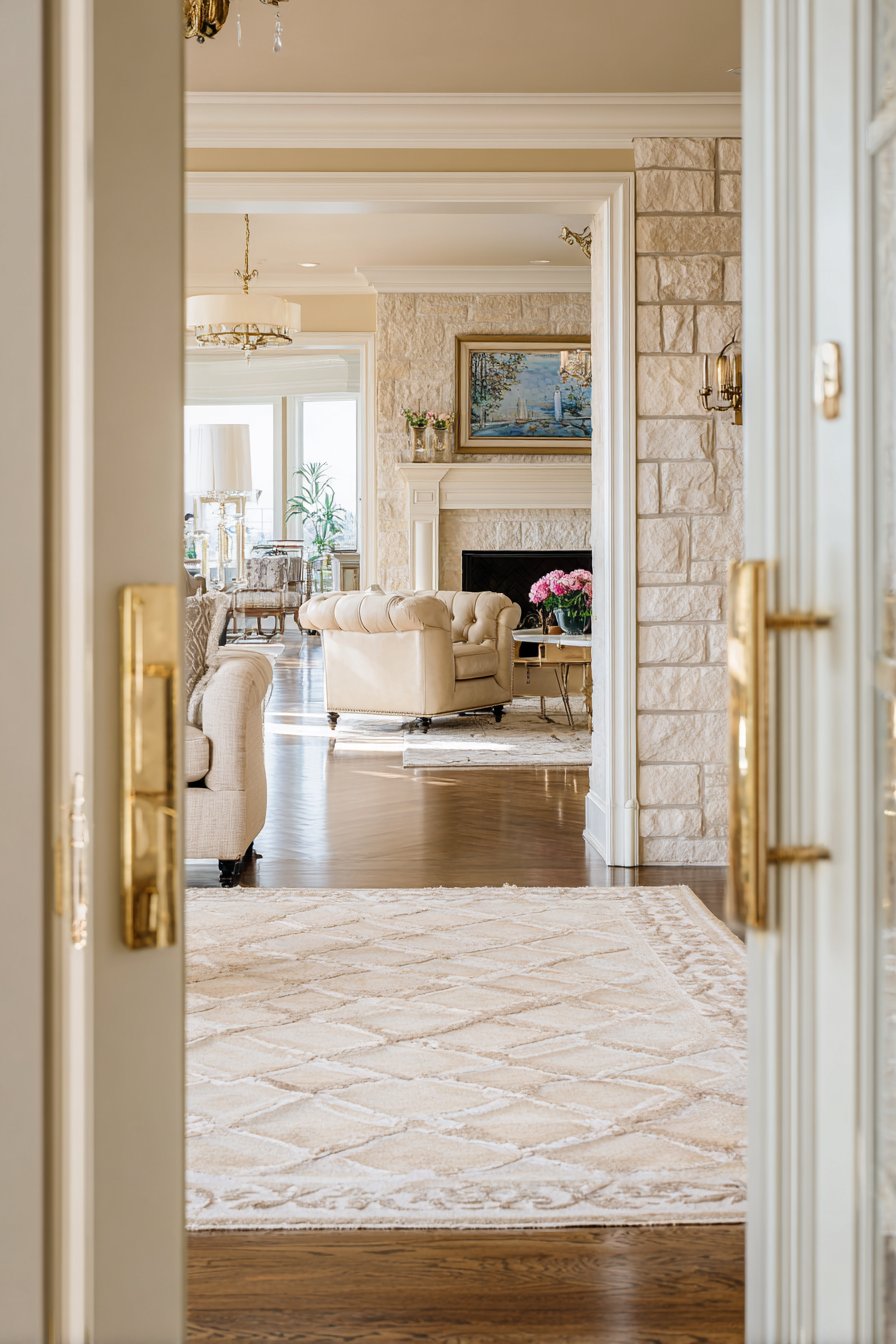
Hardware and fixtures should reflect the same commitment to quality. Select solid brass or brushed nickel finishes for light switches, door handles, and window treatments. These seemingly small details contribute significantly to the overall impression of luxury and attention to detail that distinguishes exceptional spaces.
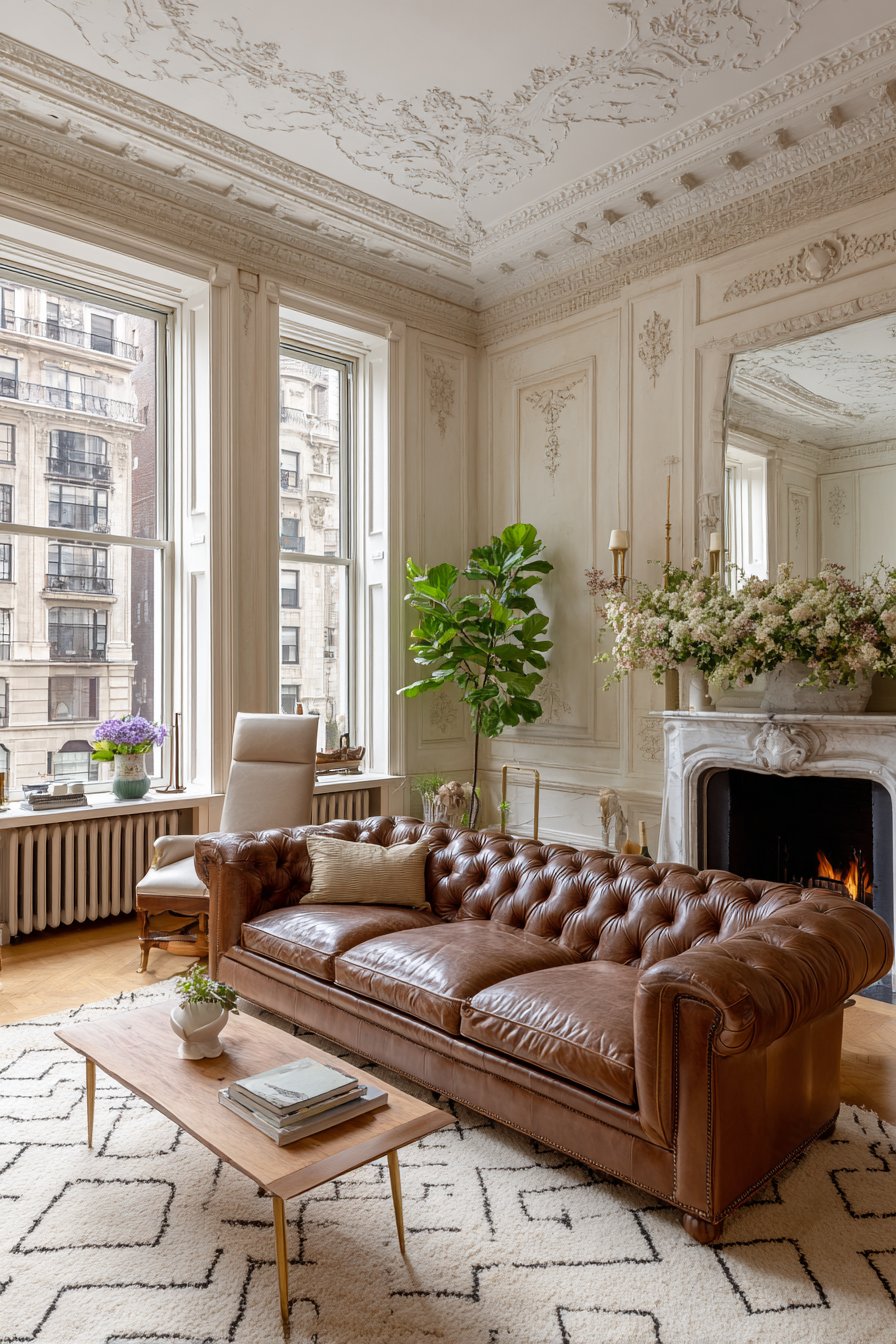
- Invest in genuine hardwood flooring with at least 3/4-inch thickness for durability
- Choose natural stone like marble or limestone for fireplace surrounds and accent walls
- Select furniture upholstered in top-grain leather or high-thread-count natural fabrics
- Incorporate metal accents in brass, bronze, or polished nickel finishes
- Use crown molding and baseboards in substantial profiles (5-7 inches minimum)
- Consider custom millwork for built-in shelving and cabinetry
2. Thoughtful Spatial Planning Maximizes Comfort and Flow
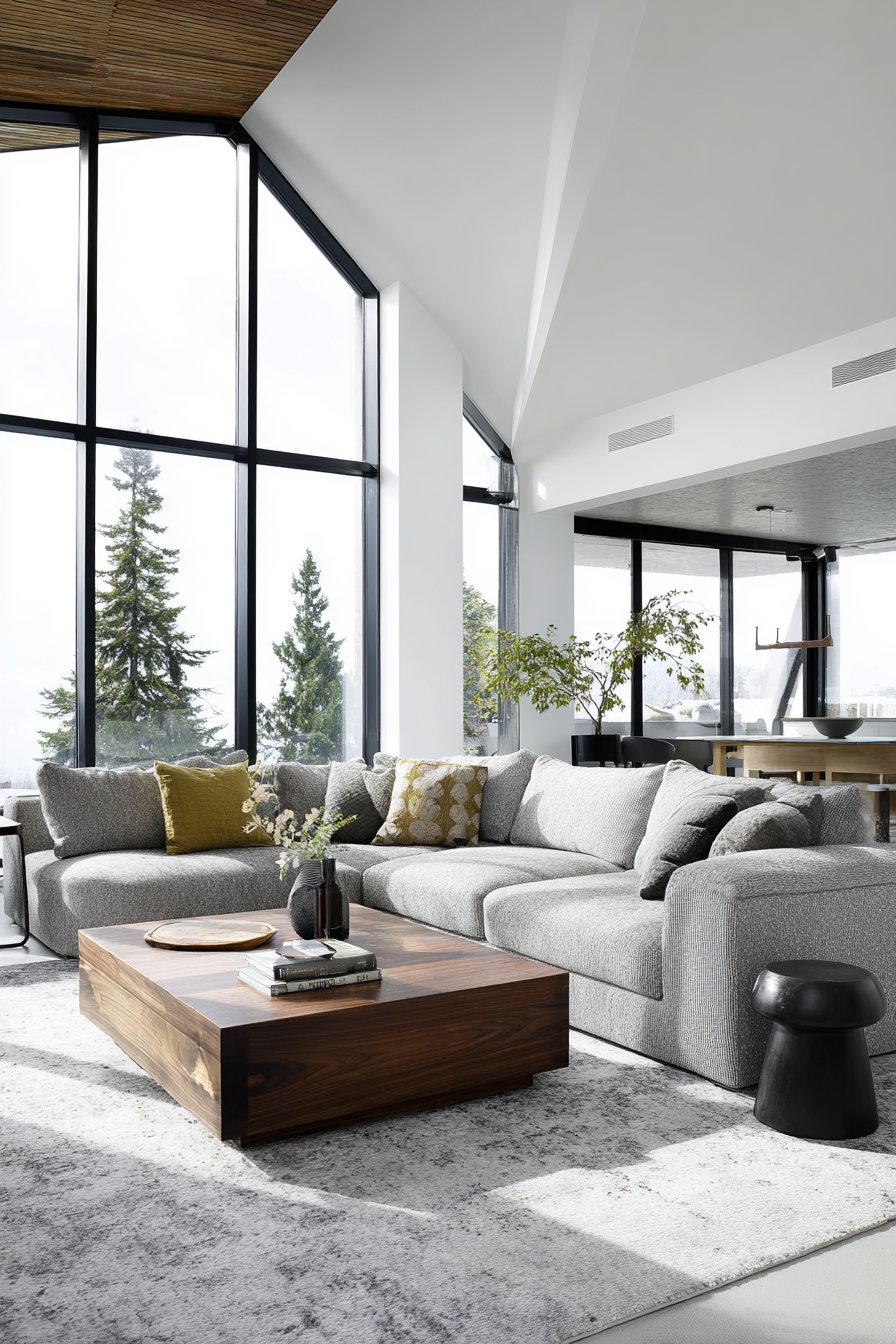
Luxury living rooms never feel cramped or cluttered, regardless of their actual square footage. Strategic furniture placement creates distinct zones for conversation, reading, and entertainment while maintaining open pathways. The key is balancing filled and empty spaces to achieve an effortless, uncluttered aesthetic.
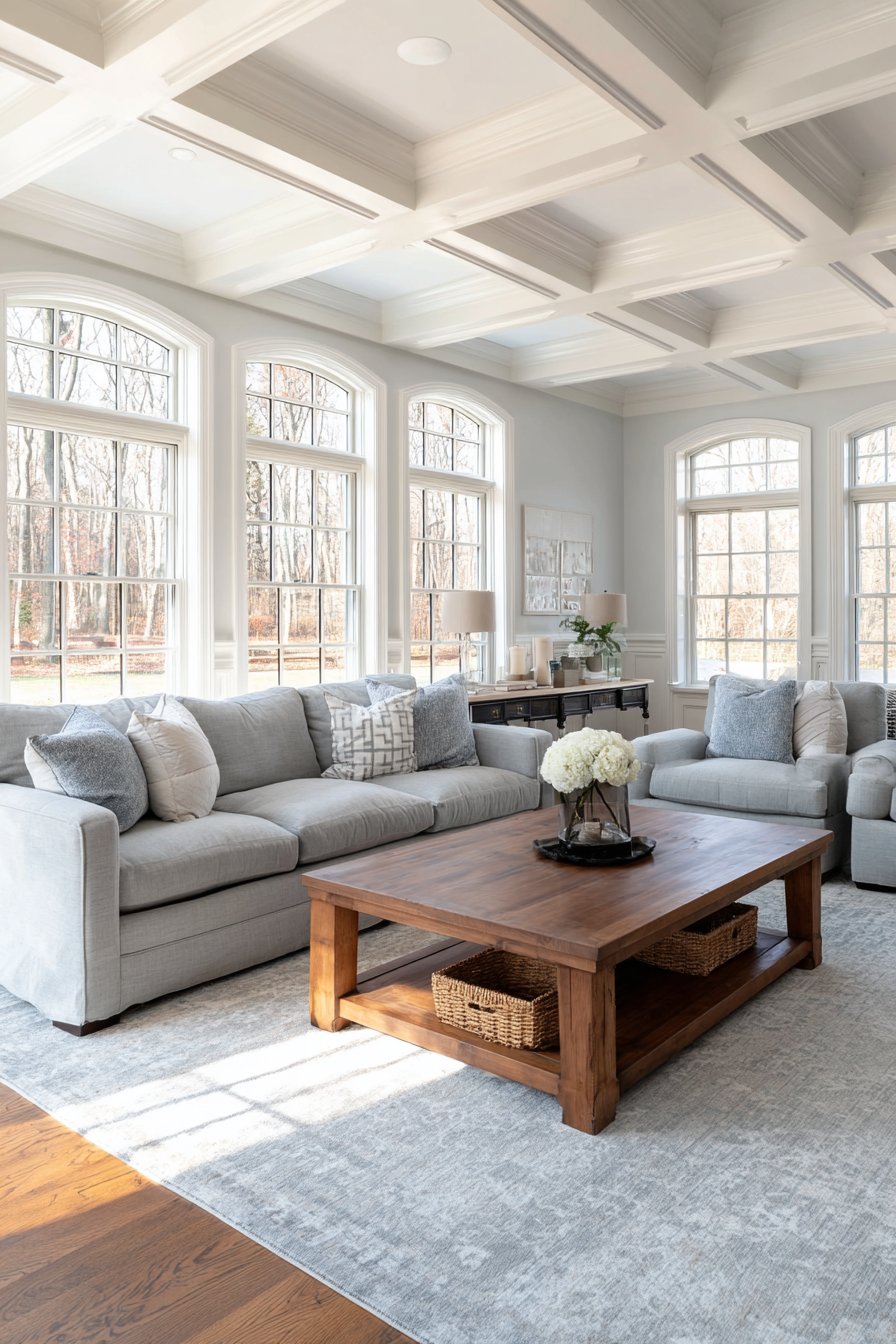
Proper scale and proportion are critical considerations. Furniture should complement the room’s dimensions rather than overwhelm or underwhelm the space. Oversized sectionals work beautifully in large rooms, while apartment-sized pieces suit more intimate settings. Maintain at least 30 inches of walking space between furniture pieces for comfortable navigation.
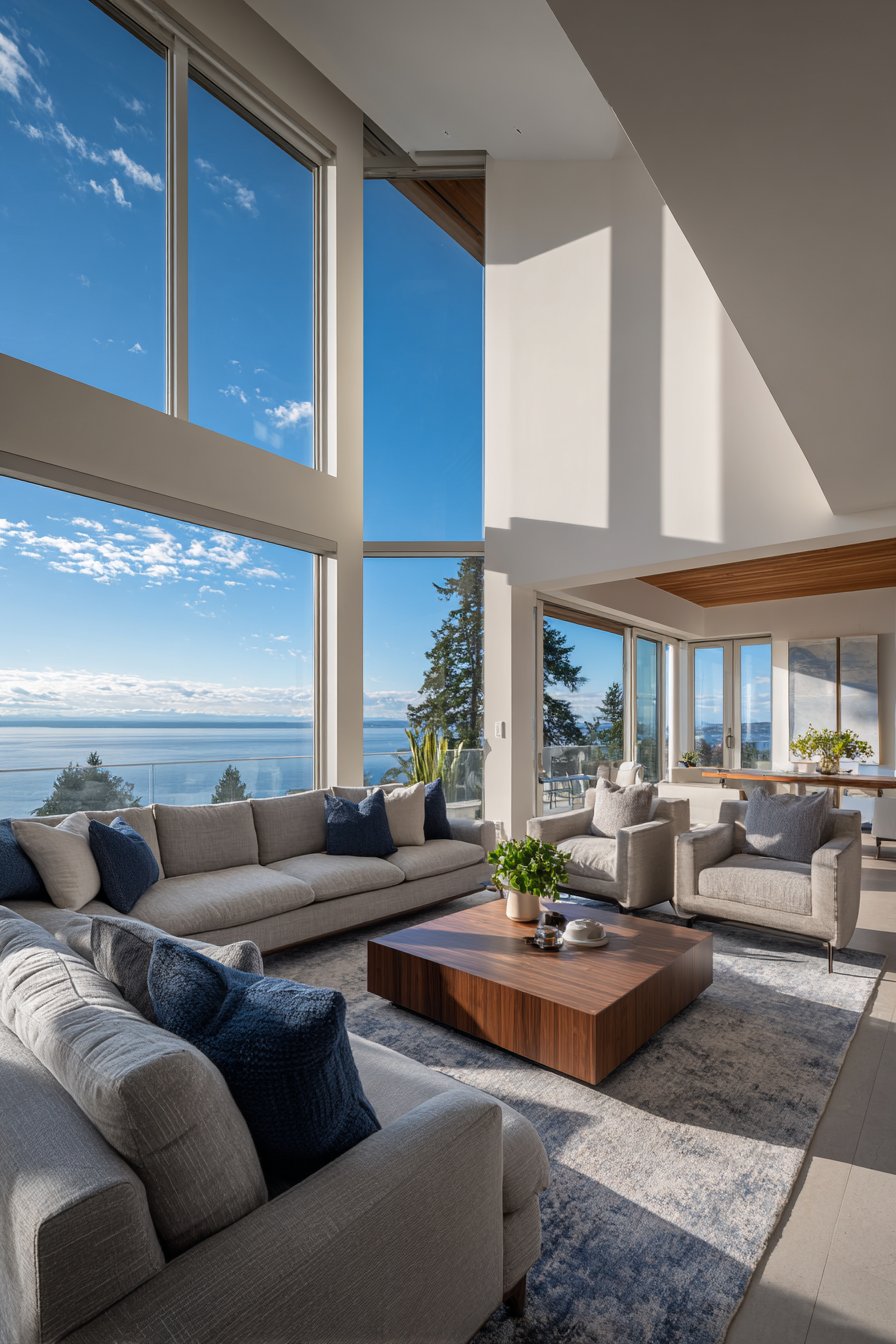
Consider the room’s focal point when arranging furniture. Whether it’s a stunning fireplace, panoramic windows, or custom entertainment center, arrange seating to highlight architectural features while encouraging social interaction. Create symmetrical or asymmetrical balance depending on your design style preference.
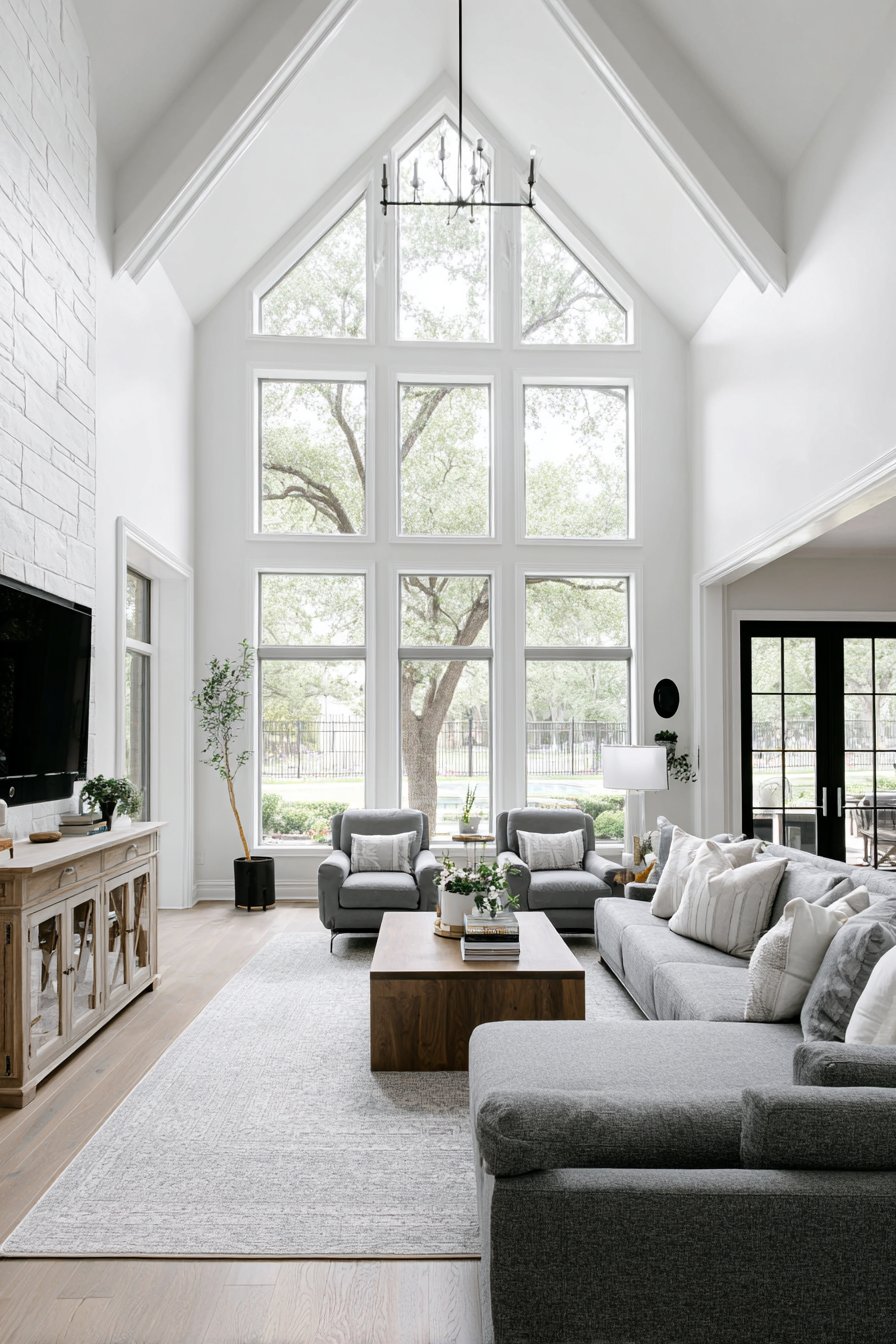
- Position primary seating within 8-10 feet of each other to facilitate conversation
- Allow 18 inches between coffee table and sofa for comfortable leg room
- Create multiple seating areas in larger rooms using area rugs as boundaries
- Ensure clear sightlines to architectural features or entertainment centers
- Leave adequate space behind furniture for cleaning and maintenance access
- Use console tables to define spaces without blocking flow
3. Layered Lighting Design Establishes Ambiance and Functionality
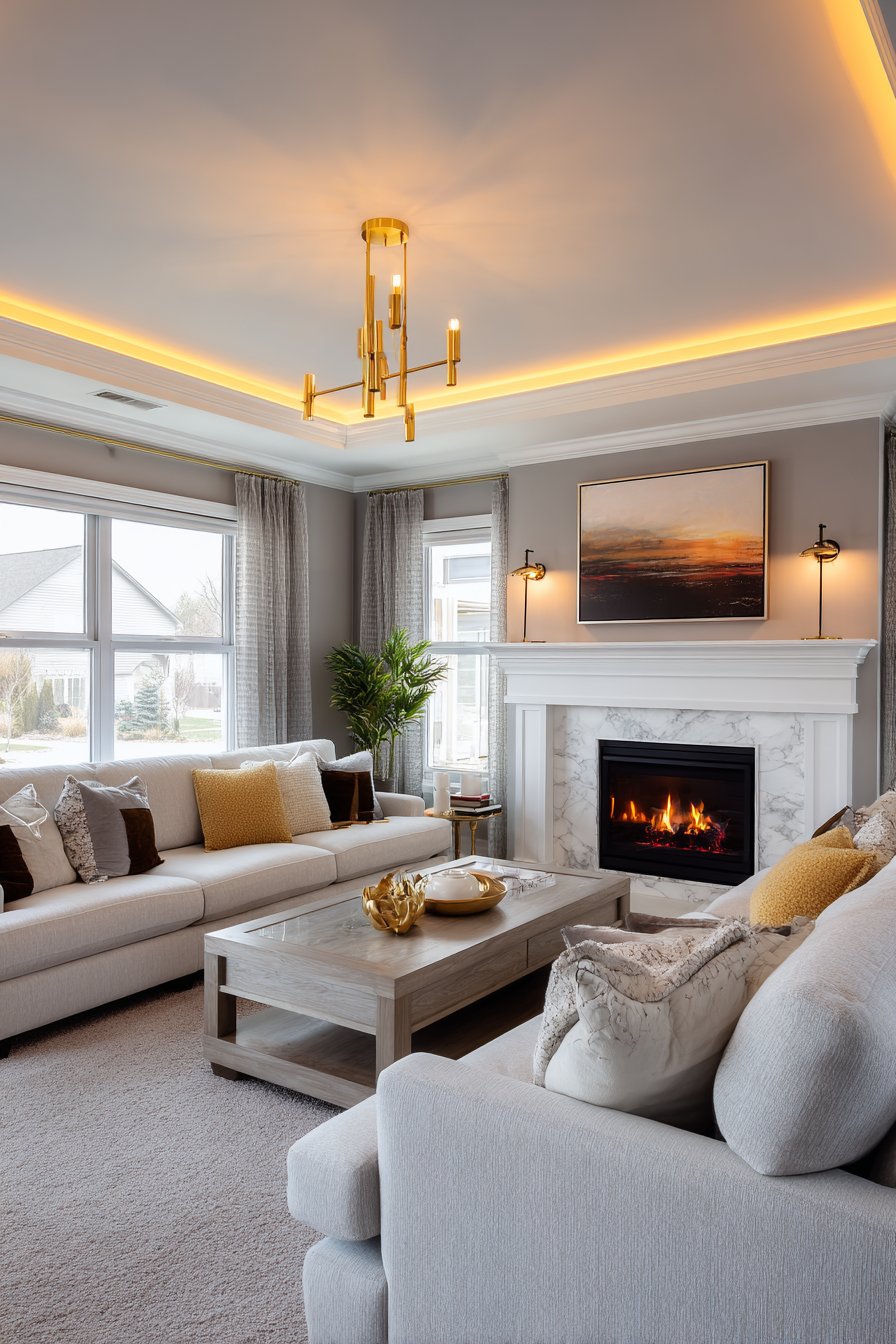
Exceptional lighting is the hallmark of sophisticated interior design. Luxury living rooms incorporate multiple light sources at different heights to create depth, drama, and versatility. Relying solely on overhead fixtures produces flat, unflattering illumination that undermines even the finest furnishings.
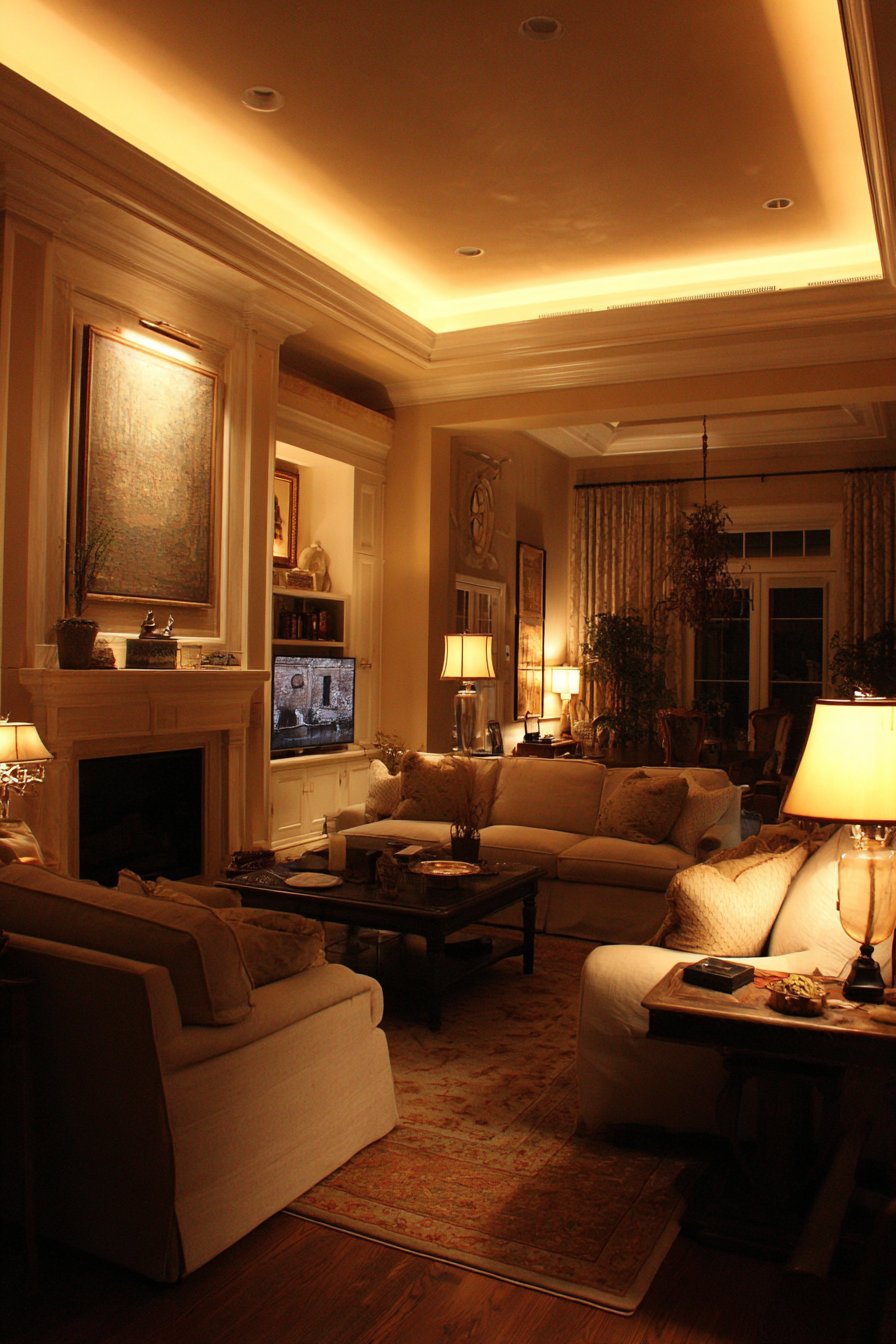
Ambient lighting provides overall illumination through recessed fixtures, chandeliers, or decorative ceiling lights. Task lighting includes adjustable reading lamps and picture lights for specific activities. Accent lighting highlights artwork, architectural details, or decorative objects, adding visual interest and focal points throughout the space.
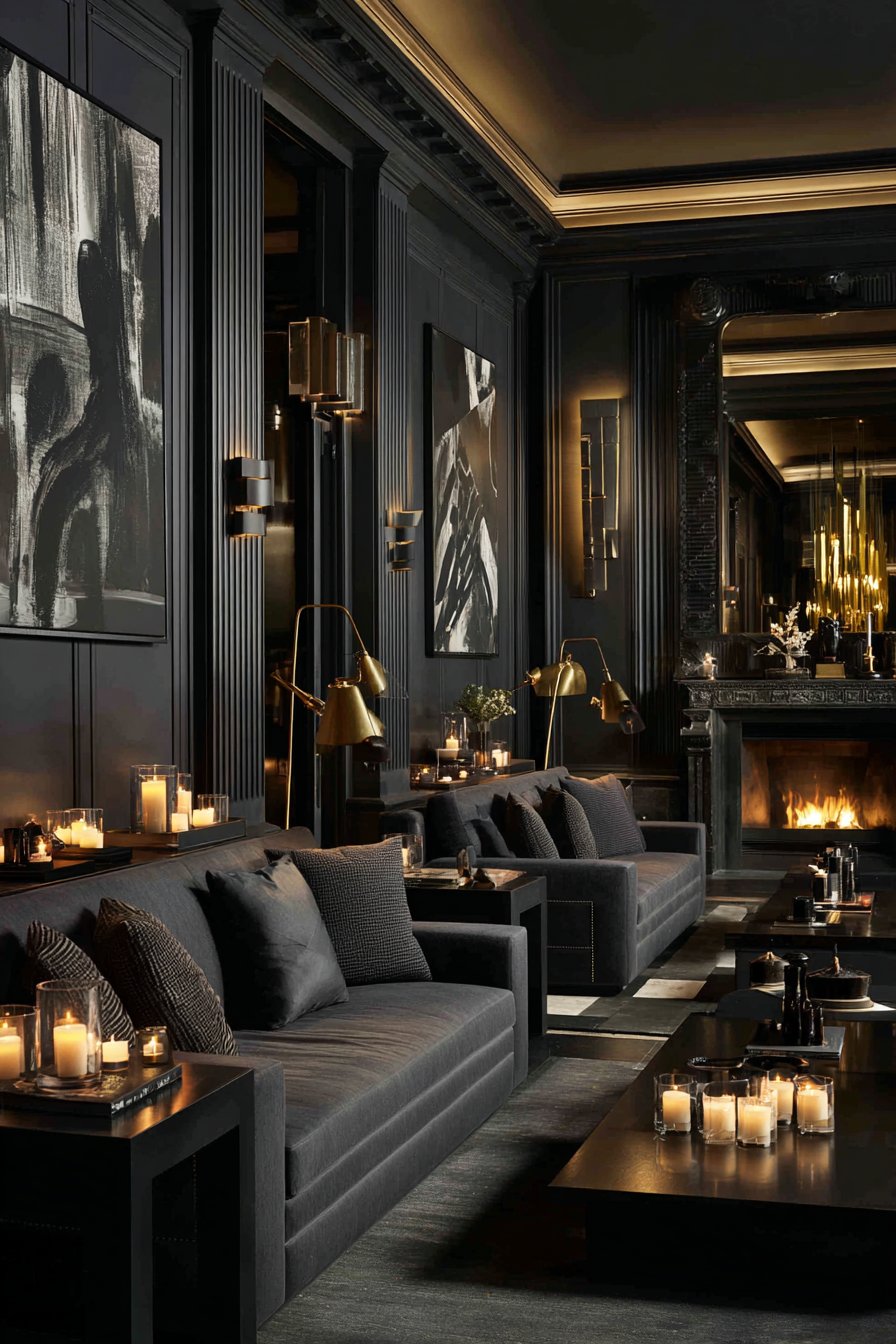
Dimmer switches are non-negotiable in luxury settings, allowing you to adjust lighting intensity for different occasions. Install dimmers on every circuit to transition seamlessly from bright daytime energy to intimate evening atmosphere. Quality light bulbs with proper color temperature (2700-3000K) create warm, inviting illumination.
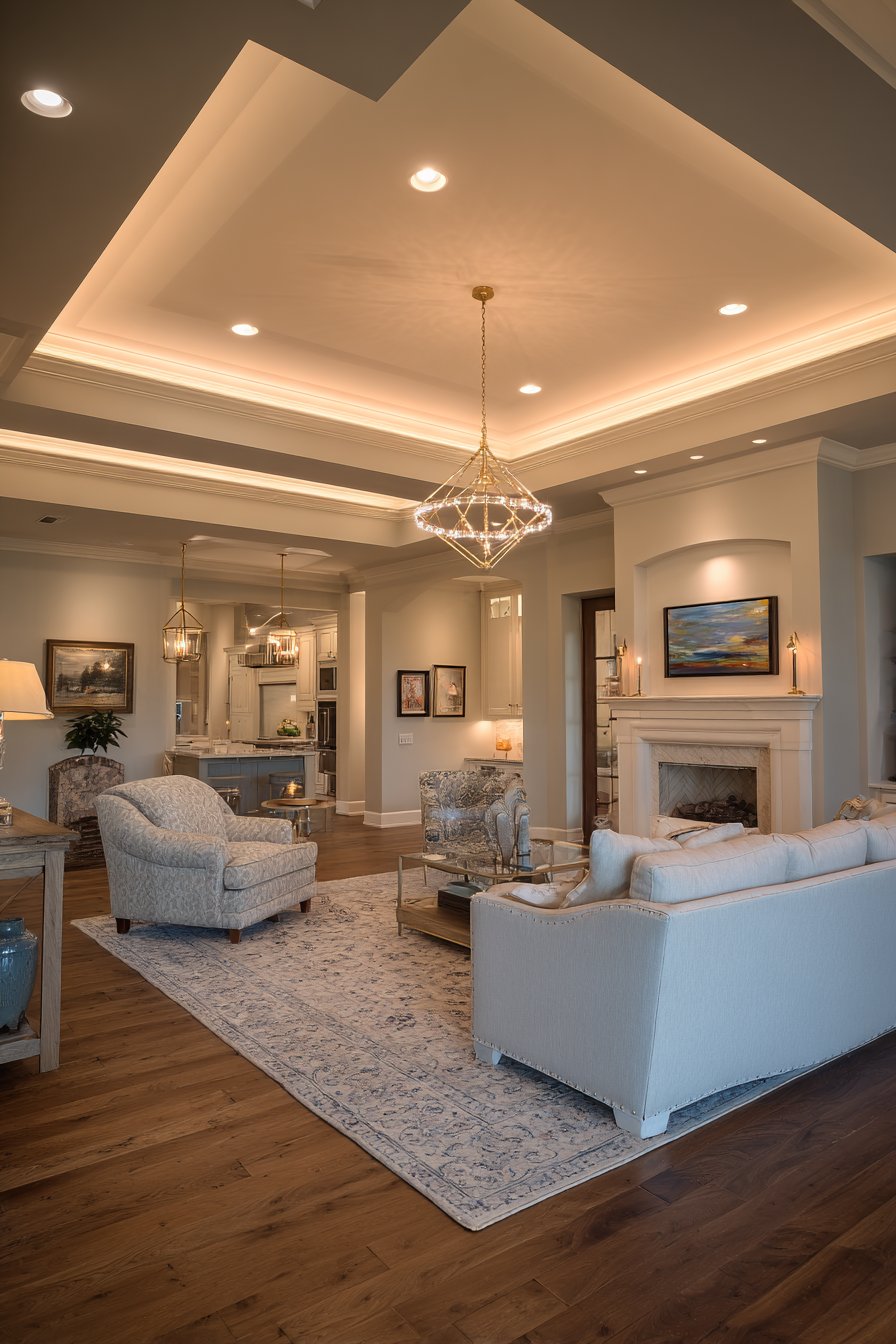
- Install a statement chandelier or pendant scaled appropriately to the room size
- Add table lamps on side tables at 58-64 inches from floor to bulb
- Use floor lamps to illuminate dark corners and create visual height
- Include LED strip lighting behind crown molding for an indirect ambient glow
- Position adjustable picture lights above significant artwork
- Incorporate decorative sconces flanking fireplaces or architectural features
4. Curated Art and Accessories Reflect Personal Sophistication
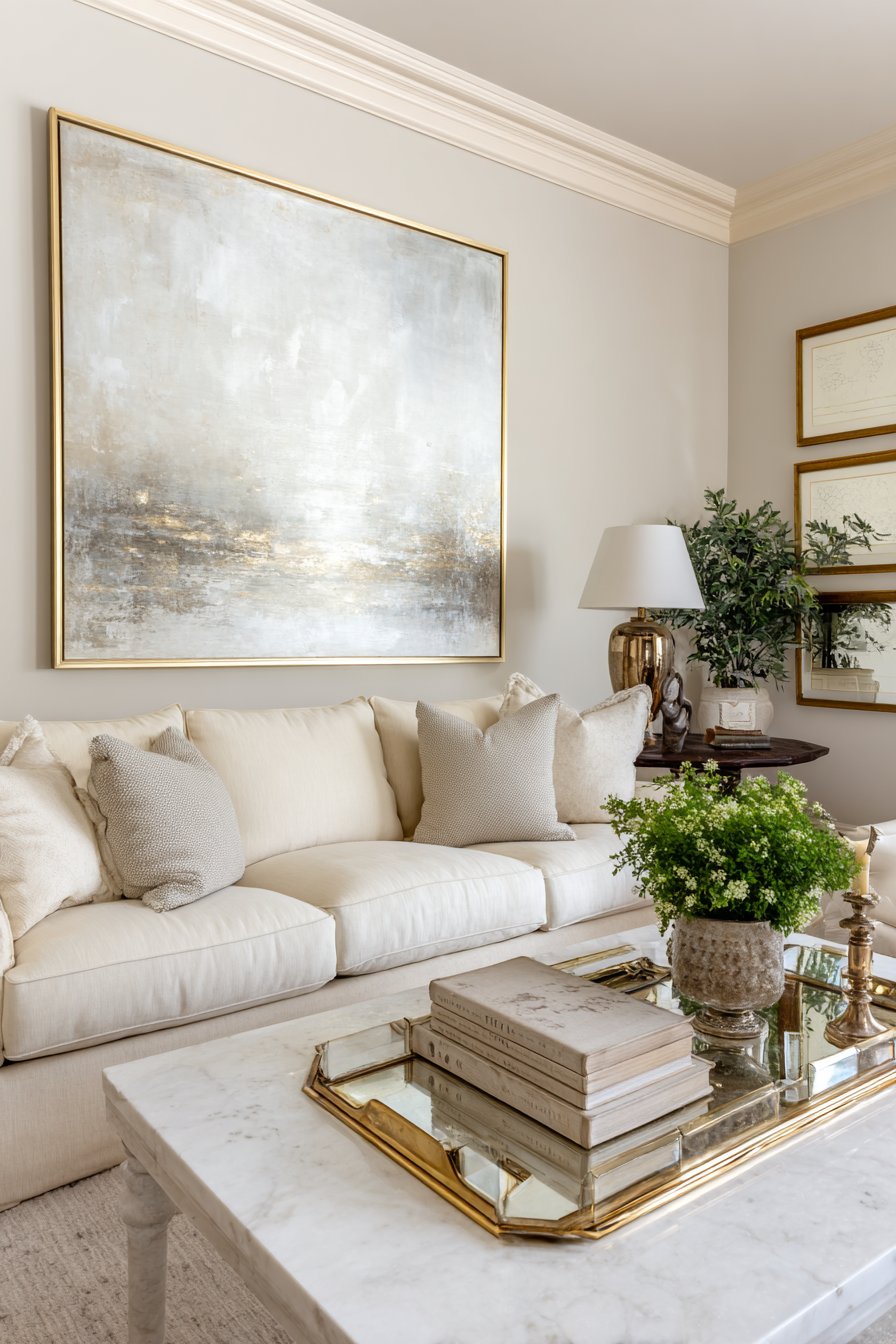
Luxury living rooms display carefully selected artwork and decorative objects that tell a story and reflect the homeowner’s cultural refinement. Mass-produced prints and generic décor diminish the sense of exclusivity. Instead, invest in original artwork, limited editions, or pieces with personal significance and provenance.
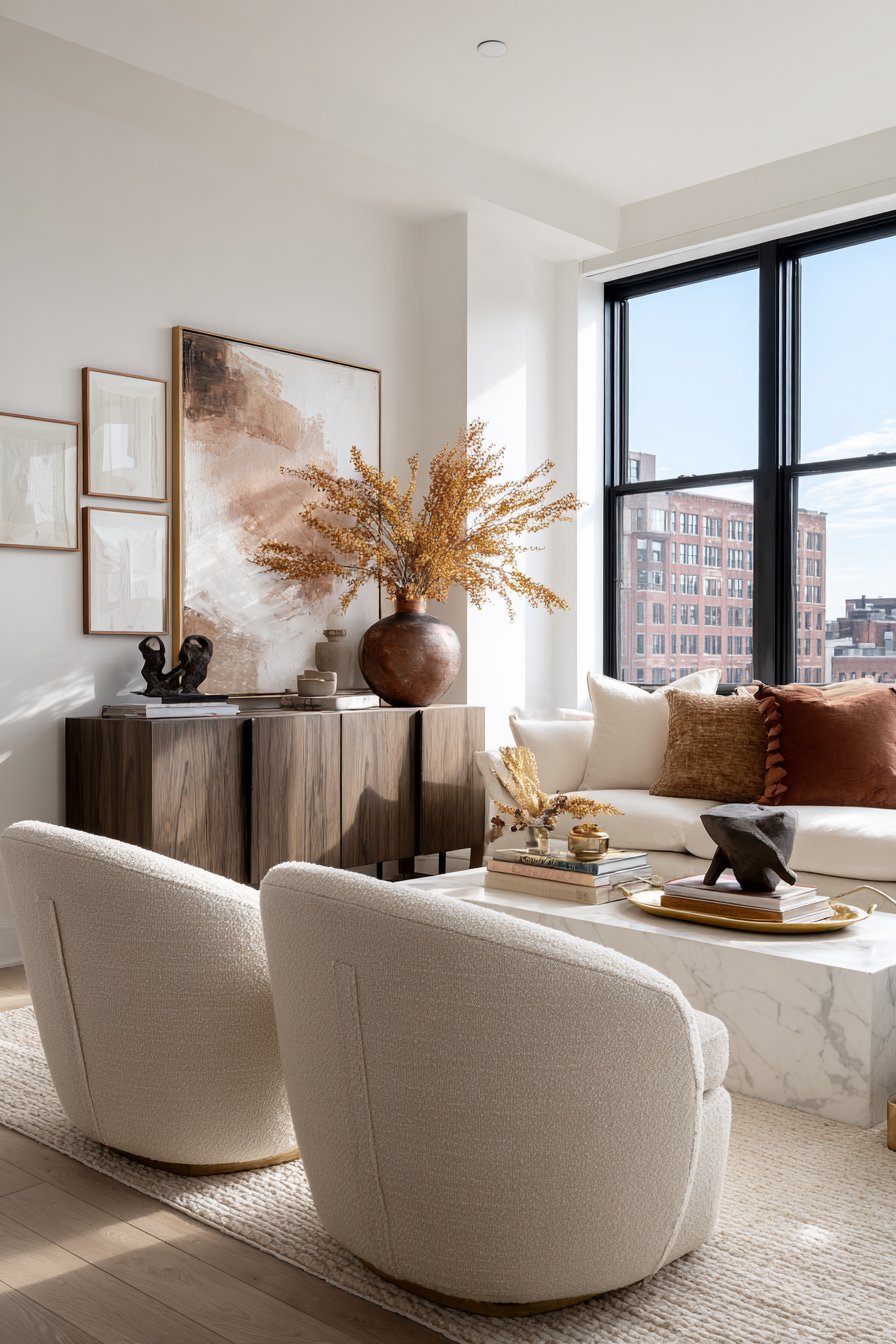
Scale matters when selecting art for your space. Large walls benefit from oversized pieces or gallery-style arrangements that command attention. Proper hanging height is crucial—the center of artwork should align approximately 57-60 inches from the floor, mimicking museum standards. This placement ensures comfortable viewing from both seated and standing positions.
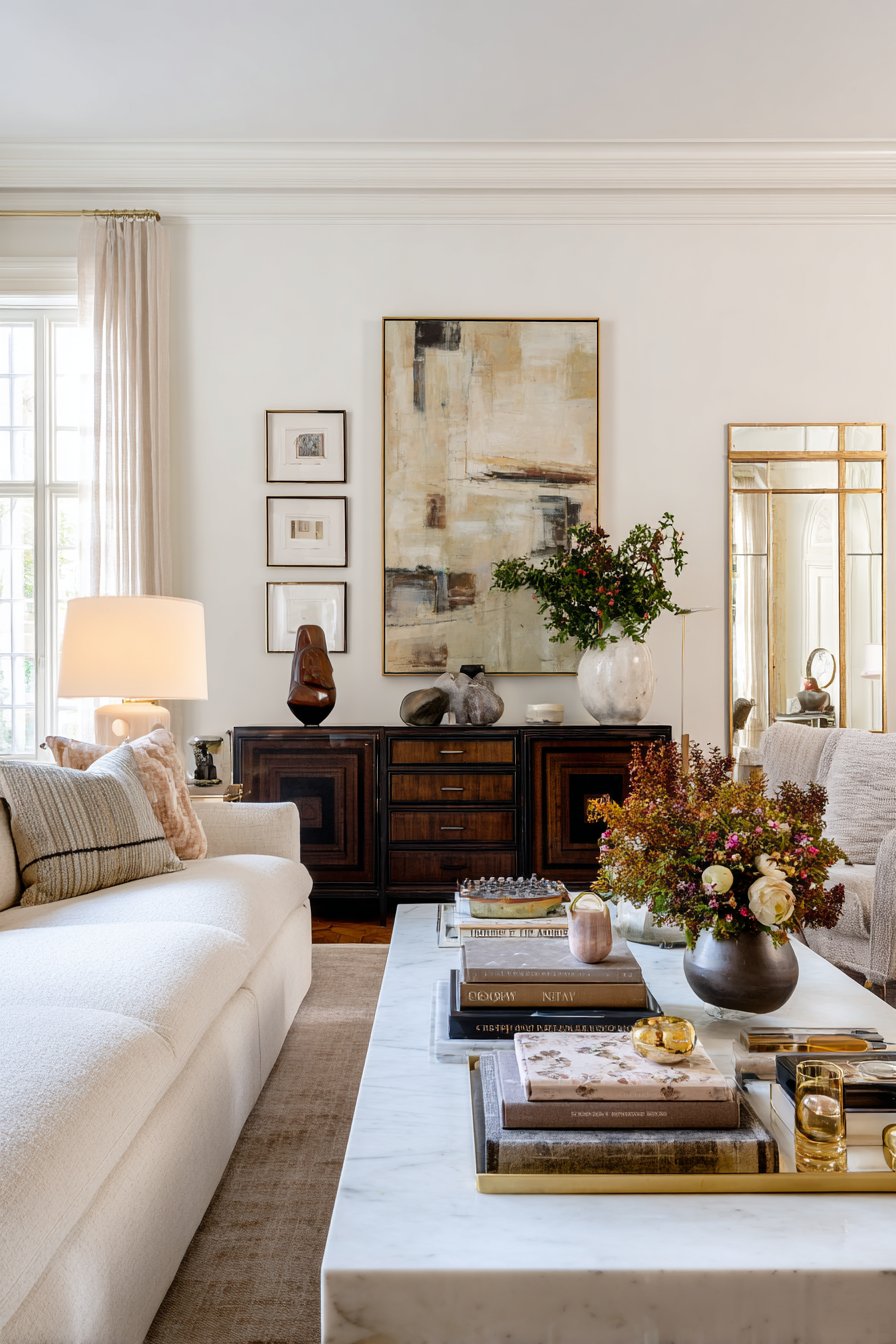
Accessories should be purposeful rather than abundant. Display sculptural objects, rare books, and collected treasures on surfaces with adequate breathing room. Group items in odd numbers (three or five) for visual appeal. Quality trumps quantity in luxury spaces, where each object deserves individual appreciation.
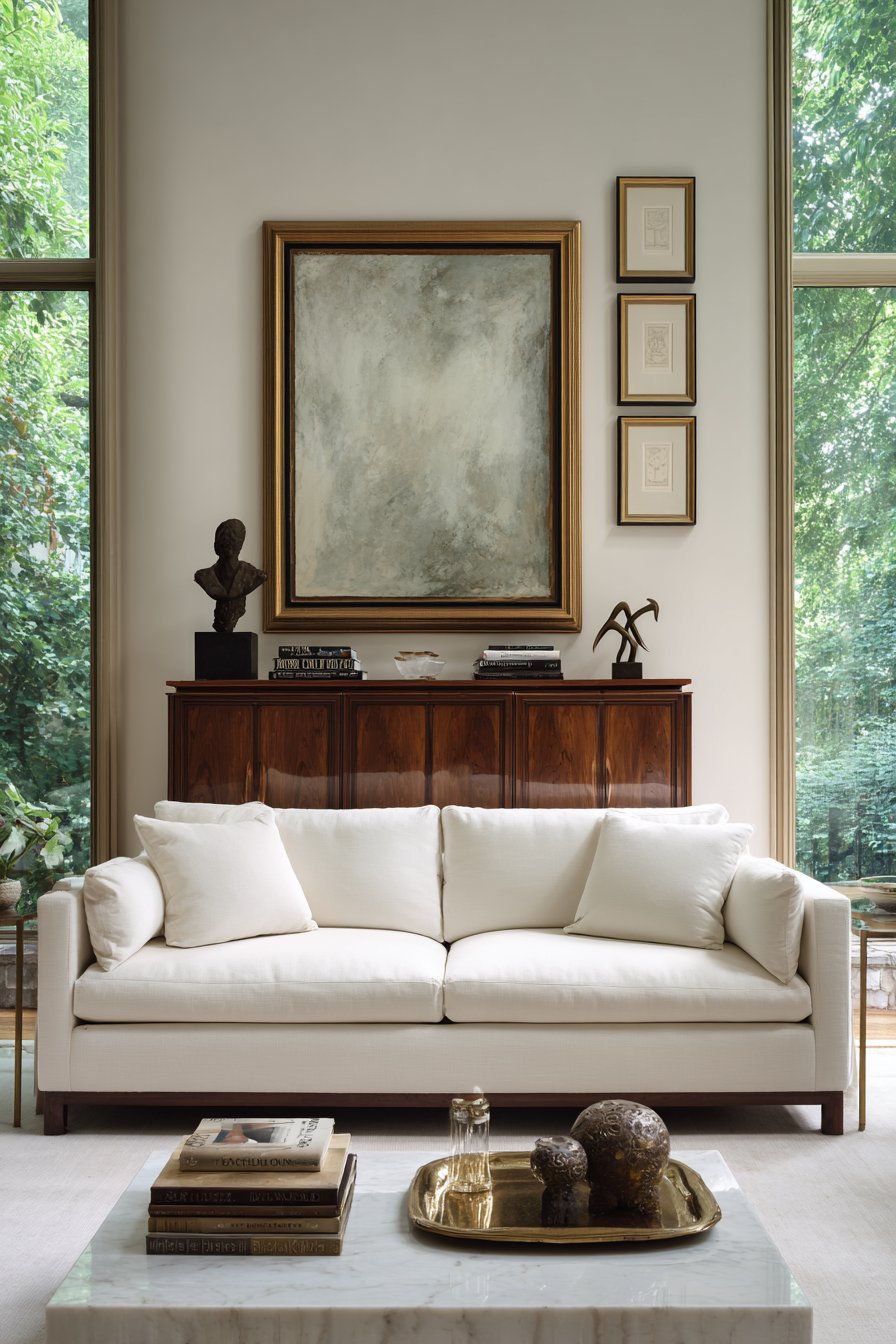
- Hang large-scale artwork as focal points above sofas or mantels
- Create gallery walls with consistent frame styles and matting
- Display coffee table books stacked horizontally in groups of three
- Use decorative trays to corral smaller objects and create vignettes
- Rotate seasonal accessories to keep the space feeling fresh
- Incorporate mirrors strategically to reflect light and expand visual space
5. Neutral Color Palettes with Sophisticated Accents Provide Timeless Elegance
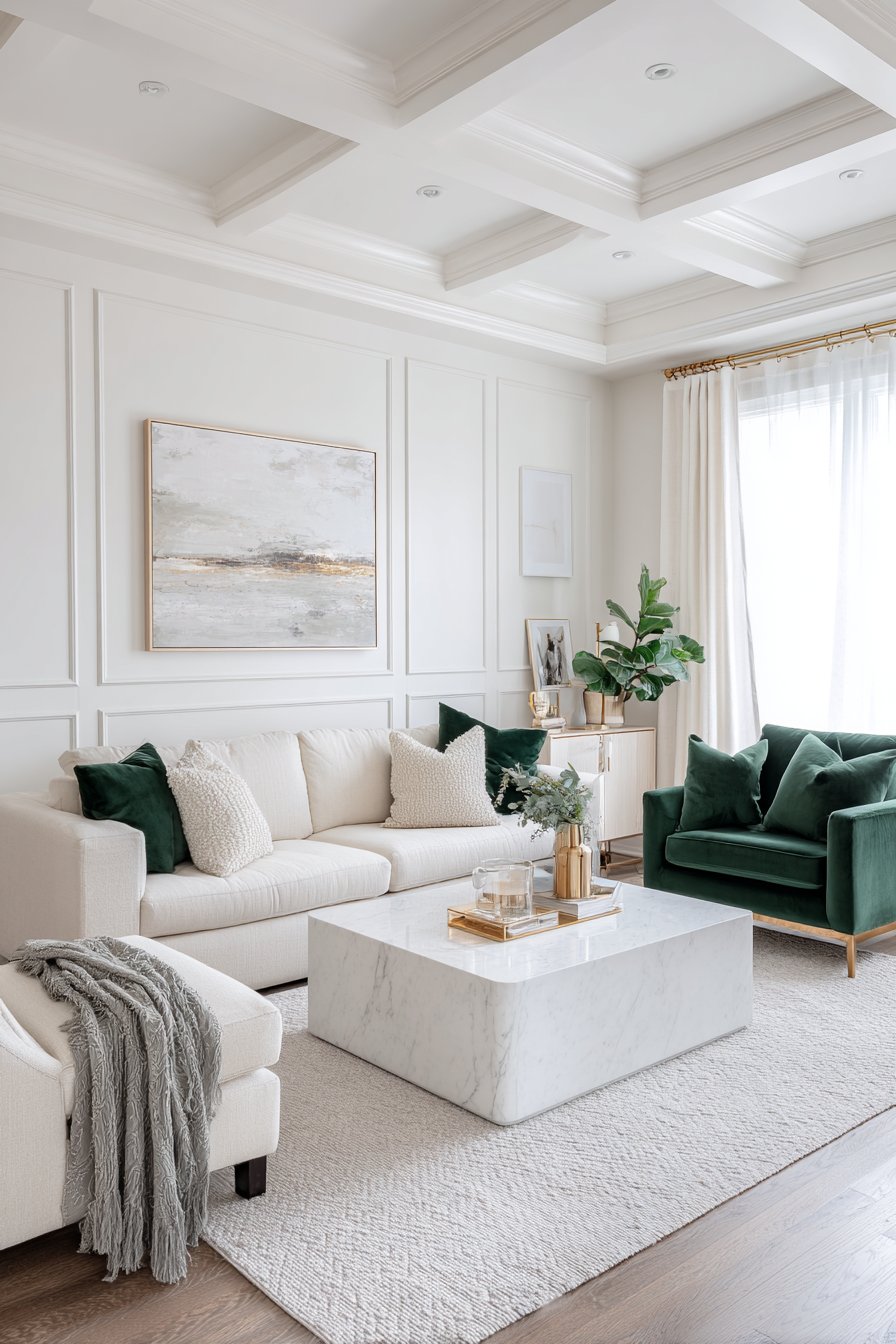
Luxury interiors typically embrace refined neutral foundations that stand the test of time. Shades of cream, taupe, gray, and white create versatile backdrops that accommodate evolving tastes and seasonal updates. These sophisticated neutrals exude calm and elegance while allowing furniture and art to take center stage.
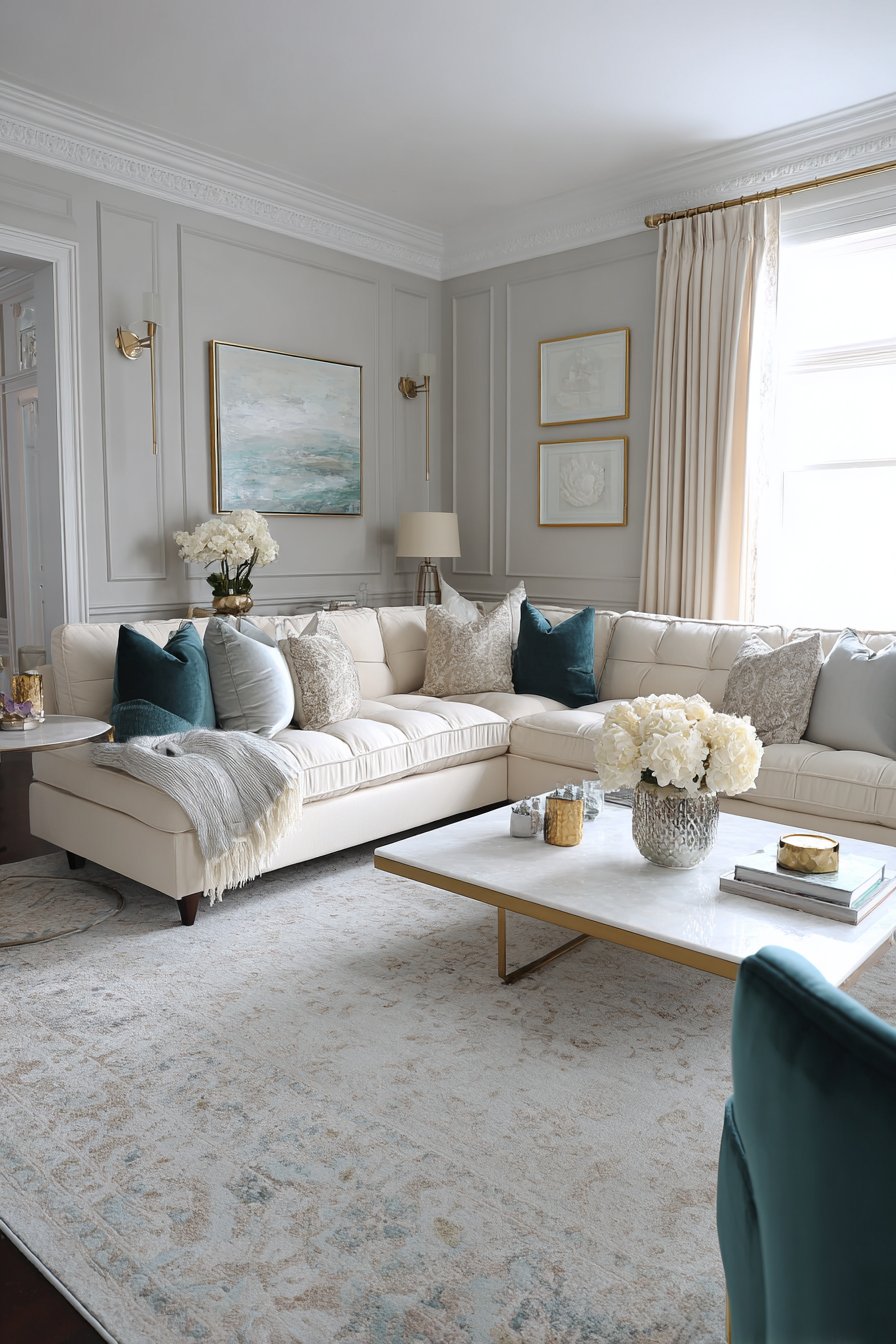
Introduce depth through tonal variations rather than stark contrasts. Layer different shades of the same color family to create subtle visual interest and richness. Warm neutrals like beige and greige work beautifully in traditional spaces, while cooler grays suit contemporary aesthetics.
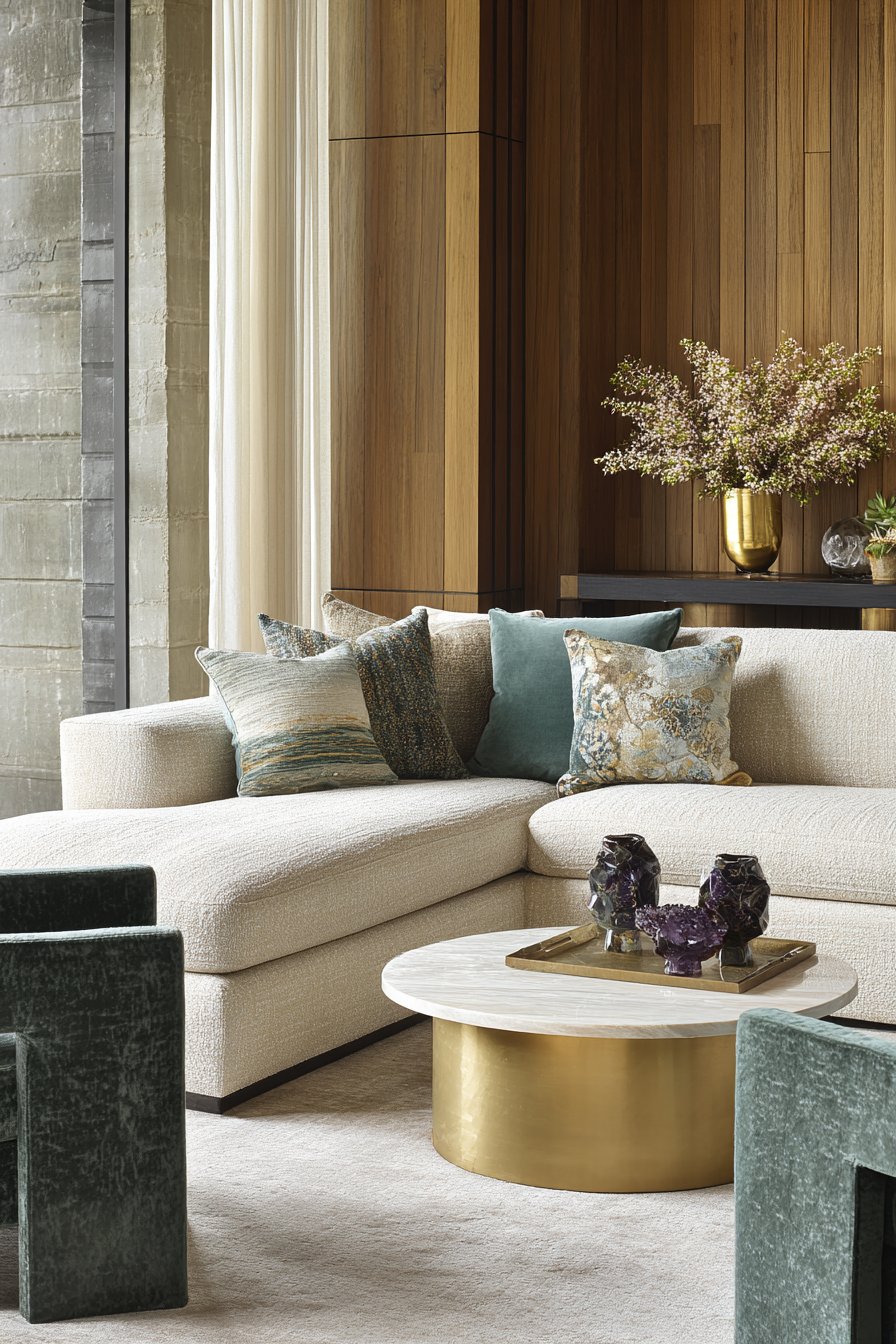
Accent colors should be introduced judiciously through pillows, throws, artwork, and accessories. Jewel tones like emerald, sapphire, and amethyst add luxurious pops without overwhelming the palette. Metallic accents in gold, silver, or brass provide shimmer and sophistication. Change accent pieces seasonally to refresh the space economically.
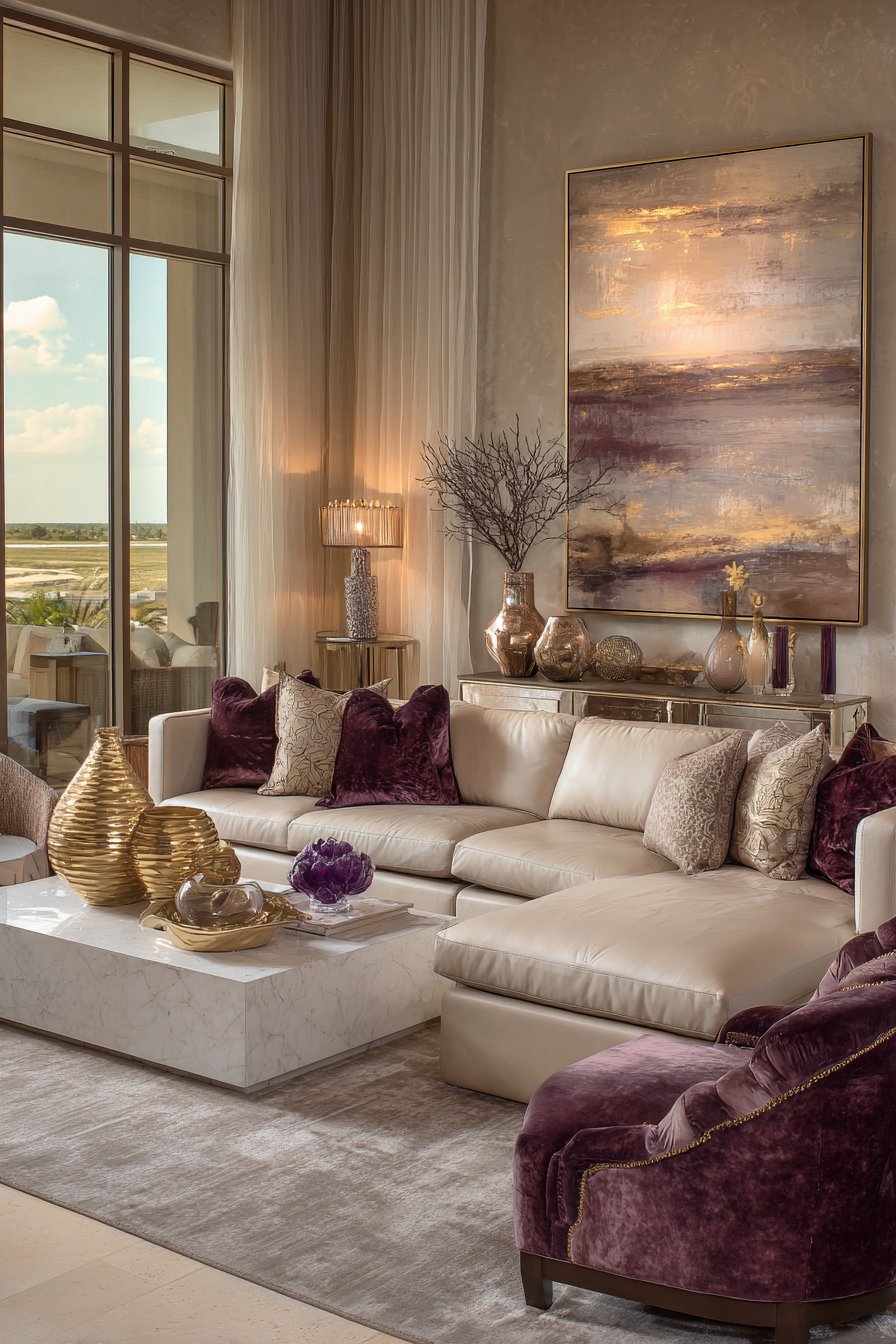
- Select a primary neutral for walls that complements natural light exposure
- Layer at least three shades of your neutral family throughout the space
- Introduce accent colors in removable elements like pillows and throws
- Use the 60-30-10 rule: 60% dominant color, 30% secondary, 10% accent
- Consider warm whites (with yellow undertones) for inviting atmospheres
- Test paint samples in various lighting conditions before committing
6. Statement Furniture Pieces Anchor the Design Narrative
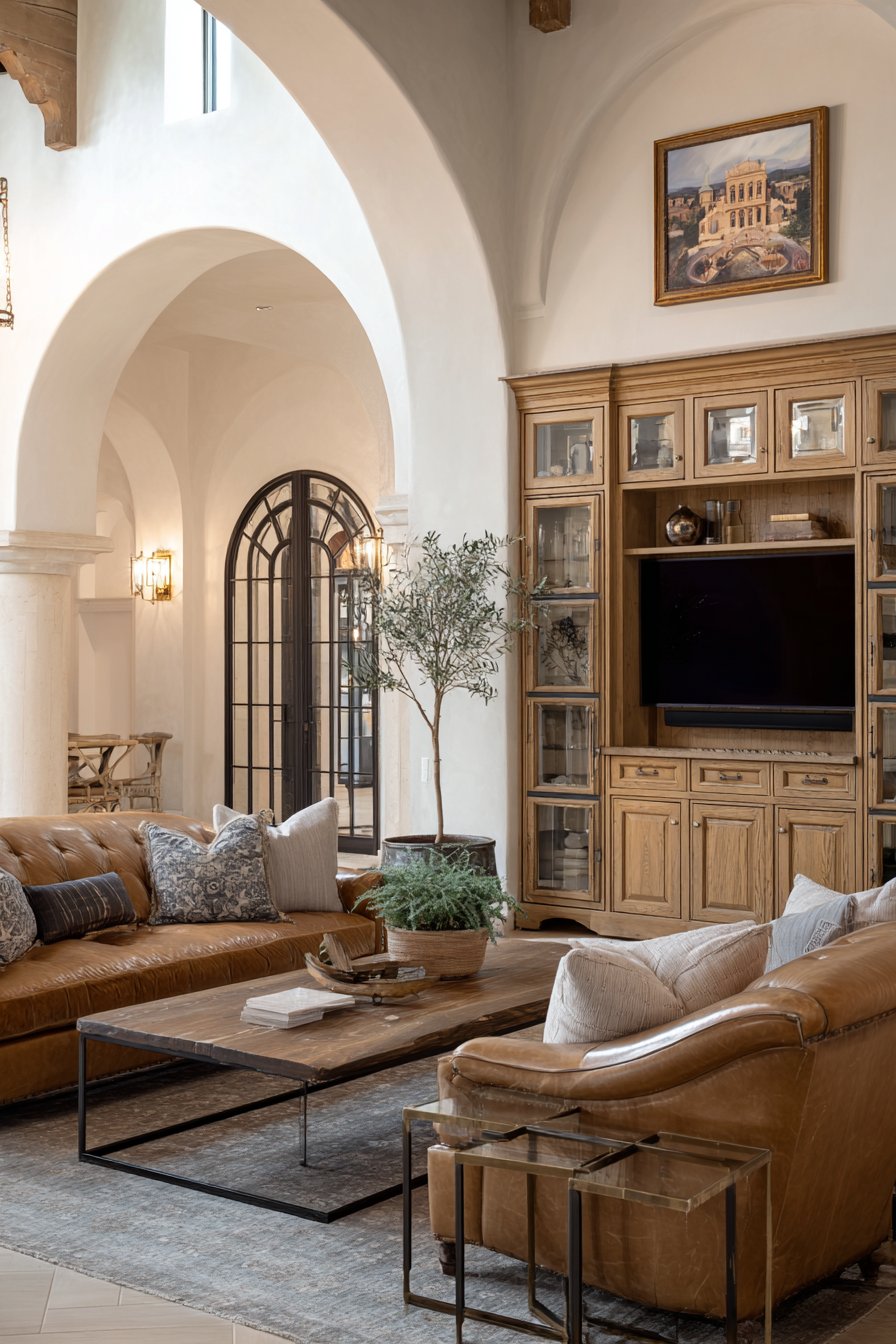
Every luxury living room needs at least one show-stopping furniture piece that captures attention and defines the space’s character. This might be a sculptural sofa, an antique cabinet, a designer lounge chair, or a custom-built entertainment center that showcases exceptional craftsmanship.
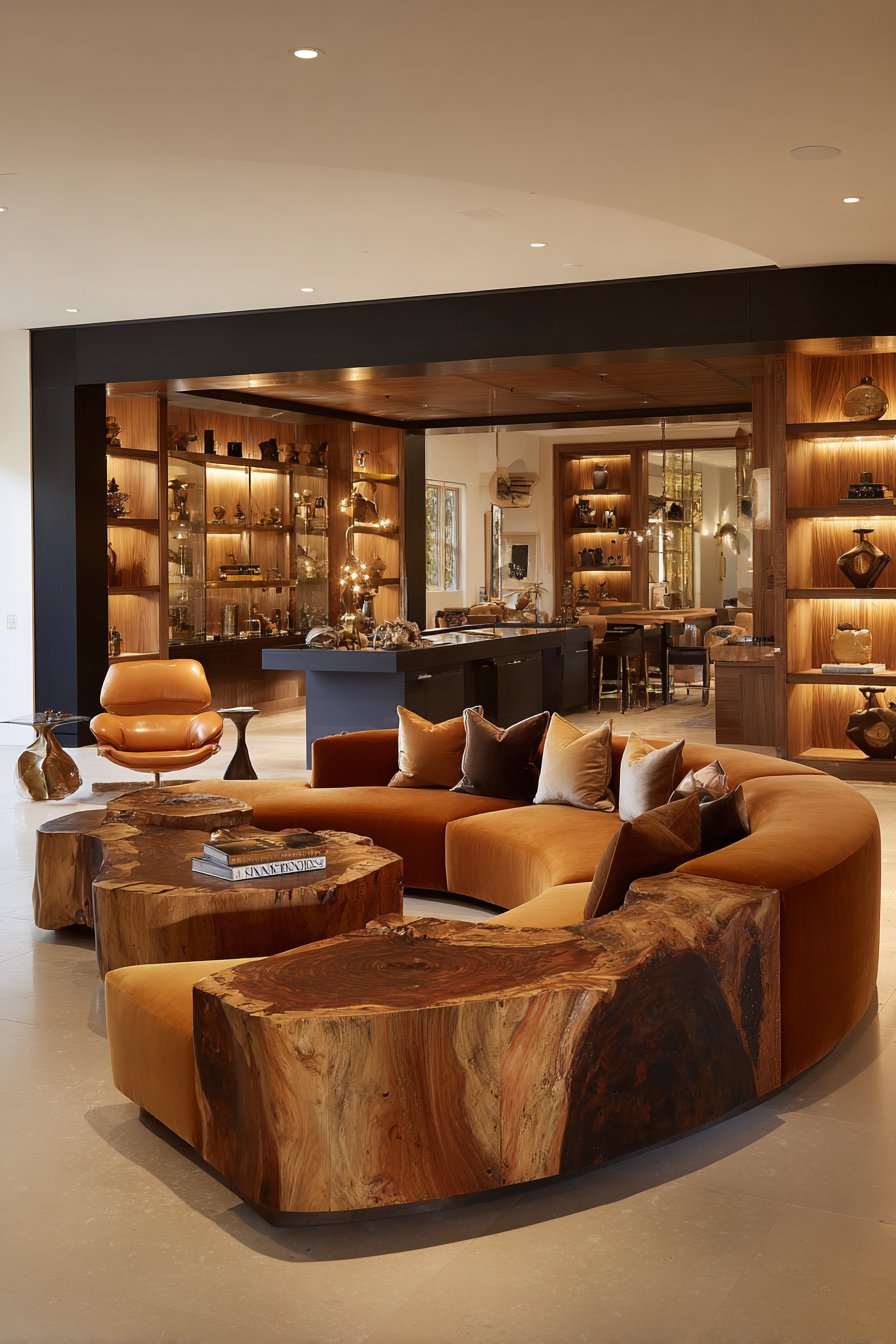
Quality upholstered furniture features eight-way hand-tied springs, down-filled cushions, and durable hardwood frames. Investment pieces should last decades, making the higher initial cost worthwhile. Look for classic silhouettes that transcend trends while reflecting your personal aesthetic preferences.
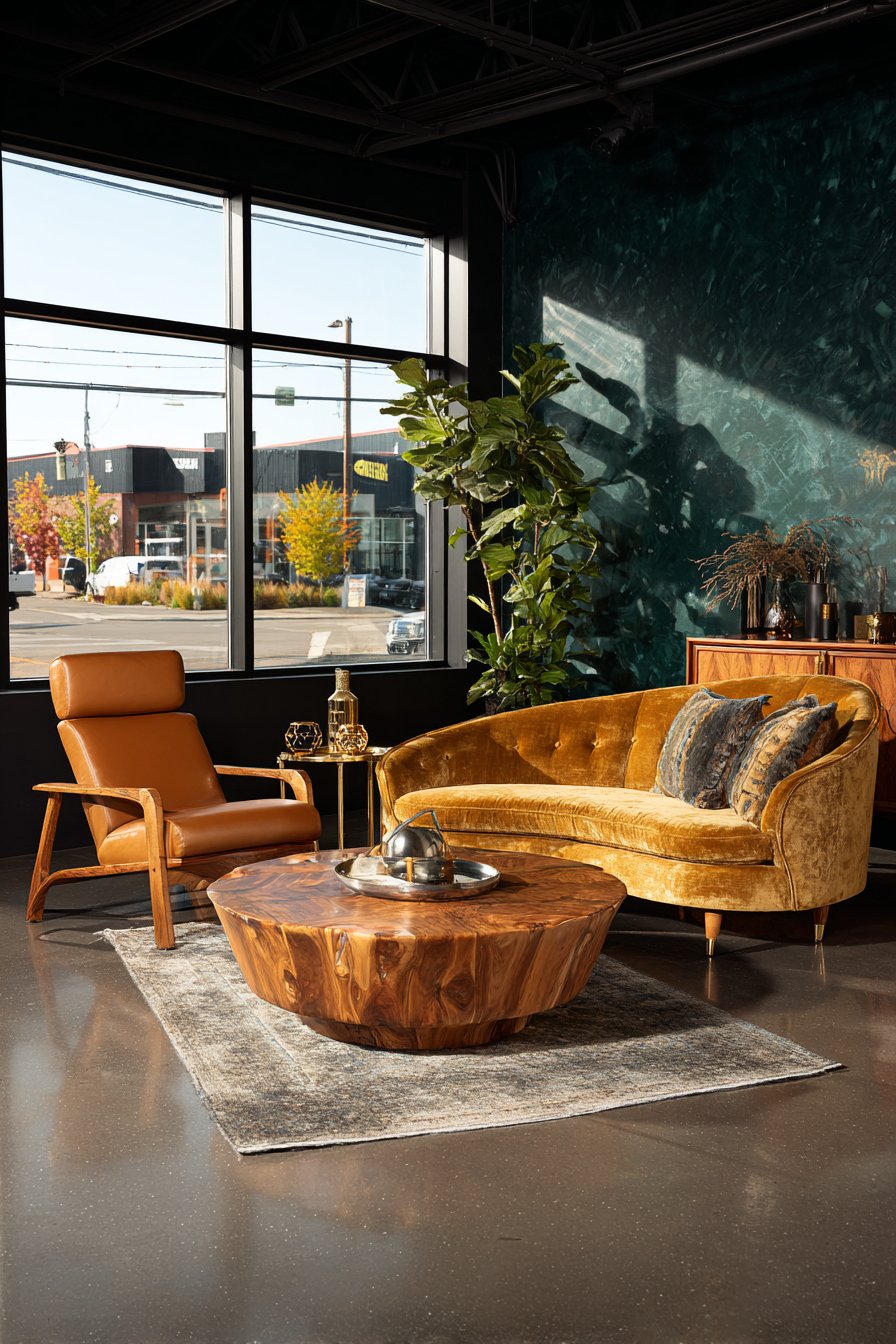
Mix furniture styles and periods for collected sophistication rather than matched suite uniformity. Pairing a contemporary sofa with vintage side tables or antique accents creates visual interest and personality. This curated approach suggests thoughtful acquisition over time rather than one-time purchasing.
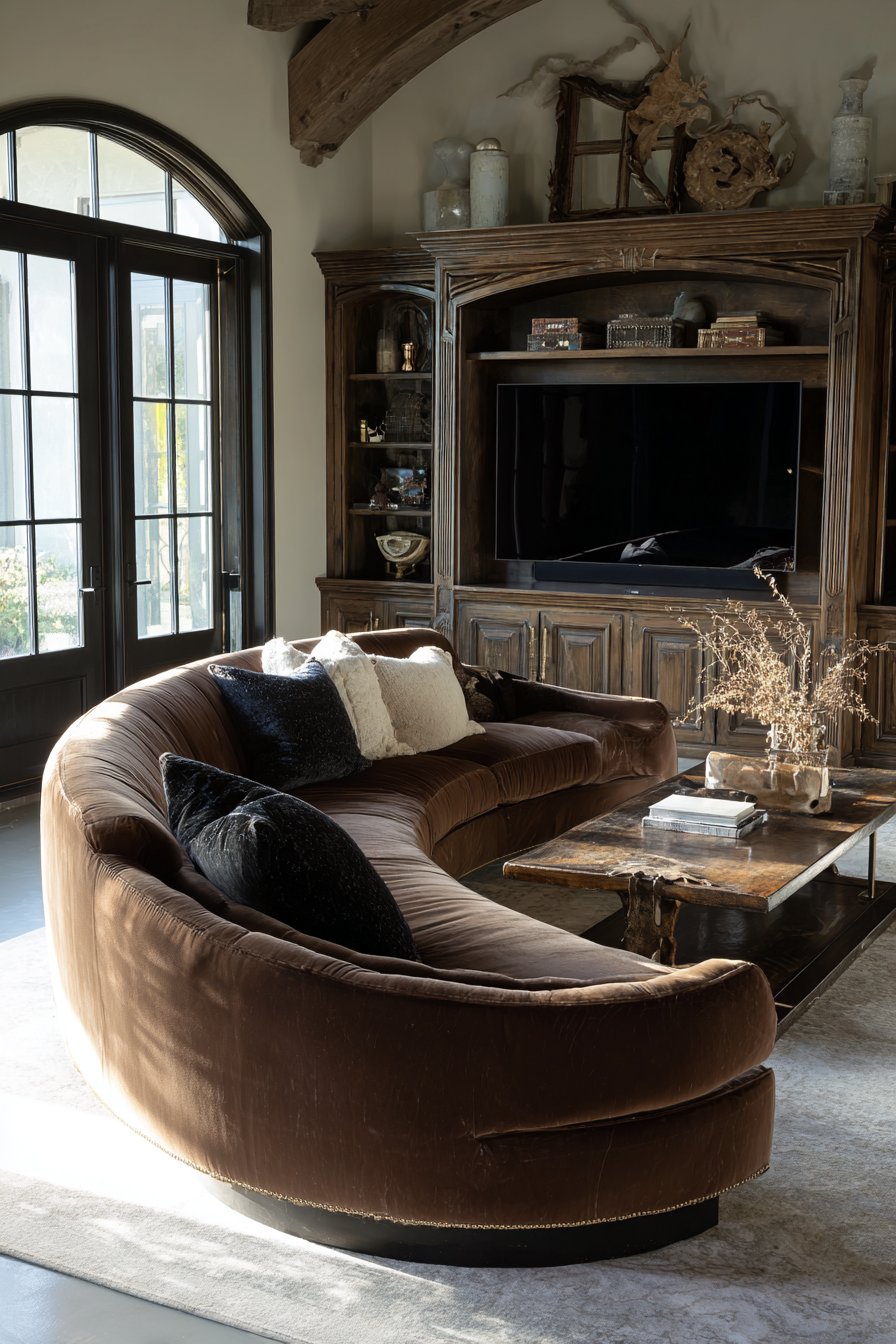
- Invest in a quality sofa with solid hardwood frame and premium upholstery
- Include at least one statement chair in leather, velvet, or patterned fabric
- Select a substantial coffee table in wood, stone, or metal construction
- Add a credenza or console for both storage and display purposes
- Consider custom built-ins for entertainment centers or bookshelves
- Choose furniture with exposed legs to maintain visual lightness
7. Luxurious Textiles and Textures Add Depth and Comfort
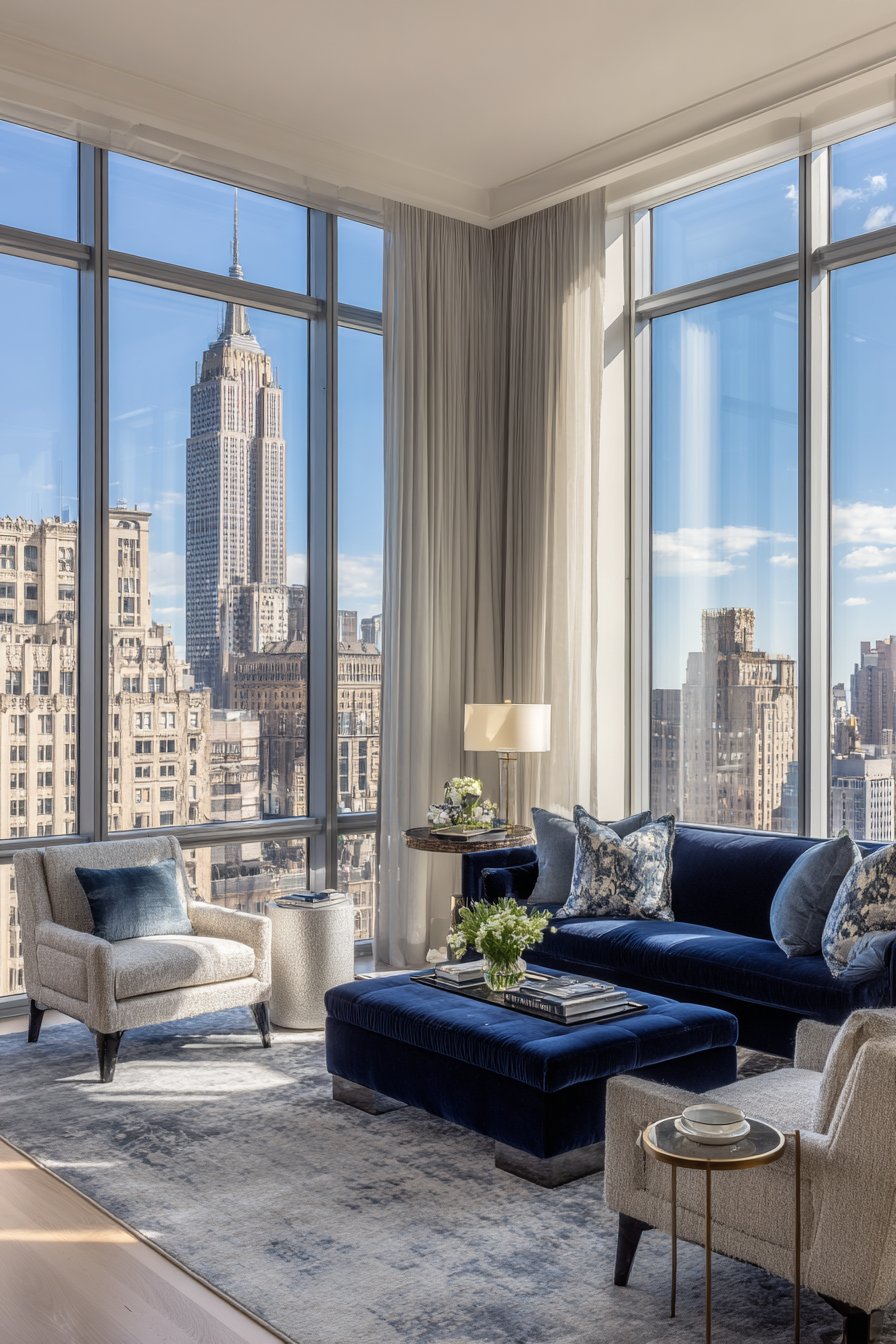
Layering various textures creates tactile richness and visual complexity essential to luxury interiors. Combine smooth surfaces like silk and leather with nubby linens, plush velvets, and natural fibers. This interplay of textures adds dimension that engages multiple senses beyond sight alone.
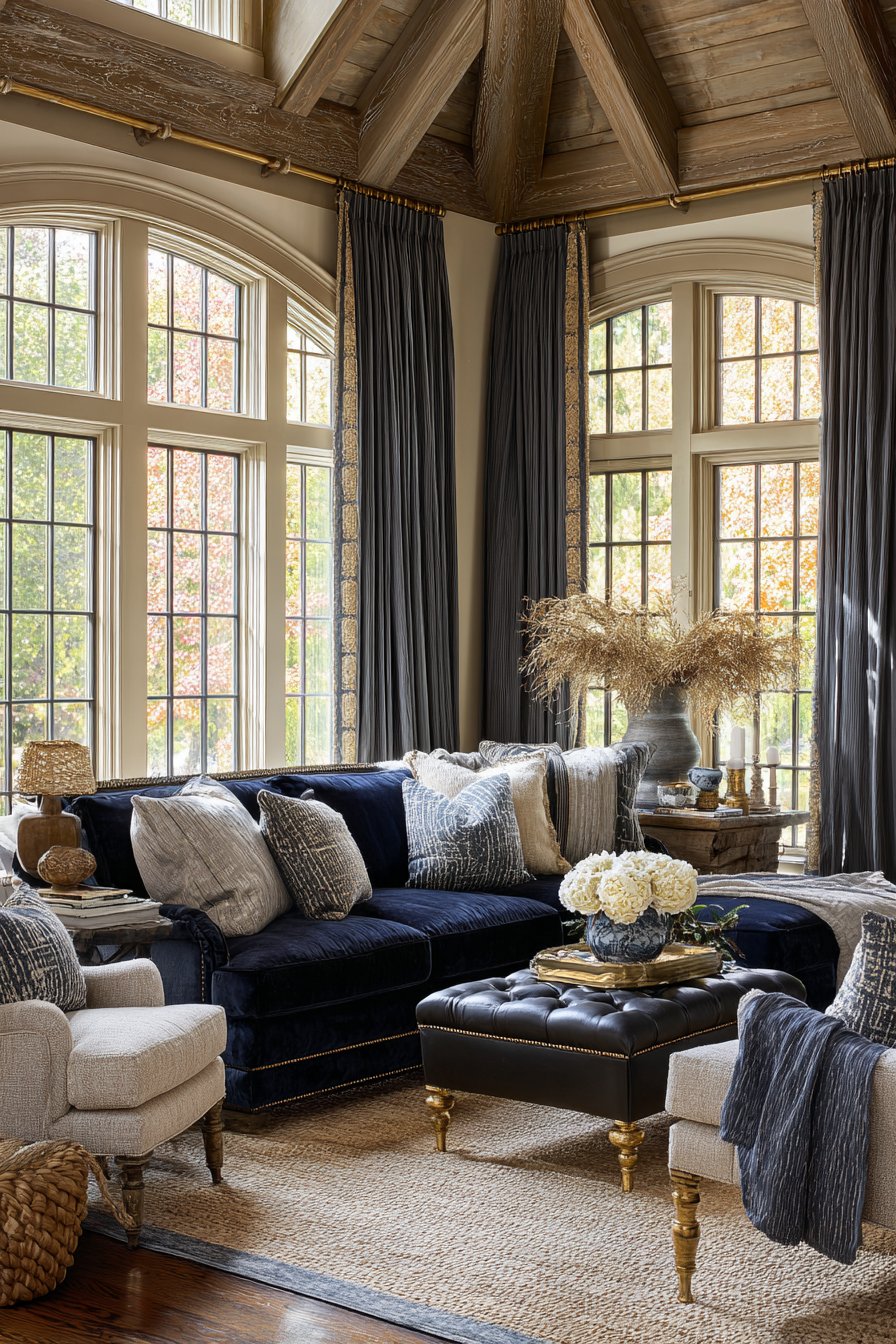
Window treatments significantly impact a room’s luxury quotient. Floor-to-ceiling drapery panels in silk, velvet, or quality linen create vertical drama and softness. Mount rods as close to the ceiling as possible and extend them beyond window frames for maximum impact. Layering sheers under heavier drapes provides privacy options and light control.
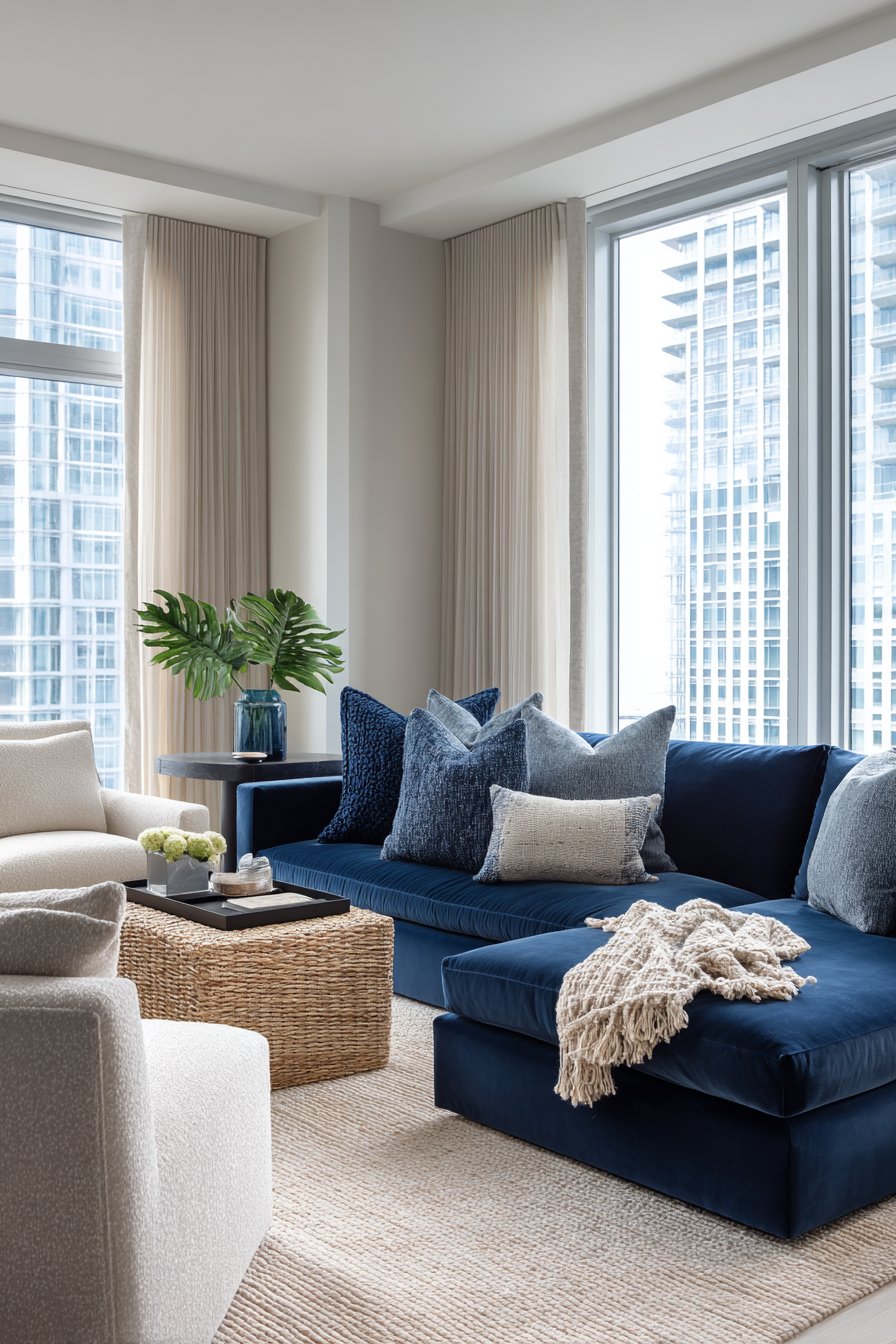
Area rugs define seating zones while introducing pattern, color, and comfort underfoot. Hand-knotted wool or silk rugs represent the pinnacle of luxury, though high-quality alternatives exist at various price points. Ensure rugs are appropriately sized—all front furniture legs should rest on the rug in living areas.
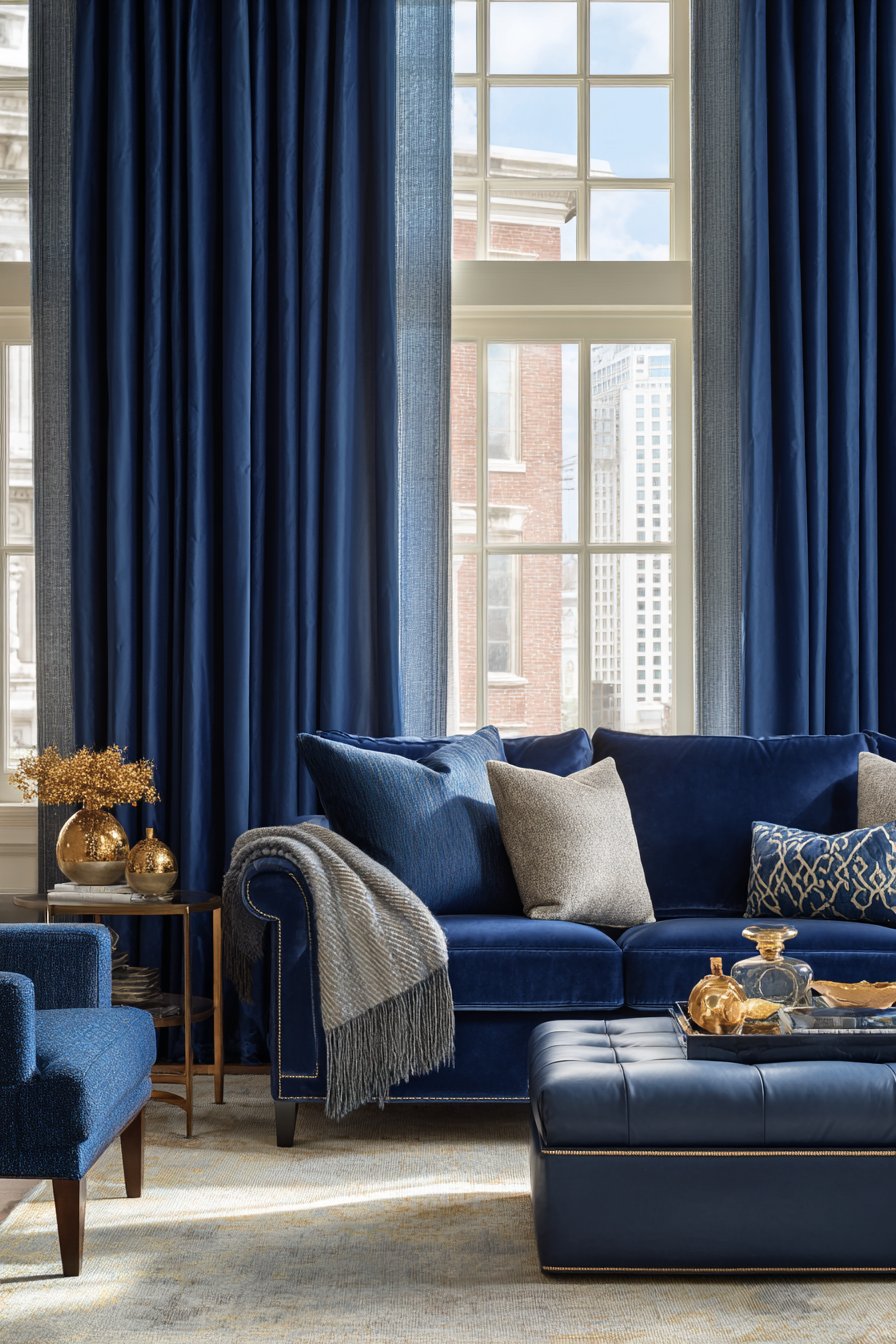
- Layer throw pillows in varying sizes (22″, 20″, and 18″ squares work well)
- Mix pillow fabrics including velvet, linen, silk, and textured weaves
- Drape cashmere or mohair throws over sofas and chairs for luxury and comfort
- Select window treatments that puddle slightly on the floor for opulence
- Choose area rugs large enough to anchor furniture groupings (8’x10′ minimum)
- Incorporate natural fiber elements like jute or sisal for textural contrast
8. Architectural Details and Custom Millwork Elevate Standard Spaces
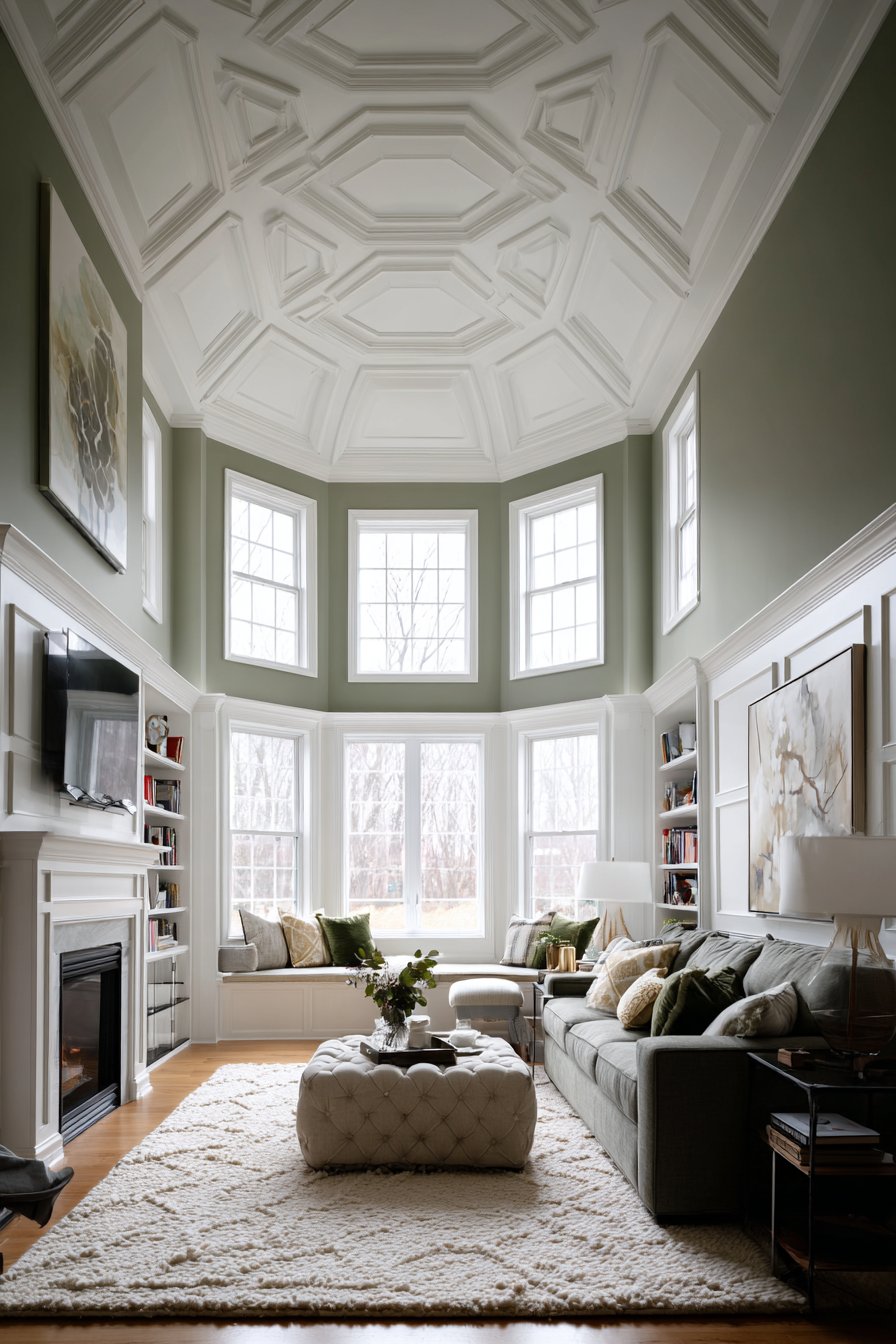
Built-in elements and architectural enhancements transform ordinary rooms into extraordinary spaces. Crown molding, wainscoting, coffered ceilings, and decorative trim add character and perceived value. These features suggest historic craftsmanship and attention to detail characteristic of luxury homes.
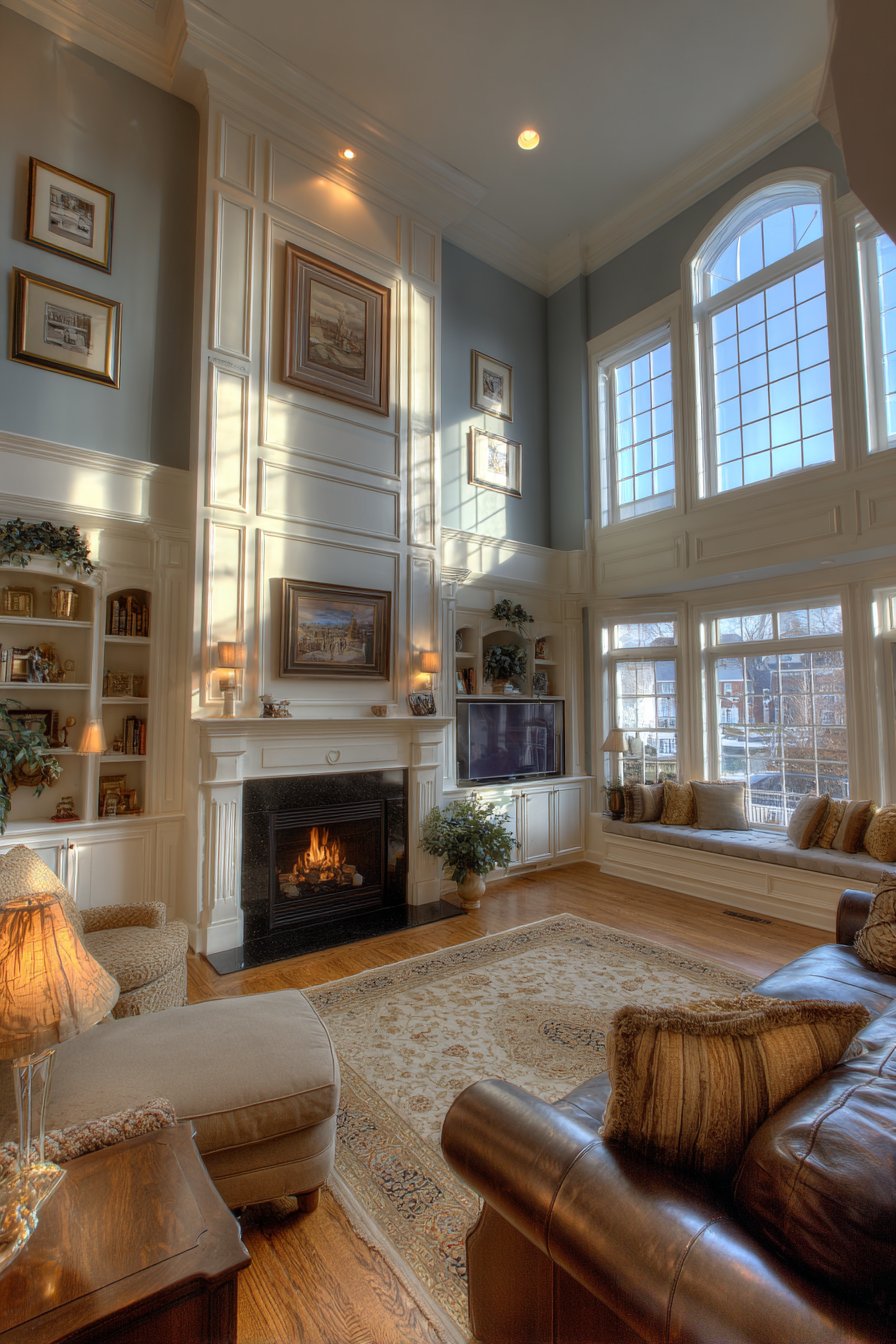
Custom millwork demonstrates the highest level of commitment to luxury. Built-in bookshelves, window seats, or entertainment centers maximize functionality while appearing intentionally designed for the space. Seamless integration with existing architecture creates cohesion that freestanding furniture cannot achieve.
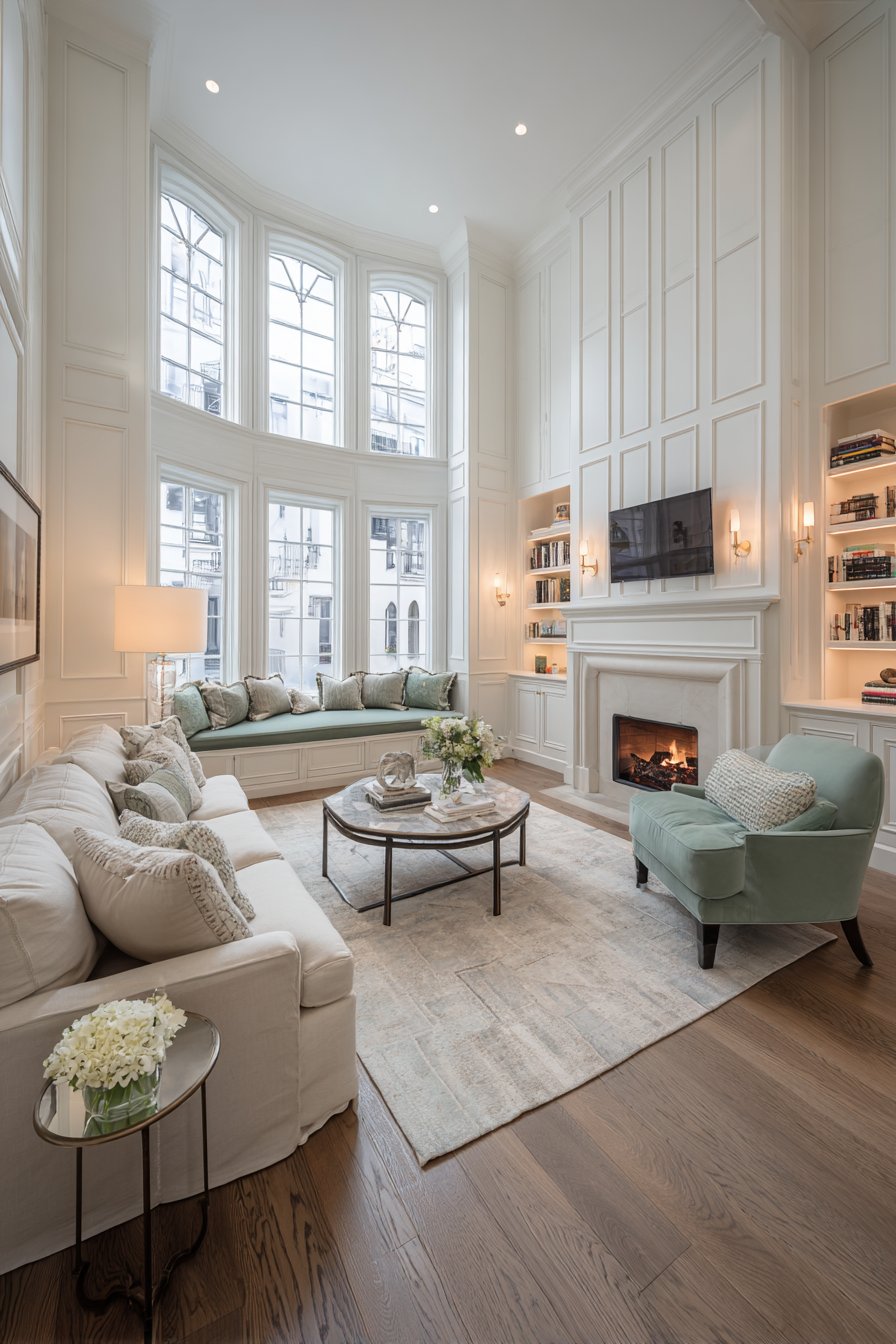
Consider adding architectural interest through wall paneling, board-and-batten treatments, or picture frame molding. These applications add three-dimensional relief and shadow lines that create visual interest on otherwise flat surfaces. Paint treatments in contrasting or tonal shades further emphasize these architectural elements.
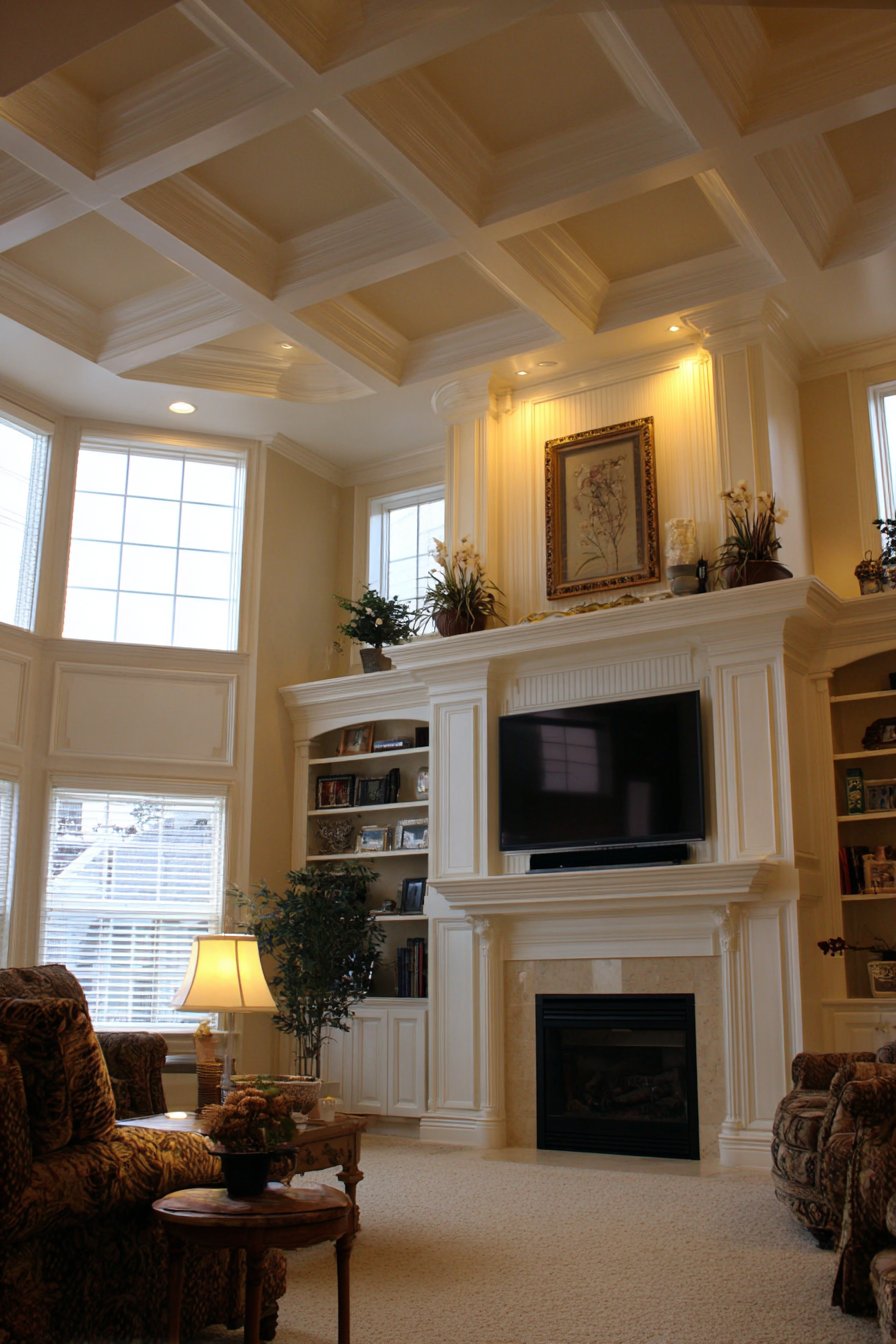
- Install crown molding with substantial profiles (4-6 inches minimum)
- Add picture frame molding to create elegant wall divisions
- Consider coffered or tray ceilings for added architectural drama
- Build custom shelving around fireplaces or windows for symmetry
- Install wainscoting or wall paneling to add traditional elegance
- Create focal walls with board-and-batten or shiplap treatments
9. Technology Integration Maintains Aesthetic Integrity
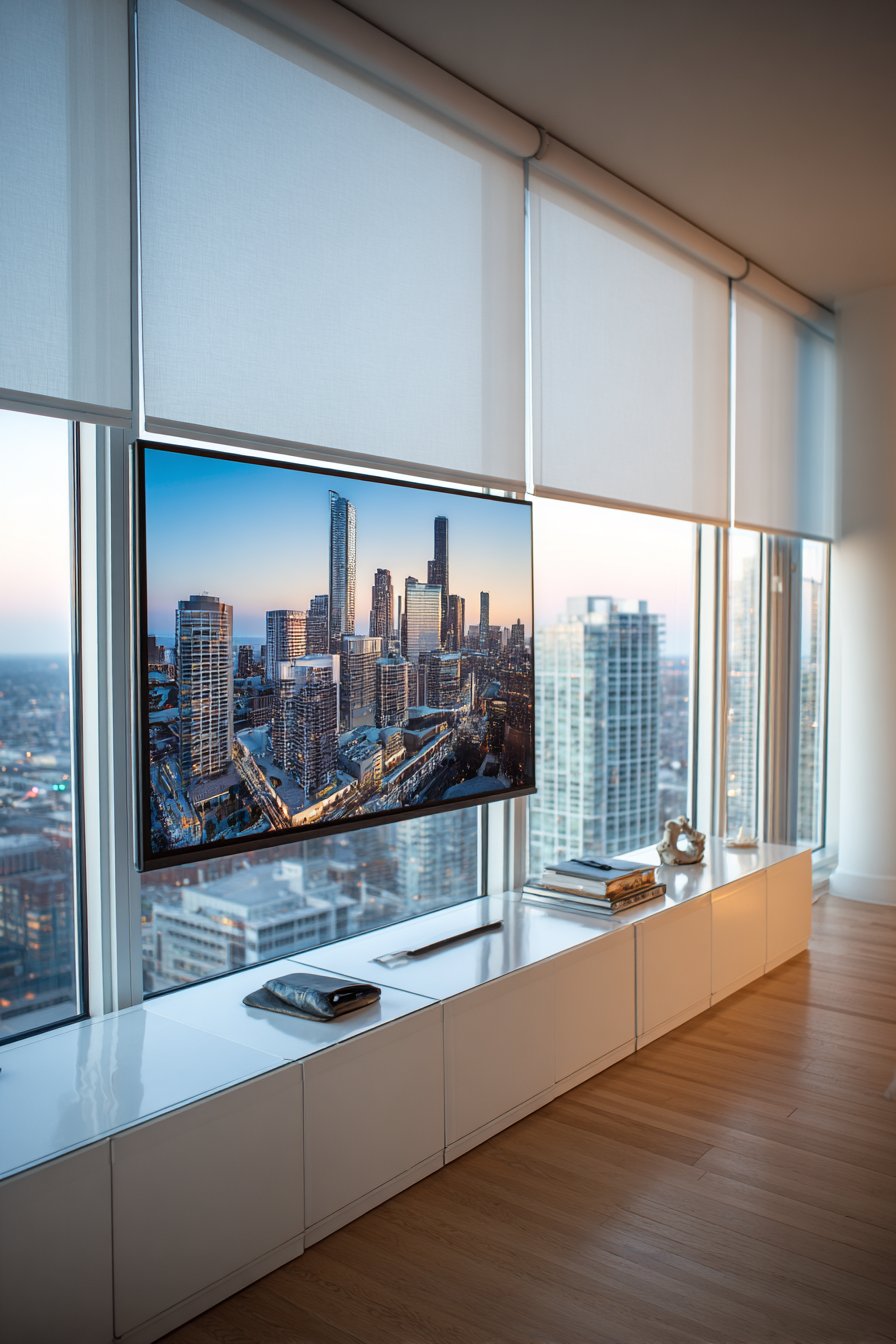
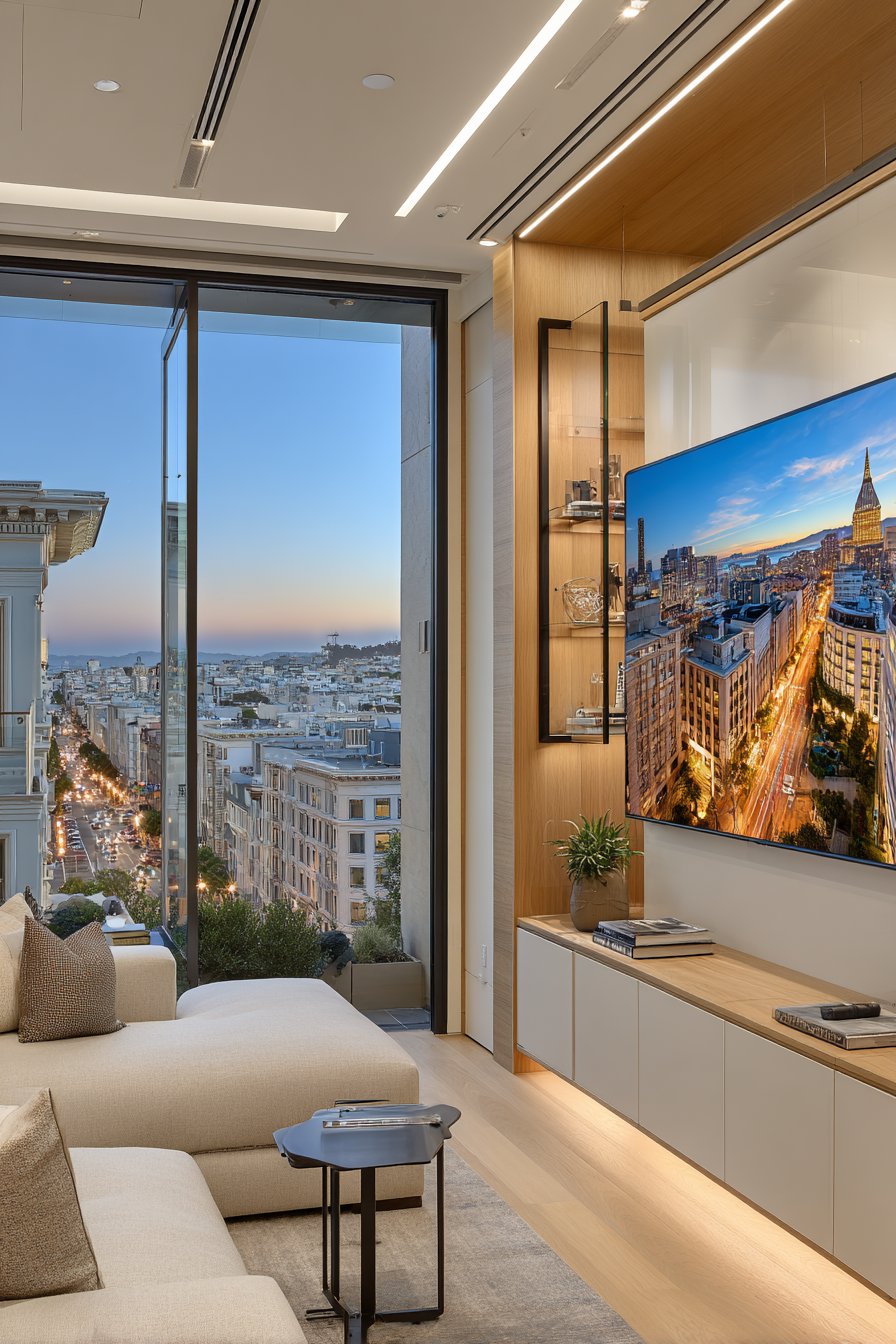
Modern luxury demands seamlessly integrated technology that enhances comfort without compromising design aesthetics. Visible wires, bulky equipment, and mismatched devices detract from sophisticated ambiance. Smart planning conceals technology while maintaining full functionality.
Invest in quality sound systems with in-ceiling or in-wall speakers that deliver exceptional audio without visual intrusion. Motorized window shades controlled via smartphone apps provide convenience while maintaining clean lines. Smart lighting systems allow customized scenes for different activities and moods.
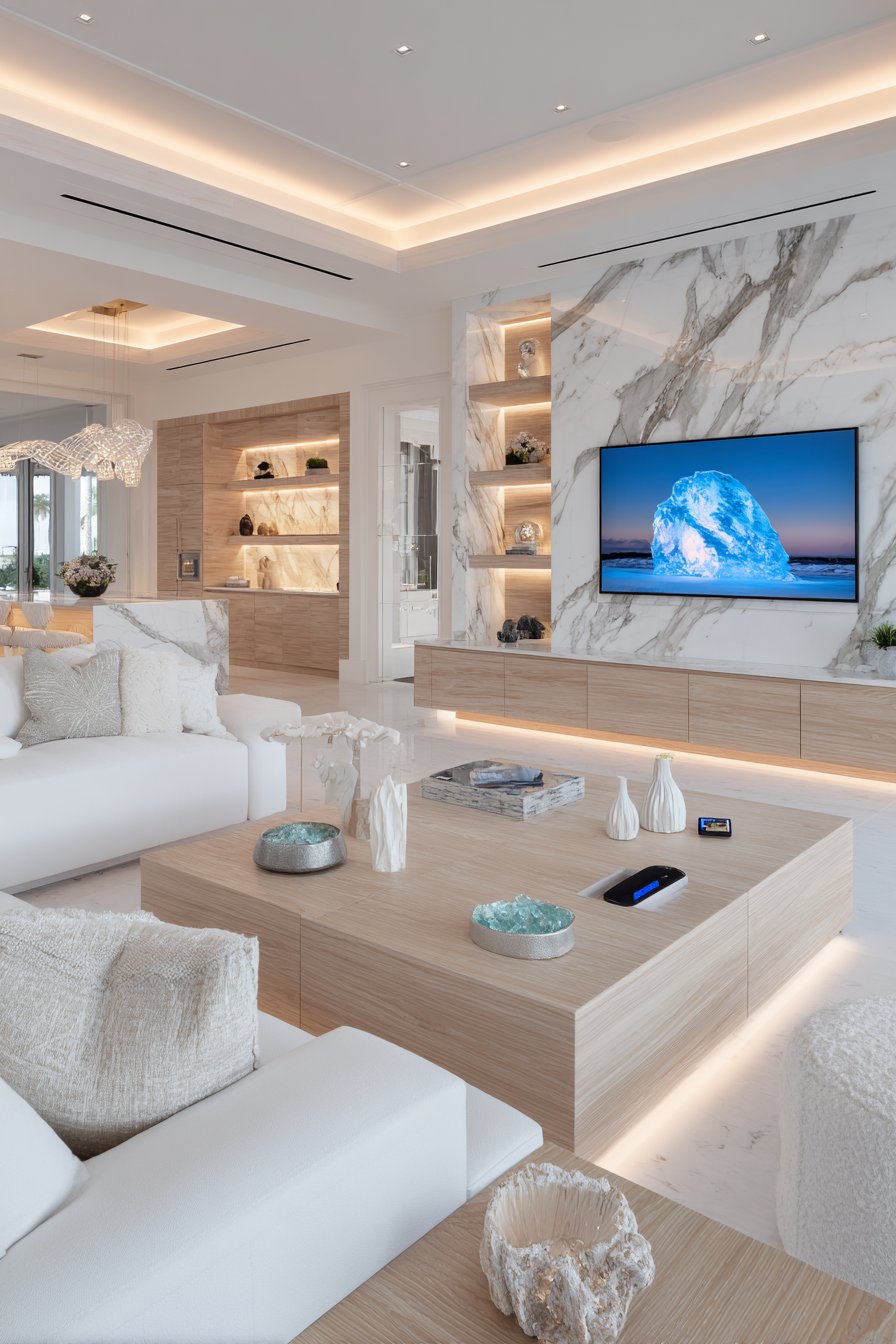
Entertainment centers should thoughtfully integrate large-screen televisions without dominating the space. Consider motorized art frames that conceal screens when not in use, or custom cabinetry with doors that hide equipment. Cable management systems route wires invisibly through walls for clean, professional installations.
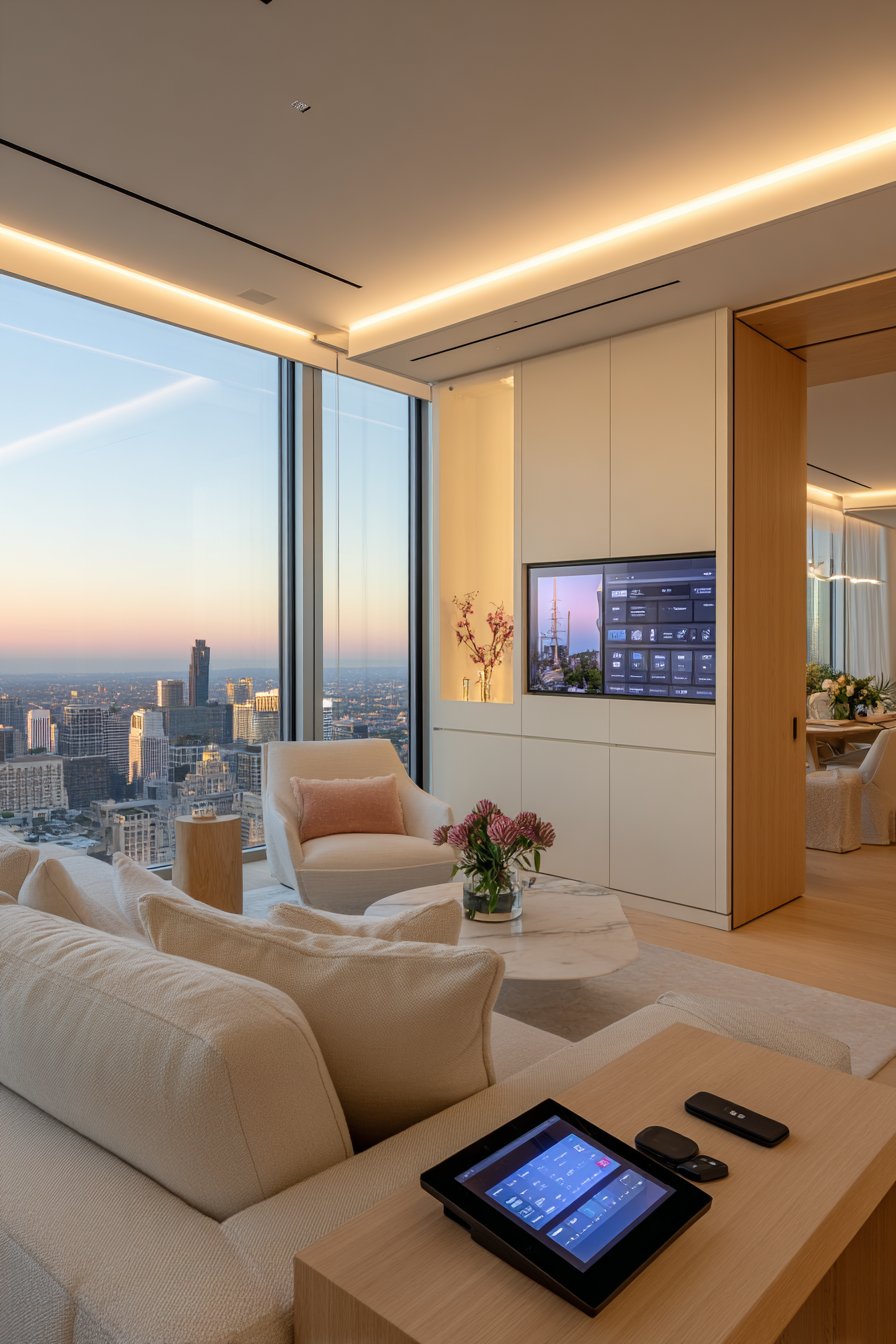
- Install in-wall or in-ceiling speakers for surround sound without visible components
- Use universal remote systems to control multiple devices seamlessly
- Incorporate charging stations in furniture or built-in cabinetry
- Select smart thermostats and lighting controls with elegant interfaces
- Mount televisions at appropriate viewing height (center of screen at eye level when seated)
- Route all cables through walls or use decorative cord covers
10. Fresh Flowers and Living Elements Connect to Nature
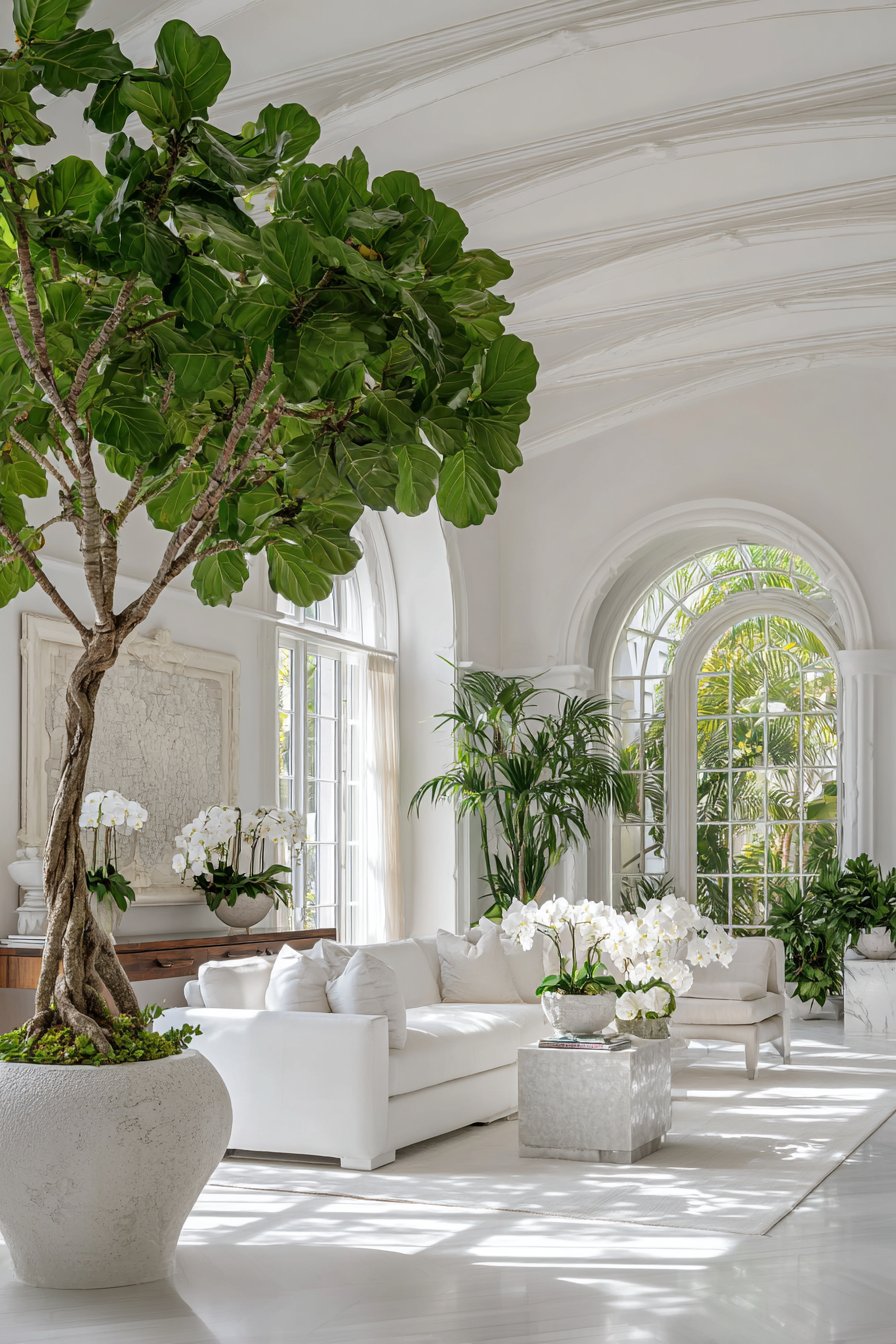
No luxury living room is complete without fresh flowers or thriving plants that bring life and organic beauty into the space. These natural elements add color, fragrance, and visual softness that balances hard architectural features. Regular fresh floral arrangements signal attention to detail and ongoing care.
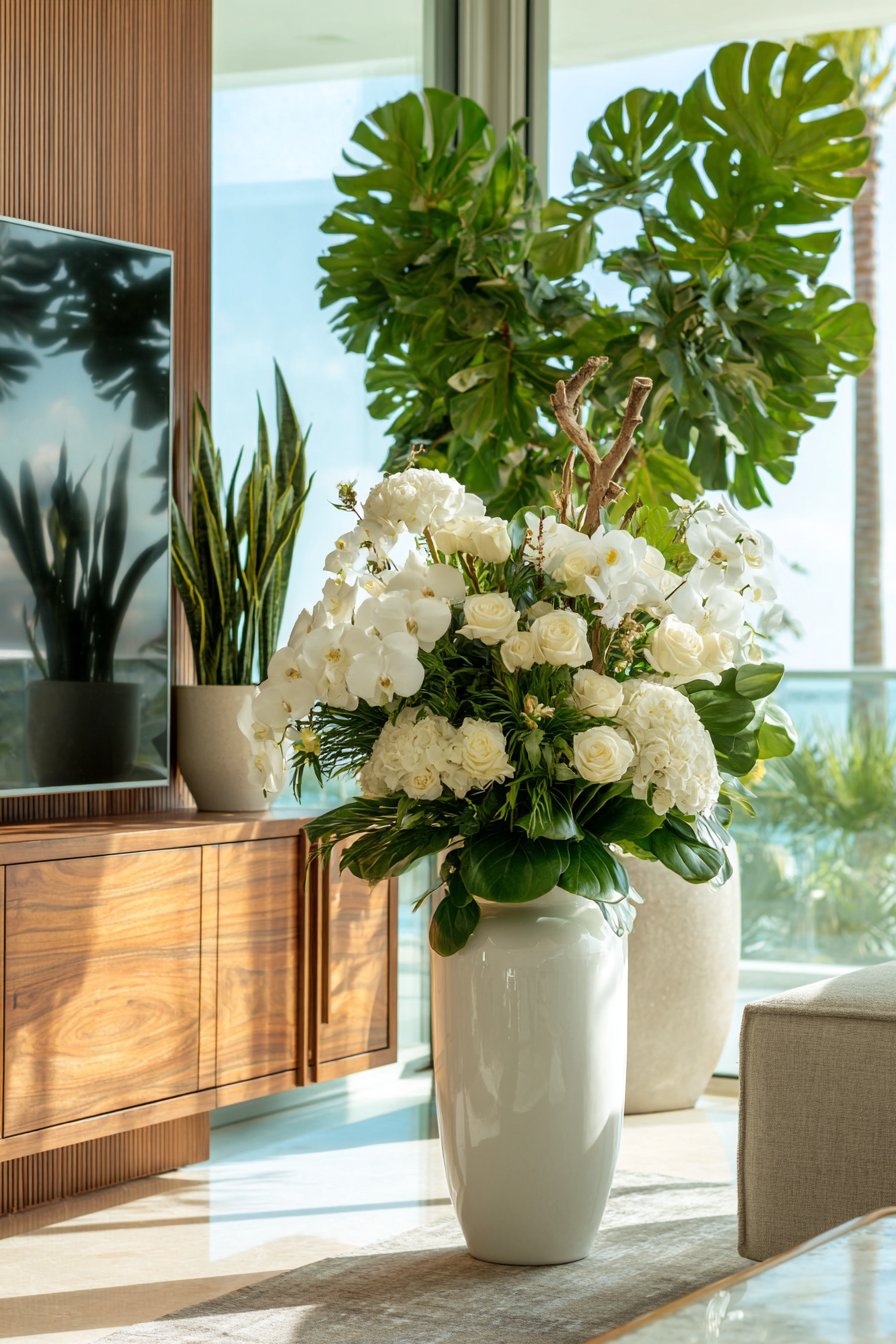
Select substantial arrangements in quality vessels rather than small supermarket bouquets. Oversized arrangements with architectural branches or dramatic tropical leaves make stronger statements than delicate flowers alone. Consider seasonal variations that reflect current botanical availability and holiday themes.
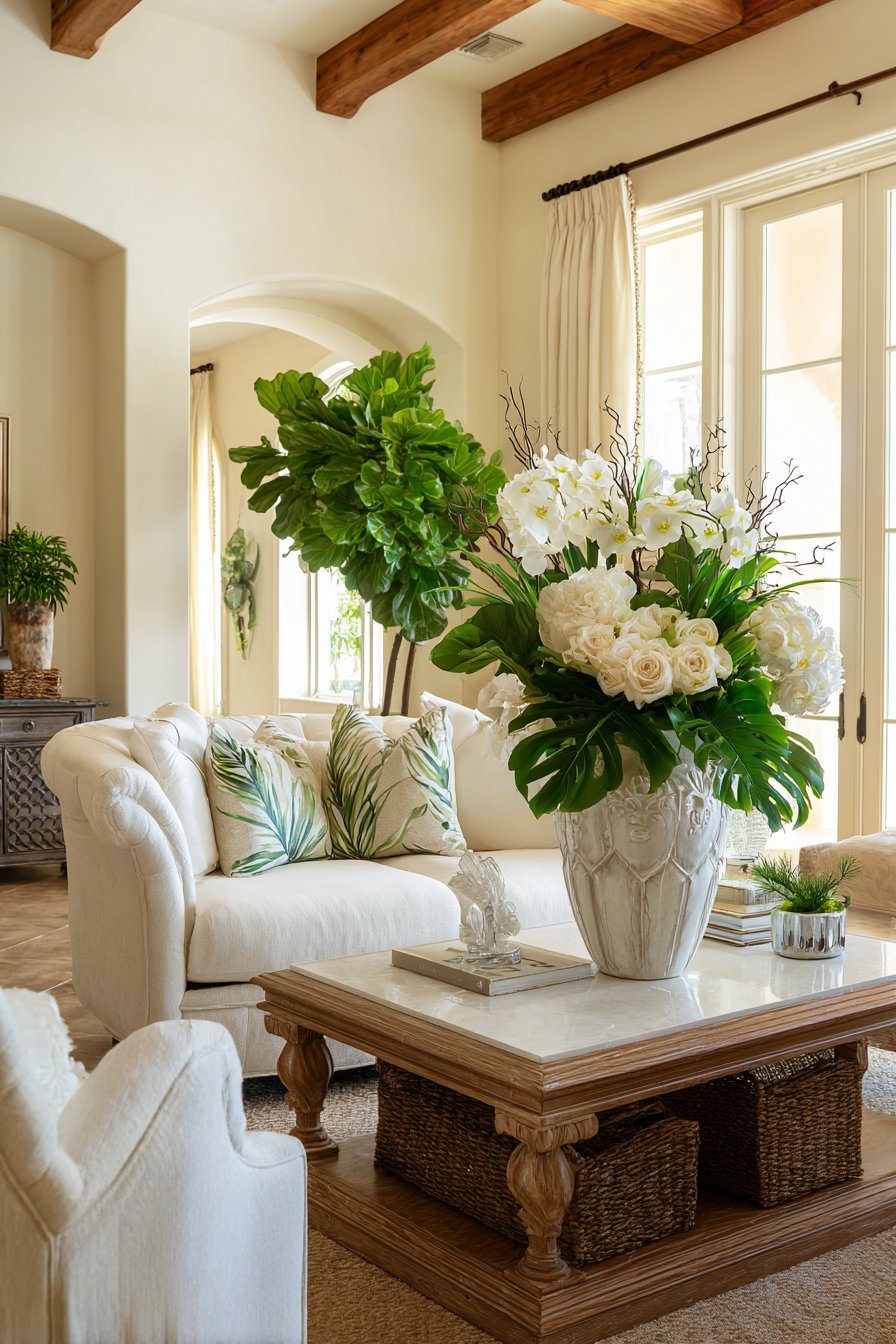
Living plants contribute air-purifying benefits while adding lush texture. Choose varieties suited to your space’s light conditions and your maintenance commitment. Fiddle leaf figs, monstera, and snake plants offer sculptural forms that complement modern interiors, while traditional spaces welcome orchids and gardenias.
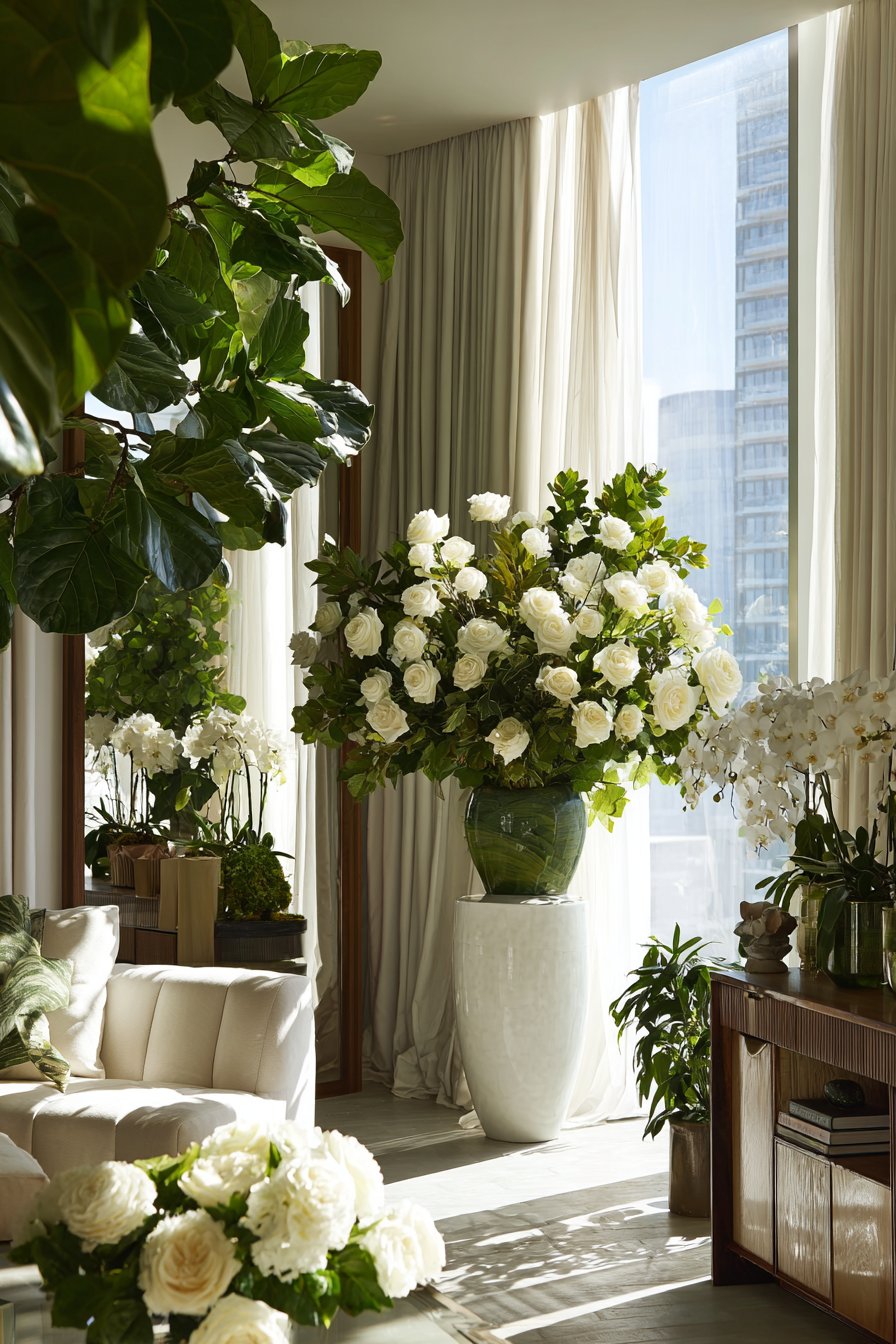
- Display fresh flowers in substantial vases (12-18 inches tall minimum)
- Change water every two days and trim stems to extend flower life
- Select oversized plants for floor placement in decorative cachepots
- Group smaller plants in odd numbers on consoles or side tables
- Choose low-maintenance varieties if you travel frequently
- Rotate plants seasonally to ensure healthy growth and appearance
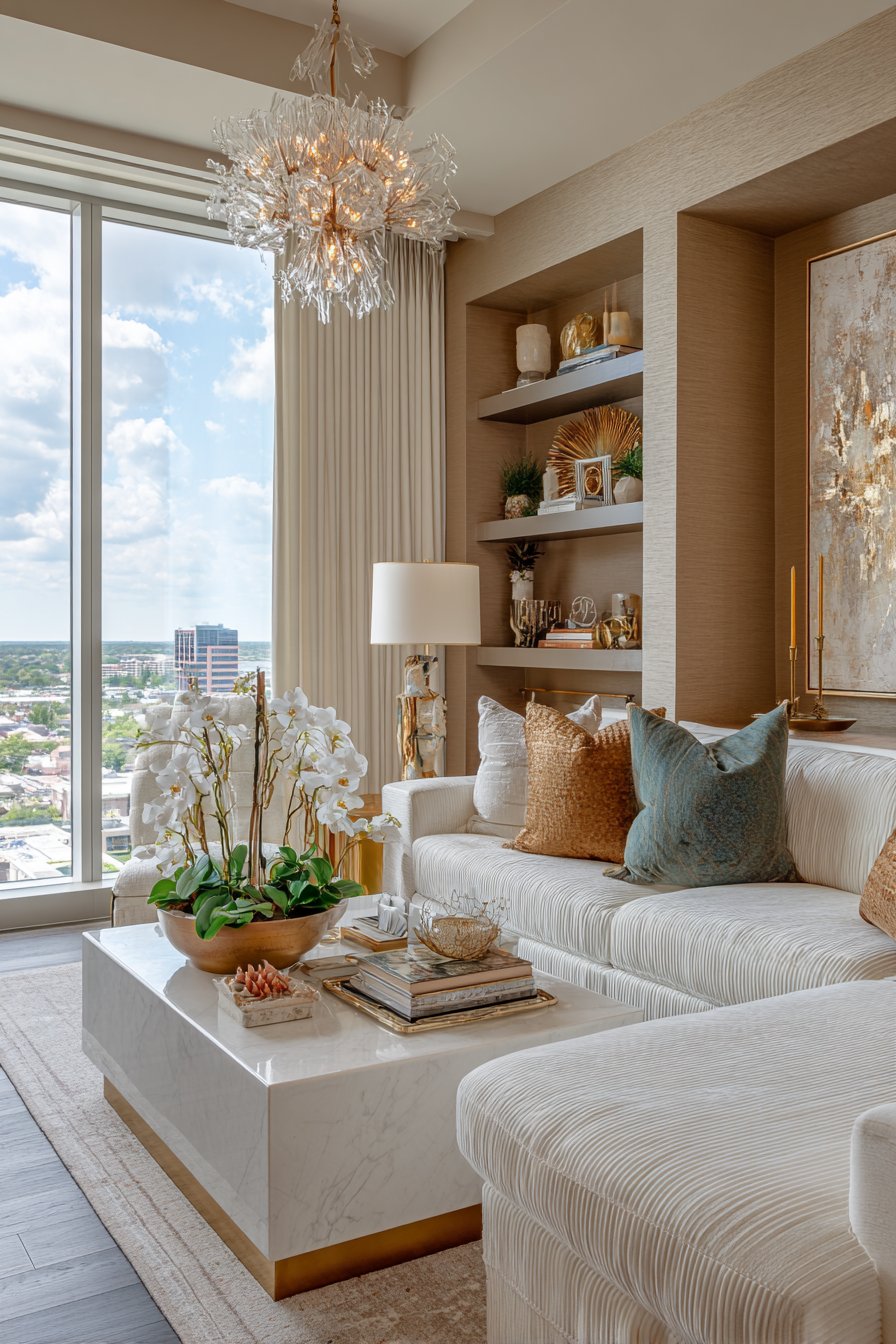
A truly luxurious living room represents the perfect synthesis of beauty, comfort, and functionality. By focusing on quality materials, thoughtful spatial planning, sophisticated lighting, and carefully curated accessories, you create a space that not only impresses but also nurtures daily living. Remember that authentic luxury comes from intentional choices rather than expensive price tags alone.
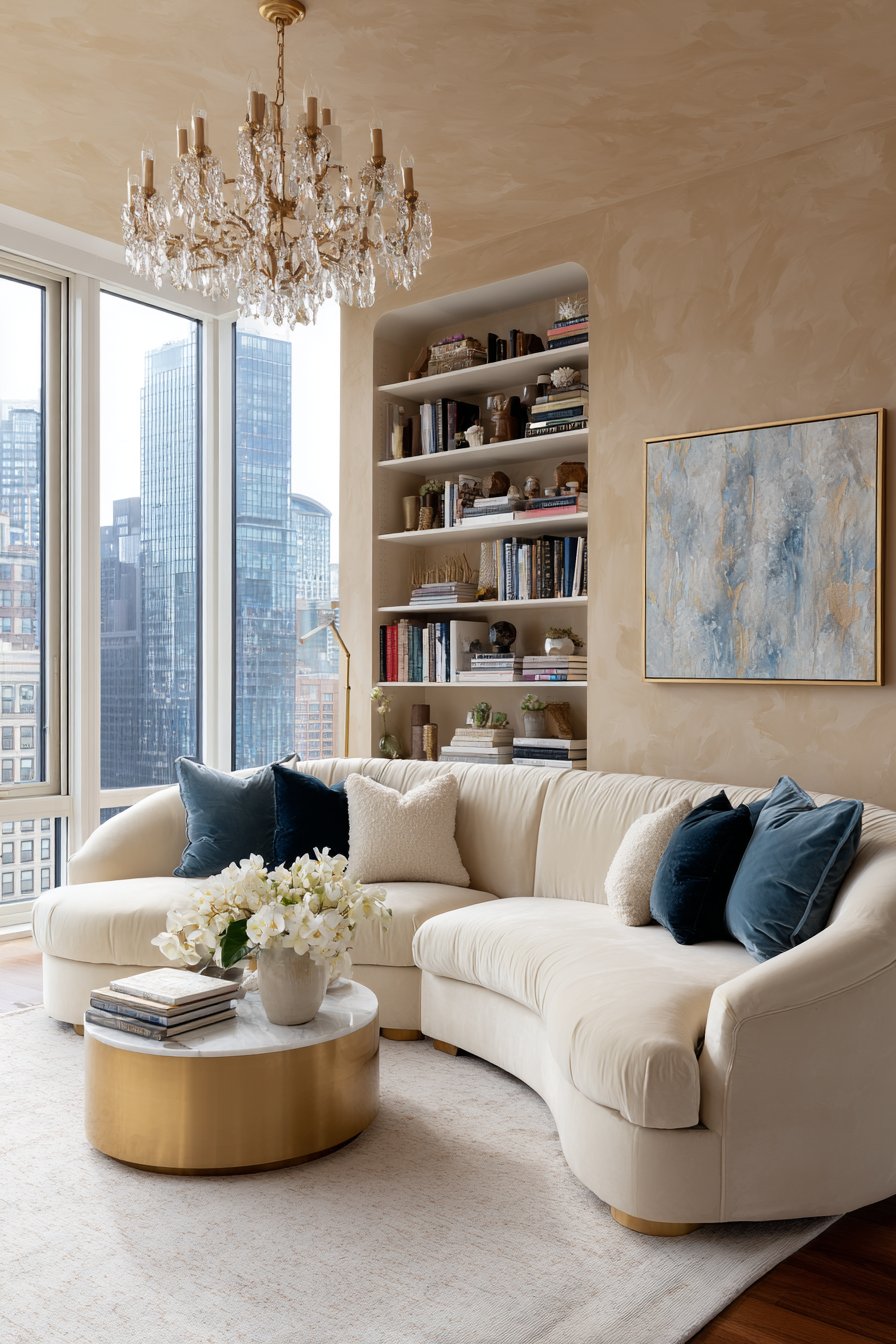
The principles outlined here provide a framework for developing your personal vision of luxury. Whether your style leans traditional, contemporary, or eclectic, these foundational elements apply universally. Start with one or two areas that resonate most strongly, gradually layering additional elements as your budget and vision allow. The journey toward creating your ideal luxury living room should be as rewarding as the destination itself.
"As an Amazon Associate, I earn from qualifying purchases."
