
Loft apartments present unique opportunities and challenges for kitchen design. These open-concept spaces typically feature soaring ceilings, industrial elements, and flexible floor plans that blur traditional room boundaries. The kitchen in a loft doesn’t hide behind walls but integrates seamlessly with living areas, making every design decision visible and impactful.
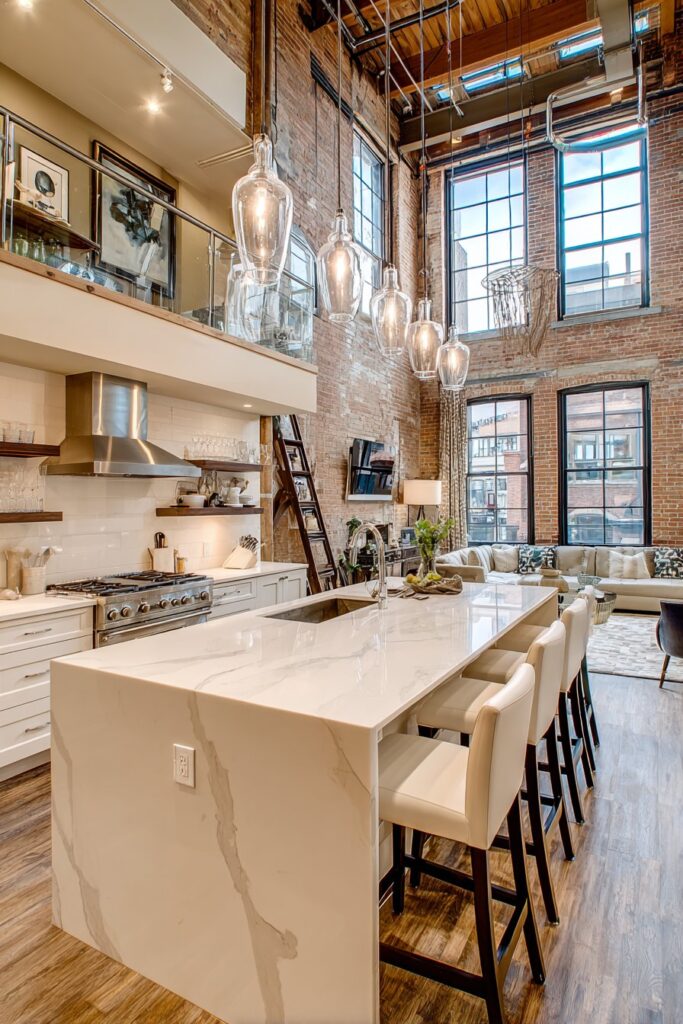
The defining characteristics of loft living—exposed brick, concrete floors, and abundant natural light—create a canvas for innovative kitchen solutions. Unlike conventional apartments with predetermined kitchen zones, lofts allow you to carve out culinary spaces that reflect your lifestyle and aesthetic preferences. This freedom demands thoughtful planning to maximize functionality without compromising the open, airy feeling that makes loft living so appealing.
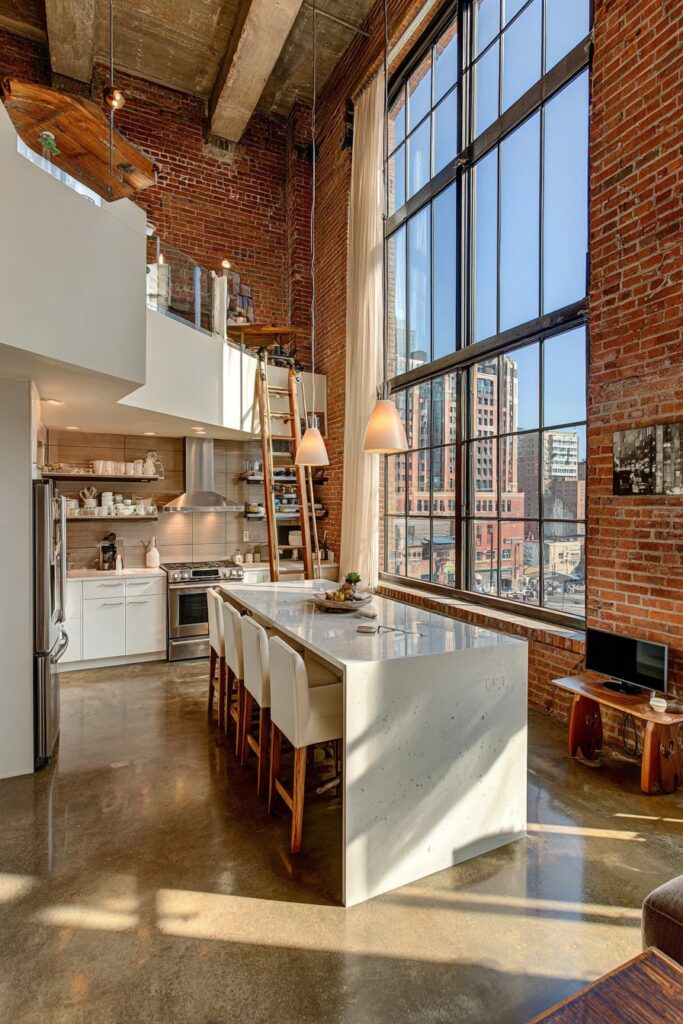
Successfully maximizing loft kitchen space requires balancing practicality with visual harmony. Your kitchen must work efficiently for daily cooking while contributing to the overall loft aesthetic rather than disrupting it. This guide explores strategic approaches that leverage loft advantages like vertical space and architectural features while addressing challenges like limited walls and open sightlines. These proven techniques help you create a kitchen that’s both highly functional and beautifully integrated into your loft’s unique character.
1. Embrace Vertical Storage to the Ceiling
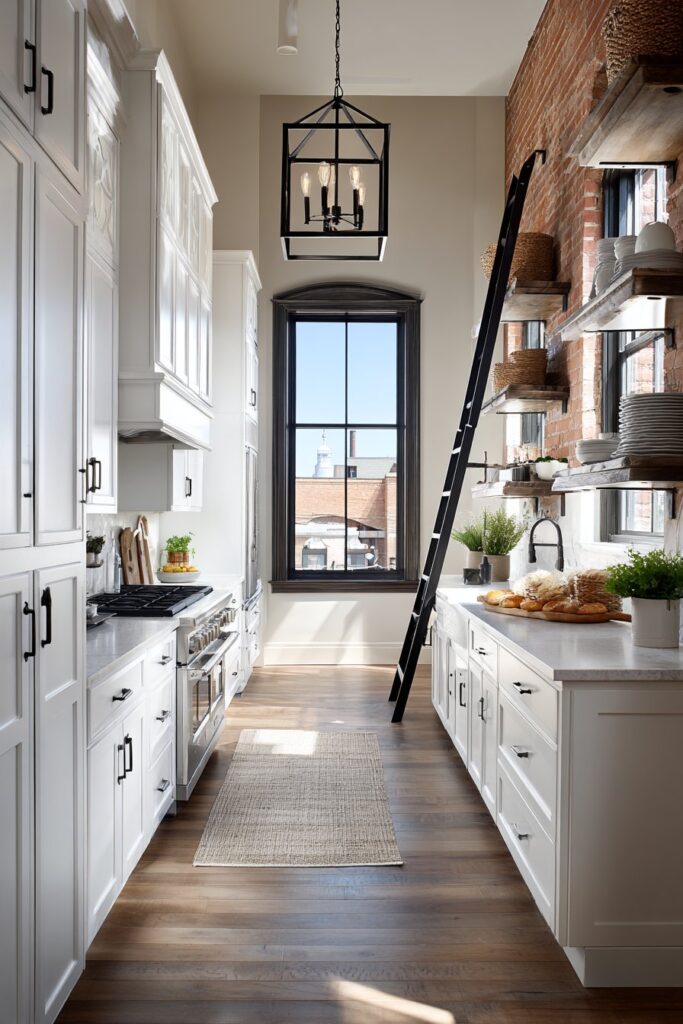
Loft apartments typically feature dramatically high ceilings—often 12 to 20 feet—that offer incredible vertical storage potential. Installing floor-to-ceiling cabinetry or open shelving systems capitalizes on this height, multiplying your storage capacity without consuming valuable floor space. This upward approach maintains the open floor plan while providing ample room for everything.

Use upper shelving for seasonal items and rarely used equipment, keeping everyday essentials at accessible heights. Library ladders or rolling step stools allow safe access to higher storage while adding industrial charm that complements loft aesthetics. This vertical strategy transforms wasted ceiling space into functional storage that respects the loft’s architectural character.
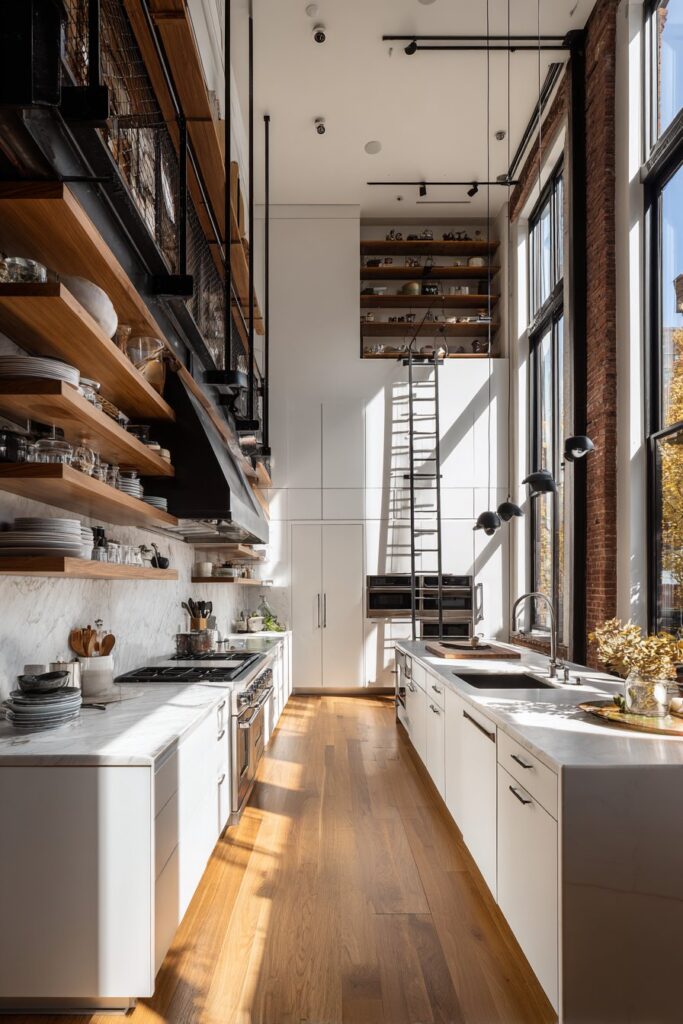
- Install custom cabinetry that extends to the full ceiling height
- Add open shelving on exposed brick walls for visual interest and storage
- Use attractive storage containers for items displayed on high shelves
- Incorporate a rolling library ladder for access and industrial style
- Store bulky items like large serving pieces in upper cabinets
- Display collections or decorative items at eye level with practical storage above
2. Create a Functional Kitchen Island as Room Divider
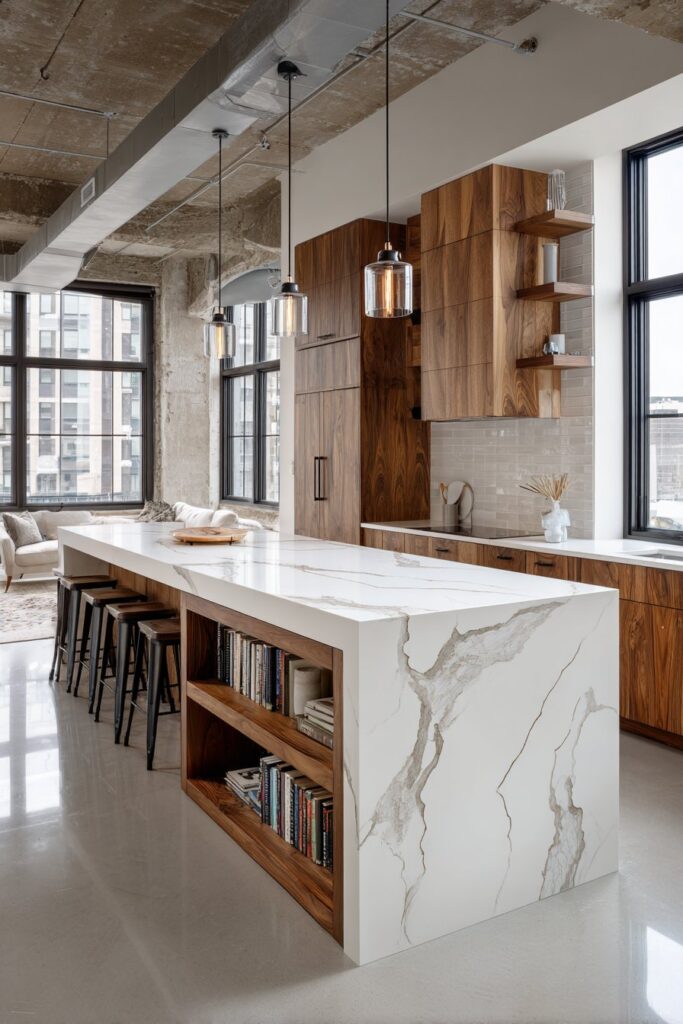
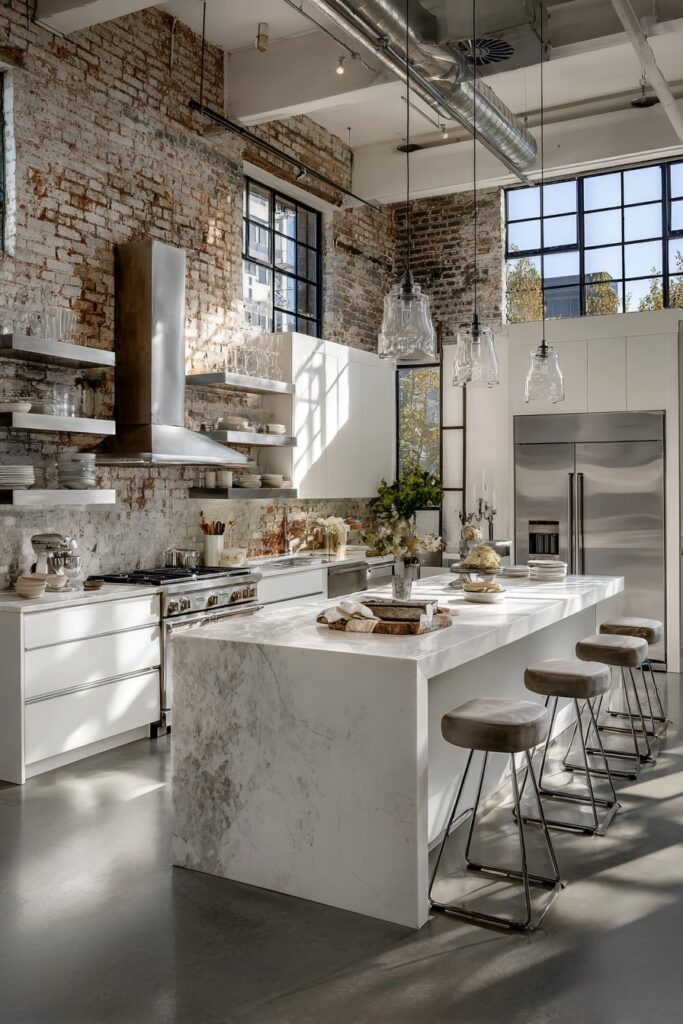
A well-designed island serves multiple purposes in loft kitchens—workspace, storage, dining surface, and spatial definition. This freestanding element creates psychological separation between kitchen and living areas without obstructing sightlines or natural light flow. The island becomes an architectural anchor that organizes the open space effectively.

Size your island appropriately for your loft’s scale, ensuring adequate clearance on all sides for comfortable movement. Include storage underneath through cabinets or open shelving that’s accessible from multiple angles. Consider adding seating on one or two sides to create casual dining options that encourage social interaction while maintaining the open concept’s conversational flow.

- Choose an island depth that provides workspace without blocking pathways
- Incorporate storage on all sides for maximum spatial efficiency
- Add electrical outlets for small appliances and charging devices
- Include open shelving on the living-area side for cookbooks or decor
- Install pendant lights above to define the kitchen zone visually
- Select waterfall countertops for a contemporary, finished appearance
3. Utilize Industrial-Style Open Shelving
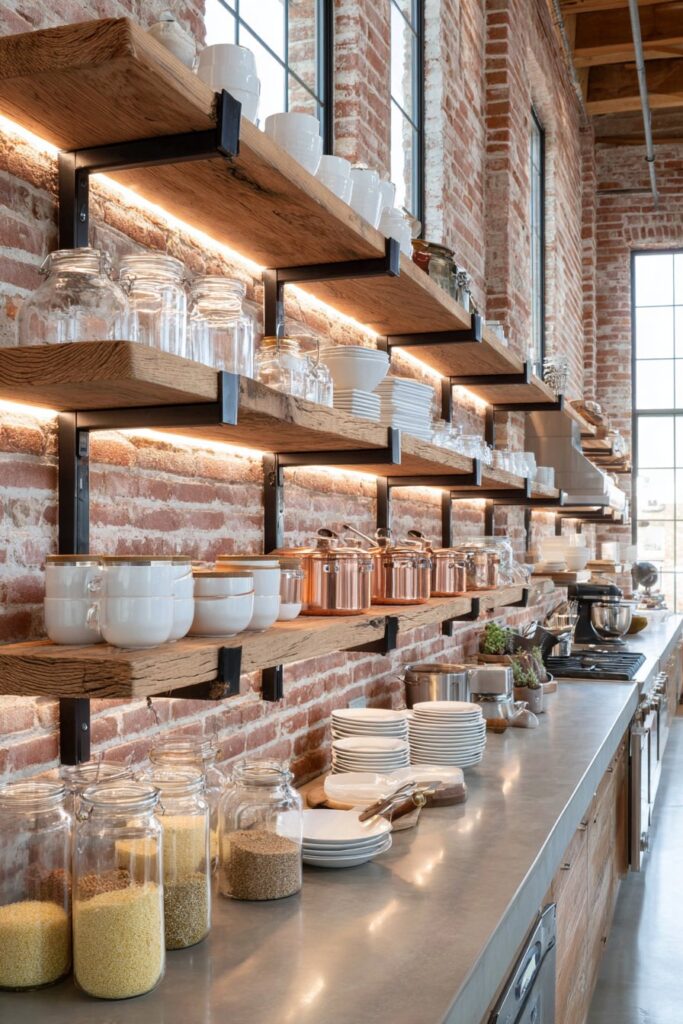
Open shelving complements loft aesthetics perfectly while providing accessible storage that feels lighter than solid cabinetry. Metal brackets, reclaimed wood, or pipe-frame shelving echo industrial architectural elements common in lofts. This storage approach keeps frequently used items visible and within reach while contributing to the raw, authentic character of loft design.

Arrange shelving contents thoughtfully and minimally to avoid cluttered appearances in open-plan spaces. Group items by color or category, leave breathing room between objects, and regularly edit what’s displayed. Remember that everything on open shelves becomes part of your living area’s visual landscape, requiring more curation than hidden cabinet storage.

- Install metal and wood shelving that matches existing industrial elements
- Display matching dishware and glassware for cohesive visual impact
- Use attractive storage containers and jars for dry goods
- Arrange items with intentional spacing rather than crowding shelves
- Balance open shelving with some closed storage for less attractive necessities
- Incorporate lighting underneath shelves to illuminate contents and counters
4. Incorporate Multi-Functional Furniture and Elements
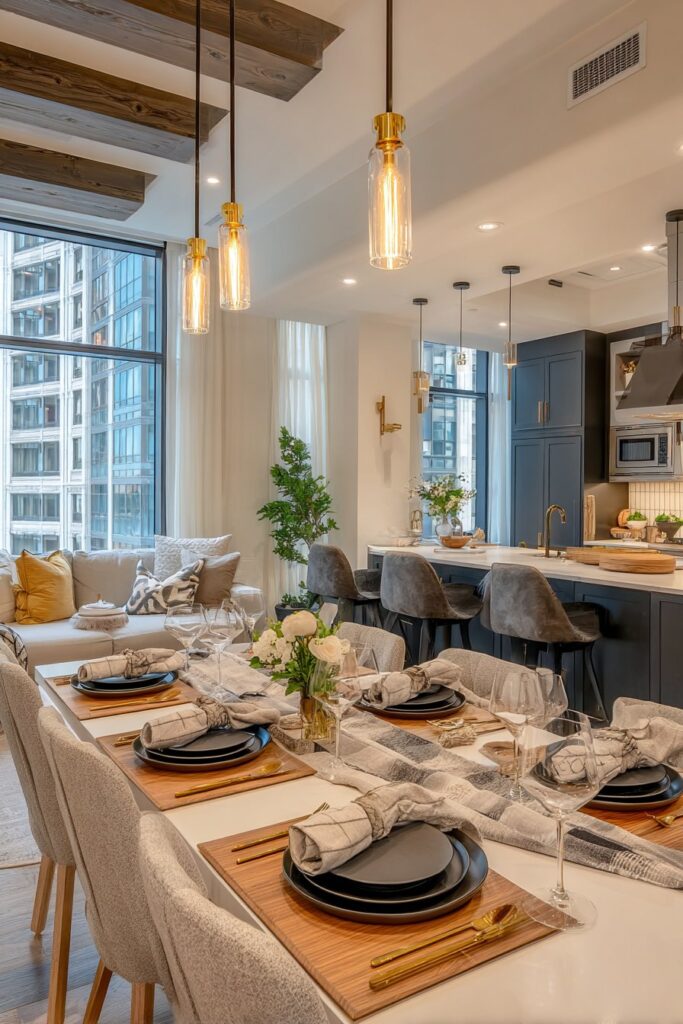
Space-efficient furniture that serves dual purposes maximizes functionality without cluttering your loft. A dining table that extends for entertaining but collapses for everyday use, or a cart that rolls between kitchen and living areas for serving, exemplifies smart loft living. These adaptable pieces provide flexibility that fixed elements cannot.

Consider furniture-quality kitchen pieces that blur the line between utilitarian and decorative. A beautiful hutch stores dishes while contributing to the living area’s aesthetic. A substantial workbench-style table functions as extra prep space and casual dining. This approach integrates kitchen functionality throughout the loft naturally rather than confining it to one zone.

- Choose a rolling cart for mobile prep space and serving capability
- Select a dining table with leaves that adjust to guest numbers
- Use a vintage cabinet or armoire as pantry storage with character
- Incorporate bar stools that tuck completely under counters when not used
- Add a fold-down table mounted to a wall for occasional extra workspace
- Select furniture-style pieces that complement your living area decor
5. Maximize Natural Light and Visual Flow
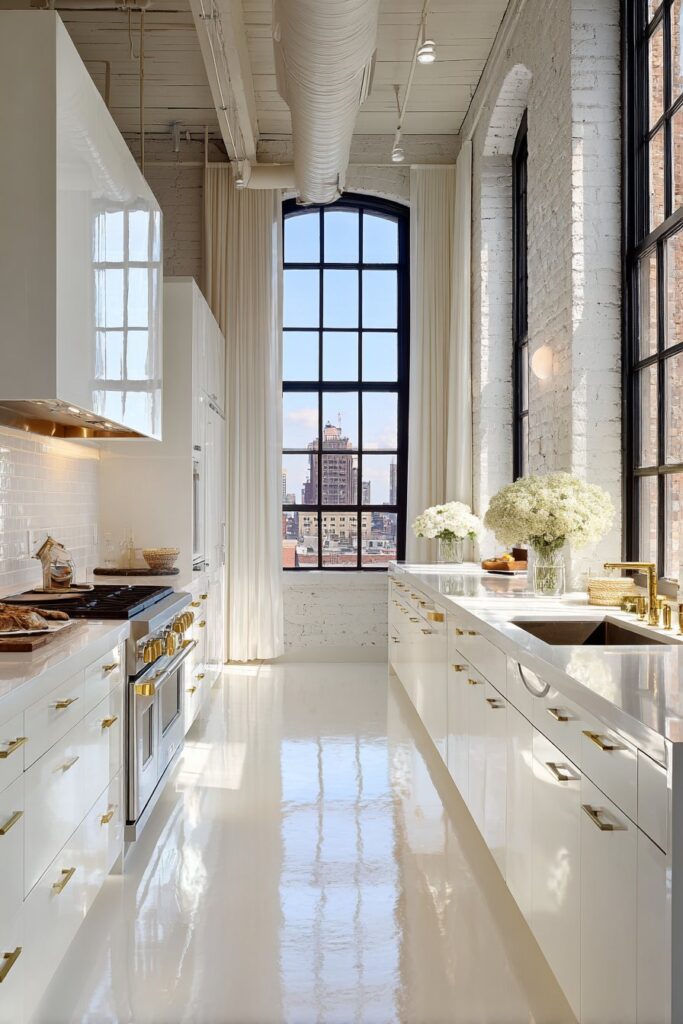
Loft windows typically provide abundant natural light through large, often industrial-style fenestration. Design your kitchen to capitalize on this illumination rather than blocking it. Position your main workspace to benefit from natural light while keeping window areas clear of tall cabinets or appliances that create shadows.
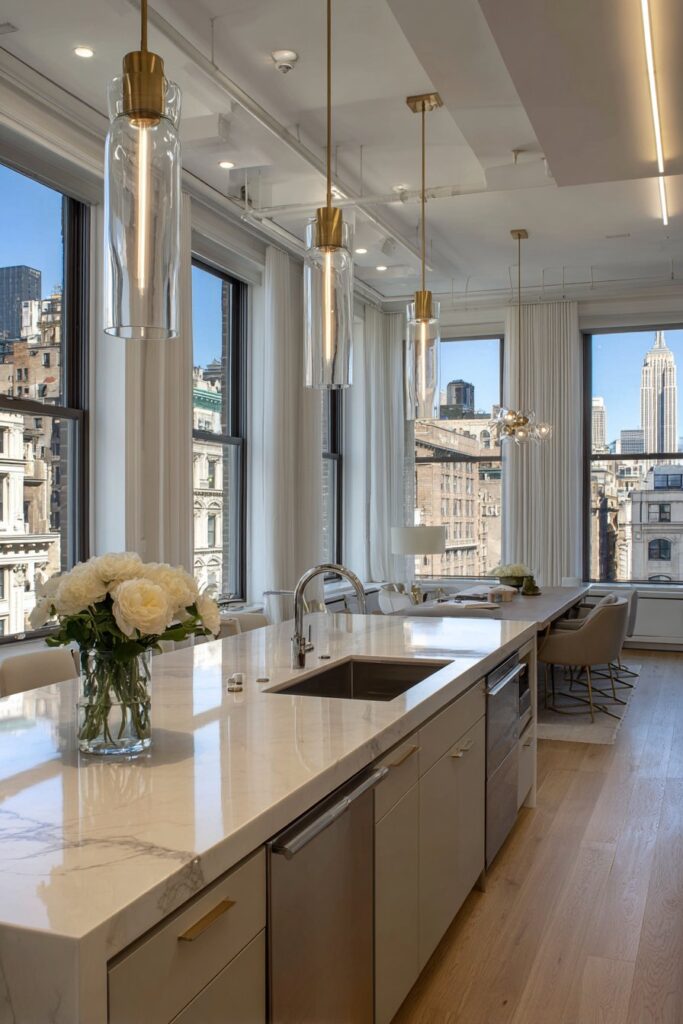
Reflective surfaces amplify available light throughout the space. Stainless steel appliances, glossy tile backsplashes, and polished countertops bounce light around, brightening both kitchen and adjacent living areas. This strategy enhances the open, airy feeling essential to successful loft living while reducing reliance on artificial lighting.
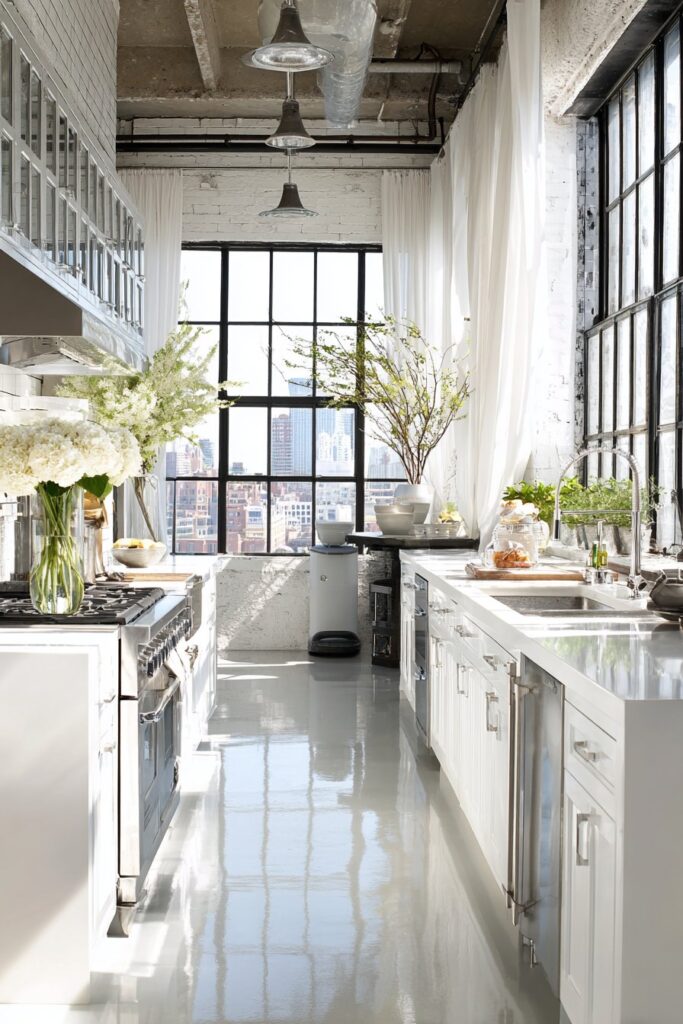
- Position prep areas near windows for natural task lighting
- Choose light-colored or reflective backsplash materials
- Install glass-front cabinets that don’t block light transmission
- Use sheer window treatments or leave windows bare when possible
- Select polished countertops rather than honed finishes for light reflection
- Keep the area between kitchen and windows clear of tall obstructions
6. Define Zones with Flooring and Lighting Changes
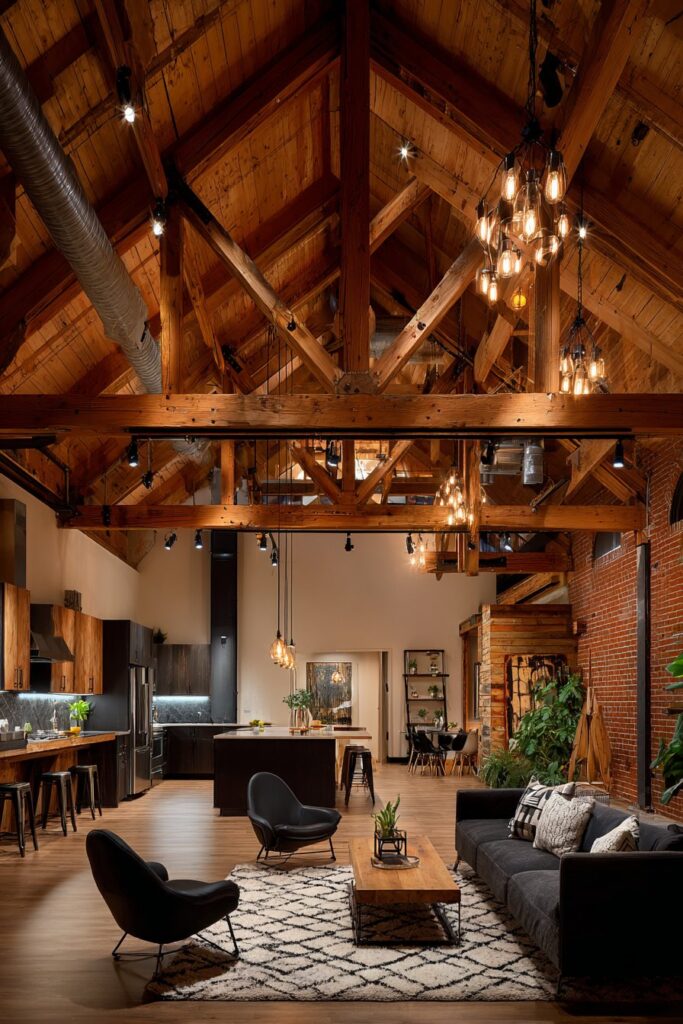
Without walls to separate spaces, subtle design cues create functional zones in lofts. Changing flooring materials from polished concrete to wood or adding an area rug defines the kitchen boundary visually. This tactile and visual shift helps organize the open space without erecting barriers that compromise the loft’s flowing character.
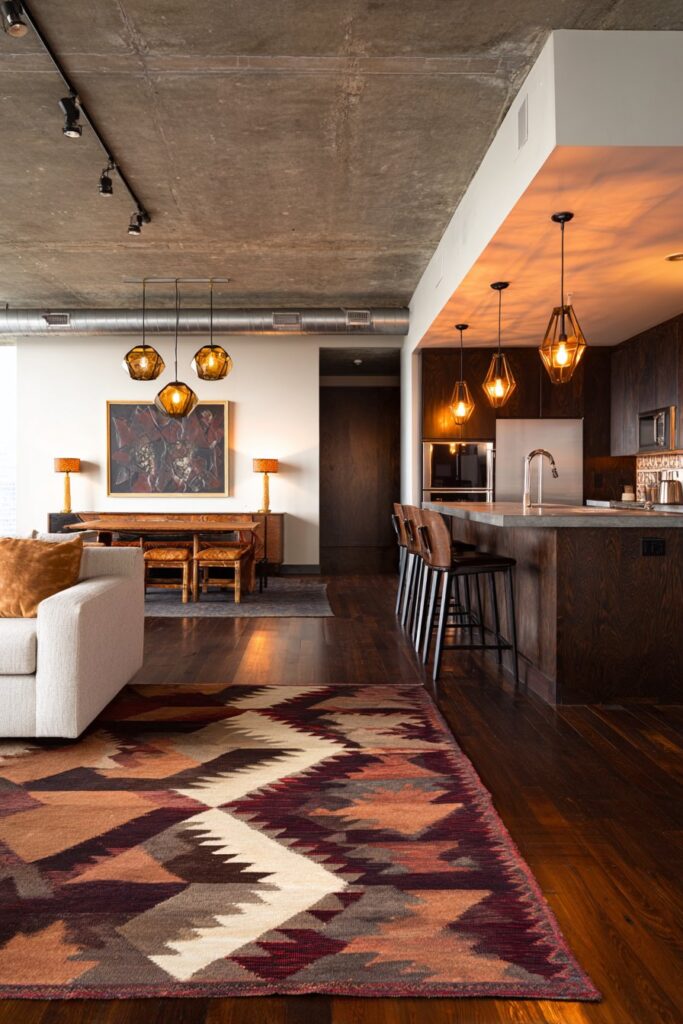
Lighting layers further define kitchen territories. Pendant lights clustered over islands or counters signal kitchen zones while providing task illumination. Different lighting temperatures and fixtures distinguish cooking areas from relaxation spaces, creating psychological boundaries that guide how people navigate and use the loft.
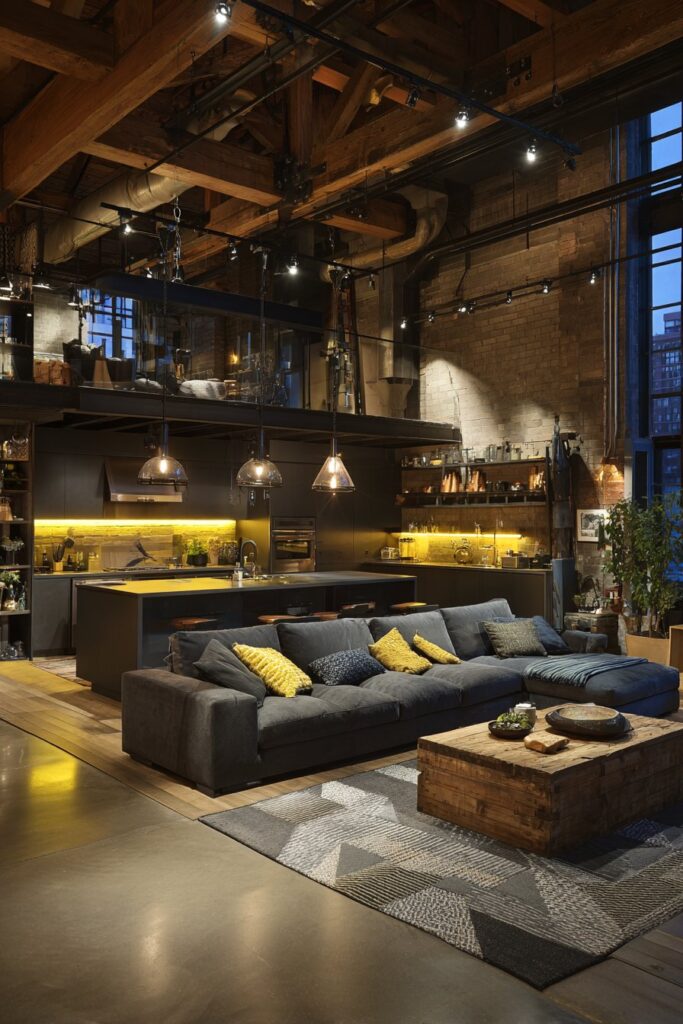
- Install different flooring in the kitchen zone or add a large area rug
- Use pendant lights to define kitchen boundaries from above
- Create distinct lighting scenes for cooking versus entertaining modes
- Position track lighting to highlight kitchen work areas specifically
- Consider under-cabinet lighting that illuminates tasks without glare
- Use dimmer switches to adjust ambiance between kitchen and living functions
7. Choose Streamlined Appliances and Integrated Solutions

Sleek, integrated appliances maintain clean sightlines essential in open loft spaces. Panel-ready refrigerators and dishwashers that accept matching cabinet fronts disappear visually, preventing the kitchen from dominating the living area. This seamless approach creates cohesion between cooking and living zones while maximizing the sense of space.

Select appliances scaled appropriately for your actual needs rather than defaulting to standard sizes. Apartment-sized or European-style appliances often provide adequate capacity while consuming less precious floor space. Combination units like microwave-convection ovens reduce the number of separate appliances needed, preserving valuable counter and cabinet space.

- Choose panel-ready major appliances for visual integration
- Select counter-depth refrigerators that don’t protrude awkwardly
- Consider a cooktop with downdraft ventilation instead of bulky range hoods
- Install a compact dishwasher drawer if full-size models are excessive
- Choose induction cooktops for sleek, easy-to-clean surfaces
- Opt for built-in coffee systems to eliminate counter clutter
8. Implement Smart Organization Systems

Meticulous organization becomes more critical when your kitchen sits in full view of living areas. Every drawer, cabinet, and shelf requires systematic arrangement that maintains functionality while supporting quick tidying before guests arrive. Interior organization systems keep contents orderly even when cabinet doors open unexpectedly in social situations.

Invest in matching storage containers and uniform organizational products that create visual cohesion. Clear containers let you see contents while looking intentional rather than chaotic. This systematic approach ensures your kitchen remains functional during daily use yet can transform to entertaining-ready status within minutes.
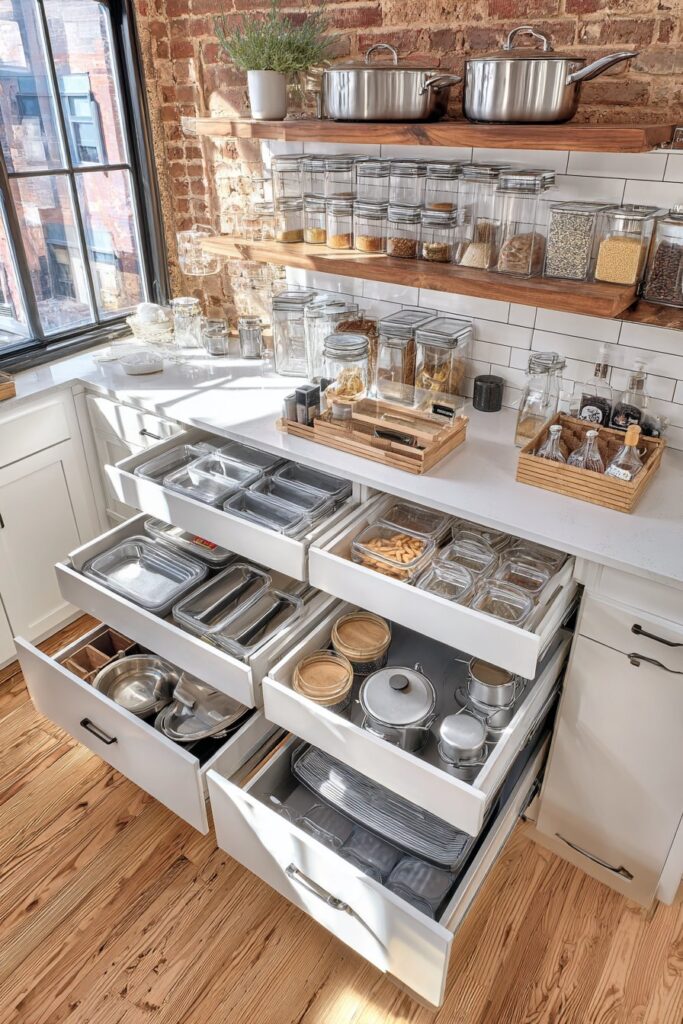
- Use pull-out drawer organizers for utensils and cooking tools
- Transfer dry goods to matching, stackable containers with labels
- Install vertical dividers for baking sheets, cutting boards, and trays
- Incorporate drawer inserts specifically designed for spices and oils
- Use turntables in corner cabinets for easy access to all items
- Maintain a designated home for every kitchen tool and ingredient
9. Create a Cohesive Design with Living Areas

Your loft kitchen must harmonize aesthetically with adjacent living spaces since visual separation doesn’t exist. Coordinate finishes, colors, and materials between kitchen and living zones to create intentional flow rather than jarring transitions. This design continuity makes the entire loft feel larger and more thoughtfully composed.

Repeat materials and design elements throughout the space. If your living area features leather furniture and metal accents, incorporate these materials into kitchen seating or hardware. Maintain a consistent color palette that allows the kitchen to belong rather than standing apart as a distinctly separate entity within the open plan.
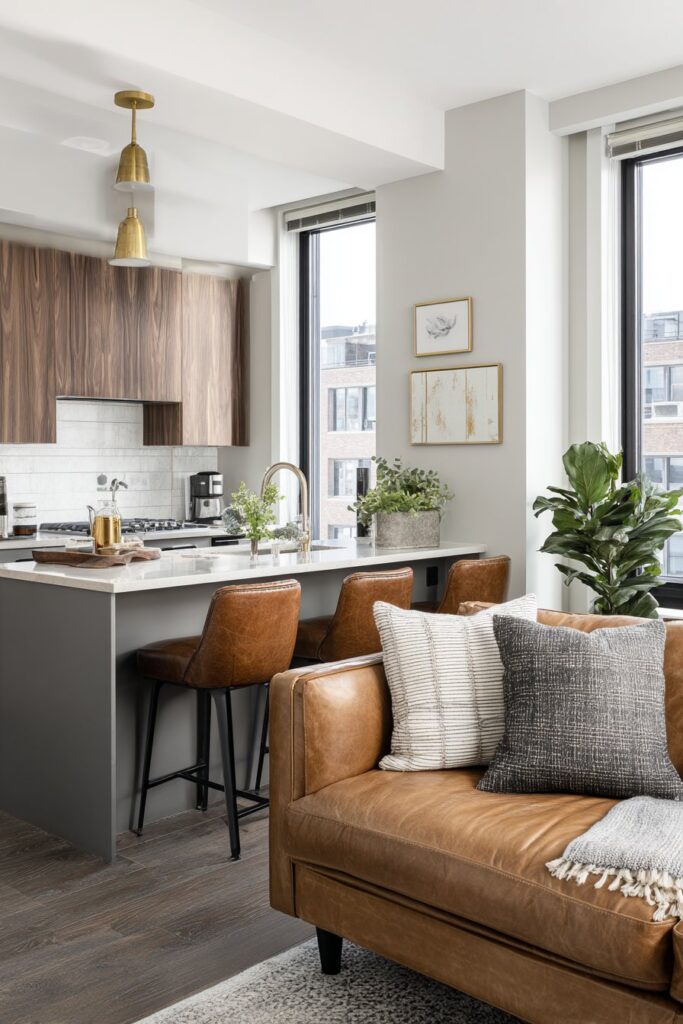
- Use consistent wood tones in kitchen cabinetry and living area furniture
- Repeat metal finishes from kitchen hardware in living area lighting
- Coordinate color palettes between kitchen textiles and living area fabrics
- Select kitchen seating that complements living room furniture styles
- Maintain consistent design era or style throughout the entire loft
- Use artwork and accessories that bridge kitchen and living aesthetics
Conclusion
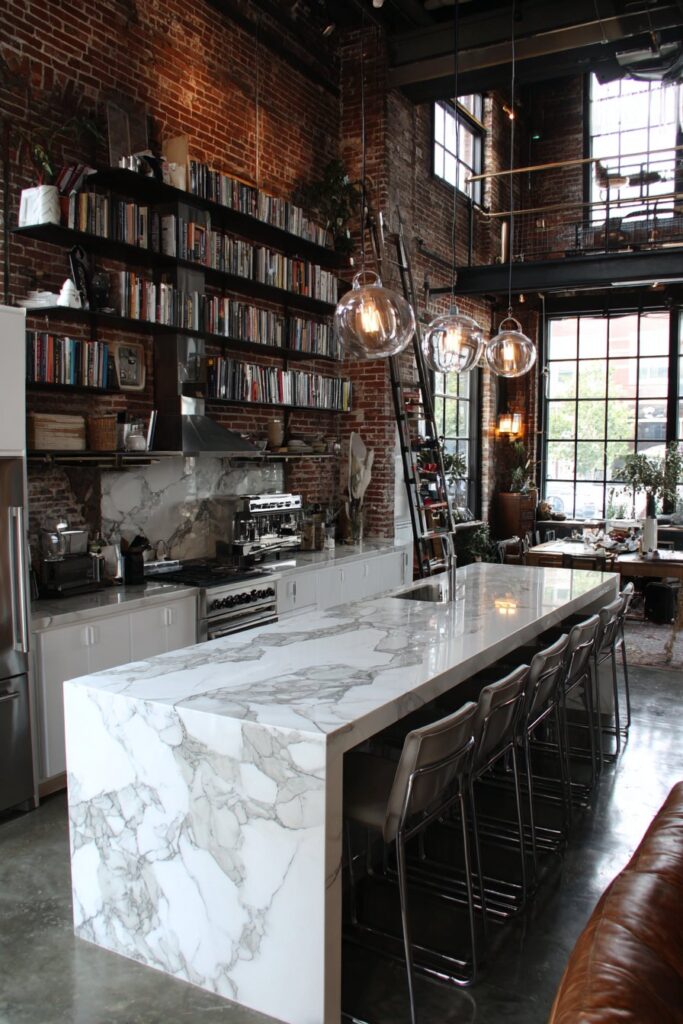
Maximizing loft apartment kitchen space requires creative problem-solving that respects both functional needs and aesthetic integration. By leveraging vertical storage, embracing industrial elements, and designing with the open floor plan in mind, you create a kitchen that enhances rather than compromises your loft’s character. The strategies outlined here transform spatial challenges into opportunities for innovative, beautiful solutions.
Remember that successful loft kitchens balance visibility with functionality—everything remains in view, so organization and design quality matter tremendously. Start with the fundamentals of vertical storage and smart furniture choices, then layer in architectural details and cohesive design elements. Your loft kitchen can become a showcase of efficient design that celebrates open living while providing all the functionality of traditional enclosed kitchens, proving that thoughtful planning conquers spatial constraints beautifully.
"As an Amazon Associate, I earn from qualifying purchases."
