
Choosing the right accent chair can transform a living room from ordinary to extraordinary. An accent chair is more than just extra seating — it’s a design statement that reflects your personality and completes your space. When paired thoughtfully with your sofa, it creates harmony, balance, and visual interest that elevates the entire room.
Many homeowners struggle with this decision. The sheer variety of styles, fabrics, colors, and shapes can feel overwhelming. However, with the right approach, matching accent chairs to your sofa becomes an enjoyable and creative process rather than a stressful one.
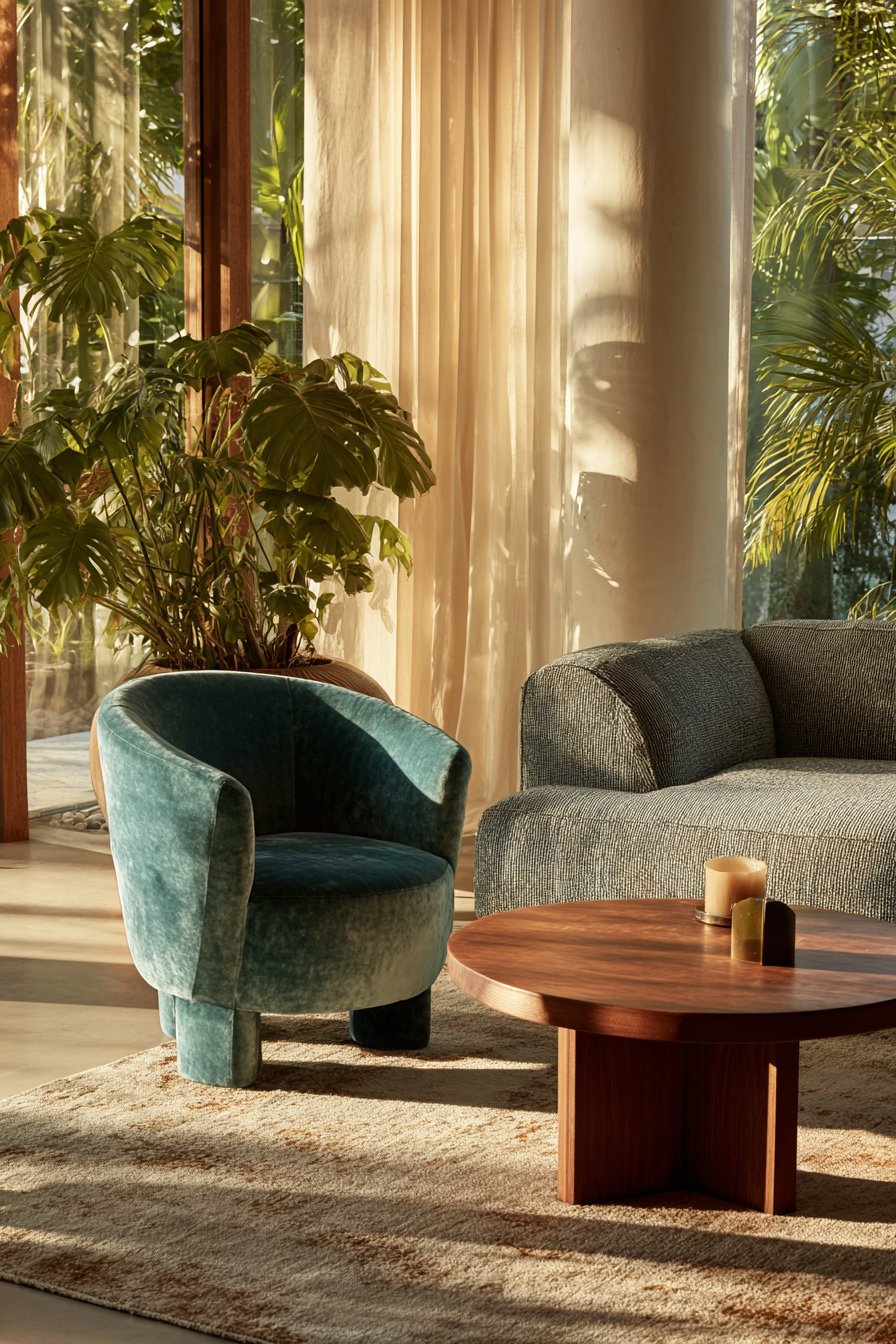
This article walks you through every important consideration — from understanding style compatibility to selecting the right fabric and scale. Whether your living room is modern, traditional, eclectic, or transitional, these expert tips will help you make a confident, beautiful choice.
1. Understand Your Sofa’s Style First
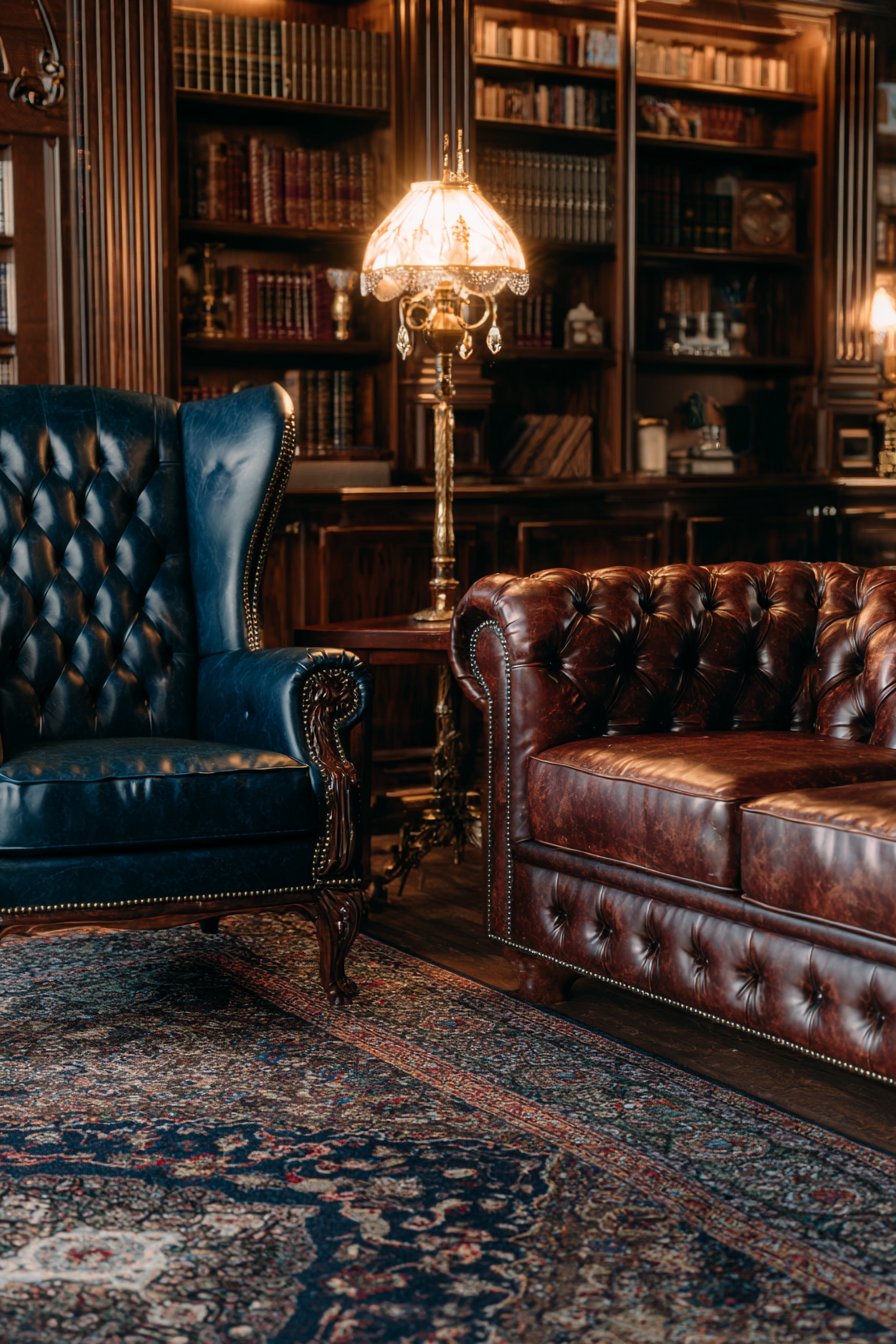
Before browsing accent chairs, take a close look at your sofa. Identify its design language — is it contemporary, mid-century modern, traditional, or bohemian? The sofa’s silhouette, leg style, and upholstery fabric all provide important clues about which chairs will complement it.
A tufted Chesterfield sofa, for example, pairs beautifully with wingback chairs or club chairs that echo its classic sensibility. A sleek, low-profile modern sofa invites a sculptural or minimalist accent chair with clean lines. Matching design eras creates a cohesive aesthetic that feels intentional and sophisticated.
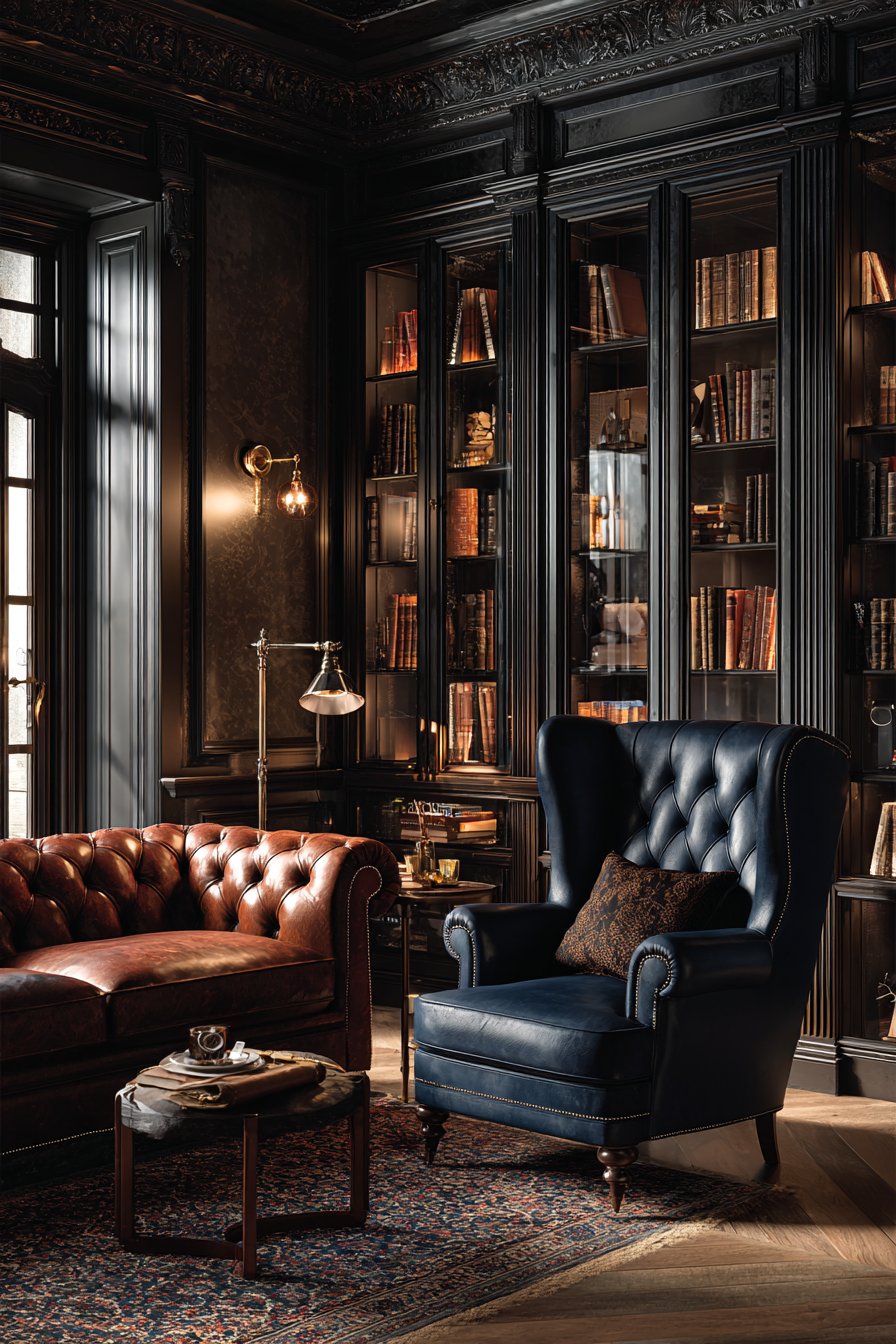
Don’t feel restricted to matching the exact style, though. A slight contrast can create dynamic tension and visual interest. The key is to find chairs that share at least one design element — whether that’s leg finish, silhouette weight, or decorative detail — with your sofa.
- Study your sofa’s silhouette and identify its dominant design era
- Note the leg material — wood, metal, or hidden legs define the overall mood
- Look for shared design elements rather than identical matching
- Consider whether your room needs harmony or a deliberate contrast
- Research style categories: traditional, contemporary, transitional, or eclectic
- Use design inspiration boards to visualize combinations before purchasing
2. Master the Art of Color Coordination
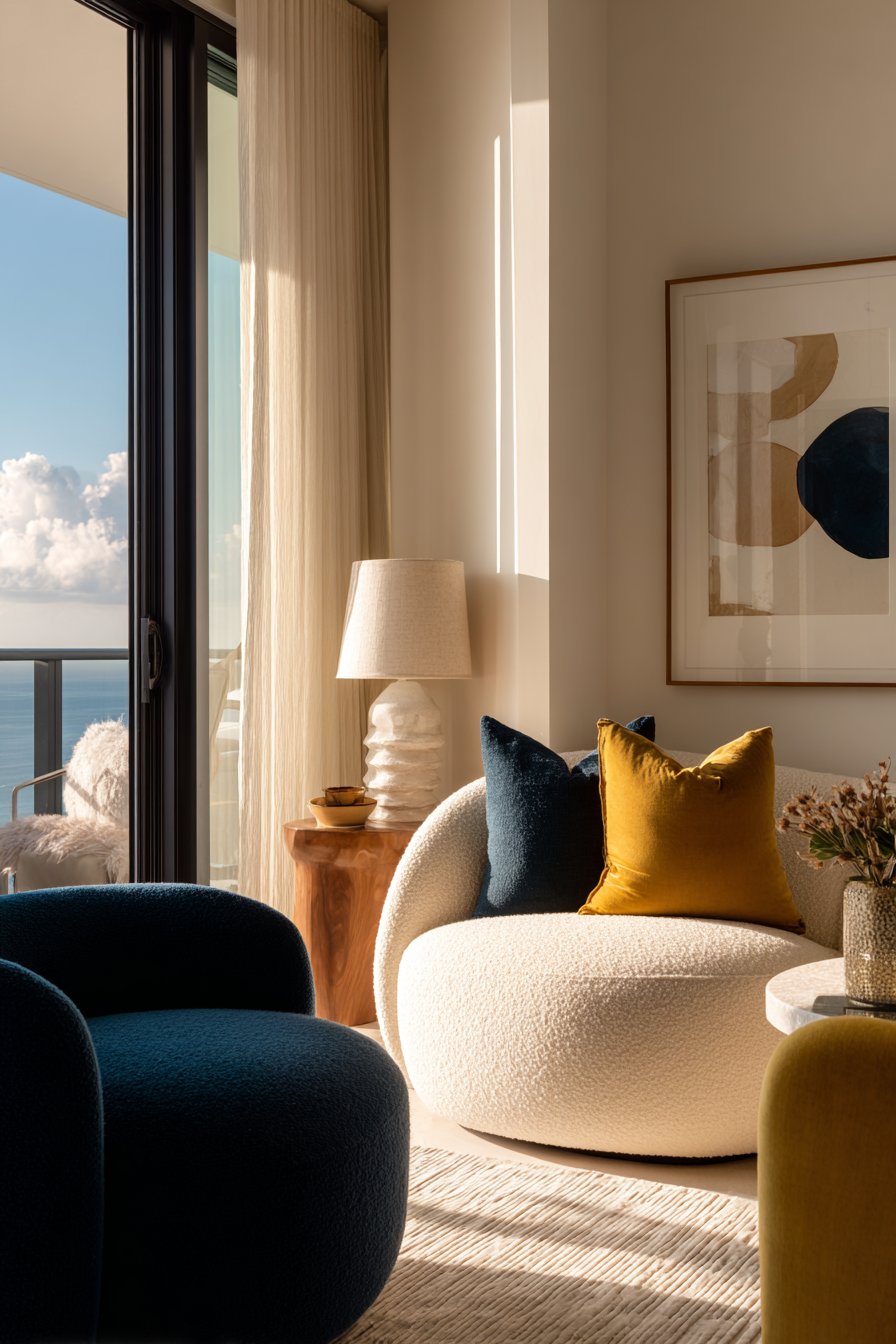
Color is one of the most powerful tools when pairing accent chairs with a sofa. The relationship between your sofa’s color and your chair’s color sets the emotional tone of the entire space. Getting this right requires understanding basic color theory.
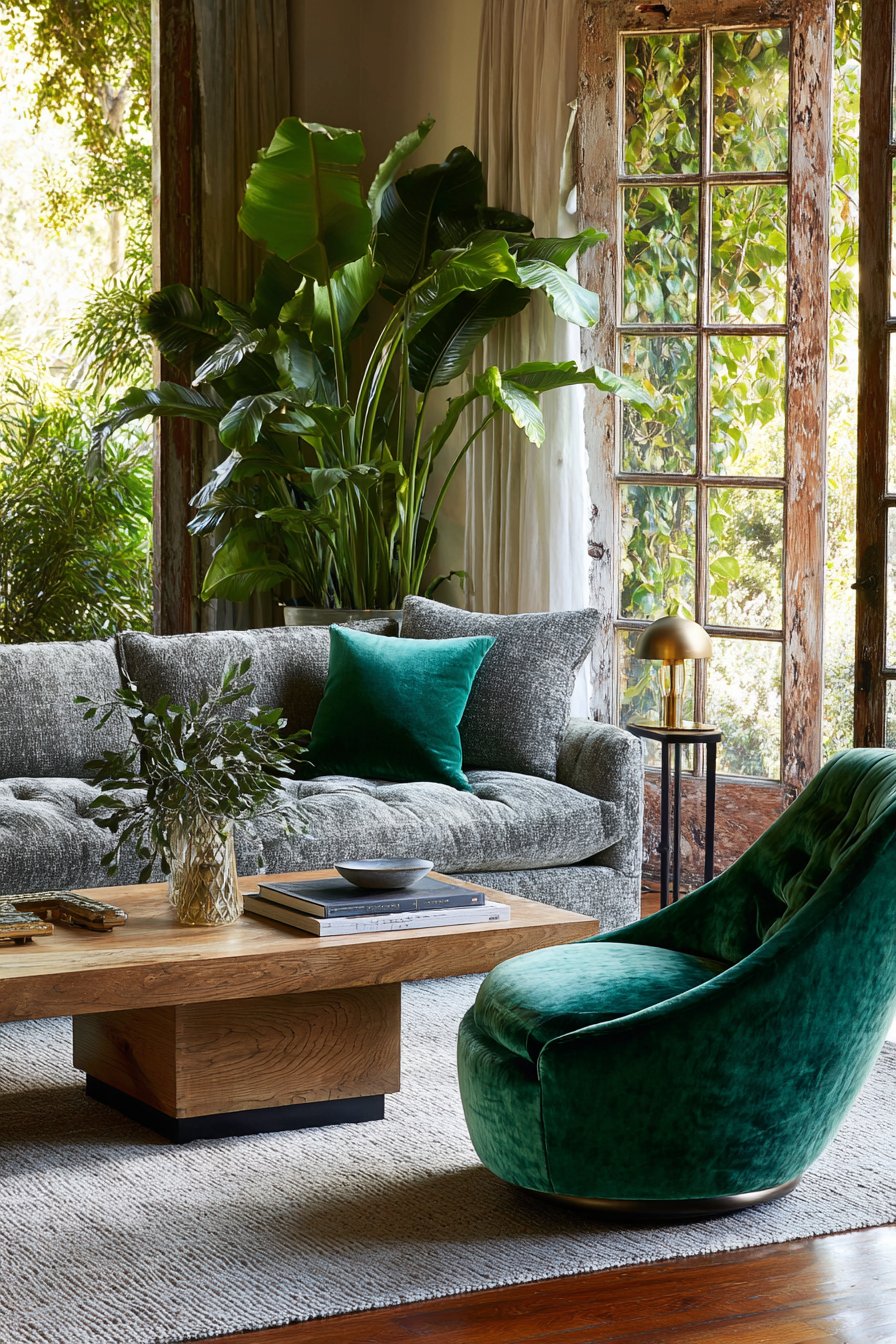
If your sofa is neutral in tone — think beige, grey, white, or cream — you have tremendous freedom. You can introduce a bold accent chair in jewel tones like emerald, sapphire, or mustard to create a striking focal point. Alternatively, a tone-on-tone approach using varying shades of the same neutral palette creates a calm, layered look.
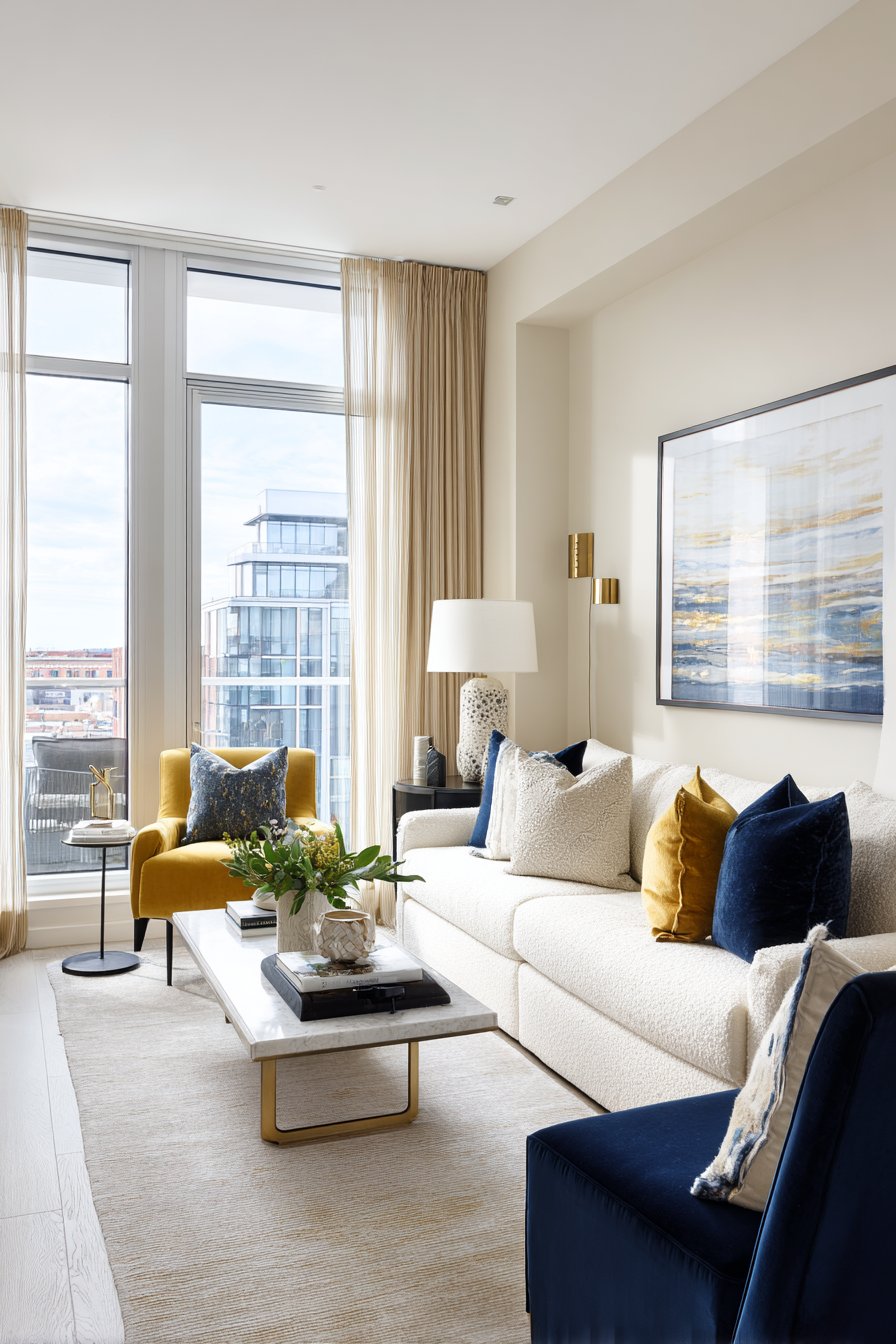
For sofas in bold or saturated colors, choose accent chairs that either complement or contrast strategically. A navy sofa pairs elegantly with chairs in blush, cognac, or warm white. A rust-colored sofa looks stunning alongside sage green or warm terracotta accent chairs. Use the color wheel as your guide — analogous colors create harmony, while complementary colors create energy.
- Use neutral sofas as a base for bold accent chair colors
- Apply the 60-30-10 color rule: dominant, secondary, and accent tones
- Test fabric swatches against your sofa before committing
- Consider the undertones in your sofa’s color — warm or cool
- Pull accent chair colors from existing rugs, pillows, or artwork
- Avoid matching chair and sofa colors exactly — contrast adds depth
3. Get the Scale and Proportion Right
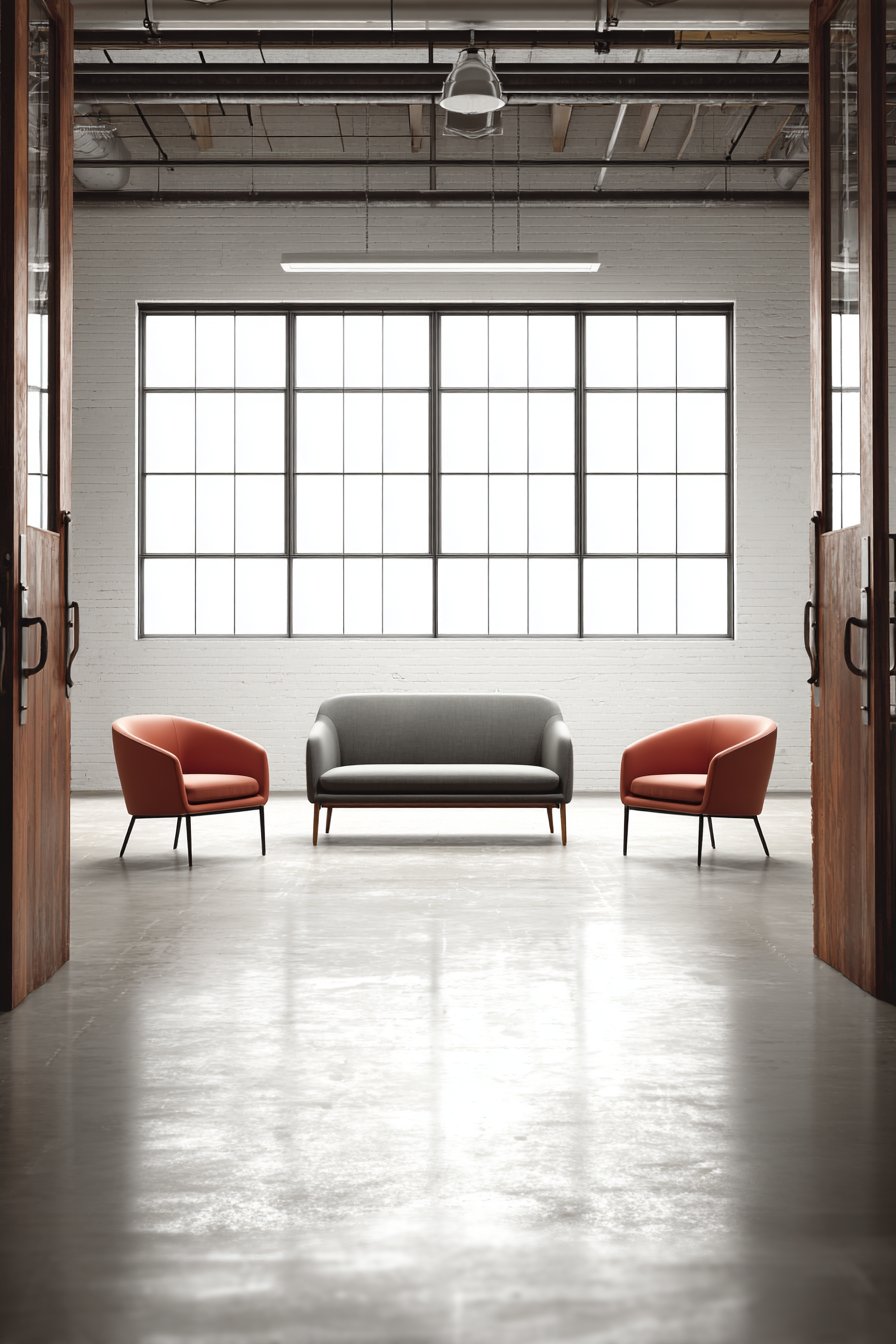
Scale is arguably the most technically important factor when selecting an accent chair. A chair that is too large will crowd the sofa and make the room feel cluttered. A chair that is too small will look out of place and visually disconnected.
As a general rule, your accent chair’s seat height should be within two to three inches of your sofa’s seat height. This creates visual continuity and ensures comfortable conversation between seating pieces. Back height can vary more freely — a taller wingback chair beside a lower sofa creates an intentional and stylish contrast.
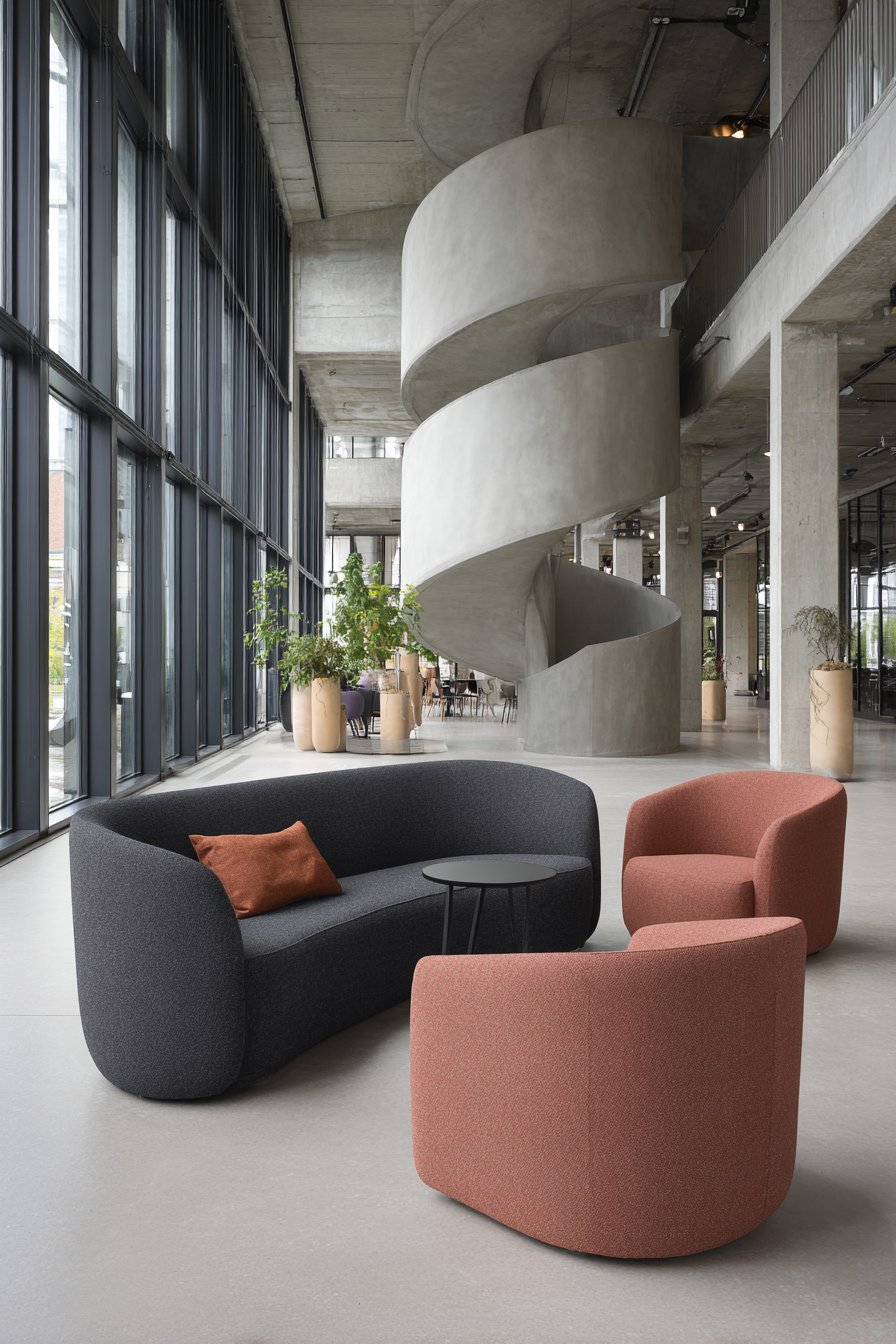
Consider the overall footprint of the chair relative to your room size. In smaller living rooms, armless accent chairs or slipper chairs take up less visual and physical space. In larger rooms, oversized barrel chairs or statement chairs with wide arms feel appropriately scaled and luxurious.
- Measure your sofa’s seat height and shop for chairs within 3 inches of it
- Choose armless or slipper chairs for compact living rooms
- Use larger barrel or club chairs in spacious, open-plan rooms
- Maintain visual balance — avoid placing tiny chairs beside oversized sofas
- Consider chair depth — deeper seats feel more casual, shallower seats more formal
- Always measure your floor space before purchasing
4. Mix Textures for Visual Richness
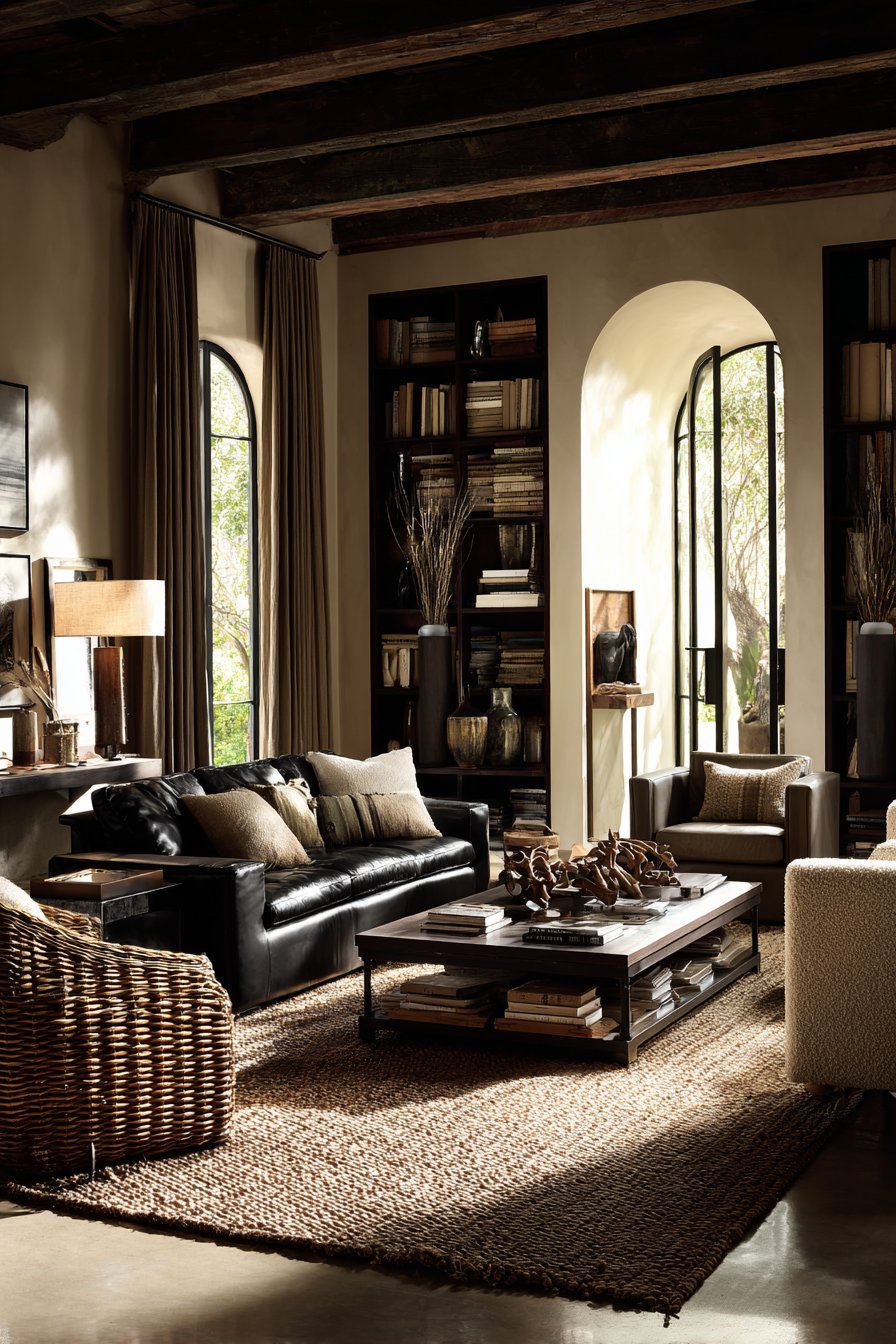
Texture plays a crucial but often overlooked role in interior design harmony. When your sofa and accent chair share the same fabric and texture, the result can feel flat and uninspired. Intentional texture mixing, on the other hand, creates depth and sophistication.
If your sofa is upholstered in smooth velvet or leather, pair it with accent chairs in woven linen, boucle, or textured tweed. The contrast between sleek and tactile surfaces creates a sensory richness that elevates the room. Conversely, a nubby or casual sofa fabric benefits from an accent chair in a more refined material.
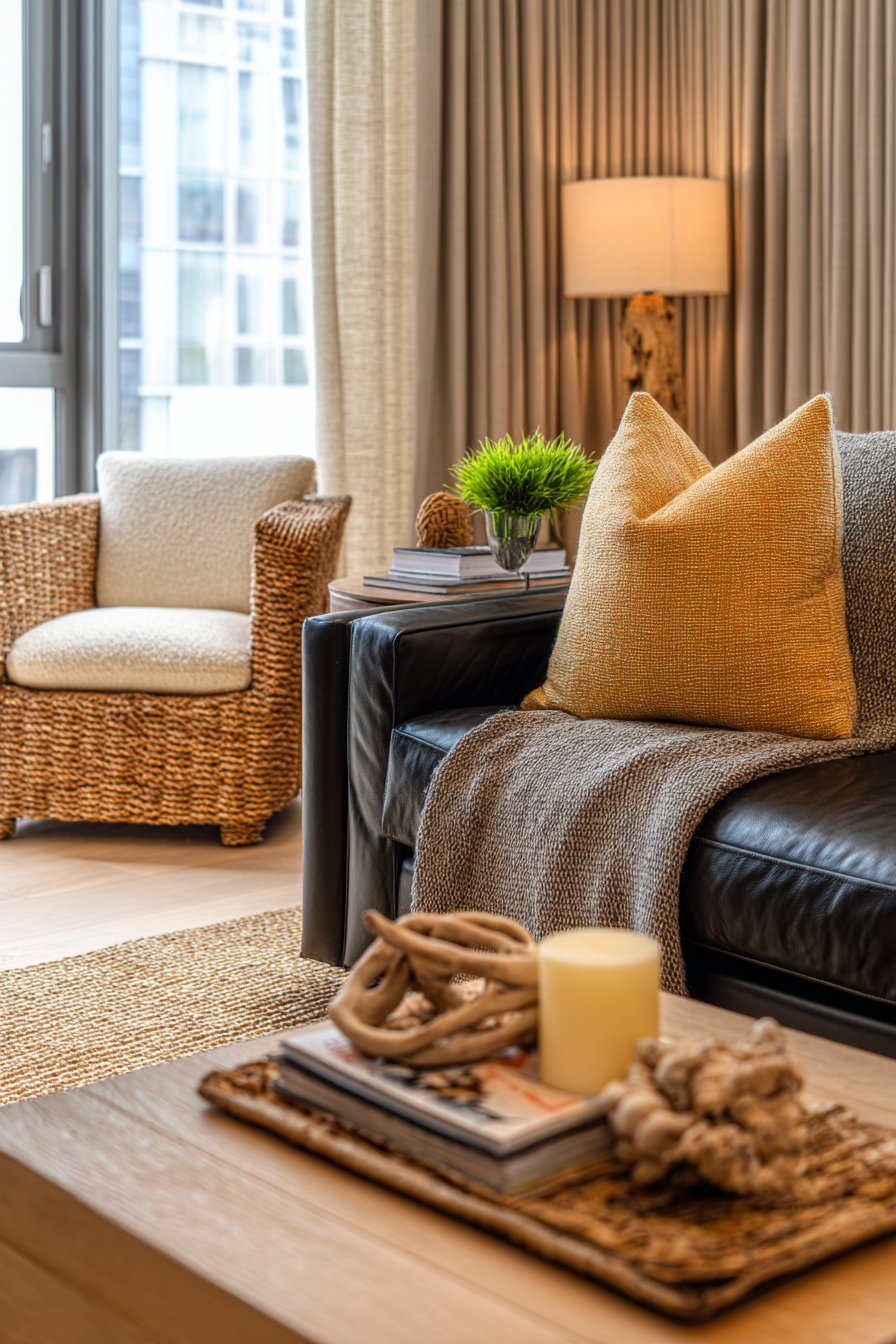
Natural textures like rattan, cane, or wood-framed chairs introduce an organic element that softens more formal or modern sofas beautifully. This mix of hard and soft materials adds layers of visual interest and prevents the room from feeling one-dimensional or showroom-like.
- Pair smooth sofa fabrics with textured accent chair upholstery
- Introduce natural materials like rattan or cane for organic contrast
- Mix matte and sheen finishes for a sophisticated, layered look
- Avoid matching both sofa and chair in the same fabric and texture
- Consider velvet accent chairs for a luxurious focal point
- Balance heavy textures with lighter ones to maintain visual equilibrium
5. Consider Pattern Mixing with Confidence
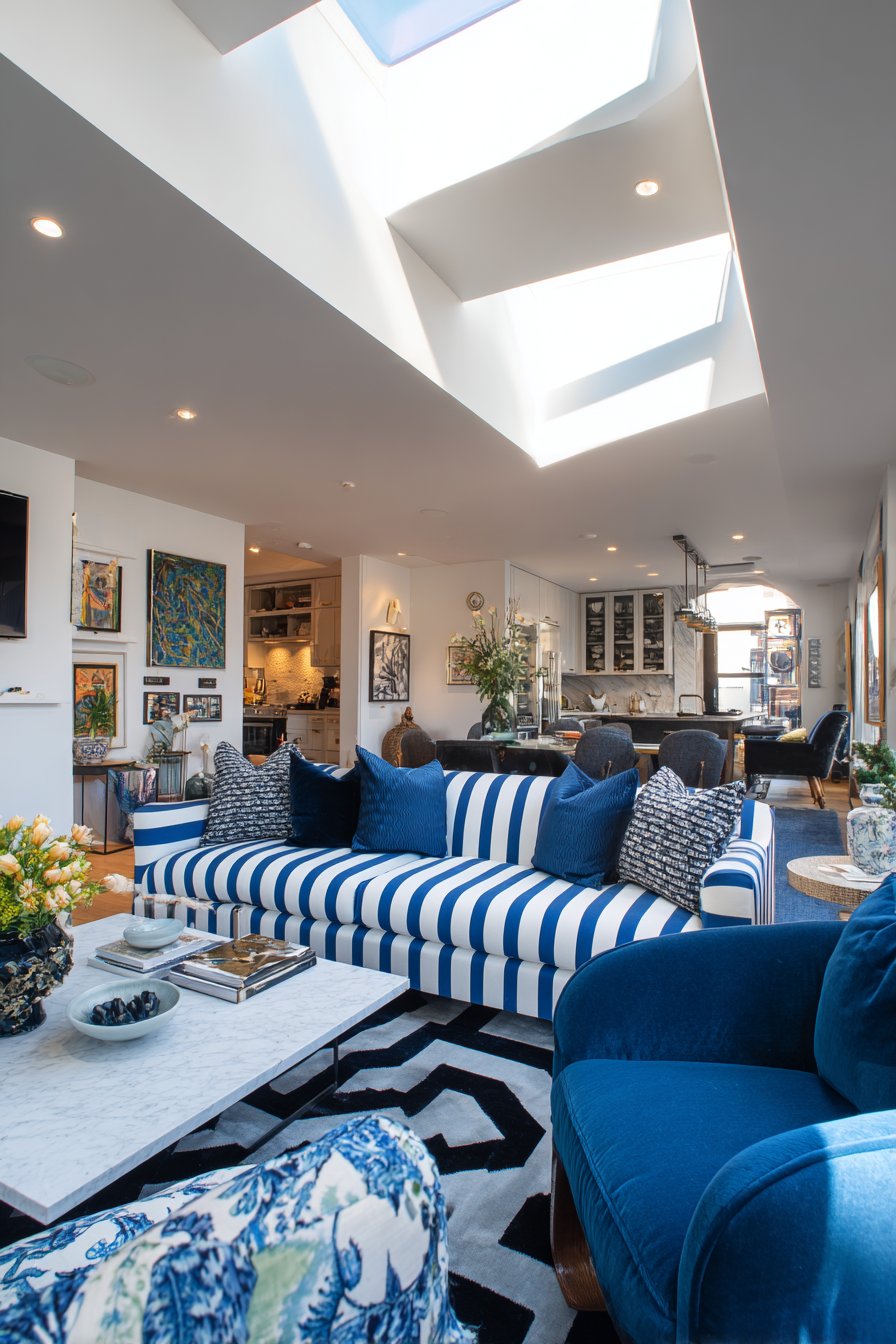
Pattern mixing is one of the most creatively rewarding aspects of pairing accent chairs with sofas. When done correctly, it adds personality, energy, and a professionally styled look to your living room. The key is understanding pattern scale and visual weight.
If your sofa features a bold or large-scale pattern, balance it with an accent chair in a smaller-scale pattern or solid color. This prevents visual overload and gives the eye a place to rest. A solid sofa, on the other hand, welcomes a patterned accent chair — stripes, florals, geometric prints, or abstract designs all work well.
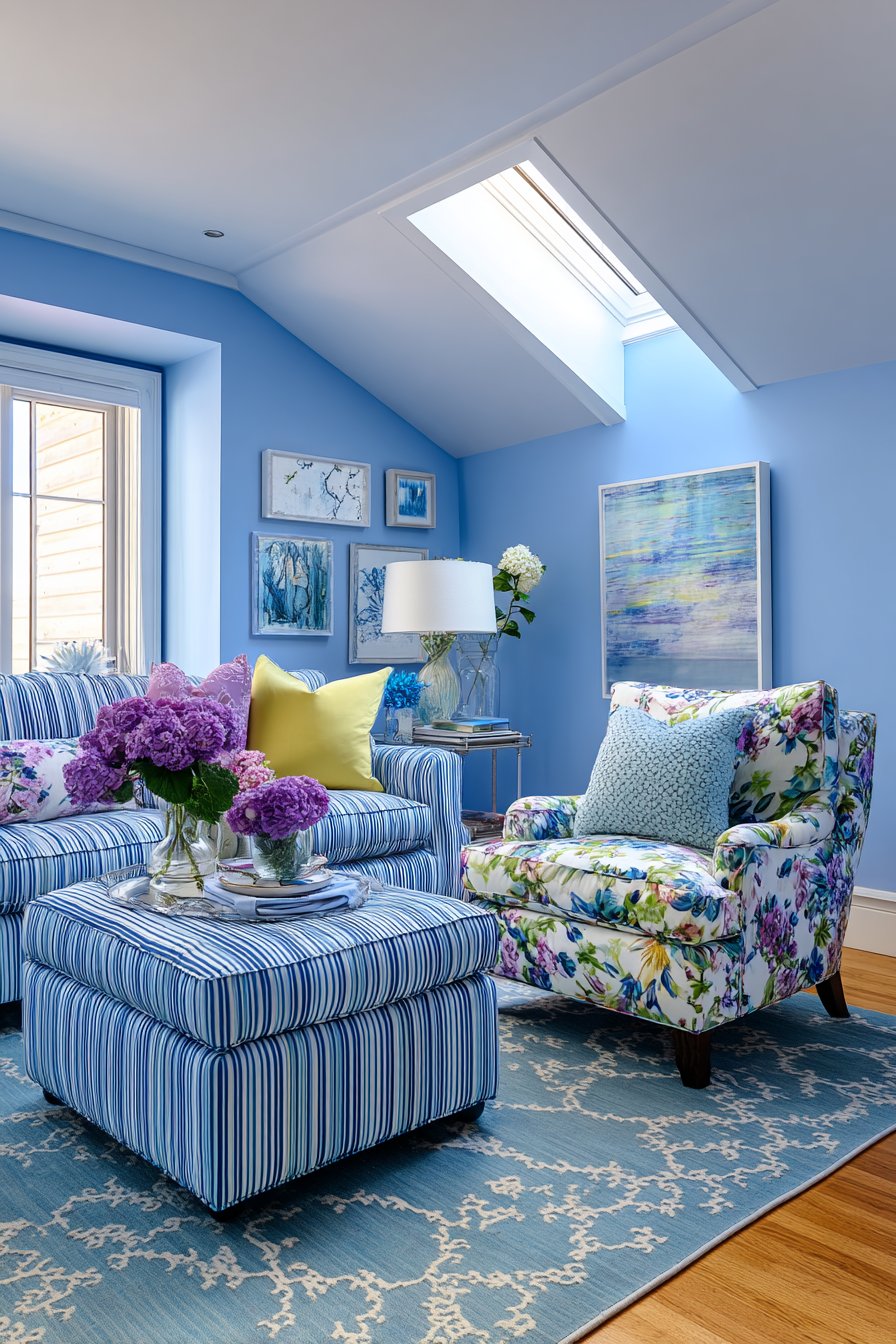
Mixing two patterns together requires at least one shared color to tie them together. For example, a blue-and-white striped sofa can pair beautifully with a floral accent chair that includes blue tones. This color bridge between patterns creates cohesion without monotony.
- Match pattern scales — pair large-scale prints with smaller ones
- Always find a shared color when mixing two patterns
- Use solid accent chairs to balance busy, patterned sofas
- Stripes, geometrics, and florals can coexist with the right color connection
- Limit patterns to two in any seating grouping to avoid visual chaos
- Use throw pillows to test pattern combinations before committing to a chair
6. Coordinate Leg and Frame Finishes
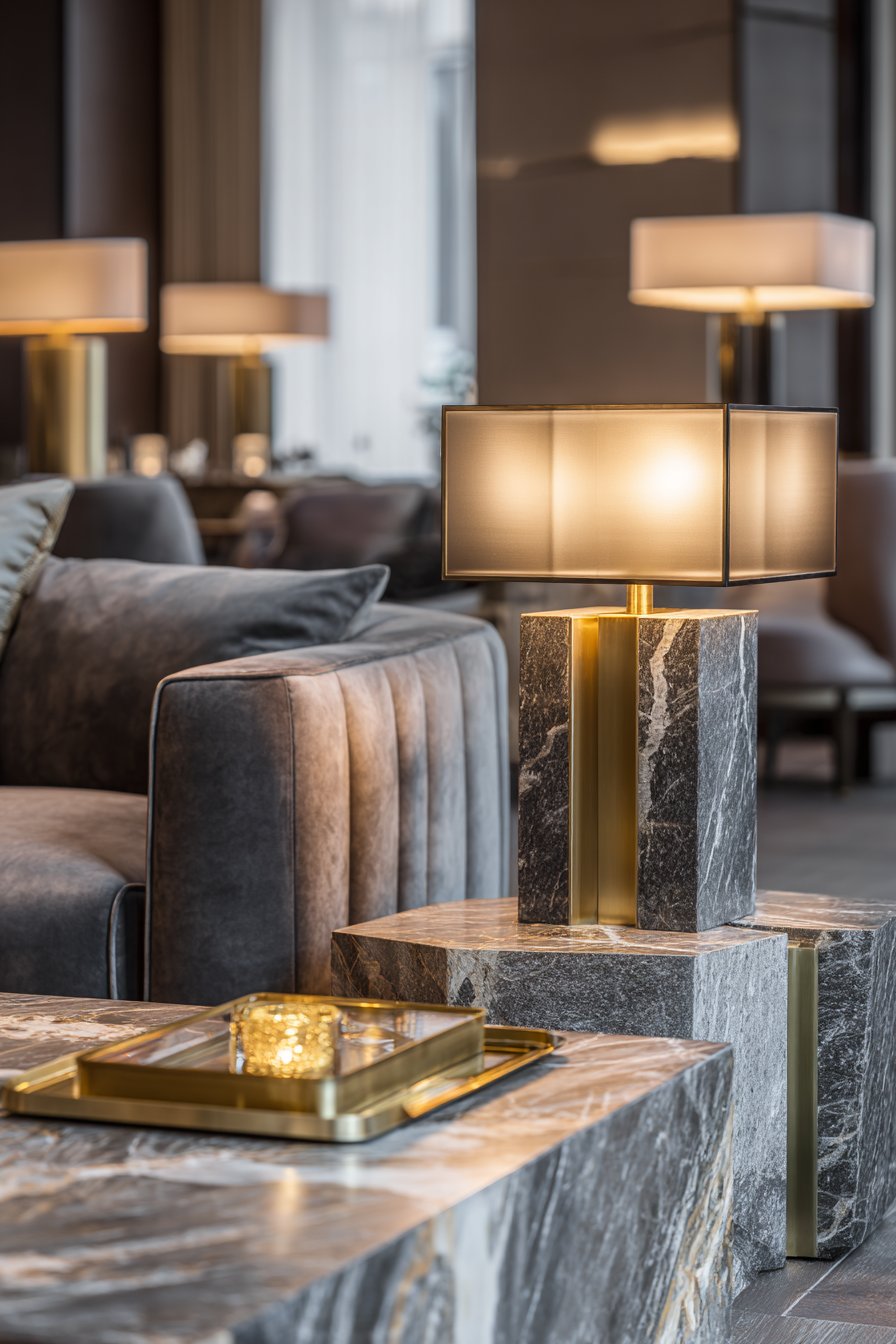
The leg and frame finish of an accent chair is a detail that many people overlook, yet it plays a significant role in visual cohesion. When your accent chair’s frame echoes a material already present in your sofa or the room, the space feels thoughtfully curated.
If your sofa has walnut or warm wood legs, look for accent chairs with similar toned wooden frames. This repetition of material creates a visual thread that ties the seating together. Similarly, if your sofa features brushed brass or matte black metal legs, carry that finish through to your accent chair selection.
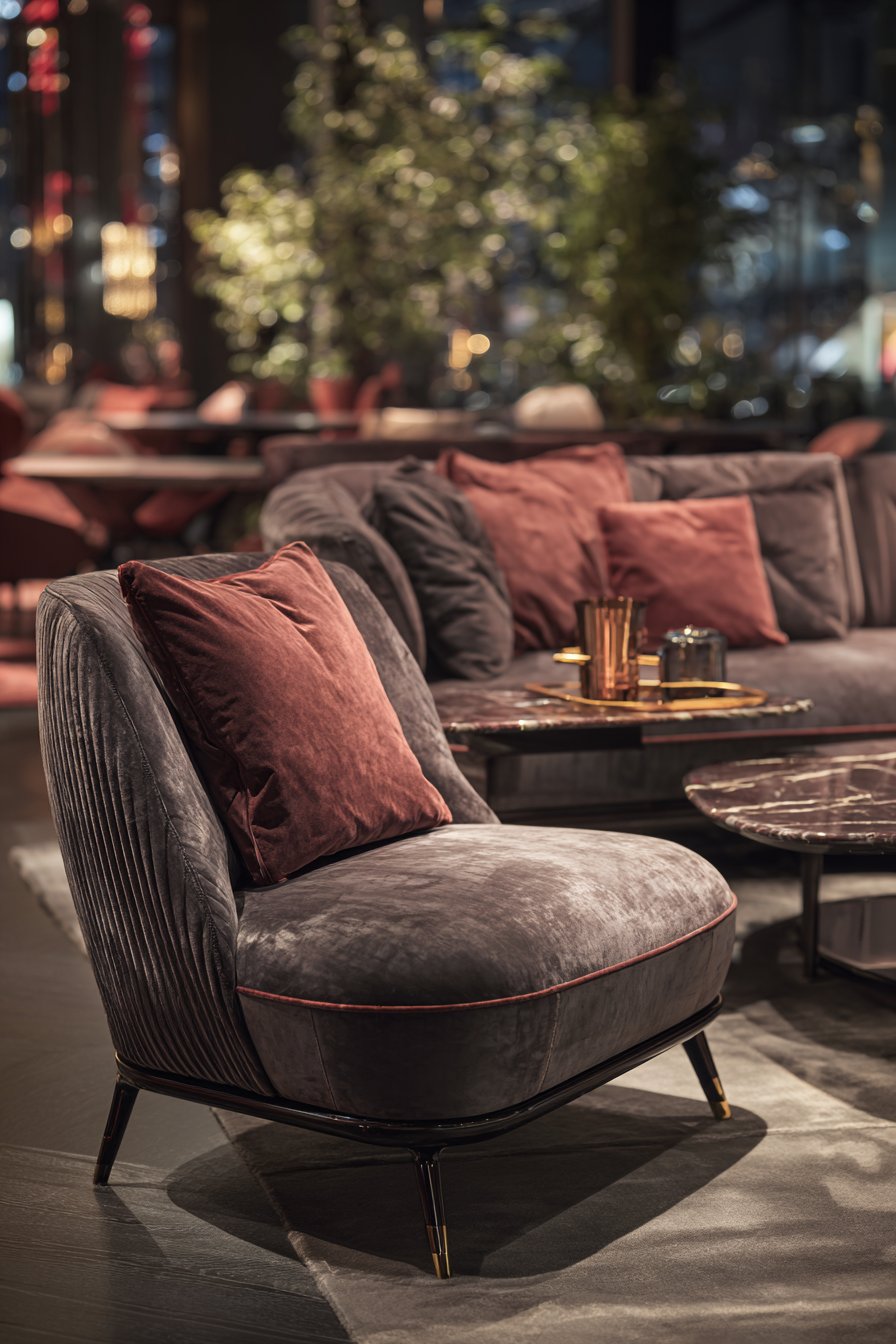
You don’t need an exact match — a similar tone or material family is sufficient. Mixing warm metals with warm woods, or pairing different wood species in similar tones, creates variety while maintaining cohesion. The goal is to avoid jarring mismatches, like chrome legs beside rustic dark oak.
- Identify your sofa’s leg material and finish as a starting reference point
- Repeat the same metal finish — brass, black, chrome, or bronze — across pieces
- Mix wood tones within the same warm or cool family
- Avoid combining rustic and ultra-modern finishes in the same seating group
- Use side tables and coffee tables to reinforce your chosen finish
- Consistency in hardware and frames unifies the entire room
7. Define the Room’s Layout and Chair Placement
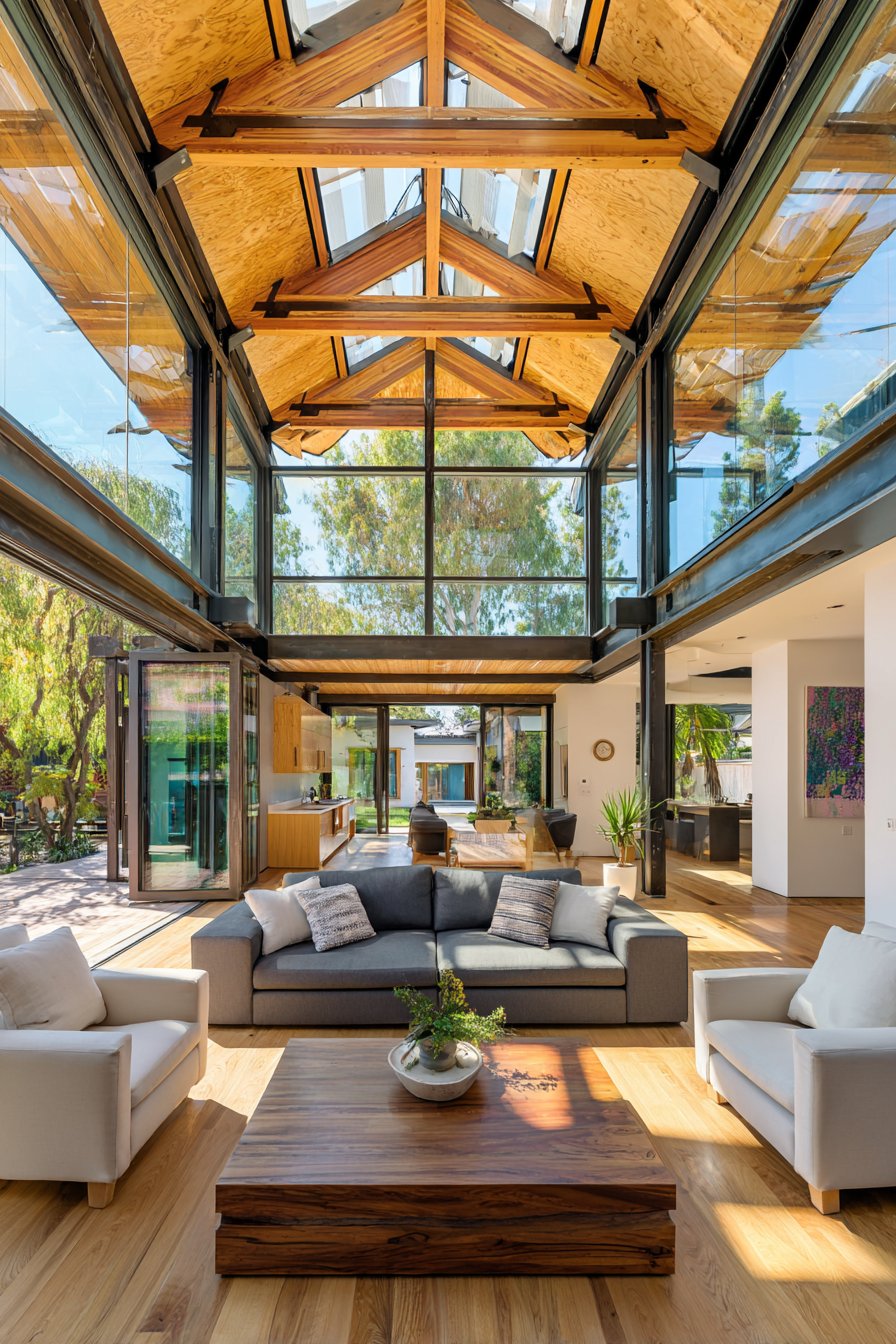
Where you place your accent chair is just as important as which chair you choose. Poor placement undermines even the most beautiful chair selection. Understanding traffic flow, conversation zones, and focal points helps you position chairs effectively.
The most common and effective placement is at a 45-degree angle to the sofa, flanking a coffee table. This arrangement creates an inviting conversational grouping that feels open and balanced. Avoid pushing chairs flush against walls — floating furniture toward the center of the room makes spaces feel larger and more intentional.
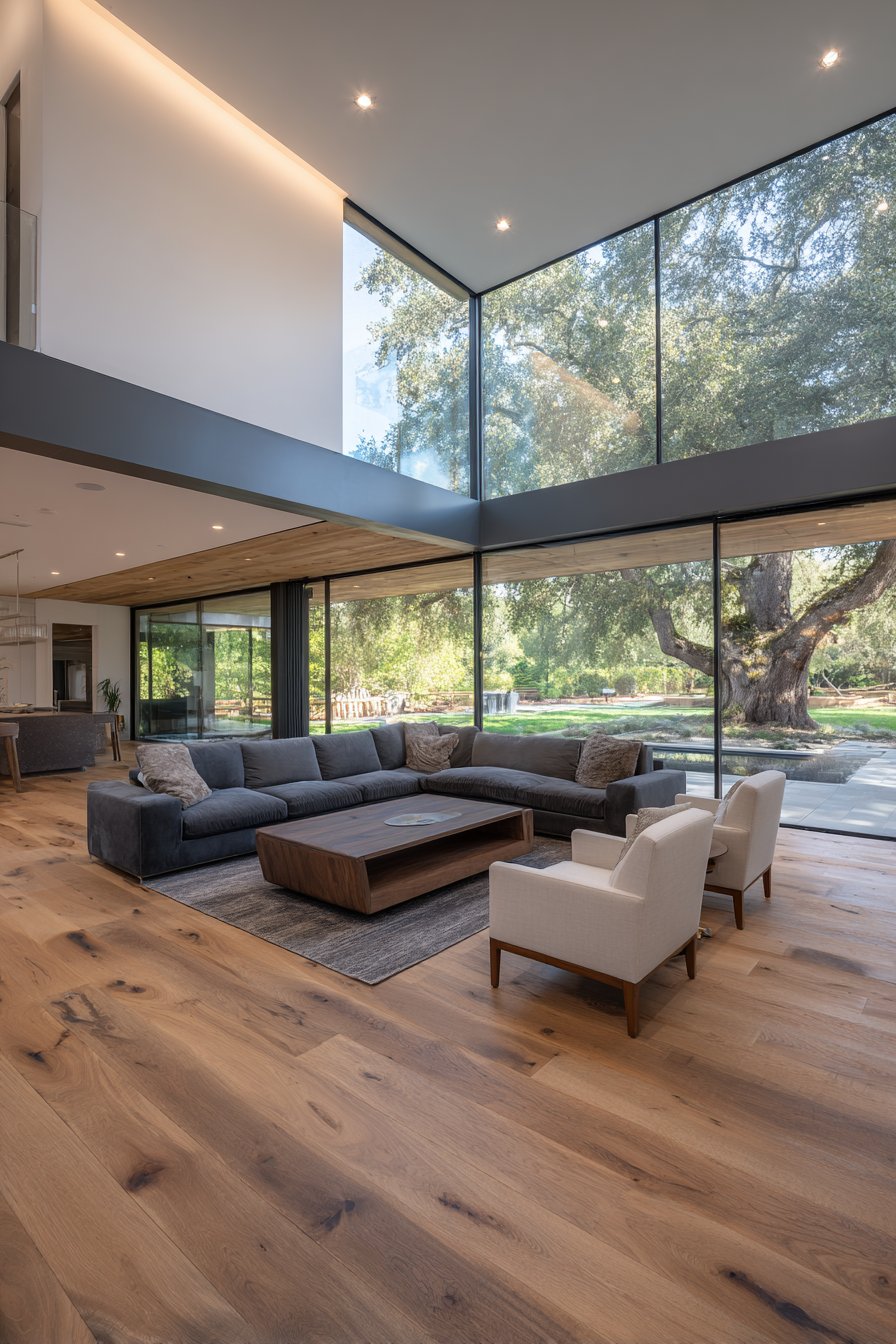
In larger living rooms, two accent chairs placed opposite the sofa create a formal yet welcoming symmetry. For asymmetrical or eclectic rooms, a single accent chair positioned off-center adds movement and personality. Always ensure adequate clearance — at least 18 inches between the chair and surrounding furniture for comfortable movement.
- Place accent chairs at a 45-degree angle to the sofa for conversational flow
- Maintain 18 inches minimum clearance around all sides of the chair
- Avoid pushing chairs against walls — float them in the conversation zone
- Use two accent chairs opposite the sofa for formal symmetry
- A single chair placed asymmetrically adds eclectic personality
- Position chairs to face the room’s primary focal point — fireplace or TV
8. Match the Chair to Your Living Room’s Mood
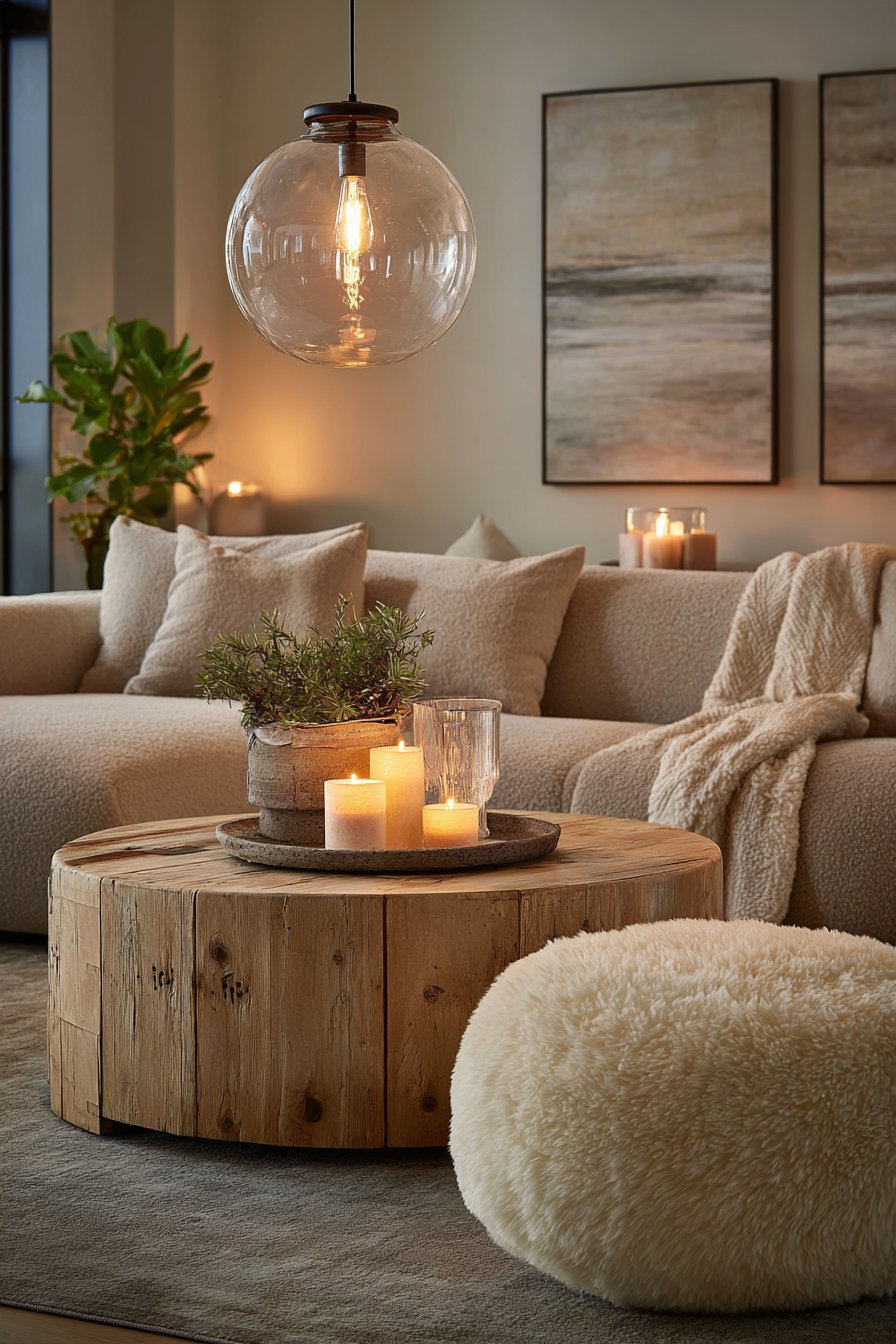
Every living room has a mood or atmosphere — warm and cozy, sleek and sophisticated, relaxed and casual, or vibrant and eclectic. Your accent chair should reinforce, not contradict, that mood. Choose materials, colors, and shapes that align with the emotional intention of the space.
For a cozy and inviting atmosphere, choose accent chairs with rounded silhouettes, plush upholstery, and warm tones. Boucle barrel chairs, oversized reading chairs, or velvet tub chairs all contribute to a snug, enveloping feel. Pair these with a soft, neutral sofa for a layered, welcoming result.
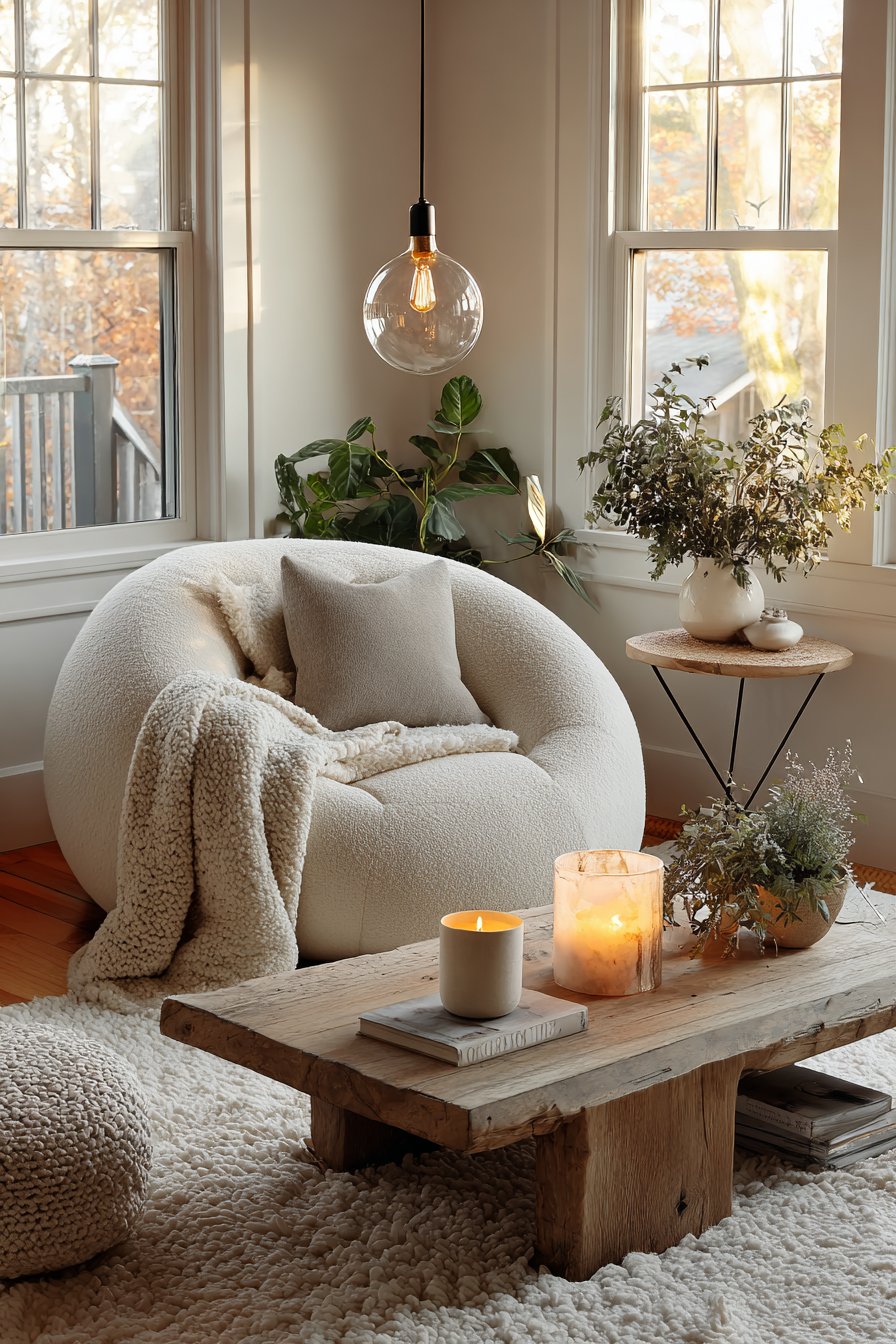
For sleek and modern spaces, opt for accent chairs with angular lines, slim profiles, and refined materials. Leather or faux leather accent chairs, sculptural lounge chairs, or Scandinavian-inspired designs reinforce a minimalist sophistication. Keep the color palette restrained and let the chair’s form speak for itself.
- Choose rounded, plush chairs for cozy, warm living room moods
- Opt for angular, slim-profile chairs in modern, minimalist spaces
- Select eclectic or vintage chairs to reinforce a bohemian mood
- Use natural materials like rattan or linen for relaxed, casual atmospheres
- Bright, patterned accent chairs energize vibrant, playful rooms
- Always align the chair’s emotional energy with the room’s overall mood
9. Balance Budget Without Sacrificing Style
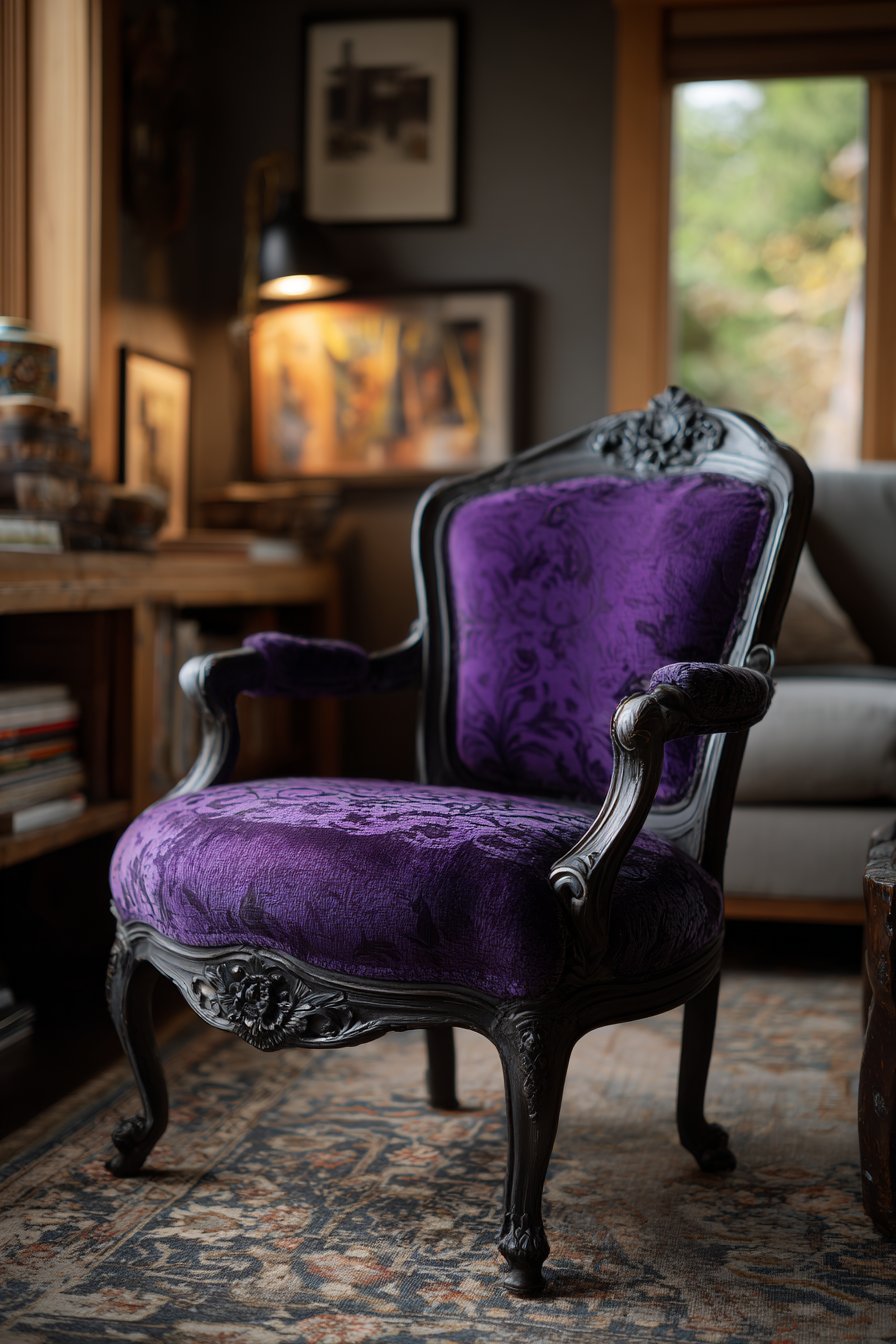
Great accent chair choices don’t require unlimited budgets. With smart shopping strategies, you can find chairs that look high-end while remaining affordable. The key is knowing where to invest and where to save.
Invest in chairs that will see heavy daily use — prioritize quality construction, solid frames, and durable upholstery in these cases. For accent chairs used primarily as decorative elements or occasional seating, mid-range options from quality retailers offer excellent style-to-value ratios.
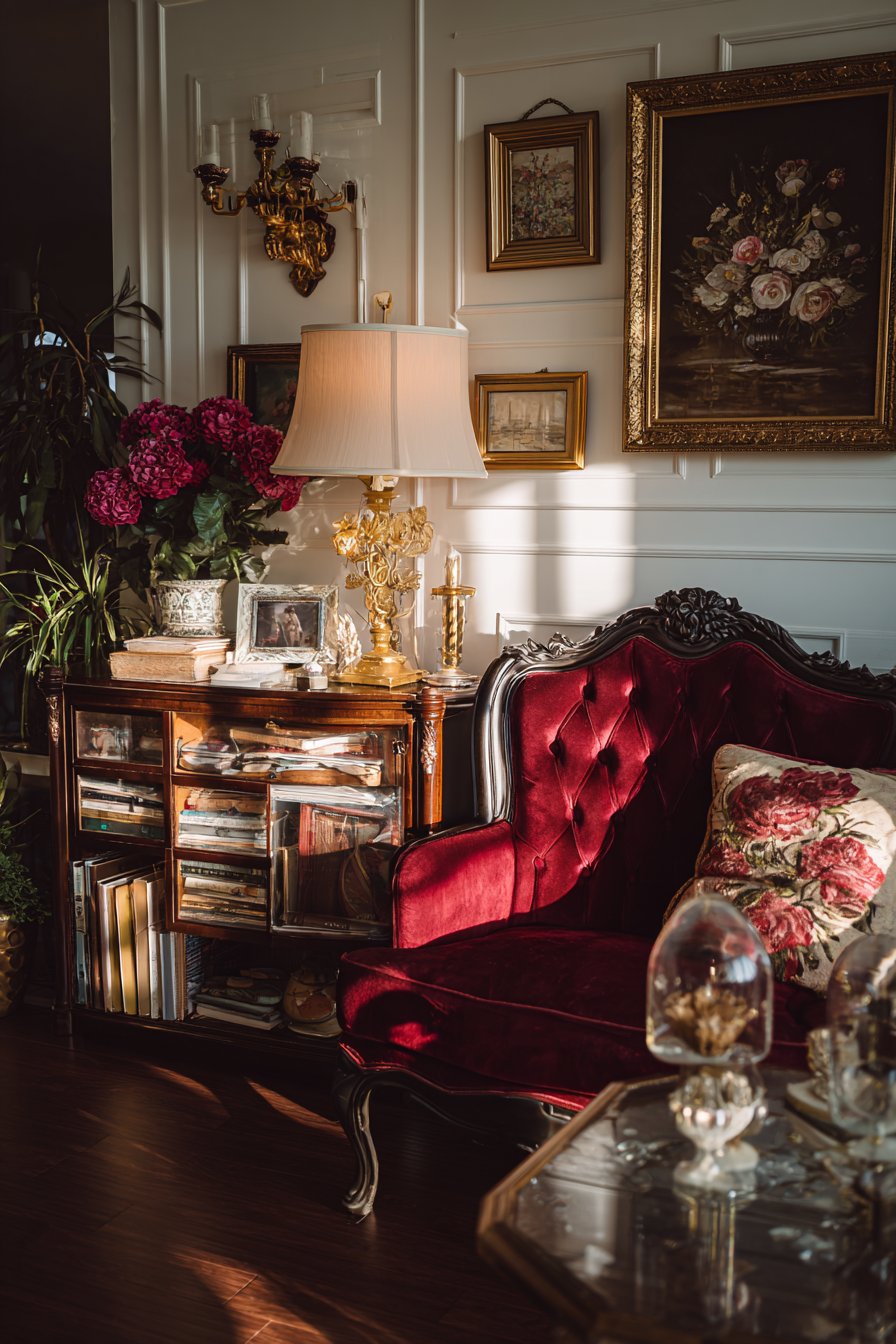
Consider secondhand and vintage shopping as a powerful strategy. A well-structured vintage chair reupholstered in a fresh fabric can look spectacular beside a new sofa. This approach is budget-friendly and sustainable, and it often yields more character and uniqueness than off-the-shelf options.
- Invest in quality frames and construction for frequently used chairs
- Shop vintage and secondhand markets for unique, affordable finds
- Reupholstering a vintage chair offers custom results on a budget
- Mid-range retailers often offer designer-inspired styles at accessible prices
- Focus budget on visible details — fabric quality, leg finish, cushion fill
- Compare cost-per-use — a well-made chair is a long-term investment
10. Test Before You Commit
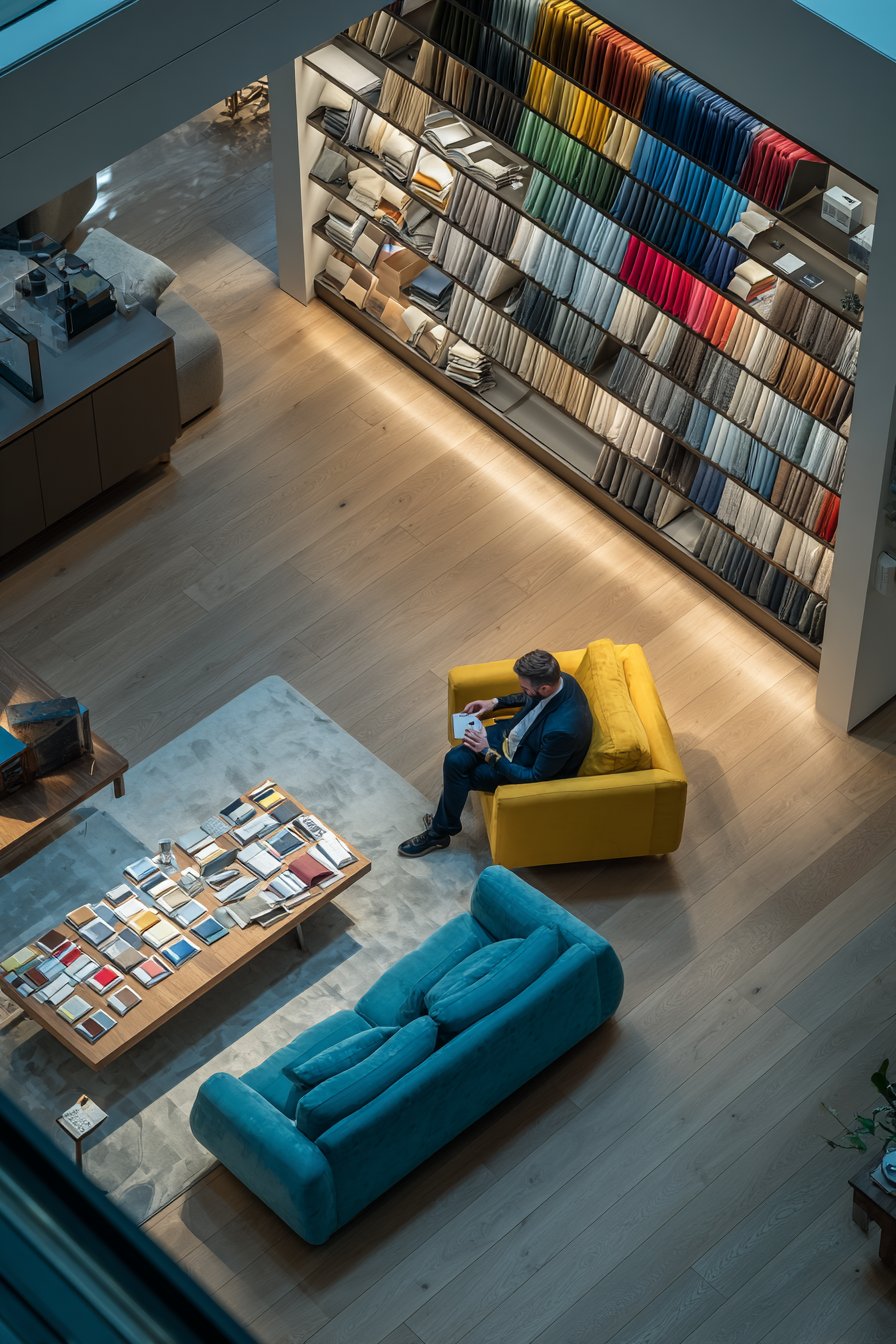
One of the most important steps in choosing an accent chair is physically testing it before purchasing. Photos and online descriptions rarely capture the full experience of a chair — its actual seat height, cushion firmness, arm height, and comfort level.
Visit showrooms and furniture stores to sit in multiple options. Pay attention to how the chair feels in relation to your body — are the arms at a comfortable height? Is the seat depth appropriate for your height? Does the cushion firmness match your preference and intended use?
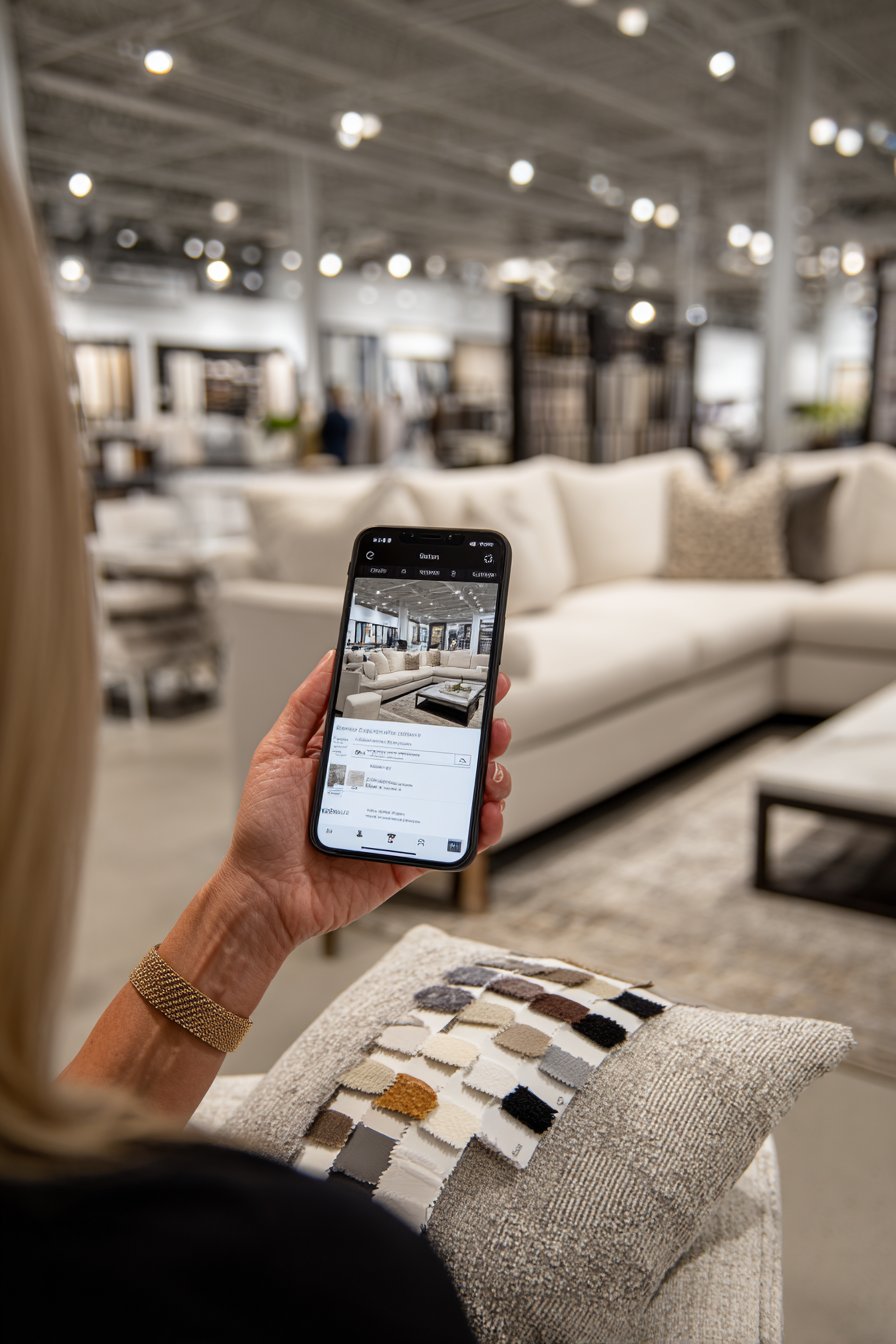
If purchasing online, always order with a generous return policy in mind. Request fabric swatches before finalizing your order. Many retailers now offer augmented reality tools that let you visualize the chair in your actual space using your smartphone — take advantage of these technology resources.
- Always sit in accent chairs before purchasing when possible
- Test arm height, seat depth, and cushion firmness in person
- Request fabric swatches for online purchases before committing
- Use augmented reality apps to visualize the chair in your living room
- Check return policies — a 30-day return window is the minimum acceptable
- Bring a photo of your sofa to the showroom for side-by-side comparison
Conclusion
Choosing an accent chair that matches your living room sofa is a skill that combines technical knowledge with creative vision. From understanding style compatibility and mastering color coordination to getting scale right and mixing textures confidently, every decision builds toward a cohesive and beautiful result.
The most important takeaway is this: great design is intentional but not rigid. Rules are starting points, not restrictions. Trust your instincts, experiment with combinations, and don’t be afraid to introduce unexpected elements that reflect your personality. Your living room should tell your story — and the perfect accent chair is one of the most expressive ways to do exactly that.
"As an Amazon Associate, I earn from qualifying purchases."
