
Small living rooms are full of potential. Yet many homeowners unknowingly make layout decisions that shrink the space further. Thoughtful interior design transforms even the tiniest living room into a functional, inviting retreat. Understanding what not to do is just as important as knowing what to do.
The way you arrange furniture, use lighting, and manage visual flow can dramatically affect how a room feels. A small space doesn’t have to feel cramped or cluttered. With the right spatial awareness and a few key principles, you can create a living room that feels open, balanced, and beautifully designed.
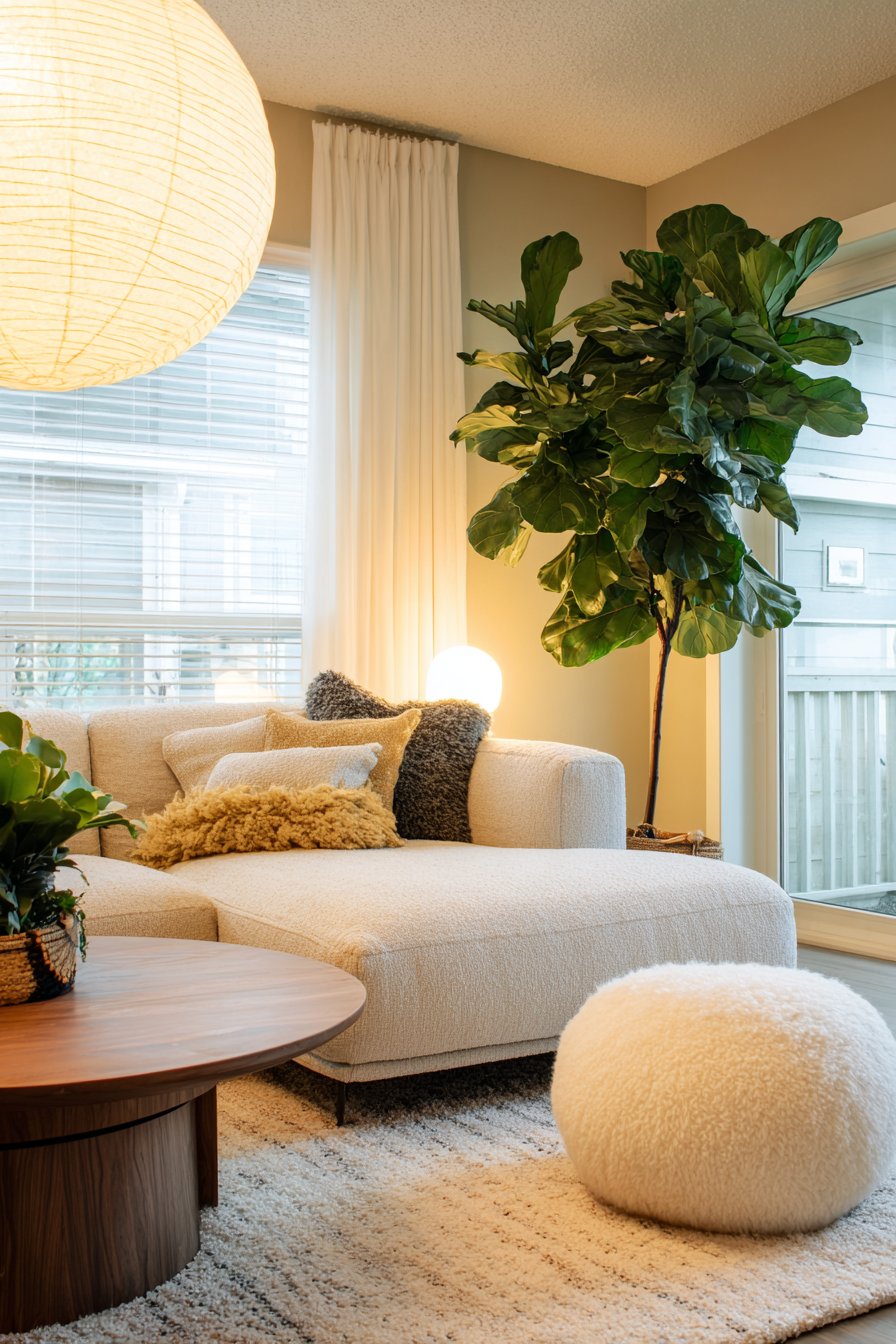
This article breaks down the seven most common living room layout mistakes people make in small spaces. Each section offers clear explanations and practical tips you can apply immediately. Whether you’re redesigning from scratch or simply rearranging, these insights will help you maximize every square foot.
1. Pushing All Furniture Against the Walls
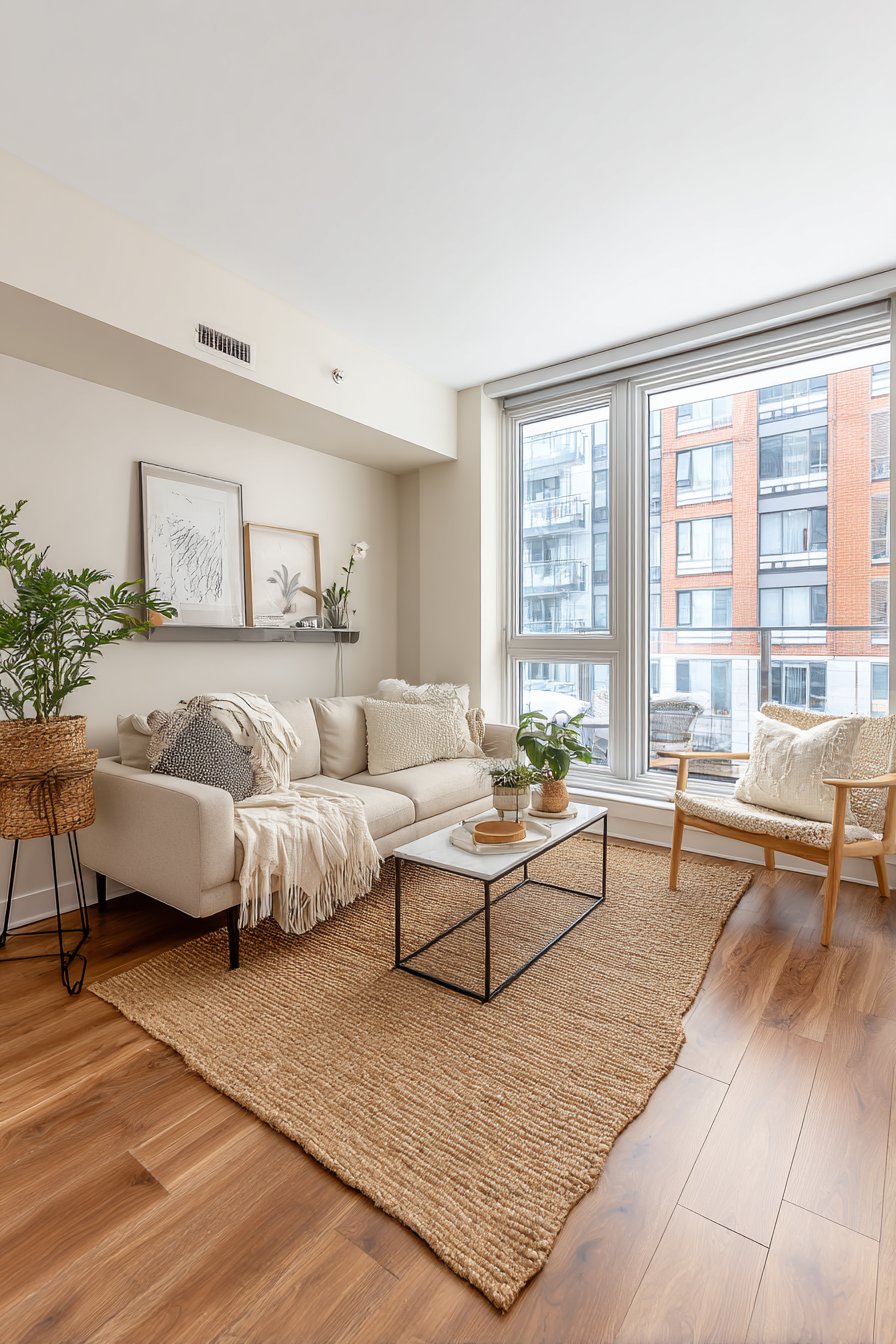
One of the most instinctive things people do in a small living room is push every piece of furniture flat against the walls. The logic seems sound — clear the center and you’ll have more space. In reality, this approach creates a disconnected, awkward room that actually feels larger and emptier in the wrong way.
When furniture hugs the walls, it eliminates any sense of intimate conversation zones. People feel far apart, and the room loses its cohesion. Pulling your sofa and chairs slightly inward — even just 6 to 12 inches — creates a defined seating area that feels purposeful and warm.
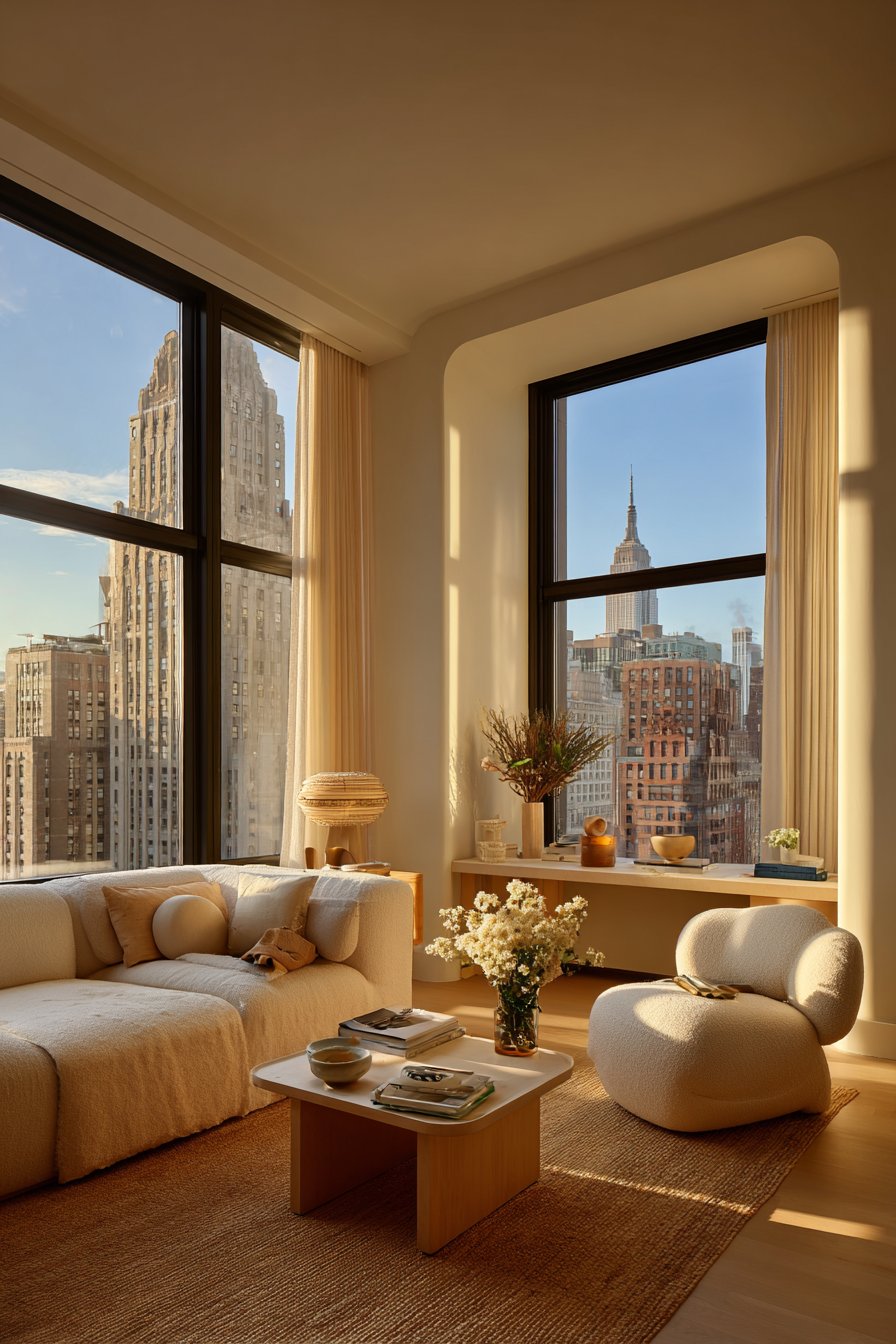
Floating furniture in the room also gives the eye natural stopping points. This creates visual rhythm and depth. A small area rug anchoring the grouping ties everything together and signals to the brain that this is a curated, intentional space rather than a collection of disconnected pieces.
- Pull your sofa at least 6–12 inches away from the wall
- Use a small area rug to anchor the furniture grouping
- Position chairs at slight angles to encourage conversation
- Leave equal breathing room on both sides of the seating area
- Avoid placing tall furniture on every wall — vary height intentionally
- Use a console table or narrow shelf behind the sofa if needed
2. Choosing Furniture That Is Too Large
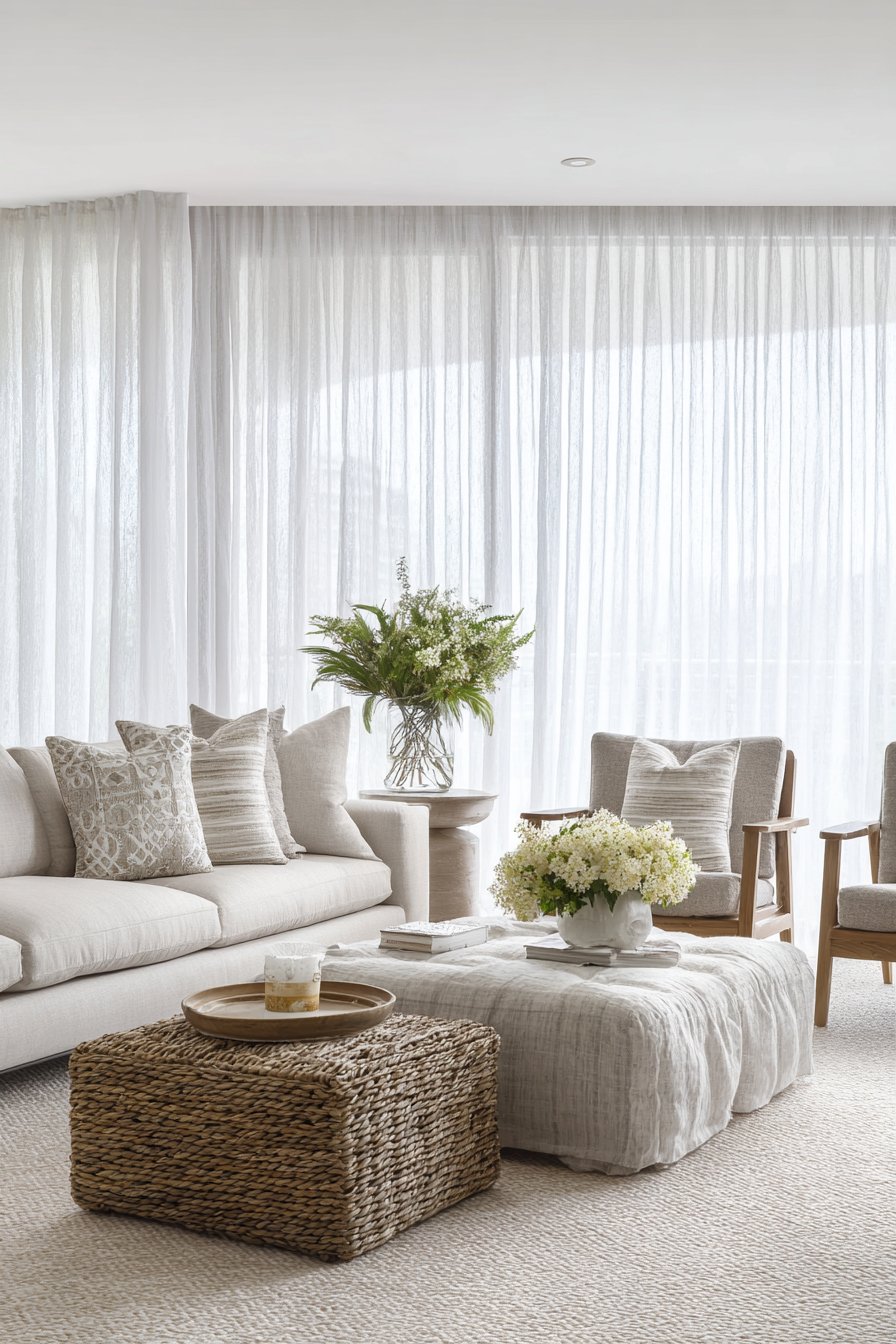
Scale is everything in small space design. Many homeowners fall in love with an oversized sectional or a massive coffee table, only to find it dominates the room and leaves little space for movement. Furniture that is too large creates a crowded, suffocating environment.
A common guideline is to leave at least 18 inches of walking clearance around major furniture pieces. This keeps the room functional and easy to navigate. When every inch is occupied by bulky furnishings, the room immediately feels smaller and harder to use.
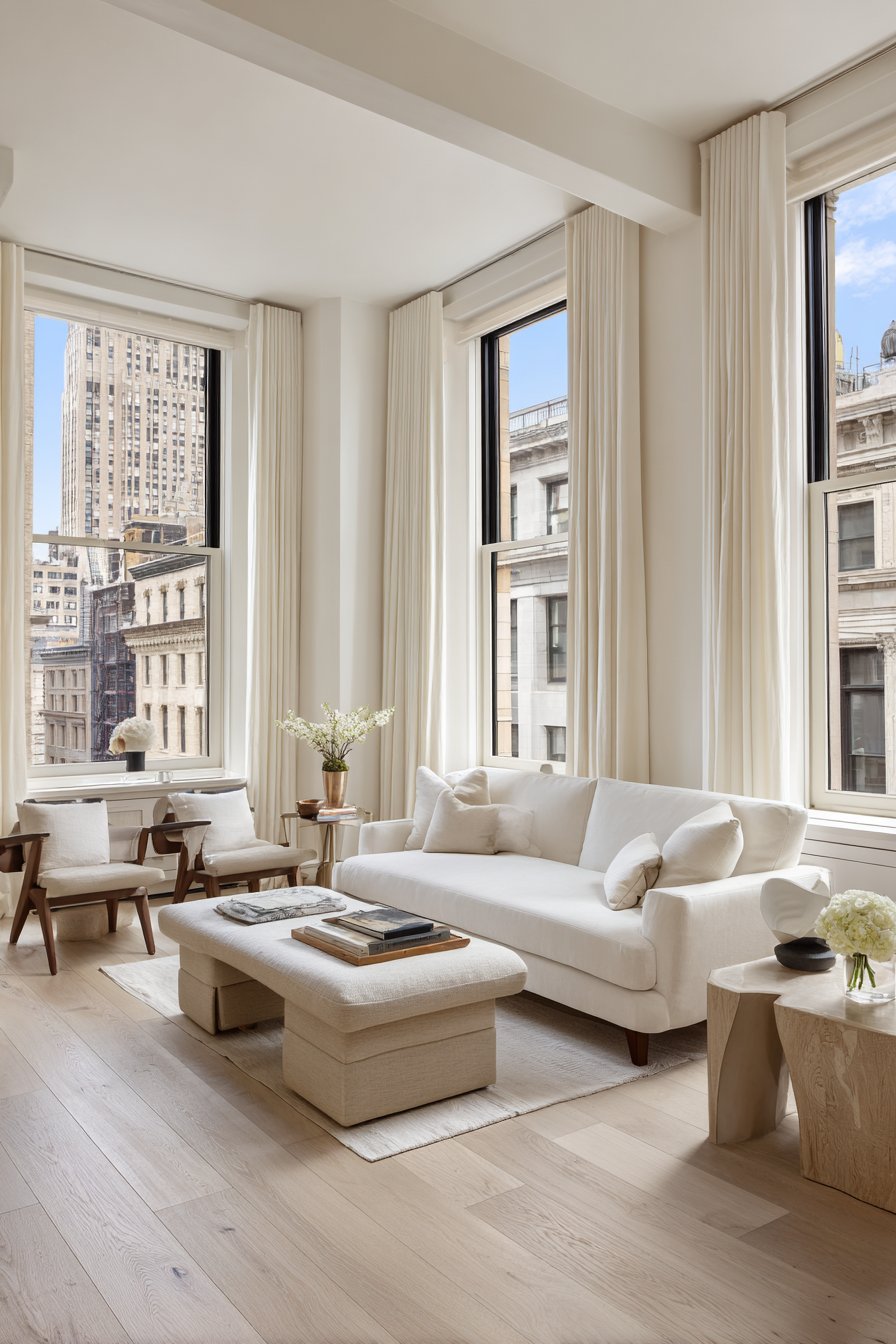
Instead, look for appropriately scaled furniture designed with small spaces in mind. Apartment-size sofas, slim-profile chairs, and compact coffee tables do the same job without overpowering the room. Pieces with exposed legs also help by allowing light to pass underneath, which makes the floor space look larger.
- Choose sofas that are under 84 inches in length for small rooms
- Opt for furniture with tapered or exposed legs to open up floor space
- Replace a large coffee table with two smaller ottomans or a nesting set
- Avoid oversized recliners that consume too much square footage
- Measure doorways before purchasing new furniture pieces
- Look for multi-functional furniture like storage ottomans or sleeper sofas
3. Ignoring Vertical Space
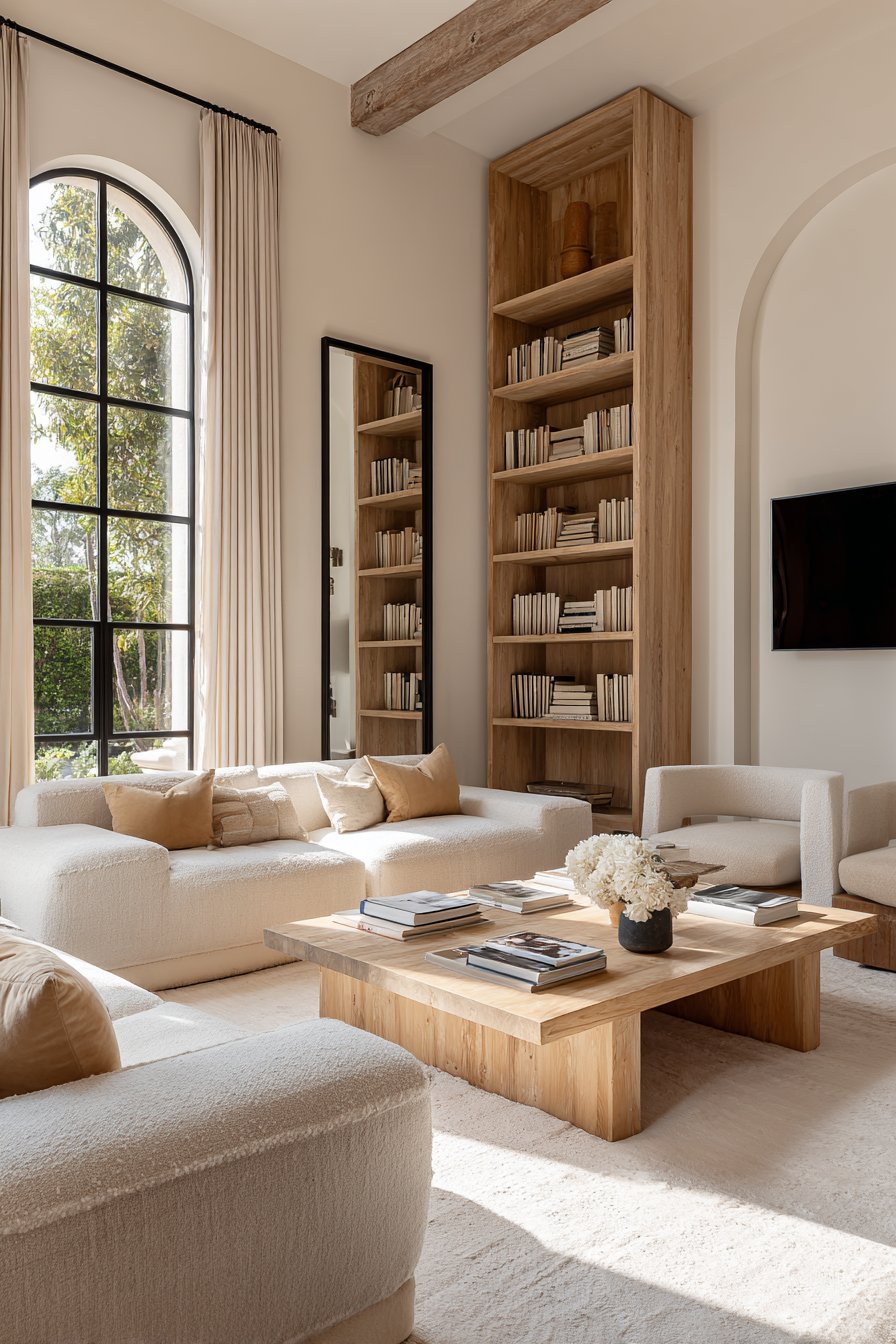
Most small living room layouts focus entirely on the floor plan. This is a missed opportunity. Vertical space — the area from mid-wall up to the ceiling — is one of the most underutilized assets in a compact room. Using it strategically can completely transform how tall and spacious a room feels.
Tall bookshelves, floor-to-ceiling curtains, and wall-mounted shelving all draw the eye upward. This simple trick elongates the room visually and adds storage without consuming floor space. Even hanging artwork higher than usual encourages the gaze to travel up, creating the perception of height.
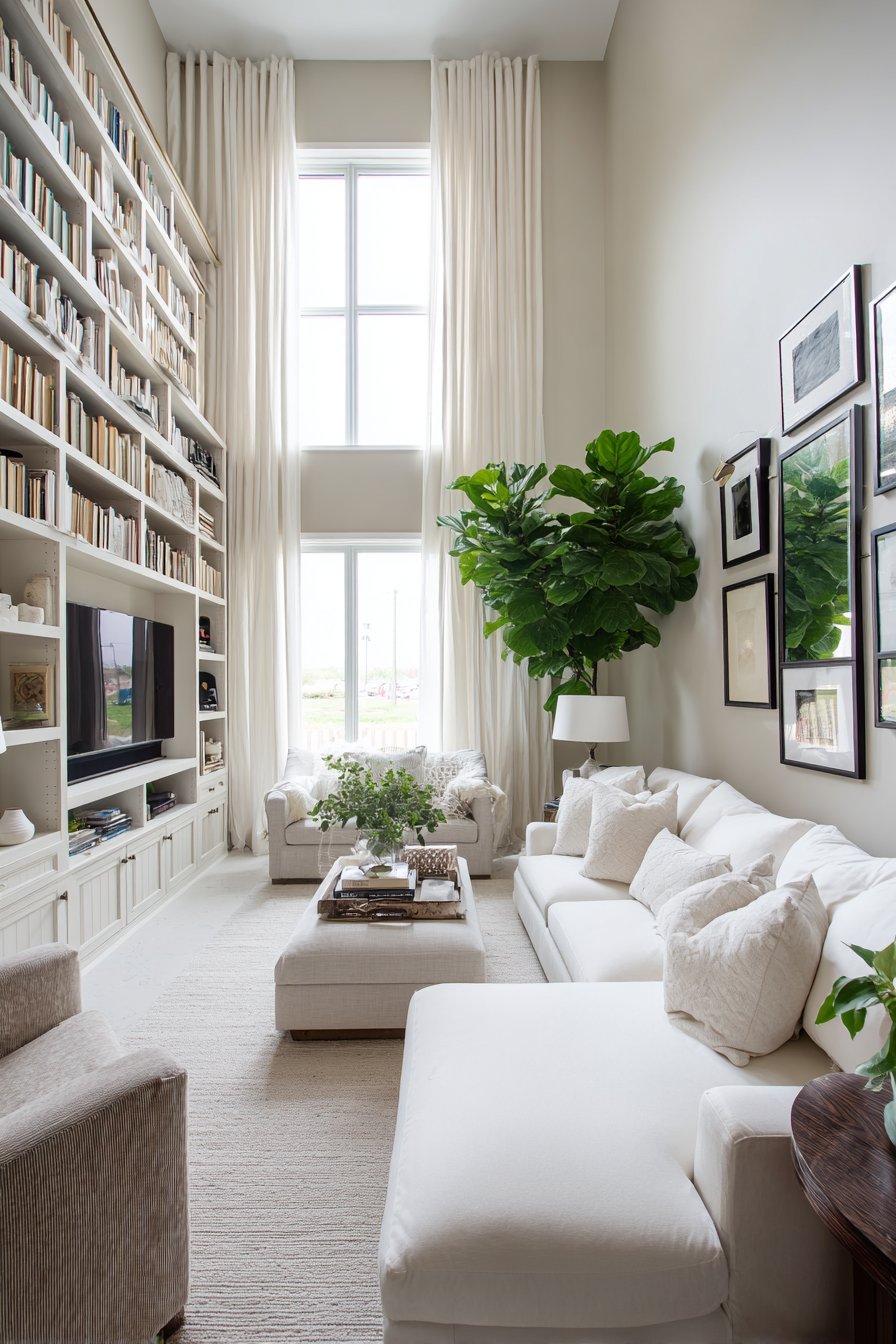
Installing curtain rods near the ceiling — rather than just above the window frame — is one of the most impactful changes you can make. High-hanging drapes make windows appear taller and the ceiling higher. This single adjustment requires minimal investment but delivers dramatic visual results.
- Hang curtain rods 4–6 inches below the ceiling for maximum height illusion
- Install floor-to-ceiling bookshelves for storage and visual drama
- Use tall mirrors to reflect light and add perceived depth
- Mount your TV on the wall to free up floor and surface space
- Hang artwork in a vertical arrangement rather than horizontal
- Use tall plants like fiddle leaf figs or snake plants to draw the eye up
4. Using the Wrong Rug Size
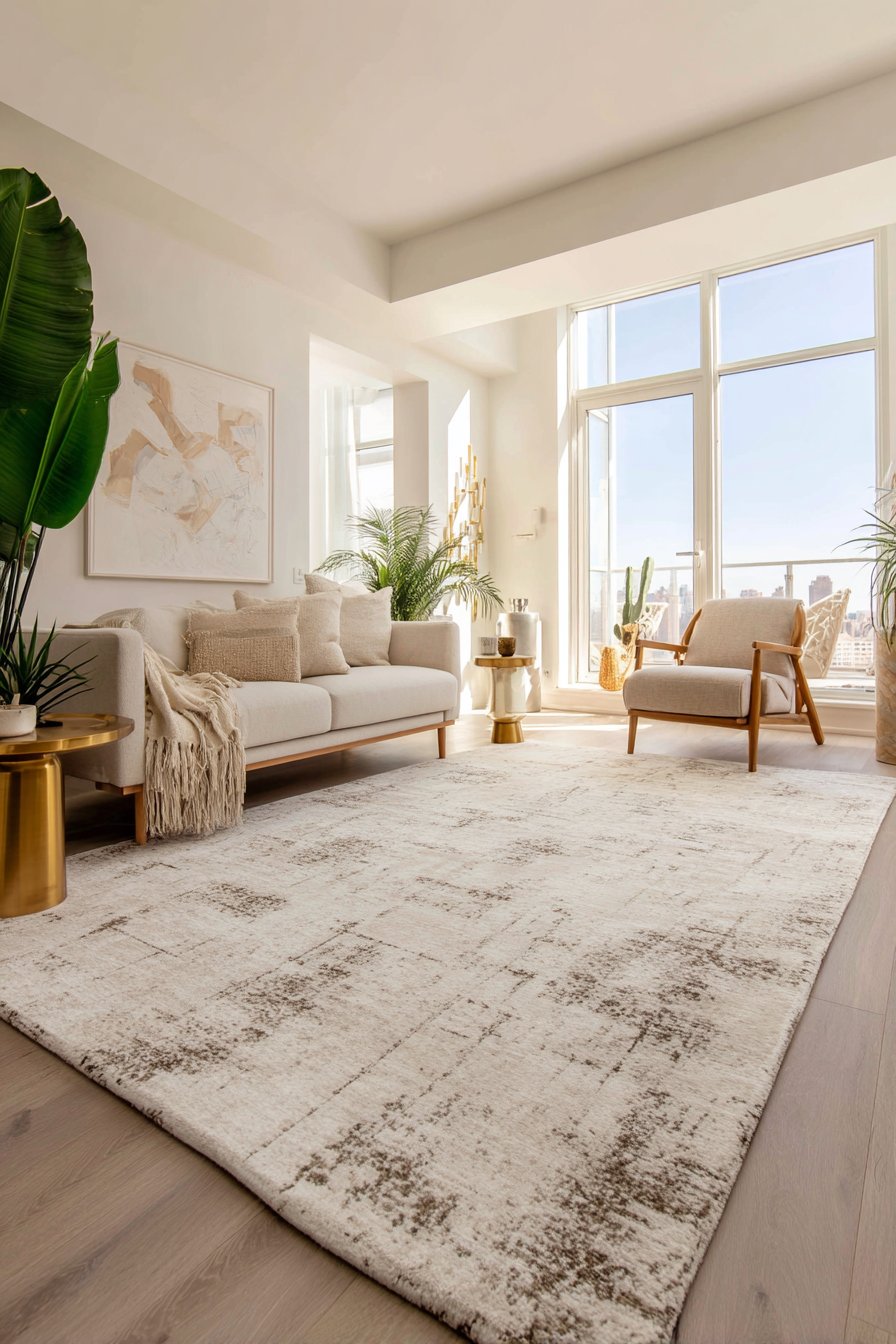
The rug is the foundation of your living room layout. It anchors the space and defines the seating zone. Yet choosing the wrong rug size is one of the most common and costly mistakes in small living room design. A rug that’s too small makes the room feel fragmented and unfinished.
The general rule is that at least the front legs of every seating piece should rest on the rug. This connects the furniture visually and creates a cohesive grouping. A rug that only sits under the coffee table — surrounded by floating sofas and chairs — breaks the visual flow entirely.
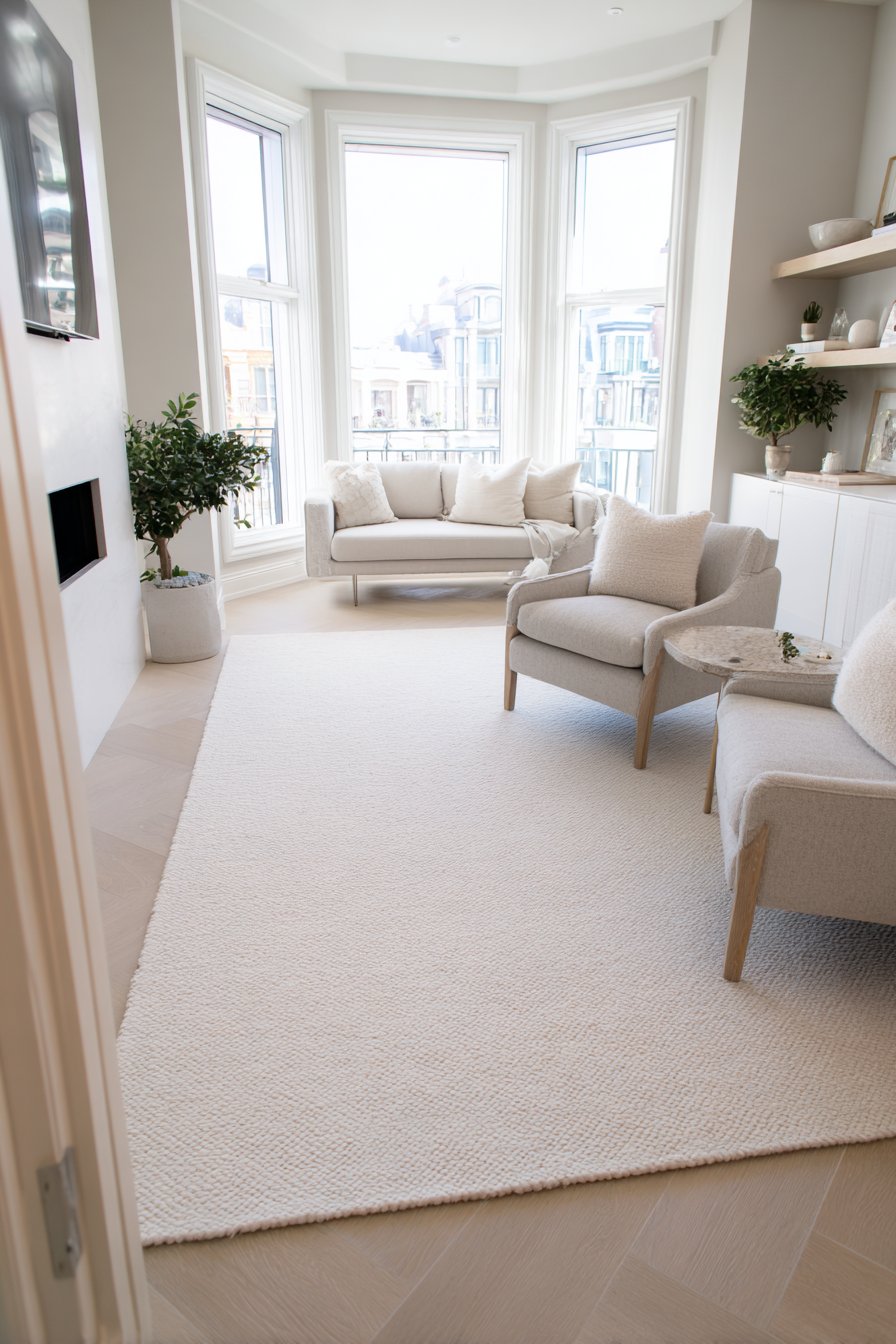
In small spaces, many designers recommend going larger than you think necessary. A bigger rug that ties all the furniture together actually makes the room feel more spacious. It creates a defined “room within a room” effect that adds structure and elegance to an otherwise compact layout.
- Always aim for a rug that is at least 5×8 feet in a small living room
- Ensure front legs of sofas and chairs rest on the rug surface
- Avoid small accent rugs that leave most furniture floating off the rug
- Choose light-colored or low-pile rugs to maintain an open feel
- Use a single large rug rather than layering multiple small ones
- Test rug placement with painter’s tape before making a purchase
5. Blocking Natural Light Sources
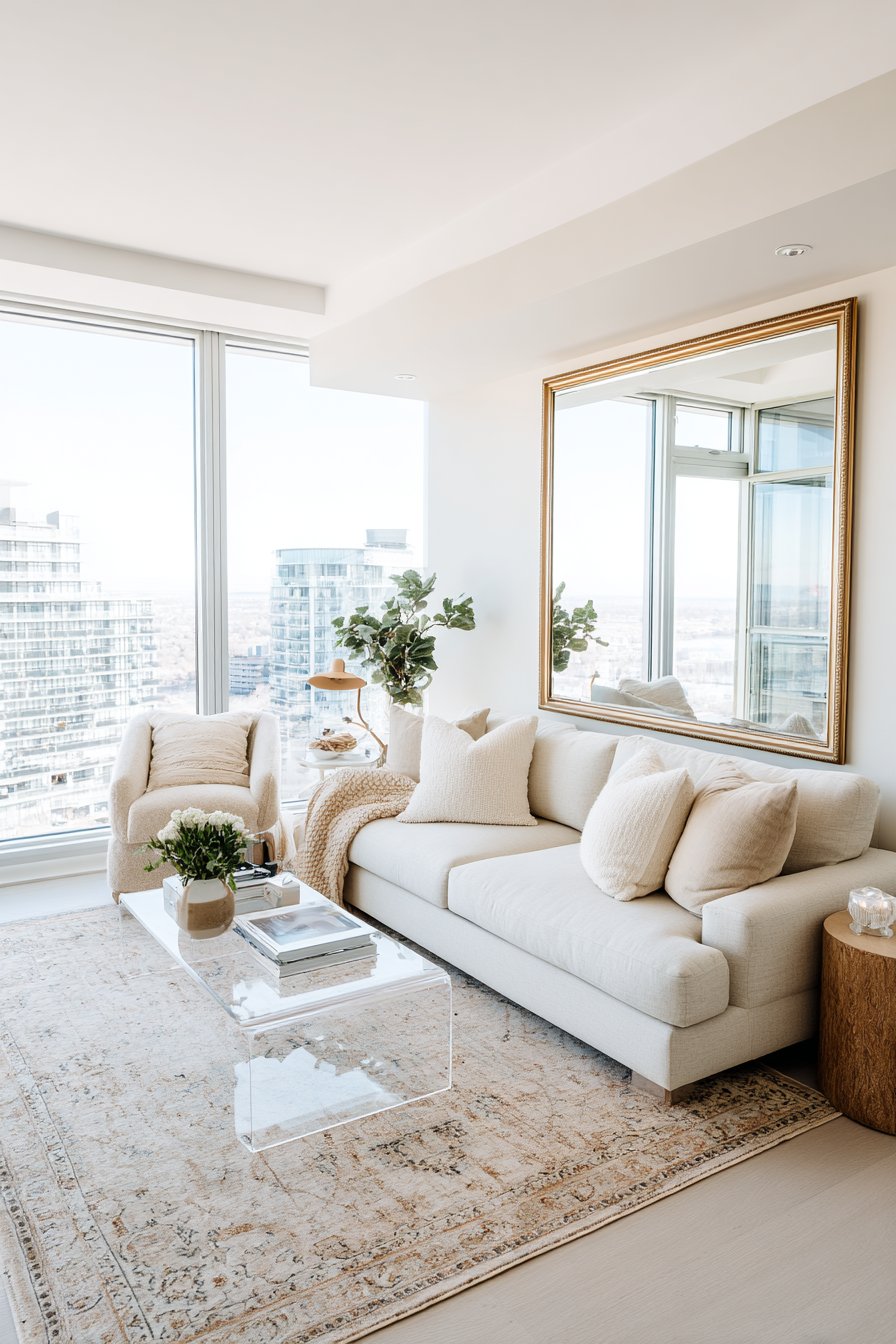
Natural light is the single most powerful tool for making a small living room feel open and airy. When furniture, heavy drapes, or decor blocks light sources, the room immediately contracts in feel and atmosphere. Many homeowners inadvertently sacrifice natural light in the name of privacy or style.
Placing a tall bookshelf or large sofa directly in front of a window is a layout mistake that cuts off valuable daylight. Even partial obstruction reduces the amount of light that bounces around the room. Natural light reflects off surfaces, creating a sense of depth and dimension that artificial lighting simply cannot replicate.
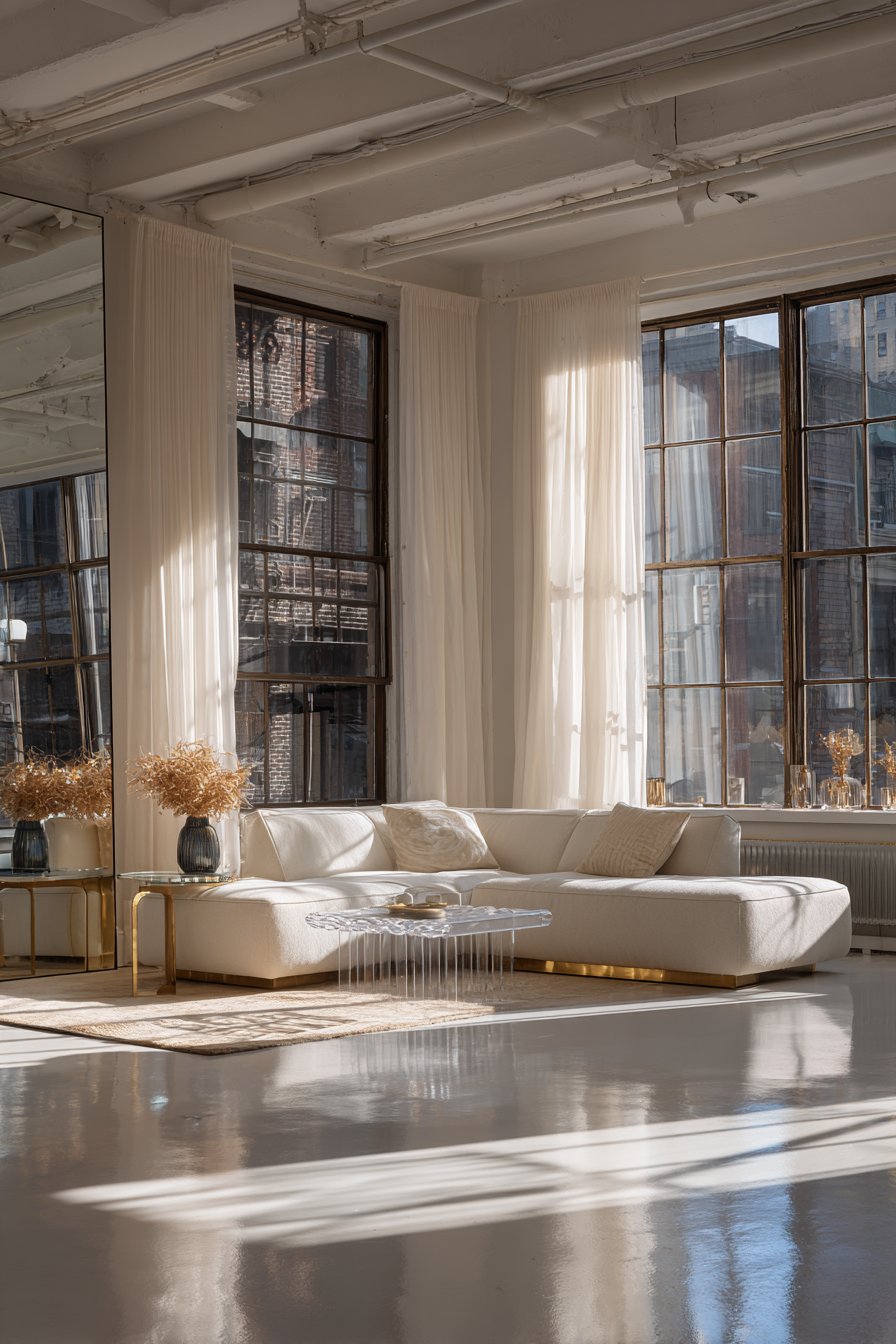
Instead, keep the area around windows clear and unobstructed. Use sheer curtains or light-filtering blinds that allow sunlight to flow in freely. Mirrors placed opposite or adjacent to windows amplify available light and create the illusion of an additional window in the room.
- Never place tall furniture directly in front of windows
- Swap heavy drapes for sheer linen curtains or light-filtering blinds
- Position mirrors opposite windows to double the natural light
- Choose furniture in light colors near windows to enhance brightness
- Use glass or lucite furniture pieces near light sources to maintain openness
- Keep window sills clear of clutter and decorative objects
6. Neglecting Traffic Flow and Pathways
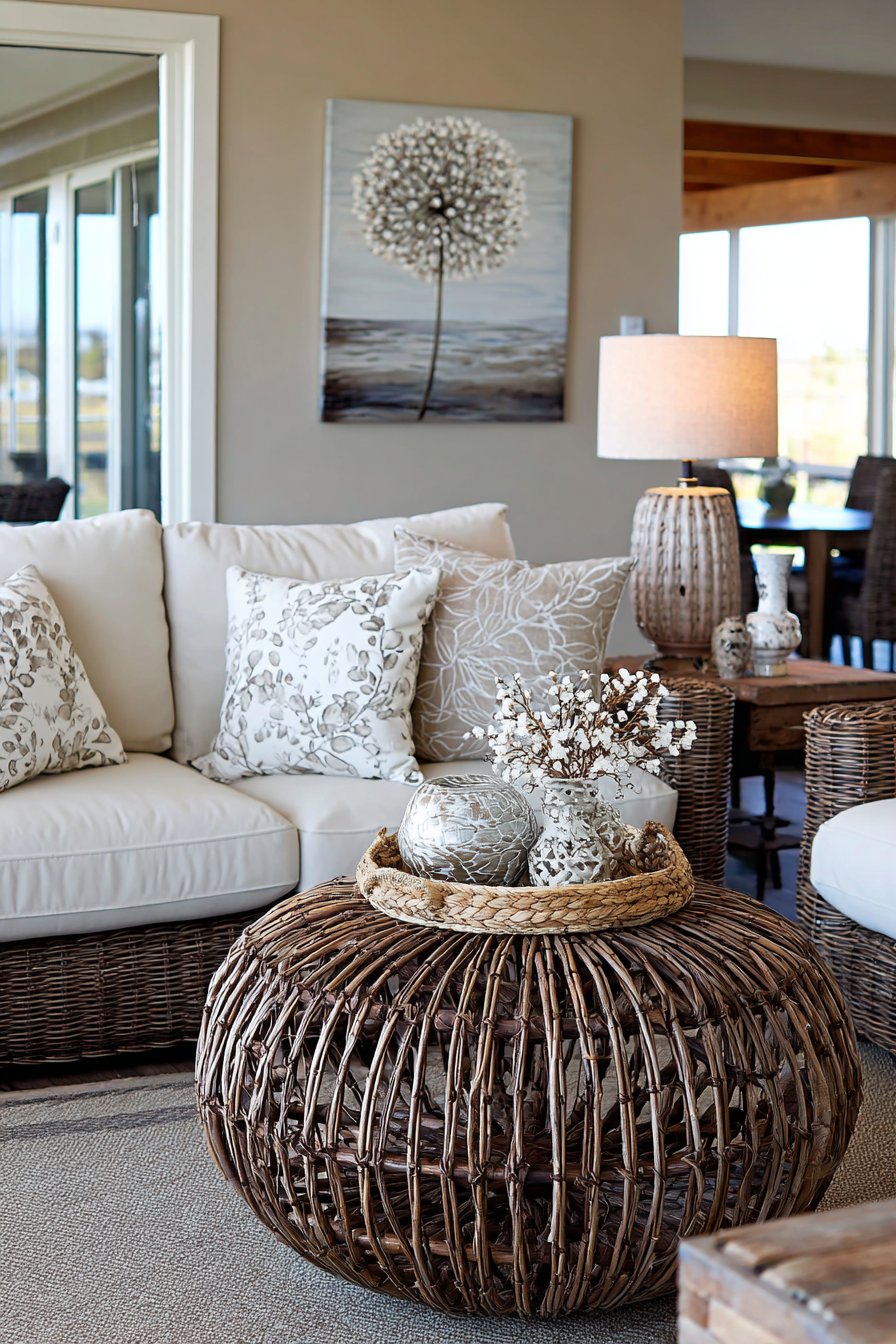
A well-designed living room must be easy to move through. Traffic flow refers to the natural paths people take when moving around the room. Ignoring this aspect is a critical layout mistake that leads to constant bumping, awkward navigation, and a room that feels poorly planned.
Ideally, pathways through the living room should be at least 30 to 36 inches wide. This allows people to walk through comfortably without squeezing past furniture. When seating is arranged without considering movement, daily life in the room becomes frustrating rather than enjoyable.
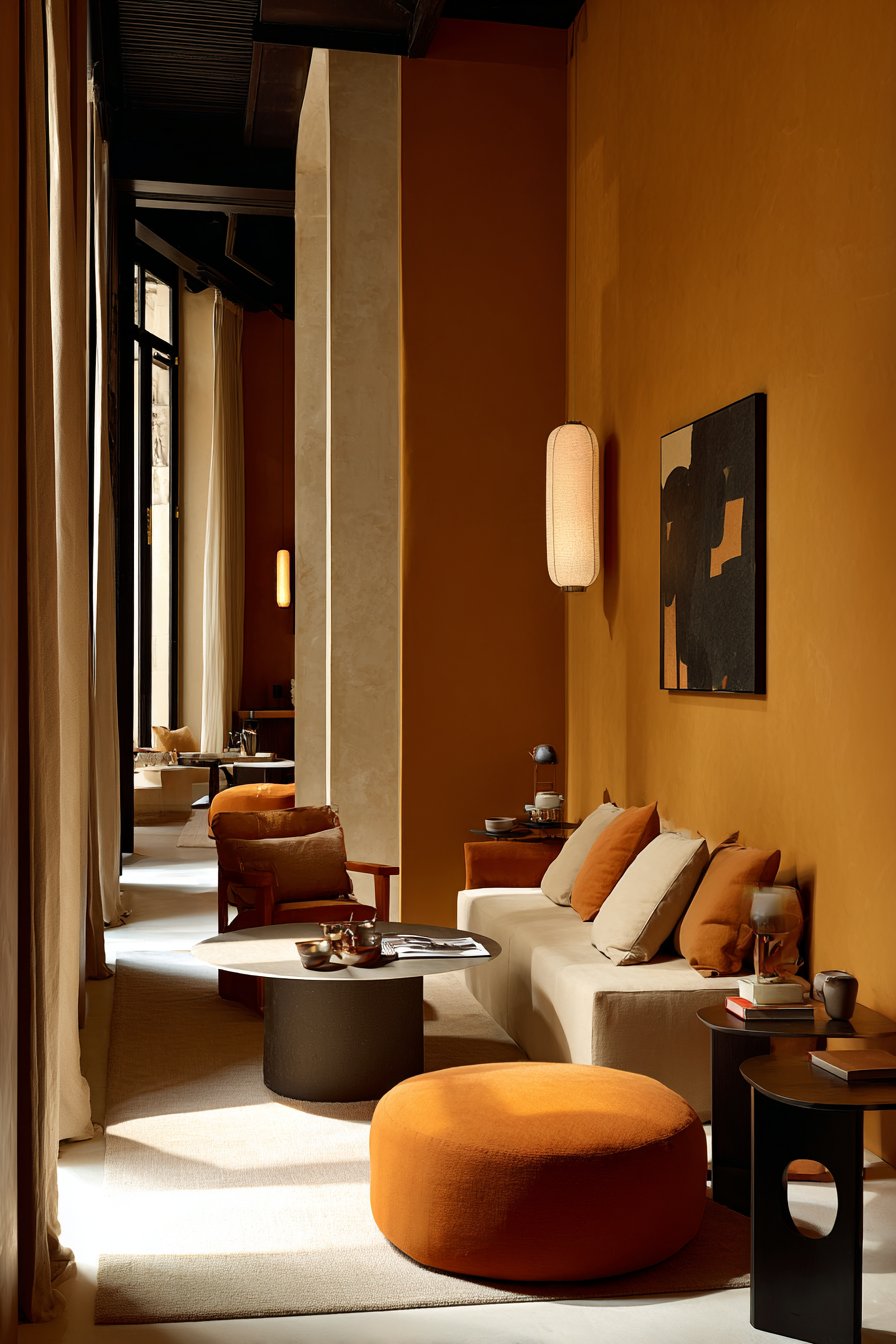
Think about the primary entry points of the room and how people move from the doorway to the sofa, TV, or adjacent rooms. The furniture layout should support this movement naturally. Avoid placing chairs or side tables in positions that interrupt the natural flow of foot traffic through the space.
- Maintain a minimum 36-inch-wide pathway through the main traffic zone
- Map out movement paths before finalizing your furniture arrangement
- Avoid placing furniture in front of doorways or hallway entrances
- Use round coffee tables to eliminate sharp corners in tight pathways
- Position side tables at arm height to avoid becoming obstacles
- Reassess your layout after living with it for one week to identify problem areas
7. Over-Decorating and Creating Visual Clutter
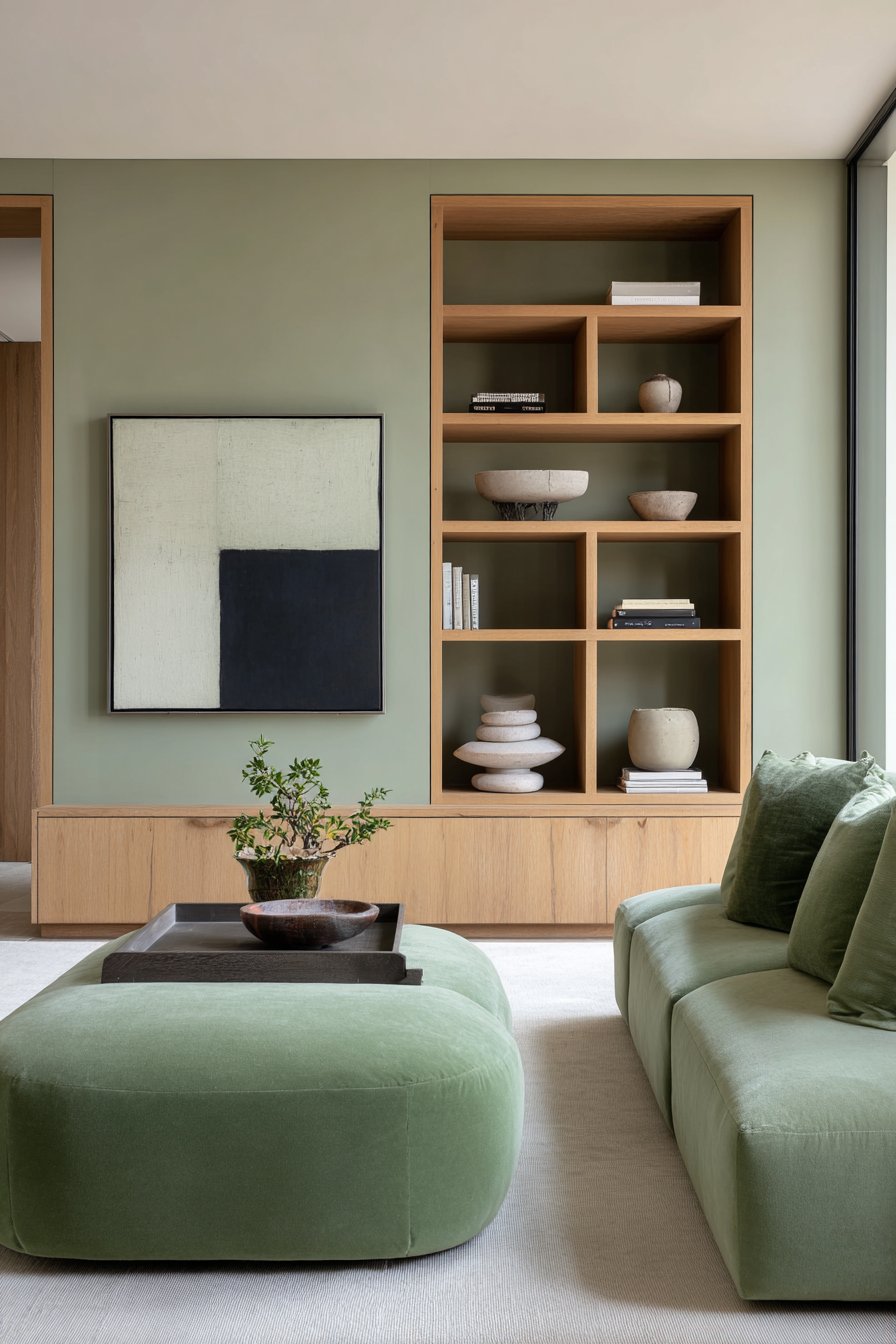
Small living rooms are particularly vulnerable to visual clutter. Every additional object, pattern, or color competes for attention and makes the room feel busier and smaller. Over-decorating is one of the most frequent mistakes in compact spaces, and it’s often driven by the desire to add personality and warmth.
The principle of “less is more” is never more relevant than in small space design. This doesn’t mean the room has to feel cold or minimal. It means being intentional about every single item you introduce. Each piece of decor should have a purpose — aesthetic, sentimental, or functional.
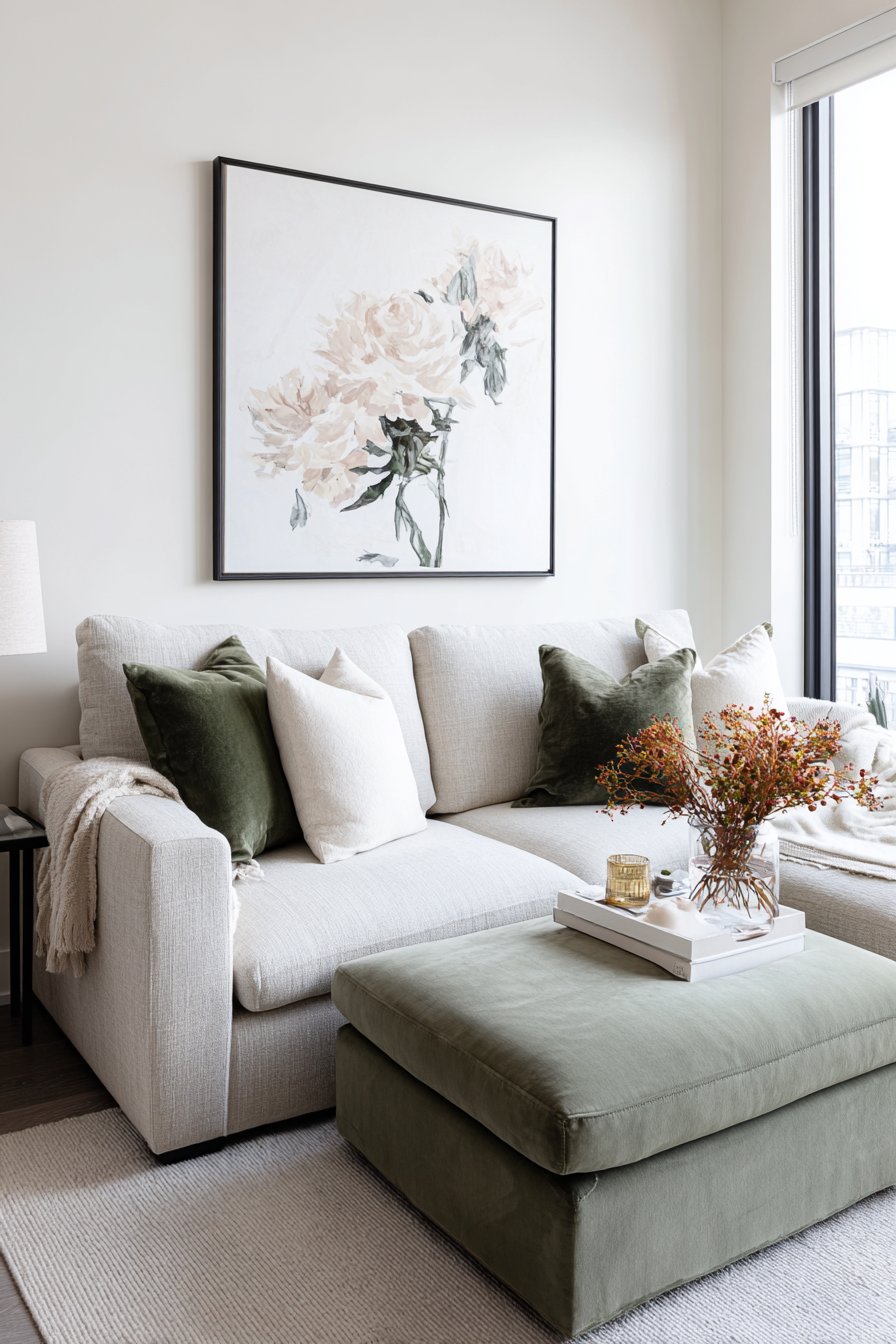
A great starting point is the rule of three: group decorative objects in odd numbers, vary their heights, and limit each surface to a maximum of three meaningful items. This creates visual interest without overwhelming the eye. Decluttering walls, surfaces, and shelves is often the fastest and most affordable way to instantly make a small living room feel larger and more refined.
- Follow the rule of three for decorating shelves and surfaces
- Limit your color palette to two to three coordinating tones
- Choose one bold focal point — an accent wall, statement rug, or piece of art
- Remove items from surfaces that don’t serve a functional or aesthetic purpose
- Use hidden storage solutions to keep everyday clutter out of sight
- Rotate seasonal decor rather than layering everything at once
Conclusion
Small living rooms require intentional design decisions. Avoiding these seven common layout mistakes can dramatically transform how your space looks, feels, and functions. From choosing the right rug size to respecting natural light, every detail matters when square footage is limited.
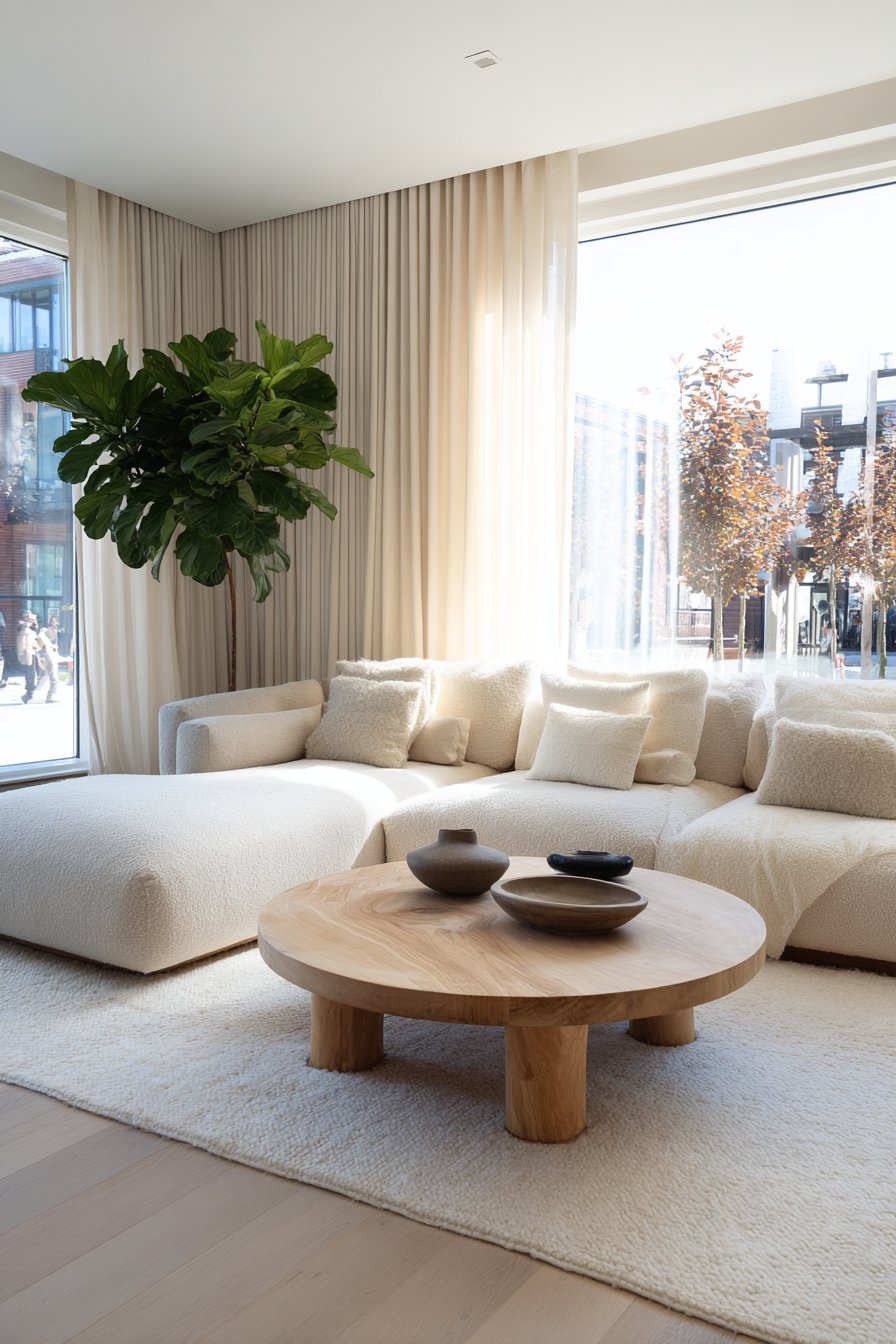
The good news is that most of these fixes require zero renovation. Rearranging furniture, swapping out a rug, or clearing a window can produce immediate, visible results. Small spaces are an opportunity to design with purpose, clarity, and creativity. Embrace the constraints, apply these principles, and watch your compact living room become your favorite room in the home.
"As an Amazon Associate, I earn from qualifying purchases."
