
Curtains are one of the most powerful design elements in any living room. They frame your windows, define your space, and set the tone for your entire interior aesthetic. Yet, curtain length remains one of the most misunderstood choices homeowners make. Too short and the room feels unfinished. Too long and the fabric becomes a tripping hazard. Getting it right transforms a space from ordinary to breathtaking.
Thoughtful window treatment decisions go far beyond just blocking sunlight. The right curtain length can make low ceilings appear taller, small rooms feel more expansive, and chaotic spaces feel calm and composed. Interior designers consistently rank curtain length as one of the top factors influencing a room’s overall visual balance and sophistication.
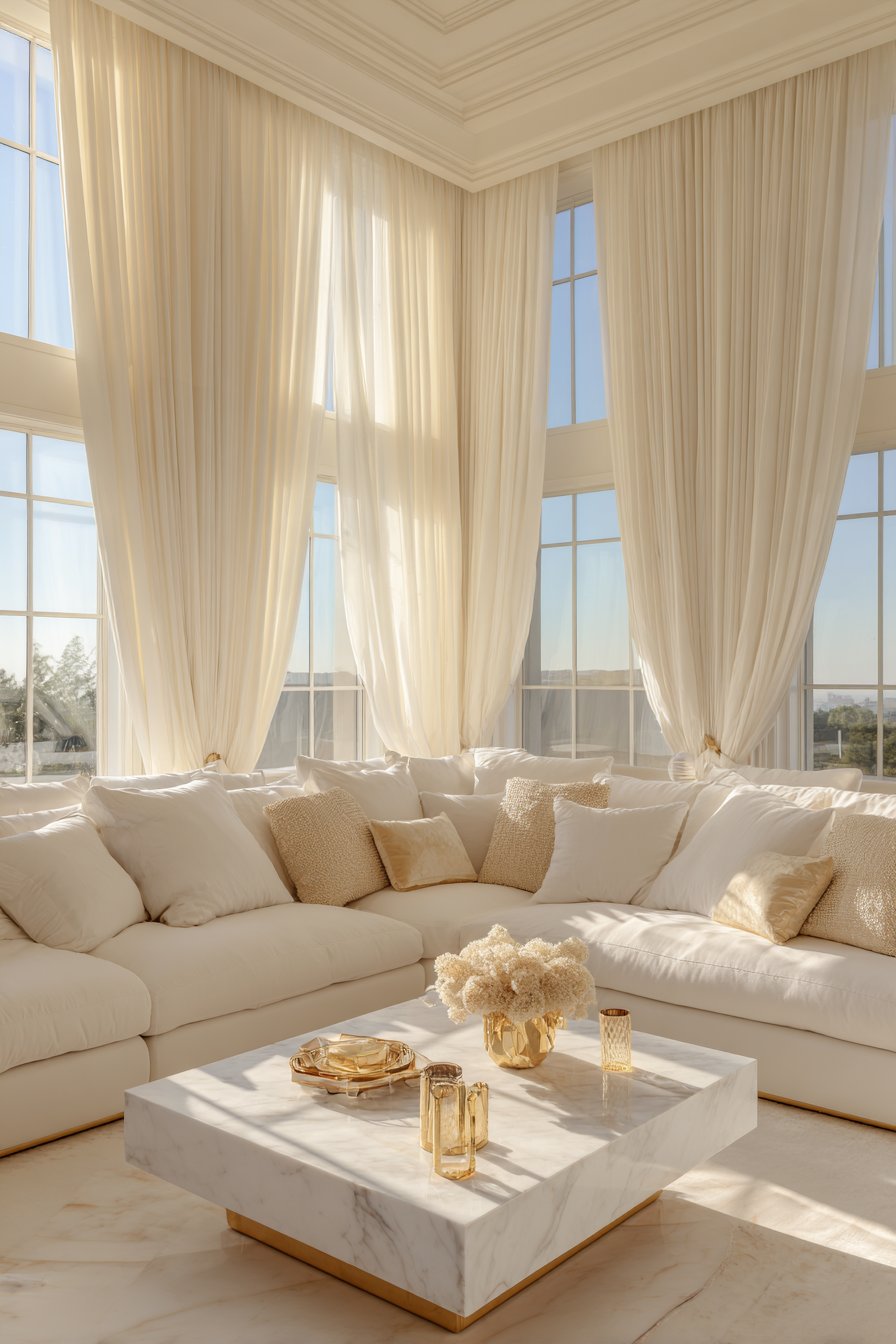
In this article, we cover eight professional tips that will help you choose the perfect curtain length for your living room. Whether you prefer floor-length drama, a casual puddle effect, or clean modern lines, these expert insights will guide every decision you make. Let’s dive into the secrets that professional interior designers use every day.
1. Understand the Standard Curtain Length Options
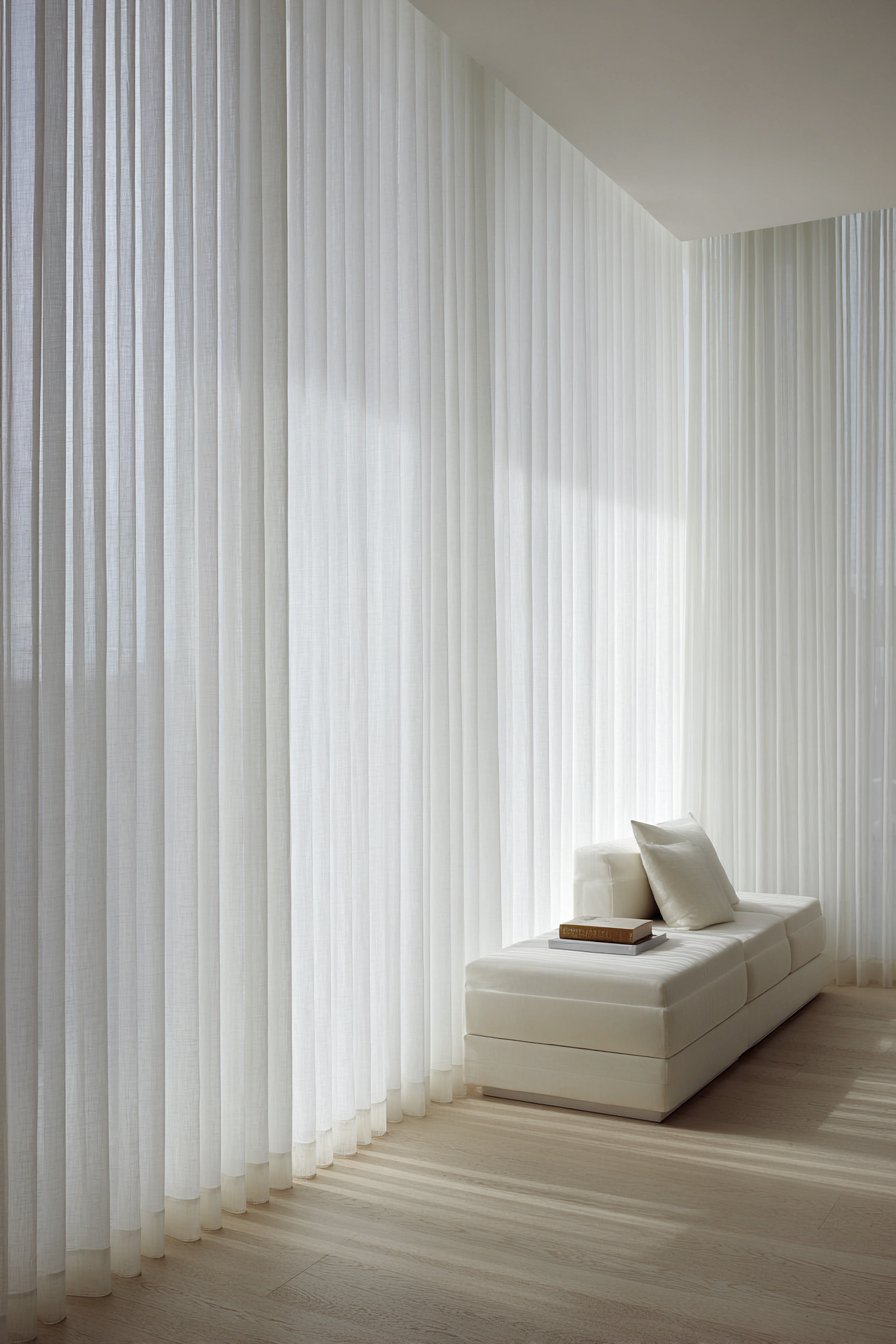
Before shopping, it’s essential to understand what lengths are actually available. Standard curtain lengths typically come in 63-inch, 84-inch, 96-inch, and 108-inch options. Each serves a very different visual and functional purpose in the living room. Knowing these benchmarks helps you shop smarter and avoid costly returns.
The most common choice for living rooms is the 84-inch or 96-inch panel, which works well when ceilings are standard height (around 8 to 9 feet). Longer options like 108-inch panels are ideal for rooms with elevated ceilings or for creating a dramatic floor-to-ceiling look. Shorter panels, like 63-inch lengths, are generally best avoided in formal living spaces as they can make rooms feel cramped.
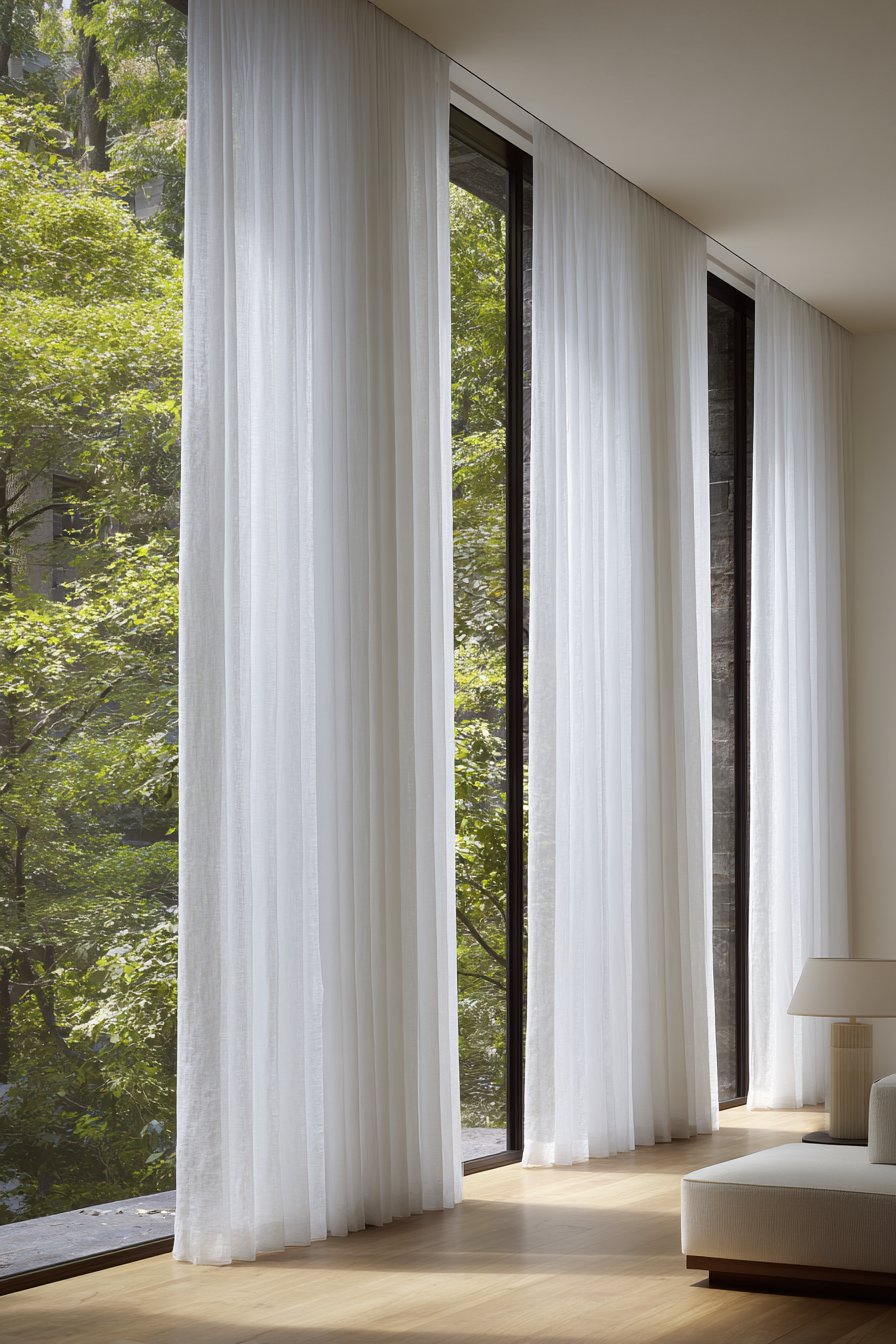
Understanding standard sizing also helps you plan your custom alterations. If your measurements fall between standard lengths, it’s often more cost-effective to buy longer panels and hem them than to order fully custom curtains. Many dry cleaners and tailors offer this service affordably.
- Always measure your window height before browsing curtain options
- Note that standard lengths rarely accommodate ceilings above 10 feet without customization
- Buy longer and hem down rather than buying short panels that don’t reach the floor
- Check retailer size charts carefully, as sizing can vary slightly by brand
- Consider ready-made vs. custom panels based on your ceiling height and budget
2. Mount the Rod High and Wide for Instant Drama
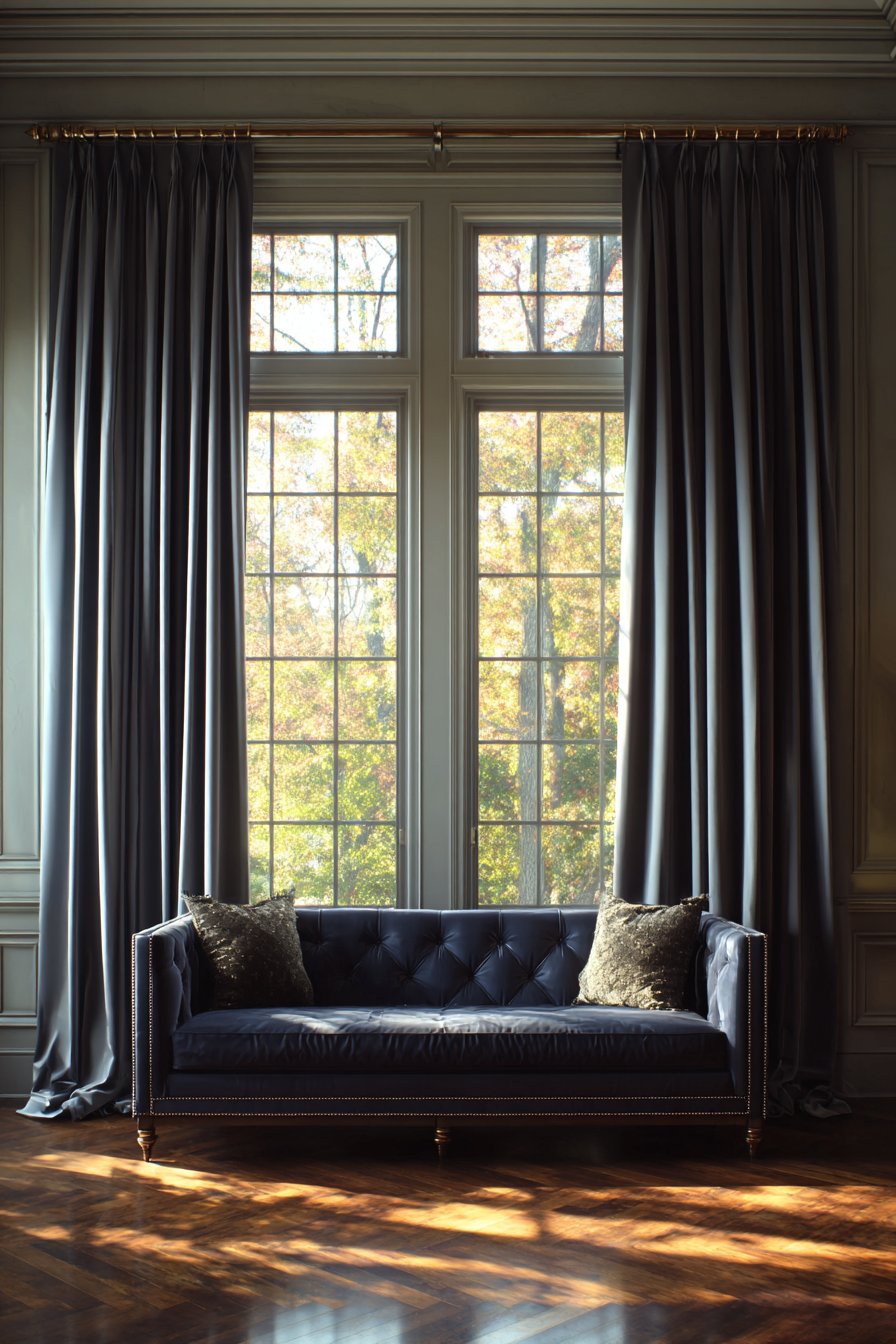
One of the most impactful professional design tricks is mounting your curtain rod higher than the window frame itself. Most homeowners install rods just above the window trim, but designers recommend mounting 4 to 6 inches above the frame — or even closer to the ceiling. This simple shift creates the illusion of taller, grander windows.
Mounting the rod high draws the eye upward and elongates the wall. This technique is especially valuable in rooms with low ceilings, where visual tricks are needed to create a sense of height. Paired with floor-length curtains, this approach makes any room feel more luxurious and well-proportioned.
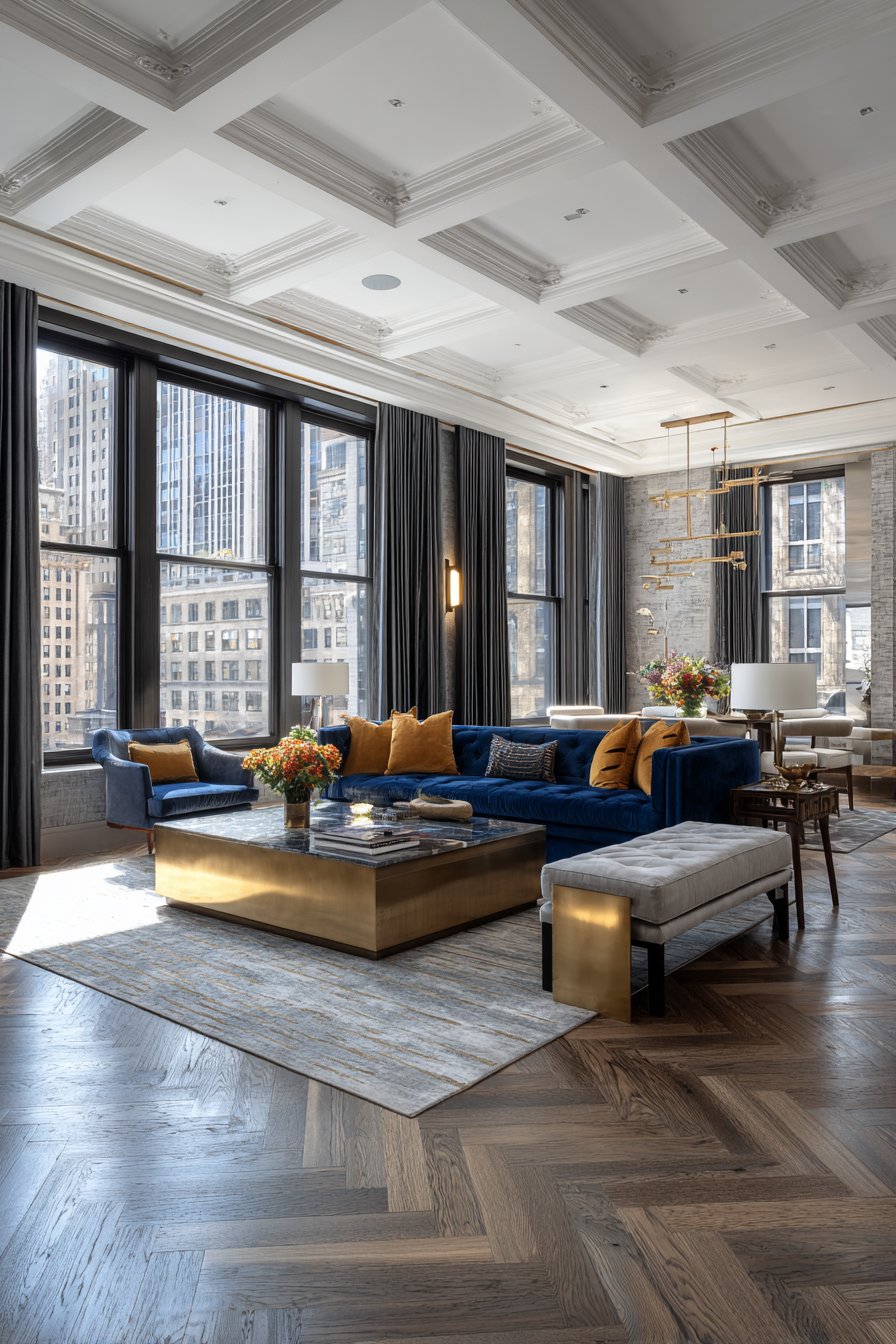
Width matters just as much as height. Extend your rod 6 to 12 inches beyond the window on each side. This allows curtains to stack off the window glass when open, maximizing natural light and making the window appear significantly wider than it actually is.
- Mount rods 4–6 inches above the window frame as a minimum standard
- For dramatic effect, mount rods just 2 inches below the ceiling molding
- Extend rod width 6–12 inches beyond the window on each side
- Use longer rods to allow proper curtain stacking on both sides
- Choose rod brackets that support the weight of your chosen fabric
3. Embrace the Floor-Length Look for Elegance

The floor-length curtain style is the gold standard in professional interior design. Panels that just graze the floor — sitting roughly half an inch above it — create a clean, tailored appearance that suits modern, transitional, and traditional living rooms alike. This look is polished without being overdone.
For a more relaxed and casual vibe, you can allow an inch or two of extra fabric to rest on the floor. This creates a slight break, similar to how dress trousers drape over dress shoes. It softens the overall aesthetic and adds a touch of warmth. This style works beautifully with linen and cotton fabrics.
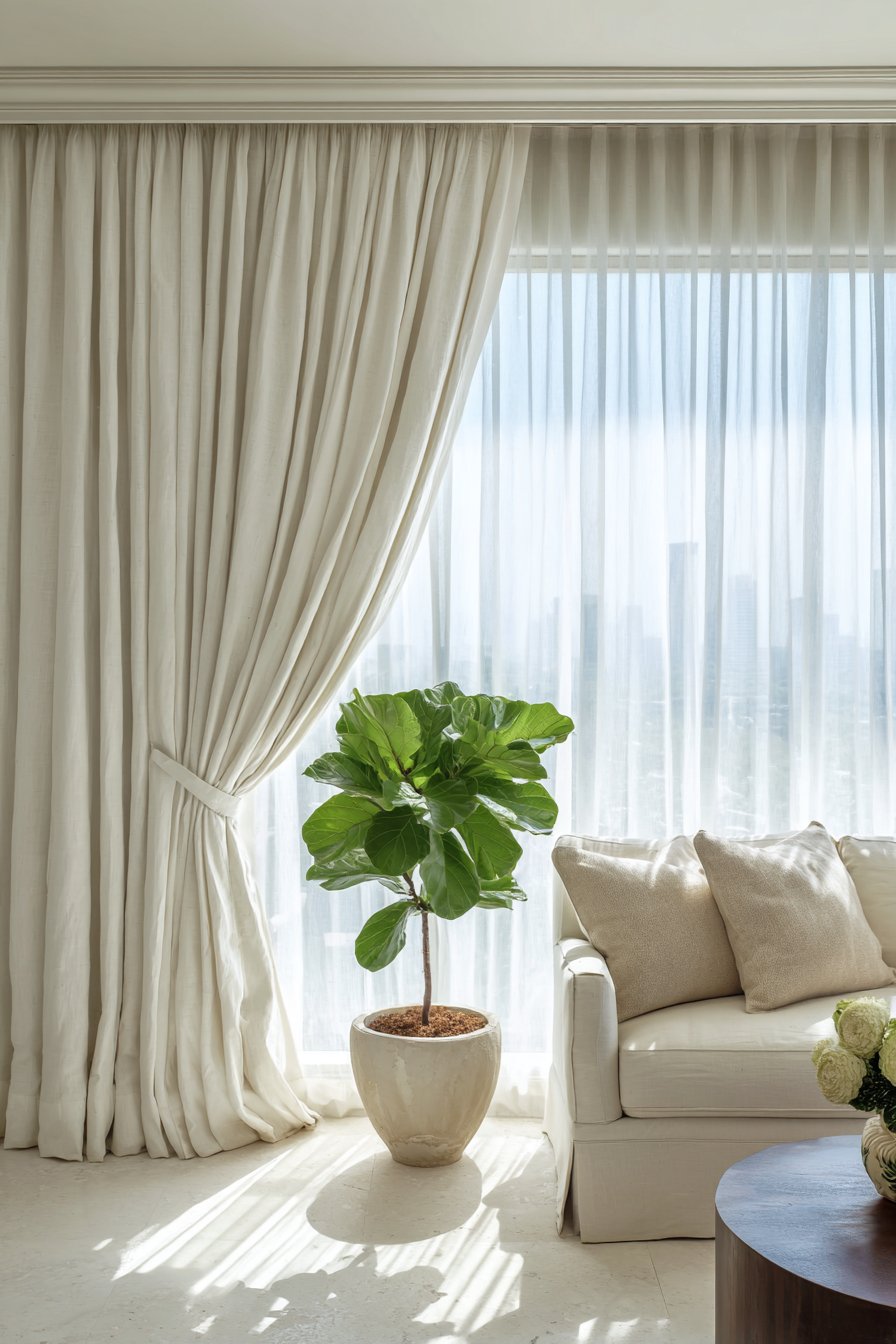
Avoid the mistake of letting curtains hang several inches above the floor. This floating curtain look can make the room feel incomplete and visually disjointed. It interrupts the natural vertical flow that floor-length panels create and tends to draw attention to the gap rather than the window itself.
- Aim for a half-inch clearance from the floor for a tailored, clean finish
- Allow 1–2 inches of break for a softer, more relaxed aesthetic
- Never hang panels more than one inch above the floor in formal living spaces
- Test length before permanent installation by using curtain clips and a tape measure
- Account for flooring type — thick rugs may require slight length adjustments
4. Consider the Puddle Effect for Luxurious Spaces

The puddle curtain style takes floor-length curtains one step further by allowing excess fabric to pool on the floor. Typically, this involves 3 to 6 inches of extra length cascading onto the floor in a deliberate, romantic sweep. It’s a choice made by confident designers who want to add drama and opulence to a space.
This style works best in formal or traditional living rooms where the aesthetic leans toward grandeur and romanticism. Think deep velvet fabrics, rich jewel tones, and ornate furniture. The puddle effect is not practical for high-traffic areas or homes with pets and young children, as the excess fabric can collect dust and become a hazard.

If you love this look but need practicality, opt for a slight puddle of 2–3 inches rather than the full dramatic sweep. This subtle version retains the luxurious feel while remaining more manageable for everyday living. Choose heavier fabrics like velvet or thick linen for the best visual impact.
- Use 3–6 inches of extra length for a full puddle effect
- Choose formal settings and low-traffic areas for this style
- Opt for heavier fabrics like velvet, silk, or thick linen for best drape
- Avoid the puddle look in homes with pets, toddlers, or high foot traffic
- Consider a subtle 2-inch puddle as a practical compromise
5. Match Curtain Length to Your Ceiling Height
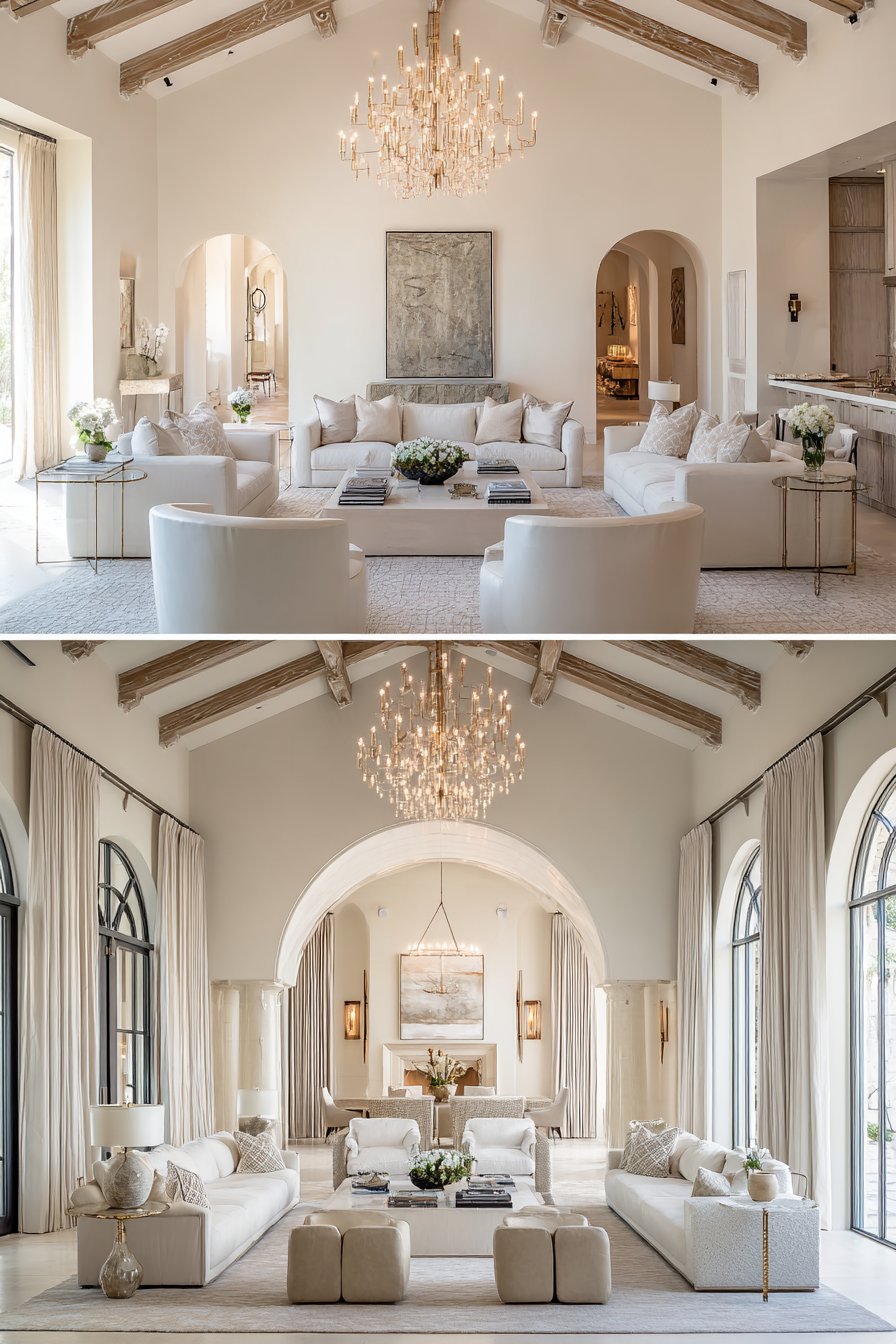
Ceiling height is arguably the most important factor when determining curtain length. Design professionals always start here before considering any other variable. A room with 8-foot ceilings requires a completely different approach than a lofted space with 12-foot ceilings.
For standard 8-foot ceilings, 84-inch panels that reach the floor are your best starting point. If you mount the rod 4–6 inches above the window, you may need 96-inch panels to still reach the floor. Always do the math before purchasing. For 9-foot ceilings, 96-inch or 108-inch panels are typically required. Rooms with ceilings over 10 feet almost always require custom lengths.
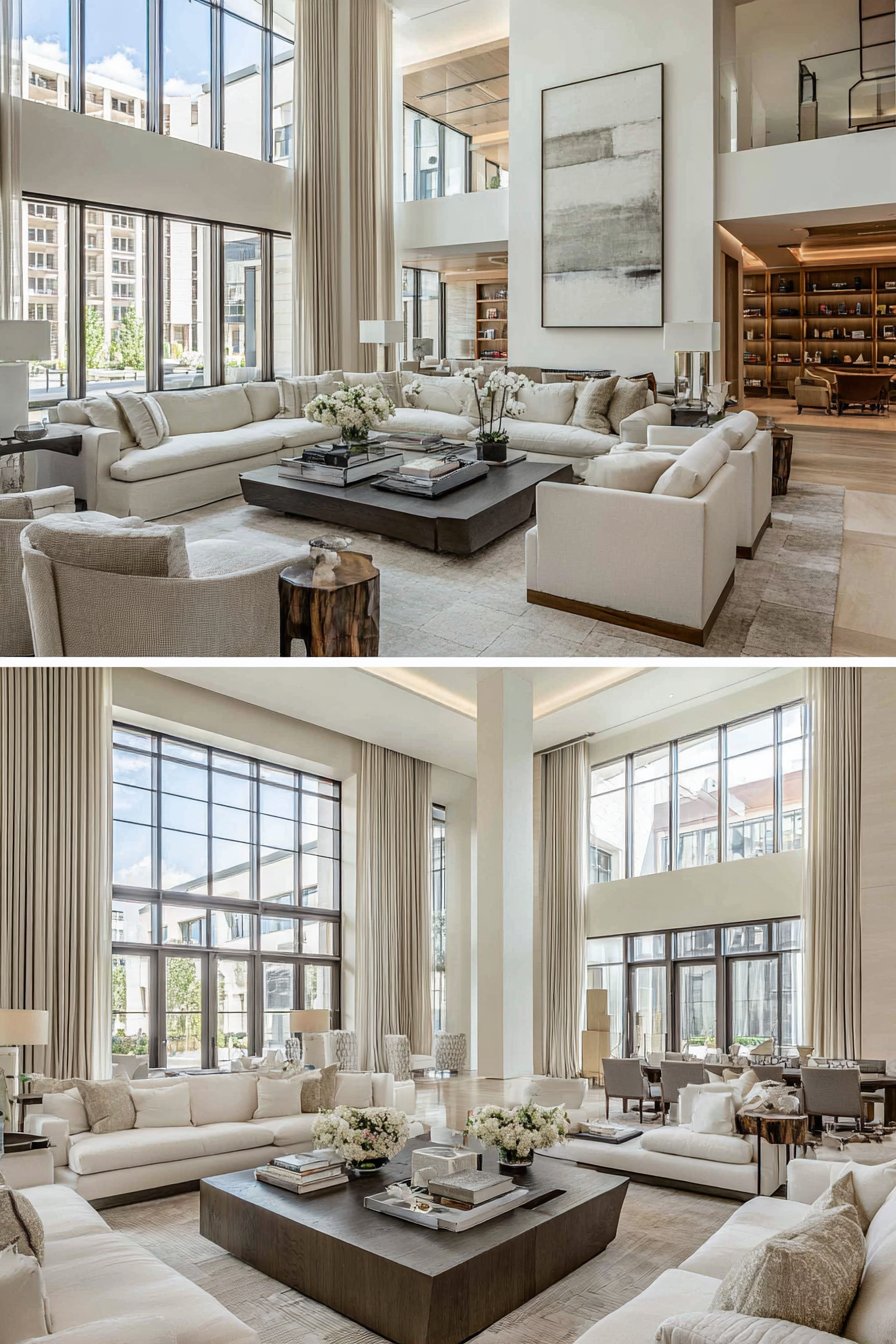
In rooms with vaulted or cathedral ceilings, consider hanging curtains at a mid-wall height rather than ceiling height. This anchors the window without overwhelming the space with fabric. The goal is always visual balance — curtains should complement the architecture, not compete with it.
- Measure from intended rod placement to floor before purchasing
- Use 84-inch panels for 8-foot ceilings with rod mounted just above trim
- Choose 96–108-inch panels for 9–10-foot ceiling heights
- Request custom lengths for rooms with ceilings above 10 feet
- In vaulted rooms, anchor rod placement at a consistent mid-wall height
6. Factor in Your Flooring and Furniture Arrangement
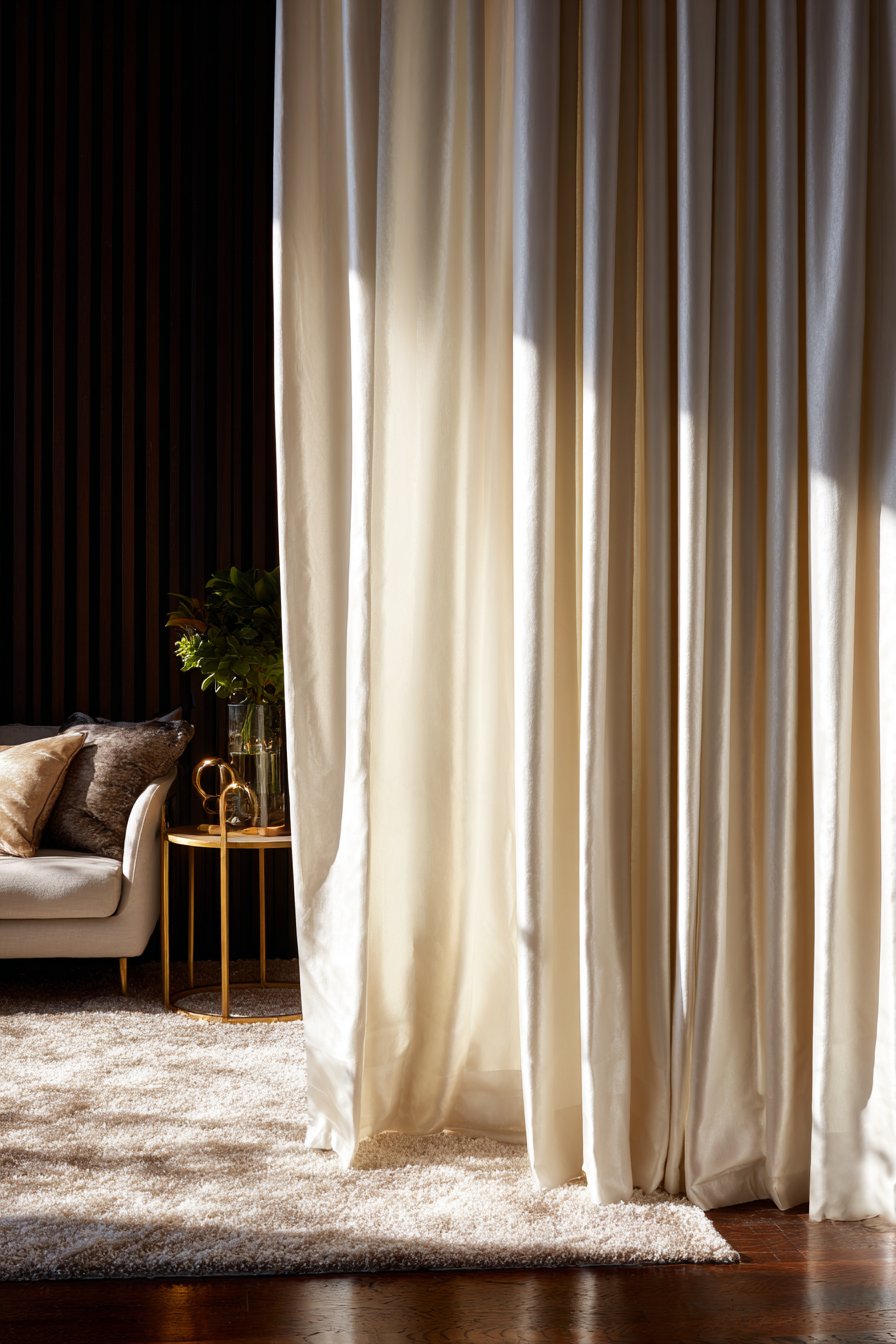
The type of flooring beneath your windows affects how curtain length reads visually. Hardwood and tile floors tend to highlight curtain length more sharply due to their smooth, reflective surfaces. A half-inch gap that might go unnoticed on carpet becomes very visible on polished hardwood floors.
When your room includes a large area rug, account for how it affects the curtain’s visual endpoint. Curtains that fall over a thick rug may need to be slightly longer to achieve the same floor-grazing effect. Conversely, if your rug ends directly beneath the curtain, the texture change can actually make a short gap more forgiving.
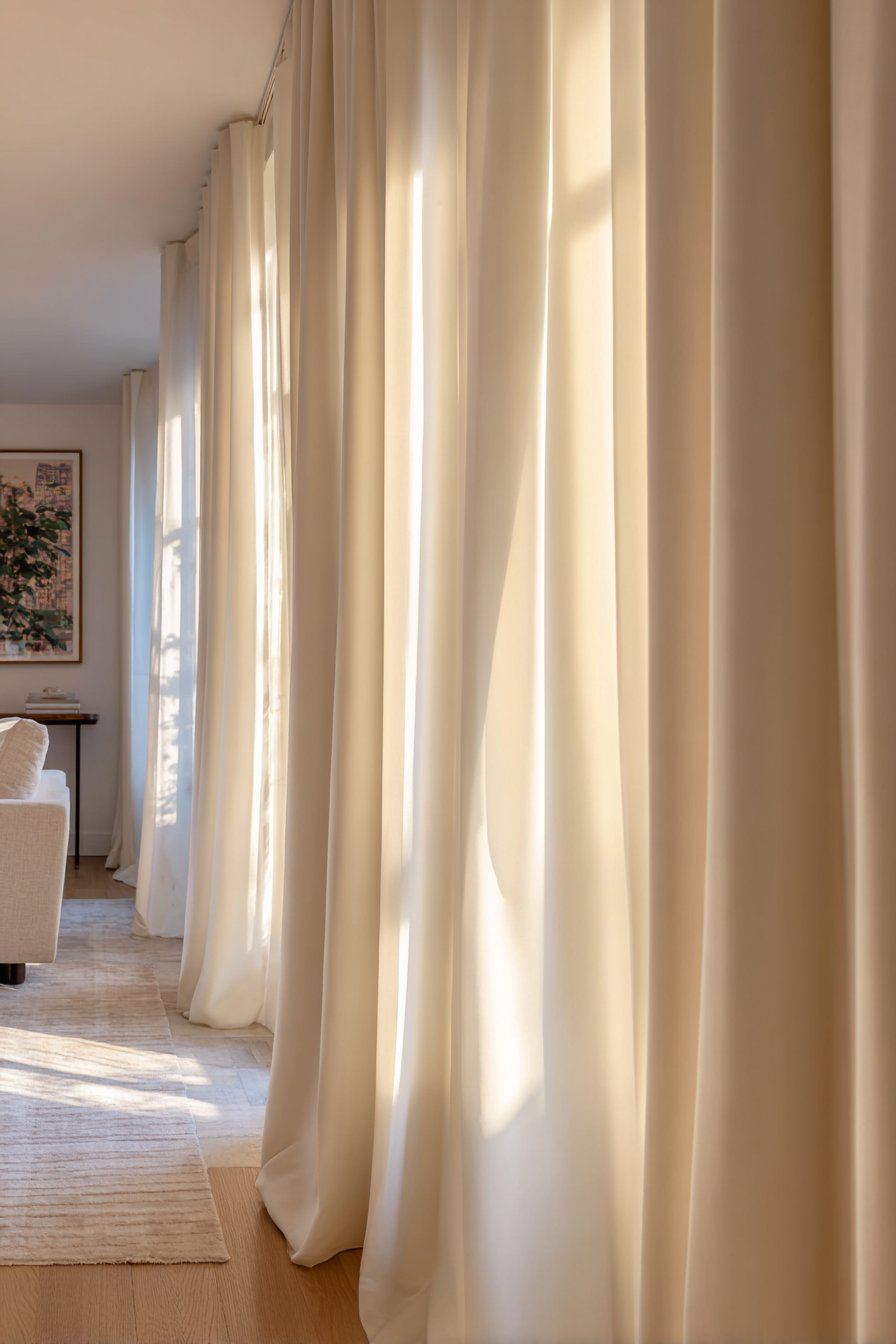
Consider also how furniture placement interacts with your curtains. Sofas, console tables, or radiators placed in front of windows can affect how curtains stack and hang. Ensure there’s enough clearance for curtains to open and close freely without being blocked by furniture.
- On smooth hardwood floors, aim for exact half-inch clearance for a clean look
- Adjust length when placing curtains over thick area rugs
- Leave furniture 6–12 inches from curtain panels to allow free movement
- Test the full open and closed range of your curtains before finalizing installation
- Choose weighted hem tape for panels that tend to sway or bunch unevenly
7. Choose the Right Fabric Weight for Your Desired Length
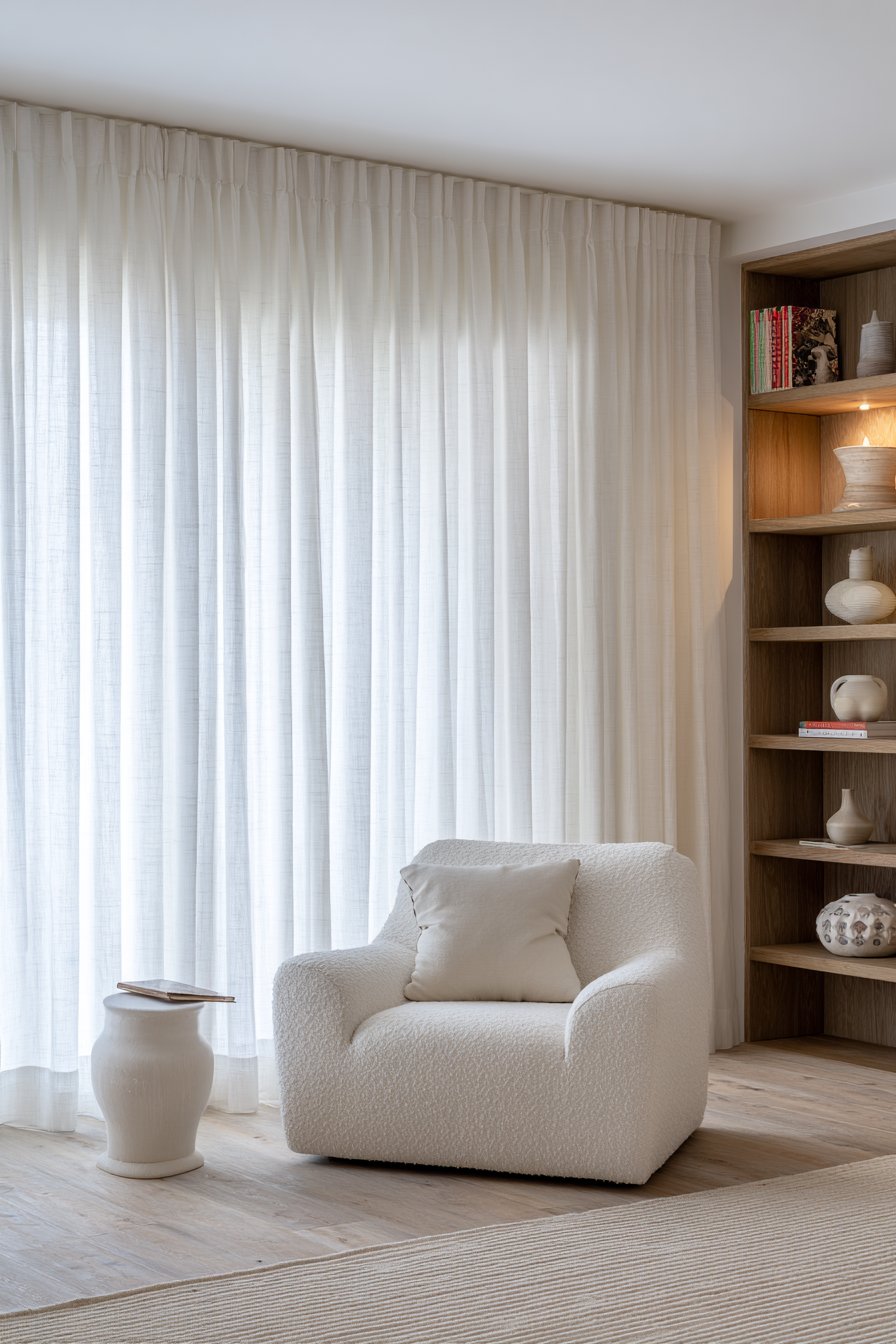
Fabric weight directly impacts how a curtain hangs and how its length is perceived. Lightweight fabrics like sheer voile or gauze tend to float and billow, which can distort the visual line of the hem. Heavier fabrics like velvet, brocade, or blackout linen hang straight and true, making length appear more precise and intentional.
For floor-length curtains, a medium-to-heavy weight fabric is almost always preferable. It maintains a clean vertical line from rod to floor and resists the bunching that lightweight fabrics are prone to. If you love sheer fabrics, consider layering them over a heavier lining for added structure and visual weight.
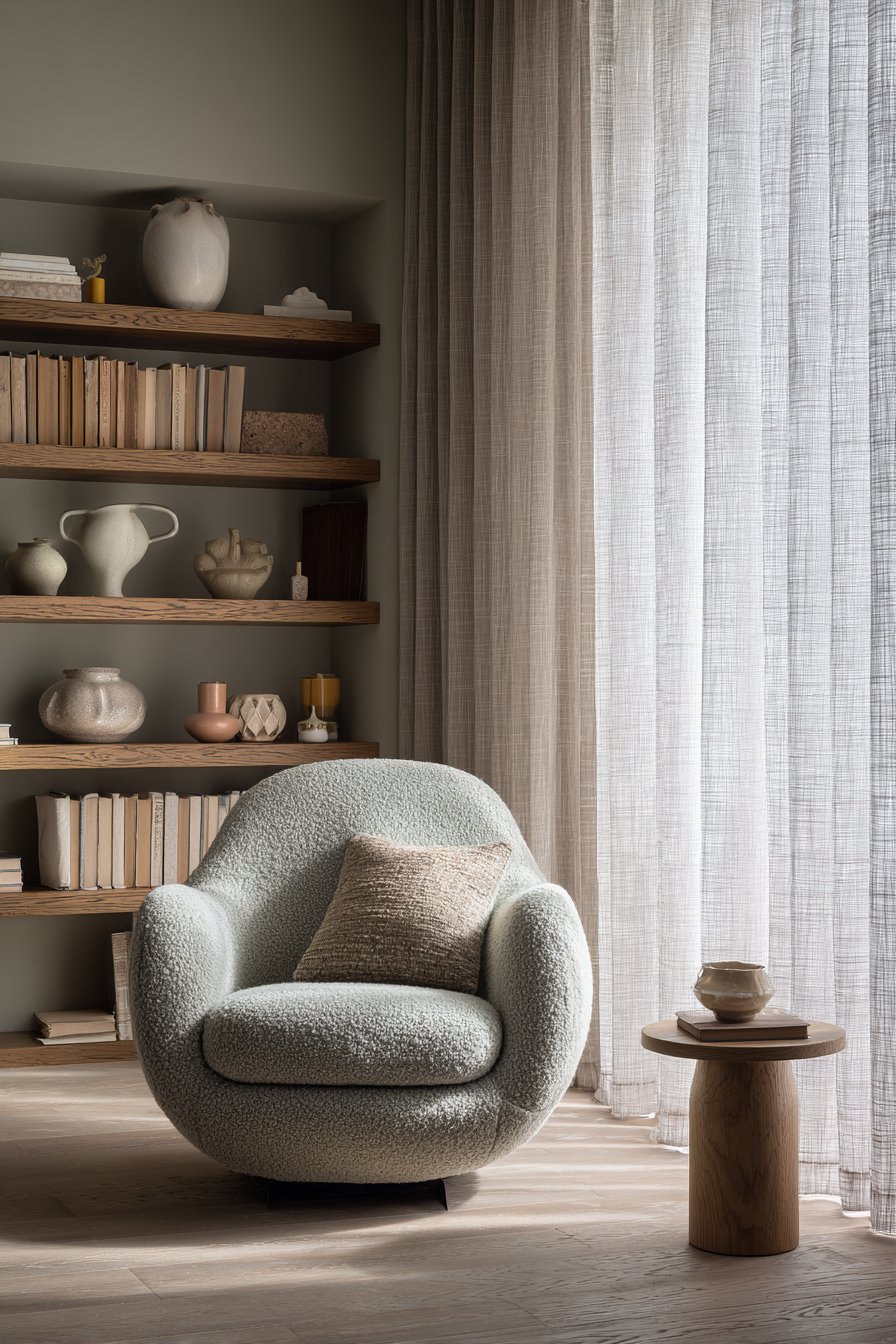
The lining inside a curtain also plays a significant role. Lined curtains hang better, last longer, and provide improved insulation. They also prevent sun damage to the outer fabric. When investing in long panels, always opt for lined or interlined versions to ensure they maintain their shape and length over time.
- Choose medium-to-heavy fabrics for clean, precise floor-length drops
- Layer sheer curtains over solid blackout or lining panels for structure
- Always buy lined curtains for long panels to ensure longevity and shape
- Use curtain weights (small chain or metal weights) inside hems to improve hang
- Avoid flimsy polyester panels for long lengths — they tend to buckle and wave
8. Measure Twice and Install Once for Perfect Results
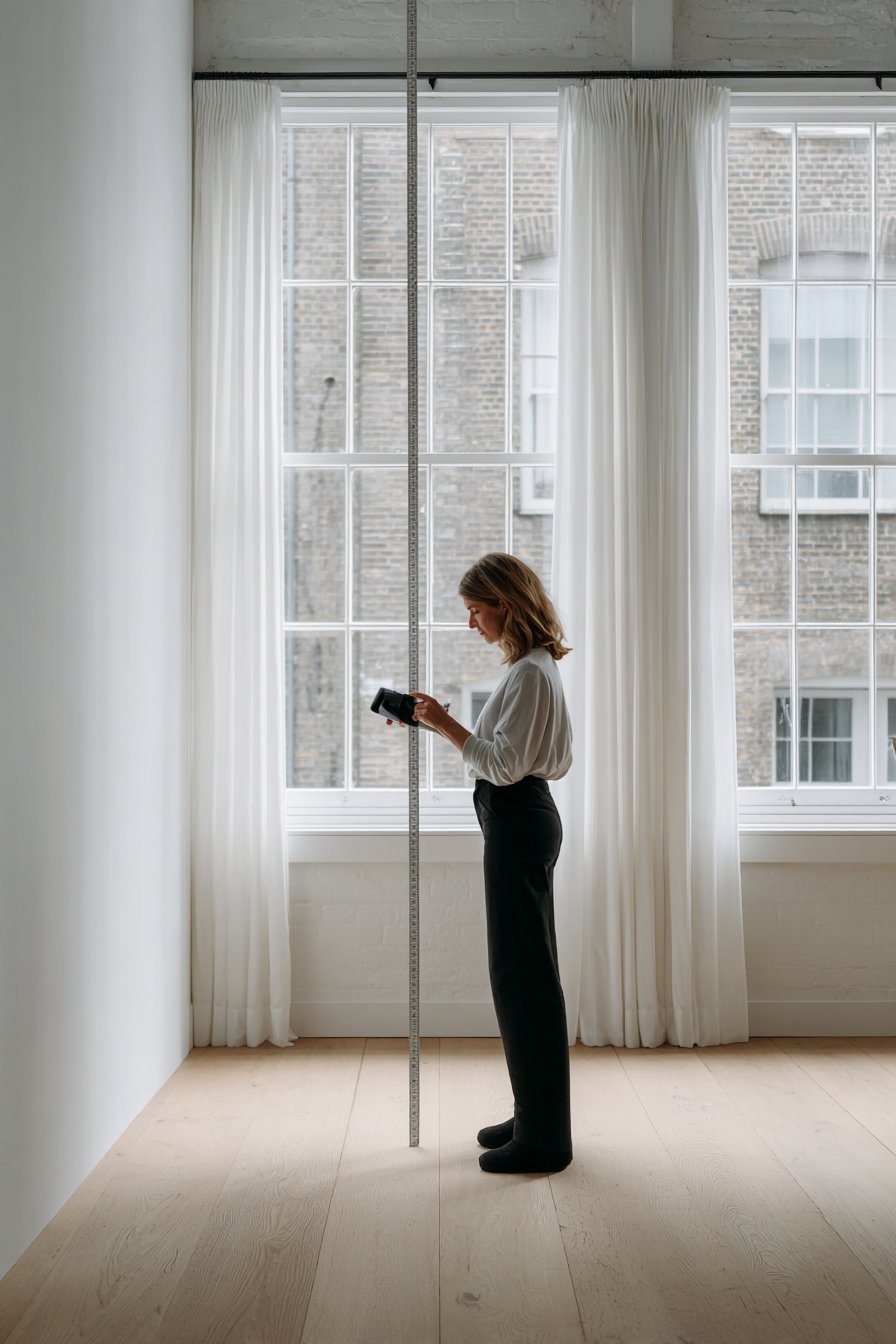
No amount of design knowledge compensates for inaccurate measurements. Professional installers always measure multiple times before drilling a single hole. The difference between a perfect installation and a frustrating one comes down to precision at the measuring stage. Use a metal tape measure rather than a fabric one for accuracy.
Measure from the exact point where the rod will sit — not the top of the window — all the way to the floor. Do this in at least two or three spots across the window, as floors are not always perfectly level. Use the lowest measurement if there are variations to ensure your curtains reach the floor consistently across the full width.
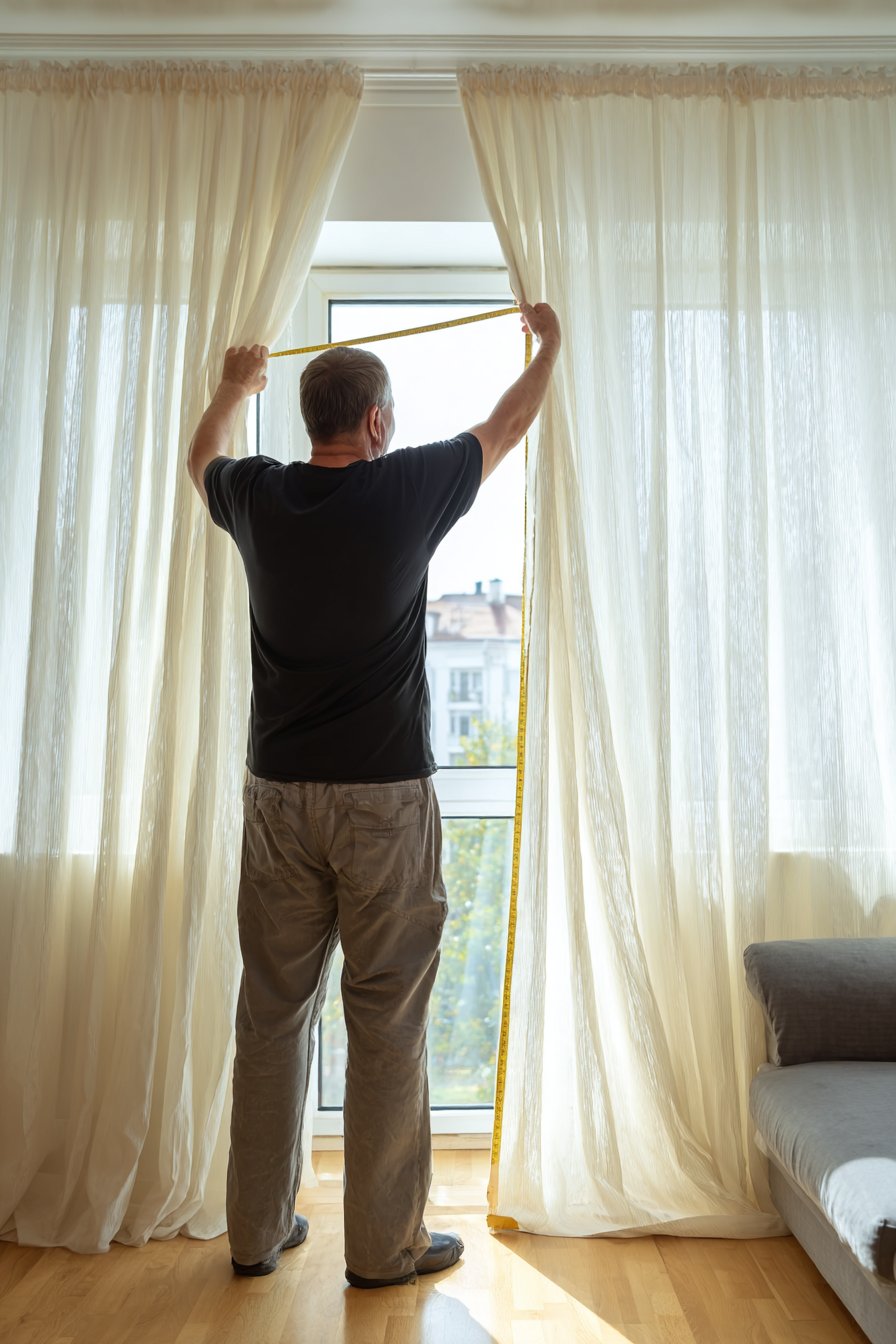
After installation, live with the curtains for a day or two before committing to any hemming or alterations. Fabric can settle and drop slightly after hanging, especially heavier materials. This settling period ensures your final hem adjustment is based on how the curtains actually behave in your specific environment.
- Always use a metal tape measure for accuracy — fabric tapes can stretch
- Measure from the rod point to the floor, not from the window top
- Take measurements at multiple points to account for uneven floors
- Note the lowest floor measurement to ensure consistent length across the panel
- Allow 24–48 hours of settling before making final hem adjustments
Conclusion
Choosing the right curtain length for your living room is a decision that combines practical measurement with a strong understanding of visual proportion, fabric behavior, and ceiling height. From mounting rods high and wide to embracing the elegant puddle effect, each of these eight tips gives you a professional framework for making confident, beautiful choices.

The difference between a room that looks “almost right” and one that feels truly polished often comes down to curtain length and installation. Take your time, measure carefully, and don’t be afraid to invest in quality fabric and proper hardware. Your living room deserves the kind of thoughtful attention that transforms it from a simple sitting area into a space that genuinely inspires you every single day.
"As an Amazon Associate, I earn from qualifying purchases."
