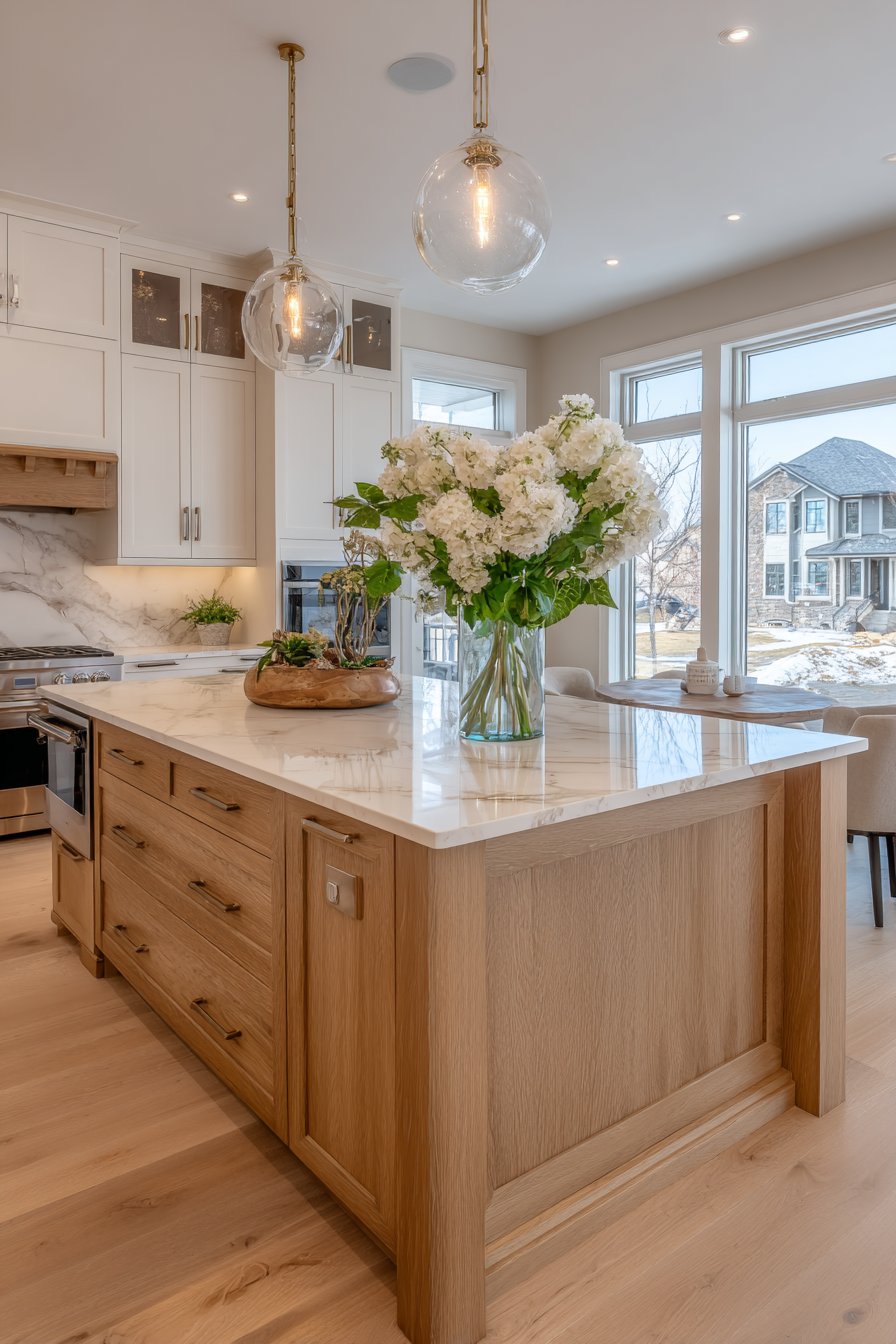
The kitchen remains the heart of the home and a critical factor in real estate transactions. When potential buyers walk through a property, cabinet style creates an immediate impression that influences their purchasing decision. Understanding which cabinet styles deliver the strongest return on investment helps homeowners make strategic renovation choices that balance personal taste with market appeal.
Cabinet selection impacts both functional workflow and aesthetic harmony throughout the space. The right choice enhances daily living while positioning your property competitively when it’s time to sell. This comprehensive guide examines the cabinet styles that consistently add the most resale value, exploring design elements that appeal to the broadest range of buyers while maintaining timeless sophistication.
From classic shaker designs to modern transitional approaches, we’ll explore proven styles that maximize your investment. Each section provides actionable insights into materials, finishes, and design considerations that real estate professionals and home appraisers recognize as value-adding features.
1. Shaker Style Cabinets: The Undisputed Champion
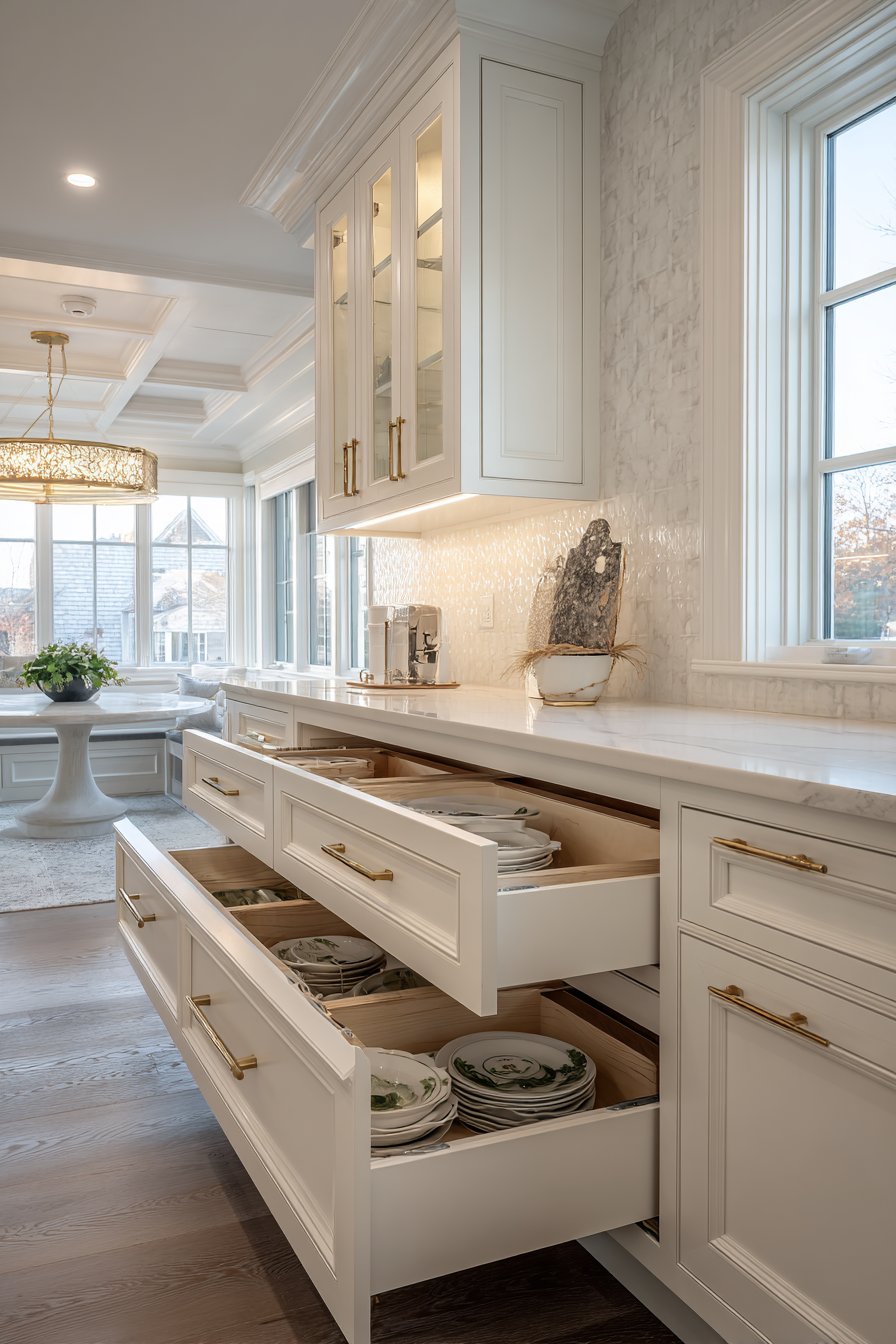
Shaker cabinets dominate the resale value conversation because they offer timeless versatility that transcends temporary trends. The clean lines and recessed center panel create a refined appearance without overwhelming other design elements. This adaptability allows buyers to envision their own aesthetic preferences, making properties more marketable across diverse demographics.
The five-piece construction provides structural integrity that buyers recognize as quality craftsmanship. This traditional joinery method uses solid wood frames with a center panel, creating cabinets that withstand decades of use. Real estate professionals consistently note that shaker cabinets photograph exceptionally well, enhancing online listings that capture the majority of buyer interest.
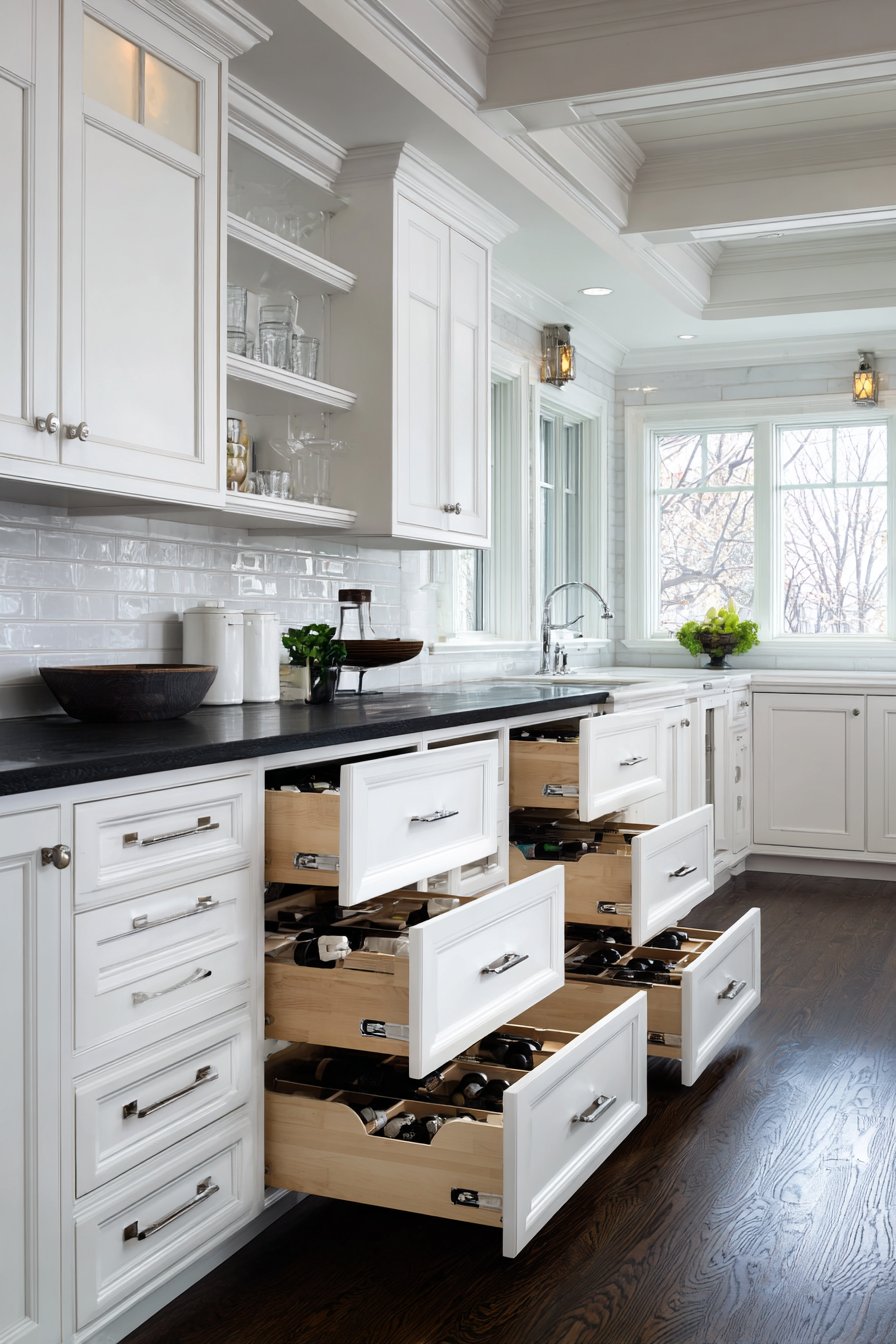
Market data confirms that shaker cabinets deliver 8-10% higher returns compared to ornate or ultra-modern alternatives. Their neutral profile complements both traditional and contemporary design schemes, reducing the risk of alienating potential buyers with polarizing choices.
- Choose painted white or soft gray finishes for maximum appeal
- Select solid wood construction over particleboard for perceived value
- Ensure hardware mounting is standardized for easy updating
- Maintain consistent door and drawer sizing throughout
- Avoid distressed or antiqued finishes that narrow buyer demographics
- Invest in soft-close mechanisms as expected standard features
2. Transitional Flat-Panel Designs
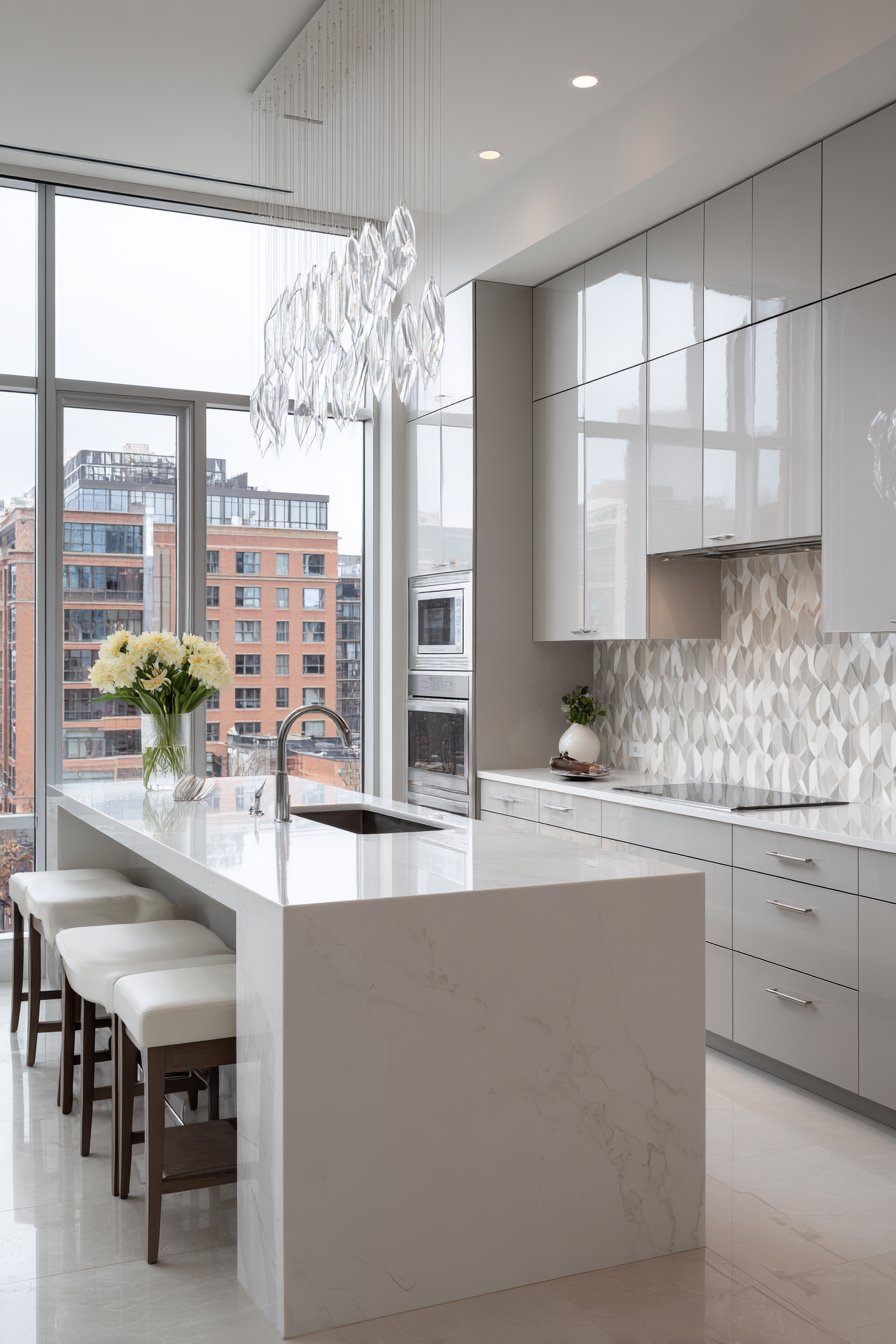
Flat-panel cabinets bridge traditional and contemporary aesthetics, offering modern simplicity without appearing cold or industrial. The slab door construction eliminates grooves and crevices, creating a streamlined appearance that appeals to buyers seeking low-maintenance solutions. This style particularly resonates with younger demographics who prioritize clean lines and functional efficiency.
The minimalist profile allows architectural features and countertop materials to become focal points rather than competing elements. Buyers appreciate how flat-panel cabinets make spaces feel larger and more open, addressing common concerns about cramped kitchens. This psychological impact translates directly into perceived value during property showings.
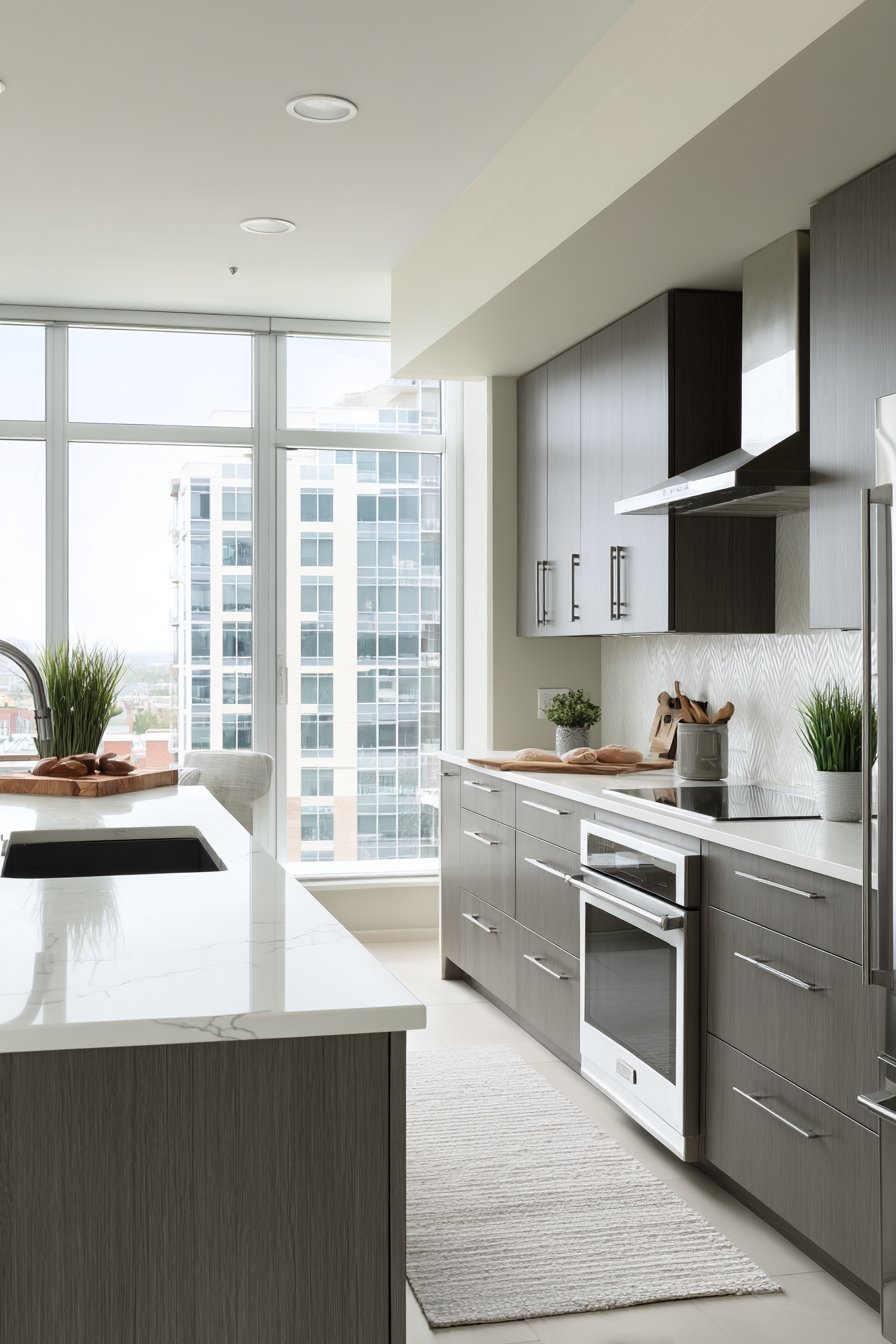
Professional appraisers recognize that contemporary design elements attract premium offers in urban and suburban markets. Flat-panel cabinets demonstrate updated thinking without the expense of complete structural renovations, offering significant return on investment.
- Select neutral colors like white, gray, or natural wood tones
- Pair with handleless push-to-open systems for seamless appearance
- Choose matte finishes over high-gloss for broader appeal
- Incorporate integrated appliances to enhance streamlined aesthetic
- Ensure consistent grain direction on wood veneer options
- Avoid trendy colors that may become dated quickly
3. Classic White Cabinets Across Styles
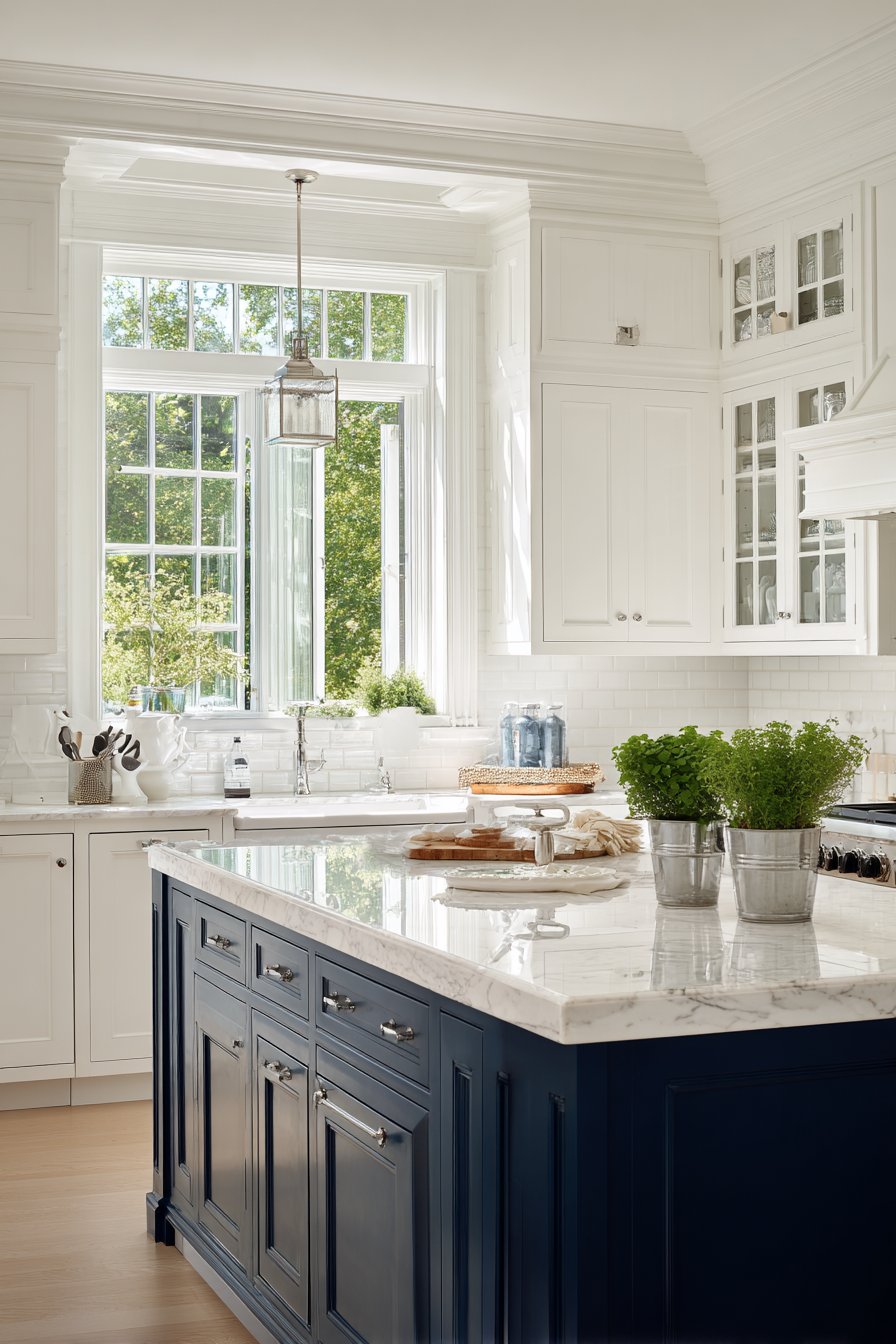
White cabinets consistently rank among the highest-value additions regardless of underlying style, returning approximately 80% of installation costs according to remodeling industry reports. The neutral palette creates a blank canvas that allows buyers to envision personal touches without undertaking immediate renovations. This psychological advantage significantly shortens time-on-market for listed properties.
The light-reflective properties of white cabinetry make kitchens appear larger and brighter, addressing two primary concerns for potential buyers. Natural and artificial light bounces throughout the space, creating an inviting atmosphere during showings. Real estate photographers particularly value white cabinets for their ability to enhance listing images.
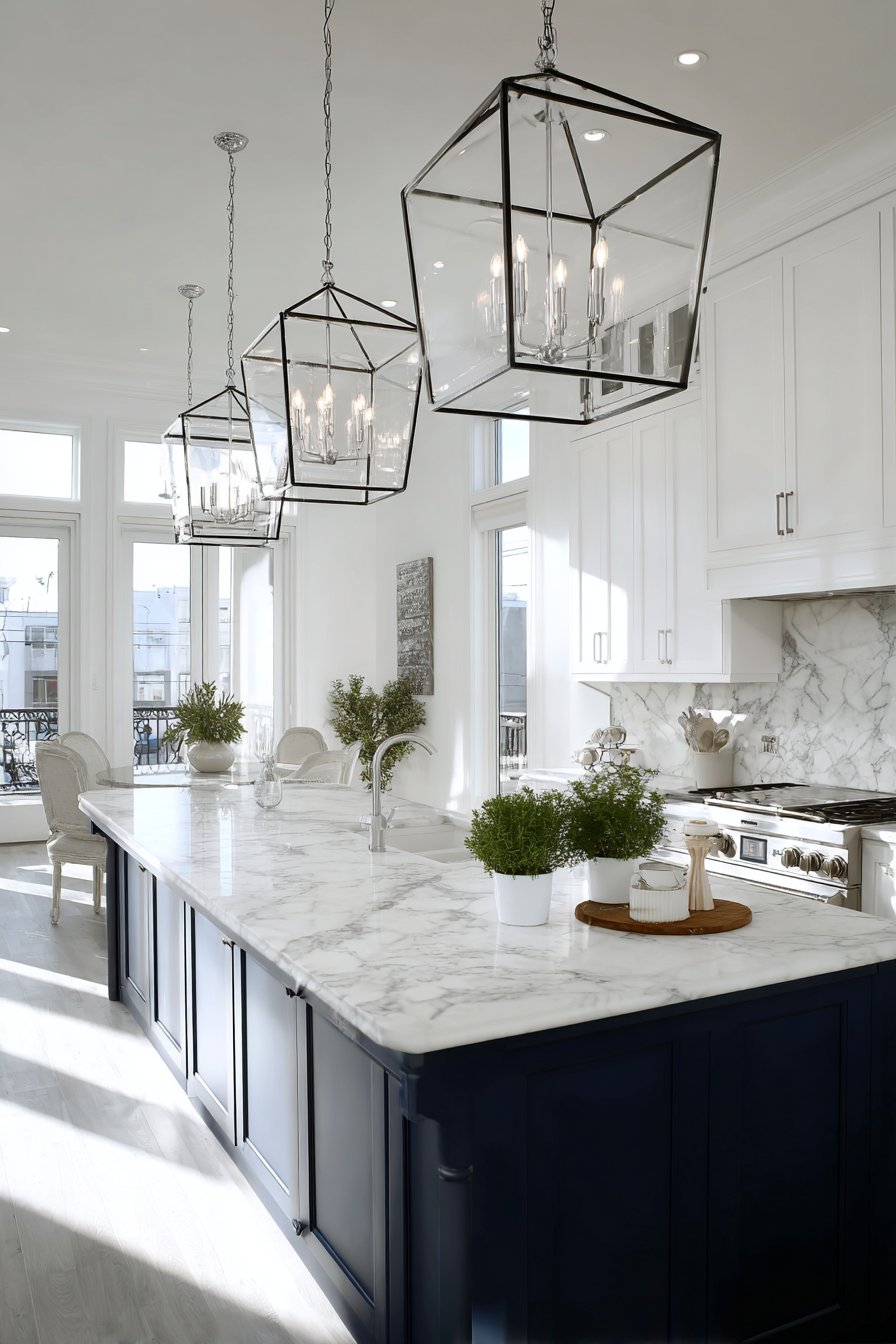
Market research demonstrates that painted white finishes outperform natural wood by substantial margins in resale scenarios. This preference spans demographic groups and geographic regions, making white cabinets one of the safest renovation investments available.
- Choose warm whites over stark clinical tones for versatility
- Select durable paint finishes that resist yellowing and chipping
- Pair with contrasting island colors for visual interest
- Invest in quality primer to prevent tannin bleed-through
- Consider soft-close hardware in brushed nickel or chrome
- Maintain consistent sheen levels across all cabinet surfaces
4. Medium-Tone Wood Finishes
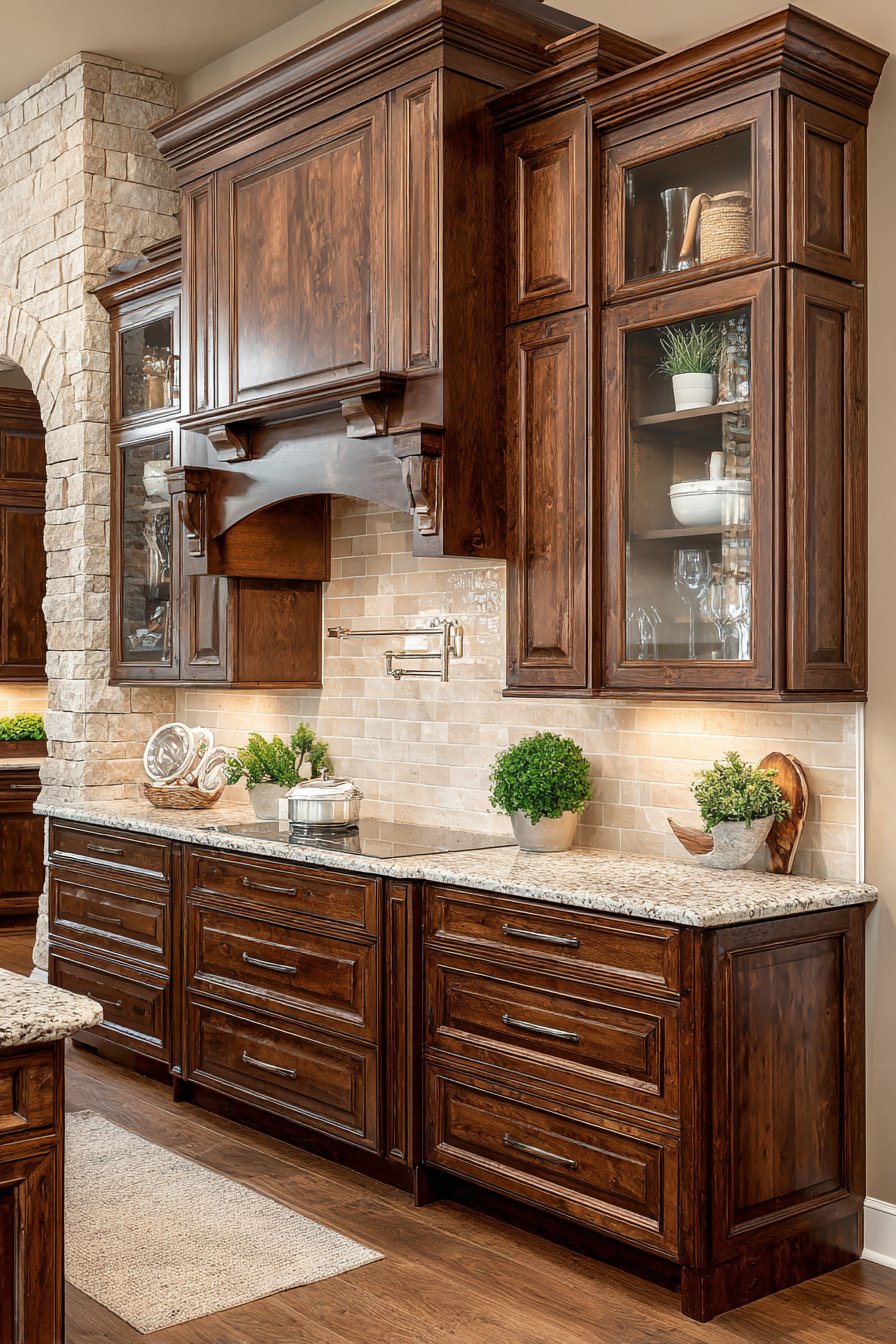
Natural wood cabinets in medium tones offer warmth and sophistication that appeals to buyers seeking character without maintenance concerns. Cherry, oak, and walnut finishes in medium ranges provide visual richness while maintaining neutral versatility. These options particularly resonate in traditional and craftsman-style homes where architectural cohesion adds value.
The organic variation in wood grain creates interest without overwhelming spaces with pattern or color. Buyers appreciate the authenticity of natural materials, perceiving them as premium upgrades worth higher offers. Medium tones avoid the darkness of espresso finishes while offering more character than pale woods.
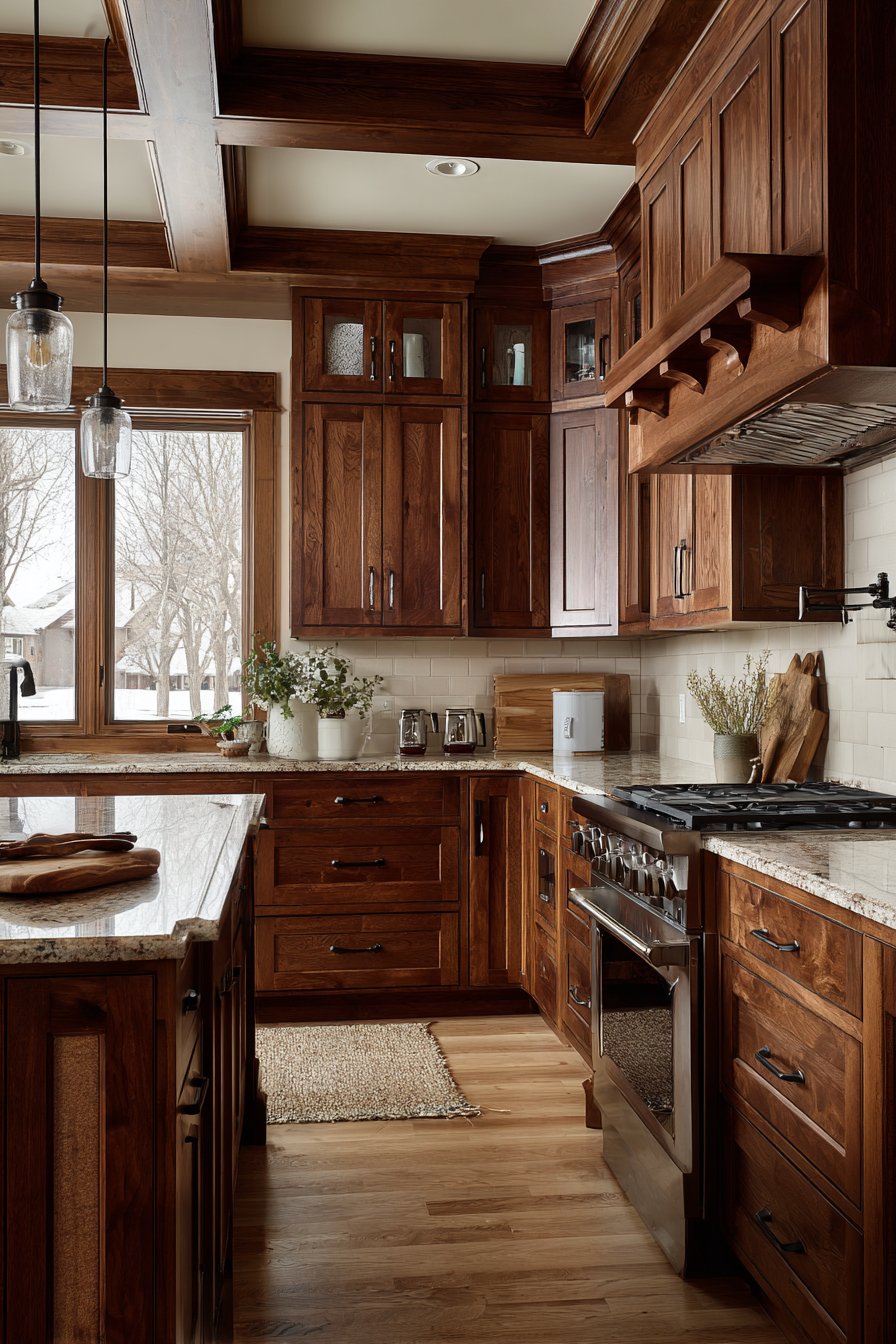
Professional stagers note that medium wood cabinets photograph exceptionally well and appeal to multiple generations simultaneously. This broad demographic reach translates to faster sales and stronger negotiating positions for sellers.
- Select consistent grain patterns throughout the kitchen
- Choose semi-transparent stains that showcase wood character
- Avoid highly figured woods that may appear busy
- Pair with neutral countertops and backsplashes
- Maintain proper finish protection to prevent water damage
- Consider mixing with painted uppers for contemporary twist
5. Glass-Front Upper Cabinet Accents
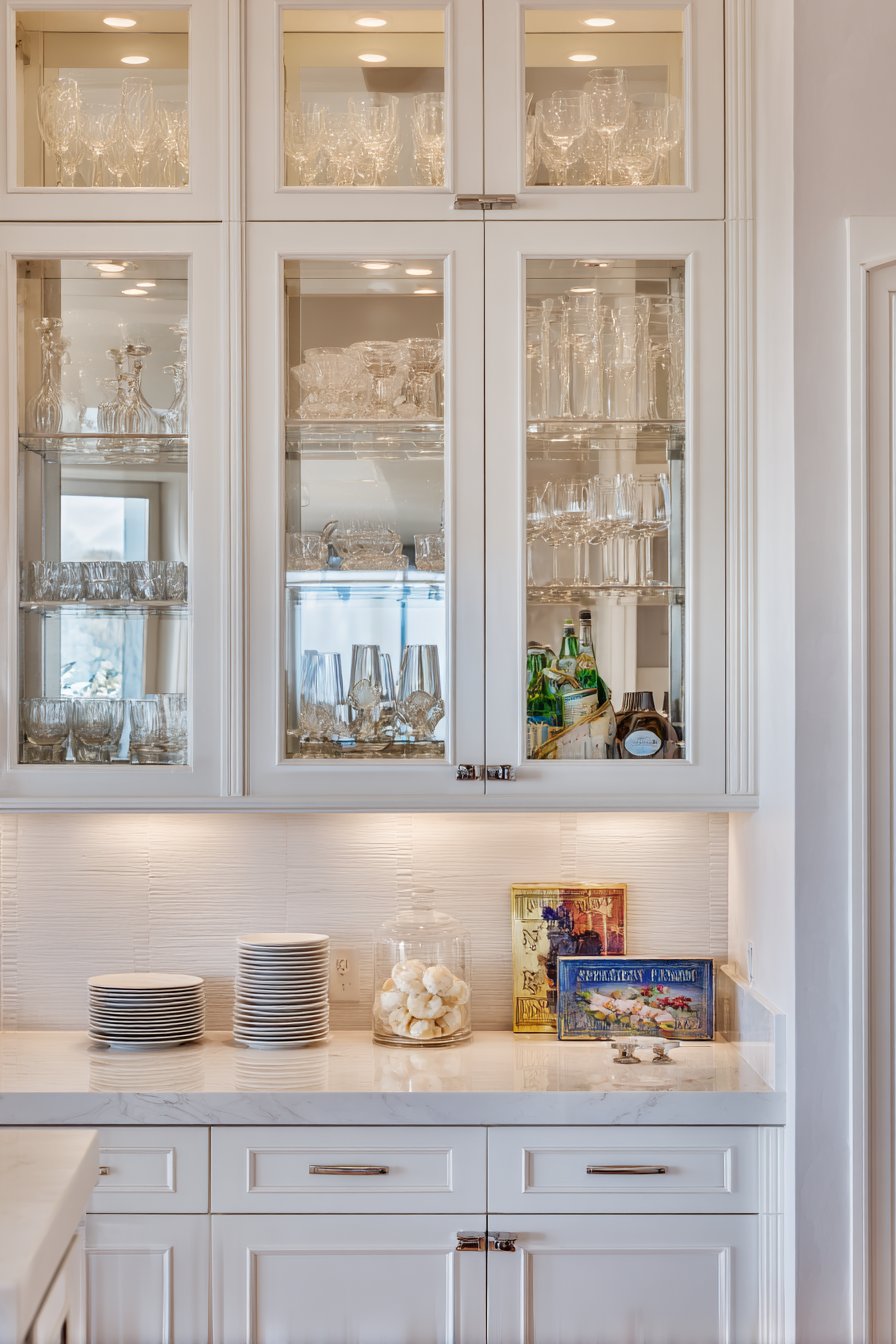
Strategic incorporation of glass-front cabinets adds perceived value by creating depth and visual interest without overwhelming spaces. These accent pieces suggest openness and confidence in kitchen organization, appealing to buyers who value display opportunities. Real estate professionals recommend limiting glass fronts to 20-30% of upper cabinetry for optimal impact.
The transparent elements break up solid cabinet walls, preventing the boxed-in feeling that concerns many buyers. This architectural detail adds character without requiring structural modifications, offering excellent return on investment. Seeded or frosted glass options provide concealment while maintaining light transmission.
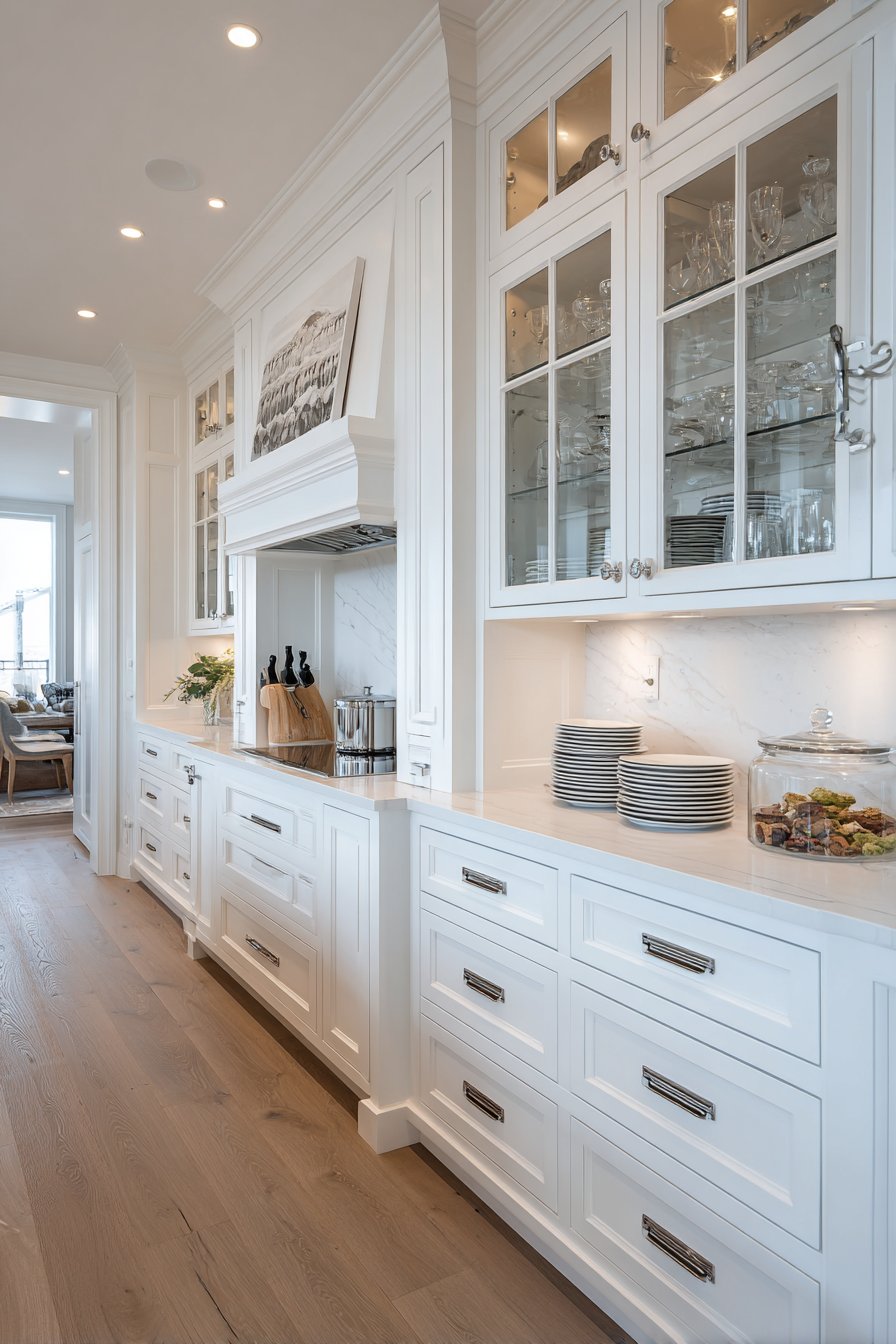
Market analysis shows that tasteful glass accents increase buyer engagement during showings by creating memorable focal points. These details photograph beautifully, enhancing online listings that drive property interest.
- Install glass fronts flanking range hoods or sinks
- Use interior cabinet lighting to showcase displays
- Choose simple mullion patterns over ornate designs
- Ensure glass is tempered for safety and value
- Keep displayed items minimal and styled
- Avoid colored glass that limits design flexibility
6. Two-Tone Cabinet Combinations
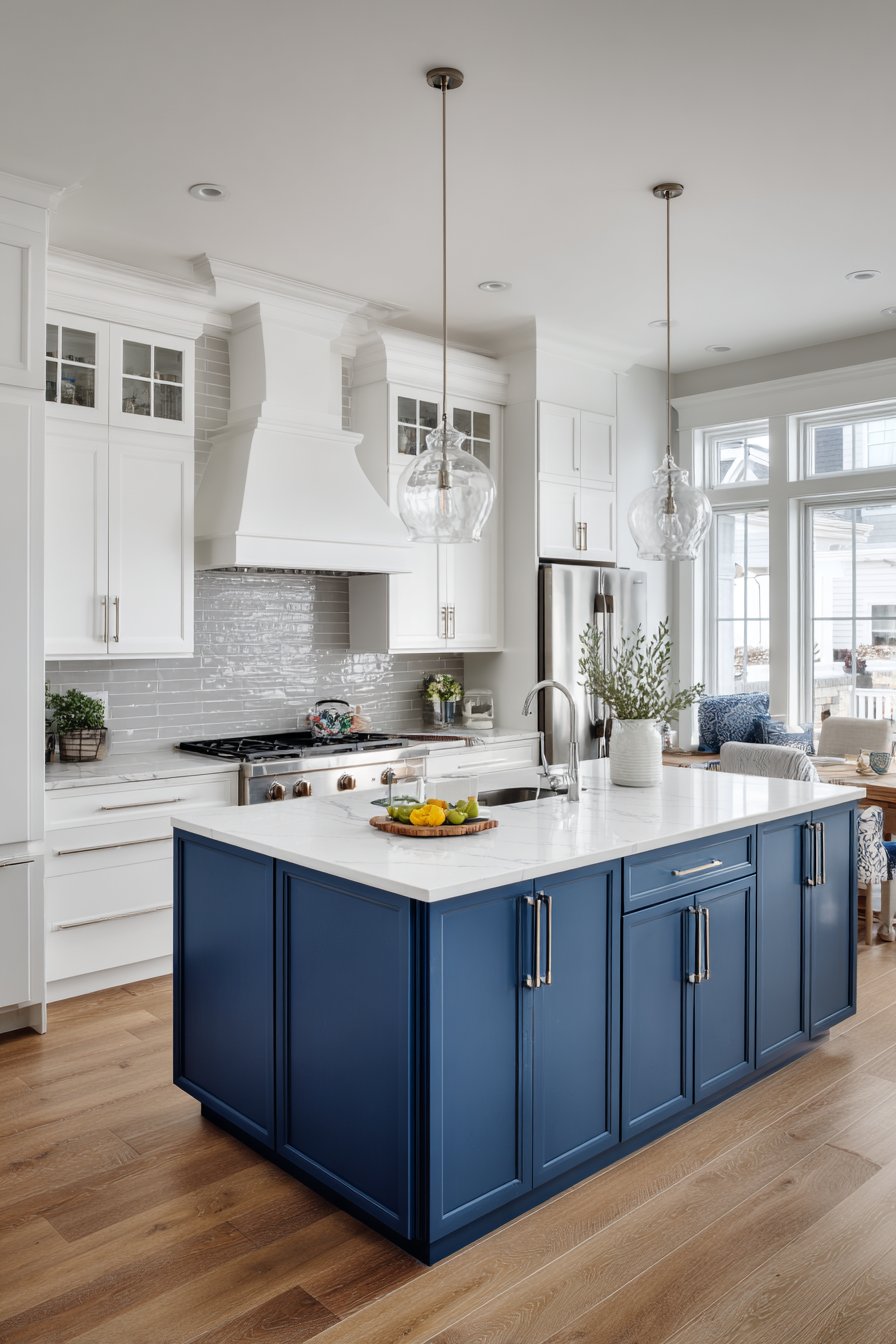
Thoughtfully executed two-tone designs demonstrate updated thinking while maintaining broad market appeal when done conservatively. Contrasting island and perimeter cabinets create visual hierarchy and architectural interest that buyers remember after viewing multiple properties. This strategy works particularly well in open floor plans where kitchen definition matters.
The strategic color division allows homeowners to incorporate bolder choices without overwhelming the entire space. Navy, charcoal, or natural wood islands paired with white or gray perimeter cabinets offer contemporary sophistication while maintaining resale safety. Real estate data indicates properly executed two-tone kitchens command 3-5% premiums.
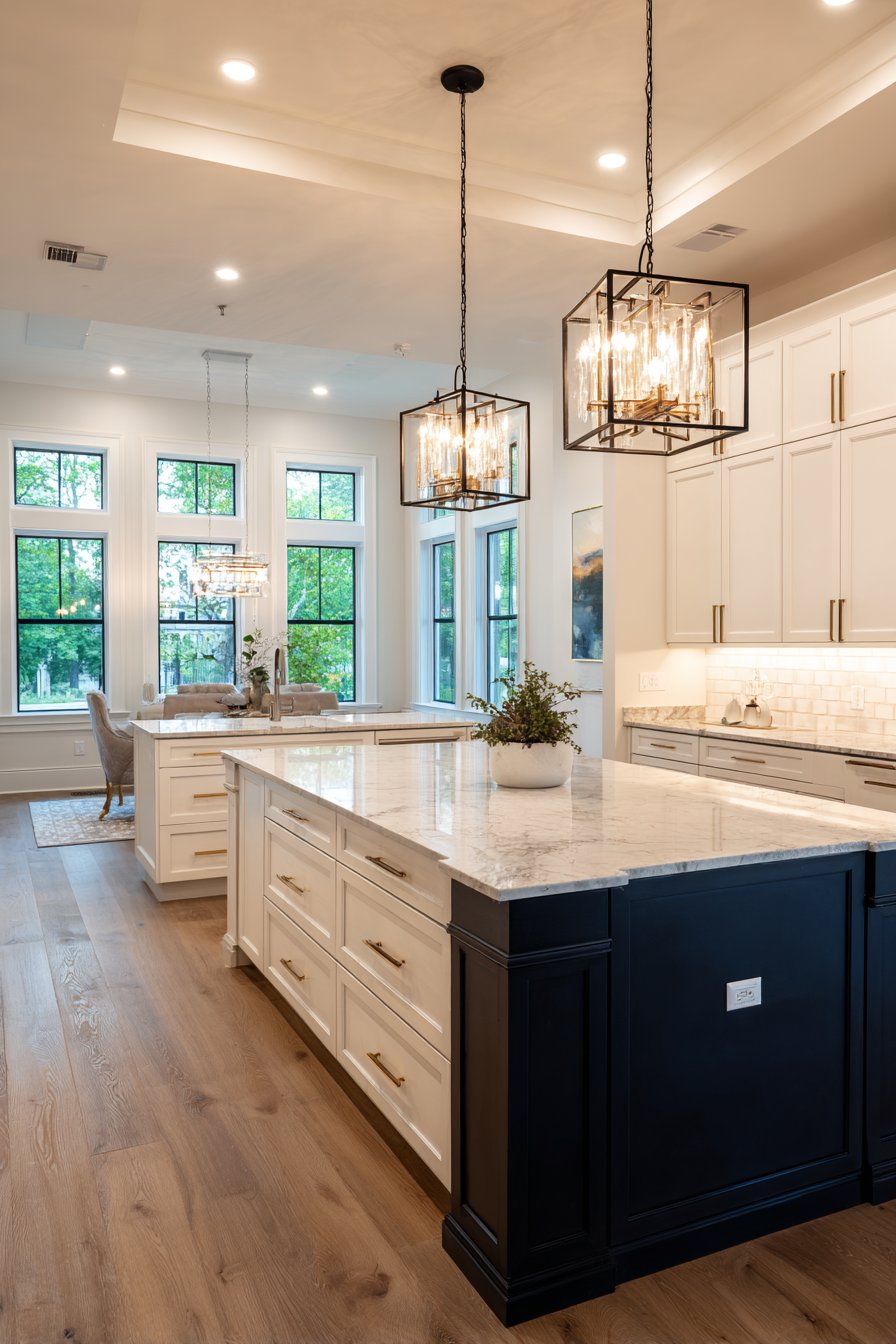
Professional designers emphasize that balanced proportions determine success in two-tone applications. The contrast should enhance rather than compete, creating cohesive design that appeals across buyer demographics.
- Limit to two colors maximum for cohesive appearance
- Choose darker tones for lower elements, lighter for uppers
- Ensure both colors coordinate with flooring and countertops
- Maintain consistent hardware finish throughout
- Avoid trendy color combinations that date quickly
- Consider classic pairings like white and navy
Conclusion
Cabinet style selection represents one of the most impactful decisions in kitchen renovation, directly influencing both daily enjoyment and eventual resale value. Shaker designs continue leading the market for their timeless versatility, while transitional flat-panel options appeal to contemporary sensibilities. White finishes across any style consistently deliver strong returns, with medium-tone wood providing warmth for traditional aesthetics.
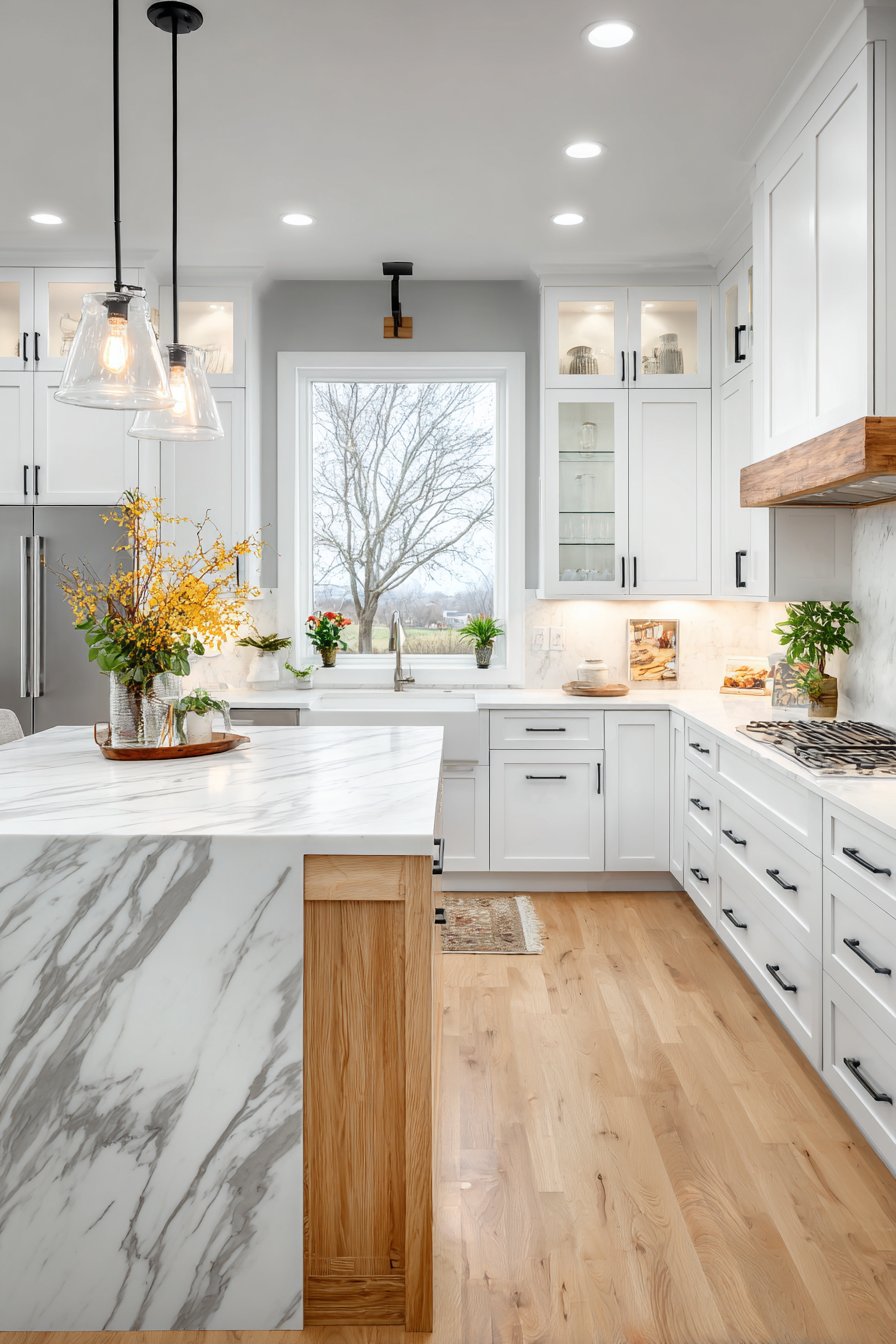
Strategic accents like glass-front uppers and thoughtful two-tone combinations add personality without sacrificing broad market appeal. Focus on quality construction, neutral finishes, and classic proportions that transcend temporary trends. These proven approaches maximize your investment while creating beautiful, functional spaces you’ll enjoy until it’s time to sell. Remember that the best cabinet style balances personal preference with market wisdom, ensuring your kitchen renovation serves both present satisfaction and future financial goals.
"As an Amazon Associate, I earn from qualifying purchases."
