
The allure of an open kitchen design has captivated homeowners and interior designers alike for decades. This architectural trend removes traditional barriers between cooking and living spaces, creating a seamless flow that encourages social interaction and modern living. Before you knock down walls and commit to this transformative renovation, understanding the multifaceted implications becomes essential for making an informed decision that aligns with your lifestyle.
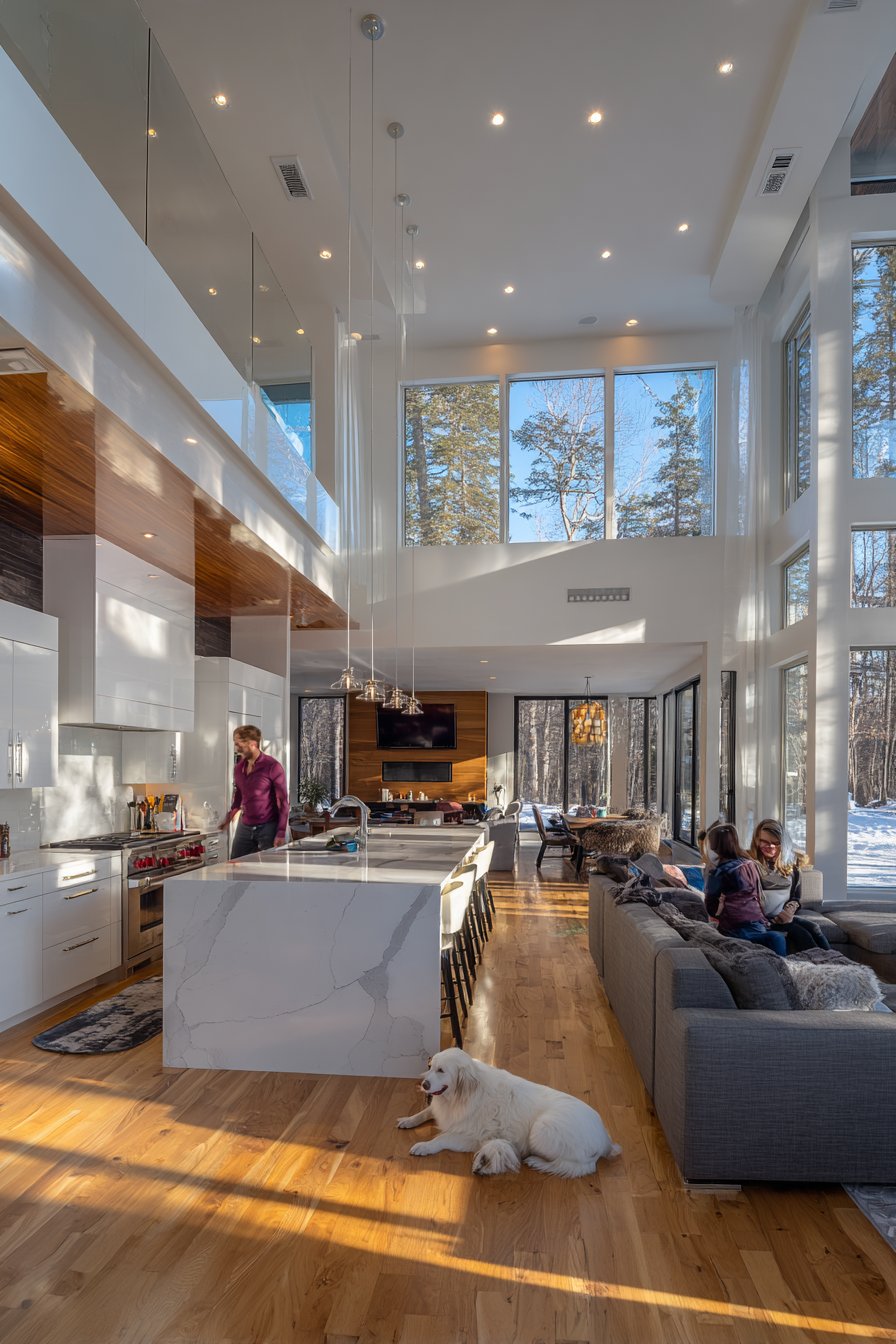
Open kitchens represent more than just a design choice—they embody a philosophy of contemporary living that prioritizes connection over separation. The concept resonates particularly well with families who value togetherness, entertainers who love hosting gatherings, and individuals seeking to maximize spatial perception in smaller homes. However, this design approach isn’t universally suitable for every household or architectural layout.
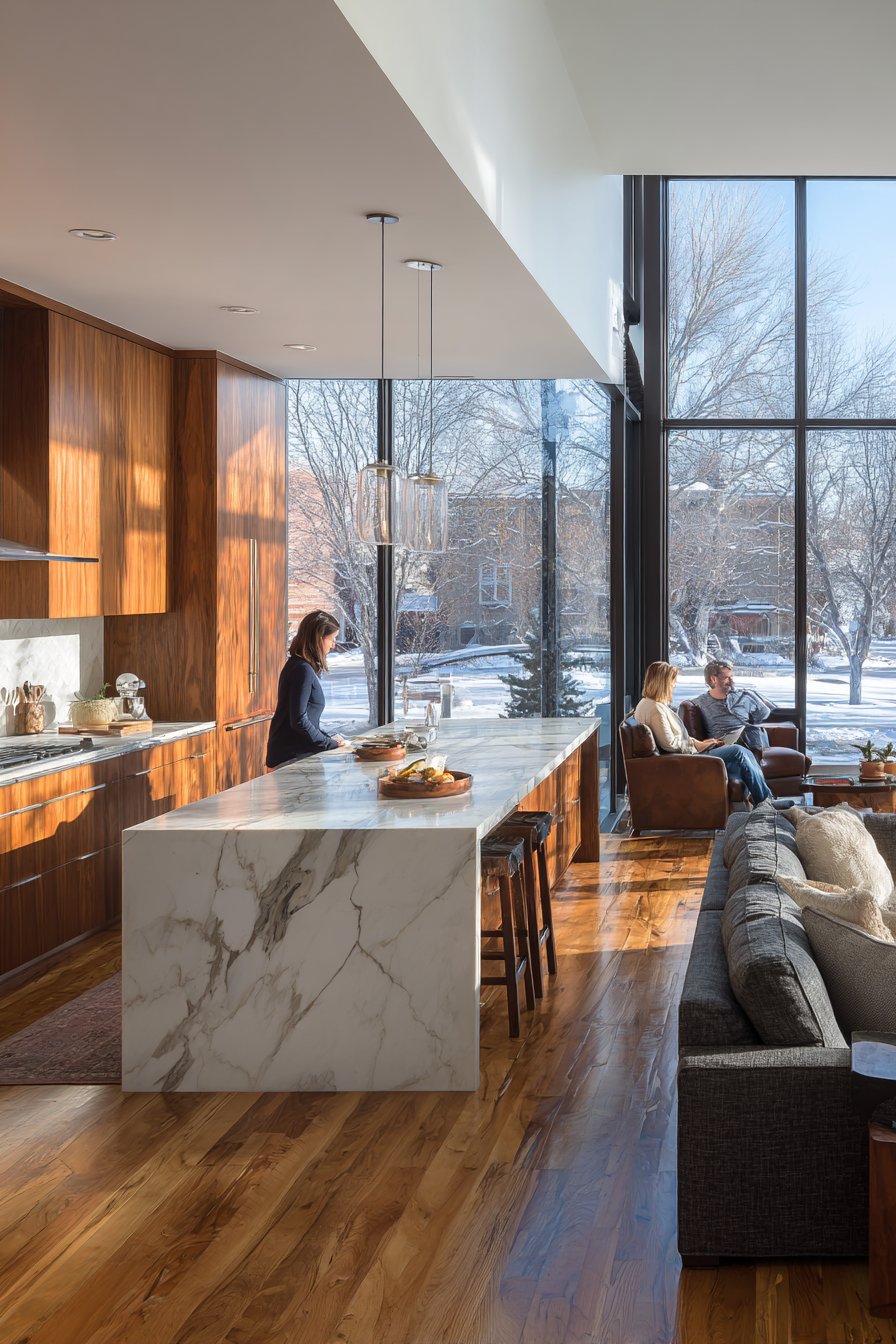
Throughout this comprehensive guide, we’ll explore the critical factors that demand careful consideration before embarking on your open kitchen journey. From practical concerns like ventilation and acoustics to aesthetic elements such as cohesive design and material selection, each aspect plays a vital role in determining whether this renovation will enhance or complicate your daily life. Understanding these considerations ensures your investment yields a functional, beautiful space that truly serves your needs.
1. Assessing Your Cooking Habits and Lifestyle
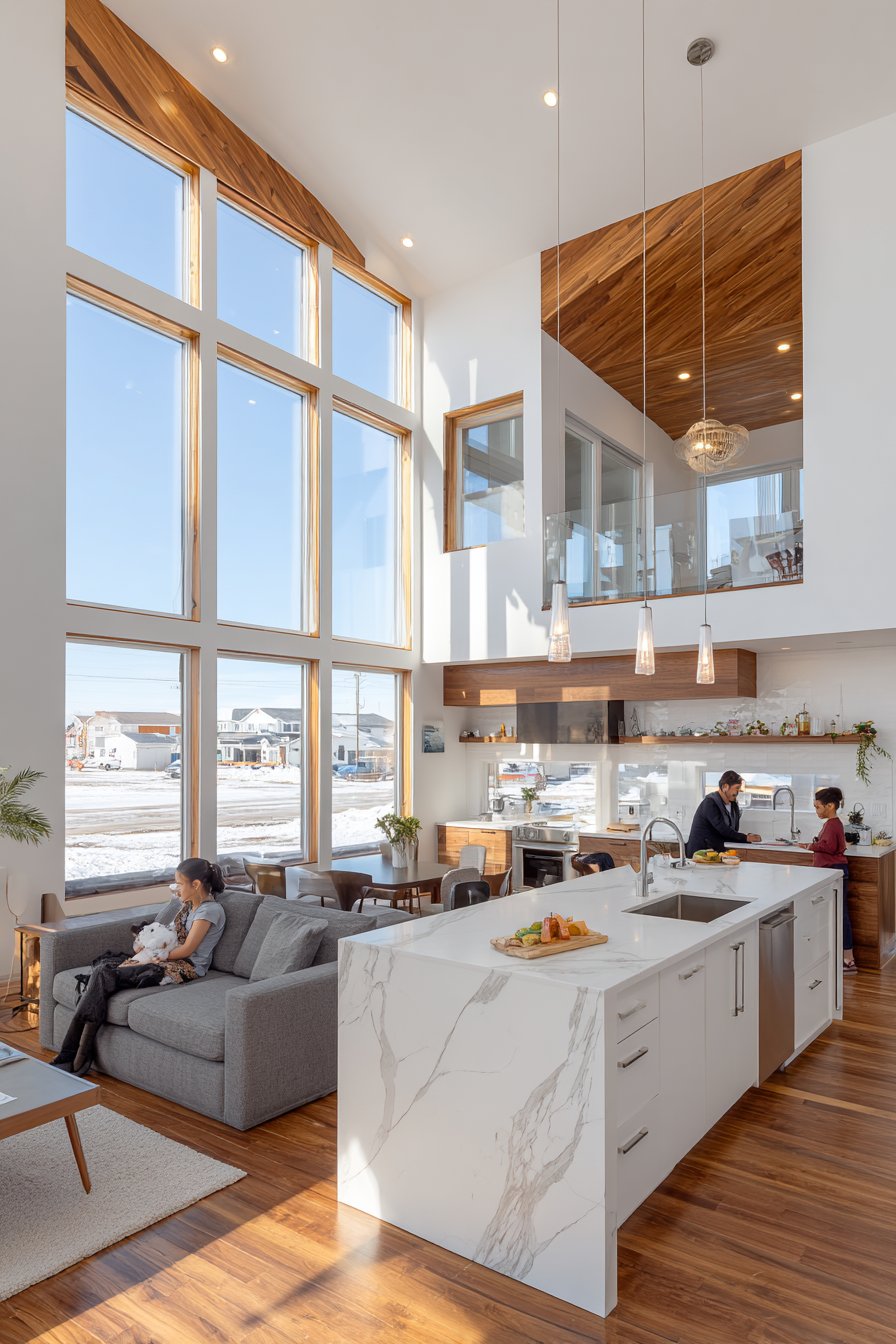
Your daily cooking patterns and lifestyle preferences serve as the foundation for determining whether an open kitchen suits your household. Frequent cooks who prepare elaborate meals with strong aromas, heavy frying, or extensive preparation might find the lack of barriers problematic. The reality is that cooking odors travel freely in open layouts, potentially permeating furniture, fabrics, and living areas.
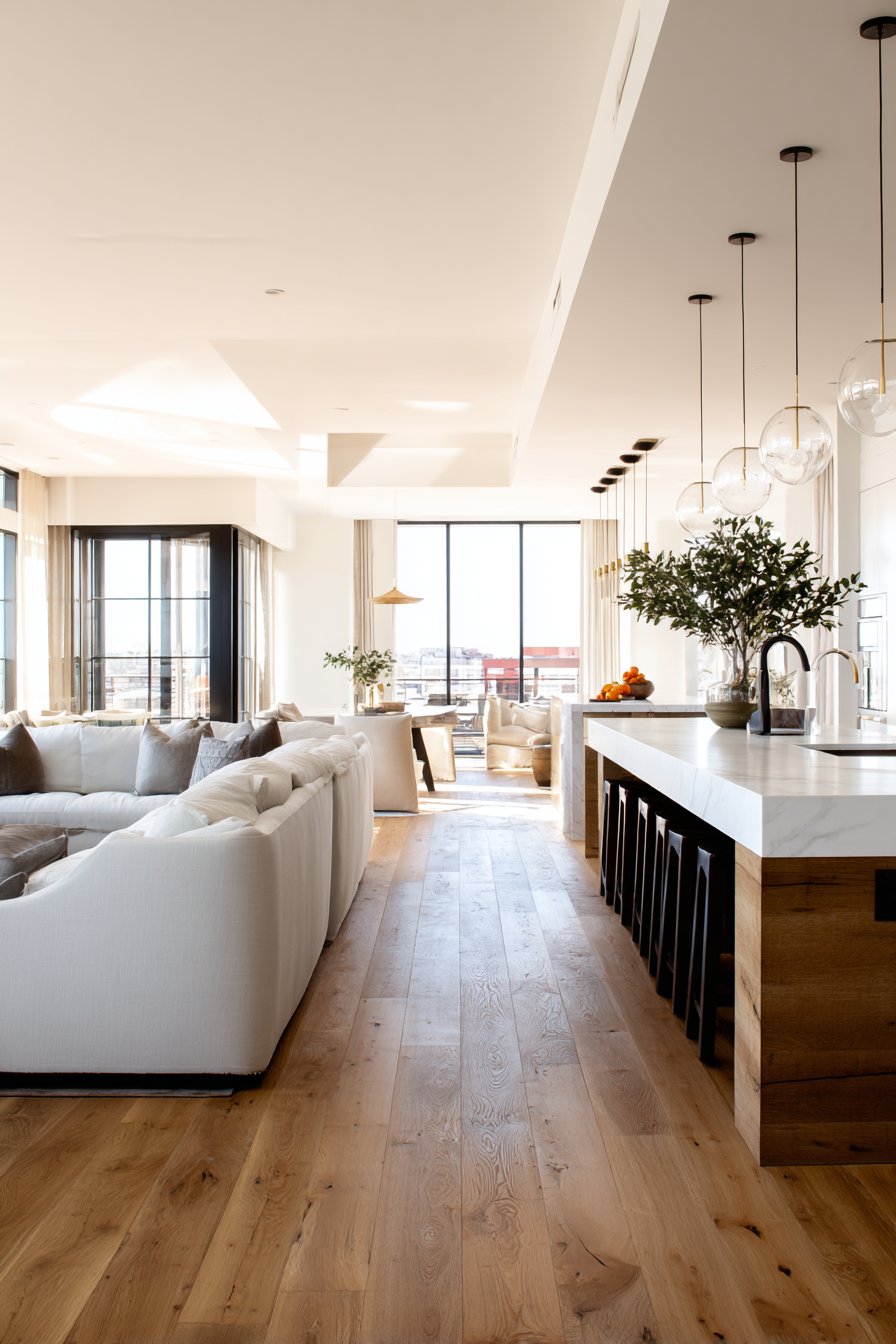
Consider how you typically use your kitchen throughout the day and evening. Families with young children benefit from visual supervision while preparing meals, allowing parents to monitor activities in adjacent living spaces. Conversely, those who prefer keeping kitchen messes hidden during dinner parties or value a separate, private cooking zone might feel exposed in an open arrangement. Your entertaining style also matters—casual hosts who enjoy cooking alongside guests thrive in open kitchens, while formal entertainers may prefer traditional separation.
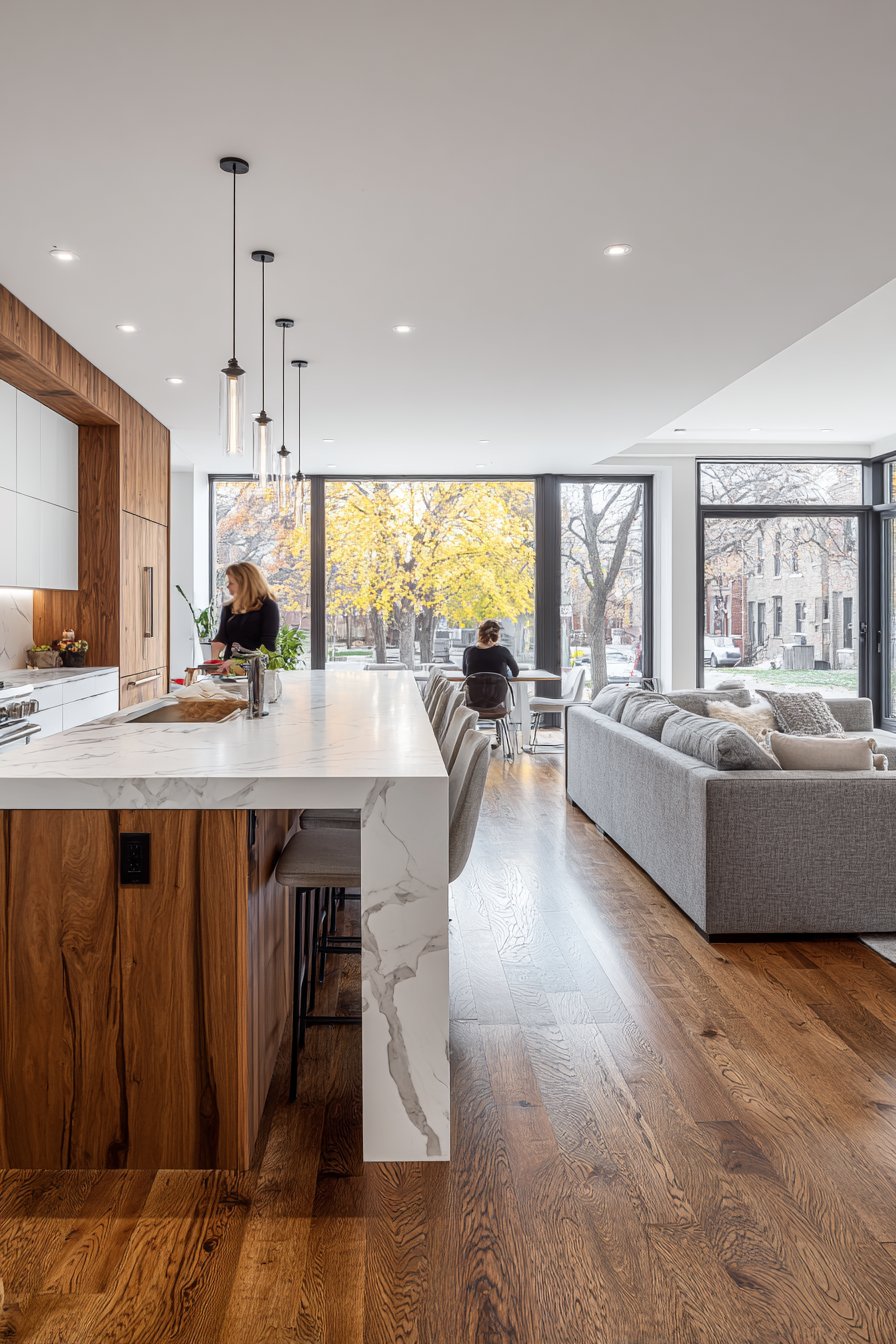
The noise level generated during meal preparation deserves honest evaluation. Blenders, food processors, dishwashers, and general cooking activities create significant sound that travels unrestricted in open spaces. If household members work from home, study, or enjoy quiet evenings, this acoustic reality becomes increasingly important.
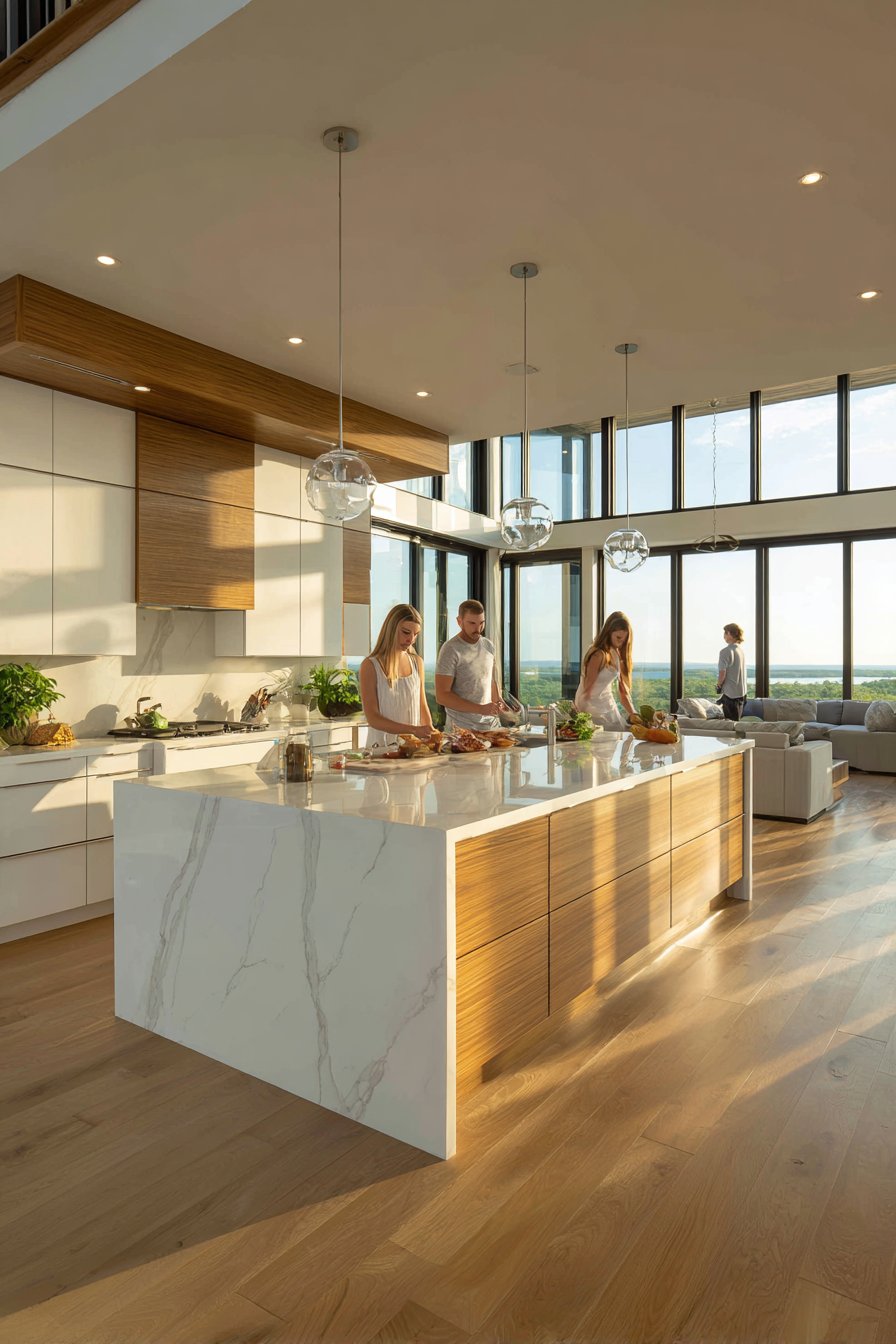
- Evaluate how often you cook meals that produce strong odors or smoke
- Consider whether you prefer kitchen messes visible or hidden from guests
- Assess family supervision needs and desire for togetherness during meal prep
- Determine your tolerance for kitchen noise in living and relaxation areas
- Reflect on your entertaining style and guest interaction preferences
- Analyze whether multiple family members need simultaneous space usage
2. Structural and Architectural Feasibility
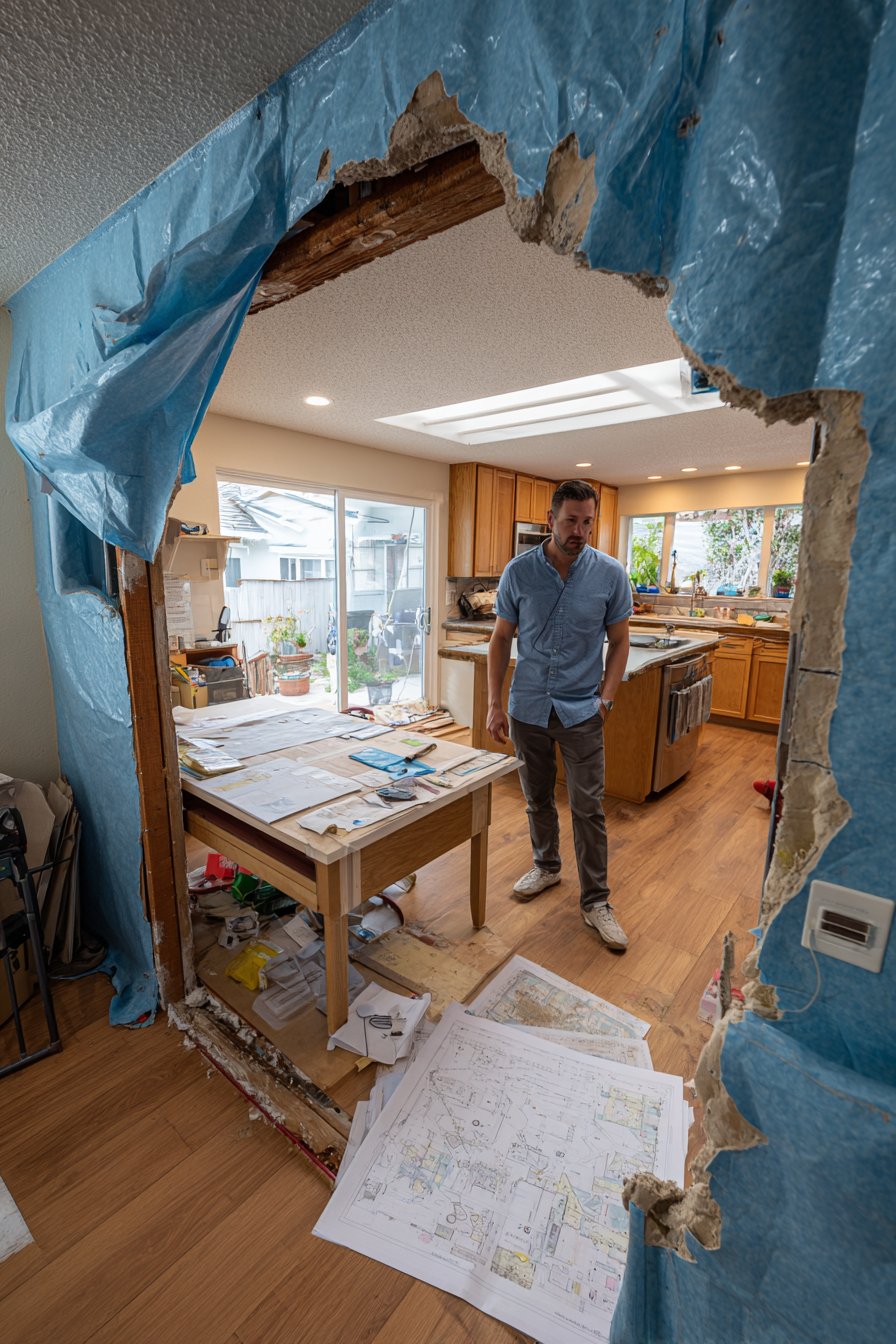
The structural integrity of your home determines whether creating an open kitchen is physically possible without compromising safety. Load-bearing walls cannot simply be removed without proper engineering assessment and reinforcement. Consulting with a qualified structural engineer before planning becomes mandatory, as they’ll identify which walls support your home’s weight and what modifications are permissible.

Architectural constraints extend beyond structural concerns to include existing infrastructure placement. Plumbing lines, electrical panels, HVAC ducts, and gas connections often run through walls you’re considering removing. Relocating these systems adds substantial cost and complexity to your project. Understanding the financial implications of rerouting essential services helps you budget accurately and avoid mid-project surprises.

Building codes and permit requirements vary significantly by location and project scope. Your municipality likely requires detailed plans and inspections for wall removal, even in non-load-bearing situations. Working with licensed contractors who understand local regulations ensures compliance and prevents costly corrections or legal issues down the line.
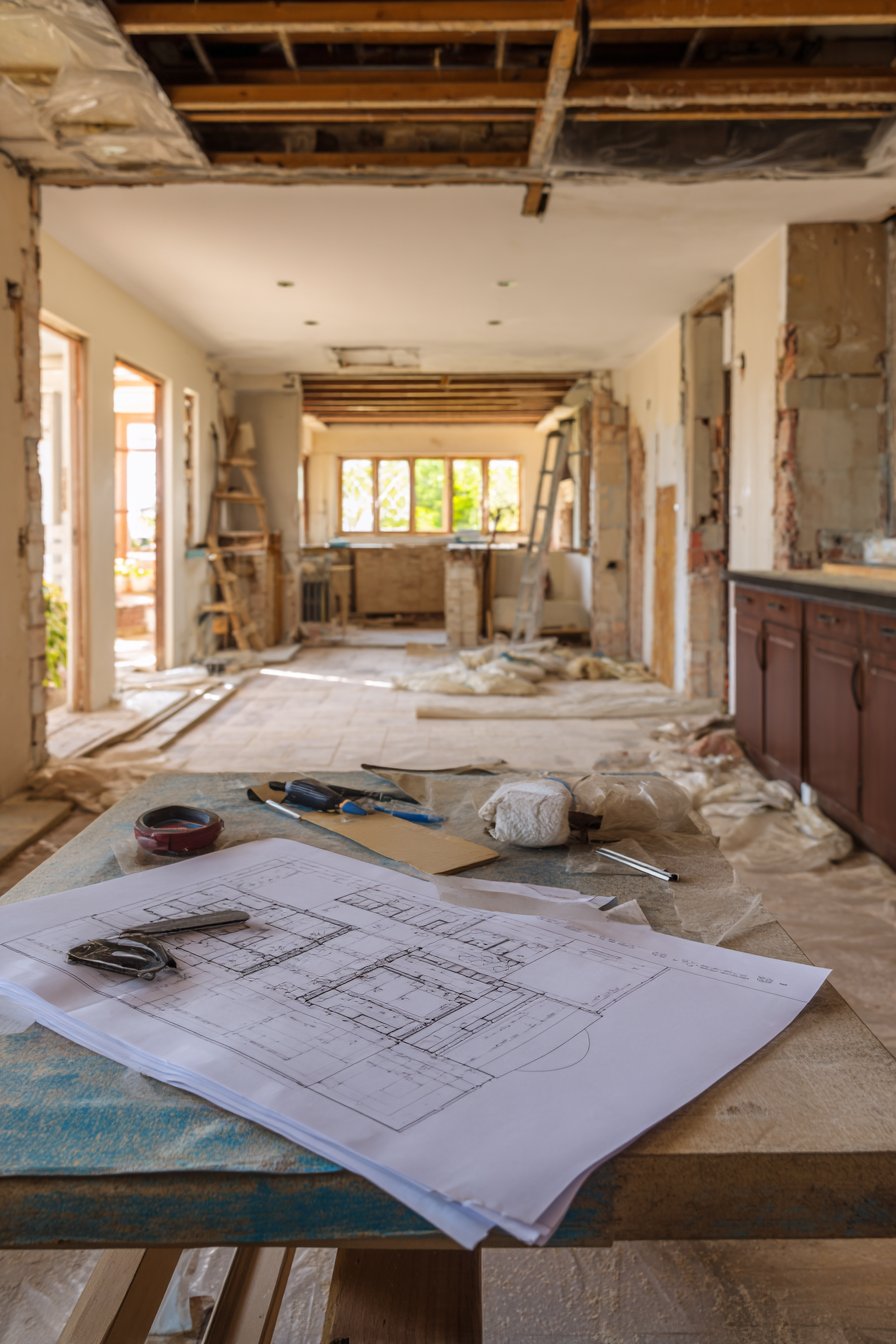
- Hire a structural engineer to assess load-bearing walls before planning
- Investigate the location of plumbing, electrical, and HVAC systems
- Research local building codes and permit requirements for your area
- Budget for potential infrastructure relocation and reinforcement costs
- Plan for temporary kitchen arrangements during extended renovation periods
- Factor in inspection timelines and potential project delays
3. Ventilation and Air Quality Management
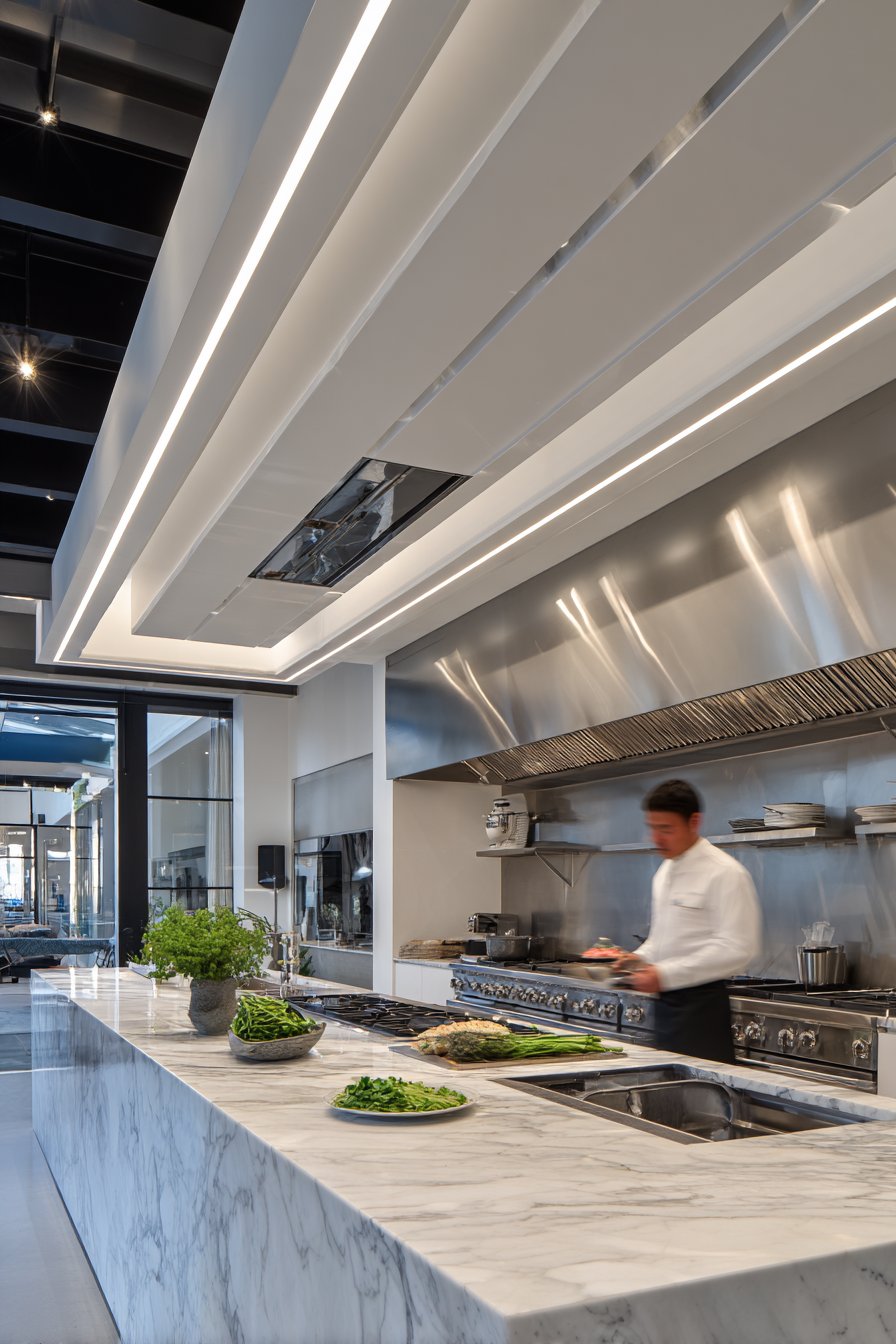
Adequate ventilation becomes exponentially more critical in open kitchen layouts where cooking emissions flow directly into living spaces. Standard range hoods designed for enclosed kitchens often prove insufficient for open plans. Investing in a high-capacity ventilation system rated at appropriate CFM (cubic feet per minute) for your space size prevents grease buildup, eliminates odors, and maintains healthy air quality.
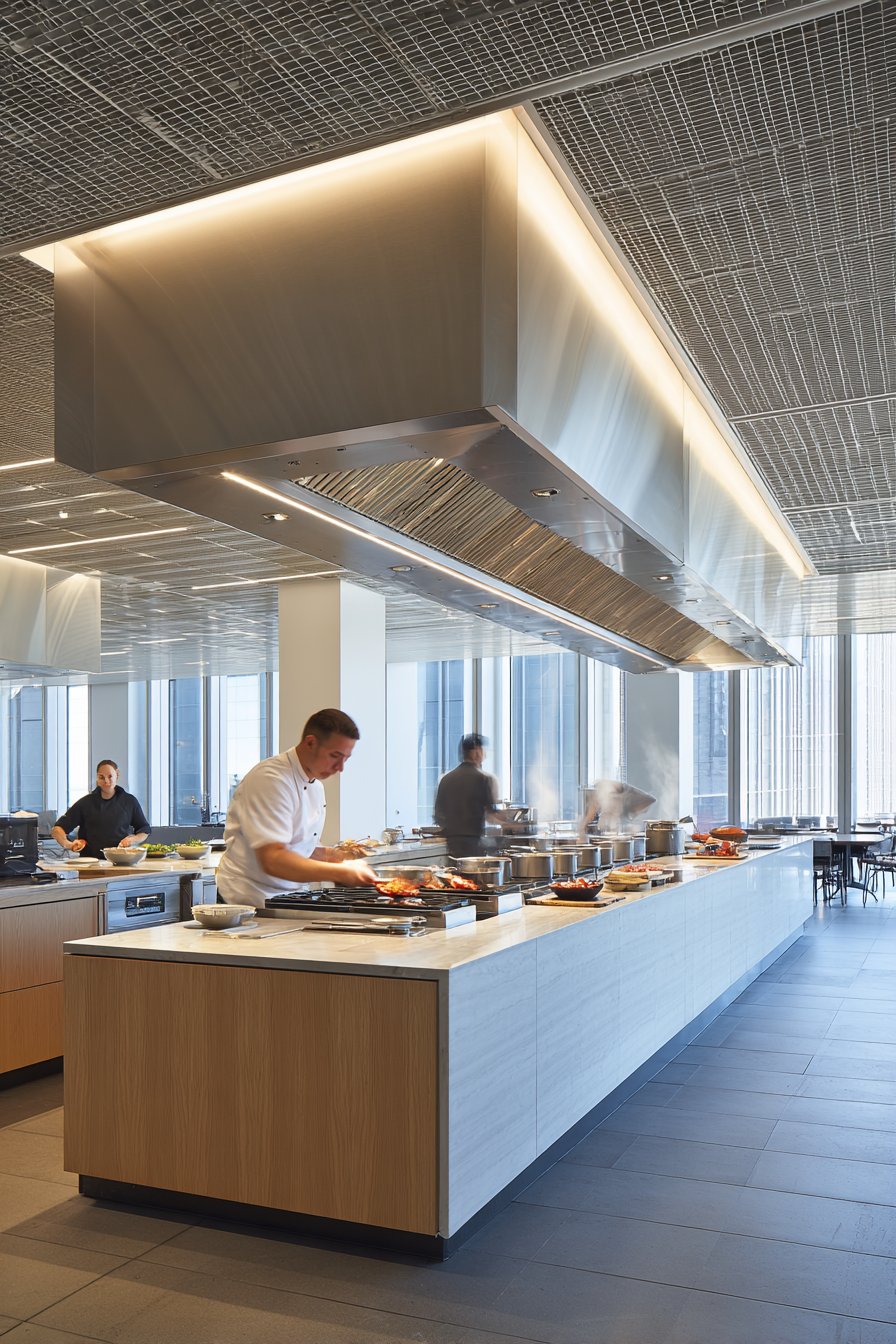
The type of ventilation system significantly impacts effectiveness. Ducted range hoods that exhaust directly outdoors perform superior to recirculating models that filter and return air. Consider downdraft ventilation for island cooktops or ceiling-mounted hoods that make powerful design statements while providing excellent performance. Proper ductwork installation with minimal bends and appropriate diameter ensures optimal airflow.
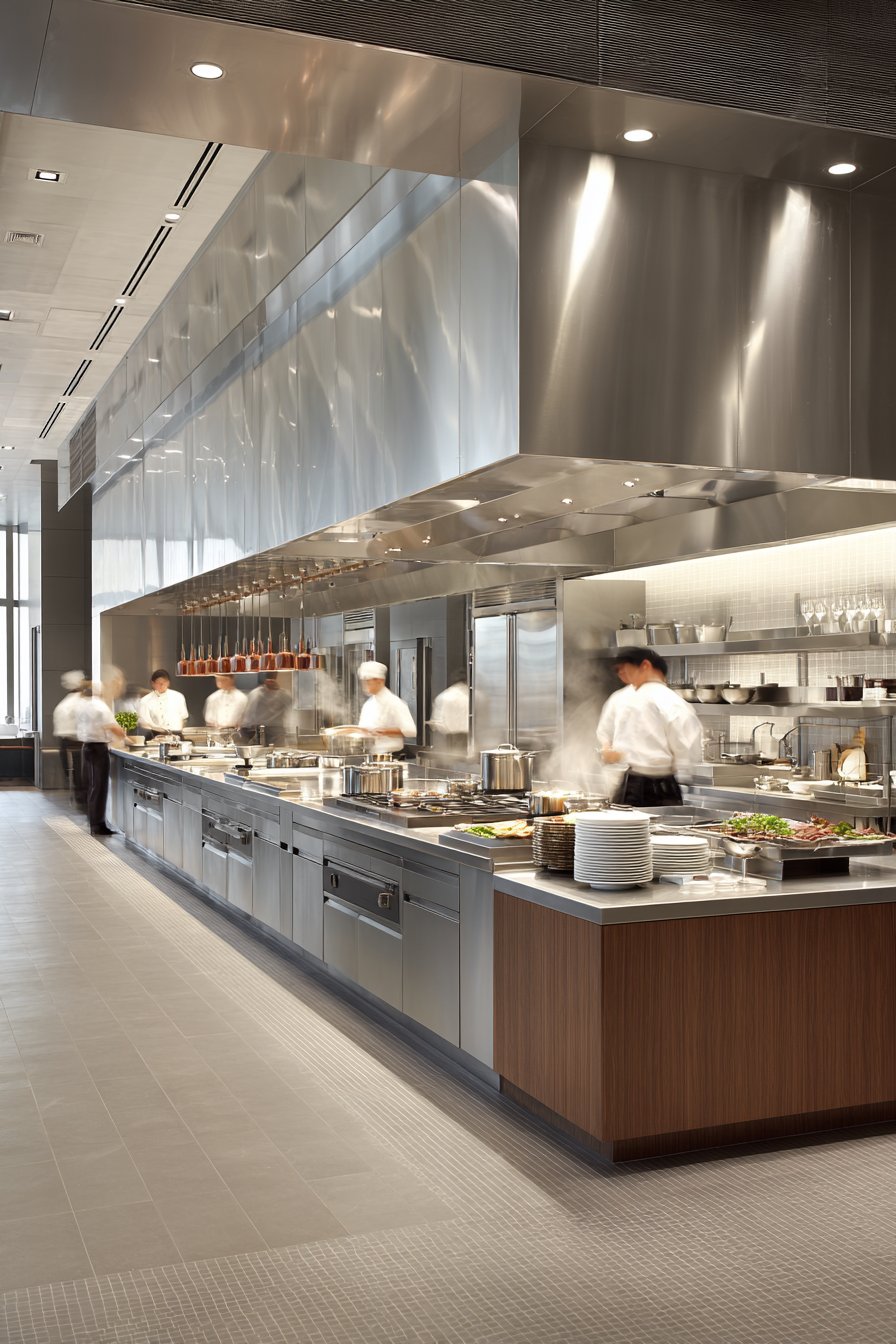
Beyond range hoods, overall HVAC considerations affect comfort in open spaces. Your existing heating and cooling system may struggle to maintain consistent temperatures across the expanded area. The kitchen generates heat during cooking, creating temperature variations that impact energy efficiency and comfort levels. Consulting with an HVAC specialist helps determine whether system upgrades are necessary.

- Install a high-CFM range hood rated for open-space requirements
- Choose ducted ventilation systems over recirculating models when possible
- Consider downdraft or ceiling-mounted options for island configurations
- Evaluate existing HVAC capacity for heating and cooling expanded spaces
- Add supplemental ventilation like ceiling fans for improved air circulation
- Plan for regular maintenance of ventilation filters and ductwork
4. Acoustic Considerations and Sound Control
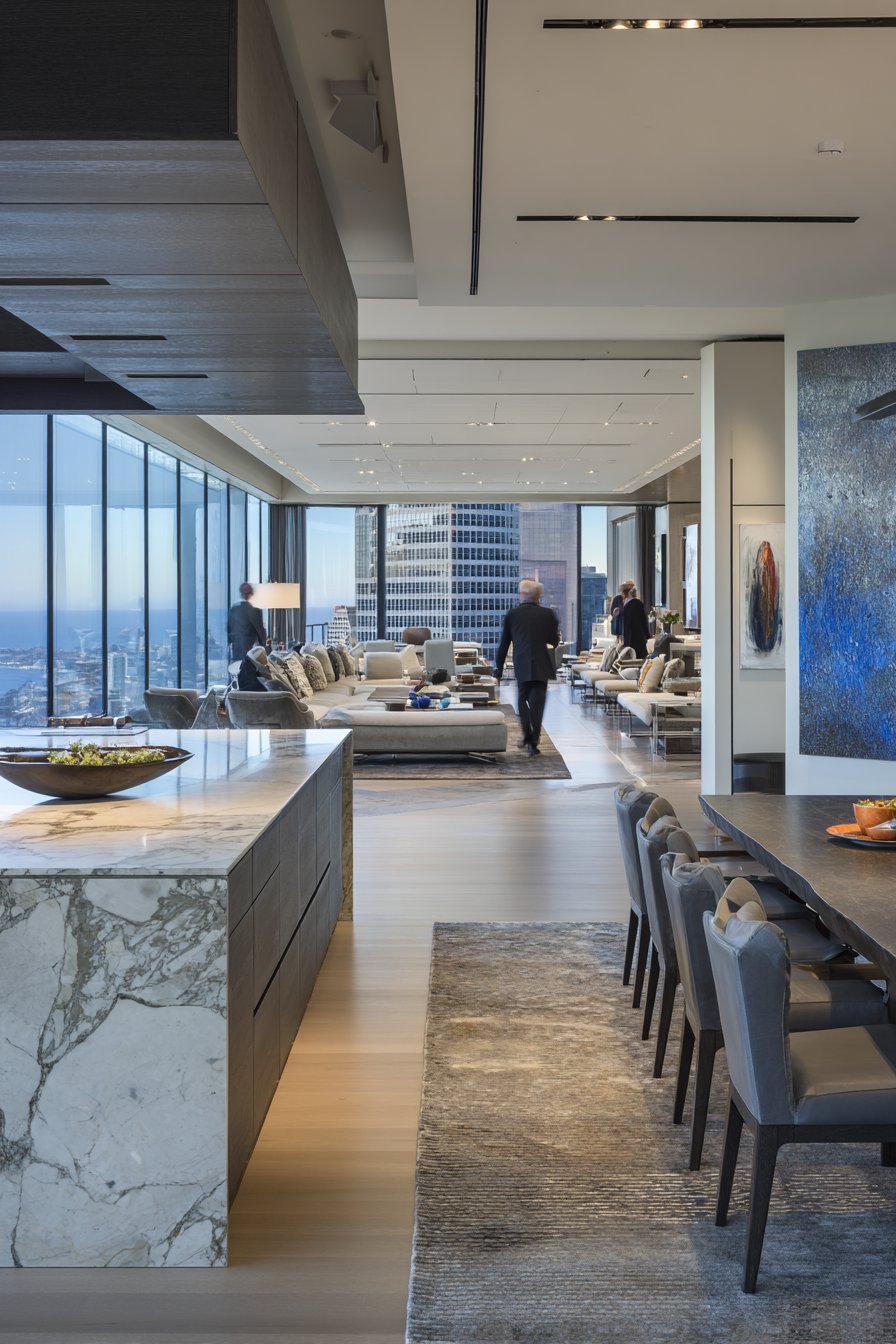
Sound management presents one of the most underestimated challenges in open kitchen designs. Hard surfaces typical in kitchens—tile, stone, stainless steel, glass—reflect sound waves rather than absorbing them. This creates acoustic amplification that makes normal kitchen activities seem disproportionately loud throughout connected living areas.
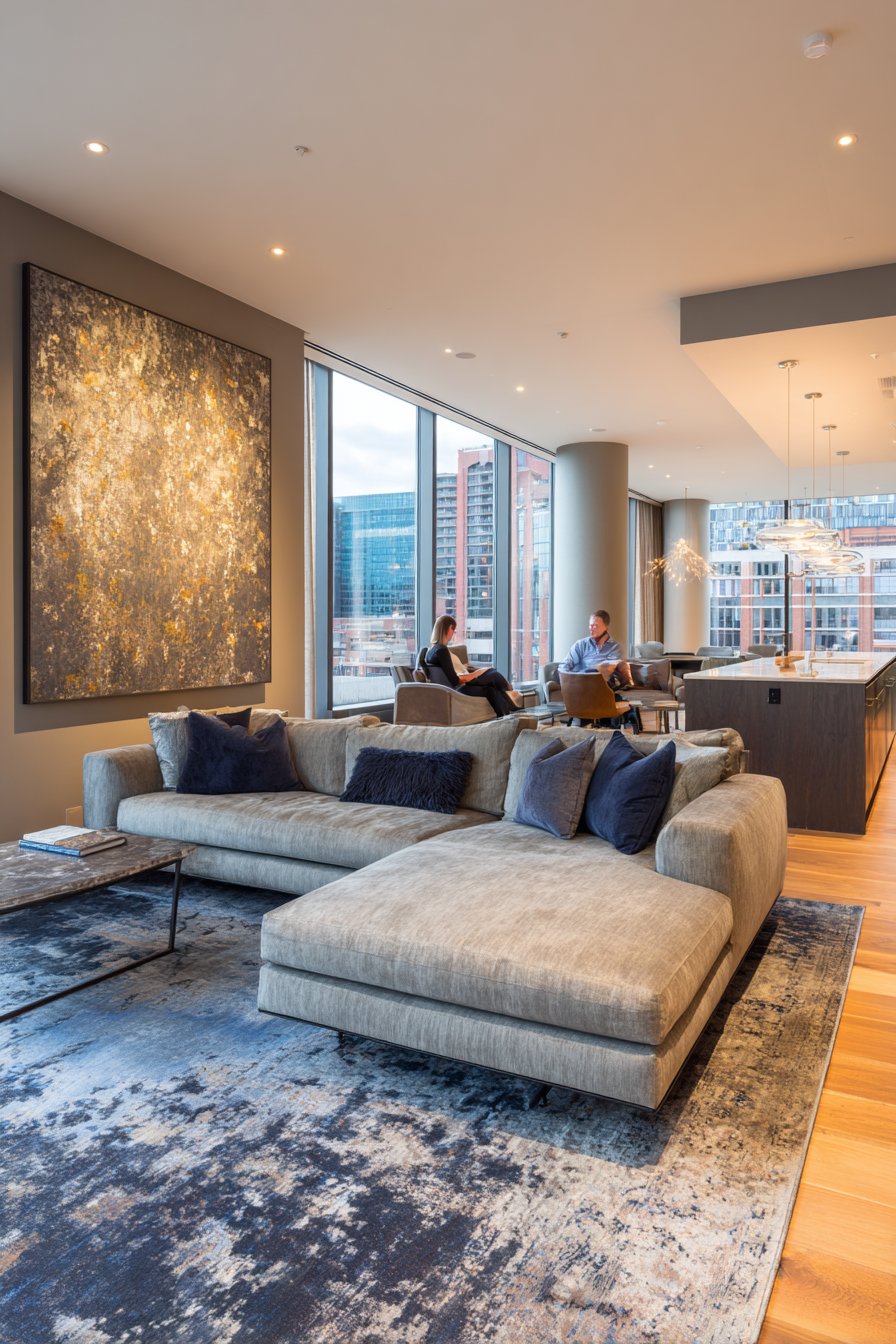
Implementing strategic sound-absorbing materials helps mitigate noise issues without sacrificing style. Area rugs, upholstered furniture, fabric window treatments, and acoustic panels disguised as artwork reduce echo and reverberation. Consider softer cabinet door closers and drawer glides that eliminate slamming sounds. Choosing quieter appliances with lower decibel ratings makes a substantial difference in daily noise levels.
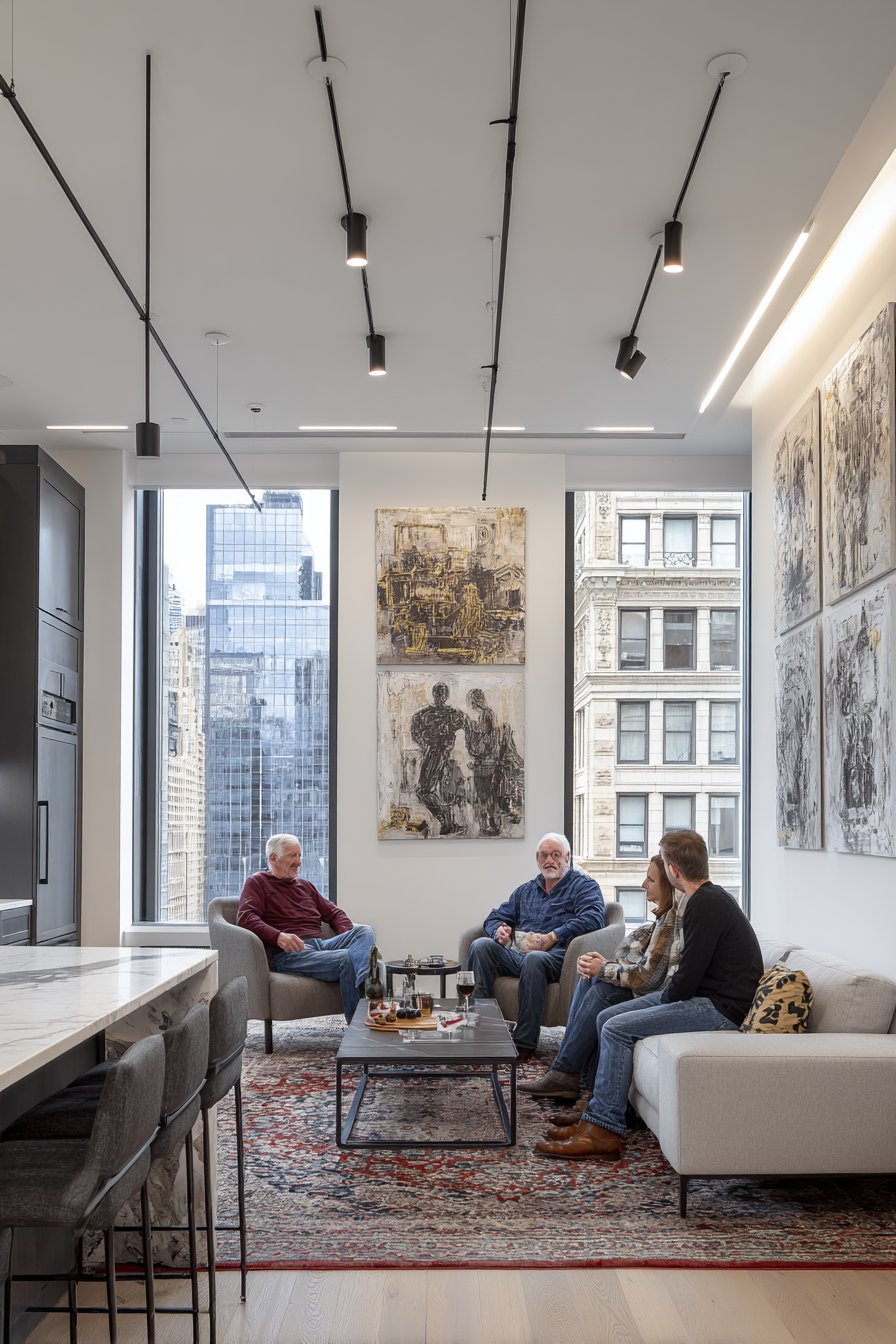
The open layout affects not just kitchen sounds but also television audio, conversations, and music. Finding the right volume balance becomes challenging when these activities occur simultaneously. Some families install zoned audio systems that allow independent volume control in different areas, maintaining harmony during cooking and entertainment activities.
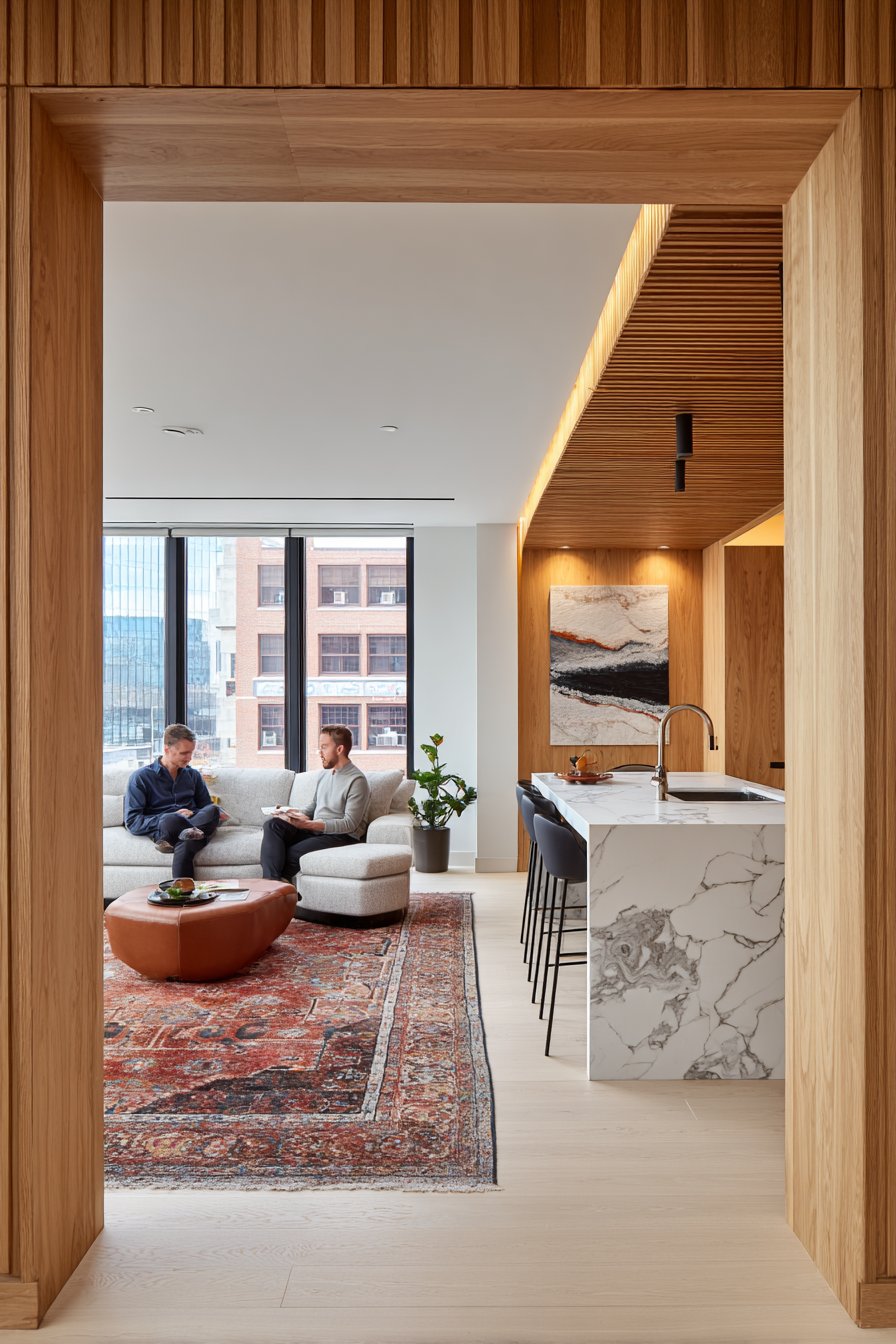
- Research appliance decibel ratings before purchasing and prioritize quieter models
- Incorporate sound-absorbing textiles through rugs, curtains, and upholstered furniture
- Install soft-close mechanisms on all cabinets and drawers
- Add acoustic panels disguised as decorative wall art in strategic locations
- Consider room dividers or partial walls that reduce sound without blocking views
- Plan furniture placement to create natural sound barriers between zones
5. Visual Cohesion and Design Continuity
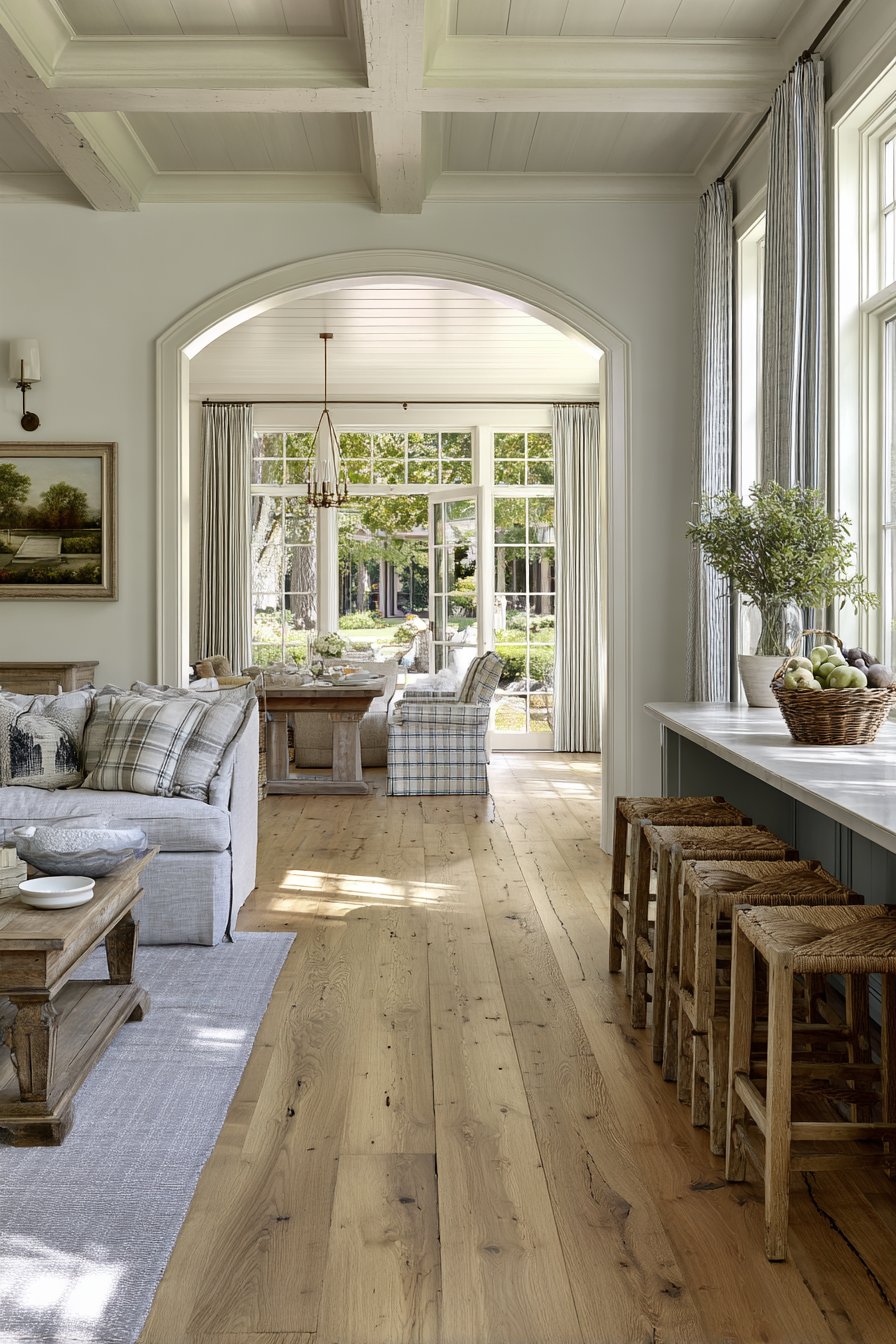
An open kitchen demands seamless design integration with adjacent living spaces since everything remains constantly visible. Your kitchen aesthetics must complement or match the style, color palette, and materials used throughout the open area. Mismatched design elements create visual chaos rather than the harmonious flow that makes open plans appealing.
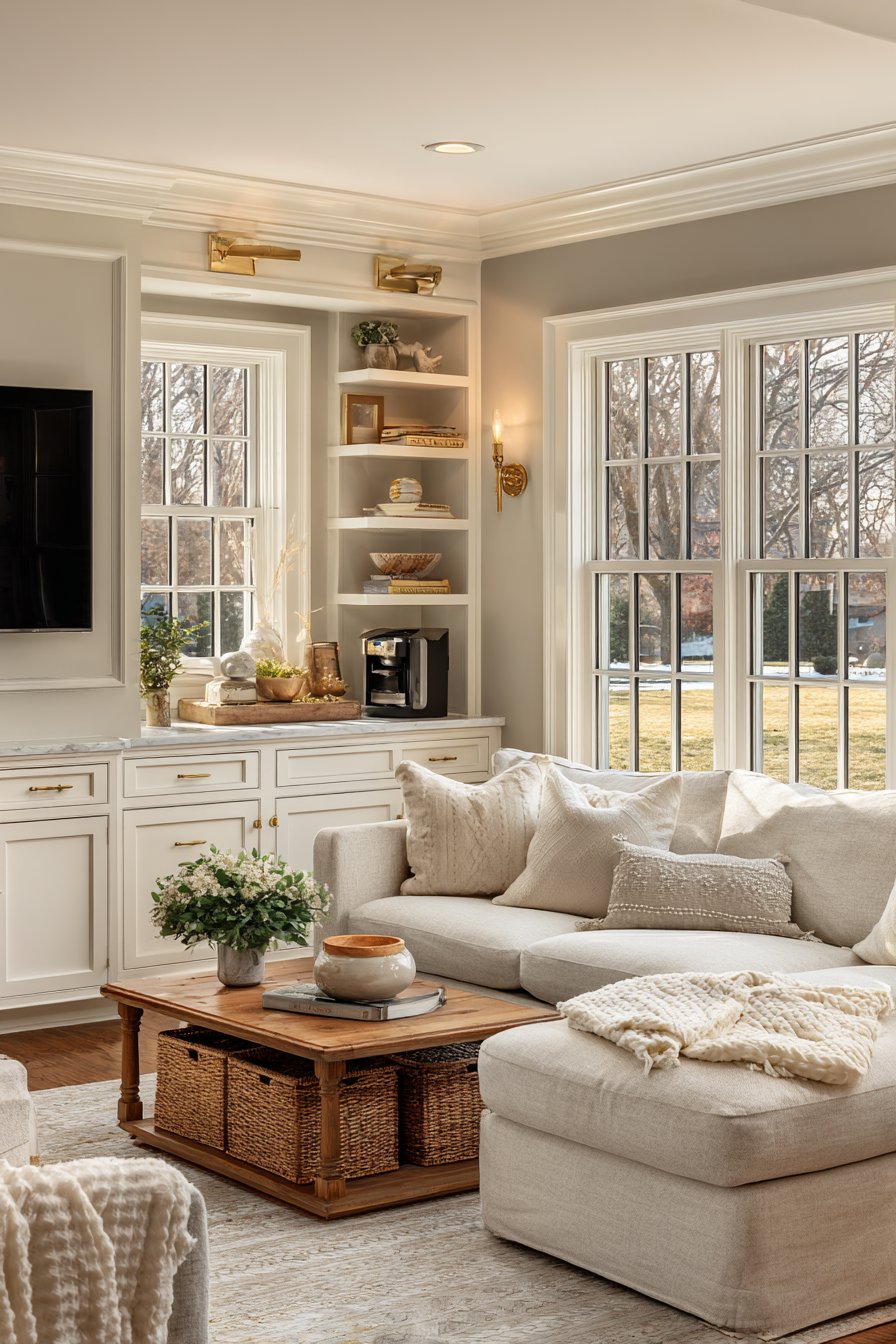
Selecting a unified flooring material that flows throughout the space strengthens visual continuity and makes areas feel more expansive. While you can use different materials to define zones, ensure they complement rather than clash. Cabinetry finishes, hardware, light fixtures, and decorative elements should reflect the overall design language established in your living areas.
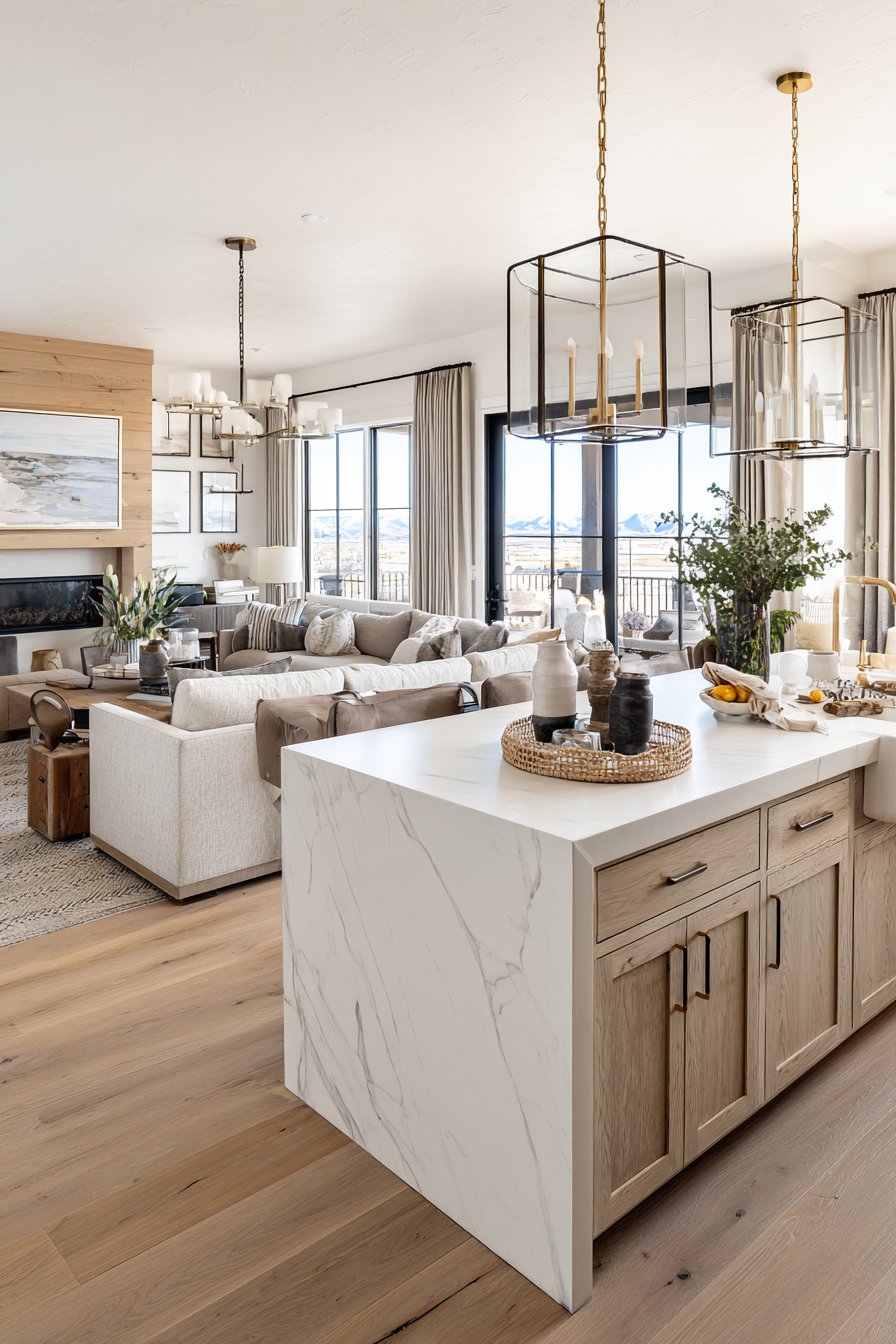
Color coordination extends beyond walls to include appliances, countertops, and accessories. Stainless steel appliances suit contemporary designs, while panel-ready options that accept cabinet fronts create a more integrated, seamless appearance. Consider how your kitchen’s visual elements will photograph and present from various viewing angles throughout the connected space.
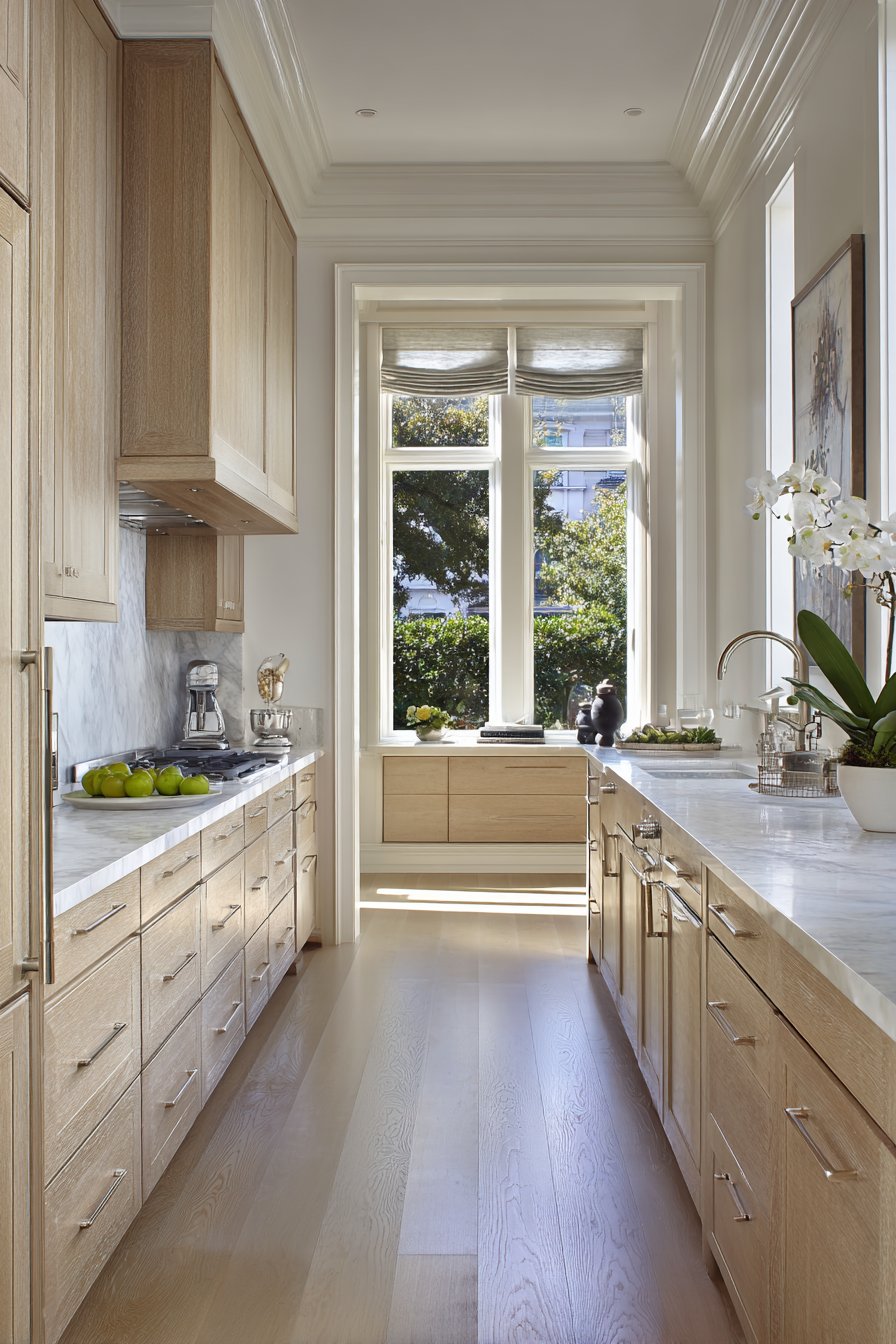
- Choose cabinet finishes and hardware that complement living room furniture
- Extend consistent flooring or use complementary materials with intentional transitions
- Select appliances that match your design aesthetic or use panel-ready options
- Coordinate color palettes across all visible areas for visual harmony
- Ensure lighting fixtures share similar styles or finishes throughout
- Plan for cohesive window treatment styles in connected spaces
6. Storage Solutions and Organization Systems
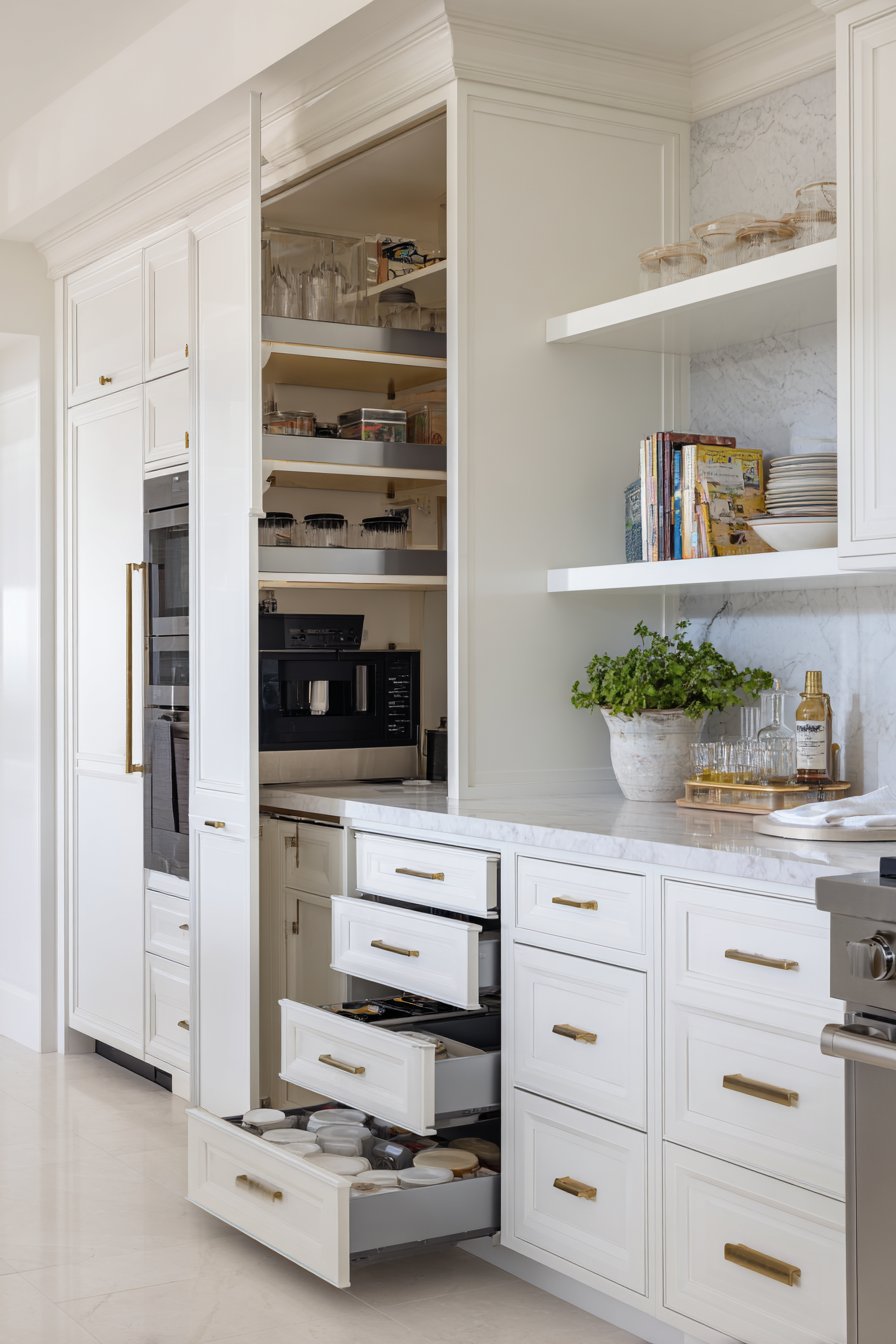
Open kitchens sacrifice upper cabinet wall space that traditionally provides substantial storage capacity. Compensating for this loss requires creative planning and strategic storage solutions that maintain functionality without cluttering sight lines. Island cabinets, floor-to-ceiling pantries, and innovative organizational systems become essential components.
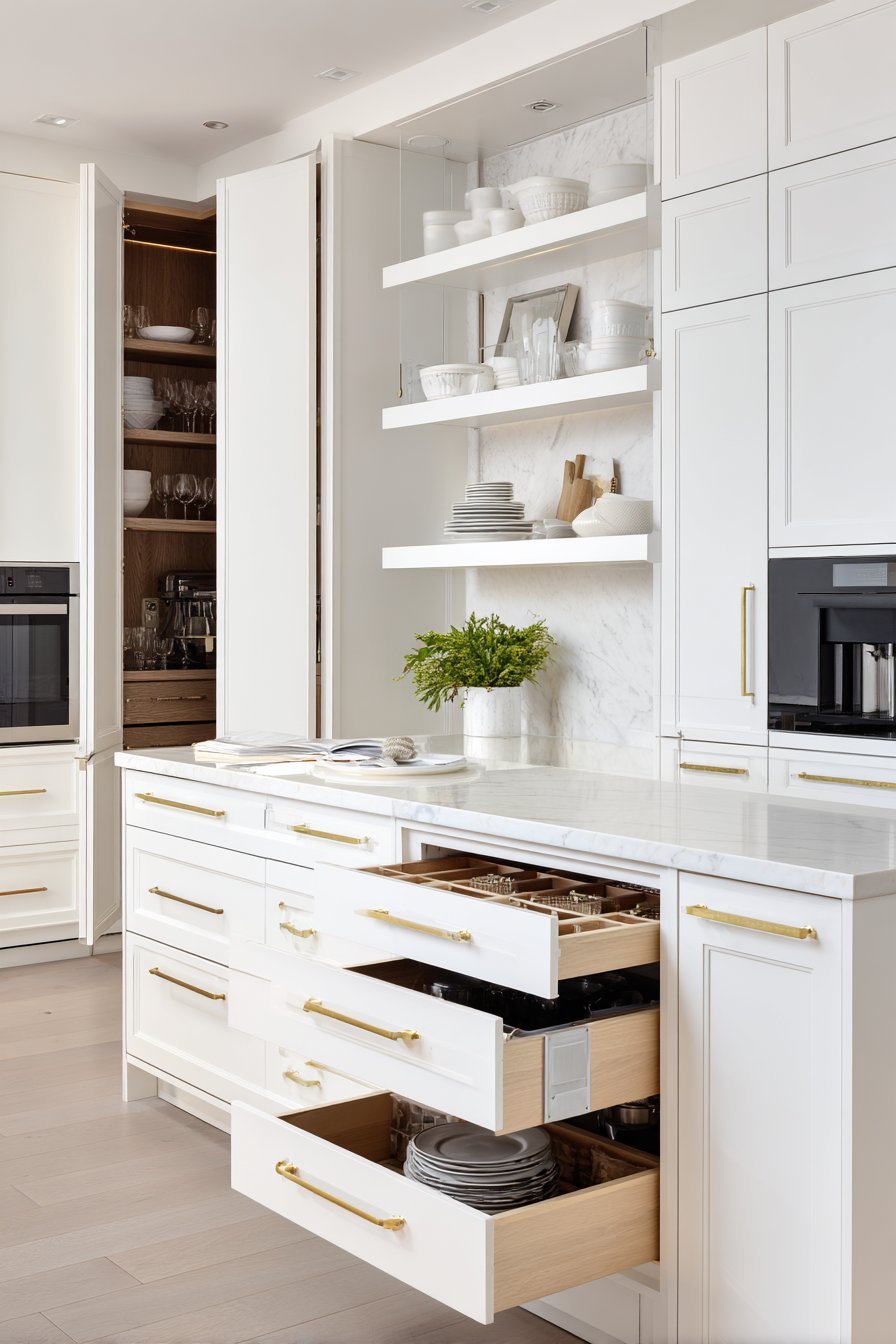
Concealed storage gains importance in open layouts since every item potentially becomes part of your living room view. Deep drawers with divider systems, pull-out organizers, and hidden appliance garages keep countertops clear and visually calming. Consider whether you’re willing to maintain the discipline required for constant tidiness, as open shelving and exposed surfaces demand regular attention.
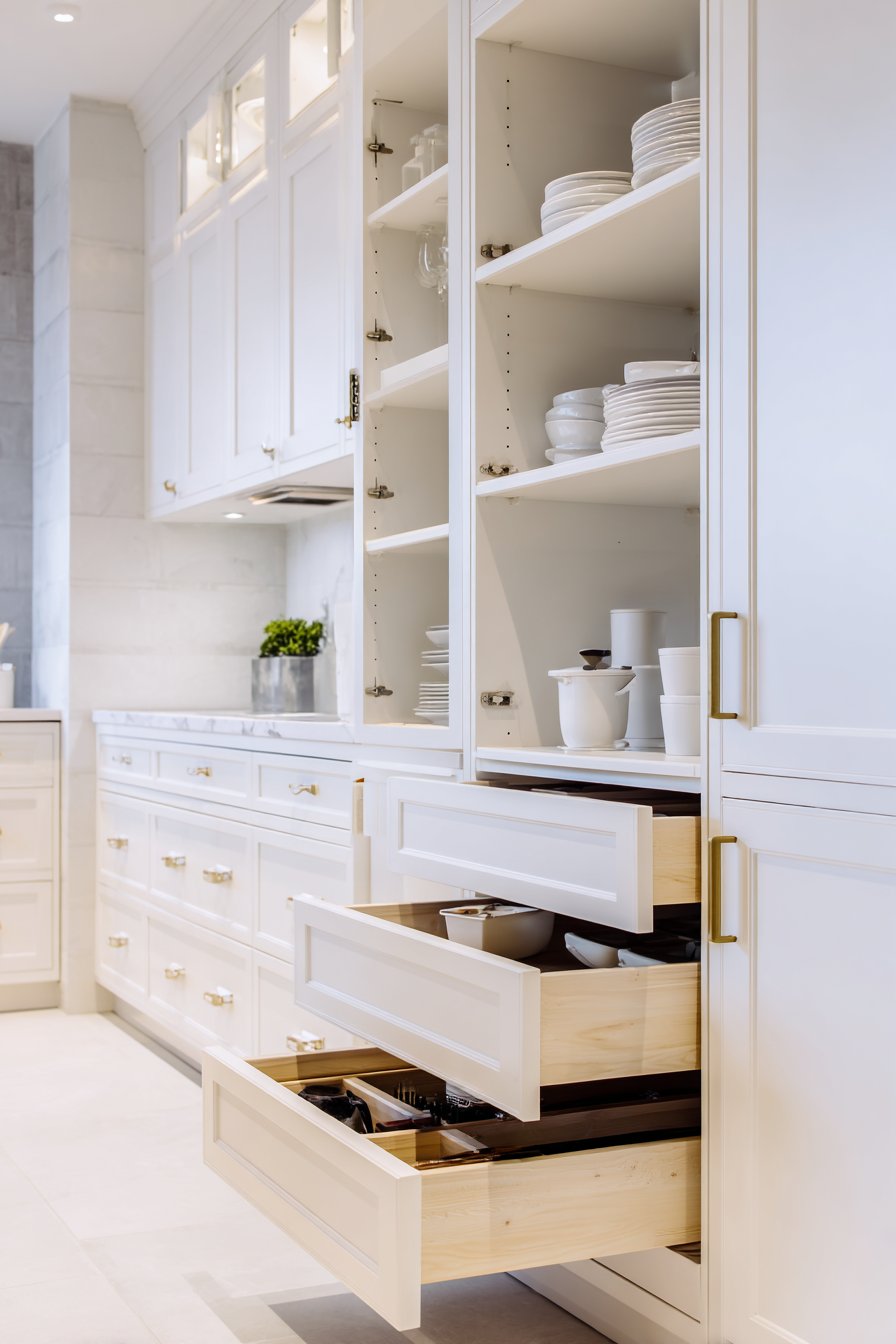
The aesthetic storage presents also matters significantly. Display-worthy items like beautiful dishes, glassware, or cookbooks can occupy open shelving strategically, adding personality while serving practical purposes. However, everyday items need designated hiding spots to prevent visual clutter from overwhelming the space.
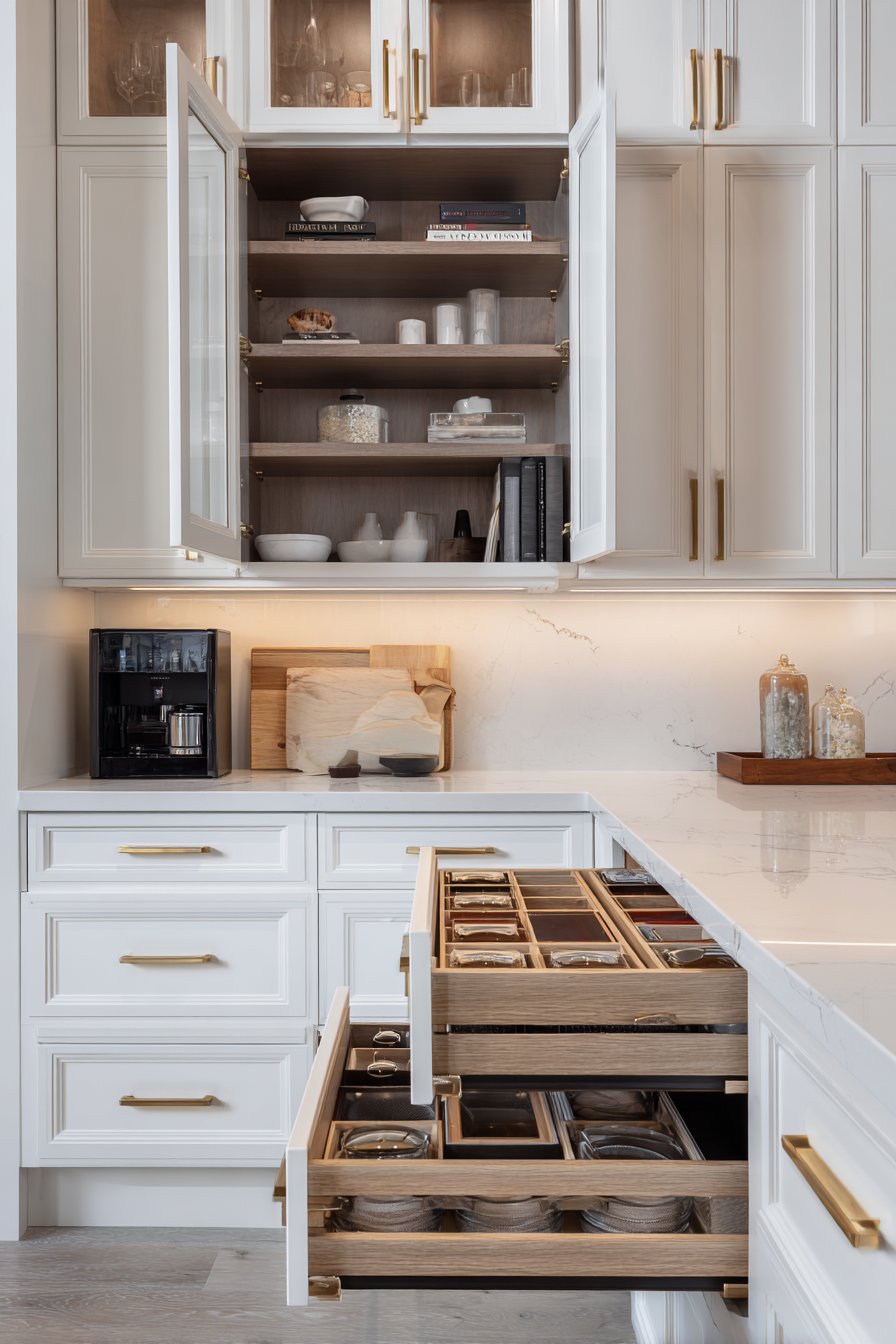
- Maximize island storage with deep drawers and specialized organizers
- Install floor-to-ceiling pantry cabinets for concealed bulk storage
- Create appliance garages that hide small electronics behind closed doors
- Use drawer dividers and organizational systems for everything
- Limit open shelving to display-worthy items only
- Plan for adequate storage before removing walls to avoid regret
7. Lighting Design and Layered Illumination
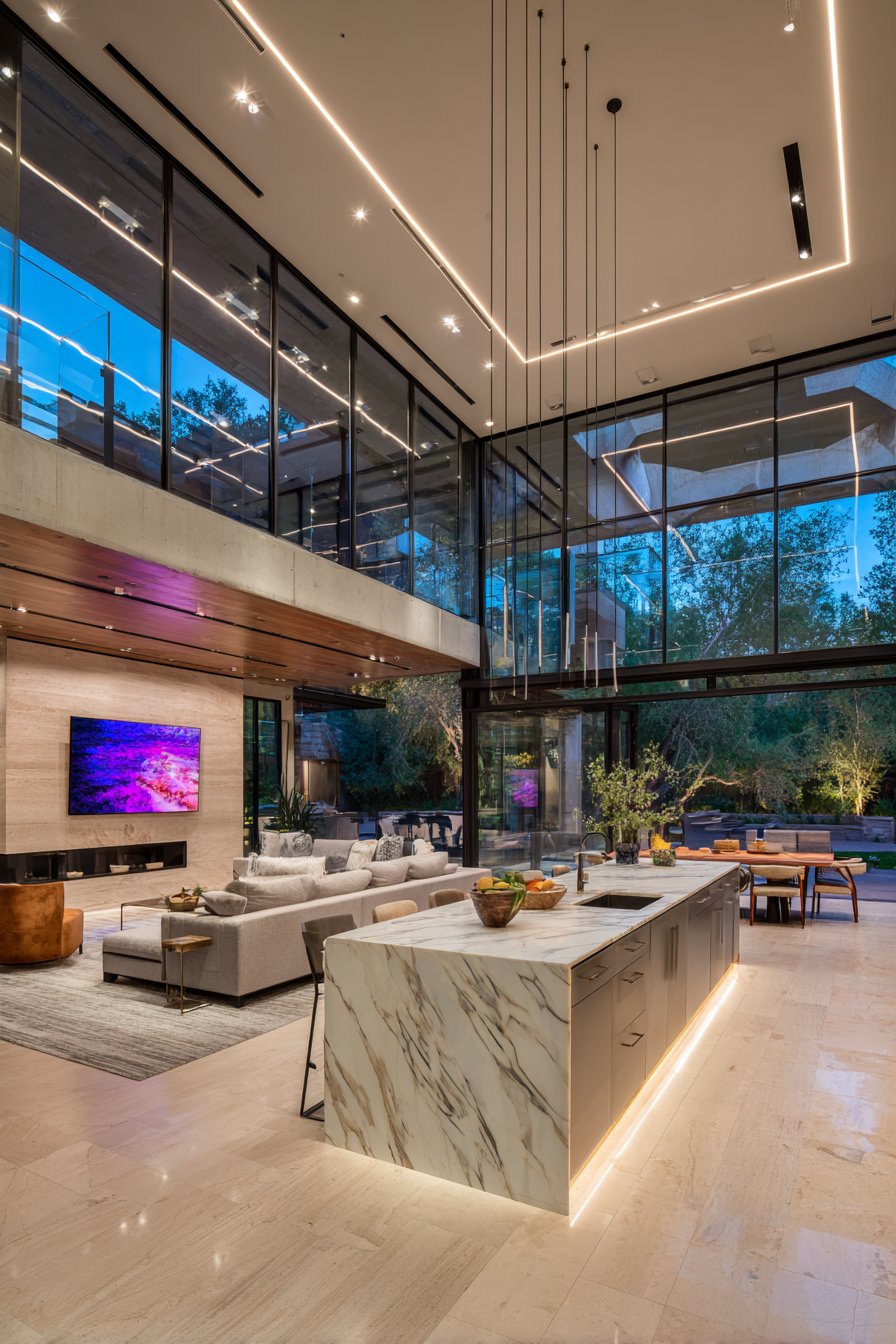
Lighting complexity increases dramatically in open kitchens since you’re illuminating task areas while creating ambiance for adjacent living spaces. A comprehensive layered lighting plan incorporating ambient, task, and accent lighting ensures functionality without compromising atmosphere. The kitchen requires bright task lighting while living areas benefit from softer, adjustable illumination.
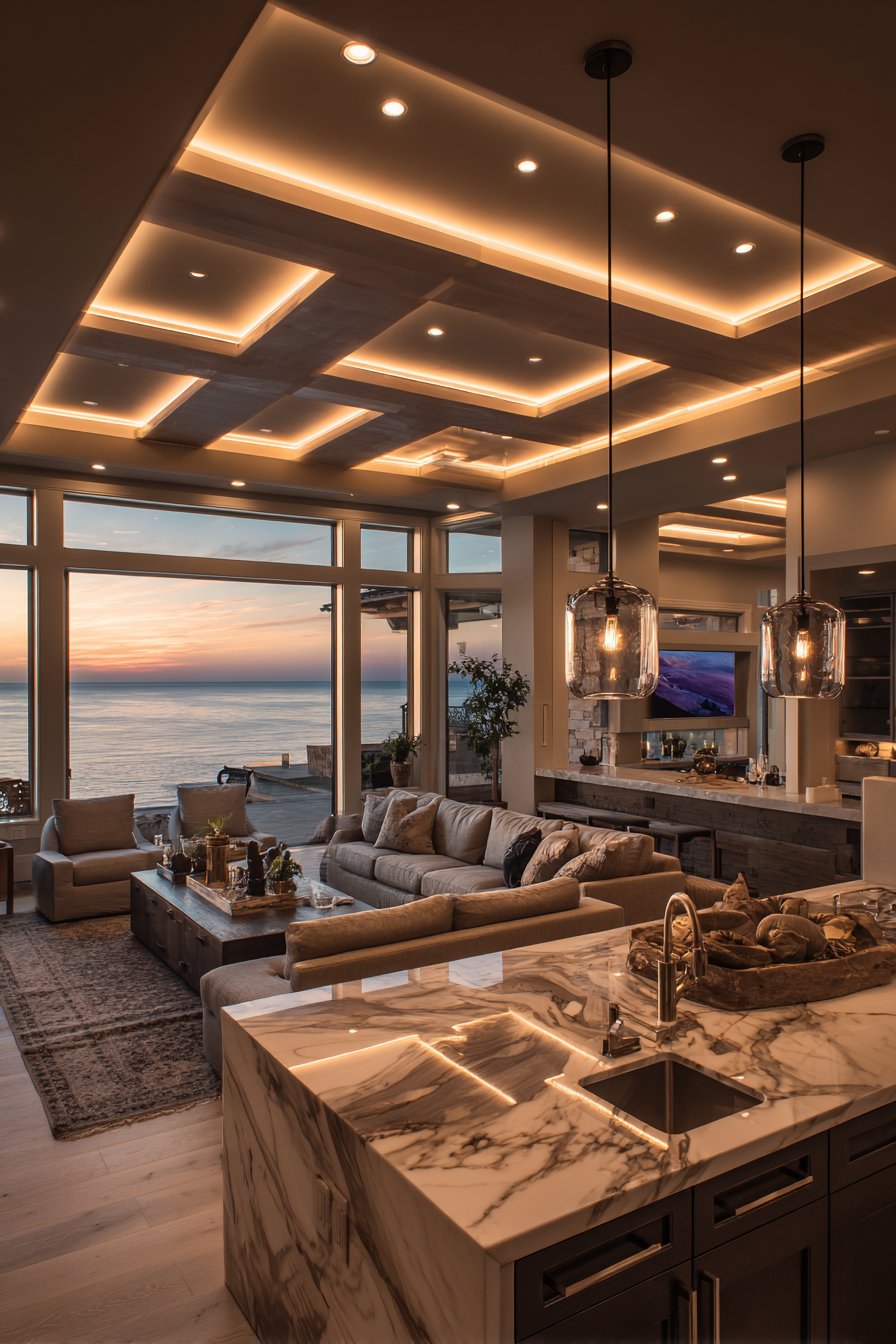
Pendant lights over islands serve dual purposes as functional task lighting and visual anchors that define the kitchen zone within the larger space. Under-cabinet lighting eliminates shadows on work surfaces, while recessed ceiling lights provide general illumination. Dimmer switches throughout allow flexibility to adjust lighting based on time of day and activity.
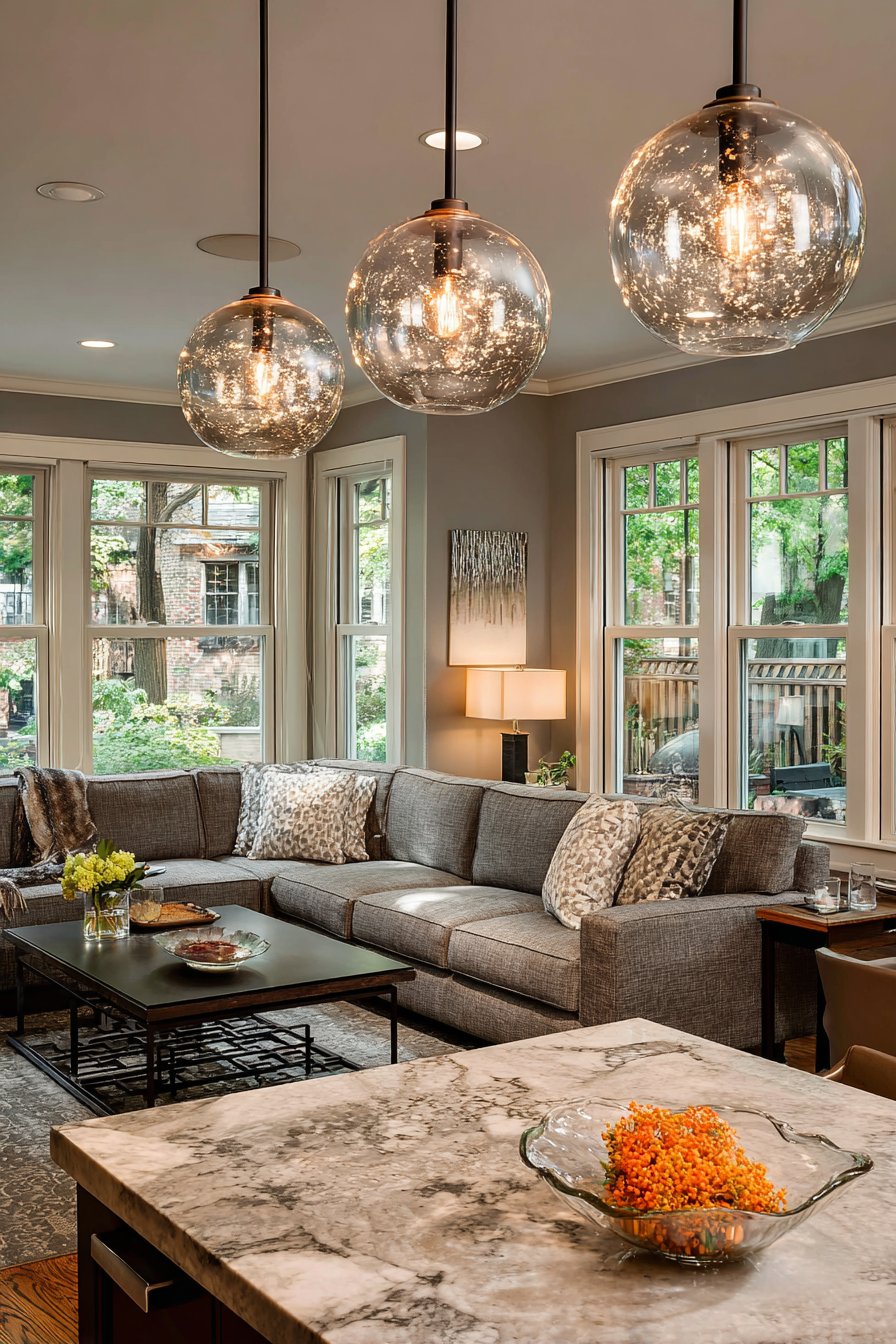
Consider how lighting affects the perception of space and mood. Warmer color temperatures (2700-3000K) create inviting atmospheres suitable for entertaining, while cooler temperatures (3500-4000K) support focused task work. Coordinating light fixture styles throughout the open space maintains design cohesion while allowing each zone to serve its intended purpose.
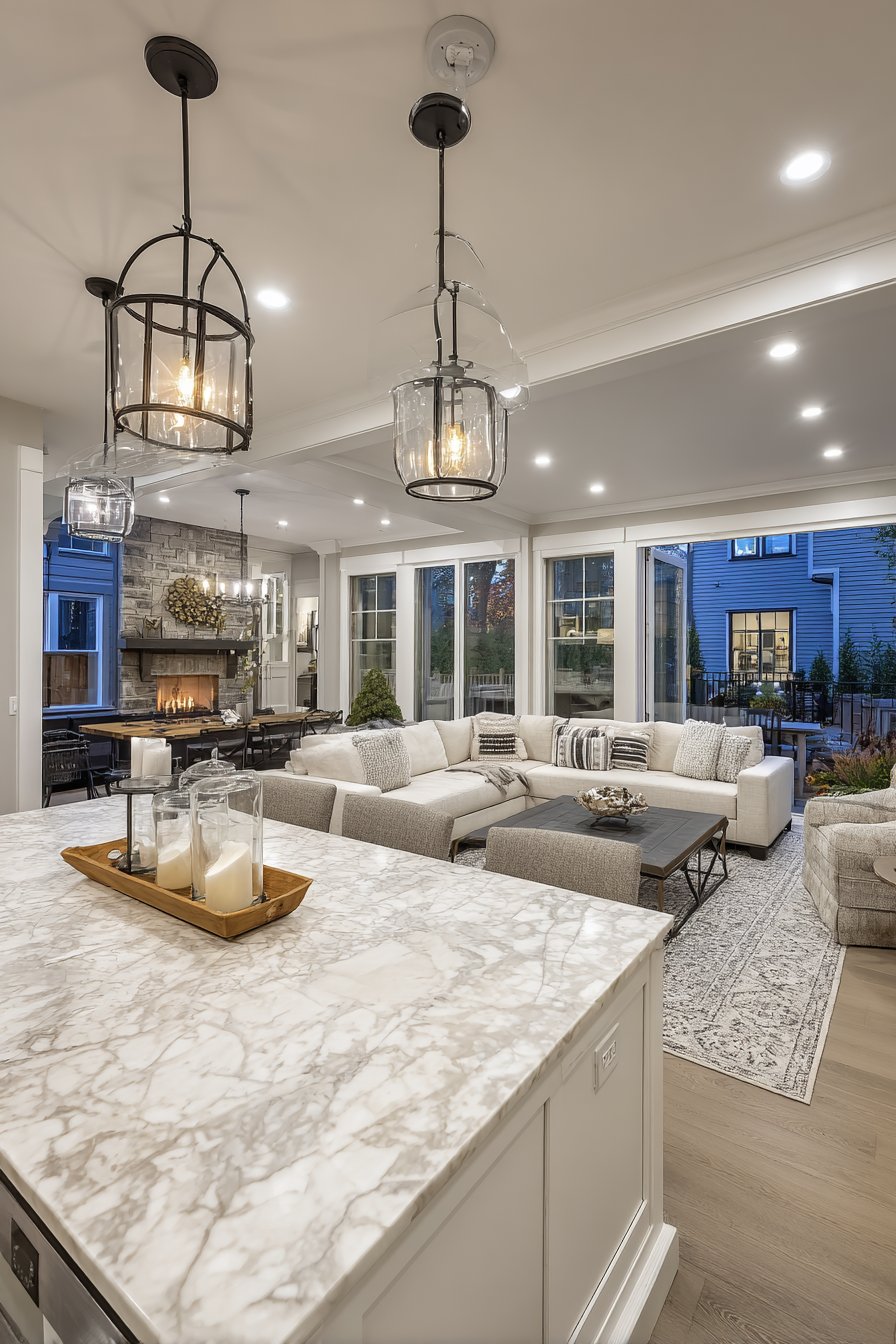
- Install pendant lights over islands at 30-36 inches above countertops
- Add under-cabinet LED strips for shadow-free task lighting
- Use dimmer switches on all lighting circuits for flexibility
- Coordinate fixture styles between kitchen and living areas
- Layer ambient, task, and accent lighting throughout
- Choose appropriate color temperatures for different zones and purposes
8. Privacy and Clutter Management Strategies
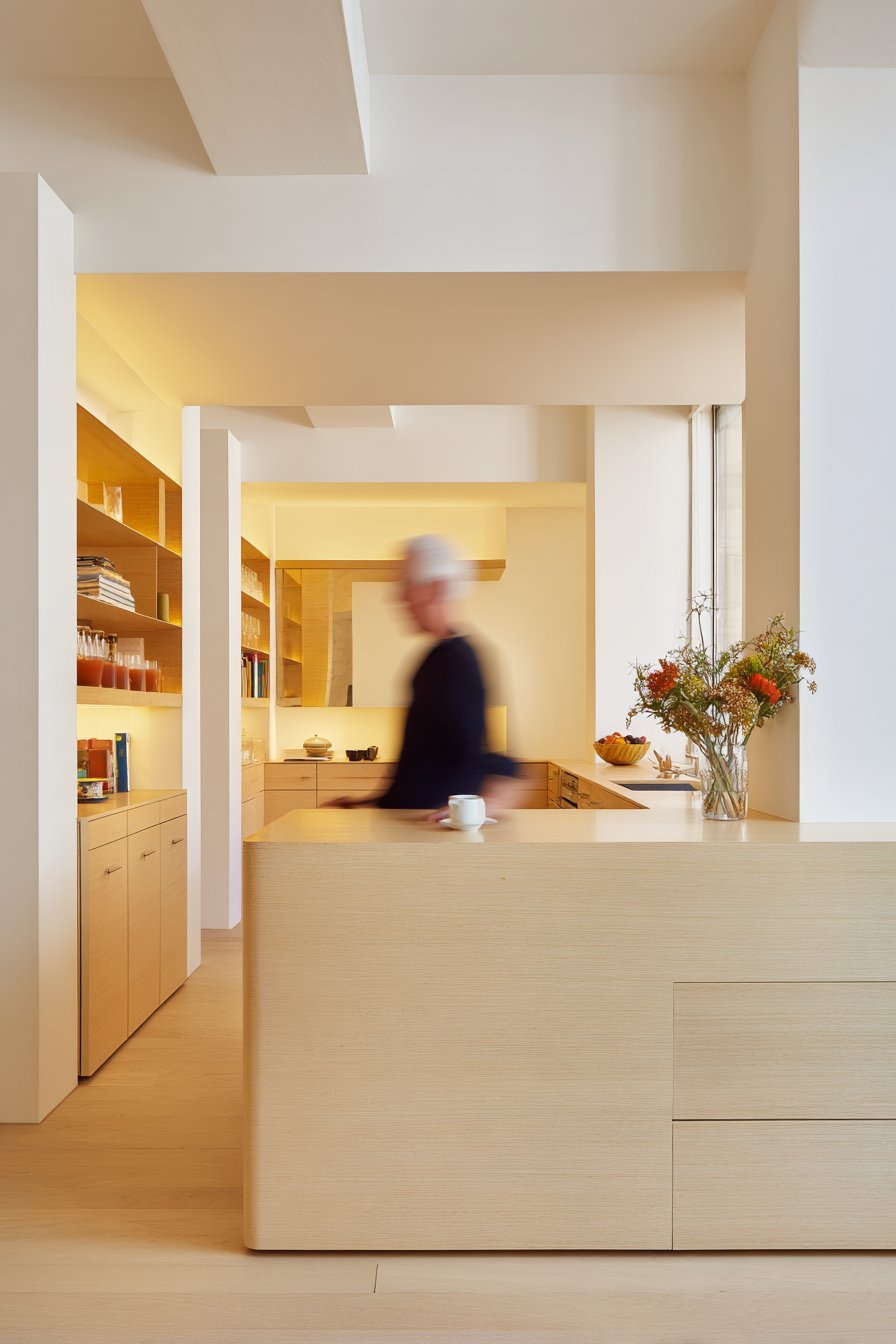
The constant visibility inherent in open kitchens means every dish, appliance, and cooking mess becomes part of your living space aesthetic. Honest assessment of your tidiness habits determines whether you’ll find this exposure liberating or stressful. Some personalities thrive with everything in view, while others need visual separation to feel comfortable.
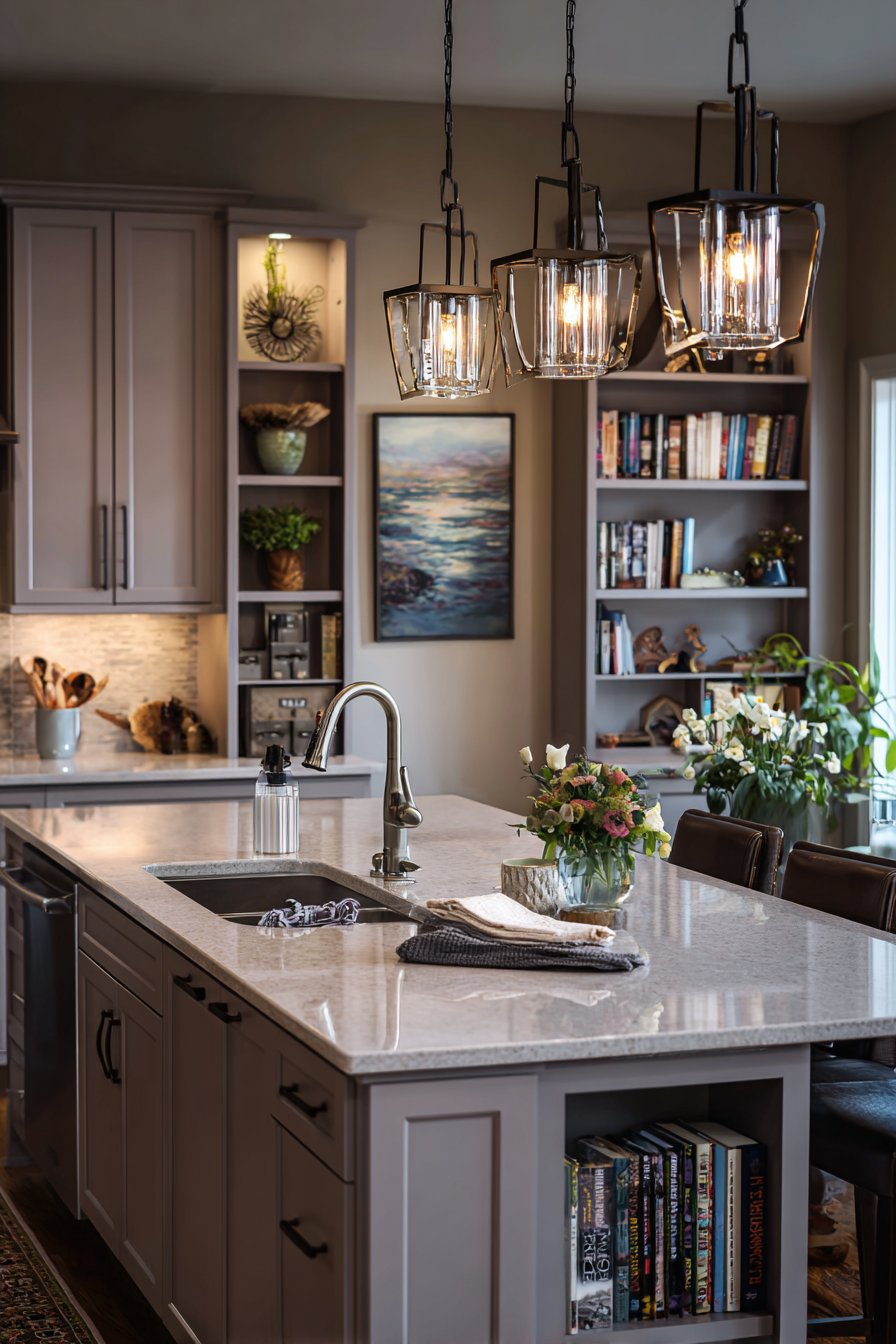
Implementing strategic partial barriers provides privacy benefits without fully closing off the space. Half walls, columns, or decorative room dividers maintain visual connection while creating psychological separation. These elements can incorporate additional functionality like built-in shelving, breakfast bars, or display niches that enhance rather than merely divide.
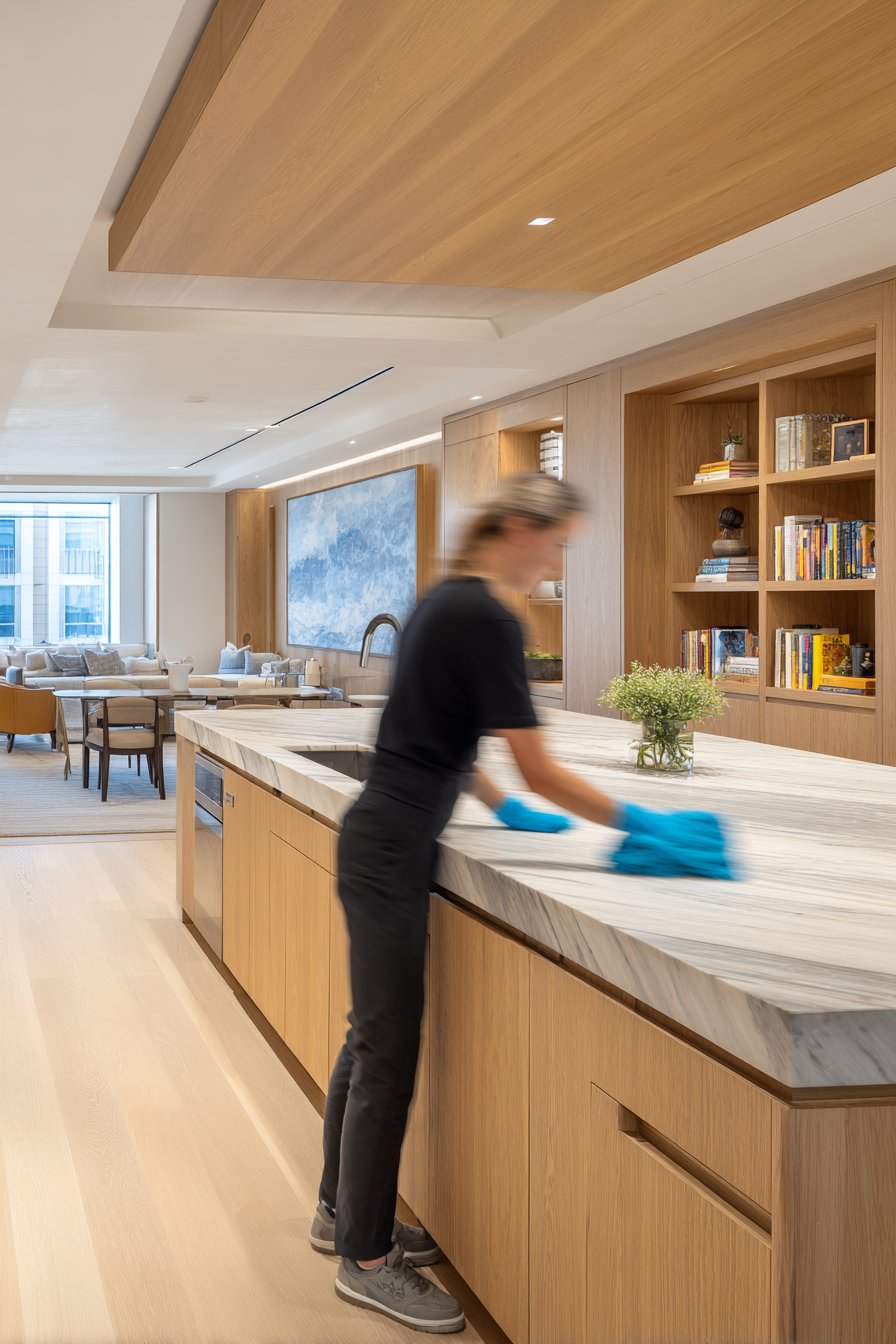
Establishing household cleaning routines becomes non-negotiable in open kitchens. Quick counter wipes after cooking, immediate dish handling, and regular decluttering prevent the space from feeling chaotic. Consider whether all household members will maintain these discipline levels consistently, as one person’s mess affects everyone’s living environment.
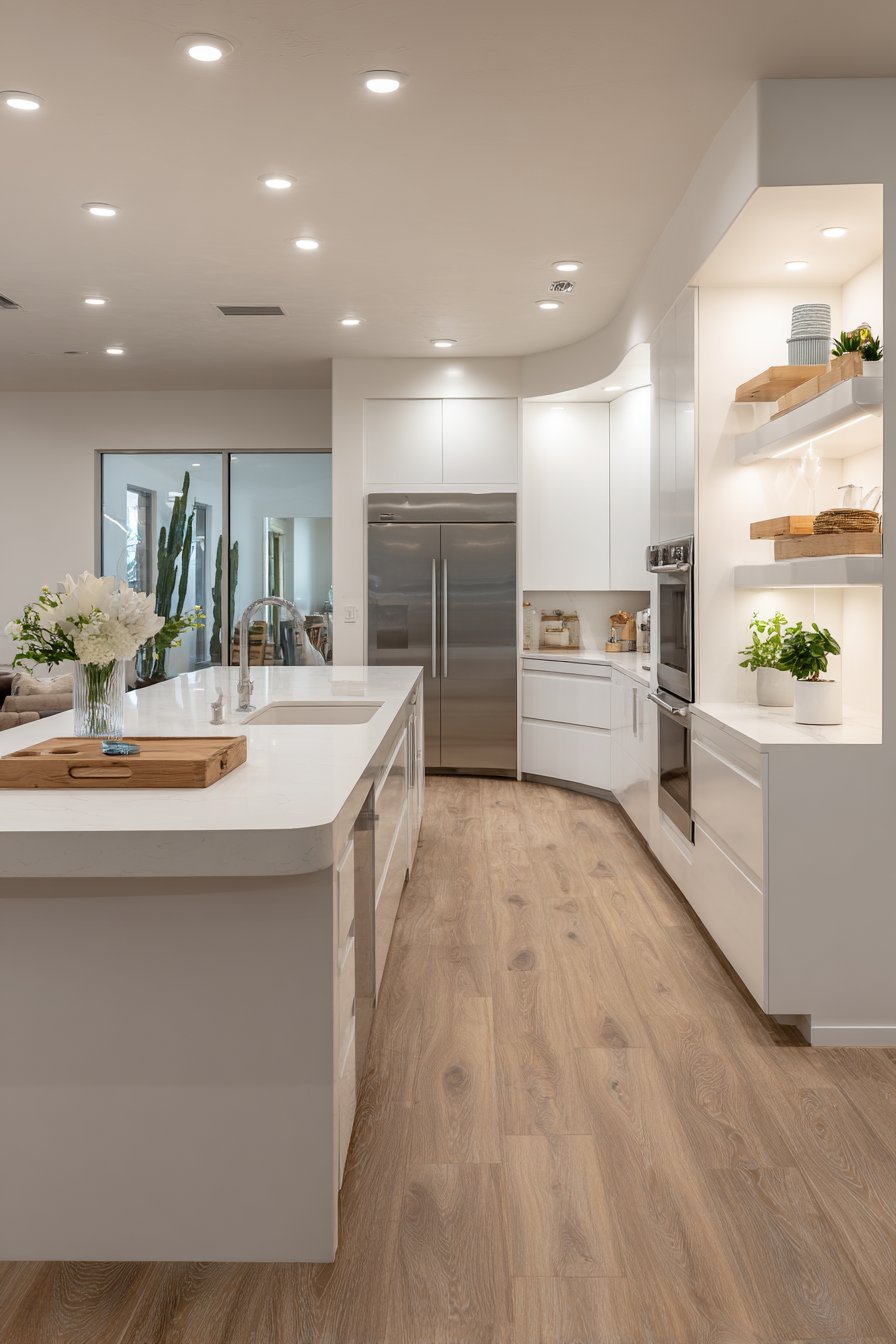
- Assess your realistic cleaning and organization habits honestly
- Consider partial dividers like half walls or decorative screens
- Establish clear household rules about kitchen cleanliness
- Invest in closed storage solutions for visual clutter control
- Create designated zones for mail, keys, and daily clutter outside the kitchen
- Plan for adequate countertop space to avoid perpetual crowding
9. Budget Considerations and Return on Investment
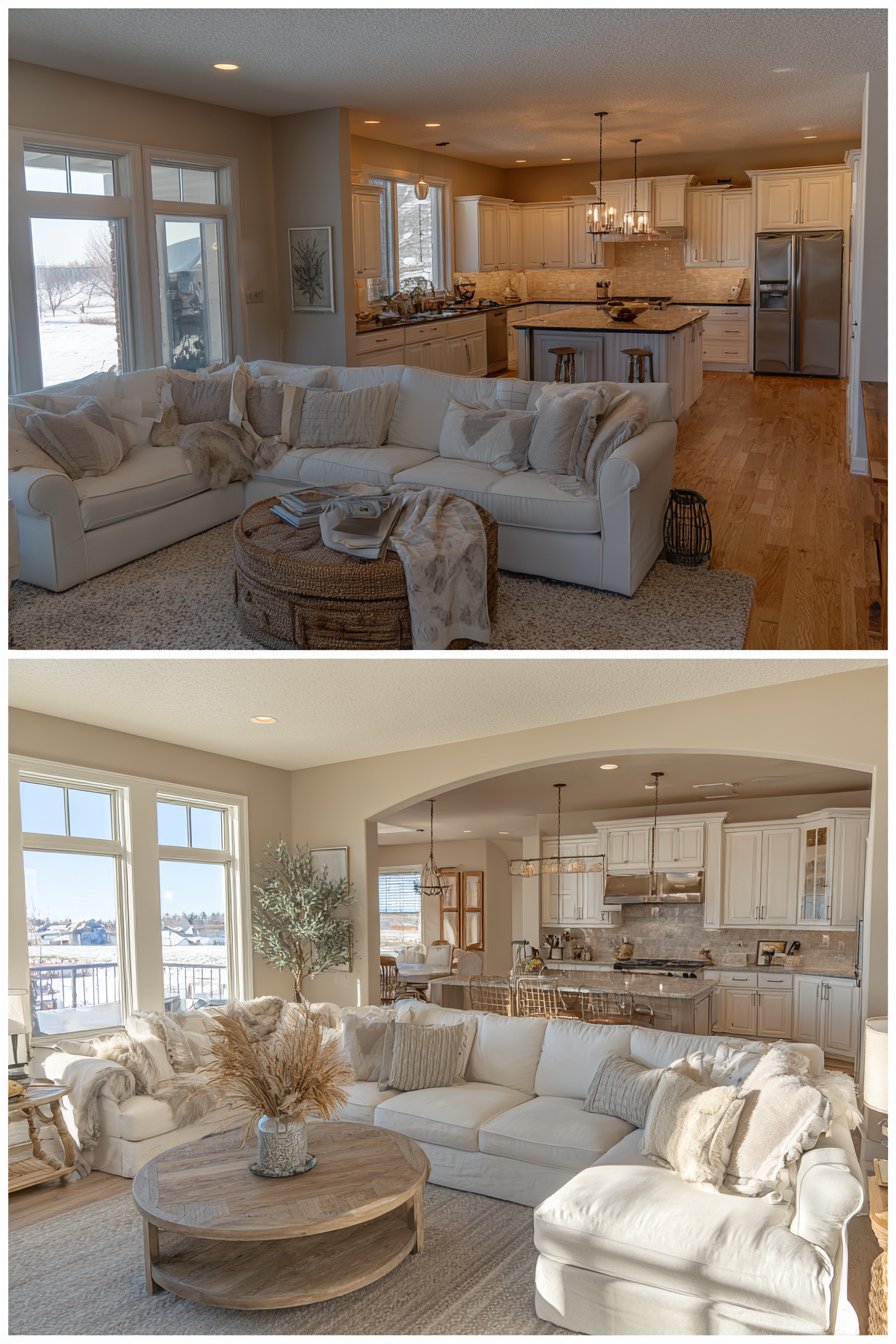
Open kitchen renovations typically require substantial financial investment ranging from moderate to extensive, depending on structural work required. Beyond demolition and construction costs, budget for new cabinetry, appliances, flooring, lighting, and professional design services. Unexpected issues like hidden structural problems or code compliance requirements can inflate initial estimates by 20-30%.
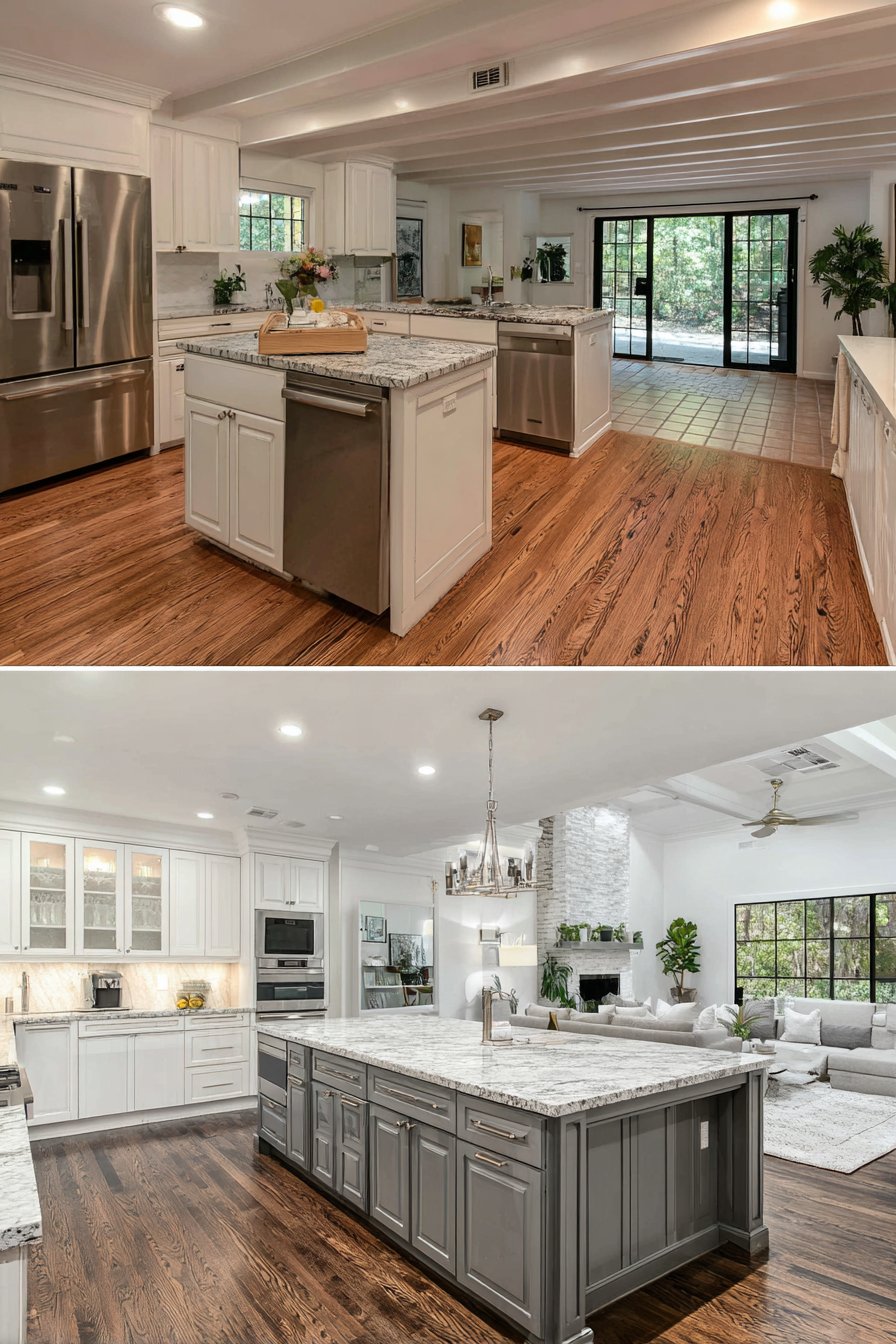
The return on investment for open kitchens generally proves favorable in most markets, as buyers increasingly prefer these layouts. However, ROI varies by region, home value, and execution quality. A well-designed open kitchen in a home where it makes architectural sense typically recoups 70-85% of costs at resale. Poorly planned conversions or those that create awkward layouts may actually decrease home value.
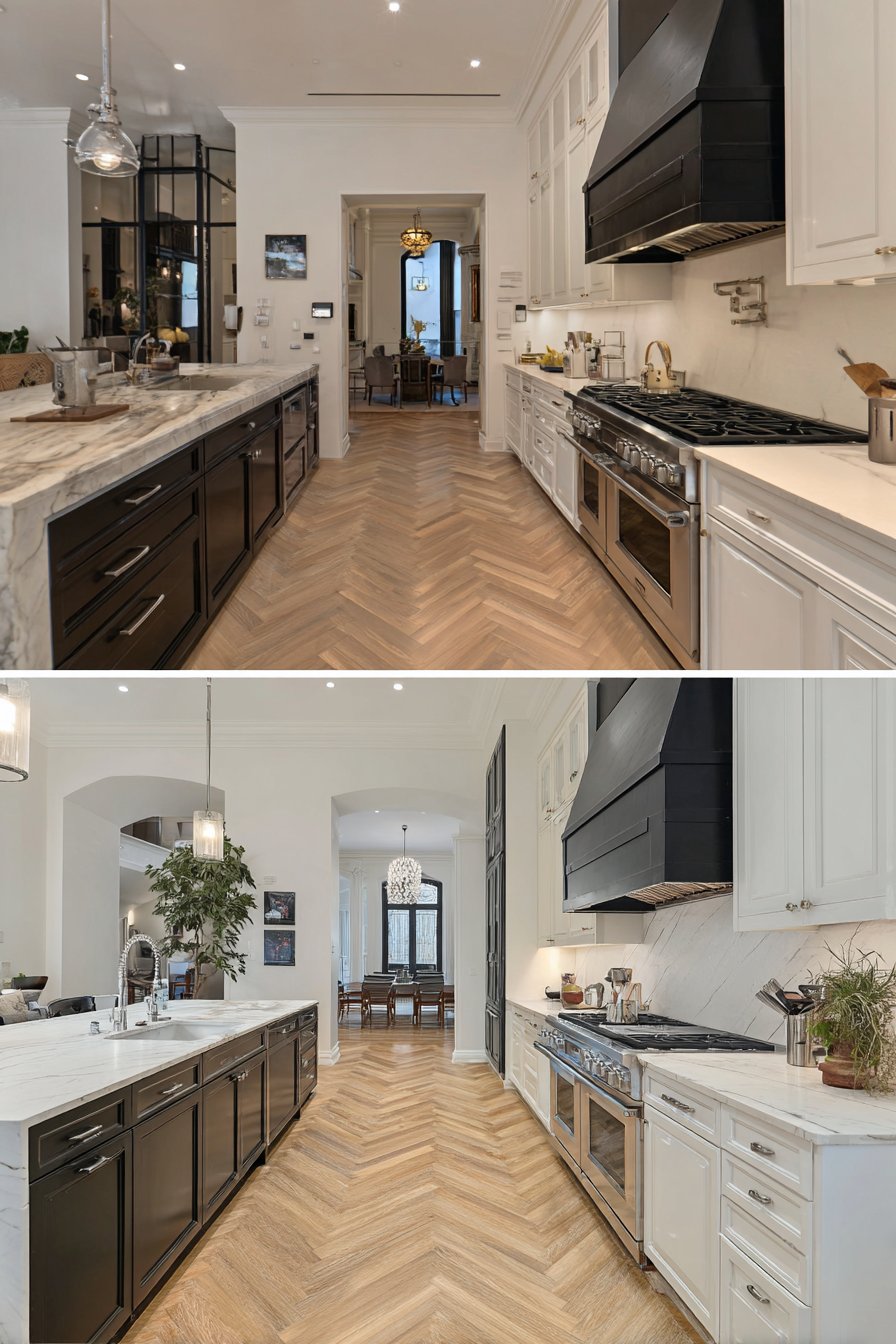
Consider phased implementation if budget constraints exist. Removing walls and addressing structural requirements first, then completing finishes and upgrades over time, spreads costs while allowing you to experience and adjust the space. Working with designers who understand cost-effective solutions helps maximize impact within your budget parameters.
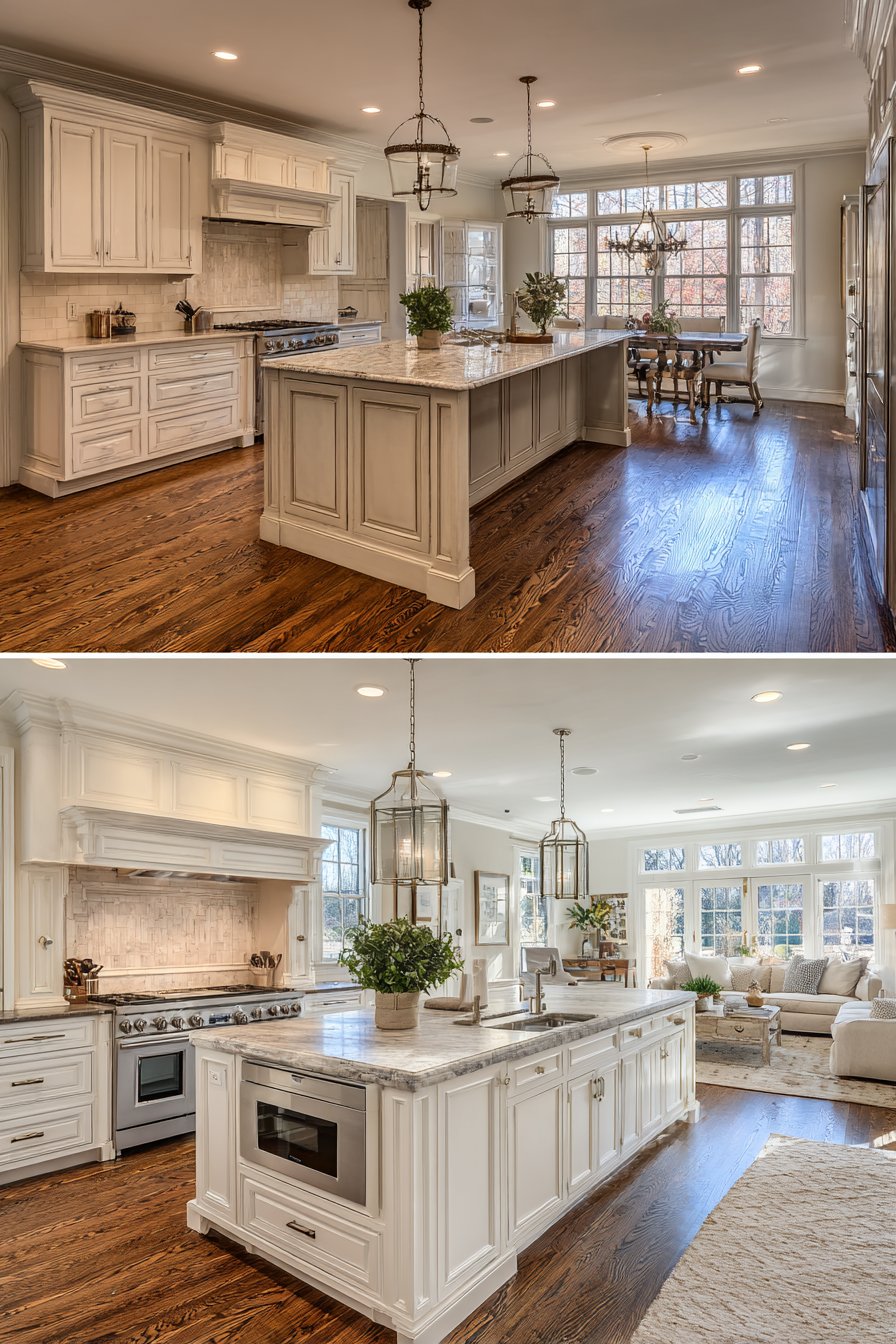
- Obtain multiple detailed quotes from licensed contractors before starting
- Budget an additional 20-30% for unexpected expenses and contingencies
- Research comparable home values in your area to assess ROI potential
- Prioritize structural and safety elements before cosmetic upgrades
- Consider phasing the project if budget limitations exist
- Invest in quality ventilation and appliances that add long-term value
Conclusion
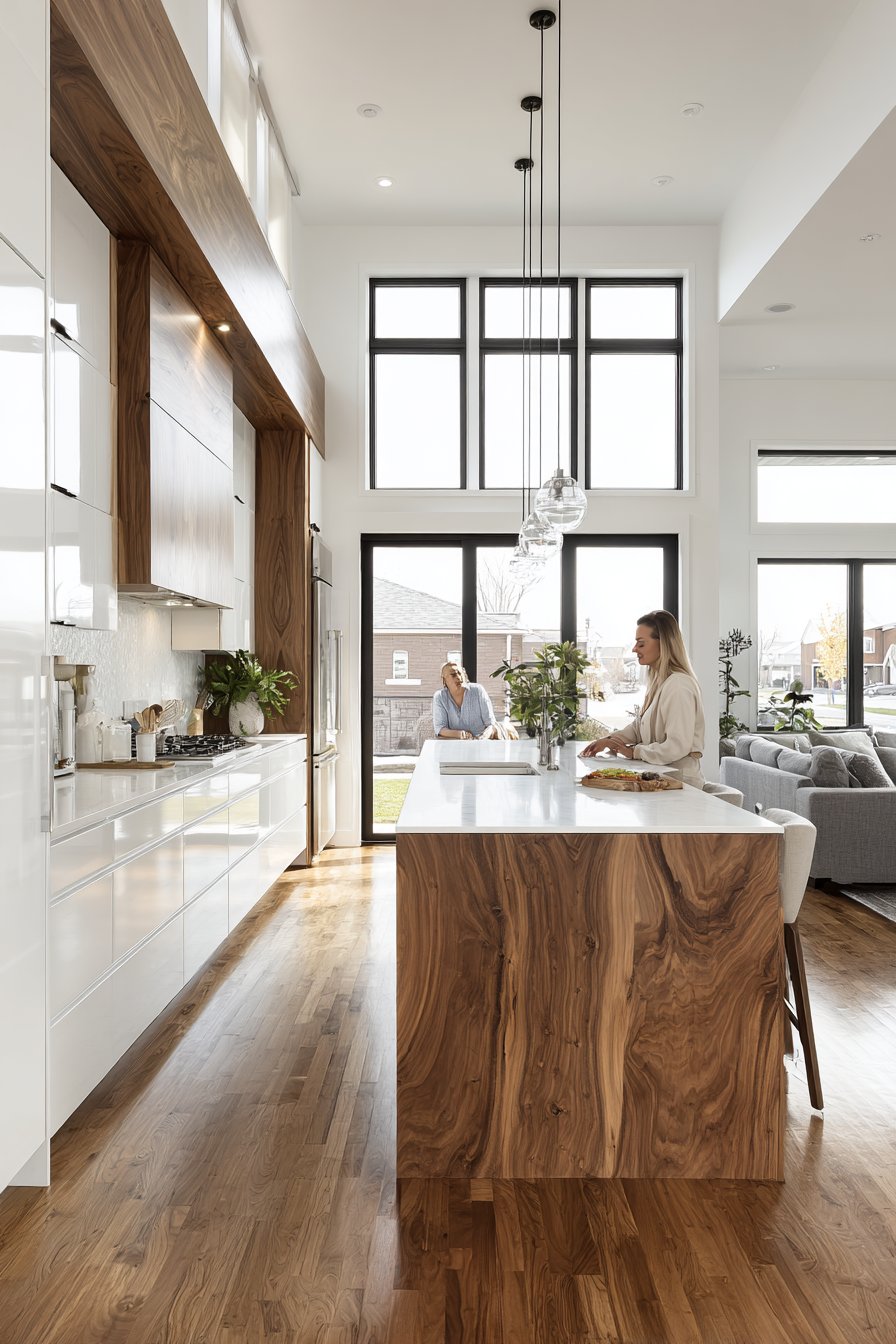
Transforming your home with an open kitchen layout represents a significant commitment that extends far beyond aesthetic preferences. The considerations explored throughout this guide—from structural feasibility and ventilation requirements to lifestyle compatibility and budget realities—all contribute to determining whether this design approach will enhance your daily living experience. Successful open kitchens result from thoughtful planning that addresses practical challenges while capitalizing on the social and spatial benefits this layout offers.
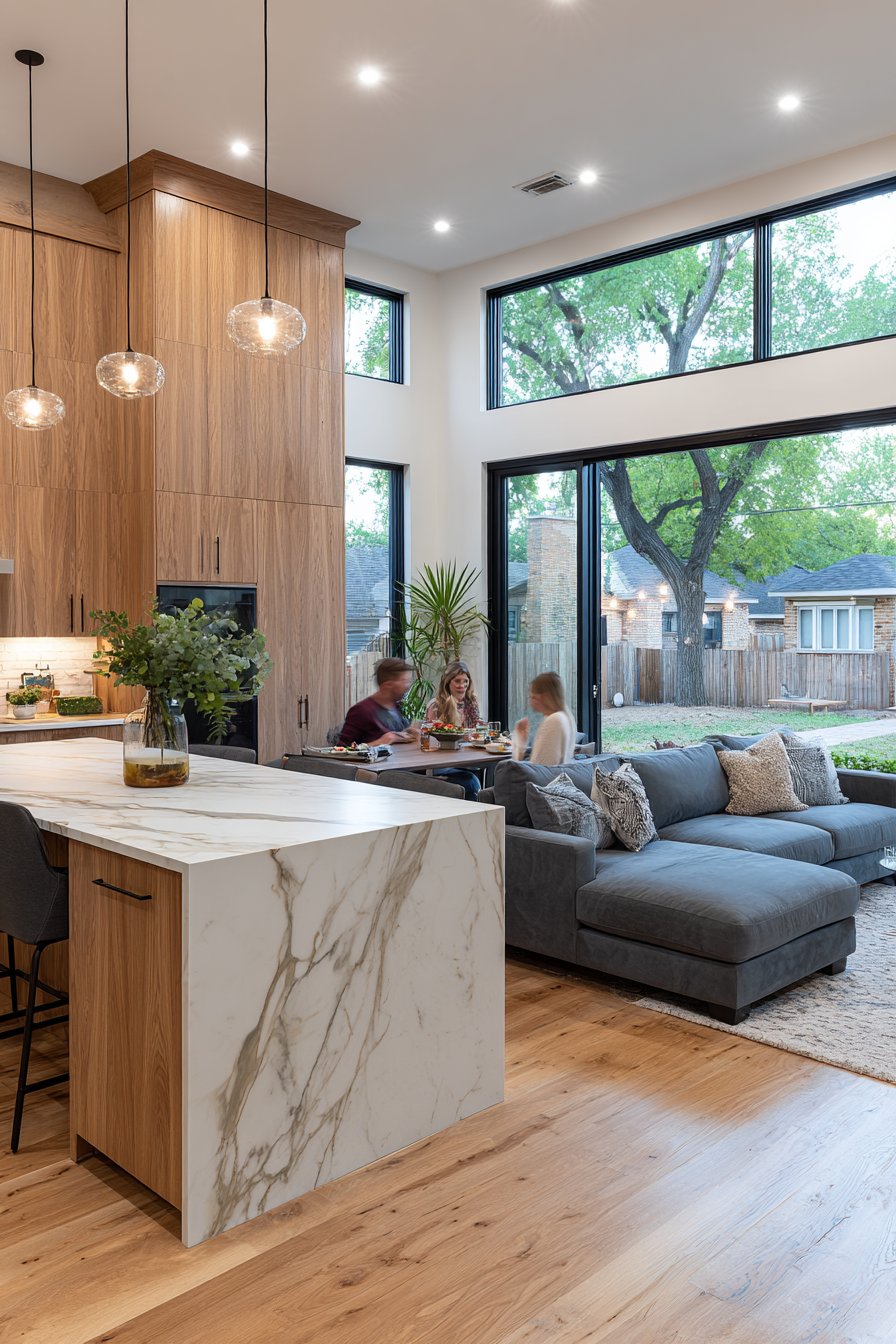
Remember that no single design solution works universally for every home or family. Your unique cooking habits, family dynamics, architectural constraints, and personal preferences should guide your decision-making process. Consulting with experienced designers, contractors, and engineers ensures you understand both the possibilities and limitations specific to your situation. When executed thoughtfully with proper planning, an open kitchen becomes a dynamic hub that elevates your home’s functionality, encourages connection, and creates an inviting atmosphere where cooking, living, and entertaining blend seamlessly into the rhythm of modern life.
"As an Amazon Associate, I earn from qualifying purchases."
