
The heart of every Indian home beats strongest in its kitchen, where generations of culinary traditions come alive through the symphony of sizzling spices, grinding masalas, and the gentle hum of pressure cookers. Indian kitchen design represents far more than mere functionality—it embodies a rich tapestry of cultural heritage, regional diversity, and time-honored cooking methods that have been perfected over millennia. These sacred spaces serve as the epicenter of family life, where mothers pass down secret recipes to daughters, where the aroma of freshly ground spices creates an olfactory memory that lingers for generations, and where every meal becomes a celebration of India’s incredible culinary diversity.
Creating an authentic Indian kitchen requires a deep understanding of how traditional cooking methods intersect with modern convenience, how regional preferences shape design choices, and how the unique storage needs of Indian ingredients demand specialized solutions. From the vibrant colors inspired by India’s landscapes to the intricate storage systems that accommodate hundreds of spices, lentils, and grains, every element must work in harmony to create a space that honors tradition while embracing contemporary functionality. The designs explored in this comprehensive guide showcase the remarkable versatility and beauty of Indian kitchen aesthetics, ranging from traditional regional styles that celebrate specific cultural heritage to modern interpretations that seamlessly blend ancient wisdom with cutting-edge technology.
This journey through twenty distinct Indian kitchen concepts will reveal how thoughtful design can transform cooking from a mundane chore into a joyful celebration of culture, family, and flavor. Each concept addresses specific aspects of Indian cooking—from specialized tandoor installations to innovative spice storage solutions, from herb gardens that bring fresh ingredients within arm’s reach to festival-ready layouts that accommodate large-scale celebrations. Whether you’re designing a compact urban kitchen or a luxurious culinary haven, these concepts provide inspiration and practical guidance for creating spaces that truly understand and celebrate the art of Indian cooking.
1. Traditional Saffron-Hued Kitchen with Paisley Artistry

Step into a kitchen where vibrant saffron yellow walls create an immediate sense of warmth and festivity, hand-painted with delicate paisley borders that tell stories of ancient Indian artistry. The rich teak wood cabinetry gleams with traditional brass hardware, each piece carefully selected to reflect the golden undertones of the wall color while providing the durability essential for frequent use. This traditional design philosophy celebrates the Indian love for color and pattern, transforming the functional space into a visual feast that energizes both cook and family members.
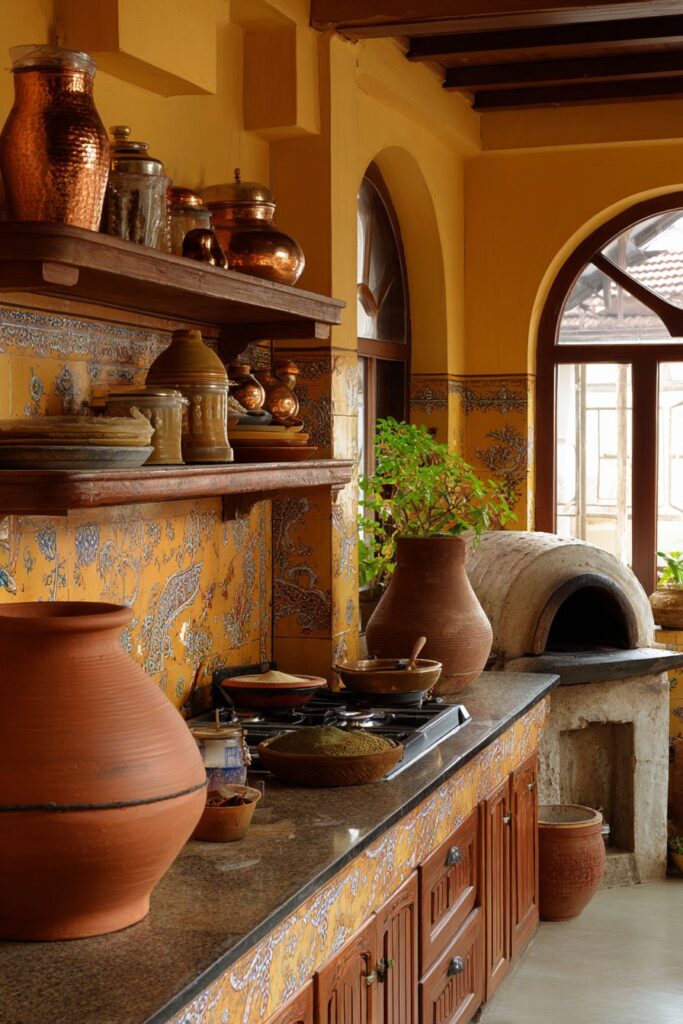
The kitchen’s crown jewel lies in its thoughtful display of copper vessels, traditional spice containers, and ceramic bowls arranged on open shelving like precious artifacts in a cultural museum. These aren’t merely decorative elements—each piece serves a functional purpose, from the copper’s natural antimicrobial properties to the ceramic’s ability to keep spices fresh and potent. The granite countertop incorporates an integrated spice grinding station, acknowledging the central role that freshly ground masalas play in authentic Indian cuisine, while the tandoor-style clay oven represents the pinnacle of traditional bread-making technology.
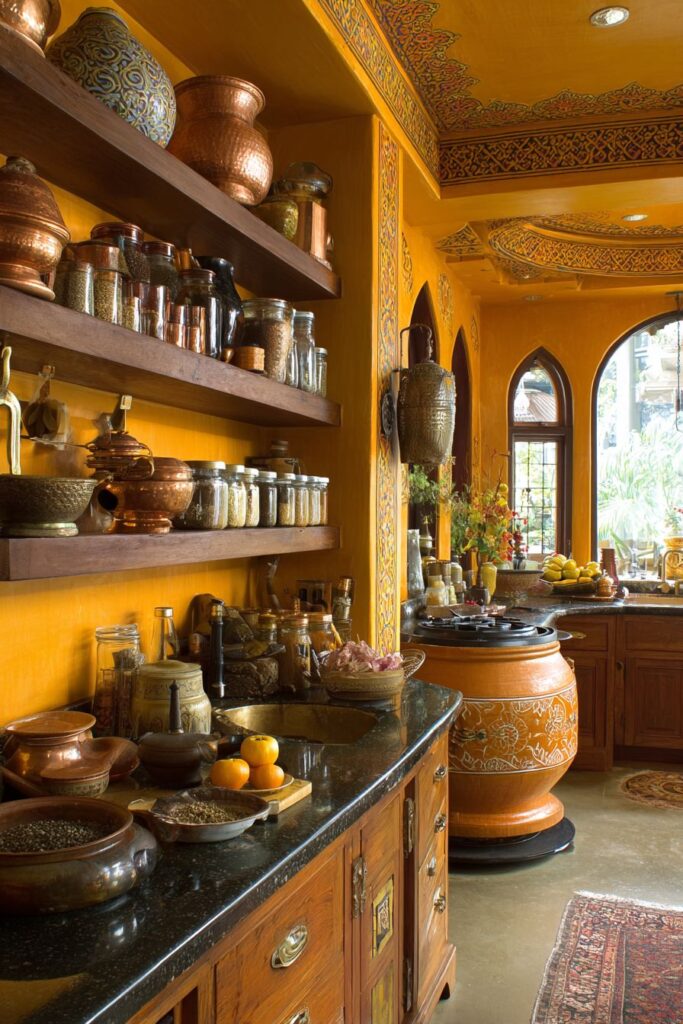
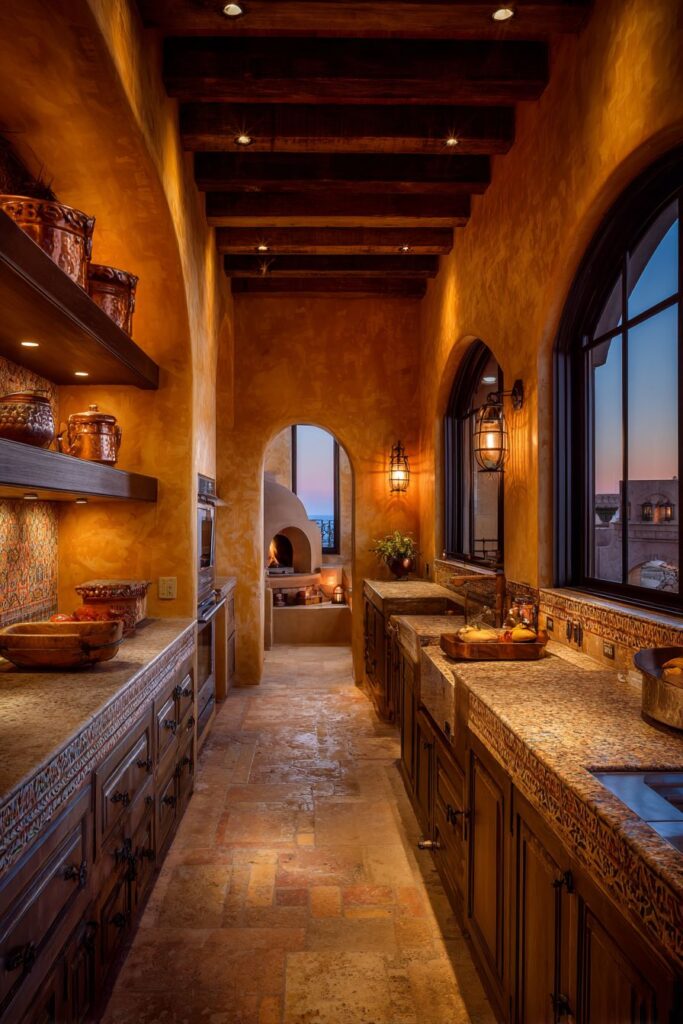
Natural light streams through gracefully arched windows, illuminating the warm color palette and creating dancing shadows that enhance the kitchen’s authentic character. The interplay between traditional elements and practical functionality demonstrates how Indian design successfully marries beauty with purpose. Every surface tells a story, from the hand-painted motifs that connect the space to India’s artistic heritage to the carefully planned workflow that accommodates the complex, multi-step processes common in Indian cooking.
Key Design Tips:
- Choose saffron yellow paint with high-quality pigments that resist fading from cooking heat and humidity
- Invest in authentic brass hardware that develops a beautiful patina over time while maintaining functionality
- Install dedicated spice grinding stations with proper ventilation to contain aromatic particles
- Incorporate arched window designs to enhance natural light while adding architectural interest
- Display copper vessels as both functional cookware and decorative elements that reflect light beautifully
2. Contemporary Fusion Kitchen with Mughal-Inspired Details
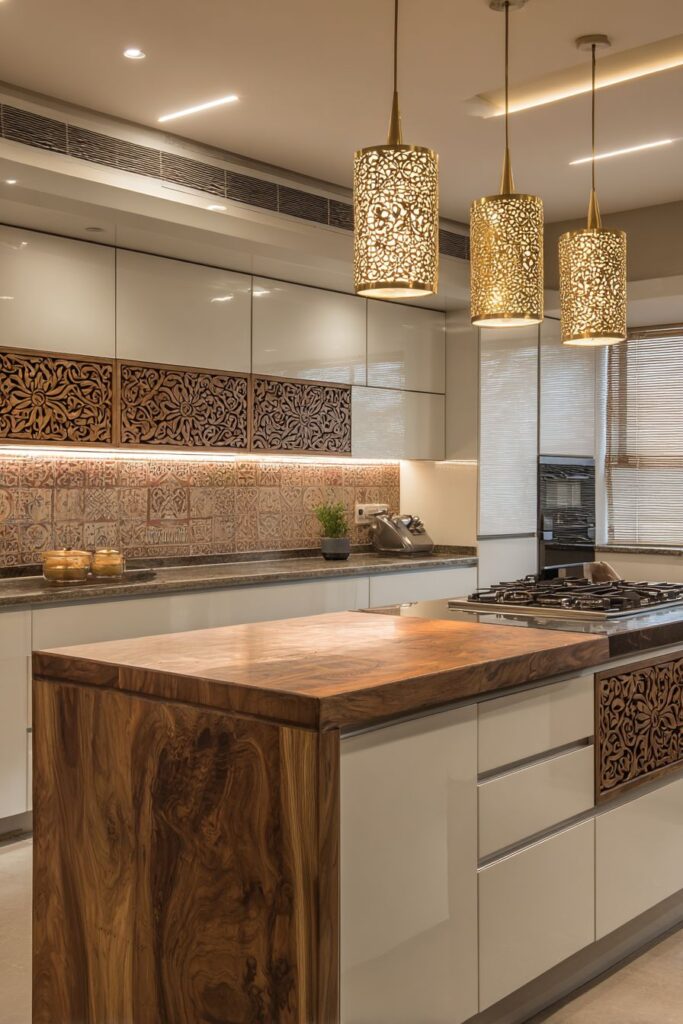
The modern Indian kitchen reaches new heights of sophistication when contemporary design principles embrace traditional cultural elements, creating a space that speaks to both heritage and innovation. Sleek white cabinets provide a clean, minimalist foundation while carved wooden panel inserts inspired by Mughal architecture add depth, texture, and unmistakable Indian character. This fusion approach acknowledges that modern Indian families desire both the efficiency of contemporary design and the cultural authenticity that connects them to their roots.
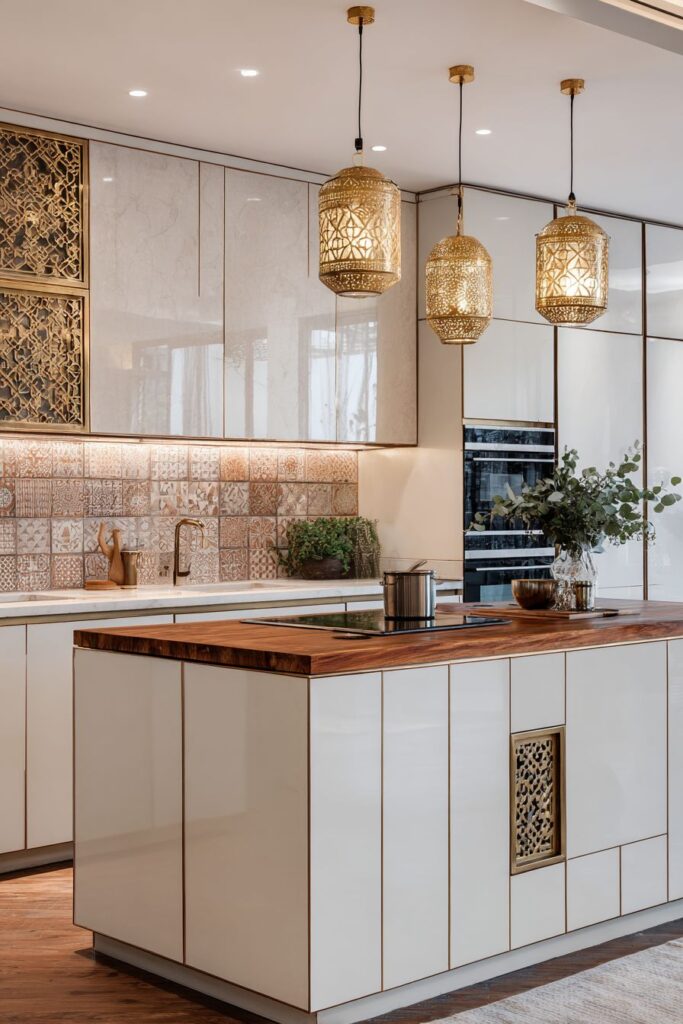
The backsplash becomes a canvas for artistic expression through hand-painted Warli art tiles in terracotta and cream, transforming a purely functional element into a celebration of India’s tribal artistic traditions. These ancient motifs, traditionally painted on village walls, now find new life in contemporary kitchens, creating a bridge between rural heritage and urban sophistication. The neutral color palette allows the intricate patterns to shine while maintaining the clean, uncluttered aesthetic that defines modern design.
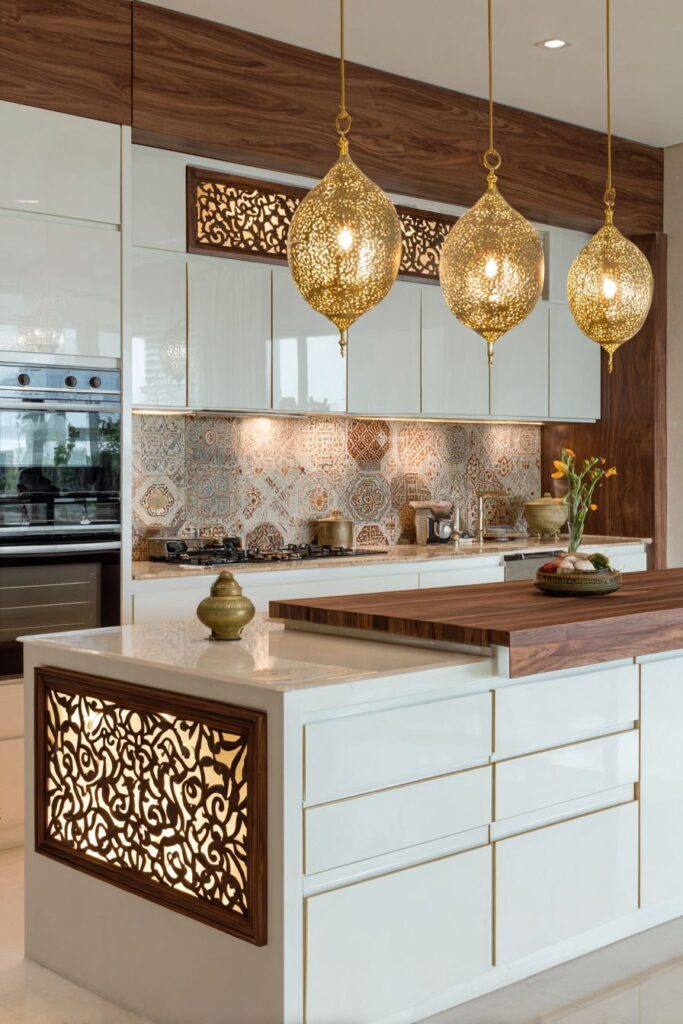
A large kitchen island serves as the command center of this culinary space, featuring a butcher block top that provides warmth and texture against the cool white cabinetry. Built-in storage solutions specifically designed for Indian cooking essentials ensure that specialized items like various sizes of pressure cookers, heavy-bottomed pans, and extensive spice collections have dedicated homes. Pendant lights with brass filigree detailing provide ambient lighting while adding another layer of traditional Indian craftsmanship to the modern framework.
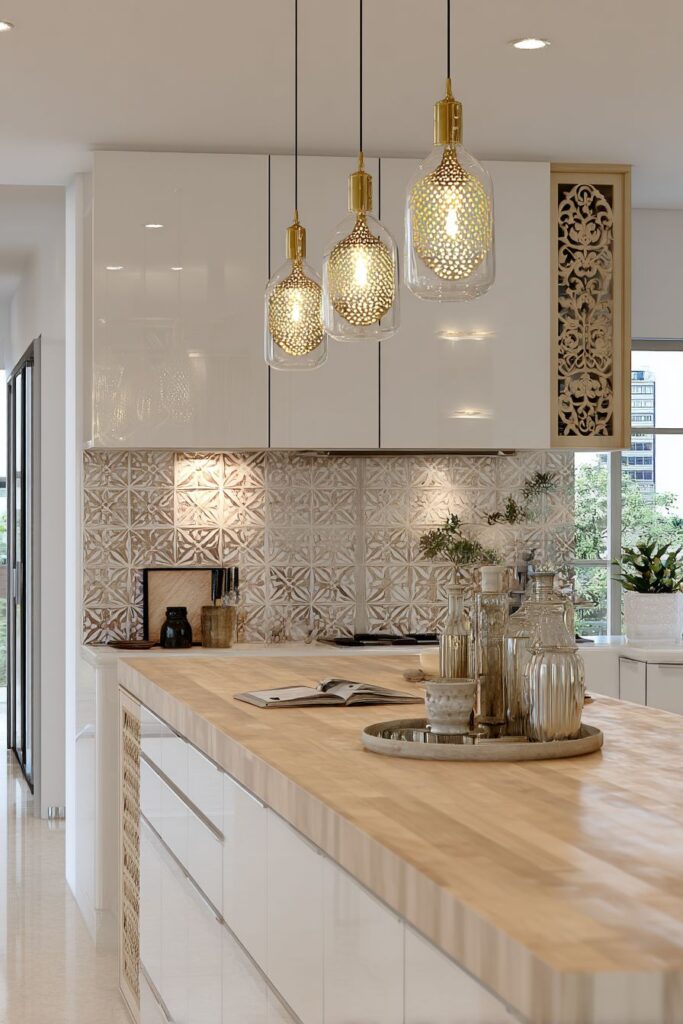
The genius of this design lies in its ability to honor cultural heritage without sacrificing contemporary functionality. Every element serves dual purposes—the carved panels add beauty while concealing modern storage solutions, the traditional tiles provide visual interest while protecting walls from cooking splashes, and the brass accents add warmth while maintaining the metallic theme essential to Indian design aesthetics.
Key Design Tips:
- Balance white cabinetry with warm wood tones to prevent the space from feeling cold or sterile
- Incorporate hand-painted tiles as both artistic elements and practical backsplash protection
- Design kitchen islands with specialized storage compartments for Indian cooking equipment
- Use brass accents strategically to add warmth without overwhelming the clean modern lines
- Install pendant lights that provide both functional task lighting and decorative cultural elements
3. Masterful Spice Organization and Storage Solutions
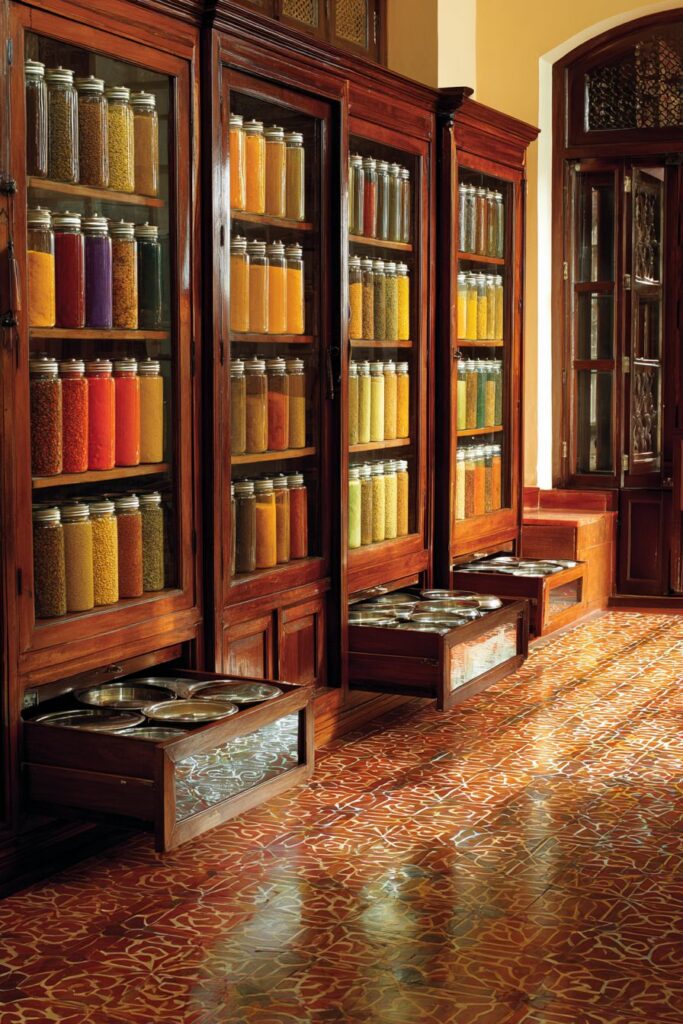
The backbone of any authentic Indian kitchen lies in its spice storage system, where hundreds of different aromatics, seasonings, and flavor enhancers must be organized for both accessibility and freshness preservation. Floor-to-ceiling spice cabinets with glass-front doors create a stunning visual display while serving the practical purpose of allowing cooks to quickly identify needed ingredients during the fast-paced preparation of complex Indian dishes. The sight of colorful spices arranged in traditional brass containers creates an almost jewel-like effect that celebrates the incredible diversity of Indian flavors.
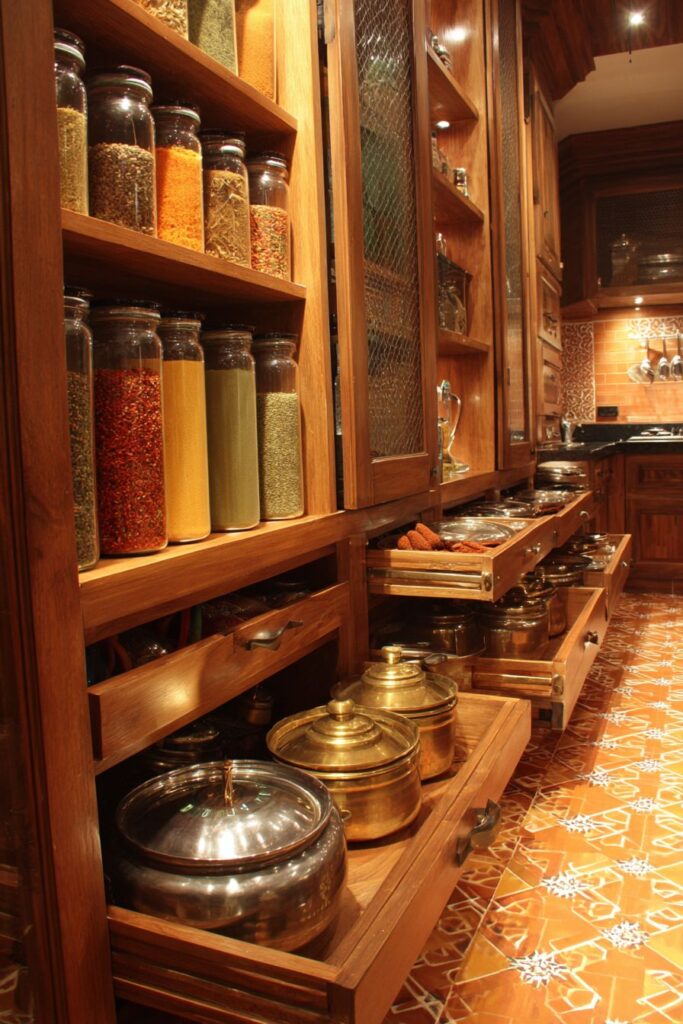
Pull-out drawers designed specifically for Indian cookware demonstrate the importance of specialized storage solutions in authentic Indian kitchen design. Various sizes of pressure cookers, heavy kadais, and specialized pans each require different storage configurations, and thoughtful design accommodates these unique requirements while maximizing space efficiency. The warm wood finish of these storage solutions complements terracotta floor tiles featuring geometric patterns that echo the mathematical precision of Indian architectural design.

The systematic organization extends beyond mere aesthetics to address the practical challenges of Indian cooking, where recipes often call for multiple spices that must be measured, combined, and added at precise moments during the cooking process. Glass-front storage allows for easy inventory management, ensuring that essential spices never run out at crucial moments, while the traditional brass containers help maintain optimal freshness by protecting sensitive aromatics from light and air exposure.

Natural lighting plays a crucial role in this storage-focused design, with carefully positioned windows and supplemental lighting ensuring that colors and labels remain clearly visible throughout the day. The terracotta flooring provides both beauty and practicality, offering a surface that’s easy to clean while adding earthy warmth that complements the rich colors of the displayed spices.
Key Design Tips:
- Install glass-front cabinets at eye level for easy spice identification and inventory management
- Design pull-out drawers with adjustable dividers to accommodate various cookware sizes
- Use traditional brass containers to maintain spice freshness while adding authentic visual appeal
- Choose terracotta or similar natural flooring materials that complement spice colors
- Ensure adequate lighting in storage areas to prevent cooking mistakes due to poor visibility
4. Space-Efficient Urban Indian Kitchen Solutions
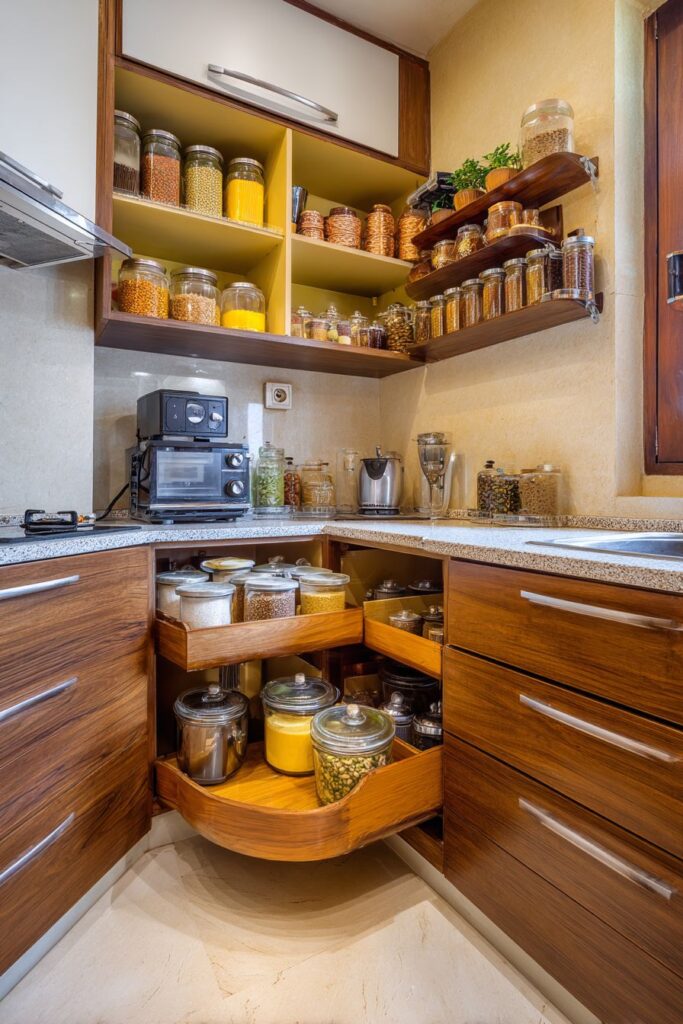
Urban apartment living presents unique challenges for Indian kitchen design, requiring innovative solutions that maximize functionality within minimal square footage while maintaining the essential elements of traditional Indian cooking. Compact yet comprehensive, this kitchen design proves that authentic Indian cuisine doesn’t require vast spaces—only intelligent planning and creative storage solutions. Space-efficient cabinets feature dedicated compartments specifically sized for dal containers, rice storage, and flour bins, acknowledging that Indian cooking relies heavily on bulk ingredient storage.
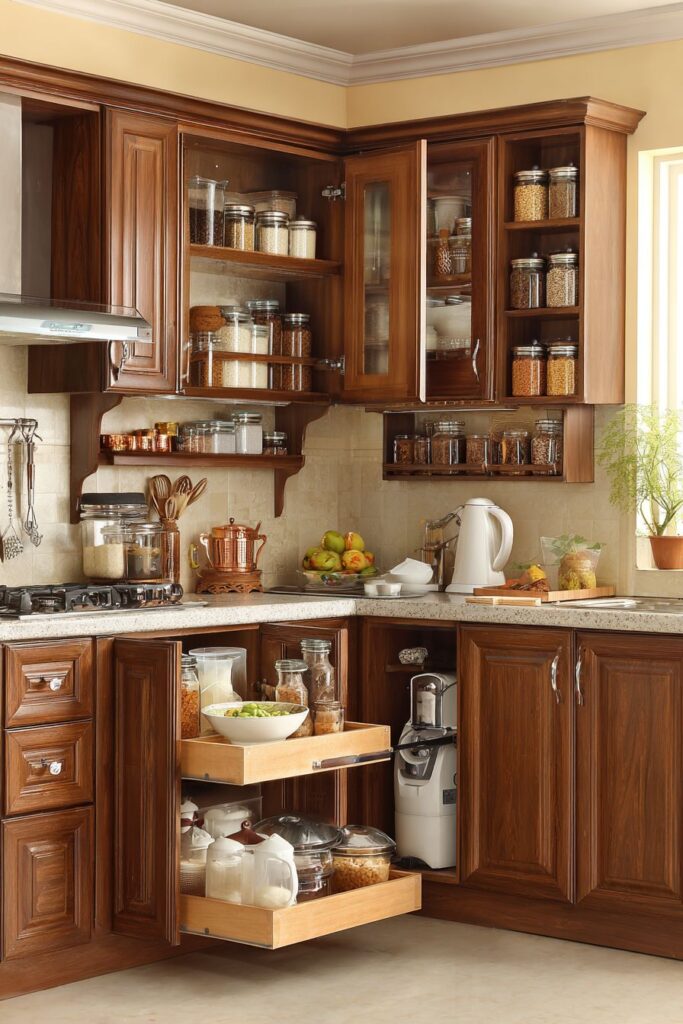
Wall-mounted spice racks become both practical storage solutions and decorative elements when traditional copper and brass containers are properly labeled and systematically organized. The vertical storage approach maximizes every inch of available wall space while keeping essential seasonings within arm’s reach of cooking surfaces. This approach also allows for easy inventory management, crucial in small spaces where overstocking can quickly lead to clutter and disorganization.

A compact wet grinder positioned on a pull-out shelf beneath the granite countertop exemplifies the ingenious space-saving solutions essential to urban Indian kitchen design. This placement keeps the specialized equipment easily accessible while maintaining clear countertop workspace when the grinder isn’t in use. The granite surface provides the durability necessary for frequent grinding and food preparation while requiring minimal maintenance—essential considerations in busy urban lifestyles.
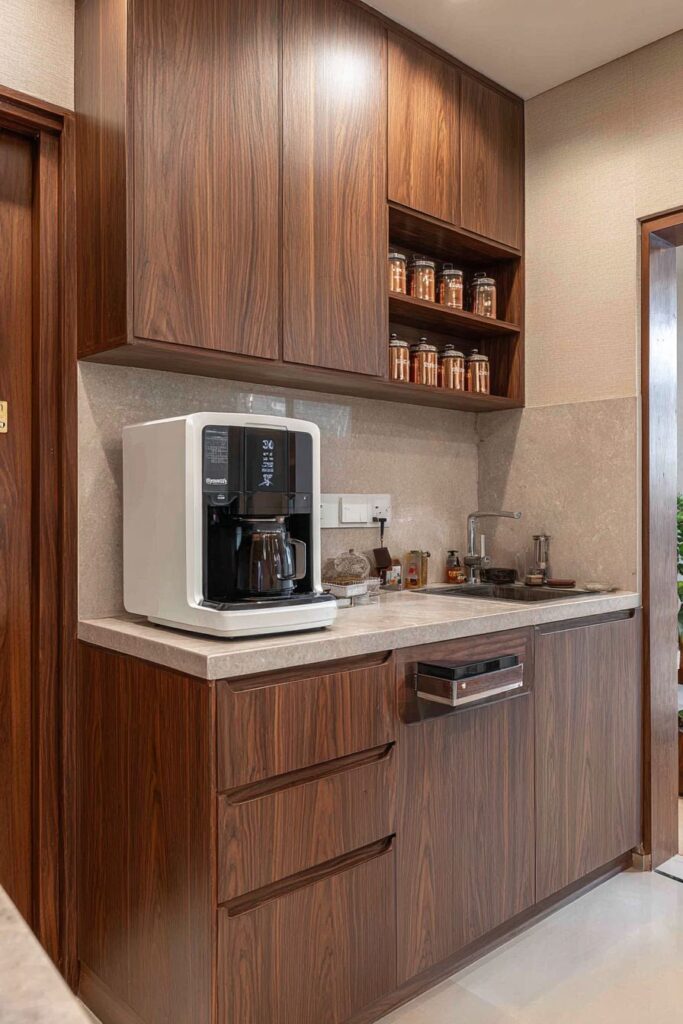
The warm beige walls paired with dark wood cabinetry create visual depth that makes the compact space feel larger and more welcoming. Strategic color choices become crucial in small spaces, where the wrong palette can make rooms feel cramped and claustrophobic. The neutral wall color reflects light effectively while the rich wood tones add warmth and sophistication without overwhelming the limited square footage.
Key Design Tips:
- Design cabinets with compartments sized specifically for Indian ingredient storage containers
- Utilize vertical wall space for spice storage to keep countertops clear and functional
- Install pull-out shelves for heavy appliances like wet grinders to maximize accessibility
- Choose light wall colors that reflect natural light to make small spaces feel larger
- Select granite or similar durable countertop materials that require minimal maintenance
5. Artistic Backsplash with Jaipur-Inspired Ceramics
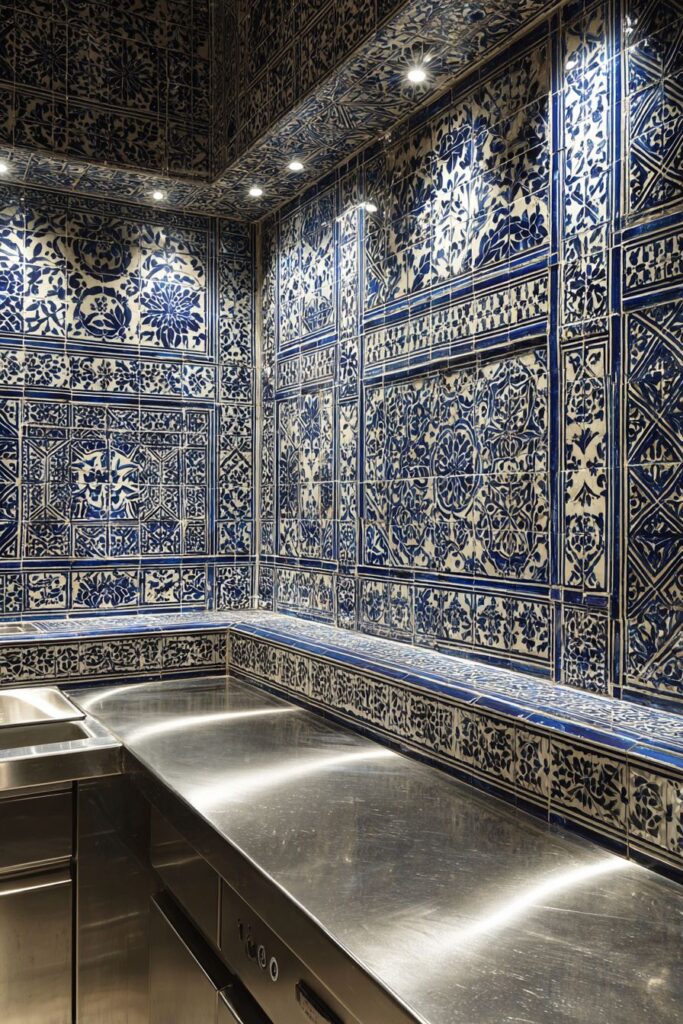
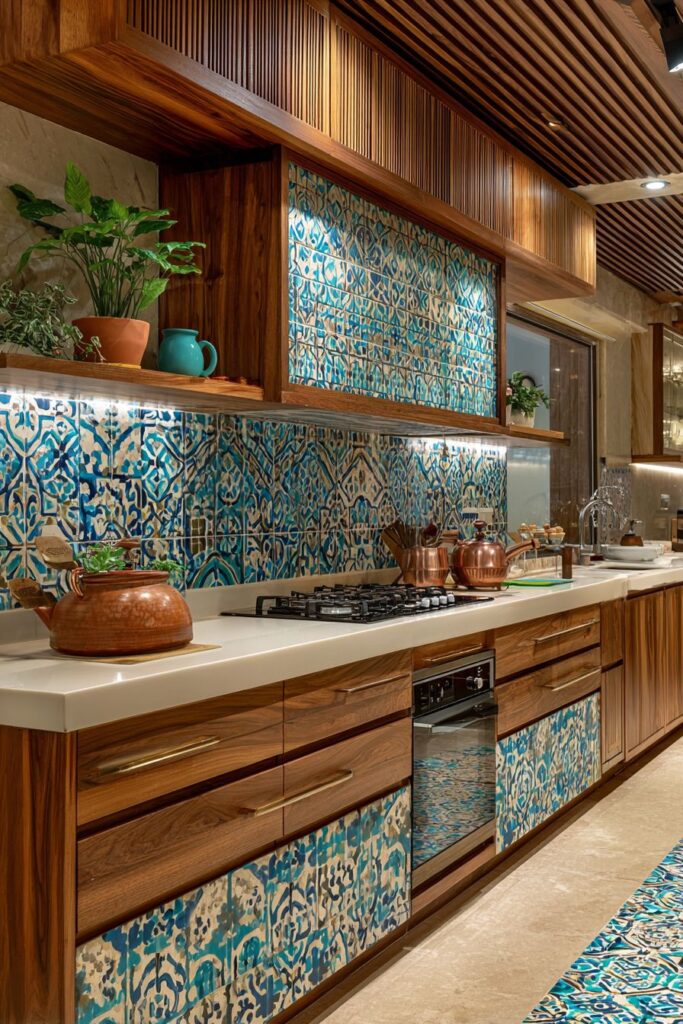
The kitchen backsplash transforms from purely functional protection into a stunning work of art when intricate blue and white ceramic tiles showcase traditional Jaipur patterns extending from countertop to ceiling. This dramatic design decision celebrates Rajasthani artistic heritage while creating a focal point that defines the entire kitchen’s aesthetic character. The lotus flower motifs and geometric borders typical of Rajasthani art bring centuries of cultural craftsmanship into the contemporary cooking space, creating a sense of continuity between past and present.
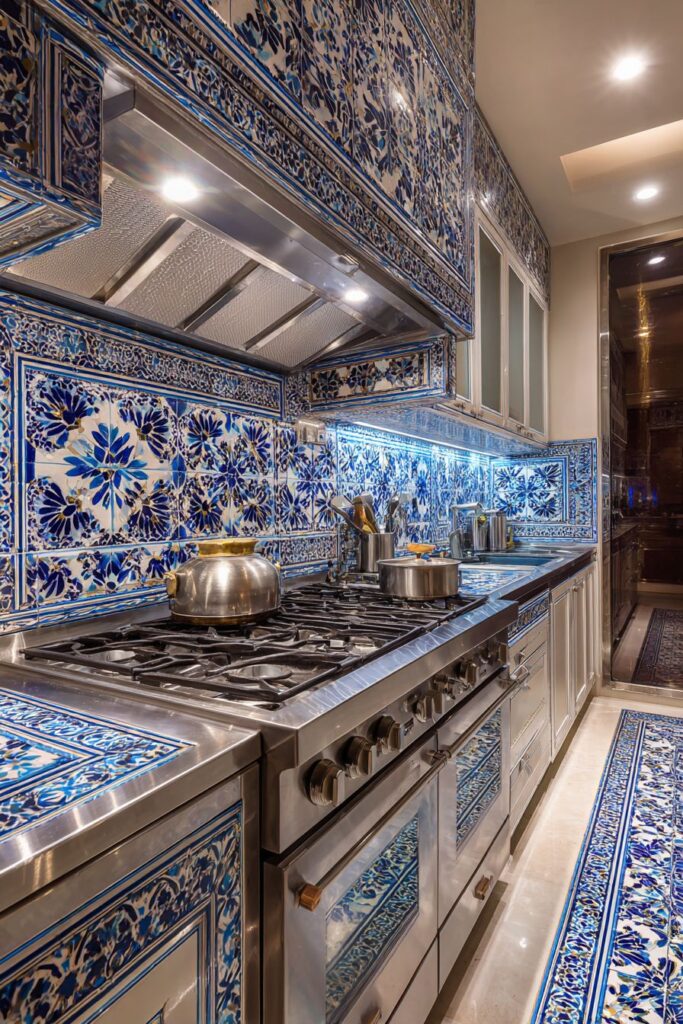
The extensive tile coverage from counter to ceiling creates a sense of grandeur and importance, elevating the kitchen from utilitarian space to cultural showcase. This approach requires careful planning and skilled installation, but the resulting visual impact justifies the investment through its ability to transform an ordinary kitchen into an extraordinary celebration of Indian artistic traditions. The blue and white color scheme provides a cool, clean backdrop that contrasts beautifully with the warmth of cooking activities and food colors.
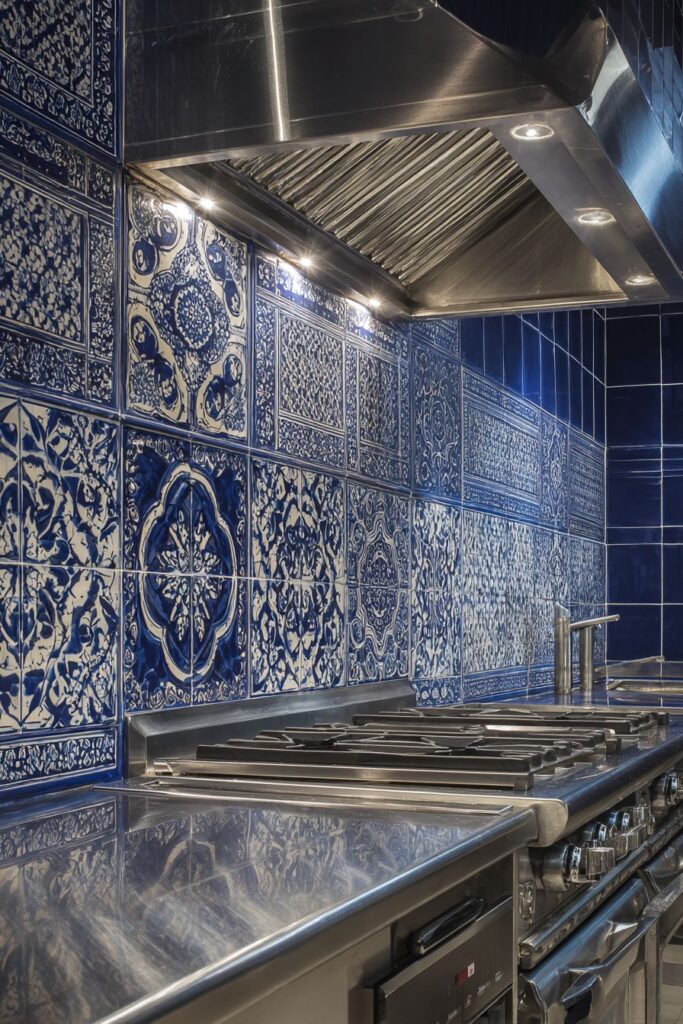
Stainless steel countertops serve a dual purpose in this design, providing practical workspace that can withstand the demands of Indian cooking while reflecting the detailed tile patterns to create visual depth and movement. The metallic surface acts like a mirror, doubling the visual impact of the artistic backsplash while providing the hygienic, easy-to-clean surfaces essential for food preparation. Under-cabinet LED lighting strategically positioned to illuminate the tile work creates dramatic highlighting that emphasizes every detail of the intricate craftsmanship.

The combination of traditional artistry with contemporary materials demonstrates how Indian design successfully adapts ancient techniques to modern requirements. The ceramic tiles provide the cultural authenticity that connects the kitchen to its Indian heritage, while the stainless steel surfaces ensure the space meets contemporary standards for hygiene and functionality.
Key Design Tips:
- Extend decorative tile coverage to ceiling height for maximum visual impact and cultural authenticity
- Choose stainless steel countertops that reflect tile patterns to amplify the artistic effect
- Install under-cabinet LED lighting to highlight tile craftsmanship and improve task lighting
- Select traditional blue and white color schemes that provide timeless elegance
- Work with skilled tile installers experienced in complex pattern matching and alignment
6. Luxury Kitchen with Integrated Tandoor Excellence
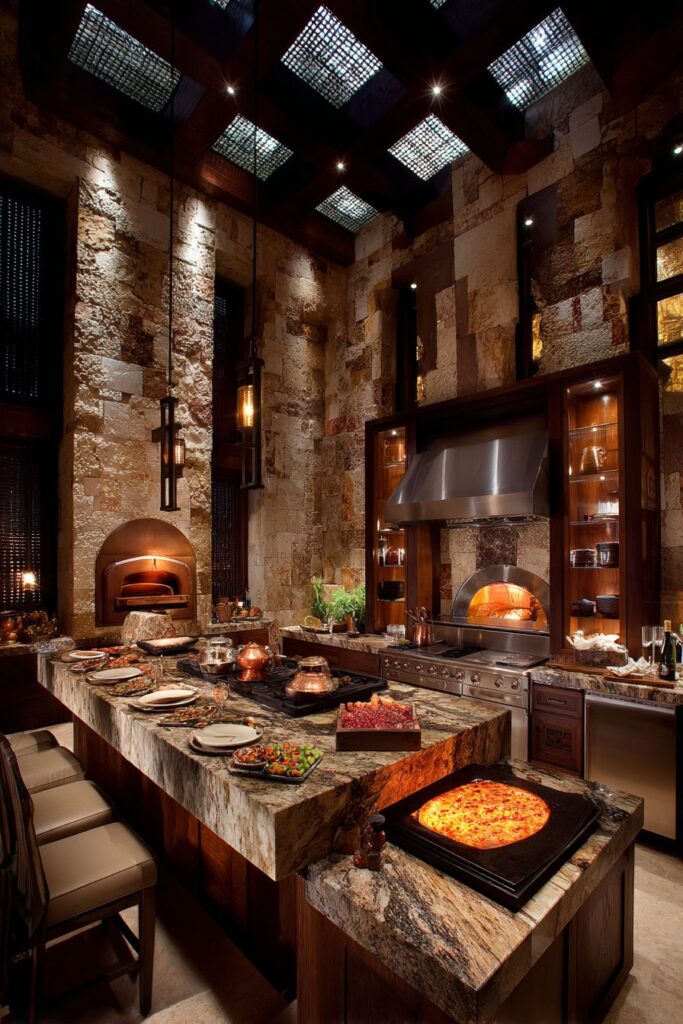
The pinnacle of Indian kitchen luxury emerges when traditional cooking methods integrate seamlessly with premium materials and contemporary convenience. A central cooking island featuring a built-in tandoor oven and tawa griddle represents the ultimate fusion of authentic technique with modern accessibility, allowing families to enjoy restaurant-quality Indian breads and grilled dishes in their own homes. This sophisticated approach to traditional cooking requires extensive planning for proper ventilation, heat management, and safety considerations, but delivers unmatched culinary authenticity.
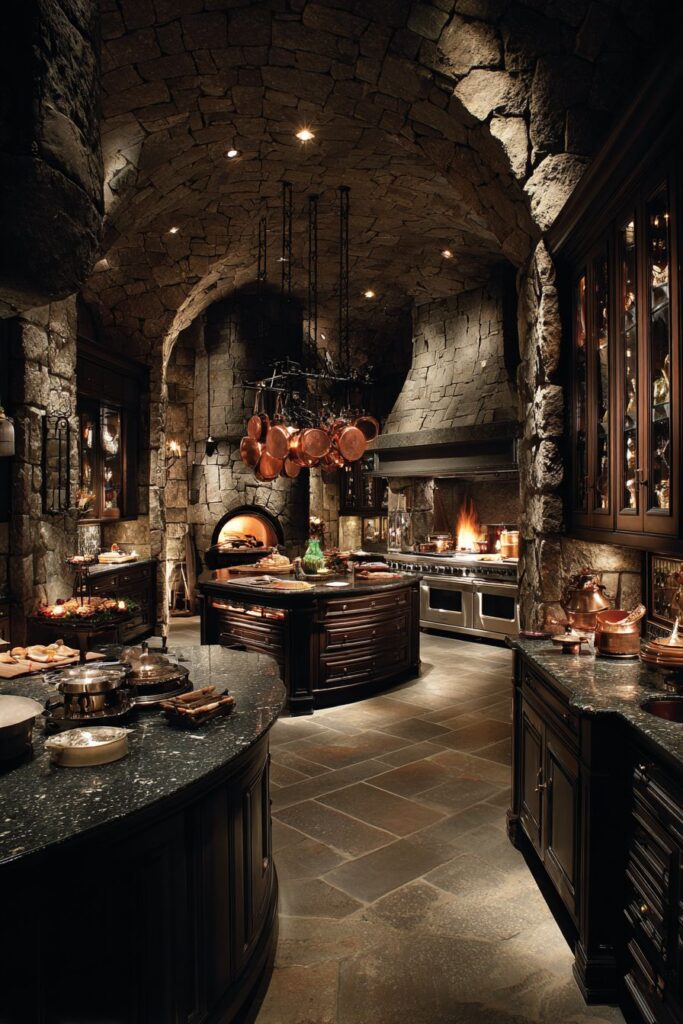
Traditional copper vessels suspended from wrought iron pot racks create both functional storage and artistic display, while modern stainless steel appliances integrate seamlessly to provide contemporary convenience without compromising cultural authenticity. The juxtaposition of materials—gleaming copper against brushed steel, warm wood against cool stone—creates visual interest while demonstrating how traditional and modern elements can coexist harmoniously in well-planned spaces.
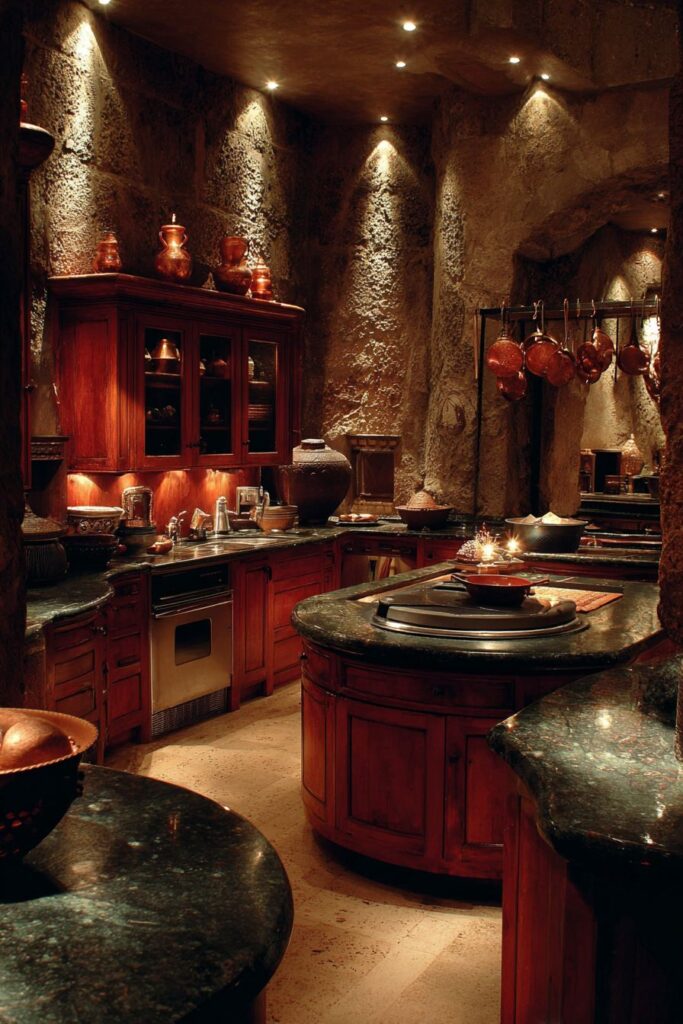
Rich mahogany cabinets provide the luxurious foundation for this high-end kitchen, with glass-front sections specifically designed to showcase heirloom serving pieces and traditional cookware. These display areas transform functional storage into cultural exhibitions, celebrating the beauty of traditional Indian vessels while keeping them accessible for special occasions and daily use. The quality of mahogany ensures longevity and develops increasing beauty over time, making it a worthy investment for luxury kitchen applications.
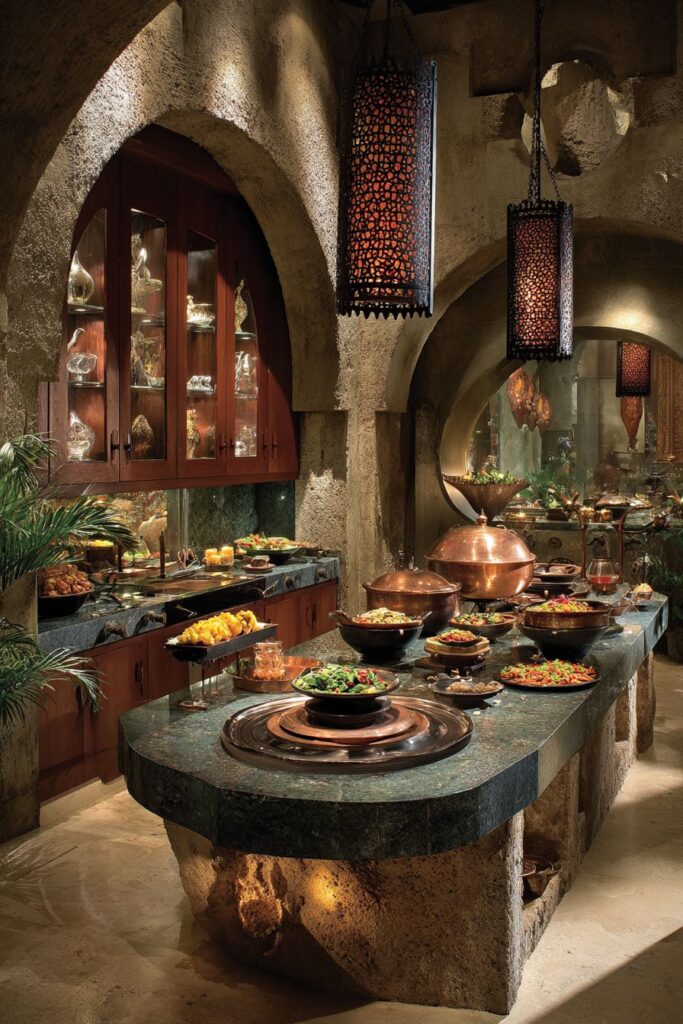
Recessed lighting creates dramatic shadows on textured stone walls, adding depth and visual interest while providing the task lighting essential for complex cooking procedures. The sophisticated lighting design acknowledges that luxury extends beyond expensive materials to include thoughtful illumination that enhances both functionality and beauty.
Key Design Tips:
- Install proper ventilation systems for built-in tandoor ovens to ensure safety and comfort
- Combine traditional copper cookware with modern appliances for optimal functionality
- Design glass-front display cabinets to showcase heirloom pieces while keeping them accessible
- Invest in quality materials like mahogany that develop increasing beauty over time
- Create layered lighting schemes that provide both task illumination and dramatic ambiance
7. Living Herb Garden Integration
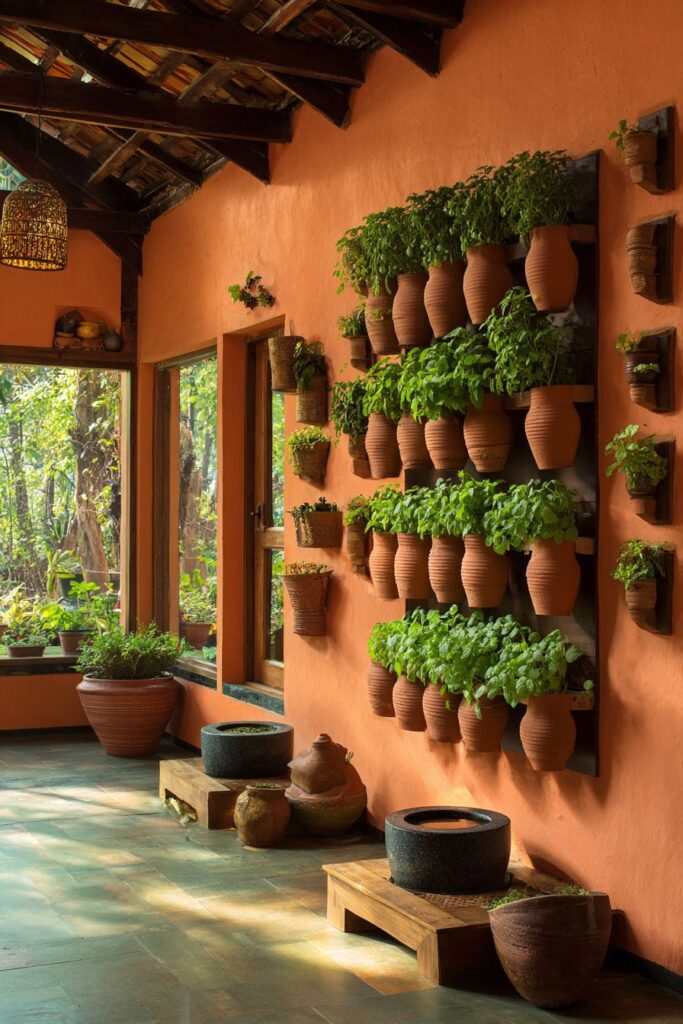
The integration of a living herb garden into Indian kitchen design represents a return to traditional practices where fresh ingredients were always within reach of the cooking area. A sophisticated living wall system supports curry leaves, mint, coriander, and holy basil in carefully designed terracotta planters that honor both functionality and aesthetics. This approach ensures that essential fresh herbs are available year-round while adding natural beauty and fresh fragrance to the cooking environment.
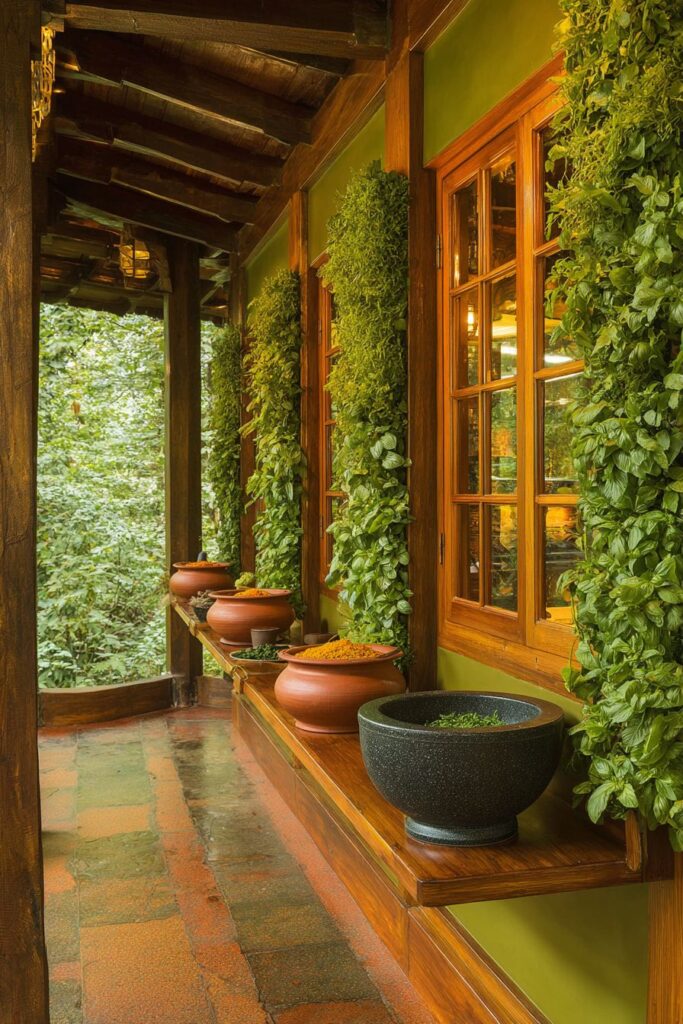
Natural wood shelving creates a bridge between the living elements and traditional kitchen storage, displaying fresh herbs alongside traditional mortar and pestles carved from black granite. This arrangement celebrates the connection between growing, harvesting, and preparing ingredients, acknowledging that the best Indian cuisine begins with the freshest possible components. The contrast between living green plants and the permanence of carved stone tools creates visual interest while telling the story of Indian culinary traditions.

Large windows positioned strategically to provide abundant natural light serve the dual purpose of supporting plant growth while illuminating the kitchen workspace. The positioning must balance the plants’ need for consistent light with the kitchen’s requirements for natural illumination, creating a harmonious environment that supports both culinary activities and botanical success. The resulting space feels alive and connected to nature, transforming cooking from an indoor activity to one that celebrates the natural world.

The earthy color palette, combining natural wood tones with vibrant green foliage creates a sense of harmony and connection to traditional Indian values that emphasize the relationship between humans and nature. This design approach acknowledges that food is more than fuel—it’s a connection to the earth, the seasons, and the natural cycles that sustain life.
Key Design Tips:
- Install proper drainage systems for herb planters to prevent water damage to surrounding surfaces
- Choose herbs that thrive in kitchen environments with varying temperatures and humidity levels
- Position windows to provide optimal natural light for both plants and cooking activities
- Use natural materials like wood and stone that complement living plants harmoniously
- Design irrigation systems that make plant care easy and prevent neglect of the herb garden
8. South Indian Regional Specialty Kitchen

The distinctive characteristics of South Indian cuisine demand specialized kitchen design that honors regional preferences and cooking methods while providing the functionality required for complex, multi-course meals. Dark wood cabinets featuring traditional Chettinad-style carved details and brass fittings immediately establish the regional identity while providing the durability necessary for the intense cooking methods common in South Indian cuisine. The intricate carving work reflects centuries of woodworking tradition, transforming purely functional storage into cultural art.
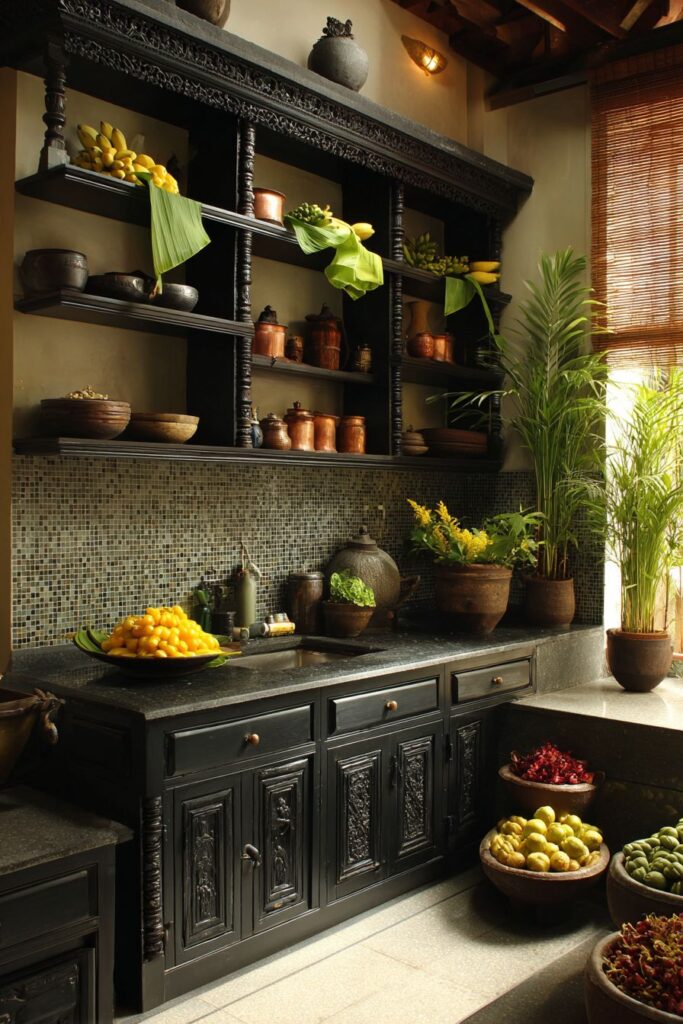
A dedicated wet area with separate washing station acknowledges the importance of rice preparation and cooking in South Indian cuisine, where multiple rice-based dishes often require simultaneous preparation. The mosaic tile flooring in jewel tones provides both beauty and practicality, offering easy cleaning while adding the rich colors that characterize South Indian design aesthetics. This specialized area prevents cross-contamination between different types of food preparation while streamlining workflow during complex cooking sessions.
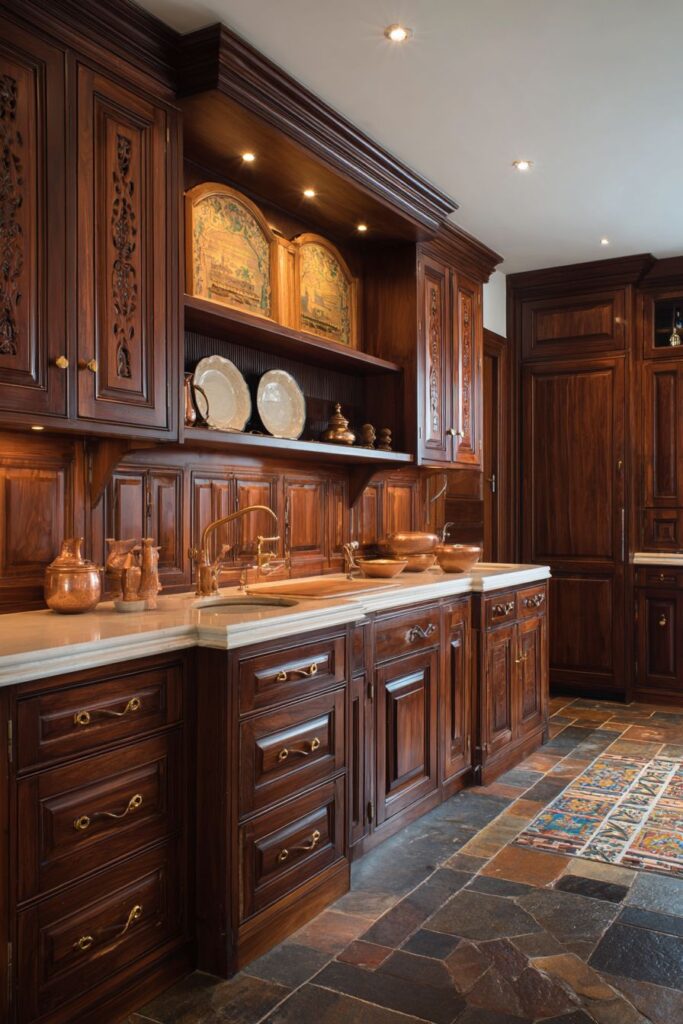
Copper vessels line open shelving in traditional arrangements that prioritize both accessibility and visual appeal, while banana leaves hang in designated storage areas for authentic food presentation. The prominence given to copper cookware acknowledges its central role in South Indian cooking, where the metal’s heat conduction properties and natural antimicrobial qualities make it ideal for the long, slow cooking methods that characterize regional cuisine.
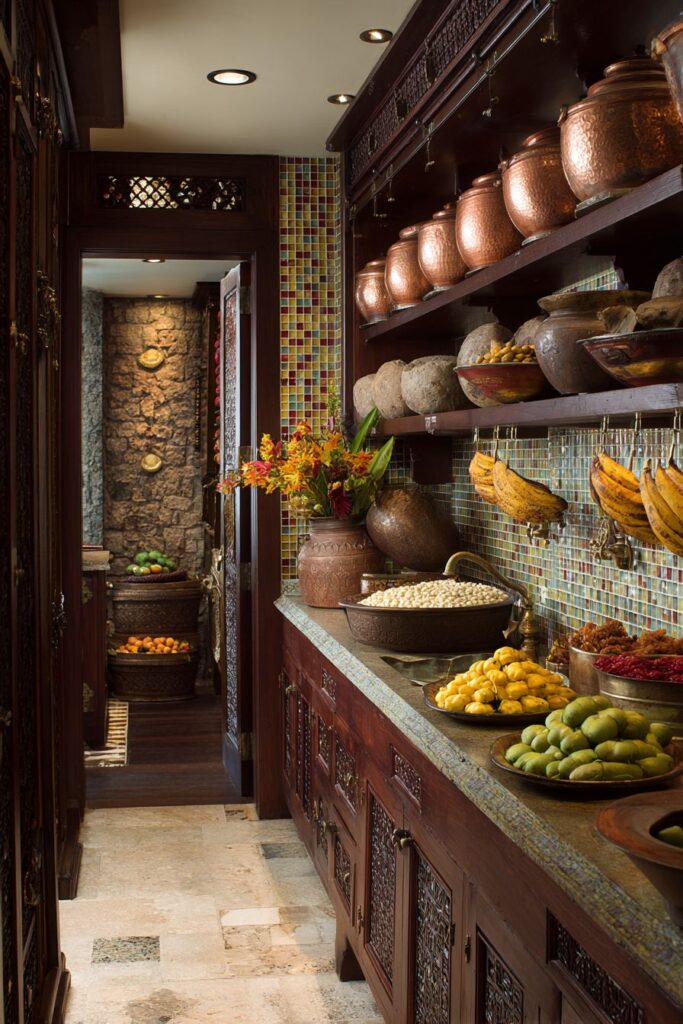
Natural stone countertops provide ideal surfaces for grinding spices and preparing coconut, two activities that form the foundation of South Indian cooking. The stone’s cool surface and durability make it perfect for the repetitive grinding motions required to create the smooth pastes and powders essential to authentic South Indian flavors.
Key Design Tips:
- Design separate wet areas for rice preparation to prevent cross-contamination with other ingredients
- Install adequate ventilation for extensive spice grinding and coconut processing activities
- Choose dark wood finishes that hide stains and wear from intensive cooking activities
- Incorporate traditional storage solutions for banana leaves and other regional presentation materials
- Select natural stone surfaces that provide optimal grinding and preparation conditions
9. Traditional Indian Pantry Storage Mastery

The heart of Indian culinary tradition beats strongest in the pantry, where generations of storage wisdom combine with practical necessity to create systems that maintain ingredient quality while ensuring accessibility during cooking. Large ceramic urns designed for rice and lentil storage demonstrate the traditional understanding that proper storage begins with the right containers, where natural materials help regulate moisture and prevent pest infiltration while maintaining the nutritional quality of bulk ingredients.
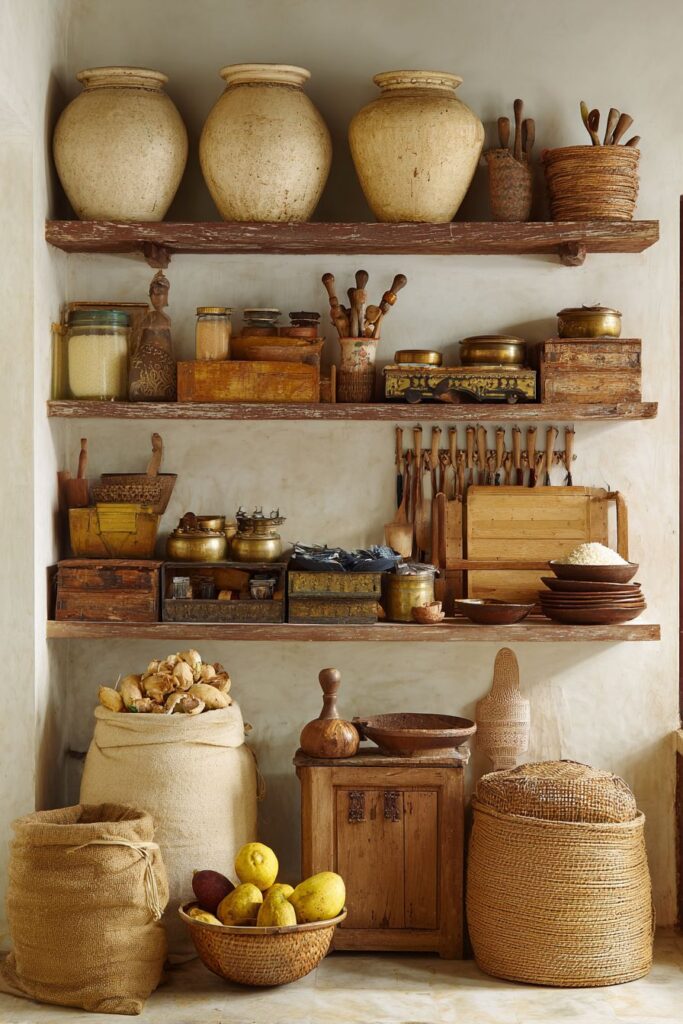
Wooden bins specifically designed for whole spice storage acknowledge that Indian cooking relies heavily on whole spices that must be stored properly to maintain their potency and flavor. The natural properties of wood help regulate moisture while preventing the essential oils in spices from dissipating, ensuring that cardamom pods remain fragrant, cinnamon sticks retain their intensity, and bay leaves maintain their distinctive aroma. Brass containers reserved for specialty ingredients add both functionality and beauty, with the metal’s natural properties helping preserve delicate seasonings.
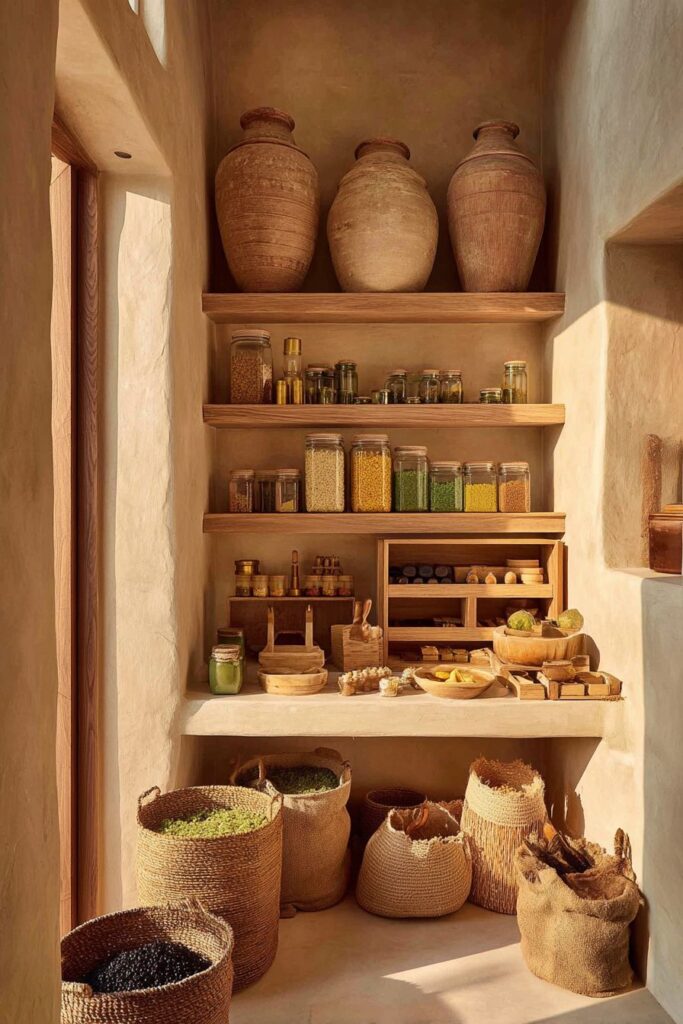
Open shelving displays an organized collection of regional cooking implements including coconut scrapers and spice grinders, acknowledging that Indian cooking requires specialized tools that must remain accessible while being properly maintained. The systematic organization prevents the common problem of equipment being buried in deep cabinets, making cooking more efficient and enjoyable.
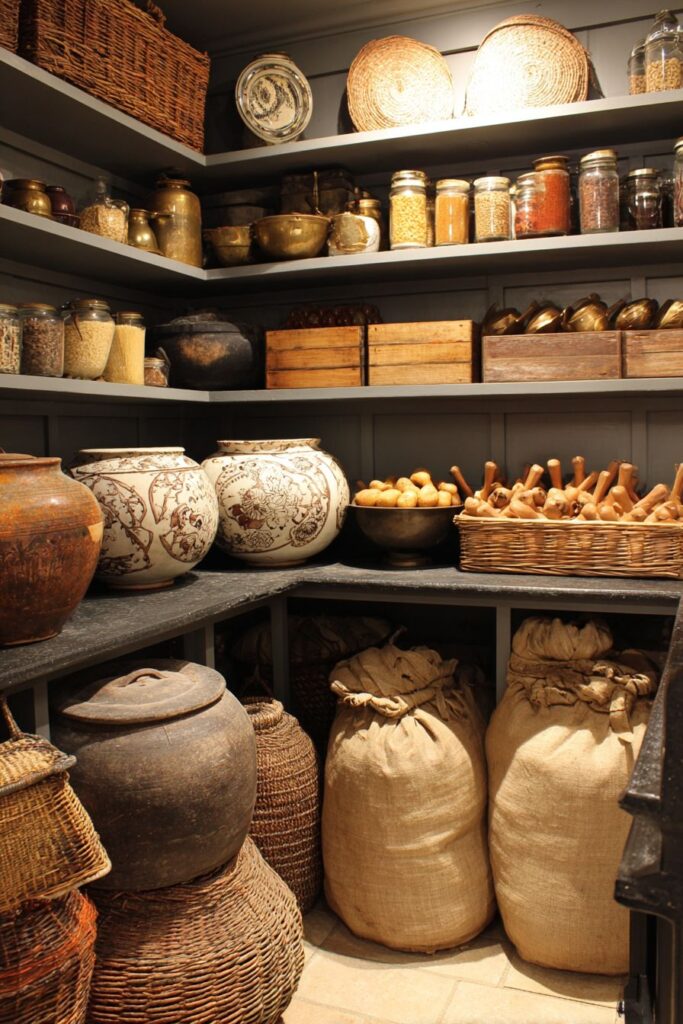
Jute sacks and woven baskets provide both practical storage and cultural authenticity, connecting contemporary kitchens to the traditional markets where ingredients were purchased and stored using natural, breathable materials. These elements add texture and warmth while maintaining the practical benefits that made them essential in traditional Indian households.
Key Design Tips:
- Invest in traditional ceramic urns for bulk grain storage to maintain freshness and prevent pest problems
- Organize spice storage by frequency of use, keeping daily spices easily accessible
- Display specialized cooking tools on open shelving to encourage their regular use
- Choose natural storage materials that regulate moisture and maintain ingredient quality
- Label all storage containers clearly to prevent cooking delays and ingredient waste
10. Contemporary Breakfast Bar with Traditional Seating

The modern Indian kitchen extends beyond cooking to encompass casual dining and family gathering, with breakfast bars offering informal seating that encourages family interaction during meal preparation. Carved wooden stools inspired by traditional Indian furniture provide comfortable seating while maintaining cultural authenticity, creating spaces where family members can gather to share stories, help with cooking, or simply enjoy each other’s company during food preparation.

The kitchen island incorporates specialized Indian cooking features including a built-in spice grinding station and dedicated storage for flatbread preparation tools, ensuring that traditional cooking methods remain accessible within contemporary layouts. This integration demonstrates how modern kitchen design can embrace traditional techniques without sacrificing efficiency or convenience. The grinding station’s placement within the island allows for social cooking, where family members can participate in spice preparation while maintaining conversation.
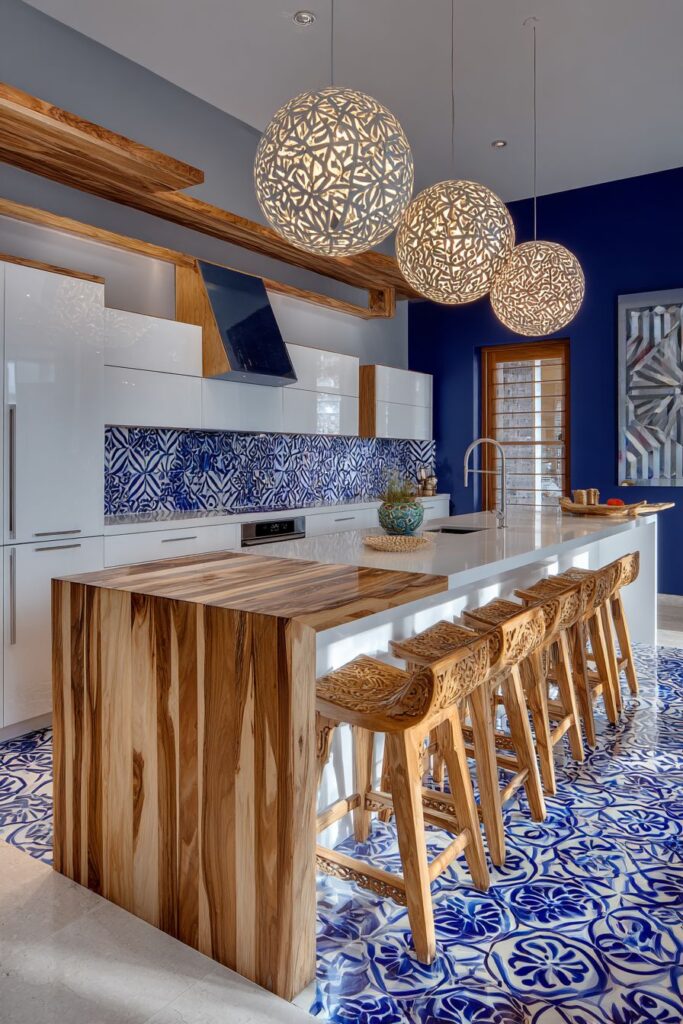
Modern white cabinets provide a clean, contemporary foundation that contrasts beautifully with a statement wall in deep indigo featuring hand-block printed patterns. This dramatic color choice adds personality and cultural depth while avoiding the overwhelming effect that traditional patterns might create if used throughout the entire space. The hand-block printing connects the kitchen to India’s rich textile traditions while providing visual interest that elevates the space beyond purely functional design.
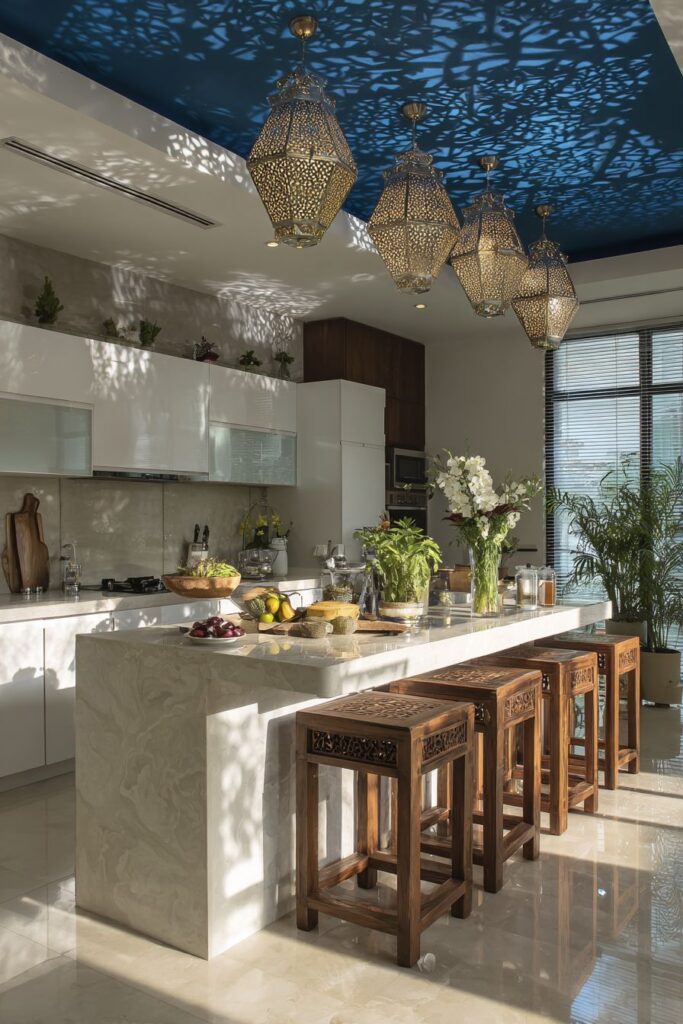
Pendant lighting featuring geometric metalwork creates intricate shadow patterns that add visual interest throughout the day as natural light changes. These fixtures serve both functional and aesthetic purposes, providing task lighting for food preparation while adding another layer of traditional craftsmanship to the contemporary framework.
Key Design Tips:
- Design breakfast bars at comfortable heights that encourage casual dining and family interaction
- Incorporate built-in spice grinding stations that allow for social cooking experiences
- Use statement walls strategically to add cultural elements without overwhelming the space
- Choose pendant lighting that provides both functionality and decorative interest
- Balance traditional seating with contemporary kitchen layouts for optimal traffic flow
11. Copper Cookware as Functional Art Display
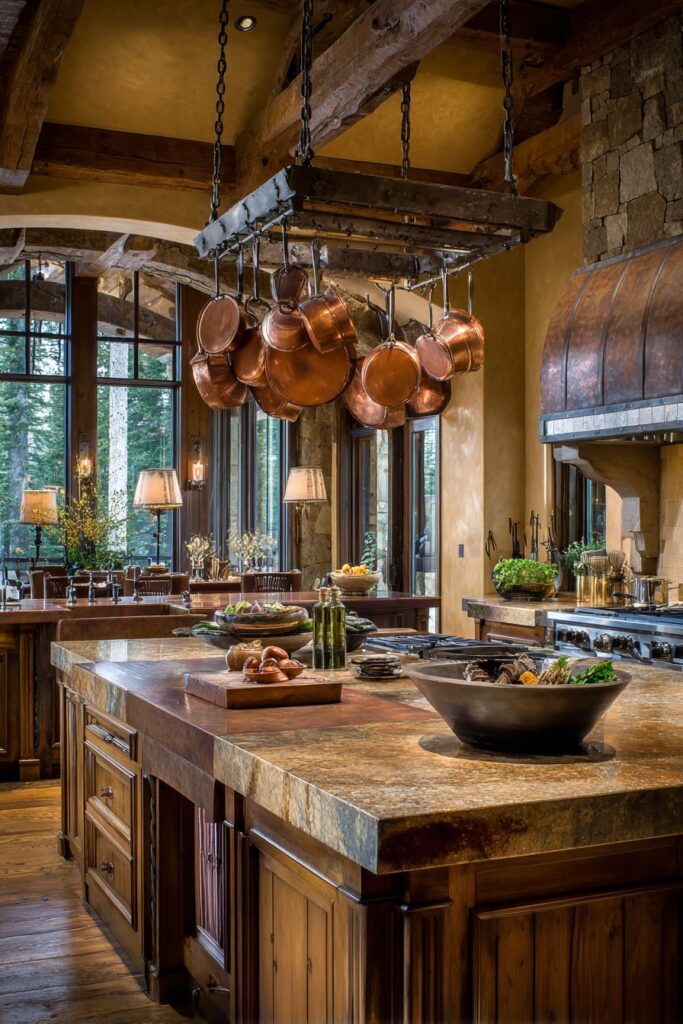
The transformation of traditional Indian cookware from purely functional items to decorative elements represents a sophisticated understanding of how beauty and utility intersect in well-designed kitchens. Hanging pot racks showcase various sizes of degchis, handis, and tawas, creating an impressive display that celebrates the craftsmanship of traditional metalworking while keeping essential cookware within easy reach. The copper’s natural patina develops over time, creating an increasingly beautiful surface that tells the story of countless meals prepared with love and tradition.
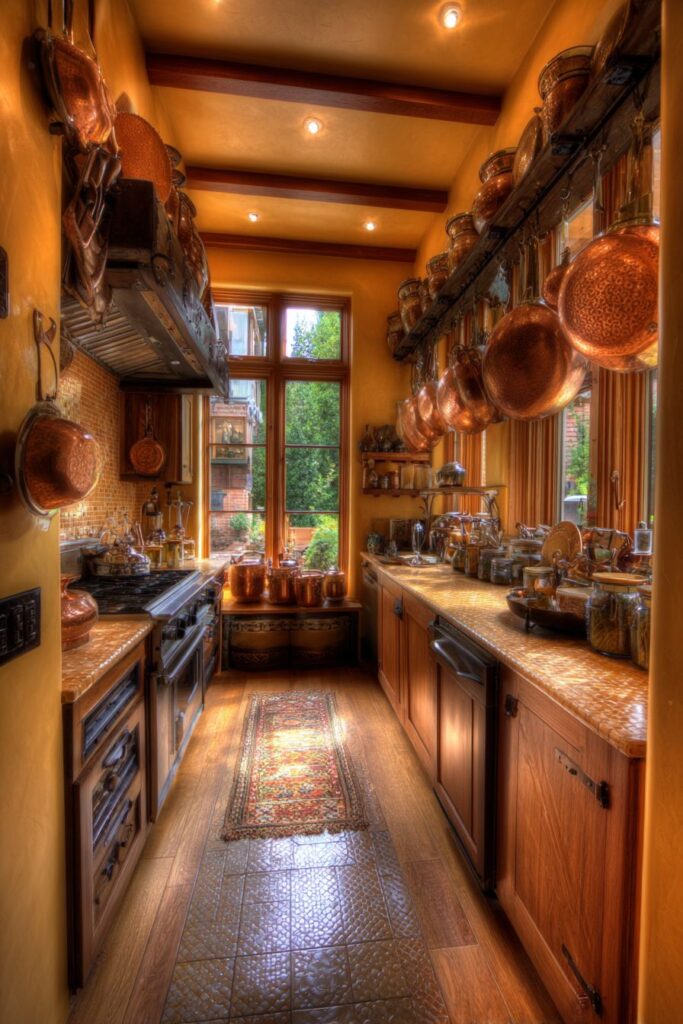
A dedicated spice preparation area featuring marble surfaces provides the cool, smooth workspace essential for rolling and grinding activities that form the foundation of Indian cooking. Marble’s natural properties make it ideal for these tasks, remaining cool even in warm kitchens while providing the smooth surface necessary for effective rolling and grinding. The permanent installation of these specialized surfaces acknowledges that Indian cooking requires dedicated preparation areas designed for specific tasks.

Warm yellow walls complement the copper’s natural patina while creating a cohesive color scheme that feels both traditional and contemporary. The yellow provides a perfect backdrop for copper display, enhancing the metal’s warm tones while creating visual depth and richness. Natural wood cabinets add another layer of warmth while providing the storage necessary for the extensive equipment collection that characterizes serious Indian cooking.
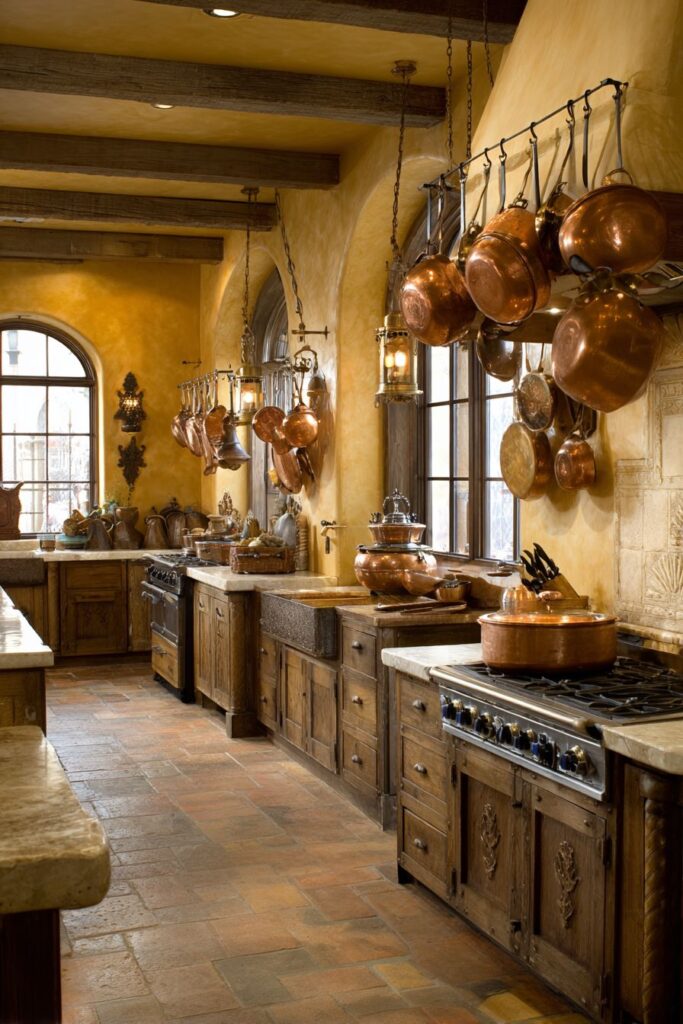
Large windows strategically positioned to highlight the metallic surfaces create an ever-changing display as natural light moves across the copper surfaces throughout the day. This natural illumination emphasizes the handcrafted nature of traditional cookware while creating a connection between indoor cooking activities and the outdoor environment.
Key Design Tips:
- Install hanging pot racks that can support the weight of heavy copper cookware safely
- Create dedicated marble preparation areas for spice grinding and rolling activities
- Choose wall colors that complement copper patina and enhance its natural beauty
- Position windows to provide natural lighting that highlights metallic surfaces attractively
- Organize copper vessels by size and frequency of use for optimal accessibility
12. North Indian Roti-Making Specialization
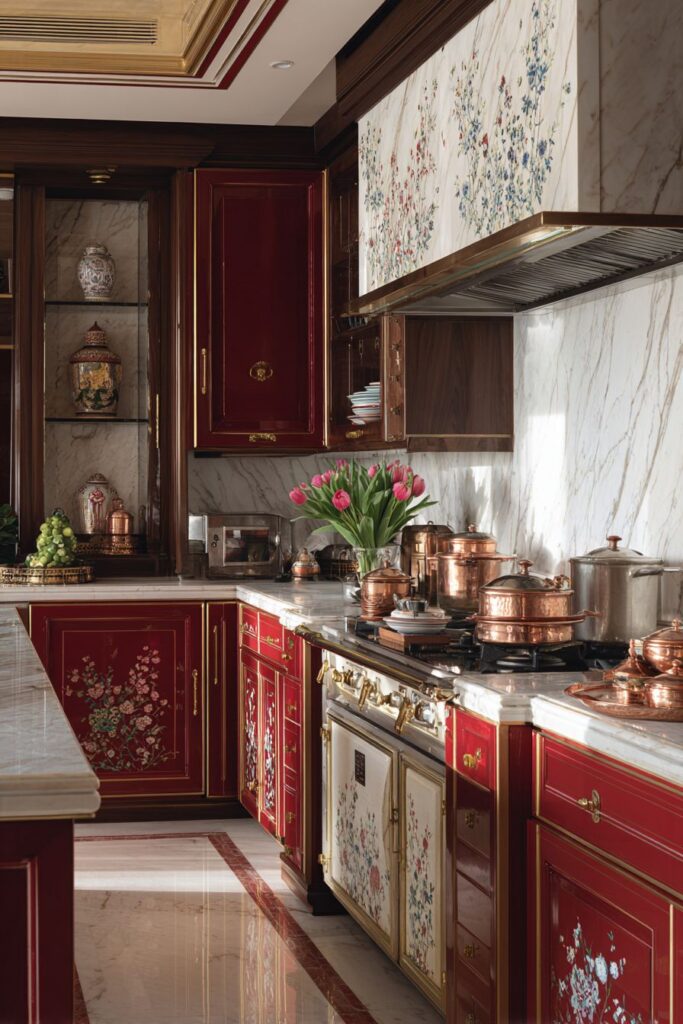
The art of bread-making holds special significance in North Indian cuisine, requiring specialized equipment and dedicated workspace that honors this essential culinary skill. A built-in tandoor represents the pinnacle of bread-making technology, providing the intense heat and unique cooking environment necessary for authentic naan, kulcha, and tandoori roti. The integration of this traditional oven into contemporary kitchen design requires careful planning for ventilation, heat management, and safety, but delivers unmatched authenticity for bread enthusiasts.
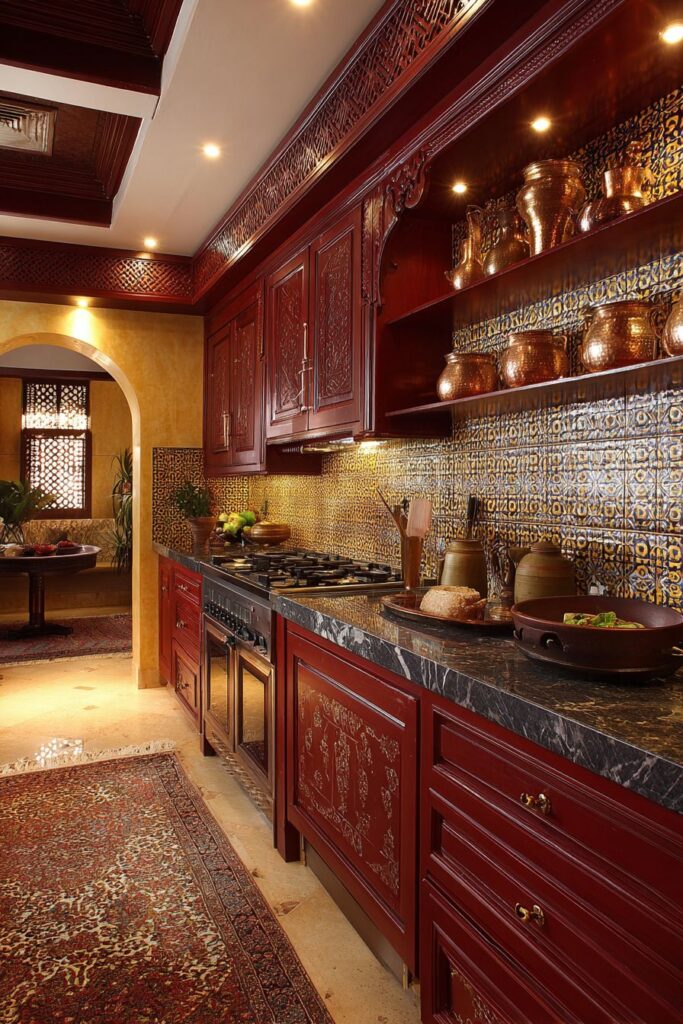
The chakla-belan workspace features cool marble surfaces that provide ideal conditions for rolling and shaping various Indian breads, with the stone’s temperature-regulating properties helping maintain dough consistency during preparation. This specialized area acknowledges that bread-making requires dedicated space with proper surfaces, tools, and workflow organization. The marble’s smooth surface prevents sticking while its coolness helps maintain proper dough texture.

Traditional niches carved into plastered walls provide specialized storage for copper vessels and serving pieces, combining practical storage with architectural interest. These design elements connect the kitchen to traditional Indian architecture while solving modern storage challenges through time-tested solutions. The niches’ design prevents dust accumulation while displaying beautiful vessels as decorative elements.
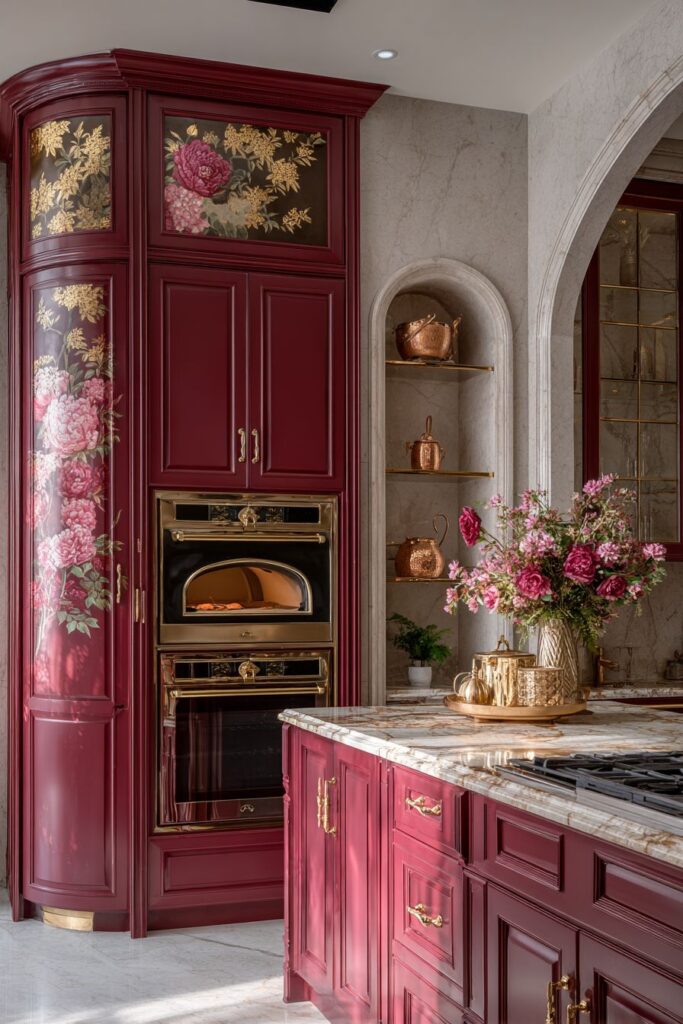
The rich burgundy and gold color scheme reflects Punjabi design traditions while creating a warm, welcoming atmosphere that encourages family gathering during bread preparation. Hand-painted floral motifs on cabinet doors add artistic interest while connecting the space to traditional decorative arts. Brass hardware and fixtures maintain authenticity while providing durability for frequent use.
Key Design Tips:
- Install proper ventilation systems for tandoor ovens to manage heat and smoke safely
- Design chakla-belan workstations with adequate storage for rolling pins and flour
- Create traditional niches for vessel storage that prevent dust while displaying beautiful pieces
- Choose burgundy and gold color schemes that reflect regional North Indian aesthetic preferences
- Include hand-painted details that connect the kitchen to traditional decorative arts
13. Sustainable Design with Traditional Materials
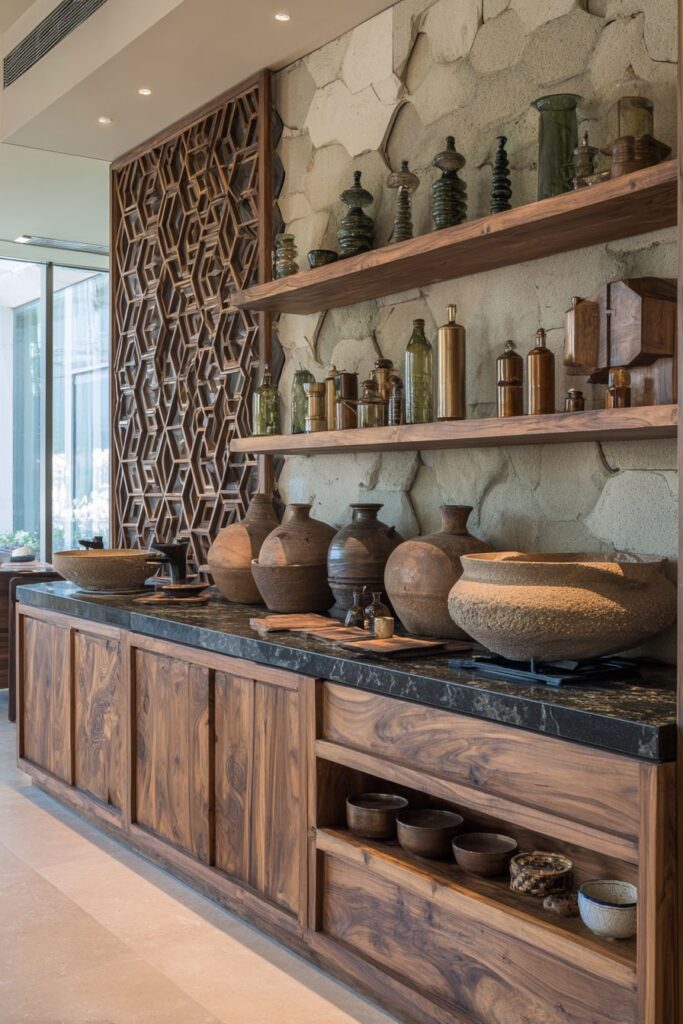
Environmental consciousness meets cultural authenticity in kitchen designs that prioritize sustainable materials and traditional construction methods while maintaining contemporary functionality. Reclaimed teak wood cabinets showcase traditional joinery techniques that eliminate the need for modern adhesives and metal fasteners, creating storage solutions that honor both environmental responsibility and cultural craftsmanship. The reclaimed wood’s history adds character and soul to the kitchen while reducing environmental impact through material reuse.

Clay water pots provide natural cooling through evaporation while eliminating the need for energy-intensive refrigeration for water storage, demonstrating how traditional solutions often surpass modern alternatives in both efficiency and environmental impact. Copper vessels reduce environmental impact through their longevity and natural antimicrobial properties, eliminating the need for disposable cookware while providing superior cooking performance that improves rather than degrades over time.
Solar tube lighting supplements natural illumination through traditional jali screens, reducing electrical consumption while providing the soft, diffused light that enhances both cooking activities and the natural beauty of traditional materials. This approach demonstrates how contemporary environmental technology can work harmoniously with traditional design elements to create spaces that honor both cultural heritage and environmental responsibility.
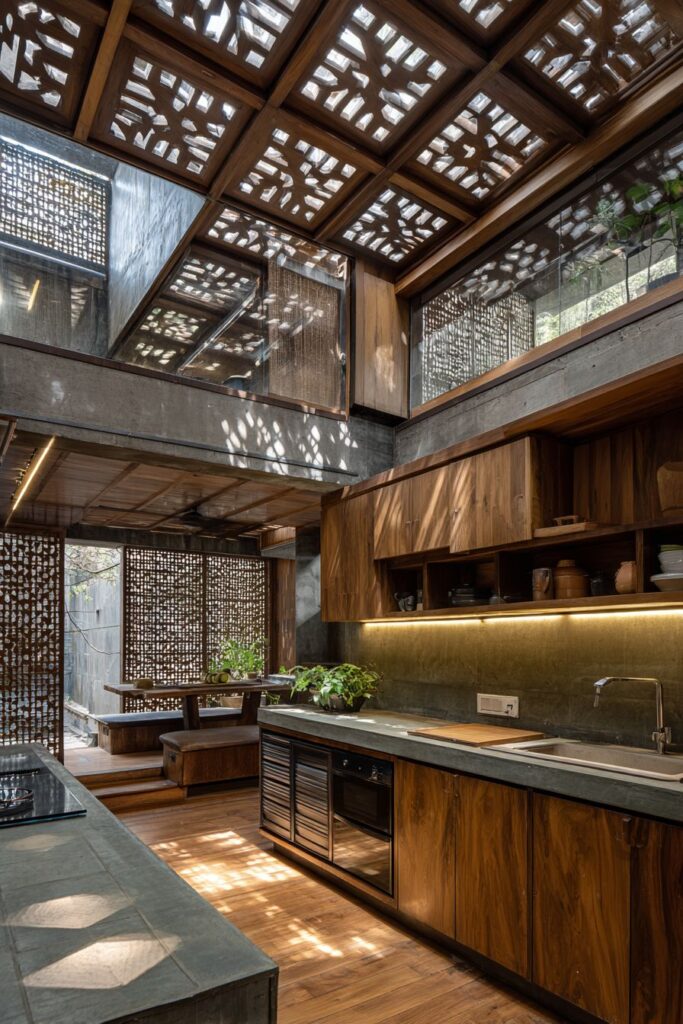
Locally sourced stone countertops and handmade ceramic tiles support regional craftsmanship while reducing transportation-related environmental impact, creating a kitchen that connects to local traditions while minimizing ecological footprint. These materials age gracefully, developing increased beauty over time rather than requiring replacement due to wear or style changes.
Key Design Tips:
- Source reclaimed wood from reputable suppliers who ensure proper treatment and preparation
- Install clay water pots with proper drainage systems to prevent water damage to surrounding areas
- Design jali screens that provide adequate natural lighting while maintaining privacy
- Choose locally sourced materials that support regional craftspeople and reduce environmental impact
- Plan for the long-term maintenance requirements of sustainable materials to ensure longevity
14. Bengali Coastal Kitchen Specialization
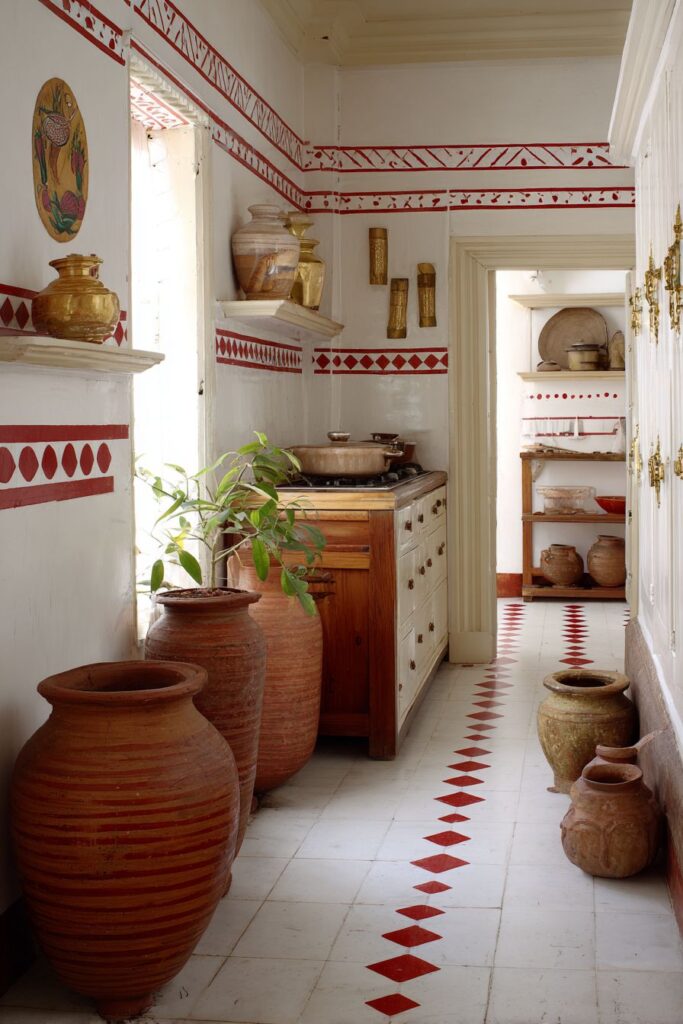
The distinctive requirements of Bengali cuisine, with its emphasis on fish preparation and rice-based dishes, demand specialized kitchen design that accommodates regional cooking methods and ingredient storage needs. A dedicated fish preparation area features specialized cutting boards and storage designed specifically for the tools and techniques essential to Bengali cooking, acknowledging that fish preparation requires separate workspace to prevent cross-contamination while maintaining optimal hygiene standards.
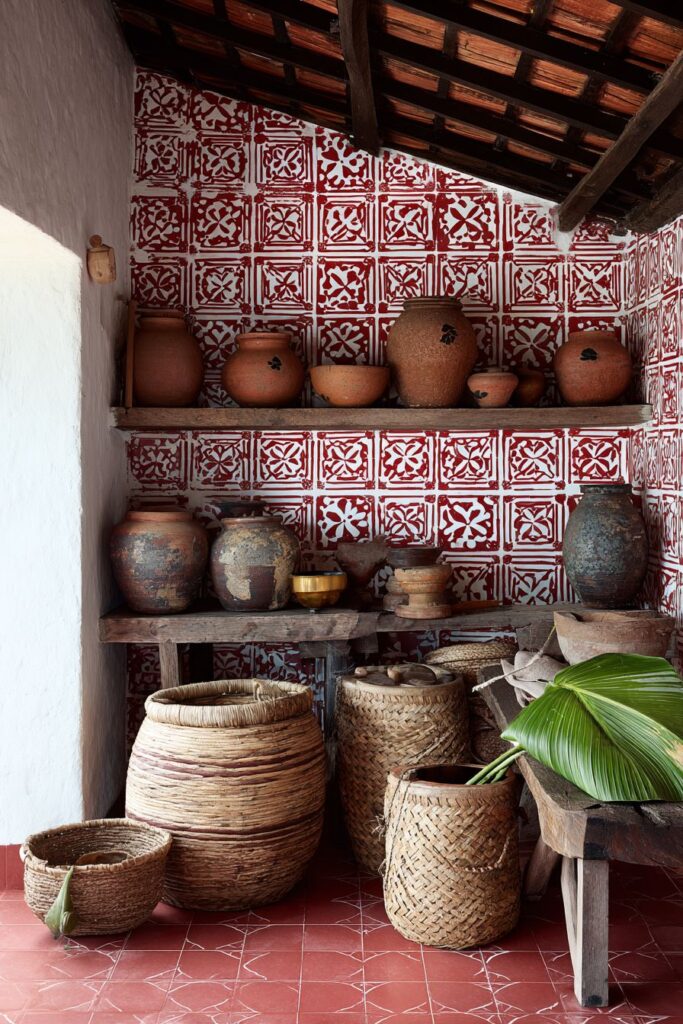
Alpana floor art patterns translated into tile work create stunning visual interest through traditional white and red designs that connect the kitchen to Bengal’s rich artistic heritage. These geometric and floral patterns, traditionally created during festivals and special occasions, find permanent expression in contemporary kitchen design while maintaining their cultural significance and visual impact. The tile work provides practical flooring while celebrating regional artistic traditions.

Prominent storage areas designed for clay pots and banana leaves acknowledge the central role these items play in authentic Bengali cuisine, where traditional cooking and presentation methods remain essential to achieving proper flavors and cultural authenticity. The storage design prevents damage to these delicate items while keeping them easily accessible for daily use.
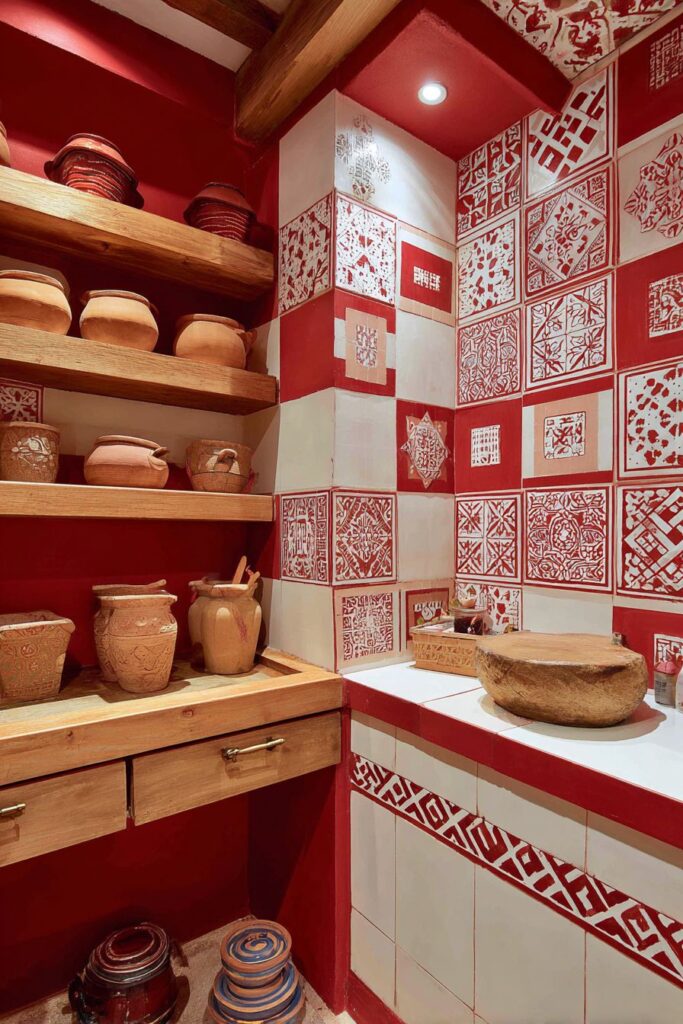
The natural wood and white color scheme with brass accents reflects the coastal influences that characterize Bengali design, creating a fresh, clean atmosphere that evokes the region’s maritime heritage. These colors work together to create a sense of openness and light that enhances the kitchen’s functionality while maintaining cultural authenticity.
Key Design Tips:
- Design separate fish preparation areas with specialized ventilation to manage odors effectively
- Translate traditional Alpana patterns into durable tile work that maintains cultural significance
- Create dedicated storage for clay pots that prevents damage while ensuring accessibility
- Choose coastal-inspired colors that reflect regional environmental influences
- Install adequate ventilation systems that handle the intensive cooking methods common in Bengali cuisine
15. Traditional Dining Integration with Floor Seating
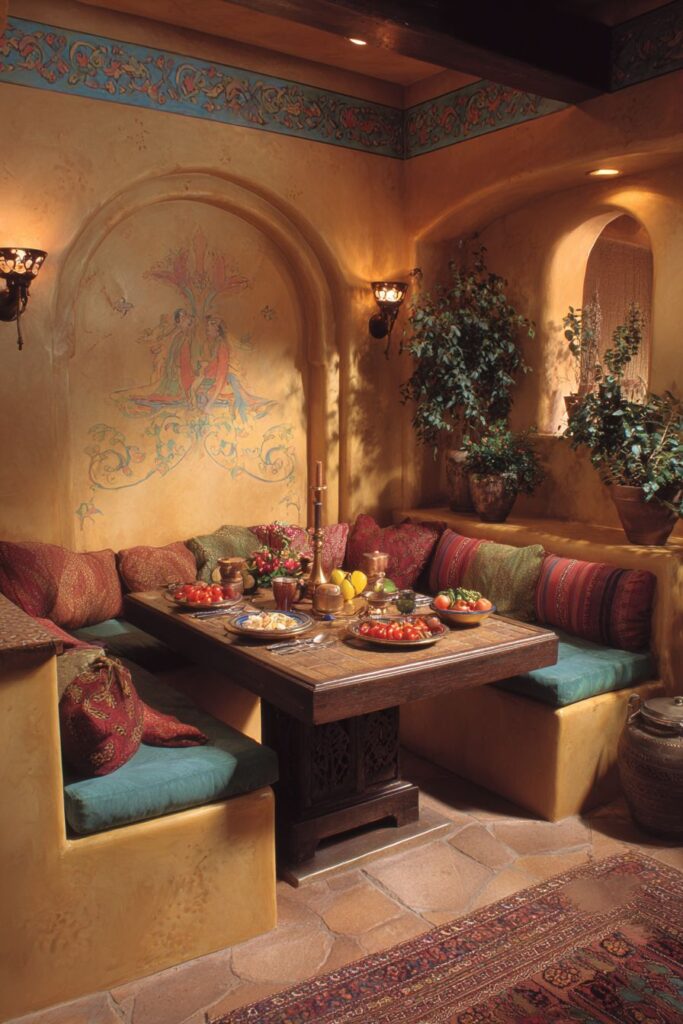
The integration of traditional dining areas within kitchen spaces creates opportunities for family bonding while honoring cultural dining practices that remain central to Indian household traditions. Low seating arrangements featuring colorful floor cushions and carved wooden low tables provide authentic dining experiences that encourage family interaction while maintaining comfort during extended meal times. This traditional approach to dining within the kitchen space acknowledges that food preparation and consumption are interconnected activities that benefit from spatial integration.

Built-in storage beneath seating areas efficiently utilizes space while providing dedicated homes for serving trays and traditional tableware that might otherwise require separate storage areas. This integrated approach maximizes space efficiency while keeping essential items accessible for daily use. The storage design prevents damage to delicate items while maintaining easy access during meal preparation and serving.
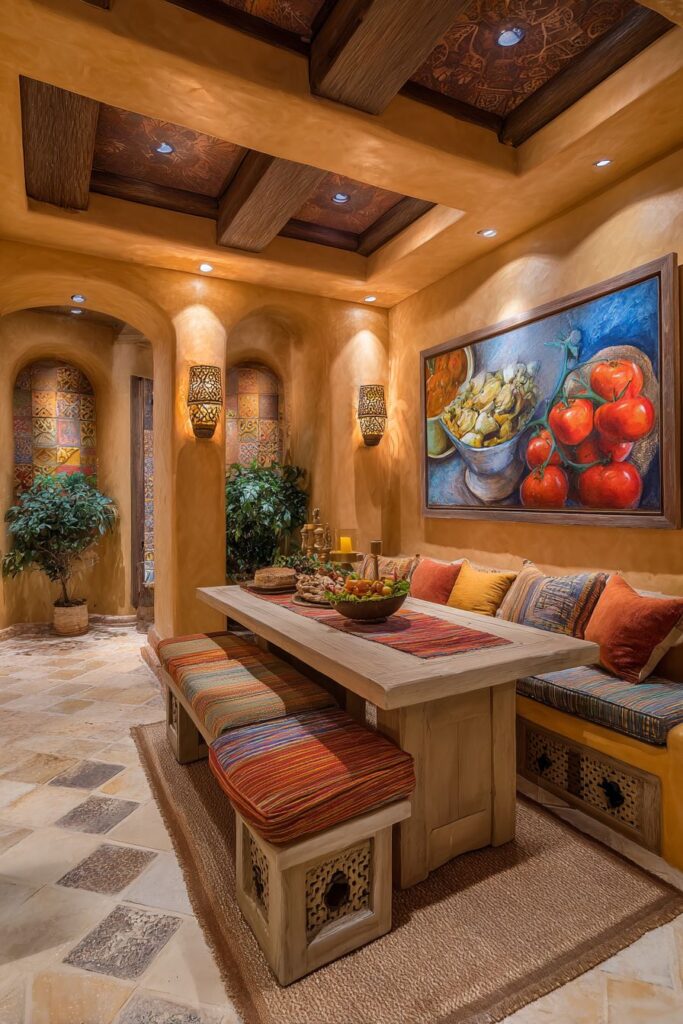
Hand-painted murals depicting Indian food culture transform functional walls into artistic celebrations of culinary heritage, creating visual interest while educating family members about traditional food customs and regional specialties. These artistic elements serve as conversation starters during family meals while reinforcing cultural connections across generations.
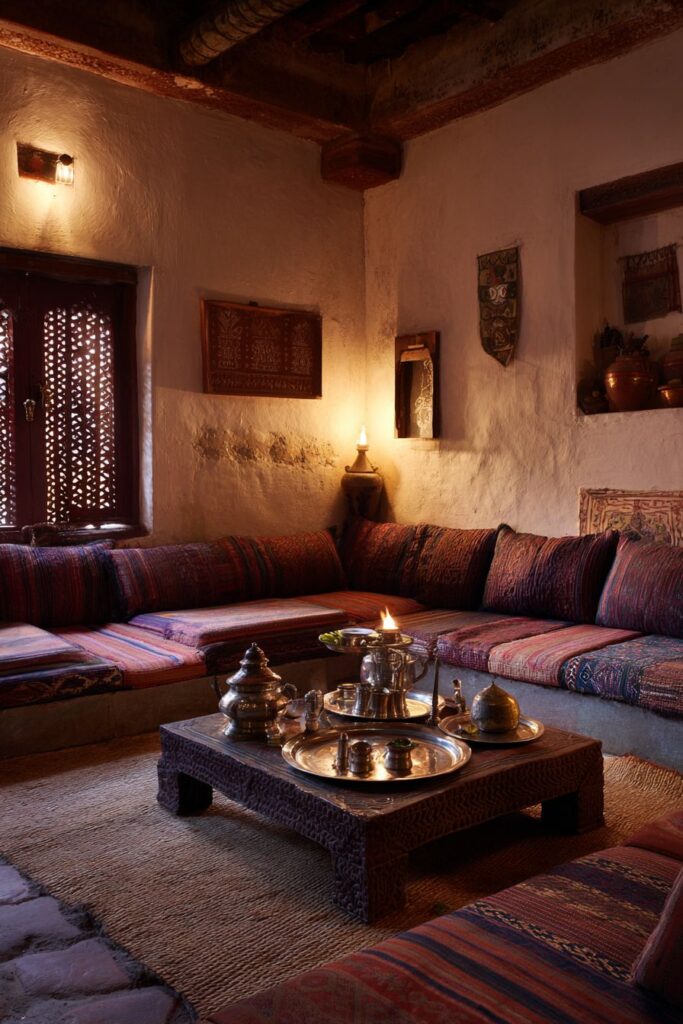
Natural jute rugs and brass accessories complete the authentic dining experience while providing practical benefits including sound absorption and easy maintenance. The natural materials age gracefully while maintaining their beauty and functionality, creating dining areas that improve over time rather than requiring frequent replacement or update.
Key Design Tips:
- Design low seating that provides adequate back support for extended meal times
- Install built-in storage that protects delicate serving pieces while maintaining easy access
- Commission hand-painted murals from artists familiar with traditional Indian food culture
- Choose natural fiber rugs that provide comfort while being easy to clean and maintain
- Create intimate lighting schemes that encourage family conversation during meals
16. Gujarati-Inspired Steaming Specialization

The unique requirements of Gujarati cuisine, particularly the preparation of steamed dishes like dhokla and idli, require specialized equipment integration and workflow design that accommodates these distinctive cooking methods. Built-in steamers and specialized storage acknowledge that Gujarati cooking relies heavily on steaming techniques that require dedicated equipment and proper ventilation to manage moisture and maintain kitchen comfort during extended cooking sessions.

The white and green color scheme enhanced with mirrors and glass elements, reflects Gujarati aesthetic preferences while creating a bright, clean atmosphere that emphasizes the healthy, light character of regional cuisine. The reflective surfaces help distribute natural light throughout the space while creating visual depth that makes the kitchen feel more spacious and welcoming.

Traditional brass thalis and serving pieces displayed in glass-front cabinets celebrate the artistry of Gujarati metalwork while keeping these special items protected yet visible for daily inspiration. The display areas transform functional storage into cultural exhibitions while maintaining accessibility for special occasions and regular use.
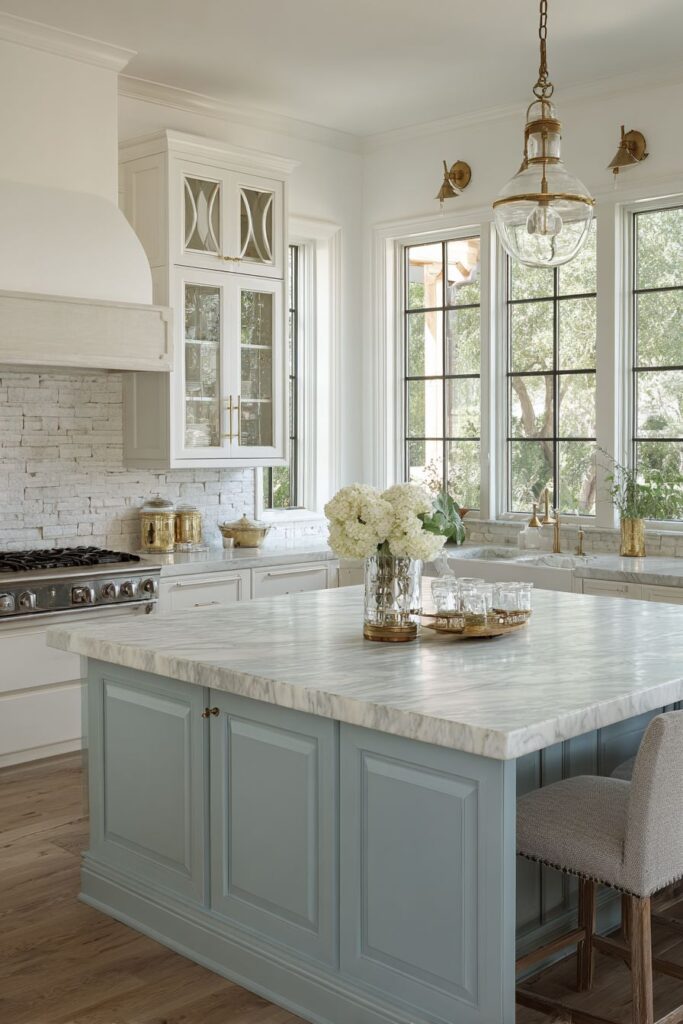
Marble countertops provide ideal surfaces for sweet preparation, offering the cool, smooth workspace essential for traditional Gujarati desserts that require precise temperature control during preparation. The stone’s natural properties make it perfect for working with sugar-based preparations that can be challenging on other surfaces.
Key Design Tips:
- Install commercial-grade steamers with proper drainage systems to handle extensive steaming operations
- Use mirrors and glass strategically to enhance natural light without overwhelming the space
- Design display areas that protect brass serving pieces while keeping them accessible
- Choose marble surfaces specifically for sweet preparation areas due to their temperature properties
- Create adequate ventilation systems that manage moisture from extensive steaming activities
17. Dedicated Spice Grinding Corner Excellence
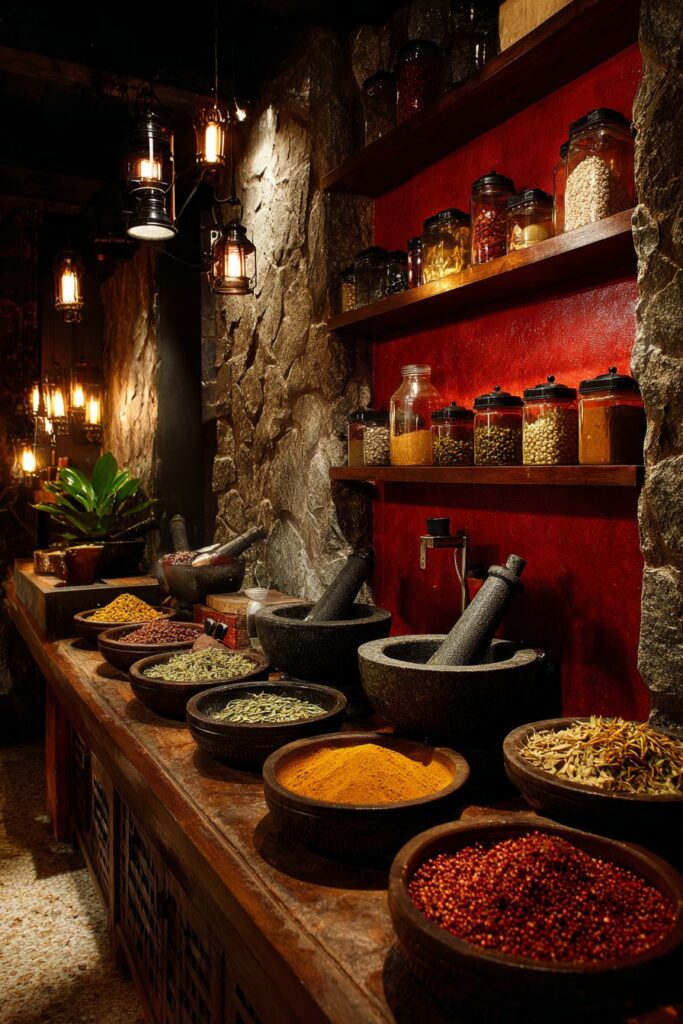
The art of spice grinding represents one of the most essential skills in Indian cooking, requiring specialized equipment, proper ventilation, and a dedicated workspace that acknowledges the central role fresh spices play in authentic cuisine. Traditional stone grinding equipment positioned alongside modern wet grinders provides options for different types of spice preparation while honoring both ancient techniques and contemporary convenience. This dual approach ensures that cooks can choose the most appropriate method for specific spices and preparations.
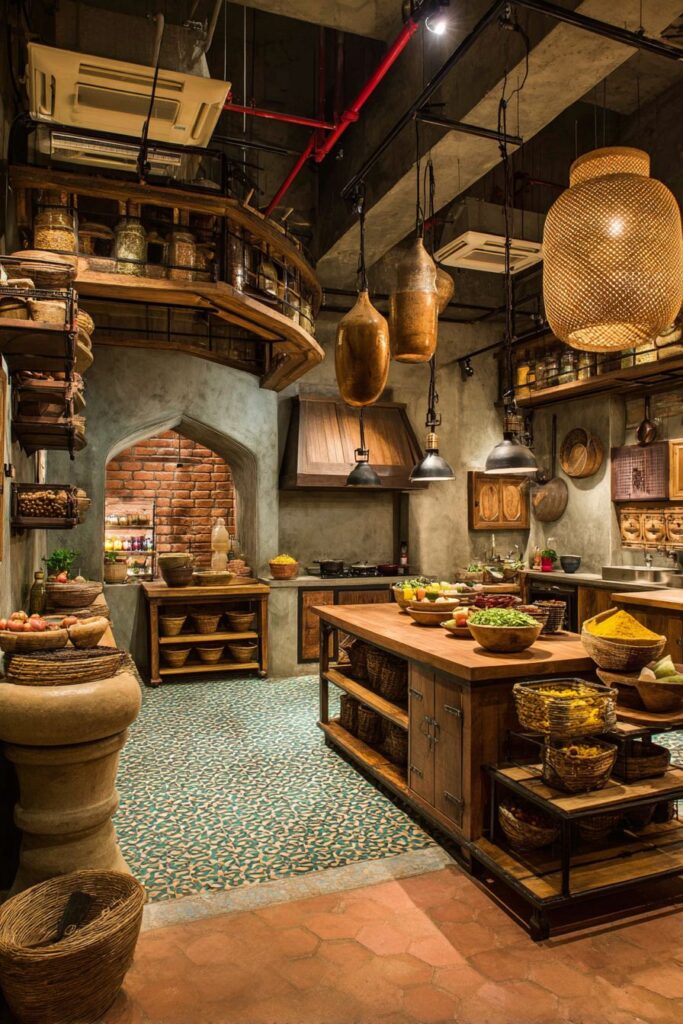
Specialized ventilation systems prevent spice grinding activities from affecting the entire kitchen, containing aromatic particles while maintaining air quality throughout the cooking space. The ventilation design must balance the need to contain spices with the requirement to prevent moisture buildup that could damage equipment or affect spice quality during storage.
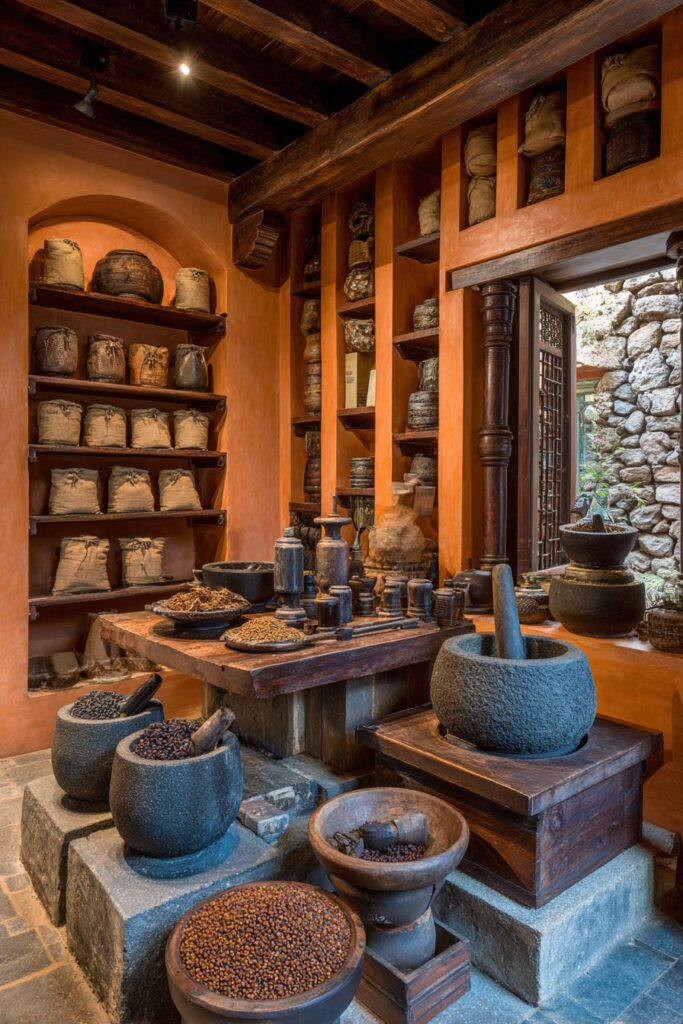
Dedicated storage cubbies designed for various grinding stones and equipment prevent damage while keeping these specialized tools organized and accessible. The storage solutions acknowledge that different spices require different grinding methods, with some benefiting from stone grinding while others work better with modern electric equipment.
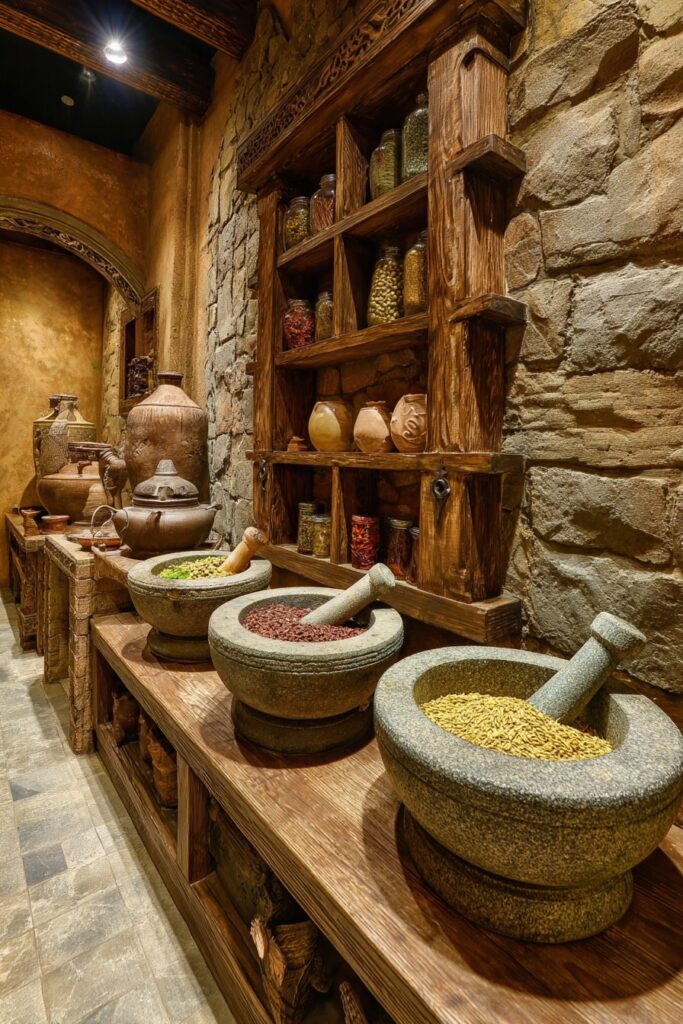
Earthy terracotta and warm wood tones create an authentic atmosphere that connects the grinding area to traditional spice preparation environments while providing visual warmth that enhances the kitchen’s overall character. Natural lighting positioned to illuminate work surfaces ensures that cooks can properly assess spice texture and consistency during grinding operations.
Key Design Tips:
- Install dedicated ventilation systems that contain spice particles without affecting kitchen air quality
- Design storage solutions that protect delicate grinding stones from damage during storage
- Position grinding stations near spice storage areas for workflow efficiency
- Choose surfaces that are easy to clean after extensive spice grinding sessions
- Provide adequate lighting that allows cooks to assess spice grinding progress accurately
18. Kerala Maritime-Influenced Design
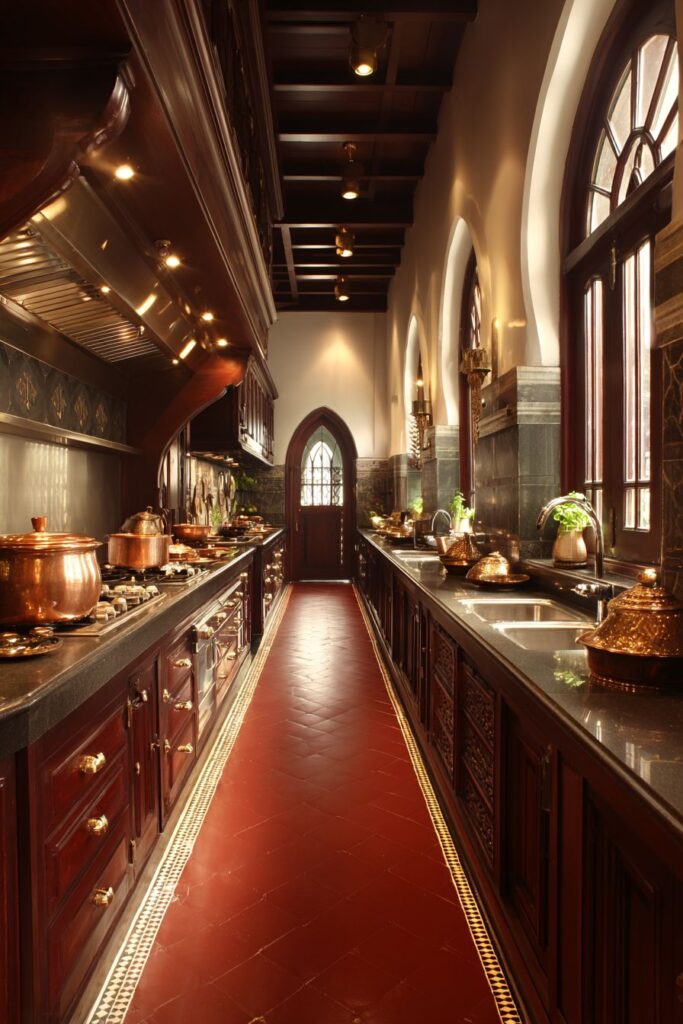
The coastal influences that characterize Kerala cuisine and culture find expression in kitchen design through the integration of specialized coconut preparation areas and traditional woodworking techniques that reflect the region’s maritime heritage. Dedicated coconut scraping stations with integrated equipment acknowledge the central role coconut plays in Kerala cuisine while providing the specialized workspace necessary for efficient coconut processing during daily cooking activities.

Intricate wood carving typical of Kerala craftsmanship transforms functional cabinetry into artistic statements that celebrate the region’s woodworking traditions while providing the storage and functionality required for contemporary kitchens. The carving work requires skilled artisans but creates timeless beauty that connects the kitchen to centuries of cultural tradition.
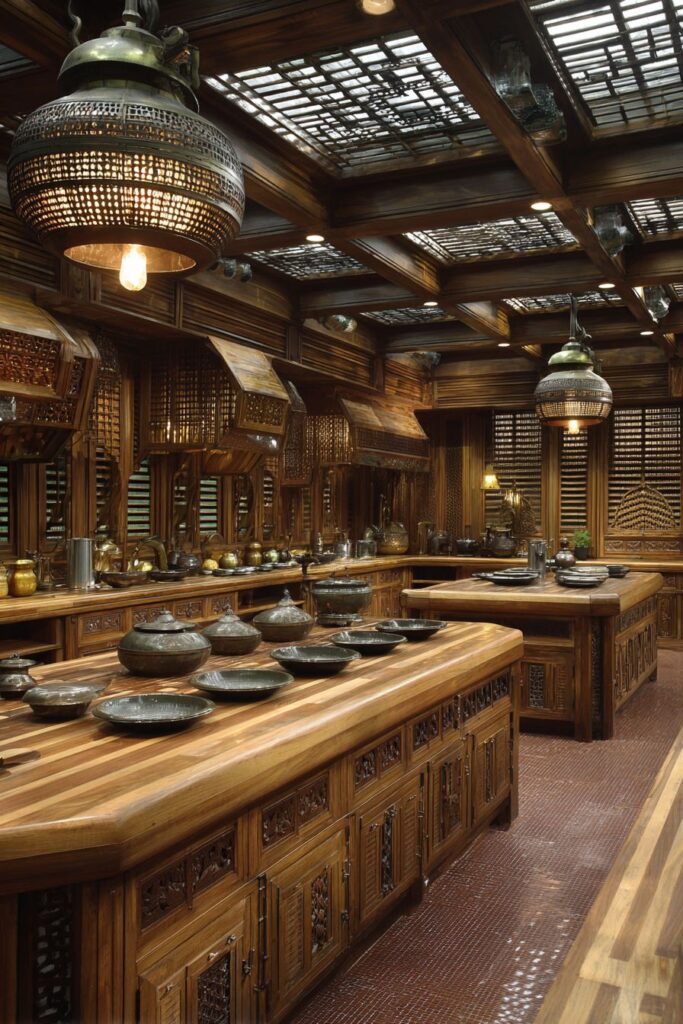
Copper vessels and traditional serving pieces reflect maritime influences while providing the cookware characteristics that enhance Kerala cuisine preparation. The prominence given to copper acknowledges its central role in traditional cooking methods while creating beautiful displays that celebrate the craftsmanship of traditional metalworking.

Red oxide flooring with brass inlay work creates authentic regional ambiance while providing practical flooring that withstands the moisture and activity levels common in busy Indian kitchens. Traditional wooden jalousies control natural light while providing the ventilation necessary for comfortable cooking in tropical climates.
Key Design Tips:
- Install dedicated coconut processing areas with proper drainage to manage moisture effectively
- Invest in authentic Kerala woodcarving that will increase in value and beauty over time
- Choose flooring materials that reflect regional traditions while providing practical durability
- Design jalousie systems that provide optimal ventilation for tropical cooking environments
- Incorporate maritime design elements that reflect Kerala’s coastal cultural heritage
19. Authentic Tandoor Integration Mastery
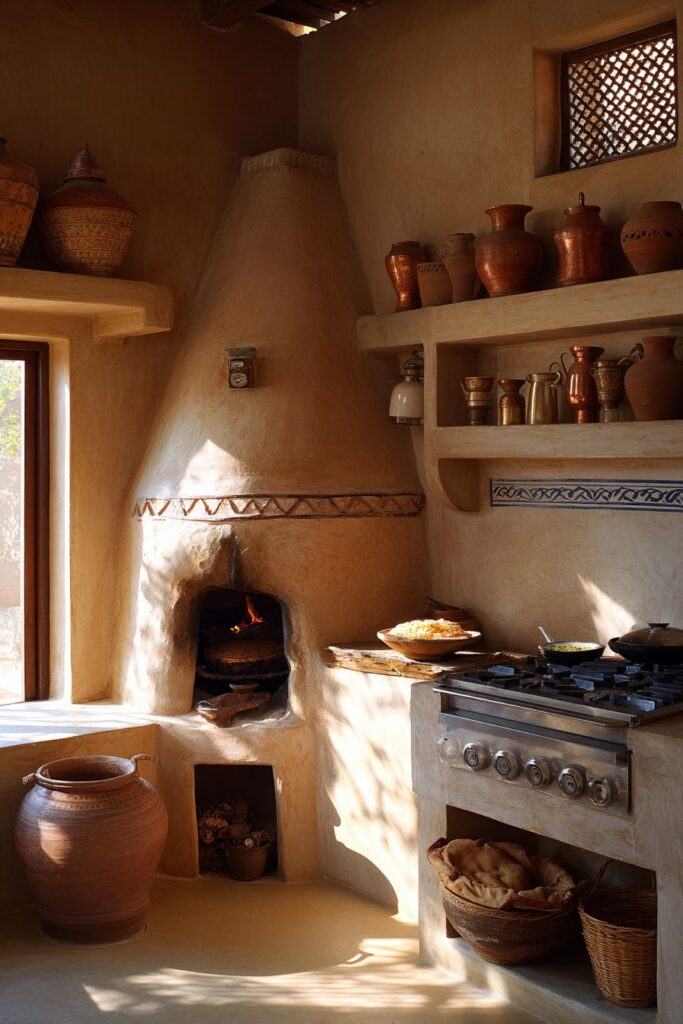
The installation of traditional clay tandoors within contemporary kitchen design represents the ultimate commitment to authentic Indian cooking methods, requiring extensive planning for ventilation, heat management, and safety while delivering unmatched culinary results. The tandoor’s integration must address the intense heat generated during operation while maintaining comfortable kitchen temperatures and preventing damage to surrounding materials and equipment.

Adjacent storage designed specifically for various Indian breads and clay cookware acknowledges that tandoor cooking requires specialized equipment and ingredients that must remain easily accessible during cooking operations. The storage solutions protect delicate clay items while organizing the various tools and ingredients essential for successful tandoor cooking.
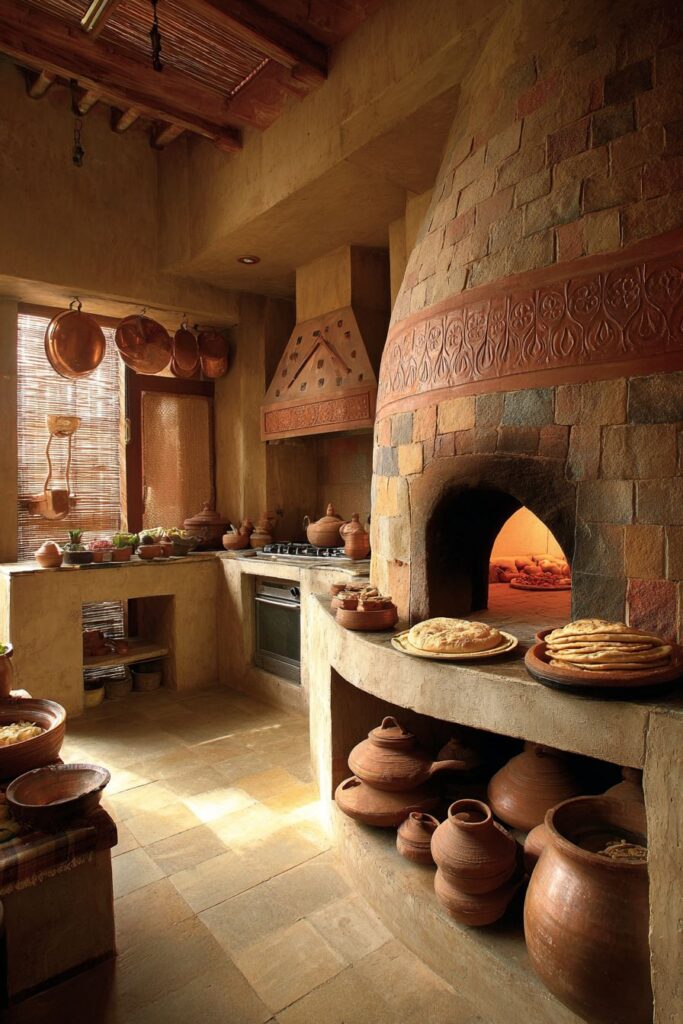
Heat-resistant stone surroundings with traditional patterns provide both safety and beauty, protecting adjacent surfaces while creating visual interest that celebrates the tandoor’s cultural significance Heat-resistant stone surroundings with traditional patterns provide both safety and beauty, protecting adjacent surfaces while creating visual interest that celebrates the tandoor’s cultural significance. The stone selection must balance aesthetic appeal with practical requirements, choosing materials that can withstand extreme temperature variations while maintaining their appearance over years of intensive use. Traditional patterns carved or inlaid into the stone connect the tandoor area to India’s rich architectural heritage while serving the practical purpose of creating visual boundaries around the high-heat cooking zone.
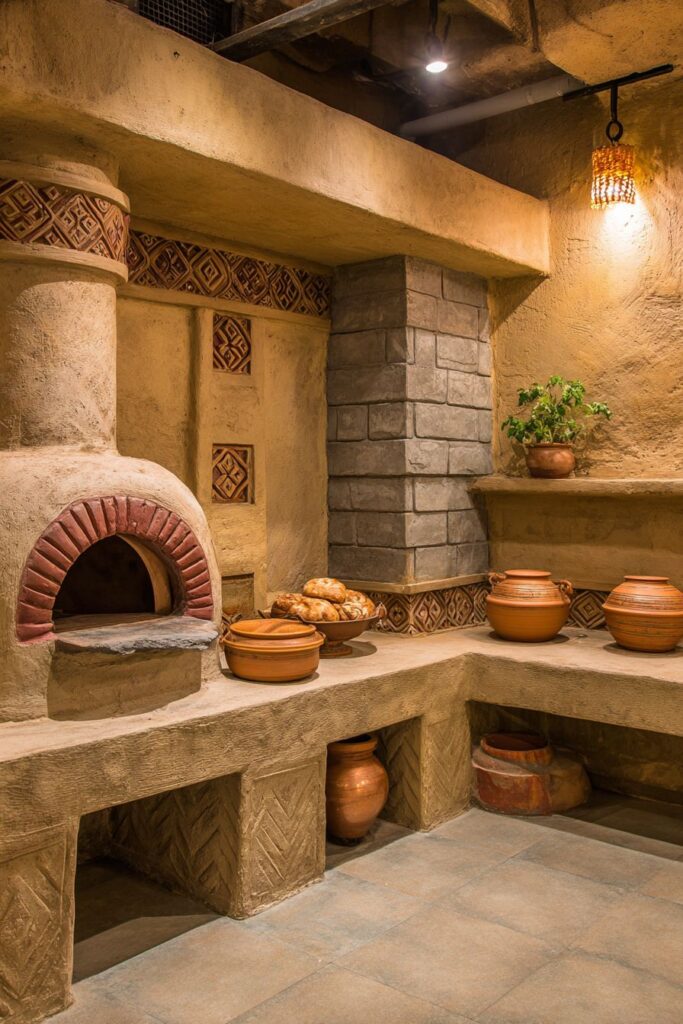
The complementary relationship between copper and brass vessels and the earthy clay tandoor creates a harmonious material palette that celebrates traditional Indian metalworking and pottery crafts. These materials work together both functionally and aesthetically, with the metals’ heat conduction properties making them ideal companions to clay cooking while their warm tones enhance the tandoor’s natural earth colors.
Strategic natural lighting emphasizes the textures of clay and traditional materials while providing adequate illumination for the precise cooking techniques required for successful tandoor operation. The lighting design must accommodate the dramatic visual changes that occur during tandoor cooking, from the soft glow of warming clay to the intense heat shimmer during peak operation, ensuring that cooks can monitor food progress safely and effectively.
Key Design Tips:
- Install commercial-grade ventilation systems specifically designed for tandoor heat and smoke management
- Choose heat-resistant materials rated for extreme temperature exposure around tandoor installations
- Design storage that protects clay cookware from temperature shock and physical damage
- Position tandoors away from heat-sensitive materials and appliances to prevent damage
- Include fire suppression systems appropriate for clay oven installations to ensure safety
20. Festival-Ready Kitchen for Cultural Celebrations

The culmination of Indian kitchen design excellence emerges in spaces specifically planned to accommodate the large-scale cooking requirements of cultural celebrations and religious festivals, when families prepare elaborate feasts that can feed dozens of relatives and friends. Expandable preparation surfaces that can be configured for different celebration requirements ensure that the kitchen can adapt to varying crowd sizes while maintaining efficient workflow during intensive cooking periods that may last for days.

Multiple spice grinding stations acknowledge that festival cooking often requires simultaneous preparation of numerous dishes, each demanding freshly ground spice mixtures that cannot be prepared in advance without losing potency and flavor. The strategic placement of these stations prevents bottlenecks during peak preparation times while ensuring that multiple cooks can work simultaneously without interfering with each other’s activities.
Extra-large vessels and specialized storage designed to accommodate increased cooking volumes demonstrate understanding that festival cooking operates on a completely different scale than daily meal preparation. The storage solutions must protect these oversized items during the periods between celebrations while keeping them accessible when needed for special occasions.
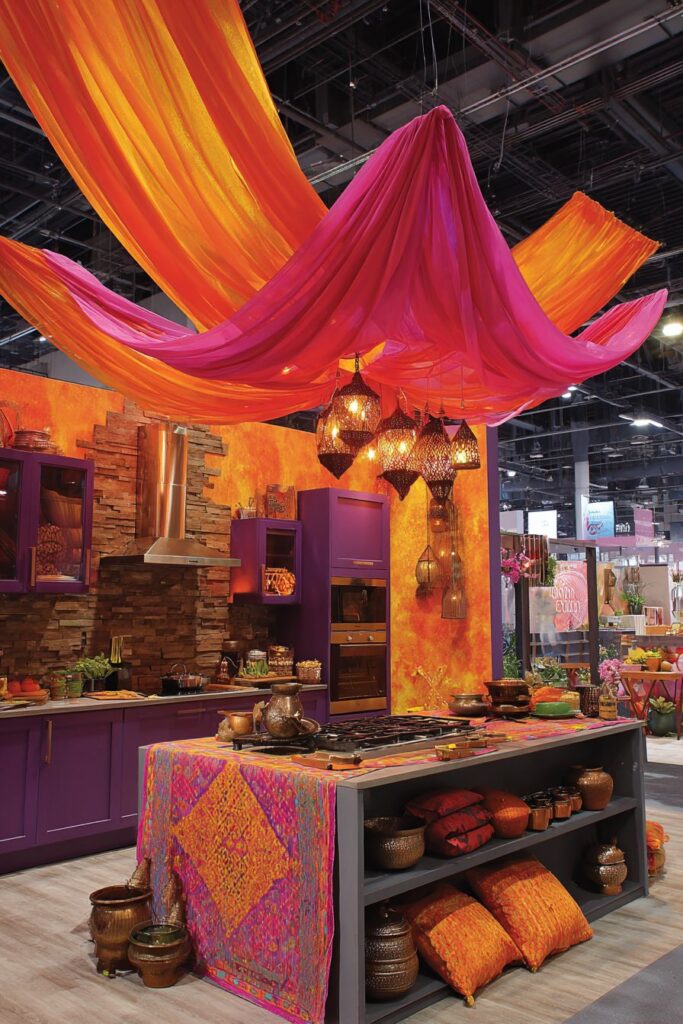
Colorful textile elements and traditional decorative pieces create festive atmosphere that transforms the functional cooking space into a celebration venue where food preparation becomes part of the cultural experience rather than merely a preliminary activity. Enhanced lighting systems accommodate the extended cooking hours common during festival preparation, providing adequate illumination for complex cooking procedures that may continue well into the night.
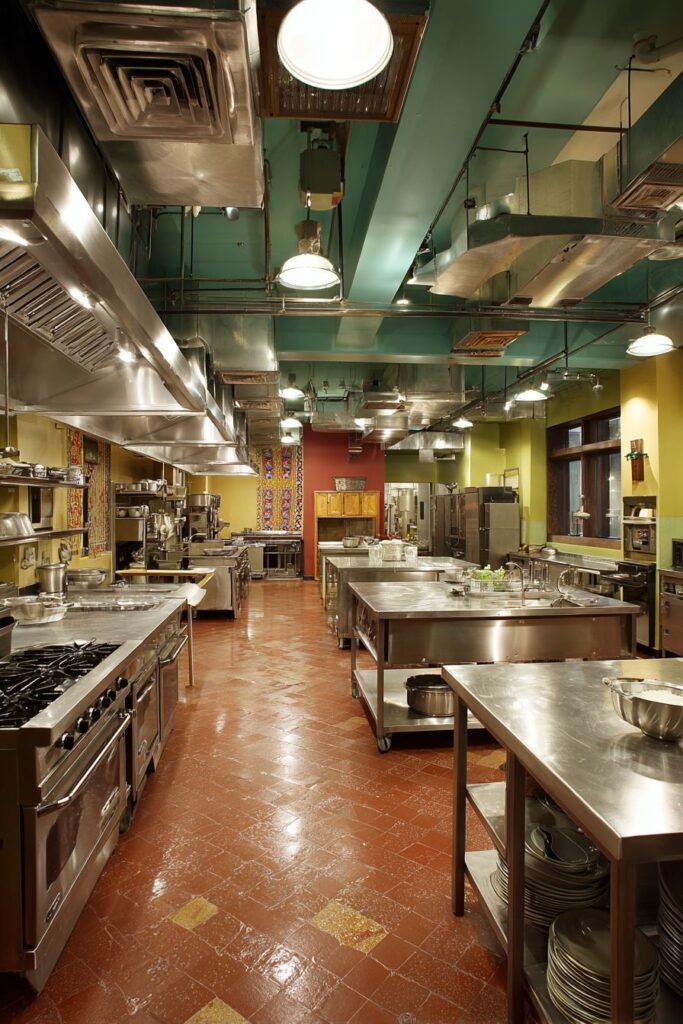
The efficient workflow design connecting preparation, cooking, and serving areas acknowledges that festival meals require seamless coordination between multiple cooking stages and serving requirements, often involving traditional presentation methods that require specific spatial arrangements and equipment access.
Key Design Tips:
- Design expandable work surfaces that can accommodate varying celebration sizes and cooking requirements
- Install multiple electrical circuits to support the simultaneous operation of various grinding and cooking equipment
- Create storage solutions that protect oversized festival cookware while maintaining accessibility
- Include flexible lighting systems that provide adequate illumination during extended cooking sessions
- Plan workflow patterns that accommodate multiple cooks working simultaneously without creating conflicts
Why These Indian Kitchen Designs Represent the Best in Cultural Authenticity and Functionality
The twenty kitchen concepts explored in this comprehensive guide represent the pinnacle of Indian kitchen design because they successfully address the unique challenges and opportunities inherent in creating spaces that honor cultural heritage while embracing contemporary functionality and convenience. Each design concept tackles specific aspects of Indian cooking culture, from the intensive spice grinding requirements that demand specialized ventilation and equipment to the large-scale cooking needs of festival celebrations that require expandable workspace and enhanced storage solutions.
The emphasis on traditional materials like copper, brass, teak wood, and natural stone throughout these designs reflects a deep understanding that authentic Indian cooking benefits from equipment and surfaces that have been refined over centuries of use. These materials don’t merely provide aesthetic authenticity—they offer functional advantages that directly improve cooking results, from copper’s superior heat conduction to stone’s temperature-regulating properties for spice grinding and dough preparation.
The integration of specialized cooking equipment like tandoors, wet grinders, and steaming stations demonstrates sophisticated understanding that Indian cuisine requires tools and techniques that differ significantly from Western cooking methods. These designs successfully incorporate traditional equipment into contemporary layouts without compromising efficiency or convenience, proving that authenticity and modernity can coexist harmoniously when properly planned.
The attention to storage solutions throughout these concepts addresses one of the most significant challenges in Indian kitchen design—accommodating the extensive ingredient collections, specialized cookware, and seasonal equipment that authentic Indian cooking requires. From floor-to-ceiling spice cabinets to dedicated festival cookware storage, these designs ensure that everything has its proper place while remaining accessible when needed.
The regional specialization evident in concepts like the South Indian kitchen, Bengali coastal design, and North Indian roti-making station acknowledges that Indian cuisine encompasses incredible diversity that demands different design solutions for different cultural contexts. This regional sensitivity ensures that kitchens can properly support the specific cooking methods and ingredient requirements of particular Indian culinary traditions.
The sustainable design principles incorporated into concepts like the reclaimed teak kitchen and herb garden integration demonstrate that environmental consciousness can enhance rather than compromise cultural authenticity. These approaches prove that traditional materials and methods often surpass contemporary alternatives in both environmental impact and functional performance.
The social aspects of Indian cooking culture receive appropriate attention through designs that incorporate breakfast bars, traditional dining areas, and open layouts that encourage family participation in cooking activities. These concepts recognize that Indian kitchens serve as social centers where cultural transmission occurs through shared cooking experiences and family meals.
Conclusion
The art of Indian kitchen design represents far more than the mere arrangement of appliances and storage solutions within a functional space—it embodies a deep understanding of how cultural heritage, culinary tradition, and contemporary lifestyle requirements can converge to create spaces that nourish both body and soul. The twenty distinct concepts explored in this comprehensive guide demonstrate that authentic Indian kitchen design requires careful attention to the unique storage needs, specialized equipment requirements, and workflow patterns that characterize traditional Indian cooking methods.
From the vibrant saffron walls of traditional designs to the sophisticated material combinations of contemporary interpretations, each concept proves that cultural authenticity and modern convenience can coexist harmoniously when approached with proper understanding and respect for both traditions and contemporary needs. The emphasis on specialized features like integrated spice grinding stations, traditional tandoor installations, and extensive storage solutions for the hundreds of ingredients essential to Indian cuisine demonstrates that successful design must address the practical realities of authentic cooking methods.
The regional variations explored throughout these concepts—from Kerala’s coastal influences to North India’s bread-making traditions, from Bengali fish preparation requirements to Gujarati steaming specializations—acknowledge that Indian cuisine encompasses incredible diversity that demands flexible, culturally sensitive design approaches. This understanding ensures that kitchens can properly support the specific cooking methods and ingredient requirements of particular cultural contexts while remaining adaptable to changing family needs and lifestyle requirements.
The integration of sustainable materials and traditional construction techniques proves that environmental consciousness can enhance rather than compromise cultural authenticity, while the emphasis on social spaces acknowledges that Indian kitchens serve as family gathering centers where cultural values and cooking techniques pass from generation to generation. These spaces become more than functional cooking areas—they transform into cultural preservation centers where traditions remain alive and relevant in contemporary contexts.
Whether you’re planning a compact urban kitchen that maximizes functionality within limited space or designing a luxury culinary haven that celebrates traditional craftsmanship through premium materials, these concepts provide both inspiration and practical guidance for creating spaces that truly understand and celebrate the art of Indian cooking. The key lies in recognizing that authentic Indian kitchen design requires more than surface decorations or cultural motifs—it demands deep understanding of how traditional cooking methods, ingredient storage requirements, and cultural practices can be honored within contemporary architectural frameworks.
As you embark on your own Indian kitchen design journey, remember that the most successful spaces are those that balance respect for cultural heritage with practical considerations for modern lifestyle requirements, creating environments where traditional recipes can flourish while contemporary convenience enhances rather than compromises the authentic cooking experience. The result will be a kitchen that serves not merely as a cooking space, but as a cultural sanctuary where the rich traditions of Indian cuisine can continue to nourish and inspire future generations.
"As an Amazon Associate, I earn from qualifying purchases."
