
Eclectic bedroom style represents one of the most liberating and personally expressive approaches to interior design. Unlike rigid design frameworks that demand strict adherence to specific aesthetics, eclectic design celebrates individuality through the thoughtful combination of diverse elements. This style allows homeowners to create spaces that truly reflect their unique personalities, experiences, and collected treasures from various periods and places.
The beauty of an eclectic bedroom lies in its creative freedom and flexibility. It’s not about randomly throwing together mismatched items, but rather about curating a cohesive space where different styles, textures, colors, and eras coexist harmoniously. This approach to bedroom design has gained tremendous popularity as people seek to move away from catalog-perfect rooms toward spaces that tell their personal stories. Whether you’re drawn to vintage finds, modern minimalism, bohemian textiles, or industrial accents, eclectic style provides the perfect canvas.
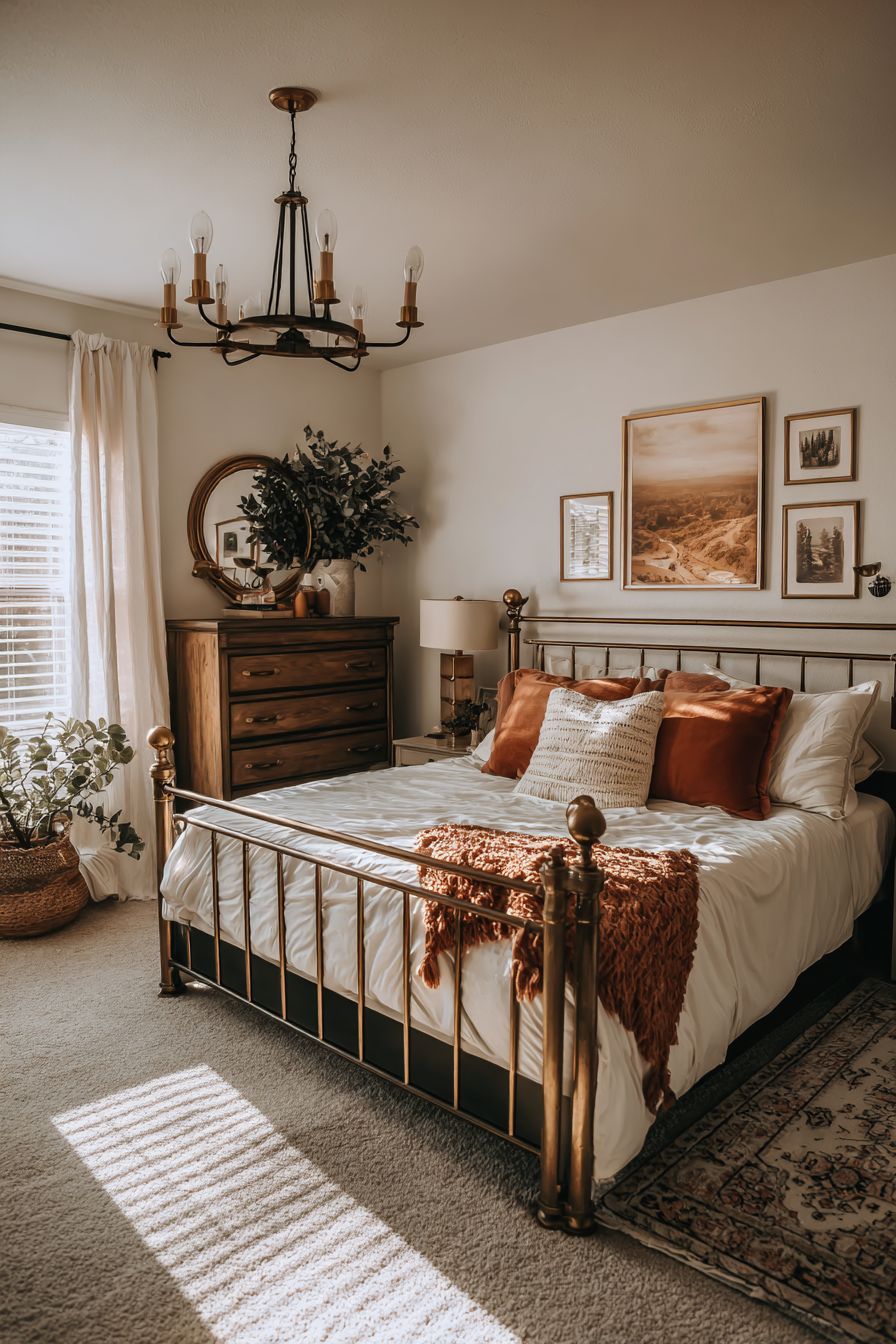
Throughout this article, we’ll explore the fundamental principles that make eclectic bedrooms successful, from balancing contrasting elements to creating visual harmony amid diversity. You’ll discover practical strategies for mixing patterns, selecting furniture from different periods, incorporating global influences, and developing a cohesive color palette that ties everything together. These insights will empower you to design a bedroom that’s uniquely yours while maintaining professional polish.
1. Understanding the Foundation of Eclectic Design
Eclectic bedroom style thrives on intentional curation rather than accidental accumulation. The foundation begins with understanding that successful eclecticism requires a unifying thread—whether that’s a consistent color palette, repeated materials, or a particular mood. This deliberate approach prevents your space from appearing chaotic or cluttered. Think of yourself as a curator assembling an exhibition where each piece earns its place through careful consideration.
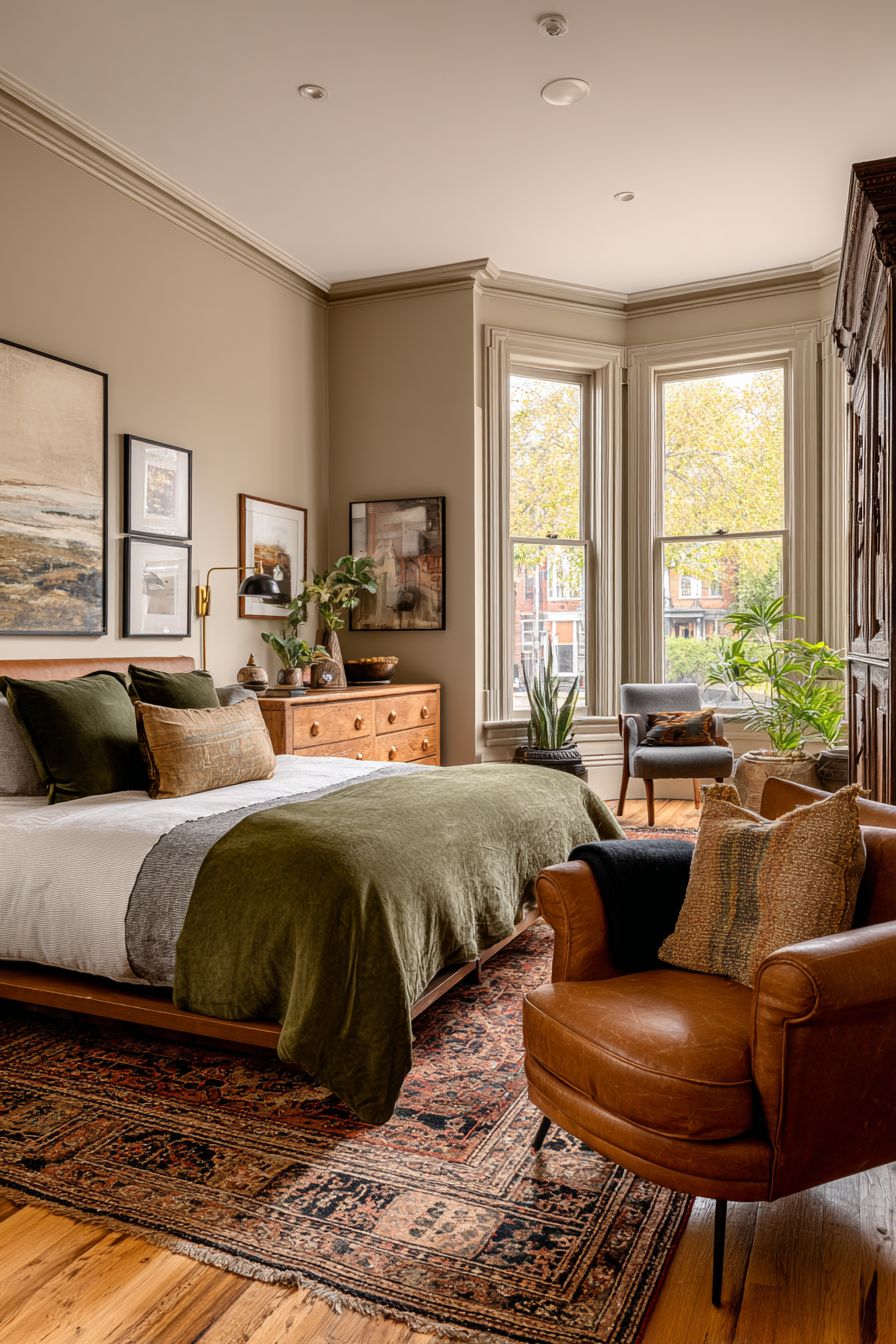
The key principle involves balancing variety with cohesion. You might pair a Victorian dresser with contemporary bedding, but they should share complementary colors or proportions. The room should feel collected over time, reflecting travels, inheritances, flea market finds, and modern purchases. This authenticity distinguishes truly eclectic spaces from merely mismatched ones. Every element should have a story or purpose that connects to your personal narrative.
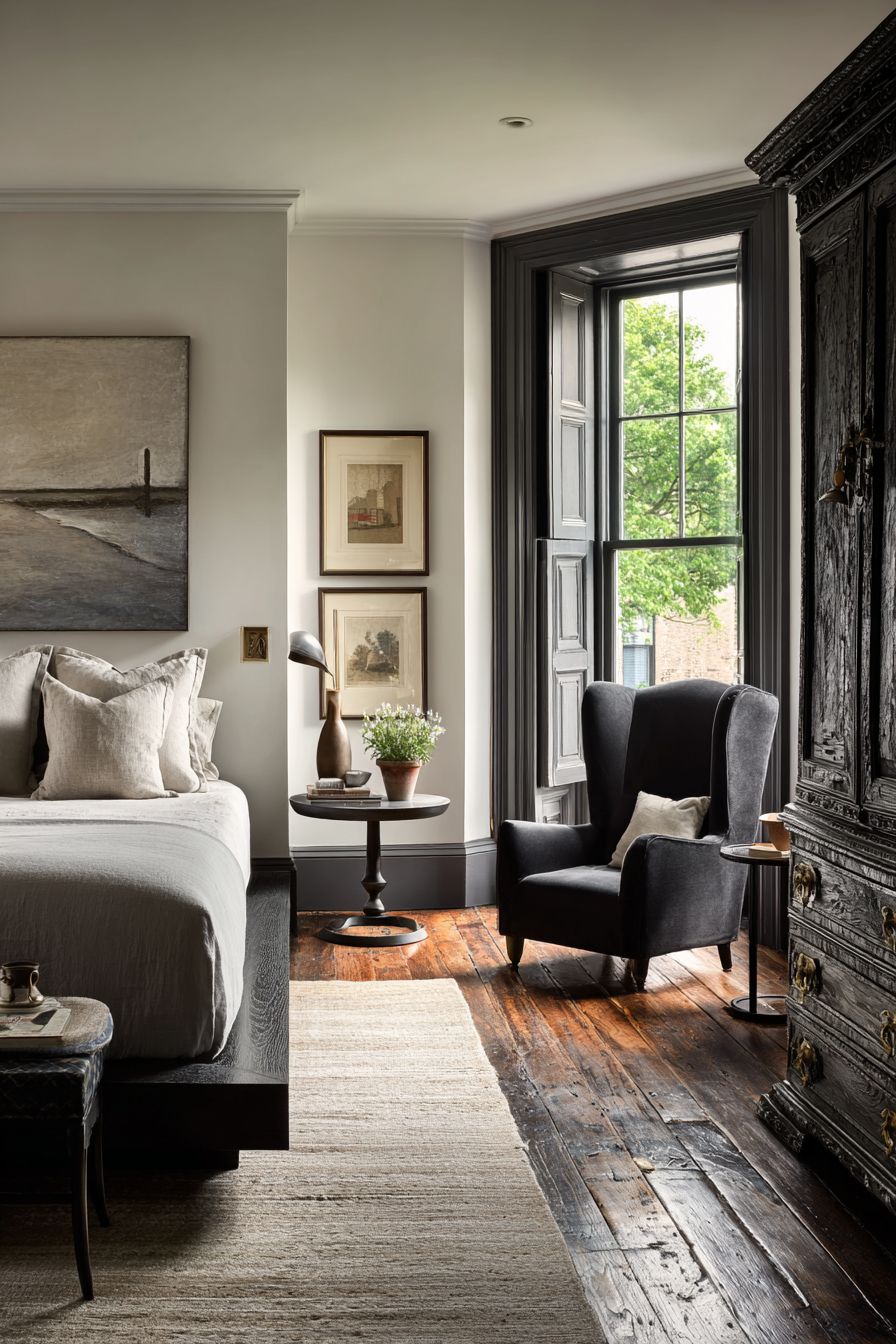
Successful eclectic design also requires understanding visual weight and distribution. When combining heavy traditional furniture with lighter modern pieces, distribute them thoughtfully around the room. Avoid clustering all ornate items in one area while leaving another sparse. This balanced distribution creates harmony despite the diverse styles present in your bedroom sanctuary.
- Start with one anchor piece that defines your room’s character and build around it
- Establish a consistent element (color, material, or era) that appears throughout the space
- Limit your style influences to three or four to maintain cohesion
- Create intentional contrast rather than accidental clutter through thoughtful placement
- Allow your personality to guide choices rather than following rigid design rules
- Edit ruthlessly—not every treasured item needs to be displayed simultaneously
2. Creating a Cohesive Color Palette
A unified color scheme serves as the essential glue binding disparate elements in an eclectic bedroom. Without this cohesion, even carefully selected pieces can appear disjointed and overwhelming. Choose a base palette of two or three colors that appear consistently throughout the space. These might emerge from a favorite artwork, textile, or inherited piece that anchors your design. The repetition of these hues across various furniture styles and decorative objects creates visual continuity.
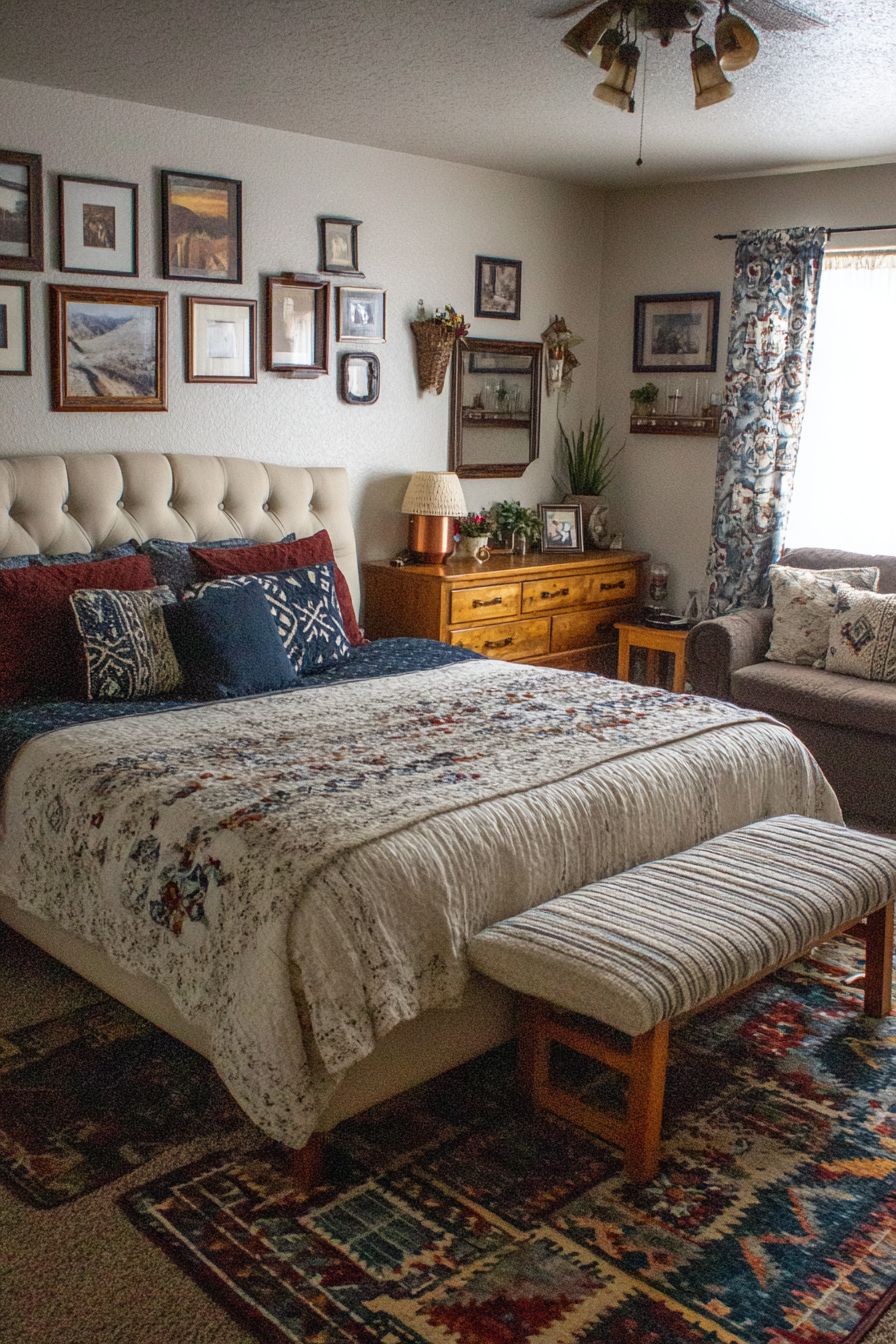
Your color strategy should include dominant, secondary, and accent colors distributed in roughly 60-30-10 proportions. The dominant color might appear on walls and large furniture pieces, while secondary colors show up in bedding, curtains, and upholstered items. Reserve the accent color for smaller decorative elements that add pops of interest. This professional approach ensures your eclectic mix feels purposeful rather than random or chaotic.
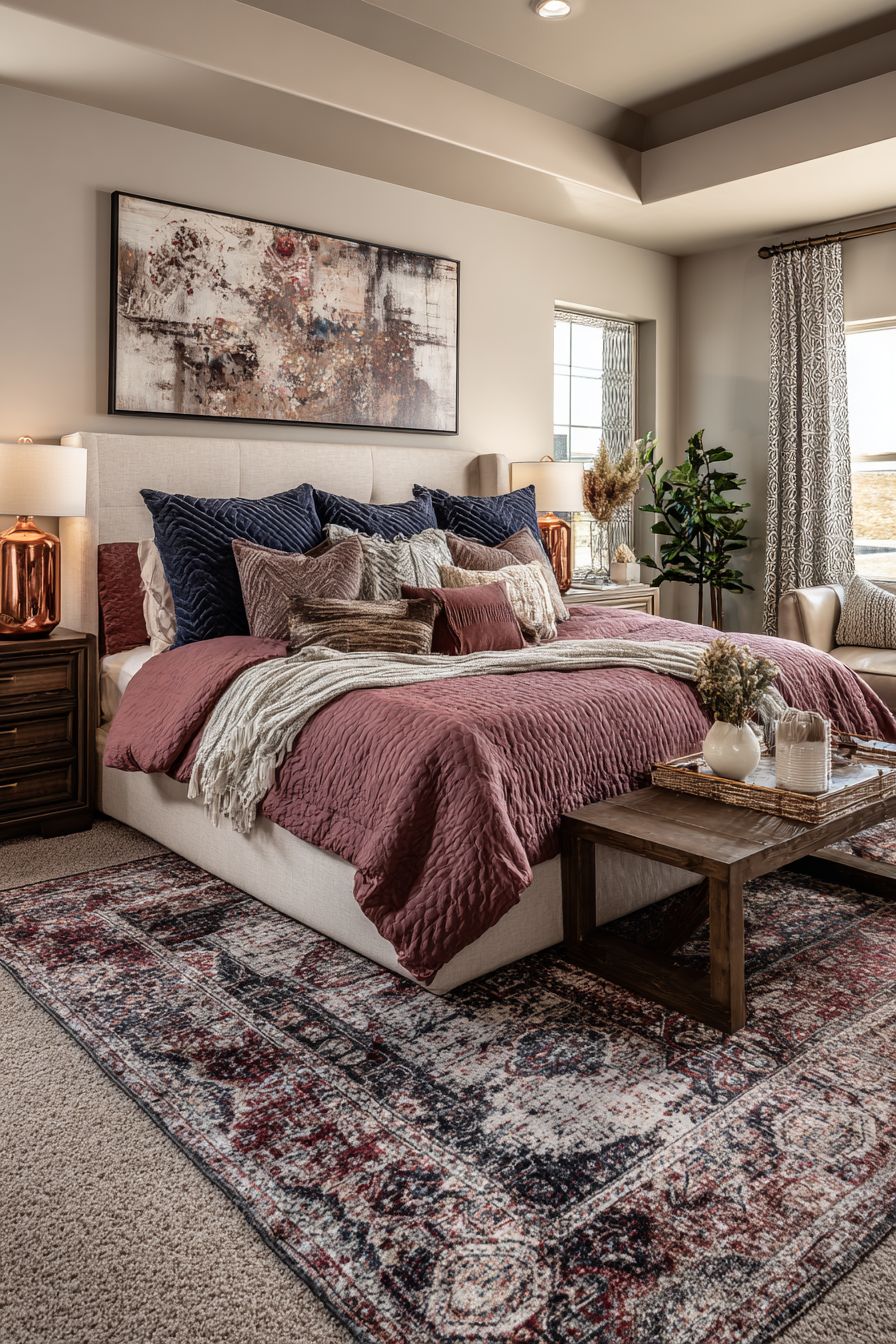
Don’t fear incorporating multiple patterns and textures within your chosen palette. A floral vintage quilt, geometric modern pillows, and striped curtains can coexist beautifully when they share common color threads. This technique allows maximum variety while maintaining the cohesive foundation that defines successful eclectic design in bedroom spaces.
- Select colors from a favorite piece of art or textile as your starting point
- Use neutral tones (white, beige, gray) to balance bolder eclectic choices
- Repeat your chosen colors at least three times throughout the room
- Consider the undertones in wood furniture to ensure they complement your palette
- Use metallics (brass, copper, silver) as neutrals that bridge different styles
- Test colors together before committing to ensure they create the desired mood
3. Mixing Furniture from Different Eras
The art of combining furniture periods defines eclectic bedroom style at its core. A sleek mid-century modern dresser can beautifully complement an ornate Victorian bed frame when unified by color, scale, or finish. This juxtaposition creates visual interest and depth that single-period rooms cannot achieve. The key lies in ensuring pieces relate through shared proportions or materials rather than matching perfectly.
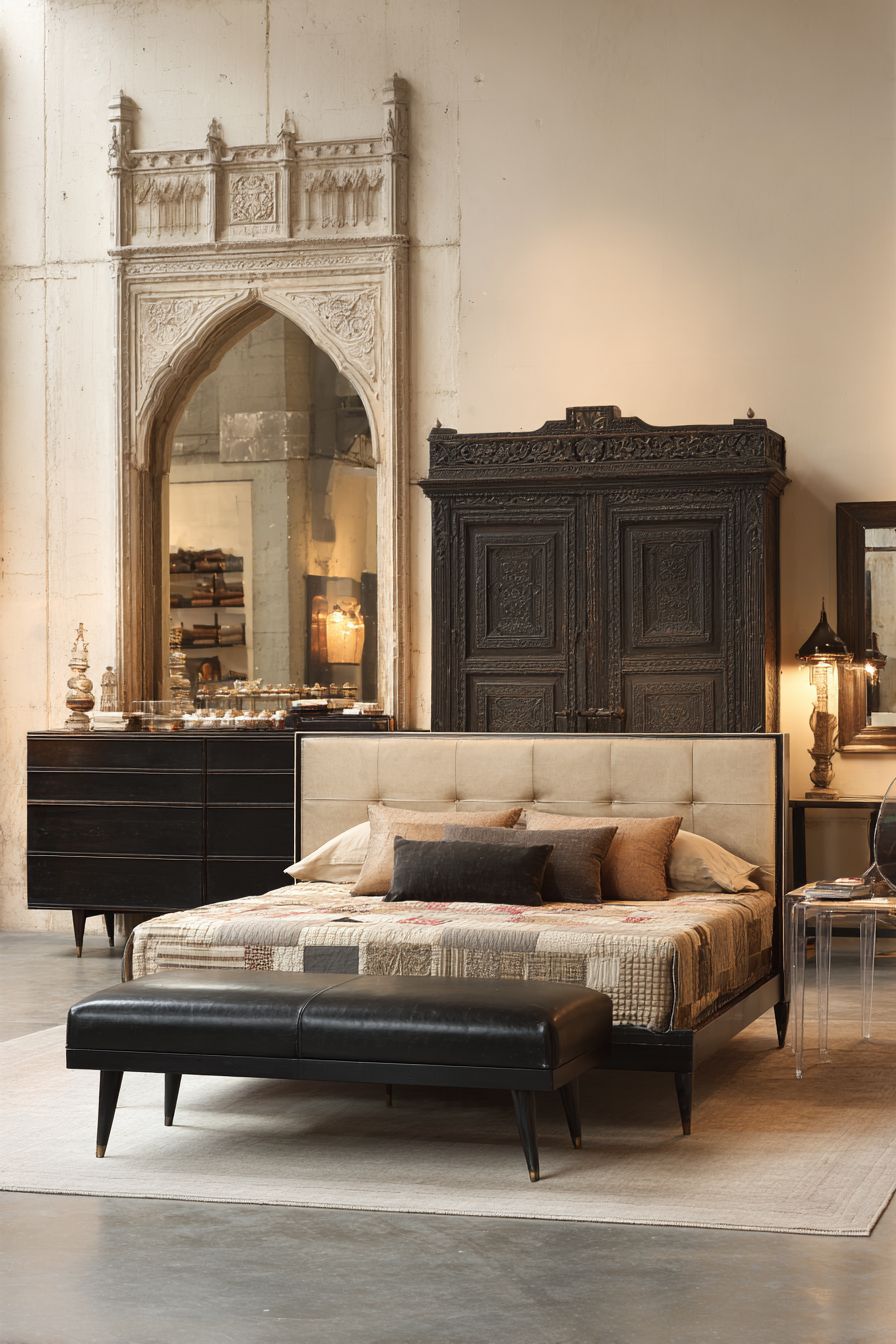
When selecting furniture from different eras, pay attention to scale and visual weight. A massive antique armoire might overwhelm delicate contemporary nightstands, creating imbalance rather than harmony. Instead, pair substantial traditional pieces with equally substantial modern counterparts, or use lighter-scale items from both periods. This attention to proportion ensures your eclectic mix feels intentional and professionally designed.
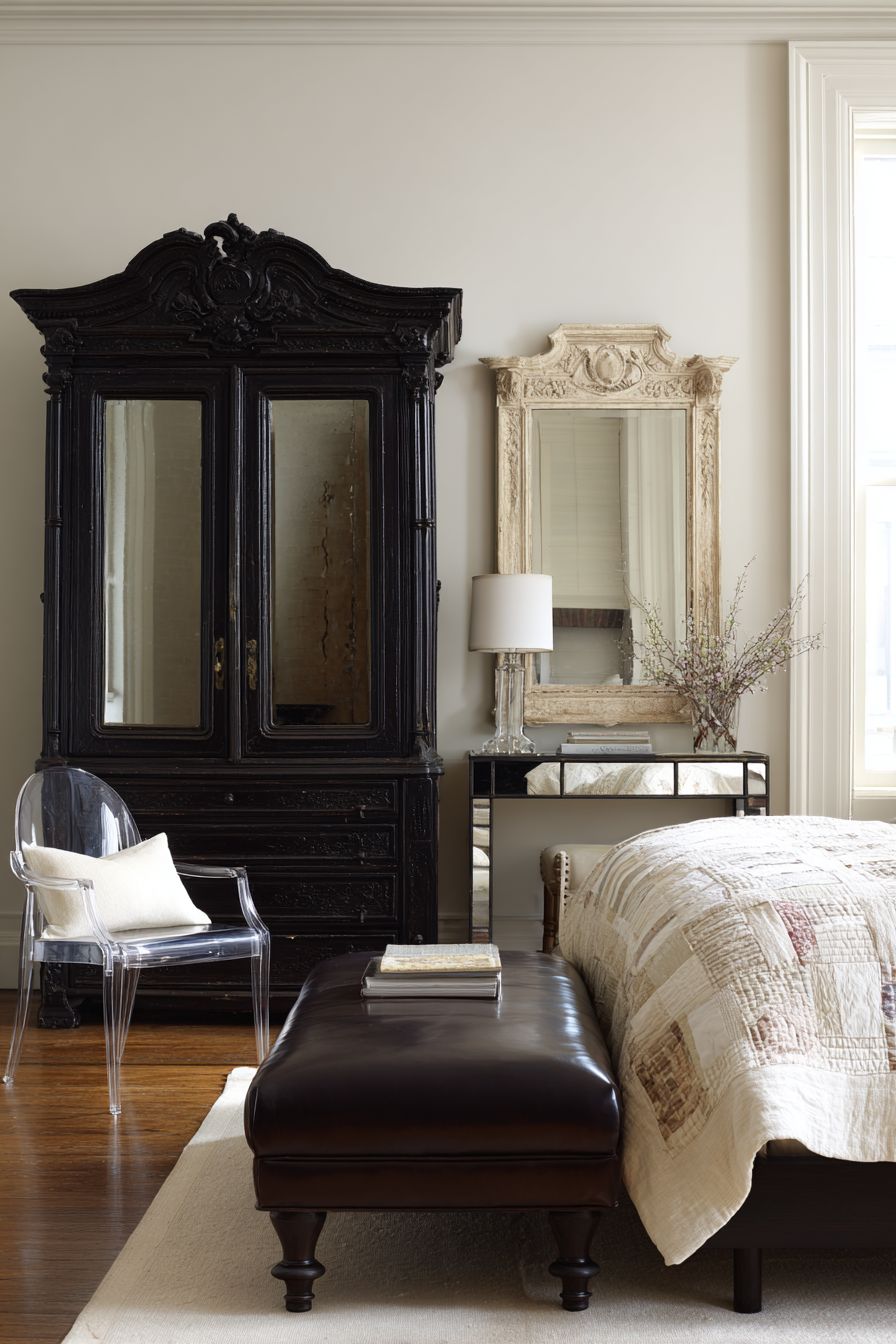
Quality should trump quantity in eclectic spaces. Rather than filling your bedroom with numerous mediocre pieces from various periods, invest in fewer high-quality statement items that truly represent different eras. A genuine Art Deco vanity, an heirloom quilt, and a contemporary platform bed create more impact than a dozen unremarkable pieces attempting to cover multiple styles.
- Mix no more than three distinct furniture periods to avoid visual confusion
- Ensure furniture pieces share similar wood tones or refinish them cohesively
- Balance ornate traditional pieces with simpler modern items for breathing room
- Consider the sight lines from your bed to ensure pleasing furniture arrangements
- Use furniture height variation to create dynamic visual interest throughout the space
- Invest in quality pieces that will withstand time rather than trendy disposable items
4. Layering Textiles and Patterns with Confidence
Textile layering represents one of the most accessible and impactful ways to achieve eclectic bedroom style. Start with a neutral base on your bed and build layers incorporating different patterns, textures, and origins. An embroidered suzani throw over modern linen sheets, topped with vintage velvet pillows and a contemporary geometric blanket, creates the rich depth characteristic of successful eclectic design without permanent commitment.
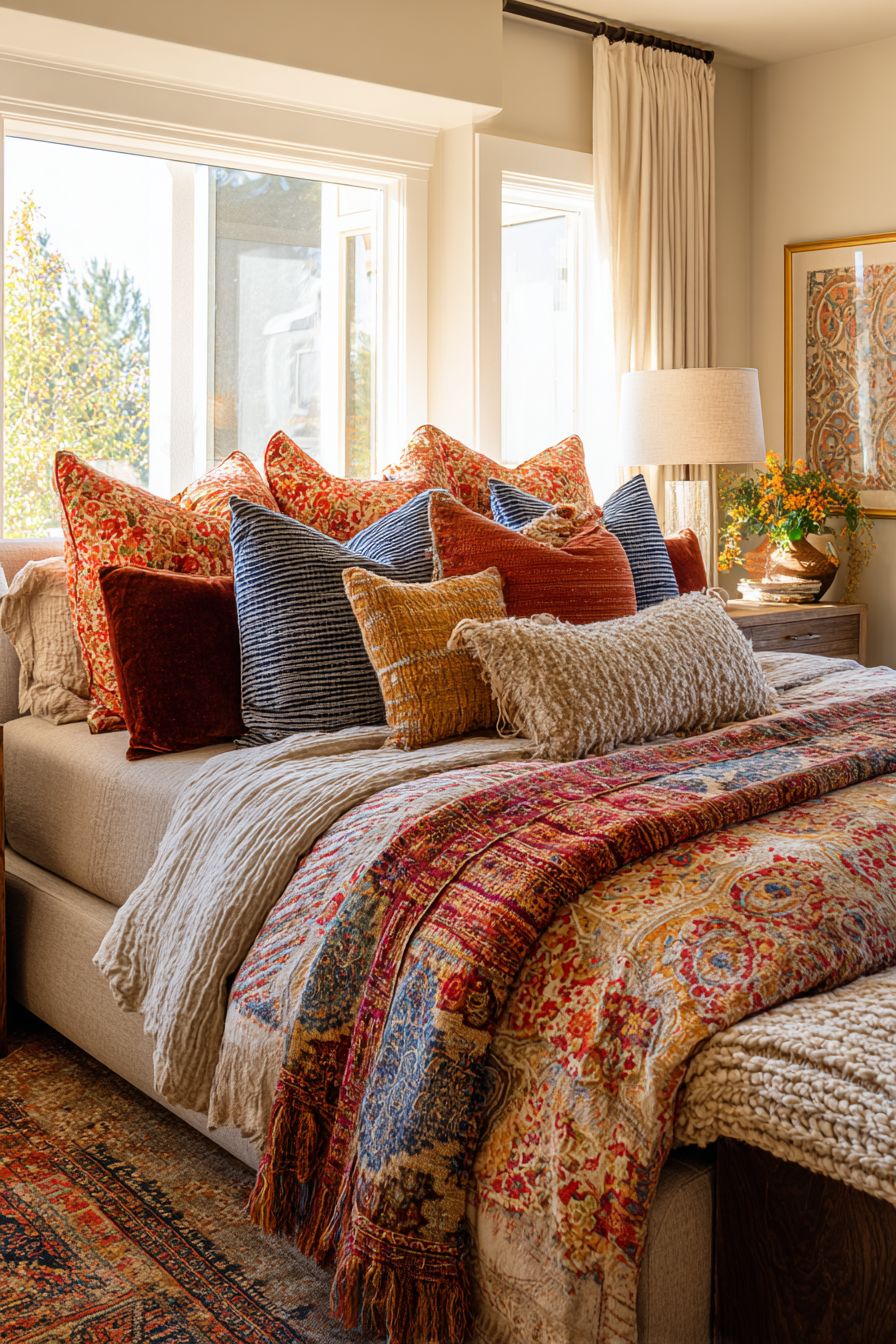
The “rule of three” applies wonderfully to pattern mixing in eclectic spaces. Combine patterns in three different scales—large, medium, and small—within your cohesive color palette. A large-scale floral duvet might pair with medium-sized stripe pillows and small geometric accent cushions. This varied scale prevents patterns from competing while adding the visual complexity that makes eclectic bedrooms so engaging and personally expressive.
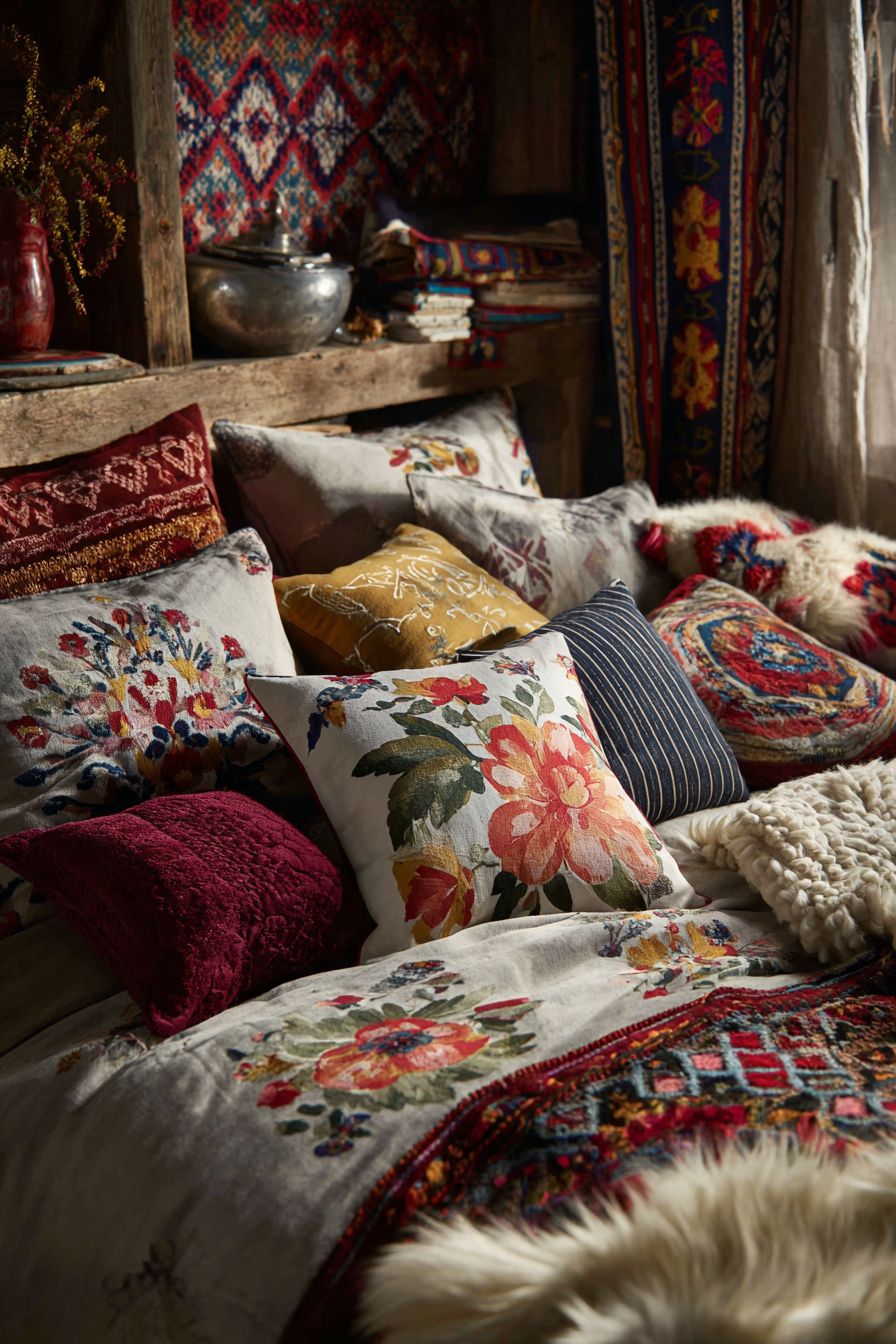
Texture adds another dimension to your textile layering strategy. Combine smooth and rough, soft and structured materials throughout your bedding and window treatments. Silk pillows against chunky knit throws, linen curtains with velvet tiebacks, and cotton sheets with faux fur accents create tactile interest that invites touch and adds warmth to your personalized sanctuary.
- Start with neutral foundational bedding to simplify pattern layering
- Mix pattern types (florals, geometrics, stripes, abstracts) rather than repeating one style
- Incorporate global textiles like ikat, kilim, or batik for authentic eclectic character
- Use texture to add interest to solid-colored textiles in your palette
- Layer at least three different textile types on your bed for dimensional depth
- Change textile layers seasonally to refresh your eclectic bedroom’s appearance affordably
5. Incorporating Global and Cultural Elements
Eclectic bedroom style naturally embraces global influences and cultural artifacts collected through travel or appreciation of diverse traditions. A Moroccan wedding blanket, Japanese shoji screen, Indian block-printed textiles, or African mudcloth pillows add authentic international flavor. These elements tell stories and create conversation while contributing to the curated worldly aesthetic that defines sophisticated eclectic design.
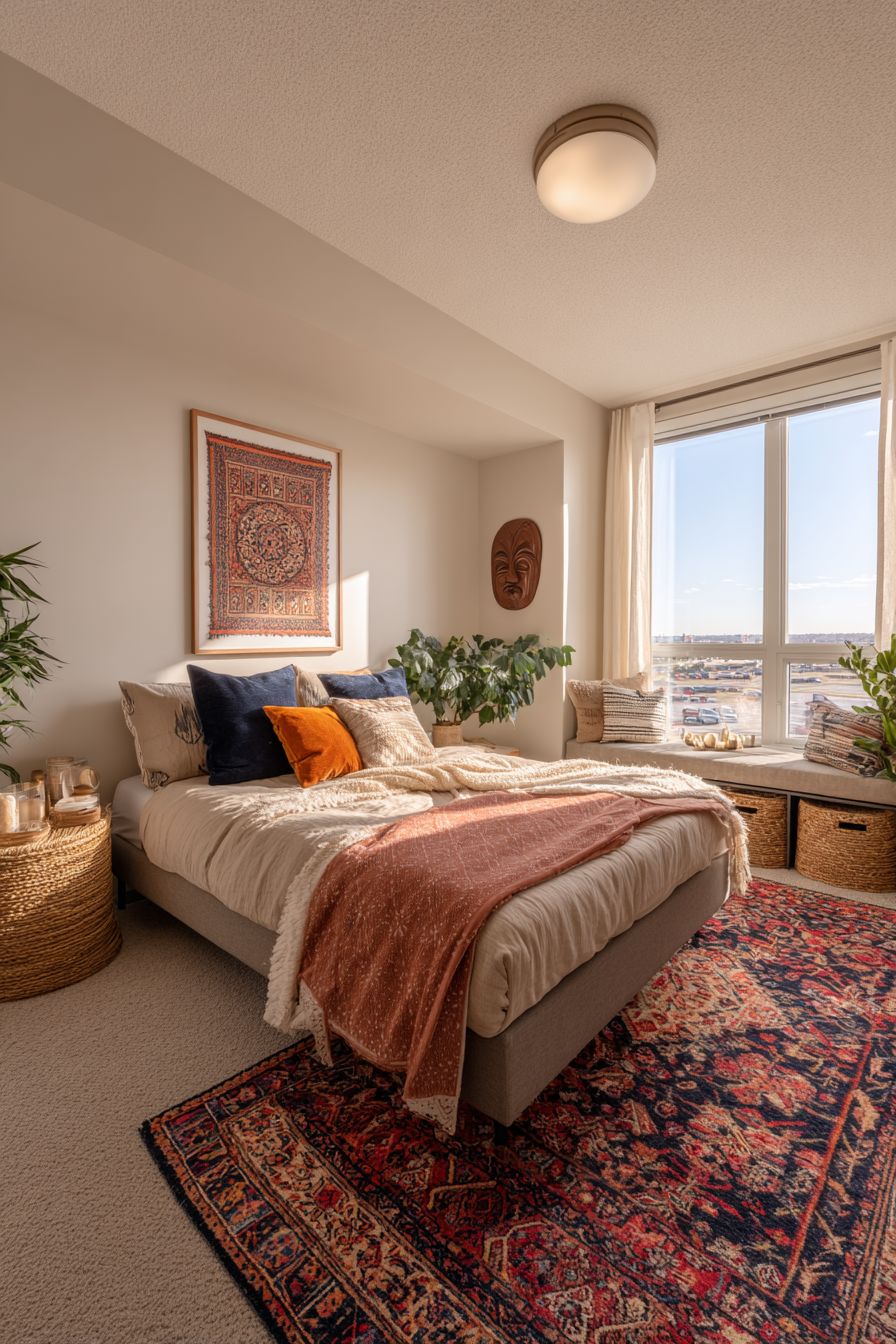
When incorporating cultural pieces, approach them with respect and intentionality rather than appropriation. Research the origins and significance of items you include, and display them thoughtfully. A ceremonial mask shouldn’t be treated as a mere decoration but positioned with the dignity its cultural importance deserves. This mindful approach ensures your eclectic space celebrates diversity while maintaining sensitivity toward different traditions and meanings.
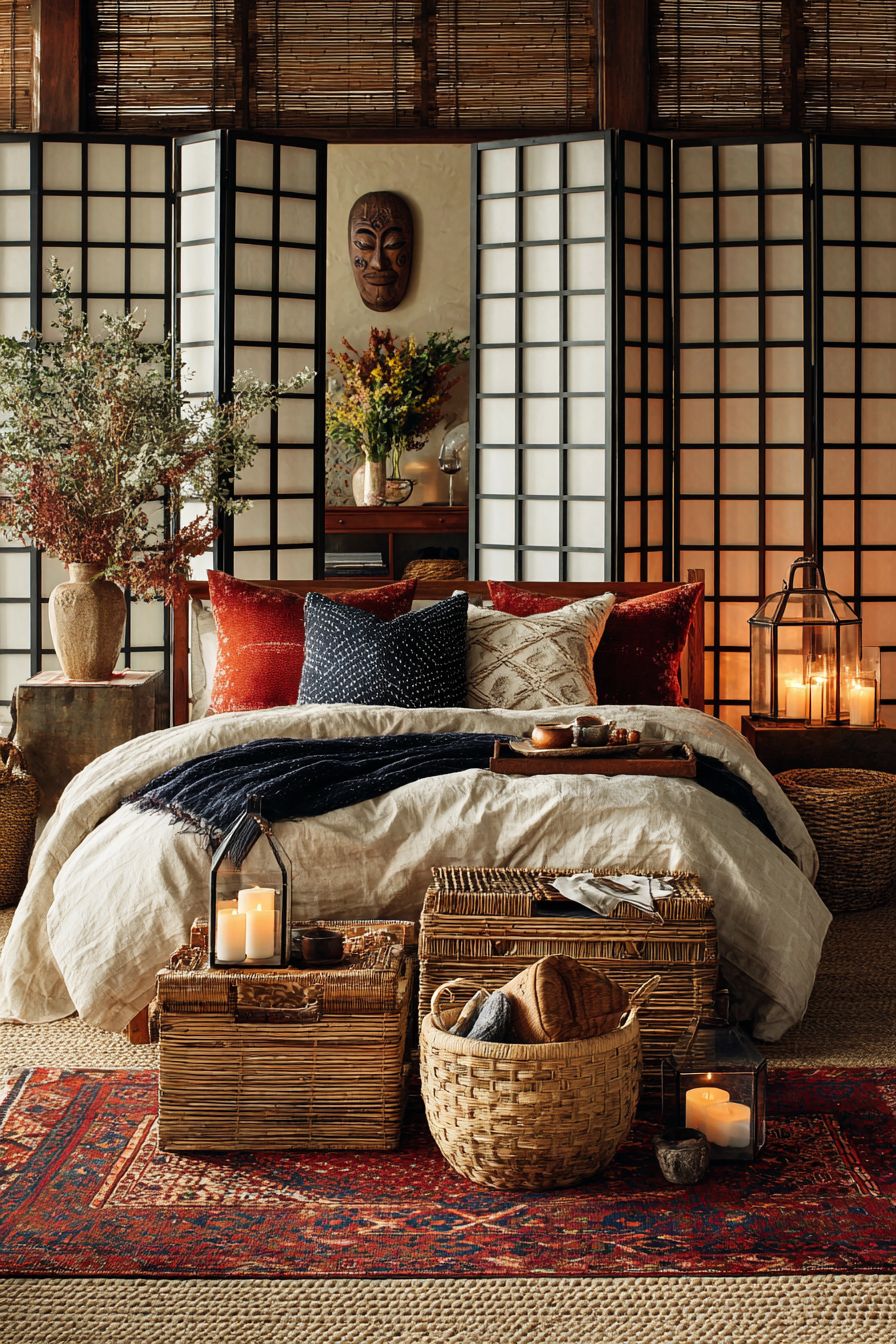
Balance is crucial when adding global elements. Too many international pieces from too many cultures can create visual chaos rather than cohesion. Select two or three cultural influences that genuinely resonate with your experiences or interests, and incorporate them consistently throughout your bedroom. This focused approach creates a more authentic and less theme-park feel in your personal sanctuary.
- Choose cultural pieces that hold personal meaning from your travels or heritage
- Mix global textiles with local or contemporary pieces for balance
- Display cultural artifacts at eye level where their beauty can be appreciated
- Research the proper way to display ceremonial or religious items respectfully
- Use woven baskets, rugs, and textiles as accessible global accent pieces
- Avoid creating a “theme room” by limiting cultural influences to meaningful selections
6. Balancing Old and New for Timeless Appeal
The tension between vintage and contemporary elements creates the dynamic energy that makes eclectic bedrooms so visually compelling. An antique brass bed frame gains fresh relevance when styled with crisp modern linens and minimalist nightstands. Conversely, a sleek platform bed becomes more interesting when accessorized with vintage art, heirloom quilts, and retro lighting fixtures. This intentional contrast prevents your space from feeling dated or sterile.
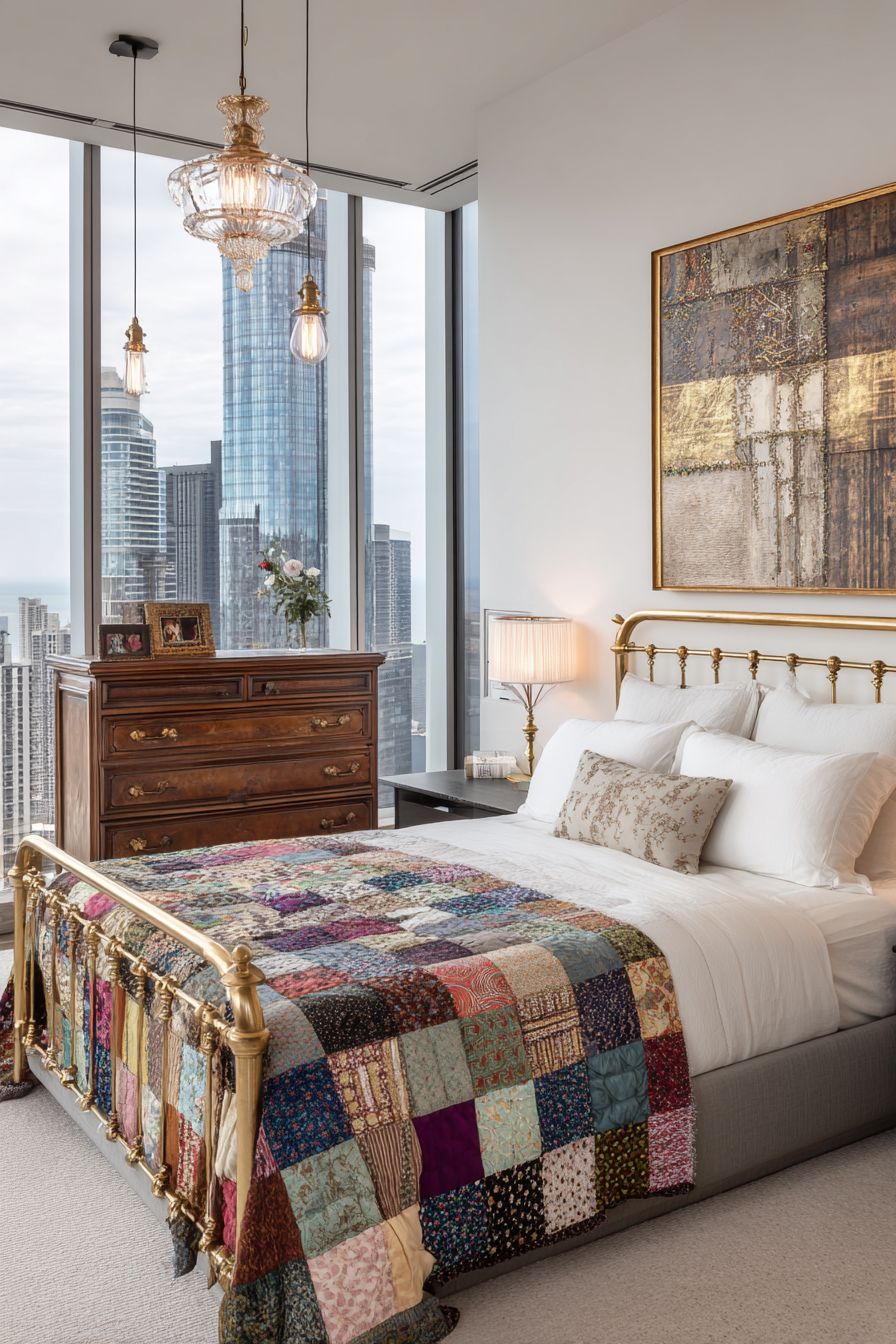
Technology integration presents unique challenges in eclectic bedrooms filled with vintage pieces. Modern necessities like televisions, charging stations, and smart home devices can clash with carefully curated antique furniture. Solve this by concealing technology thoughtfully—perhaps in a retrofitted vintage armoire or behind artwork. Alternatively, embrace the contrast by treating modern tech as the contemporary element in your historical-modern mix.
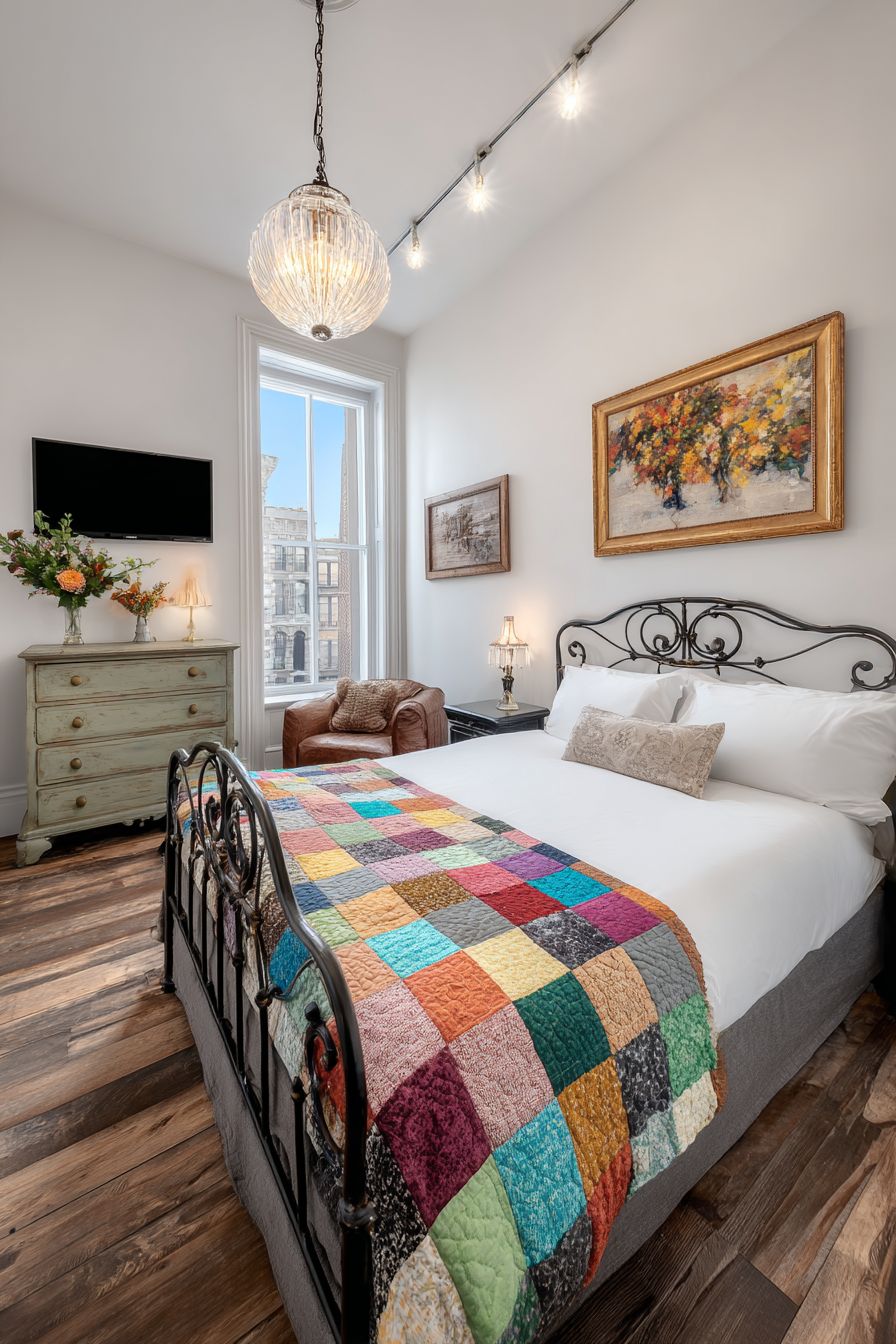
When selecting new pieces for your eclectic bedroom, choose items with timeless design qualities rather than trendy characteristics. A simple modern dresser in a classic shape will integrate better with your vintage finds than something with dated contemporary styling. Look for clean lines, quality construction, and neutral finishes that complement rather than compete with your cherished older pieces.
- Invest in quality modern basics (mattress, lighting) and save for vintage character pieces
- Refinish vintage furniture in contemporary colors to bridge old and new aesthetics
- Use modern art to update walls while maintaining vintage furniture
- Balance one heavily ornate piece with several simpler modern items
- Replace outdated hardware on vintage furniture with contemporary pulls for fresh appeal
- Choose LED bulbs for vintage light fixtures to blend old style with new efficiency
7. Creating Focal Points and Visual Anchors
Every successful eclectic bedroom needs strong focal points that organize the diverse elements into a coherent composition. Typically, the bed serves as the primary anchor, but in eclectic spaces, you might create additional focal points through statement lighting, a gallery wall, or an impressive vintage piece. These visual anchors give the eye resting places amid the variety and prevent the space from feeling chaotic.
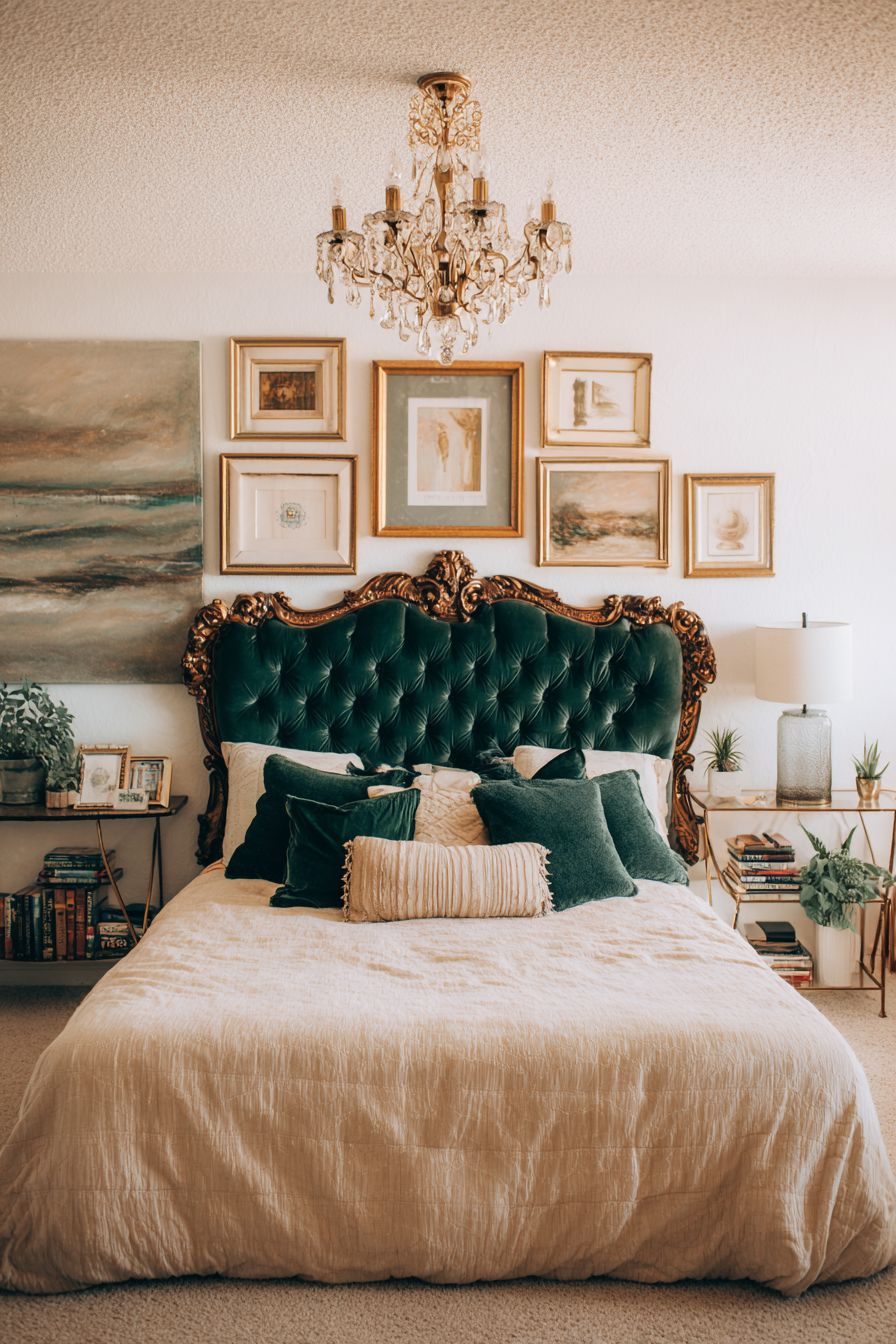
Your focal point should be the most dramatic or unusual element in the room. Perhaps it’s a stunning antique headboard, an oversized modern painting, or a spectacular vintage chandelier. Once established, arrange other elements to support rather than compete with this anchor. Surrounding pieces should complement and enhance the focal point without diminishing its impact through excessive visual competition.
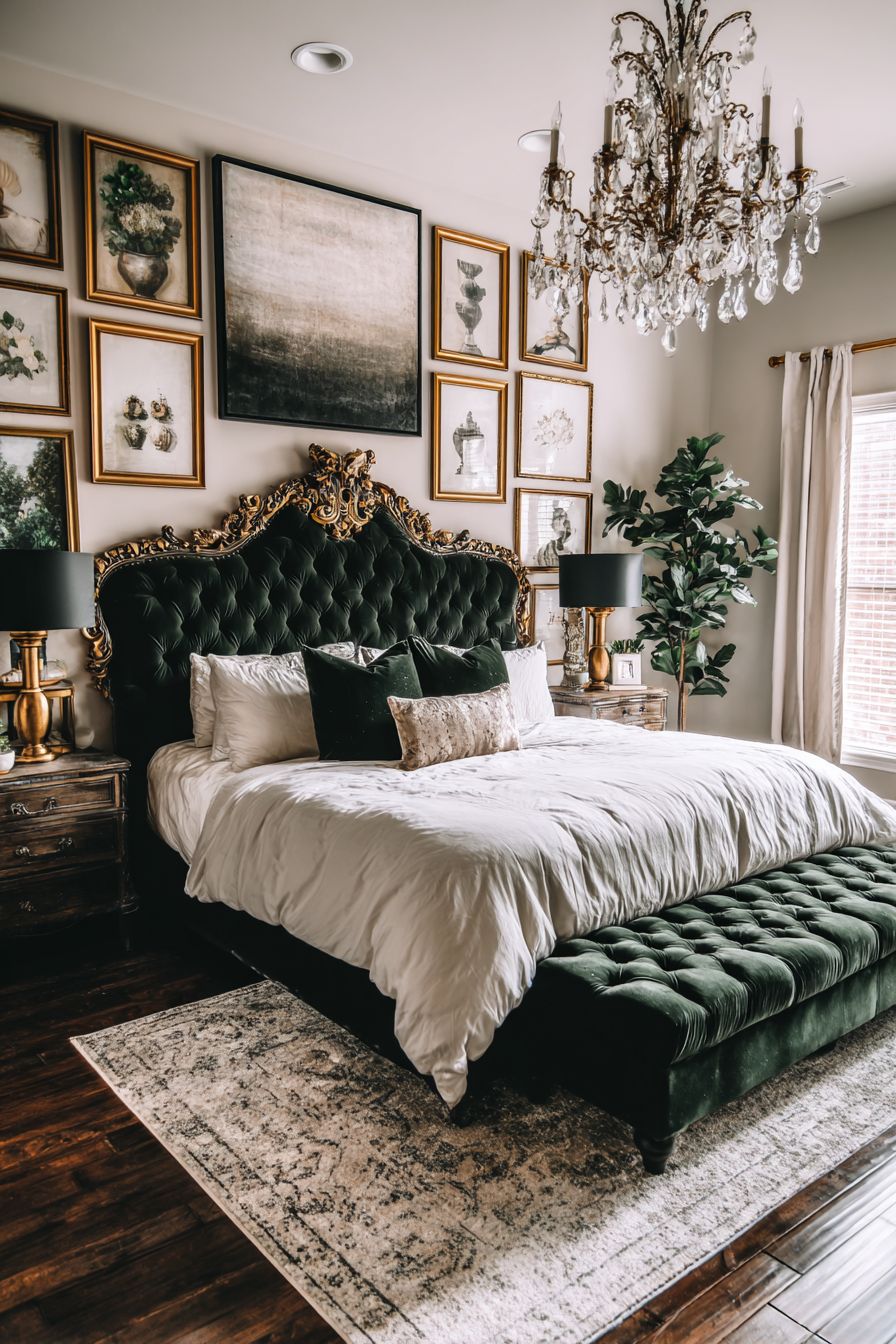
Creating visual hierarchy helps organize eclectic elements into digestible groupings. Use the rule of three when arranging decorative objects—groups of three items at varying heights create pleasing compositions. On nightstands, dressers, and shelves, cluster objects in odd-numbered groups with different sizes, textures, and heights to add interest while maintaining order in your personalized bedroom retreat.
- Choose one dramatic element as your primary focal point
- Position your bed to make it the natural visual anchor of the room
- Use lighting (chandelier or statement pendant) as a powerful focal point option
- Create a gallery wall mixing frame styles and art periods for eclectic appeal
- Avoid competing focal points by ensuring secondary elements support the primary
- Use color or texture to draw attention to your chosen focal point
8. Mastering the Art of Display and Curation
Eclectic bedrooms require thoughtful curation and display to succeed. Unlike minimalist spaces where less is more, or traditional rooms with prescribed arrangements, eclectic design demands an editor’s eye. Each item should justify its presence through beauty, function, or sentimental value. Rotate collections seasonally to keep the space feeling fresh while preventing visual overload from displaying everything simultaneously.
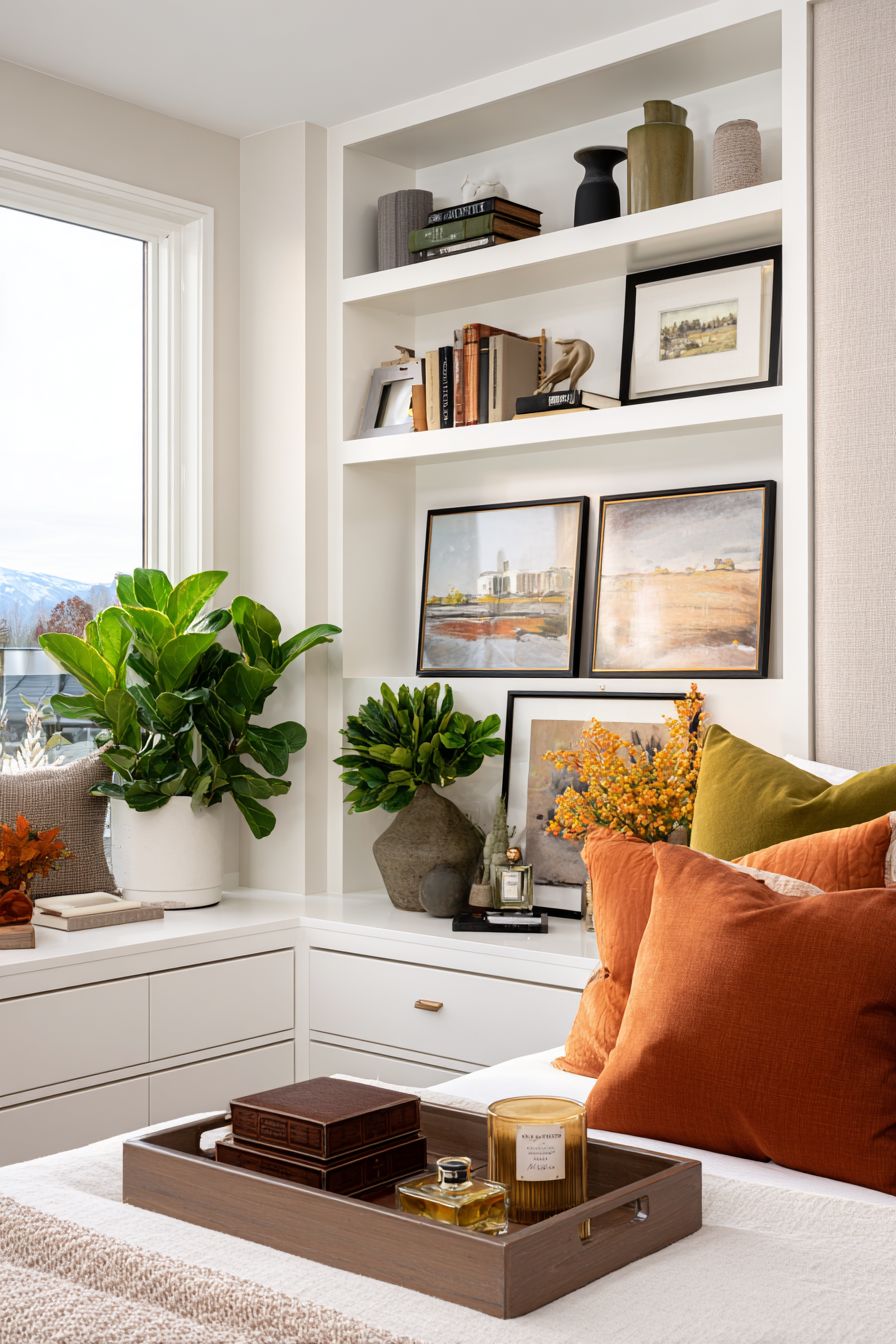
Open shelving offers excellent opportunities for curated displays that showcase your eclectic sensibility. Mix books, plants, travel souvenirs, and decorative objects in balanced arrangements. Use the “high-low” approach—pairing expensive art pieces with affordable flea market finds—to create visual interest without obvious price-point uniformity. This mixing of value levels adds authenticity to your collected-over-time aesthetic.
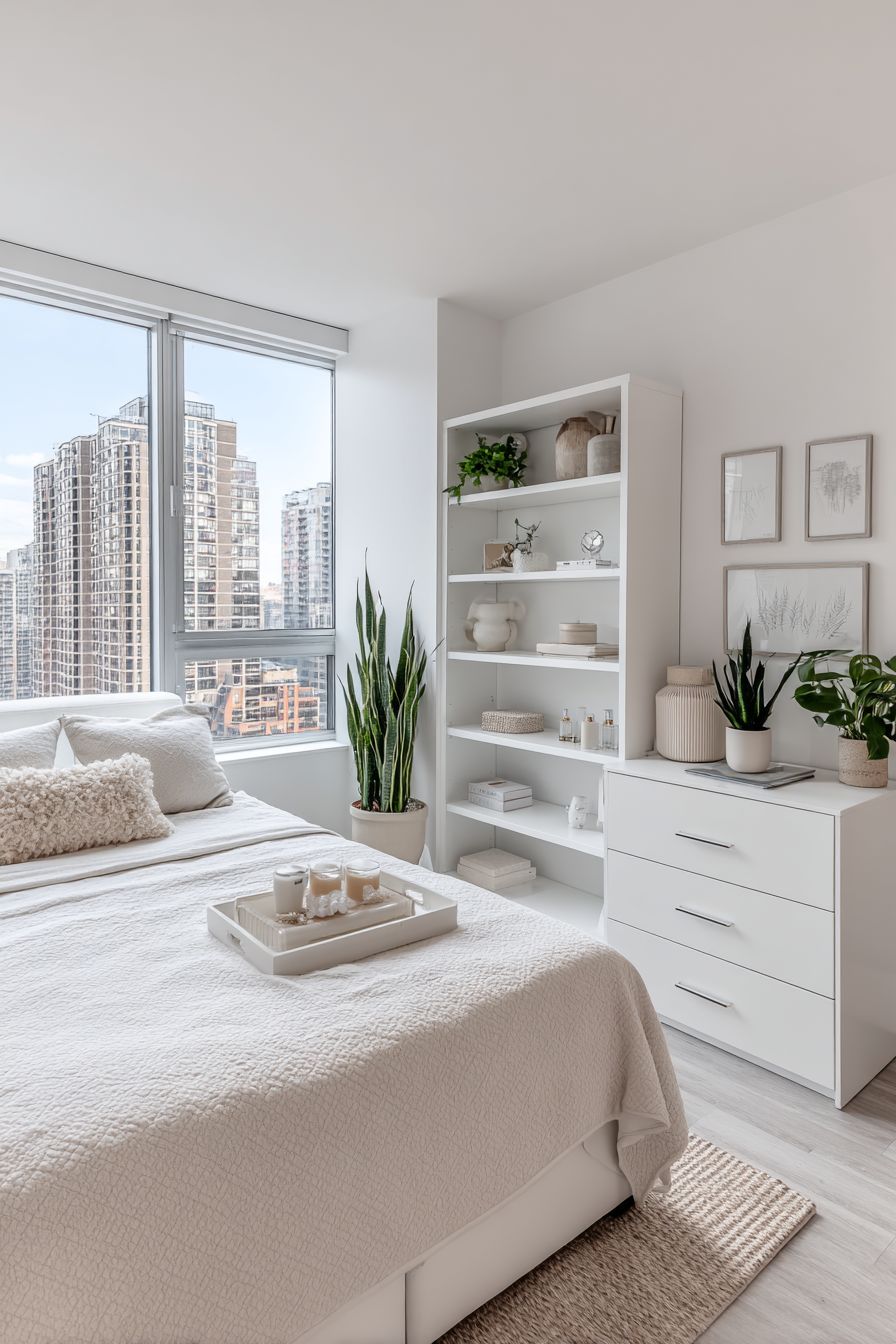
Negative space remains crucial even in eclectic design. Allow breathing room between displayed items and resist the urge to fill every surface. This restraint prevents your bedroom from crossing the line from eclectic into cluttered. Group items deliberately, leave empty space on walls and surfaces, and edit ruthlessly to maintain the sophisticated curation that distinguishes professional eclectic design.
- Display collections in odd-numbered groupings for visual appeal
- Vary heights and textures in shelf arrangements to create dynamic displays
- Leave at least 30% of surfaces empty to maintain breathing room
- Rotate displayed items seasonally to refresh your bedroom’s appearance
- Use trays and boxes to corral small items and prevent visual clutter
- Edit your displays regularly, removing items that no longer serve your vision
9. Lighting as a Unifying Eclectic Element
Lighting serves dual purposes in eclectic bedrooms—providing necessary illumination while contributing to the layered aesthetic. Mix lighting types from different eras: perhaps a vintage crystal chandelier overhead, mid-century modern table lamps on nightstands, and contemporary track lighting for artwork. This varied approach to lighting enhances the eclectic character while meeting functional requirements for different activities and moods.
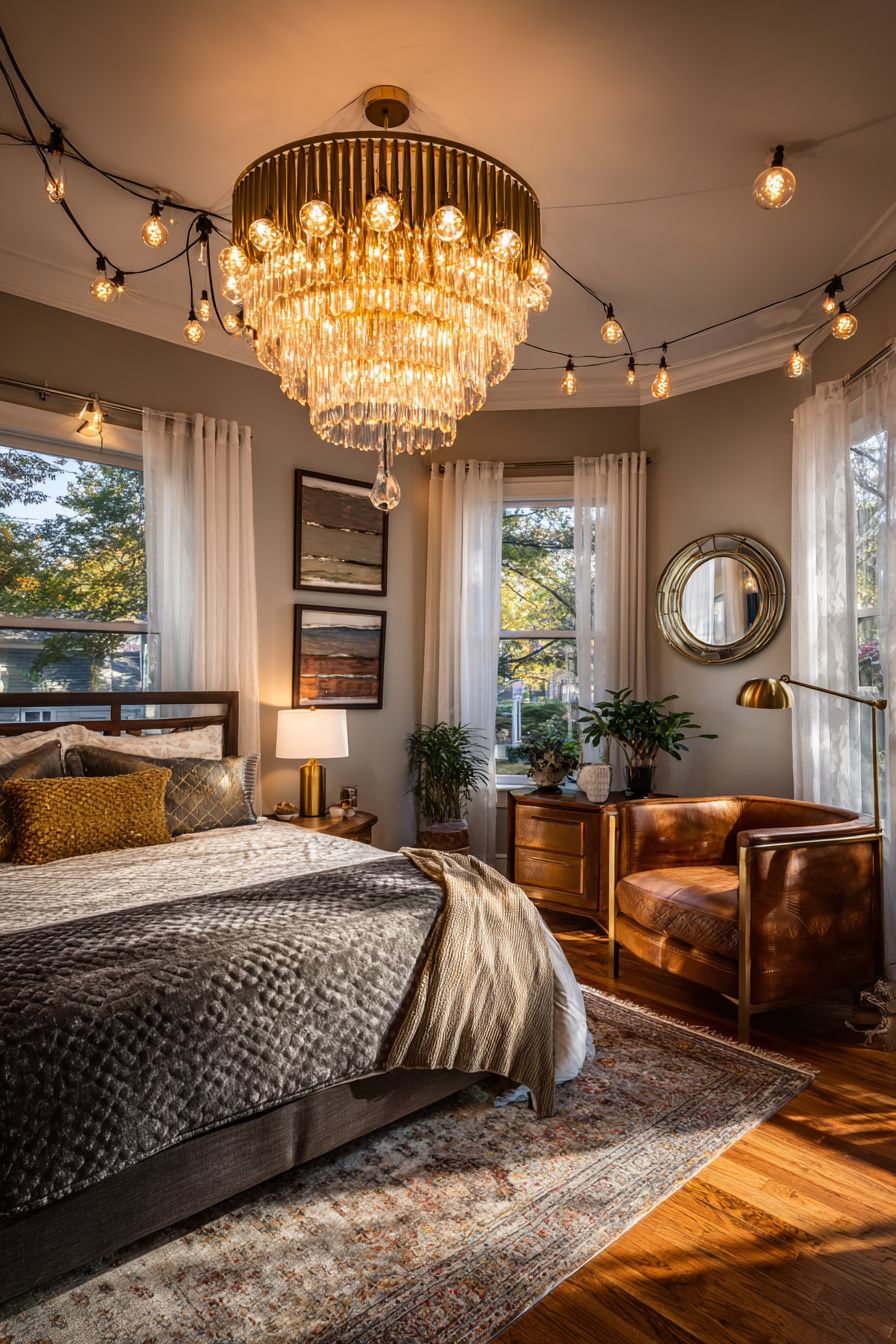
Layered lighting creates depth and versatility in eclectic spaces. Combine ambient lighting (overhead fixtures), task lighting (reading lamps), and accent lighting (picture lights or LED strips) to achieve professional-quality illumination. Each layer can represent a different style period, with the cohesive color palette or finish (like consistently using brass fixtures) tying them together despite their varied designs and origins.
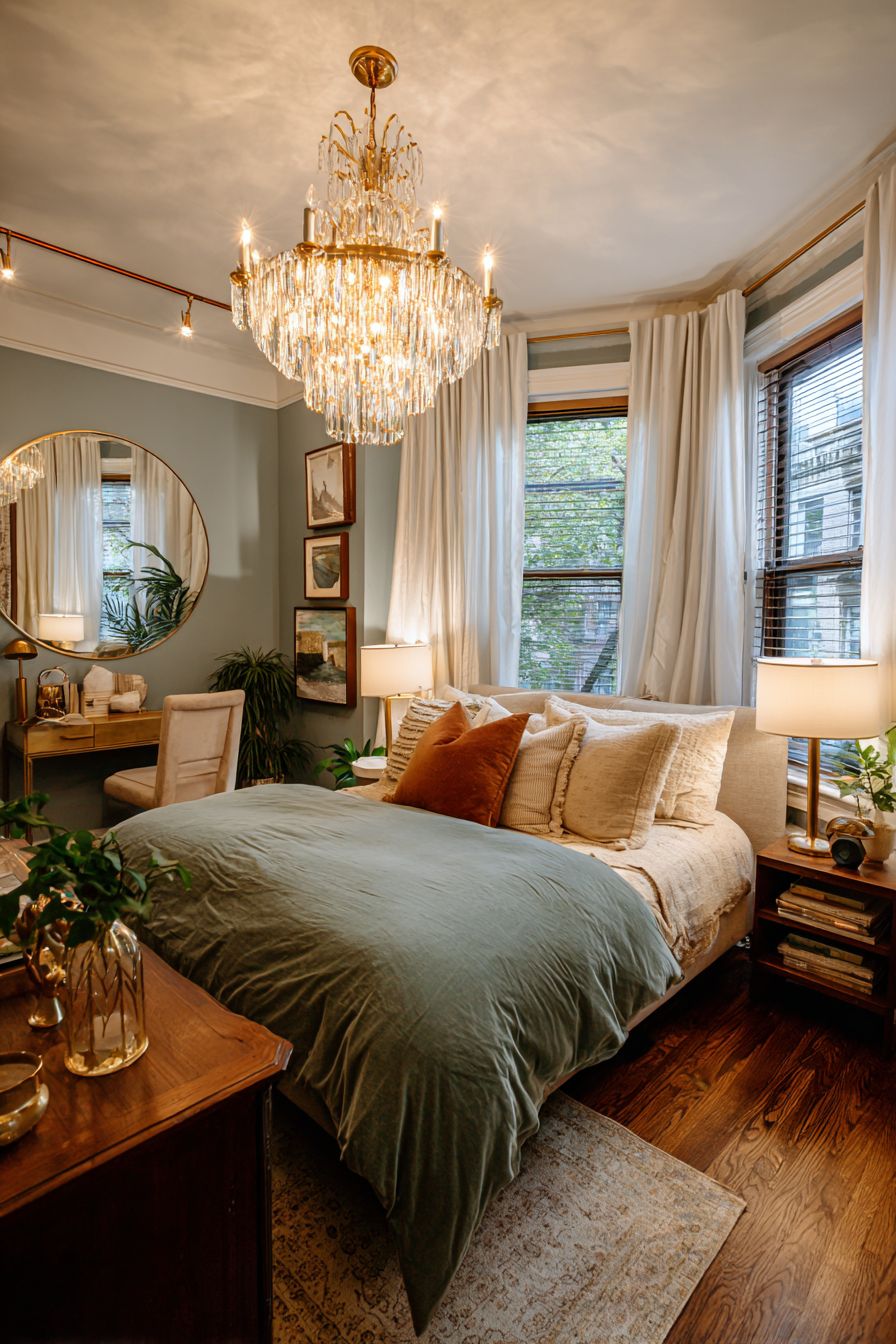
Natural light deserves special consideration in eclectic bedrooms. Window treatments should enhance rather than obscure this valuable resource. Mix sheer and heavy fabrics for light control, or combine vintage shutters with modern roman shades. The layering of window treatments mirrors the textural layering throughout your eclectic space while providing practical light management and privacy solutions.
- Install dimmer switches to adjust mood lighting in your eclectic sanctuary
- Mix metal finishes (brass, copper, chrome) deliberately as accent elements
- Use vintage lamps rewired for safety as character pieces
- Position task lighting thoughtfully for reading and dressing activities
- Consider string lights or lanterns for a bohemian eclectic ambiance
- Maximize natural light with strategically placed mirrors reflecting window light
Eclectic bedroom style offers unparalleled freedom for self-expression while creating deeply personal spaces that evolve with you over time. By following these principles—establishing a cohesive color palette, thoughtfully mixing periods and patterns, incorporating global elements respectfully, and curating displays with an editor’s eye—you can achieve a professionally designed eclectic bedroom that feels both collected and intentional. Remember that successful eclecticism requires restraint, not excess, and that each element should earn its place through beauty, function, or meaning.
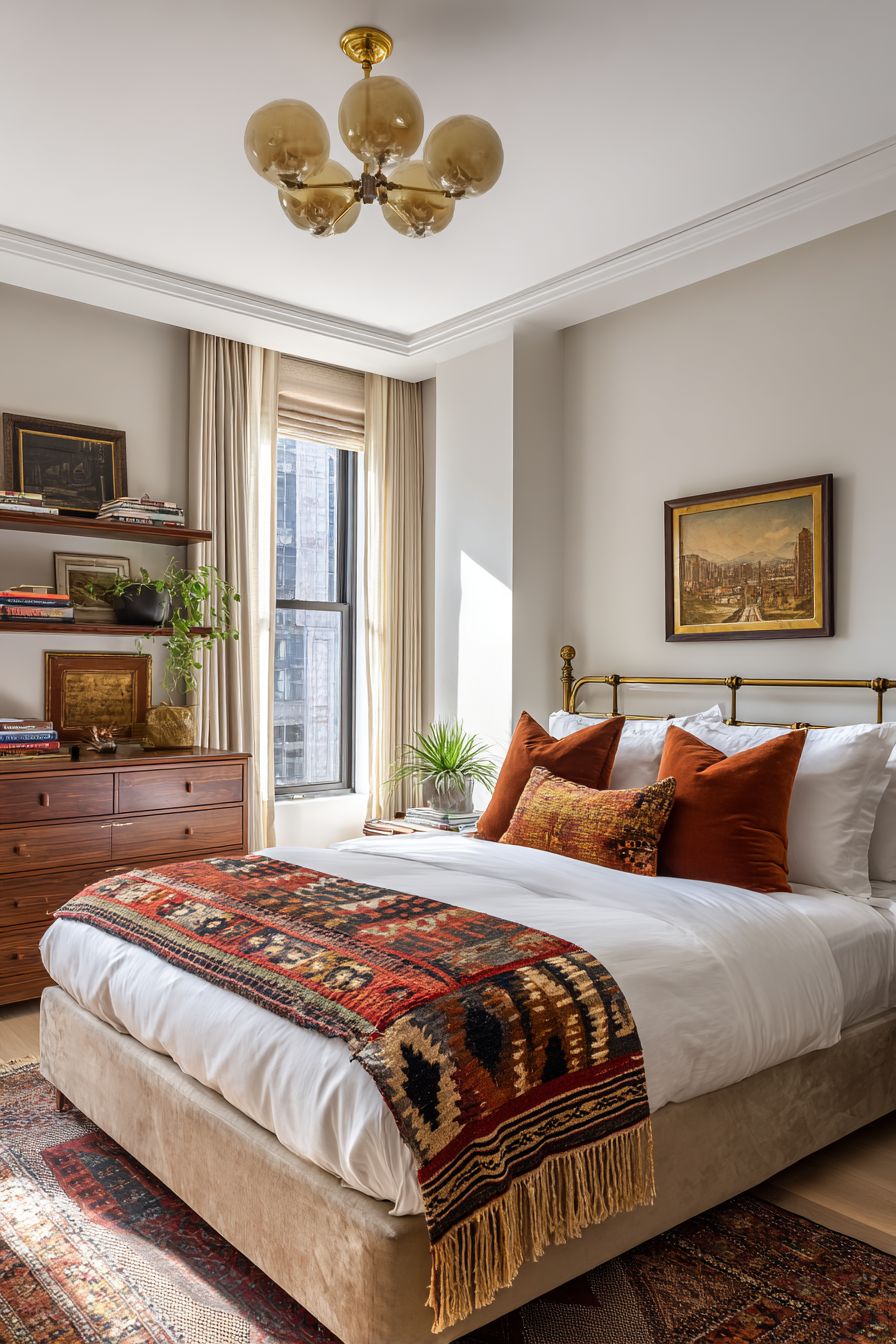
Start your eclectic bedroom journey by identifying pieces you already own that hold significance or beauty. Build your palette around these anchors, then gradually add complementary items from different periods and places. The beauty of this style lies in its flexibility and growth potential—your bedroom can continuously evolve as you discover new treasures and refine your personal aesthetic. Trust your instincts, edit thoughtfully, and create a bedroom sanctuary that tells your unique story through its carefully curated diversity.
"As an Amazon Associate, I earn from qualifying purchases."
