
Choosing the right bedding can make or break a couple’s sleep quality and bedroom harmony. The duvet versus comforter debate represents more than just aesthetic preference—it directly impacts comfort, maintenance, temperature regulation, and even relationship dynamics. Many couples struggle with different sleep preferences, body temperatures, and cleanliness standards, making this decision particularly crucial for shared sleeping spaces.
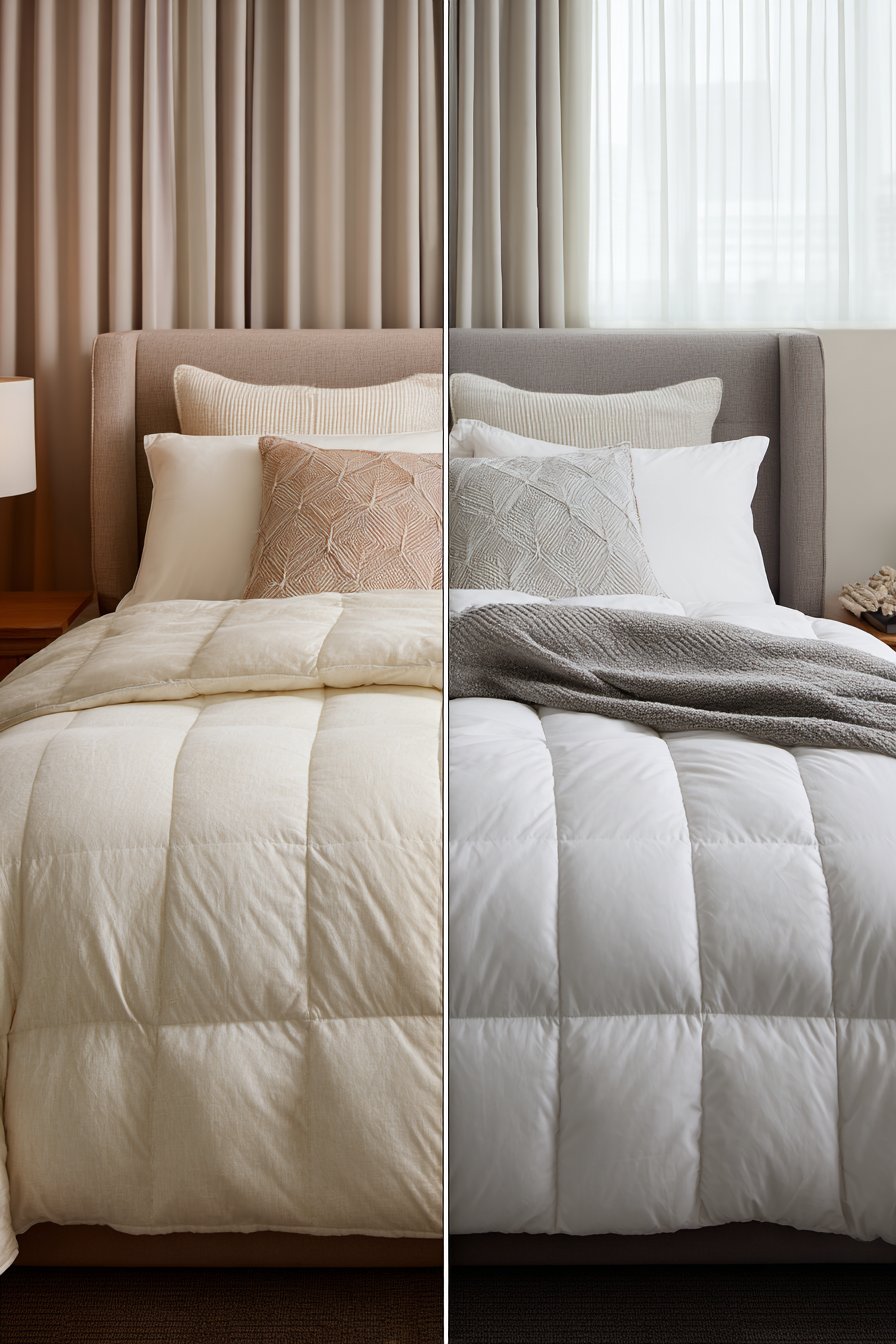
Understanding the fundamental differences between these two bedding options helps couples make informed choices that accommodate both partners’ needs. While comforters offer immediate convenience and simplicity, duvets provide versatility and customization that many couples find invaluable. This article explores six essential considerations that will help you determine which option creates the most harmonious sleeping environment for your relationship, addressing everything from temperature compatibility to cleaning logistics and long-term investment value.
1. Temperature Control and Individual Comfort Needs

Temperature regulation stands as the most significant factor for couples sharing bedding. Duvets with removable inserts allow partners to adjust warmth levels seasonally or even switch inserts mid-season without replacing the entire system. This flexibility proves invaluable when one partner runs hot while the other feels perpetually cold.
Comforters provide consistent warmth levels that cannot be easily modified without purchasing entirely new bedding. The fill power and material remain fixed, which works well for couples with similar temperature preferences but creates friction when needs differ. Most comforters feature synthetic or down filling with predetermined warmth ratings that stay constant year-round.

The duvet system’s modular nature enables couples to use lightweight inserts during summer months and heavyweight alternatives in winter. Some couples even maintain multiple inserts at different warmth levels, rotating them based on seasonal changes or individual needs. This adaptability makes duvets particularly valuable in climates with dramatic temperature fluctuations.
- Layer multiple lightweight duvet inserts for customizable warmth instead of one heavy option
- Choose comforters with baffle-box construction to prevent fill shifting and cold spots
- Consider dual-zone electric blankets under comforters for individual temperature control
- Select natural fill materials like down or wool that regulate temperature better than synthetics
- Invest in moisture-wicking duvet covers for partners who experience night sweats
- Test warmth levels during different seasons before committing to expensive bedding
2. Maintenance and Cleaning Practicality
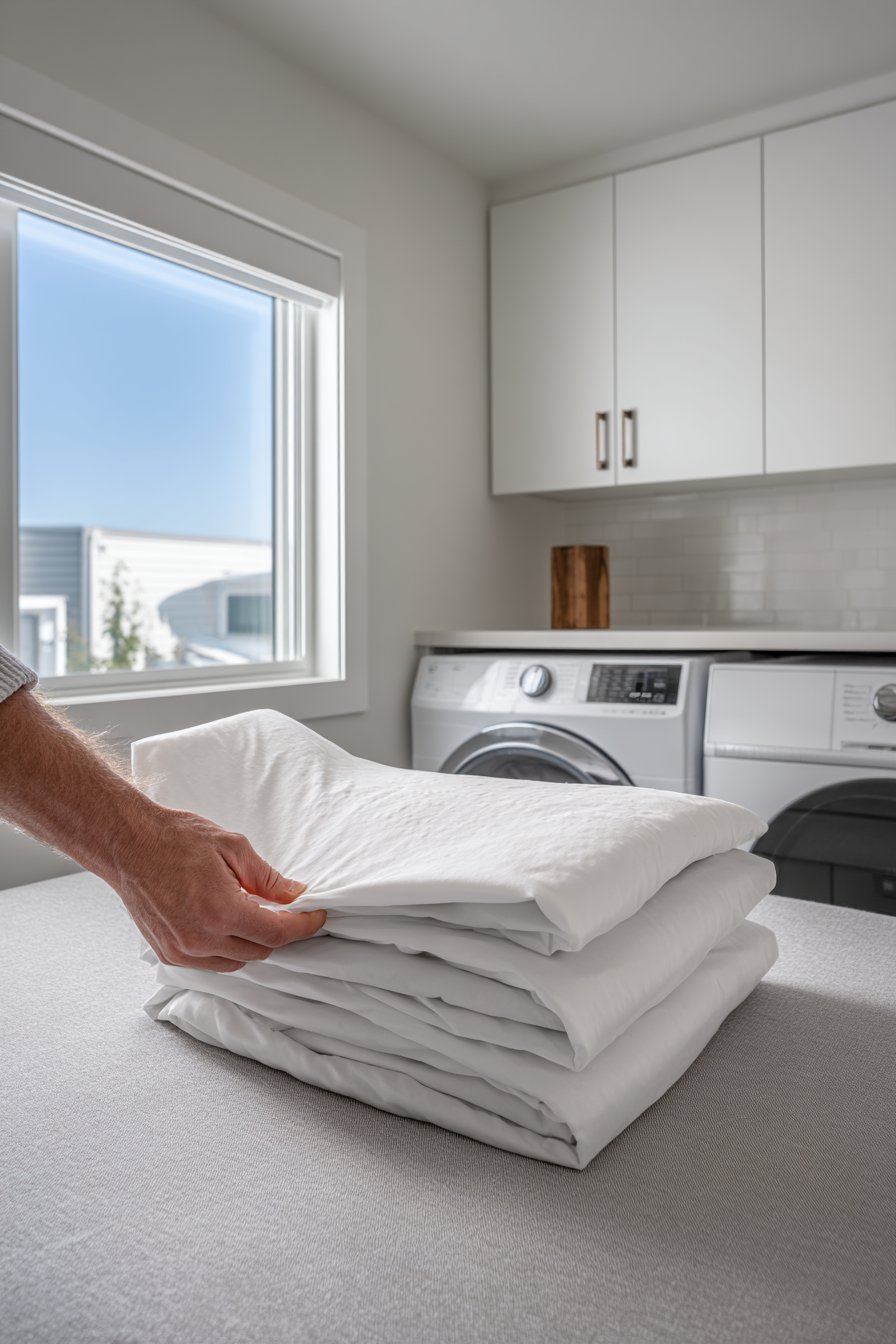
Washing logistics dramatically impact couples’ bedding satisfaction over time. Duvet covers slip off easily for regular laundering in home machines, while the insert itself only requires cleaning once or twice annually. This simplified maintenance schedule appeals to busy couples who prioritize convenience without sacrificing hygiene.
Comforters present more challenging cleaning requirements that frustrate many couples. Their bulky construction often exceeds home washing machine capacity, necessitating expensive professional cleaning or trips to laundromats with industrial machines. Most manufacturers recommend cleaning comforters every three to six months, creating recurring expenses and logistical hassles.
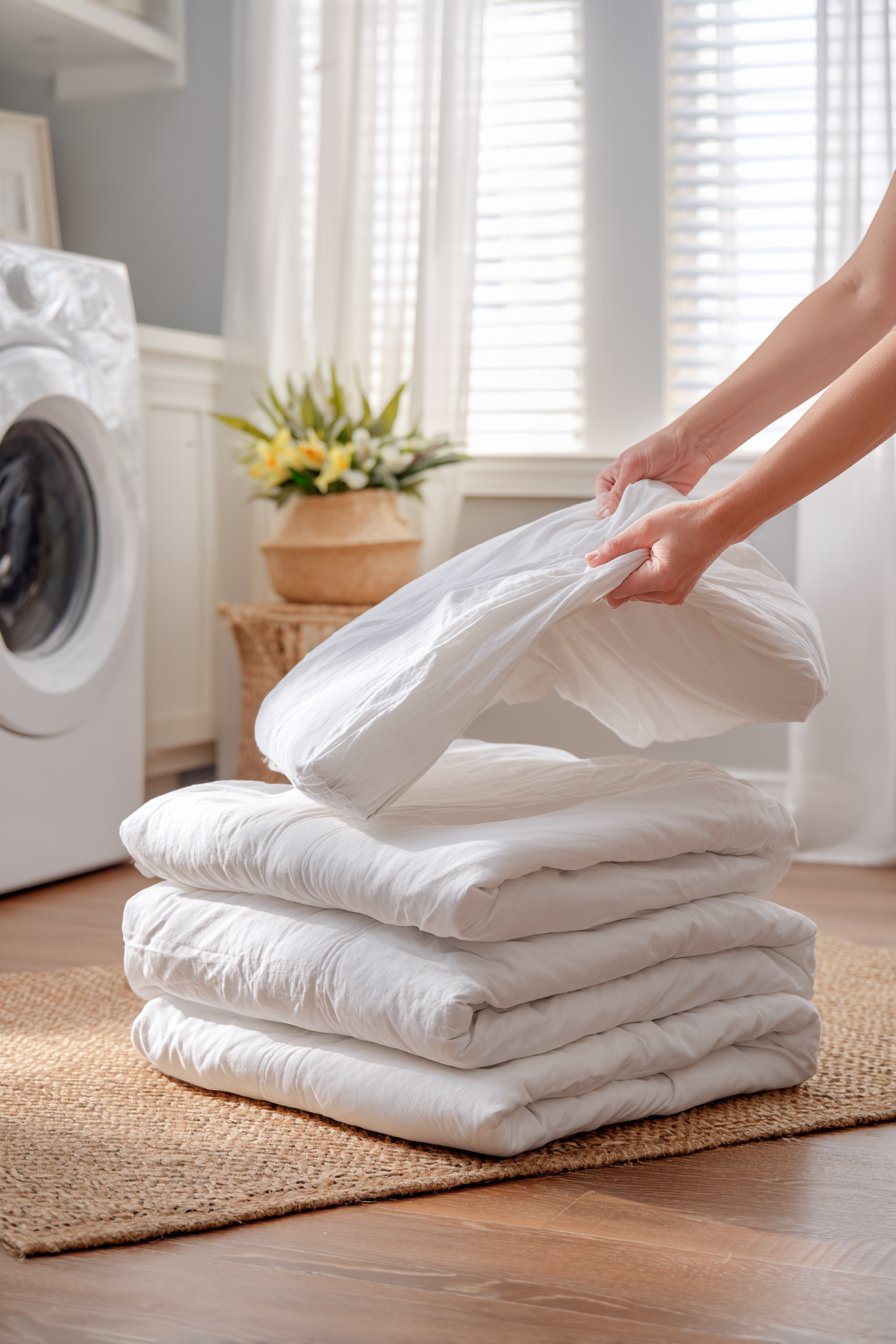
The duvet system allows couples to maintain multiple cover sets that rotate through the wash, keeping the bedroom fresh without waiting for bedding to dry. This flexibility proves especially valuable for couples with pets, allergies, or different cleanliness standards. Comforters lack this option—you either wash the entire piece or compromise on freshness.
- Purchase at least two duvet covers to rotate while one is being washed
- Choose machine-washable comforters under 15 pounds for home laundering capability
- Invest in duvet inserts with corner ties that prevent shifting inside covers
- Air out comforters monthly on sunny days to reduce washing frequency
- Select stain-resistant duvet cover fabrics if either partner eats in bed
- Use duvet cover fasteners or clips to simplify the insertion process
3. Style Flexibility and Bedroom Aesthetics
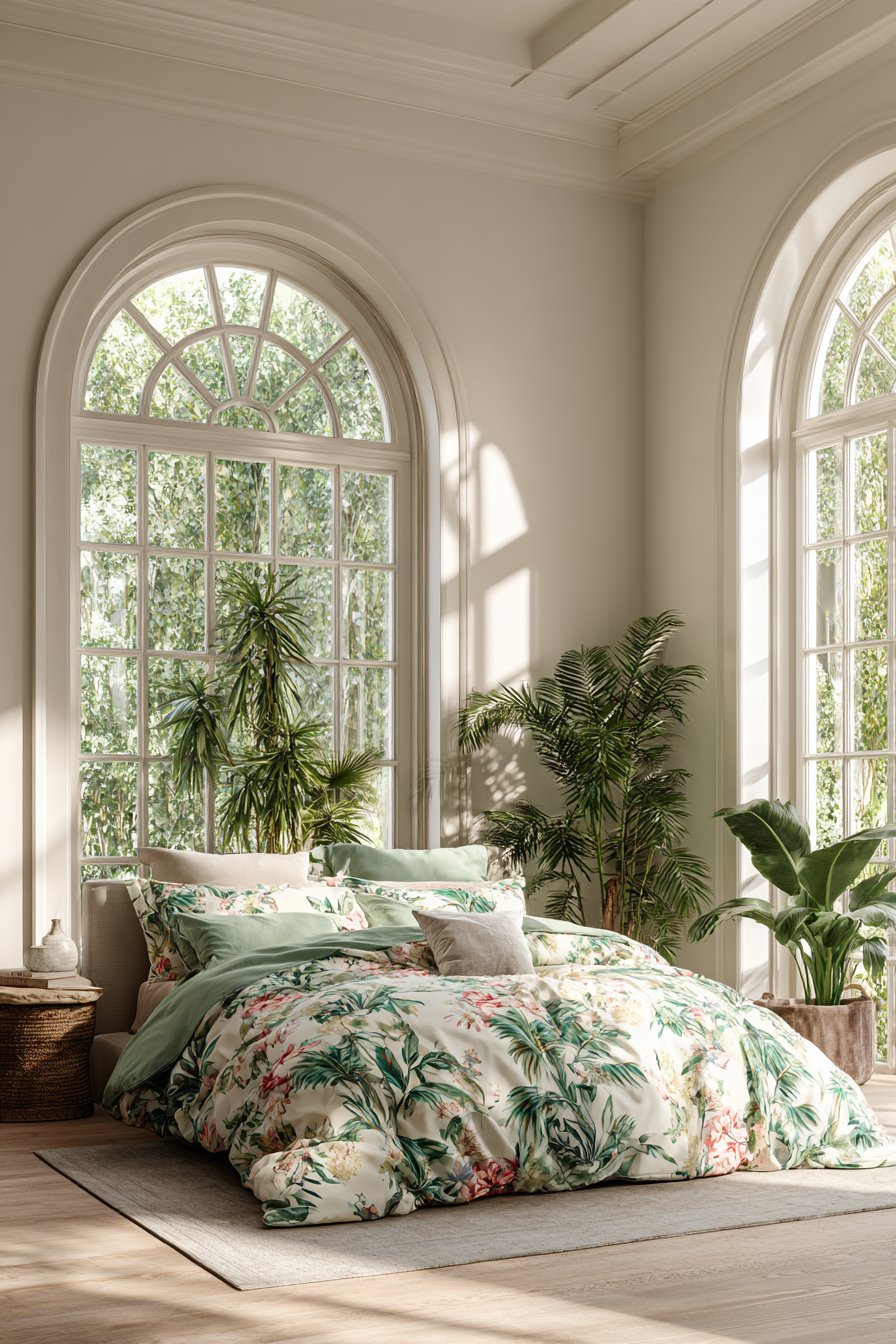
Design versatility gives duvets a clear advantage for couples who enjoy refreshing their bedroom aesthetic. Swapping duvet covers takes minutes and costs significantly less than replacing entire comforters. This flexibility allows partners to compromise on style preferences by rotating between different aesthetics seasonally.
Comforters lock couples into a single design choice that dominates the bedroom’s visual impact. Changing the look requires purchasing new comforters, which represents a substantial investment. Many couples find themselves living with outdated patterns longer than desired because replacing comforters feels financially impractical.

The duvet cover market offers exponentially more design options than the comforter market. Couples can select from hundreds of patterns, textures, and colors at various price points, making it easier to find compromises that satisfy both partners. This abundance proves particularly valuable when decorating tastes differ significantly.
- Create seasonal bedroom rotations with multiple duvet covers in different color palettes
- Choose neutral comforters that coordinate with changing decorative pillows and throws
- Select duvet covers with reversible designs for even more styling options
- Invest in high-quality comforters with classic patterns that resist trending out
- Consider the bedroom’s overall color scheme when selecting either option
- Use decorative bed runners or throws to update comforter looks without full replacement
4. Budget Considerations and Long-Term Value
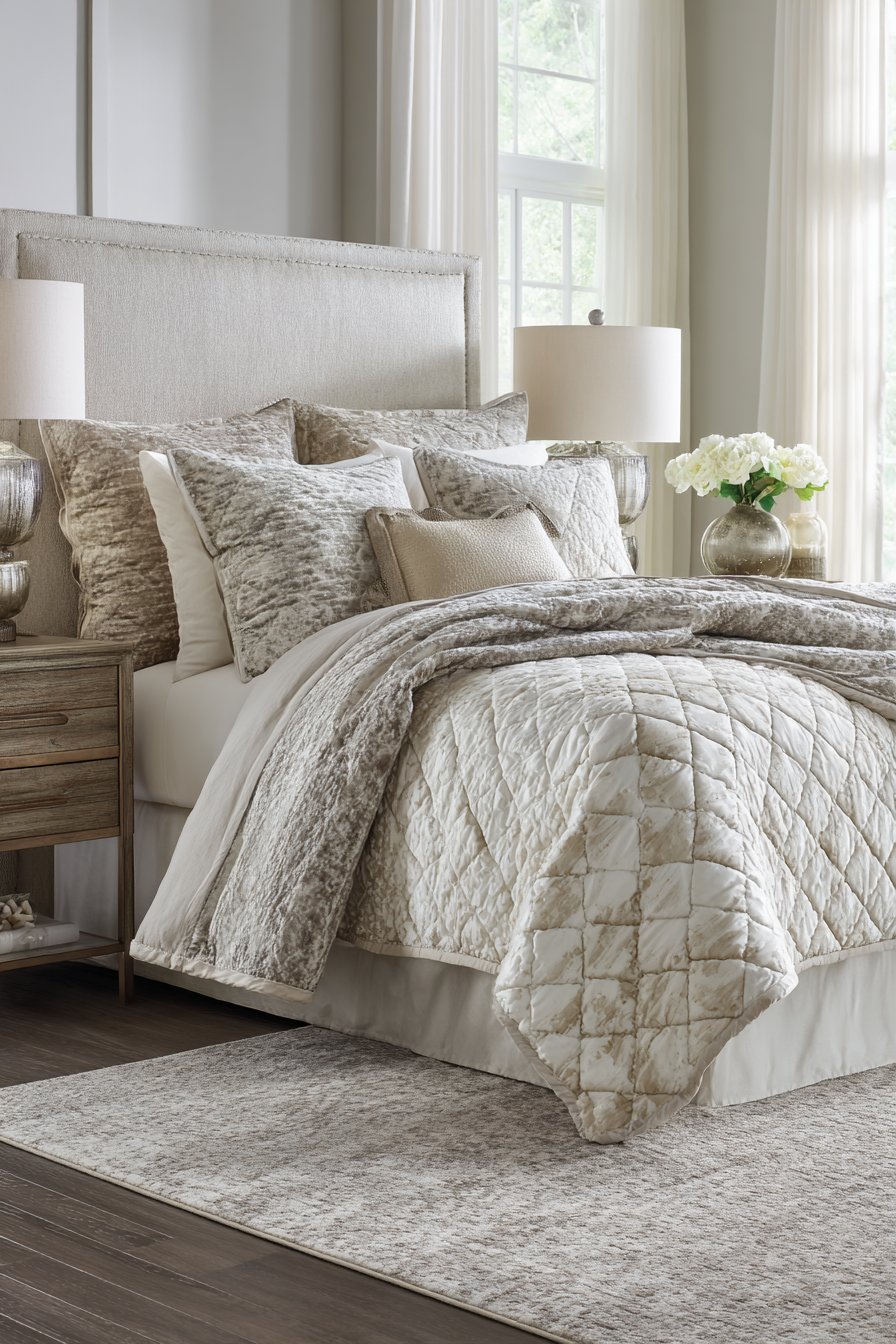
Initial investment costs favor comforters, but long-term value calculations shift dramatically when considering replacement cycles. Quality comforters range from $80 to $400, providing immediate affordability. However, their integrated design means entire pieces need replacement when damaged, worn, or outdated.
Duvet systems require separate purchases of inserts ($50-$300) and covers ($40-$200), creating higher upfront costs. This modular investment pays dividends over time—couples replace only damaged components rather than entire bedding sets. A quality duvet insert can last 10-15 years while covers rotate through based on wear or style preferences.
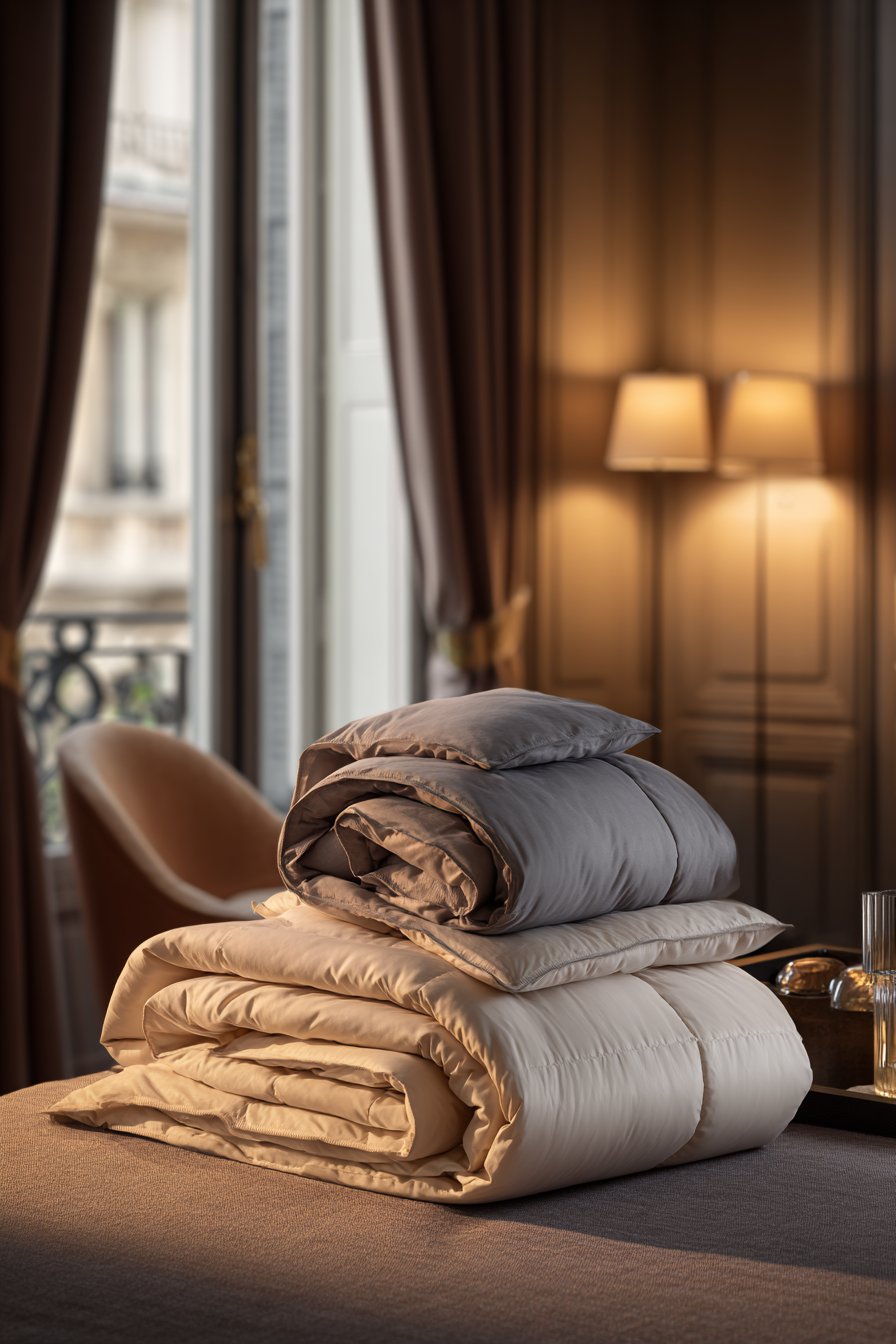
Cost-conscious couples often overlook the cleaning expense differential between these options. Professional comforter cleaning averages $30-$50 per service, accumulating hundreds of dollars over the bedding’s lifetime. Duvet covers clean at home for negligible cost, with inserts requiring only occasional professional attention.
- Calculate total five-year ownership costs including cleaning and replacement expenses
- Purchase high-quality duvet inserts that justify the initial investment
- Look for comforters with removable covers that provide hybrid benefits
- Buy duvet covers during seasonal sales to build a rotation affordably
- Choose fill materials based on longevity rather than just initial price
- Consider warranty coverage when comparing options at similar price points
5. Bed-Making Ease and Daily Convenience

Morning routine efficiency matters significantly for couples juggling busy schedules. Comforters simplify bed-making into a single pull-and-smooth motion that takes seconds. This straightforward process appeals to partners who prioritize speed or lack interest in elaborate bedroom maintenance.
Duvets with properly fitted covers require similar effort once assembled, but the initial insertion process frustrates many couples. Getting inserts evenly distributed inside covers demands patience and sometimes teamwork. However, this task occurs only when changing covers rather than daily.

The “European method” of leaving duvets rumpled creates an intentionally casual aesthetic that many couples embrace. This approach eliminates traditional bed-making entirely—partners simply pull the duvet up upon waking and call it done. Comforters look messy when handled this casually, requiring more structured arrangement for acceptable appearance.
- Use the burrito rolling method for frustration-free duvet cover changes
- Choose comforters with sewn-through or baffle-box quilting that maintains shape
- Install corner ties on both duvet inserts and covers for secure positioning
- Consider the minimalist approach of using duvets without top sheets
- Select lightweight comforters that don’t require wrestling into perfect position
- Establish a bed-making system that both partners find manageable
6. Sharing Dynamics and Physical Comfort
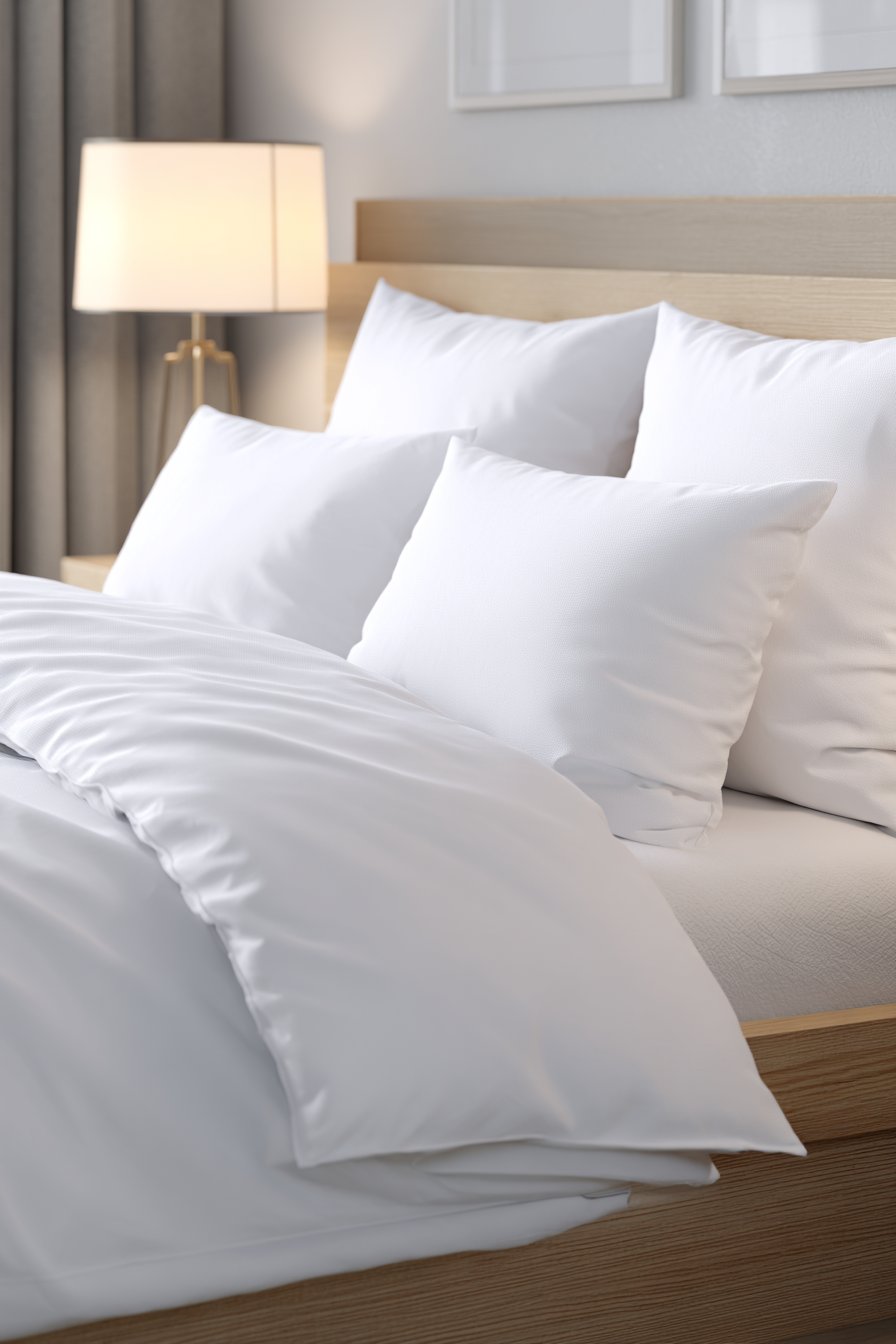
Cover-stealing tendencies plague many couples and influence bedding choices significantly. Comforters typically span standard bed sizes, creating tug-of-war scenarios when partners shift during sleep. This nightly battle leaves one person cold and frustrated, damaging sleep quality and relationship harmony.
The European approach of using two separate twin duvets on a queen or king bed eliminates cover theft entirely. Each partner controls their own individual warmth coverage, adjusting as needed without disturbing the other. This solution addresses different temperature needs while maintaining physical closeness.
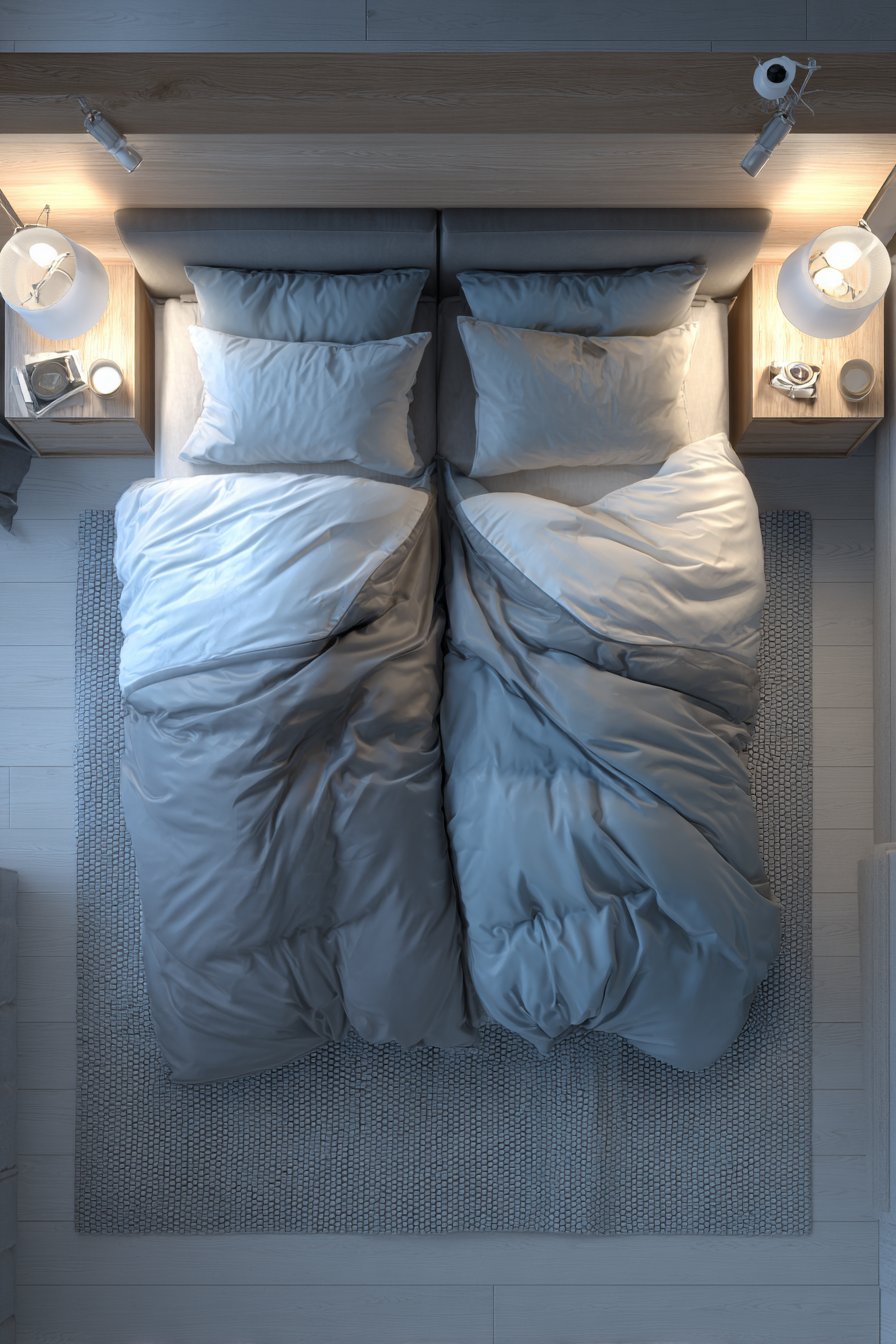
Comforters don’t accommodate the two-duvet system effectively due to their integrated construction and standard sizing. Couples committed to this arrangement must choose duvets or accept continued bedding conflicts. Weight distribution also differs—comforters provide even pressure across both sleepers, while duvets can be adjusted for personal preference.
- Try the Scandinavian two-duvet method for partners with vastly different needs
- Size up on comforters (king on queen beds) to provide extra material for both partners
- Choose lightweight duvets that don’t create excessive pressure or confinement feelings
- Consider split-design comforters that offer two different warmth levels
- Use fitted sheet clips to anchor bedding and reduce shifting
- Communicate openly about temperature and coverage preferences before purchasing
Conclusion
The duvet versus comforter decision ultimately depends on your relationship’s specific priorities and lifestyle factors. Duvets offer superior versatility, accommodating different temperature preferences, simplifying maintenance, and providing endless style flexibility at reasonable long-term costs. Couples who value customization, easy cleaning, and design adaptability typically find duvets worth the slightly higher initial investment and occasional insertion frustrations.

Comforters excel in simplicity, offering immediate affordability and effortless daily maintenance that busy couples appreciate. Partners with similar sleep preferences, minimal cleaning concerns, and consistent style tastes may find comforters perfectly adequate for their needs. The key lies in honest assessment of your shared priorities—whether flexibility and customization outweigh convenience and simplicity. Whichever option you choose, prioritizing quality materials and construction ensures your investment supports restful sleep and bedroom harmony for years to come.
"As an Amazon Associate, I earn from qualifying purchases."
