
Your home should make you feel something. Not just comfortable — genuinely joyful. That’s the bold promise behind dopamine decor, the design movement that has taken the interior world by storm. Unlike the muted, minimalist palettes that dominated the past decade, this trend celebrates color, personality, and emotional resonance in every corner of your living space.
The concept is rooted in neuroscience. Dopamine, your brain’s feel-good chemical, is released when you experience pleasure or anticipation. Certain colors, textures, and objects can trigger this response. Dopamine decor taps into that connection by surrounding you with things that genuinely spark delight — bold hues, nostalgic pieces, playful patterns, and unapologetically personal touches that mirror who you are.
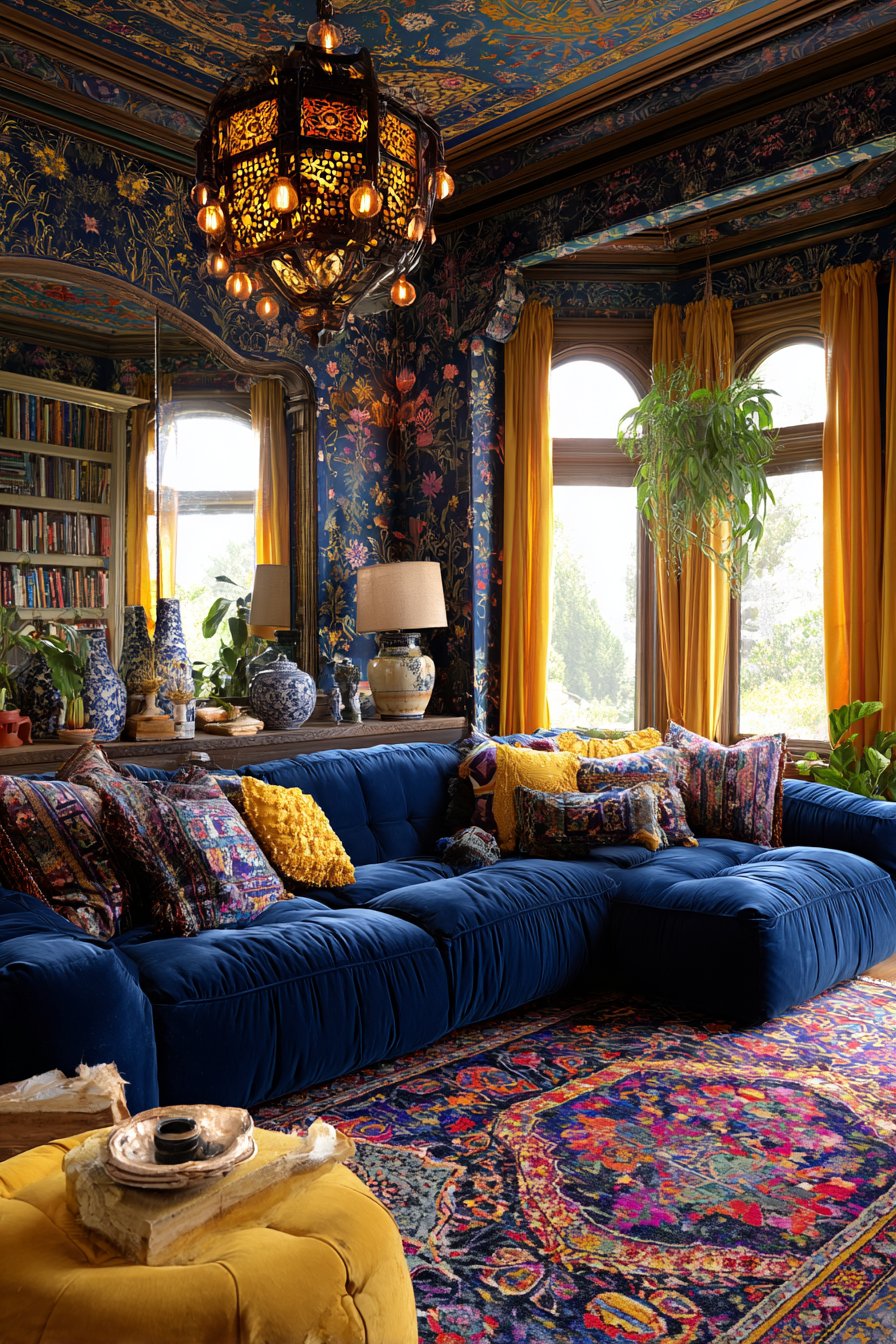
This article explores the full spectrum of dopamine decor — from its scientific roots to its most exciting design applications. Whether you’re ready for a full renovation or just want to refresh a single room, these ideas will guide you toward a home that lifts your spirits every single day.
1. Understanding the Science Behind Dopamine Decor
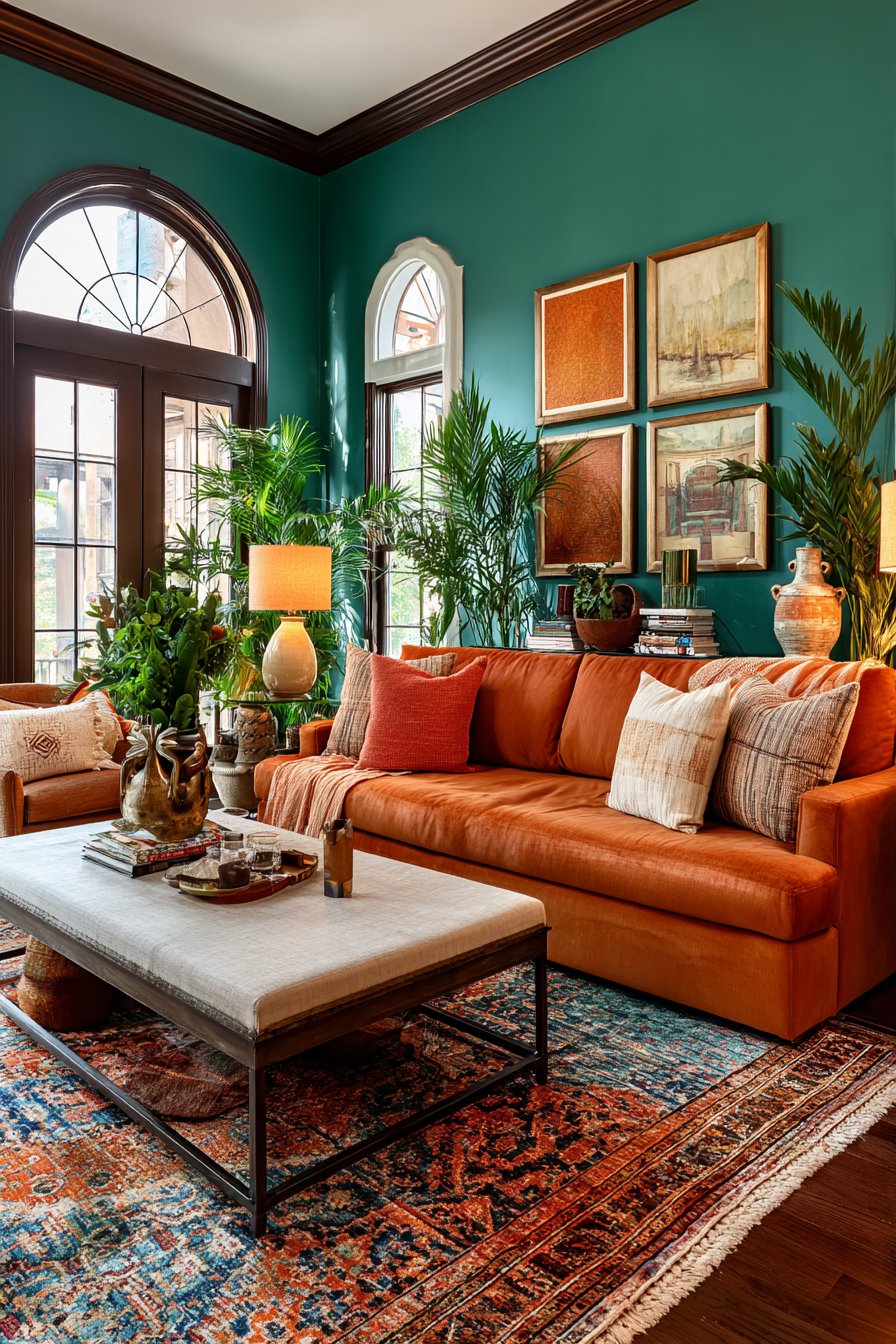
Dopamine decor isn’t just a trendy hashtag — it’s backed by real behavioral science. Research in environmental psychology has long established that our surroundings influence our mood, cognitive function, and overall mental health. When a space feels joyful, stimulating, and personal, it genuinely changes how we feel and perform throughout the day.
Color is one of the most powerful mood-influencing tools in design. Warm yellows trigger optimism. Vibrant corals boost energy. Deep jewel tones like emerald and sapphire create a sense of richness and confidence. Dopamine decor leans into these relationships intentionally, using color not just for aesthetics but as a therapeutic design tool that works on your nervous system in real time.
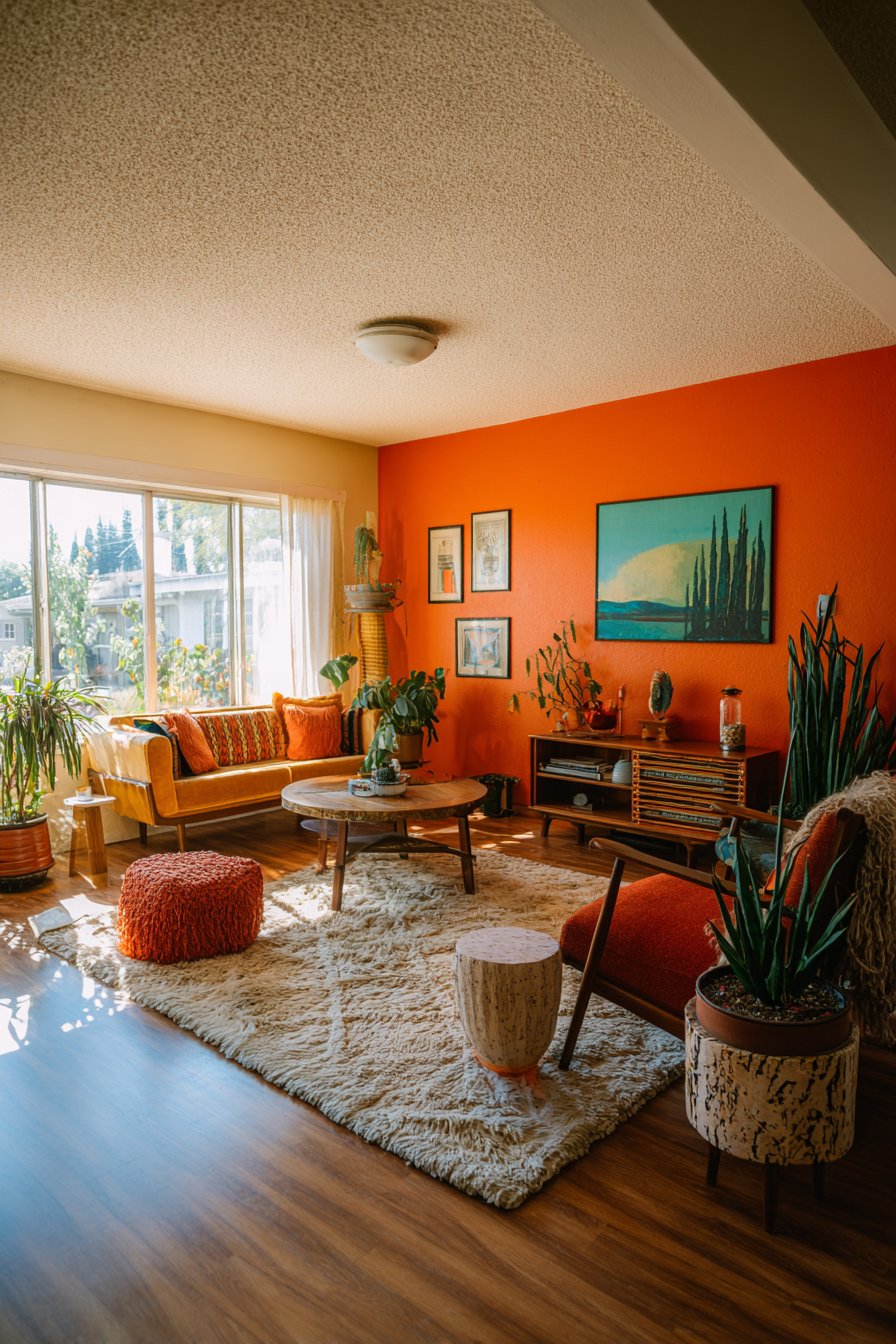
The trend also validates the emotional connection we have with objects. That ceramic lamp you found at a flea market, the vintage poster from your favorite city — these aren’t clutter. They are neurological anchors that bring positive memories and emotions forward every time you see them. Dopamine decor gives you permission to let those objects shine.
- Learn basic color psychology before choosing your palette
- Identify objects in your home that already make you smile and display them prominently
- Notice which rooms feel flat or lifeless — these are your starting points
- Read about environmental psychology to deepen your understanding of space and mood
- Consider your emotional goals: energizing, calming, playful, or inspiring
2. Embracing Bold, Saturated Color Palettes
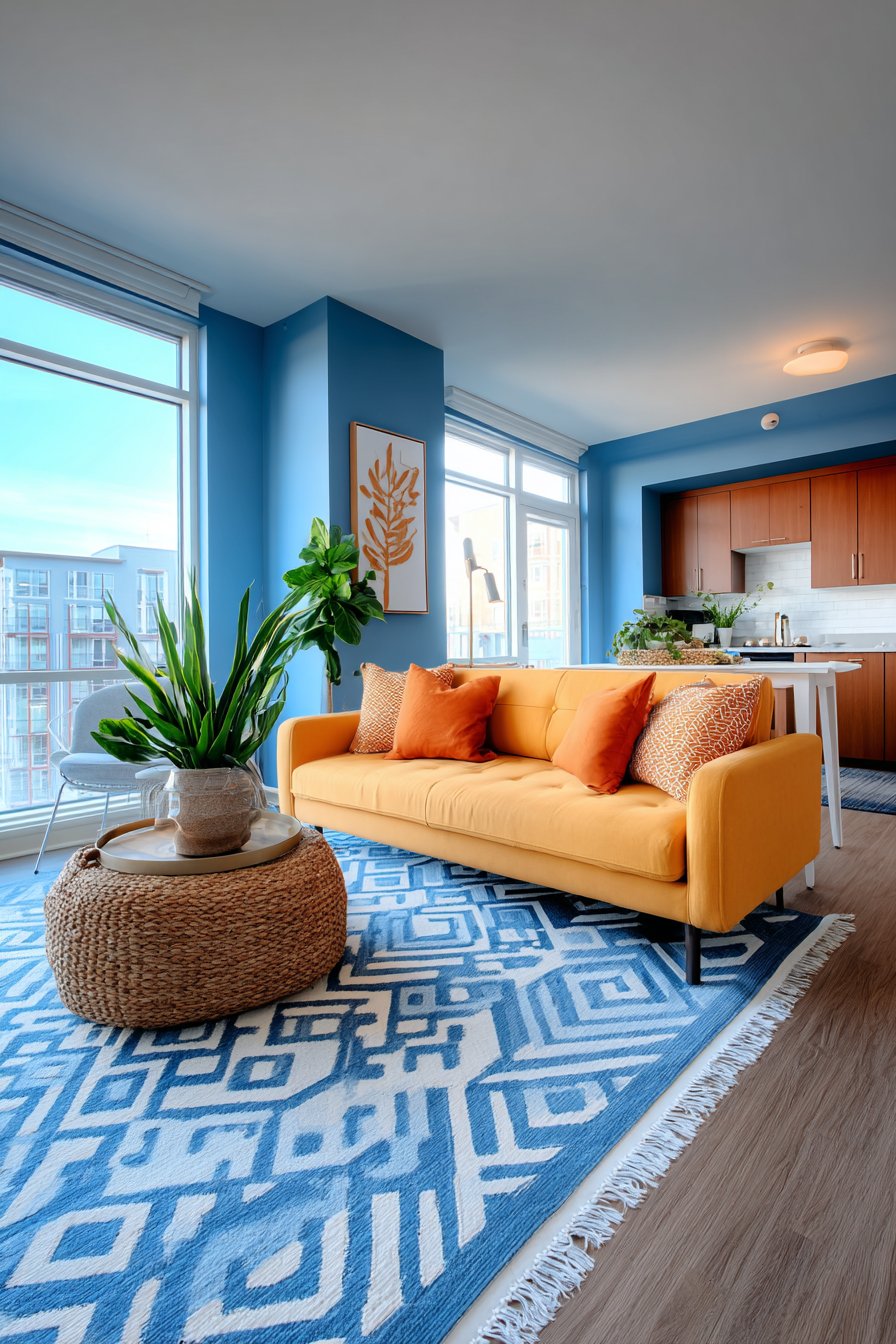
Nothing defines dopamine decor more than fearless use of color. This is not the place for greige walls and beige sofas. Instead, think terracotta orange, cobalt blue, acid yellow, hot coral, and lush forest green. These are colors that demand attention and deliver an immediate emotional hit the moment you enter a room.
The key to making bold color work is intentional contrast and balance. A cobalt blue accent wall pairs beautifully with warm wood furniture and brass accents. A sunshine yellow sofa pops dramatically in a room with crisp white walls and deep green plants. The vibrancy creates energy without tipping into chaos when you anchor it with complementary neutrals or natural materials.
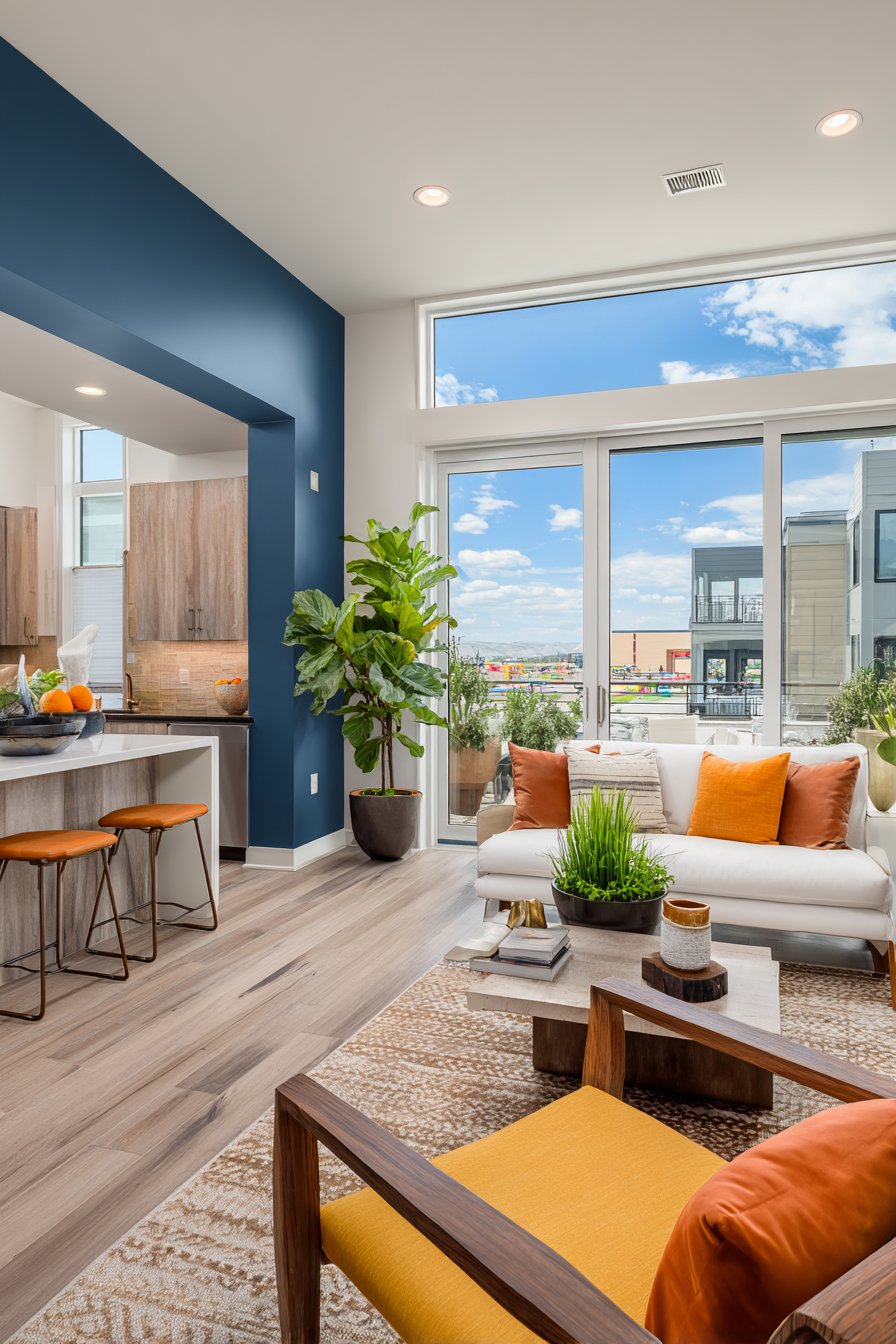
You don’t need to paint every surface. Strategic color placement — a single statement wall, a colorful sofa, bold kitchen cabinets, or a dramatic ceiling — can transform a space entirely. Start with one bold move and build from there. Even adding colorful throw pillows or a vivid area rug counts as a meaningful step toward a dopamine-rich environment.
- Start with a 60-30-10 color rule: 60% dominant, 30% secondary, 10% accent
- Test paint colors in large swatches on the wall before committing
- Use color-matching apps to build a cohesive palette from inspiration images
- Don’t fear ceiling color — a painted ceiling adds drama and depth beautifully
- Mix warm and cool tones thoughtfully to avoid visual fatigue
- Consider the natural light in each room before finalizing your color choices
3. Layering Playful Patterns and Prints
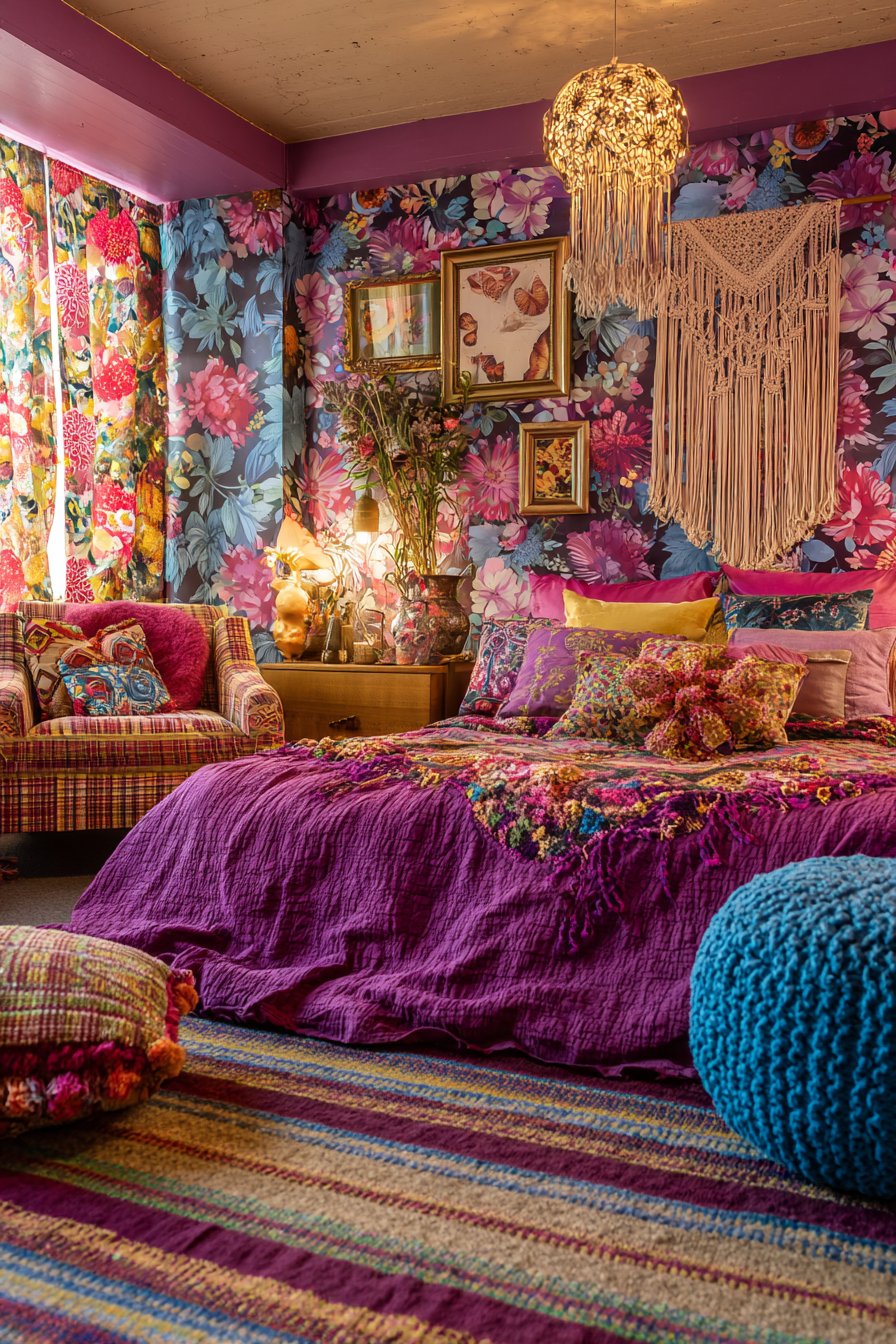
Dopamine decor celebrates pattern without apology. Florals, geometric prints, abstract art, vintage damask, maximalist wallpaper — all are welcome here. The goal is to layer patterns in a way that feels curated rather than cluttered, mixing scales and motifs to create visual richness and depth.
The trick to mixing patterns successfully is scale variation. Pair a large-scale floral wallpaper with a small geometric throw pillow. Combine a bold striped rug with a delicate plaid accent chair. When the scale differences are deliberate, the eye can move comfortably from one pattern to the next without feeling overwhelmed. A unifying color thread running through all patterns helps hold everything together cohesively.
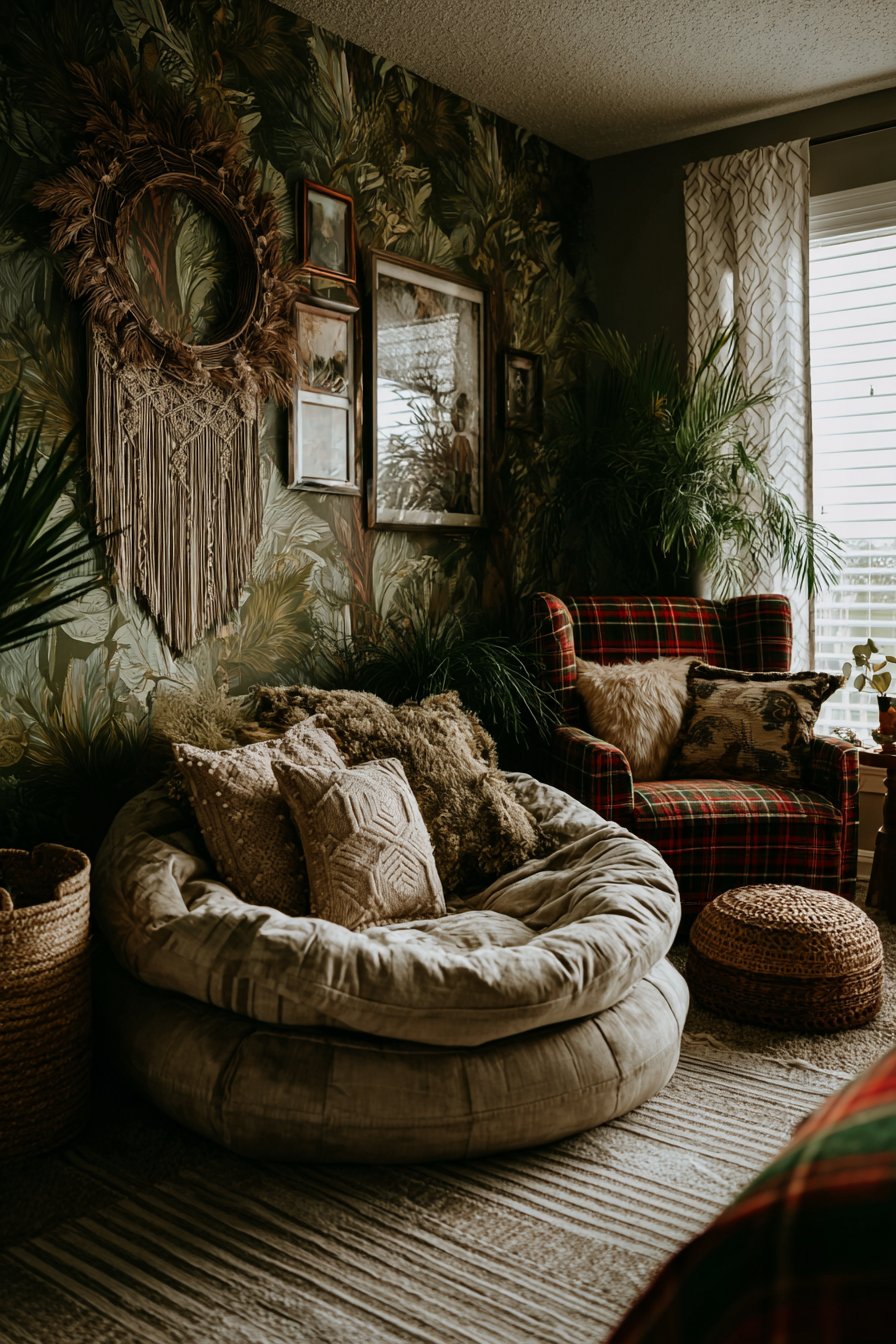
Wallpaper has made a spectacular comeback within dopamine decor culture. From maximalist botanical prints to retro 70s-inspired graphics, a statement wall covered in bold wallpaper is one of the fastest ways to transform a room’s emotional atmosphere. It turns a plain space into a world of its own — immersive, expressive, and completely unforgettable.
- Stick to a shared color palette when mixing multiple patterns in one room
- Vary pattern scale: large + medium + small creates harmonious layering
- Use patterned wallpaper in smaller spaces like hallways, bathrooms, or alcoves
- Layer patterned textiles through cushions, curtains, and upholstery strategically
- Introduce pattern gradually — start with one bold element and expand from there
- Vintage and thrifted textiles add authentic character that manufactured goods can’t replicate
4. Curating Joyful, Personal Object Collections
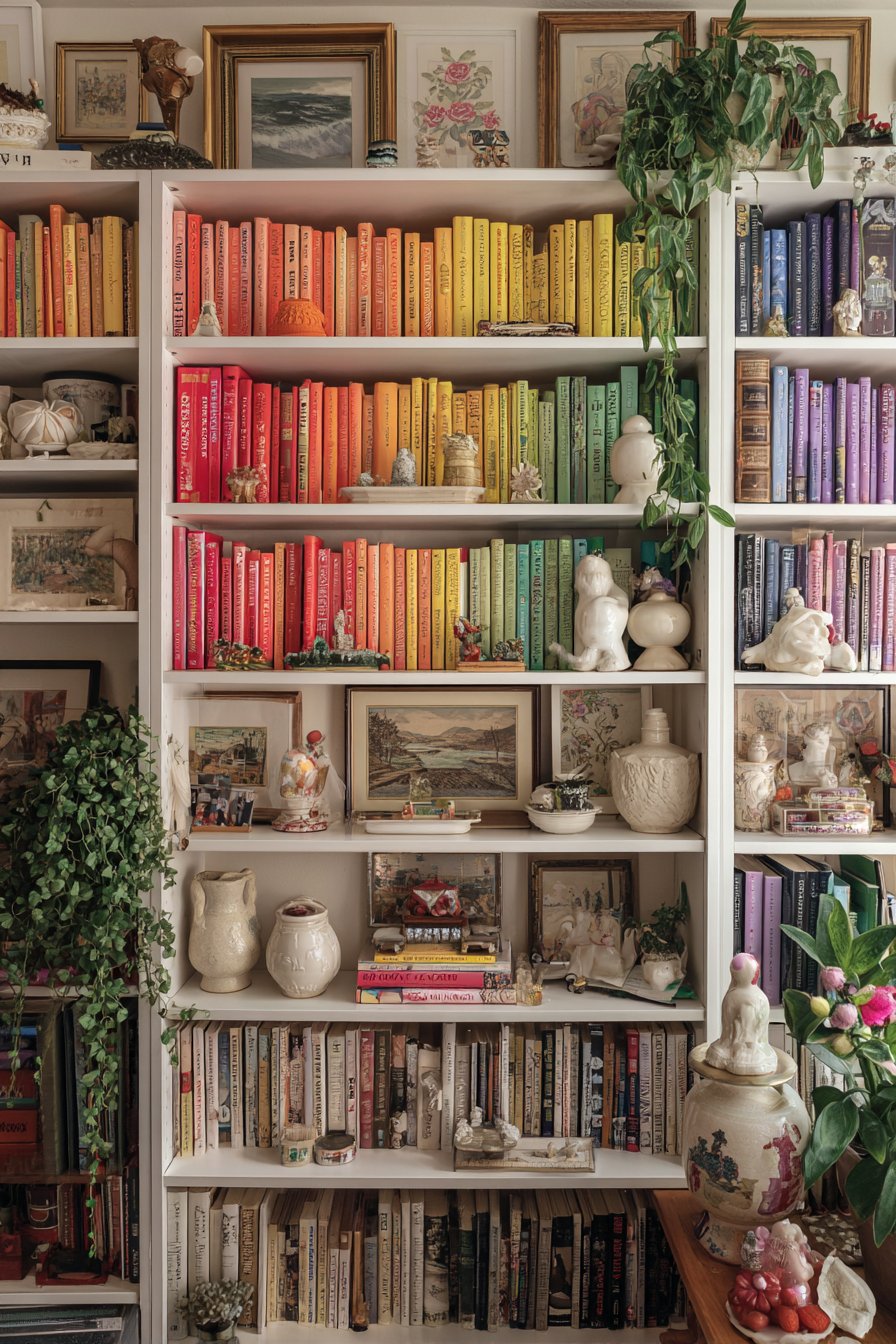
One of the most defining features of dopamine decor is the celebration of collections. Books, ceramics, vintage toys, travel souvenirs, art prints, plants — whatever brings you genuine joy belongs on display. This isn’t hoarding; it’s intentional curation of a personal narrative told through objects.
The concept of shelfie culture has helped normalize displaying meaningful collections as design statements. A bookshelf arranged by color creates visual rhythm while showcasing personality. A gallery of framed illustrations tells a story. A cluster of mismatched vintage vases adds organic charm and warmth. Every object should earn its place by sparking genuine positive emotion.
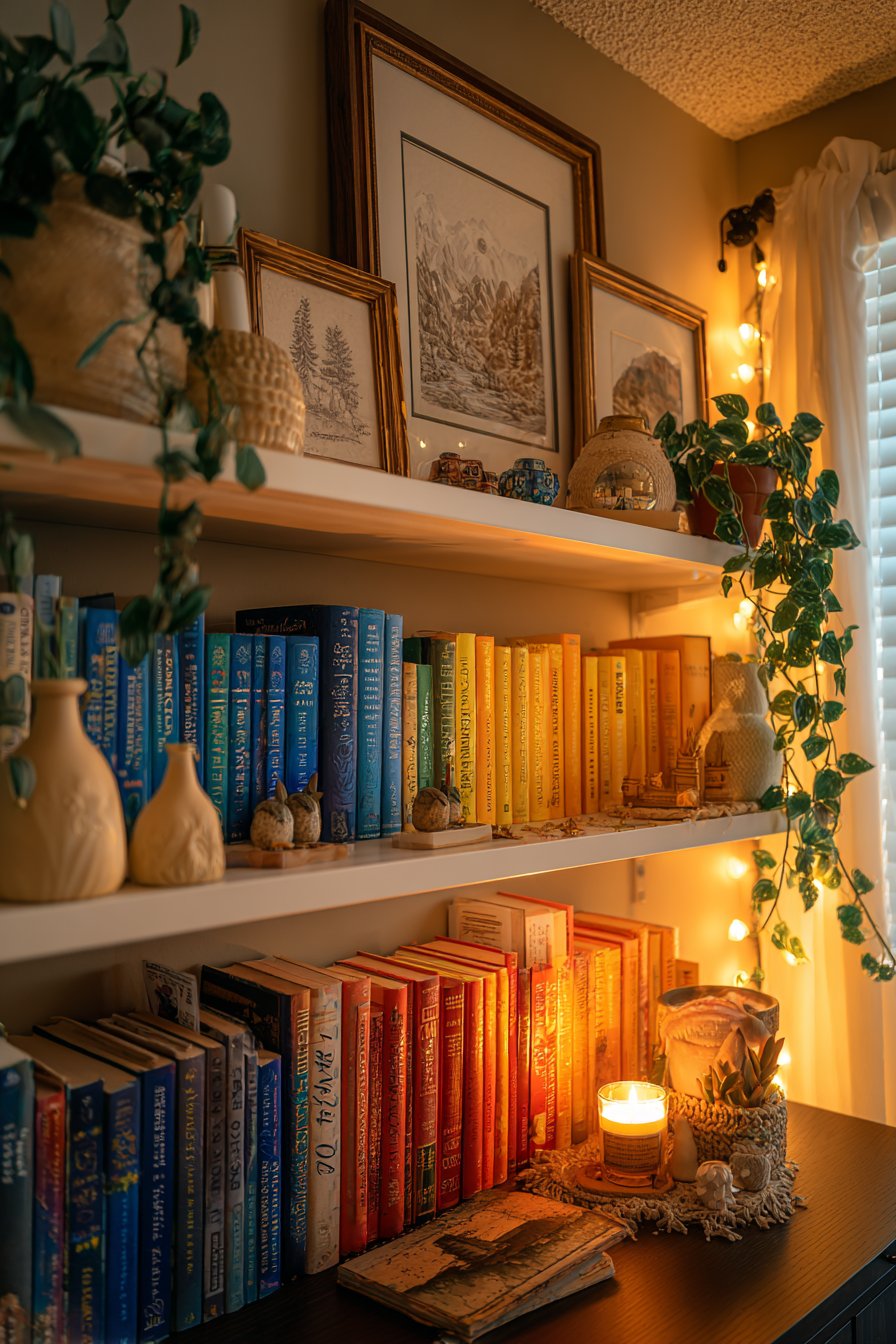
The key difference between clutter and curated abundance is editing and grouping. Display collections in clusters of odd numbers — three, five, or seven — for visual balance. Use trays, risers, and shelving to create levels and depth. Allow breathing room between groupings so each collection has space to be seen and appreciated without overwhelming the eye.
- Group objects by theme, color, or material for cohesive visual impact
- Use odd numbers (3, 5, 7) when arranging objects on shelves or surfaces
- Rotate collections seasonally to keep your space feeling fresh and dynamic
- Invest in quality shelving and display furniture that showcases your objects beautifully
- Mix high and low pieces — expensive art alongside thrift store finds creates authenticity
- Edit ruthlessly: if an object no longer brings joy, let it go to make room for what does
5. Incorporating Nostalgic and Vintage Design Elements
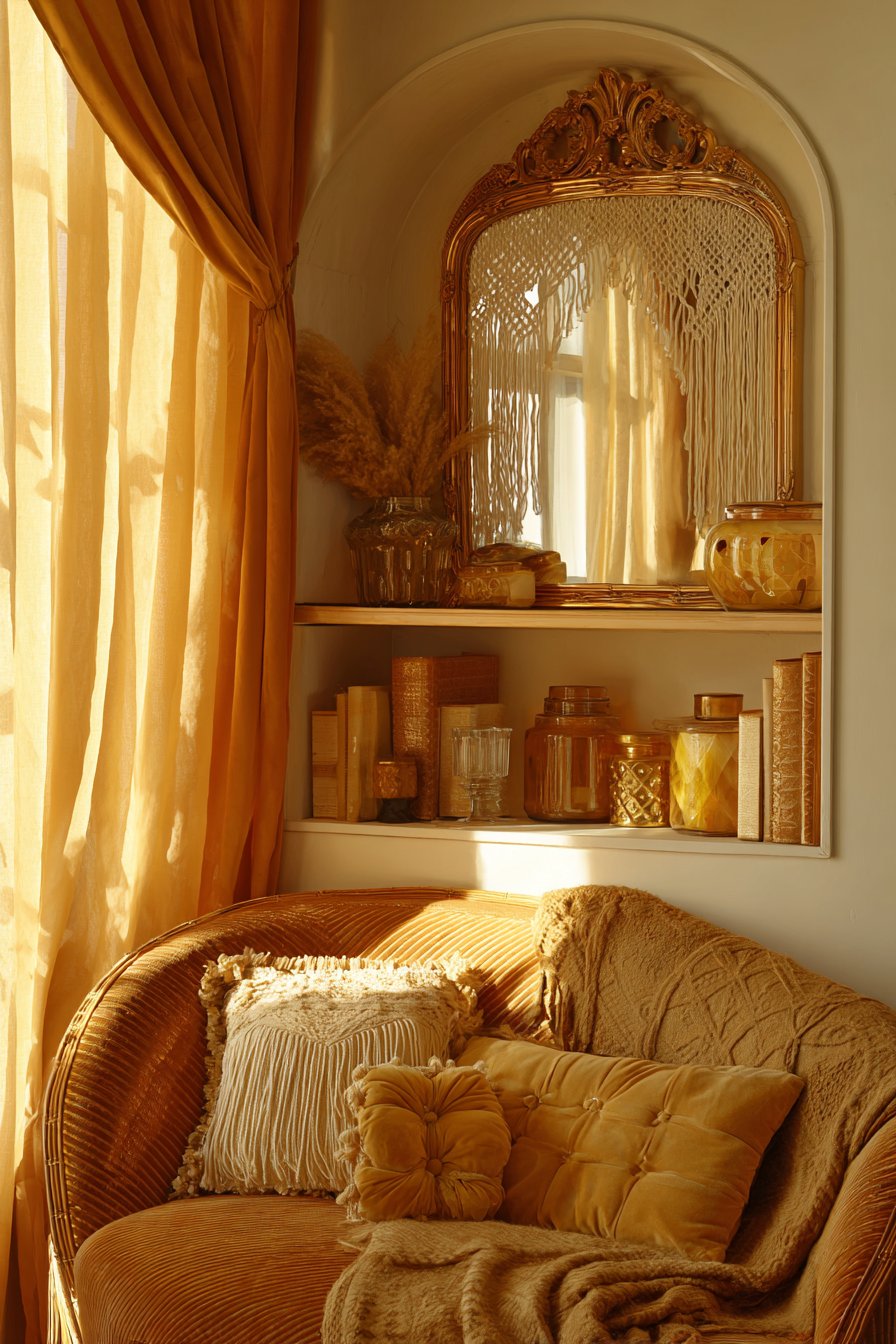
Nostalgia is a powerful dopamine trigger. Objects, styles, and aesthetics that remind us of happy memories activate the brain’s reward system in deeply satisfying ways. Dopamine decor embraces this by welcoming vintage furniture, retro color schemes, and nostalgic collectibles as key design elements rather than afterthoughts.
The 70s revival has been particularly prominent within this trend. Warm earth tones like burnt orange, avocado green, and harvest gold are back in full force. Curved, organic furniture shapes — the kind popularized in mid-century modern design — have returned with renewed energy. Macramé wall hangings, rattan furniture, and velvet upholstery all carry that warm retro sensibility that feels simultaneously nostalgic and fresh.
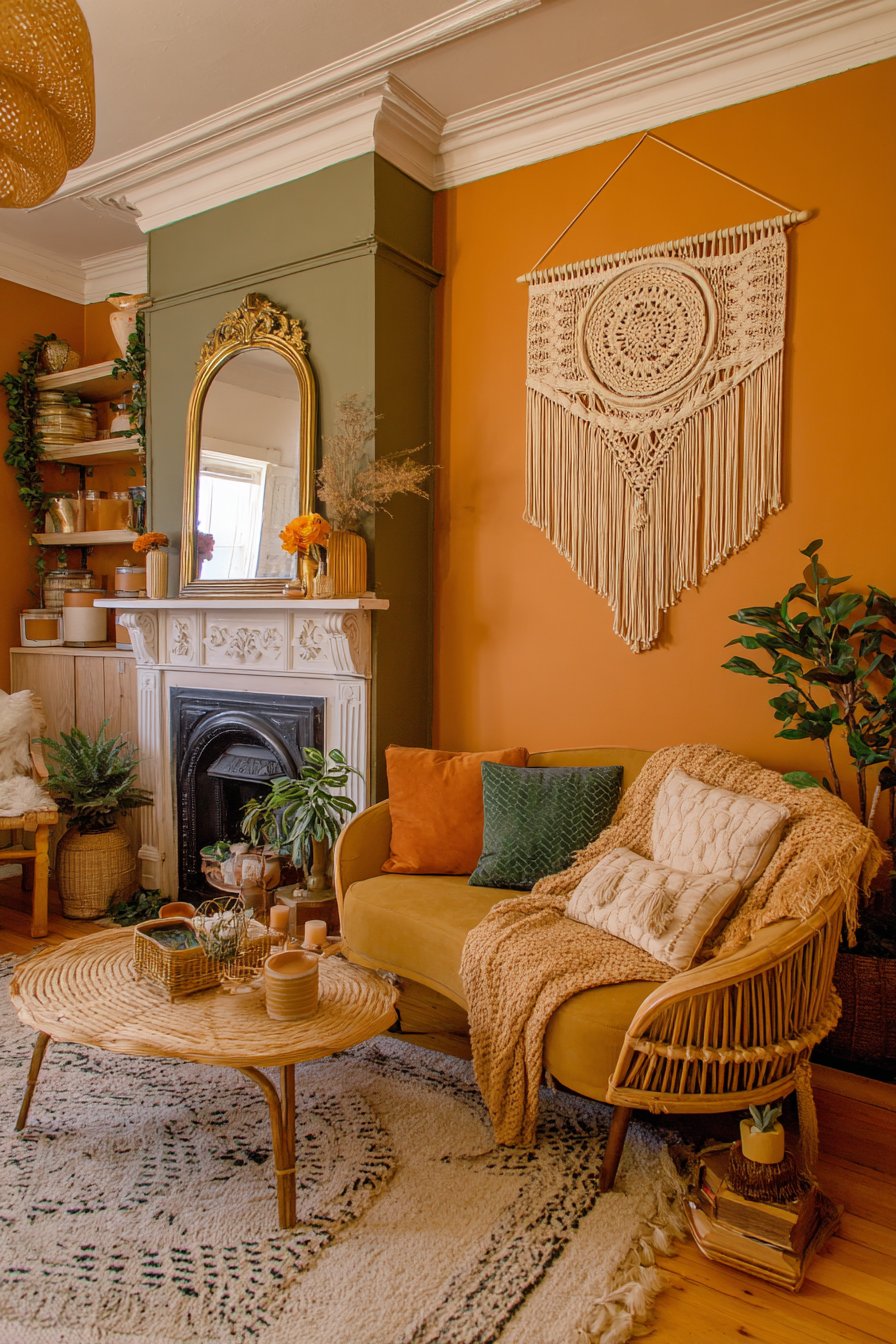
Thrift stores, vintage markets, and antique shops are treasure troves for dopamine decor. A single vintage lamp, an old mirror with a gilded frame, or a set of retro ceramic cannisters can completely shift the emotional register of a room. Preloved pieces carry a history and warmth that new furniture simply cannot replicate — and they’re often far more affordable too.
- Visit local flea markets and vintage shops regularly for one-of-a-kind finds
- Focus on one era or style to avoid a visually chaotic mix of references
- Reupholster vintage furniture in bold contemporary fabrics for a fresh twist
- Combine vintage finds with modern pieces for an eclectic, layered aesthetic
- Look for vintage art prints and posters to add nostalgic personality to walls
- Don’t overlook vintage textiles — old quilts, embroidered cushions, and woven blankets add beautiful texture
6. Using Statement Furniture as Emotional Anchors
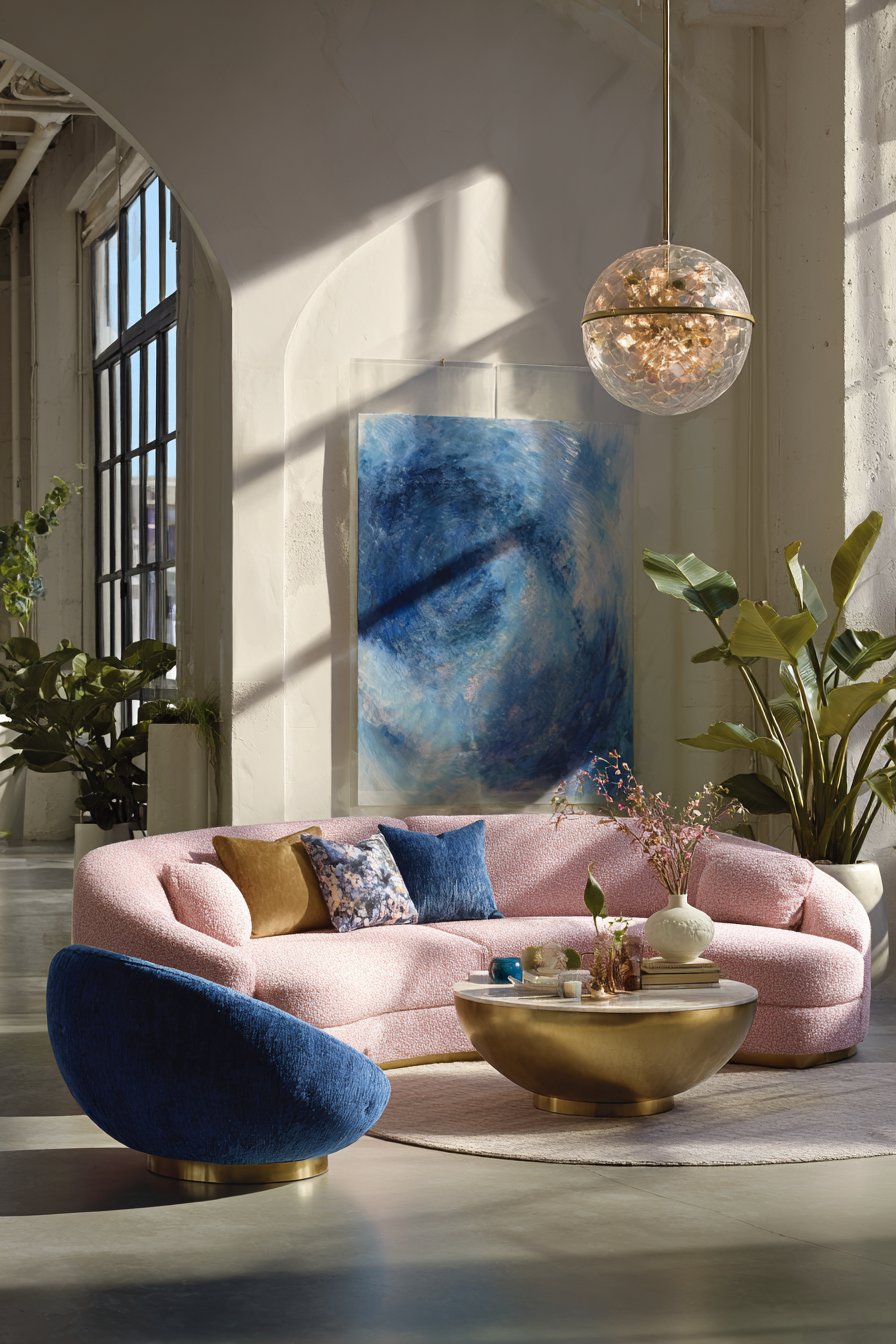
In dopamine decor, furniture isn’t just functional — it’s emotionally expressive. A bright pink velvet sofa, a cobalt blue armchair, a sculptural coffee table in warm brass — these pieces act as emotional anchors that define the entire personality of a room. They make a statement before anything else is even added.
Curved furniture is especially beloved in this trend. Soft, rounded silhouettes — the bouclé sofa, the egg chair, the half-moon coffee table — feel inviting, warm, and inherently joyful. Their organic shapes contrast beautifully with the straight lines of architecture, creating a sense of softness and comfort that rigid, boxy furniture simply doesn’t deliver. Tactile richness through materials like velvet, bouclé, and boucle adds to the sensory delight.
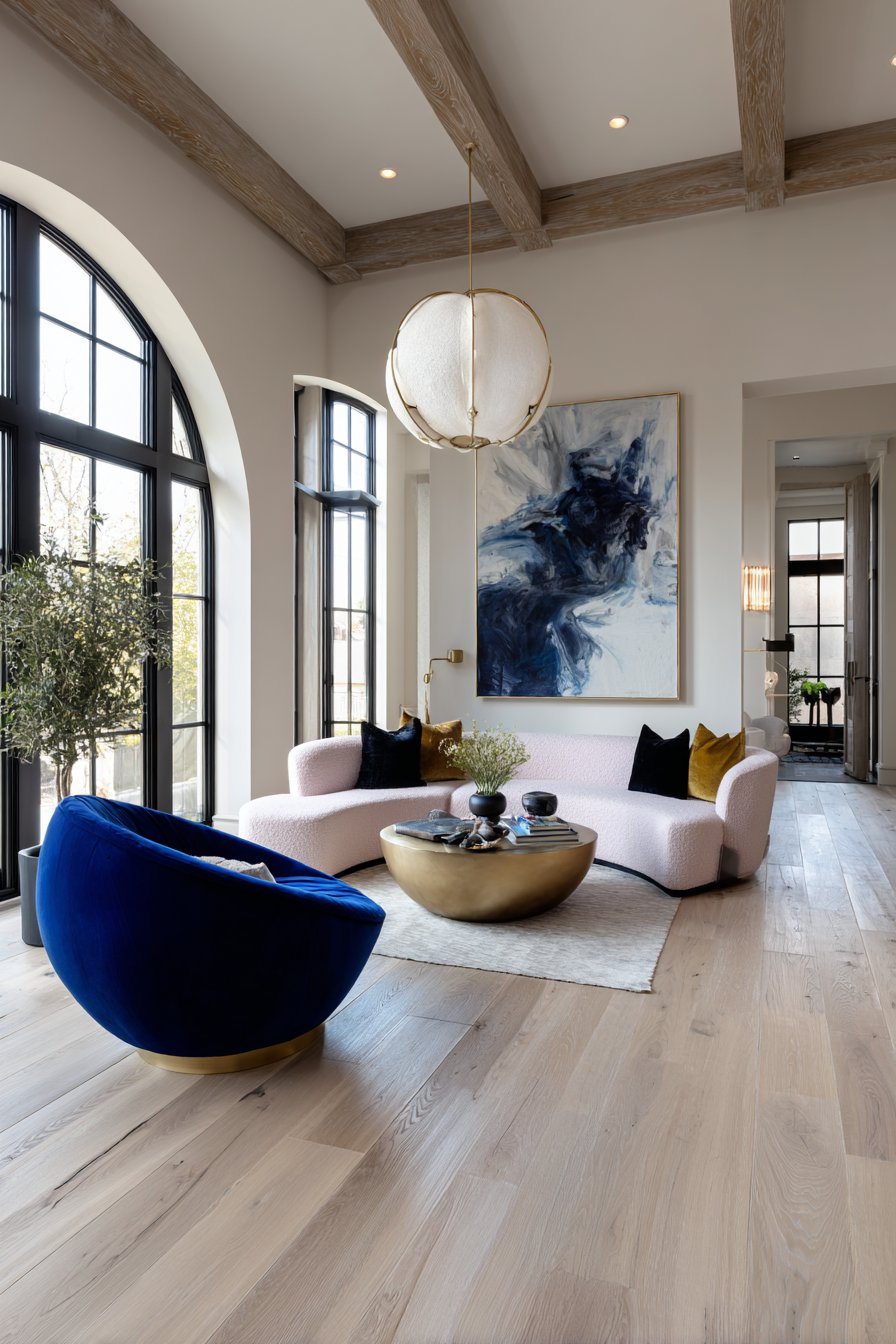
Investing in one truly extraordinary furniture piece is often more impactful than filling a room with many mediocre ones. A statement sofa in an unexpected color can anchor an entire living room and become the design decision you’re proudest of for years. Choose pieces that genuinely excite you, not just pieces that are safe or practical.
- Choose one hero furniture piece per room and build the palette around it
- Prioritize comfort AND aesthetics — a beautiful sofa that’s uncomfortable defeats the purpose
- Explore vintage and boutique furniture brands for truly unique silhouettes
- Consider bold upholstery colors: cobalt, mustard, blush, and forest green all work beautifully
- Use furniture arrangement to create intimate conversation zones that feel warm and inviting
- Don’t be afraid of sculptural, art-forward furniture that doubles as functional artwork
7. Maximizing Lighting for Mood Enhancement
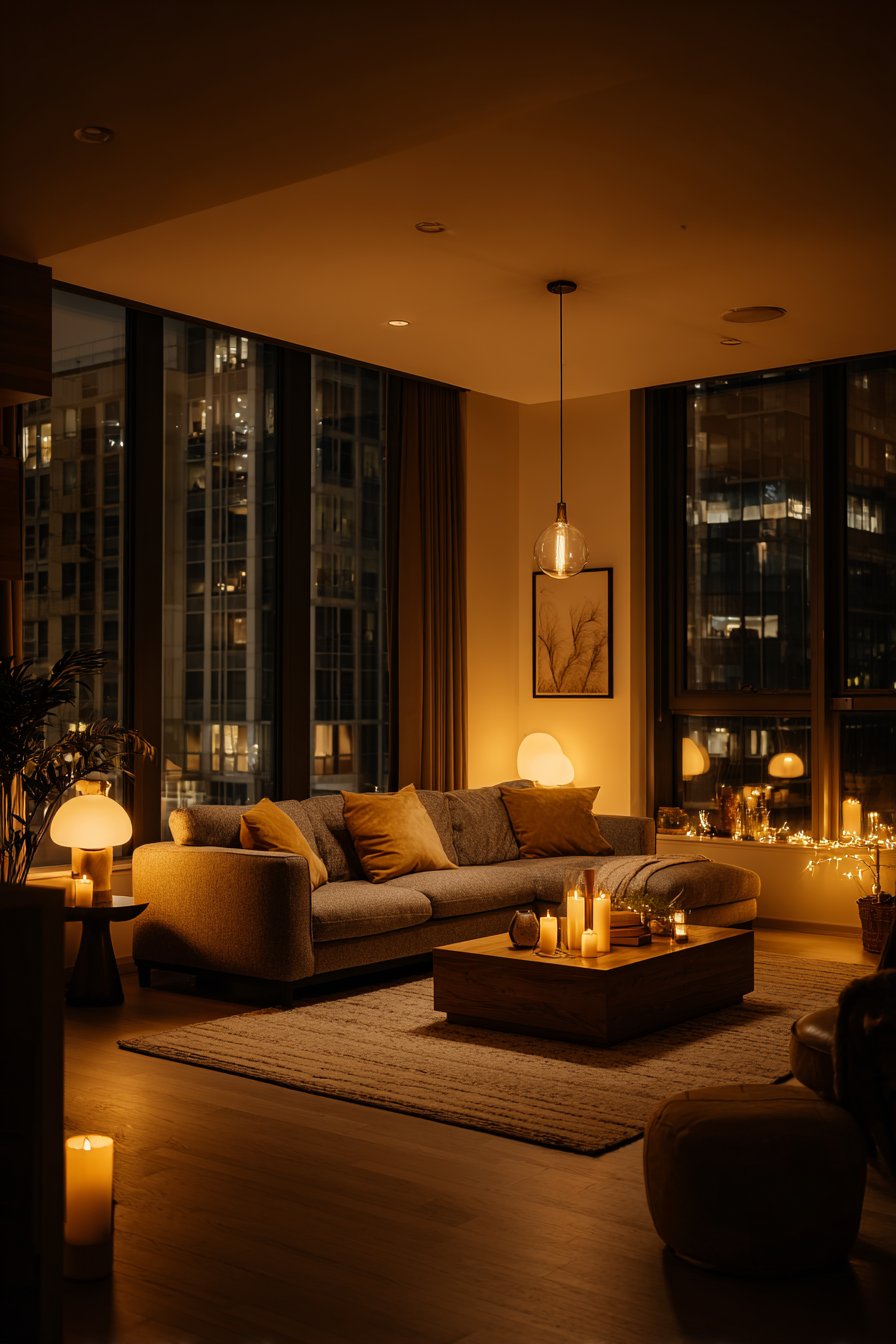
Lighting is the silent architect of mood. In dopamine decor, lighting goes far beyond simply illuminating a room — it’s a deliberate mood-shaping tool. The right combination of light sources can make a space feel warm, intimate, festive, or energizing depending entirely on the choices you make.
Layered lighting — combining ambient, task, and accent sources — creates depth and flexibility. A central overhead light provides general illumination, while table lamps, floor lamps, and wall sconces add warmth and personality. Edison bulbs and warm-toned LEDs cast a golden glow that immediately makes a space feel cozy and inviting. Cool blue-toned lighting, by contrast, can feel sterile and uninspiring.
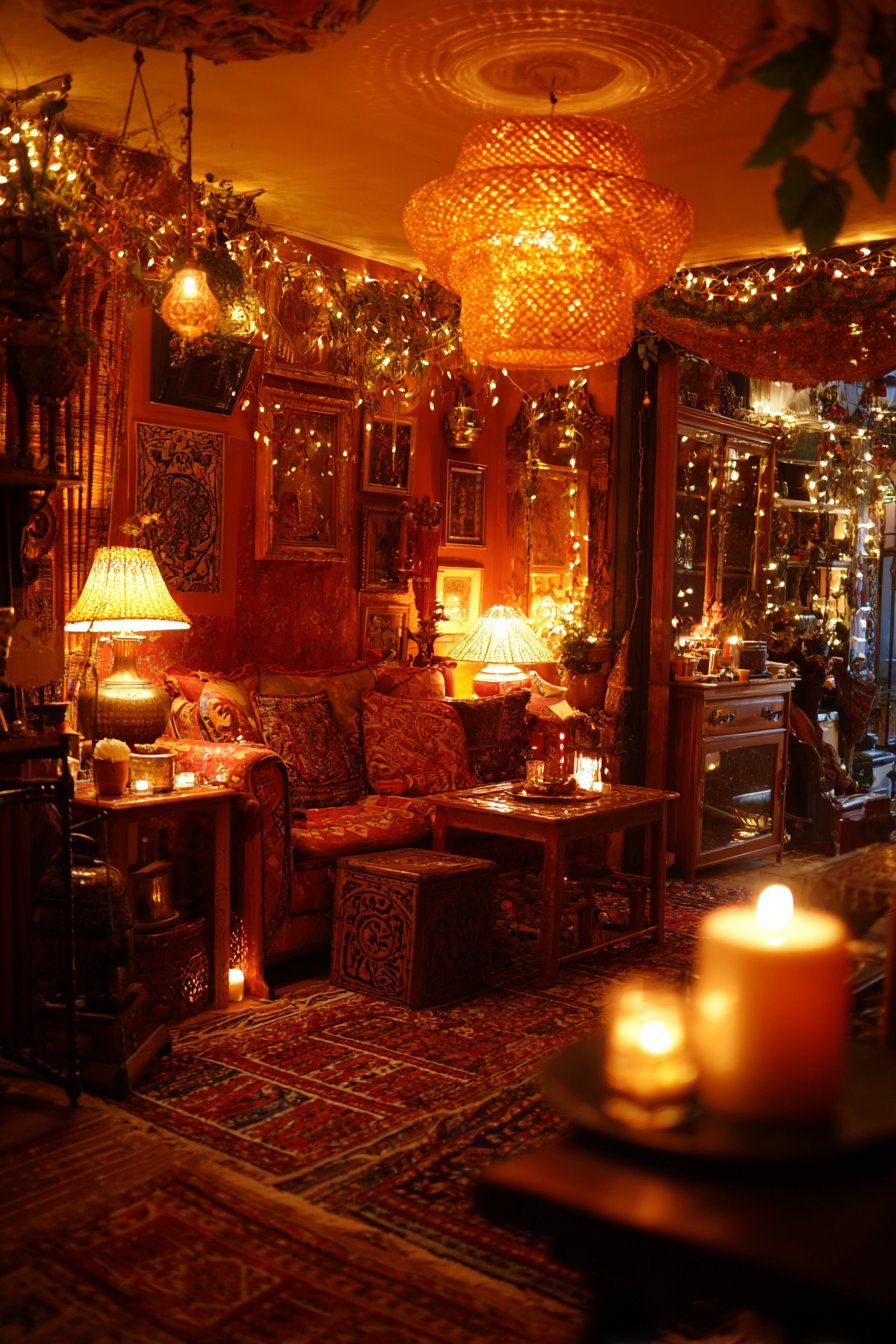
Decorative lighting fixtures are among the easiest and most impactful upgrades in dopamine decor. A sculptural pendant light, a retro mushroom lamp, a neon sign in a favorite quote — these functional art pieces add personality and visual interest while doing the practical job of lighting a room. Candles and string lights add atmospheric warmth that no overhead fixture can match.
- Install dimmer switches in living rooms and bedrooms for instant mood control
- Use warm white bulbs (2700K–3000K) for cozy, dopamine-friendly ambiance
- Choose statement light fixtures that double as sculptural art pieces
- Layer at least three different light sources in main living areas
- Incorporate candles and fairy lights for festive, atmospheric warmth on demand
- Position lamps at eye level rather than relying solely on overhead lighting
8. Bringing Nature Inside with Biophilic Design
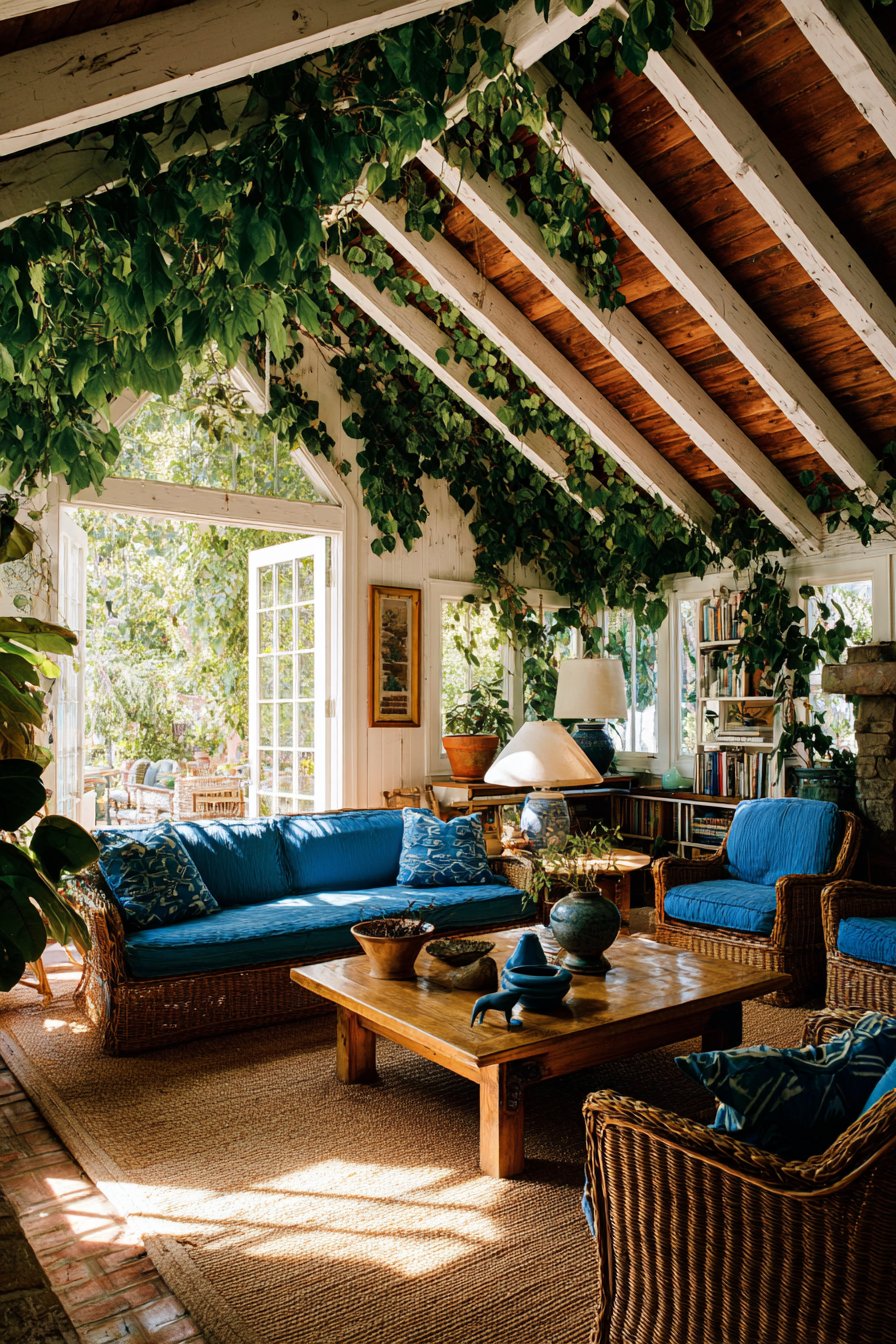
Biophilic design — the practice of connecting interior spaces with nature — is a natural companion to dopamine decor. Plants, natural light, organic materials, and nature-inspired colors all activate the brain’s reward pathways, reducing stress and boosting feelings of wellbeing and vitality.
Houseplants are among the most cost-effective mood boosters available to any homeowner. Research shows that simply being near greenery reduces cortisol levels and increases feelings of calm and happiness. In dopamine decor, plants aren’t just accessories — they’re essential design elements. From dramatic statement fiddle leaf figs to cascading pothos in macramé hangers, the choice of plant is as important as the choice of furniture.
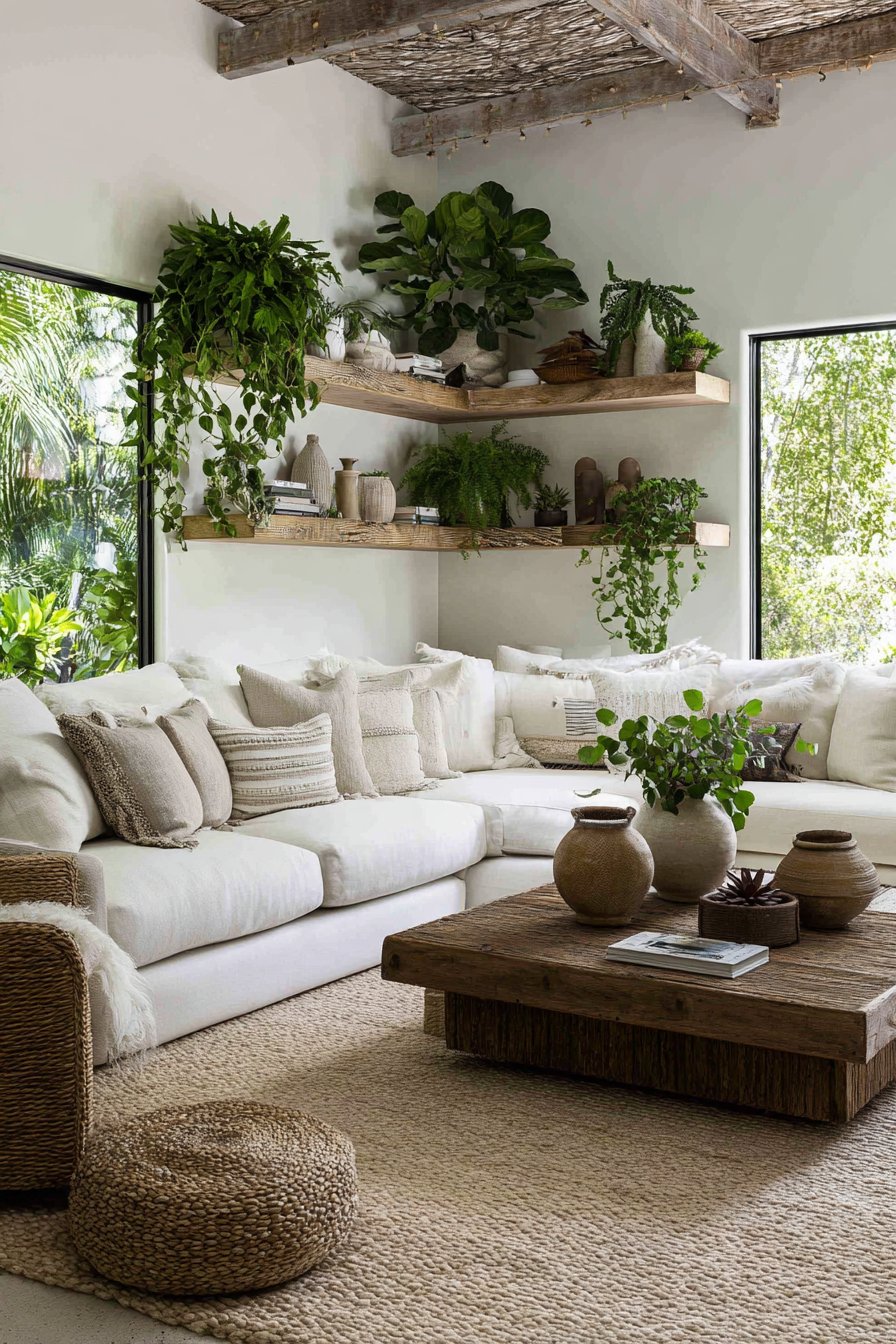
Natural materials — rattan, jute, linen, wood, cork, and clay — add tactile richness and organic warmth to interiors. They ground the often bold color choices of dopamine decor, preventing the space from feeling too artificial or overwhelming. A wooden coffee table, a jute area rug, or a collection of ceramic vessels brings the grounding energy of nature into your most vibrant and expressive spaces.
- Invest in at least three to five houseplants for meaningful biophilic impact
- Choose plants that suit your light conditions and lifestyle — not just aesthetics
- Incorporate natural wood and stone surfaces wherever possible in your home
- Use nature-inspired artwork — botanicals, landscapes, and organic abstracts — on walls
- Open windows regularly to bring in fresh air and natural soundscapes
- Arrange plants at different heights to create layered, lush greenery throughout a room
9. Personalizing with Art and Wall Decor
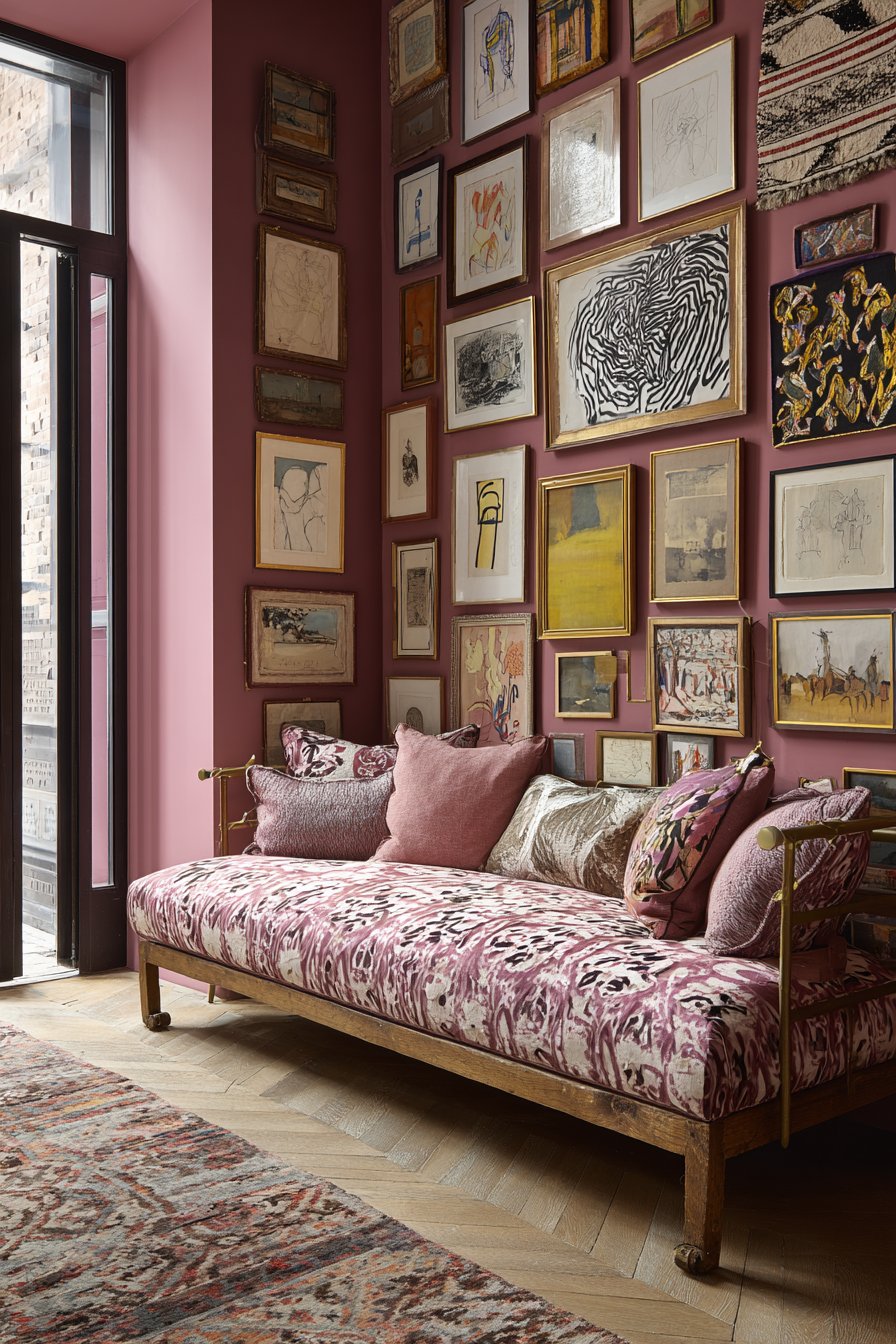
Walls are your largest canvas — and in dopamine decor, they should work hard. Art, photography, prints, tapestries, sculptural wall hangings, and mirrors all contribute to the emotional richness of a space. A gallery wall done right can be the single most impactful design decision in an entire room.
The dopamine decor approach to art is deeply personal and eclectic. There are no rules about matching frames, maintaining a consistent style, or sticking to one medium. Mix a vintage oil painting with a bold graphic print, a child’s drawing in a gilded frame, and a textile wall hanging. The juxtaposition of unexpected elements creates a wall that tells your unique story with confidence and charm.
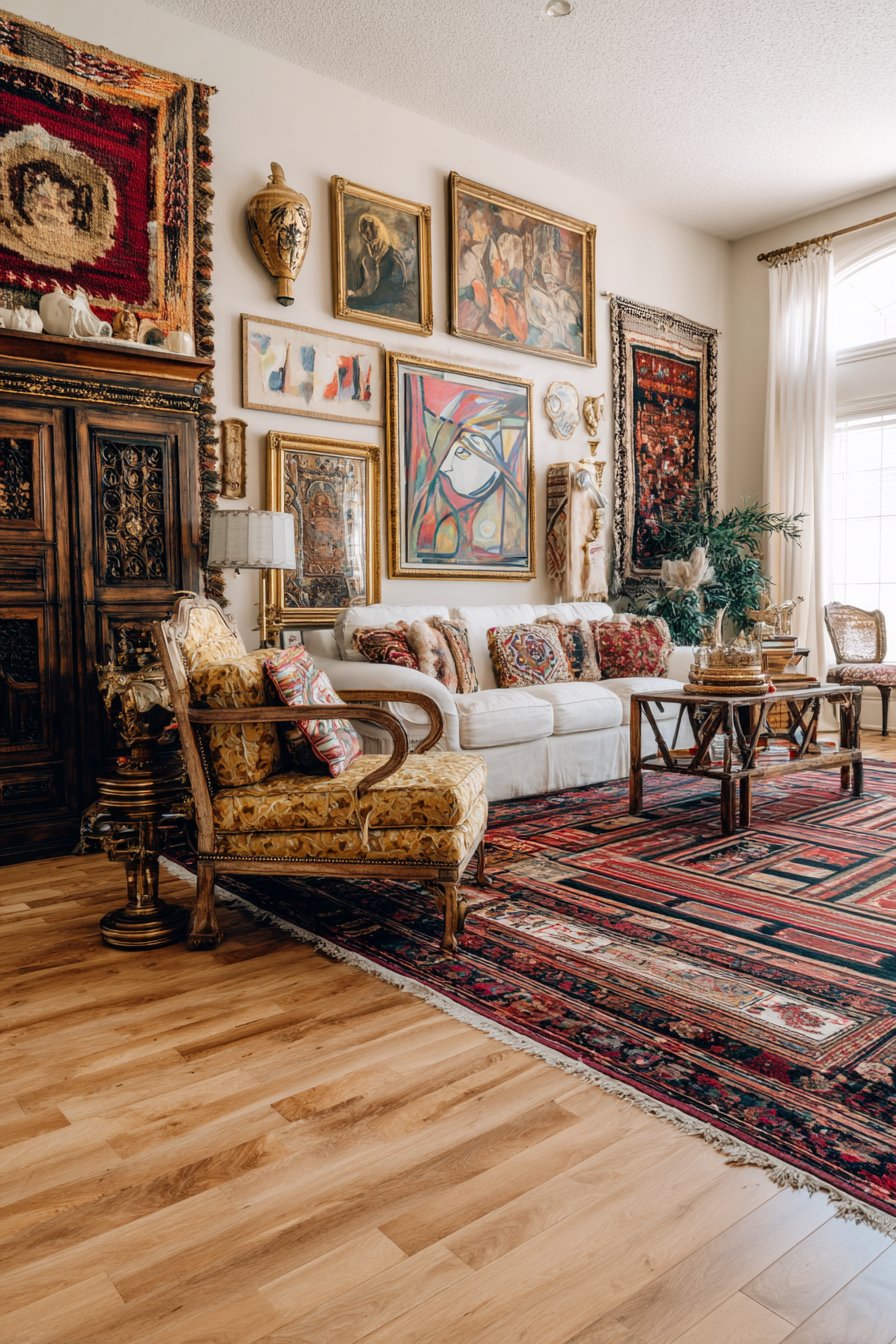
Oversized art pieces deserve special attention. A single large-scale painting or print can transform an entire room by establishing a color palette, creating a focal point, and setting an emotional tone. Look for original artwork at local art fairs, print-on-demand platforms, or emerging artist platforms — you can find extraordinary pieces at accessible price points that feel genuinely meaningful.
- Create a gallery wall layout on the floor before committing to wall placement
- Mix frame styles, sizes, and materials for an authentically eclectic look
- Include at least one large-scale statement piece in each main living area
- Don’t neglect hallways and bathrooms — these transitional spaces love bold art too
- Support local and emerging artists by purchasing original works where possible
- Rotate art pieces seasonally to refresh the emotional atmosphere of your space
10. Designing Cozy, Sensory-Rich Textile Layers
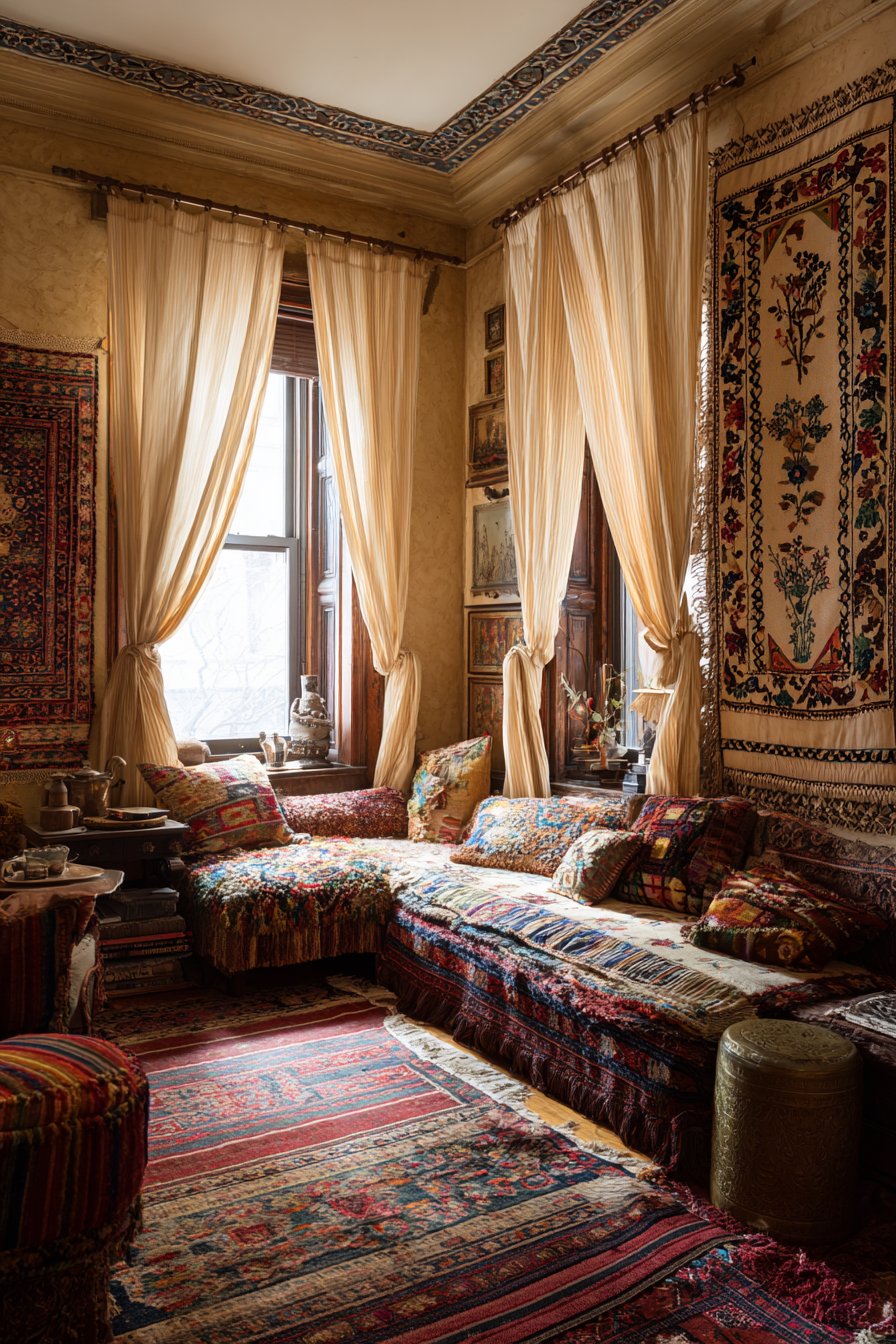
Textiles transform spaces from visually interesting to physically irresistible. In dopamine decor, layering soft furnishings — cushions, throws, rugs, curtains, and upholstered furniture — creates a sensory richness that makes a home feel genuinely nurturing and joyful to inhabit.
Area rugs are among the most transformative elements in any room. A bold, patterned rug can define a seating area, introduce color, and add warmth and acoustic comfort simultaneously. In dopamine decor, a rug is rarely a neutral afterthought — it’s a design statement in its own right, whether that means a vintage Persian, a shaggy rainbow loop, or a boldly colored flatweave.
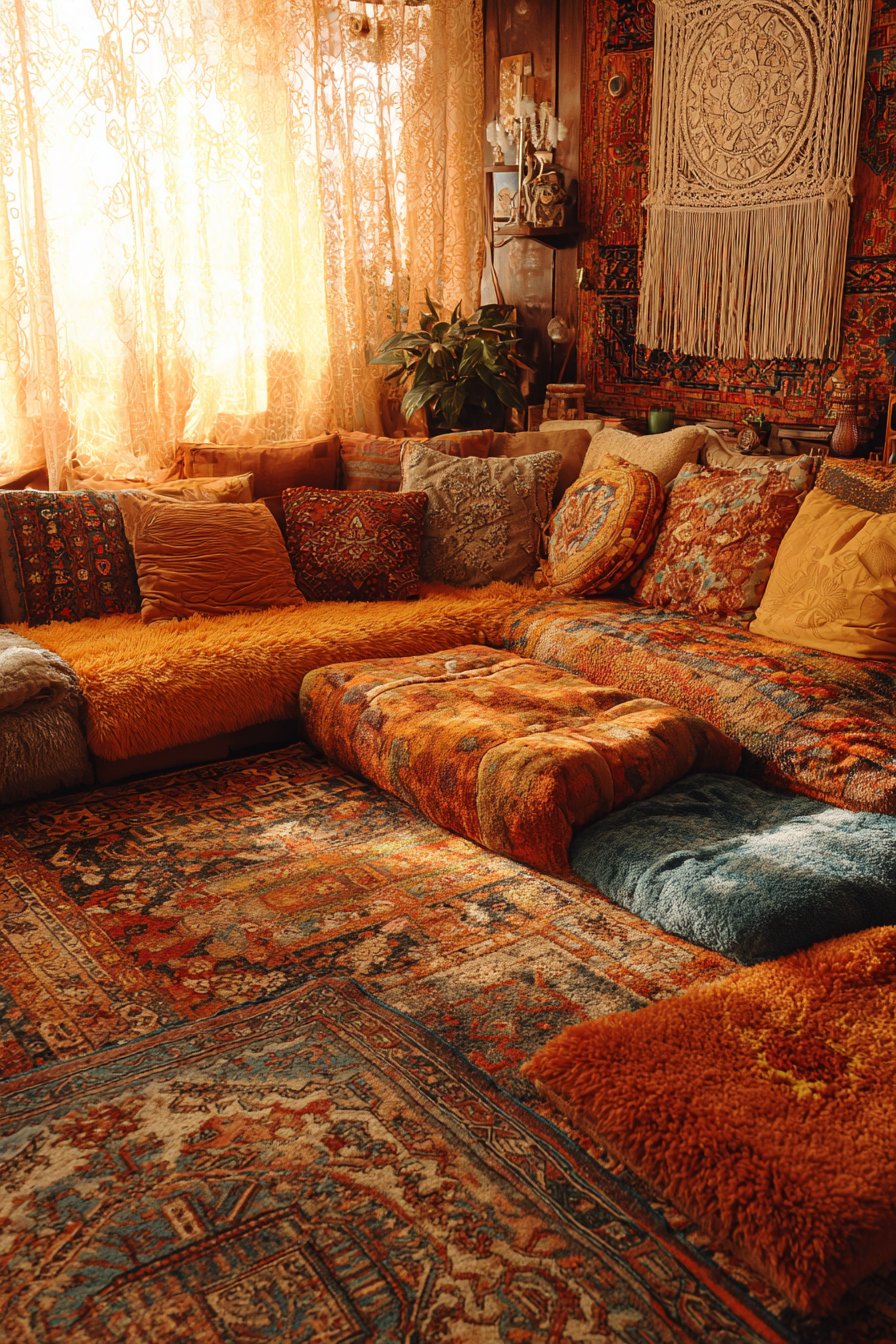
Cushions and throws are the lowest-commitment, highest-impact elements in your textile toolkit. Swapping cushion covers seasonally is one of the easiest ways to refresh a room’s emotional tone without significant investment. Mix textures — velvet, cotton, linen, and faux fur — for maximum sensory delight. The more touchable your home feels, the more joyful it becomes to spend time in it.
- Layer at least two area rugs in different textures for maximalist depth
- Use curtains that reach from ceiling to floor for drama and visual height
- Mix cushion textures: velvet, linen, boucle, and embroidered fabrics work beautifully together
- Invest in high-quality, washable throws that you’ll reach for daily
- Introduce textiles in unexpected places: a textile wall hanging, a draped fabric headboard
- Choose curtain colors that complement rather than match your wall color for visual interest
11. Creating Dedicated Joy Zones and Activity Nooks
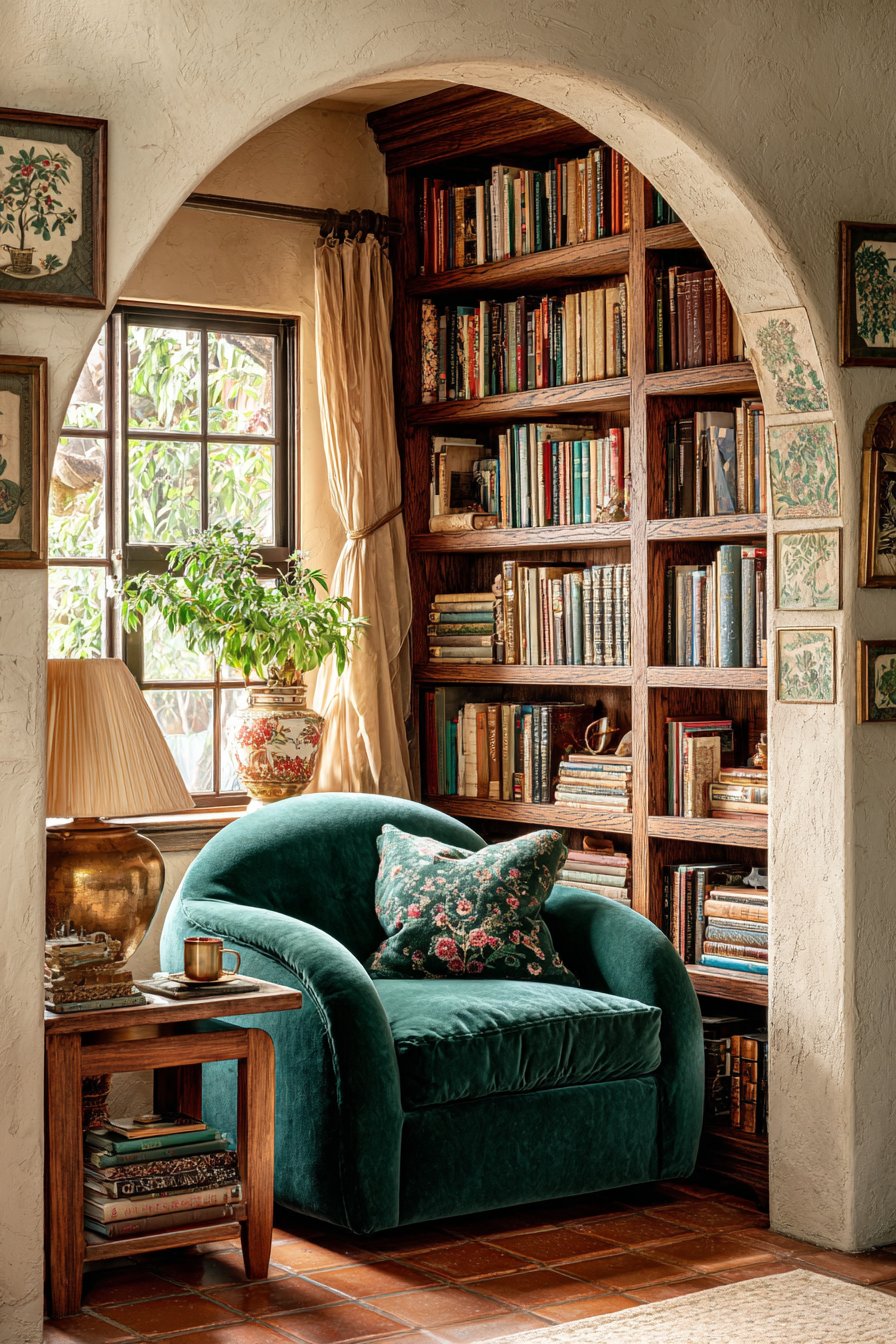
Dopamine decor thrives when spaces serve emotional purposes, not just functional ones. Creating dedicated joy zones — a reading nook, a craft corner, a music area, a meditation space — gives each meaningful activity in your life a home within your home, making it easier to engage with the things that truly restore and delight you.
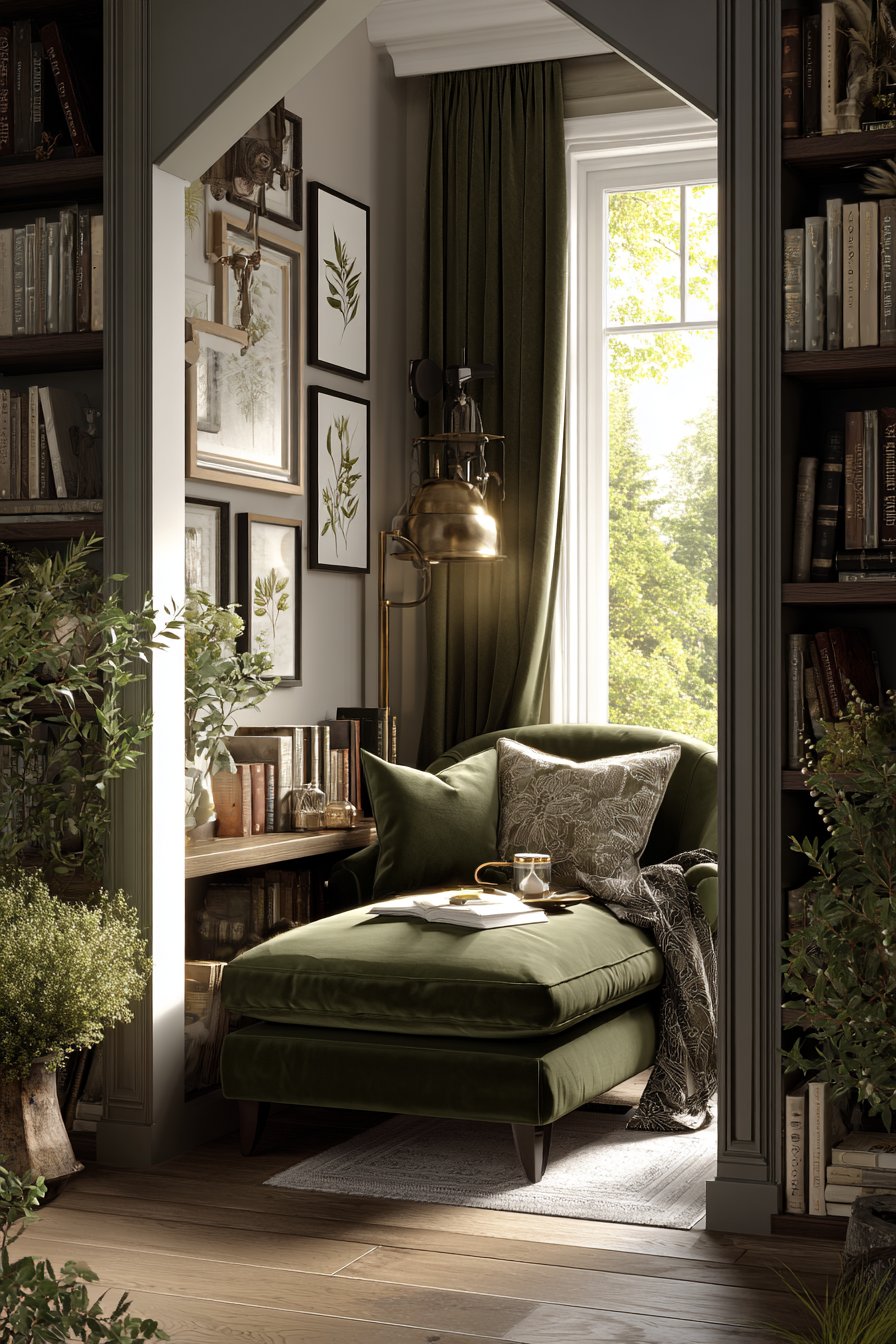
A reading nook is one of the most popular joy zones in this design approach. A cozy armchair positioned near a window, surrounded by beloved books, a small side table for tea, and good ambient lighting creates an emotional sanctuary within a larger room. It signals to your brain: this space is for pleasure and restoration. The mere existence of such a space can increase how often you engage in the joyful activity it’s designed for.
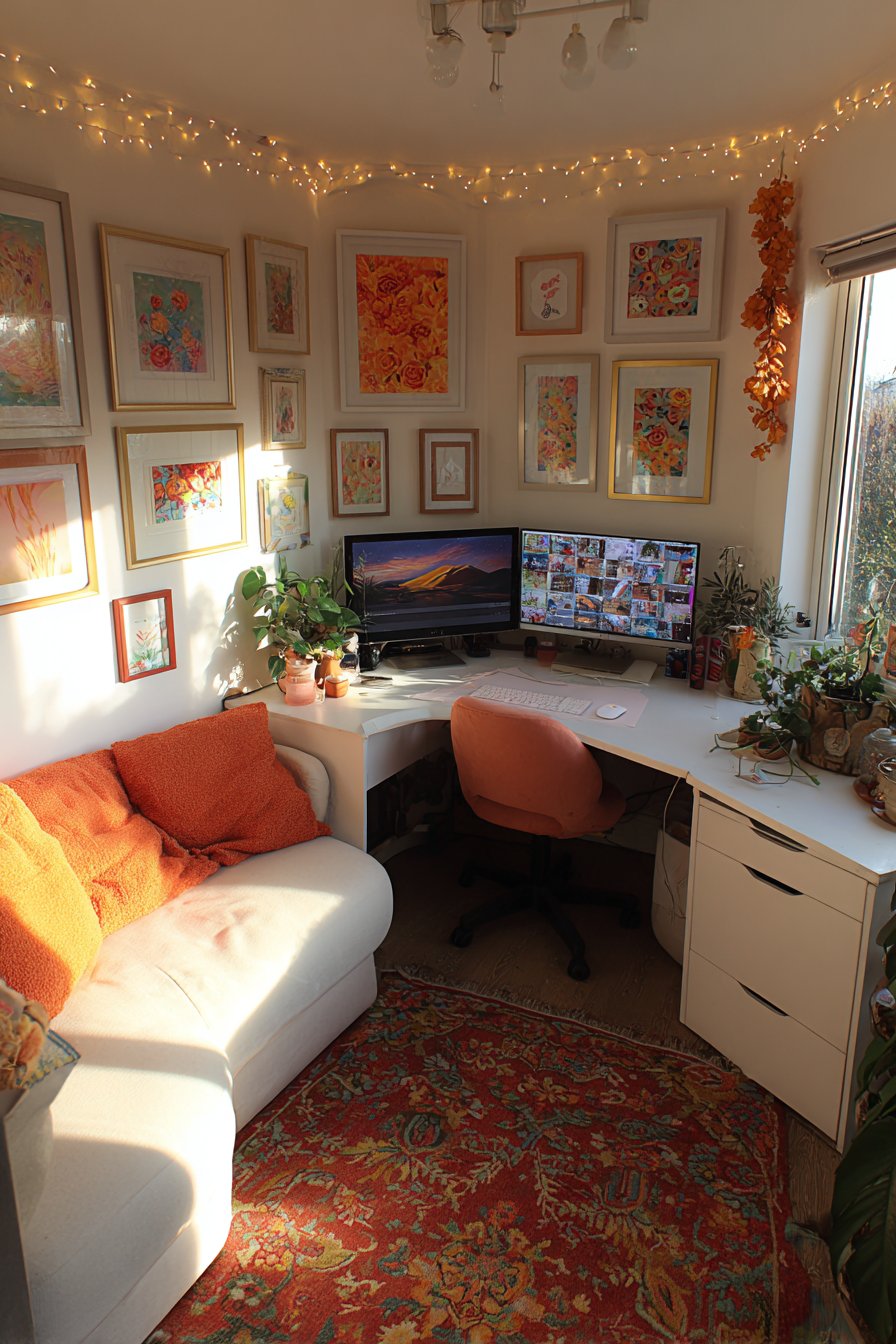
Creative zones — for art, music, crafts, or journaling — deserve the same thoughtful design attention as any other room in your home. Give your creative practice a dedicated, beautiful space and watch how much more often you show up for it. A beautiful desk, great lighting, organized supplies in colorful containers, and inspiring art on the walls can transform a creative practice from occasional to daily.
- Identify two to three activities that bring you genuine joy and design spaces for each
- Use room dividers, curtains, or bookshelves to carve out nooks in larger rooms
- Invest in ergonomic, beautiful furniture for your joy zones — comfort enables longer engagement
- Personalize each zone with specific objects and art that relate to its purpose
- Ensure good task lighting in creative and reading zones to reduce eye strain
- Keep joy zone supplies organized and visible — accessibility encourages regular use
12. Sustaining Your Dopamine Decor Practice Over Time
Dopamine decor isn’t a one-time renovation project — it’s an evolving, living practice. Your tastes change. Your life changes. The home that delights you today may need refreshing in a year or two, and that’s not just okay — it’s the point. The practice of intentional curation means your home grows and evolves with you continuously.
Seasonal refreshes are a wonderful way to keep dopamine decor feeling vibrant without constant investment. Swap out cushion covers, rotate your art, bring in seasonal plants and flowers, adjust your lighting for winter warmth or summer brightness. These small, cyclical changes keep your home feeling alive and responsive to the rhythms of the year and your own emotional needs.
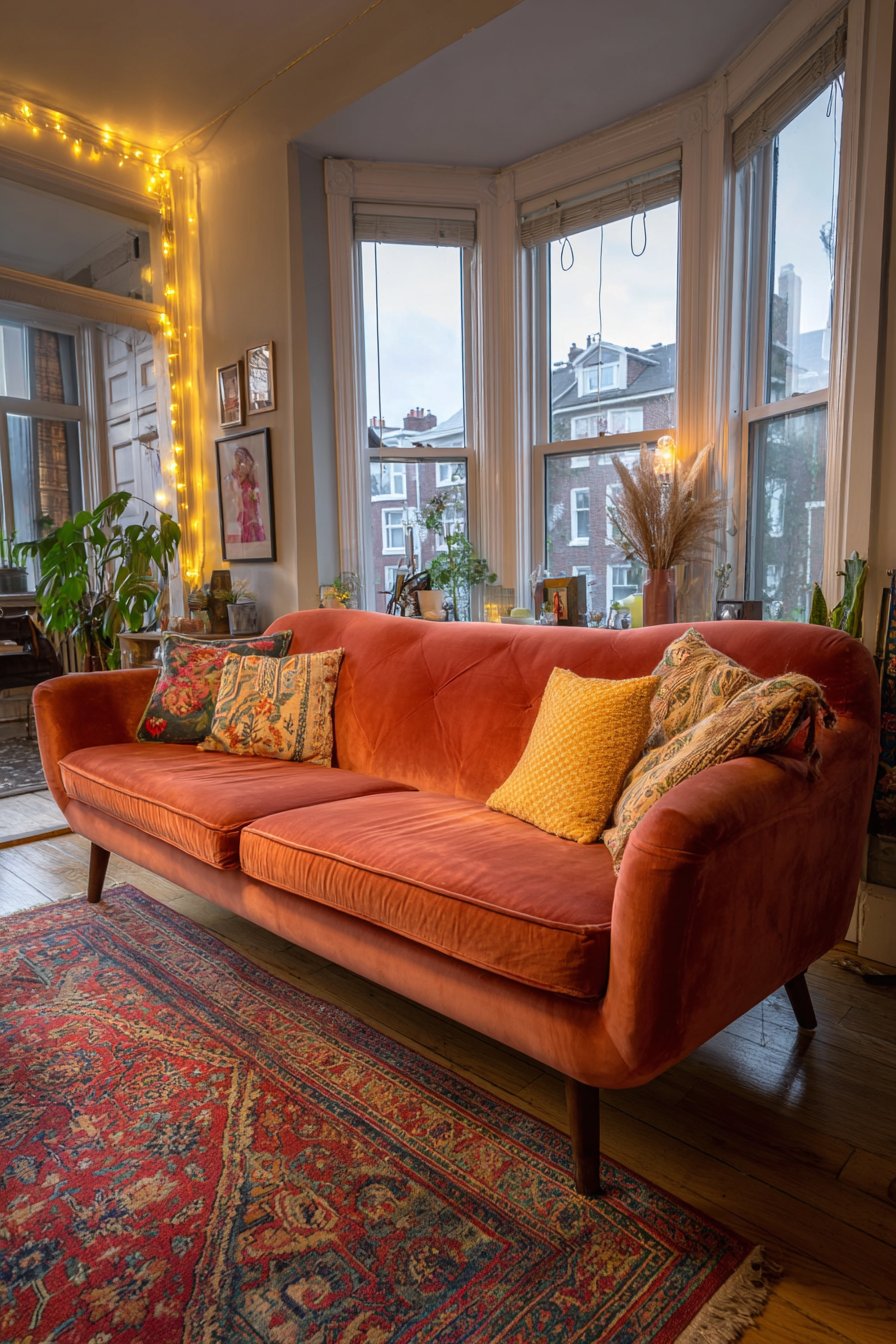
Budget is not a barrier to dopamine decor. The most impactful changes — bold paint colors, thrifted statement pieces, DIY gallery walls, and rearranged furniture — cost very little. Train your eye by visiting markets, following designers you admire, and staying curious about what genuinely moves you. The best dopamine decor is never about spending more — it’s about choosing more intentionally and joyfully.
- Schedule seasonal home refreshes at the start of each new season
- Keep a mood board (digital or physical) of evolving inspirations and aspirations
- Shop secondhand first before buying new for budget-friendly, sustainable choices
- Follow diverse designers and styles to continuously expand your aesthetic vocabulary
- Trust your instincts: if something makes you smile, it belongs in your home
- Document your space with photos to track your evolving design journey over time
Conclusion
Dopamine decor is ultimately about one simple but profound idea: your home should make you happier. It challenges the notion that good design means restraint, neutrality, and timeless minimalism. Instead, it argues — compellingly — that the most powerful interior design is the kind that lights you up from the inside every time you walk through the door.
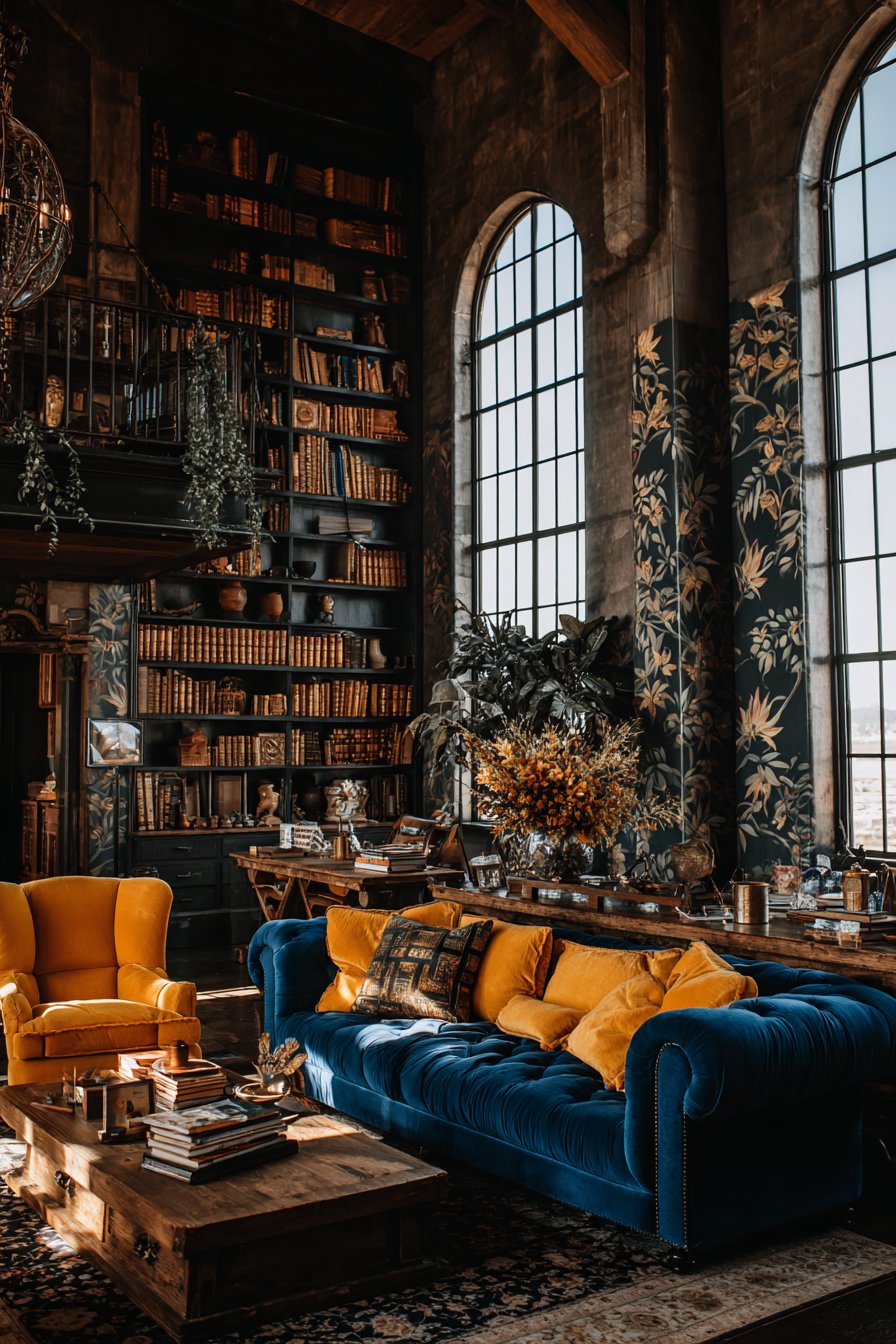
The beauty of this trend is its radical personalization. There is no single dopamine decor aesthetic. There is only the version that works for you — your colors, your memories, your collections, your joy. Start with one bold move: a vivid paint color, a statement sofa, a gallery wall, or a curated shelf of beloved objects. Then keep going. Your most joyful home is not a destination — it’s a joyful, ongoing journey worth taking one inspired decision at a time.
"As an Amazon Associate, I earn from qualifying purchases."
