
A clean kitchen is more than just an aesthetically pleasing space—it’s the heart of a healthy home. The kitchen serves as the central hub where meals are prepared, families gather, and memories are created. Yet, maintaining its cleanliness can feel overwhelming without a structured approach. Many homeowners struggle with kitchen clutter and grime simply because they lack consistent daily routines that prevent mess from accumulating.

The secret to a perpetually clean kitchen isn’t marathon cleaning sessions on weekends. Instead, it’s about incorporating small, manageable habits into your daily routine that take minimal time but yield maximum results. These habits prevent the buildup of grease, food particles, and clutter that transform a beautiful kitchen into a stressful environment. When you establish daily practices, cleaning becomes effortless rather than exhausting.

This article explores five essential daily habits that will transform your kitchen maintenance routine. Each habit is designed to fit seamlessly into your lifestyle, requiring just minutes of effort while delivering hours of saved cleaning time. From the moment you finish breakfast to your final evening routine, these practices will ensure your kitchen remains a welcoming, hygienic space that inspires culinary creativity and comfortable gathering.
1. Clean As You Cook: The Most Powerful Kitchen Habit

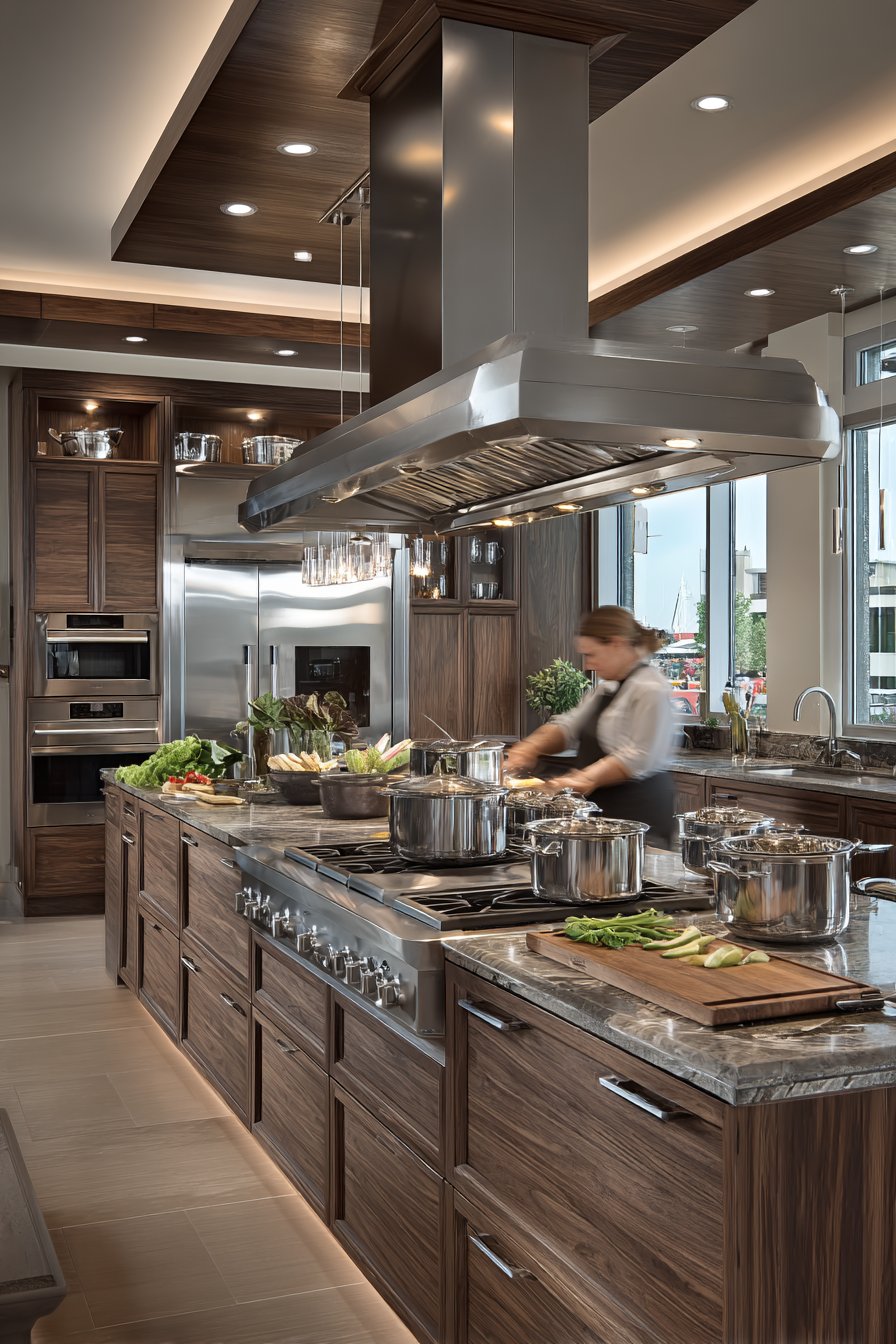
The single most transformative habit for kitchen cleanliness is cleaning while you cook. This approach prevents the dreaded post-meal cleanup mountain that discourages many people from cooking at home. Instead of facing a sink full of dishes and counters covered in prep debris, you’ll finish cooking with minimal cleanup remaining. This habit transforms cooking from a stress-inducing chore into an enjoyable experience.

Implementing this habit requires a simple mindset shift. While something simmers on the stove or bakes in the oven, use those idle minutes to wash prep bowls, wipe down counters, and put away ingredients. Professional chefs call this “mise en place”—everything in its place—and it’s fundamental to efficient kitchen operation. You’ll discover that most cooking processes include natural waiting periods perfect for quick cleaning tasks.

The psychological benefits of this habit extend beyond cleanliness. When you clean as you cook, you create a calmer cooking environment that allows you to focus on the creative aspects of meal preparation. There’s no mounting anxiety about the cleanup awaiting you, and you can actually enjoy your meal without dreading what comes after. This single habit can restore your love for home cooking.
- Wash prep bowls and utensils during cooking downtime instead of letting them pile up
- Wipe countertops immediately after each prep stage to prevent sticky buildup and stains
- Put away ingredients as soon as you’re finished using them to maintain clear workspace
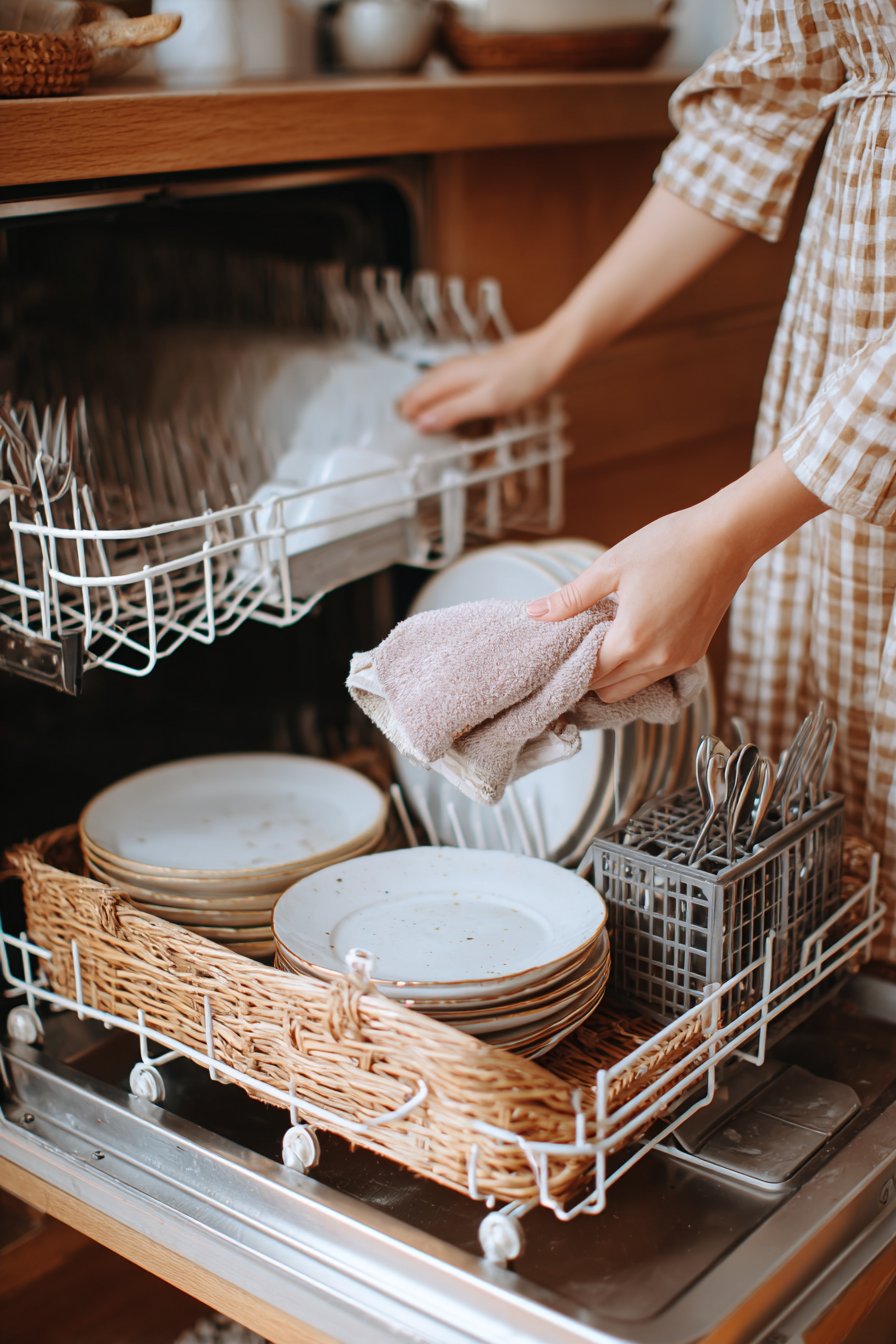
- Load the dishwasher progressively throughout cooking rather than all at once afterward
- Keep a damp cloth within reach to immediately address spills and splatters
- Fill dirty pots and pans with soapy water while eating to make washing easier later
2. Implement the One-Touch Rule for Dishes and Items
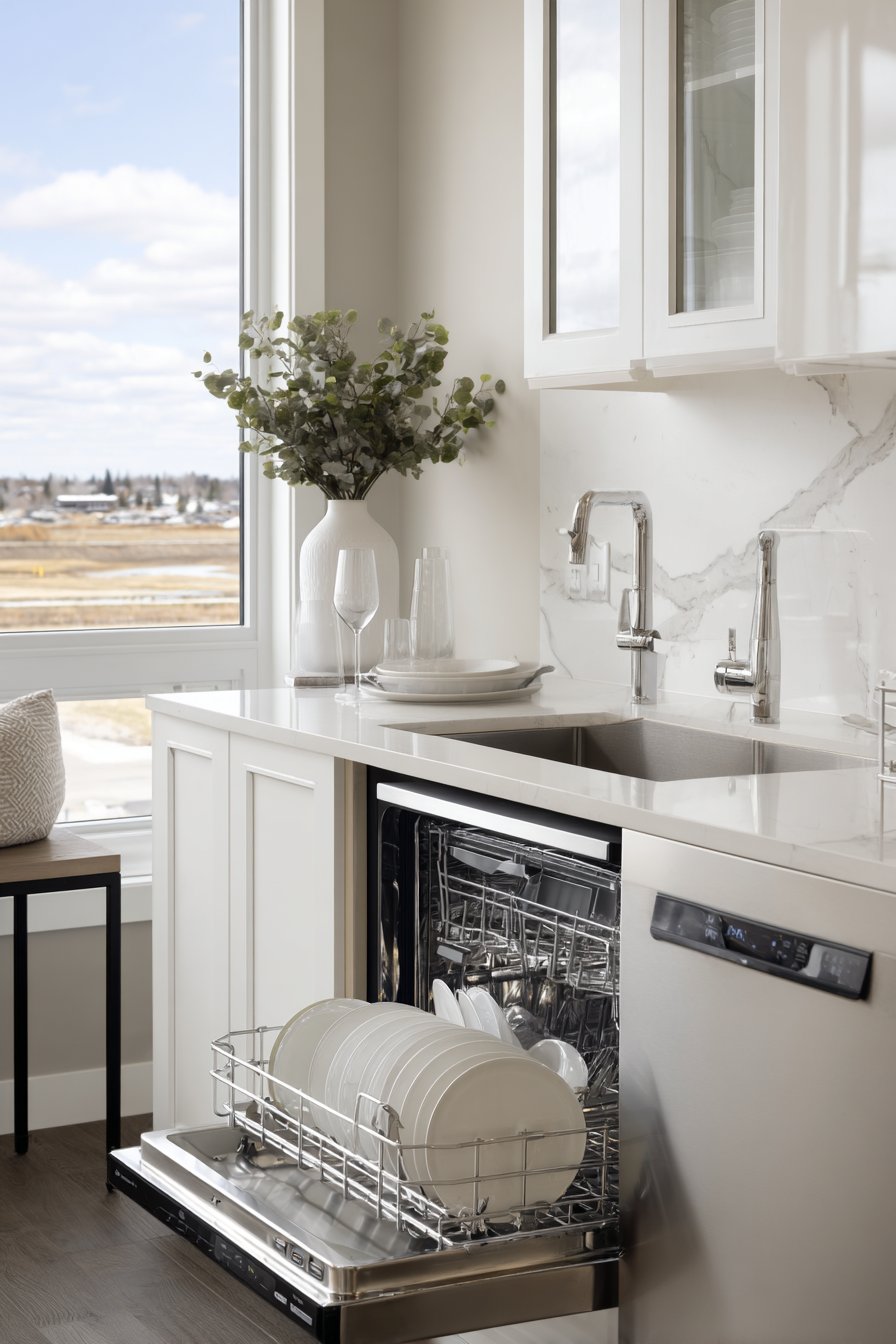
The one-touch rule is a simple yet revolutionary concept: every item you use should be handled only once before returning to its proper place. This eliminates the common pattern of moving dishes from counter to sink, sink to dishwasher, and creating multiple touchpoints that waste time. When you finish drinking from a glass, it goes directly into the dishwasher—not the counter, not “by the sink,” but straight to its destination.
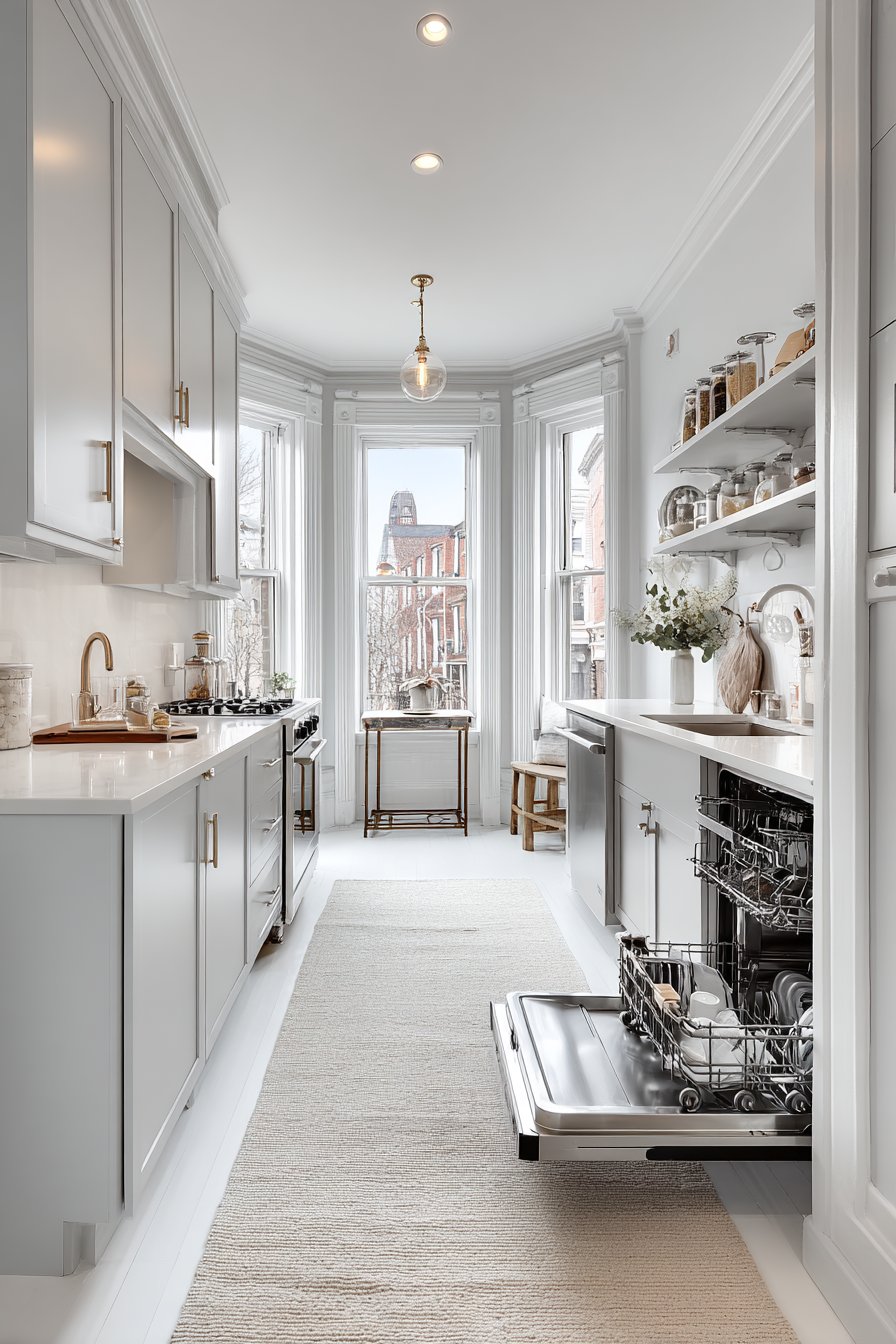
This habit dramatically reduces visual clutter, which research shows increases stress and decreases productivity. When your kitchen counters remain clear, the space feels more spacious and inviting. You’ll also eliminate the frustrating phenomenon of “lost” items that get buried under layers of accumulated dishes and utensils. Everything has a place, and everything goes directly to that place upon use.
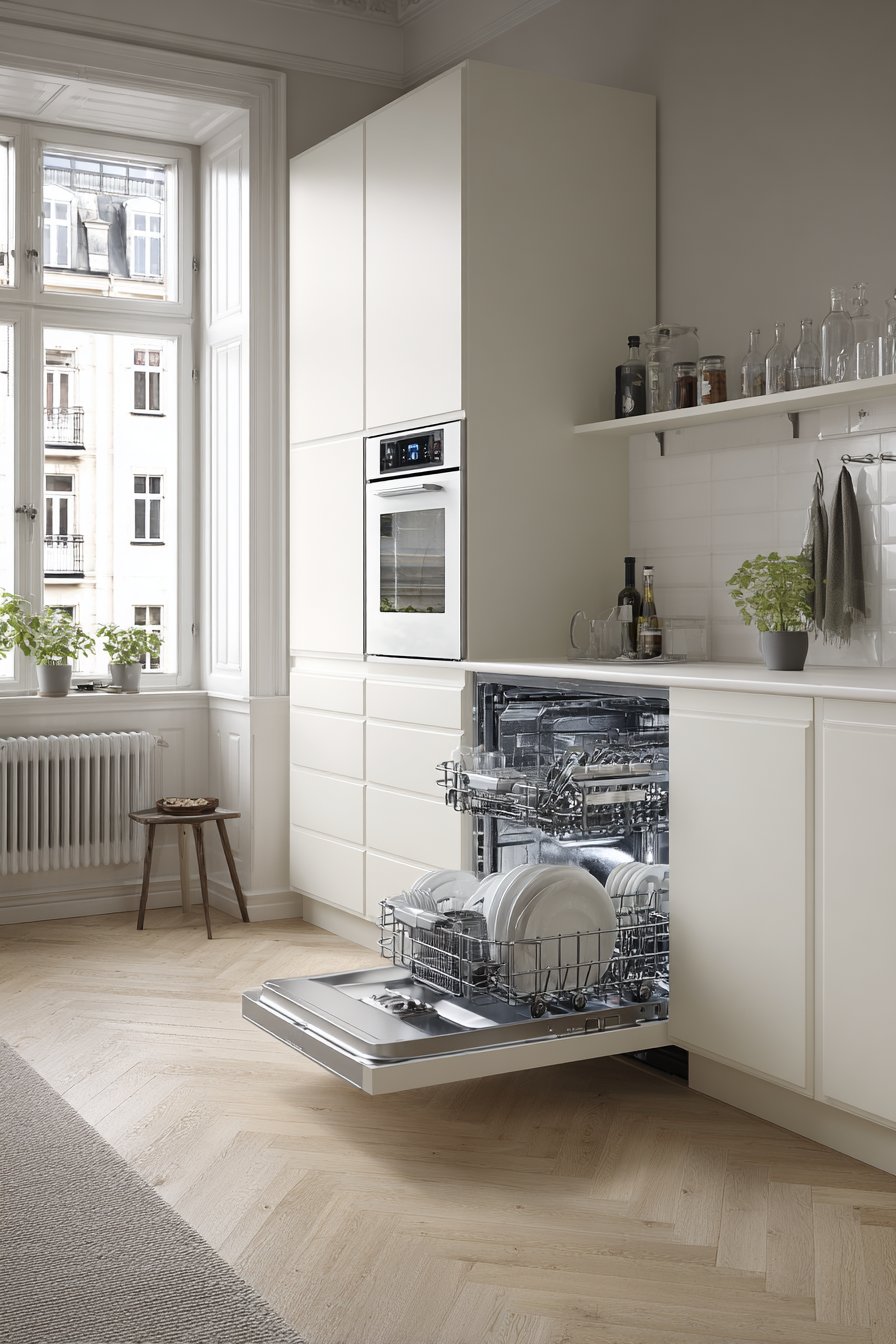
The one-touch rule extends beyond dishes to encompass all kitchen items. Mail doesn’t belong on the kitchen counter. Backpacks and keys have designated homes elsewhere. By maintaining strict boundaries about what belongs in your kitchen, you preserve the space exclusively for its intended purpose: food preparation and dining. This boundary-setting creates both physical and mental clarity.
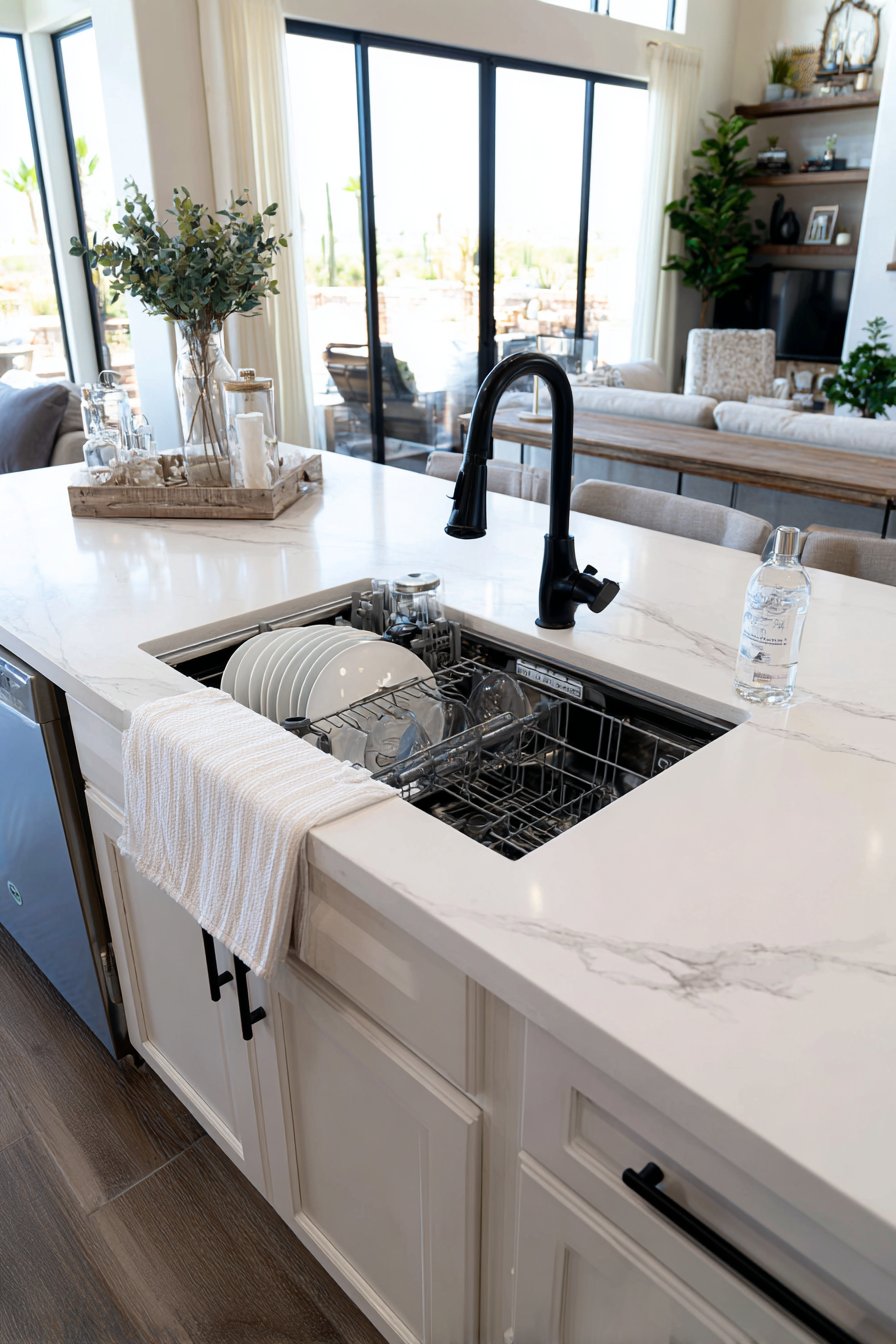
- Place used dishes directly into the dishwasher rather than leaving them in the sink temporarily
- Return ingredients to the pantry or refrigerator immediately after measuring or using them
- Hang dish towels on designated hooks after each use instead of leaving them crumpled
- Designate a specific “landing zone” outside the kitchen for non-kitchen items like mail and keys
- Empty the dishwasher first thing in the morning to enable direct loading throughout the day
- Train all family members on this rule to create consistent household behavior patterns
3. Master the Evening Reset Routine
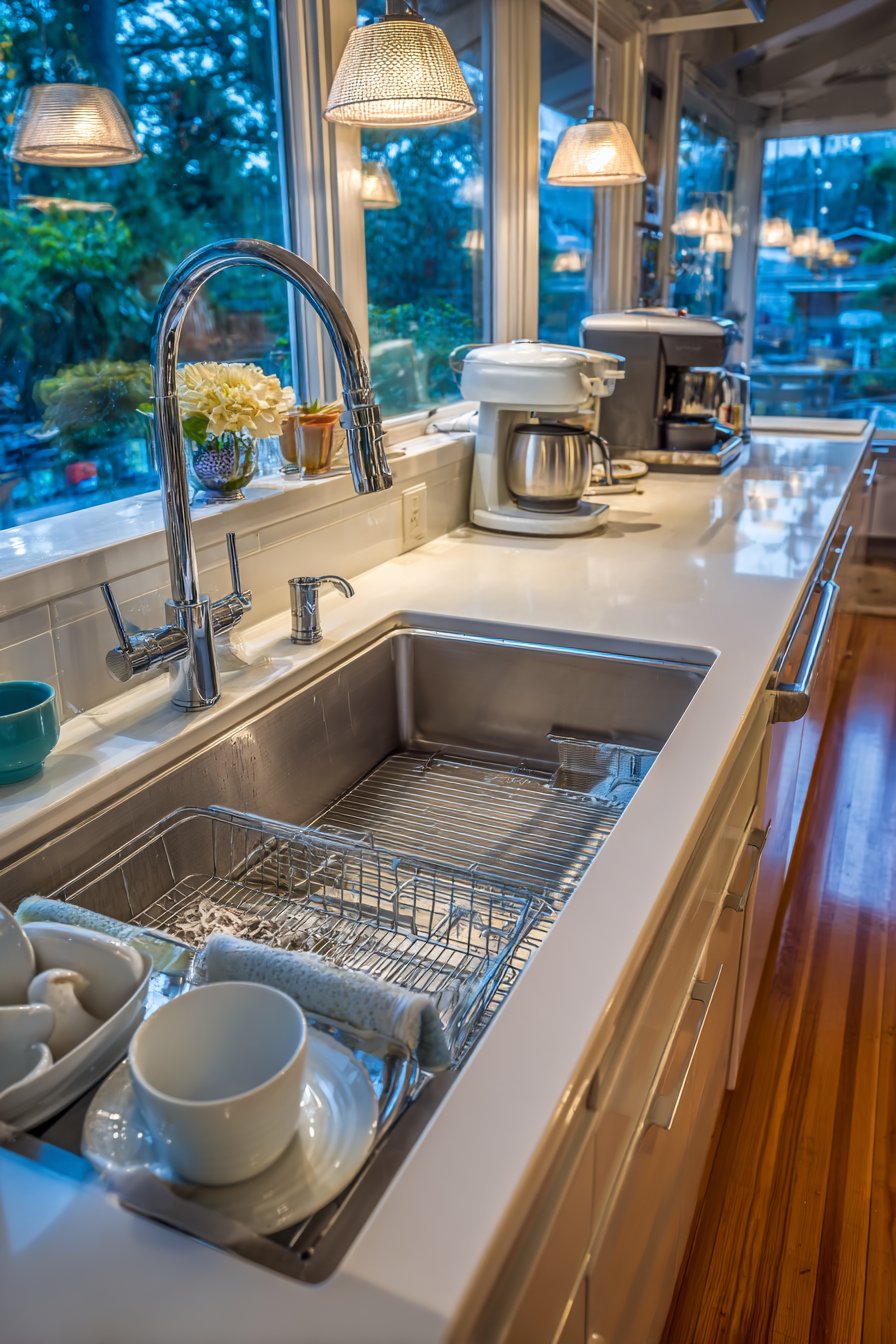
The evening reset routine is your kitchen’s daily fresh start. This ten-minute ritual, performed before bed, ensures you wake up to a clean, welcoming kitchen that inspires morning productivity. There’s profound psychological value in starting your day without facing yesterday’s mess. This habit sets a positive tone that influences your entire morning routine and often your whole day.
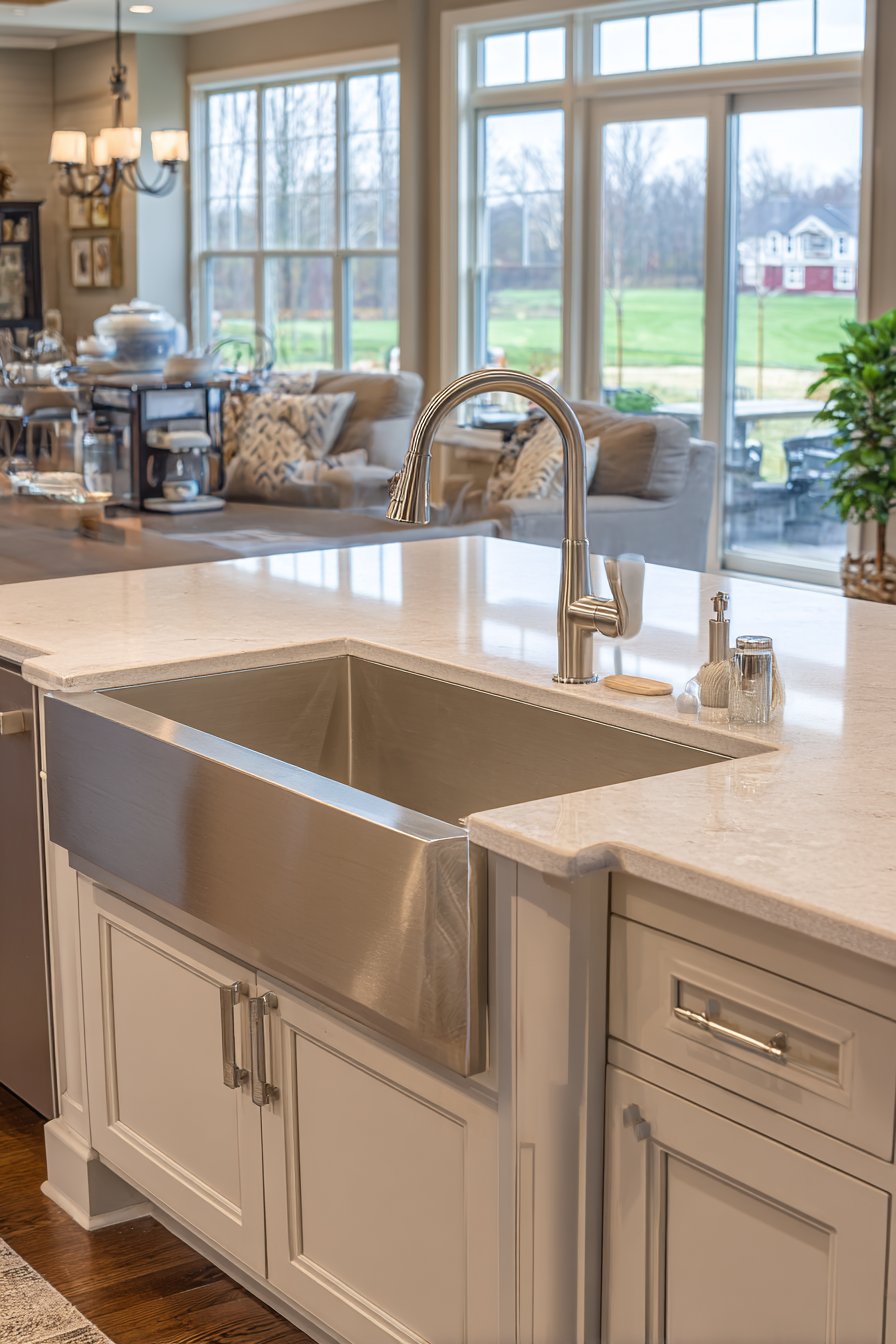
Your evening reset should follow a consistent sequence that becomes automatic over time. Start with clearing and wiping down all countertops, creating those pristine surfaces that signal cleanliness. Empty the dish drainer or ensure the dishwasher is running. Take out the trash and compost if needed. Finally, give the sink a quick scrub—a shining sink is the hallmark of a clean kitchen and provides motivation for maintaining cleanliness.
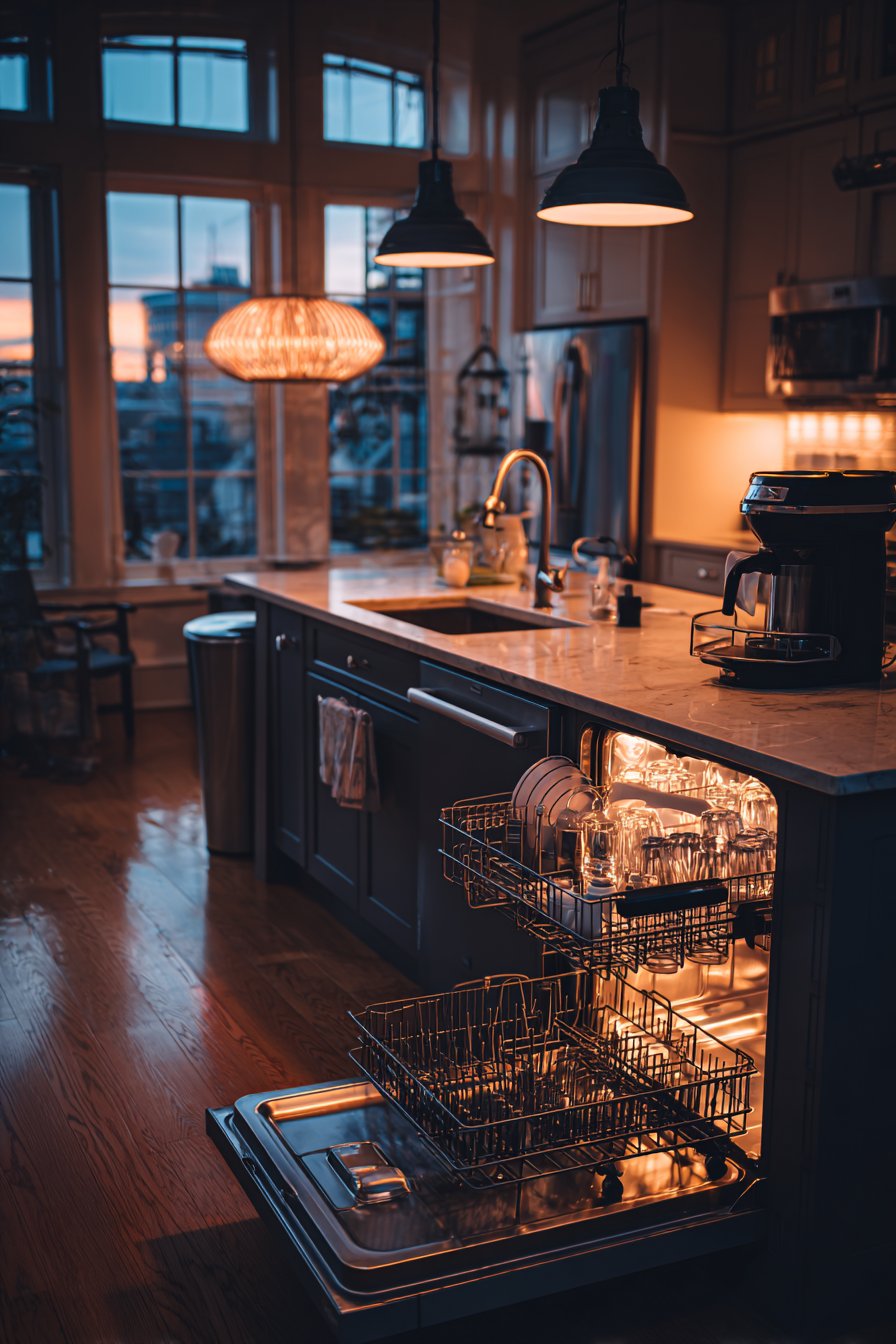
The beauty of this routine lies in its preventative nature. By addressing messes daily, you prevent the buildup of grease, food particles, and bacteria that make deep cleaning necessary. You’ll notice that weekend cleaning becomes lighter and faster. The kitchen maintains a consistently high standard rather than cycling between extremely clean and concerningly dirty.

- Wipe all countertops with appropriate cleaner moving from clean areas toward dirty areas systematically
- Sweep or quickly vacuum the kitchen floor to remove crumbs and debris tracked in daily
- Empty the sink completely and give it a quick scrub with baking soda or cleanser
- Check refrigerator for any items that need immediate attention like leaking containers or spills
- Run the garbage disposal with ice cubes and citrus peels to freshen and clean blades
- Set out coffee or breakfast items for the morning to streamline your morning routine
4. Tackle Spills and Splatters Immediately

The “clean it now” principle for spills is perhaps the most time-saving habit you can develop. Every second you delay addressing a spill adds exponentially to the effort required for removal. Fresh tomato sauce wipes away with a damp cloth, but dried tomato sauce requires scrubbing, soaking, and sometimes special cleaners. This immediate response habit saves countless hours over time.
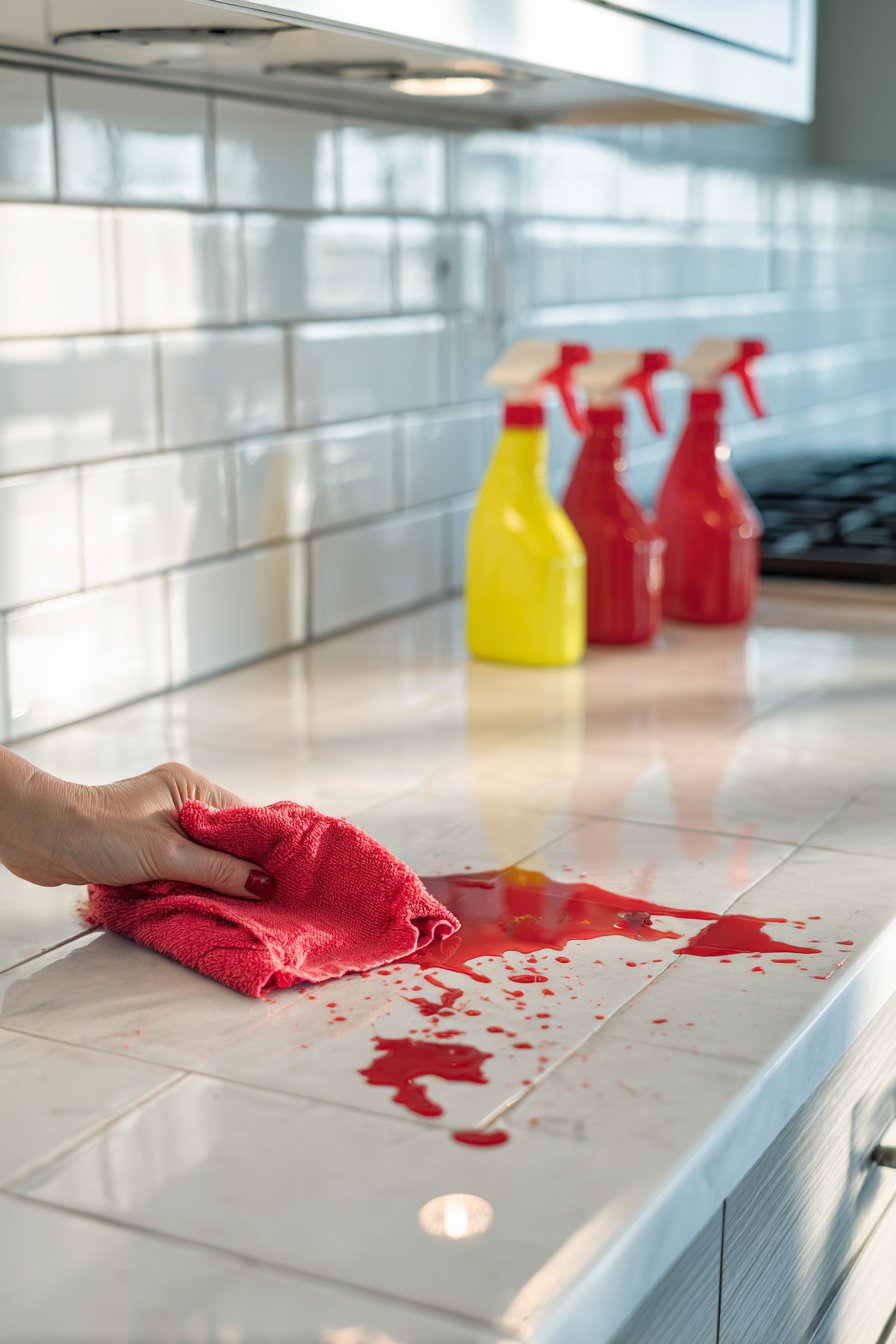
Beyond time savings, immediate spill response prevents staining and damage to your surfaces. Many kitchen materials—wood, grout, certain countertops—are porous and absorbent. Allowing liquids to sit gives them time to penetrate and create permanent marks. Quick action preserves your kitchen’s appearance and protects your investment in quality materials and finishes.
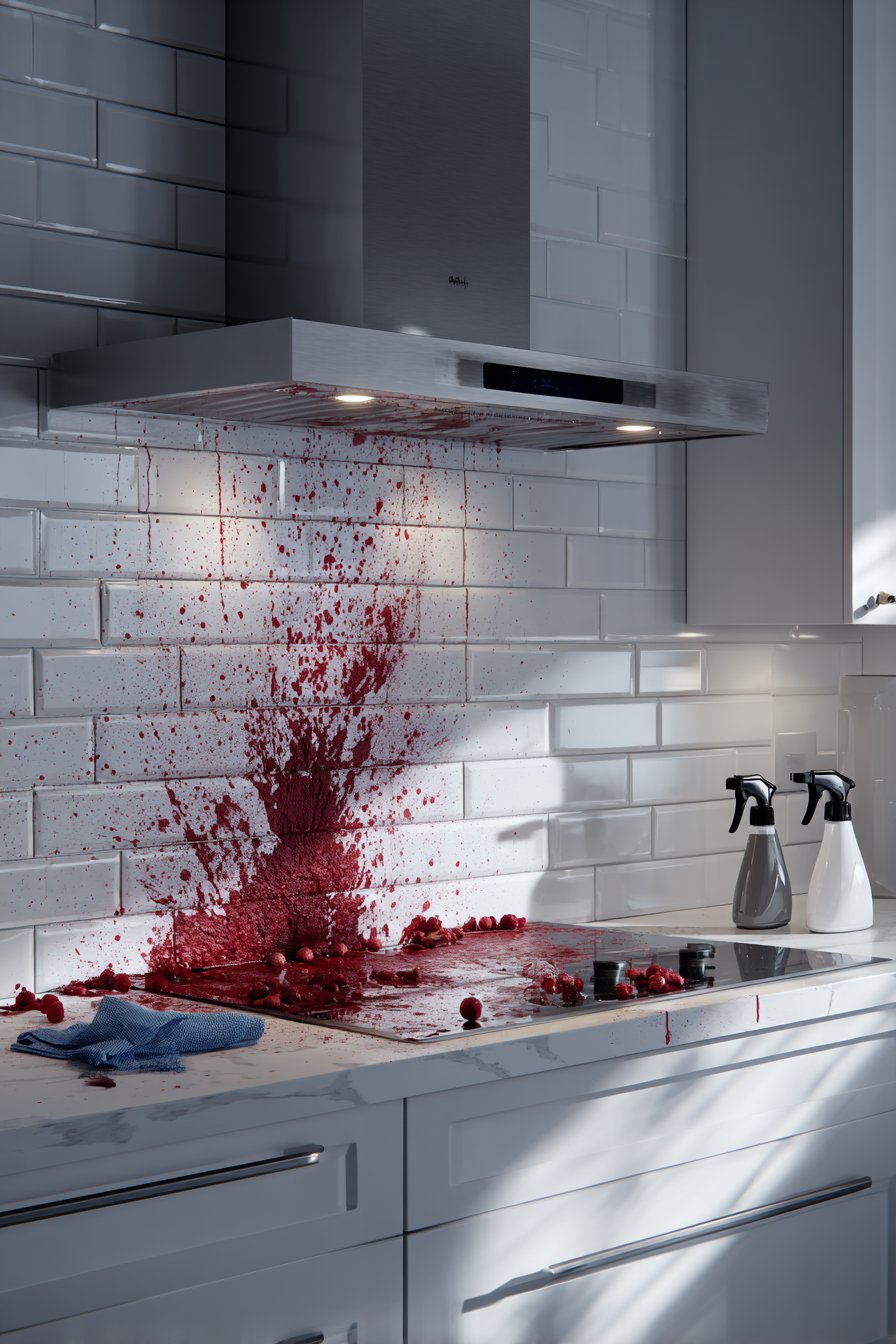
This habit also prevents pest problems. Spills and food residue attract insects and rodents. By maintaining a kitchen where no food source remains accessible, you create an inhospitable environment for pests. This is particularly important for sticky substances like honey or syrup, which can attract ants remarkably quickly.
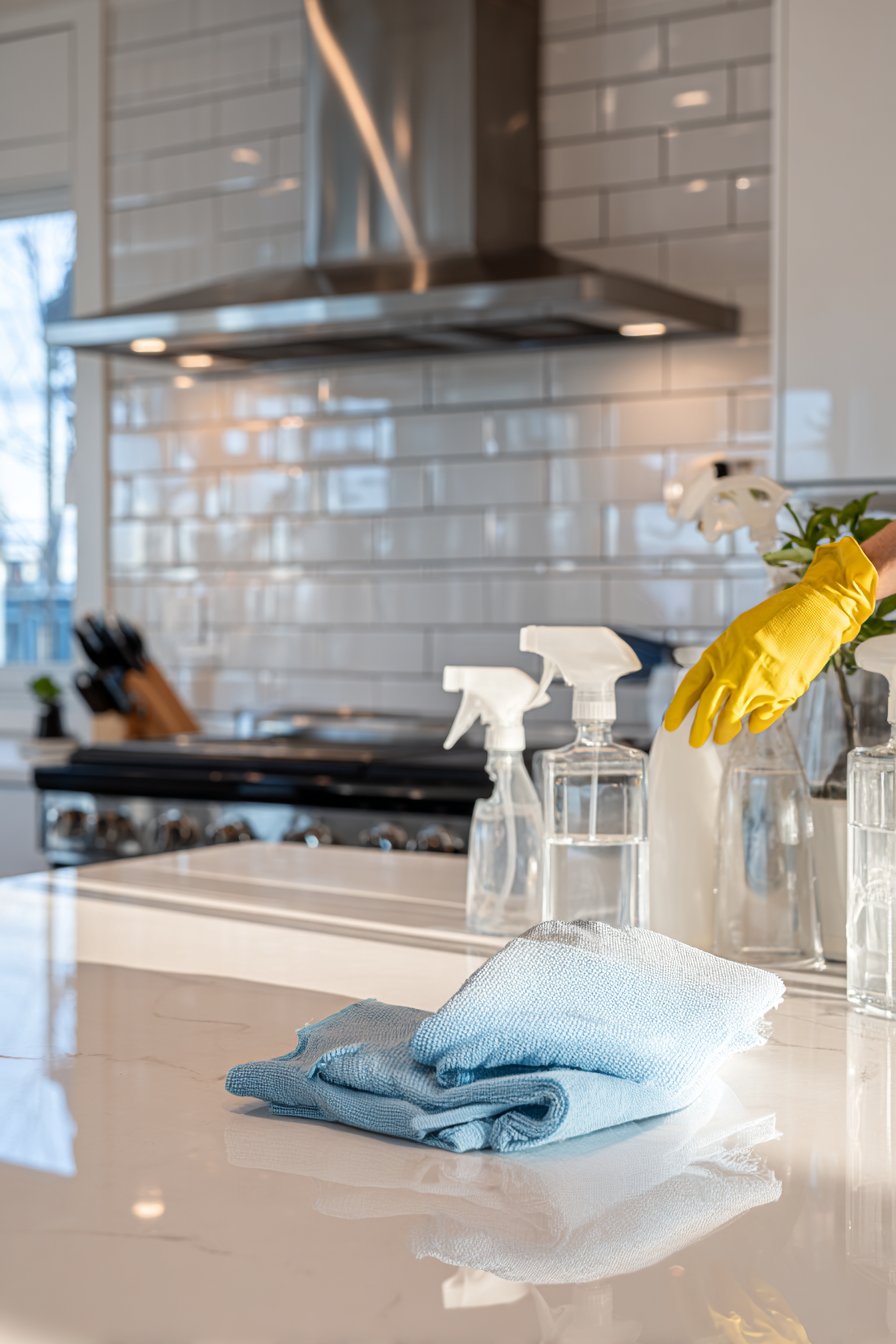
- Keep microfiber cloths in multiple convenient locations throughout the kitchen for instant access
- Use appropriate cleaning solutions for different surfaces rather than one universal cleaner for everything
- Address stovetop splatters while the surface is still warm when grease wipes away easily
- Clean the microwave interior immediately after explosions or spills before residue hardens completely
- Wipe down cabinet fronts when you notice fingerprints or splashes rather than waiting for weekly cleaning
- Check behind appliances monthly as spills often travel to hidden areas requiring attention
5. Maintain a Clutter-Free Counter Policy
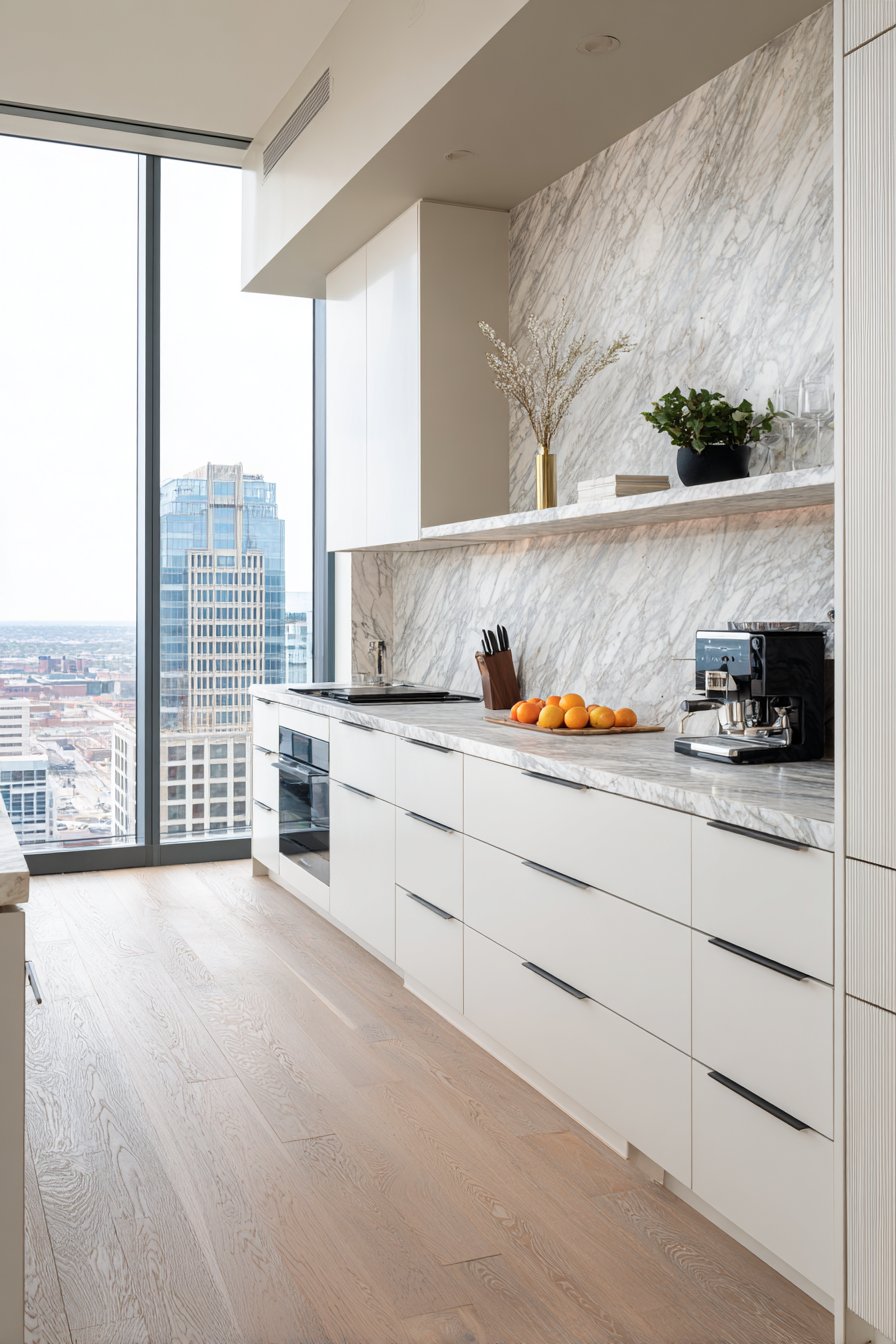
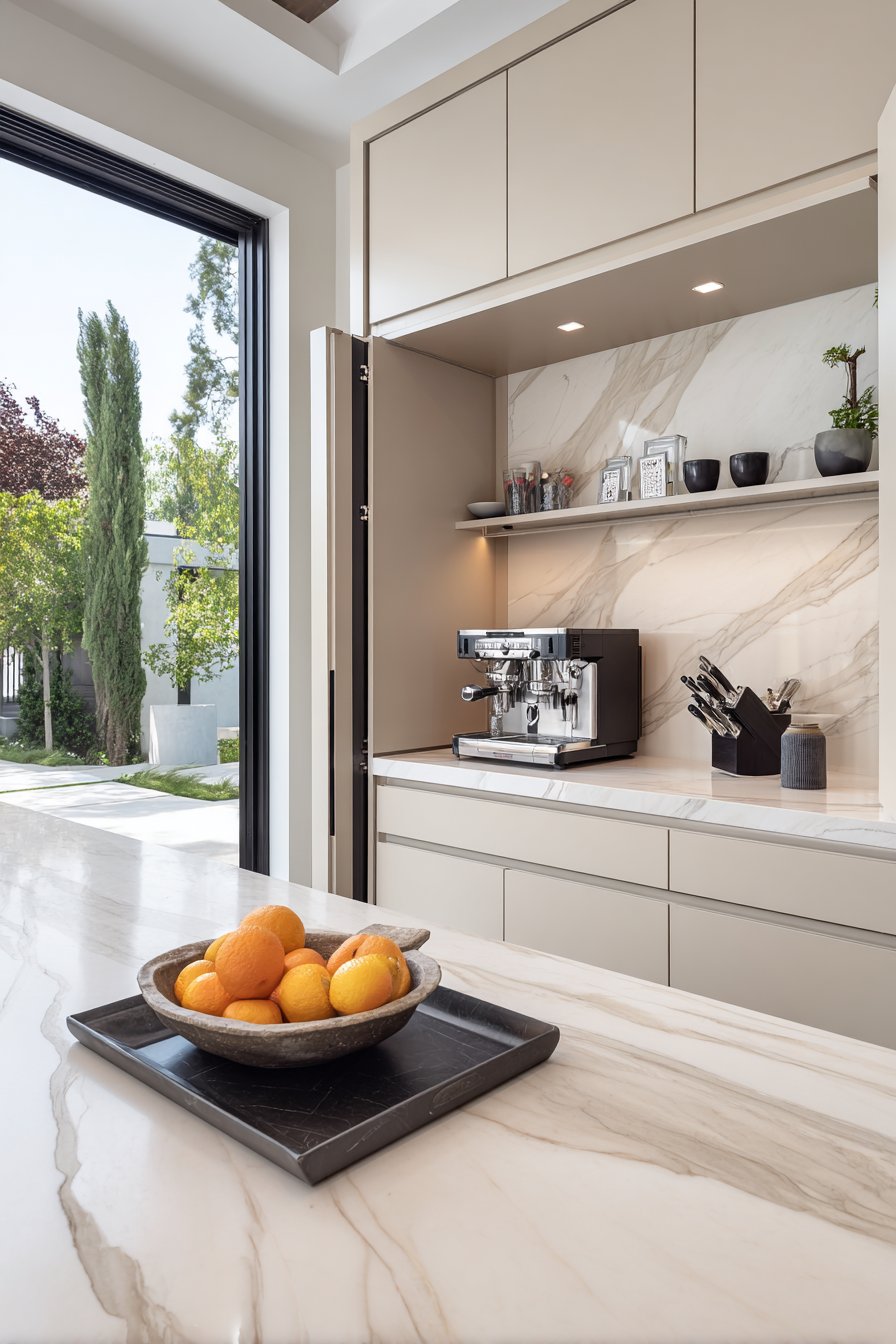
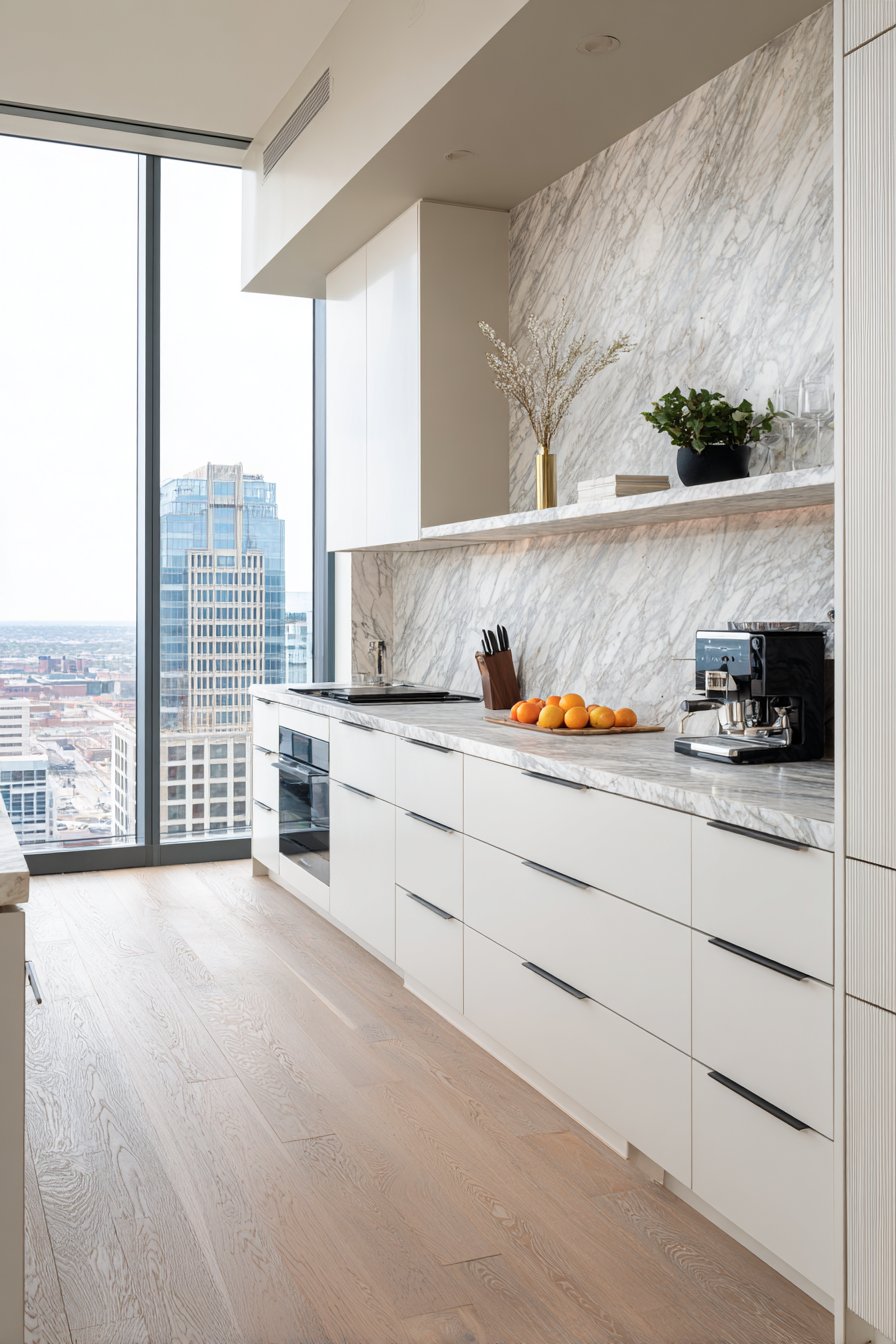
Clear countertops are the hallmark of a clean, organized kitchen. This habit requires discipline but delivers extraordinary results. When you limit countertop items to absolute essentials—perhaps a coffee maker, knife block, and fruit bowl—you create visual calm and make daily cleaning incredibly simple. Wiping clear surfaces takes seconds; wiping around twenty small appliances takes minutes and often gets skipped entirely.
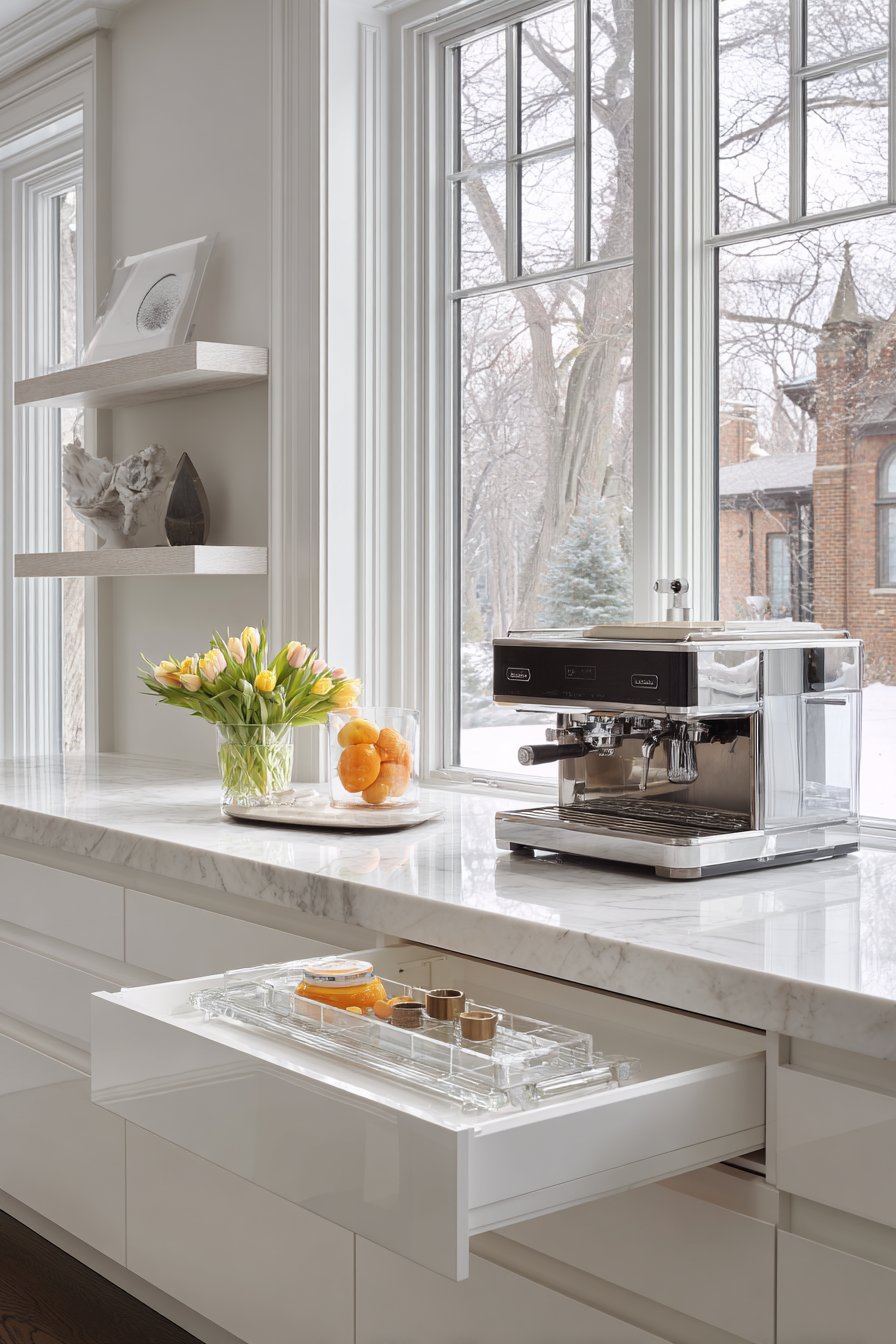
The clutter-free counter policy forces beneficial decision-making about what truly deserves valuable counter space. Many small appliances we rarely use occupy prime real estate simply because we haven’t questioned their placement. By moving these items to cabinets or pantries, you reclaim workspace that makes meal preparation more efficient and enjoyable.

This habit also reveals how much easier it becomes to maintain cleanliness when surfaces are accessible. You’ll wipe counters more frequently simply because the barrier to doing so is so low. There’s no need to move items, no temptation to “clean around” things, and no dust-collecting crevices between appliances. Cleaning becomes effortless when obstacles disappear.
- Audit your countertops monthly to identify items that haven’t been used recently for relocation
- Install additional cabinet organizers or pantry solutions to accommodate relocated items properly
- Create a designated appliance garage or deep drawer for frequently used but not daily items
- Use decorative trays to corral must-have counter items into organized zones rather than scattered placement
- Implement a “one in, one out” rule for kitchen gadgets to prevent accumulation over time
- Take a photo of your clear counters to maintain visual motivation and reference for the ideal state
6. Establish a Daily Sink Maintenance Protocol

Your kitchen sink endures constant use throughout the day, making it a focal point for bacteria growth and unpleasant odors. A daily sink maintenance protocol ensures this crucial fixture remains sanitary and fresh. The protocol takes less than three minutes but prevents the gradual buildup of soap scum, mineral deposits, and bacterial film that eventually require aggressive scrubbing.
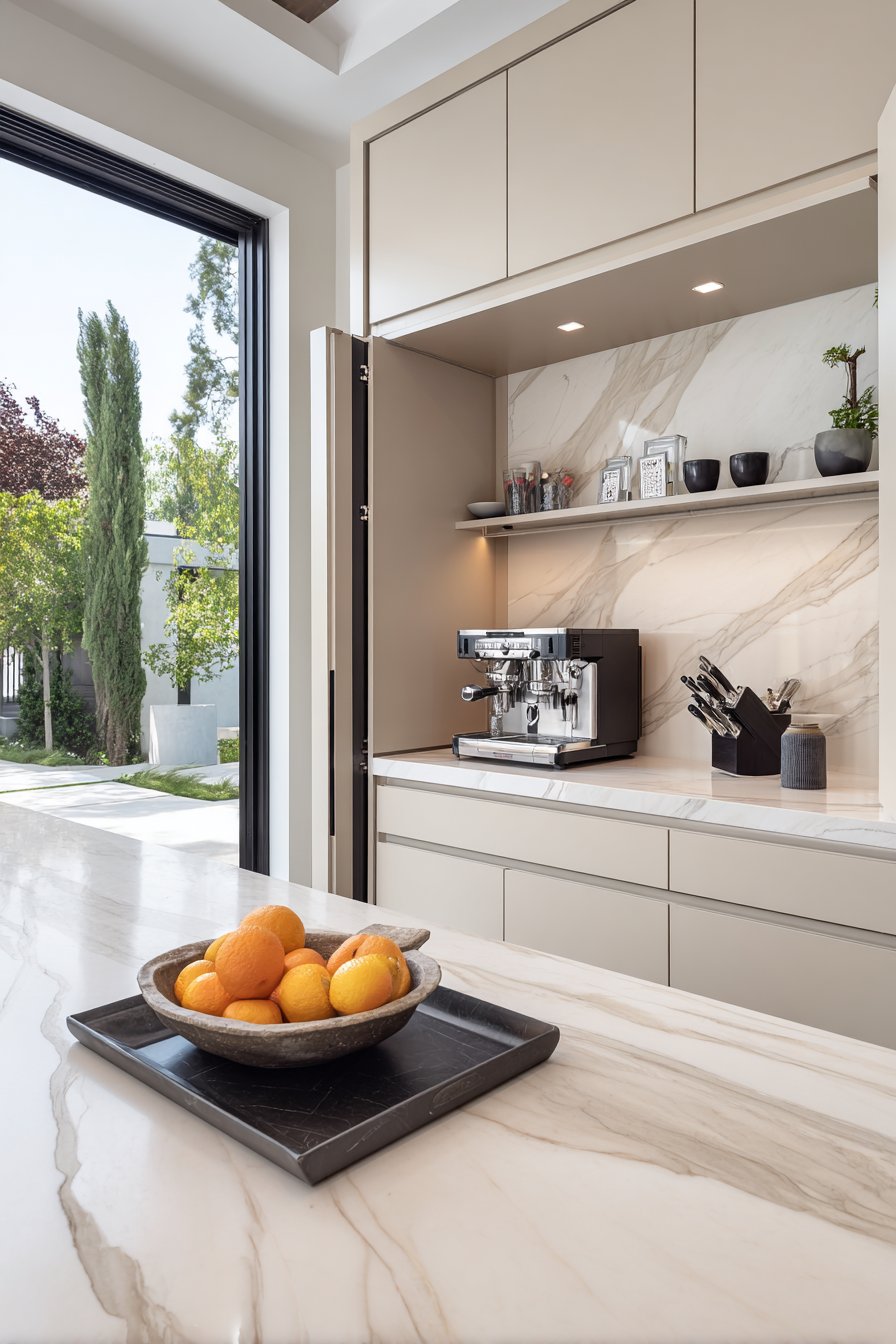
The most effective sink maintenance happens in layers throughout the day. After washing dishes, rinse the sink thoroughly to remove food particles and soap residue. The final step in your evening routine should include a quick scrub with baking soda or powdered cleanser, followed by a thorough rinse and dry. Drying the sink prevents water spots and mineral buildup while also inhibiting bacterial growth.
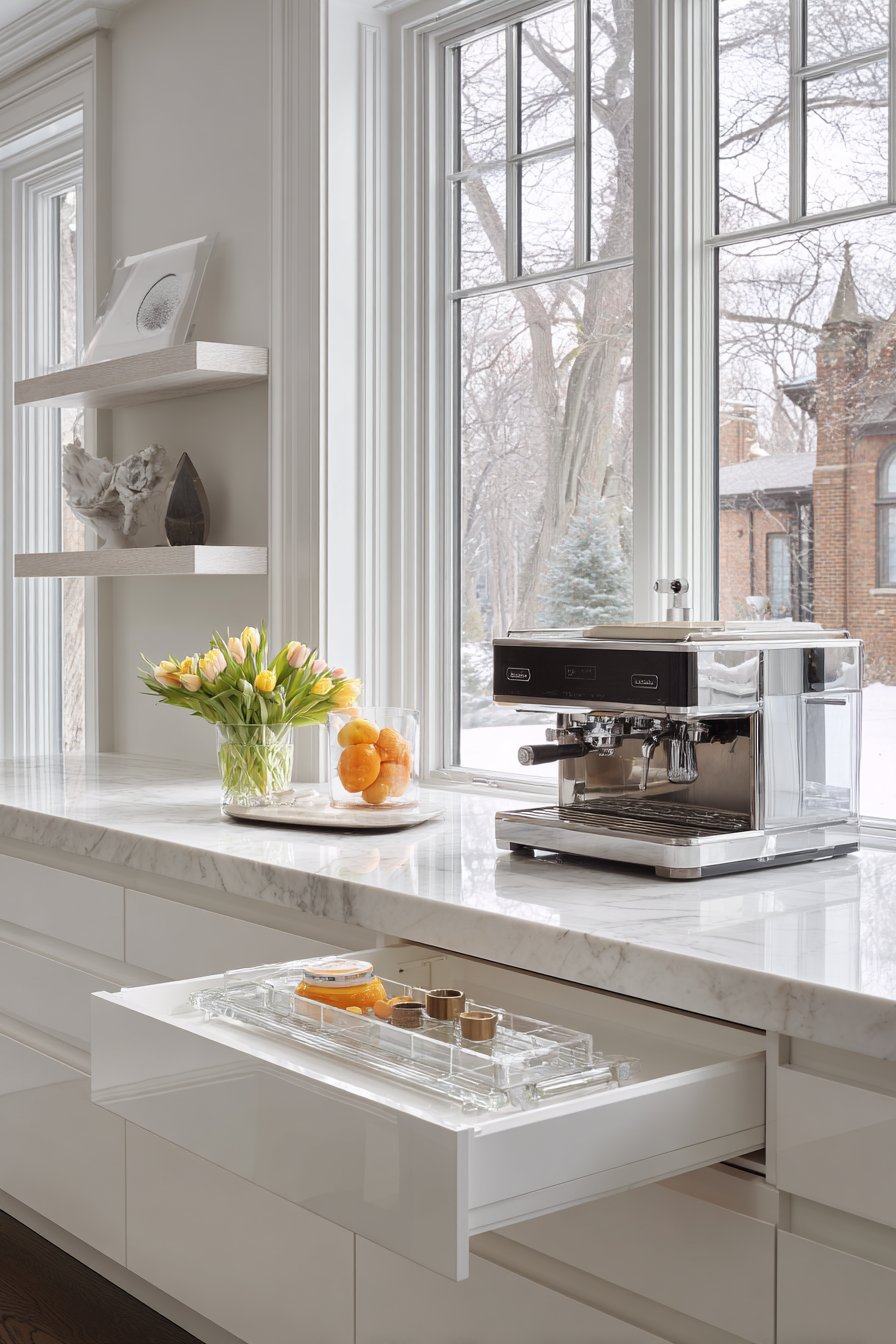
Don’t neglect the often-overlooked sink components. The faucet, handles, and especially the drain area require regular attention. These high-touch surfaces harbor bacteria from hands and food preparation. Weekly deep cleaning of the drain with baking soda and vinegar prevents clogs and eliminates odor-causing buildup in pipes.
- Rinse the sink thoroughly after each use to prevent food particles from drying and adhering
- Use a dedicated sink sponge or brush rather than the dish sponge to avoid cross-contamination
- Dry the sink with a microfiber cloth each evening to prevent water spots and mineral deposits
- Clean the faucet and handles daily as they’re high-touch surfaces that collect bacteria and fingerprints
- Refresh the garbage disposal weekly with ice cubes, rock salt, and citrus peels for cleaning and deodorizing
- Polish stainless steel sinks weekly with a small amount of mineral oil for a professional shiny finish
7. Practice the “Two-Minute Tidy” Before Leaving the Kitchen
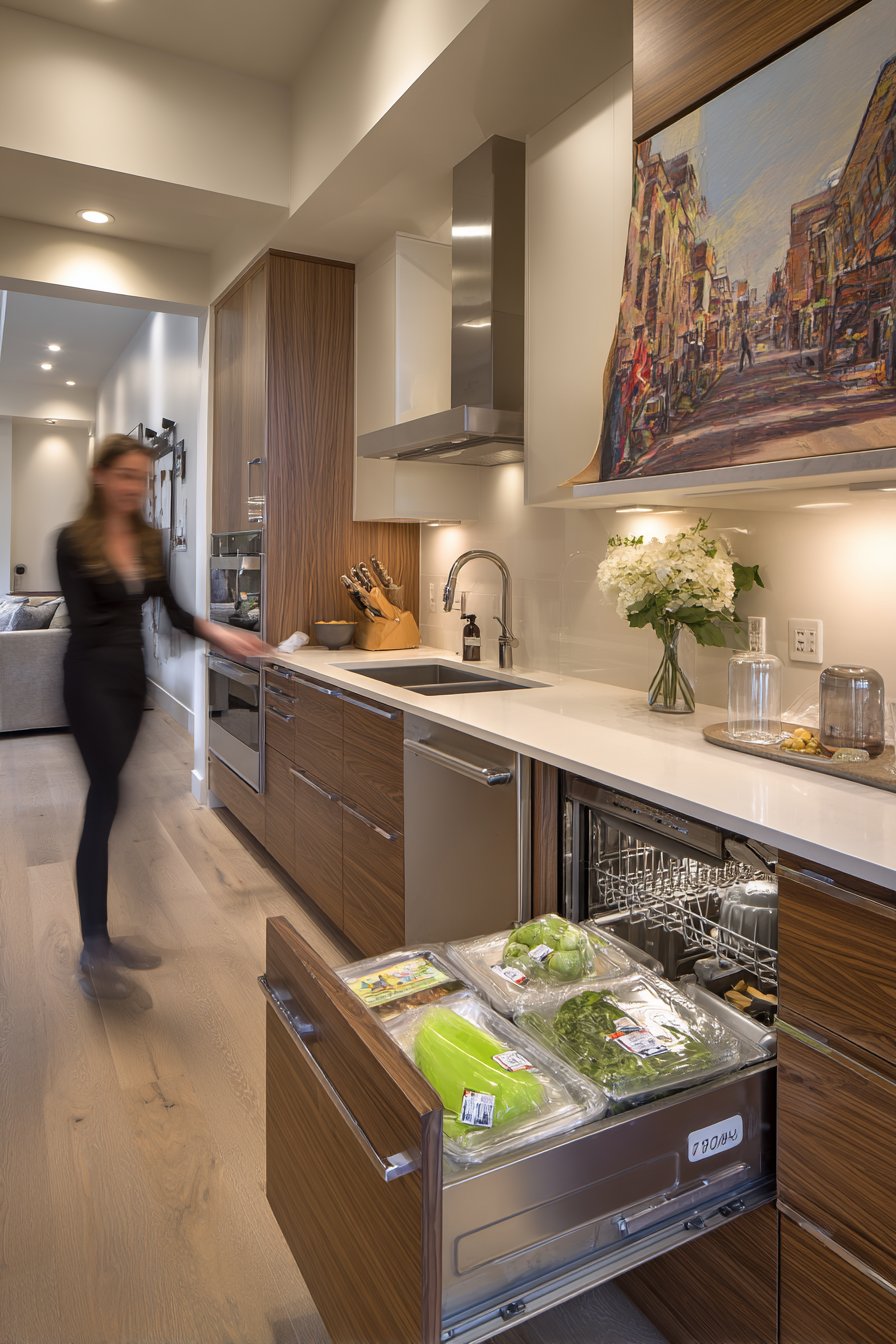
The “two-minute tidy” is a micro-habit that creates macro results. Every time you leave the kitchen—whether after cooking, eating, or simply grabbing a snack—spend exactly two minutes addressing any disorder. This might mean loading a few dishes, wiping a counter, or putting away ingredients. These frequent small efforts prevent the accumulation that leads to overwhelming cleaning sessions.

This habit leverages the psychological principle of momentum. Once you start tidying, even for two minutes, you often find yourself naturally continuing beyond the time limit because the activation energy has been overcome. The hardest part of any cleaning task is starting; this habit eliminates that barrier through its minimal time commitment.
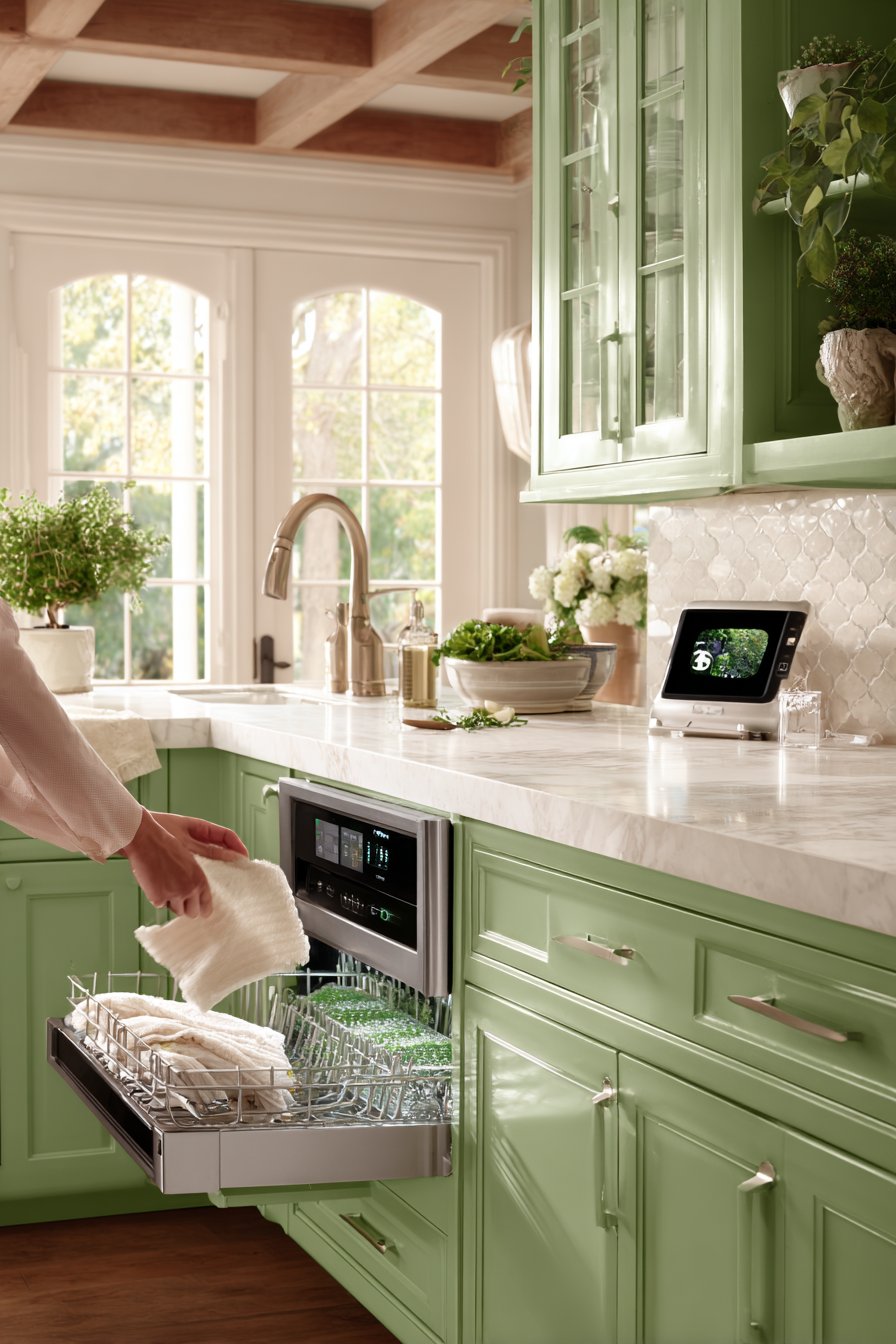
The two-minute tidy also trains your brain to see messes as immediate opportunities rather than future problems. You develop what productivity experts call a “bias toward action”—seeing something that needs doing and immediately doing it rather than mentally filing it for later. This shift in mindset transforms not just your kitchen but often other areas of your life.
- Set a visible two-minute timer to maintain focus and prevent the task from expanding unnecessarily
- Prioritize visible messes that create the strongest impression of disorder like countertop clutter
- Focus on high-impact areas first such as the main countertops visible from adjacent rooms
- Include a quick floor scan to pick up any dropped items or visible debris
- Check that all cabinet doors and drawers are fully closed for a polished appearance
- Empty your hands of trash or dirty items whenever leaving the kitchen rather than making special trips
8. Implement a Nightly Trash and Recycling Check
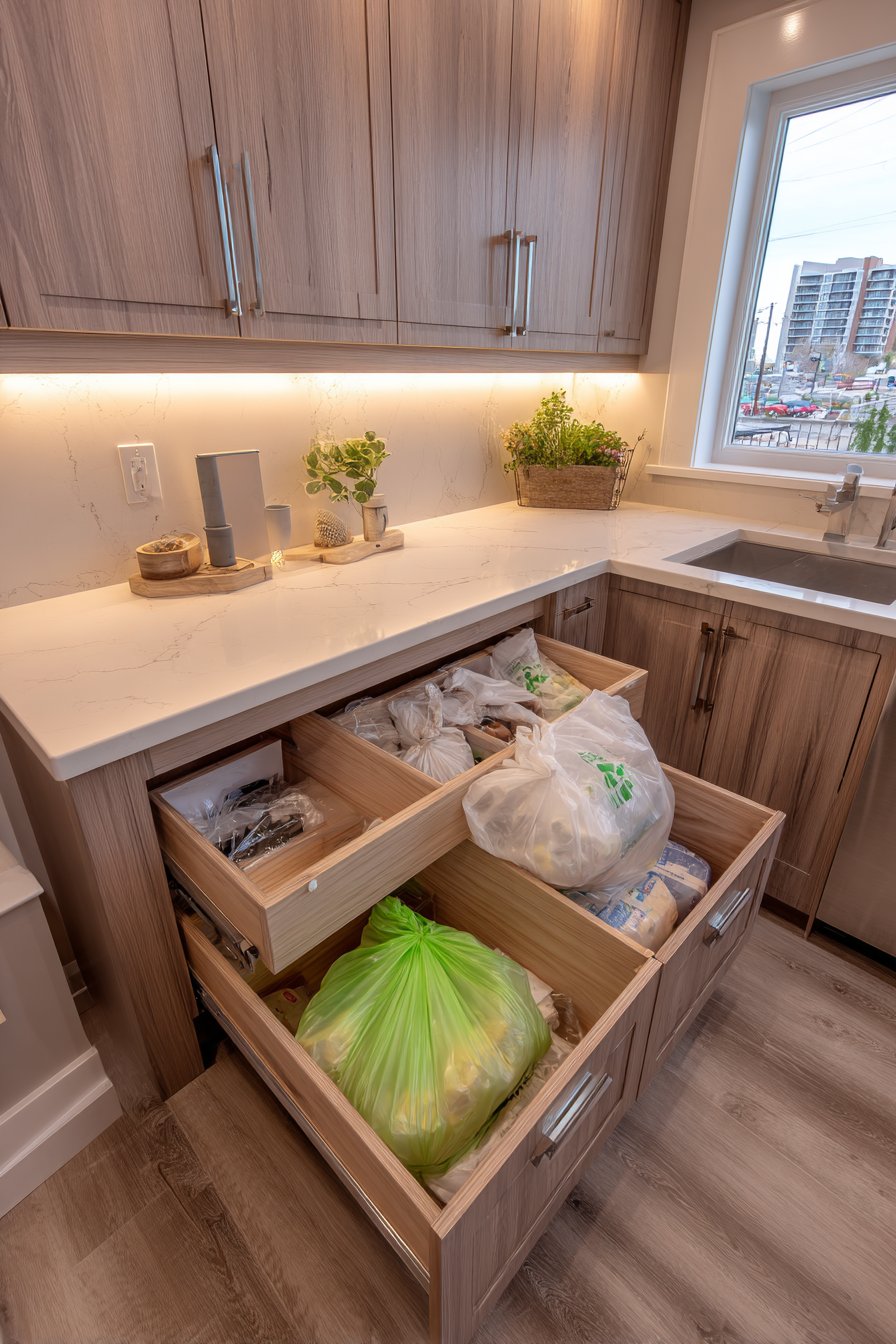
A comprehensive trash and recycling check each evening prevents odors, pests, and overflow situations. This habit involves more than simply taking out the trash when full. It includes checking that recycling is rinsed, compost containers are properly sealed, and all waste receptacles are in good condition without leaks or odors.
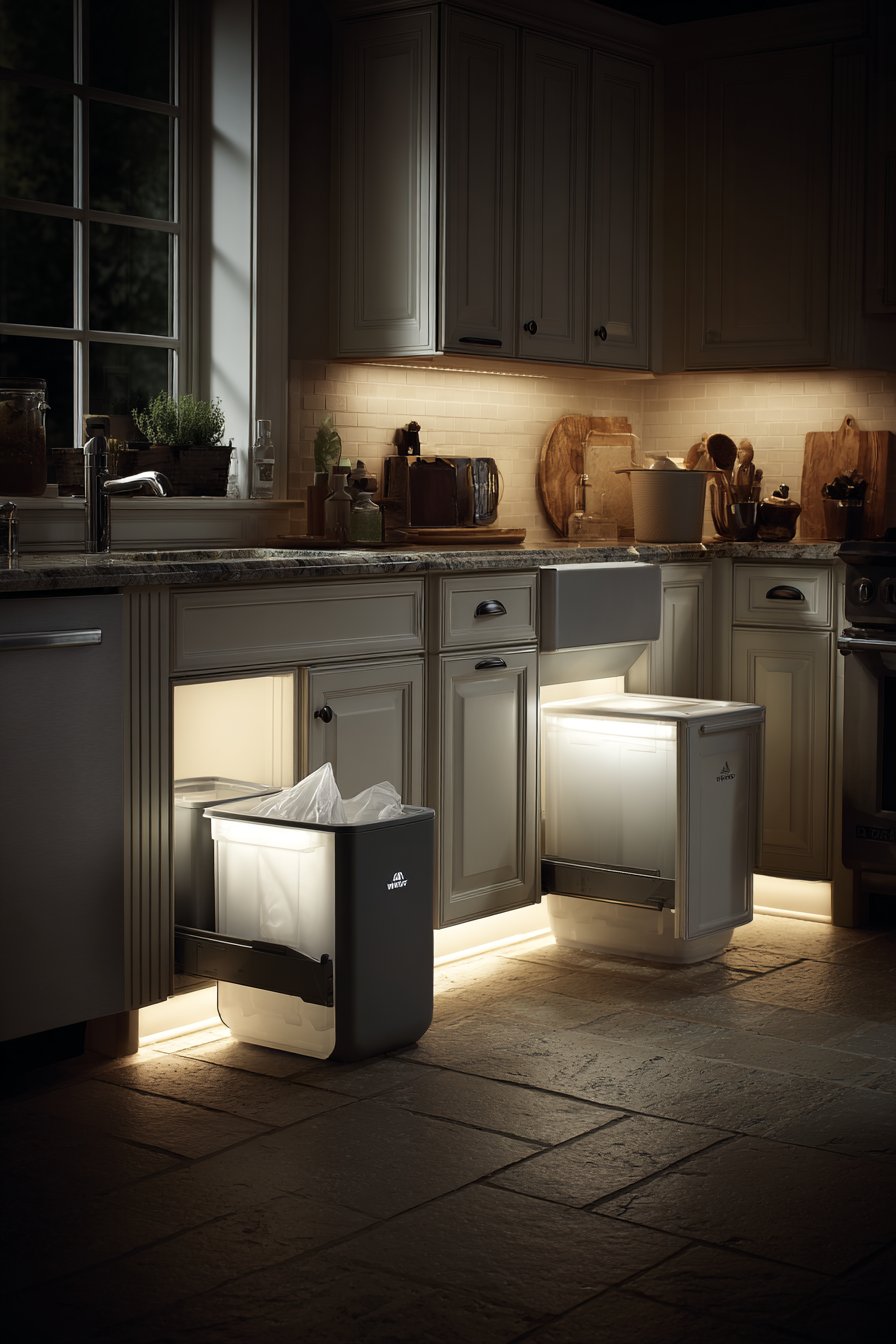
Many kitchen odor problems originate from trash management issues. Food waste begins decomposing immediately, producing unpleasant smells within hours. By taking out organic waste nightly—or at minimum every other night—you eliminate the primary source of kitchen odors. This is particularly important for households without garbage disposals where food scraps accumulate in trash bins.
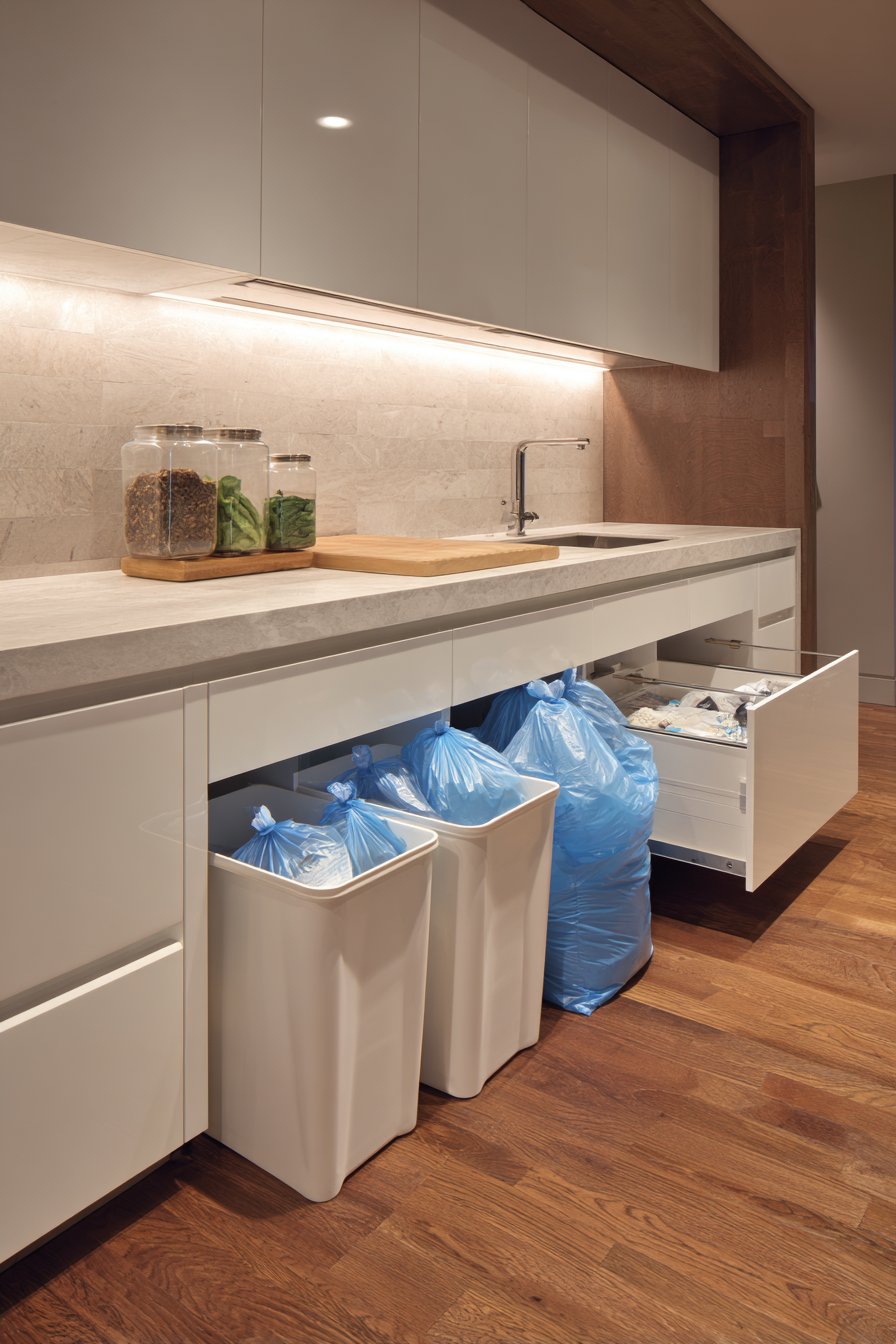
The nightly check also prevents the morning rush scenario where you discover an overflowing trash can while trying to prepare breakfast. By addressing waste management as part of your evening routine, you ensure smooth morning operations. You’ll also reduce the likelihood of trash bag accidents or spills that create significant cleanup projects.
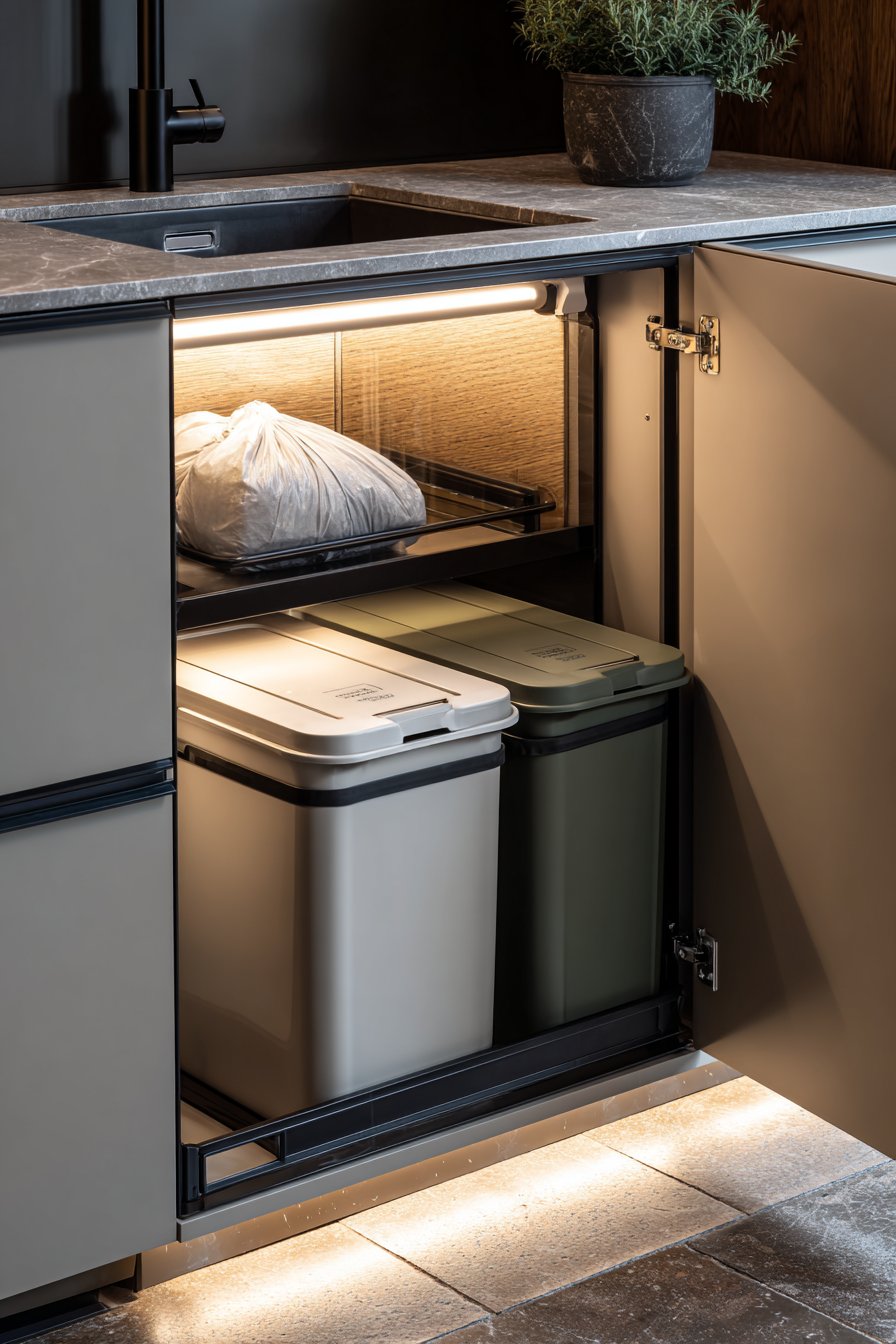
- Empty the main trash bin nightly if it contains food waste regardless of fullness level
- Rinse recycling items before placing them in bins to prevent sticky residue and odors
- Wipe down the exterior of trash and recycling bins weekly to remove spills and fingerprints
- Check under the sink cabinet for any leaks or spills from waste container storage areas
- Replace trash bags immediately after emptying rather than leaving bins exposed and unsanitary
- Keep extra trash bags at the bottom of each bin for convenient replacement during nightly routine
Conclusion

Transforming your kitchen into a consistently clean, inviting space doesn’t require hours of daily effort or professional organizational systems. These five daily habits—cleaning as you cook, implementing the one-touch rule, performing evening resets, addressing spills immediately, and maintaining clear counters—create a sustainable maintenance routine that fits naturally into your lifestyle. Each habit takes just minutes but compounds into extraordinary results over time.

The beauty of these practices lies in their preventative nature. Rather than battling accumulated grime and clutter during weekend marathon sessions, you maintain a consistently high standard through small, regular efforts. Your kitchen becomes a space that supports your lifestyle rather than creating stress and overwhelm.
Start by implementing just one or two habits, allowing them to become automatic before adding others. Within weeks, you’ll discover that maintaining a clean kitchen has become effortless—a natural part of your daily rhythm that enhances your home’s functionality and your overall quality of life. Your future self will thank you for establishing these transformative habits today.
"As an Amazon Associate, I earn from qualifying purchases."
