
A small kitchen doesn’t have to feel cramped or uninspiring. With thoughtful design choices and strategic planning, even the most compact cooking spaces can become the warm, welcoming heart of your home. The key lies in understanding how to maximize every square inch while creating an atmosphere that draws people in rather than pushing them away.
Thoughtful interior design transforms limitations into opportunities, turning small kitchens into highly functional spaces that feel surprisingly spacious. Whether you’re working with a galley layout, a studio apartment corner, or a modest townhouse kitchen, the right design principles can make your space feel both efficient and inviting. This article explores proven strategies that professional designers use to create cozy, welcoming kitchens in small homes—from lighting techniques and color psychology to smart storage solutions and layout optimization.
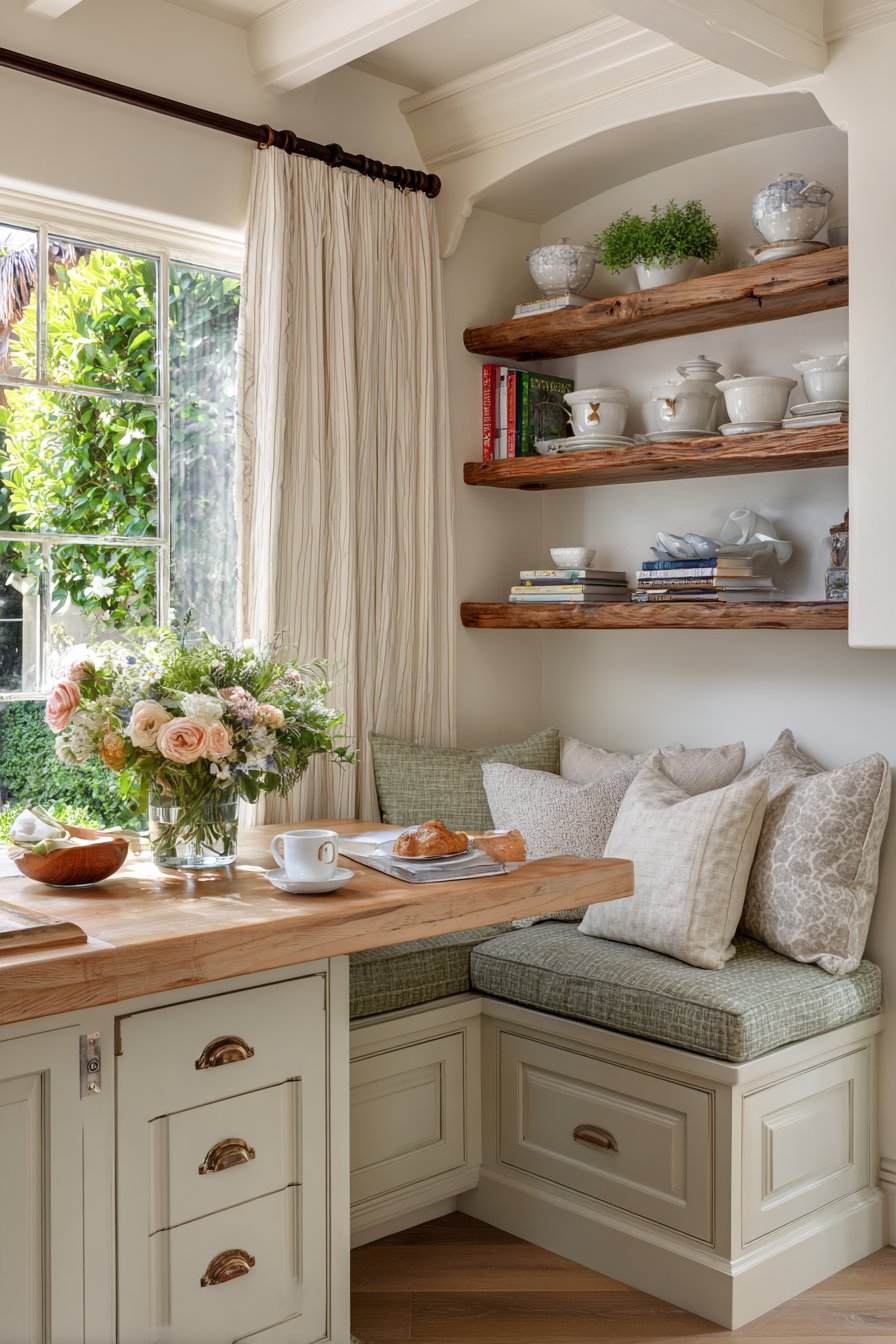
The beauty of small kitchen design lies in its emphasis on intentionality. Every element must earn its place, which naturally leads to more cohesive, purposeful spaces. These techniques work across various design styles and budgets, making professional-quality results accessible to every homeowner.
1. Embrace Warm, Light Color Palettes
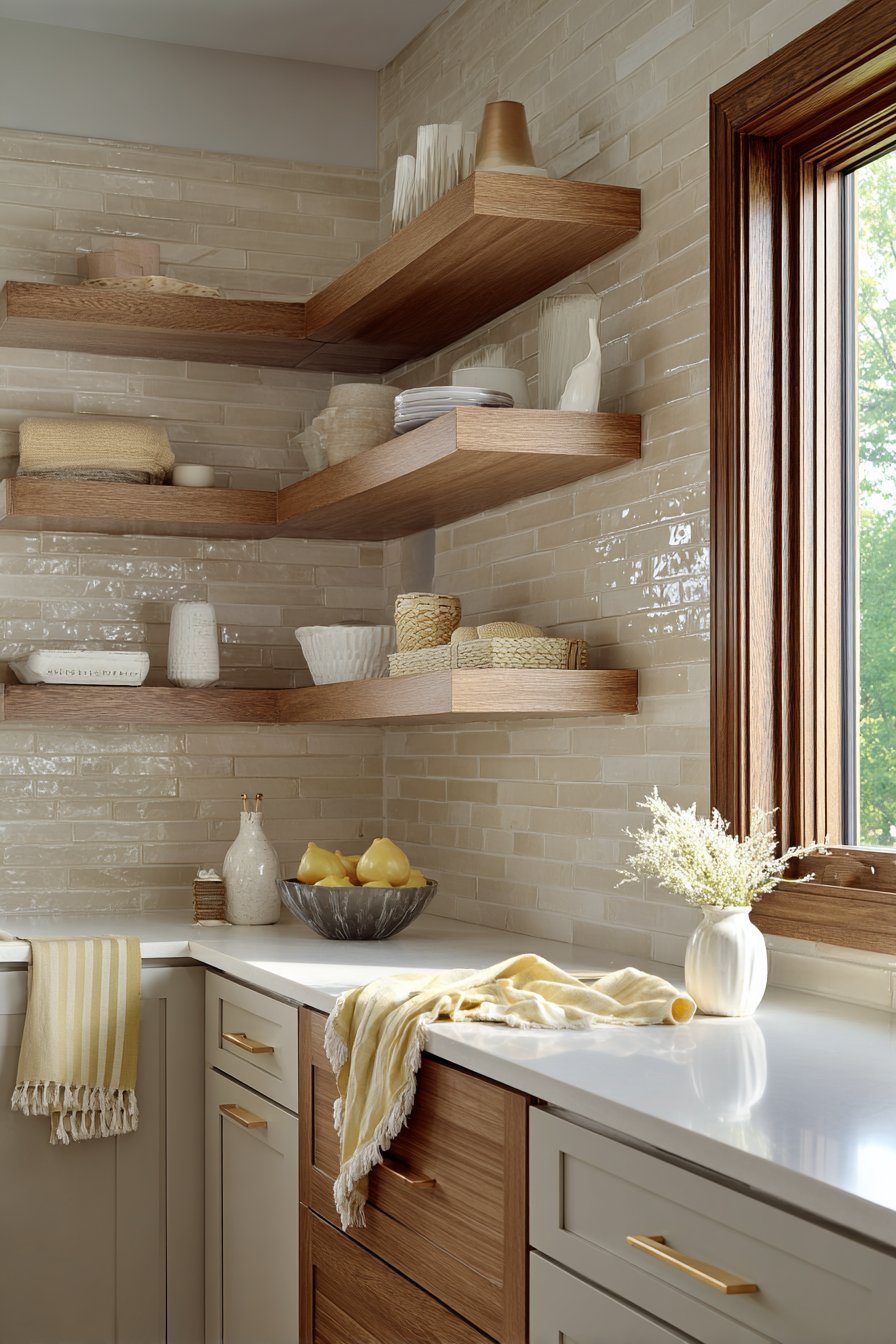
The foundation of any inviting small kitchen starts with strategic color selection. Light, warm tones create the illusion of expanded space while establishing a welcoming atmosphere. Soft whites, creamy beiges, warm grays, and pale yellows reflect natural light beautifully, making your kitchen feel airier and more open than its actual dimensions suggest.
These colors work psychologically to reduce visual clutter and create calming environments where people naturally want to gather. Unlike stark white, which can feel clinical in small spaces, warm neutrals add depth and personality. Consider how morning sunlight or evening pendant lights will interact with your chosen palette throughout the day.
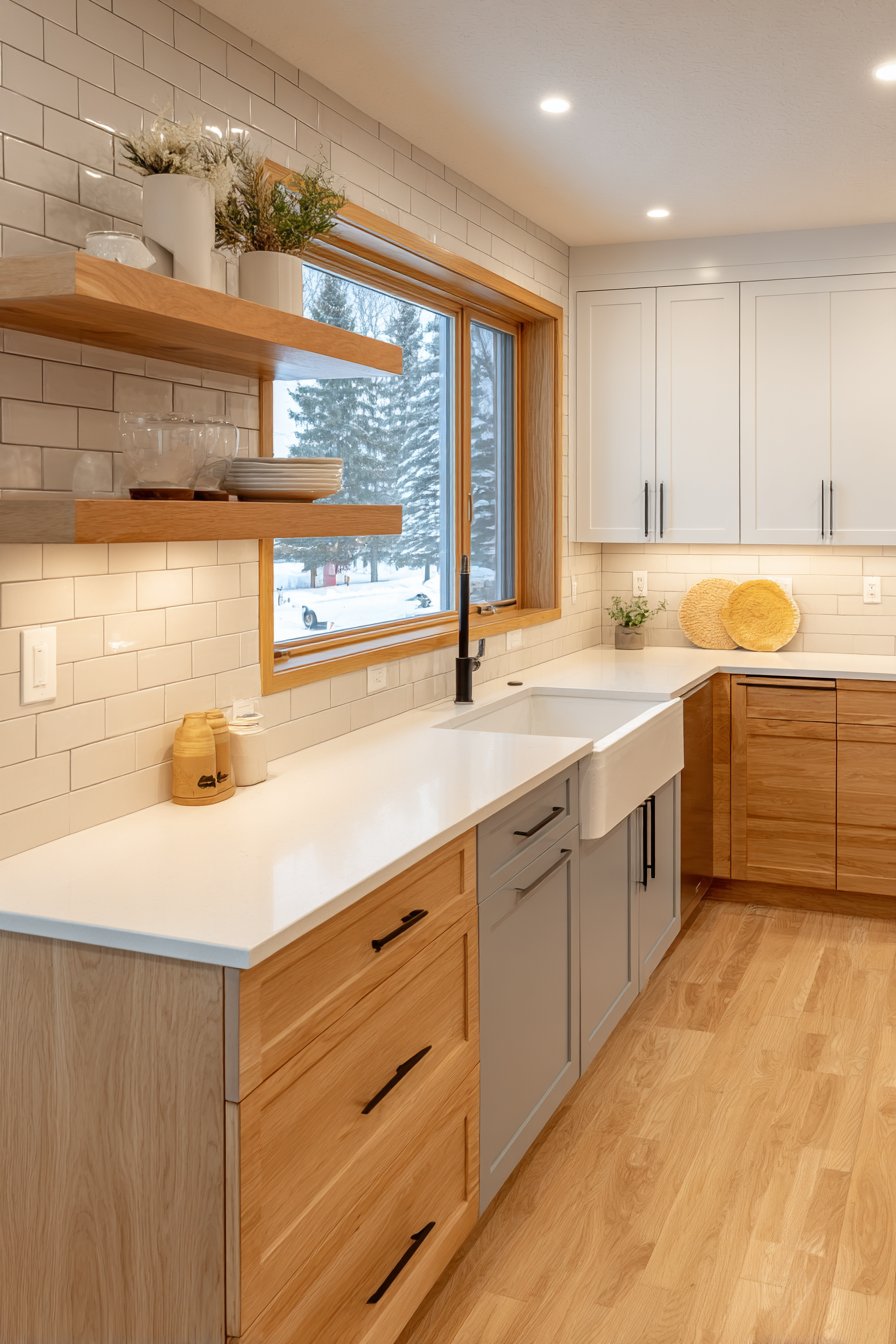
The most successful small kitchens layer multiple warm tones rather than committing to a single shade. This dimensional approach prevents the space from feeling flat while maintaining visual continuity.
- Choose matte or eggshell finishes for walls to soften light reflection
- Use slightly darker warm tones on lower cabinets to ground the space
- Incorporate natural wood tones through open shelving or countertop accents
- Test paint samples in different lighting conditions before committing
- Consider warm-toned backsplash tiles that complement your overall palette
- Avoid stark contrasts that visually fragment small spaces
2. Maximize Natural and Layered Lighting
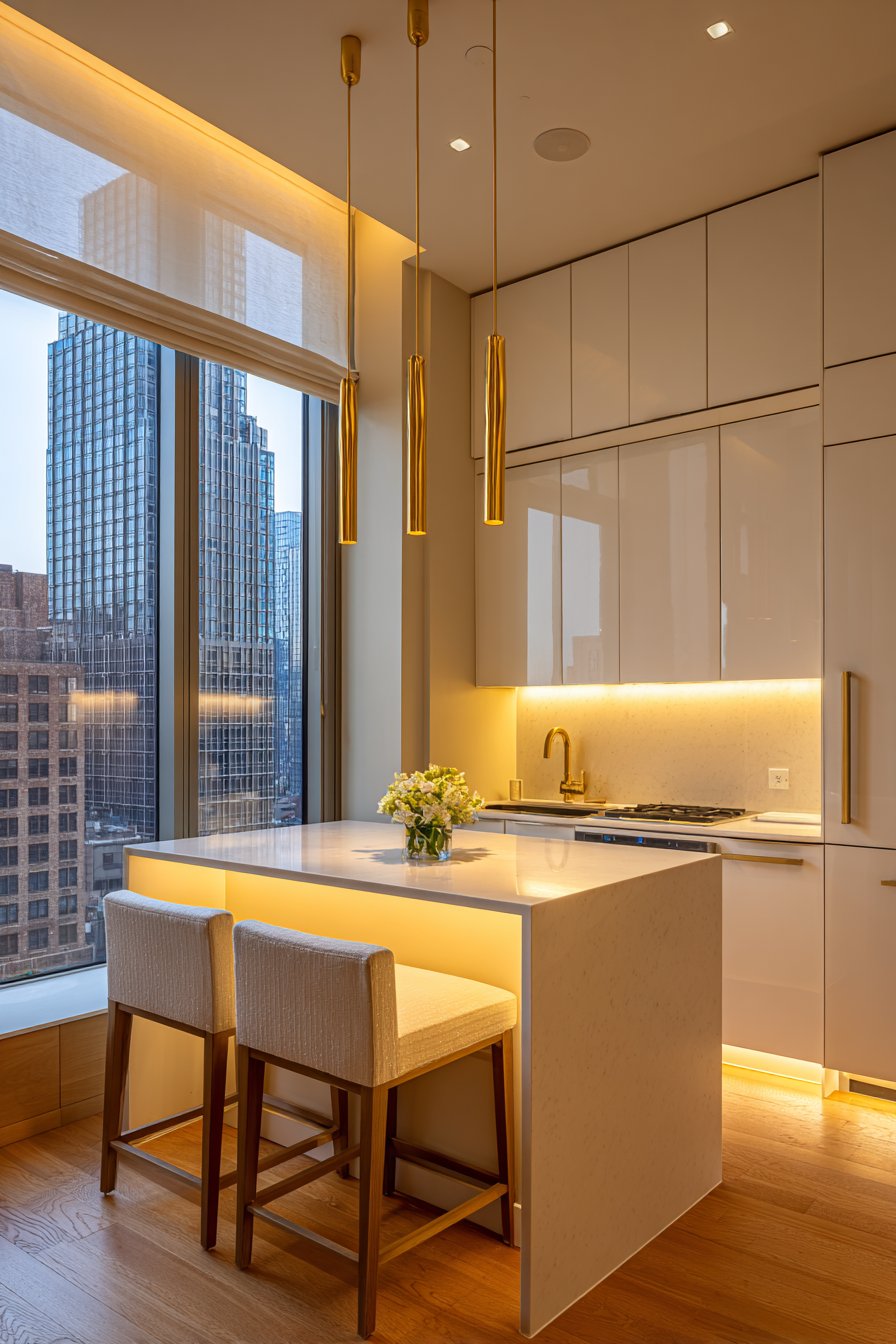
Lighting strategy dramatically impacts how cozy and inviting your small kitchen feels. Natural light should be maximized wherever possible, as it creates an immediate connection to the outdoors and makes spaces feel significantly larger. If you have windows, keep treatments minimal—opt for sheer curtains or simple roller shades that allow maximum daylight penetration.
Layered artificial lighting ensures your kitchen remains inviting after sunset. This means combining ambient, task, and accent lighting to create depth and functionality. Under-cabinet LED strips illuminate work surfaces while adding visual interest, pendant lights over eating areas create intimate focal points, and recessed ceiling fixtures provide general illumination.
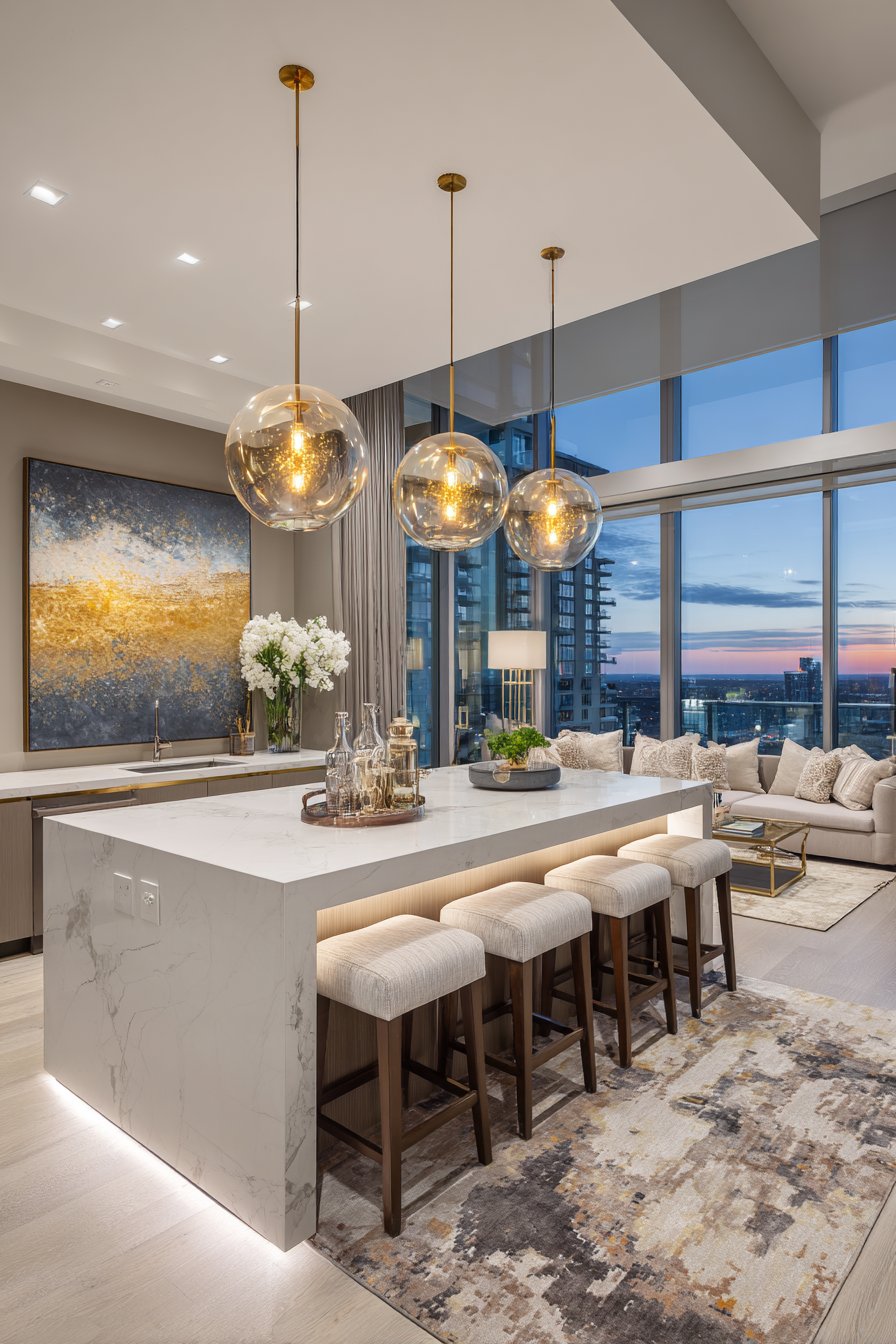
Warm color temperatures (2700-3000K) contribute significantly to cozy atmospheres. Cool, blue-toned lighting can make small kitchens feel sterile and unwelcoming, while warmer tones create the golden glow associated with comfortable gathering spaces.
- Install dimmer switches on all lighting circuits for mood flexibility
- Use under-cabinet lighting to eliminate shadows on countertops
- Choose pendant lights with warm-toned shades for eating areas
- Replace fluorescent bulbs with warm LED alternatives immediately
- Add toe-kick lighting for subtle nighttime navigation
- Consider motion sensors for hands-free convenience when cooking
3. Incorporate Open Shelving Strategically
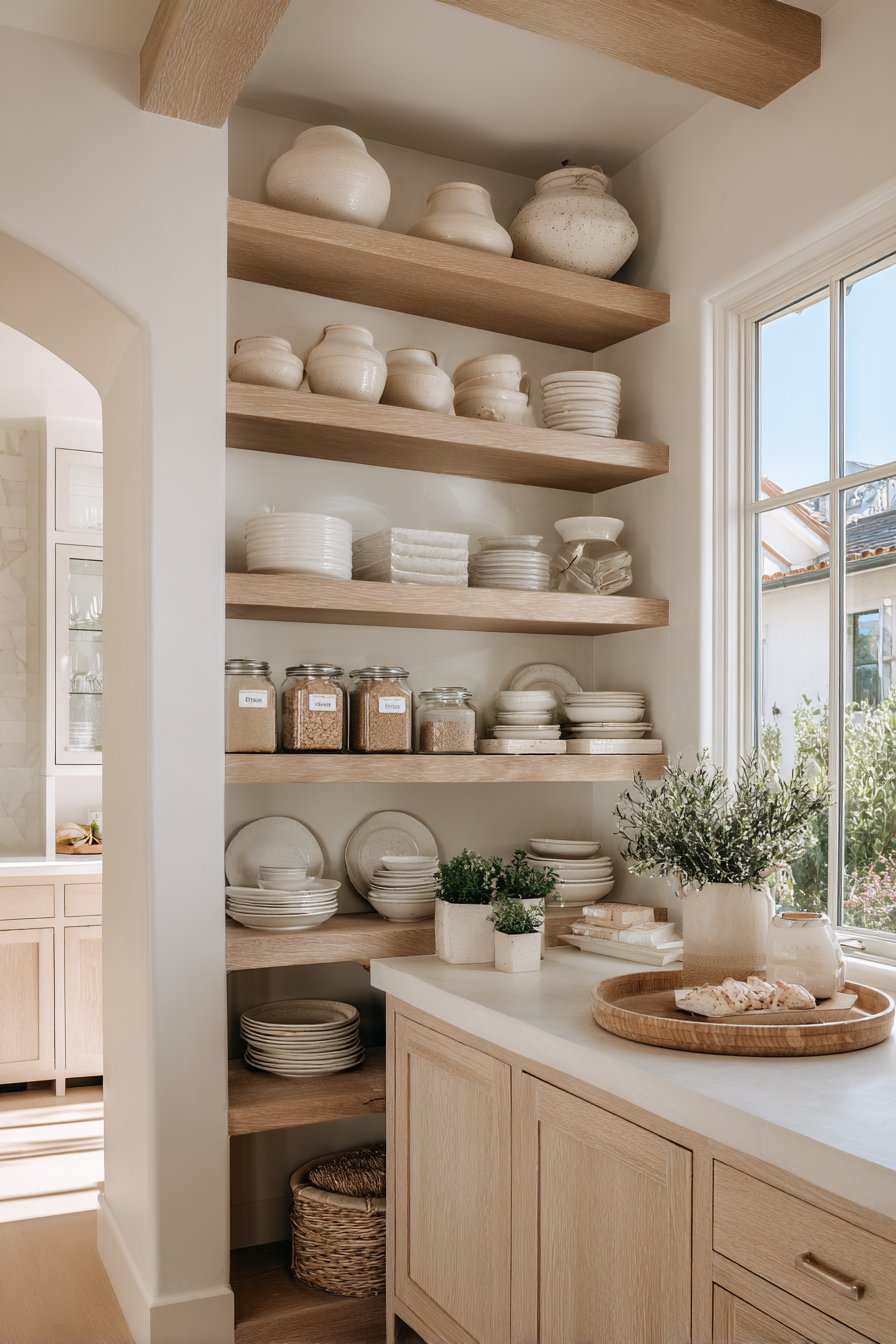
Open shelving transforms small kitchens by eliminating the visual weight of upper cabinets. This design choice creates breathing room and allows walls to recede visually, making your kitchen feel more spacious. When implemented thoughtfully, open shelves display your most attractive dishware, creating both storage and decoration simultaneously.
The key to successful open shelving lies in curated simplicity. Display only items you use regularly and that contribute to your kitchen’s aesthetic. Matching dishes, attractive glassware, and beautifully packaged ingredients become part of your décor rather than hidden necessities.
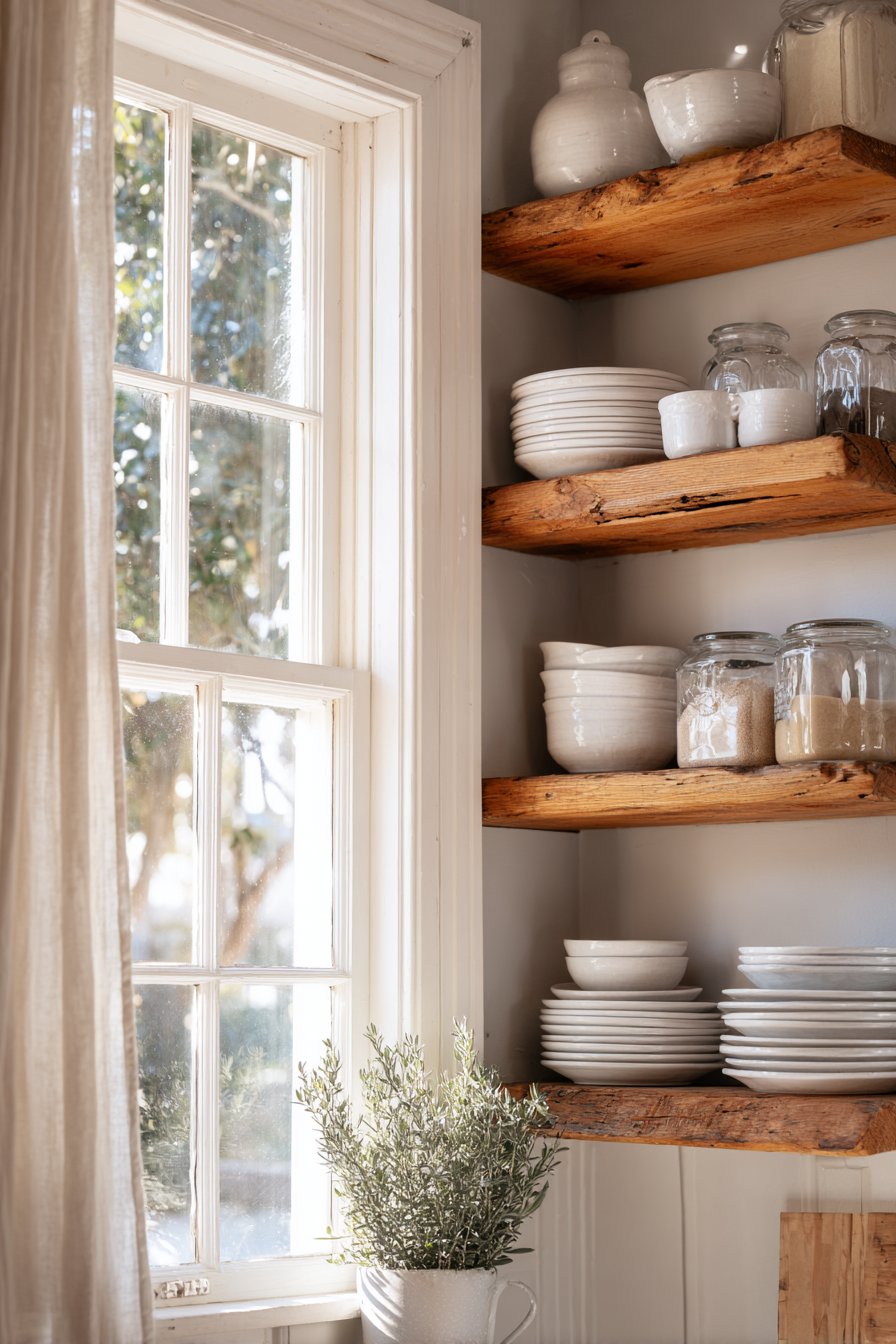
This approach requires more maintenance than closed cabinets, but the visual payoff justifies the effort in small spaces. The transparency prevents the closed-in feeling that wall-to-wall upper cabinets can create in compact kitchens.
- Limit open shelving to one or two walls maximum
- Use matching containers and dishes for visual cohesion
- Incorporate plants or small decorative objects between functional items
- Choose substantial shelving material that feels intentional, not flimsy
- Keep everyday items within easy reach on lower shelves
- Dust weekly to maintain the polished appearance
4. Select Multi-Functional Furniture and Features
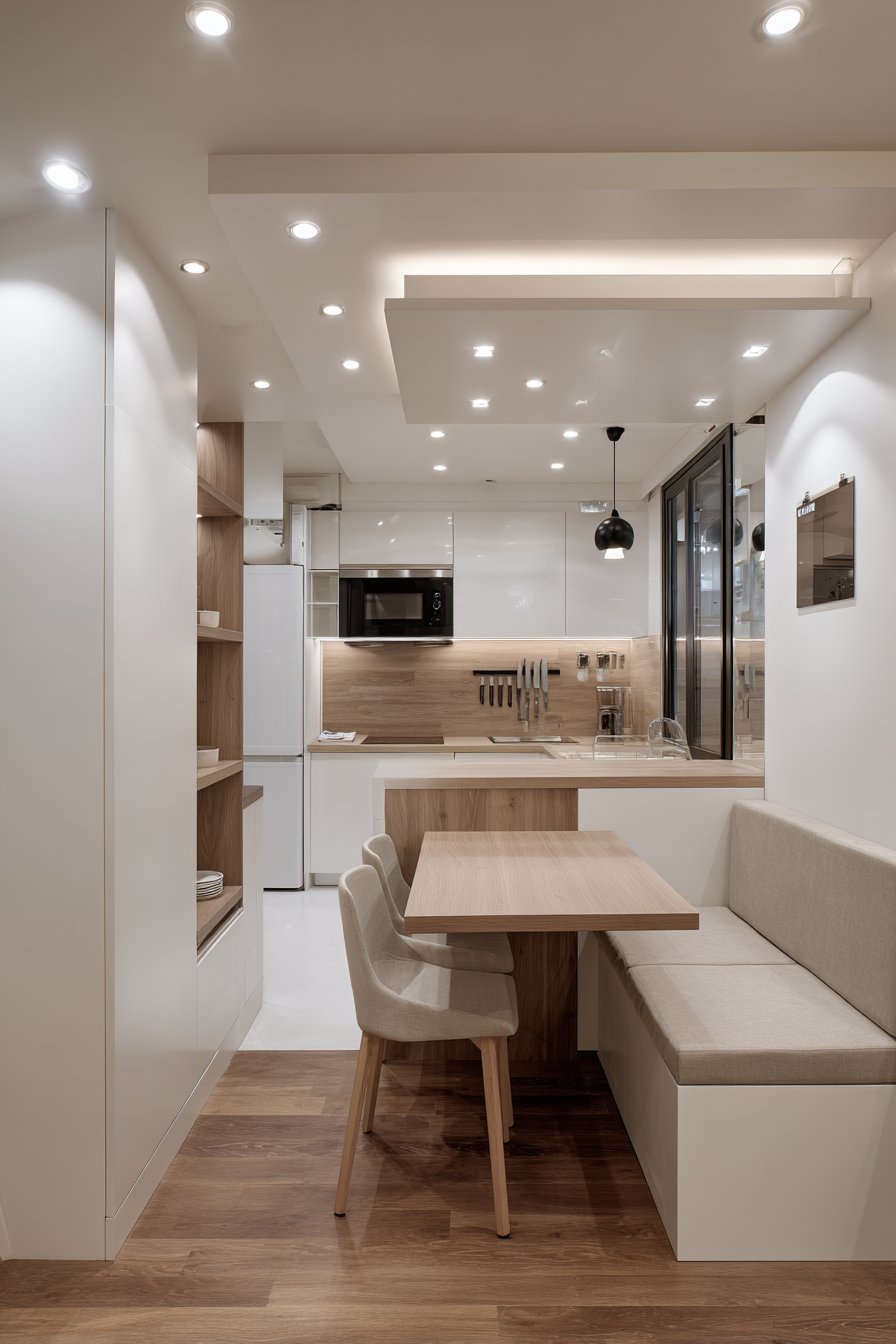
Every piece in a small kitchen must work overtime. Multi-functional furniture and features maximize utility without consuming precious square footage. A rolling kitchen cart serves as prep space, storage, and a mobile serving station. A fold-down table attached to the wall provides dining space when needed and disappears when not in use.
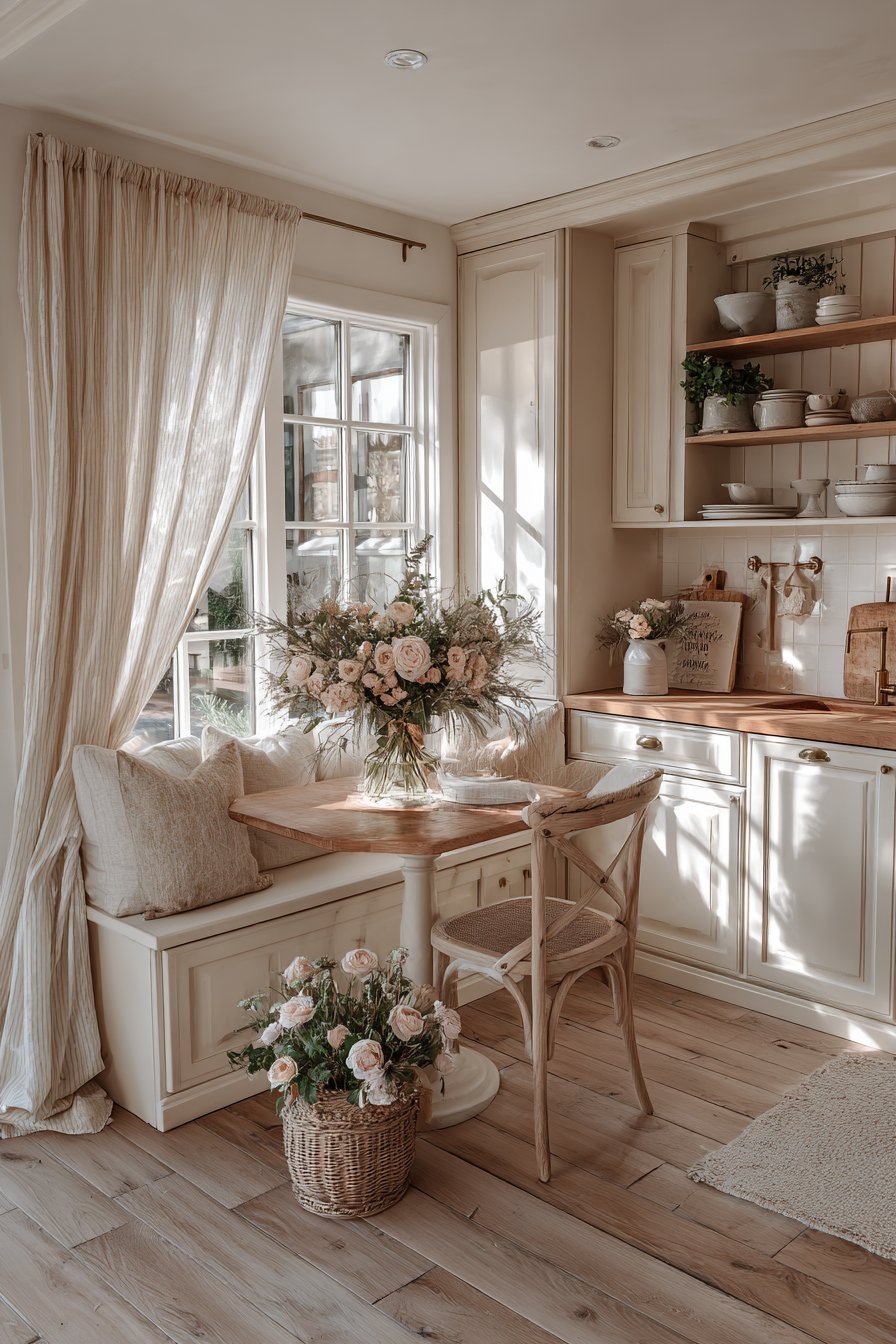
Built-in banquettes with storage underneath create comfortable seating while hiding kitchen essentials. Islands with integrated shelving, towel bars, and electrical outlets become command centers for meal preparation, homework sessions, and casual conversations. These pieces eliminate the need for single-purpose items that would overcrowd your space.
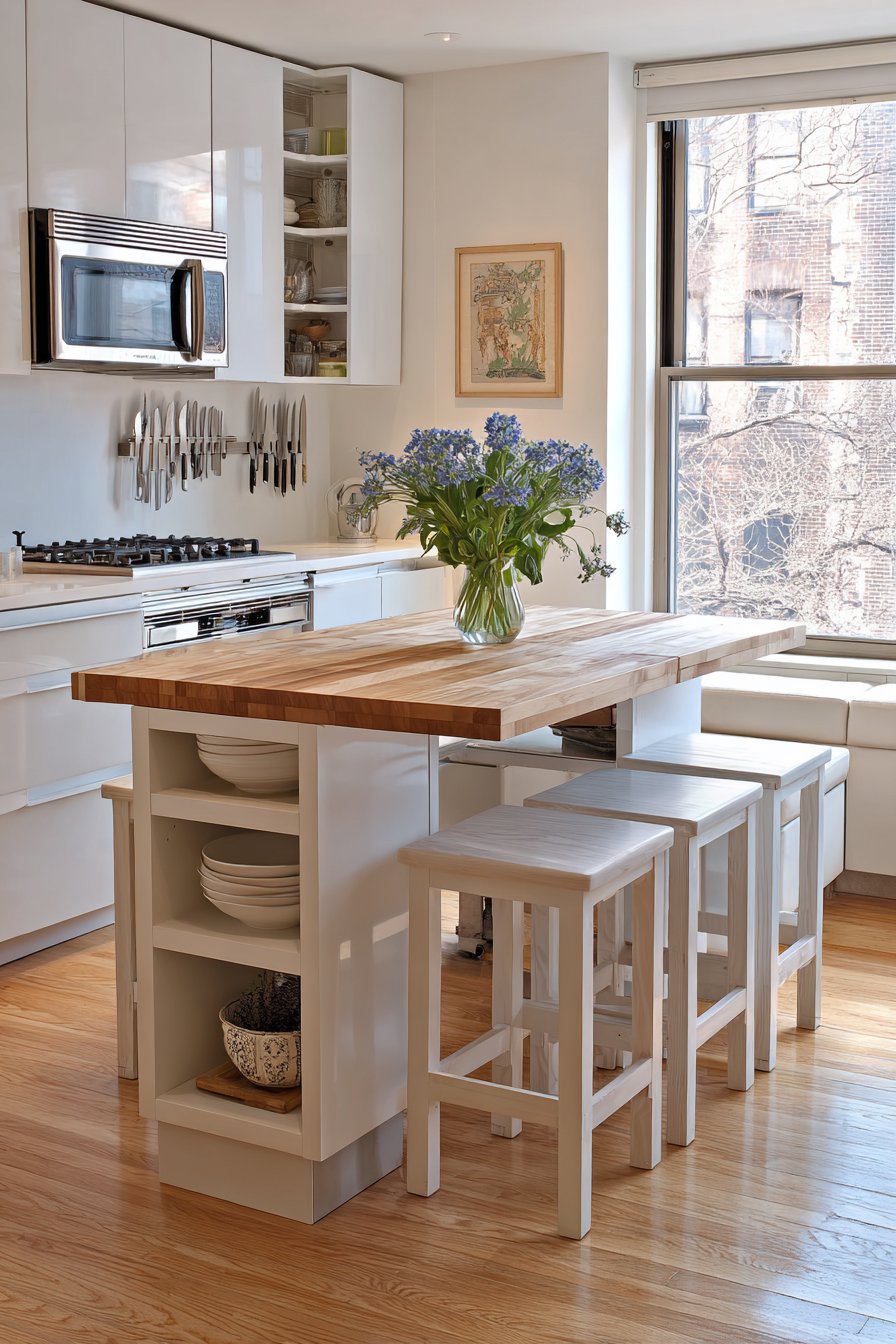
The most effective multi-functional pieces maintain clean aesthetics while offering hidden capabilities. This design philosophy prevents small kitchens from feeling cluttered or overstuffed with gadgets and furniture.
- Choose a kitchen table with built-in storage drawers or shelves
- Install a fold-down or pull-out cutting board for temporary prep space
- Use nesting bowls and stackable containers for efficient storage
- Select bar stools that tuck completely under counters or islands
- Incorporate magnetic knife strips to free up counter and drawer space
- Consider appliances that serve multiple functions like combination microwave-convection ovens
5. Create Visual Flow with Consistent Materials
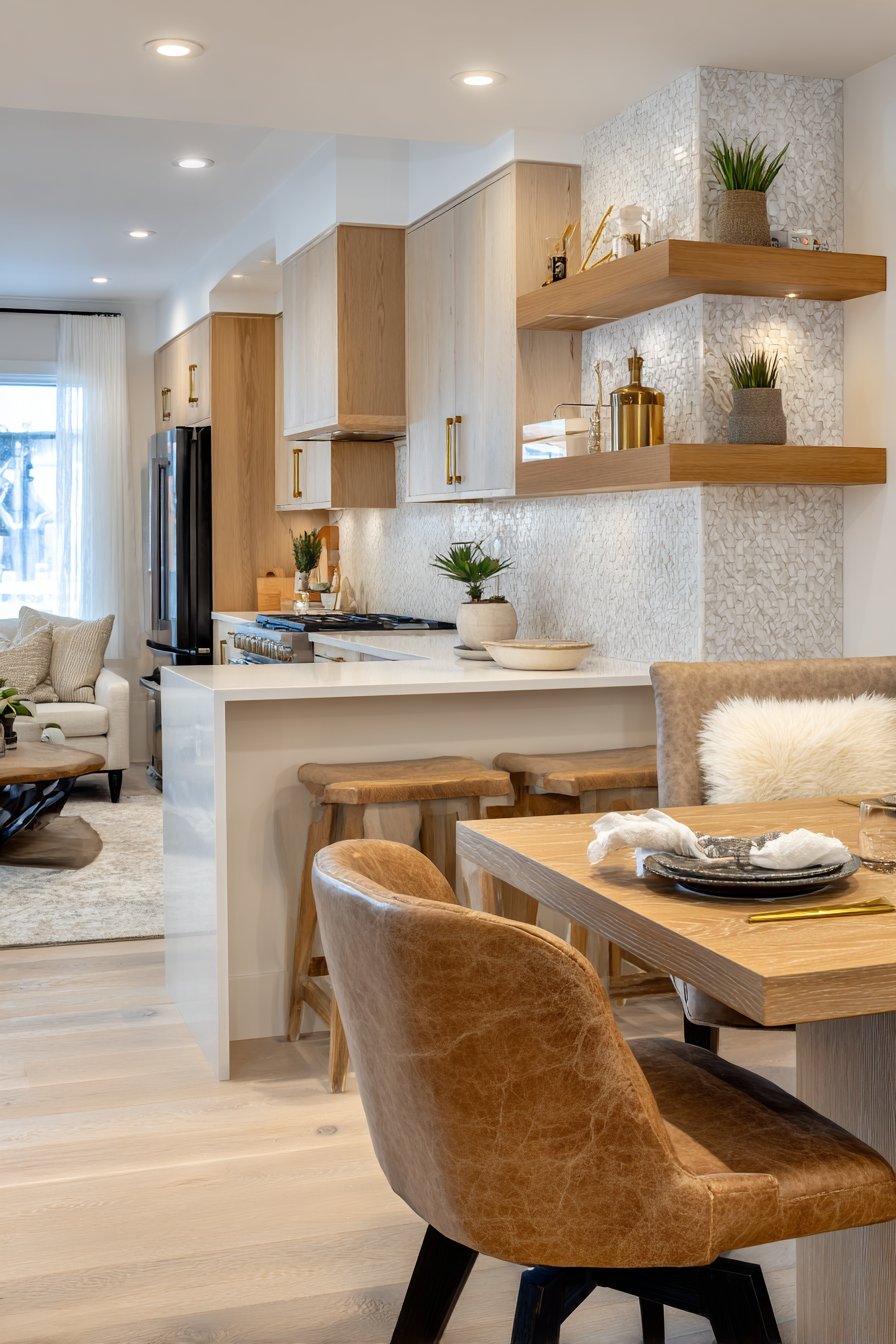
Material consistency throughout your small kitchen creates visual unity that makes the space feel larger and more intentional. When countertops, backsplashes, and flooring relate through color or texture, the eye travels smoothly rather than catching on jarring transitions. This continuity tricks the brain into perceiving more space than physically exists.
Natural materials like wood, stone, and ceramic add warmth and texture without overwhelming small spaces. A butcher block countertop paired with complementary wood-toned flooring creates cohesion. White subway tile backsplashes connect seamlessly with light quartz countertops, forming an unbroken visual field.
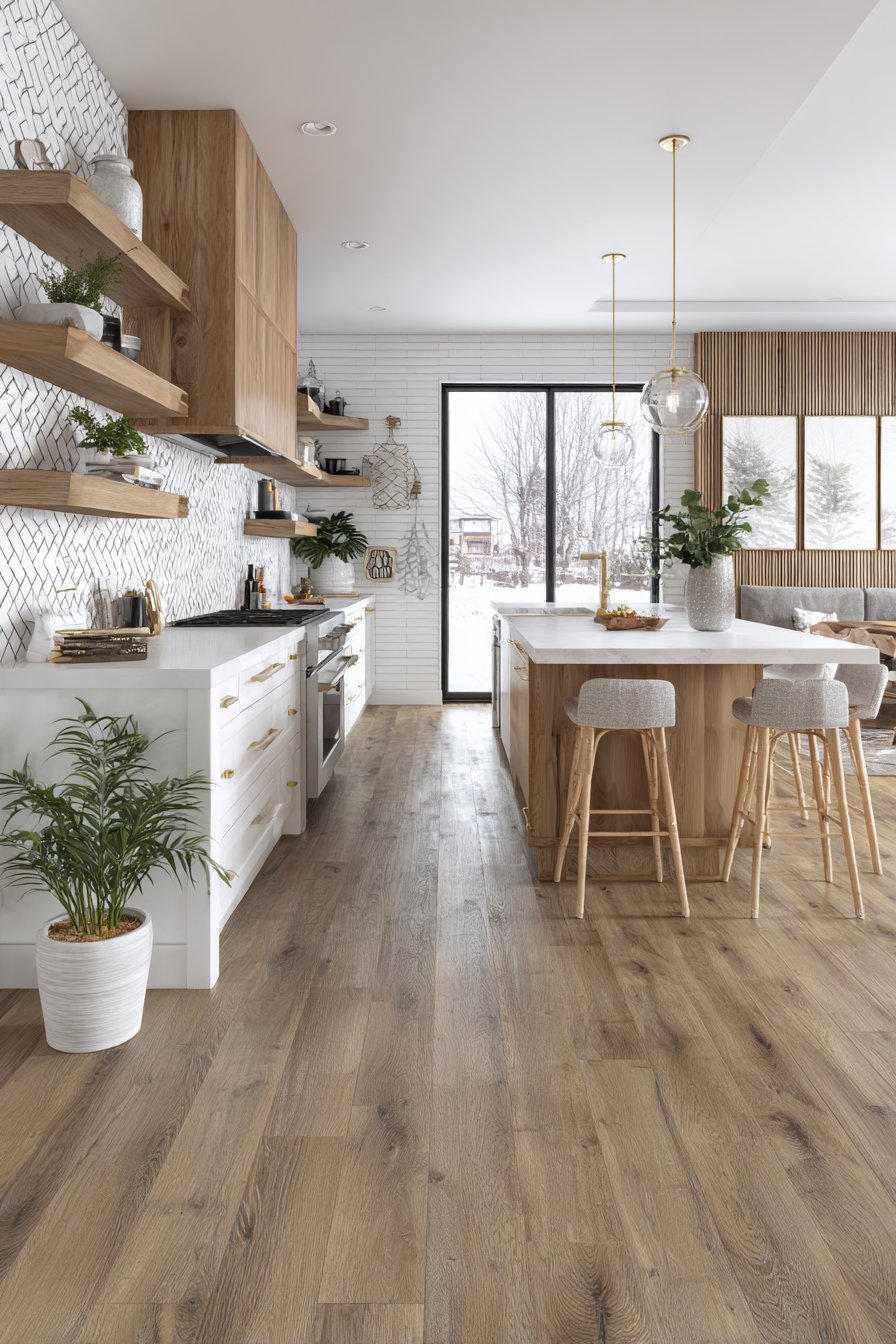
This doesn’t mean everything must match perfectly. Subtle variations within a harmonious palette add interest while maintaining flow. The goal is creating a cohesive story rather than a disjointed collection of unrelated elements.
- Limit material palette to three primary finishes maximum
- Repeat key materials in different areas to create visual rhythm
- Choose grout colors that closely match tile for seamless backsplashes
- Use similar wood tones for flooring, shelving, and furniture
- Select hardware finishes that complement your primary material palette
- Avoid high-contrast borders or decorative tile that visually fragments walls
6. Add Personal Touches and Lived-In Character
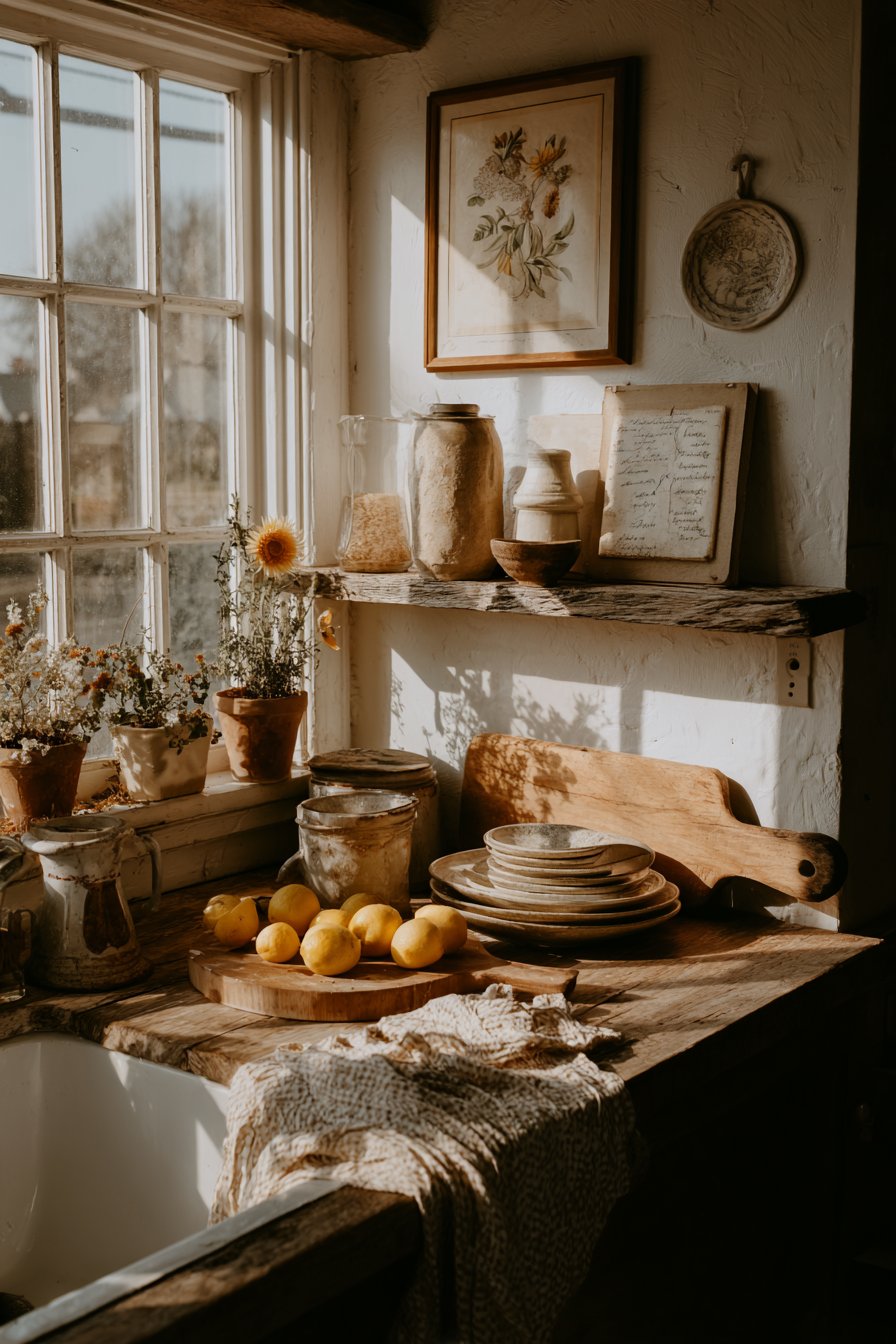
The coziest small kitchens feel authentically lived-in rather than showroom perfect. Personal touches transform functional cooking spaces into inviting gathering spots. A small herb garden on the windowsill adds life and fragrance. Open cookbooks displayed on a stand suggest active cooking rather than sterile perfection. A few carefully chosen decorative objects—vintage canisters, a beloved cutting board, a small piece of artwork—inject personality.
These elements create emotional connection to your space. When kitchens reflect the people who use them, they naturally feel more welcoming. The key is balancing personal expression with visual restraint in small spaces.
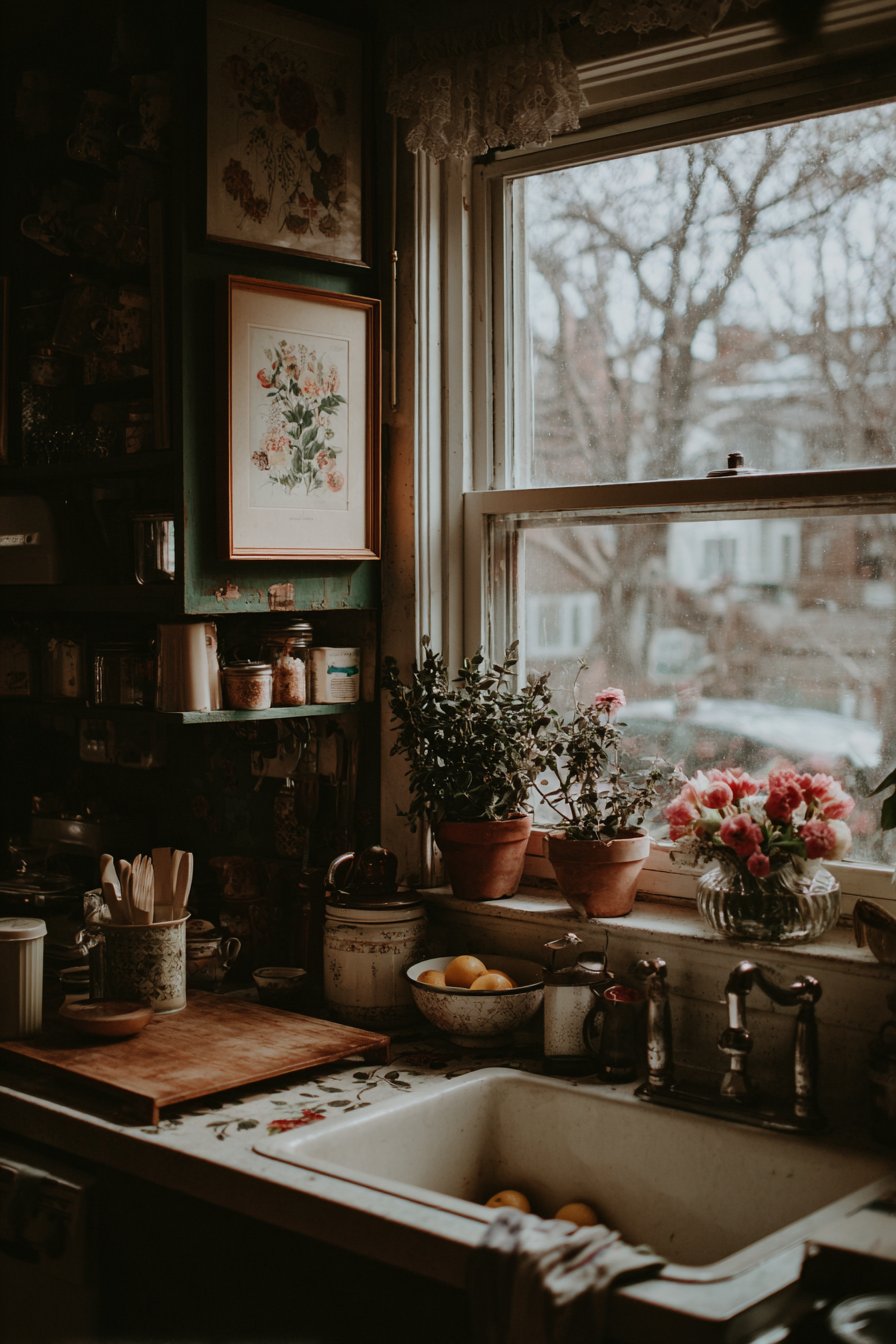
Thoughtful curation prevents clutter while celebrating your unique style. Each personal item should enhance rather than crowd your kitchen’s functionality and aesthetic.
- Display a single piece of artwork or a small gallery wall in eating areas
- Keep fresh herbs, flowers, or fruit visible for natural color and life
- Show one or two meaningful decorative objects rather than many small items
- Use attractive dish towels and aprons as functional décor
- Incorporate family recipes in simple frames for personal history
- Rotate seasonal decorative elements to keep your kitchen feeling fresh
Conclusion
Creating a cozy, inviting small kitchen centers on strategic design choices that maximize space while nurturing warmth. By embracing light color palettes, optimizing lighting, incorporating smart storage solutions, and selecting multi-functional pieces, you transform compact cooking spaces into the welcoming heart of your home. Visual flow through consistent materials and personal touches completes the transformation from merely functional to genuinely inviting.
Remember that small kitchens excel when every element serves both practical and aesthetic purposes. Start with one or two strategies from this guide and gradually implement others as your space evolves. The most successful small kitchens develop over time through thoughtful additions rather than rushed complete overhauls. Your compact kitchen can become the cozy, inviting gathering space you’ve always wanted—it simply requires intentional design and a focus on what truly matters to you and your family.
"As an Amazon Associate, I earn from qualifying purchases."
