

Selecting the right furniture for your bedroom is more than just filling empty space. It’s about creating a personal sanctuary that reflects your style while serving your daily needs. The bedroom is where you begin and end each day, making it essential to choose pieces that promote relaxation, functionality, and visual harmony.
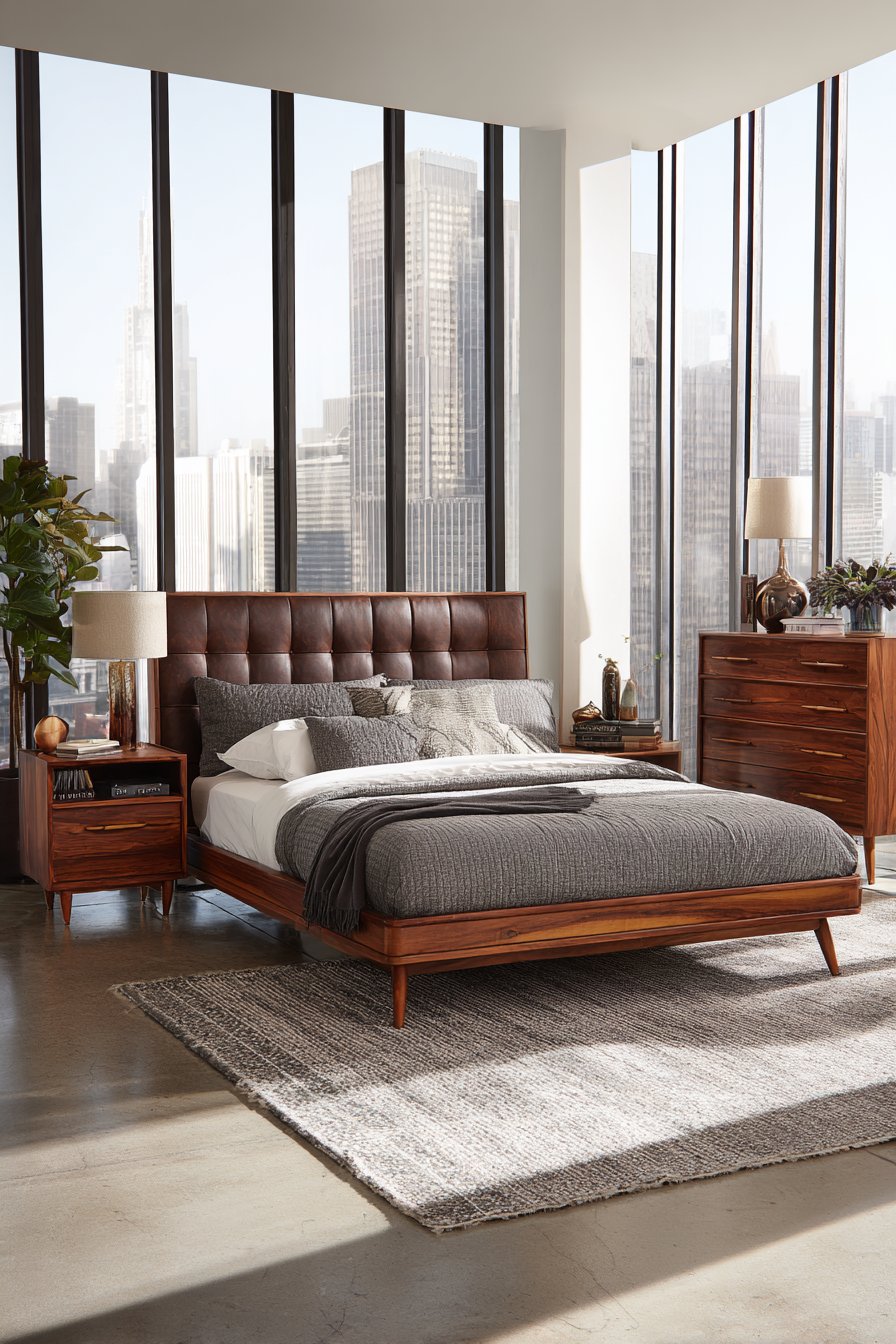
Many homeowners struggle with bedroom furniture decisions, often purchasing items that look beautiful in showrooms but fail to work in real spaces. Poor furniture choices can make rooms feel cramped, cluttered, or uncomfortable. Understanding key selection principles helps you avoid costly mistakes and create a bedroom that truly serves your lifestyle. These seven essential tips will guide you through the furniture selection process, ensuring every piece earns its place in your most intimate living space.
1. Measure Your Space Before Shopping
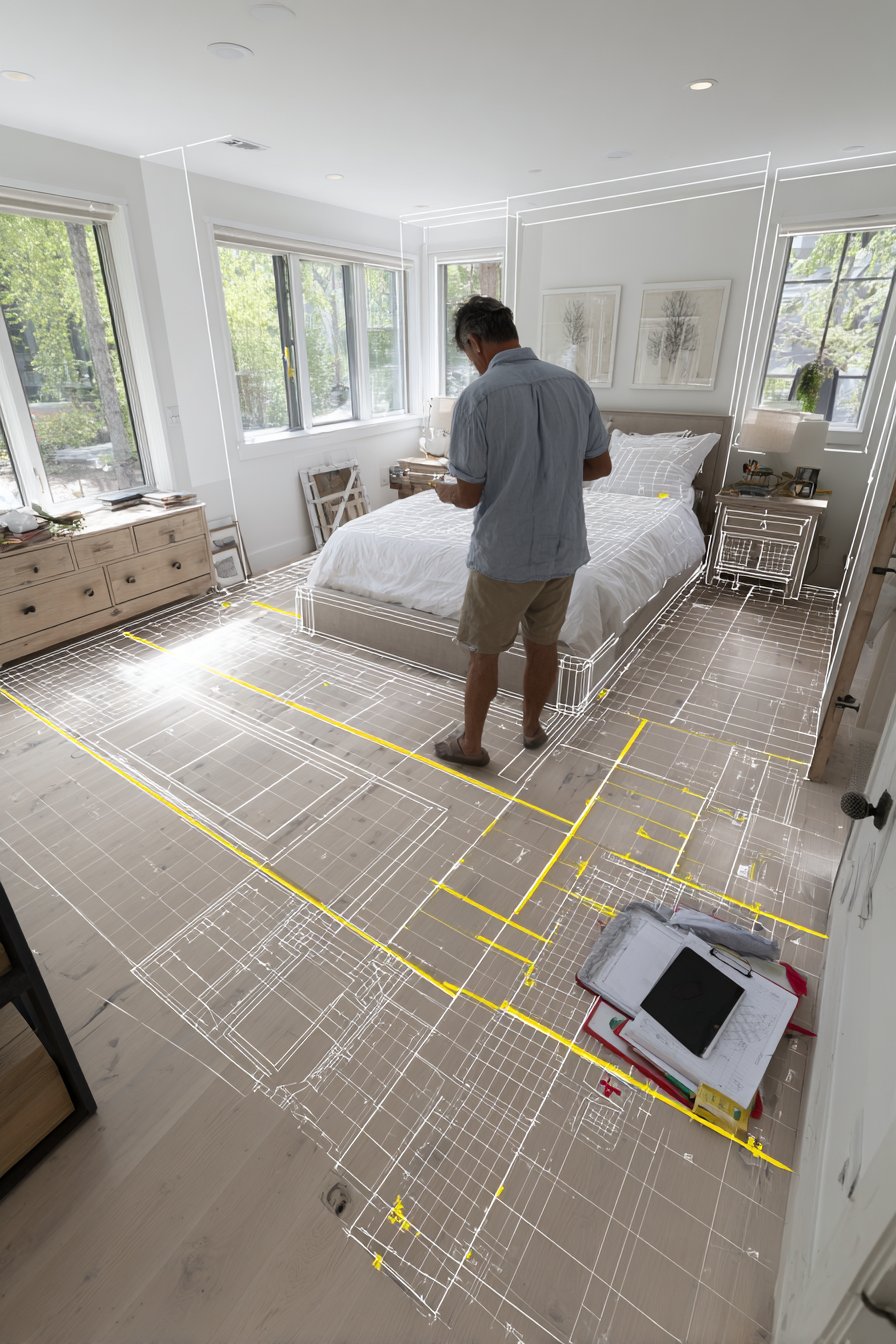
The most common furniture mistake is buying pieces that don’t fit. Before you fall in love with that king-sized bed or oversized dresser, you need accurate room measurements. Understanding your spatial limitations prevents costly returns and ensures proper traffic flow. Smart shoppers bring detailed measurements and room sketches to furniture stores.

Consider more than just floor space when measuring. Ceiling height, door widths, and window placement all affect furniture selection. A tall armoire might look perfect online but could overwhelm a room with low ceilings. Measure doorways and hallways to ensure delivery is possible. Map out where each piece will sit, leaving adequate space for drawers and doors to open fully.

Create a simple floor plan using graph paper or free online tools. This visual representation helps you see how furniture relates to existing elements like outlets and light switches. Account for at least 30 inches of walking space around the bed and between furniture pieces for comfortable movement.

- Measure room dimensions including ceiling height and architectural features
- Record doorway and hallway widths for delivery planning
- Map electrical outlets and light switches on your floor plan
- Allow 24-30 inches for comfortable walkways between furniture
- Consider future needs and potential room rearrangements
- Take photos of your space from multiple angles for reference while shopping
2. Prioritize Your Bed as the Foundation
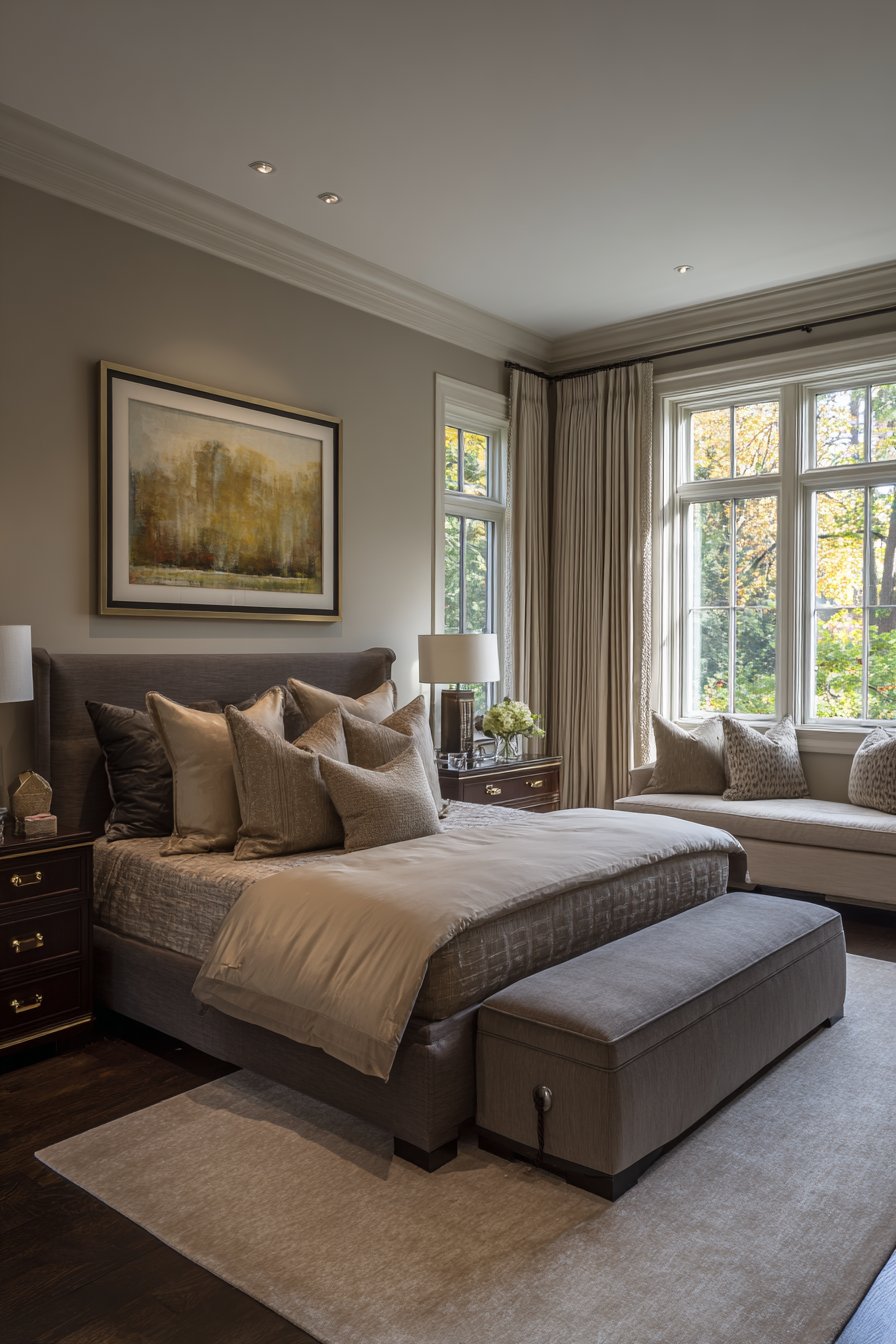
Your bed is the bedroom’s focal point and largest furniture investment. It sets the tone for the entire room’s design and directly impacts your sleep quality. Select your bed first, then choose complementary pieces. The right bed size depends on room dimensions, number of sleepers, and personal comfort preferences.
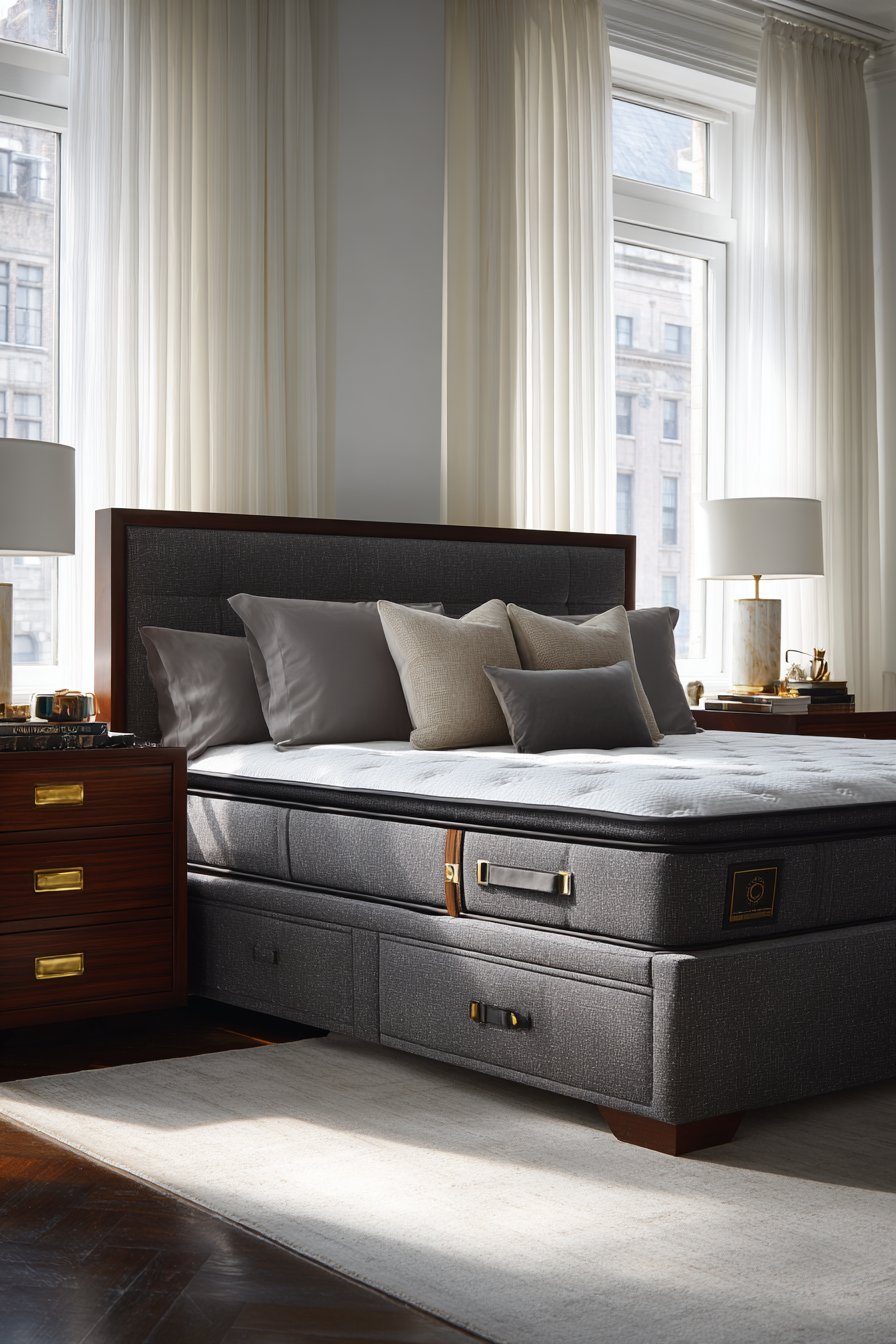
Don’t automatically default to the largest bed size your room can accommodate. A queen-sized bed often provides better room balance than cramping a king bed into a small space. Consider bed height as well—platform beds create modern minimalism while traditional frames with box springs offer classic elegance. Storage beds maximize functionality in compact bedrooms.
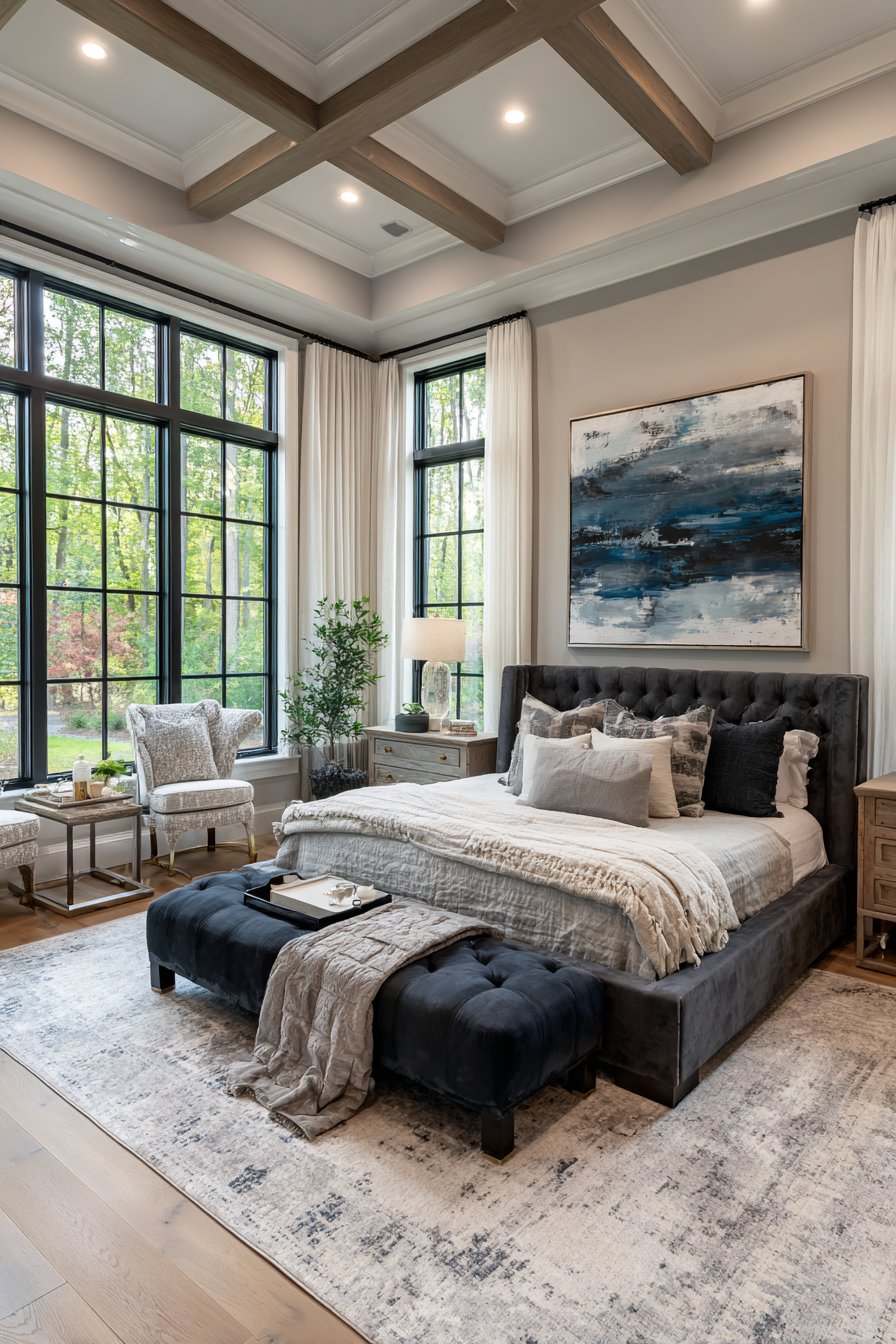
The bed frame style influences your entire furniture selection strategy. Choose materials and finishes that you’ll want to coordinate with throughout the room. Quality mattresses matter more than elaborate frames, so allocate your budget accordingly.
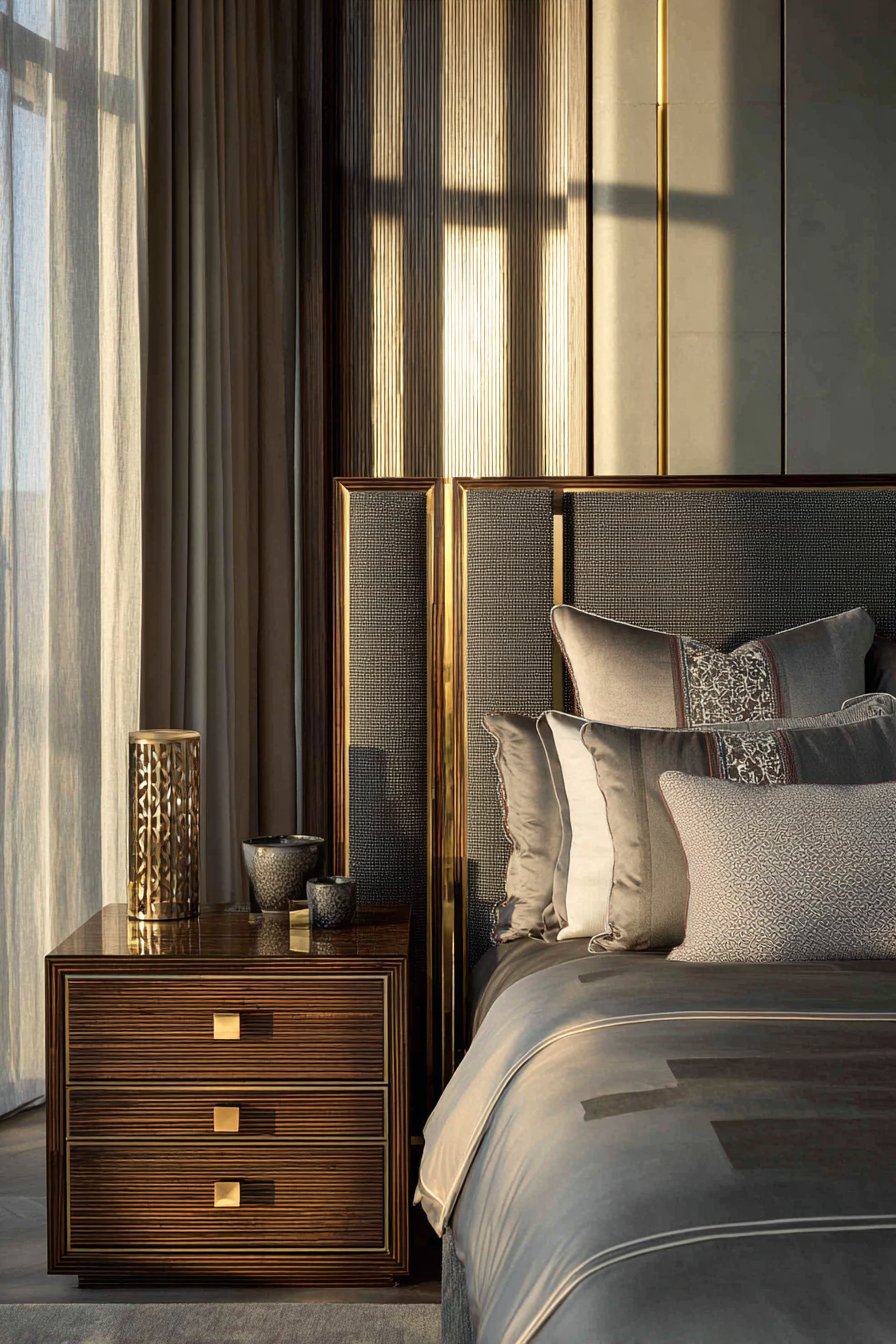
- Choose bed size based on room proportions, not just floor space
- Test mattress comfort in person before purchasing
- Consider storage beds for maximizing space efficiency
- Match bed height to your physical needs and design preferences
- Select durable frame materials that withstand daily use
- Coordinate bed style with your overall design vision
3. Select Multi-Functional Storage Solutions
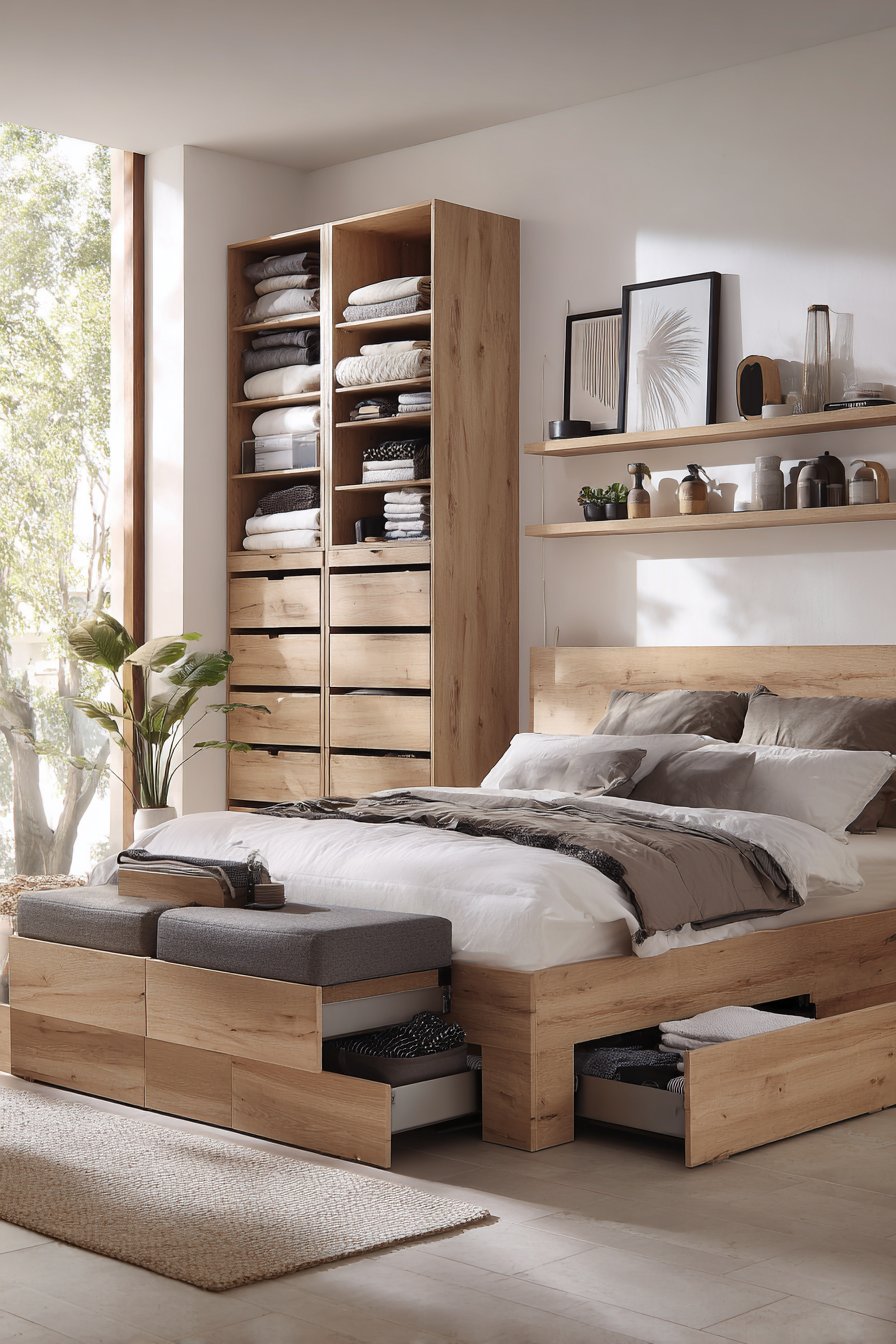
Storage furniture transforms bedrooms from cluttered to calm. Multi-functional pieces serve double duty, especially valuable in smaller spaces. Look for nightstands with drawers, ottomans with hidden storage, or beds with built-in compartments. Smart storage selection reduces the need for additional furniture pieces.
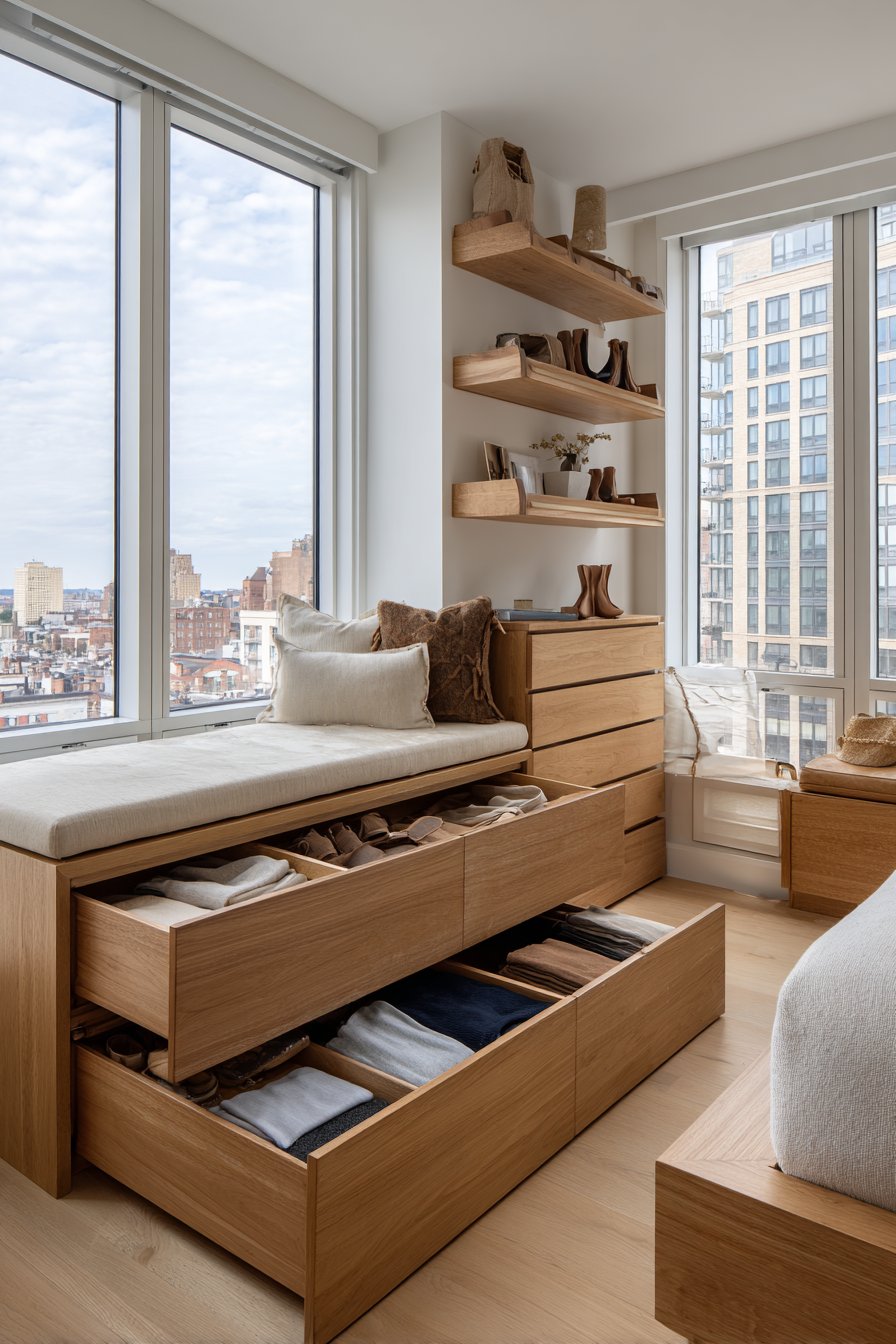
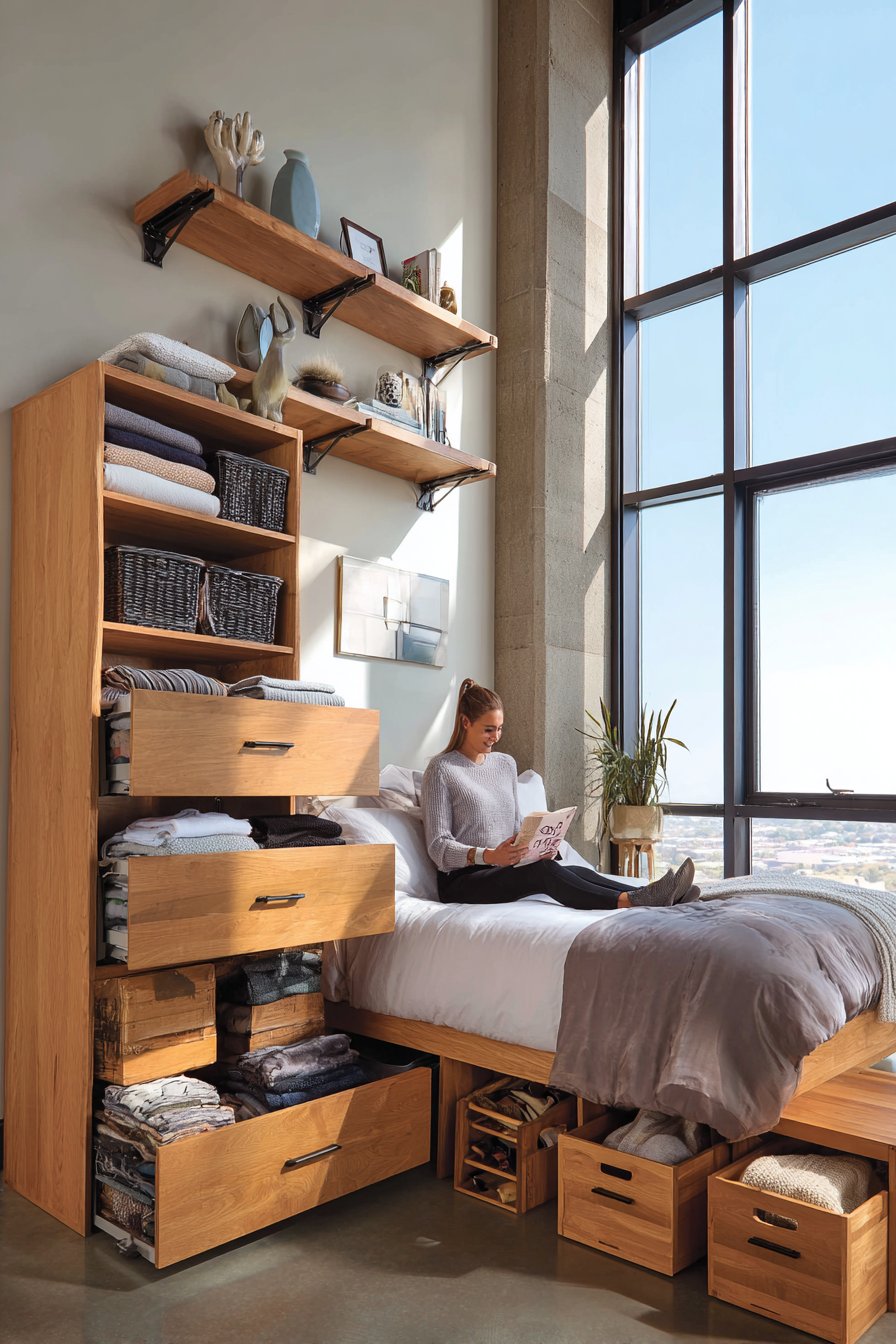
Dressers and wardrobes should match your actual storage needs. Count your clothing items and consider seasonal rotation requirements. Vertical storage maximizes space better than wide, low pieces in compact rooms. Choose furniture with varied drawer depths to accommodate different items from jewelry to sweaters.
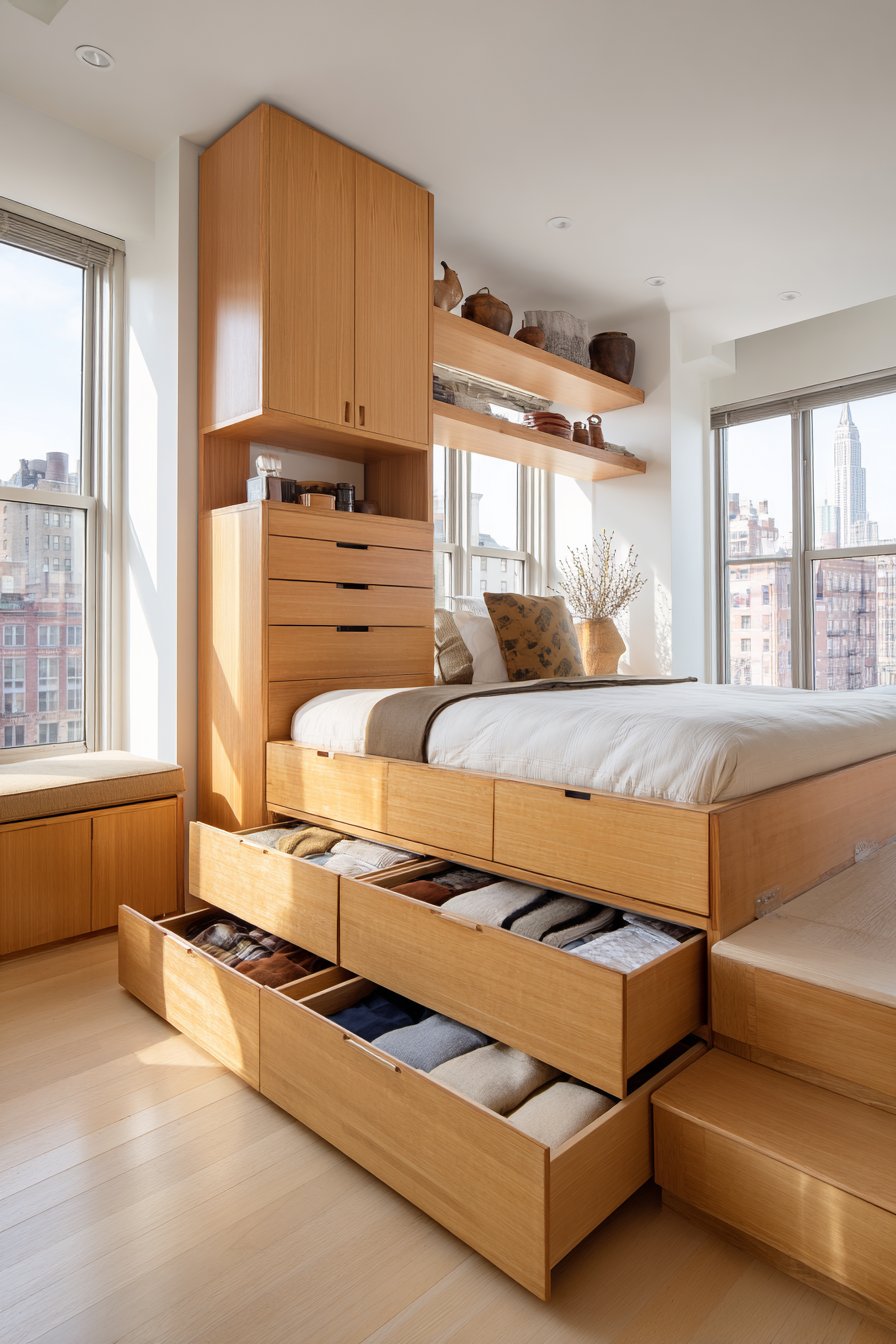
Don’t overlook unconventional storage options like benches with lift-up seats or wall-mounted shelving systems. These solutions keep floors clear while providing essential organization. Quality drawer construction with dovetail joints and smooth glides ensures long-term functionality.
- Assess your actual storage needs before shopping
- Choose tall dressers over long ones in small spaces
- Look for furniture with hidden compartments and dual purposes
- Test drawer quality and gliding mechanisms in person
- Consider open shelving for decorative storage opportunities
- Match storage furniture scale to room size for visual balance
4. Coordinate Styles Without Perfect Matching
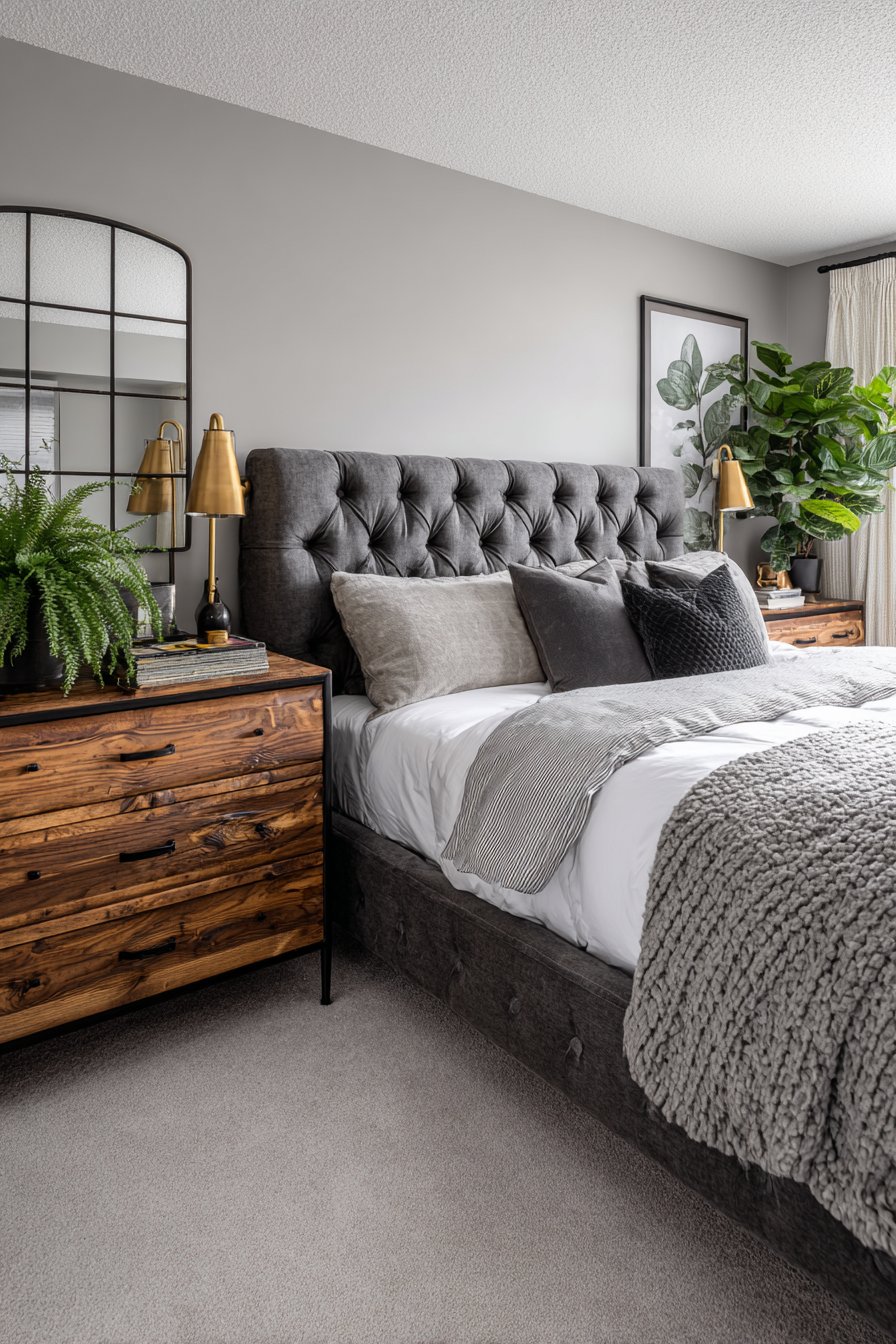
Gone are the days when bedroom sets ruled design. Mixing furniture styles creates more interesting, personalized spaces. However, coordination requires strategy to avoid chaotic results. Choose one or two unifying elements like wood tone, metal finish, or design era to tie different pieces together.
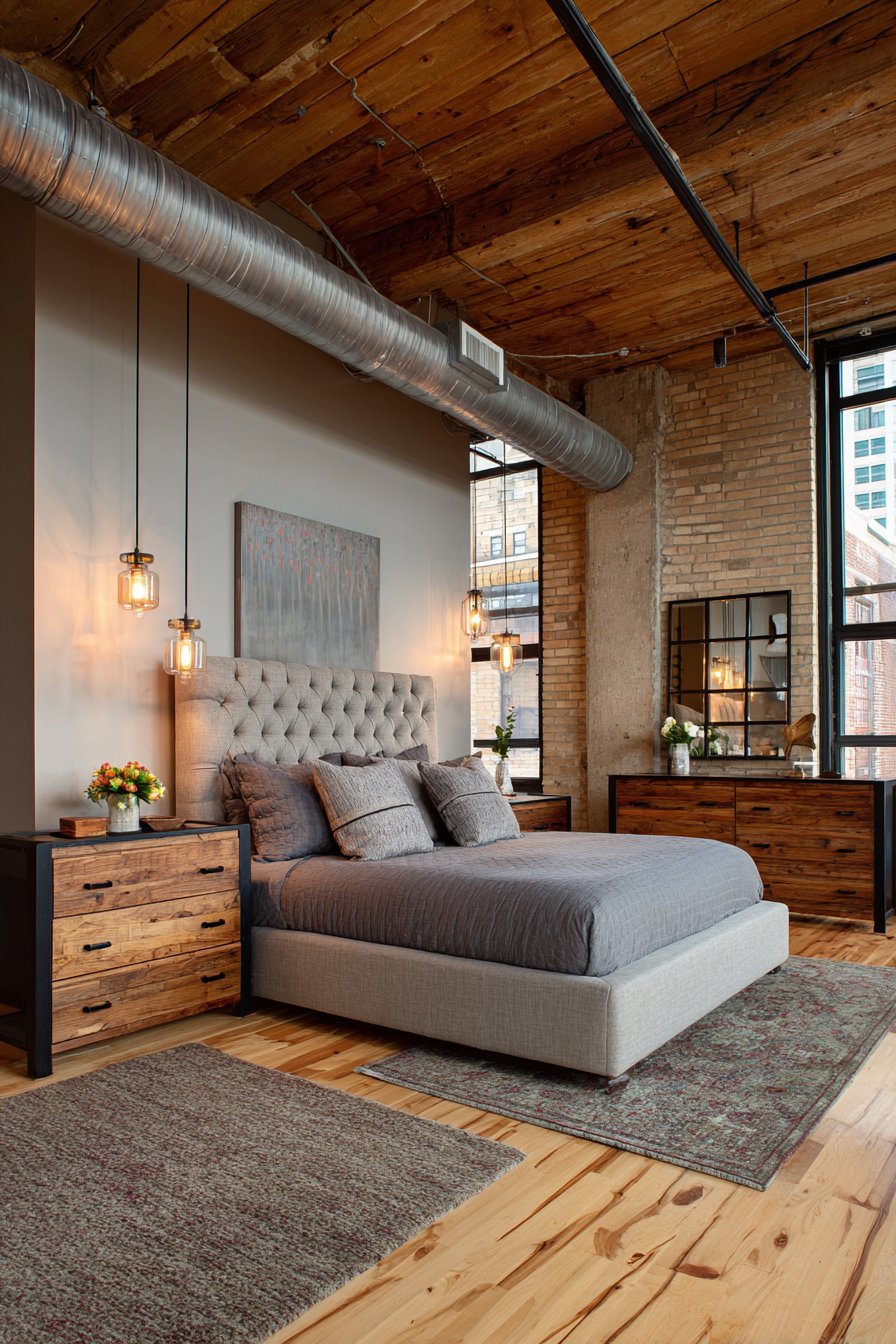
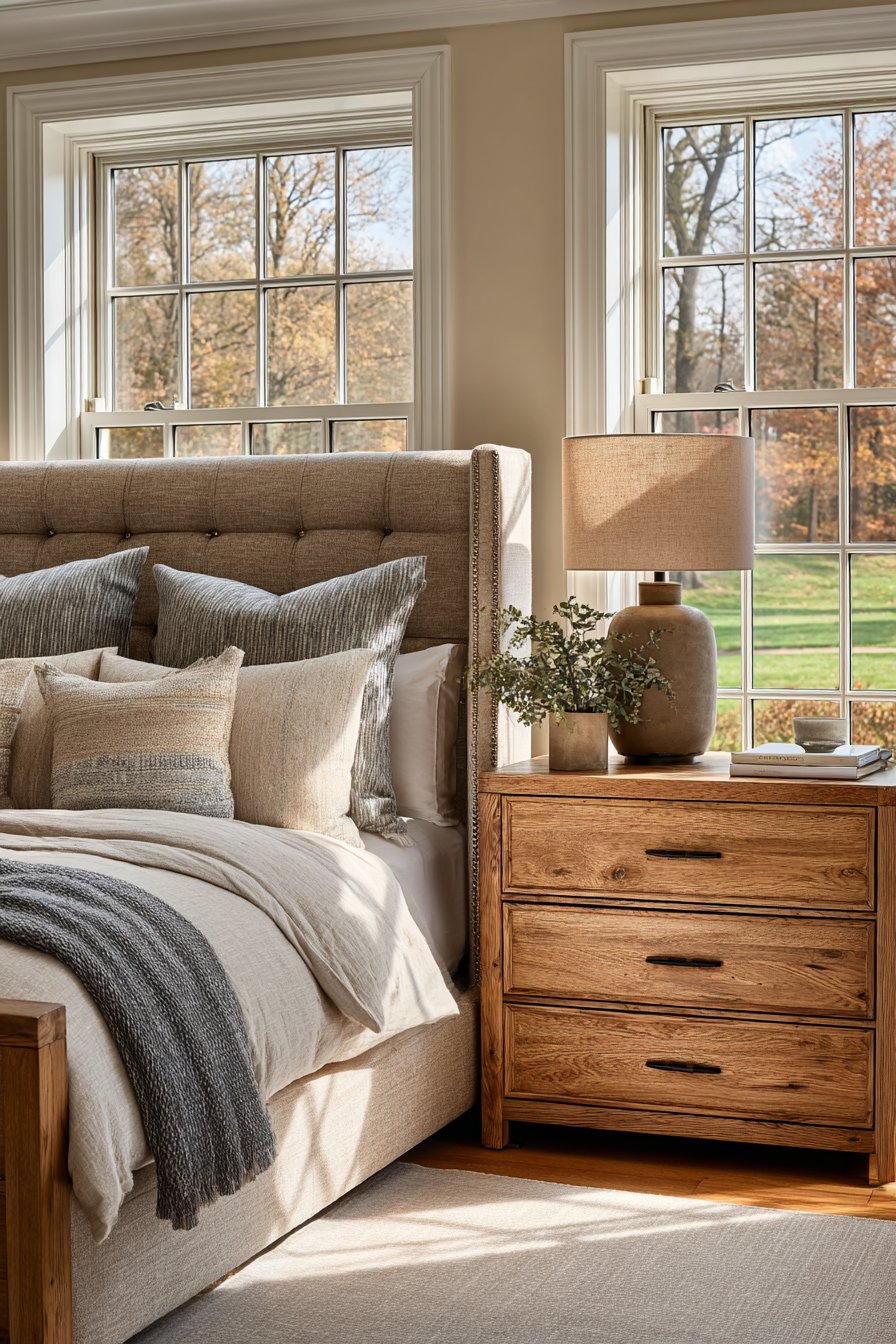
Your furniture doesn’t need identical finishes to work together. A cohesive color palette matters more than matching grain patterns. Mix modern nightstands with a traditional bed or pair industrial metal frames with rustic wood dressers. The key is maintaining consistent visual weight and scale across pieces.
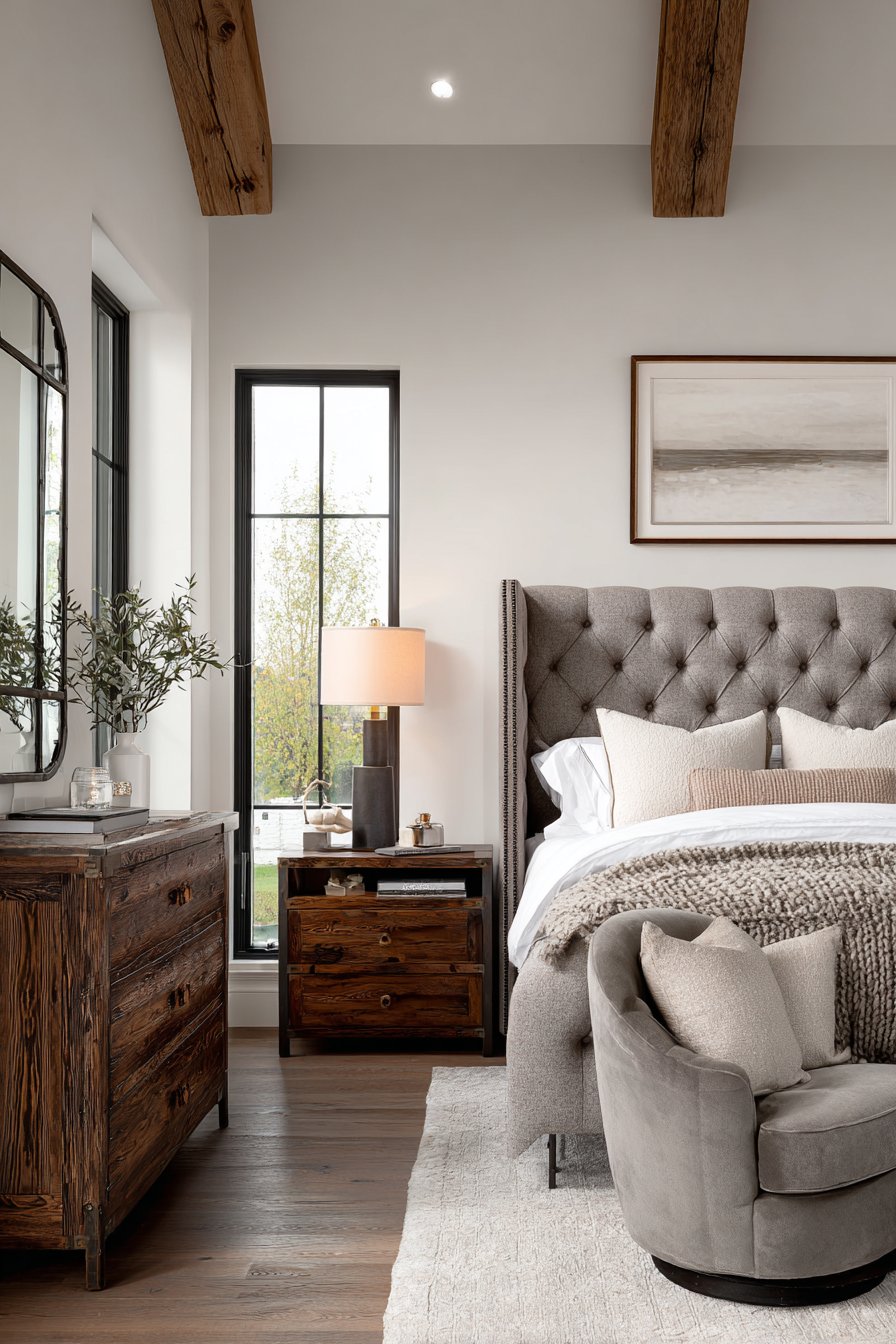
Consider the room’s architectural style when coordinating furniture. Contemporary spaces benefit from clean-lined pieces, while traditional rooms accommodate ornate details. Intentional mixing looks curated, while random pieces appear haphazard. Choose three primary materials maximum to maintain cohesion.
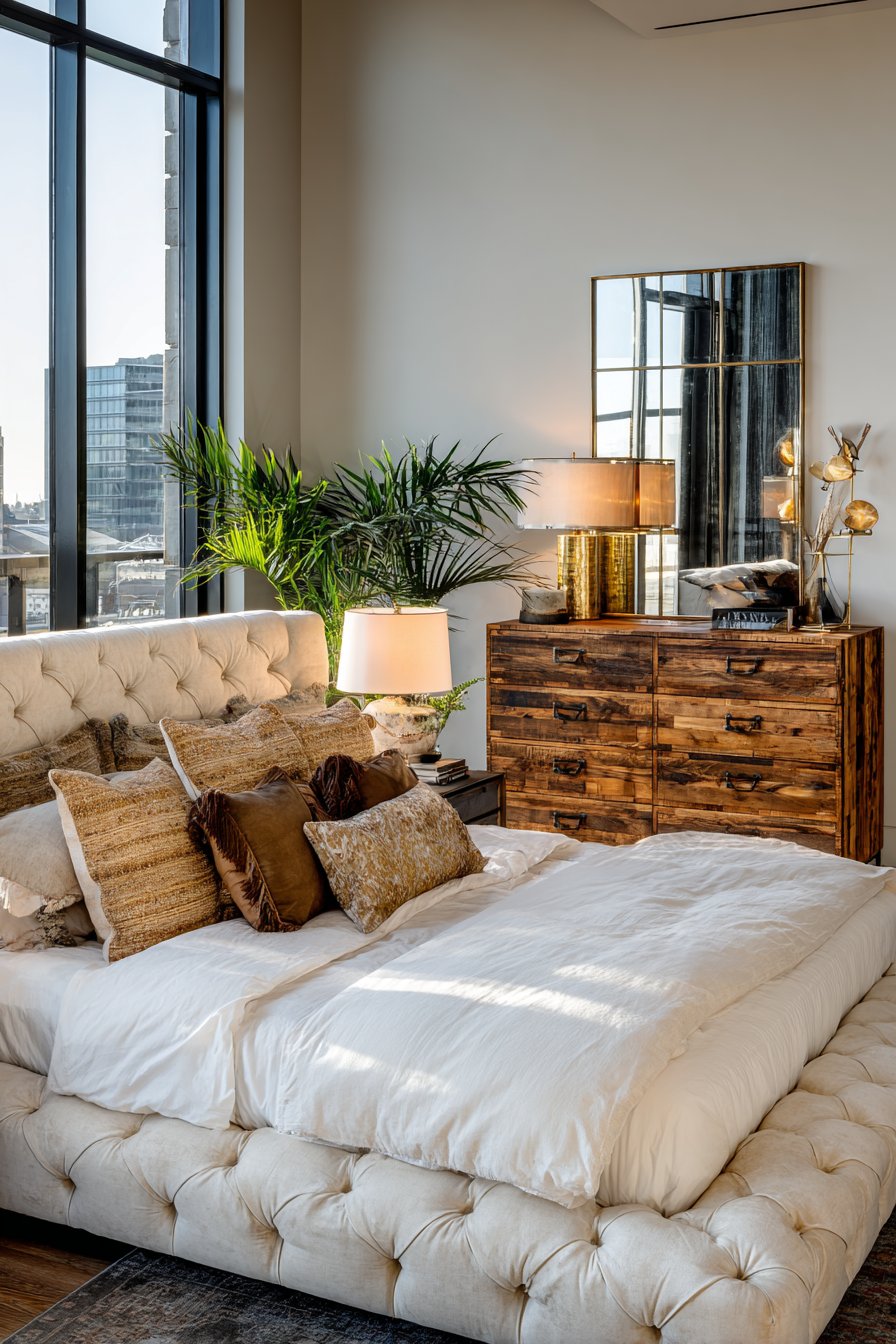
- Select a unifying element like finish color or hardware style
- Mix no more than three wood tones in one space
- Balance ornate pieces with simpler complementary furniture
- Consider scale consistency even when mixing styles
- Use matching hardware to tie different furniture pieces together
- Let one statement piece shine while others support
5. Consider Traffic Flow and Functionality
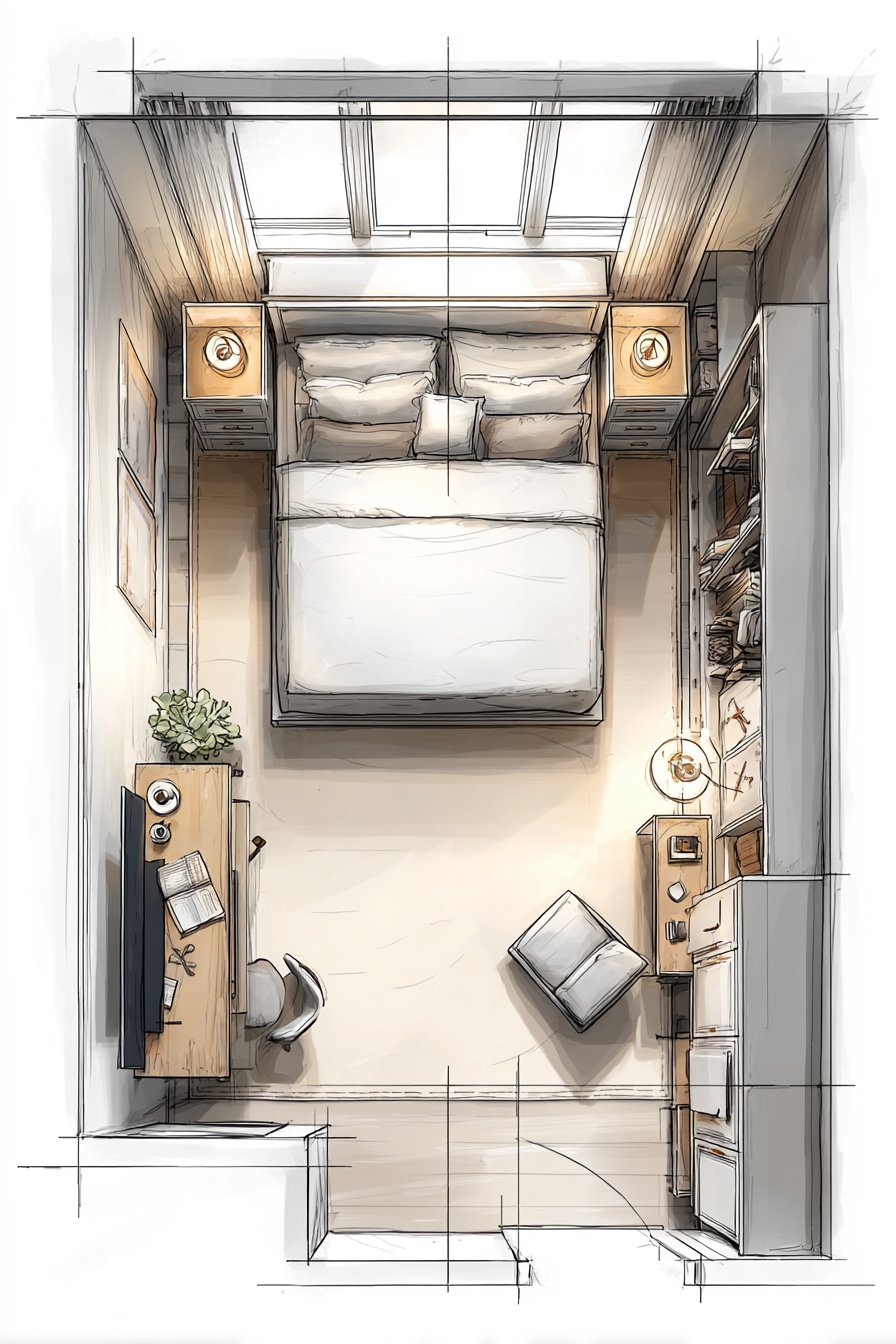
Beautiful furniture fails if it blocks daily movement or creates awkward room layouts. Plan furniture placement around how you actually use the space. Consider morning routines, dressing areas, and nighttime habits when positioning pieces. The most attractive arrangement means nothing if you constantly bump into furniture.
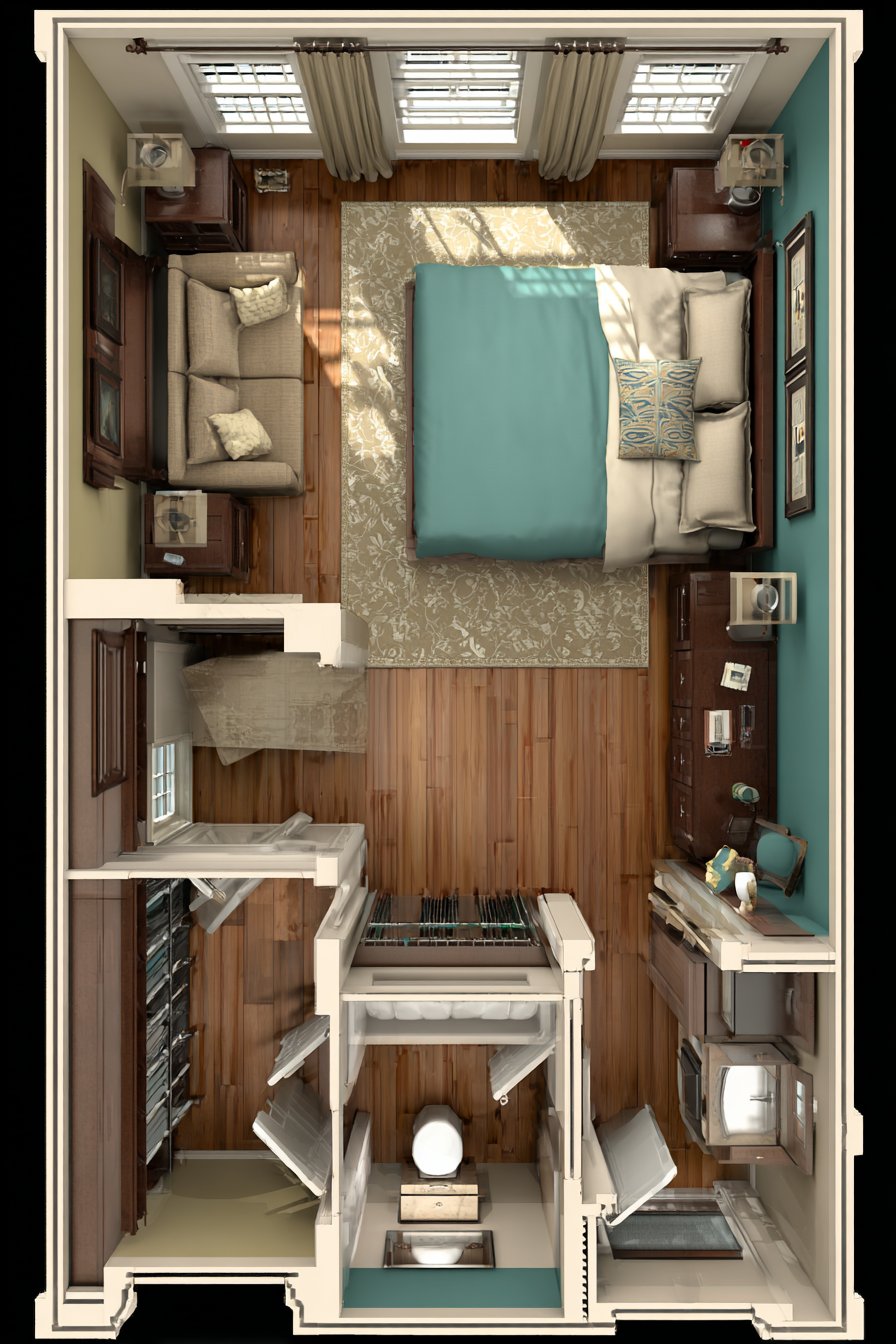
Leave adequate clearance on both sides of the bed for easy access. Nightstands should align with mattress height for comfortable reach. Position dressers where you can open drawers fully without hitting the bed or other obstacles. Ensure closet doors and windows remain accessible after furniture placement.
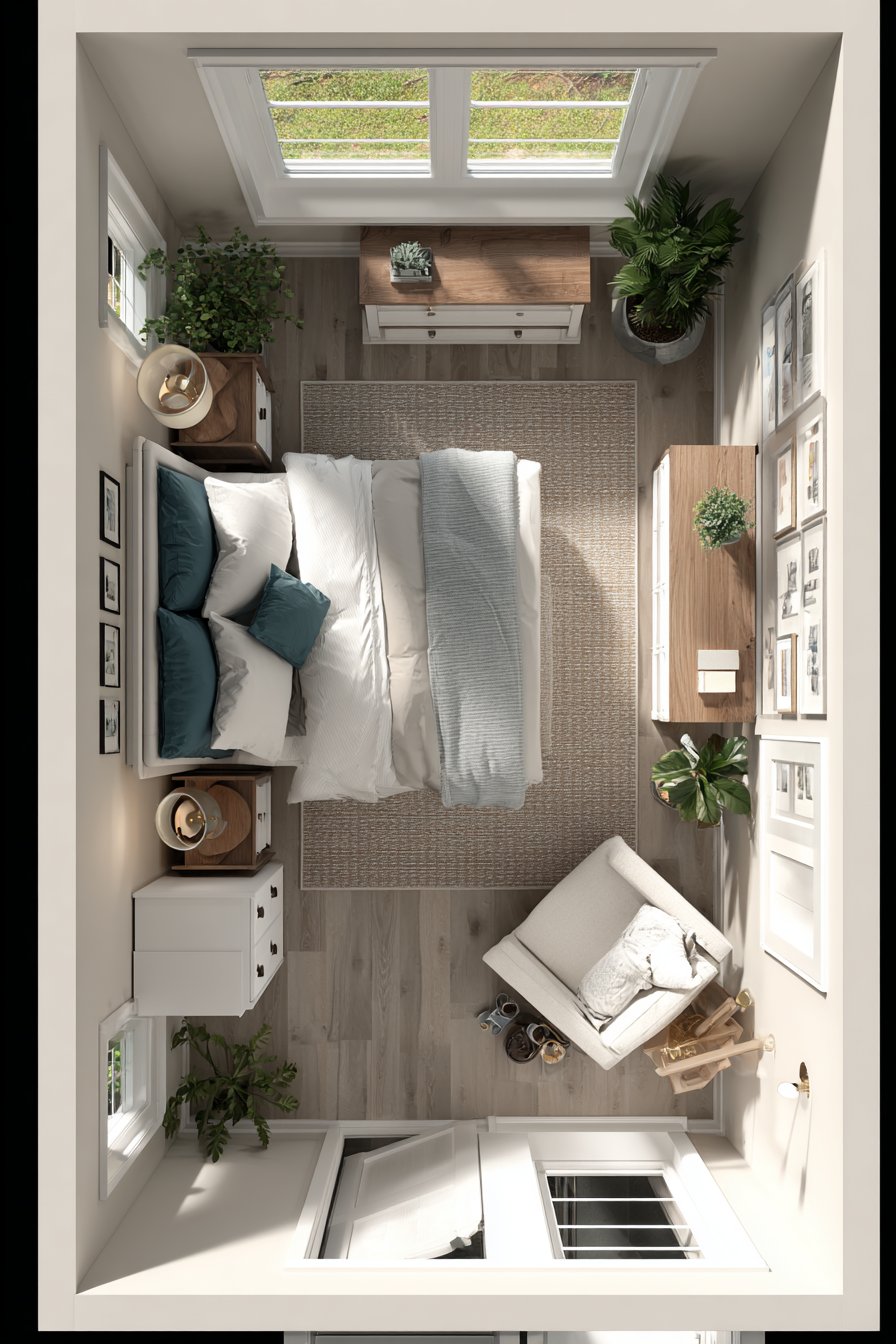
Think about lighting needs when positioning furniture. Reading chairs need nearby lamps, and dressers benefit from natural light for outfit selection. Functional furniture placement supports your lifestyle rather than fighting against it.
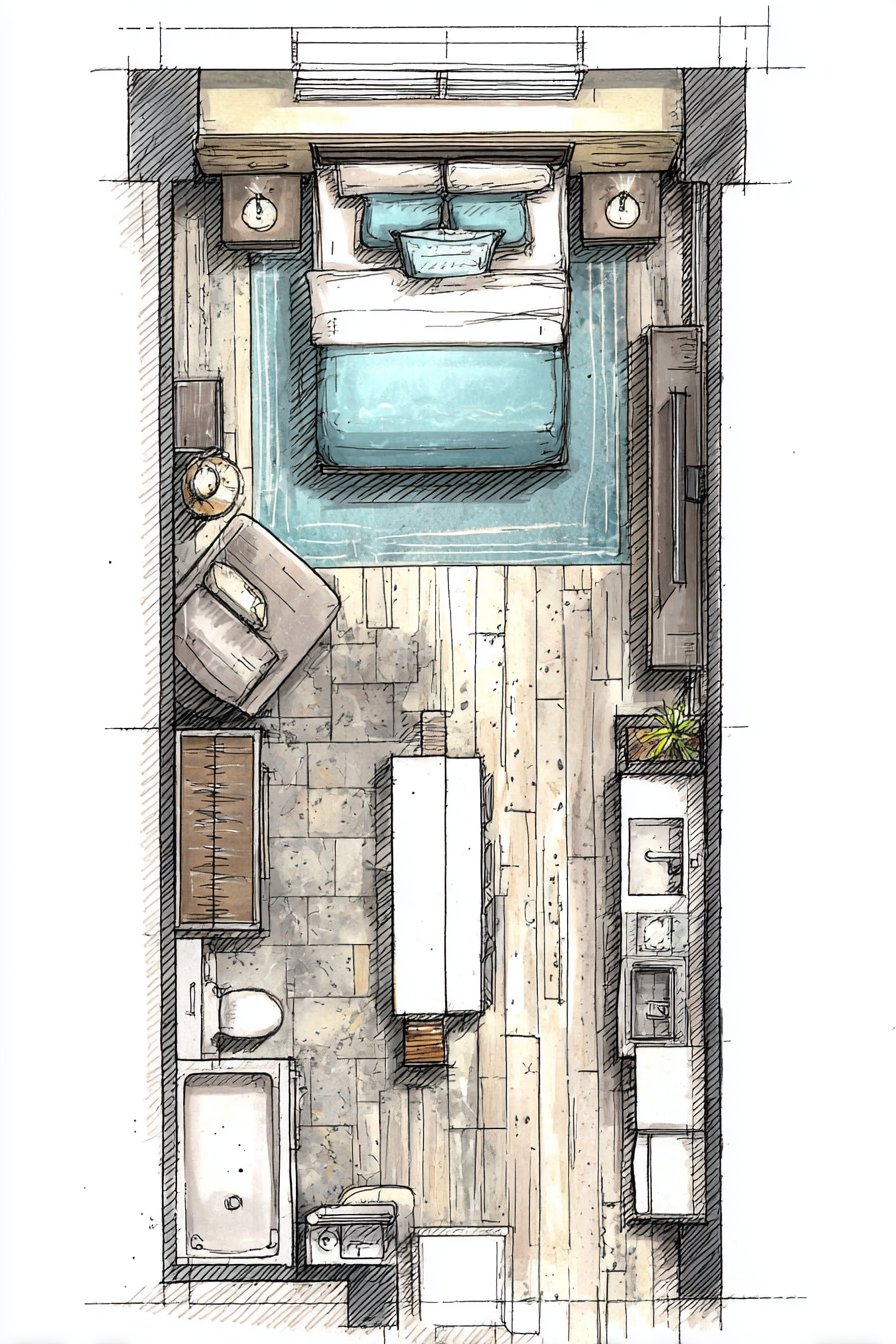
- Allow 24 inches minimum on each side of the bed
- Position dressers near natural light sources when possible
- Keep pathways clear from door to bed and closet
- Ensure drawer and door clearance before finalizing placement
- Consider power outlet accessibility for lamps and devices
- Test furniture arrangements before committing to final positions
6. Invest in Quality Over Quantity

Fewer high-quality pieces outlast collections of cheap furniture. Solid wood construction, dovetail joints, and quality hardware justify higher initial costs through decades of use. Fast furniture often requires replacement within five years, making quality pieces more economical long-term investments. Examine construction methods before purchasing.
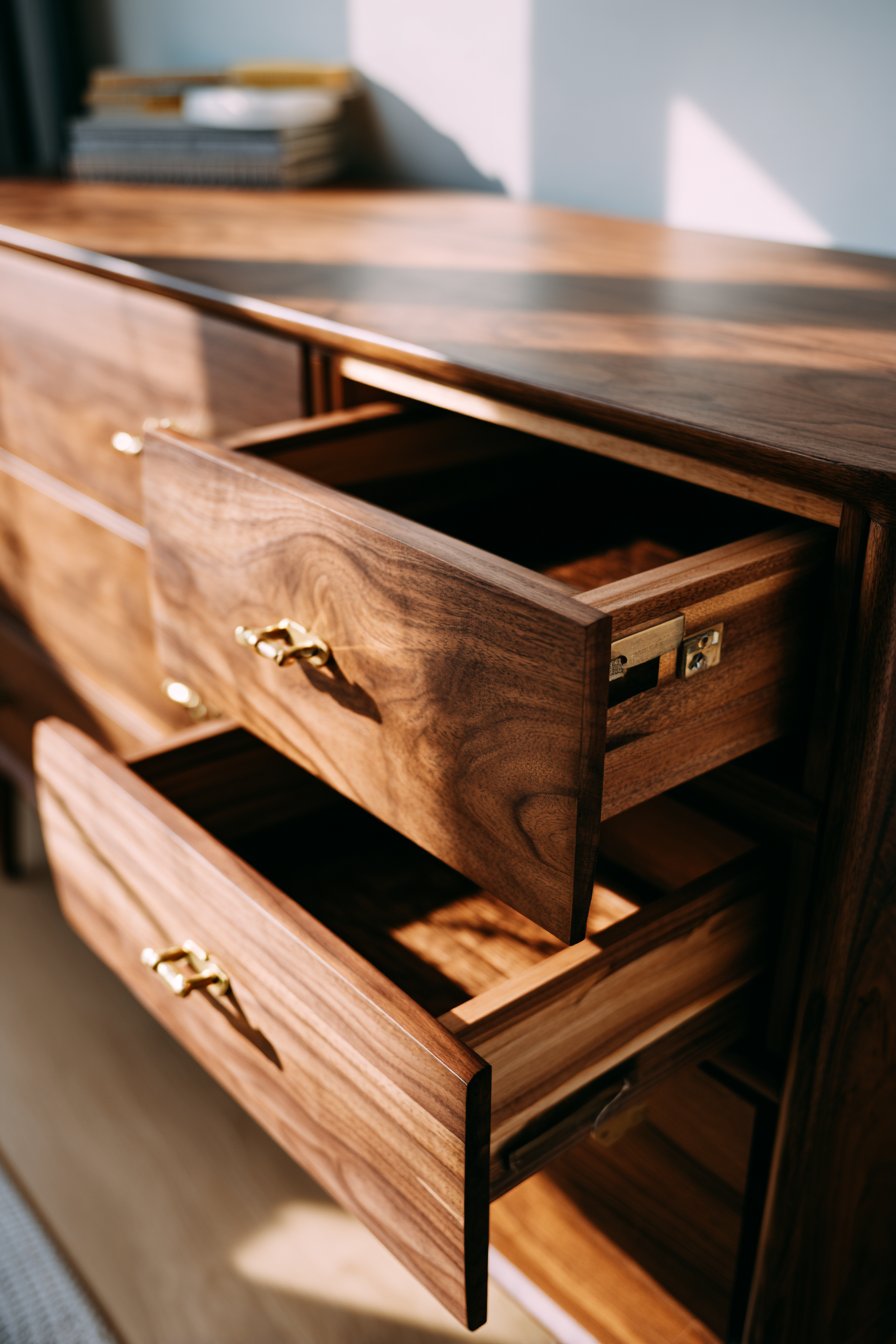
Check furniture stability by gently shaking display models. Quality pieces feel solid without wobbling or creaking. Drawer construction reveals quality—look for smooth glides, dovetail or mortise-and-tenon joints, and finish on interior surfaces. Avoid particle board cores disguised with thin veneers unless budget absolutely requires it.

Consider classic designs over trendy styles when investing in quality pieces. Timeless furniture adapts to changing decor through decades while trendy pieces date quickly. A well-made mid-century dresser remains stylish indefinitely, while ultra-modern pieces may look dated within years.

- Examine joint construction and avoid glued-only connections
- Test drawer glides for smooth operation and stability
- Choose solid wood or high-quality veneers over particle board
- Research manufacturer warranties and return policies
- Prioritize classic designs that transcend temporary trends
- Buy fewer pieces of higher quality rather than filling space cheaply
7. Balance Scale and Proportion
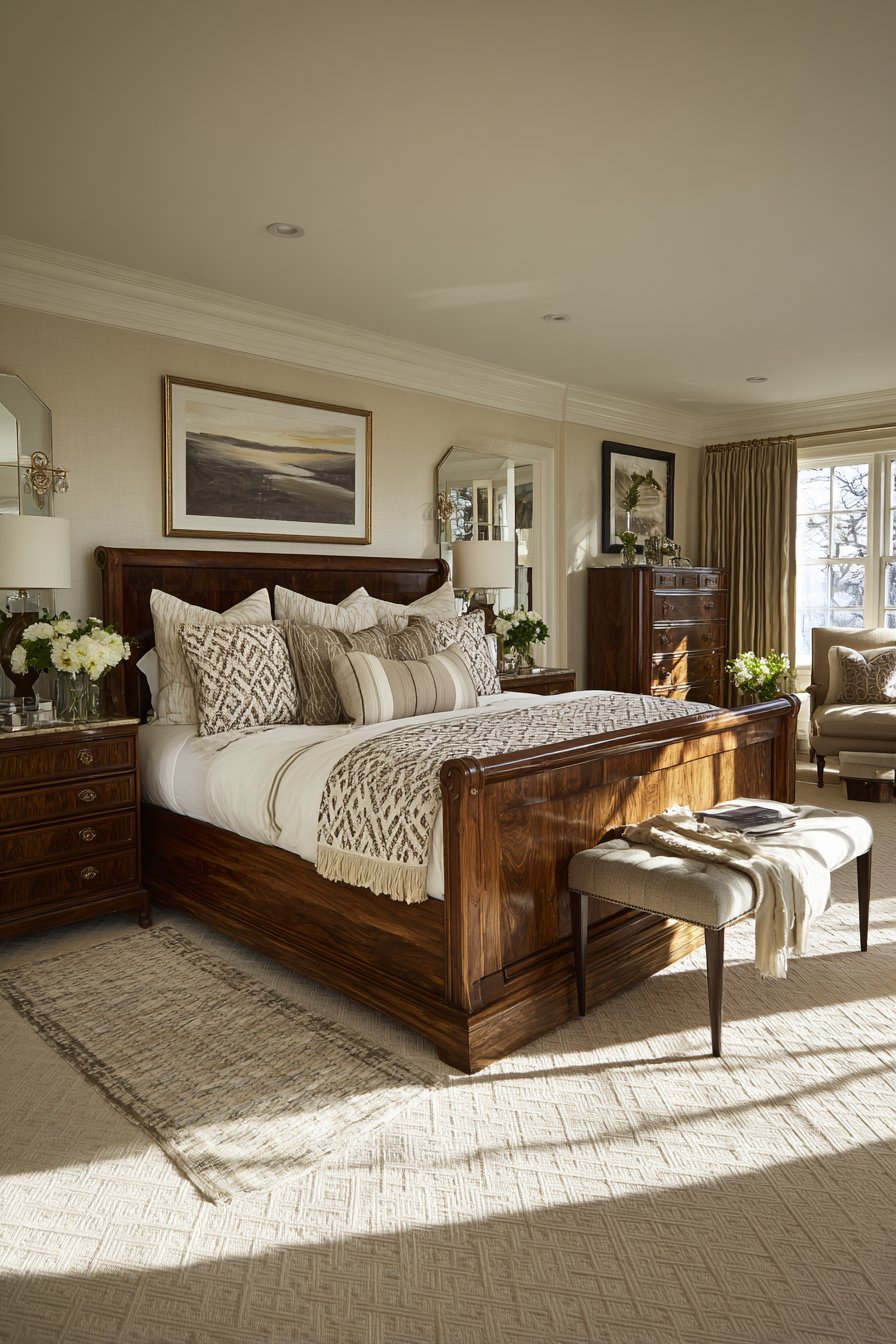
Furniture scale dramatically affects room perception and comfort. Oversized pieces overwhelm small bedrooms while tiny furniture looks lost in spacious rooms. Each piece should relate proportionally to both the room and other furniture. Understanding scale creates visual harmony that makes bedrooms feel intentionally designed rather than randomly furnished.
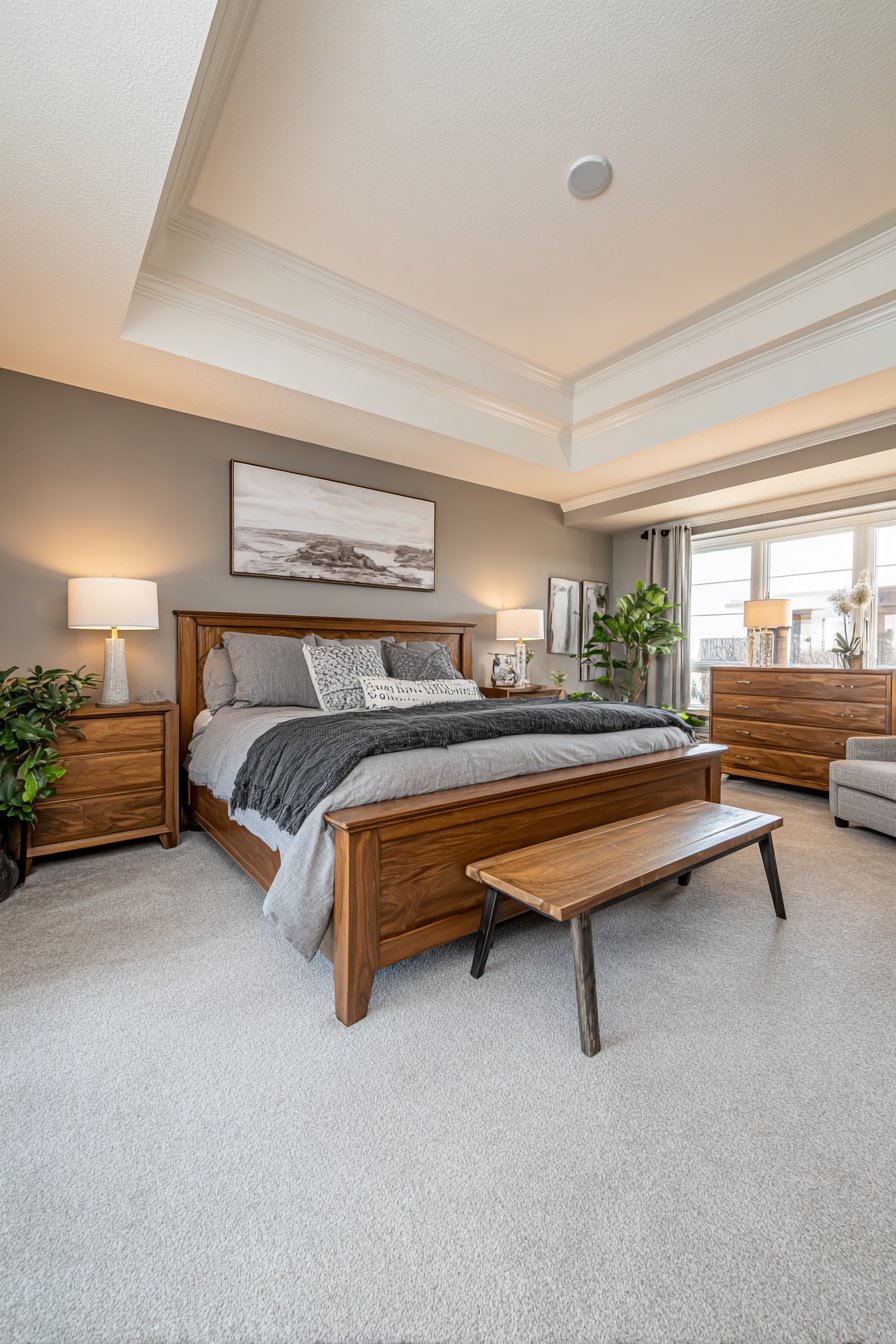
Consider both visual and physical weight when selecting furniture. A heavy wooden bed requires substantial nightstands for balance, while a delicate metal frame pairs well with lighter pieces. Mix different heights and depths to create visual interest without chaos. Low platform beds benefit from taller dressers and lamps.
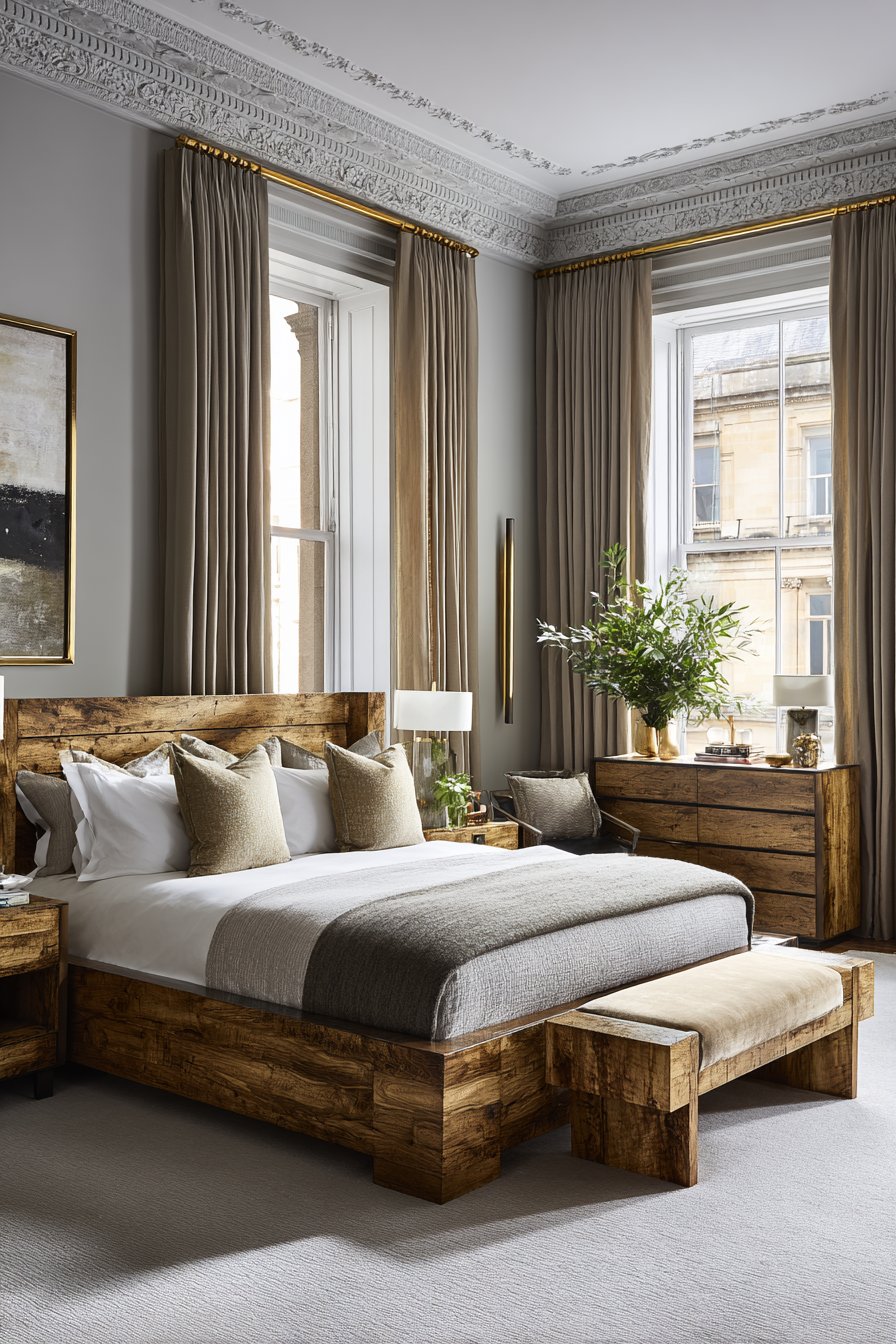
Room dimensions dictate appropriate furniture proportions. In small bedrooms, choose furnishings with exposed legs rather than floor-to-ceiling pieces to maintain visual lightness. Large rooms accommodate substantial furniture that would overpower compact spaces. Scale should support function—don’t sacrifice storage capacity just to maintain proportion in spacious rooms.
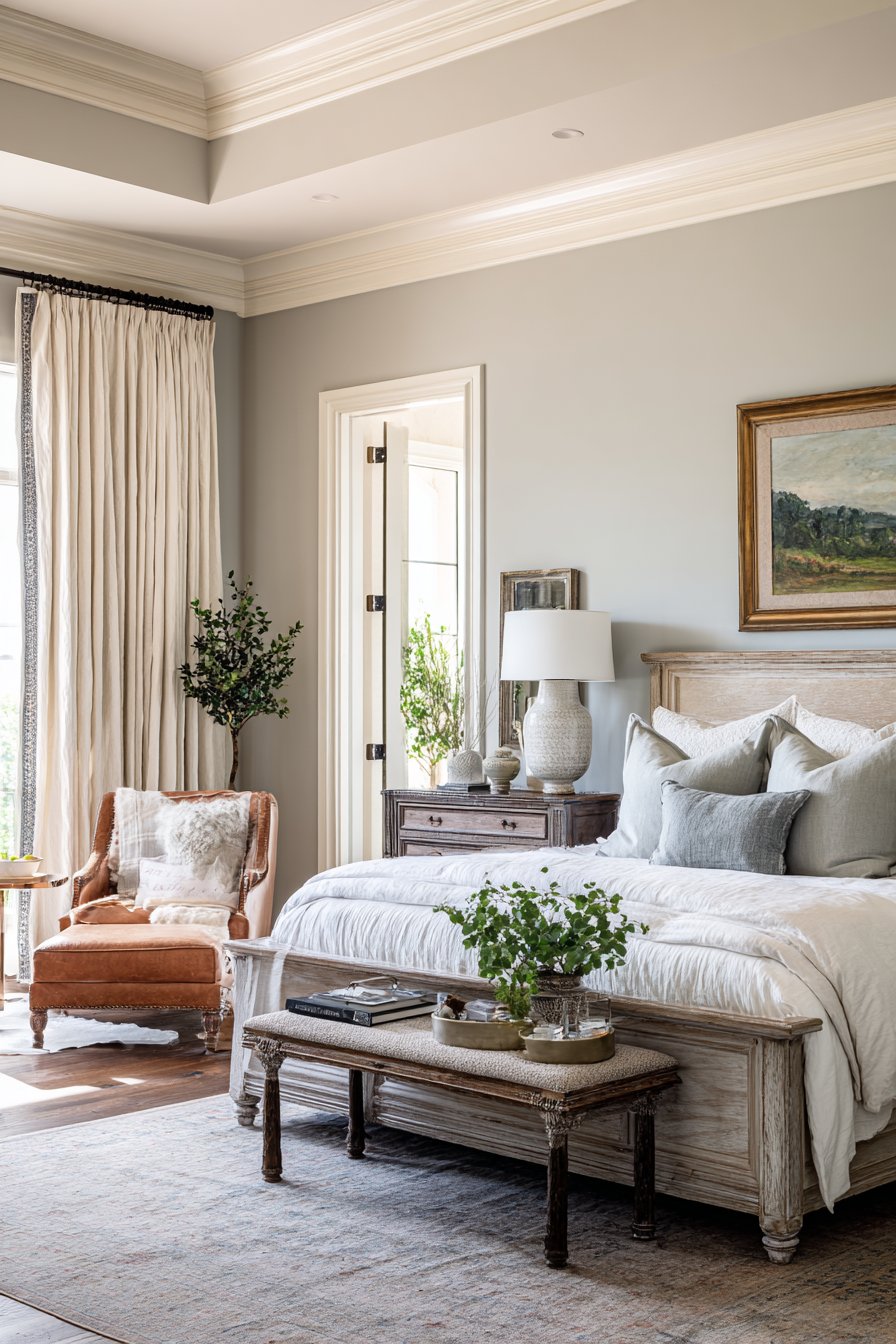
- Match furniture visual weight to room size and ceiling height
- Choose leggy furniture for small spaces to maintain airiness
- Vary furniture heights for visual interest and proper proportion
- Select substantial pieces for large rooms to avoid sparse appearance
- Consider nightstand height relative to mattress top
- Balance one large statement piece with smaller supporting furniture
Conclusion
Selecting bedroom furniture requires thoughtful consideration of space, functionality, and personal style. These seven tips provide a framework for making confident decisions that balance practical needs with aesthetic desires. Remember that your bedroom should evolve with your lifestyle rather than conform to rigid design rules.
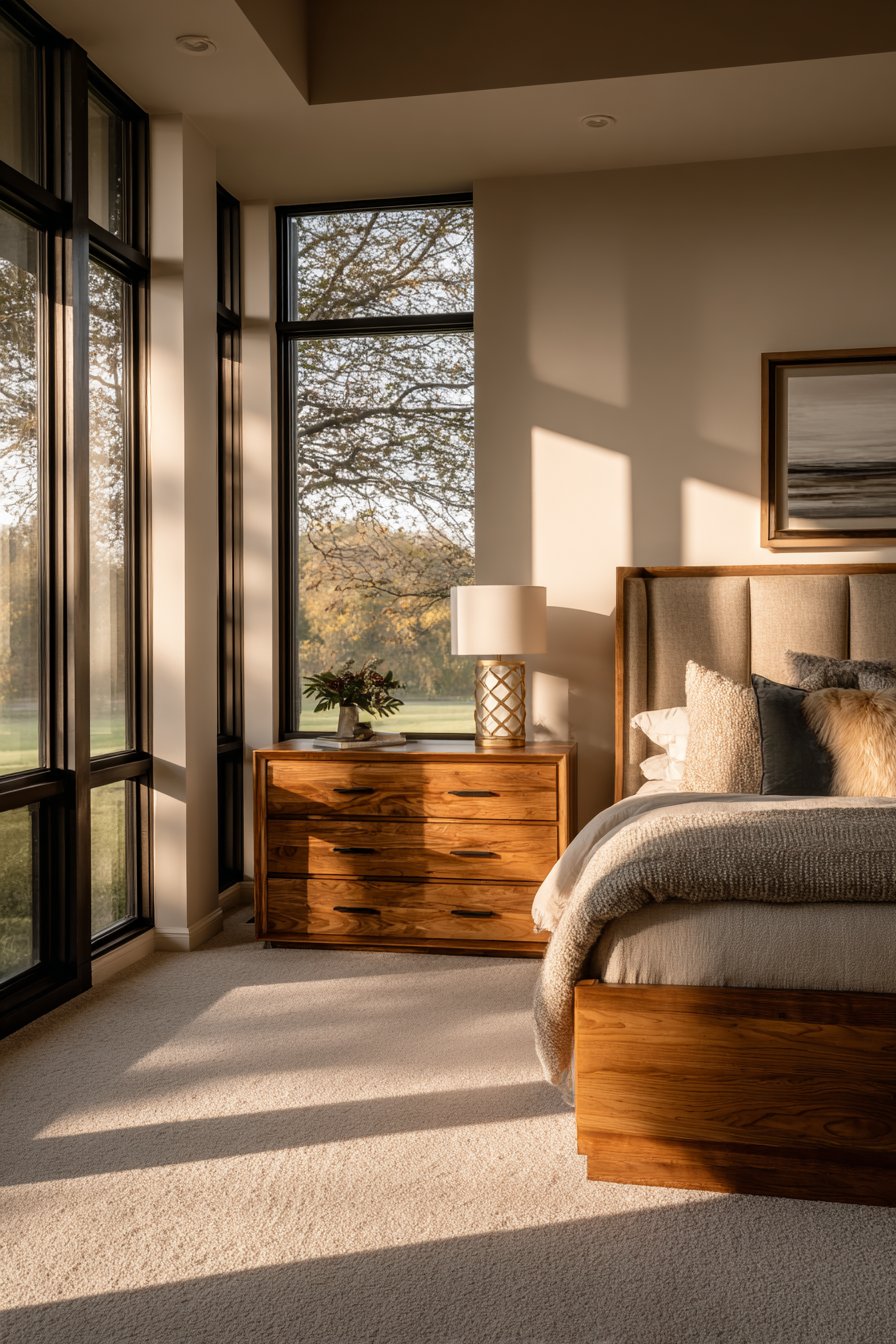
Start by measuring carefully, prioritize quality over quantity, and choose pieces that serve multiple purposes. Trust your instincts while following these practical guidelines. The perfect bedroom combines furniture that functions beautifully while reflecting your unique personality and supporting restful, comfortable living.
"As an Amazon Associate, I earn from qualifying purchases."
