

In an era where urban living increasingly means embracing smaller footprints, the art of small space living has evolved from a mere necessity into a sophisticated design philosophy. The challenge of creating a beautiful, functional home within limited square footage requires innovative thinking, strategic planning, and a keen eye for multifunctional solutions. Whether you’re living in a studio apartment, a compact urban dwelling, or simply seeking to maximize every inch of your home, thoughtful interior design can transform even the most modest spaces into inspiring sanctuaries that reflect your personality and support your lifestyle.
The beauty of small space living lies not in what you sacrifice, but in what you gain: intentionality, organization, and a curated environment where every element serves a purpose. Modern design has responded to this need with ingenious furniture solutions, vertical storage systems, and flexible arrangements that adapt to your daily rhythms. From Murphy beds that disappear into walls to furniture with hidden storage compartments, today’s small space solutions prove that living large has nothing to do with square footage and everything to do with smart design choices.
This comprehensive guide explores twenty distinct approaches to small space living, each showcasing unique strategies for different rooms and functions throughout your home. From studio apartments and compact kitchens to multipurpose guest rooms and efficient home offices, these design concepts demonstrate how creativity, strategic furniture selection, and clever spatial planning can help you create a home that feels spacious, organized, and undeniably yours. Whether you’re furnishing your first apartment or reimagining your current space, these ideas will inspire you to see your compact home not as a limitation, but as an opportunity for innovative design.
1. The Ultimate Studio Apartment with Integrated Murphy Bed

Imagine stepping into a studio apartment where every square inch works overtime without feeling cramped or cluttered. The star of this space is an elegant Murphy bed system that seamlessly integrates into a sophisticated wall unit crafted in warm light oak. During the day, the bed folds effortlessly into the wall, revealing built-in shelving that displays books, decorative objects, and personal treasures. This transformative furniture piece doesn’t just hide a bed; it creates an entirely different room configuration that shifts from bedroom to living space in moments.
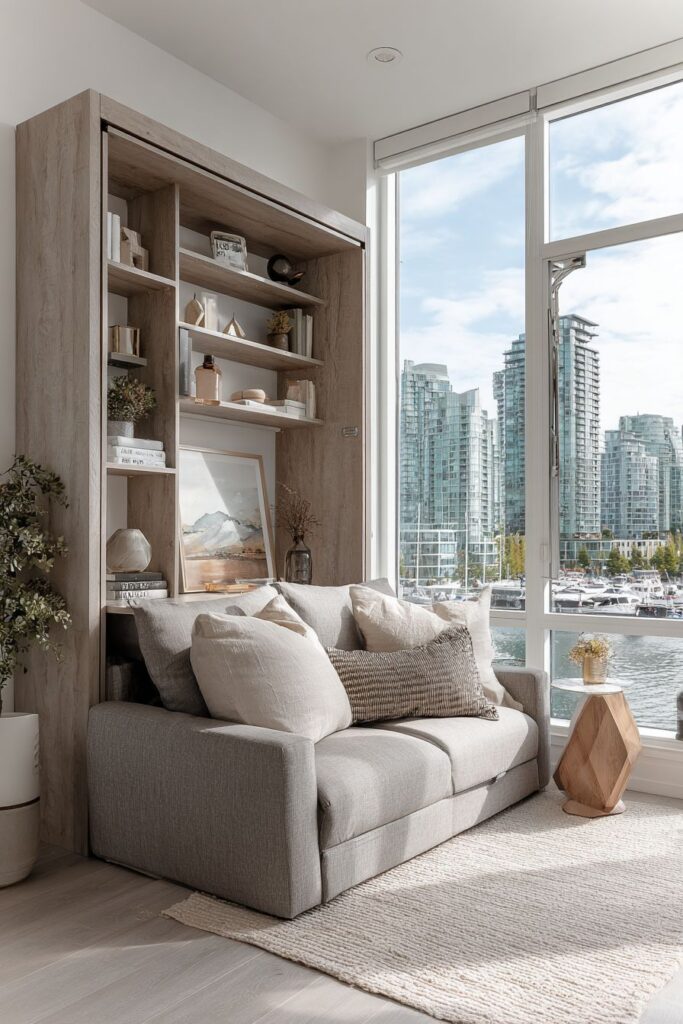
The genius of this design extends beyond the Murphy bed to encompass truly multifunctional furniture throughout the compact footprint. A fold-down desk emerges from the wall unit when needed, providing a dedicated workspace that disappears when the workday ends. Storage compartments cleverly integrated throughout the system keep everyday items organized and accessible while maintaining clean lines and visual calm. The light oak finish brings warmth and natural beauty to the space without overwhelming it, creating a sophisticated backdrop that feels both modern and inviting.

Anchoring the living area, a compact loveseat upholstered in soft grey fabric provides comfortable seating without dominating the room. Its modest proportions are carefully chosen to maintain flow and openness, proving that small space living doesn’t mean sacrificing comfort. The loveseat’s neutral tone complements the oak wood tones while adding textural interest through its fabric weave. Natural light floods through a large window, the apartment’s most valuable asset, illuminating the efficient layout and making the space feel larger than its actual dimensions.
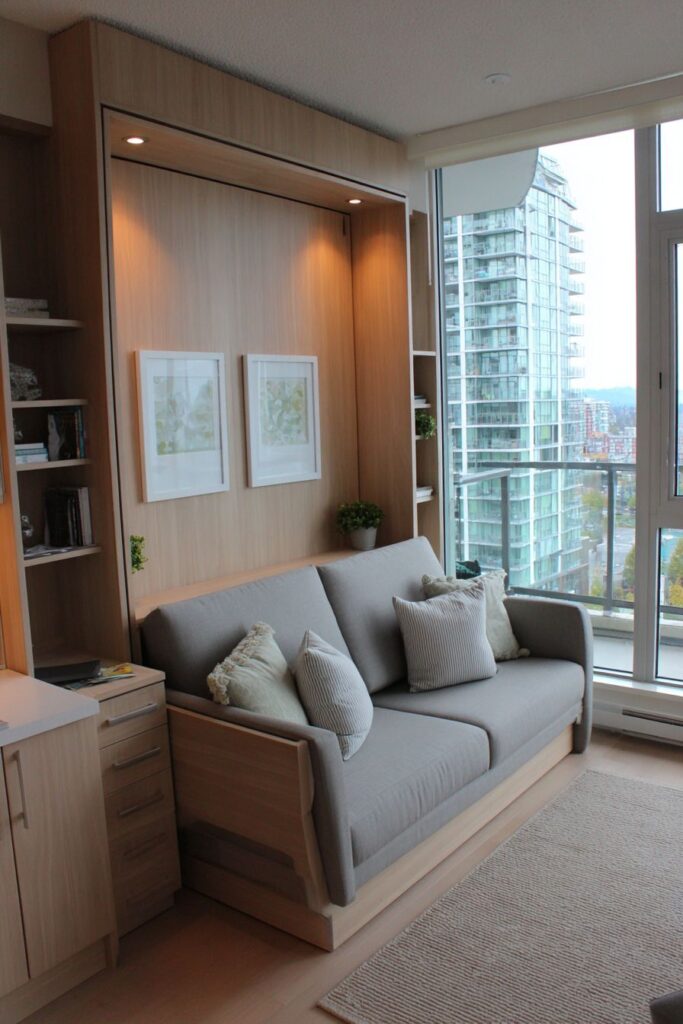
The overall composition demonstrates how strategic furniture selection and vertical integration can transform a studio apartment from a single room into a dynamic living environment. By building upward rather than outward and choosing pieces that serve multiple functions, this design maximizes livability without visual chaos. The result is a home that adapts to your needs throughout the day, offering distinct zones for sleeping, working, relaxing, and entertaining within one cohesive space.
Key Design Tips:
- Invest in a quality Murphy bed system with integrated storage and shelving to maximize your wall space and create a true transformation between day and night configurations.
- Choose furniture with appropriate scale for your space—a loveseat rather than a full sofa can provide adequate seating while maintaining crucial floor space and visual breathing room.
- Prioritize natural light by keeping window treatments minimal and avoiding heavy furniture placement that blocks light flow throughout the studio.
- Select a cohesive color palette with light wood tones and neutral upholstery to create visual continuity that makes the space feel larger and more serene.
- Build vertical storage solutions that reach toward the ceiling, utilizing often-wasted upper wall space for organization without sacrificing valuable floor area.
2. Hidden Storage Living Room with Smart Sectional Solutions
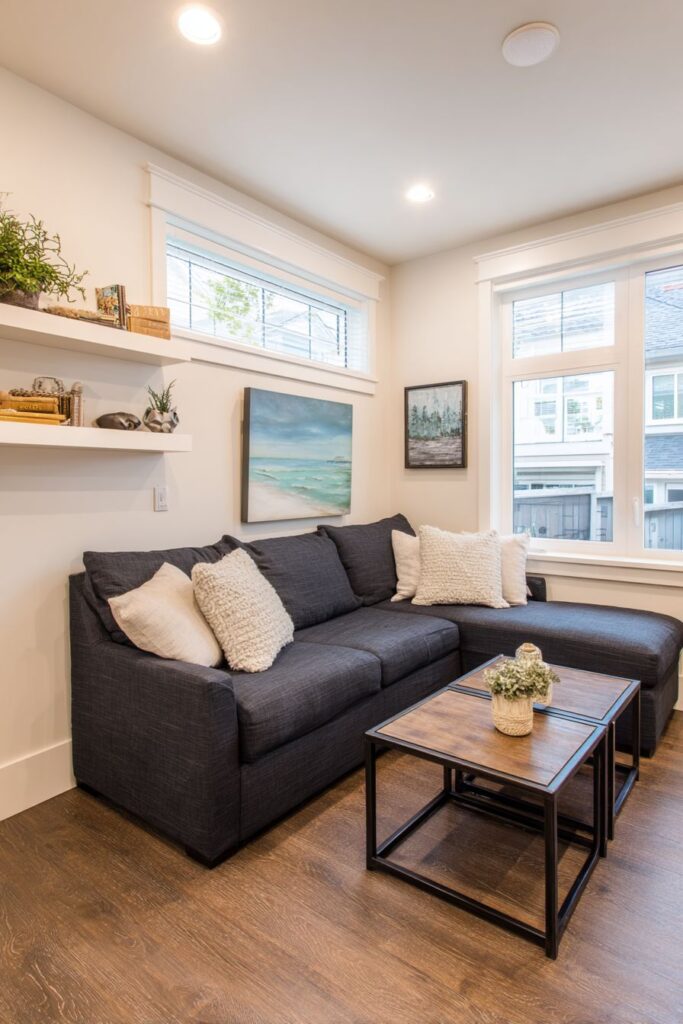
The foundation of this small space living room is a brilliantly designed sectional sofa that conceals its storage prowess beneath sophisticated charcoal linen upholstery. Lift the seat cushions and discover generous compartments perfect for storing throw blankets, seasonal items, board games, or any belongings that might otherwise clutter your compact quarters. This durable fabric choice not only withstands daily use but also brings depth and sophistication to the space, proving that practical furniture can be equally stylish and functional in its design approach.
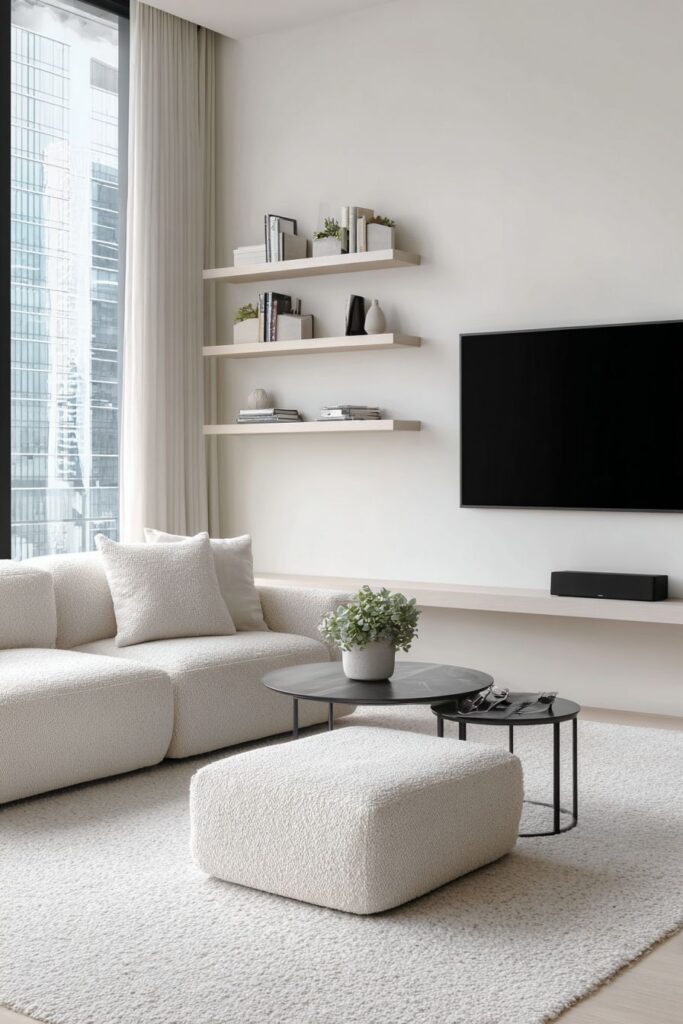
Visual flexibility takes center stage with a nesting coffee table set that adapts to your needs throughout the day. When you’re entertaining, spread the tables apart to provide surface space for drinks and snacks across the seating area. When you need more floor space for activities or simply want a more open feel, nest the smaller tables beneath the larger one to minimize the furniture footprint. This adaptability is crucial in small space living, where rigid furniture arrangements can make rooms feel static and cramped.
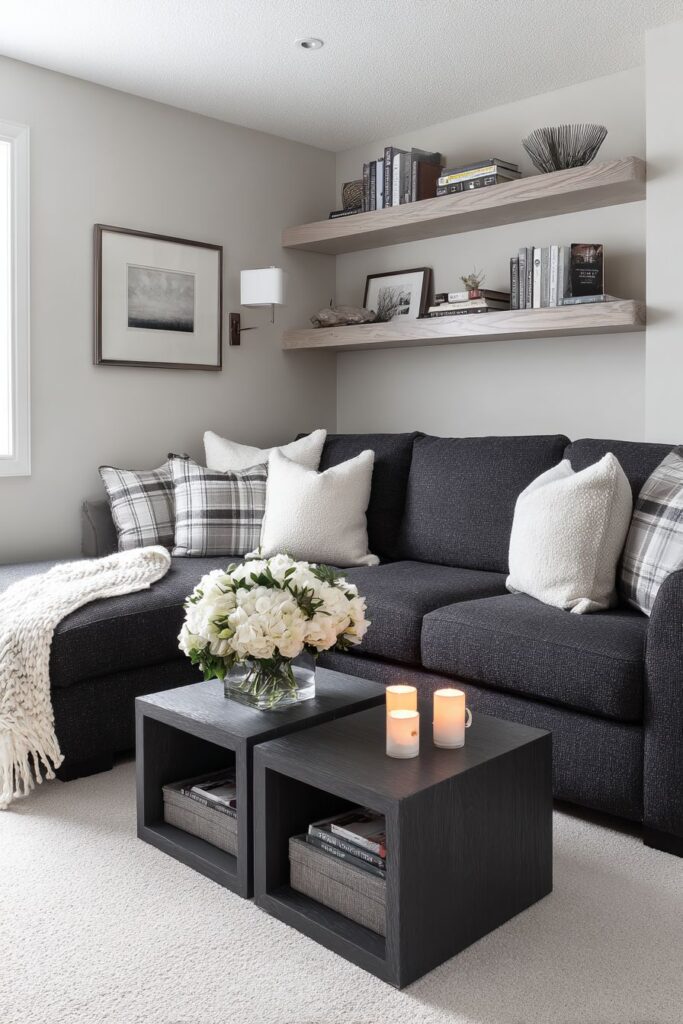
The wall-mounted television represents another smart space-saving decision, eliminating the need for a bulky media console that would consume precious floor space and create visual weight. Below and around it, floating shelves in white ash provide display areas for a carefully curated selection of books and decorative objects. The floating design maintains an airy quality, allowing the eye to travel through the space rather than stopping at heavy furniture pieces. The light wood tone adds warmth while keeping the overall aesthetic clean and contemporary.
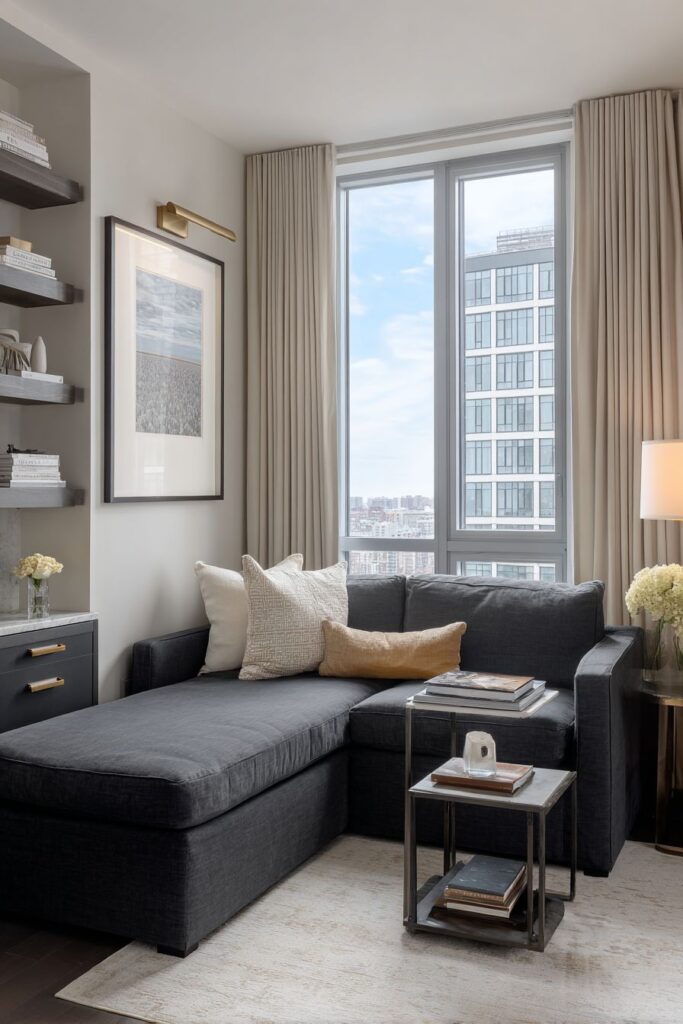
Natural lighting plays a supporting role in making this compact living room feel welcoming and spacious. Soft daylight filters through windows, highlighting the practical arrangement and creating gentle shadows that add dimension to the space. The thoughtful furniture placement ensures that pathways remain clear and that each piece serves a specific purpose without redundancy. This is small space living at its most livable—a room that accommodates relaxation, entertainment, and storage needs while maintaining an uncluttered, breathable atmosphere that invites you to settle in and stay awhile.
Key Design Tips:
- Select seating with hidden storage compartments to maximize your organizational capacity without adding extra furniture pieces that consume floor space.
- Invest in nesting tables that provide flexibility in your layout, allowing you to adjust your furniture footprint based on your current activities and needs.
- Mount your television on the wall to free up floor and furniture space while creating a cleaner, more streamlined aesthetic in your living area.
- Use floating shelves instead of bookcases to maintain visual lightness and prevent your walls from feeling heavy or enclosed in a compact room.
- Choose durable, quality upholstery in medium tones that hide wear while adding sophistication and warmth to your small living space.
3. Vertical Storage Kitchen Maximizing Every Inch
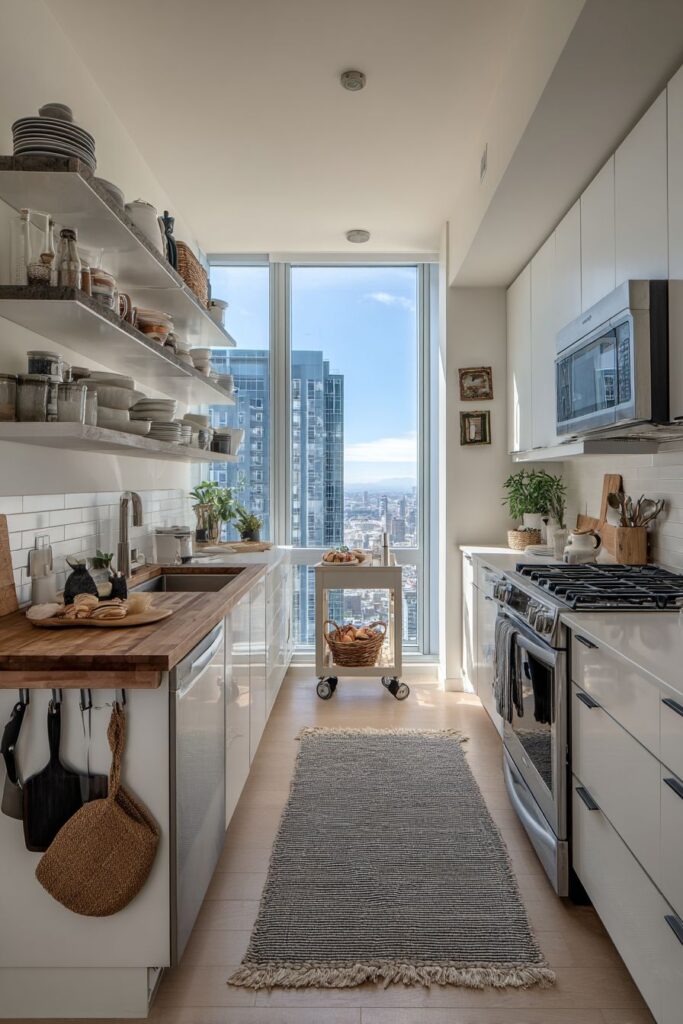
In this thoughtfully planned minimalist kitchen, vertical space becomes the hero of small space living through floor-to-ceiling cabinetry finished in pristine matte white. These tall cabinets utilize every available inch from counter to ceiling, dramatically increasing storage capacity without expanding the kitchen’s footprint. The matte finish resists fingerprints and maintains a clean, contemporary appearance that brightens the compact space and reflects natural light throughout the galley layout. This vertical approach to storage is particularly crucial in kitchens where numerous items must be accommodated within limited square footage.
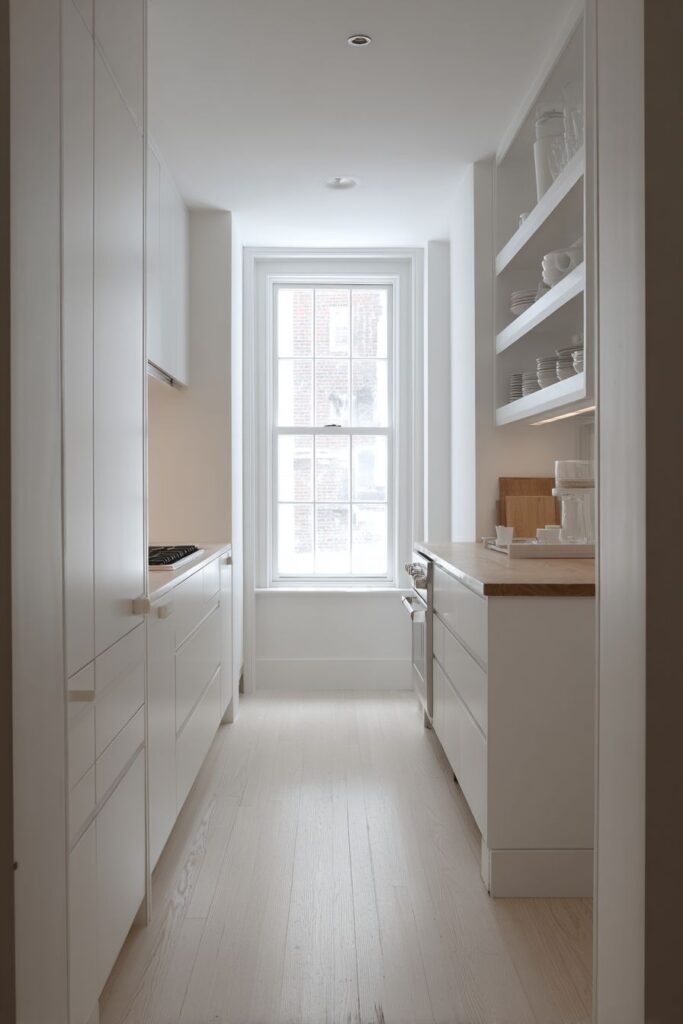
Mobility and flexibility enter the design through a narrow rolling cart topped with warm butcher block. This mobile island can be positioned wherever you need extra prep space, rolled aside when you need to maximize walkway width, or even moved into an adjacent dining area when serving meals. The butcher block surface provides a durable, attractive work area that also adds natural warmth to the otherwise crisp white palette. The cart’s compact proportions ensure it enhances functionality without creating obstacles in the narrow galley layout.
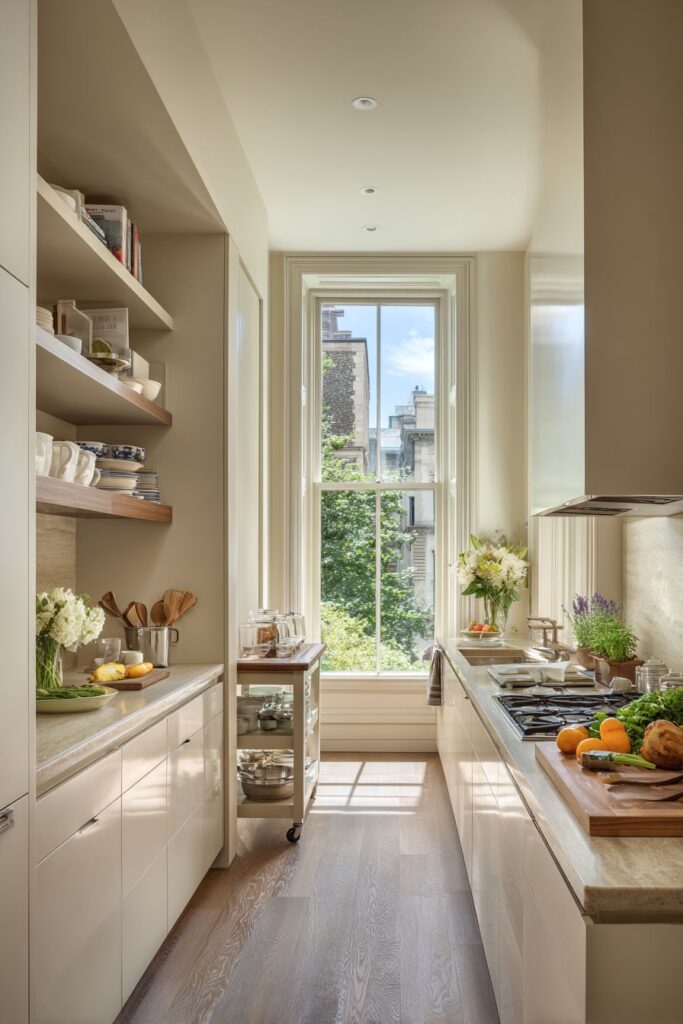
Open shelving provides a smart counterpoint to the closed cabinetry, displaying everyday dishware within easy reach while adding visual interest to the walls. This accessible storage solution eliminates the need to open cabinets for frequently used items, streamlining your cooking workflow. The design extends its efficiency through magnetic knife strips mounted on the wall and hanging pot racks that utilize vertical space brilliantly. These organizational elements keep essential cooking tools visible and accessible while freeing up precious drawer and cabinet space for other items.
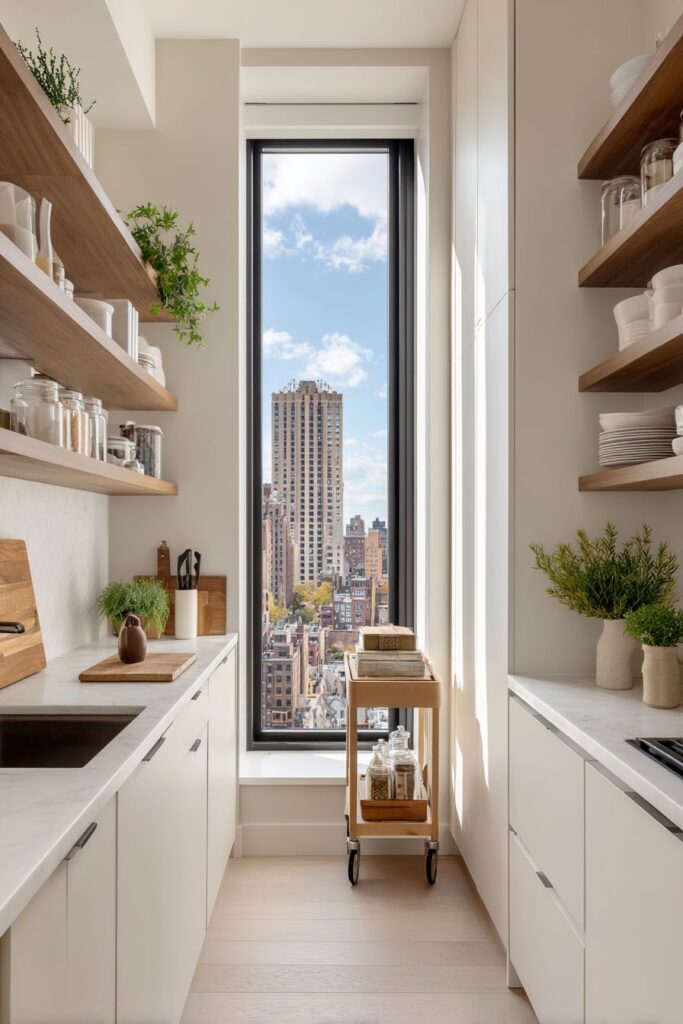
Natural daylight streaming through a compact window illuminates the workspace, essential for food preparation and creating an inviting atmosphere in what could otherwise feel like a utilitarian space. The combination of smart storage solutions, mobile furniture, and wall-mounted organizational systems demonstrates how small space living in the kitchen requires thinking three-dimensionally. By looking upward and outward rather than simply at floor space, this design creates a highly functional cooking environment that proves a compact kitchen can be both efficient and enjoyable to use.
Key Design Tips:
- Install floor-to-ceiling cabinetry to maximize vertical storage potential and keep countertops clear of small appliances and clutter in your compact kitchen.
- Add a mobile cart or island that can be repositioned based on your needs, providing flexible workspace and storage without permanent commitment to floor space.
- Incorporate open shelving strategically for frequently used items to improve workflow efficiency and add visual lightness to your kitchen design.
- Utilize wall-mounted storage solutions like magnetic strips, hanging racks, and pegboards to keep tools accessible without consuming drawer or counter space.
- Choose light, reflective finishes for cabinetry and surfaces to bounce natural light throughout the space and create an airy, open feeling.
4. Platform Bed Bedroom with Integrated Storage Solutions

The bedroom centerpiece in this small space living design is a sophisticated platform bed that conceals its storage brilliance beneath a clean-lined exterior. Integrated drawers slide out smoothly from beneath the mattress, providing generous space for clothing, linens, or seasonal items that might otherwise require a bulky dresser. This built-in approach to storage eliminates the need for additional furniture pieces while maintaining the room’s serene atmosphere. The platform design also creates a low profile that makes the ceiling feel higher and the overall space more open and less enclosed.
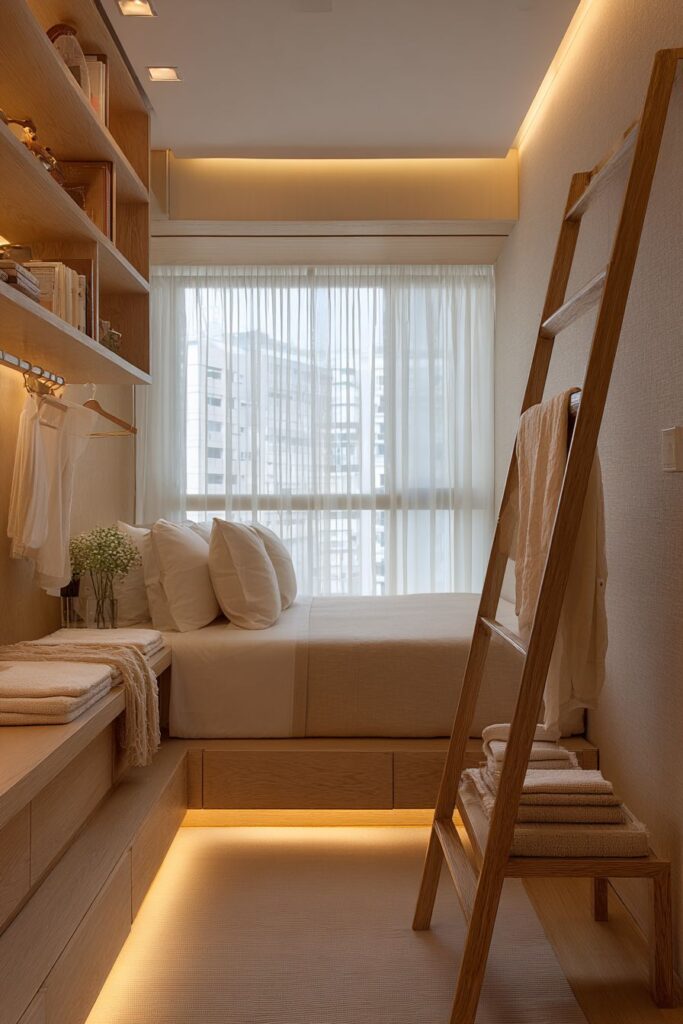
The headboard extends the functionality further with built-in reading lights positioned at perfect heights for bedtime reading, eliminating the need for table lamps and the nightstands that would support them. Small shelving niches carved into the headboard provide spots for books, glasses, a phone, or a glass of water—all the essentials you want within reach at night. This integrated approach demonstrates how custom or thoughtfully designed furniture can replace multiple pieces, reducing clutter and visual chaos while actually improving functionality and convenience in the bedroom.
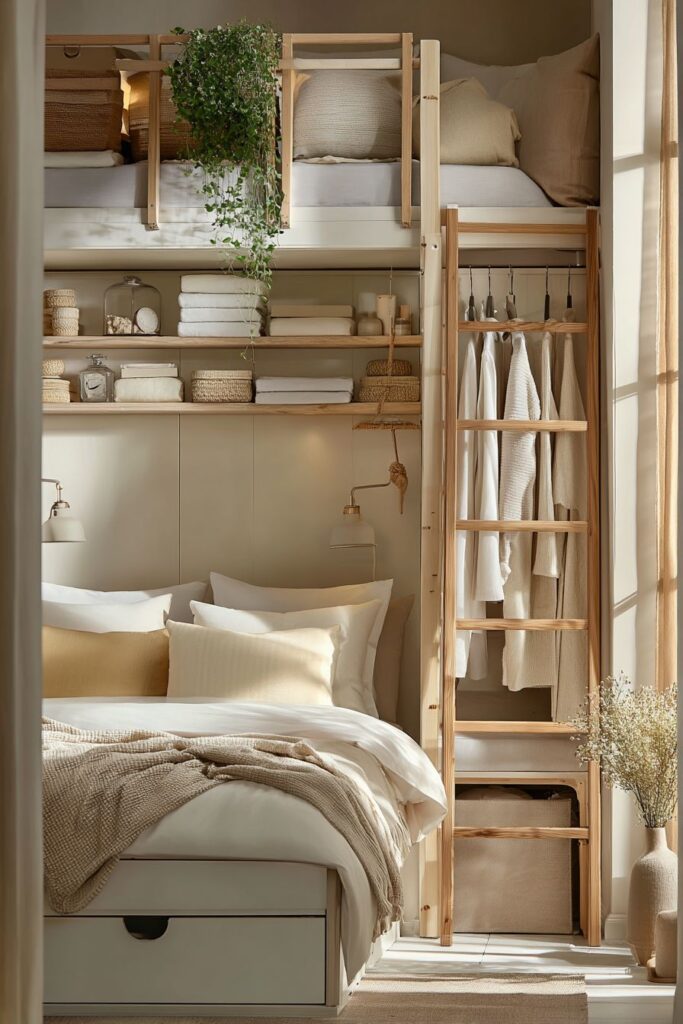
Traditional closets consume significant floor space, so this design replaces that conventional storage with a narrow ladder-style clothing rack that leans gracefully against the wall. This open clothing storage system requires you to curate your wardrobe more carefully, displaying only current-season favorites and pieces you truly wear. The vertical orientation takes advantage of height rather than width, and the visual transparency of the ladder design prevents the rack from feeling like a heavy furniture piece. This approach works particularly well in bedrooms where closet space is limited or nonexistent.
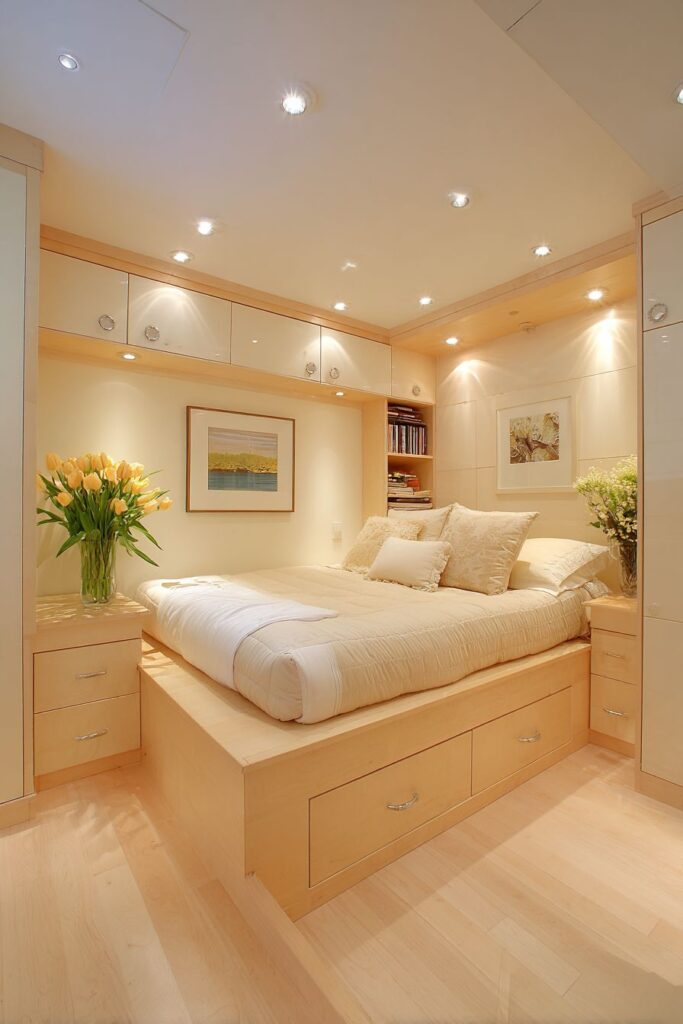
Neutral bedding in soft beige and white tones creates a serene atmosphere that promotes relaxation and rest. These gentle colors reflect the morning light beautifully, filling the room with warmth as you wake. The calming palette also makes the space feel larger and more cohesive, avoiding the visual fragmentation that can occur with too many colors in a small room. The efficient furniture arrangement maintains clear pathways and breathing room around the bed, proving that small bedrooms can feel spacious and restful when every element is chosen with intention and purpose.
Key Design Tips:
- Choose a platform bed with integrated drawer storage to eliminate the need for a separate dresser and maximize your bedroom’s storage capacity.
- Select a headboard with built-in lighting and shelving to reduce bedside furniture requirements while keeping essentials within easy reach.
- Consider open clothing storage solutions like ladder racks that utilize vertical space without the floor footprint of traditional wardrobes.
- Stick to a neutral, calming color palette in bedding and textiles to create visual continuity that makes the space feel larger and more restful.
- Keep the area around your bed clear and uncluttered to maintain a sense of openness and promote better sleep quality in your compact bedroom.
5. Vertical Entryway Organization System
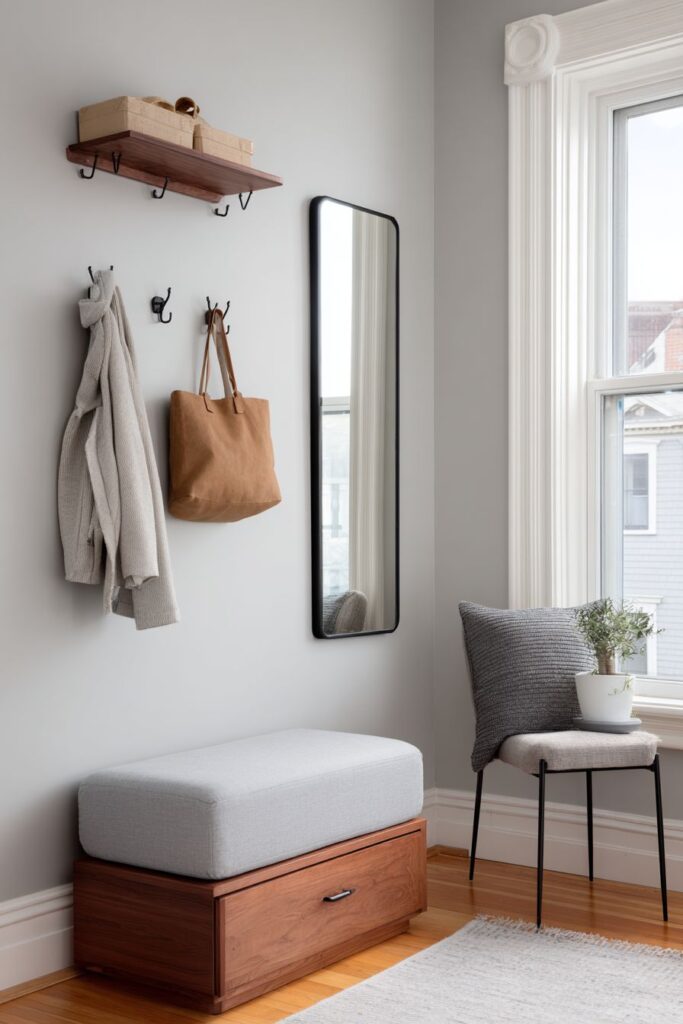
The entryway sets the tone for your entire home, and this vertical approach to small space living makes a powerful first impression through smart organization. Wall-mounted hooks installed at varying heights accommodate different family members and types of items, from children’s backpacks hung low to adult coats hung high. This simple solution eliminates the need for a bulky coat closet or freestanding coat rack that would consume precious floor space in what is typically a narrow area. The hooks become both functional storage and an opportunity for visual interest when you choose attractive designs in coordinating finishes.

A slim console table with a single drawer provides just enough surface area for keys, mail, and small items you grab on your way out the door. Its narrow depth ensures it doesn’t protrude into the walkway, a critical consideration in tight entryways where every inch of clearance matters. The drawer offers hidden storage for those small items that tend to accumulate near the door—sunglasses, dog leashes, reusable shopping bags—keeping them organized and out of sight. This piece proves that even the smallest furniture can make a significant functional impact when chosen thoughtfully.

A tall narrow mirror serves double duty in this compact entry, providing a final appearance check before heading out while also visually expanding the space through reflection. Mirrors are among the most powerful tools in small space living, bouncing light around the room and creating the illusion of greater depth and dimension. The vertical orientation emphasizes height, drawing the eye upward and making the entry feel more spacious. Below the mirror, a compact bench with lift-up seat storage offers a place to sit while putting on shoes, with the bonus of hidden storage beneath for seasonal items, shoe care supplies, or extra accessories.
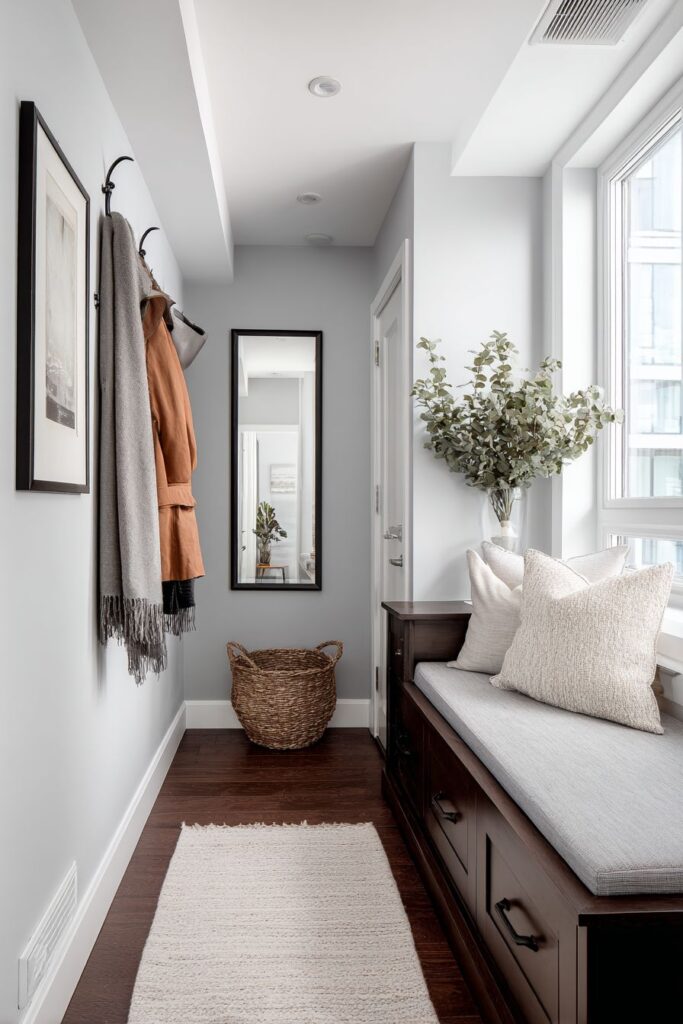
Light grey walls keep this narrow space feeling open and airy rather than closed in or dark. This neutral backdrop allows the functional elements to take center stage without competing for visual attention. The practical vertical storage solutions work together seamlessly, creating an organized entry that welcomes you home while keeping clutter at bay. Natural light from a nearby window illuminates the space, highlighting the thoughtful design choices that make this small entryway both beautiful and supremely functional for daily life.
Key Design Tips:
- Install wall-mounted hooks at multiple heights to accommodate different users and items while keeping the floor completely clear for easy passage.
- Choose a slim console table with minimal depth to provide surface storage without creating an obstacle in narrow entryway spaces.
- Add a tall mirror to visually expand your entry while serving the practical purpose of checking your appearance before leaving home.
- Incorporate seating with hidden storage like a lift-up bench to maximize functionality within the limited entryway footprint.
- Use light wall colors to keep narrow entries feeling open and welcoming rather than cave-like or oppressive.
6. Flexible Dining with Drop-Leaf Table Design

This small space living dining area revolves around a beautifully crafted drop-leaf table in natural walnut that transforms based on your needs. When you’re dining solo or as a couple, the leaves fold down and the table occupies minimal floor space, even pushing against the wall to create maximum clearance in the room. When entertaining, simply lift the leaves and extend the table to accommodate additional guests comfortably. This flexibility is invaluable in small homes where dedicated dining rooms are a luxury, and every room must serve multiple purposes throughout the week.
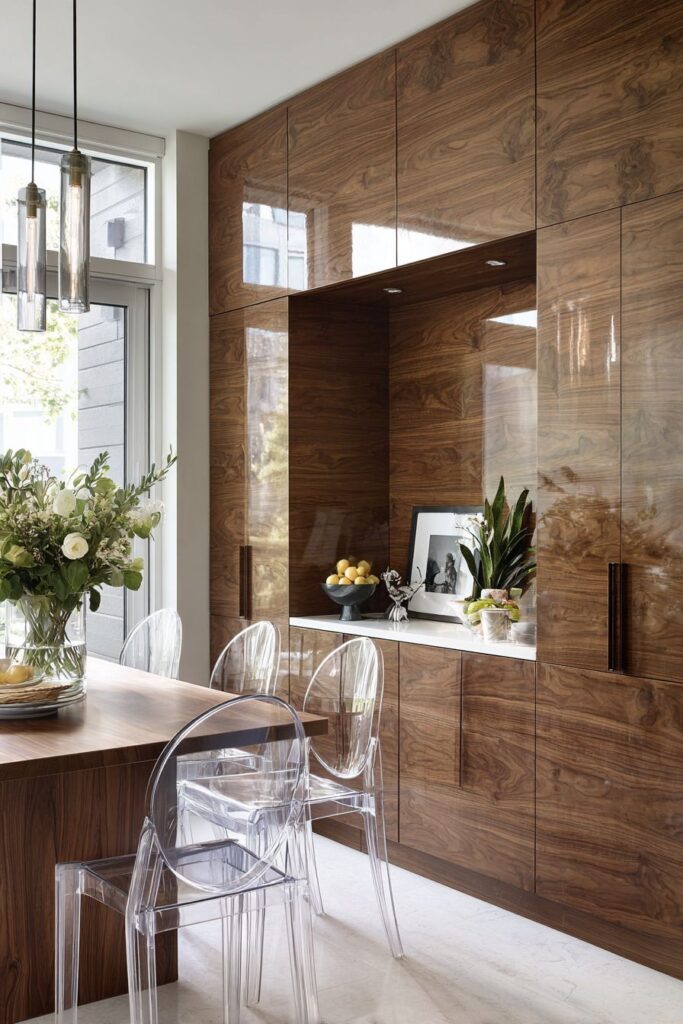
The seating choice demonstrates equal consideration for space efficiency through transparent acrylic chairs that provide comfortable seating while minimizing visual weight. Unlike solid wood or upholstered chairs, these clear designs virtually disappear, allowing the eye to travel through them to the walls and floor beyond. This visual trick makes the dining area feel significantly more open and less crowded, even when all the chairs are pulled up to the table. The acrylic material is also remarkably durable and easy to clean, practical considerations that matter in everyday living.
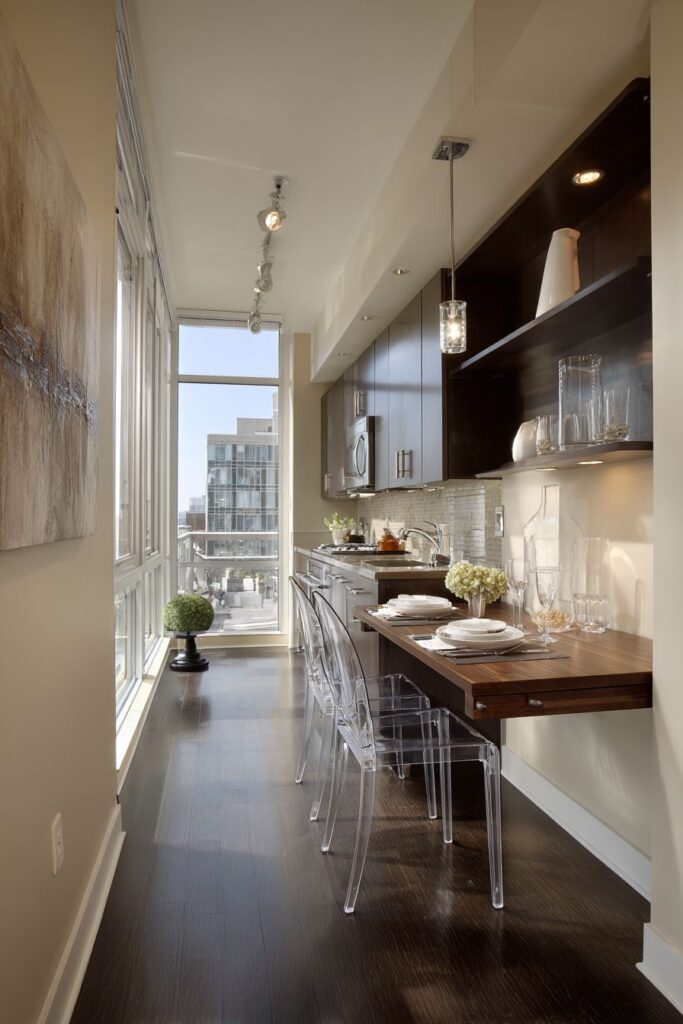
Storage needs are addressed through a narrow buffet cabinet with sliding doors that offers ample space for dining essentials, linens, and serving pieces. The sliding door mechanism is particularly clever in small spaces, as it eliminates the clearance required for traditional hinged doors that swing outward. The cabinet’s narrow depth ensures it doesn’t protrude into the walkway, maintaining traffic flow through the dining area. The natural wood finish coordinates beautifully with the walnut table, creating a cohesive look that feels intentional and designed rather than pieced together.

Pendant lighting hangs at the optimal height above the table, providing focused illumination for dining without requiring floor space for table lamps or adding visual clutter to surfaces. The fixture becomes a design element in its own right, adding personality and style to the dining area. Soft diffused daylight from windows complements the pendant, filling the space with natural light during daytime hours. This space-efficient dining arrangement proves that you don’t need a formal dining room to enjoy proper meals at a beautiful table—you just need smart furniture choices and a flexible approach to your layout.
Key Design Tips:
- Invest in a drop-leaf or extendable table that adapts to your needs, providing intimate dining for everyday use and expanding for entertaining.
- Choose transparent or visually light chairs that provide seating without creating visual bulk in your compact dining area.
- Select storage furniture with sliding doors rather than hinged doors to eliminate the clearance space required for door swings in tight quarters.
- Install overhead pendant lighting to illuminate your dining table without consuming valuable surface or floor space with lamps.
- Position your dining table near natural light sources to create an inviting atmosphere that makes meals feel special even in a compact setting.
7. Corner Shower Bathroom Maximizing Floor Space

This bathroom design for small space living embraces the corner shower as a space-saving hero, featuring frameless glass that maintains visual openness throughout the compact room. The transparent enclosure prevents the shower from feeling like a separate, closed-off box, allowing your eye to travel to the far wall and perceive the full dimensions of the bathroom. Within the shower, a built-in tiled niche provides storage for shampoos, soaps, and other toiletries without requiring hanging caddies or floor-standing units that can make showers feel cluttered and cramped.
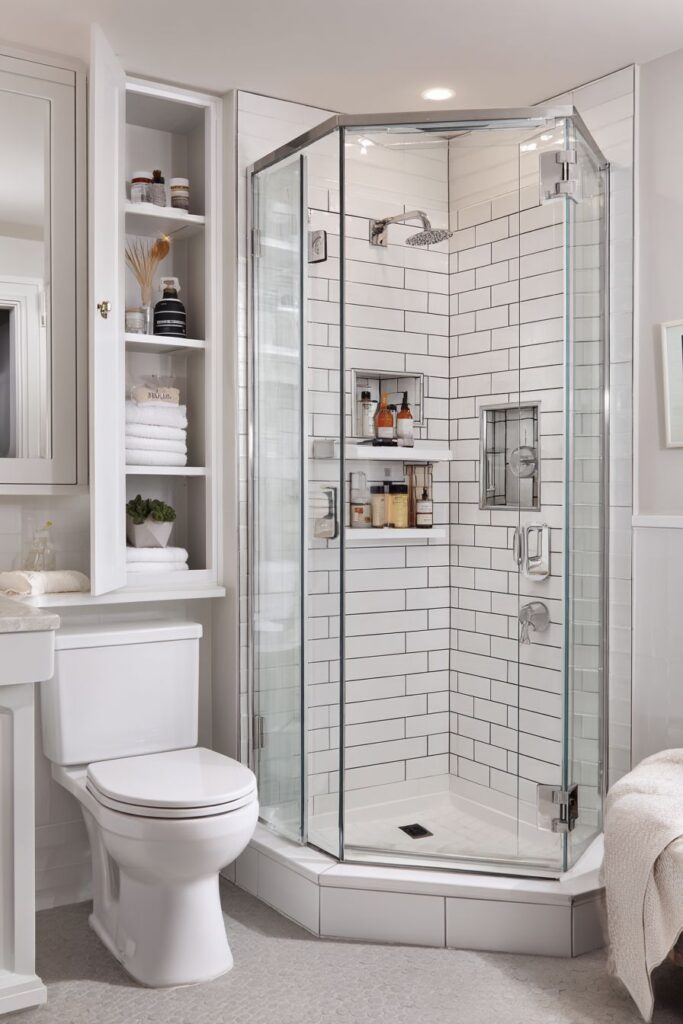
The wall-hung toilet represents another strategic choice for maximizing floor space in this efficient bathroom layout. By mounting the toilet to the wall with the tank concealed behind it, the design creates the appearance of more floor area and makes cleaning significantly easier. The visual lightness of a floating toilet contributes to a more modern, streamlined aesthetic while the practical benefits include easier mopping and a more spacious feeling overall. Paired with a compact pedestal sink, these wall-mounted fixtures keep the center of the bathroom floor clear and open.
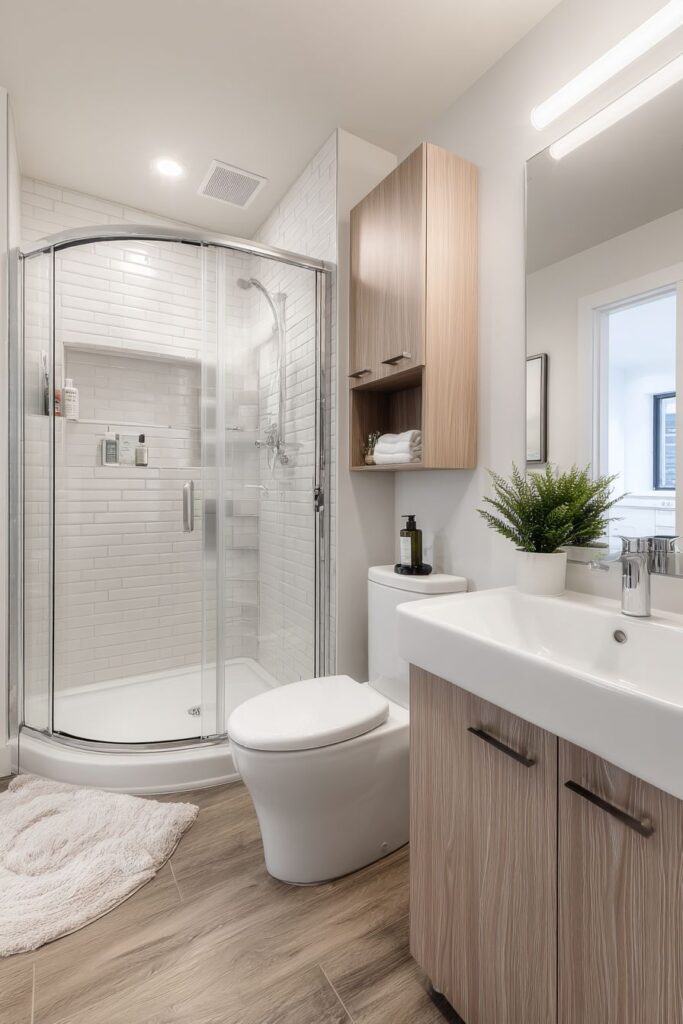
Vertical storage comes into play through a tall narrow cabinet that reaches from floor to ceiling, providing generous storage for towels, toiletries, and bathroom essentials without consuming much floor space. This vertical orientation is essential in small bathrooms where wide cabinets would overwhelm the room and limit movement. The cabinet’s narrow footprint tucks efficiently into available wall space while its height takes full advantage of the room’s volume. Inside, adjustable shelves allow you to customize the storage to your specific needs and the items you need to accommodate.
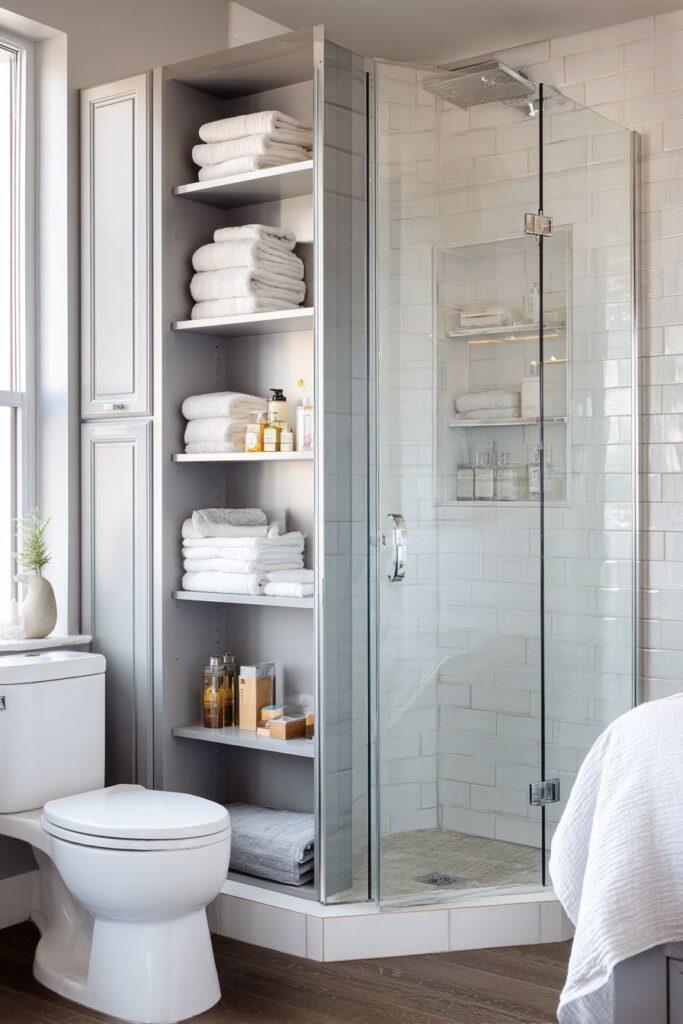
White subway tiles with light grey grout cover the walls, creating a bright, clean backdrop that reflects light and makes the small bathroom feel larger and more open. This classic tile choice never goes out of style and provides a neutral foundation that works with various accent colors and decor choices. The reflective surfaces throughout the space—from the frameless glass shower to the glossy tiles to the mirror above the sink—work together to bounce light around the room and enhance the sense of space. This bathroom proves that with thoughtful fixture selection and strategic use of reflective materials, even very compact bathrooms can feel comfortable and spa-like.
Key Design Tips:
- Install a corner shower with frameless glass to maximize floor space while maintaining visual openness throughout your small bathroom.
- Choose wall-mounted fixtures like wall-hung toilets and floating vanities to create the appearance of more floor space and simplify cleaning.
- Add built-in shower niches during renovation to eliminate the need for hanging storage that can make showers feel cluttered.
- Install a tall narrow storage cabinet to take advantage of vertical space for towel and toiletry storage without a large floor footprint.
- Use light-colored, reflective tile finishes to bounce light around the space and create the illusion of greater square footage in your compact bathroom.
8. Fold-Down Desk Home Office Transformation
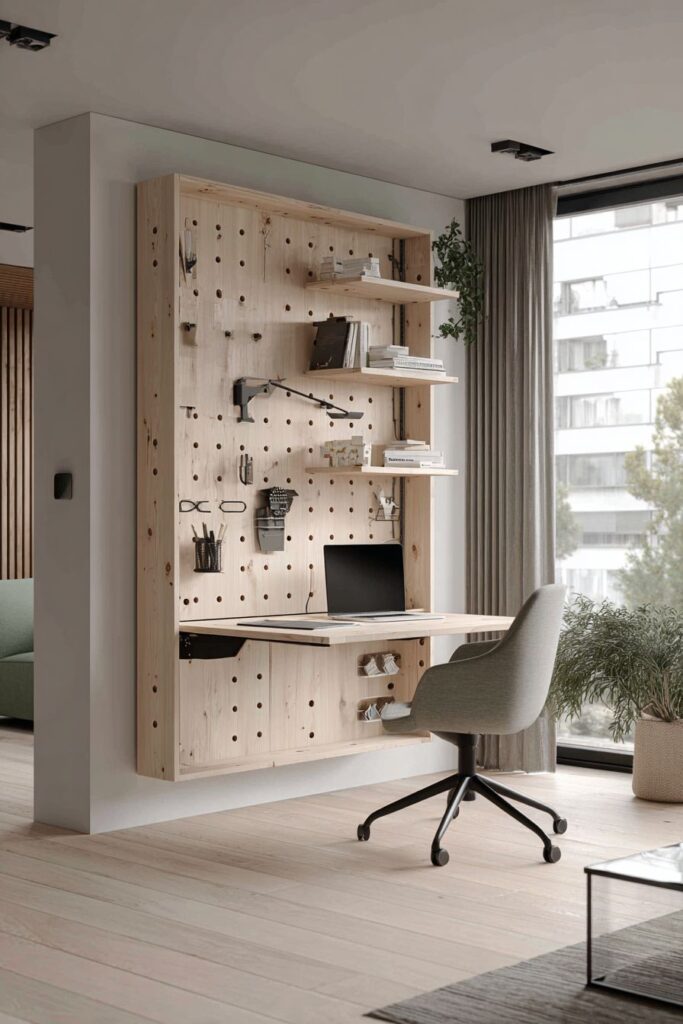
This innovative small space living home office centers around a wall-mounted fold-down desk in blonde wood that completely transforms your relationship with workspace in a compact home. When you’re working, the desk provides a stable, generous surface for your laptop, documents, and coffee cup. When the workday ends, it folds flat against the wall and virtually disappears, returning the room to its primary function as a bedroom, living area, or multipurpose space. This transformative quality is essential in small homes where dedicated home offices are impossible but the need for proper workspace remains crucial.
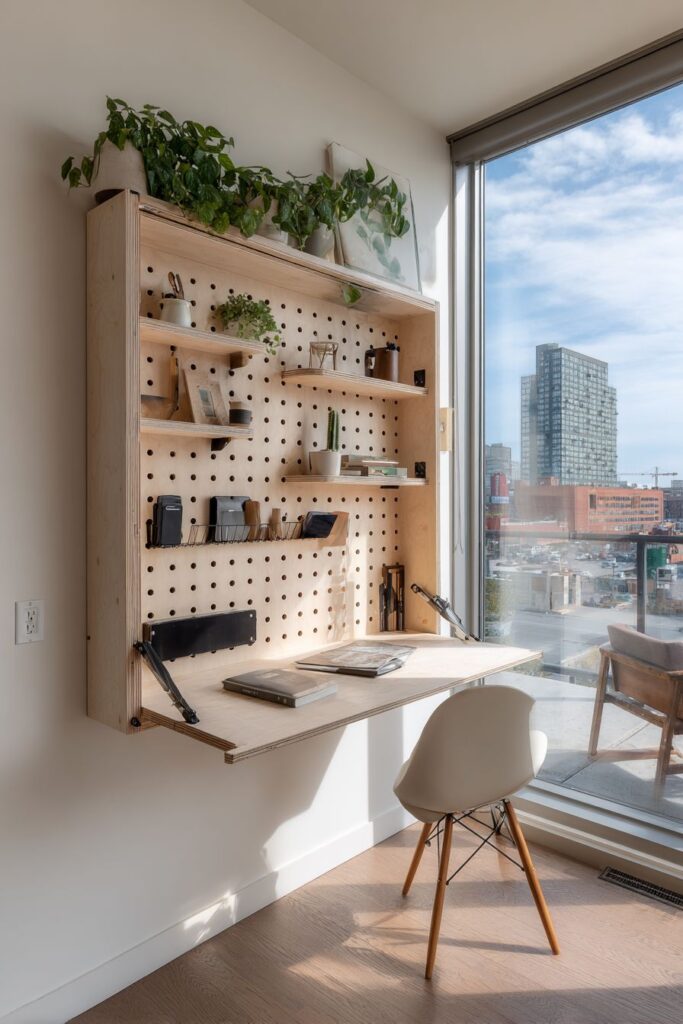
Above the desk, a pegboard organization system brings both functionality and visual interest to the workspace. This versatile organizing tool holds supplies, papers, headphones, and even supports a small monitor arm that keeps your screen at ergonomic height while clearing desk surface space. The pegboard’s customizable nature means you can adjust the configuration as your work needs change, moving hooks and shelves to accommodate different tools and supplies. The blonde wood desk and natural pegboard create a warm, inviting workspace that makes you want to sit down and be productive.

The compact ergonomic chair selected for this office tucks completely under the desk when folded up, ensuring it doesn’t protrude into the room when the workspace is closed. This attention to clearance is vital in small space living, where furniture that sticks out can create tripping hazards and make rooms feel cramped. Despite its compact size, the chair provides proper lumbar support and adjustability to maintain comfort during work hours. The investment in ergonomic seating pays dividends in productivity and physical wellbeing, even in the smallest home offices.
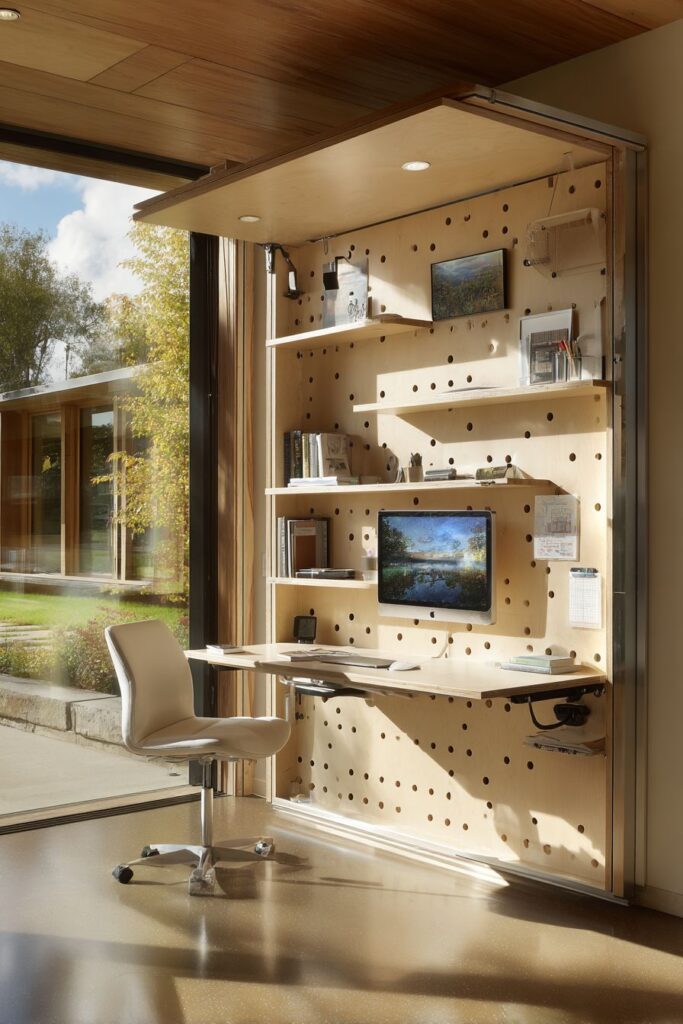
Floating shelves display minimal office essentials—a few reference books, a plant for air quality and visual appeal, and perhaps a small inspirational object or photo. These open shelves provide storage without the visual weight of a bookcase, maintaining the room’s airy quality. Natural light from an adjacent window illuminates the workspace beautifully, reducing eye strain and connecting you to the outside world during work hours. This fold-down office solution demonstrates that working from home in a small space doesn’t mean sacrificing professionalism or comfort—it simply requires furniture that adapts to your changing needs throughout the day.
Key Design Tips:
- Install a fold-down wall-mounted desk that provides a proper workspace when needed and disappears completely when not in use.
- Add a pegboard organization system above your desk to keep supplies organized and accessible without consuming desk surface area.
- Choose a compact ergonomic chair that tucks completely under your desk to minimize the furniture footprint when your office is closed.
- Position your workspace near natural light to reduce eye strain and create a more pleasant working environment in your small home.
- Keep desk accessories and decor minimal to maintain a clean, focused workspace that doesn’t feel cluttered in your compact area.
9. Modular Closet System with Clear Organization

This small space living closet system showcases the transformative power of modular organization components in white melamine that adapt to your exact storage needs. Double hanging rods maximize vertical space, allowing you to store twice as many garments as a single rod configuration. The lower rod holds pants, skirts, and folded items hung on hangers, while the upper rod accommodates shirts, blouses, and other shorter items. This efficient use of vertical space is fundamental to small space living, where every cubic inch must be optimized for maximum storage capacity.
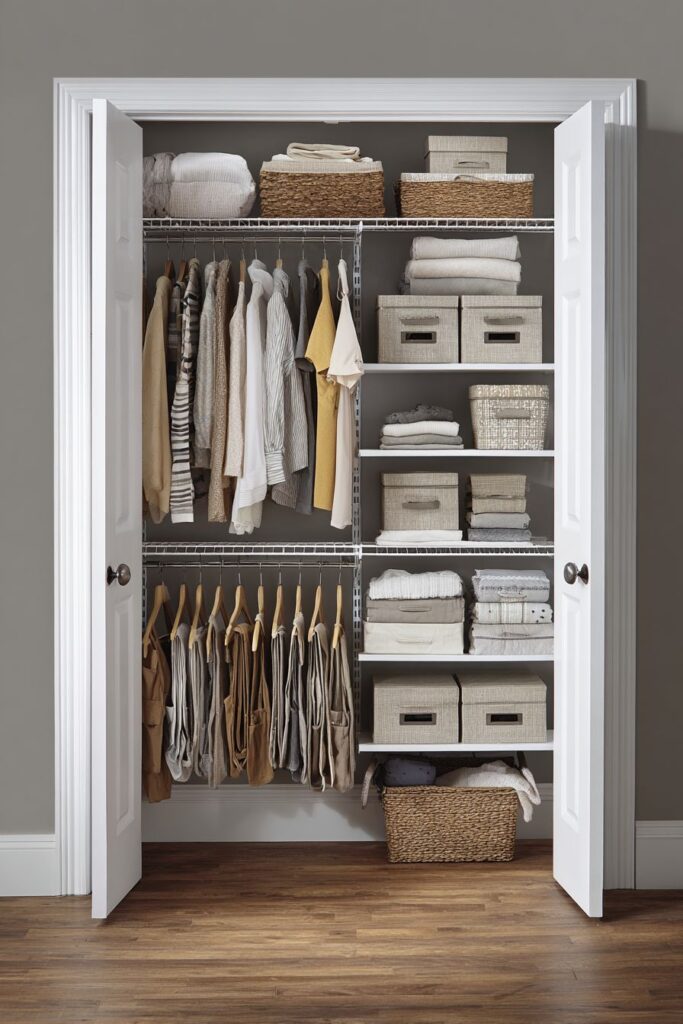
Pull-out drawers integrated into the system provide designated spaces for folded clothing, accessories, undergarments, and other items that don’t hang well. These smooth-gliding drawers make it easy to see and access contents without digging through piles or disrupting careful organization. Adjustable shelving accommodates items of various heights, from sweaters and handbags to shoe boxes and storage bins. The ability to customize shelf heights as your needs change makes modular systems far superior to fixed closets, allowing your storage to evolve with your wardrobe and lifestyle.
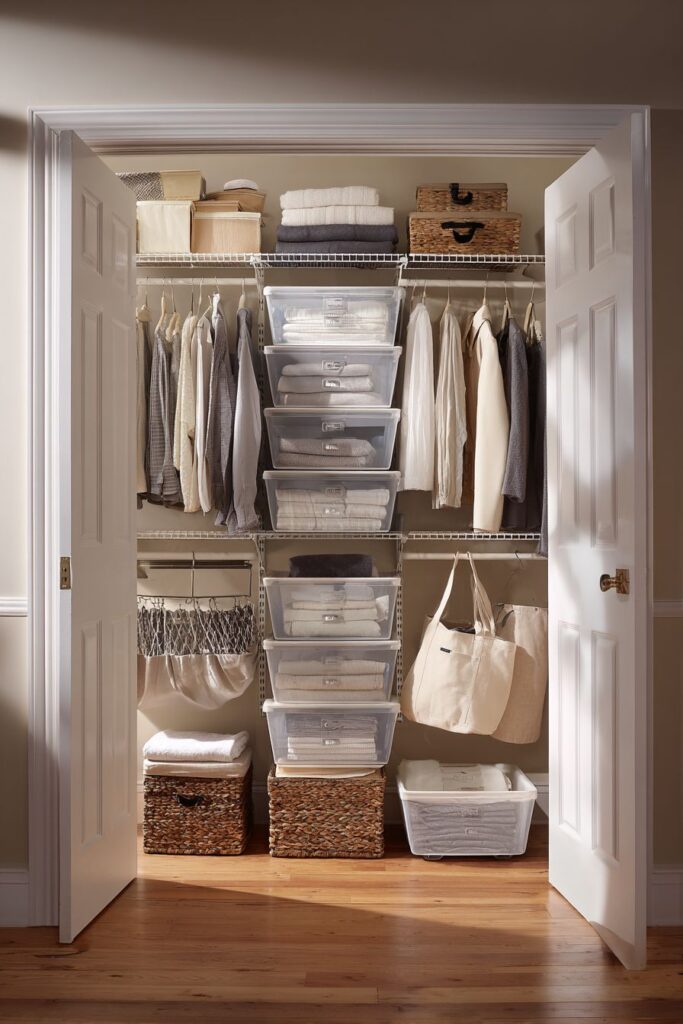
Clear storage boxes play a crucial role in this organized system, containing seasonal items, special occasion accessories, or categories of clothing while keeping contents visible at a glance. Each box is carefully labeled, eliminating the frustration of searching through multiple containers to find what you need. The transparency and labels work together to create a highly functional system that saves time and maintains order. Stacking these boxes efficiently utilizes upper shelving that might otherwise become a dumping ground for forgotten items.

A full-length mirror mounted on the back of the closet door adds functionality without consuming any wall or floor space. This clever placement provides a place to check your full outfit while maximizing the utility of often-underused door space. The white melamine finish of the entire system reflects light beautifully, keeping the closet interior bright and making it easier to see clothing colors and identify items quickly. Natural lighting from the room highlights this practical storage solution, demonstrating how organized closets can transform chaotic mornings into smooth, stress-free routines.
Key Design Tips:
- Install double hanging rods to maximize vertical storage space and dramatically increase your closet’s hanging capacity without expanding square footage.
- Use modular closet components that can be adjusted and reconfigured as your storage needs change over time.
- Invest in clear, labeled storage boxes to contain seasonal items while keeping contents visible and easily accessible.
- Mount a full-length mirror on the closet door to add functionality without consuming bedroom wall space or floor area.
- Choose light-colored closet systems that reflect light and make it easier to see clothing and accessories in your compact storage space.
10. Multipurpose Living Room with Sofa Bed Design
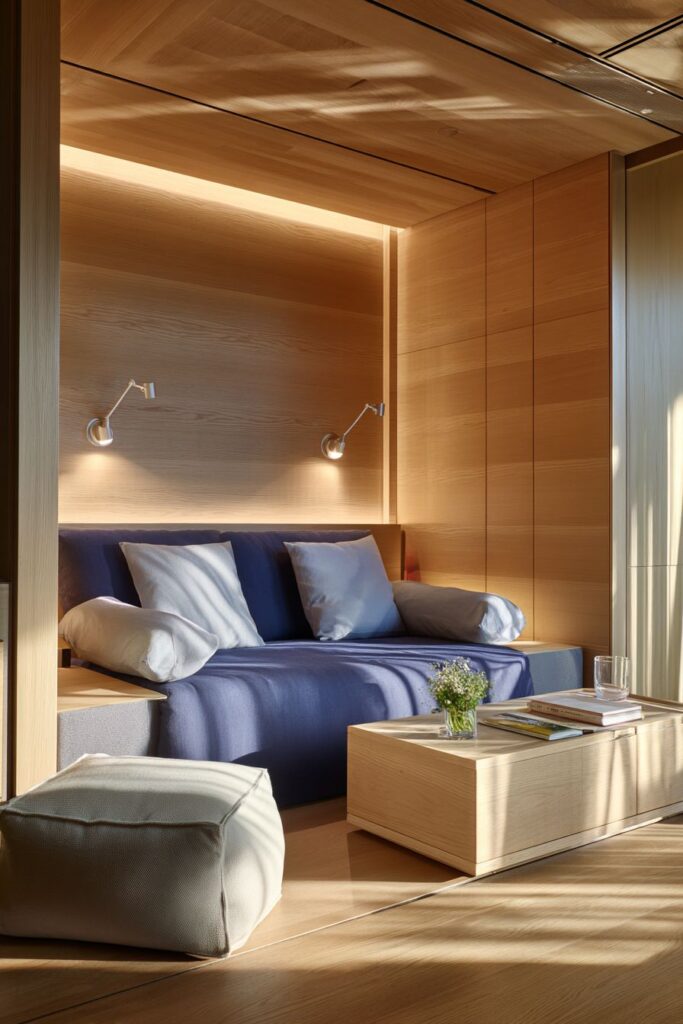
This multipurpose small space living room is anchored by a sofa bed with clean lines upholstered in sophisticated navy blue fabric that serves dual roles throughout the week. During the day and evening, it functions as comfortable seating for relaxing, reading, or entertaining friends. When overnight guests arrive, it transforms quickly into a proper bed, eliminating the need for a dedicated guest room that would consume valuable square footage. The navy fabric adds depth and richness to the space while being practical enough to hide minor wear and stains, essential qualities for hardworking furniture in small homes.
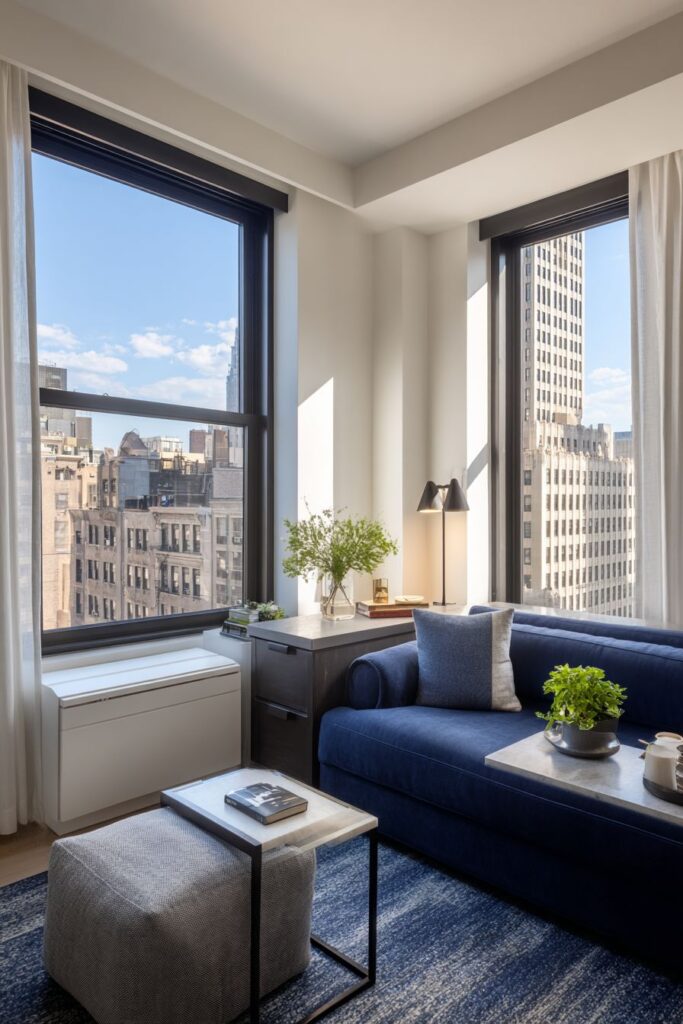
Flanking the sofa, slim side tables with single drawers provide just enough surface space for lamps, drinks, or books without the bulk of traditional end tables. Their narrow proportions are carefully chosen to maintain walkways and visual openness in the compact room. The single drawers offer hidden storage for remotes, charging cables, and other small items that tend to clutter living room surfaces. These scaled-down tables prove that furniture doesn’t need to be large to be functional—it simply needs to be proportionate to the space and thoughtfully designed.

A lightweight pouf adds flexible seating options and serves as a footrest or even a casual coffee table when topped with a tray. Its compact size allows it to tuck completely under the coffee table when not in use, disappearing from the floor plan and maximizing open space for activities or simply creating a more expansive feeling. The pouf’s mobility means you can pull it out when needed and store it away when you want maximum floor clearance, exemplifying the adaptability that characterizes successful small space living.

Wall-mounted swing-arm reading lamps save precious surface space on the side tables while providing directed light exactly where you need it. These articulating fixtures can be positioned for reading, pulled close to illuminate handwork, or swung out of the way when not in use. The elimination of table lamp bases frees up surface area for more important items and reduces visual clutter. Soft natural shadows throughout the day emphasize the thoughtful arrangement, where every element serves a purpose and nothing is superfluous. This dual-purpose room demonstrates that small space living means making intelligent choices about furniture functionality, ensuring every piece works overtime to earn its place in your home.
Key Design Tips:
- Choose a stylish sofa bed to provide comfortable daily seating that transforms into guest sleeping accommodation without dedicating space to a guest room.
- Select slim side tables that provide necessary surface space and storage without the bulk of traditional end tables in compact living rooms.
- Add lightweight, mobile poufs or ottomans that can serve multiple purposes and tuck away when not needed to maximize floor space.
- Install wall-mounted reading lamps instead of table lamps to free up surface space and reduce visual clutter in your small living area.
- Opt for furniture with clean lines and darker colors that hide wear while adding sophistication to your multipurpose living space.
11. Balcony Transformation with Vertical Gardens
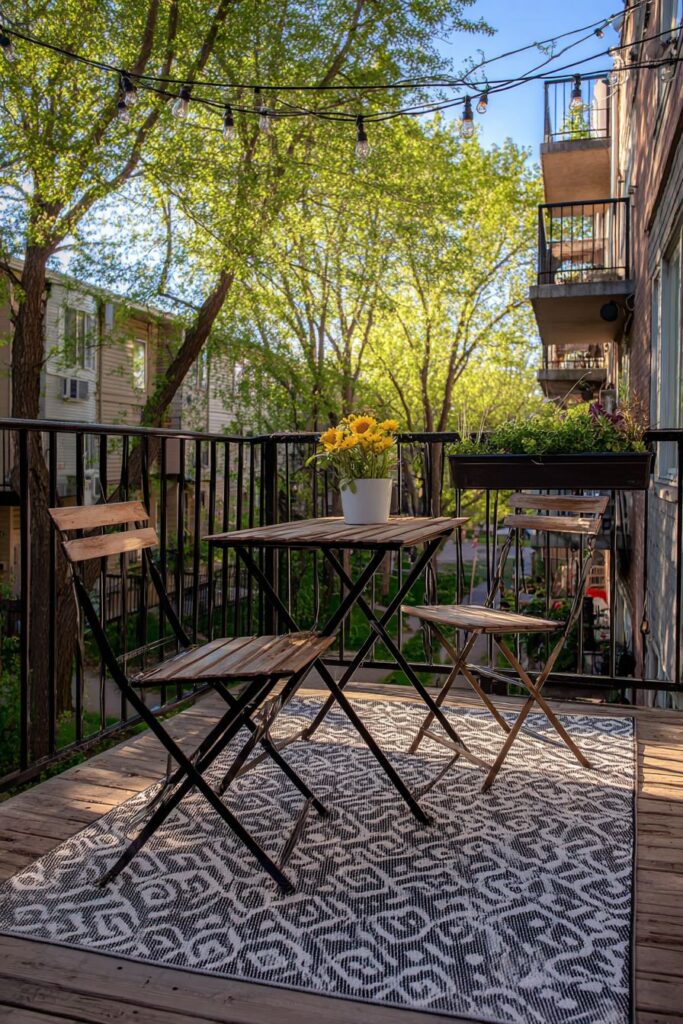
This small space living balcony transformation demonstrates how even tiny outdoor areas can become functional living spaces with strategic design choices. Vertical garden planters mounted on the railing bring nature into the compact space without consuming precious floor area. These planters hold herbs, flowers, or trailing plants that soften the hard edges of the balcony and create a green backdrop that makes the outdoor room feel lush and inviting. The vertical orientation is key—by growing upward rather than outward, you maximize your planting capacity while keeping the floor clear for furniture and movement.
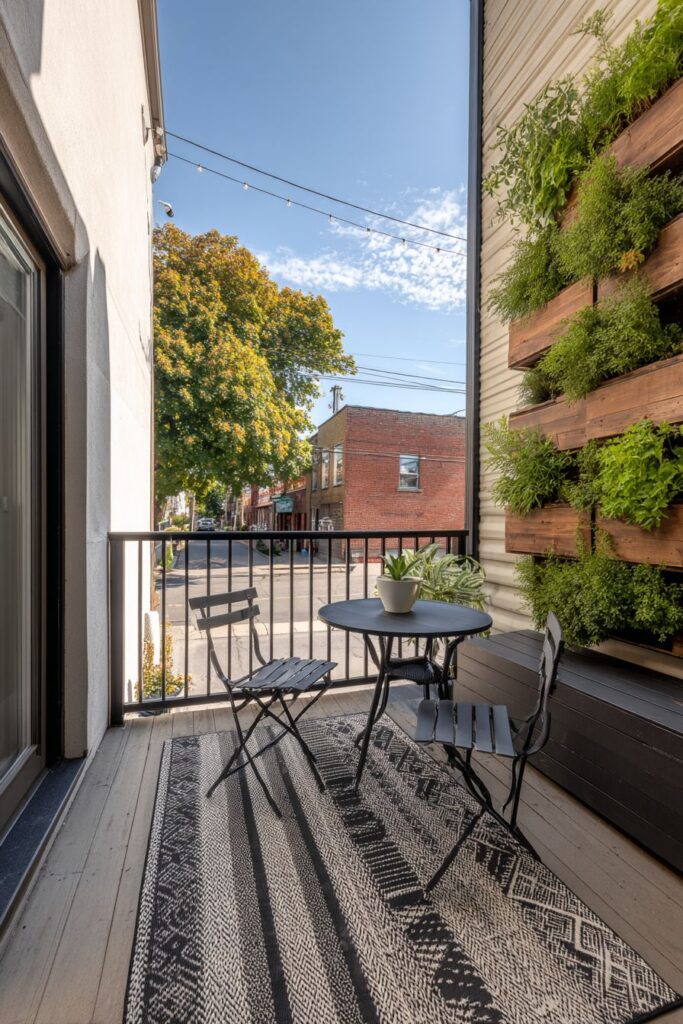
A bistro set with folding chairs in black metal provides proper seating and dining surface for morning coffee or evening meals outdoors. The compact proportions are specifically designed for small balconies, offering functionality without overwhelming the space. The folding capability of the chairs is particularly valuable, allowing you to collapse and store them when you need maximum floor space or during inclement weather. The black metal finish provides durability against the elements while adding a classic European café aesthetic that feels sophisticated and timeless.
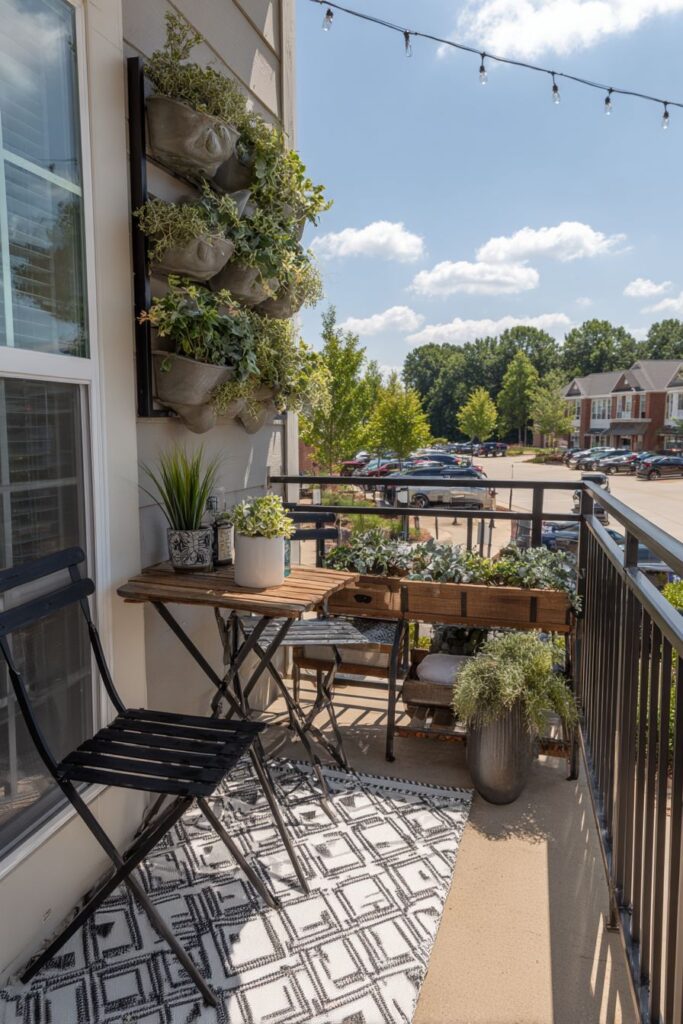
Weather-resistant storage benches serve multiple purposes in this efficient outdoor space. The bench provides additional seating when you’re entertaining, offers a footrest when you’re relaxing, and conceals storage inside for cushions, gardening supplies, or outdoor entertaining essentials. This hidden storage keeps your balcony looking tidy and organized while protecting items from weather exposure. The weather-resistant construction ensures the bench remains attractive and functional through sun, rain, and temperature changes throughout the seasons.
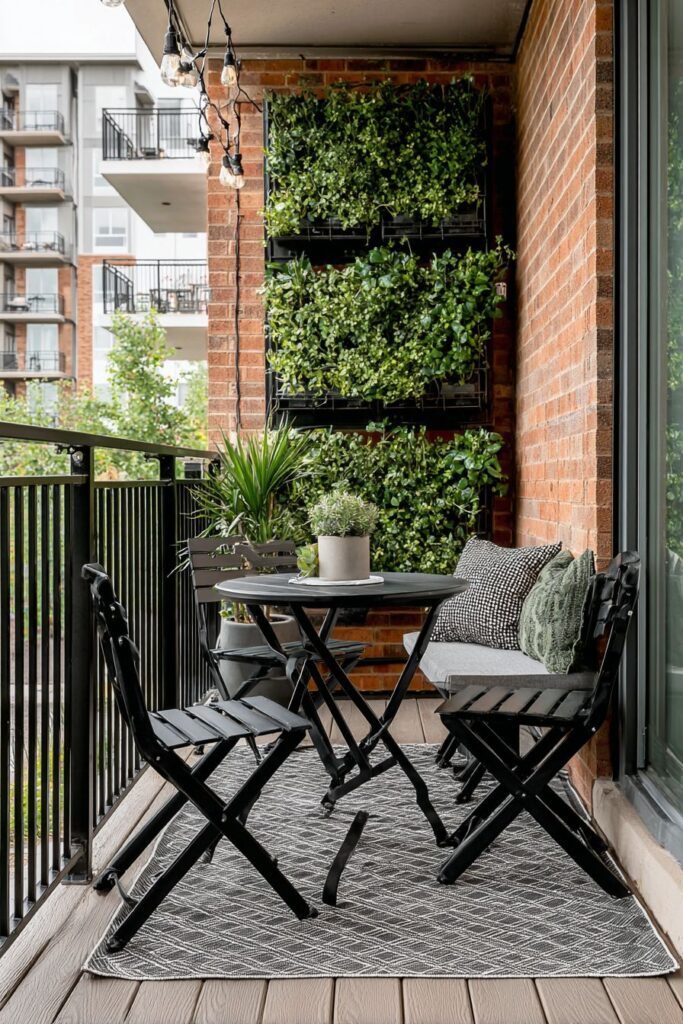
String lights overhead create ambient lighting that transforms the balcony into a magical evening retreat without consuming any floor space. This overhead approach to lighting leaves surfaces clear while creating a warm, inviting glow that makes the outdoor room feel cozy and intimate. An outdoor rug in a geometric pattern defines the compact seating area and adds color, pattern, and softness underfoot. The rug helps anchor the furniture arrangement and makes the balcony feel like a true extension of your indoor living space rather than just a utilitarian outdoor ledge.
Key Design Tips:
- Install vertical garden planters on balcony railings to add greenery and softness without consuming valuable floor space for plant containers.
- Choose compact bistro-sized furniture with folding capabilities to provide seating and surface space that can be collapsed when needed.
- Add a weather-resistant storage bench to provide flexible seating and hidden storage while keeping outdoor items organized and protected.
- Use overhead string lights to create evening ambiance without cluttering surfaces with lanterns or lamps on your small balcony.
- Define your seating area with an outdoor rug that adds color and comfort while making the balcony feel like a proper outdoor room.
12. Convertible Crib Nursery for Growing Families
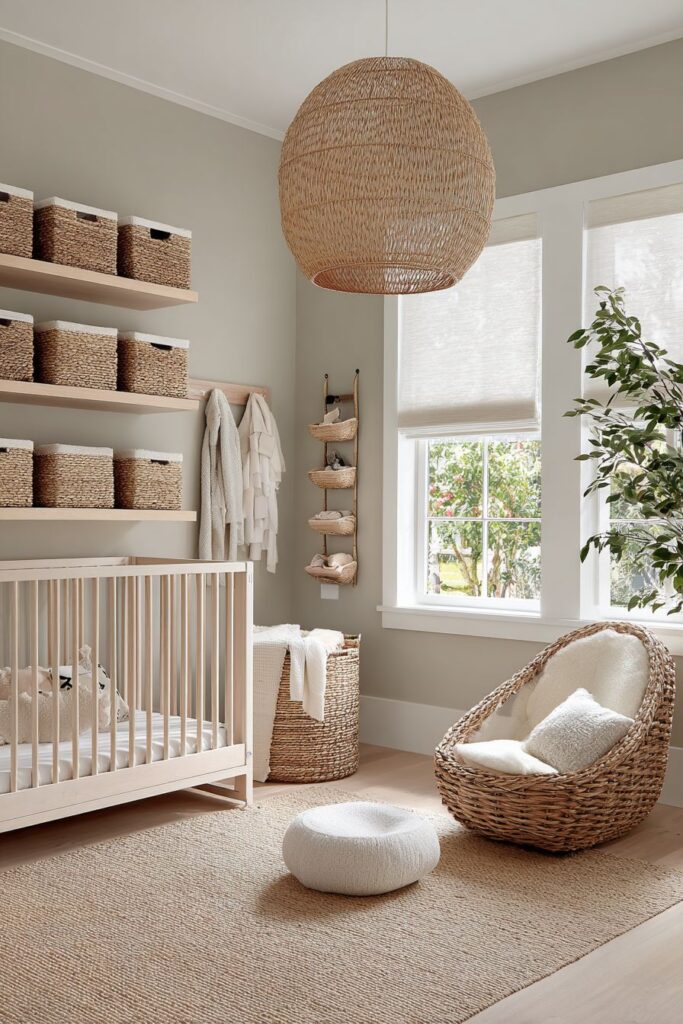
This nursery designed for small space living features a convertible crib that grows with your child, transforming from an infant crib to a toddler bed as your baby develops. This long-term approach to furniture selection represents both financial wisdom and space efficiency, eliminating the need to purchase new beds and rearrange the room multiple times during early childhood. The crib’s clean-lined design in white or natural wood coordinates beautifully against soft grey walls, creating a serene environment that promotes calm and rest for both baby and parents.
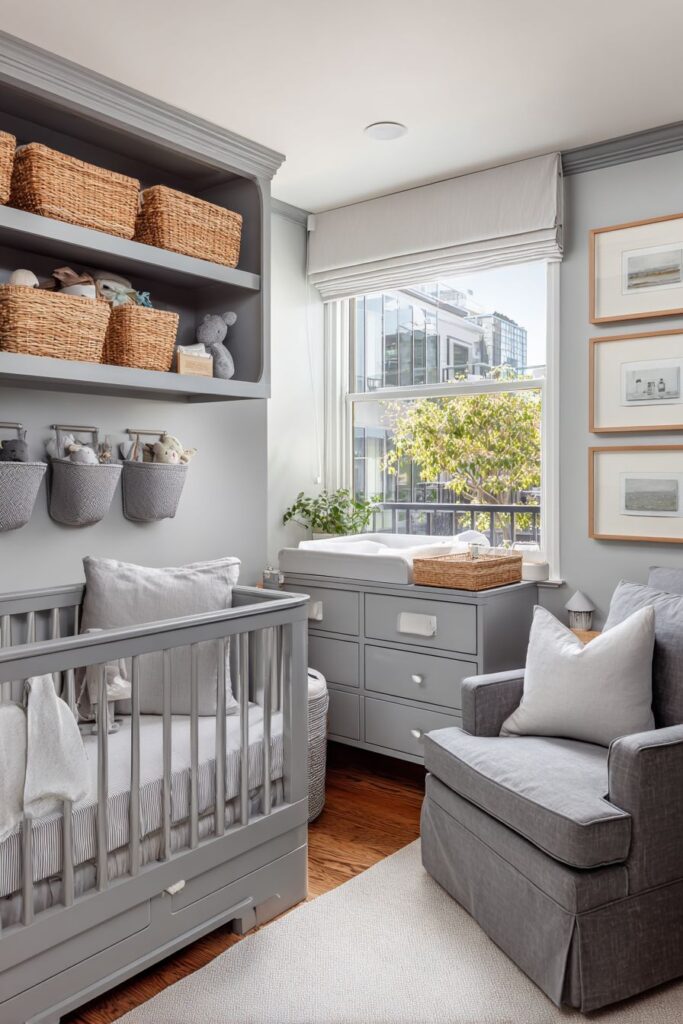
The changing table positioned nearby features multiple storage baskets that keep diapers, wipes, lotions, and clothing organized and within easy reach during diaper changes. This accessibility is crucial during those middle-of-the-night changes when you’re operating on minimal sleep and maximum urgency. Wall-mounted organizers above the changing table hold additional supplies, utilizing vertical space efficiently while keeping essentials at hand. This layered storage approach ensures everything has its place, maintaining order in a room where clutter can quickly accumulate.

A compact glider chair fits into the corner near the window, providing a comfortable spot for feeding, rocking, and bonding with your baby. Despite its smaller footprint, this chair doesn’t sacrifice comfort or functionality—proper gliders designed for small spaces offer the same smooth motion and ergonomic support as larger versions. Positioning it near the window allows you to enjoy natural light and views during daytime feedings while creating a cozy corner that becomes a favorite spot for quiet moments with your child.

Soft natural lighting filters through white cellular shades that provide light control for nap times while maintaining the room’s airy feeling when raised. The cellular design adds insulation, helping maintain comfortable temperatures in the nursery while reducing outside noise that might disturb sleep. The efficient layout maintains clear pathways around furniture, essential for nighttime navigation when you’re moving through the dark nursery. This thoughtful design proves that nurseries in small homes can be both functional and nurturing, providing everything your baby needs without requiring excessive space.
Key Design Tips:
- Invest in a convertible crib that transforms into a toddler bed to maximize your furniture investment and eliminate the need for future room rearrangements.
- Choose a changing table with integrated storage baskets to keep diapering supplies organized and accessible during changes.
- Add wall-mounted organizers above changing areas to utilize vertical space for storage while keeping essentials within easy reach.
- Select a compact glider chair designed for small spaces that provides comfort and functionality without overwhelming the nursery.
- Position the glider near windows to take advantage of natural light during daytime feeding and bonding sessions with your baby.
13. Stacked Laundry Area with Pull-Out Features
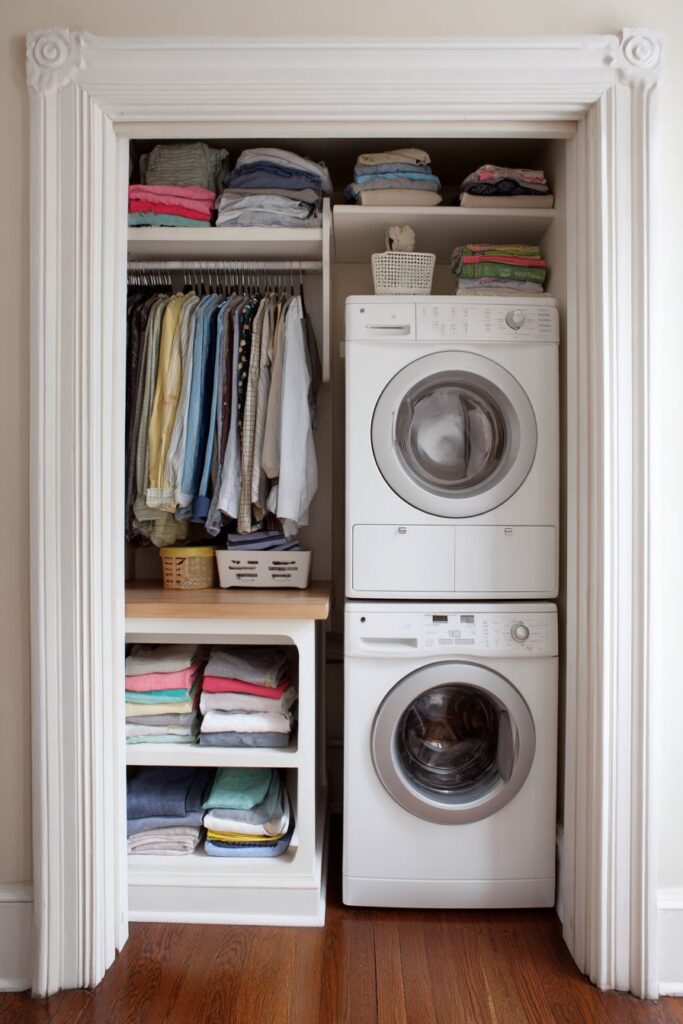
This small space living laundry area maximizes efficiency through a stacked washer-dryer unit that utilizes vertical space brilliantly. By stacking these appliances, you cut the floor footprint in half compared to side-by-side placement, freeing up valuable square footage in what is often a cramped utility area. This vertical orientation is particularly valuable in apartments or small homes where dedicated laundry rooms are impossible and washing facilities must be tucked into closets, bathrooms, or kitchen alcoves. The stacked configuration makes full-size appliances feasible even in the tightest spaces.
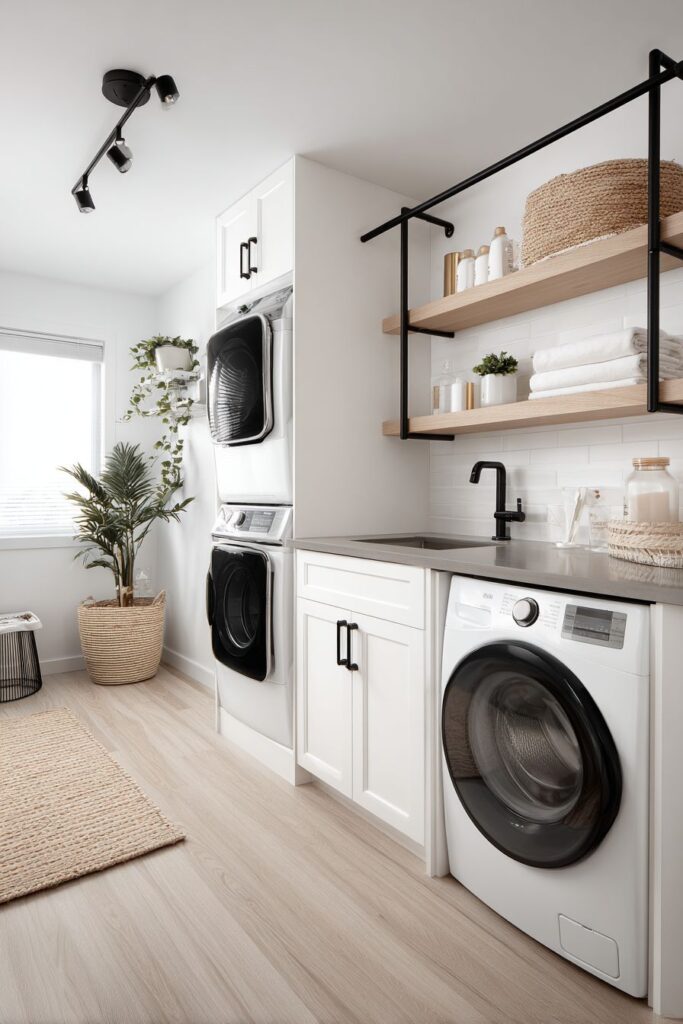
A pull-out drying rack mounted on the wall folds flat when not in use, completely disappearing from the laundry area and leaving the space open for movement and other tasks. When you need to air-dry delicates or sweaters that can’t go in the dryer, simply pull out the rack to create instant drying space. This transformative feature exemplifies smart small space design—providing functionality exactly when needed while vanishing when not in use. The wall-mounted installation also keeps the drying rack off the floor, maintaining clearance for cleaning and preventing it from becoming a tripping hazard.

Narrow shelving installed beside or above the stacked units holds laundry supplies like detergent, fabric softener, stain removers, and dryer sheets. The narrow depth ensures the shelving doesn’t protrude into the walkway or make the laundry area feel cramped. A countertop installed over the machines provides essential folding space, transforming the top of your appliances into a functional work surface. This addition is particularly valuable since most stacked units waste the space above them—adding a countertop reclaims that real estate for a purpose that significantly improves your laundry workflow.
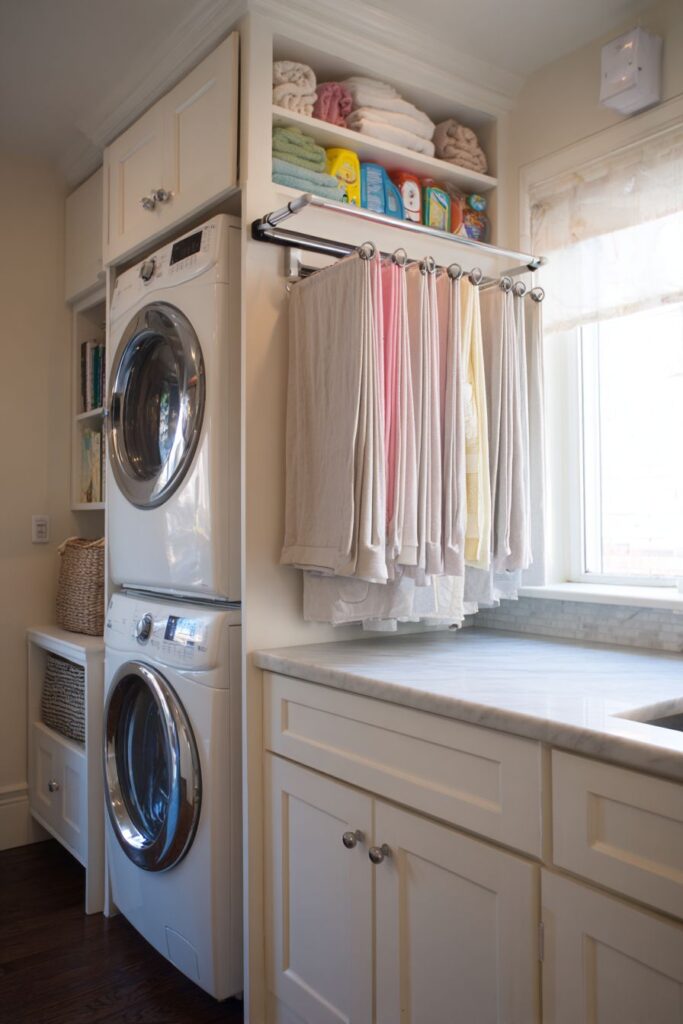
A tension rod installed between walls creates an instant hanging space for air-drying clothes or holding freshly ironed items before you can put them away. This simple, inexpensive solution requires no installation beyond extending the rod, yet it adds significant functionality to your laundry area. White walls and good task lighting keep the compact utility space functional and pleasant to work in rather than feeling like a dark, uninviting chore. The organized vertical arrangement proves that even the most utilitarian spaces can be efficient and well-designed when you think creatively about storage and workflow.
Key Design Tips:
- Stack your washer and dryer vertically to cut the floor footprint in half and make full-size appliances feasible in compact spaces.
- Install a pull-out drying rack that folds flat against the wall when not in use to provide air-drying space without permanent floor clutter.
- Add narrow shelving for laundry supplies that provides storage without protruding into walkways or making the area feel cramped.
- Create a countertop over your stacked machines to provide essential folding space and maximize the utility of otherwise wasted vertical space.
- Use tension rods between walls for instant hanging space that requires no installation and can be repositioned as needed.
14. Built-In Reading Nook Corner Sanctuary
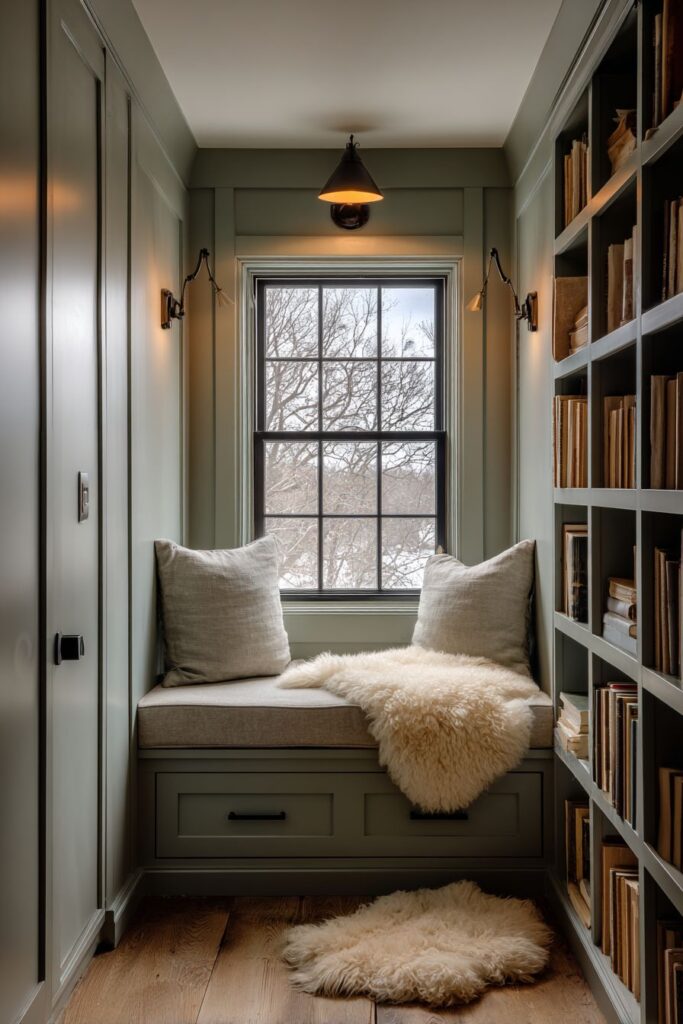
This reading nook designed for small space living transforms an underutilized corner into a cherished retreat through thoughtful built-in design. The bench seat features lift-up storage underneath, providing a home for books, blankets, board games, or seasonal items that need a place to live. The upholstered cushion in sage green linen adds softness and comfort while bringing a calming natural color into the space. This built-in approach is superior to freestanding furniture in corners, as it can be customized to fit the exact dimensions and maximize every inch of available space.

Floor-to-ceiling bookshelves flanking one side of the seating create a cozy, enveloping feeling while providing generous storage for your book collection. The vertical orientation of these shelves is essential in small space living, reaching upward to accommodate hundreds of books without consuming additional floor space. The surrounding books create an intimate, library-like atmosphere that makes the nook feel special and dedicated to the pleasure of reading. For book lovers in small homes, this solution provides proper book storage without dedicating entire rooms to libraries.

A small wall-mounted swing-arm lamp positioned at the perfect height provides directed reading light without requiring a side table or floor lamp that would consume precious space. The adjustable arm allows you to position light exactly where you need it on the page, while the wall mounting keeps the nook’s surfaces clear for setting down your book, tea cup, or reading glasses. This lighting solution demonstrates how wall-mounted fixtures can solve problems in compact spaces where traditional lighting would be impractical or impossible.

A sheepskin throw draped over the bench adds textural richness and cozy comfort, inviting you to curl up with a good book for hours. Natural window light streams into the corner during daytime hours, providing the best possible light for reading while connecting you to the changing weather and seasons outside. The intimate scale of this reading spot makes it feel like a secret hideaway within your home, a place where you can retreat from the world and lose yourself in stories. This corner transformation proves that small space living doesn’t mean sacrificing special, dedicated areas for your favorite activities.
Key Design Tips:
- Create a built-in bench with lift-up storage to maximize corner space while providing seating and hidden organization in one element.
- Install floor-to-ceiling bookshelves flanking your reading nook to provide generous book storage without additional floor footprint.
- Add a wall-mounted swing-arm reading lamp that provides directed light without requiring surface space for traditional lamps.
- Position your reading nook near natural light sources to take advantage of beautiful daylight for reading during daytime hours.
- Layer textiles like upholstered cushions and soft throws to create a cozy, inviting atmosphere that makes you want to settle in and read.
15. Open Shelving Kitchen Creating Visual Airiness
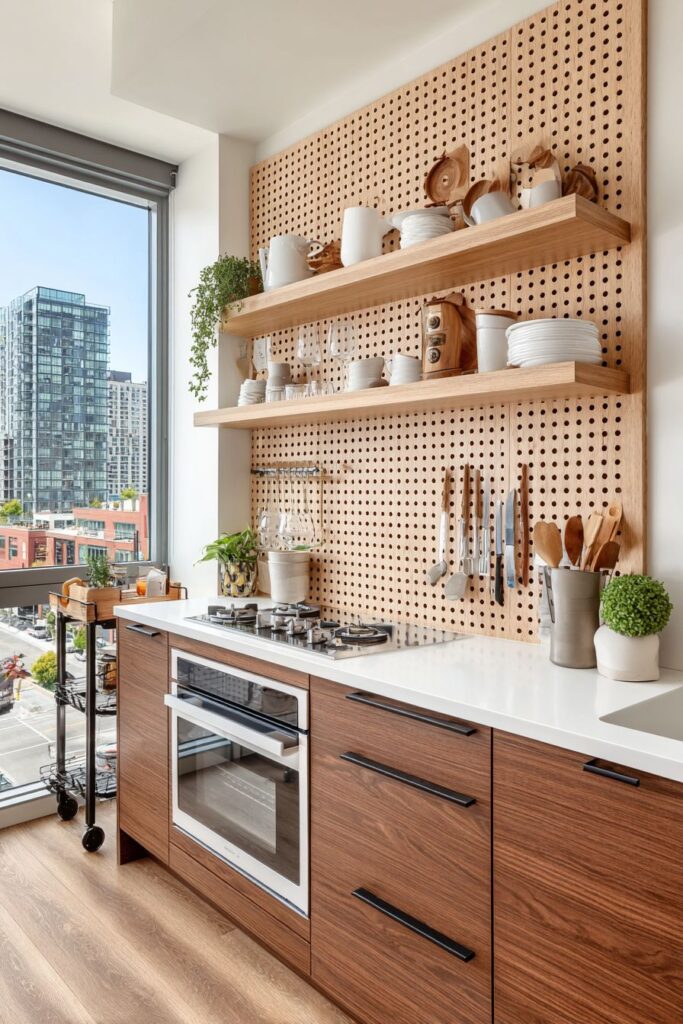
This small space living kitchen challenges conventional wisdom by replacing upper cabinets with open shelving, creating remarkable visual openness that makes the compact kitchen feel dramatically larger. The open design allows your eye to travel to the wall behind the shelves rather than stopping at solid cabinet doors, creating the perception of greater depth and space. White dishware and everyday glassware displayed on these shelves become part of the kitchen’s aesthetic, turning functional items into decorative elements that add personality and visual interest to the space.

The pegboard backsplash represents an innovative approach to kitchen organization, holding cooking utensils within easy reach while adding textural interest to the walls. Hooks can be repositioned as your needs change, accommodating everything from whisks and ladles to pot holders and measuring cups. This flexible system keeps tools visible and accessible, eliminating the frustration of digging through cluttered drawers when you’re in the middle of cooking. The pegboard also adds a crafted, handmade quality that gives the kitchen character and warmth.
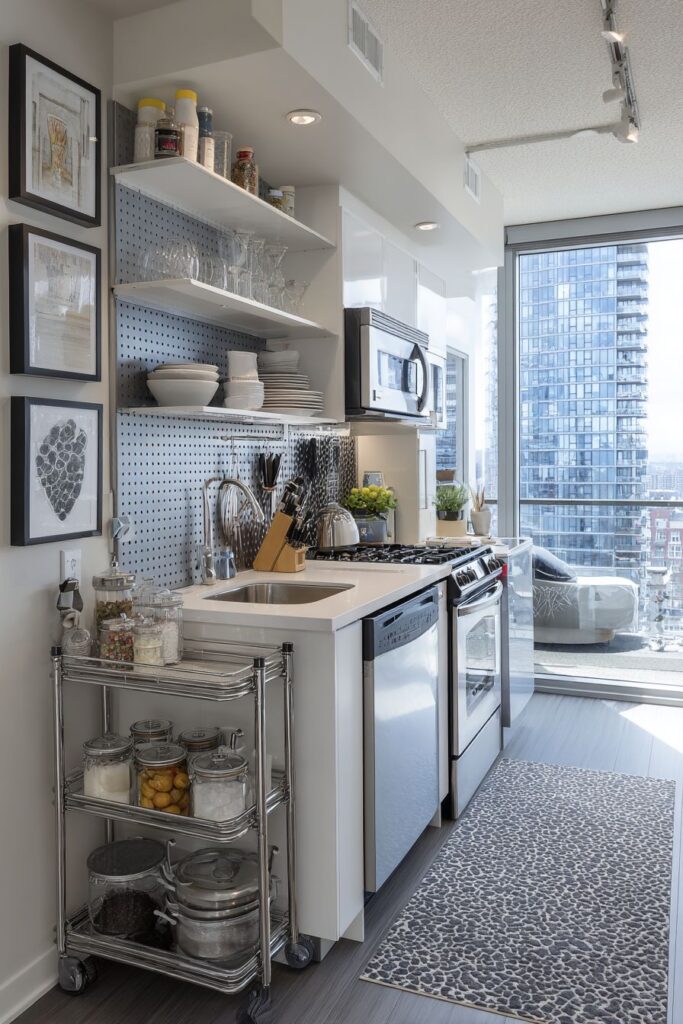
A narrow rolling cart with three tiers provides mobile storage and prep space that can be positioned wherever you need it most. When you’re cooking, roll it beside the stove for easy access to ingredients and tools. When you’re baking, position it near your primary work surface for additional staging area. When you need maximum floor space, roll it into a corner or adjacent pantry. This mobility and flexibility are invaluable in small kitchens where fixed layouts can feel limiting and where your needs change based on what you’re preparing.
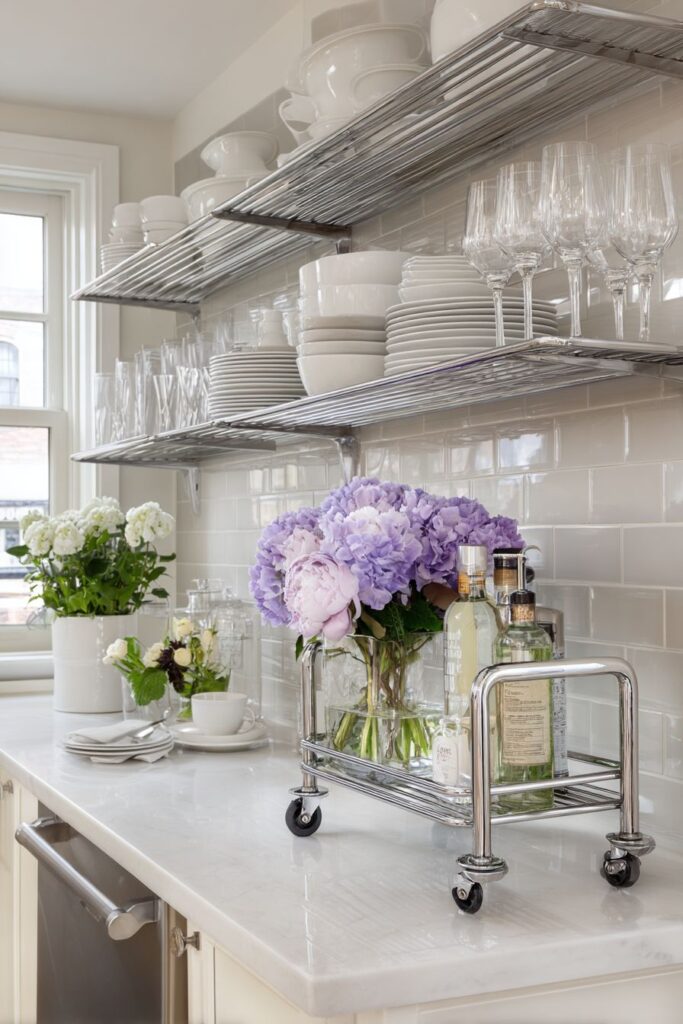
Under-cabinet lighting illuminates the white quartz countertops beautifully, eliminating shadows in work areas and making food preparation easier and safer. This task lighting is essential in kitchens but particularly important in small spaces where natural light might not reach all work surfaces adequately. The white quartz reflects this light effectively while providing a durable, easy-to-clean work surface. Natural daylight streaming from a window complements the under-cabinet lighting, filling the kitchen with brightness that makes the compact space feel airy and welcoming rather than closed in or dark.
Key Design Tips:
- Consider open shelving instead of upper cabinets to create visual openness and make your small kitchen feel dramatically more spacious.
- Install a pegboard backsplash for flexible tool storage that keeps utensils visible and accessible while adding textural interest to walls.
- Add a narrow rolling cart that provides mobile prep and storage space that can be repositioned based on your cooking activities.
- Install under-cabinet lighting to illuminate work surfaces and eliminate shadows that can make small kitchens feel dark and cramped.
- Display attractive dishware on open shelves to turn functional items into decorative elements that add personality to your kitchen.
16. Scandinavian Minimalist Bedroom with Capsule Wardrobe
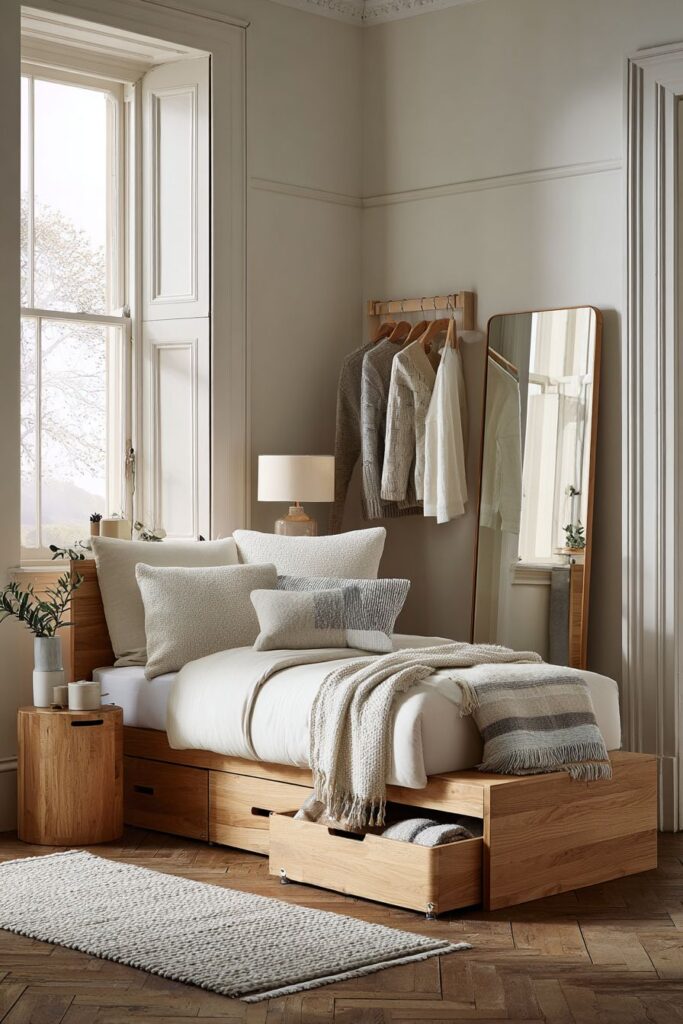
This Scandinavian-style small space living bedroom embraces the “less is more” philosophy through a low platform bed in light oak that creates an open, airy feeling. The low profile makes the ceiling feel higher and prevents the bed from dominating the compact room. Under-bed storage boxes on wheels slide out easily for accessing seasonal clothing, extra linens, or shoes, utilizing the often-wasted space beneath the bed frame. The wheeled design makes accessing these items effortless, eliminating the need to lift heavy mattresses or struggle with awkward storage access.
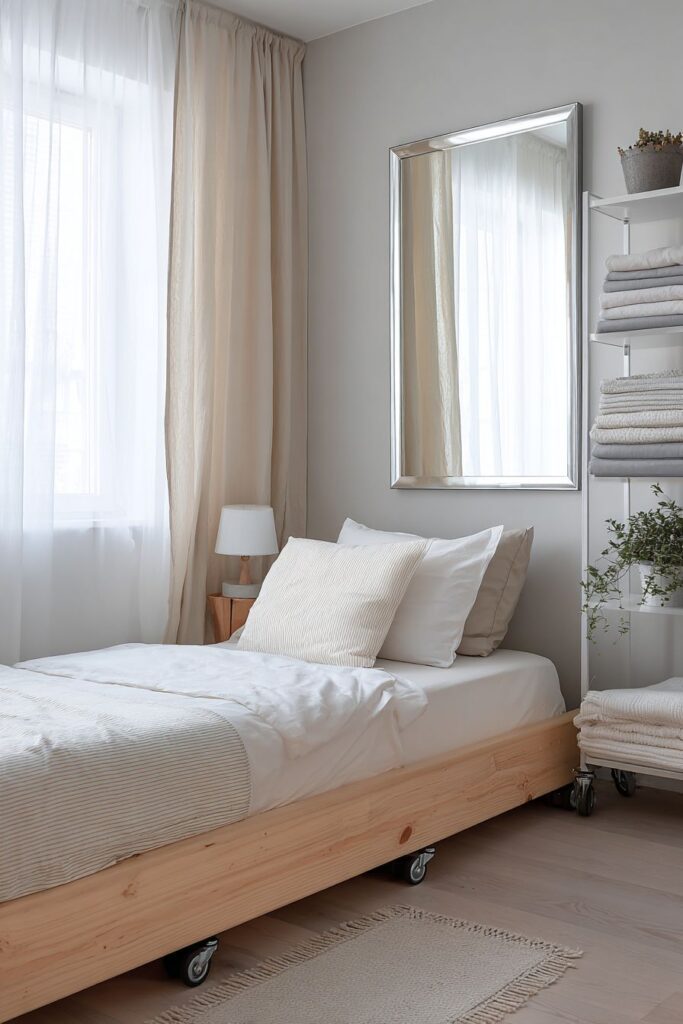
The capsule wardrobe concept takes center stage through a minimal clothing rack displaying only current-season favorites and pieces you truly wear regularly. This curated approach to clothing storage reduces visual clutter while encouraging more intentional wardrobe choices. The open rack requires you to keep your clothing collection edited and organized, which paradoxically makes getting dressed easier and more enjoyable. The minimal design of the rack itself becomes a sculptural element rather than bulky furniture, maintaining the room’s serene Scandinavian aesthetic.
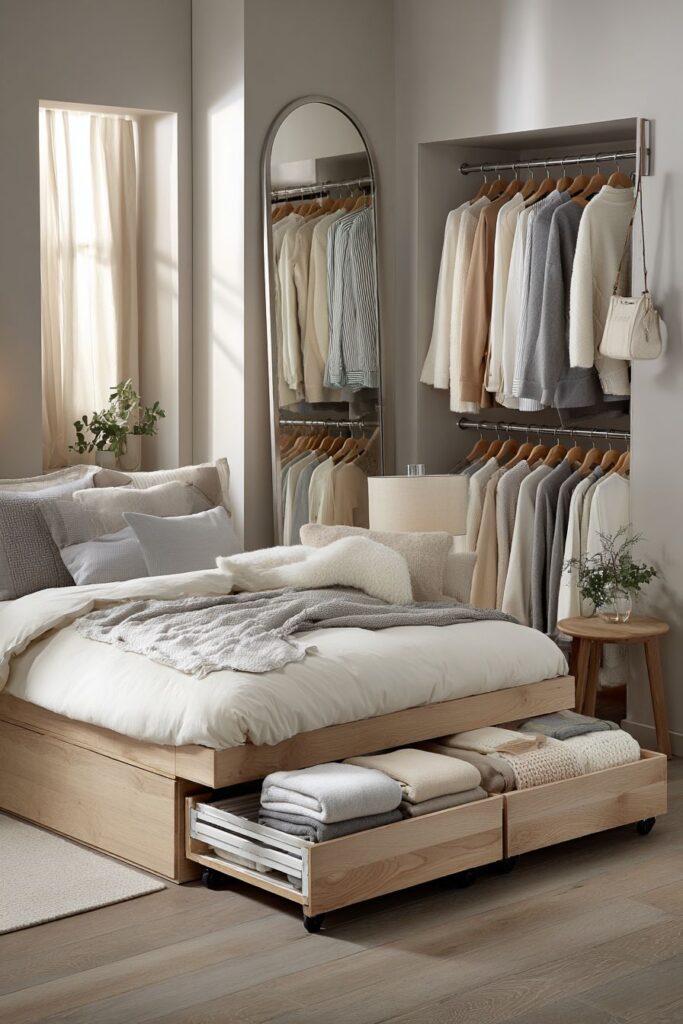
A small round side table holds a simple lamp, providing necessary bedside functionality without the bulk of traditional nightstands. Its compact circular form takes up minimal floor space while its round shape prevents sharp corners that could cause bruises in tight quarters. Neutral textiles in white, beige, and soft grey create a calm atmosphere that promotes relaxation and restful sleep. These gentle colors also make the room feel more spacious by creating visual continuity rather than breaking up the space with contrasting colors or busy patterns.
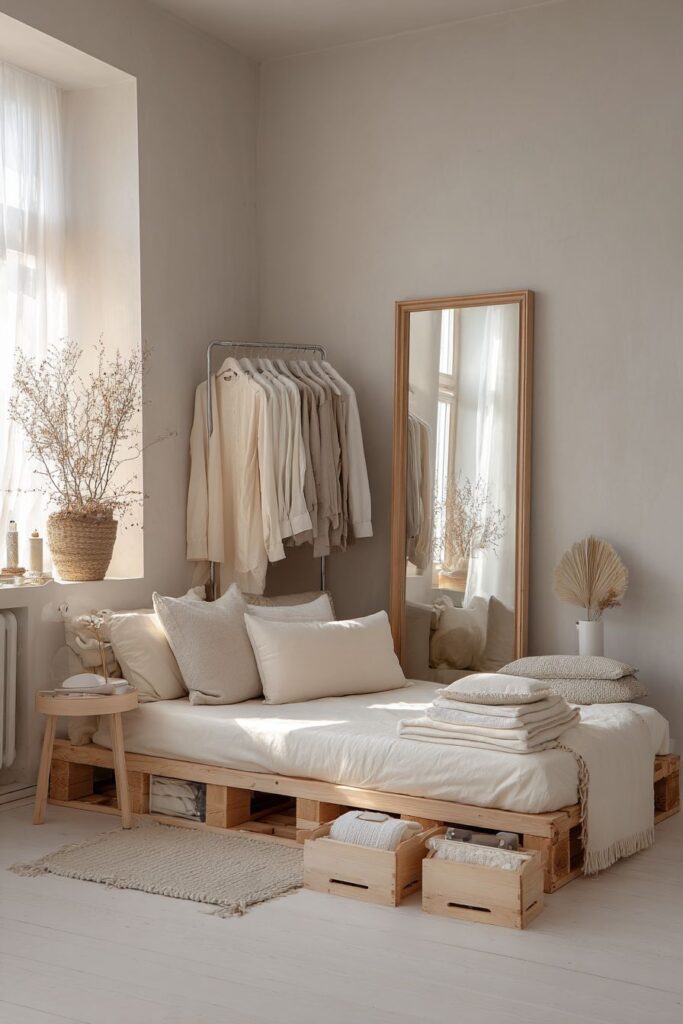
A large mirror leans casually against the wall, providing function while reflecting natural light throughout the room and creating the illusion of greater space. The leaning design rather than hanging makes the mirror feel more relaxed and less permanent, fitting the Scandinavian aesthetic of effortless simplicity. Natural light fills the room, highlighting the serene minimalist aesthetic and efficient use of limited square footage. This bedroom proves that small spaces can feel peaceful and spacious when you embrace minimalism and choose every element intentionally.
Key Design Tips:
- Choose a low platform bed that creates an open feeling and makes small bedrooms feel more spacious by emphasizing horizontal rather than vertical space.
- Utilize under-bed storage boxes on wheels to organize items while keeping them easily accessible without awkward lifting or maneuvering.
- Create a capsule wardrobe displayed on minimal racks to reduce visual clutter and encourage more intentional clothing choices in small bedrooms.
- Embrace neutral textiles in white, beige, and grey to create visual continuity that makes compact bedrooms feel larger and more serene.
- Add a large leaning mirror to reflect natural light and create the illusion of greater space while maintaining a relaxed, effortless aesthetic.
17. Wet Room Bathroom with Seamless Design
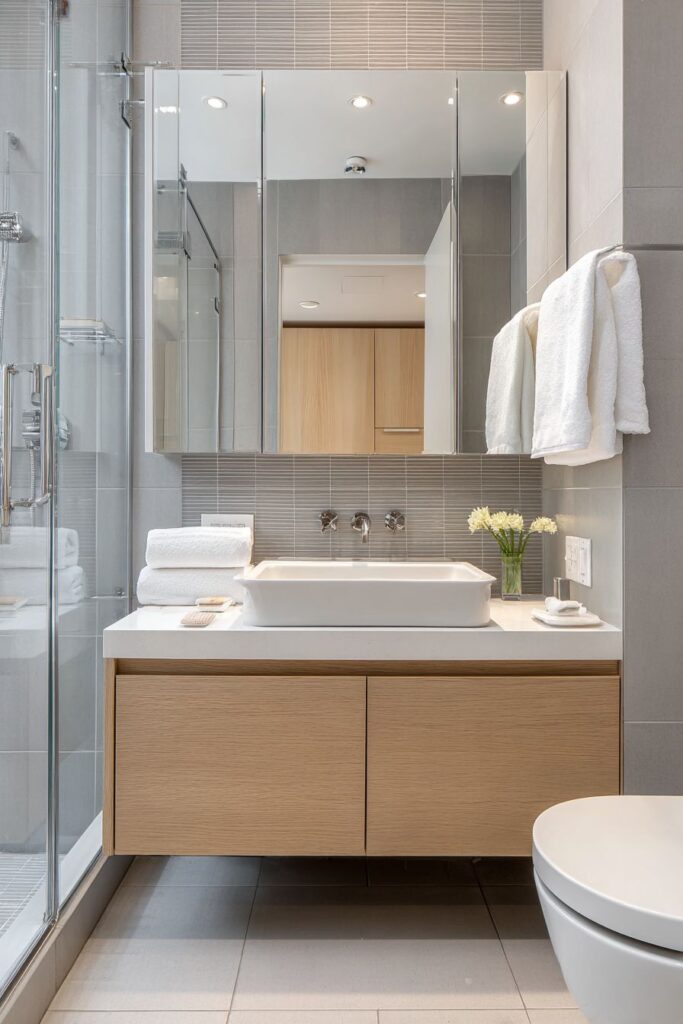
This small space living bathroom features a wet room design that eliminates the traditional shower enclosure entirely, creating a seamless, open layout that maximizes the perception of space. The walk-in shower area is defined by a different tile pattern rather than walls or glass, creating visual interest while maintaining complete openness. This European-inspired approach works brilliantly in small bathrooms where shower enclosures can make the space feel fragmented and cramped. The entire floor is waterproofed and gently sloped toward a central drain, allowing water to flow away efficiently without containment.
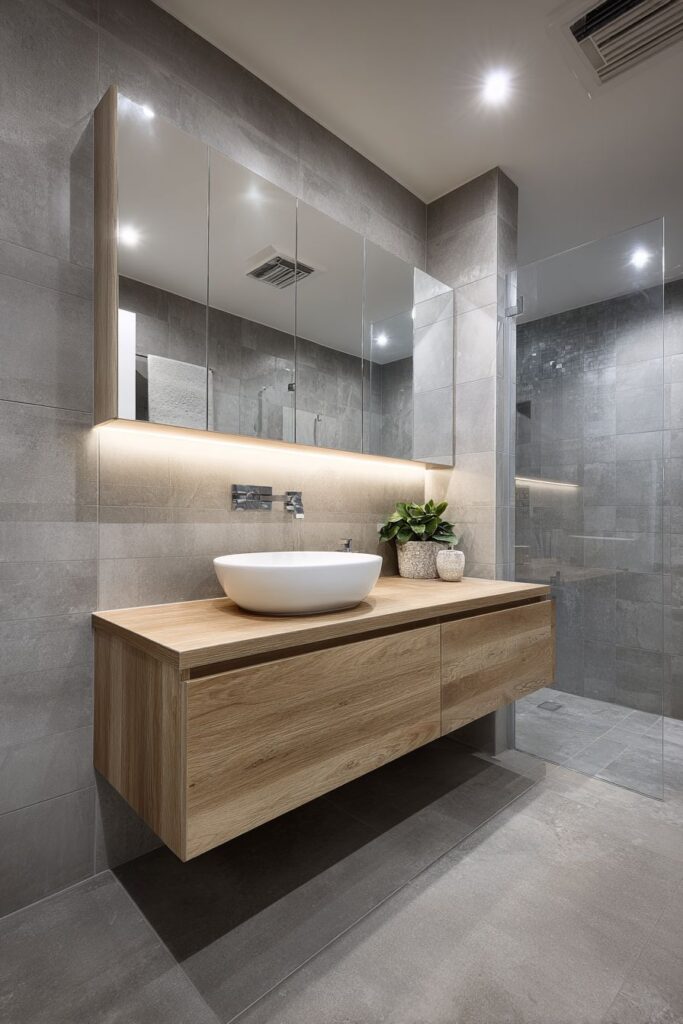
A wall-mounted floating vanity in natural oak provides essential storage and counter space while maximizing the floor space beneath it. The floating design creates visual lightness and makes the bathroom feel more open by revealing the floor that would otherwise be hidden behind a traditional vanity cabinet. The natural oak brings warmth and organic beauty to the contemporary space, preventing it from feeling too clinical or cold. The vessel sink sitting atop the vanity adds sculptural interest while requiring less depth than an undermount sink, further reducing the vanity’s protrusion into the room.

Large format light grey tiles cover both walls and floors, minimizing grout lines and creating a continuous, expansive surface that makes the bathroom feel much larger than its actual dimensions. Fewer grout lines mean less visual interruption and easier cleaning—a practical consideration in bathrooms where soap scum and mildew can accumulate in grout. The light grey color reflects available light beautifully while hiding water spots and minor dirt better than pure white. The contemporary aesthetic created by these tiles feels sophisticated and spa-like, elevating the daily routine of bathing and grooming.
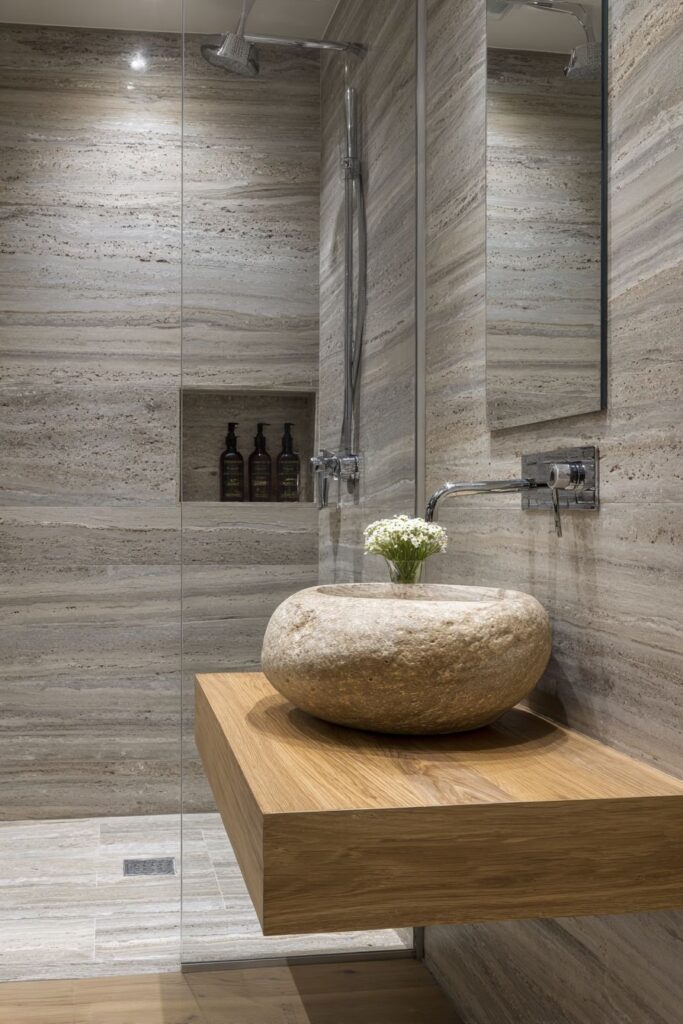
A recessed medicine cabinet with a mirrored door provides hidden storage for toiletries and medications without protruding into the bathroom space. This built-in approach is vastly superior to surface-mounted cabinets in small bathrooms, as it utilizes the depth of the wall cavity rather than consuming precious room volume. The mirror serves its essential function while concealing practical storage, demonstrating how thoughtful design can layer multiple functions into single elements. Balanced lighting throughout captures the seamless open layout and contemporary aesthetic, making this compact bathroom feel like a luxurious retreat.
Key Design Tips:
- Consider a wet room design that eliminates shower enclosures to create a seamless, open layout that maximizes space perception in small bathrooms.
- Install a wall-mounted floating vanity to reveal floor space beneath and create visual lightness in your compact bathroom.
- Use large format tiles with minimal grout lines to create continuous surfaces that make small bathrooms feel more expansive and are easier to clean.
- Add a recessed medicine cabinet that utilizes wall cavity depth rather than protruding into the bathroom space for storage.
- Choose light, neutral tile colors that reflect light and create a spa-like atmosphere while being practical for hiding water spots and minor dirt.
18. Streamlined Media Center with Low-Profile Design
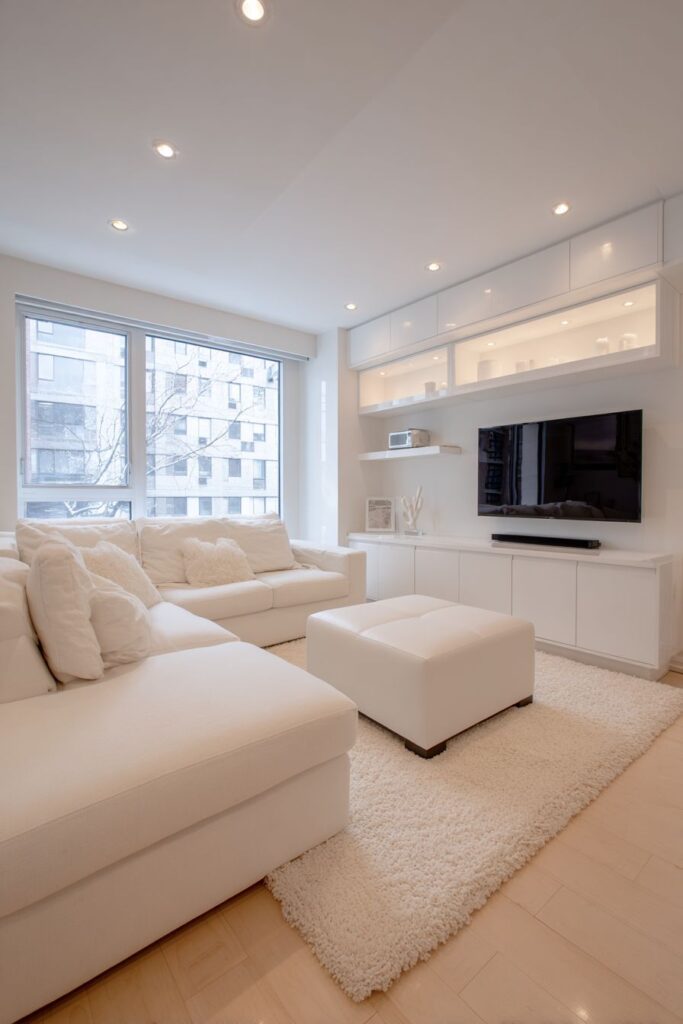
This small space living media center features a low-profile entertainment console that provides essential storage and organization without overwhelming the compact room. The console includes cable management systems that keep unsightly wires hidden and organized, preventing the tangled mess that can make entertainment areas look chaotic. Sliding doors in white lacquer conceal contents when you want a clean look while allowing easy access to gaming systems, streaming devices, and media collections. The sliding mechanism is particularly smart in small spaces, requiring no clearance for door swings that would limit furniture placement.
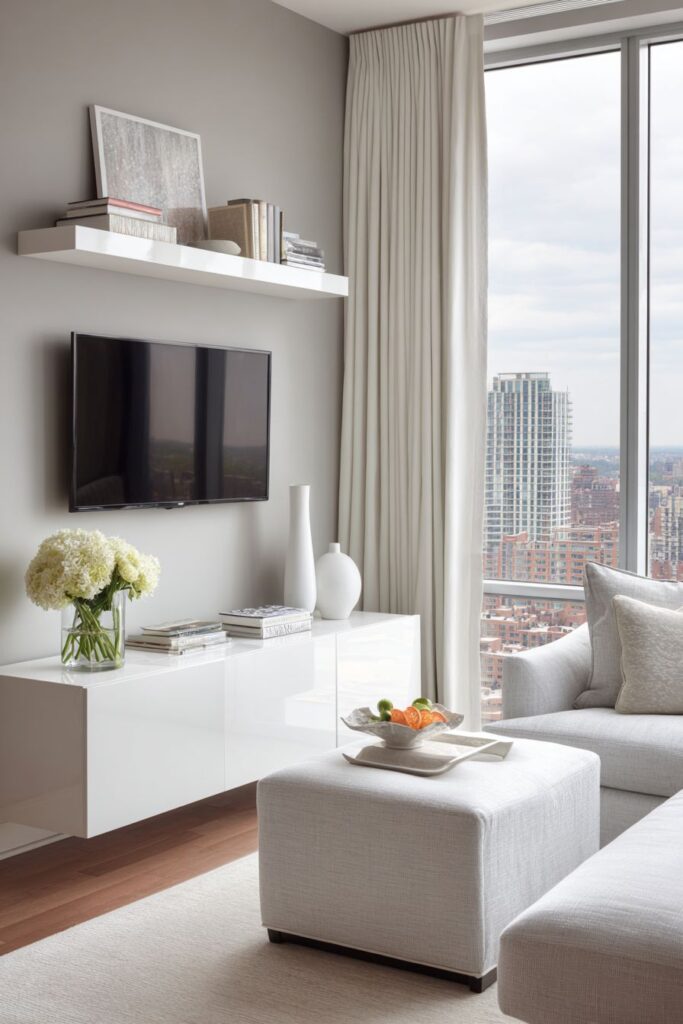
Floating shelves mounted above the console hold minimal decor items, adding personality without the visual weight of a large entertainment center or bookcase. These carefully curated objects might include a few favorite books, a small plant, or meaningful decorative pieces that reflect your personality. The floating design maintains airiness and allows the wall color to show through, preventing the media wall from feeling too heavy or dominating the room. The white finish coordinates with the console below, creating a cohesive built-in look that feels intentional and designed.

The television mounts directly on the wall, a critical decision that eliminates the need for the console to support its weight and allows the furniture piece to be lower and less bulky. This wall mounting also places the screen at optimal viewing height and saves console space for actual storage rather than just supporting the TV. The compact sectional is positioned at the ideal viewing distance, sized appropriately for the room so it provides comfortable seating without blocking pathways or making the space feel cramped. A storage ottoman tucks beside the sectional, offering hidden storage for throws, remotes, and magazines while providing additional seating when needed.
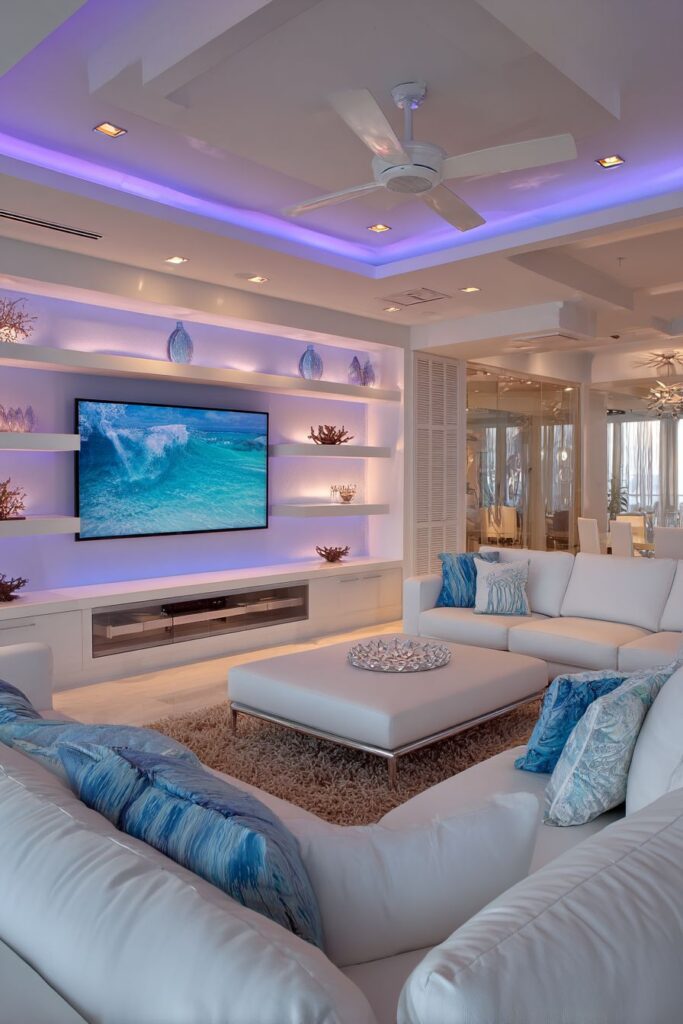
Soft indirect lighting positioned behind the television reduces eye strain during viewing while creating ambient glow that makes movie watching more comfortable and immersive. This bias lighting is both functional and atmospheric, adding a subtle design element that elevates the entire entertainment experience. The streamlined setup demonstrates how proportional furniture sizing and smart storage solutions can create a complete entertainment center in compact spaces without sacrificing functionality or style. Every element is chosen for its specific contribution to the room’s purpose, with nothing superfluous or oversized for the available space.
Key Design Tips:
- Choose a low-profile entertainment console with sliding doors and cable management to keep media equipment organized without visual bulk.
- Mount your television on the wall to free up console space for actual storage rather than supporting the TV’s weight.
- Add floating shelves for minimal decor that adds personality without the heavy look of traditional entertainment centers or bookcases.
- Position furniture at appropriate viewing distances and choose appropriately scaled seating that provides comfort without overwhelming your small living room.
- Install bias lighting behind your television to reduce eye strain and create ambient atmosphere during viewing.
19. Custom Corner Workstation Maximizing Productivity
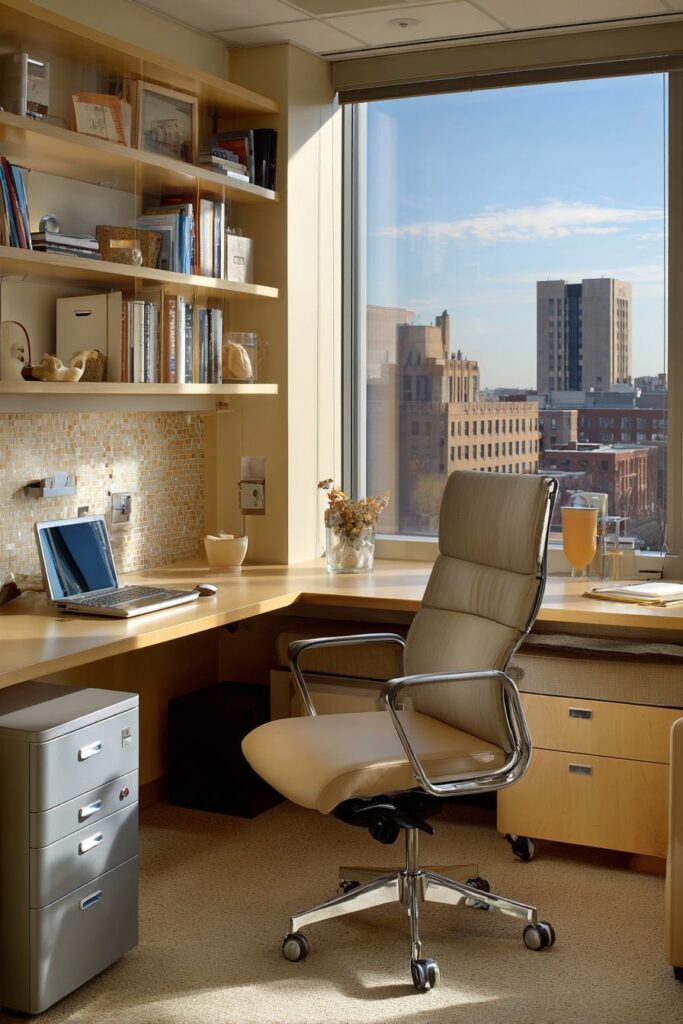
This L-shaped small space living workstation demonstrates how corner spaces can be transformed into highly productive work environments through custom built-in design. The desk spans two walls, providing ample workspace in natural birch finish that brings warmth and Scandinavian simplicity to the home office. This corner-wrapping configuration maximizes usable desk surface while utilizing space that might otherwise be wasted or awkward to furnish. The continuous work surface eliminates the seams and gaps that occur when pushing separate desks together, creating a premium, integrated look.
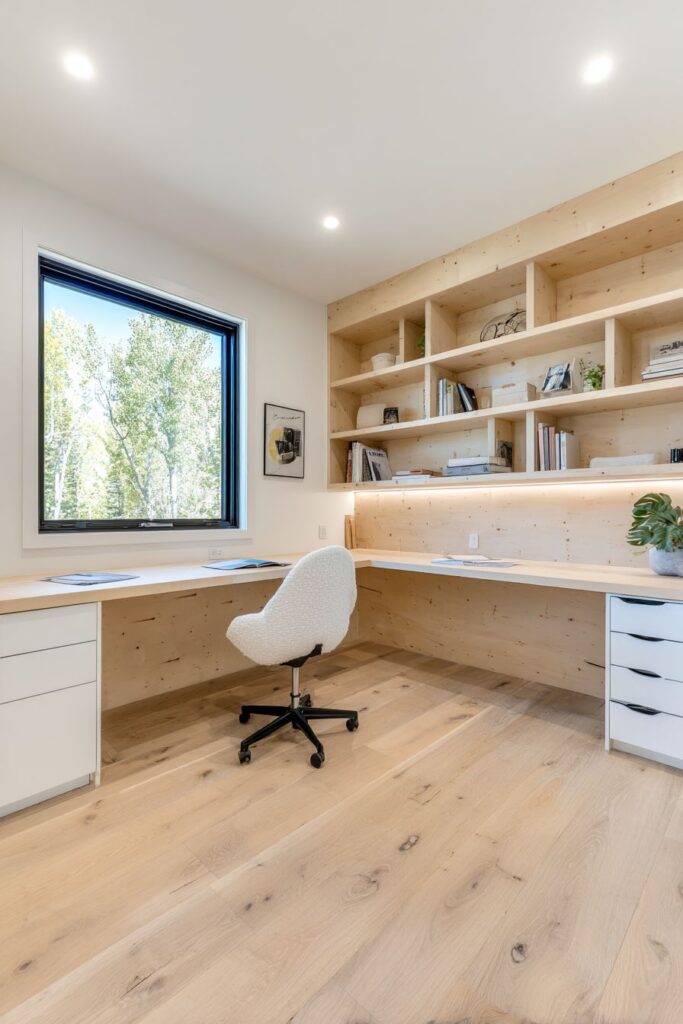
Floating shelves mounted above the desk organize supplies, reference books, and decorative objects within easy reach. The floating design maintains visual openness above the workspace rather than boxing you in with heavy cabinets or bookcases. These shelves can be customized in depth and spacing to accommodate your specific items, from art supplies and file folders to plants and personal mementos that make your workspace feel inspiring. The natural birch finish coordinates with the desk below, creating a cohesive built-in system that looks professionally designed rather than cobbled together.

An under-desk filing cabinet on wheels provides essential document storage while maintaining mobility so you can roll it out of the way when you need leg room or want to reconfigure your space. The wheeled design is particularly valuable in home offices where flexibility matters and where permanent, heavy furniture can make spaces feel rigid and unchangeable. A compact ergonomic chair completes the setup, providing proper support and adjustability despite its smaller footprint. Never sacrifice ergonomics in a home office, regardless of space constraints—investing in proper seating prevents physical discomfort and maintains productivity.
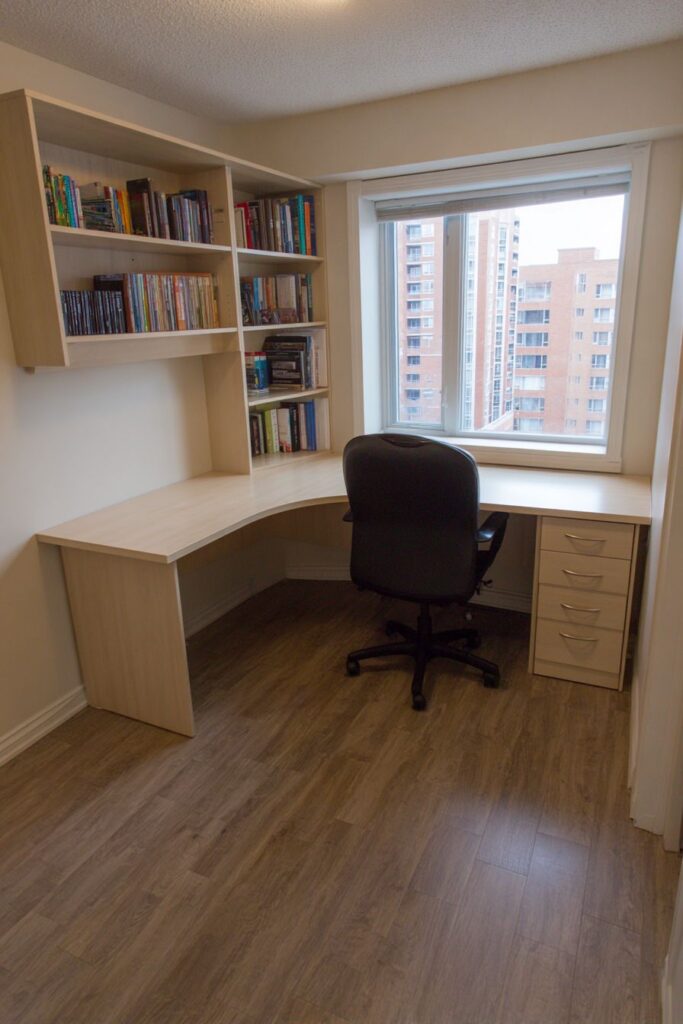
Natural light from the corner window illuminates the productive workspace beautifully, flooding the desk from two directions and eliminating the shadows that single windows can create. This dual-aspect lighting is one of the greatest advantages of corner workstations, providing balanced illumination throughout the day without harsh contrasts. The custom solution demonstrates how built-in furniture can address the specific challenges and opportunities of your space, creating storage and functionality that off-the-shelf furniture simply cannot match in efficiency and fit.
Key Design Tips:
- Design an L-shaped corner desk that wraps two walls to maximize workspace surface while utilizing otherwise awkward corner space efficiently.
- Install floating shelves above your desk to organize supplies within reach while maintaining visual openness in your compact home office.
- Add a mobile filing cabinet on wheels to provide document storage that can be repositioned or rolled away when you need flexibility.
- Position your corner workstation near windows to take advantage of natural light from multiple directions for balanced, comfortable illumination.
- Invest in a quality ergonomic chair even in small offices to maintain comfort and productivity during long working hours.
20. Dual-Purpose Guest Room with Daybed Design
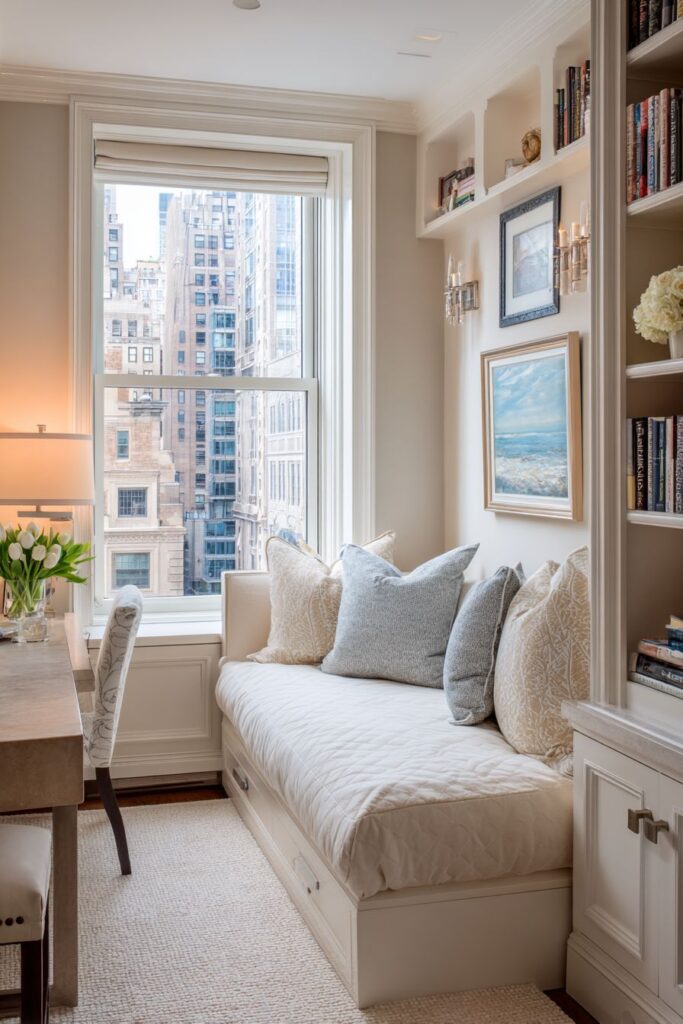
This small space living guest room features a daybed with a trundle underneath, providing sleeping accommodation for occasional overnight visitors while functioning as a comfortable sofa during daily life. The daybed is styled with throw pillows that make it look and feel like proper seating rather than a bed, allowing the room to serve as a sitting area, reading room, or secondary living space most of the time. When guests arrive, simply remove the pillows, add bedding, and pull out the trundle to create two sleeping surfaces that accommodate couples or multiple visitors comfortably.
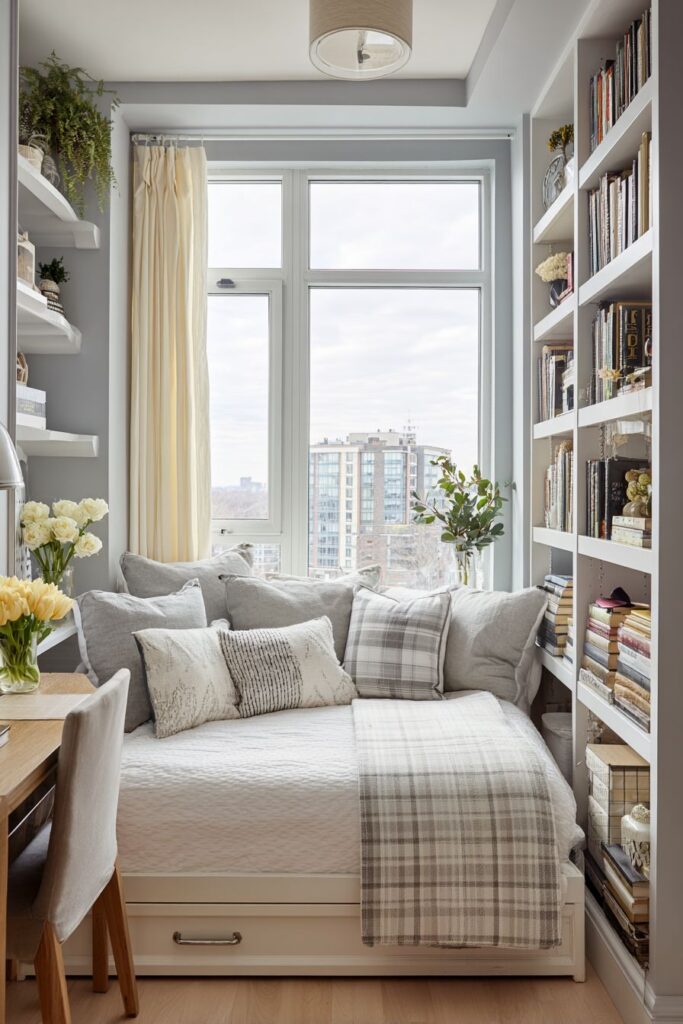
A slim desk positioned against the wall serves dual roles as both a workspace and a bedside table when the room is in guest mode. This multifunctional approach is essential in rooms that must serve multiple purposes, as it eliminates the need for separate furniture pieces for each function. The slim proportions ensure the desk doesn’t dominate the room or make it feel cramped, while providing adequate surface area for a laptop, lamp, and essential work items. This flexibility makes the room valuable every day rather than sitting empty waiting for occasional guests.
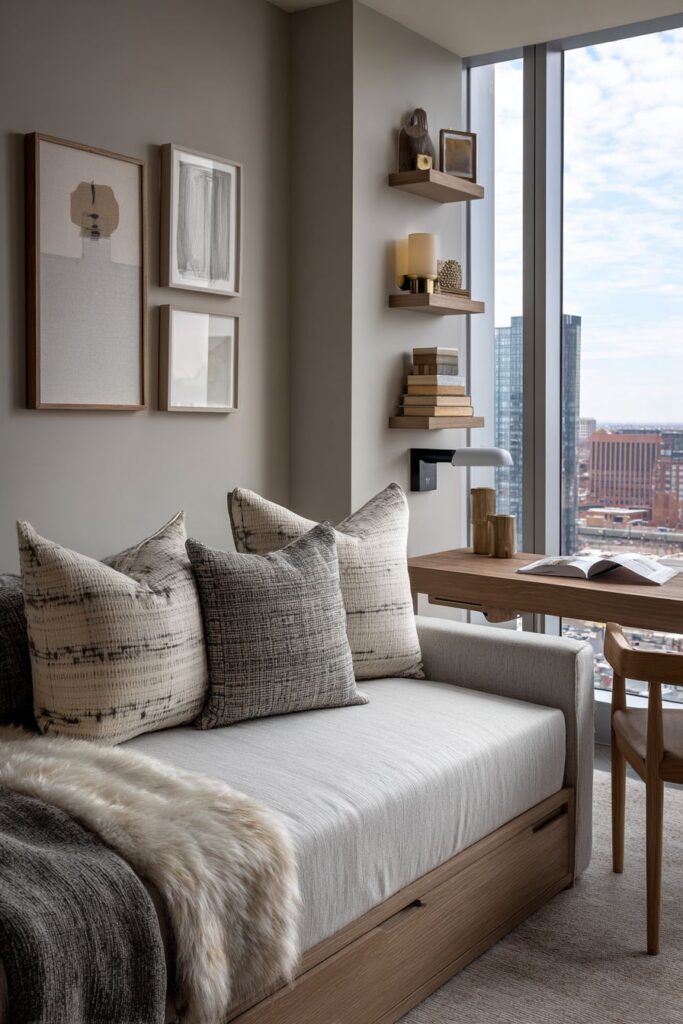
A vertical bookshelf reaching to the ceiling provides substantial storage without consuming floor space beyond its narrow footprint. Books, decorative objects, office supplies, and guest room essentials like extra blankets all find homes on these shelves. The vertical orientation is crucial in multipurpose rooms where floor space must remain flexible for different arrangements and uses. The tall bookshelf also draws the eye upward, making the ceiling feel higher and the overall room more spacious despite its compact dimensions.
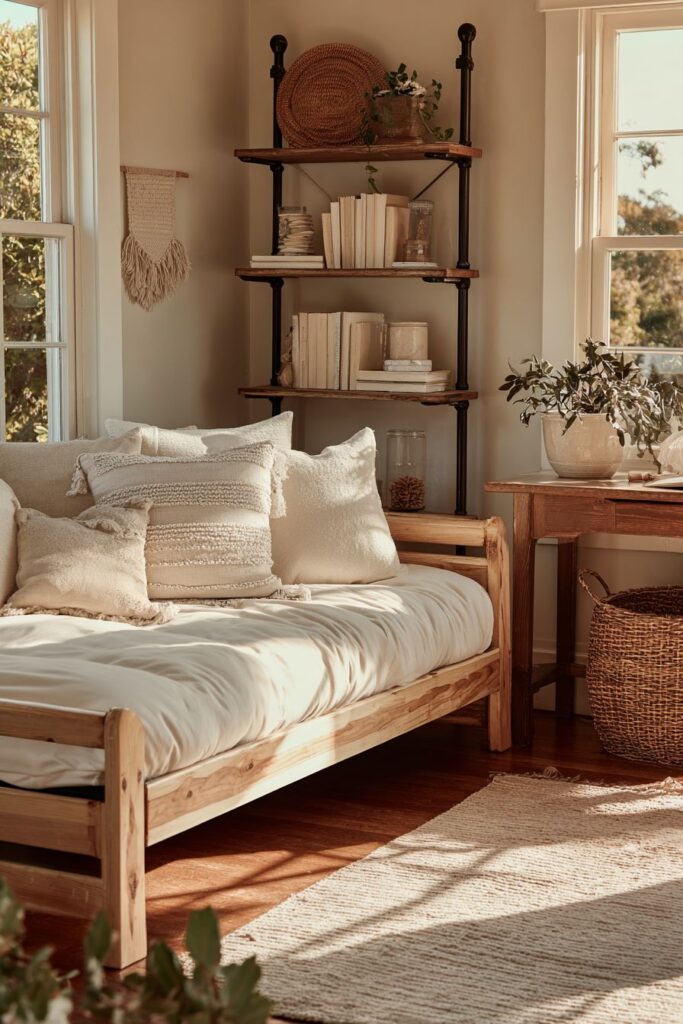
The neutral palette of grey and white with natural wood accents keeps the space versatile and welcoming for any guest while maintaining a calm atmosphere for daily use. These timeless colors won’t clash with guest belongings or feel too personalized to be comfortable for visitors. Soft natural lighting emphasizes the dual-purpose functionality and creates a welcoming atmosphere whether the room is serving as an office, sitting area, or guest accommodation. This design proves that with thoughtful furniture selection, small rooms can successfully serve multiple functions without feeling compromised in any role.
Key Design Tips:
- Choose a daybed with trundle to provide guest sleeping accommodation while functioning as a sofa for daily use in multipurpose rooms.
- Style your daybed with throw pillows to make it look like proper seating rather than a bed when not hosting overnight guests.
- Add a slim desk that can serve as both workspace and bedside table depending on the room’s current function.
- Install a vertical bookshelf that reaches the ceiling to maximize storage without consuming valuable floor space in your multipurpose room.
- Use a neutral color palette that feels welcoming to guests while maintaining versatility for the room’s various daily functions.
Why These Small Space Living Designs Represent the Best Solutions
The twenty design concepts explored in this comprehensive guide represent the pinnacle of small space living strategies because they address the fundamental challenges of compact living through innovative, practical solutions. Each design demonstrates how thoughtful furniture selection, vertical storage utilization, and multifunctional elements can transform space limitations into opportunities for creative problem-solving. These aren’t merely theoretical ideas but proven approaches that real people use successfully in apartments, condos, tiny homes, and compact houses worldwide.
The Murphy bed studio apartment exemplifies transformative furniture that allows one room to serve multiple functions throughout the day, a cornerstone principle of successful small space living. This flexibility eliminates the static, cramped feeling that occurs when small spaces try to accommodate too many permanent functions simultaneously. The hidden storage living room and platform bedroom demonstrate another crucial strategy: concealing storage within furniture rather than adding separate storage pieces that consume precious square footage. When your sofa, bed, and benches all contain hidden compartments, you dramatically increase storage capacity without increasing your furniture footprint.
The vertical storage kitchen and bathroom designs showcase the importance of building upward rather than outward in compact spaces. Floor-to-ceiling cabinetry, tall narrow storage units, and wall-mounted organizational systems utilize the full volume of rooms rather than just the easily accessible lower portions. This three-dimensional thinking is essential in small space living, where horizontal square footage is limited but vertical space often goes underutilized. The pegboard systems, floating shelves, and wall-mounted fixtures throughout these designs demonstrate how walls can become active storage and functional surfaces rather than passive backgrounds.
The multipurpose room designs—including the fold-down office, guest room daybed, and flexible dining area—address one of the most significant challenges in small homes: the lack of dedicated rooms for specific functions. By creating spaces that transform based on need, these designs allow compact homes to accommodate work, guests, dining, and hobbies without requiring separate rooms for each activity. The furniture choices emphasize flexibility, with folding elements, nesting pieces, and mobile components that adapt to changing requirements throughout the day and week.
Color and material choices throughout these designs consistently favor light, neutral palettes that create visual continuity and make spaces feel larger than their actual dimensions. White cabinetry, light wood tones, soft grey upholstery, and neutral textiles appear repeatedly because these choices reflect light, create calm, and provide versatile backgrounds that work with various decor styles. The strategic use of mirrors, glass, and reflective surfaces amplifies available light and creates the illusion of greater depth, essential techniques in small space interior design.
The emphasis on natural light throughout these concepts cannot be overstated—every design positions furniture to maximize light flow and avoids blocking windows with bulky pieces. Natural lighting makes small spaces feel more open, healthy, and connected to the outside world, reducing the claustrophobic feeling that can occur in compact interiors. The lighting strategies also include wall-mounted fixtures, pendant lights, and under-cabinet lighting that provide necessary illumination without consuming surface or floor space.
These designs represent best practices in small space living because they prioritize function without sacrificing style, prove that compact homes can be beautiful and comfortable, and demonstrate that space limitations inspire rather than limit creativity. The integration of storage, the emphasis on multipurpose furniture, the vertical utilization of space, and the thoughtful attention to light and color all combine to create homes that feel spacious, organized, and welcoming regardless of their actual square footage. Each design offers actionable strategies that readers can implement in their own homes, from major furniture investments to simple organizational tweaks.
The success of these small space living solutions lies in their recognition that great design isn’t about having unlimited space—it’s about using available space intelligently and intentionally. Every design featured here proves that with careful planning, smart furniture choices, and creative thinking, small homes can accommodate full, rich lives filled with comfort, style, and functionality. These concepts work because they’re rooted in real needs and practical constraints, offering solutions that address actual challenges rather than theoretical ideals.
Conclusion
The journey through these twenty small space living designs reveals a powerful truth: the size of your home doesn’t determine the quality of your life within it. Through strategic furniture selection, vertical storage solutions, multifunctional pieces, and thoughtful spatial planning, even the most compact spaces can become beautiful, functional homes that support your lifestyle and reflect your personality. The key lies not in wishing for more square footage but in maximizing every inch you already have through intelligent design choices and creative problem-solving.
Whether you’re furnishing your first studio apartment, downsizing to a smaller home, or simply seeking to make your current space work harder for you, the principles demonstrated in these designs offer a roadmap for success. Embrace furniture that serves multiple purposes, build storage vertically to utilize full wall height, choose pieces proportionate to your space, maintain light color palettes that create visual continuity, and never underestimate the power of natural light and mirrors to make spaces feel larger and more inviting.
Small space living isn’t about sacrifice—it’s about intentionality. It’s about curating your belongings, choosing quality over quantity, and ensuring every item in your home earns its place through beauty, function, or both. The designs explored here prove that compact homes can accommodate work, rest, play, entertaining, and all the activities that make life rich and fulfilling. They demonstrate that with creativity and thoughtful planning, small spaces can feel spacious, organized, and undeniably yours. As you implement these ideas in your own home, remember that the best small space solutions are those tailored to your specific needs, habits, and aesthetic preferences. Use these concepts as inspiration and starting points, adapting them to your unique situation. Experiment with different arrangements, invest in transformative furniture pieces that truly excite you, and don’t be afraid to think unconventionally about how to use your space. The most successful small space living environments are those where inhabitants have embraced the challenge as an opportunity for creativity rather than viewing it as a limitation. Your compact home has tremendous potential—these design strategies will help you unlock it and create a space you truly love living in.
"As an Amazon Associate, I earn from qualifying purchases."
