

Small kitchens often carry an undeserved reputation as inadequate or frustrating spaces. However, square footage doesn’t determine functionality—thoughtful design and strategic organization do. Many compact kitchens outperform larger, poorly planned spaces simply because every inch serves a purpose. The key lies in understanding how to maximize what you have rather than lamenting what you lack.
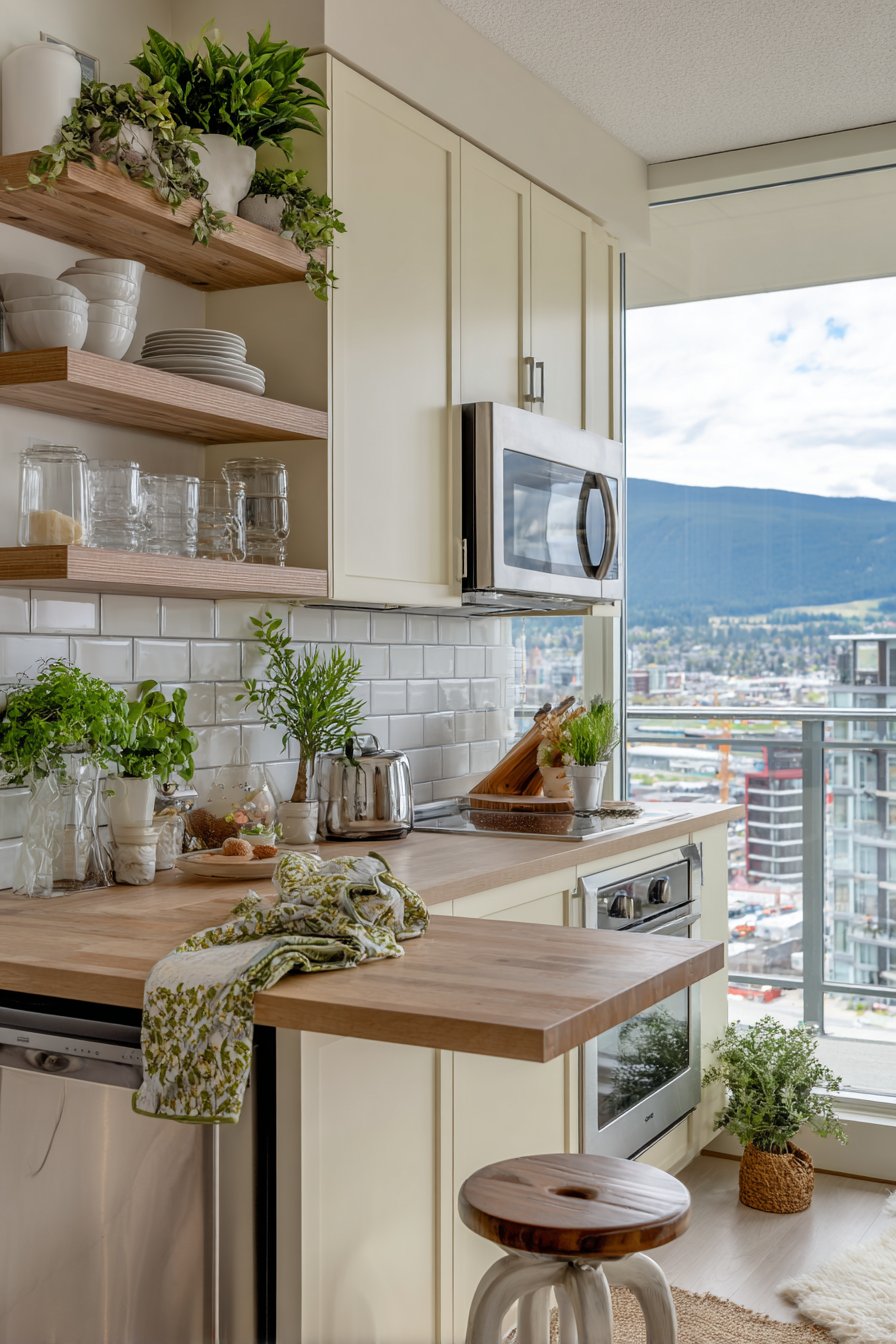
The most successful small kitchens embrace their intimate scale as an advantage rather than viewing it as a limitation. Efficiency becomes inherent when everything sits within arm’s reach, reducing unnecessary steps during meal preparation. Historic galley kitchens on ships and trains prove that exceptional cooking happens in minimal space when design prioritizes workflow over size.
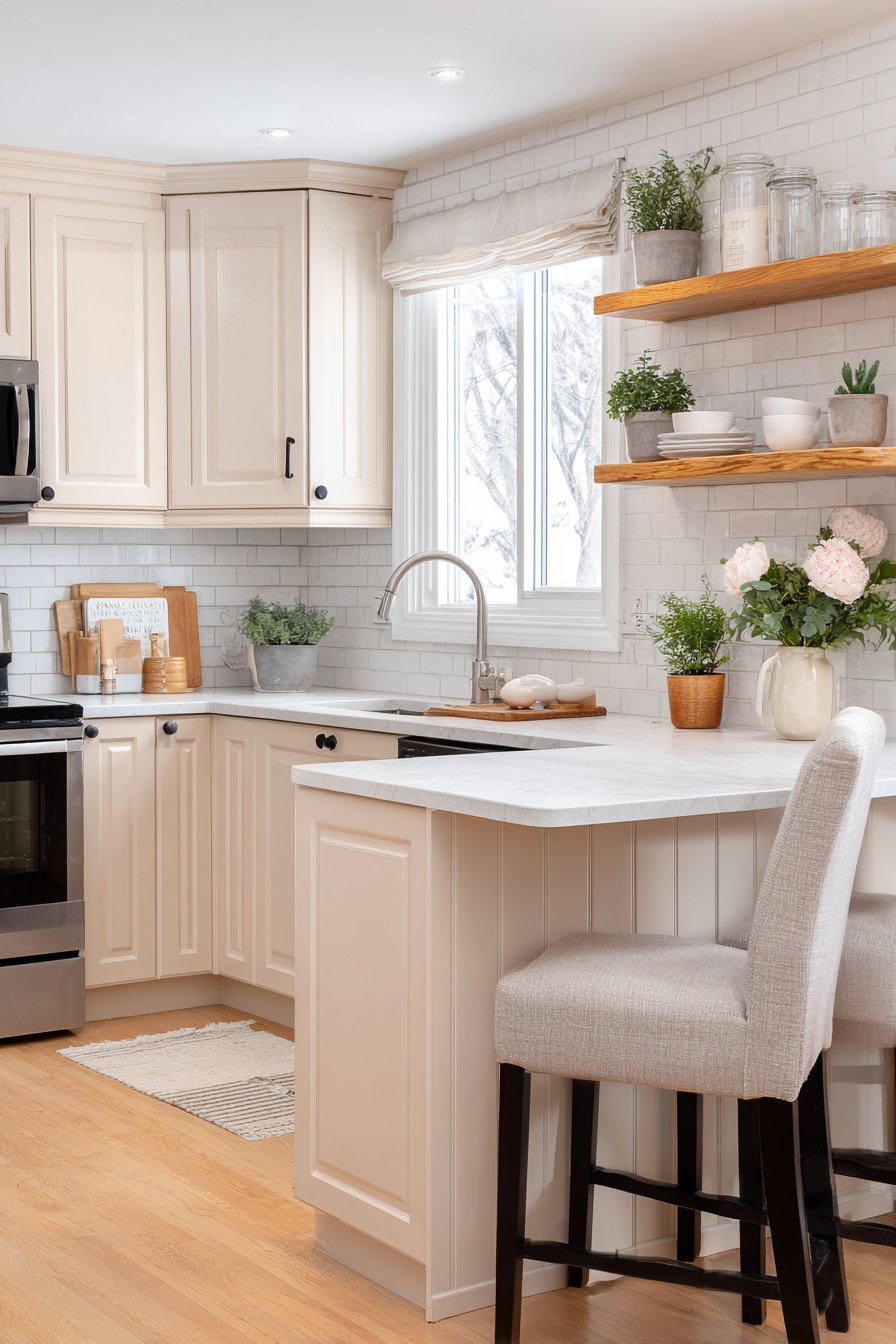
This guide explores practical strategies that transform cramped quarters into highly functional culinary spaces. From vertical storage solutions to multi-purpose furniture, you’ll discover how smart planning overcomes spatial constraints. These actionable techniques help you create a kitchen that works beautifully regardless of its modest dimensions, proving that great design transcends square footage.
1. Embrace the Work Triangle Principle
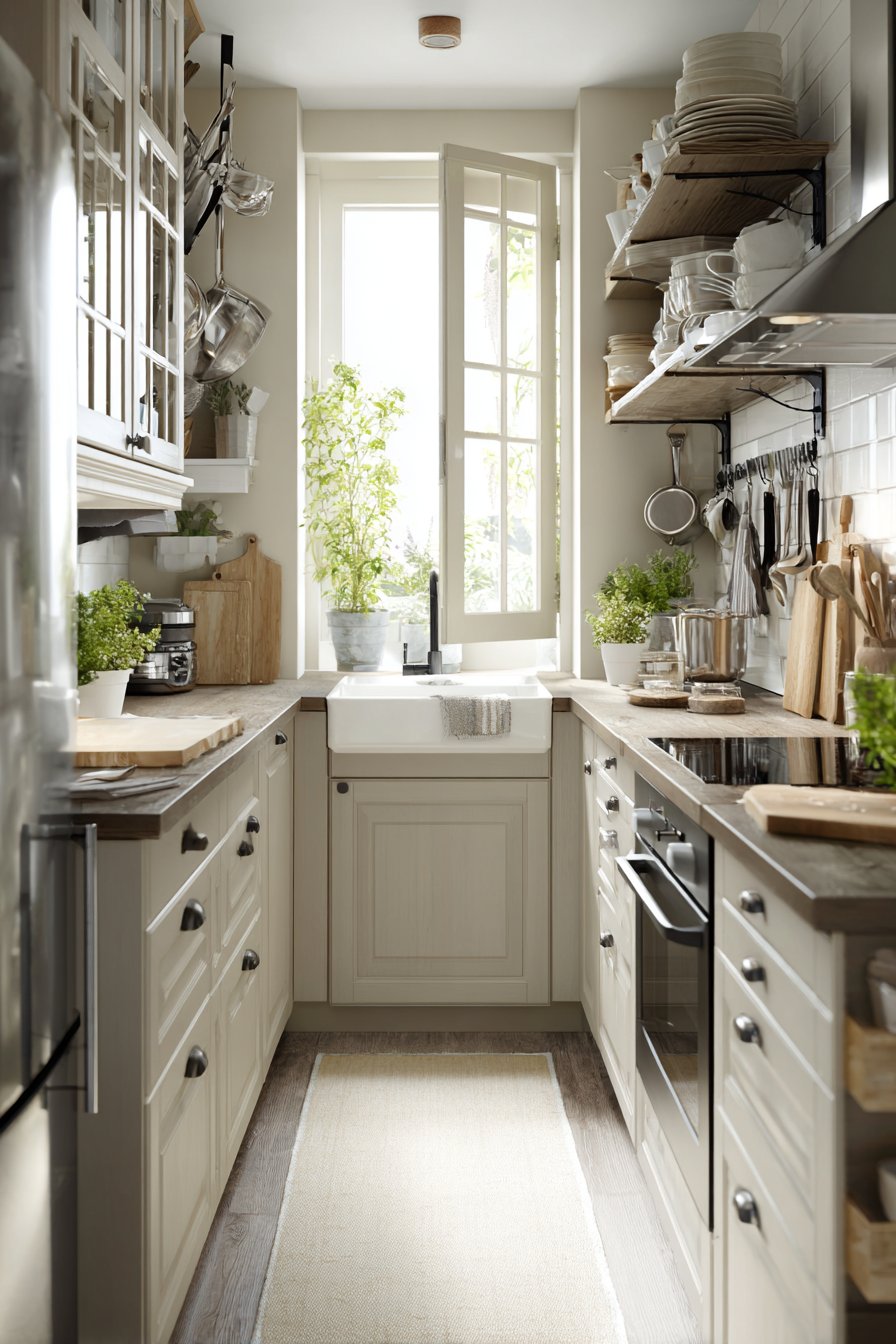
The classic kitchen work triangle connecting sink, stove, and refrigerator becomes exceptionally efficient in small spaces. When these three essential zones sit closer together, you’ll spend less time walking and more time cooking. Compact kitchens naturally create this ideal configuration where everything stays within a few steps.
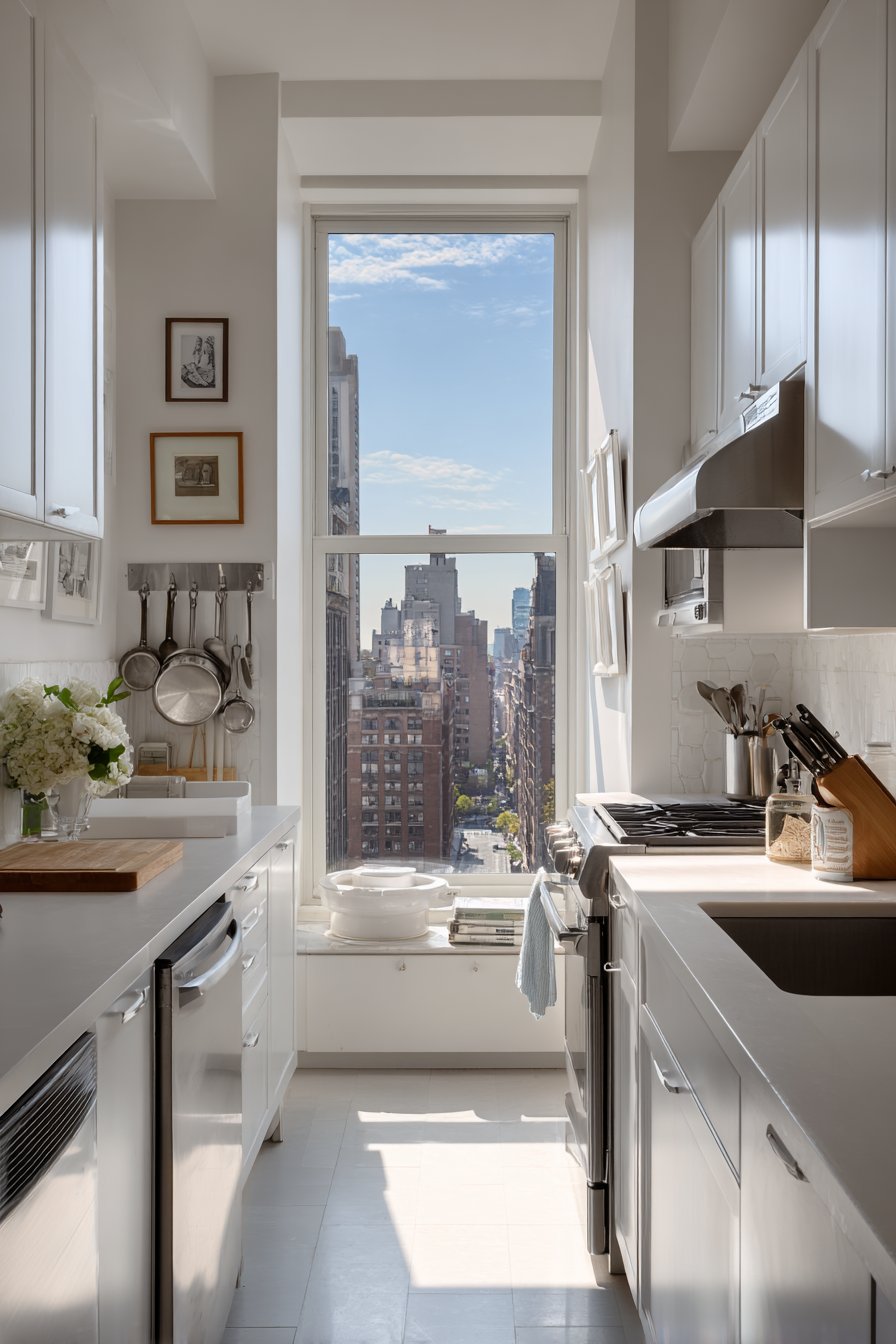
Strategic appliance placement makes the triangle work even better in tight quarters. Position your most-used items between these three points to streamline workflow. This proximity reduces wasted motion and creates a cooking environment where meal preparation feels effortless and intuitive.
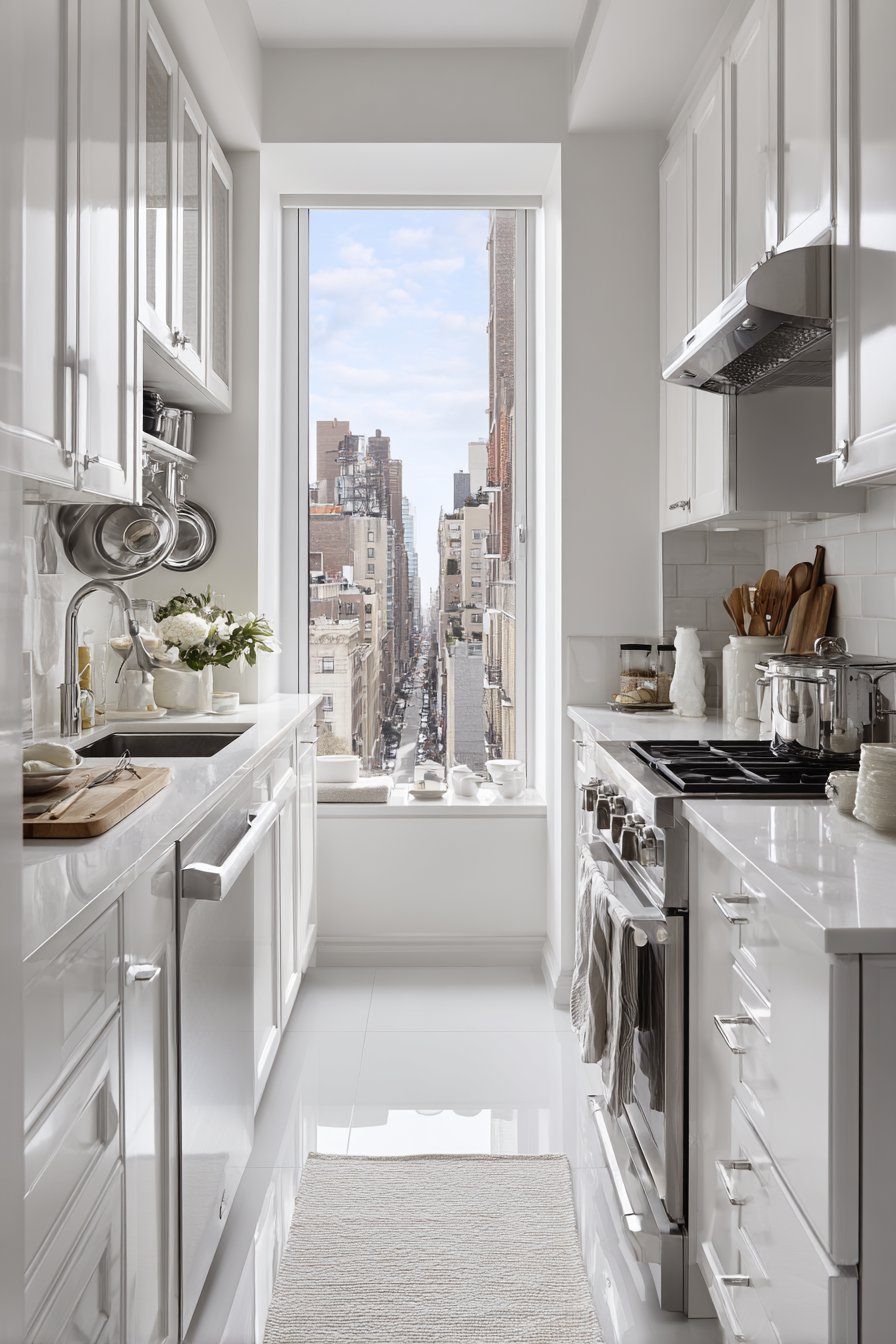
- Measure distances to ensure each leg spans between four and nine feet
- Keep pathways clear between the three primary work zones
- Position the sink centrally as the most frequently used station
- Place cutting boards and prep tools between sink and stove
- Store pots and pans near the cooking surface for easy access
2. Maximize Vertical Storage Space
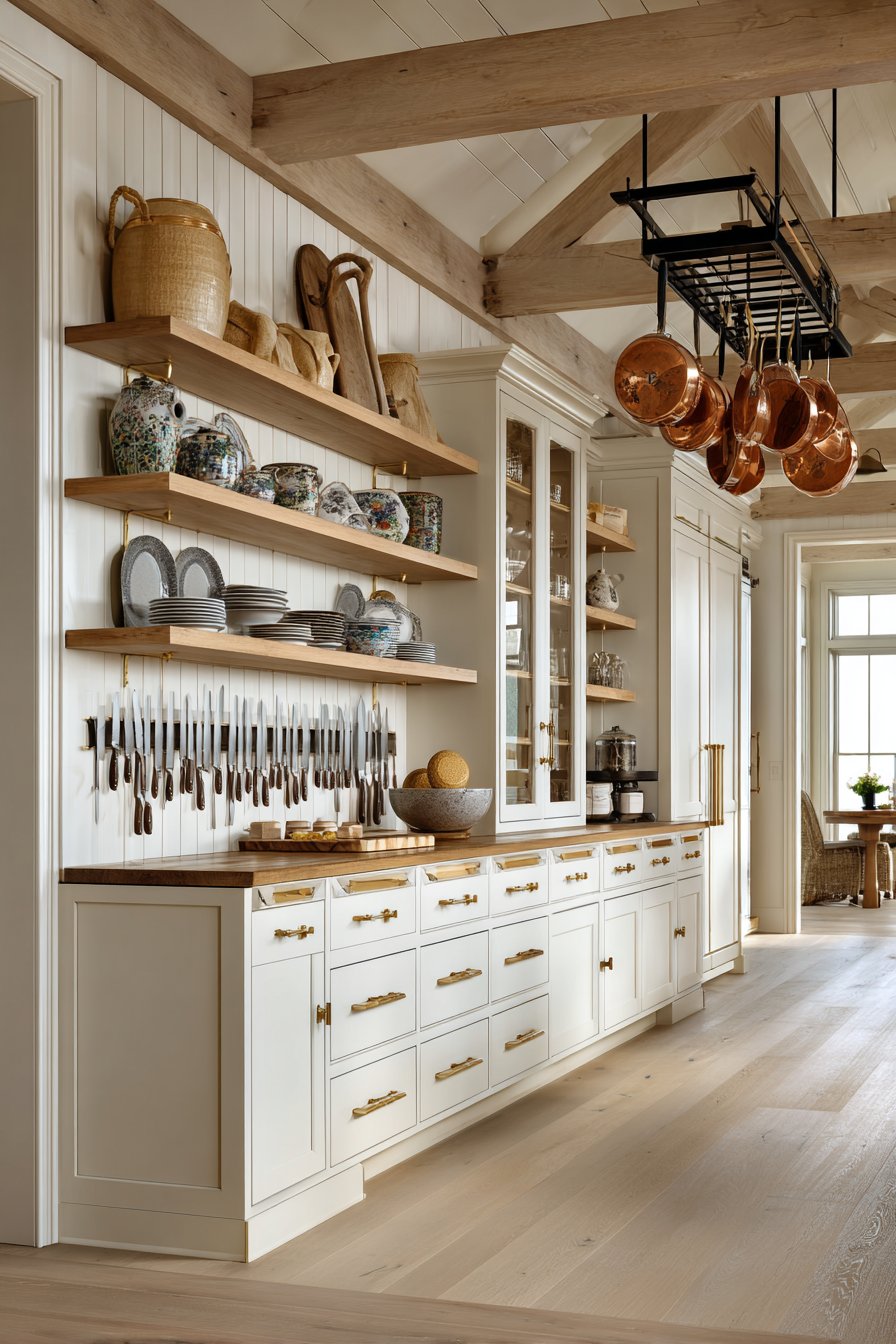
Looking upward reveals untapped storage potential in every small kitchen. Wall-mounted shelves, ceiling-height cabinets, and hanging racks utilize space that typically goes unused. This vertical approach multiplies your storage capacity without consuming precious floor area or counter space.
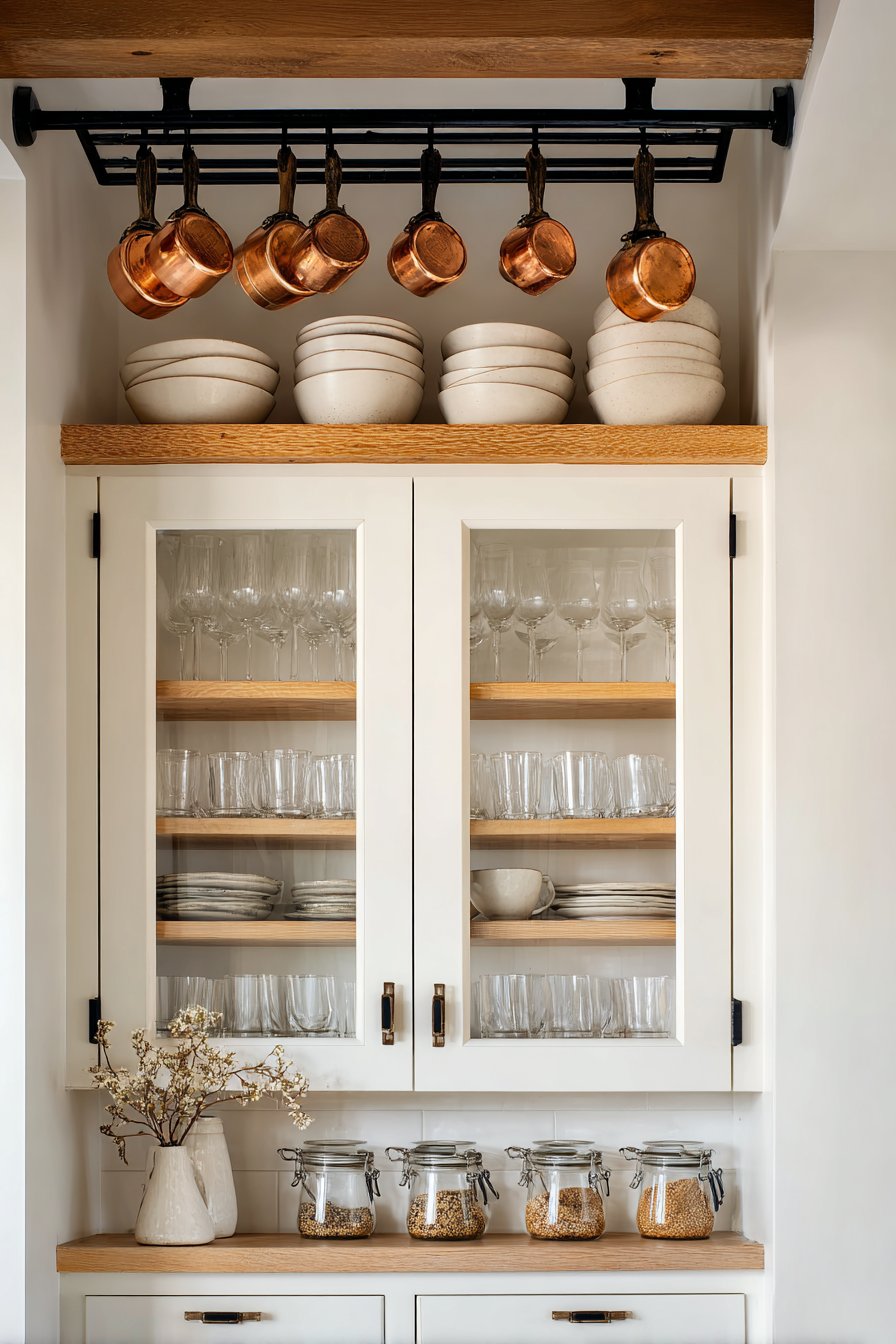
Installing cabinets that reach the ceiling eliminates dust-collecting gaps while providing homes for rarely used items. Lower shelves hold everyday essentials while upper sections store seasonal serving pieces and specialty equipment. This layered storage strategy keeps everything organized and accessible.
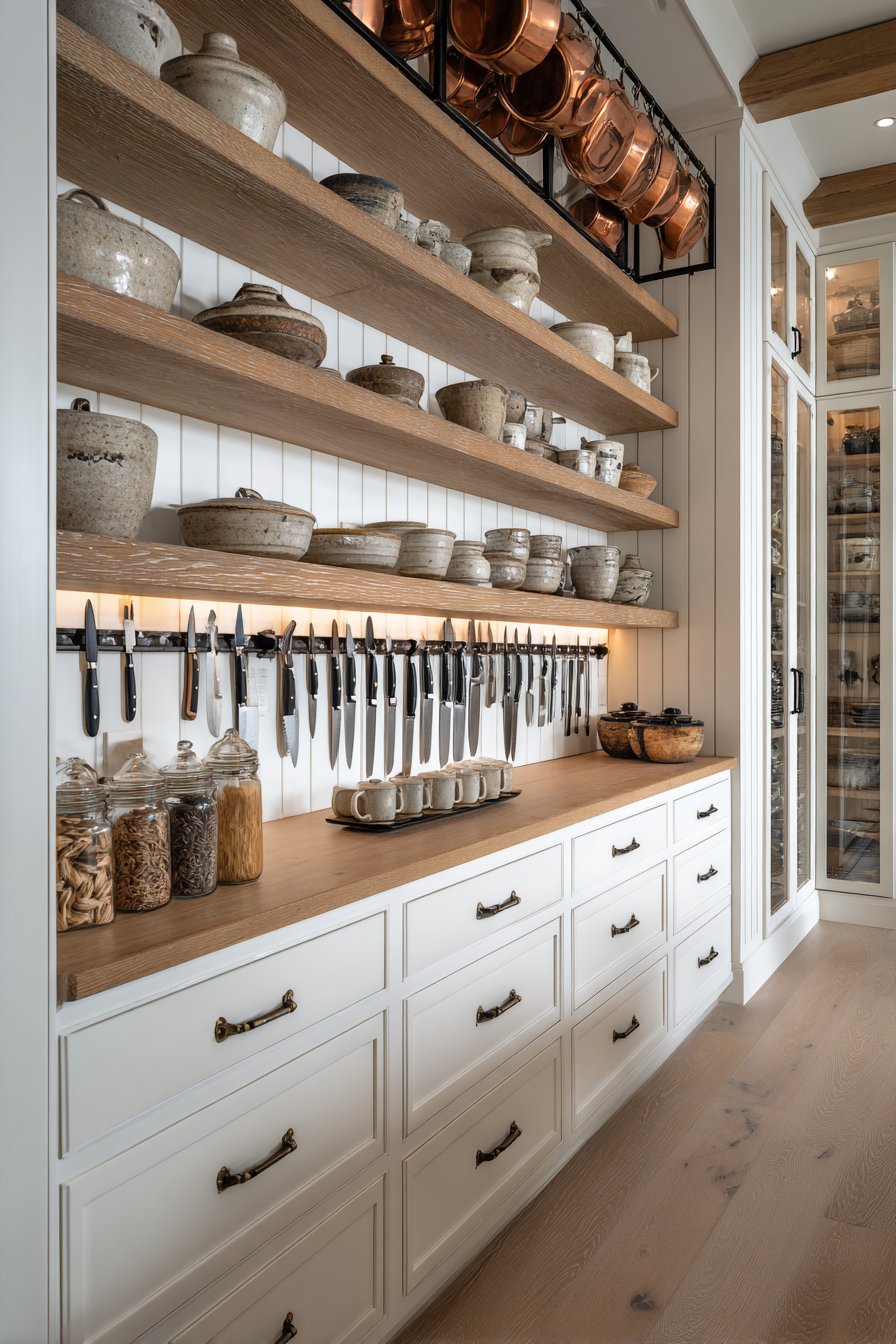
- Install open shelving on empty walls for frequently used dishes
- Add hooks beneath upper cabinets for mugs and utensils
- Mount a magnetic knife strip to free drawer space
- Use ceiling-mounted pot racks over islands or peninsulas
- Stack items vertically within cabinets using shelf risers
3. Incorporate Multi-Functional Furniture and Fixtures
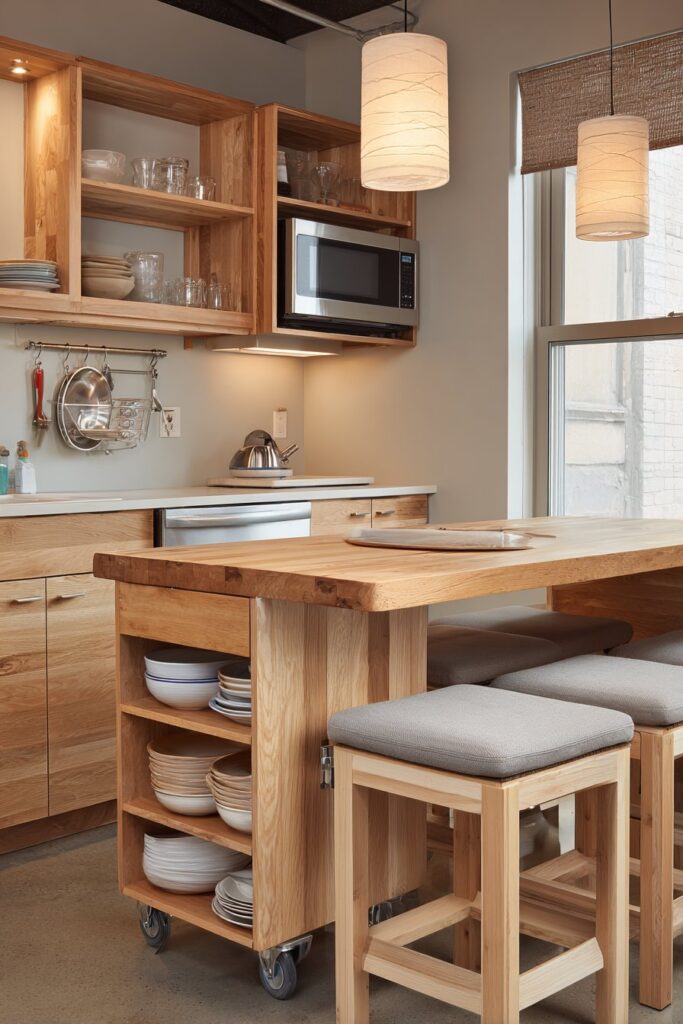
Dual-purpose elements work overtime in compact kitchens, earning their keep through versatility. A rolling cart serves as prep space, storage, and mobile serving station. Fold-down tables provide dining surfaces that disappear when not needed, preserving valuable floor space for movement.
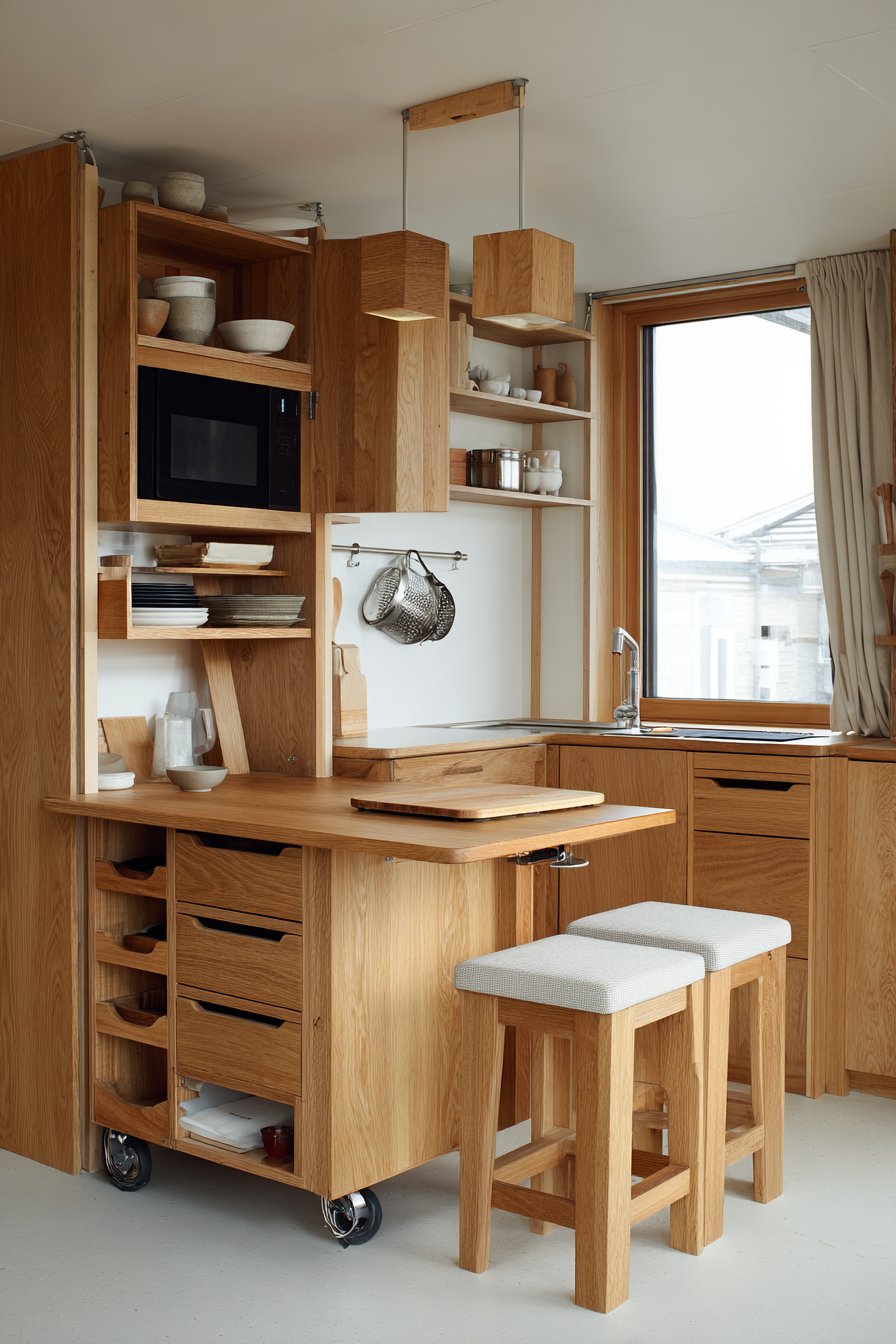
Consider appliances that perform multiple functions to reduce clutter and maximize utility. A combination microwave-convection oven replaces two separate units. Induction cooktops with integrated ventilation eliminate bulky range hoods while providing excellent cooking performance and easy cleaning.
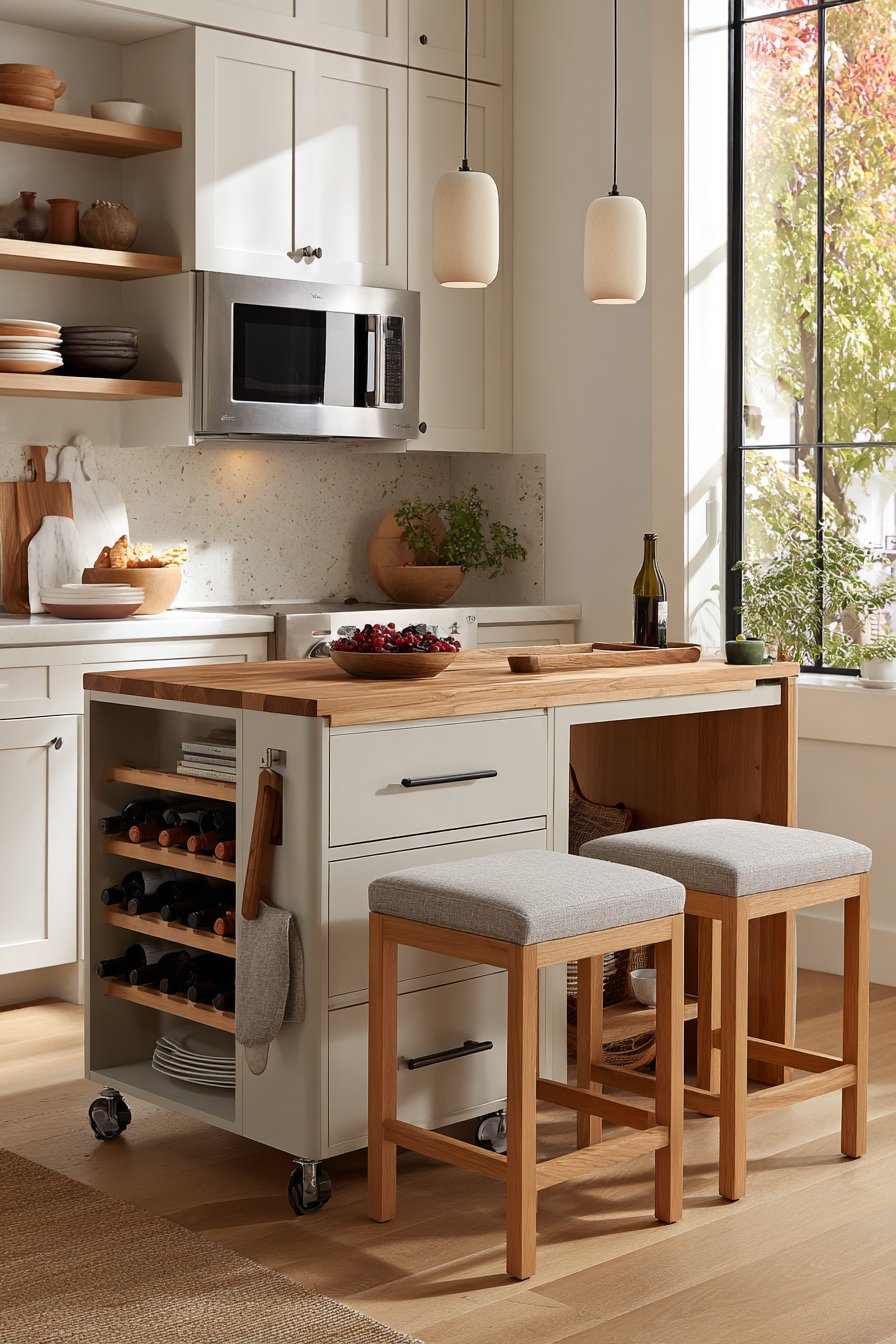
- Choose a kitchen island with built-in storage and seating options
- Select a table with drawers or shelves underneath
- Install a cutting board that slides over the sink for extra prep space
- Use nesting bowls and stackable containers to save cabinet room
- Invest in collapsible colanders and measuring cups that store flat
4. Optimize Cabinet and Drawer Organization
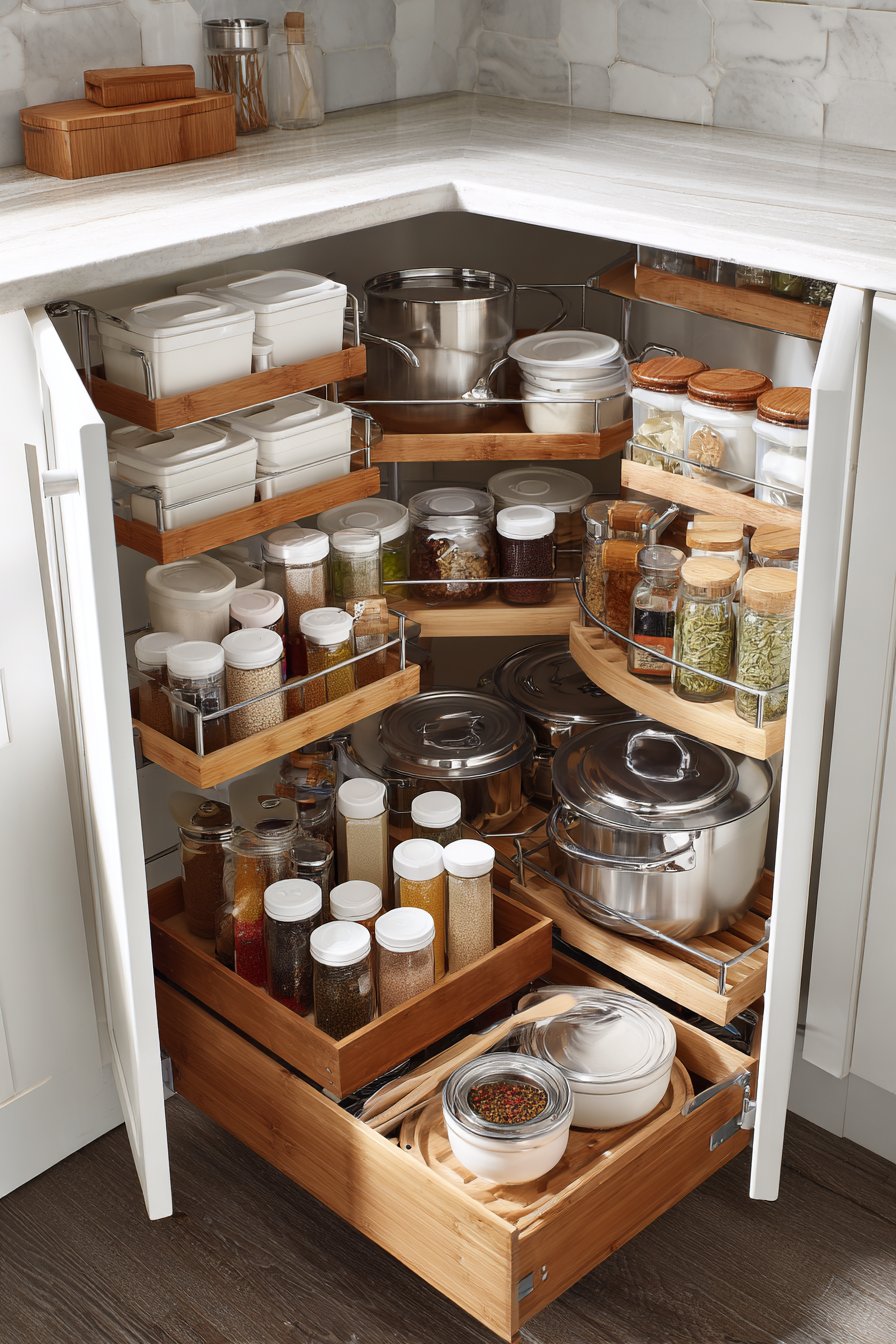
Interior cabinet organization matters more than total cabinet quantity in small kitchens. Pull-out shelves, lazy Susans, and drawer dividers ensure every cubic inch works efficiently. These systems prevent items from getting lost in deep corners while making everything easily accessible.
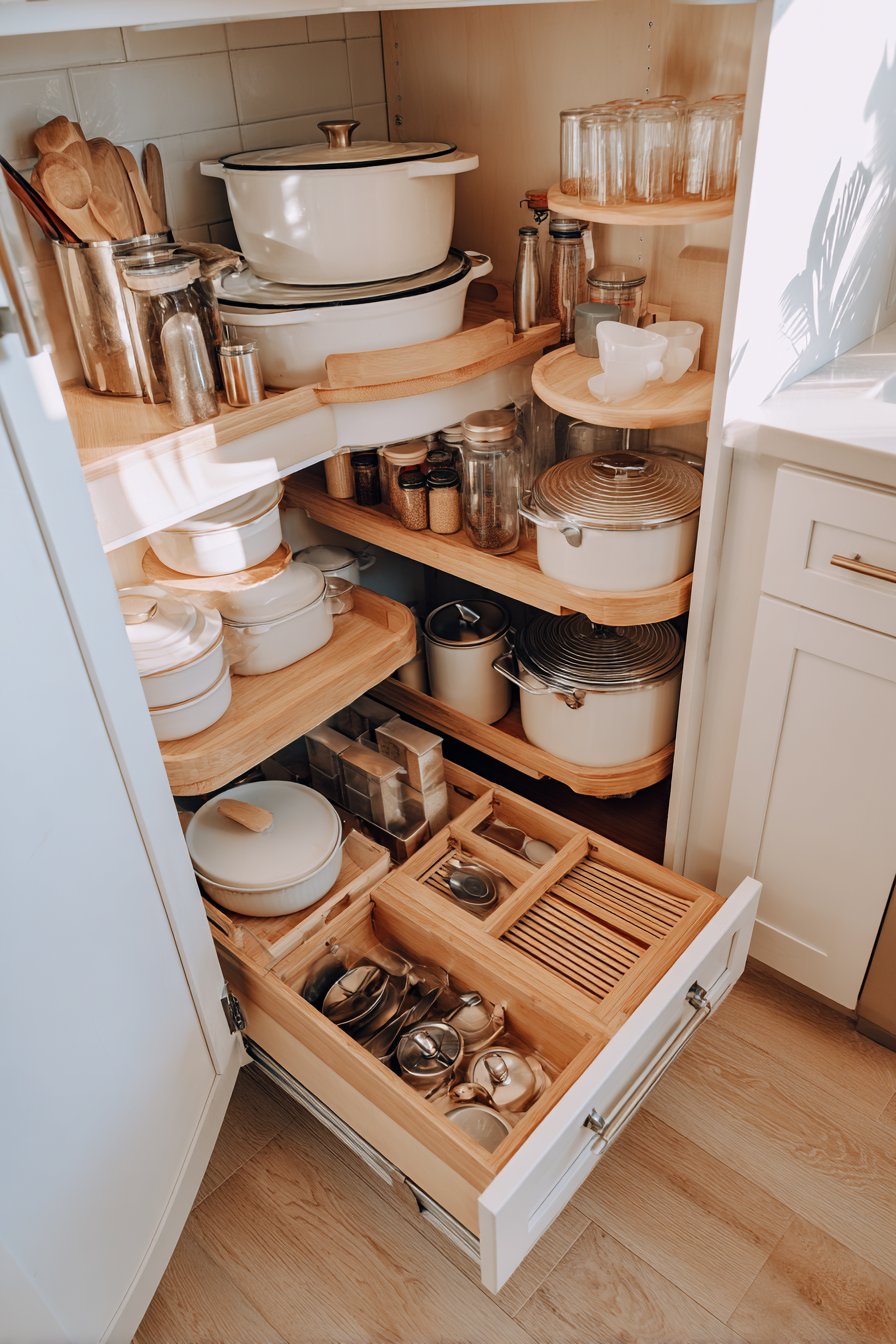
Customized drawer inserts create designated homes for utensils, spices, and cooking tools. When everything has a specific place, you’ll maintain organization effortlessly. This systematic approach eliminates time wasted searching for items and keeps counters clear for actual work.
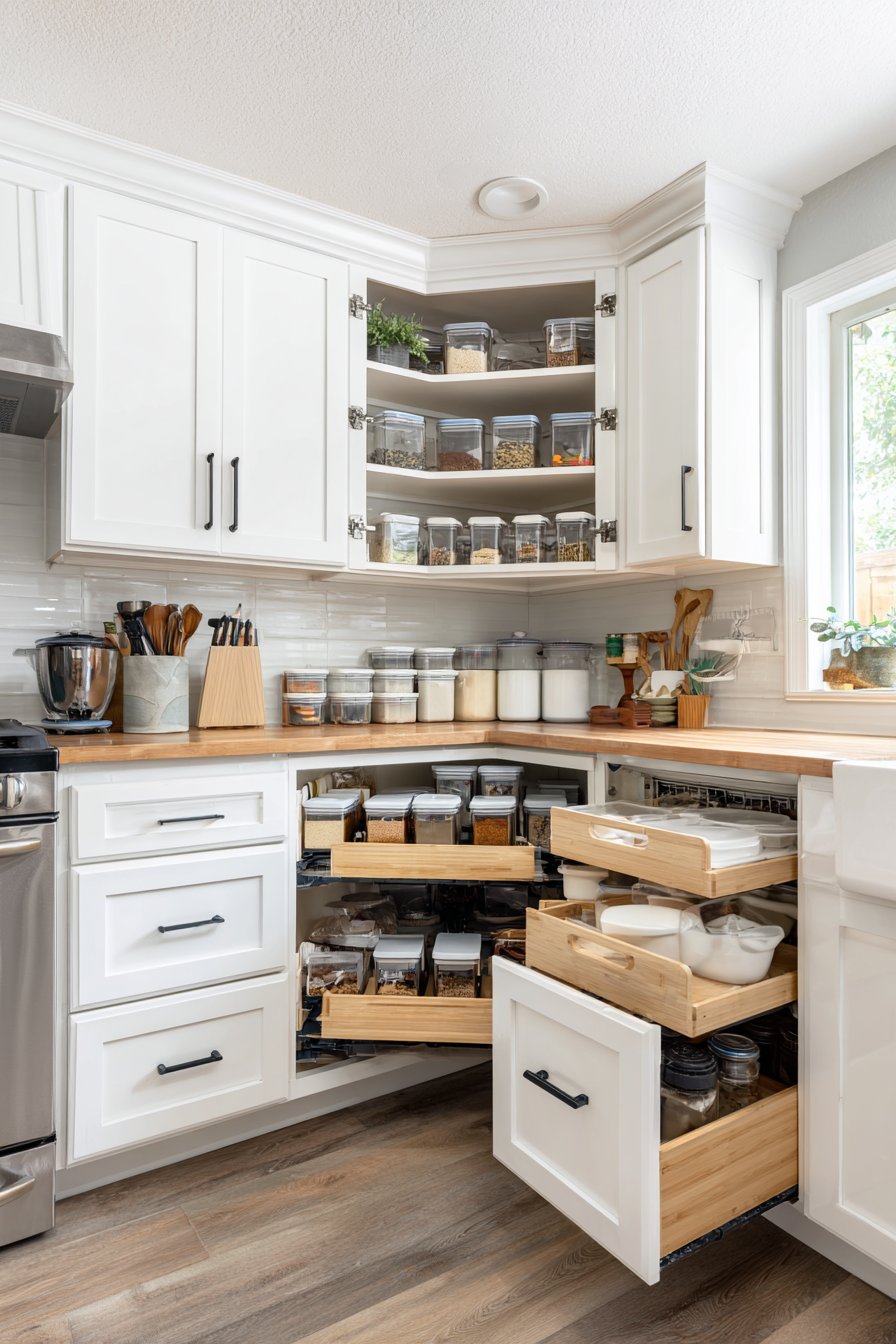
- Install pull-out shelves in lower cabinets for better visibility
- Use tiered organizers for spices and small jars
- Add drawer dividers for utensils and kitchen tools
- Incorporate corner cabinet solutions like lazy Susans or pull-out systems
- Store lids separately from pots using vertical dividers
5. Choose Scaled-Appropriate Appliances
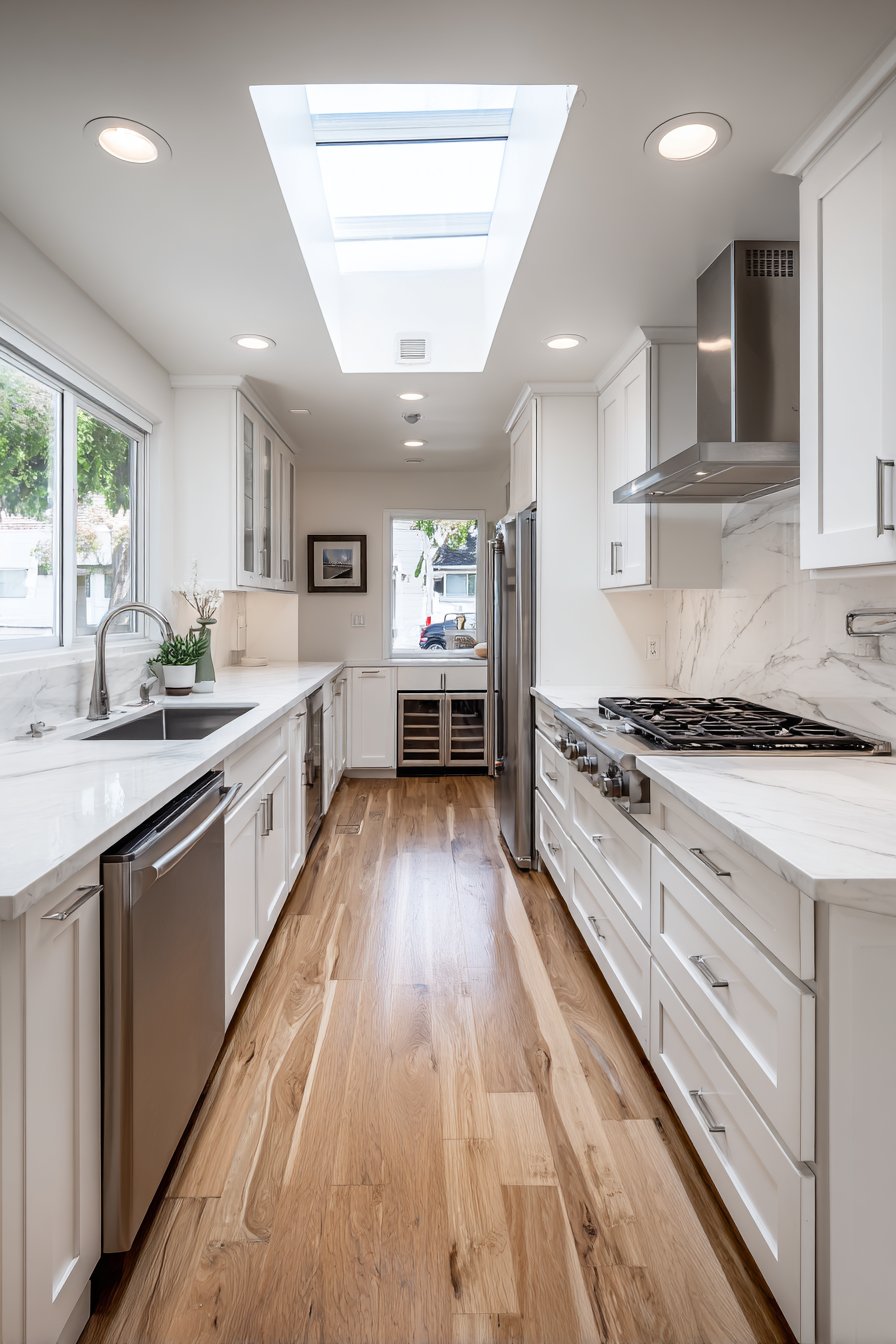
Compact appliances designed for small spaces deliver full functionality without overwhelming your kitchen. Apartment-sized refrigerators, 24-inch dishwashers, and narrow ranges provide everything you need while preserving critical floor and counter space. These scaled-down options perform excellently without the bulk of standard models.
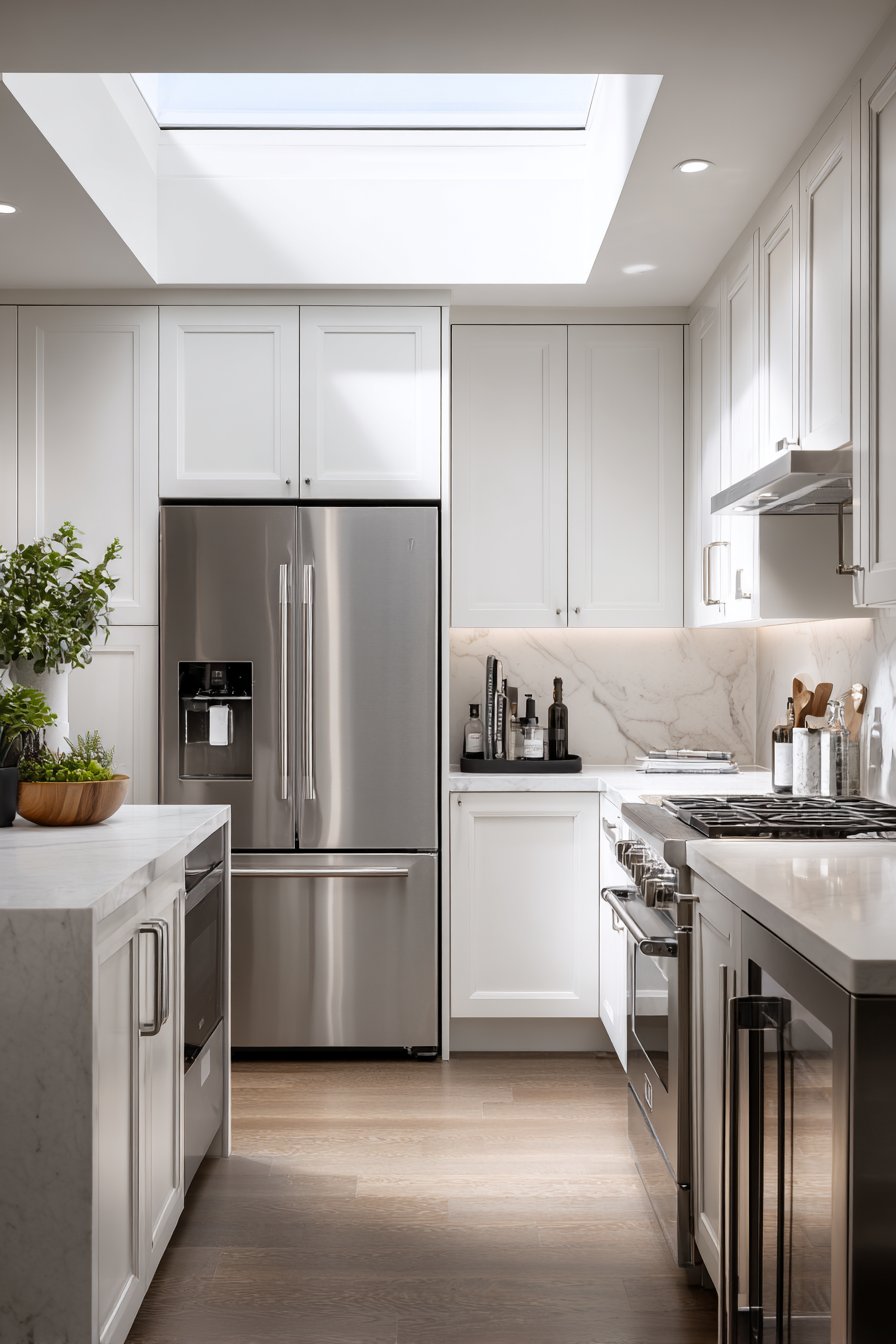
Look for slim-profile appliances that integrate seamlessly with cabinetry. Counter-depth refrigerators create streamlined appearances while providing ample storage. Two-burner cooktops suffice for many households and free up counter space for food preparation activities.
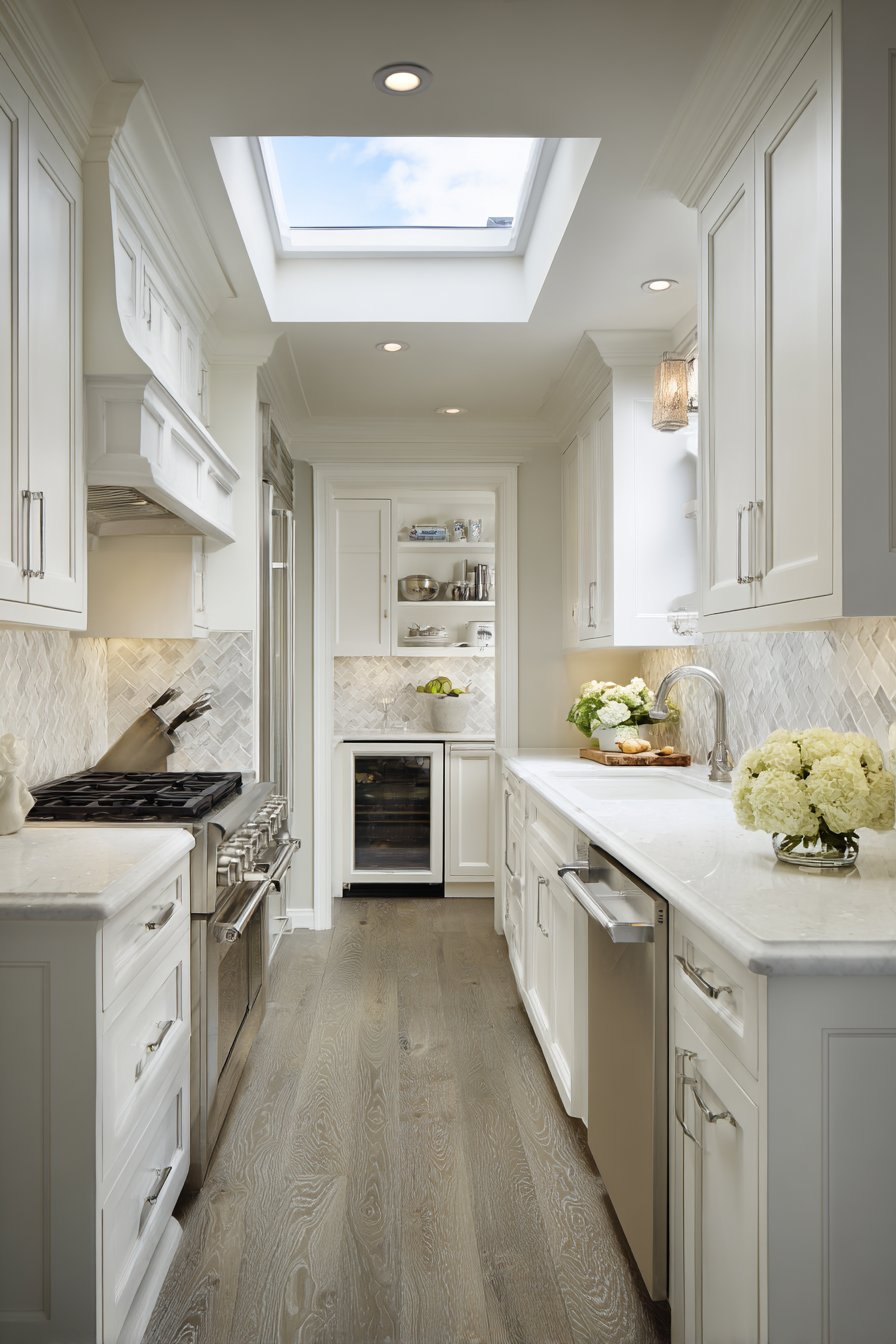
- Measure spaces carefully before purchasing any appliances
- Consider drawer-style dishwashers that fit unconventional spaces
- Choose a combination washer-dryer if adding laundry capabilities
- Select under-counter refrigerators for beverage or produce storage
- Invest in quality small appliances rather than bulky cheap ones
6. Utilize Light Colors and Reflective Surfaces
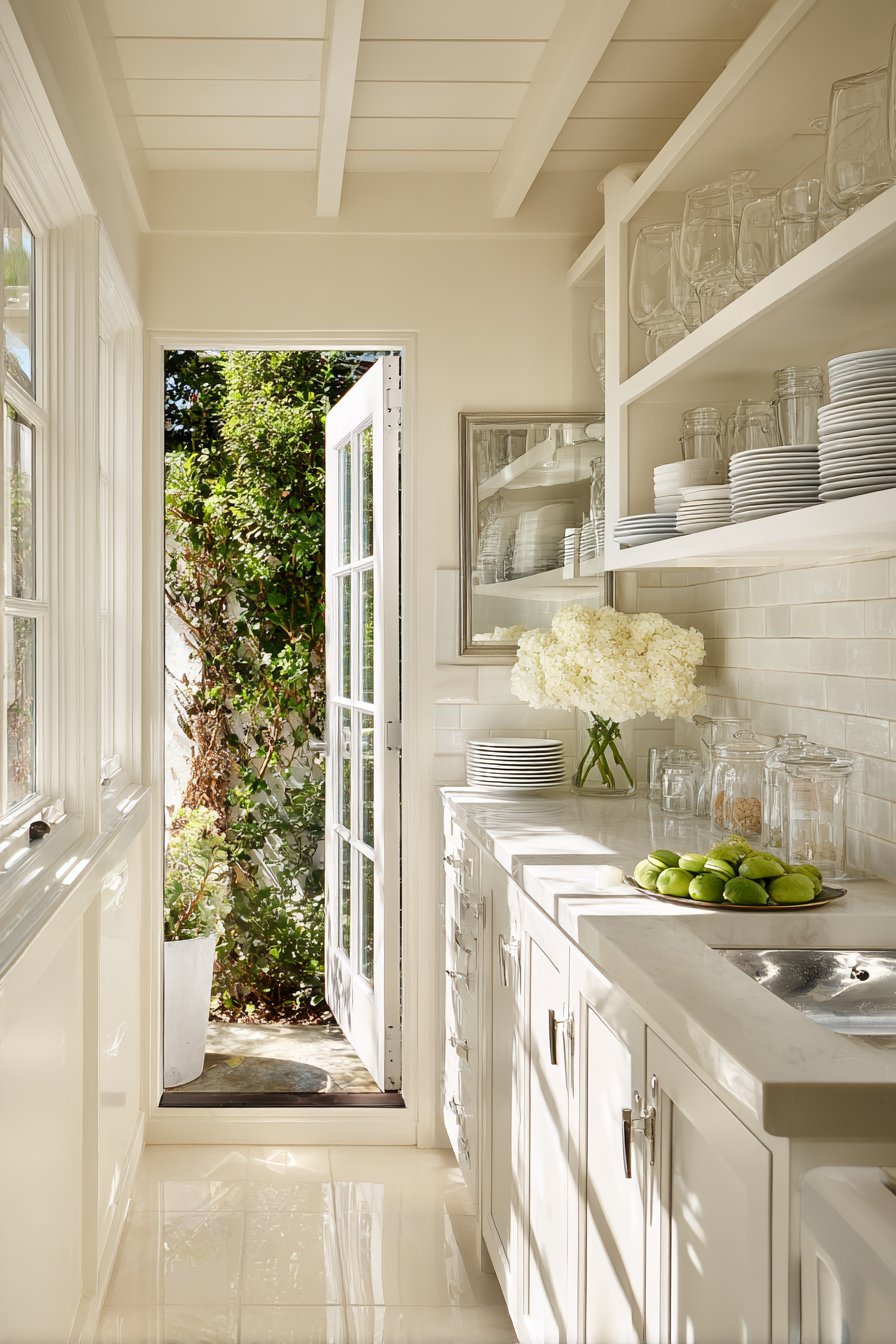
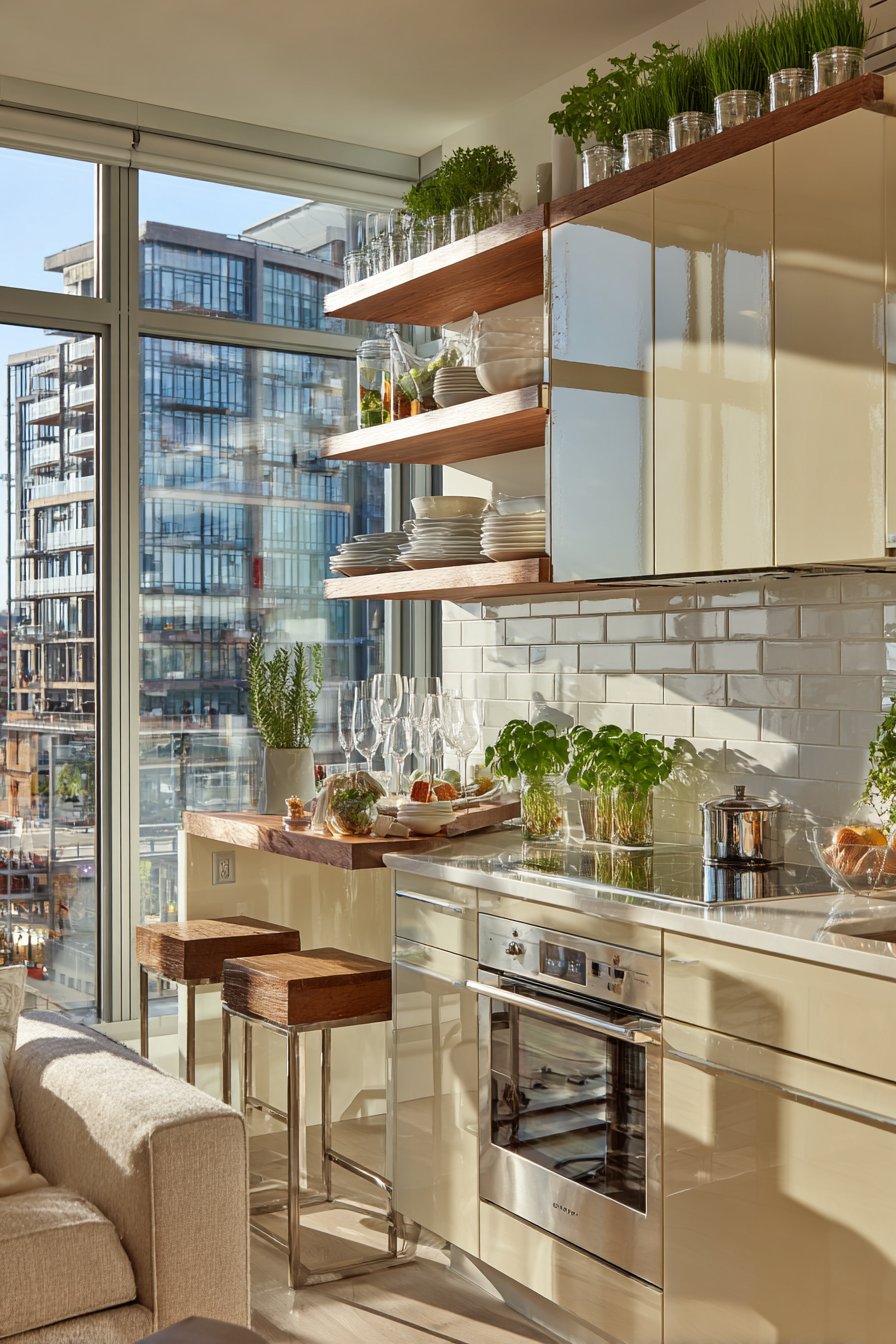
Light color palettes make small kitchens feel significantly larger and more open. White, cream, and soft gray cabinets reflect natural light throughout the space. These neutral backgrounds create airy atmospheres that counteract the potential claustrophobia of tight quarters.
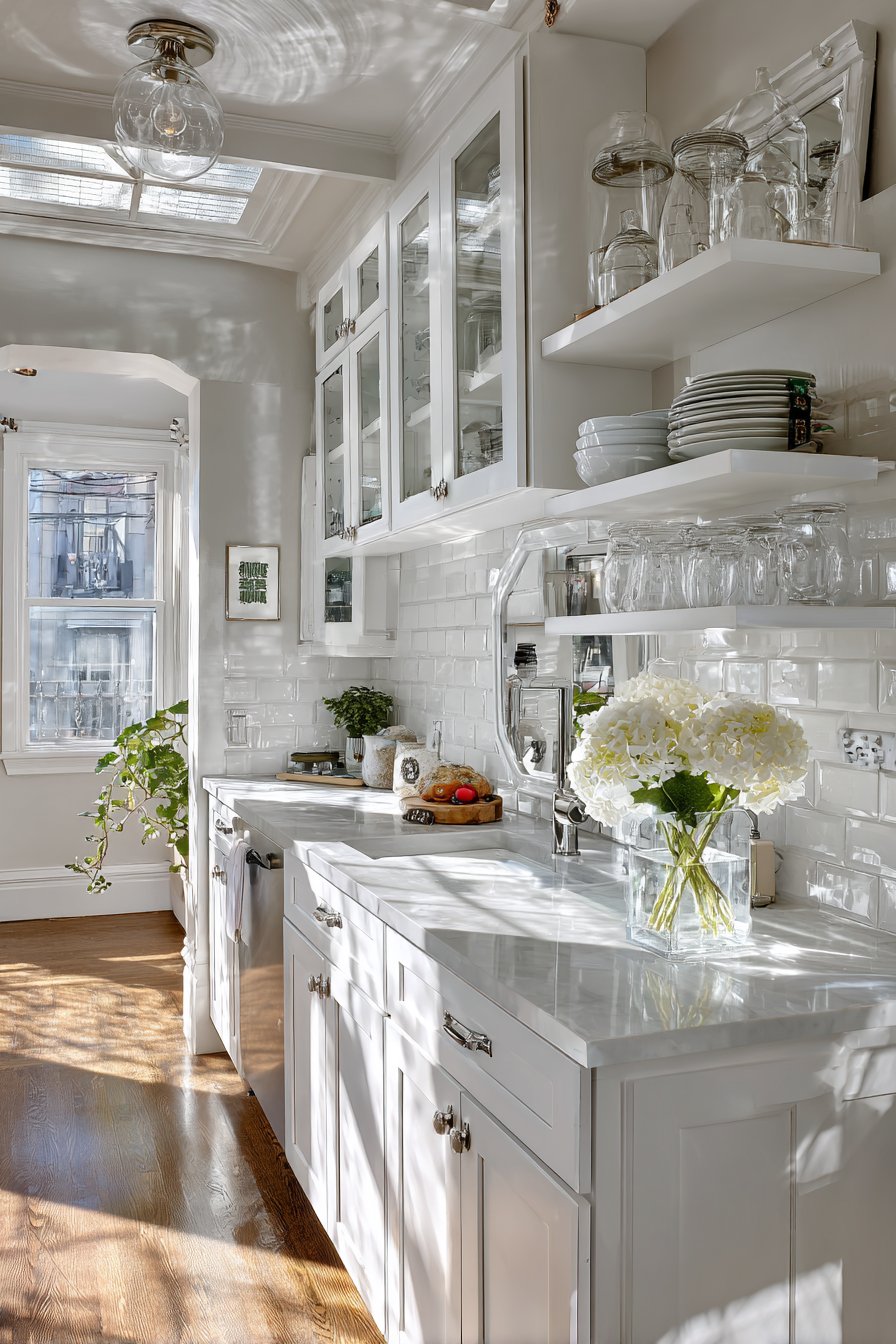
Incorporate glossy finishes and mirrors to amplify available light and create depth perception. Glass-front cabinets, polished countertops, and metallic hardware catch and reflect light beautifully. Strategically placed mirrors can visually double your space while brightening dark corners.
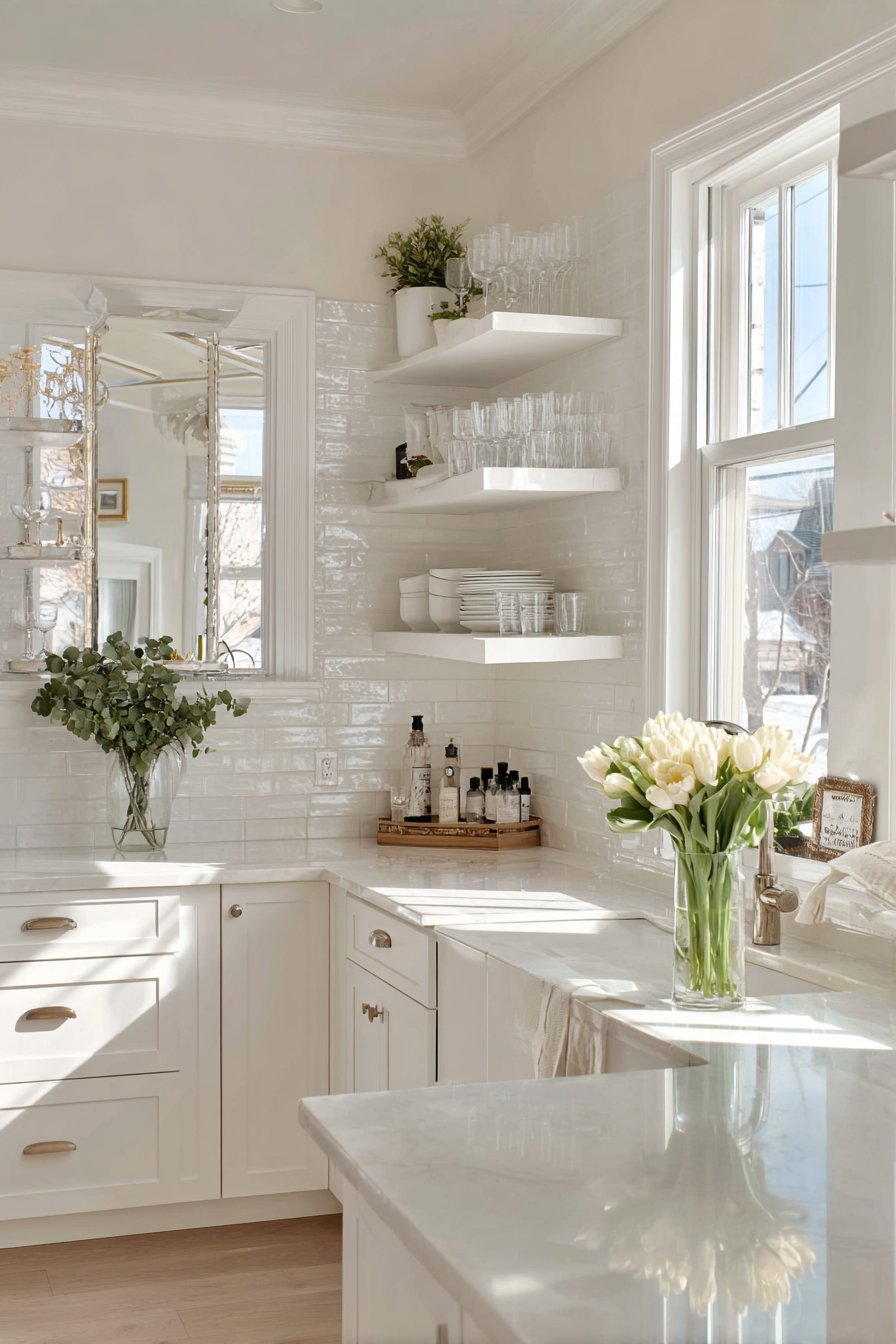
- Paint walls and ceilings in light neutral tones
- Choose white or light-colored cabinetry for maximum brightness
- Select glossy tile backsplashes that reflect light effectively
- Install under-cabinet lighting to eliminate shadows on counters
- Use glass containers and clear organizers where possible
7. Eliminate Unnecessary Items and Clutter
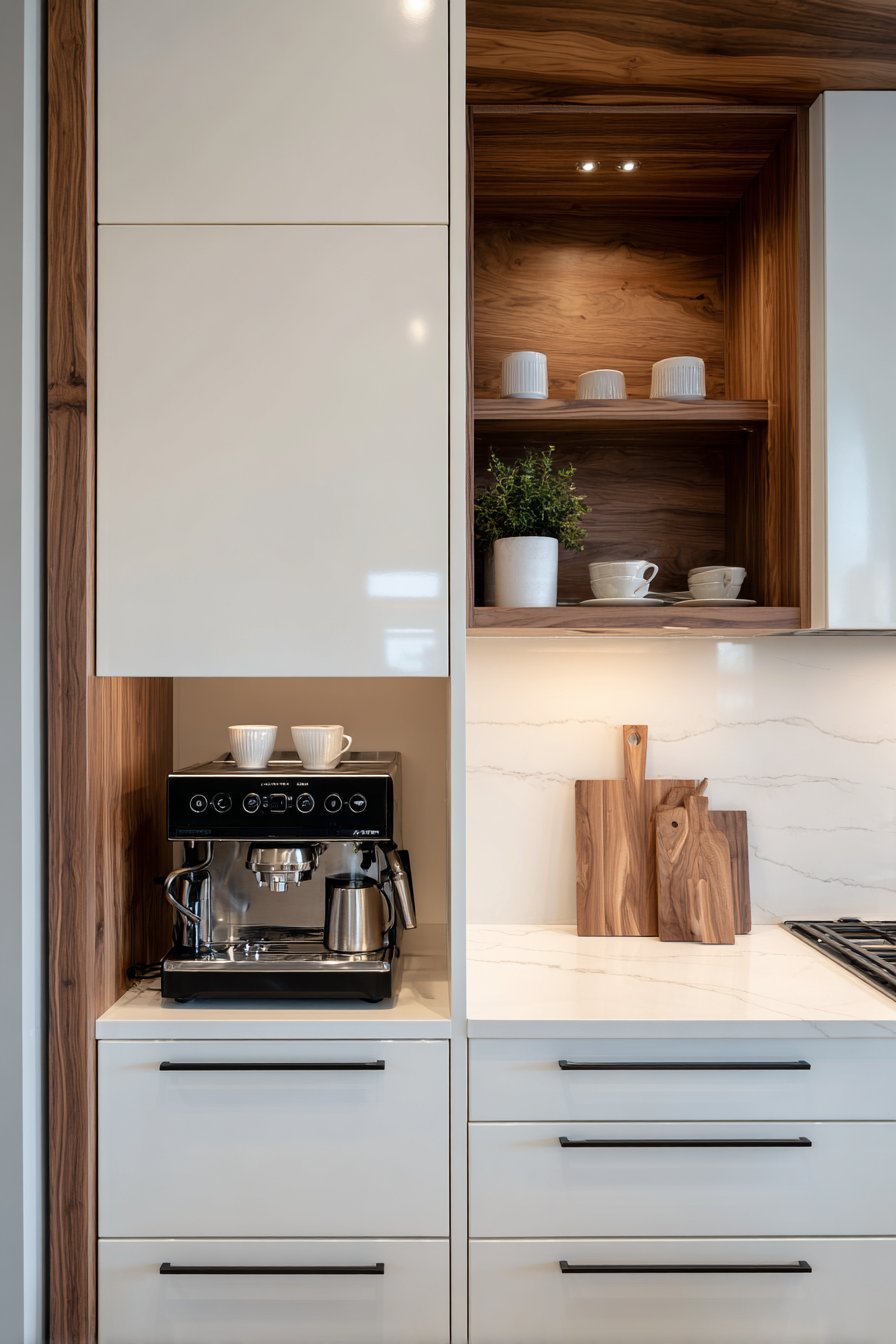
Ruthless editing transforms cramped kitchens into functional spaces. Keep only appliances, tools, and dishes you actually use regularly. Duplicate items, single-purpose gadgets, and rarely used serving pieces occupy valuable real estate that could serve daily needs better.
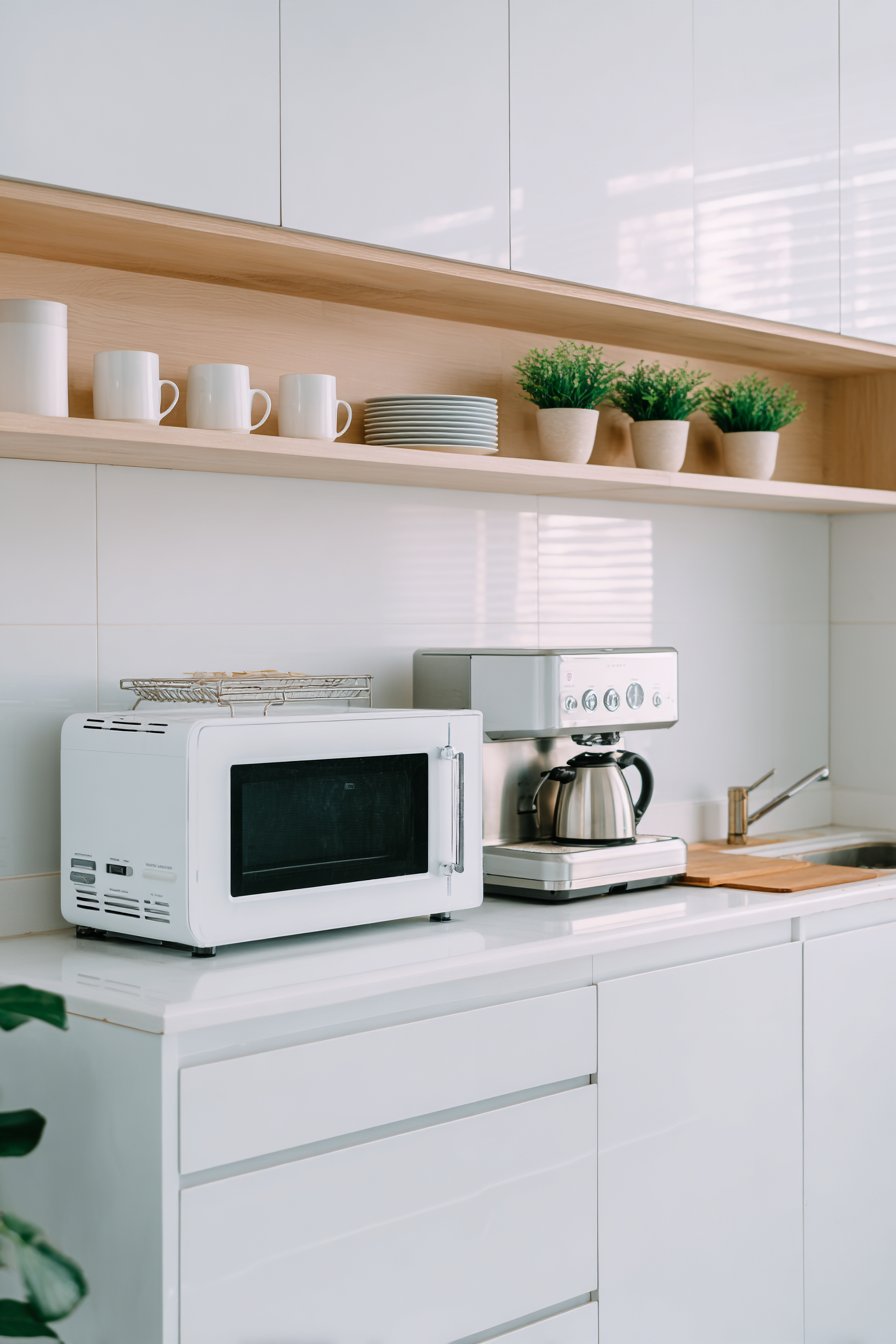
Adopt a minimalist mindset regarding kitchen possessions. If something hasn’t been used in six months, it probably doesn’t deserve precious cabinet space. Maintain clear countertops with only essential items visible, creating workable surfaces and visual calm.
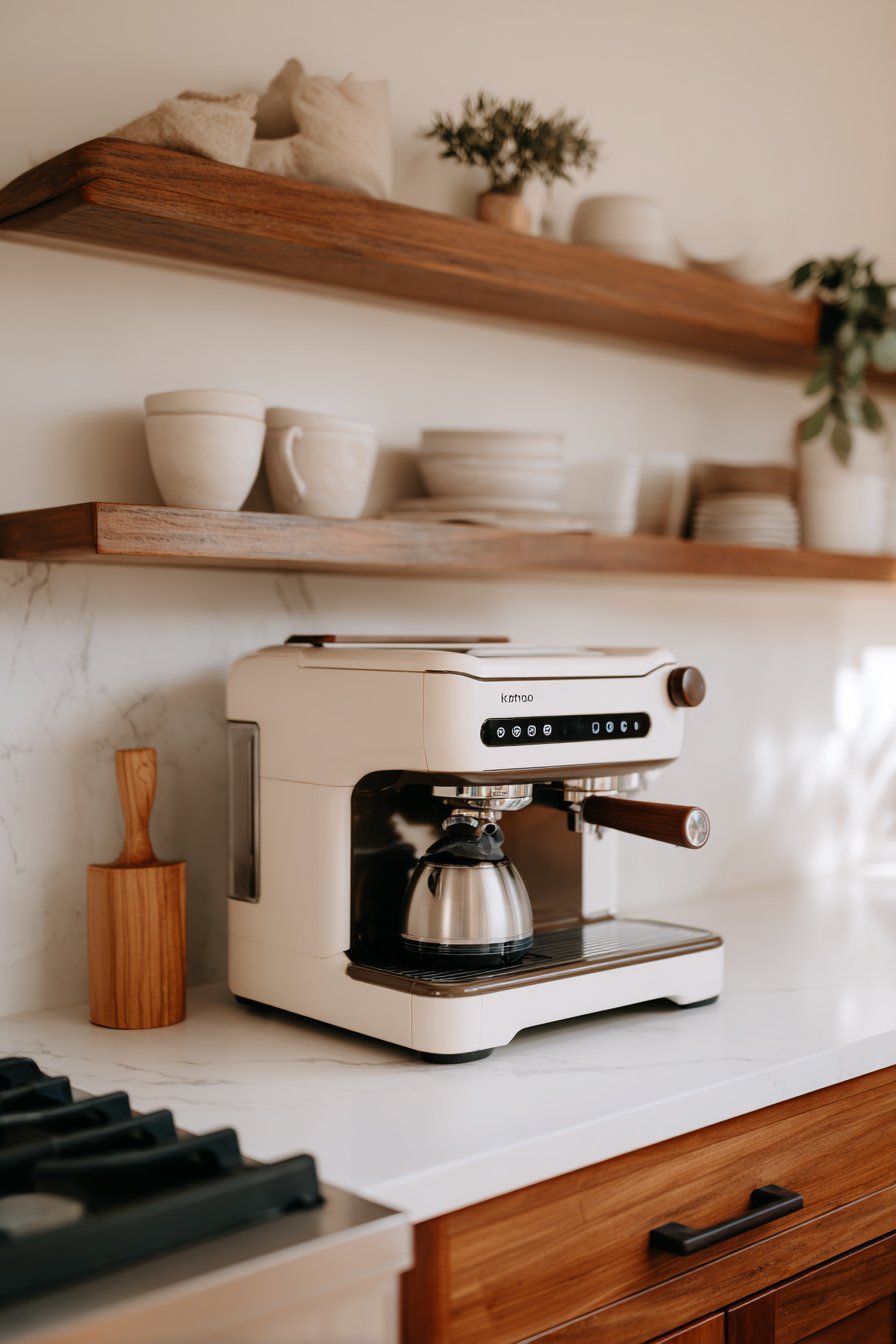
- Evaluate each item honestly about the frequency of use
- Donate duplicate tools and redundant appliances
- Store seasonal items outside the kitchen if possible
- Keep countertops clear except for daily-use appliances
- Adopt a one-in-one-out policy for new purchases
8. Create Zones for Specific Tasks
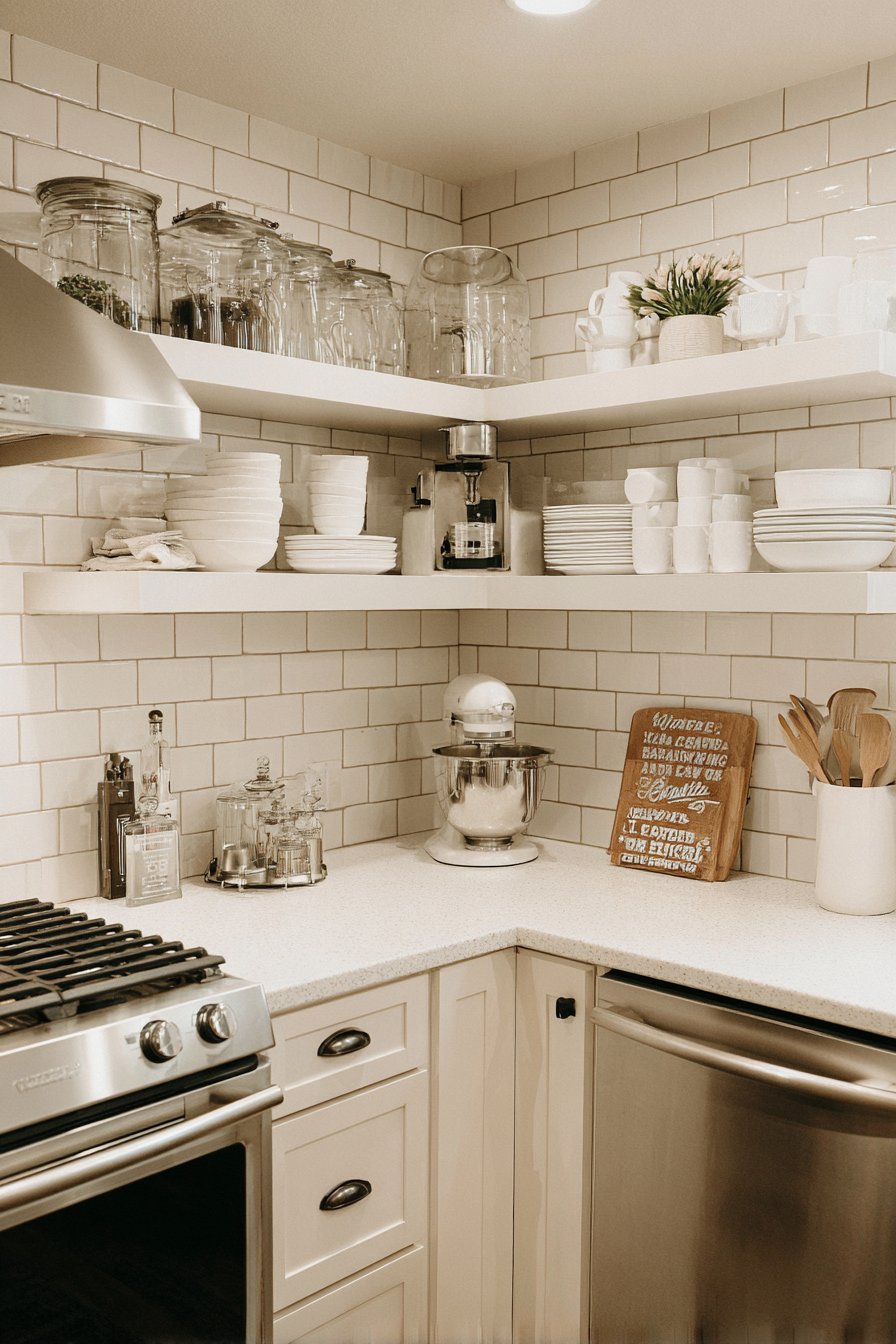
Designated activity zones bring order to small kitchens by organizing tools and supplies logically. A coffee station with mugs, filters, and sweeteners streamlines morning routines. A baking zone groups measuring cups, mixing bowls, and ingredients together for efficient meal preparation.
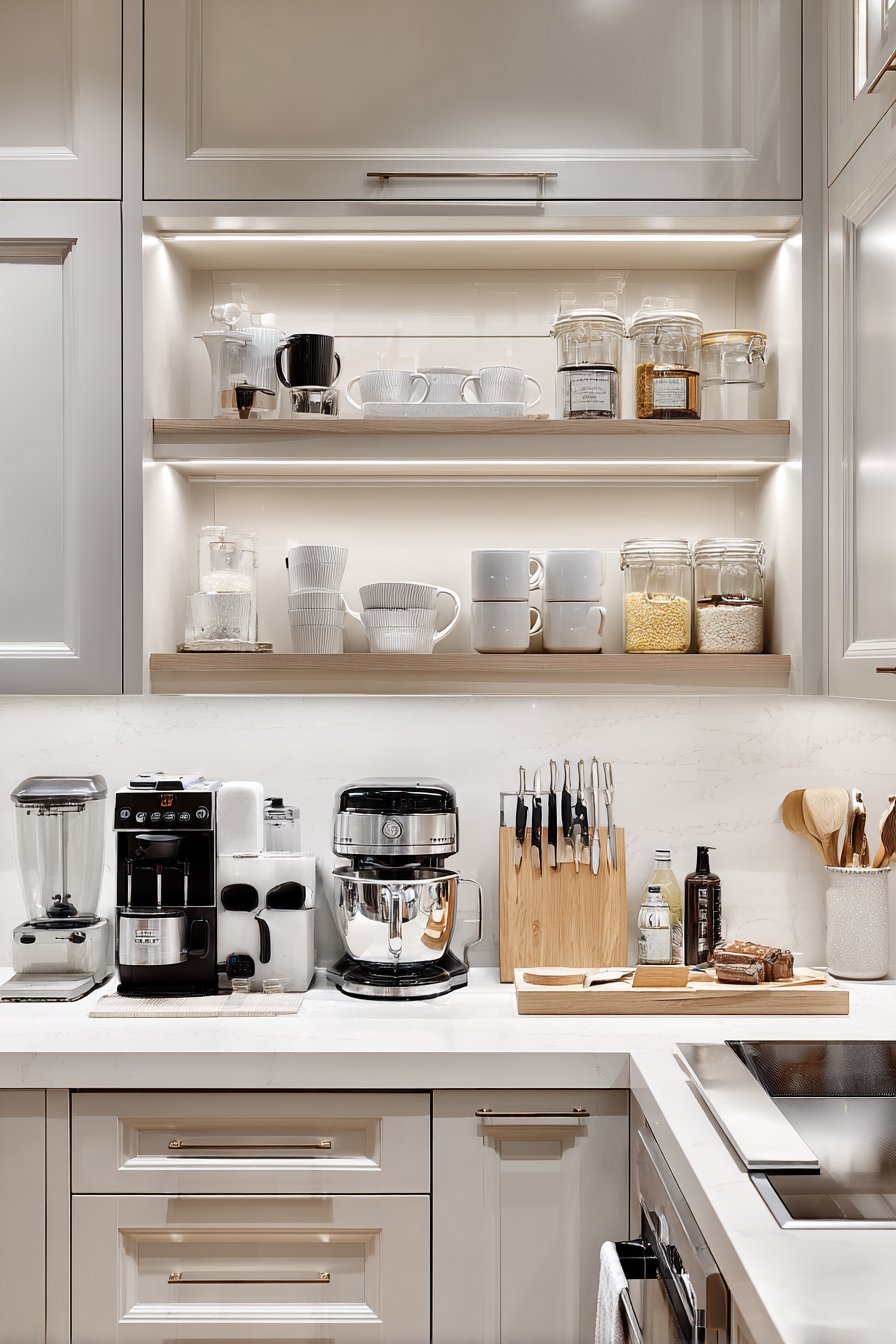
This strategic clustering reduces movement and keeps related items accessible when needed. Even in minimal space, creating micro-zones for prep, cooking, and cleaning improves workflow dramatically. You’ll appreciate the organization especially during busy cooking sessions.
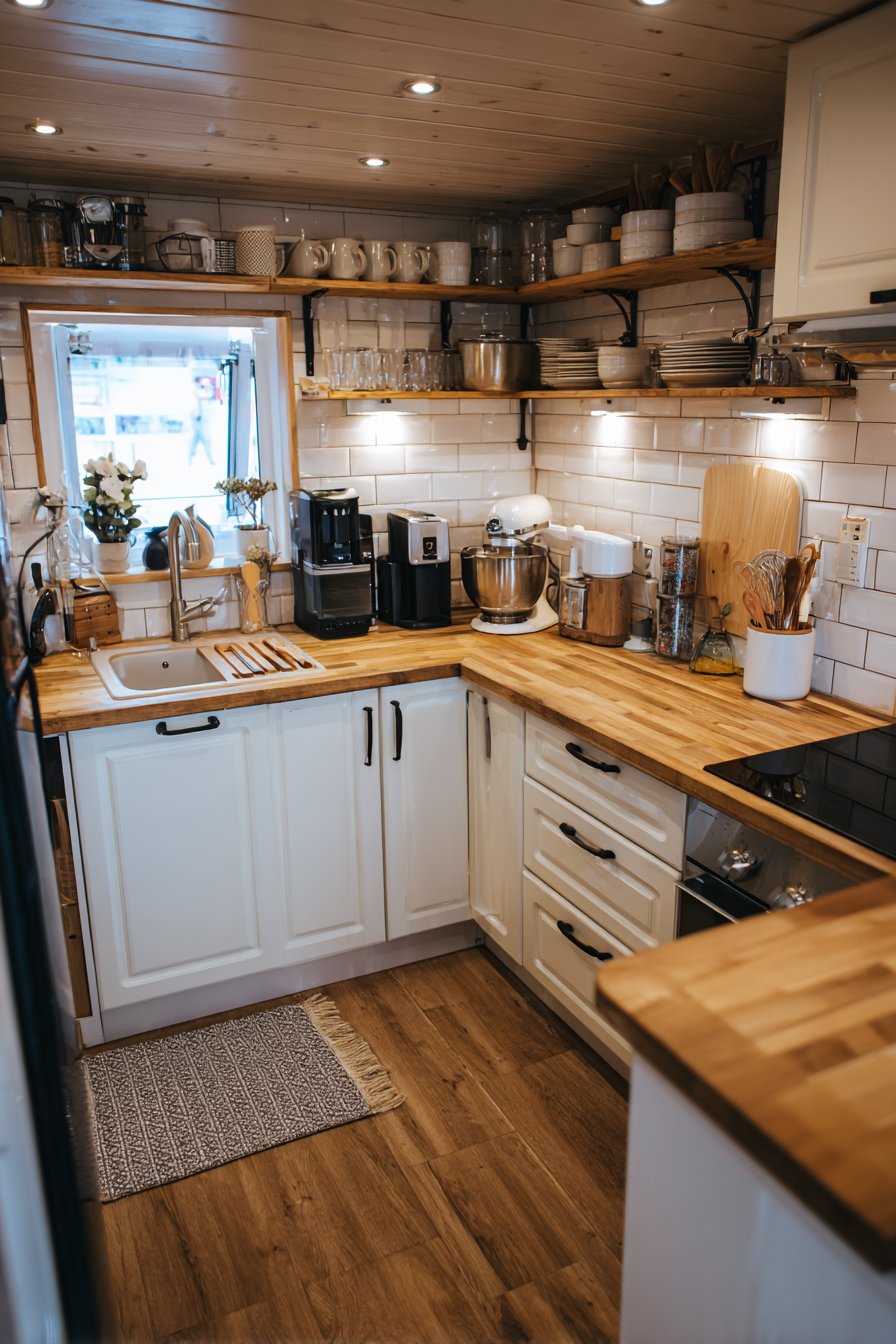
- Group breakfast items in one cabinet near the coffee maker
- Store cleaning supplies together under the sink
- Keep cutting boards, knives, and mixing bowls near prep areas
- Position cooking utensils within reach of the stove
- Organize baking supplies together in a dedicated drawer or cabinet
Conclusion
Small kitchens possess incredible potential when approached with creativity and strategic planning. The techniques outlined here prove that functionality stems from smart design choices rather than abundant square footage. By maximizing vertical space, choosing appropriately scaled appliances, and maintaining rigorous organization, compact kitchens become highly efficient workspaces.
Remember that some of the world’s most memorable meals emerge from tiny kitchens with big hearts. Your limited space encourages efficiency, reduces wasted motion, and creates an intimate cooking environment many larger kitchens lack. Embrace your small kitchen’s character, implement these practical strategies, and discover that size truly doesn’t limit what you can achieve in this essential room of your home.
"As an Amazon Associate, I earn from qualifying purchases."
