
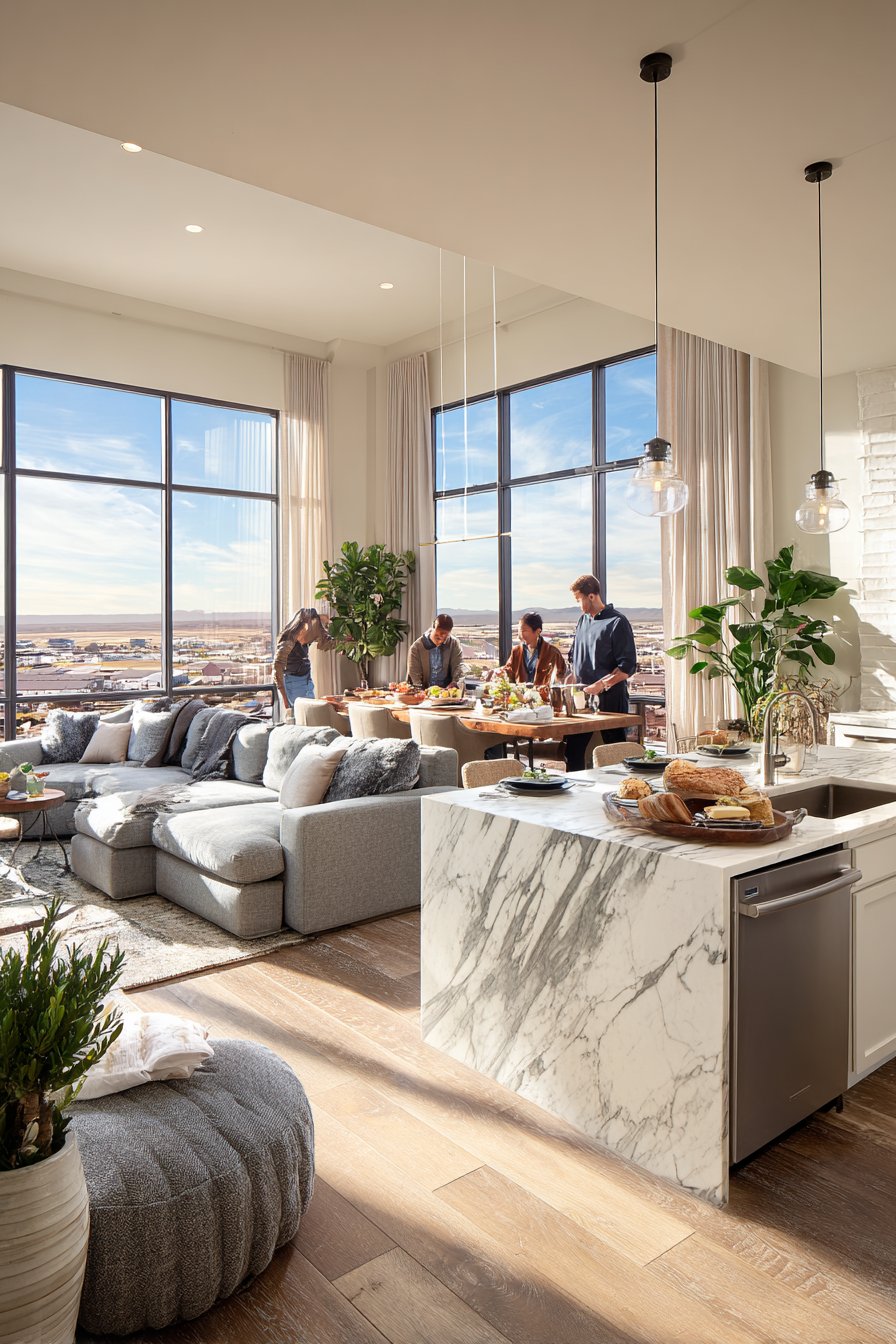
The open kitchen concept has revolutionized modern home design, breaking down barriers that once separated cooking spaces from living areas. This architectural transformation creates flowing, interconnected spaces that reflect contemporary lifestyles and social dynamics. More than just a trend, open kitchens address fundamental changes in how families interact, entertain, and utilize their homes.
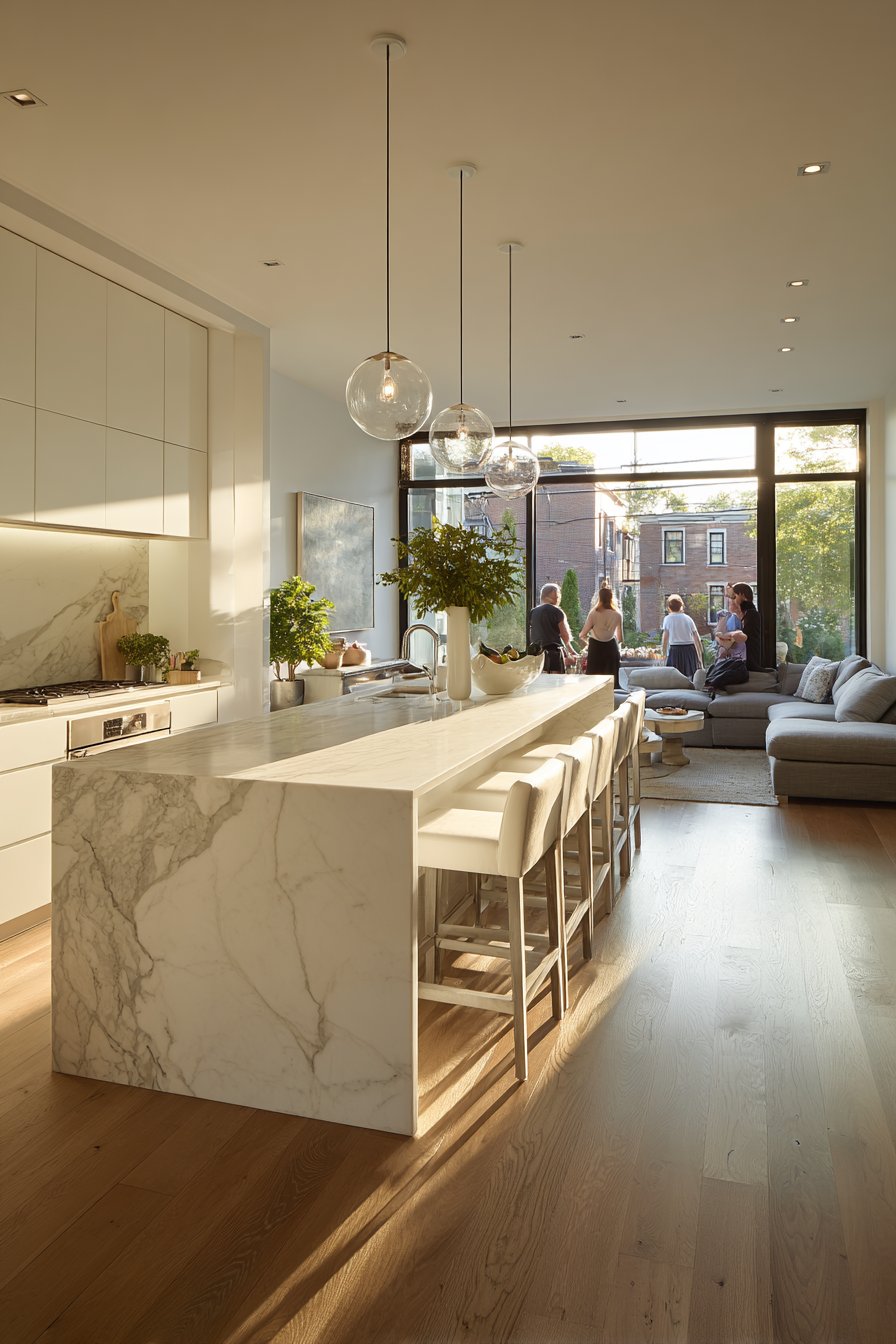
Traditional closed kitchens isolated cooks from household activities, creating physical and social barriers that no longer align with today’s values. The shift toward open layouts acknowledges that kitchens serve as the heart of the home—spaces where cooking, conversation, homework, and entertainment naturally converge. This design philosophy prioritizes connection over separation.
Understanding the advantages of open kitchen concepts helps homeowners make informed decisions about renovations and new construction. From enhanced natural light to improved property values, the benefits extend far beyond aesthetics. This comprehensive guide explores why open kitchens have become the preferred choice for modern living, offering practical insights into their transformative impact on daily life.
1. Enhanced Social Interaction and Family Connectivity
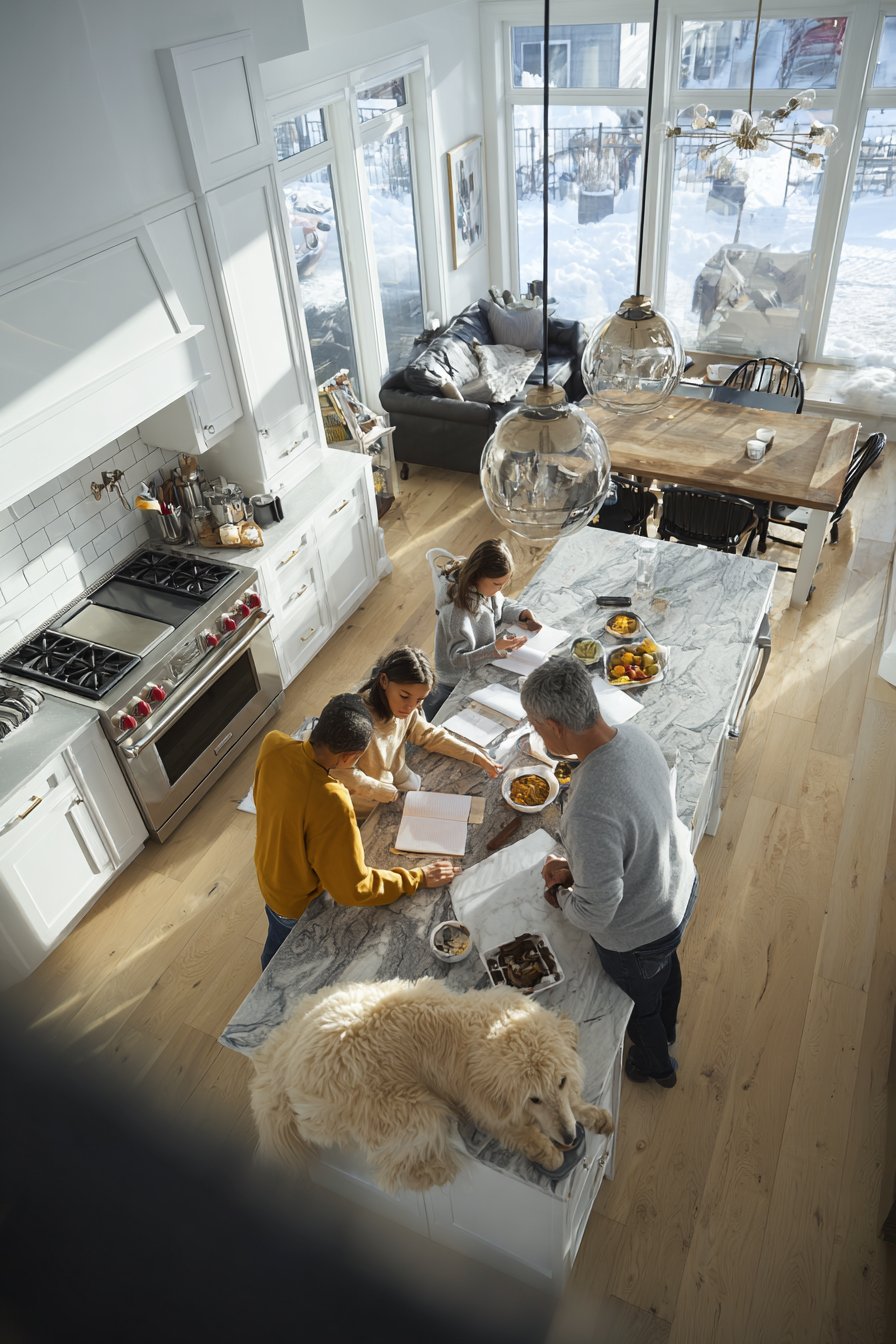
Open kitchens eliminate physical barriers between cooking and living spaces, allowing hosts to remain engaged with guests while preparing meals. This configuration transforms meal preparation from a solitary task into a social activity where conversation flows naturally across spaces. Parents can supervise children’s homework while cooking dinner effortlessly.
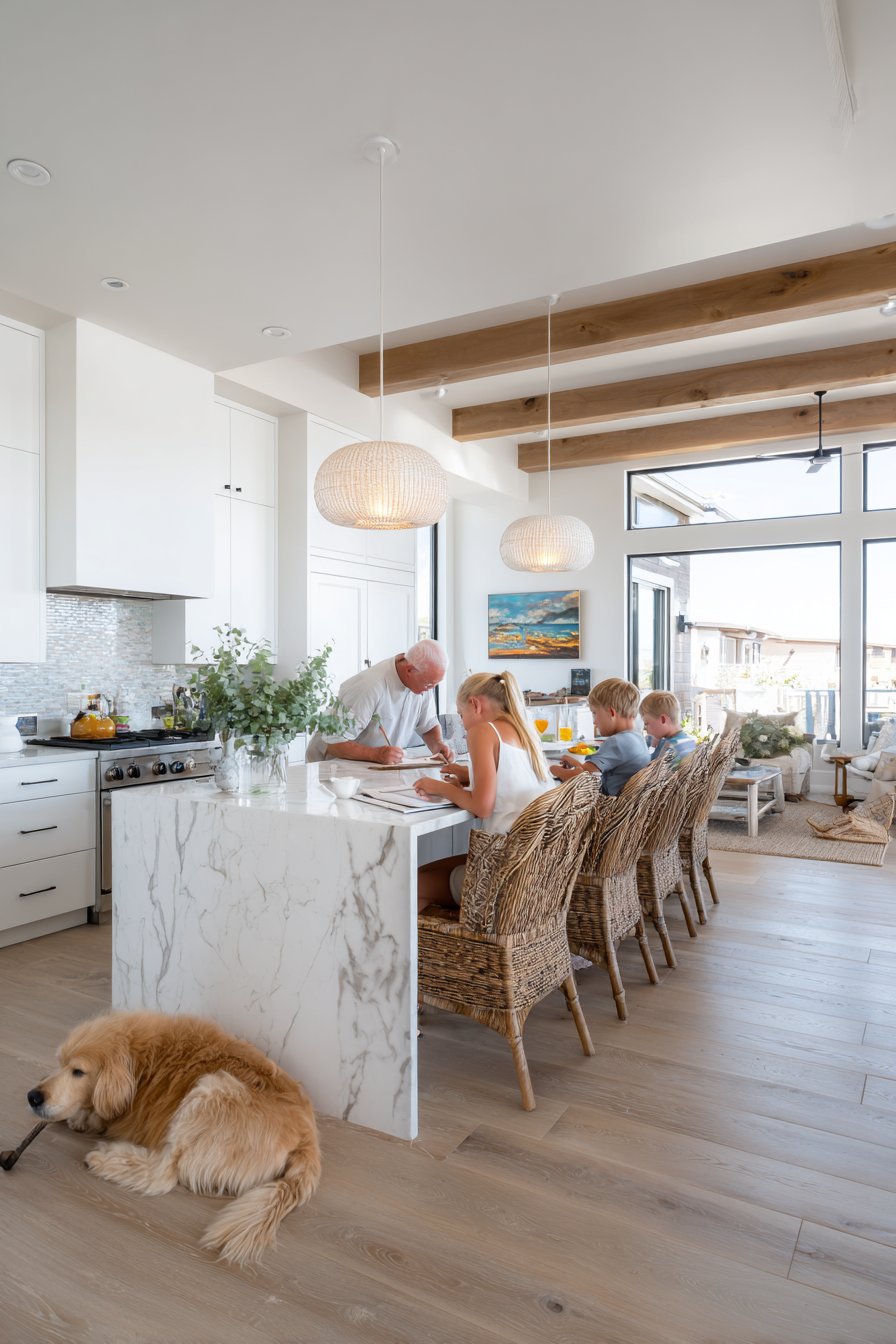
The visual connection created by open layouts strengthens family bonds throughout daily routines. Rather than shouting through walls, family members maintain face-to-face communication regardless of their activities. This proximity encourages spontaneous conversations and shared experiences that build stronger relationships over time.
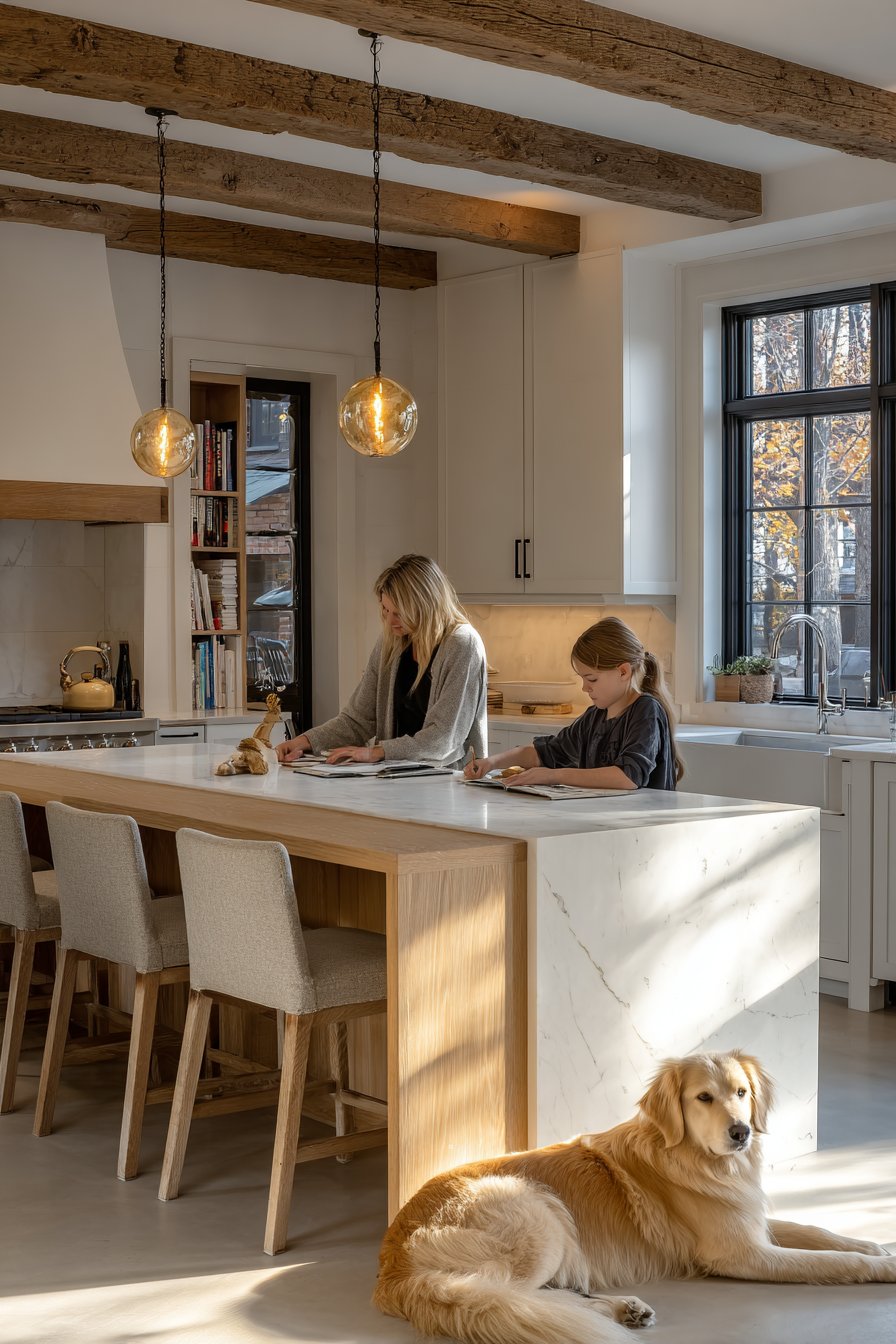
- Maintain eye contact with family members while preparing meals
- Supervise children playing in adjacent rooms without leaving the kitchen
- Include guests in cooking activities for interactive entertaining experiences
- Share stories and updates naturally throughout evening routines
- Create opportunities for teaching moments with children nearby
- Foster collaborative cooking experiences that strengthen relationships
2. Improved Natural Light Distribution
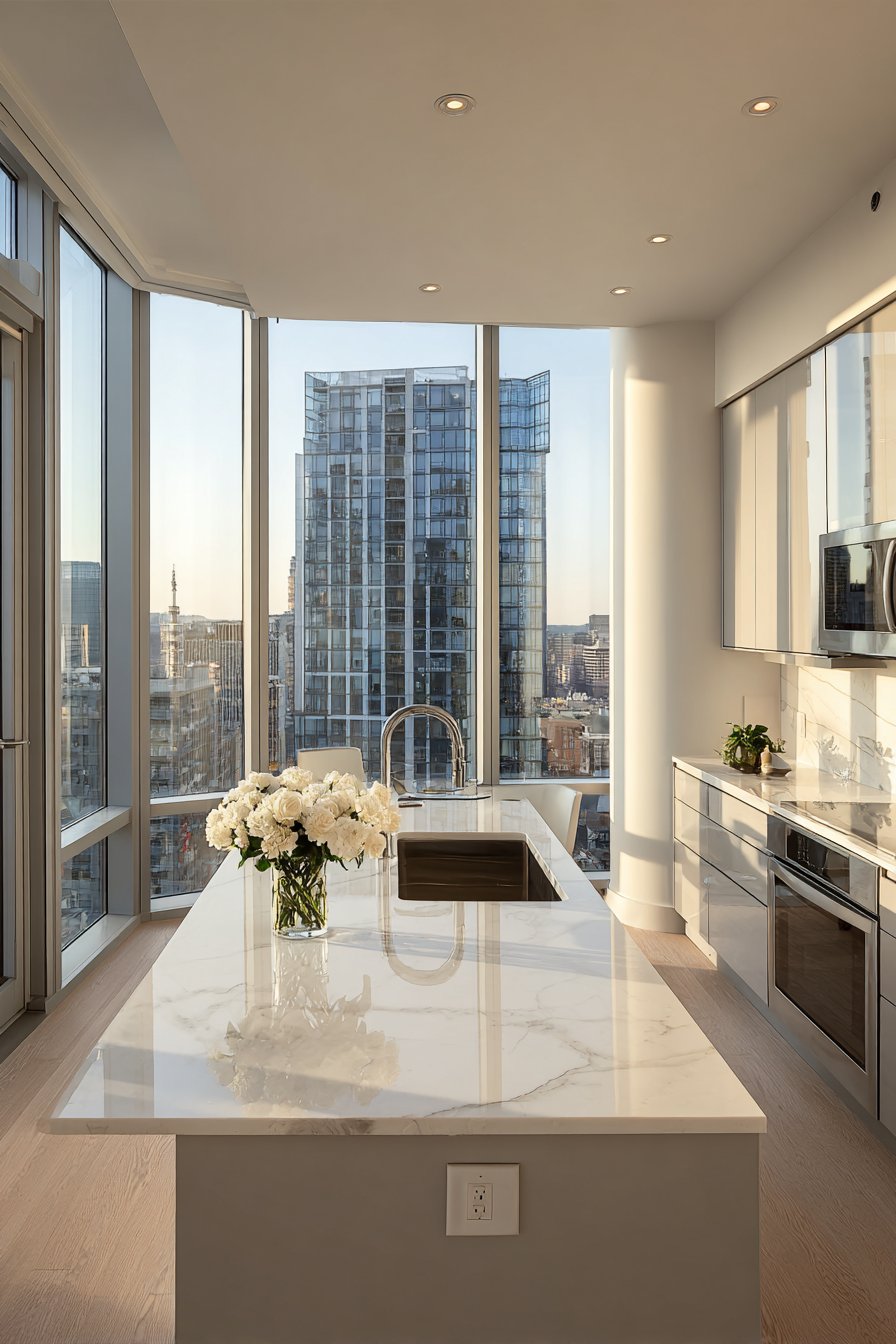
Removing walls allows sunlight to penetrate deeper into your home’s interior spaces. Windows in one area illuminate multiple zones, reducing dependence on artificial lighting during daylight hours. This connection to natural rhythms enhances mood and creates a more pleasant living environment throughout the day.
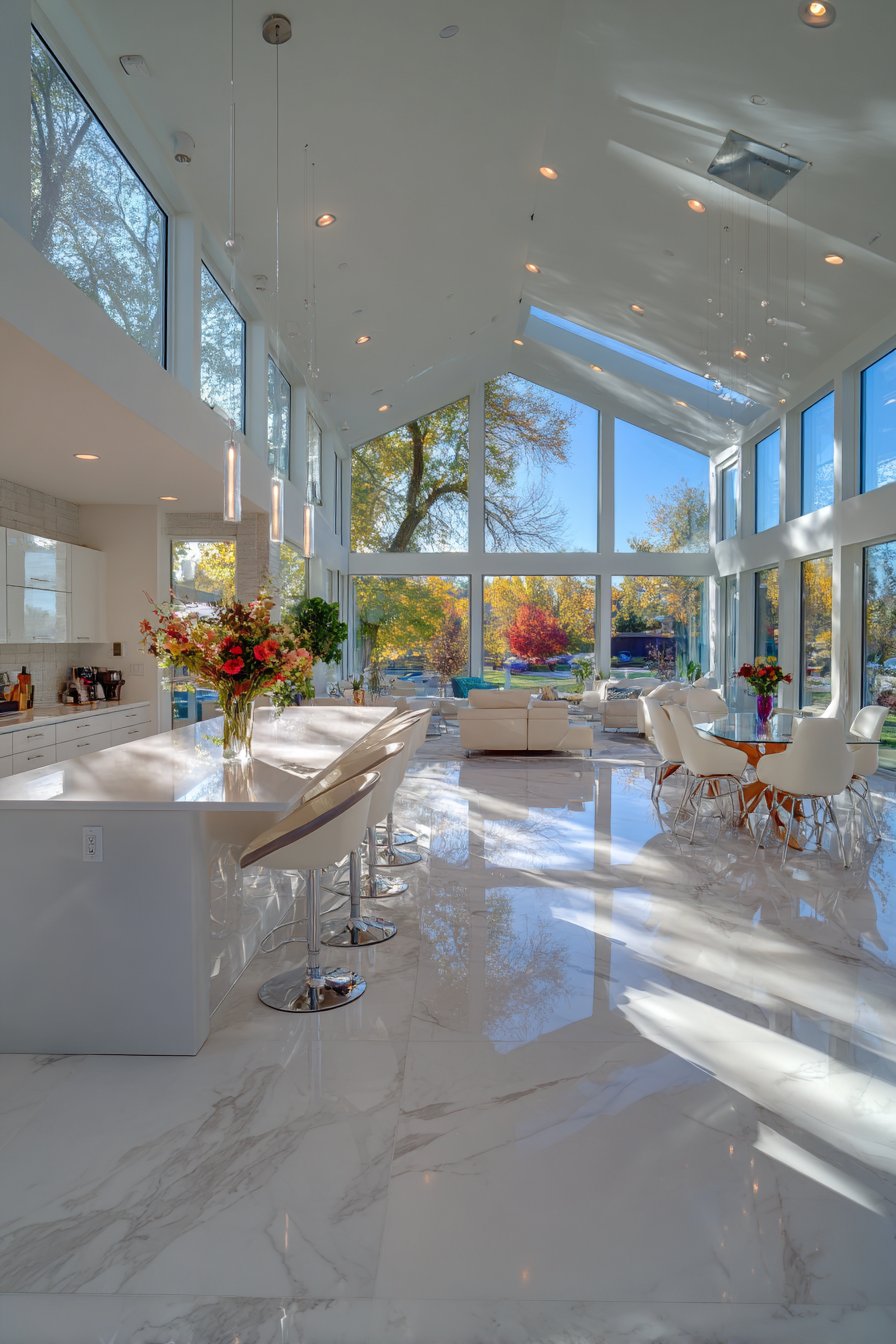
The amplified brightness makes spaces feel larger, cleaner, and more inviting. Light bounces off surfaces and travels freely, eliminating dark corners and shadowy hallways. This increased illumination also reduces energy costs by minimizing the need for daytime lighting in multiple rooms.
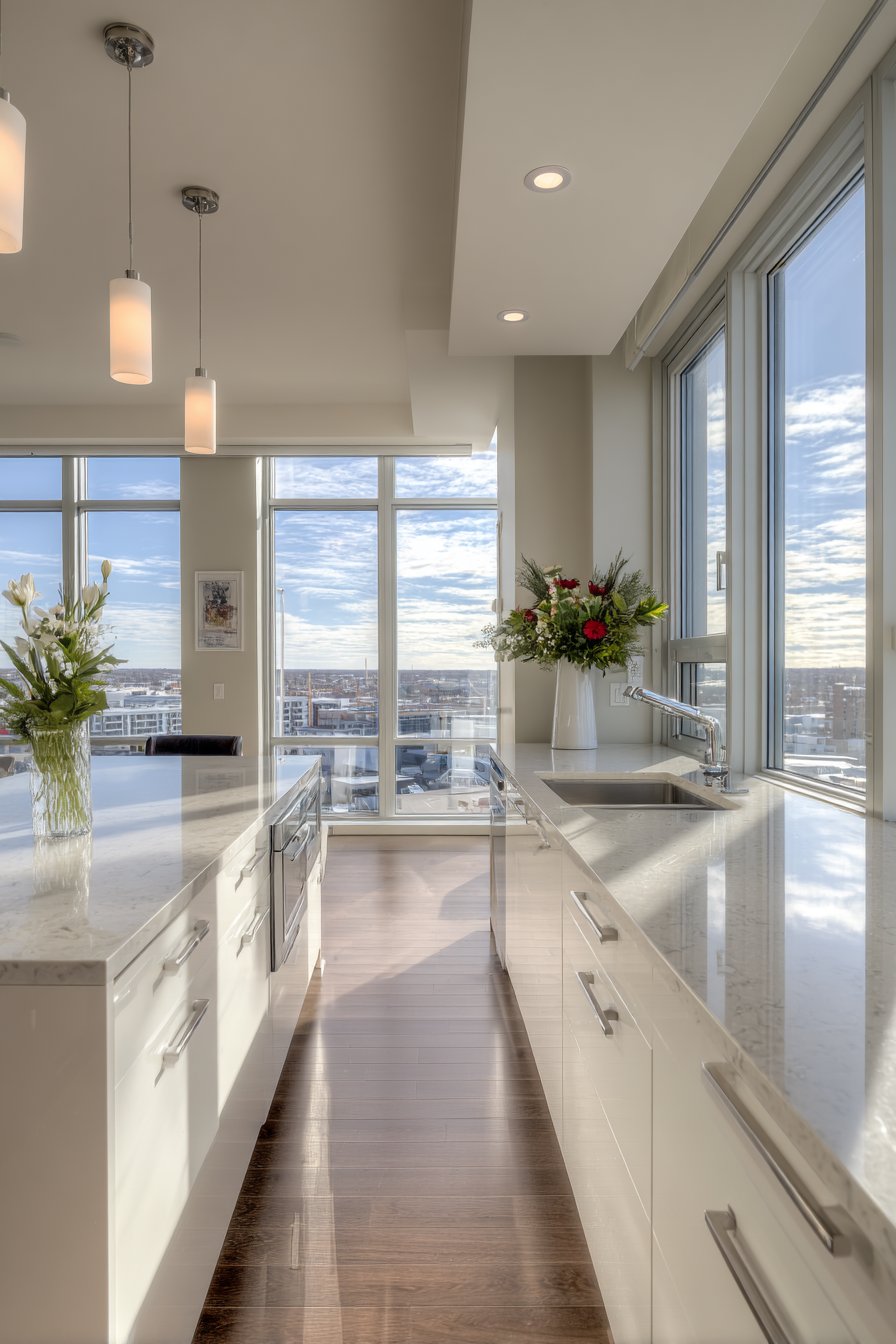
- Maximize window placement to distribute light across combined spaces
- Use reflective surfaces to bounce natural light throughout the area
- Reduce electricity consumption with extended natural lighting hours
- Create brighter cooking environments that improve food preparation safety
- Enhance mood and energy levels with increased sunlight exposure
- Improve visibility for detailed tasks like chopping and reading recipes
3. Increased Perceived Space and Openness
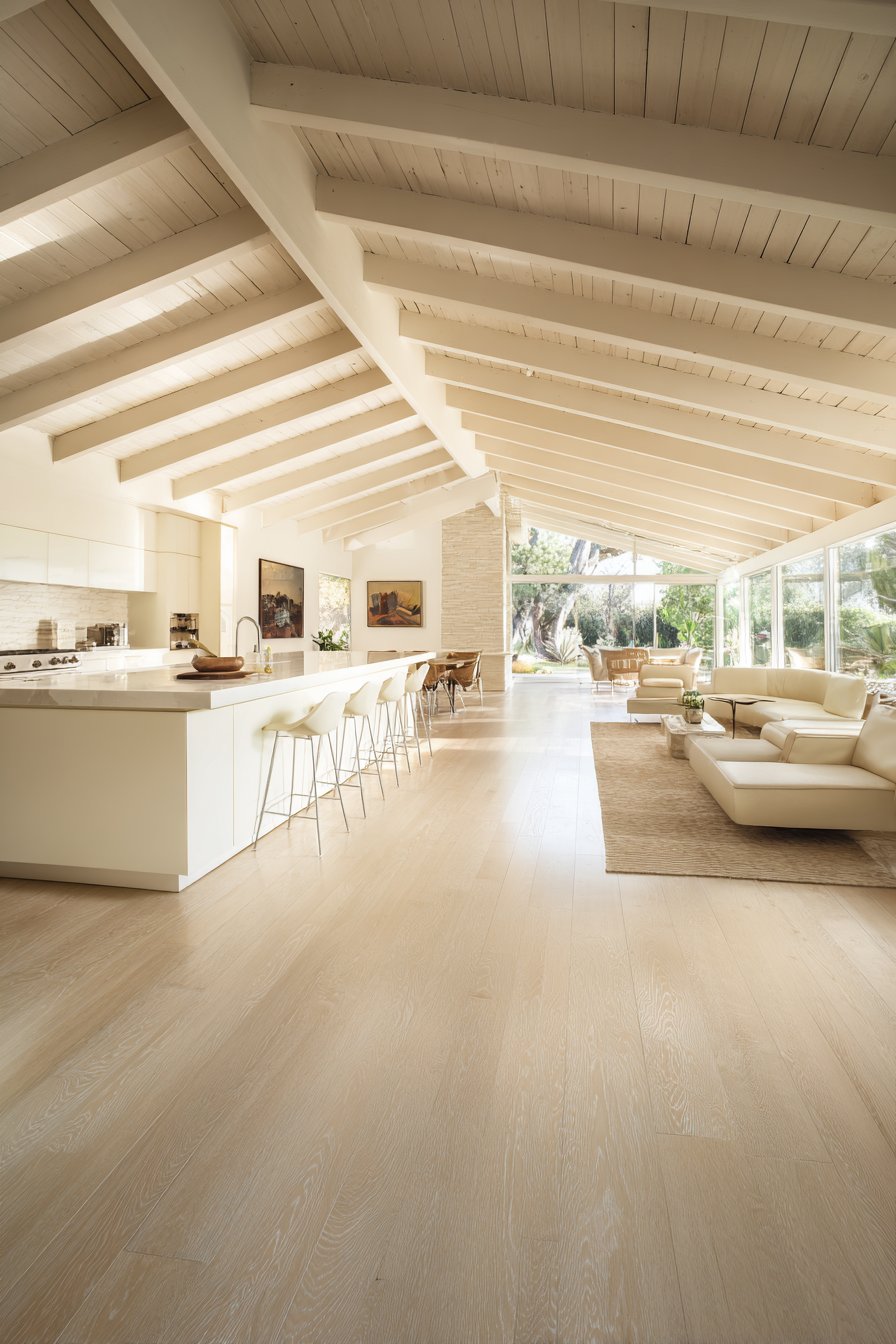
Open concepts create an illusion of significantly larger square footage without actual structural expansion. Removing dividing walls allows the eye to travel unobstructed, making even modest homes feel spacious and airy. This visual continuity tricks perception, adding value beyond measurable dimensions.
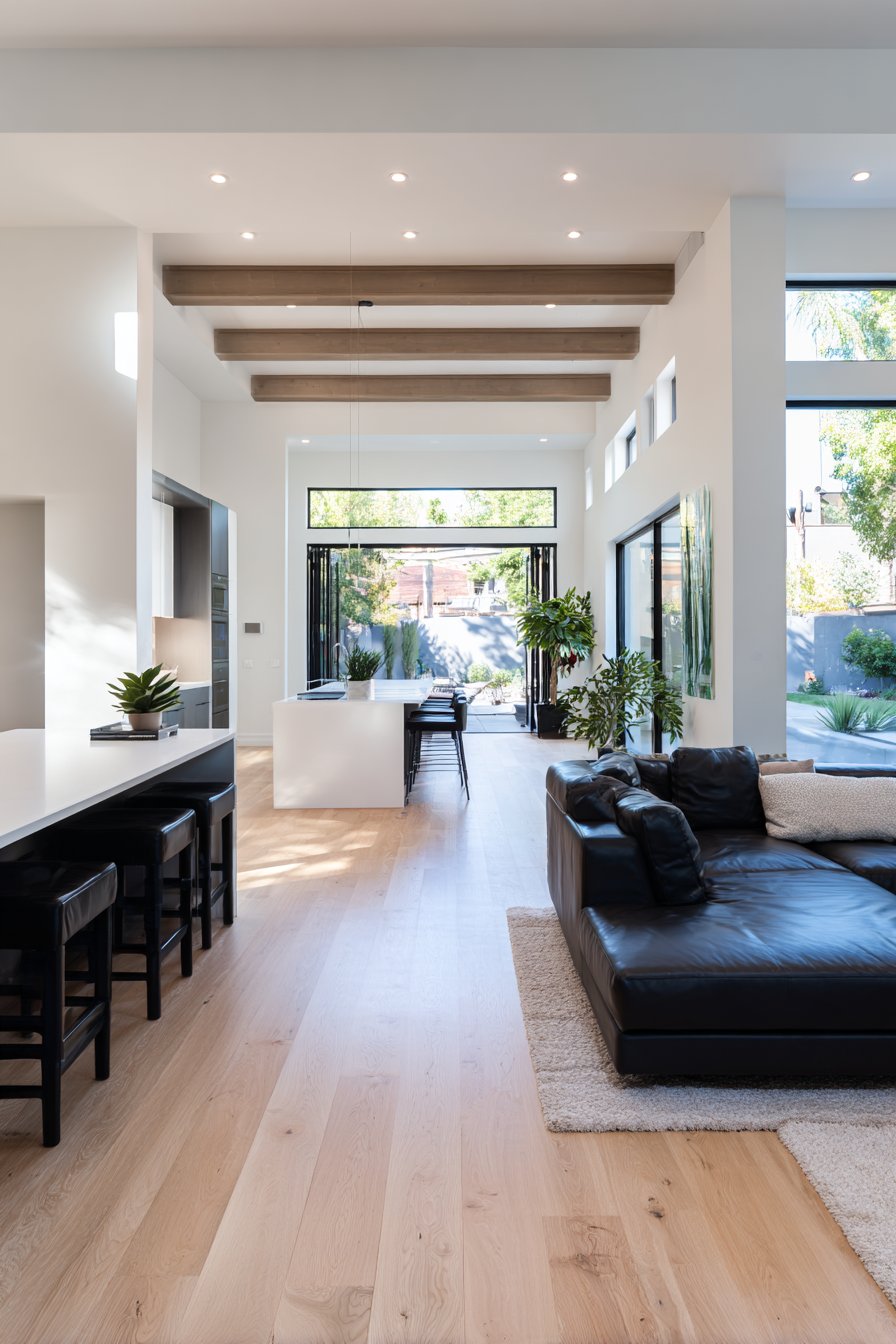
The flowing layout eliminates cramped feelings associated with compartmentalized rooms. Air circulates freely, reducing stuffiness and creating a more comfortable atmosphere. This sense of breathing room contributes to reduced stress and improved well-being for occupants.
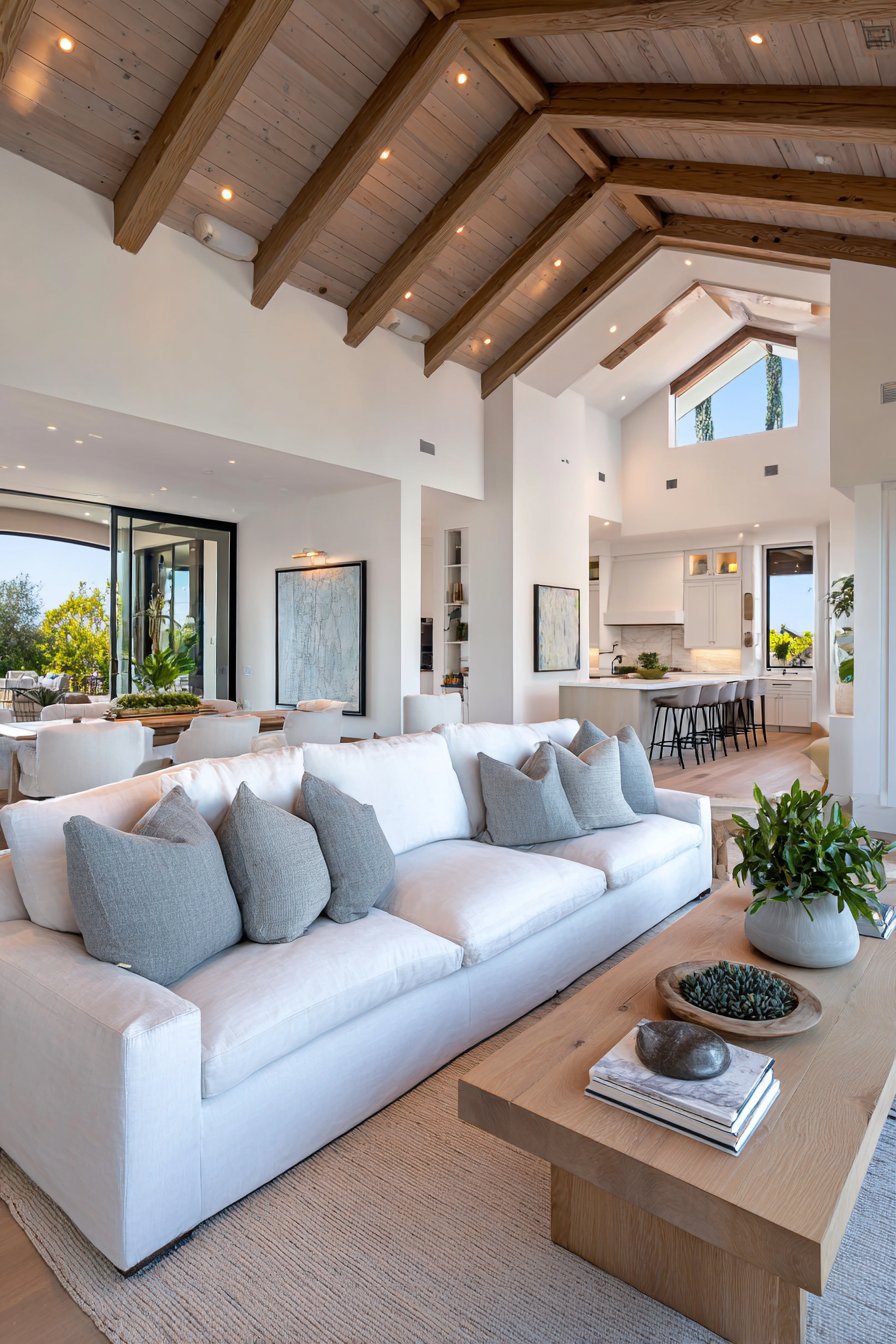
- Remove unnecessary walls to create uninterrupted sight lines
- Use consistent flooring throughout to enhance continuity
- Position furniture strategically to define zones without blocking views
- Maintain minimal clutter to preserve the spacious feeling
- Choose light colors that reflect rather than absorb light
- Incorporate mirrors to amplify the sense of openness
4. Flexible Entertainment and Hosting Capabilities
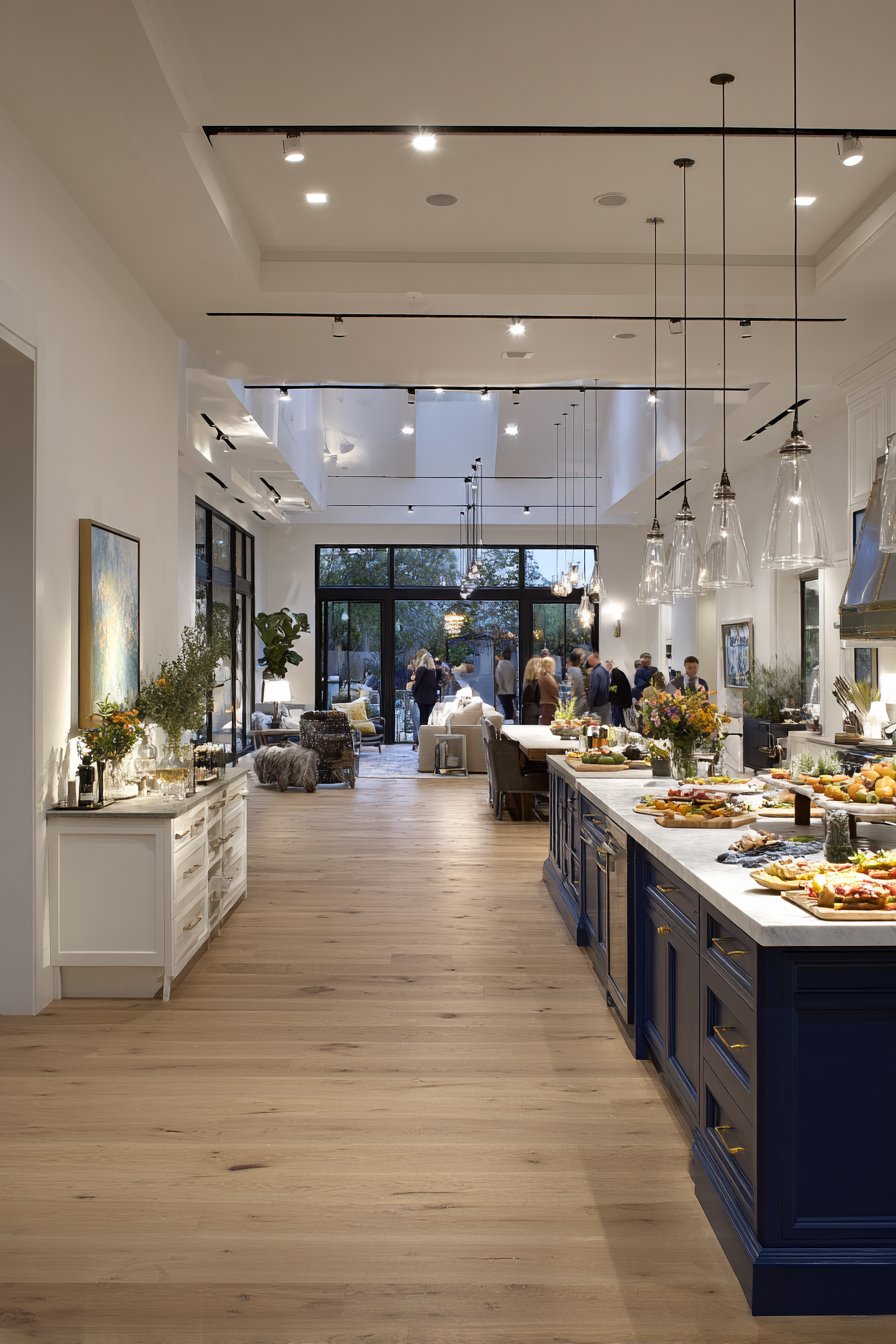
Open kitchens transform hosting dynamics by integrating preparation areas with entertaining spaces. Guests naturally gather in kitchens, and open layouts accommodate this behavior without crowding. The cook remains part of conversations rather than isolated behind walls during gatherings.
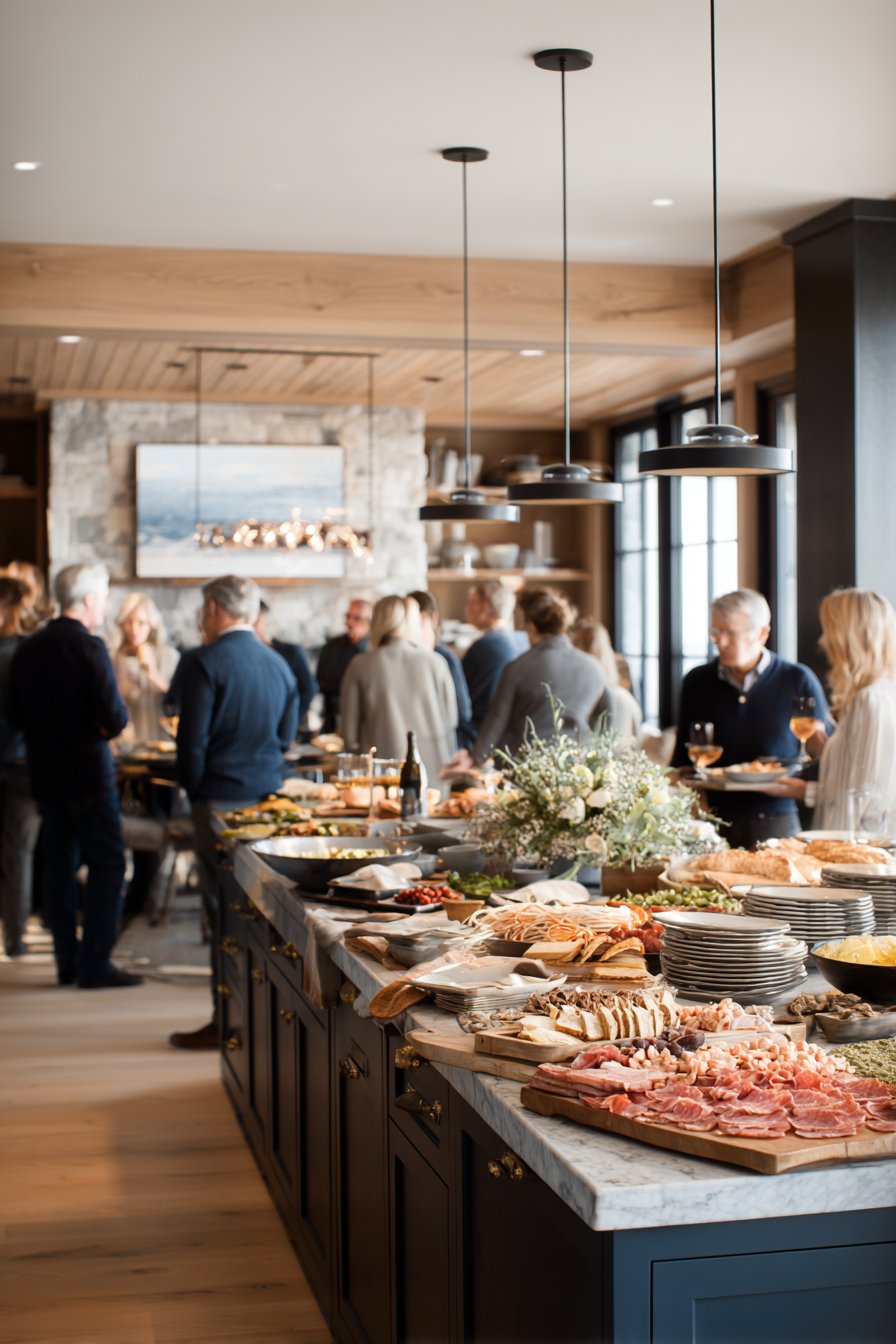
This configuration supports various entertaining styles from casual family dinners to elegant cocktail parties. The seamless flow allows hosts to manage food service while mingling, creating relaxed atmospheres where everyone feels included. Buffet-style serving becomes effortless with accessible countertops visible from dining areas.
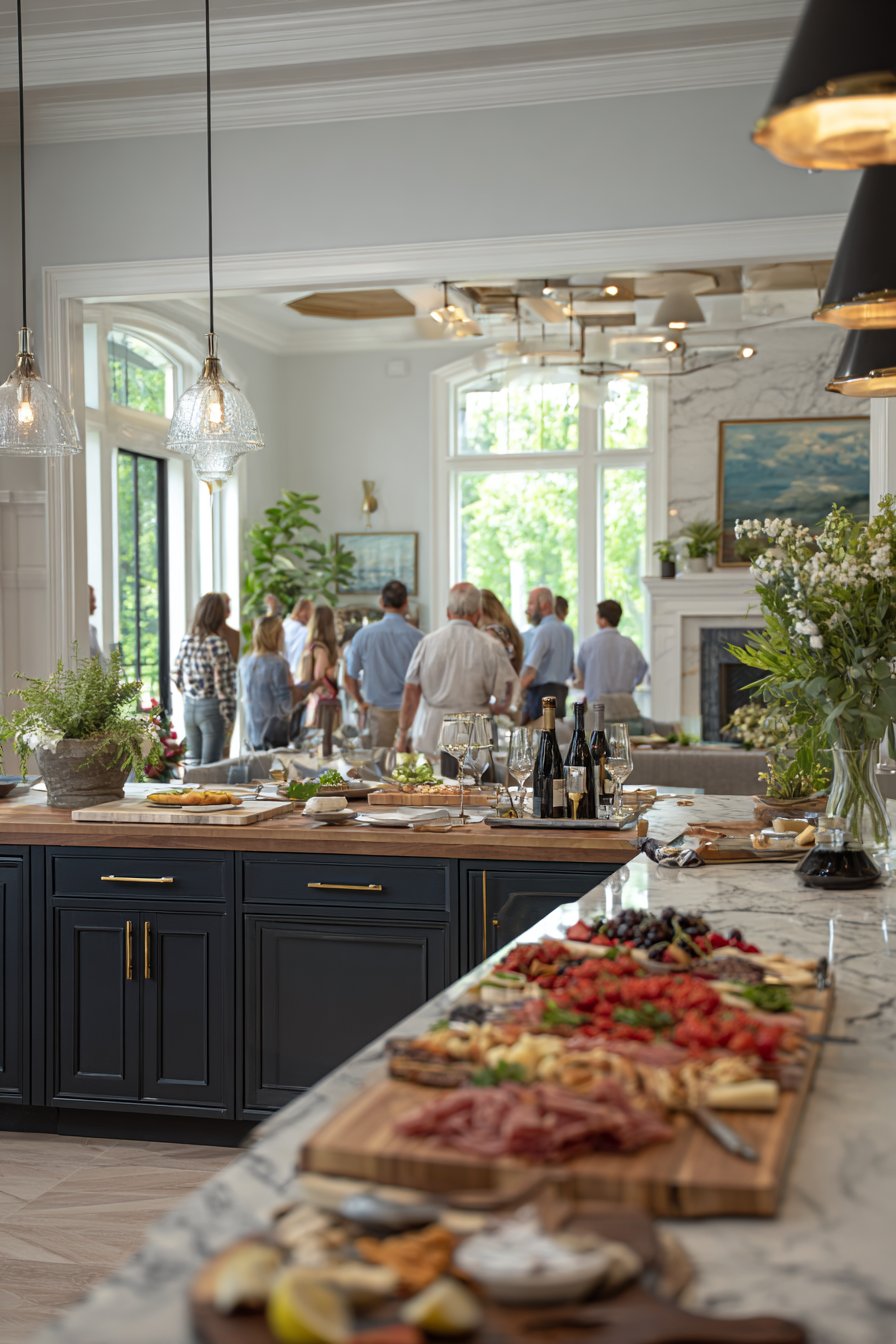
- Set up beverage stations accessible to guests without kitchen congestion
- Arrange seating that encourages conversation across multiple zones
- Display impressive cooking skills as entertainment during dinner parties
- Serve appetizers directly from cooking areas to nearby guests
- Accommodate larger groups by utilizing multiple interconnected spaces
- Create natural traffic flow that prevents bottlenecks during events
5. Enhanced Home Value and Market Appeal
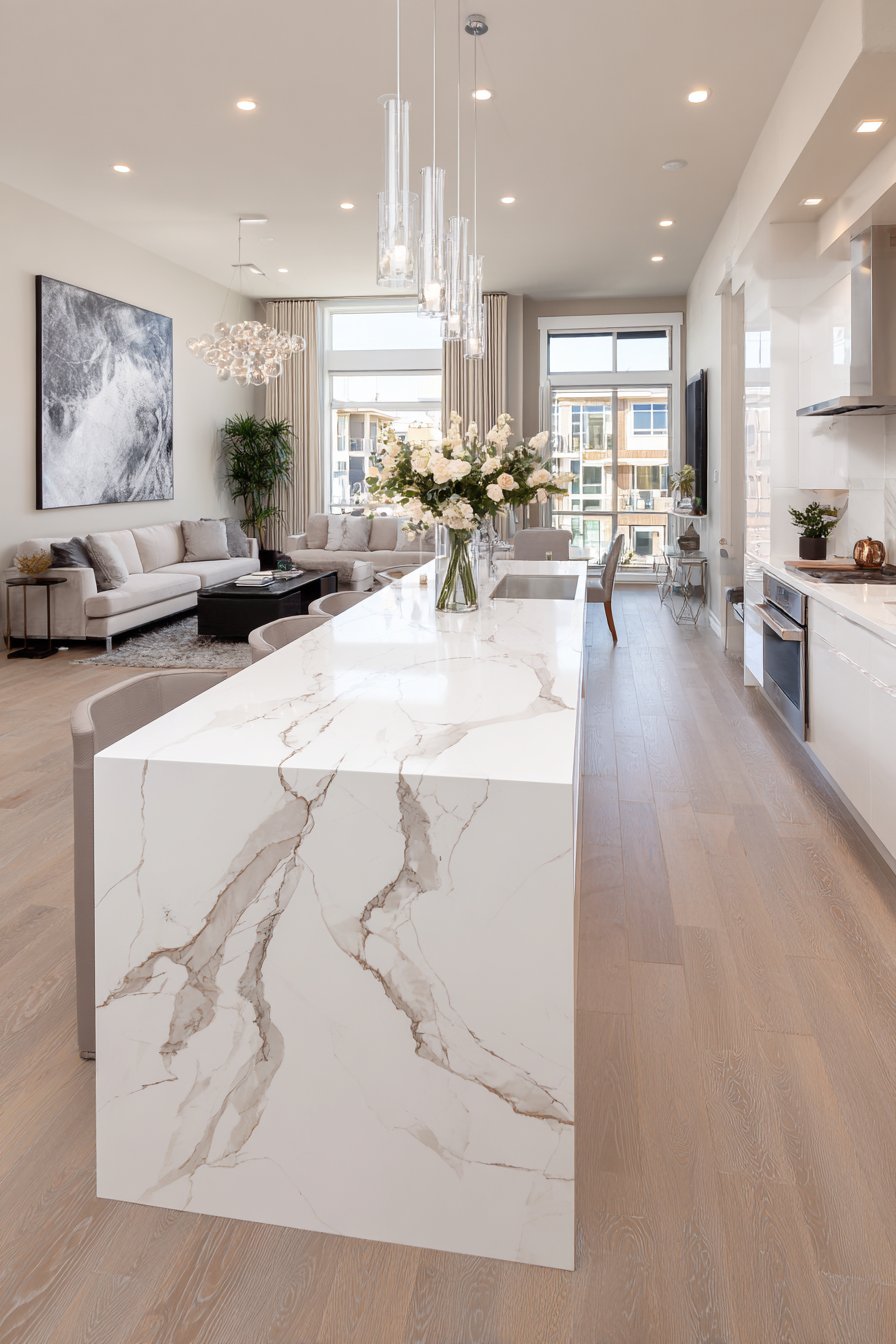
Properties with open concepts consistently command higher resale prices in competitive markets. Modern buyers prioritize these layouts, viewing them as essential rather than optional features. Real estate professionals report that open kitchens significantly reduce time on market and attract more potential buyers.
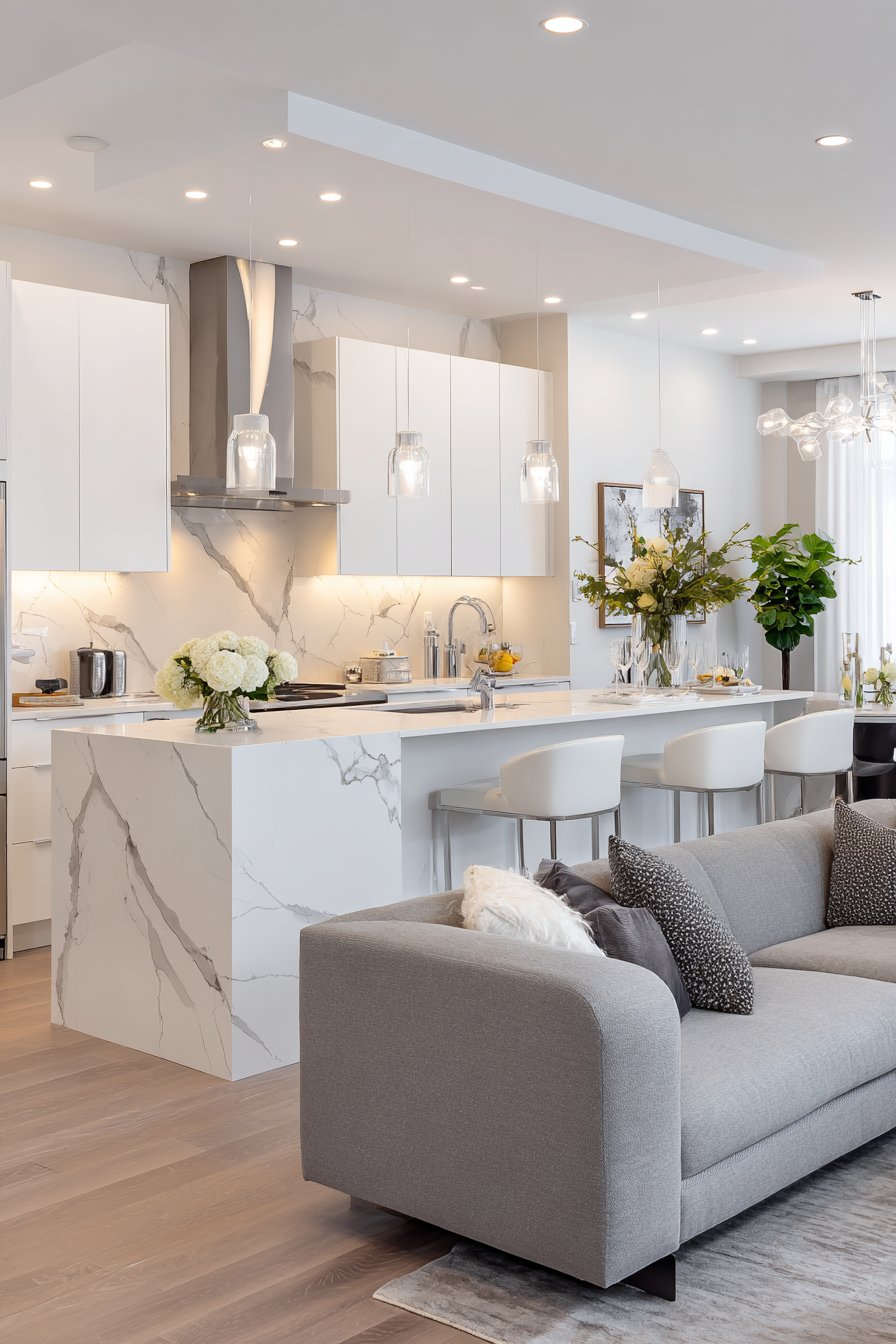
The universal appeal of open layouts transcends demographic boundaries and design preferences. Young families, empty nesters, and professionals all recognize the lifestyle benefits these spaces provide. This broad market demand translates directly into stronger property valuations and investment returns.
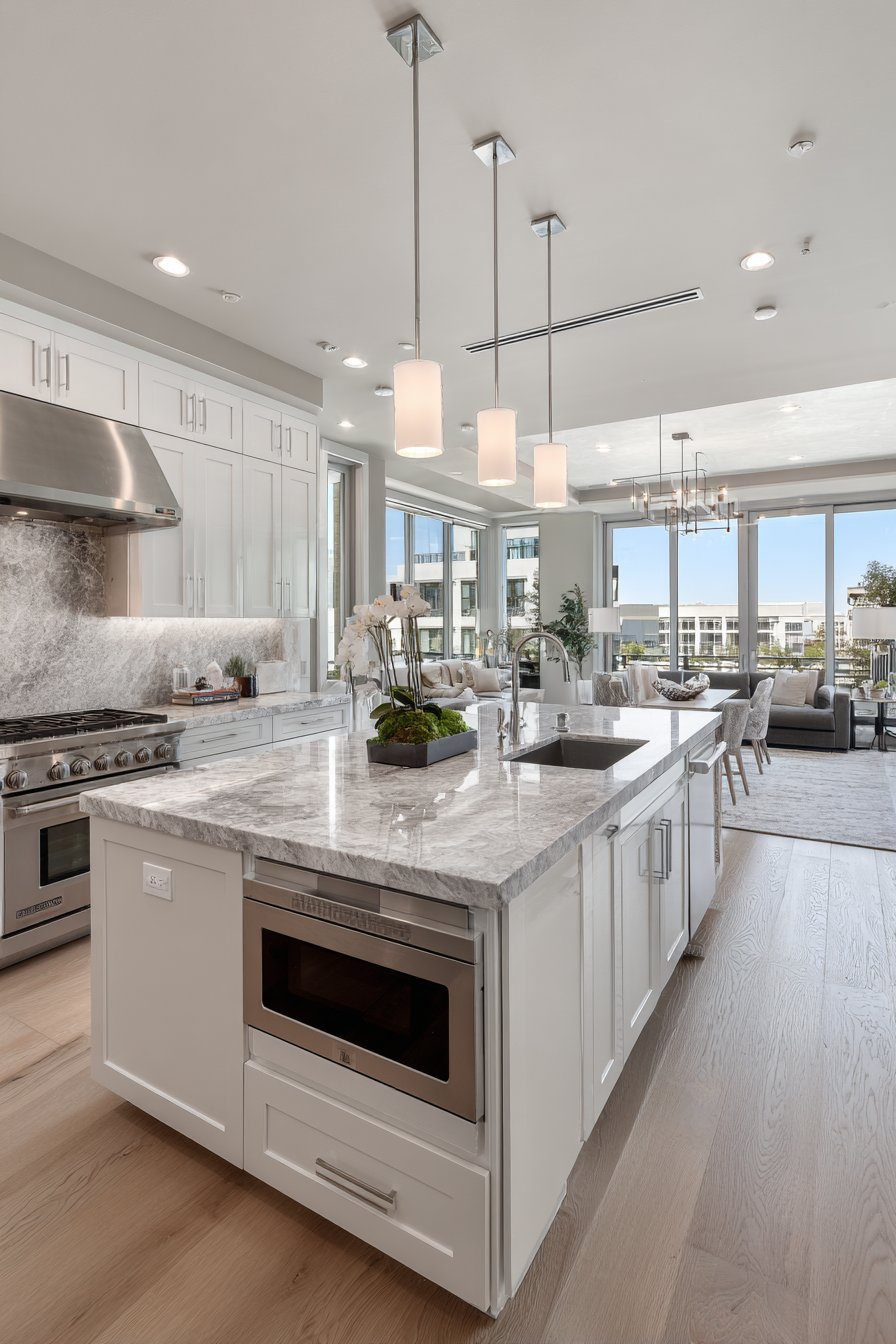
- Research shows open concepts increase home values by 5-15 percent
- Attract younger buyers who expect modern floor plans
- Reduce days on market compared to traditional closed layouts
- Appeal to remote workers needing multi-functional spaces
- Demonstrate thoughtful updates that justify premium pricing
- Compete effectively in markets where open concepts dominate
6. Improved Kitchen Efficiency and Workflow
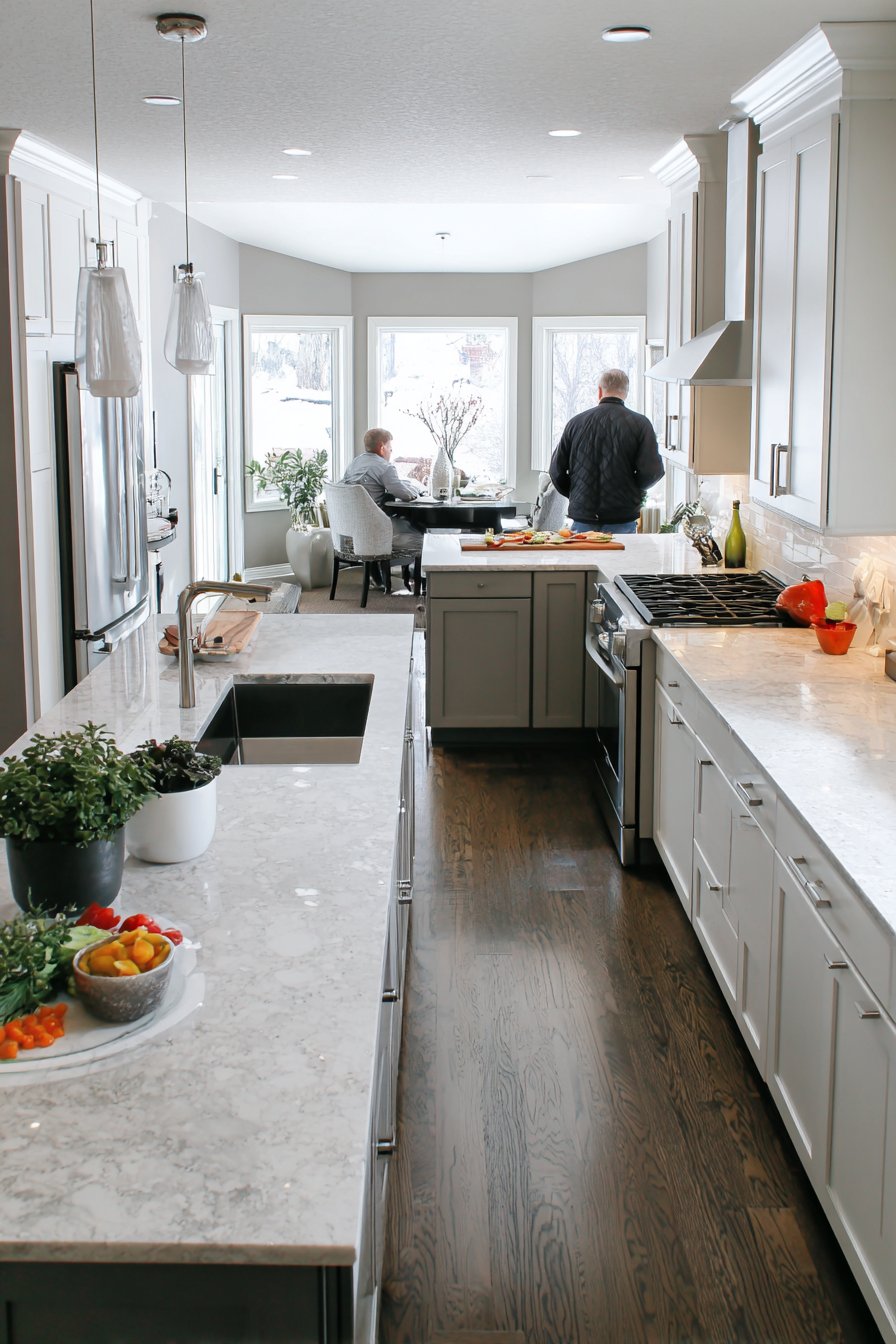
Open layouts facilitate better traffic patterns around the kitchen work triangle of sink, stove, and refrigerator. Multiple access points prevent bottlenecks when several people need kitchen access simultaneously. This efficiency becomes especially valuable during busy mornings or meal preparation with helpers.
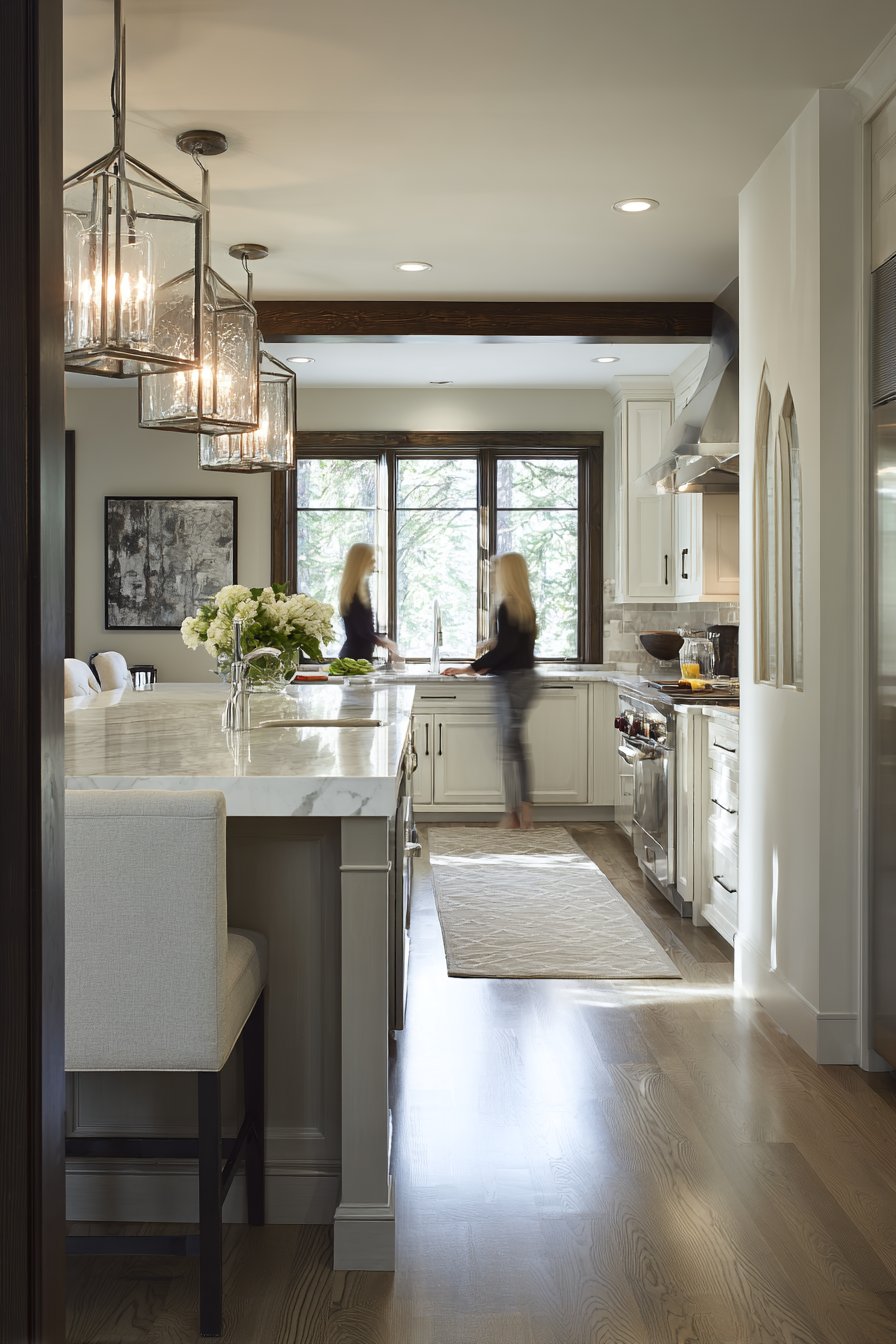
The expanded visual field allows cooks to monitor multiple areas while working. You can watch timers, answer questions, and notice when someone needs assistance without constantly turning around. This awareness improves multitasking and reduces the stress of managing competing demands.
- Create clear pathways that don’t interrupt the primary work triangle
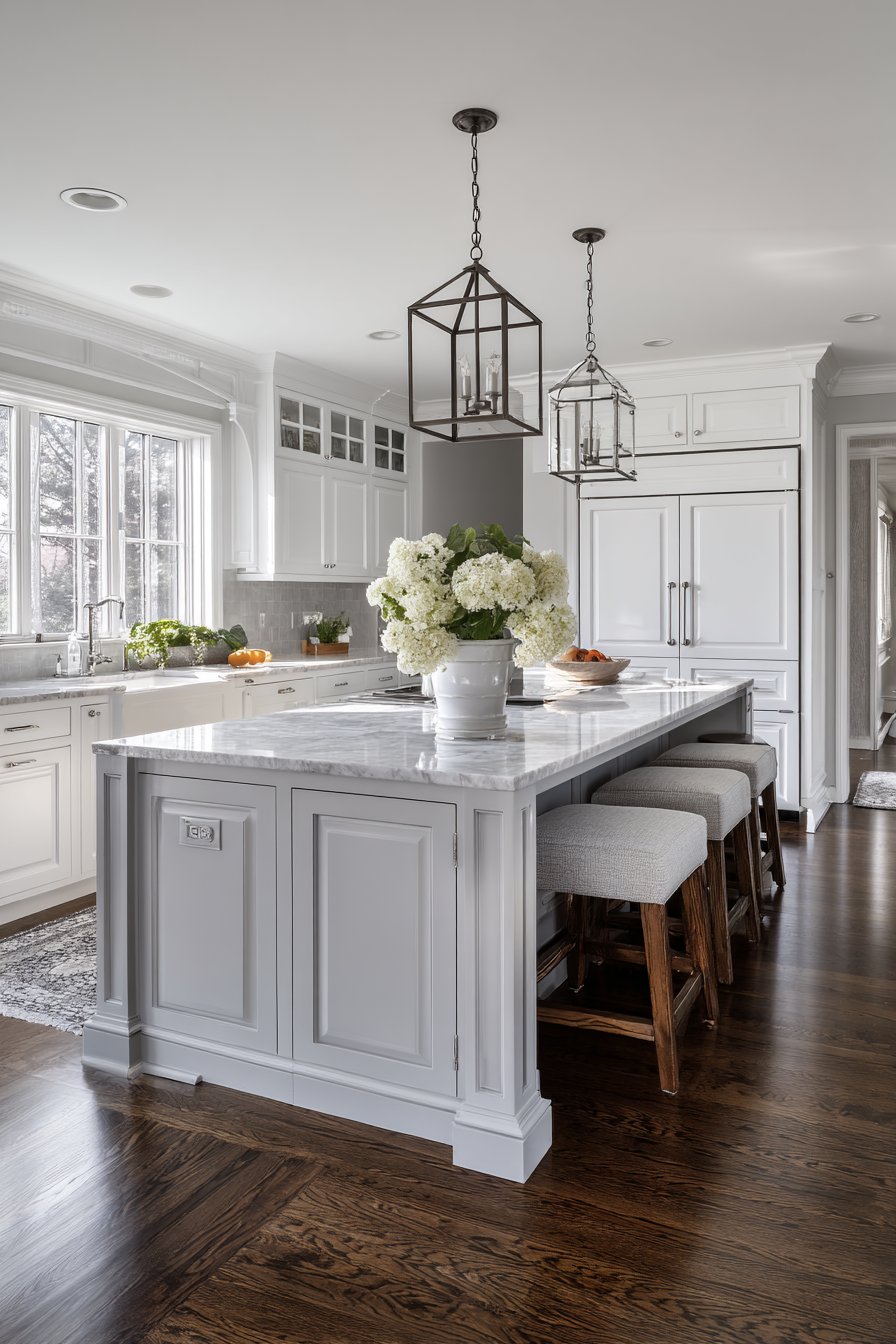
- Position islands to provide additional prep space without blocking flow
- Install adequate outlets throughout the space for small appliances
- Design storage solutions accessible from multiple approach angles
- Incorporate kitchen seating where helpers can assist comfortably
- Maintain counter space that serves both cooking and serving functions
7. Better Air Circulation and Temperature Control
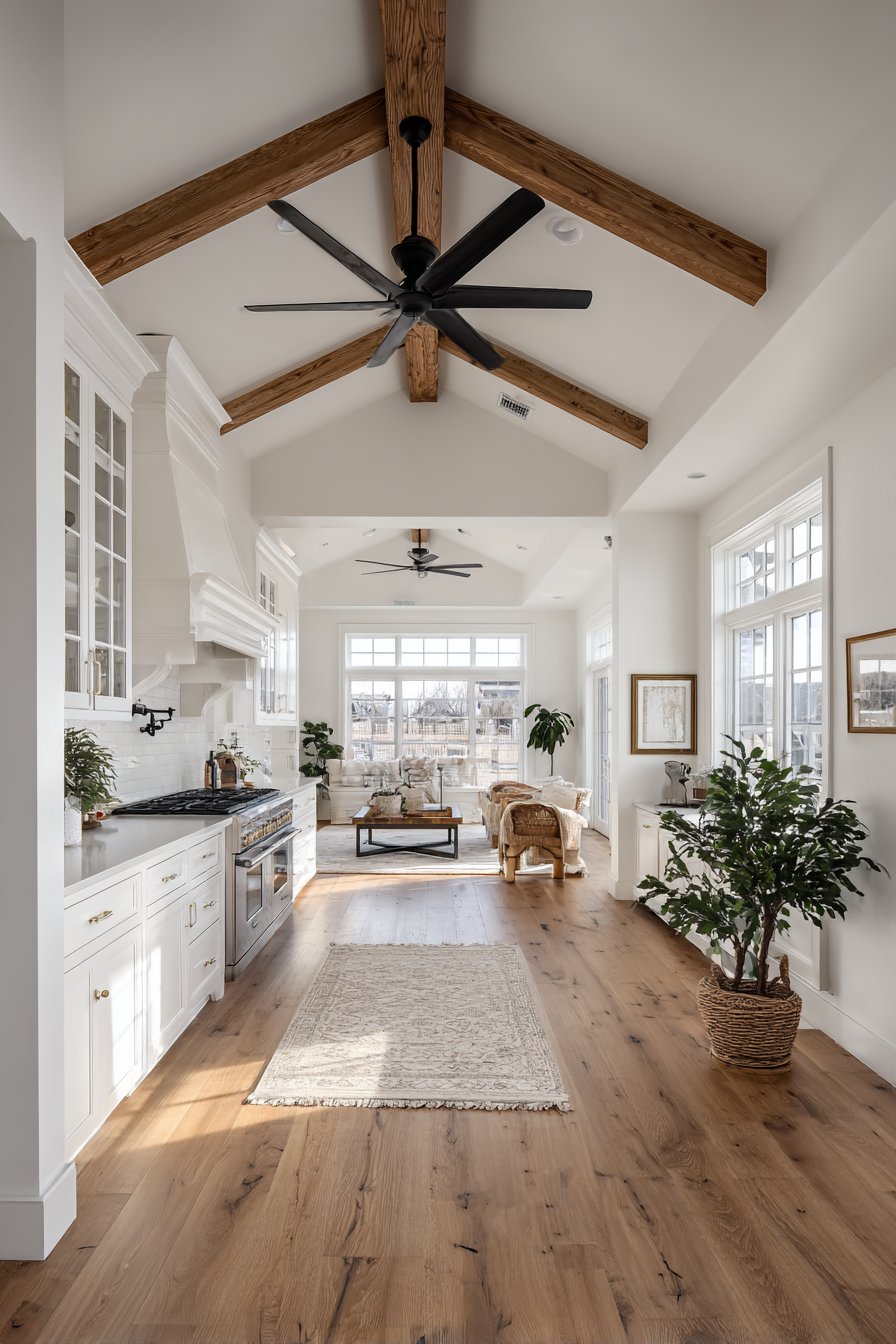
Open spaces promote superior airflow throughout interconnected areas, reducing hot spots common in enclosed kitchens. Cooking heat and odors dissipate more effectively across larger volumes, preventing the stuffiness that closed kitchens experience. This natural ventilation improves comfort during extended cooking sessions.
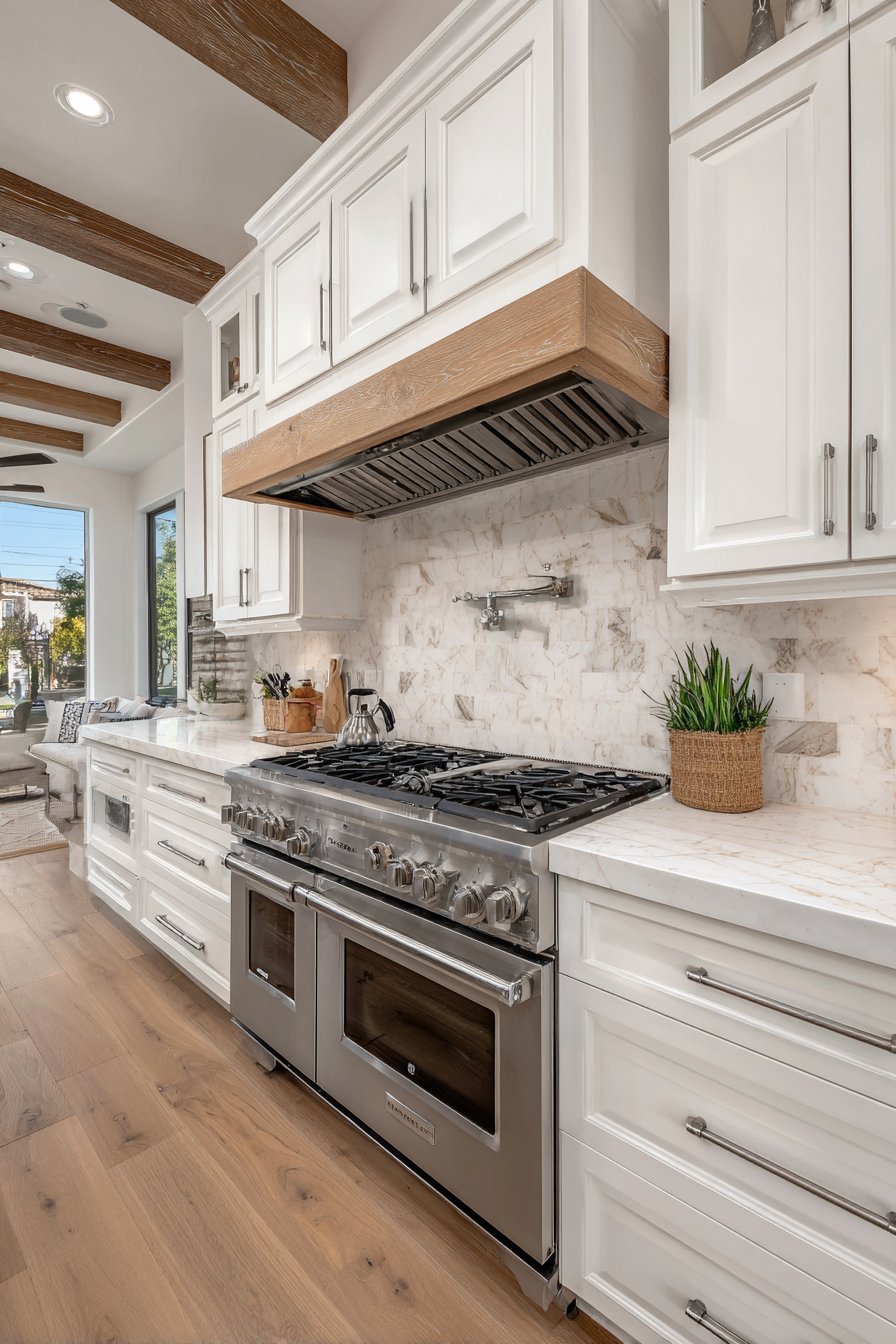
Modern HVAC systems work more efficiently in open layouts, distributing conditioned air evenly without fighting closed doors. Single thermostats can effectively serve combined spaces, reducing energy waste and utility costs. This improved climate control benefits both comfort and environmental sustainability.
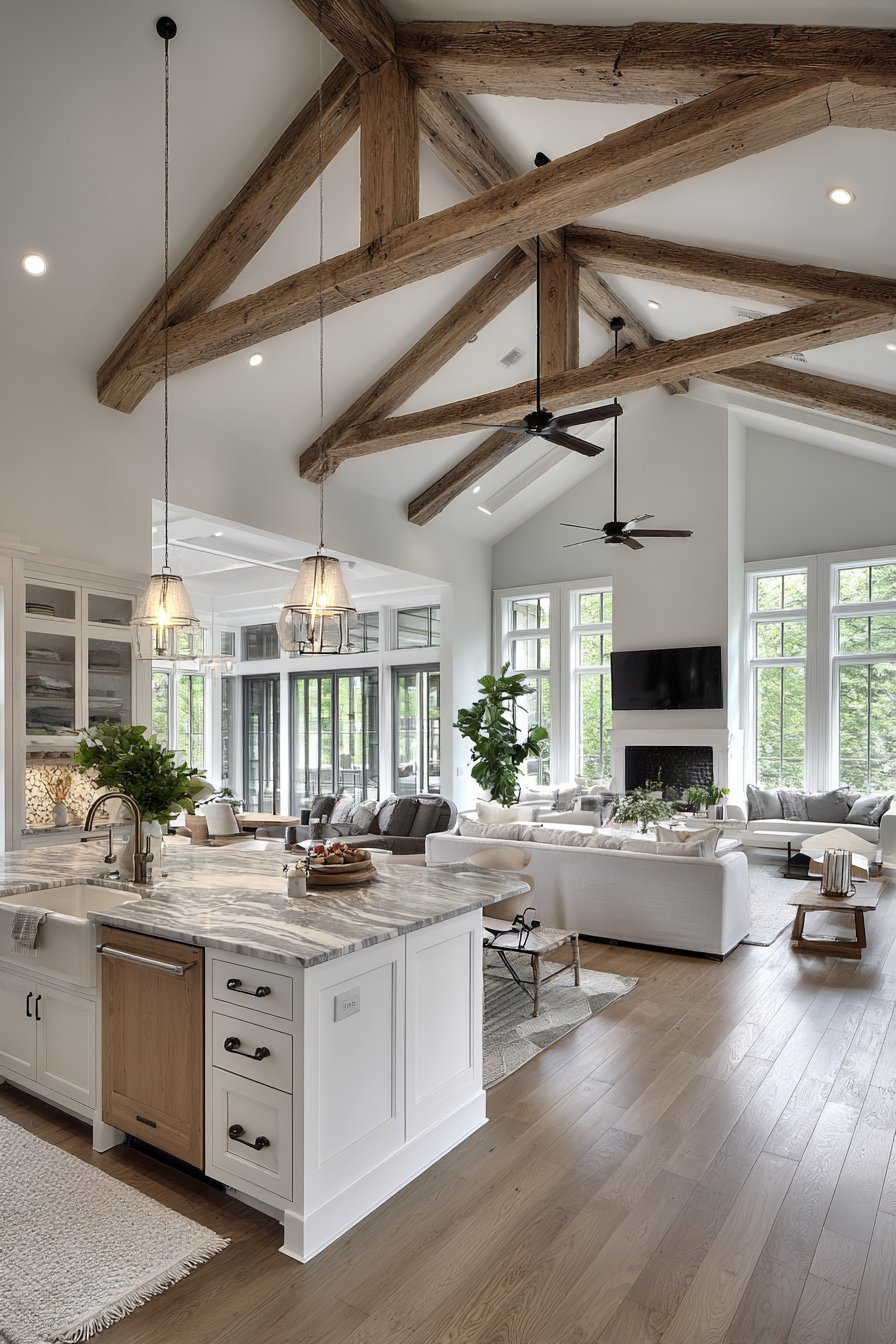
- Install powerful range hoods to manage cooking odors effectively
- Position ceiling fans to circulate air throughout combined spaces
- Maintain consistent temperatures without multiple climate zones
- Reduce hot and cold spots common in segmented floor plans
- Improve overall air quality with better ventilation patterns
- Lower heating and cooling costs through efficient air distribution
8. Streamlined Design Cohesion and Decorating
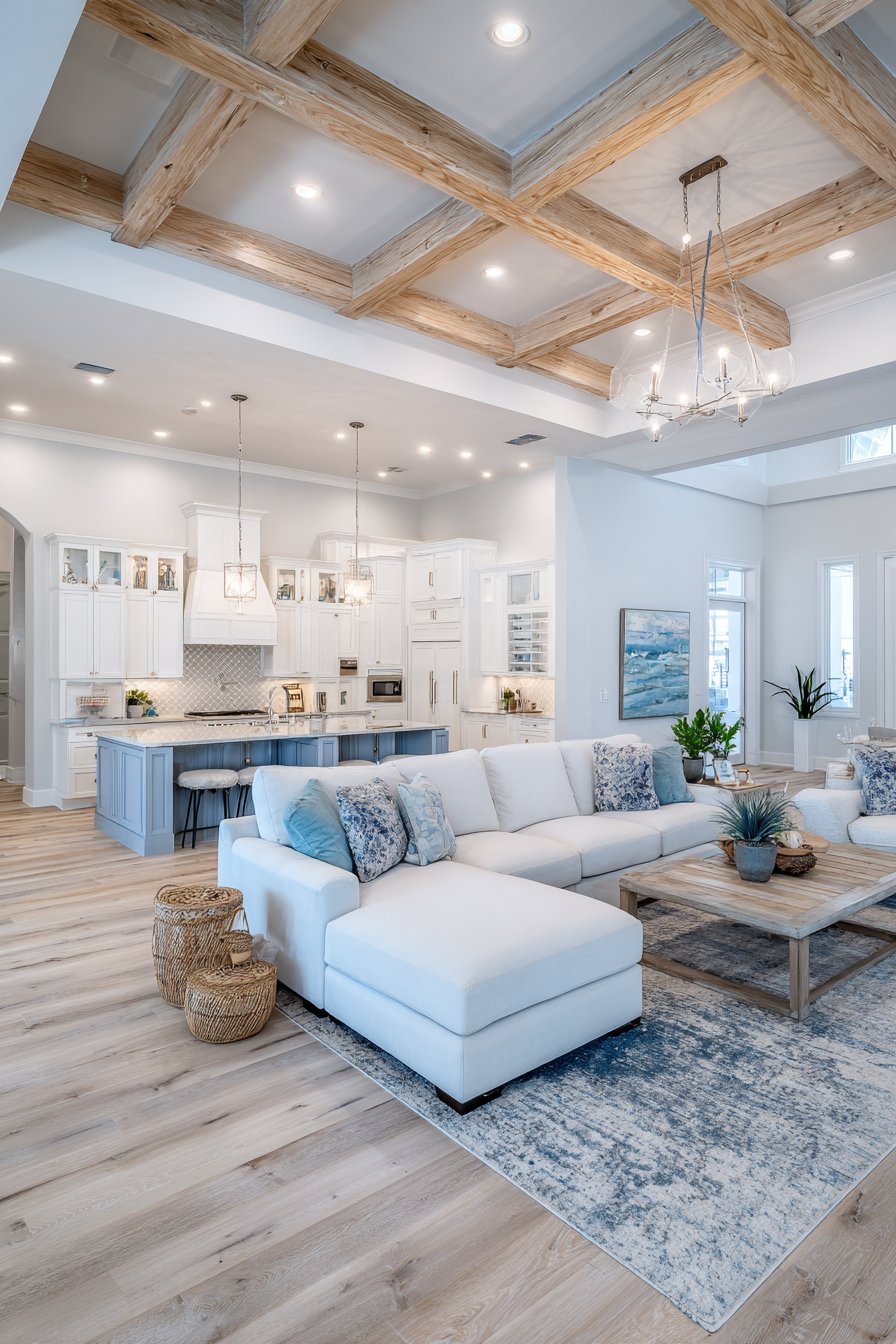
Open concepts simplify decorating decisions by requiring cohesive design throughout visible areas. This constraint actually liberates creativity, as coordinated color schemes and styles create sophisticated, pulled-together appearances. The visual harmony achieved enhances overall aesthetic impact significantly.
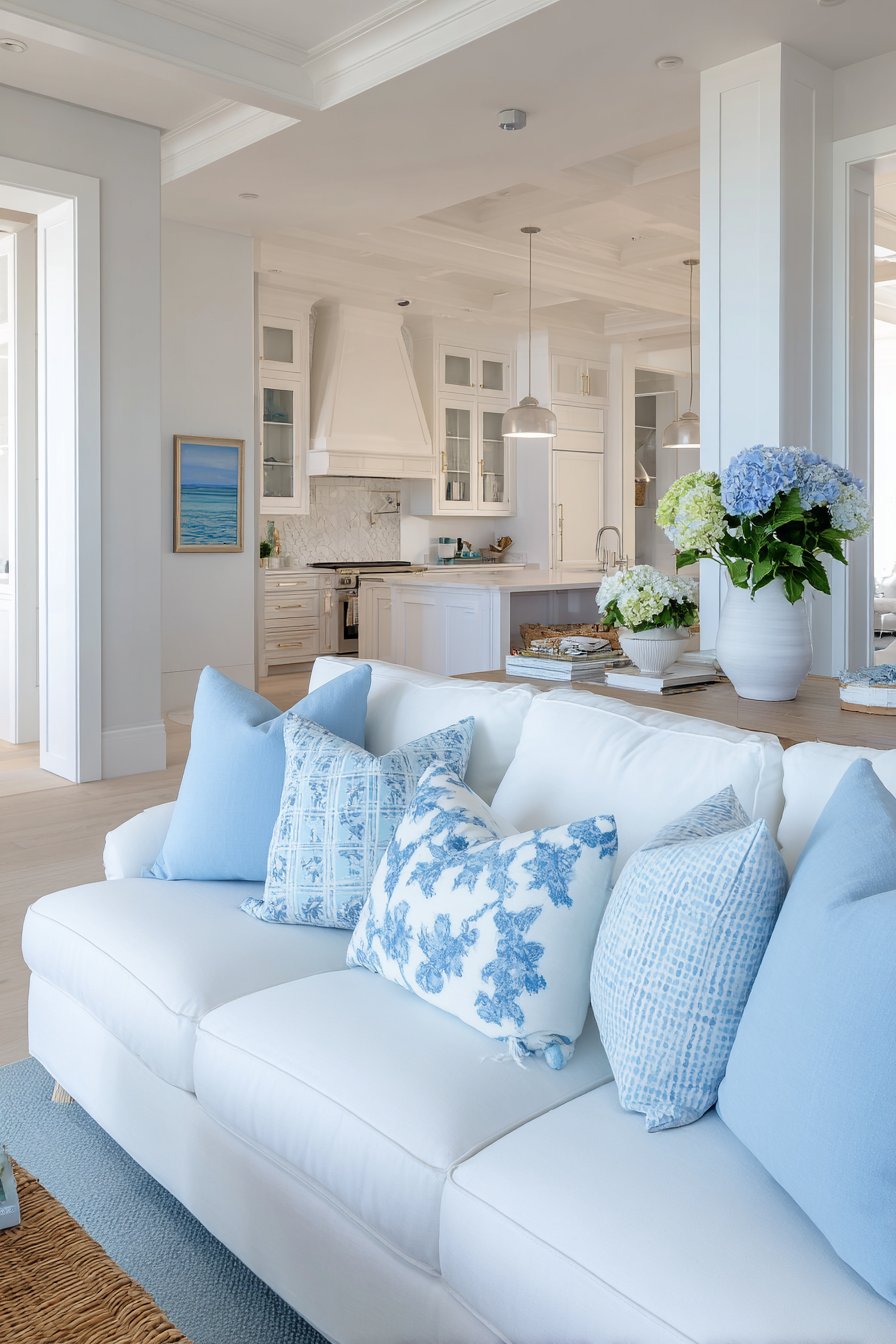
The unified space allows design elements to complement rather than compete with each other. Flooring, lighting fixtures, and color palettes flow seamlessly, creating professional-looking results. This continuity makes spaces appear more expensive and thoughtfully designed than compartmentalized rooms.
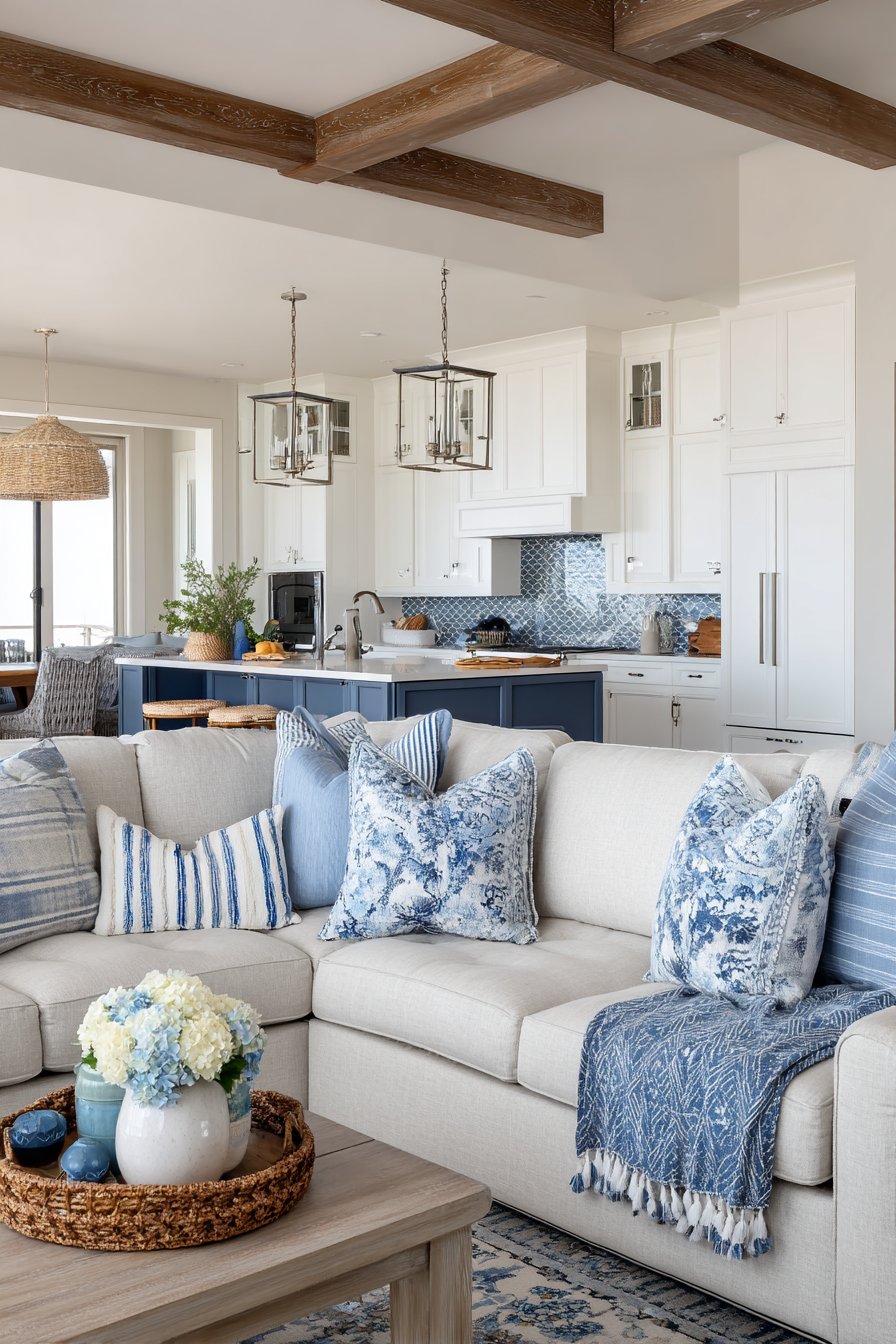
- Select a consistent color palette that works across all zones
- Choose flooring materials that transition smoothly between areas
- Coordinate lighting fixtures in complementary styles and finishes
- Use area rugs to define zones while maintaining visual harmony
- Repeat accent colors throughout the space for unity
- Invest in quality statement pieces visible from multiple viewpoints
Conclusion
The open kitchen concept delivers transformative benefits that extend far beyond aesthetics alone. From strengthened family connections to increased property values, these layouts address fundamental aspects of modern living. The improved light, space perception, and entertaining capabilities create environments where life unfolds naturally and comfortably.
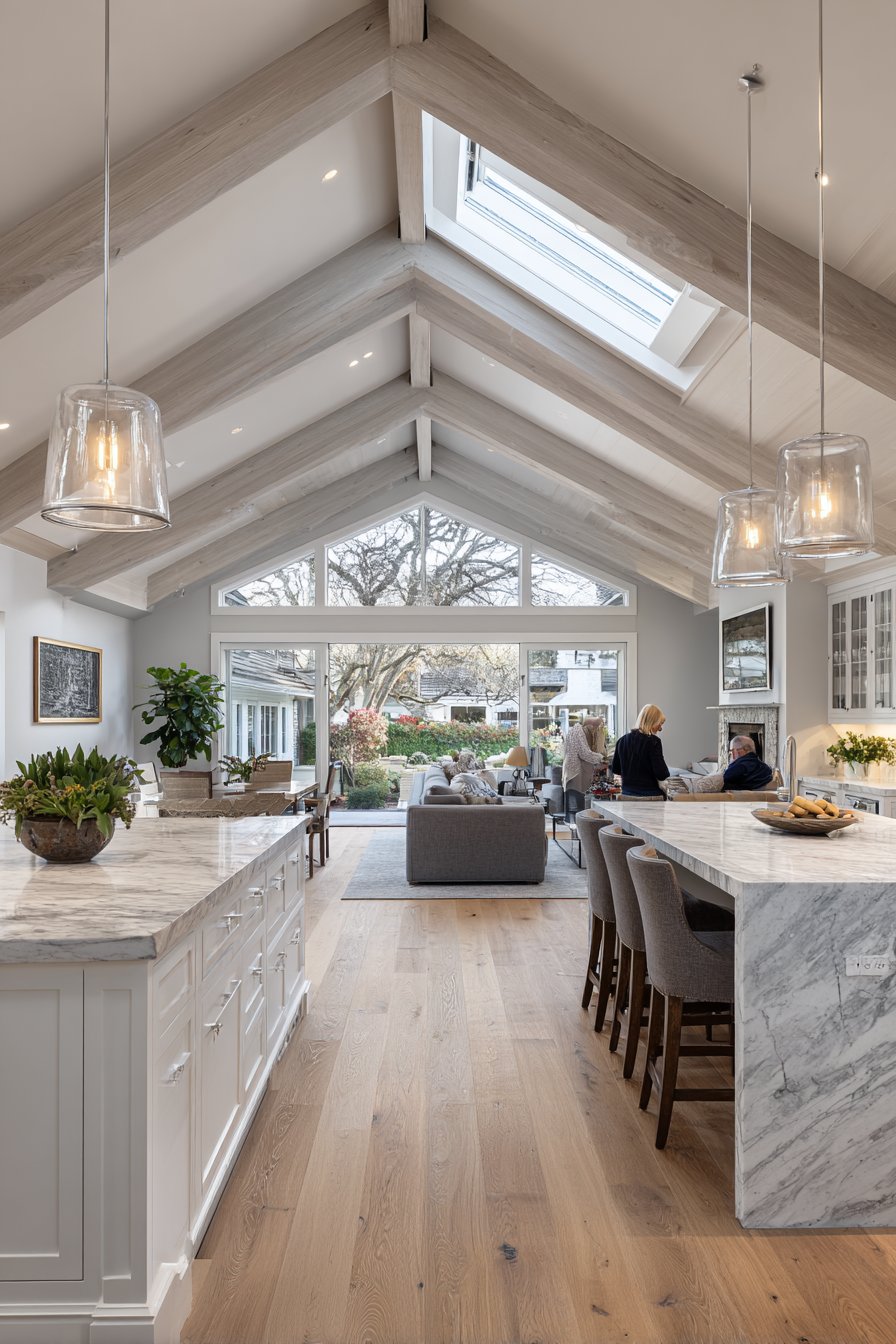
While open concepts require thoughtful planning around acoustics, storage, and design cohesion, the advantages overwhelmingly justify these considerations. As lifestyles continue evolving toward flexibility and connection, open kitchens remain at the forefront of residential design innovation. Whether renovating an existing home or planning new construction, embracing this concept positions your space for contemporary living while securing long-term value and enjoyment.
"As an Amazon Associate, I earn from qualifying purchases."
