
Wood kitchens have graced homes for centuries, transcending countless design trends and maintaining their appeal across generations. The enduring popularity of wood cabinetry, countertops, and accents stems from qualities that synthetic materials simply cannot replicate—natural warmth, timeless beauty, and an organic connection to nature that makes kitchens feel inviting rather than sterile. In an era of rapidly changing design fads, wood remains the constant that anchors kitchens in classic elegance.
The versatility of wood allows it to adapt seamlessly to any design aesthetic from rustic farmhouse to sleek contemporary. This chameleon-like quality means wood kitchens never feel dated because they evolve with changing styles through different finishes, hardware, and styling approaches. A honey oak kitchen from the 1990s can transform into a sophisticated space through refinishing, while the same wood structure supports completely different aesthetic directions without requiring full replacement.

This comprehensive guide explores ten compelling reasons why wood kitchens maintain their timeless appeal and continue to be smart investments for homeowners. From their natural beauty and durability to their environmental benefits and resale value, each factor contributes to wood’s status as the gold standard for kitchen design.
Whether you’re planning a new kitchen or considering updates to your existing space, understanding these enduring qualities will help you appreciate why wood remains the material of choice for designers and homeowners who value lasting style over fleeting trends.
1. Natural Beauty That Cannot Be Replicated
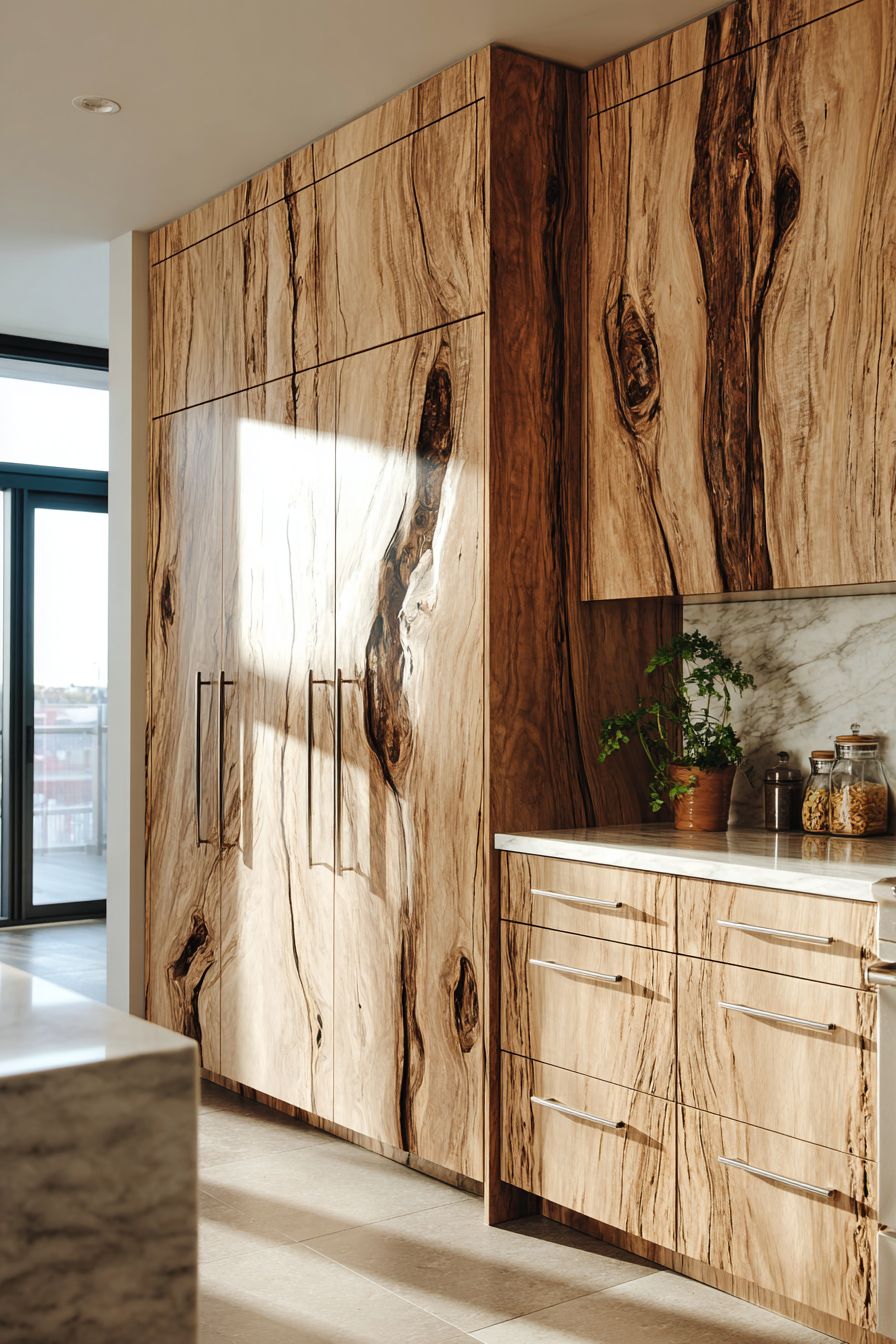
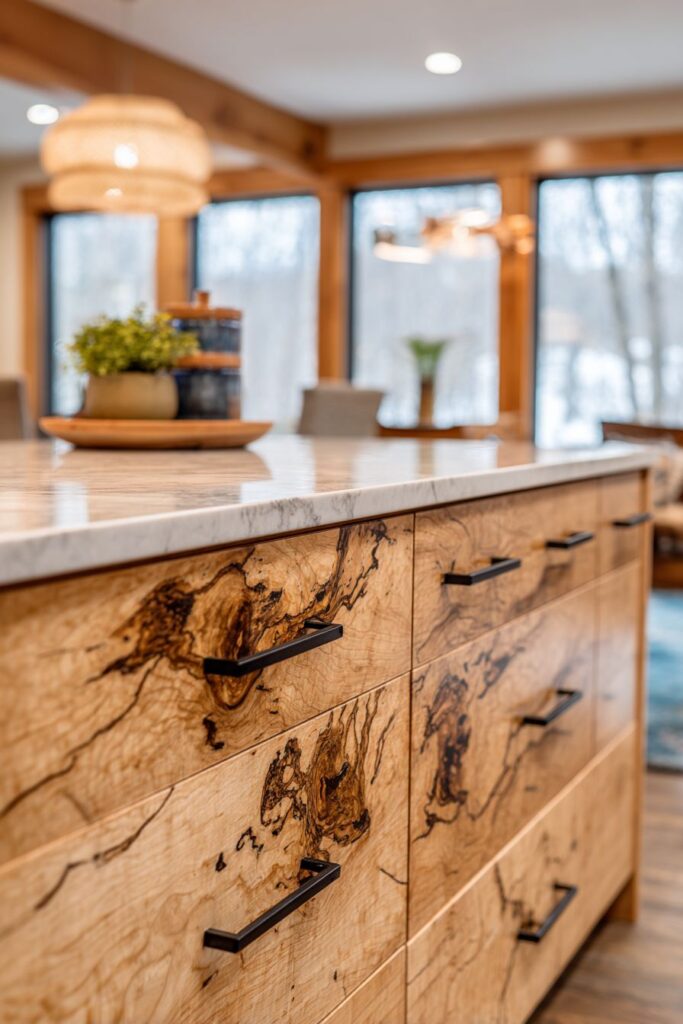
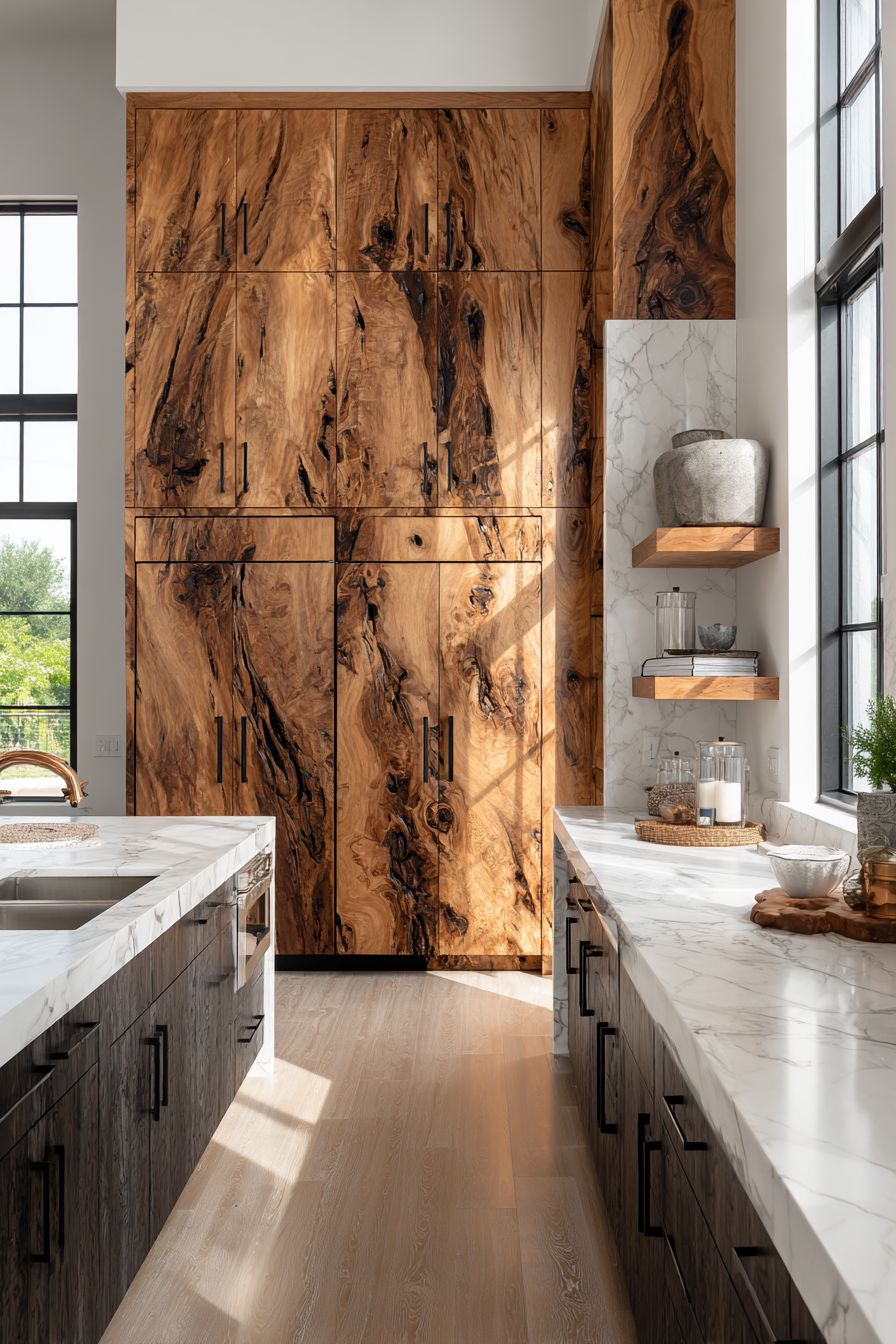
Wood grain patterns create unique visual interest that synthetic materials can only imitate poorly. Each board displays distinctive patterns, knots, and color variations that make your kitchen one-of-a-kind. This organic randomness provides character and depth that uniform manufactured materials lack, creating spaces with soul and authenticity rather than sterile perfection.
The inherent warmth of wood tones brings immediate coziness to kitchens, making them feel welcoming and lived-in. Whether you choose light maple, rich walnut, or classic cherry, wood introduces warmth that cool materials like stainless steel or white laminate cannot achieve alone. This natural warmth makes kitchens feel like gathering spaces rather than merely functional work zones.
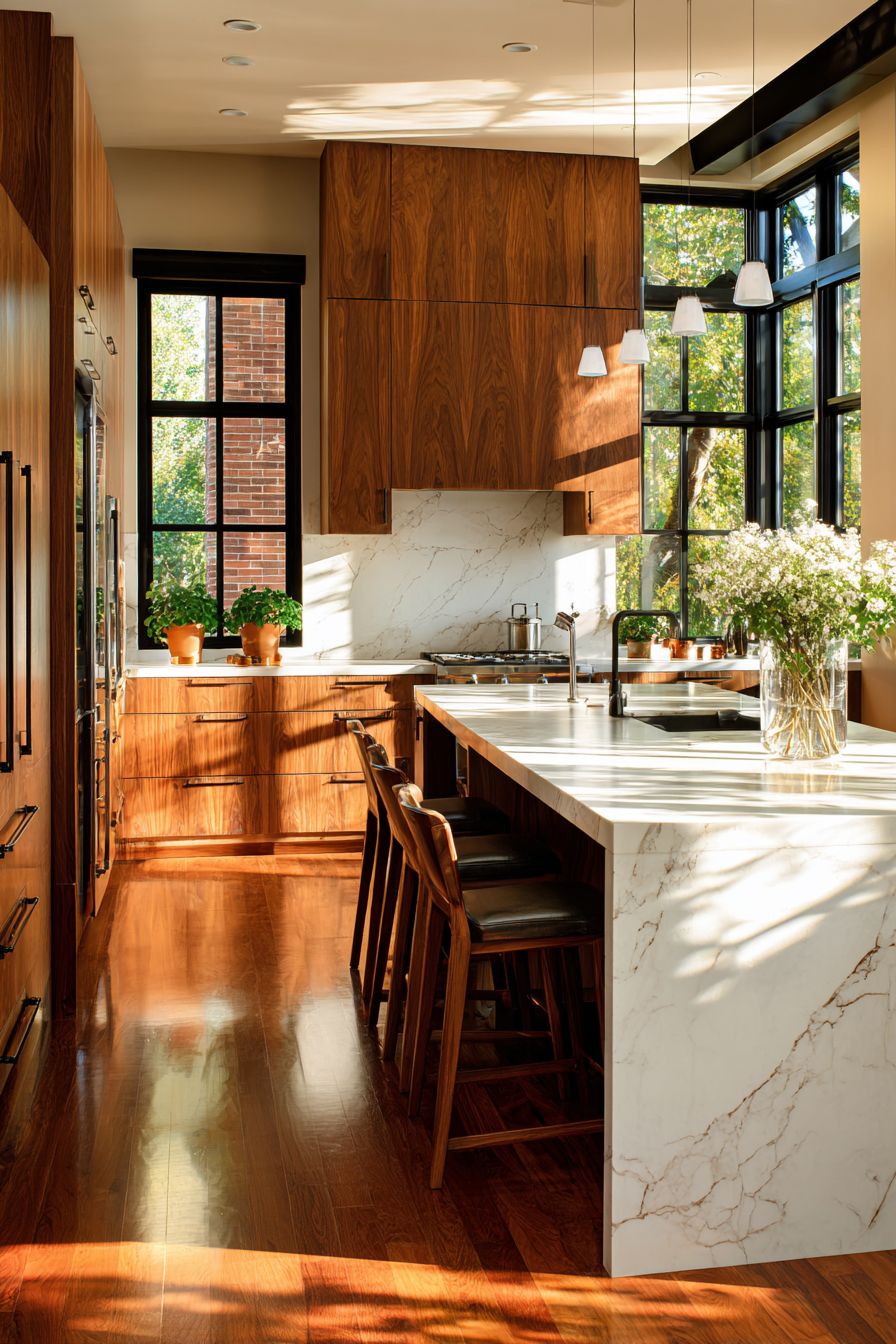
Light interaction with wood surfaces creates dynamic visual experiences that change throughout the day. Morning sunlight highlights grain patterns differently than afternoon or evening light, keeping the space visually interesting. This natural play of light and shadow adds dimension that flat, non-textured surfaces cannot provide regardless of their color or finish.
- Select wood species based on grain patterns that appeal to your aesthetic
- Consider how natural light in your kitchen will interact with different wood tones
- Embrace natural variations in wood as character rather than flaws
- Mix wood tones thoughtfully for added depth and visual interest
- Use wood’s natural warmth to balance cooler elements like stone or metal
- Choose clear or natural finishes that showcase rather than hide wood grain
2. Exceptional Durability and Longevity
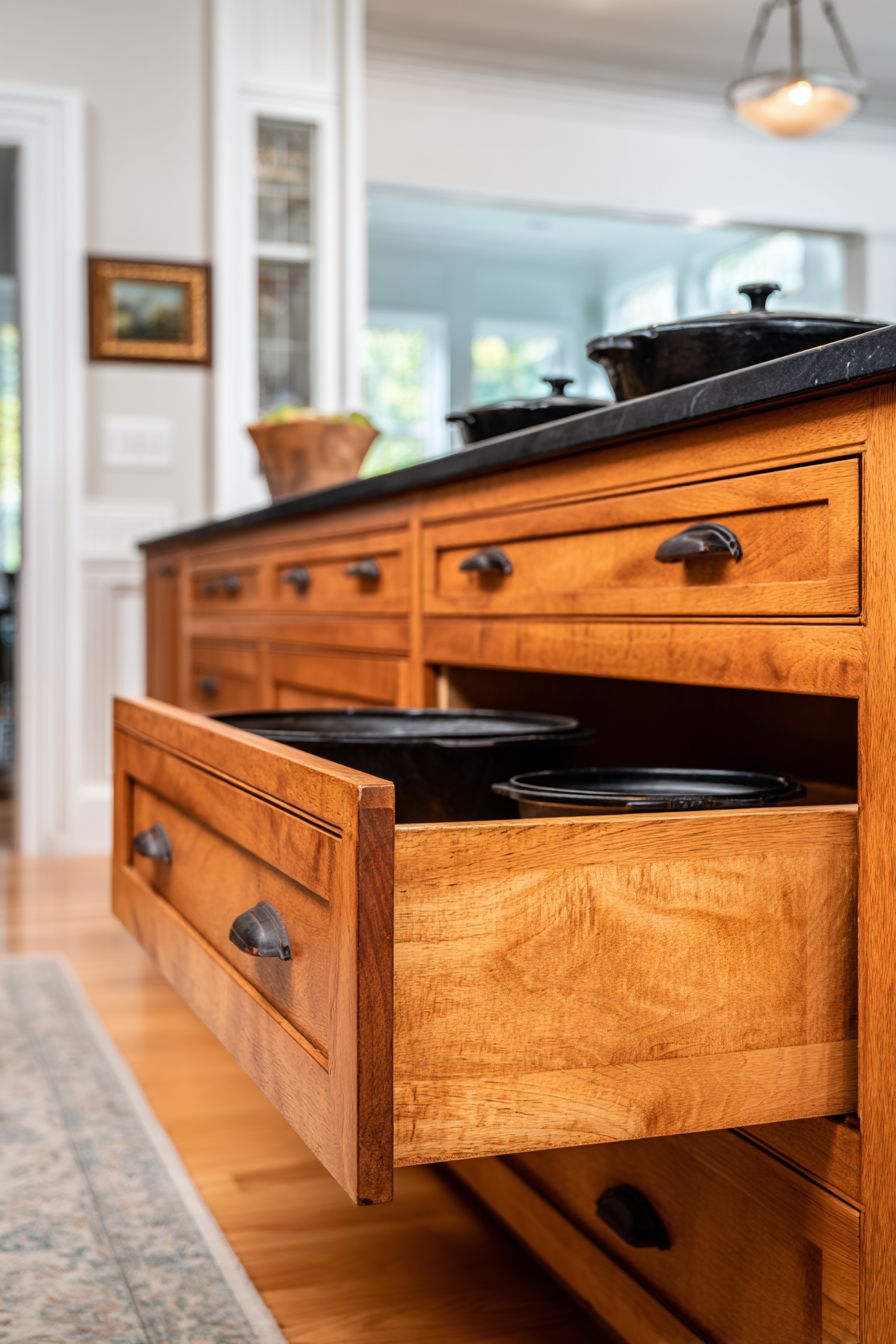
Solid wood construction can last for decades or even centuries when properly maintained. Unlike particle board or laminate that deteriorates over time, quality wood cabinets withstand daily use while developing beautiful patina. This longevity makes wood kitchens excellent long-term investments that amortize their costs over many years of reliable service.
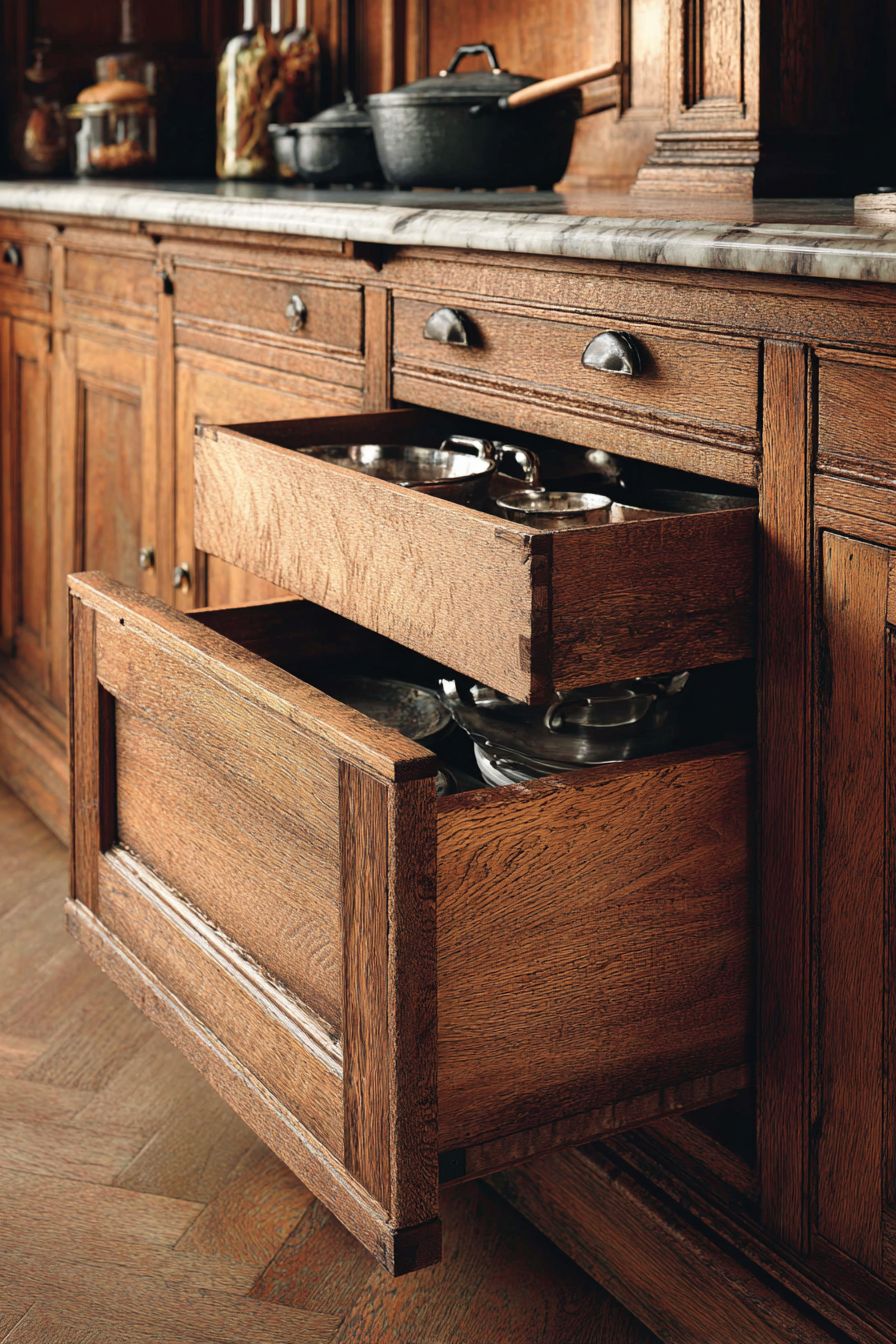
Wood’s repairability sets it apart from synthetic alternatives that must be replaced when damaged. Scratches can be sanded out, dents can be steamed or filled, and worn finishes can be refreshed. This ability to repair rather than replace extends the life of wood kitchens significantly while keeping them looking their best through decades of use.
The structural integrity of hardwood cabinetry exceeds that of engineered alternatives, supporting heavy dishes and cookware without sagging or failing. Properly constructed wood cabinets with dovetail joints and solid frames maintain their alignment and function long after cheaper alternatives have warped or broken. This durability translates directly to lower lifetime costs despite higher initial investment.
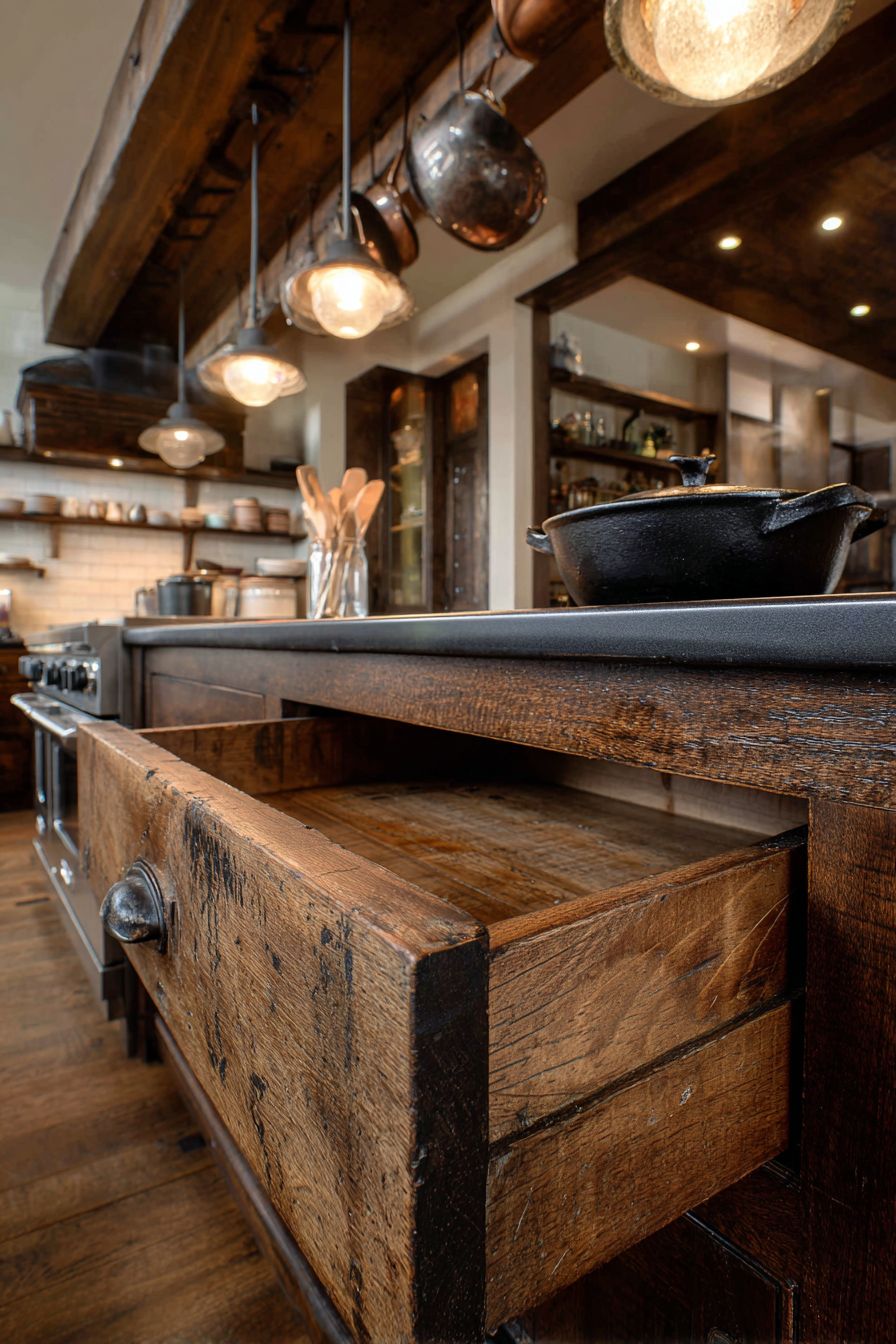
- Choose hardwoods like oak, maple, or cherry for maximum durability
- Invest in quality construction with dovetail joints and solid wood frames
- Apply protective finishes to resist moisture and staining
- Address minor damage immediately through simple repairs
- Refinish cabinets every 10-15 years to maintain like-new appearance
- Consider wood’s 50+ year lifespan when calculating true cost
3. Adaptability Across Design Styles
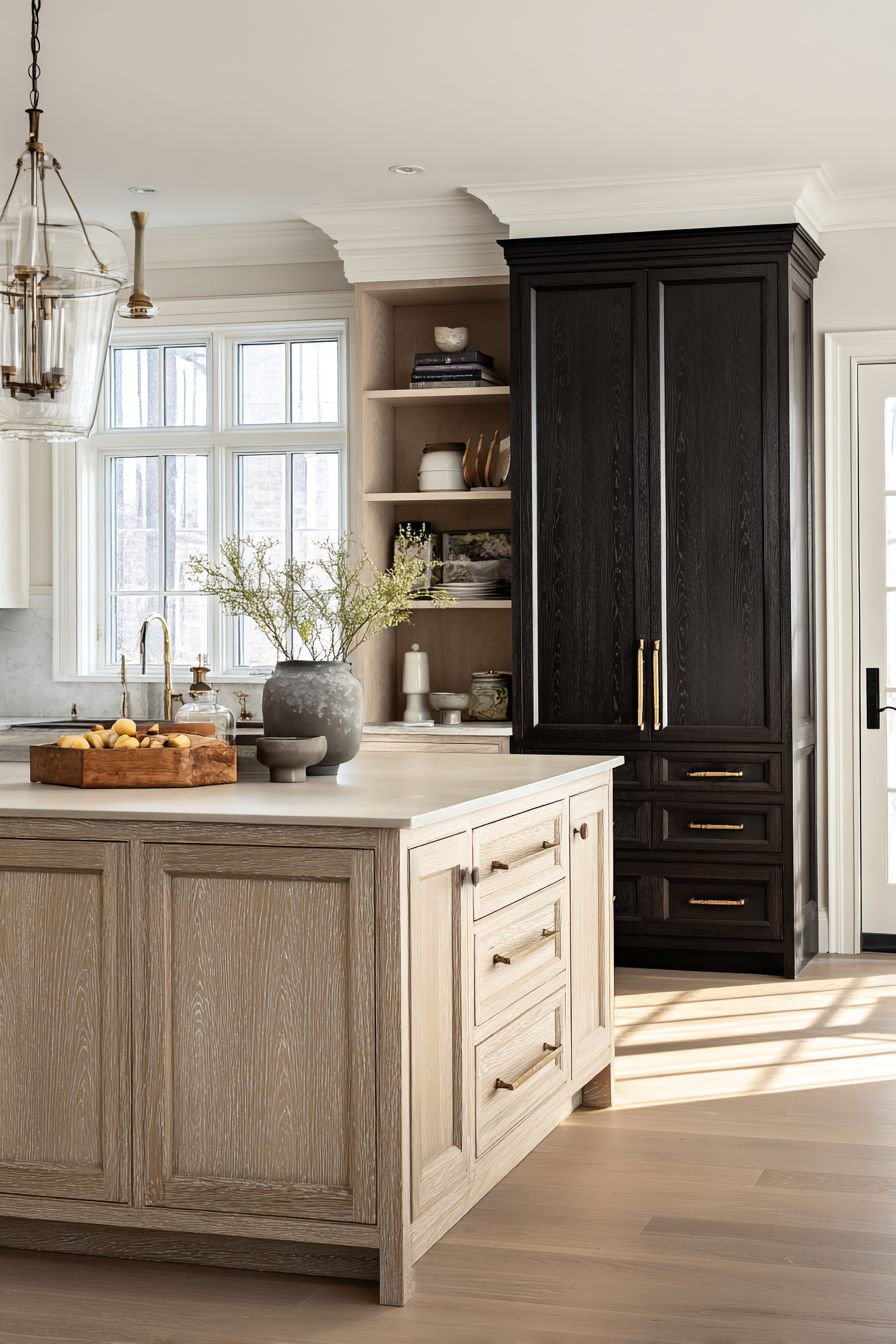
Wood’s versatility allows the same basic material to support vastly different aesthetic directions. Light-stained oak reads as farmhouse rustic, while the same species in dark espresso feels formal and traditional. Painted wood cabinets achieve contemporary looks while maintaining wood’s superior construction quality. This adaptability means wood kitchens evolve with changing tastes without requiring complete replacement.
Modern interpretations of wood kitchens prove the material’s contemporary relevance. Flat-panel doors in light woods, horizontal grain patterns, and minimal hardware create sleek modern aesthetics while retaining wood’s warmth and quality. These updated approaches demonstrate that wood isn’t inherently traditional but rather a neutral foundation supporting any style direction.
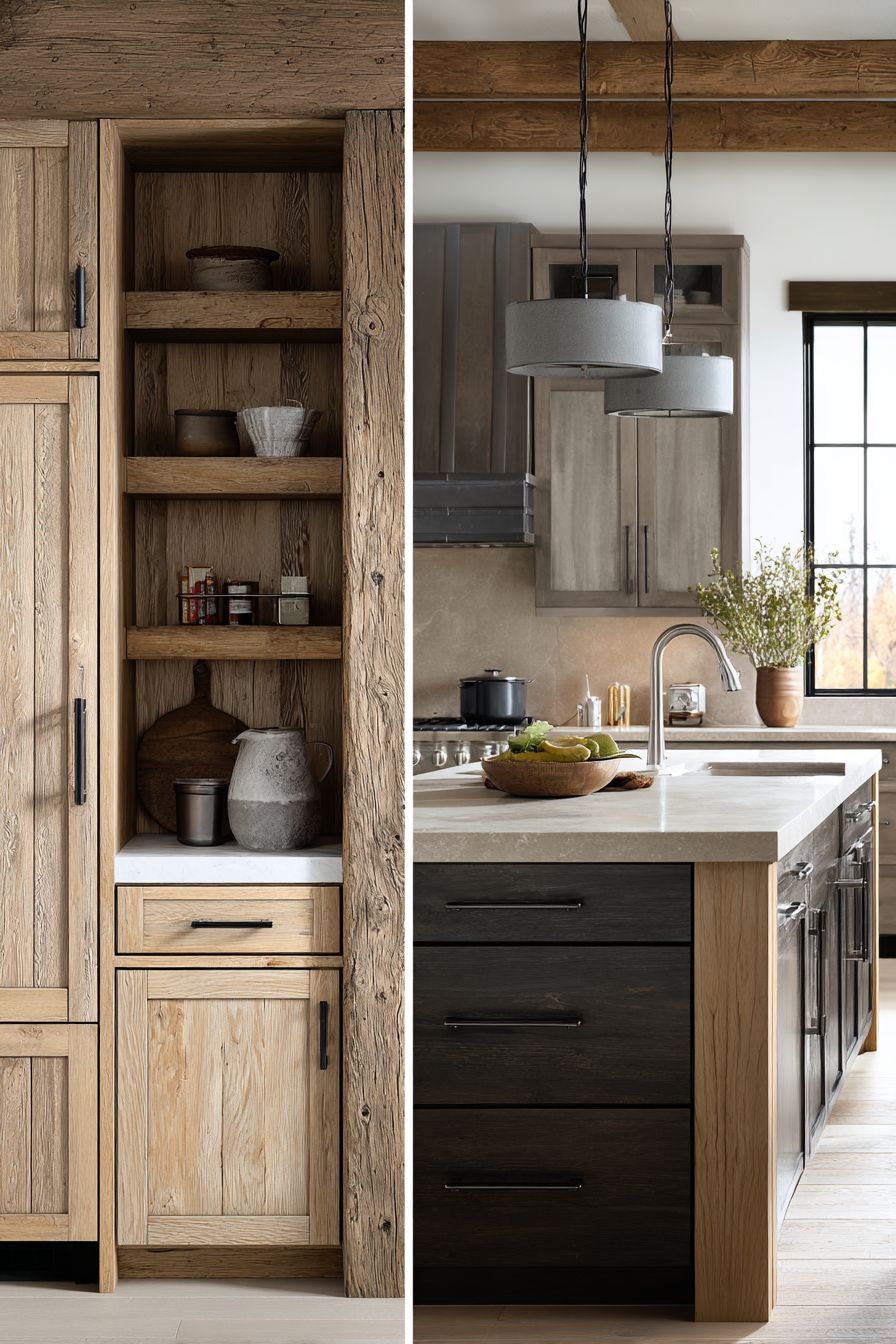
Mixing wood tones has become an accepted design strategy that adds depth and prevents dated single-tone looks. Combining lighter uppers with darker lowers, or featuring a contrasting island, creates visual interest while keeping options open for future updates. This flexibility means you can refresh your kitchen’s look through strategic additions rather than complete overhauls.
- Select wood cabinet styles that complement your overall design aesthetic
- Consider painted wood cabinets for maximum style flexibility
- Mix wood tones through islands or accent cabinets for a contemporary appeal
- Update hardware and fixtures to shift the style without replacing cabinets
- Choose timeless door styles that transcend specific trend periods
- Remember that wood accepts paint, stain, or natural finishes equally well
4. Environmental Sustainability and Eco-Friendliness
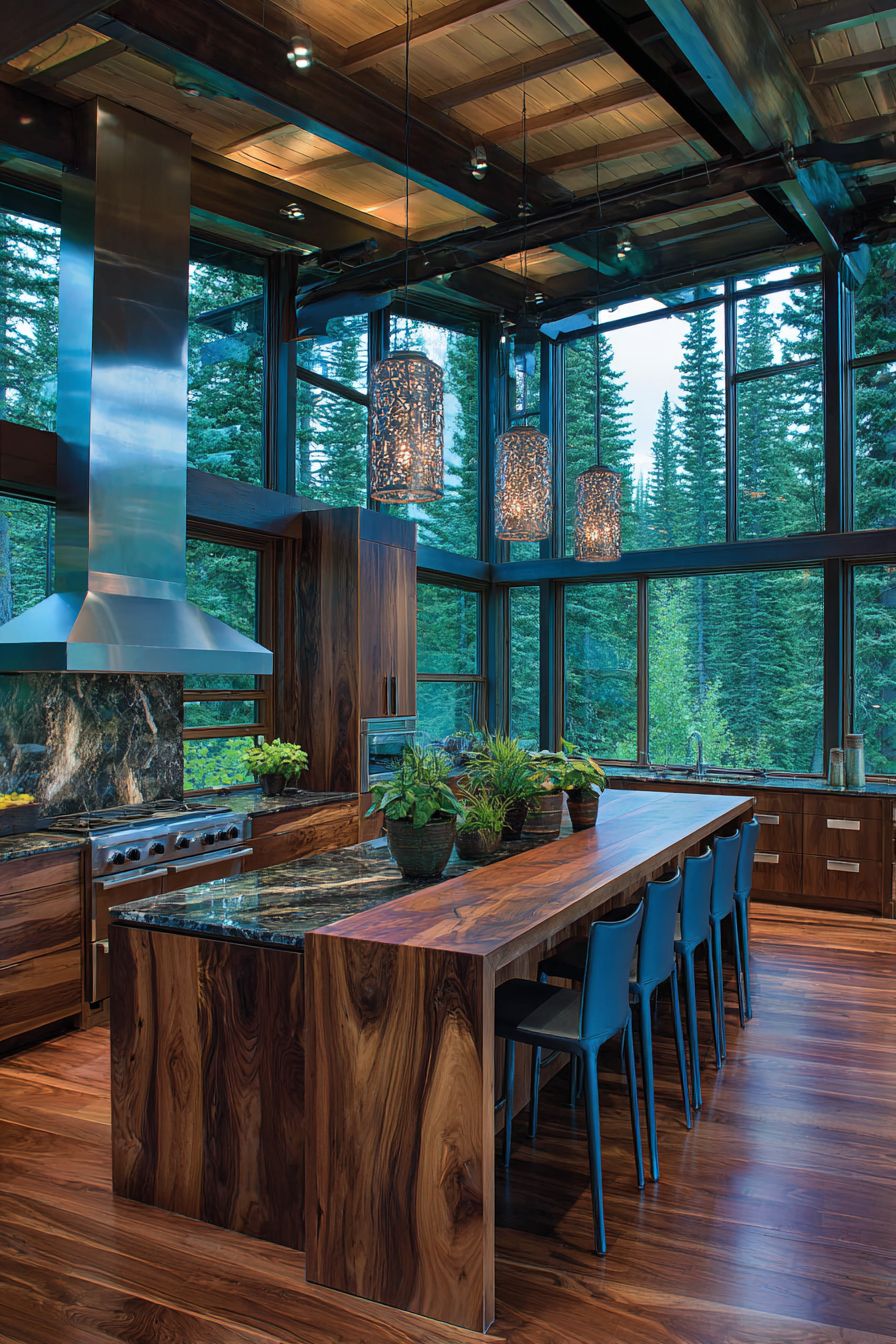
Renewable resource status makes wood environmentally responsible when sourced from managed forests. Trees regrow, while petroleum-based materials like laminate or vinyl deplete finite resources. Choosing wood from certified sustainable sources supports responsible forestry practices that maintain forests for future generations while providing beautiful building materials.
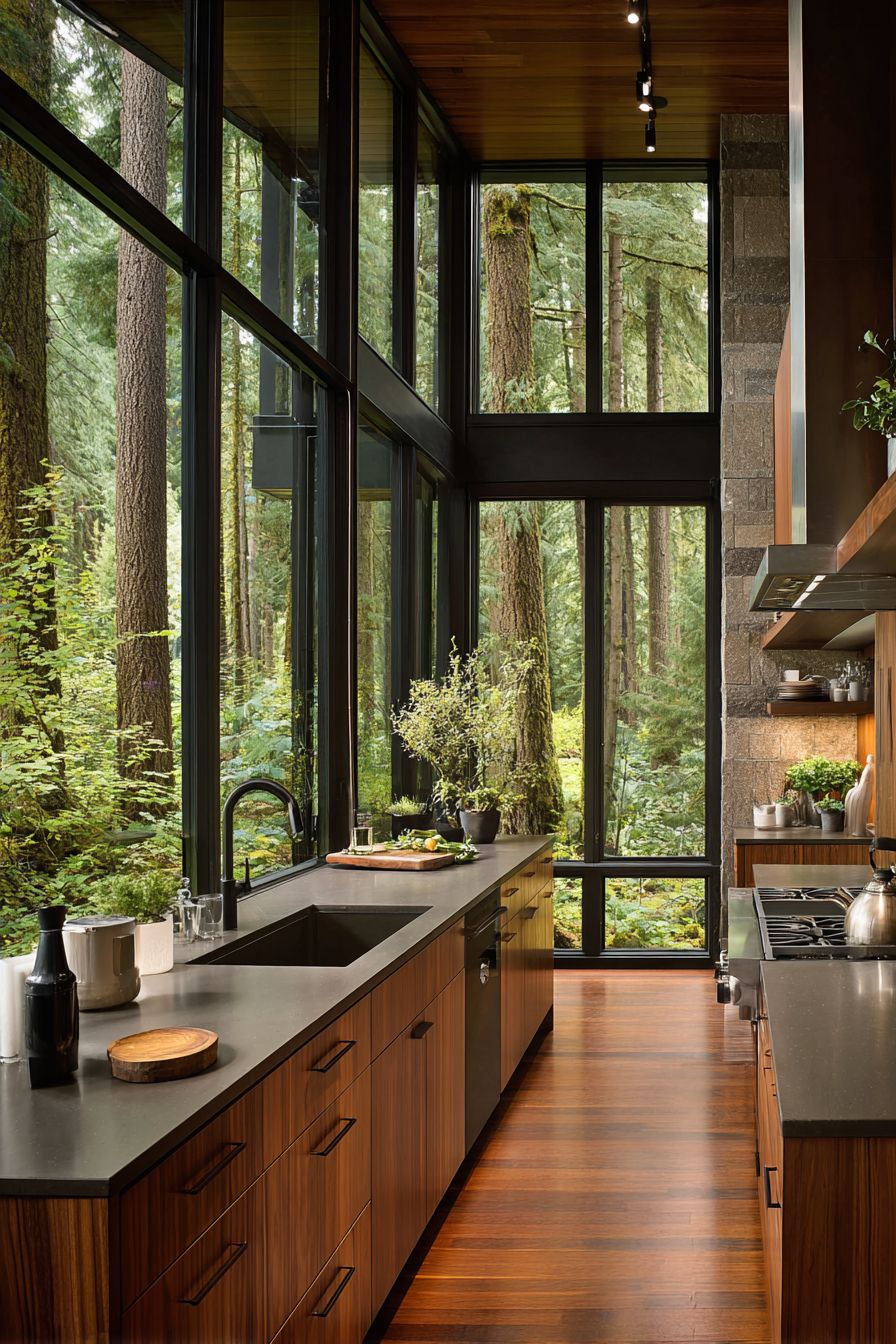
Lower carbon footprint during manufacturing distinguishes wood from energy-intensive materials like metals or plastics. Wood processing requires significantly less energy than producing synthetic alternatives, and wood naturally sequesters carbon throughout its life. This environmental benefit matters increasingly to eco-conscious homeowners making sustainable design choices.
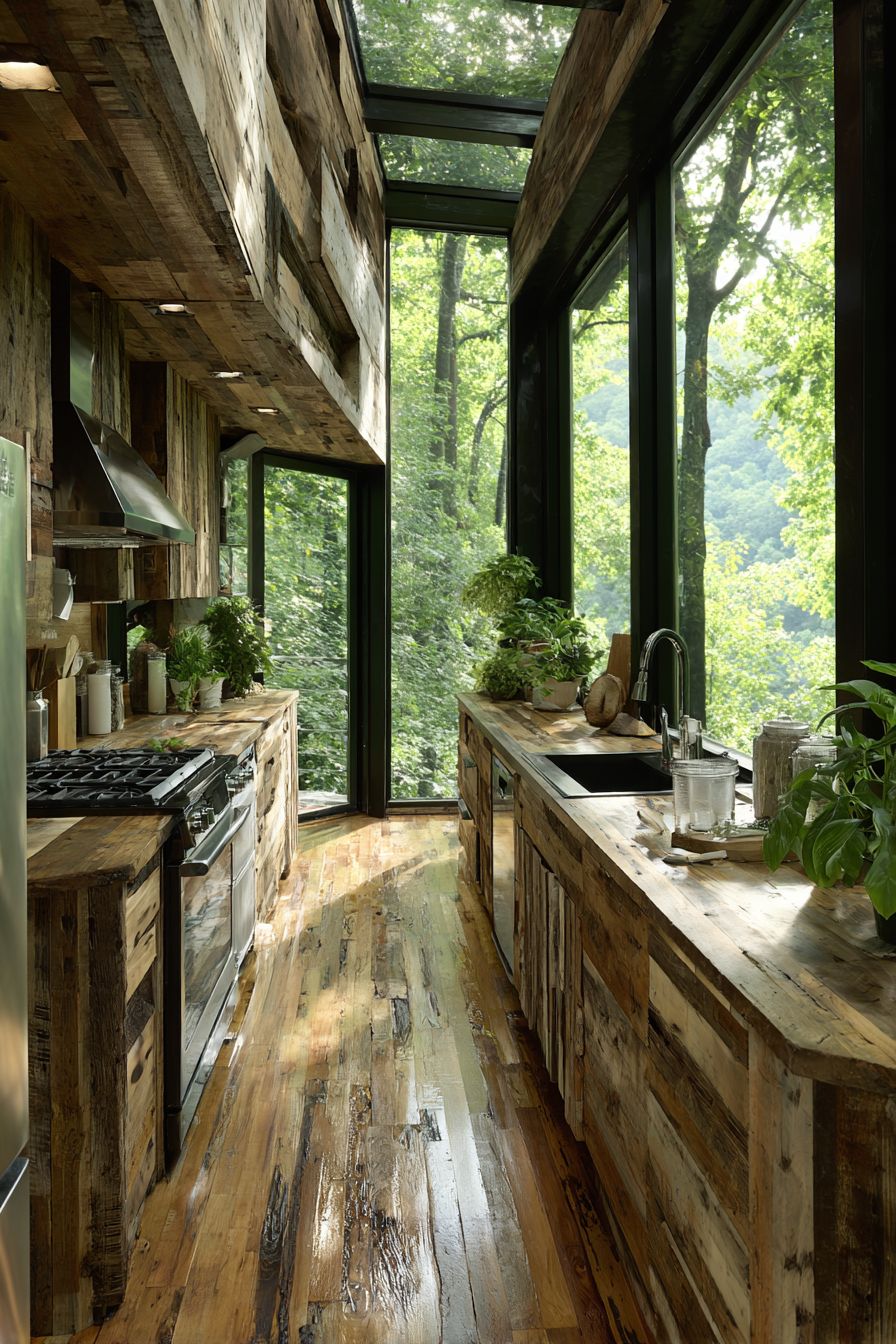
Biodegradability at end-of-life sets wood apart from synthetic materials that persist in landfills indefinitely. When wood cabinets eventually reach the end of their useful life, they decompose naturally or can be repurposed. This complete lifecycle sustainability makes wood the responsible choice for environmentally aware homeowners committed to reducing their ecological impact.
- Look for FSC-certified or sustainably harvested wood products
- Choose domestic wood species to reduce transportation impacts
- Select water-based or low-VOC finishes for better indoor air quality
- Consider reclaimed wood for maximum environmental benefits
- Plan for eventual repurposing or recycling at end-of-life
- Support manufacturers committed to sustainable forestry practices
5. Timeless Aesthetic Appeal
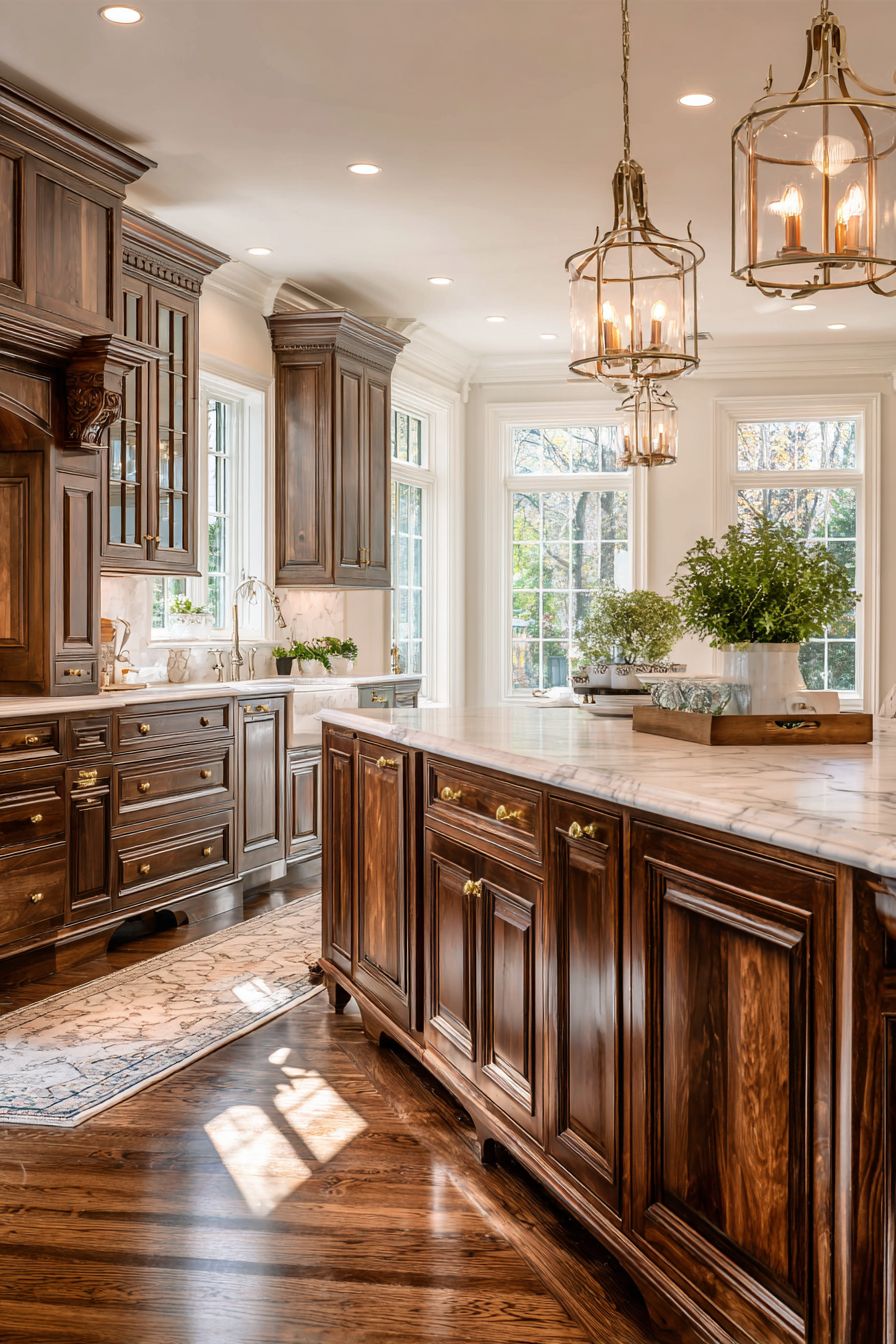
Classical proportions in wood cabinetry reference centuries of design evolution and proven aesthetics. Shaker-style doors, raised panels, and traditional crown molding represent time-tested designs that never appear dated. These classic forms provide reliable foundations that won’t embarrass you in photographs decades later, unlike trend-driven alternatives that quickly reveal their era.
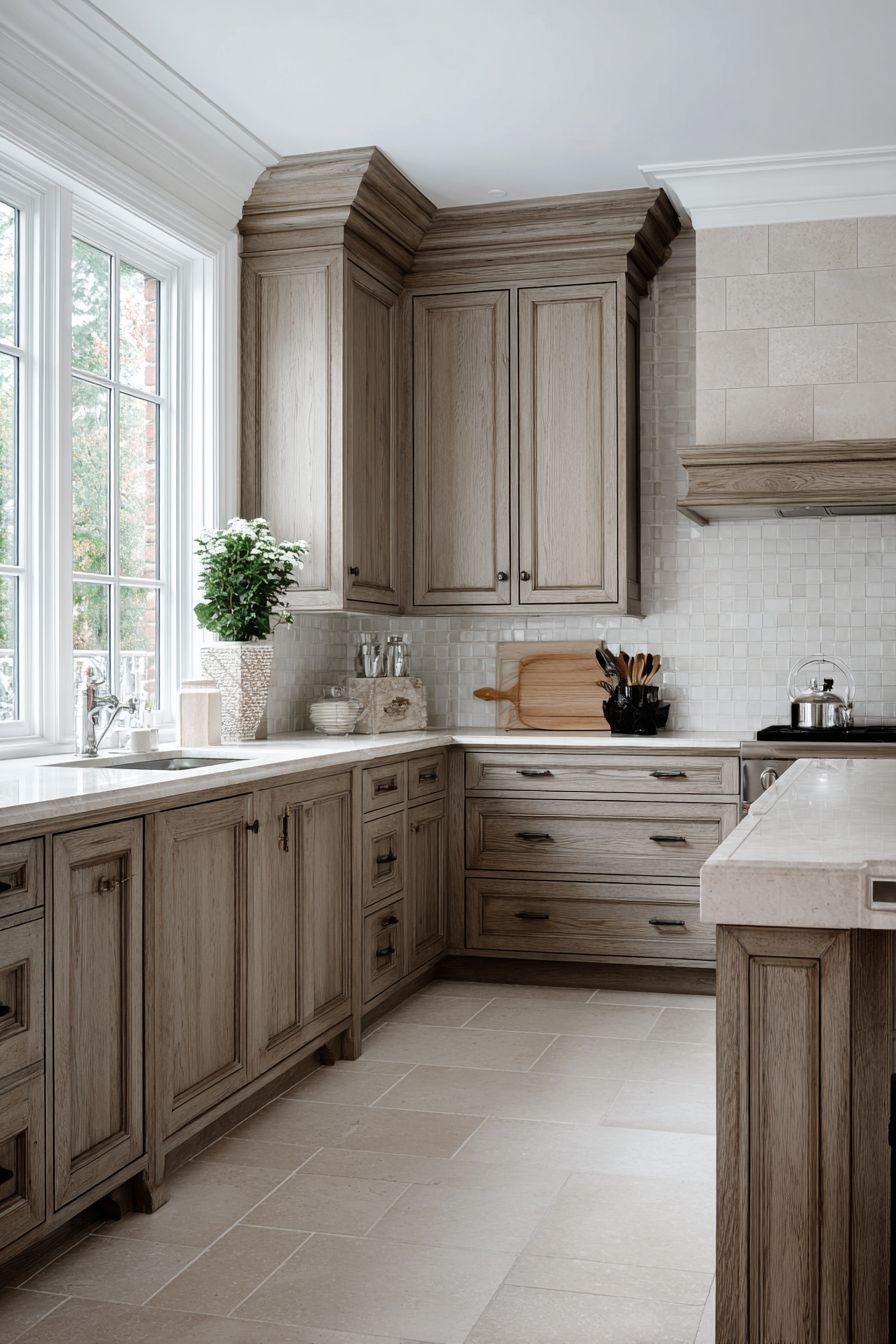
Neutral foundation quality allows wood to serve as backdrop for changing accessories and decor trends. While you might tire of bold colored cabinets, wood tones remain perpetually acceptable. This neutrality means you can update your kitchen’s personality through hardware, lighting, and accessories without touching the expensive cabinet investment.
Mature beauty develops as wood ages, unlike synthetic materials that merely deteriorate. Wood’s patina deepens over time, grain becomes more pronounced, and the overall character improves with age. This graceful aging means wood kitchens actually become more beautiful over decades rather than simply wearing out and requiring replacement.
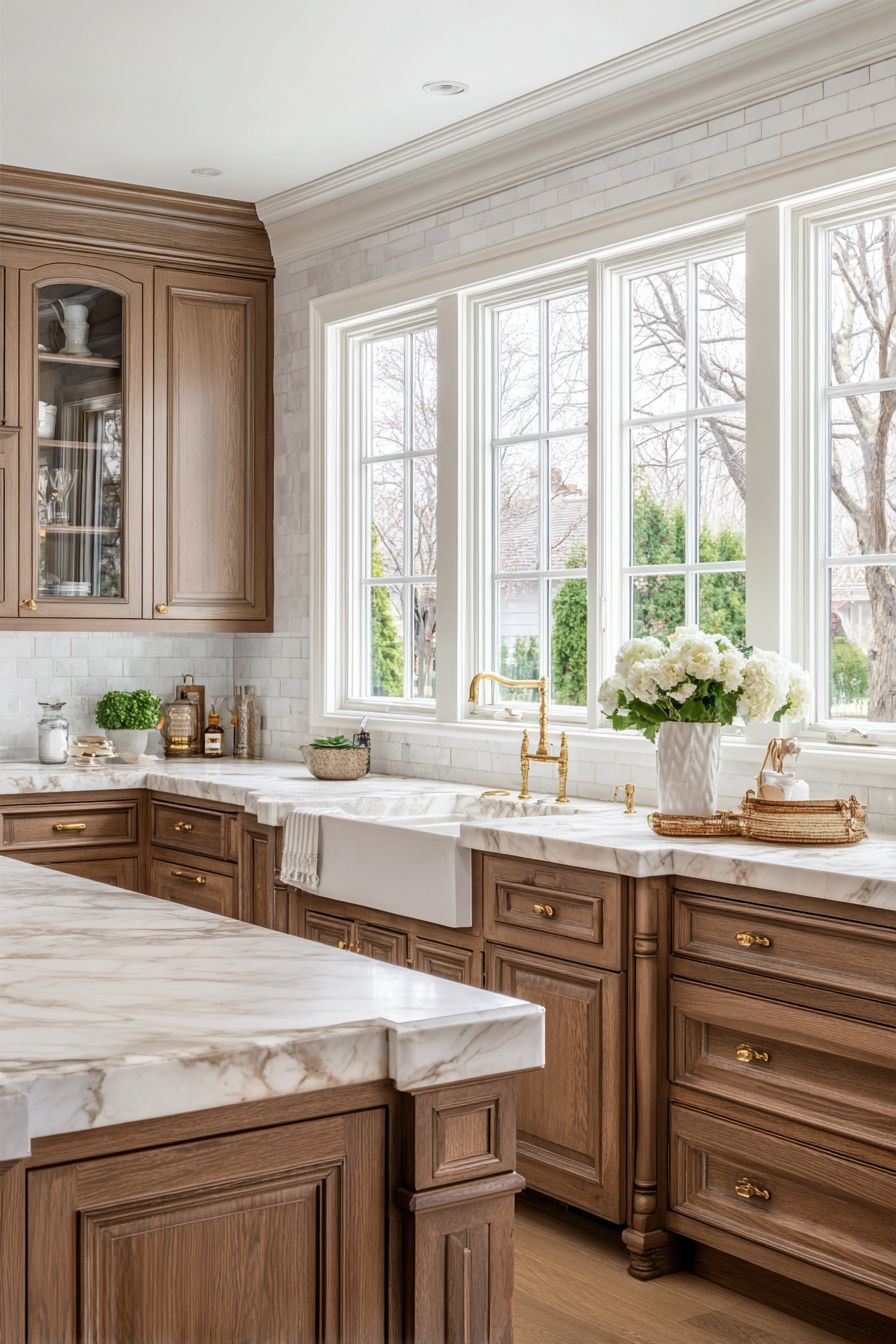
- Choose classic door styles that have proven staying power over decades
- Opt for medium wood tones that work with multiple color schemes
- Avoid overly trendy details like excessive ornamentation or unusual hardware
- Consider how the wood will age and develop character over time
- Select finishes that enhance rather than hide natural wood beauty
- Remember that simple, well-proportioned cabinets never go out of style
6. Superior Resale Value and Home Investment
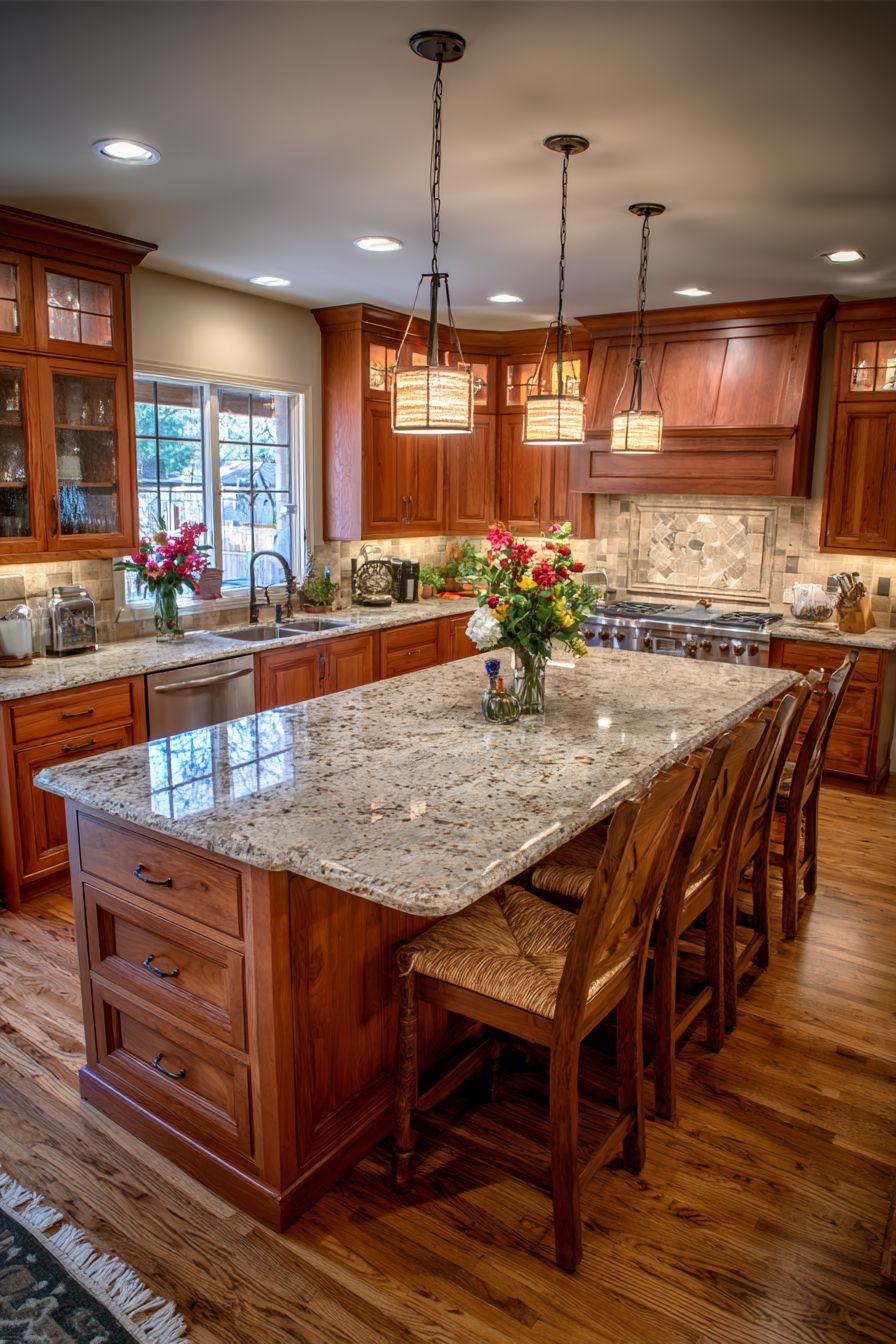
Buyer appeal remains consistently high for homes with quality wood kitchens. Real estate agents confirm that wood cabinetry commands premium prices and attracts more buyers than laminate or other alternatives. This market preference translates directly to better home values and faster sales when you eventually list your property.
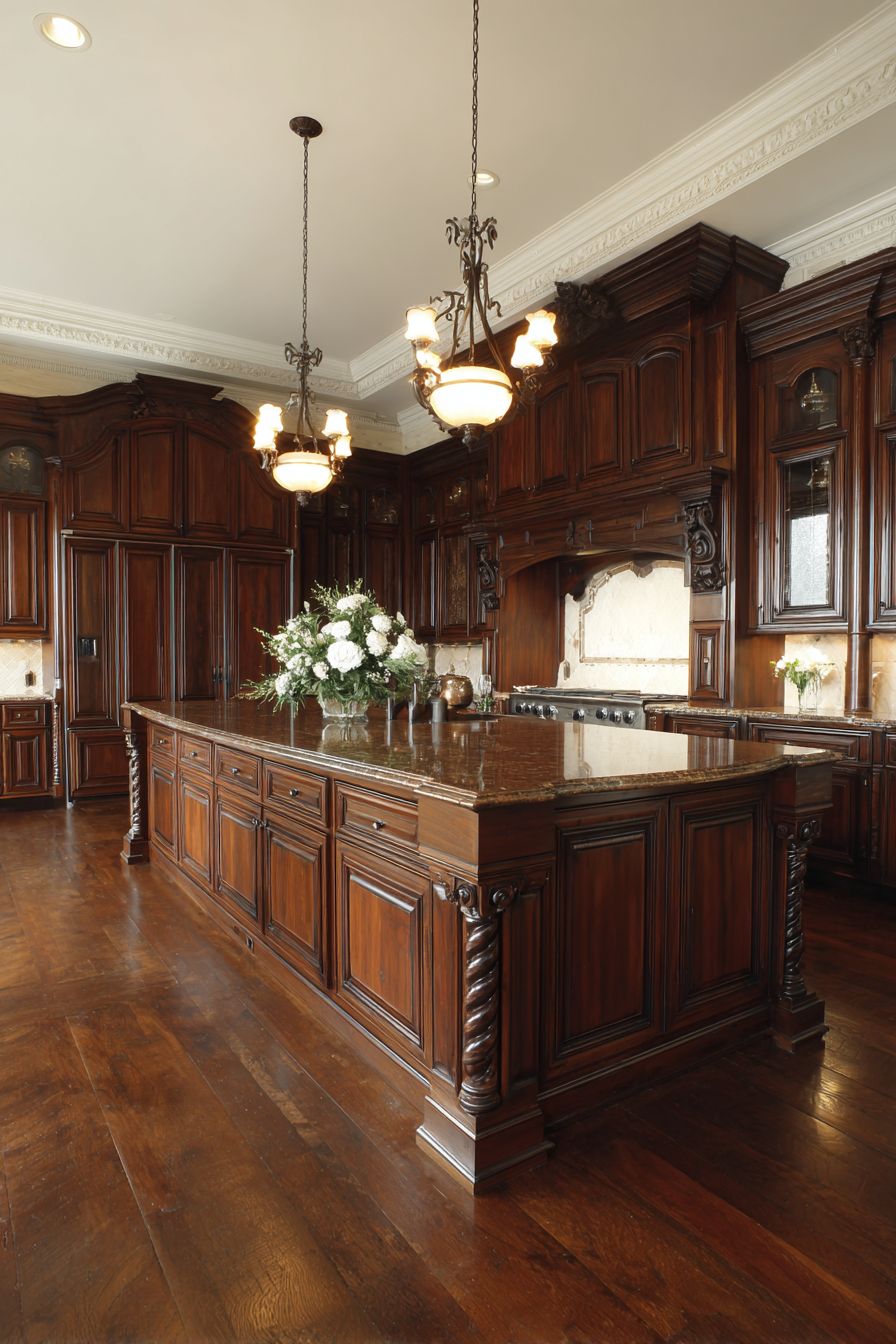
Return on investment for wood kitchen renovations exceeds that of cheaper alternatives. While initial costs run higher, the combination of longevity, desirability, and timeless appeal ensures wood kitchens retain value. Appraisers recognize quality wood construction, factoring it into home valuations in ways that acknowledge its superior worth.
Universal acceptance across buyer demographics makes wood kitchens safe investments regardless of who might purchase your home. Unlike trendy design choices that appeal to narrow audiences, wood satisfies traditional and contemporary tastes alike. This broad appeal minimizes risk when making significant kitchen investments that should serve you and future owners well.
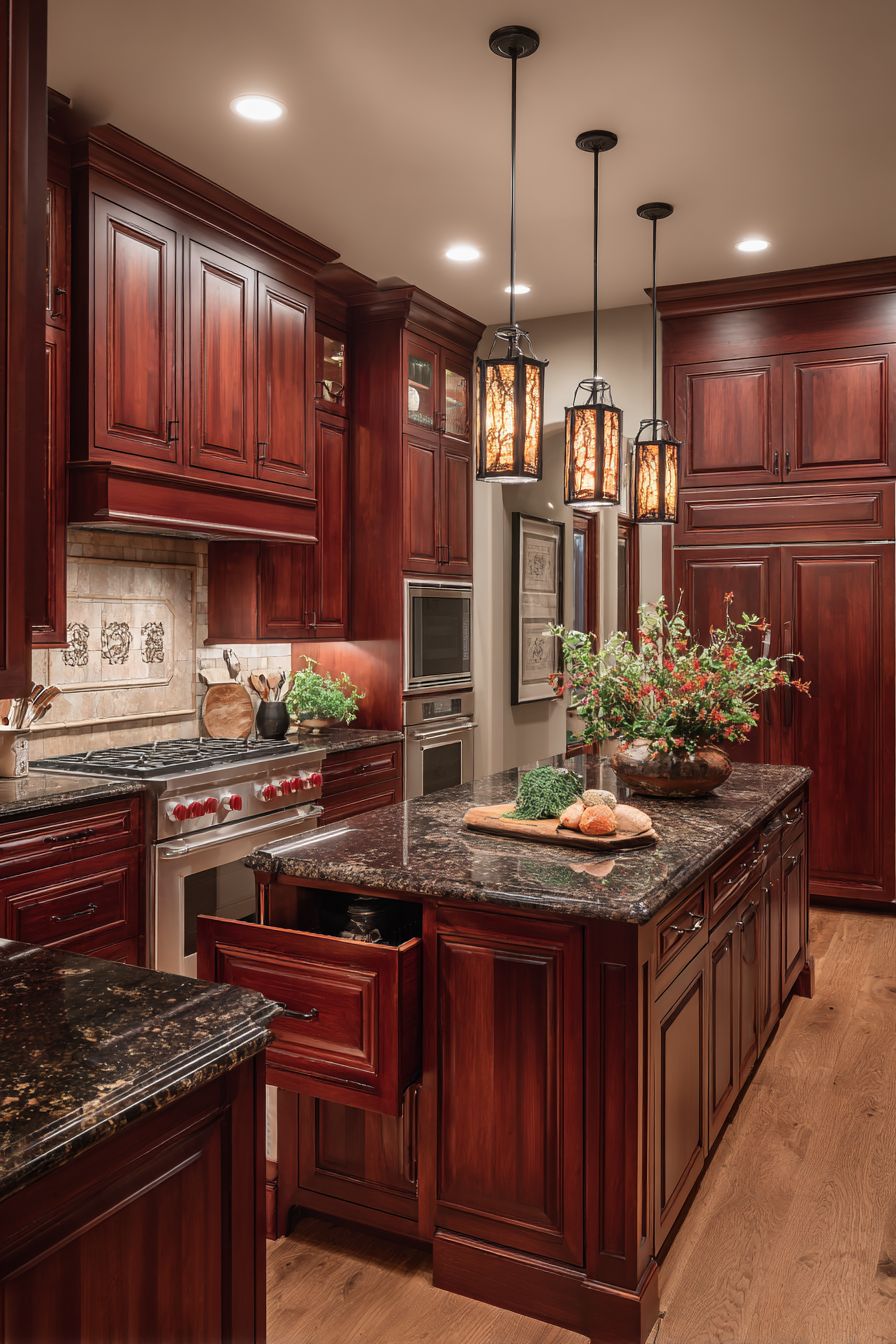
- Choose quality wood construction for maximum resale value
- Keep design choices relatively neutral to appeal to broad buyer pools
- Maintain wood finishes properly to preserve their value contribution
- Document wood quality and construction when selling
- Consider buyer preferences in your market when selecting wood tones
- Remember that wood kitchens often become selling points in listings
7. Warmth and Psychological Comfort
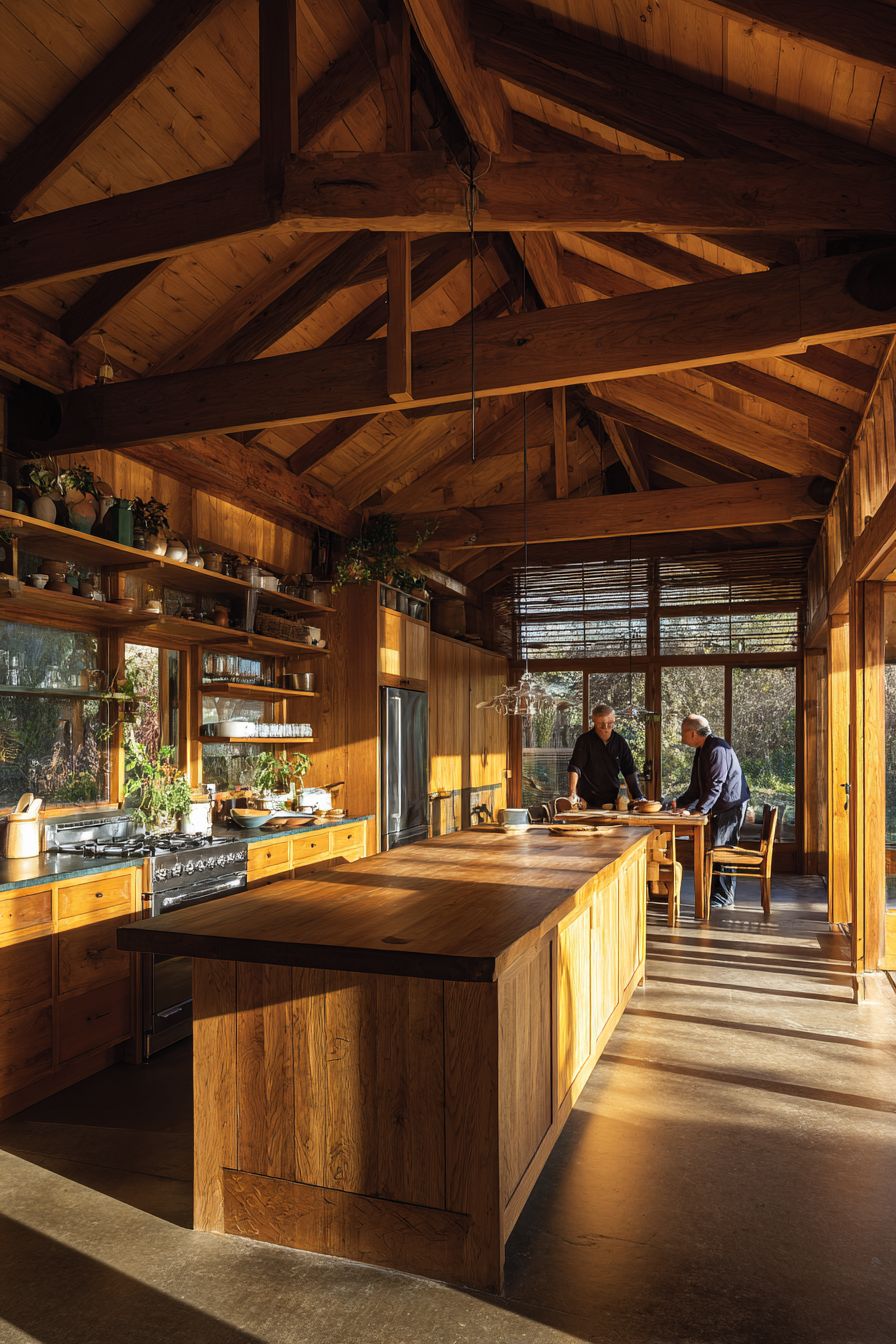
Biophilic connection to natural materials like wood improves wellbeing and reduces stress. Research shows that natural materials in living spaces create calming environments that synthetic alternatives cannot replicate. Wood kitchens tap into this innate human preference for nature, making spaces where we spend significant time feel more comfortable and nurturing.
Tactile pleasure from touching real wood provides sensory satisfaction that plastic or laminate lacks. The grain texture under fingertips, the substantial feel of solid doors, and the natural temperature of wood all register subconsciously. These tactile qualities create emotional connections to spaces that influence how welcome and comfortable we feel in our kitchens.
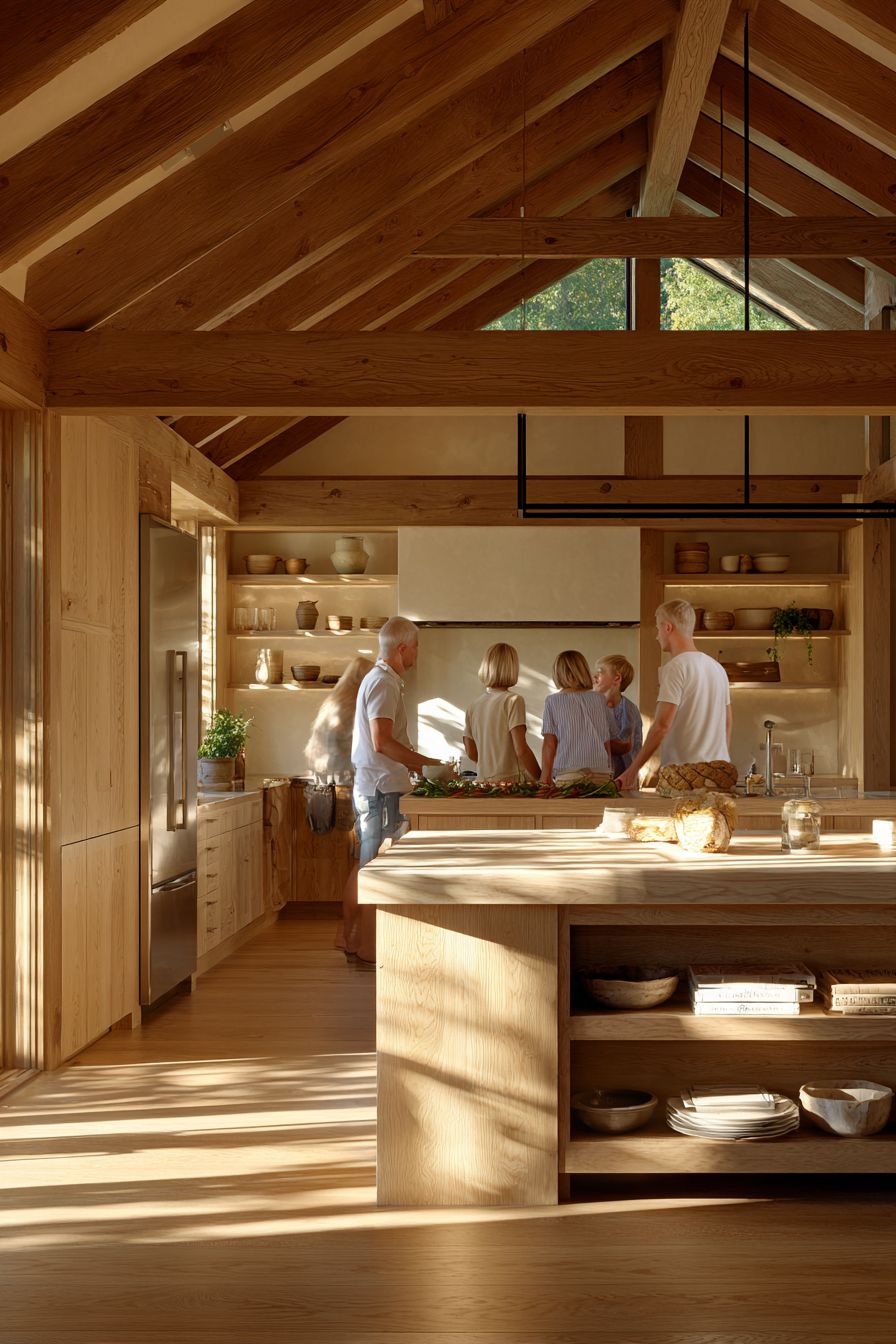
Visual softness of wood tones reduces the harsh, clinical feeling that all-white or highly reflective kitchens can create. Wood introduces organic curves through grain patterns and natural color variation that softens spaces visually. This gentleness makes kitchens feel like homes rather than showrooms, encouraging gathering and lingering rather than rushing through tasks.
- Incorporate wood tones to balance cold materials like stainless steel
- Choose wood elements for frequently touched surfaces like cabinet pulls
- Use wood to warm up predominantly white or neutral color schemes
- Consider open wood shelving to maximize visible natural material
- Select wood flooring to reinforce the natural material connection
- Remember that wood’s psychological benefits enhance daily kitchen experience
8. Customization and Personalization Potential
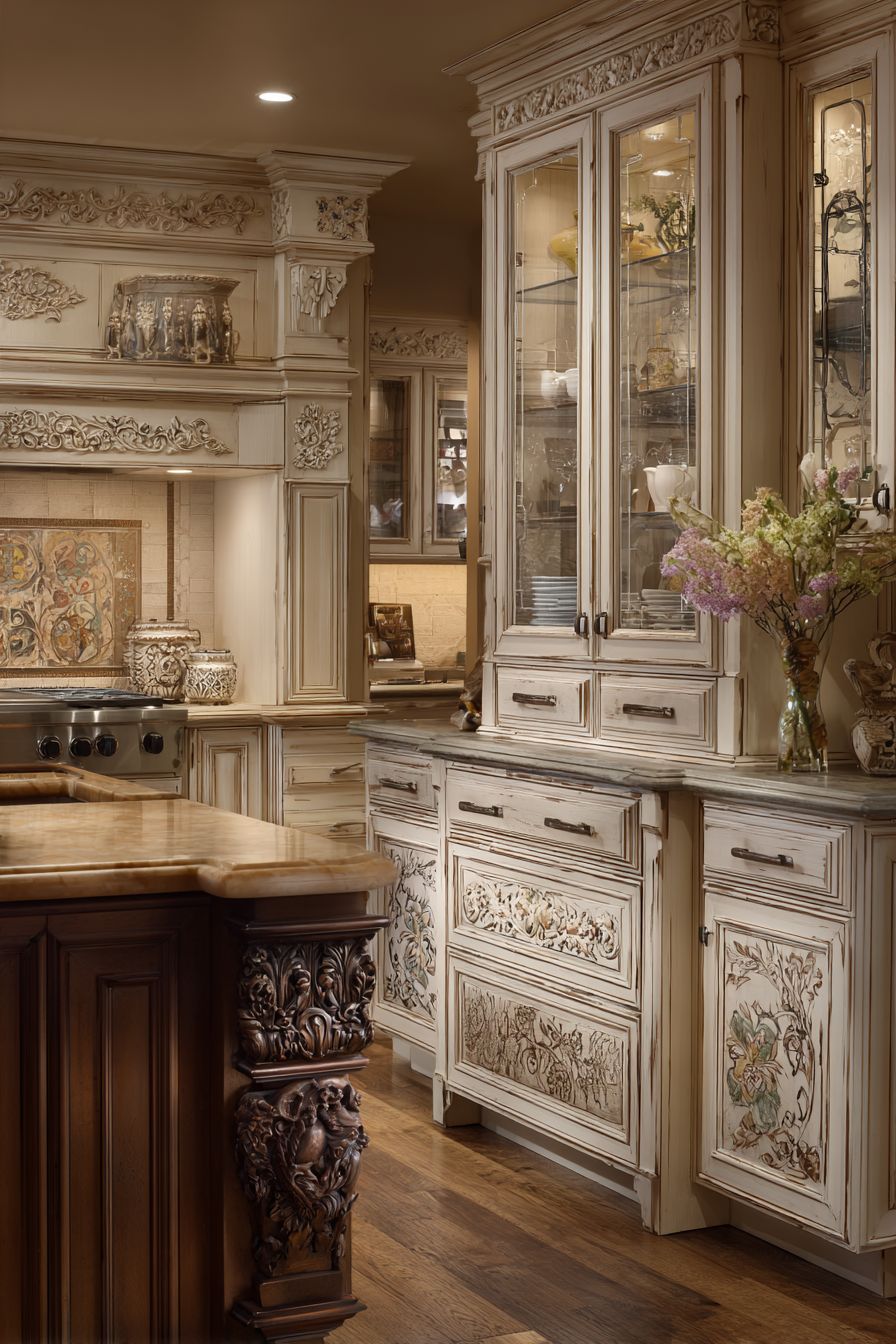
Endless finish options allow wood cabinets to express individual style preferences perfectly. Stain in any color from natural to ebony, paint in unlimited hues, or apply specialty finishes like whitewash or glaze. This flexibility means wood accommodates personal vision rather than forcing compromise with limited manufactured color options.
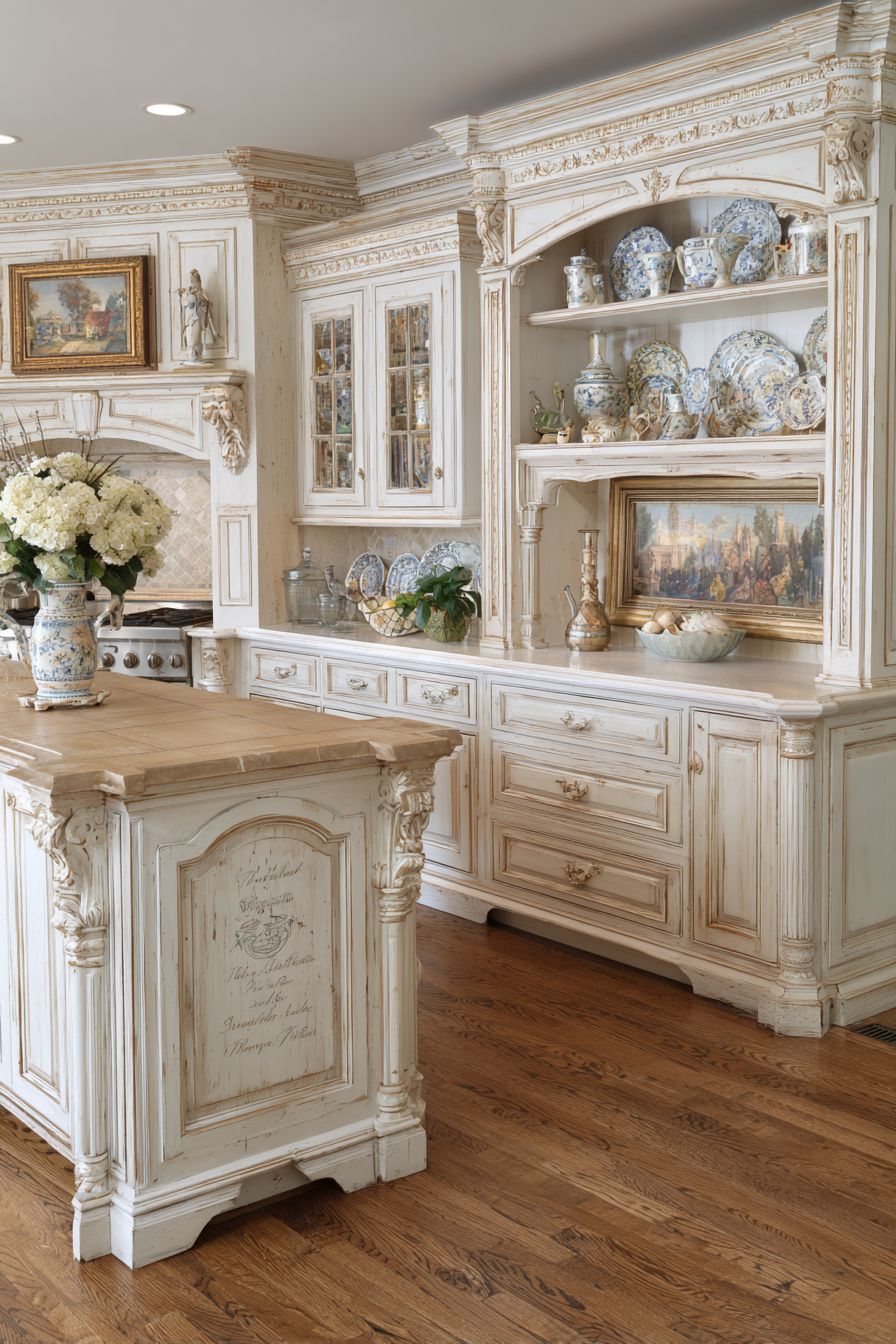
Custom detailing becomes possible with wood in ways synthetic materials cannot support. Decorative moldings, corbels, furniture feet, and carved elements add personality and distinction. Whether you prefer simple Shaker style or elaborate traditional details, wood accepts modifications that create truly custom kitchens reflecting your unique taste and requirements.
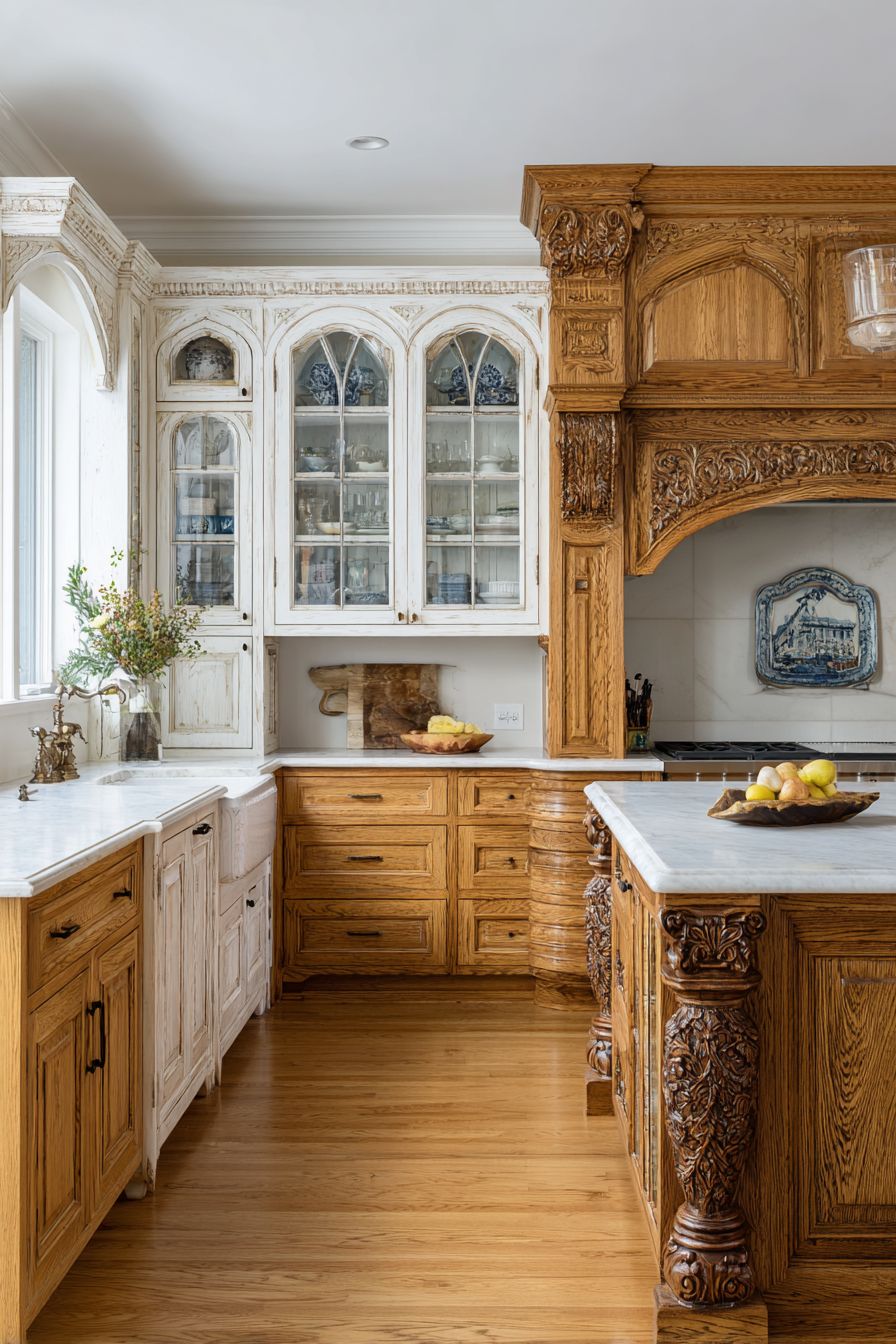
Modification capability means wood kitchens can be updated or altered as needs change. Add crown molding later, swap door styles, incorporate new organizational features, or extend cabinetry as budgets allow. This adaptability supports phased improvements and evolving needs in ways that pre-fabricated systems cannot accommodate without complete replacement.
- Work with custom cabinet makers for truly personalized designs
- Choose wood species based on how well they accept your preferred finishes
- Consider adding special details like glass inserts or open shelving
- Plan for future modifications by selecting standard construction methods
- Incorporate organizational features specific to your cooking style
- Remember that wood accepts changes better than rigid manufactured systems
9. Compatibility with All Kitchen Elements
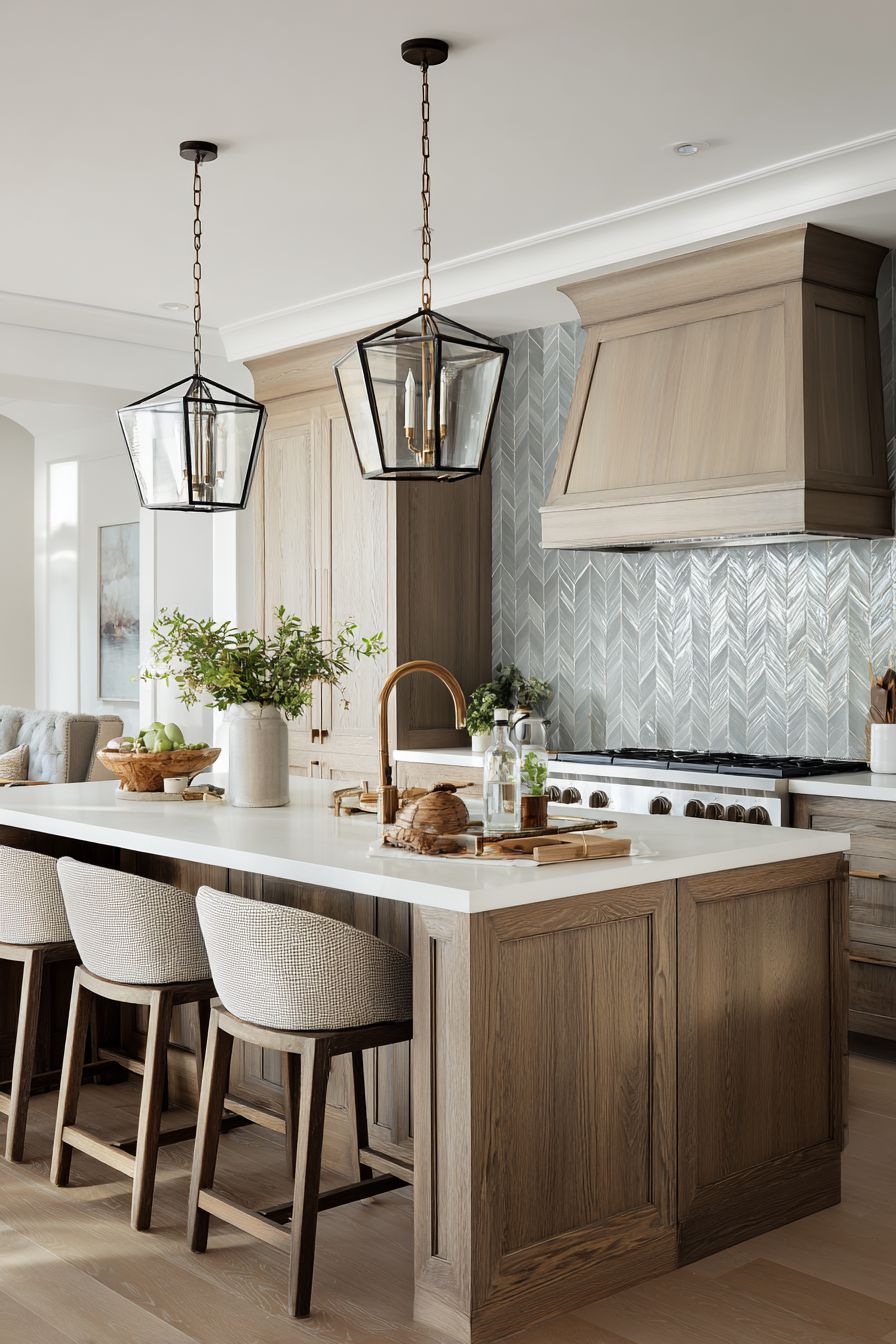
Material pairing flexibility allows wood to complement any countertop, backsplash, or flooring choice. Wood cabinets work beautifully with granite, quartz, marble, concrete, or butcher block counters. This universal compatibility means you can select other kitchen elements based on preference and budget without worrying about coordination challenges.
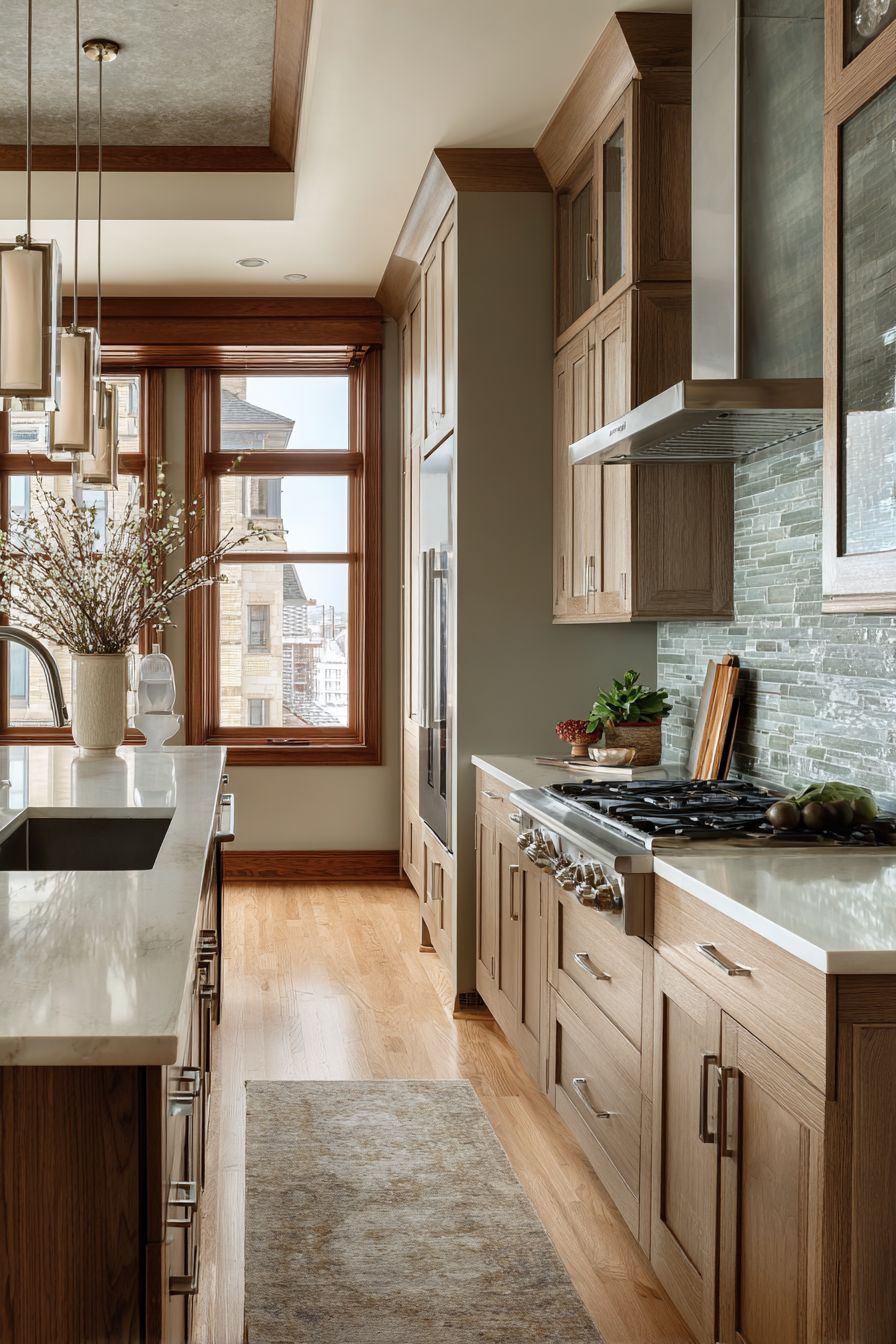
Style bridging capability helps wood connect disparate design elements harmoniously. When mixing modern appliances with traditional architecture or contemporary fixtures with classic tile, wood cabinetry bridges these potentially conflicting elements. Its neutral, natural quality serves as common ground that unifies diverse choices into cohesive designs.
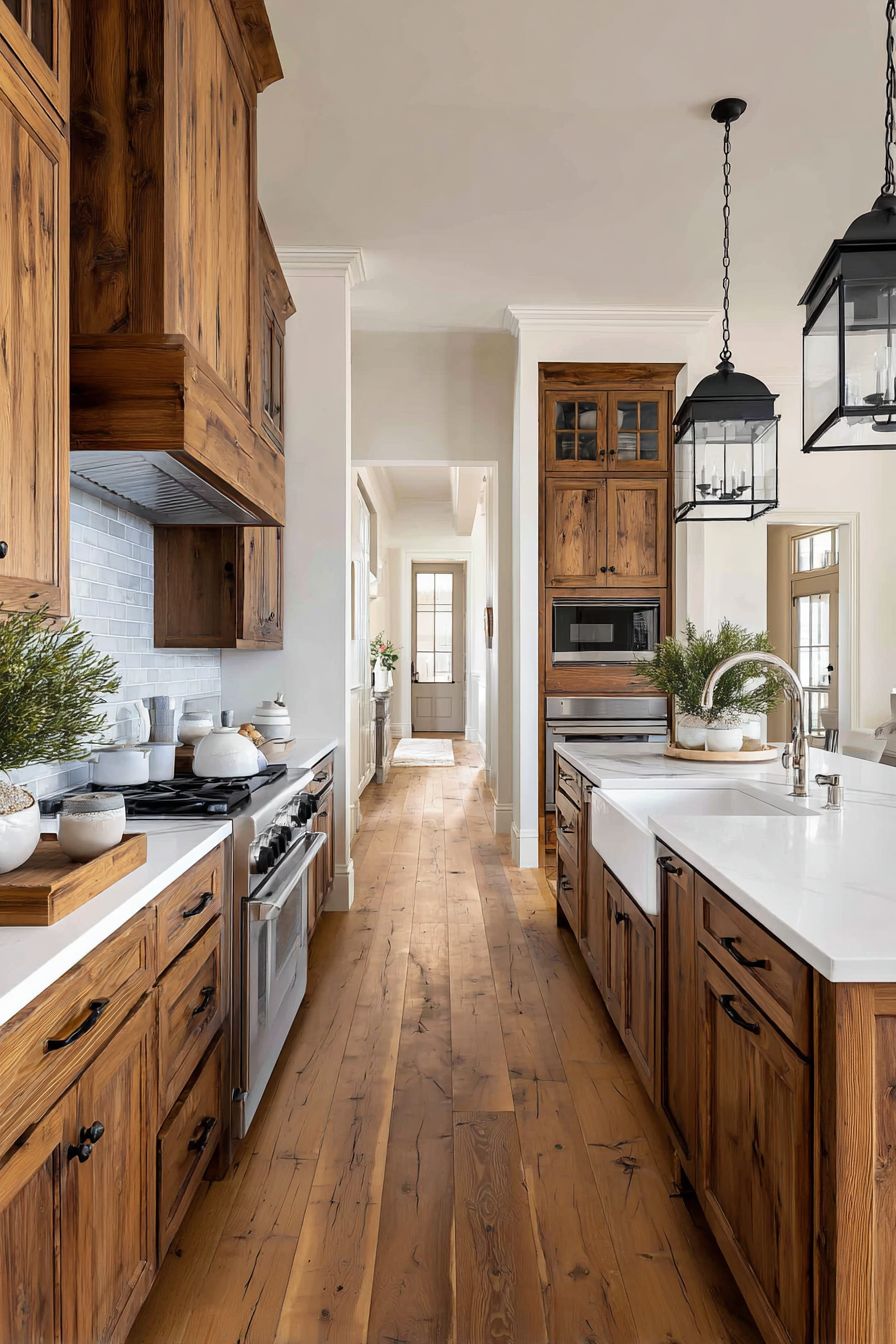
Hardware versatility means wood cabinets accept any pull, knob, or hinge style from ultra-modern to ornately traditional. Changing hardware alone can dramatically shift a wood kitchen’s personality without touching the cabinets themselves. This simple update capability keeps wood kitchens feeling fresh through decades as hardware trends evolve and personal preferences change.
- Select wood cabinet styles that complement your preferred countertop materials
- Use wood as the unifying element when mixing contemporary and traditional features
- Choose hardware that reflects your style while complementing wood tones
- Consider how wood tones interact with flooring and wall colors
- Balance wood warmth with cool metals, stone, or glass elements
- Remember that wood’s neutrality makes it the easiest material to coordinate
10. Proven Performance Across Climates
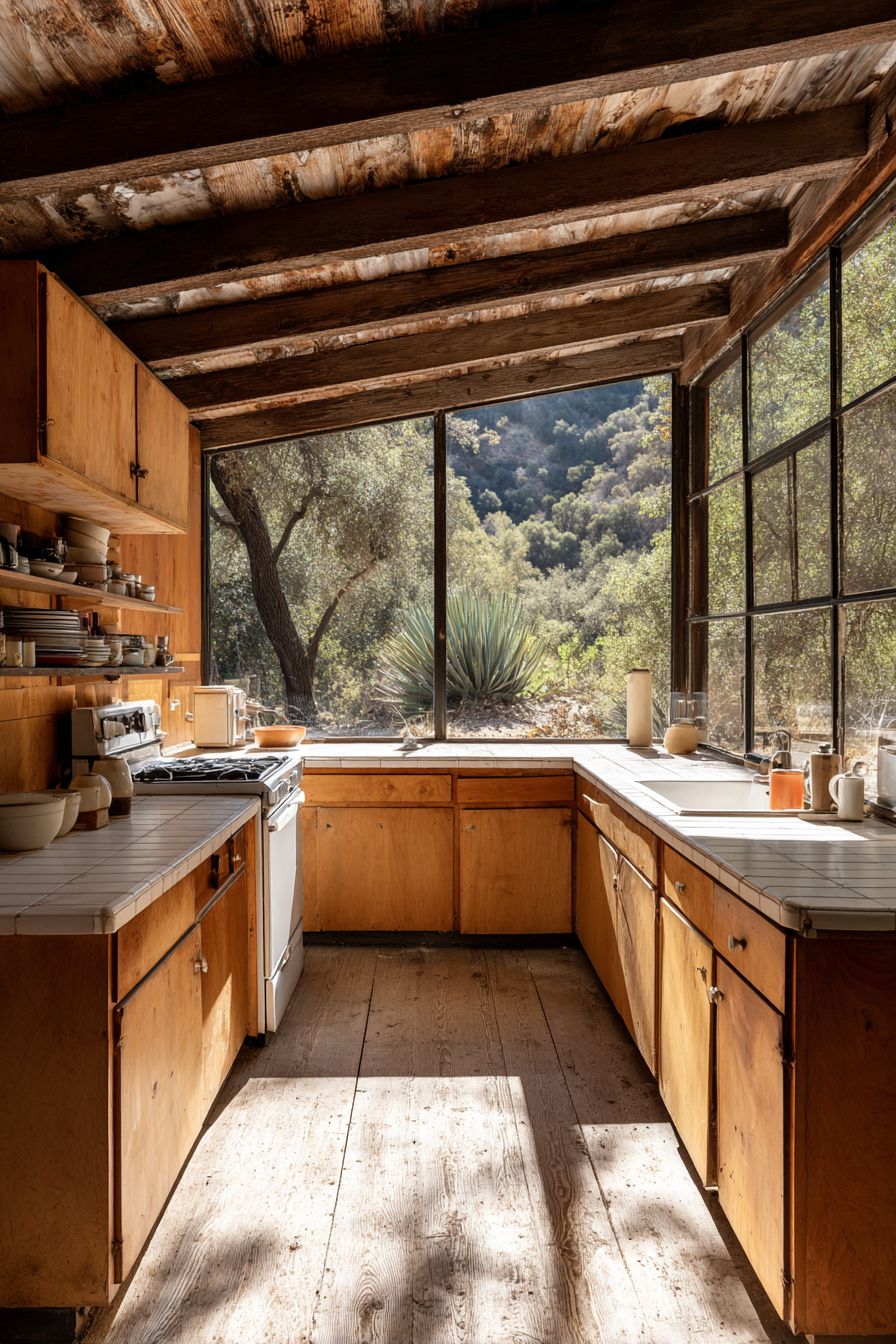
Dimensional stability in properly finished wood cabinets withstands humidity fluctuations better than many assume. While wood responds to moisture, quality construction with proper joinery and finishes minimizes movement. Modern finishing techniques create moisture barriers that protect wood from typical kitchen humidity without requiring exotic materials or excessive maintenance.
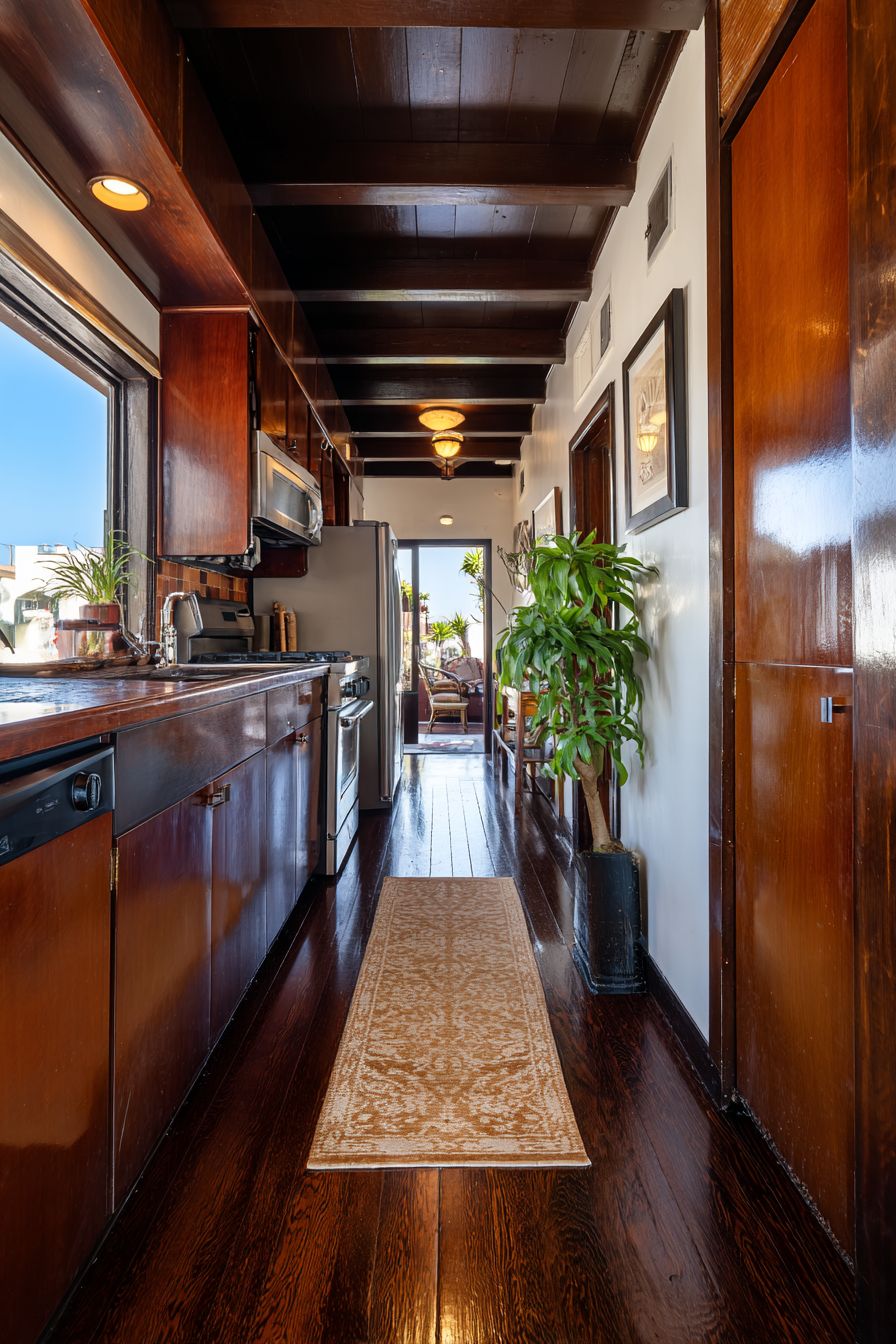
Temperature tolerance allows wood kitchens to perform well in various climates from humid coastal areas to dry mountain regions. Unlike some laminates that delaminate in humidity or materials that crack in dry conditions, quality wood construction adapts to environmental conditions. This reliability across climates makes wood the universal choice regardless of geographic location.
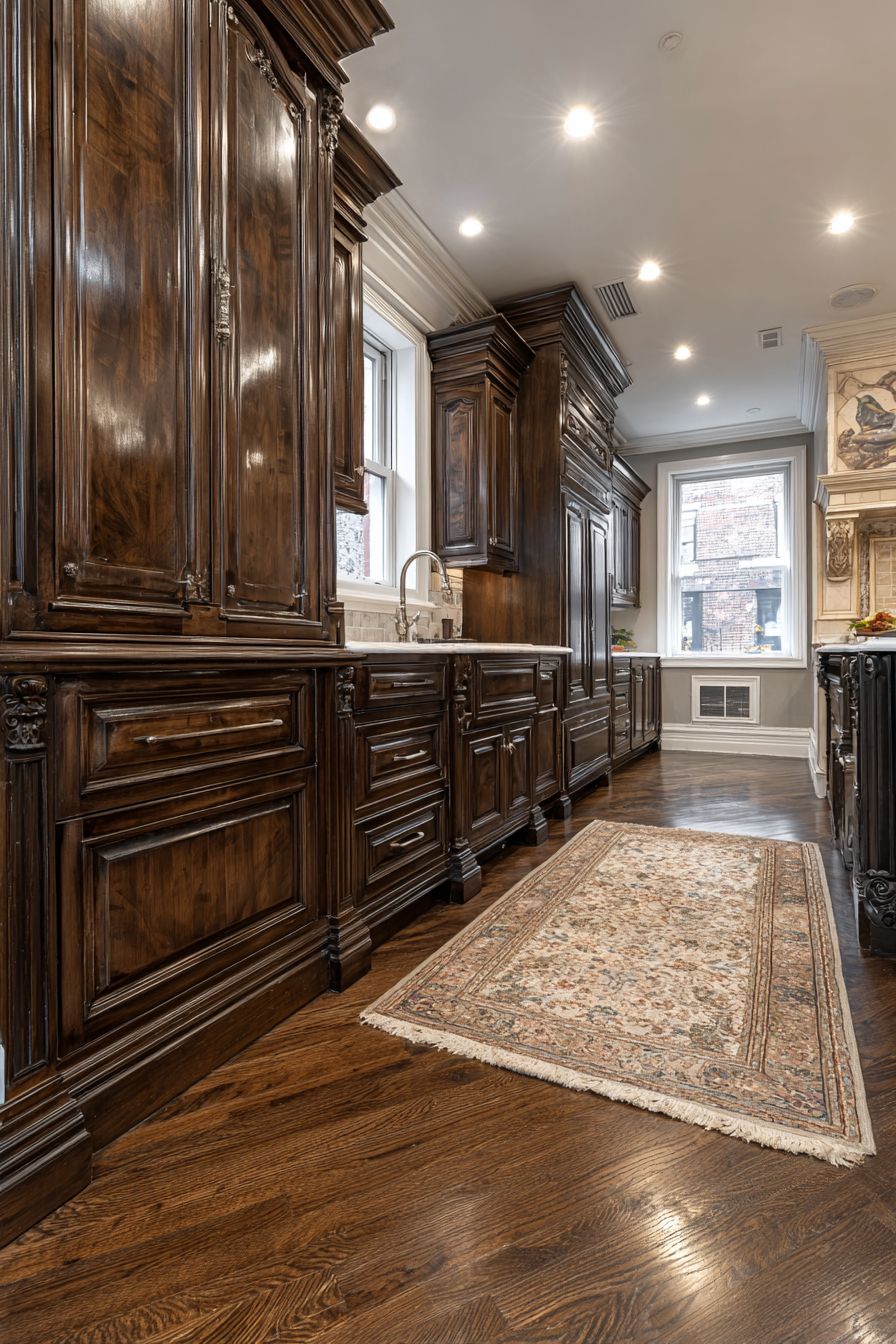
Long-term testing through centuries of use proves wood’s kitchen suitability in every climate zone. Historical homes with original wood kitchens still functioning after 100+ years demonstrate proven performance. This track record exceeds that of any synthetic alternative, providing confidence that wood choices will serve reliably through decades of changing seasons and conditions.
- Apply quality moisture-resistant finishes to all wood surfaces
- Ensure proper ventilation to minimize humidity-related issues
- Choose construction methods appropriate to your climate conditions
- Seal all wood edges and surfaces to prevent moisture penetration
- Maintain consistent humidity levels through HVAC systems when possible
- Trust wood’s centuries-long proven performance across all climates
Conclusion
Wood kitchens maintain their timeless appeal through a unique combination of natural beauty, exceptional durability, remarkable versatility, and environmental responsibility that synthetic alternatives cannot match. The ten factors explored here—from aesthetic warmth to proven performance—explain why wood remains the gold standard for kitchen cabinetry despite countless design trends and new materials entering the market.
When you choose wood, you’re investing in a material with centuries of proven excellence and decades of future service.The key to successful wood kitchens lies in selecting quality materials, timeless styles, and proper finishes that will serve you beautifully for years to come. Start with solid construction from reputable manufacturers or craftsmen, choose classic proportions that transcend trends, and maintain your wood properly to ensure it develops beautiful patina rather than showing wear.
Whether you prefer painted cabinets, natural finishes, or richly stained wood, you’re making a choice that connects your home to centuries of design tradition while remaining perpetually relevant. Trust in wood’s enduring qualities and create a kitchen that will be admired and functional for generations, proving that some materials truly never go out of style.
"As an Amazon Associate, I earn from qualifying purchases."
