

Children’s bedroom design presents unique challenges that balance creativity, functionality, and paramount safety considerations. Unlike adult spaces where aesthetics often take priority, children’s rooms require thoughtful planning that anticipates active play, rapid growth, and developing needs. The most successful children’s bedrooms create environments that spark imagination while providing secure, healthy spaces where kids can sleep, play, and grow with confidence.

Safety must form the foundation of every design decision in children’s spaces. From furniture anchoring to non-toxic materials, each element requires careful evaluation through the lens of child protection. However, safety doesn’t mean sacrificing style or personality. Modern children’s bedroom design proves you can create visually stunning spaces that meet rigorous safety standards while reflecting your child’s interests and supporting their developmental stages.
These ten essential principles will guide you in mastering safe children’s bedroom design that grows with your family. Each strategy addresses critical safety concerns while maintaining the fun, colorful, and inspiring atmosphere children need. Whether designing for a newborn nursery or updating a tween’s space, these evidence-based recommendations ensure your child’s bedroom becomes a secure sanctuary that supports healthy development, restful sleep, and imaginative play for years to come.
1. Anchor All Furniture Securely

Furniture tip-overs cause thousands of preventable injuries and deaths annually, making anchoring the single most critical safety measure in children’s rooms. Young children naturally climb dressers, bookcases, and other furniture while exploring their environment. Unsecured furniture becomes extremely dangerous when even modest weight causes it to tip forward. Every piece of furniture in a child’s room must be securely anchored to wall studs using appropriate hardware.
Use furniture anchoring straps or L-brackets rated for the weight of each piece. Locate wall studs using a stud finder and attach hardware directly into studs rather than drywall alone. For heavy dressers, use two anchor points rather than one for maximum stability. Test the security by applying firm downward pressure on drawer fronts—the furniture shouldn’t move at all. This simple step prevents catastrophic accidents that occur with frightening frequency in unsecured spaces.
Don’t overlook smaller furniture pieces that might seem stable. Even lightweight nightstands and small bookcases can tip onto curious toddlers. Televisions require especially secure mounting—wall-mounting is far safer than placing them on furniture. If using a TV stand, ensure both the stand and TV are anchored independently. Replace anchoring hardware annually and after any furniture movement to maintain maximum protection.
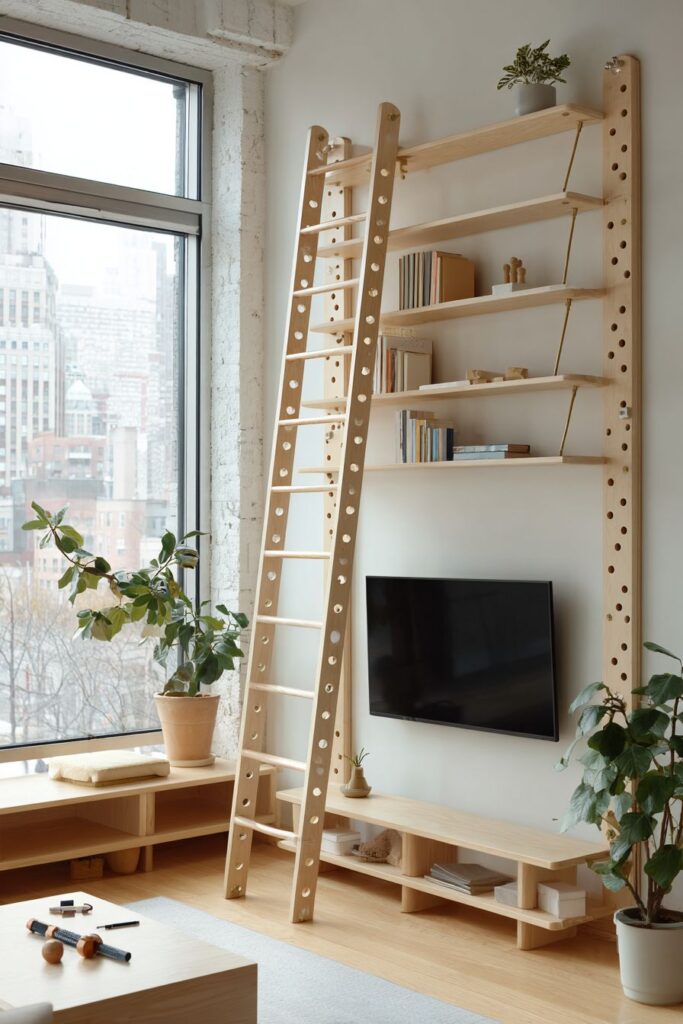
- Anchor all dressers, bookcases, and storage units to wall studs using rated straps
- Use a stud finder to locate proper anchoring points rather than guessing
- Install two anchor points on tall or heavy furniture for added stability
- Wall-mount televisions rather than placing them on furniture surfaces
- Test all anchored furniture quarterly by applying firm downward pressure
- Replace anchoring hardware annually or after moving furniture
2. Choose Non-Toxic, Low-VOC Materials
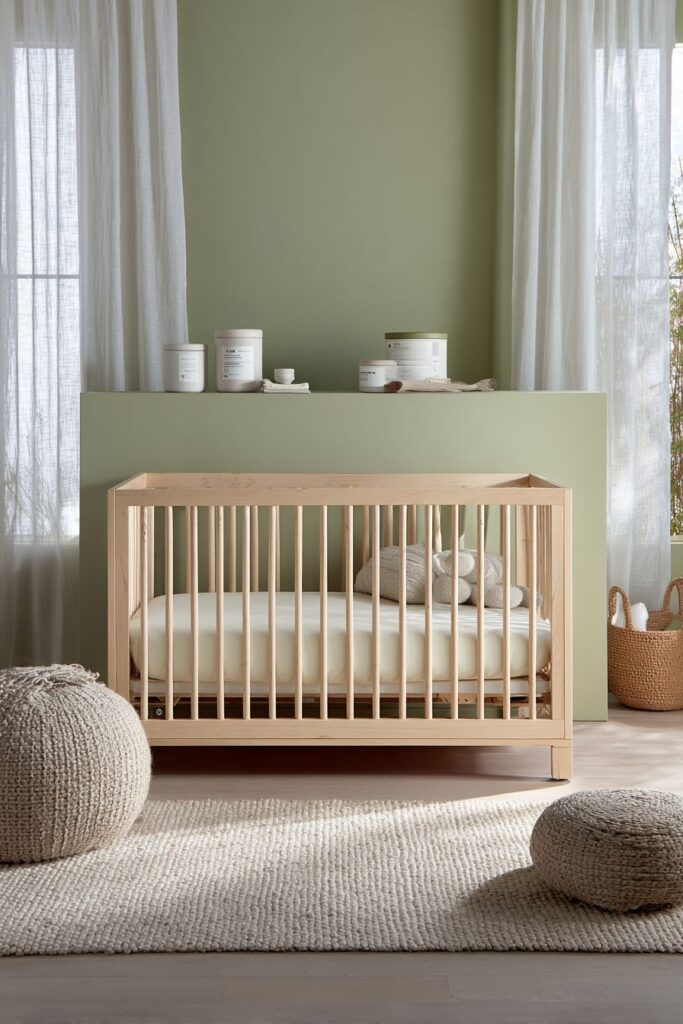
Indoor air quality profoundly affects children’s developing respiratory systems and overall health. Children breathe more air relative to body weight than adults, making them especially vulnerable to toxic off-gassing from furniture, paint, and textiles. Choose materials with low or zero VOC (volatile organic compounds) emissions to minimize chemical exposure. This includes paint, flooring, furniture finishes, and even mattresses and bedding.
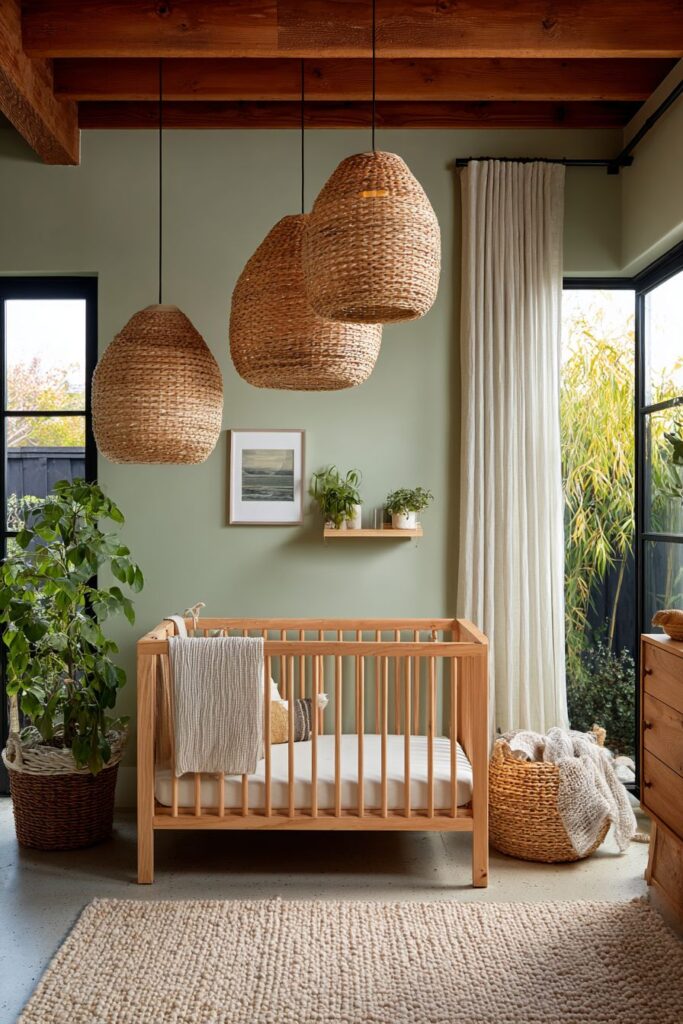
Select furniture made from solid wood rather than particle board or MDF that releases formaldehyde over time. Look for GREENGUARD Gold certification, which indicates products meet stringent chemical emissions standards. When painting, use zero-VOC paint and allow the room to air out for several days before your child occupies it. Natural materials like solid wood, organic cotton, and wool generally off-gas fewer chemicals than synthetic alternatives.
Mattresses deserve special attention since children spend significant time in direct contact with them. Choose organic or certified non-toxic mattresses free from flame retardants and synthetic foams. Avoid vinyl or PVC materials in window treatments, flooring, and furniture coverings—these release harmful phthalates. Prioritize natural fibers in bedding, curtains, and rugs. Though often more expensive initially, these investments protect your child’s developing system from preventable chemical exposure.
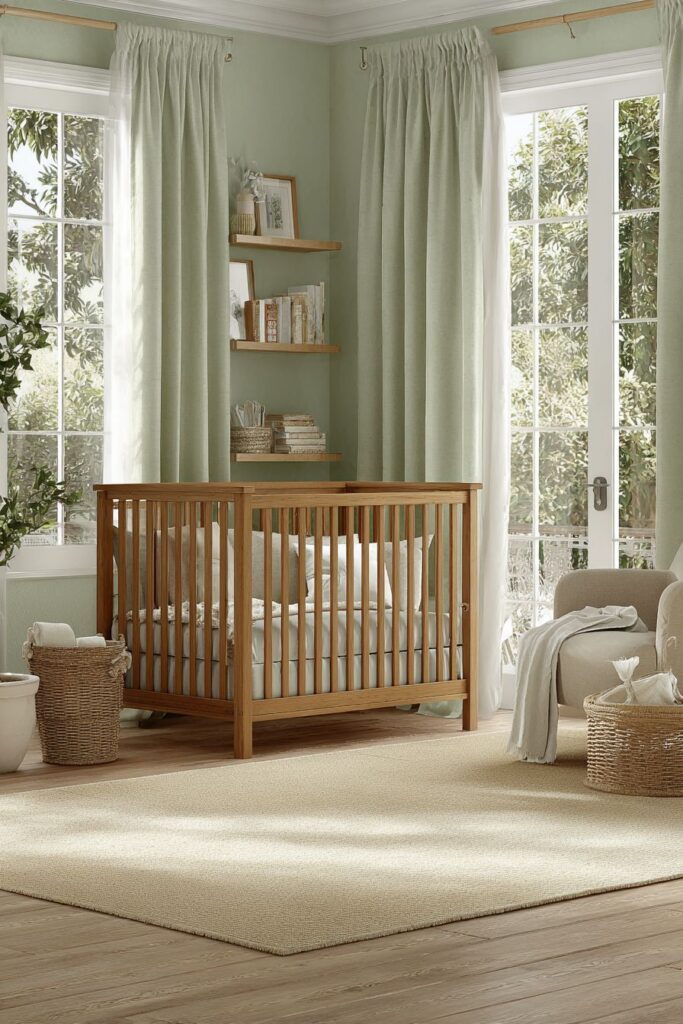
- Choose GREENGUARD Gold certified furniture and materials when possible
- Use zero-VOC paint and allow rooms to air out 3-5 days before occupancy
- Select organic or certified non-toxic mattresses without flame retardants
- Avoid vinyl, PVC, and synthetic materials that release harmful chemicals
- Choose solid wood furniture over particle board or MDF products
- Wash all new textiles before use to remove manufacturing chemicals
3. Eliminate Strangulation and Cord Hazards
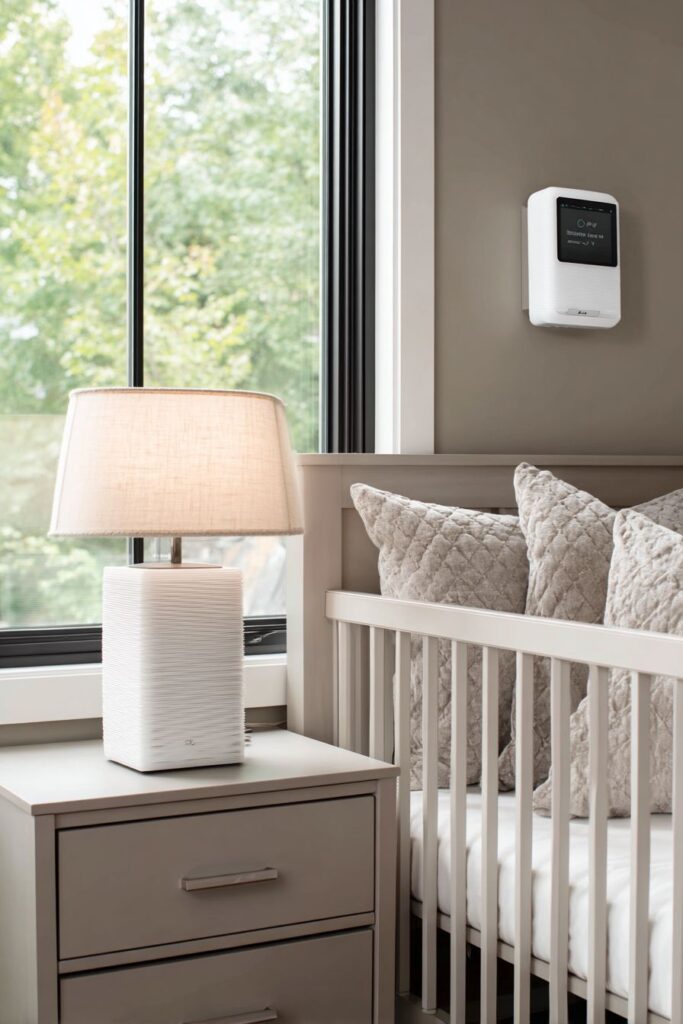
Window covering cords present serious strangulation risks that have resulted in numerous child deaths. Traditional blinds with accessible cords must be eliminated entirely from children’s rooms. Replace them with cordless window treatments like roller shades, cellular shades, or curtains. If corded window coverings exist elsewhere in the home, install tension devices that keep cords taut against walls, preventing loop formation.
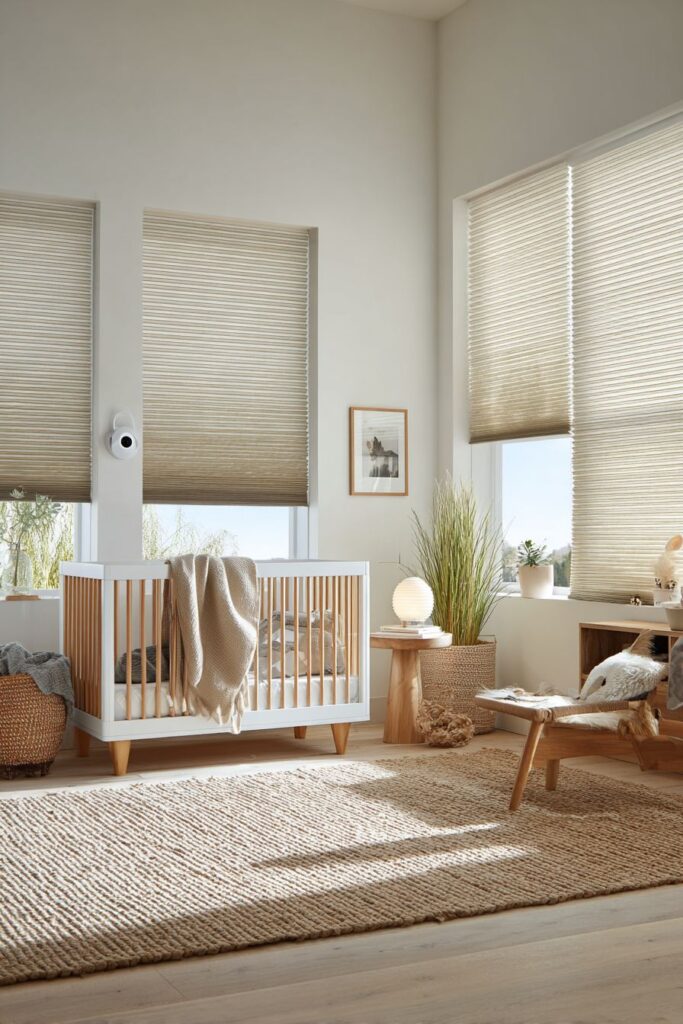
Beyond window treatments, assess all cords throughout the bedroom environment. Electrical cords from lamps, sound machines, and monitors should be completely inaccessible to children. Use cord shorteners, cord covers, or mount devices on walls to eliminate dangling cords. Never position cribs, toddler beds, or play areas near accessible cords. The distance between furniture and cord access points should exceed three feet minimum.
Baby monitor cords require special attention in nurseries. Mount monitors on walls at least three feet from cribs rather than placing them on nearby furniture with accessible cords. Use battery-powered options when possible. Regularly inspect all cords for fraying or damage that presents additional hazards. This vigilance prevents tragic accidents that occur when children become entangled during sleep or play.
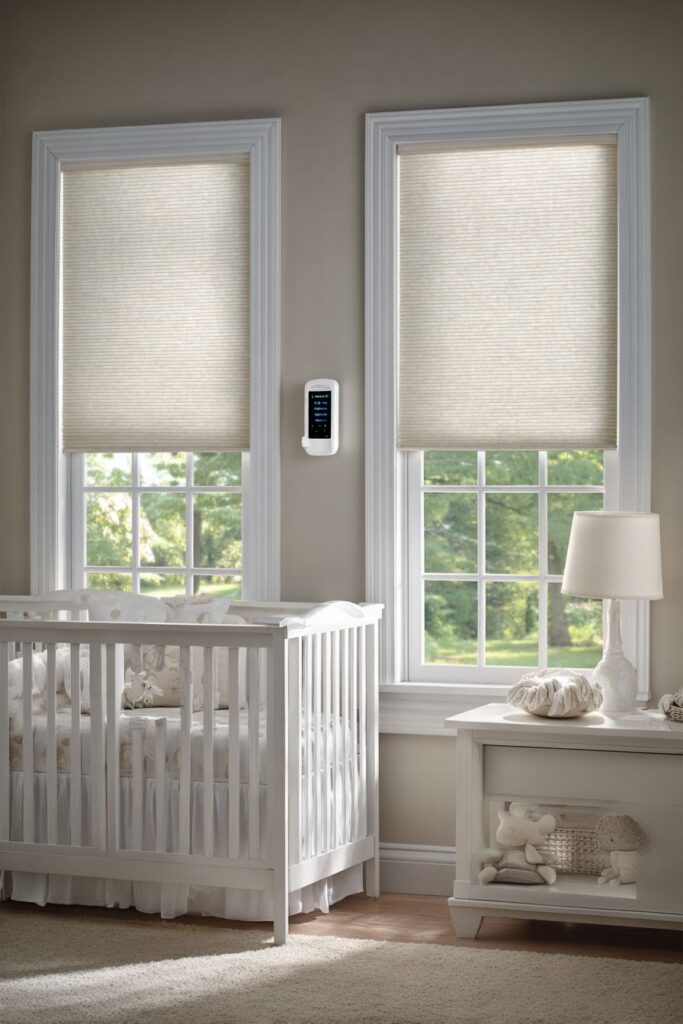
- Install only cordless window treatments in children’s bedrooms
- Mount monitors and devices on walls rather than using corded versions near cribs
- Use cord shorteners and covers to eliminate all accessible electrical cords
- Maintain minimum three-foot distance between cribs and any cords
- Install tension devices on any necessary corded items to prevent loops
- Conduct monthly cord safety checks throughout the bedroom
4. Select Age-Appropriate Furniture Heights

Furniture proportions must match your child’s current developmental stage while anticipating safety needs. For infants and toddlers, keep all furniture low to the ground to minimize fall injuries. Changing tables require guardrails on all four sides but should never be trusted—always keep one hand on babies during changes. As children grow, furniture heights should support increasing independence while maintaining safety.
Avoid bunk beds for children under six years old according to safety guidelines. When age-appropriate, ensure bunk beds meet CPSC safety standards with proper guardrails extending at least five inches above the mattress. Use only recommended mattress thickness to prevent entrapment between guardrails and mattress. Ladder placement should be secure and easily accessible without requiring precarious reaching.
Consider adjustable furniture that grows with children to maximize long-term value. Convertible cribs that transition to toddler beds and eventually full beds provide continuity while meeting changing safety requirements. Adjustable-height desks and chairs support proper ergonomics as children grow. This approach balances safety with economic practicality, eliminating the need for complete bedroom overhauls every few years.
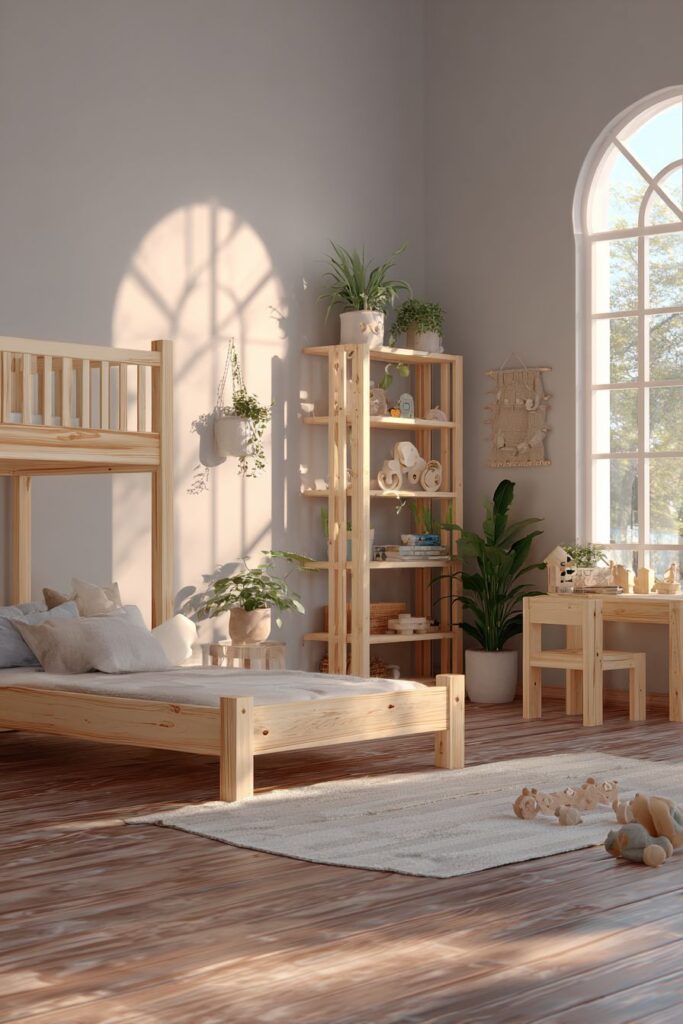
- Avoid bunk beds entirely for children under six years of age
- Ensure bunk bed guardrails extend minimum five inches above mattress
- Choose low-profile beds and furniture for toddlers to minimize fall injuries
- Select convertible furniture that adjusts as children grow
- Install guardrails on changing tables and never leave babies unattended
- Maintain proper mattress thickness on bunk beds to prevent entrapment
5. Create Safe Storage Solutions
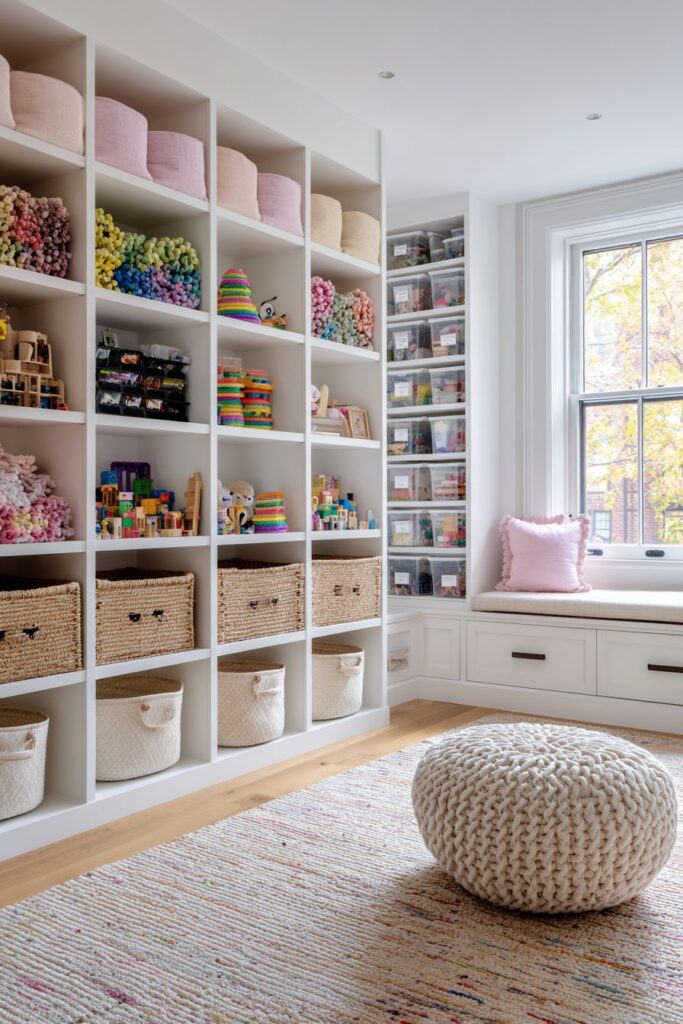
Toy storage systems must prioritize accessibility and safety over aesthetics. Heavy storage units with hinged lids present crushing hazards when they slam down on small fingers or heads. Choose open bins, baskets, and shelving systems that eliminate this risk. If using storage with lids, install soft-close hinges or pneumatic supports that prevent slamming. Lightweight fabric bins work better than heavy wooden toy chests for young children.
Position storage at appropriate heights so children can access items independently without climbing. Low open shelves encourage organization while eliminating climbing temptations. Use clear bins or picture labels so children identify contents without rummaging dangerously. Avoid glass containers entirely—plastic or fabric options provide safer alternatives that survive inevitable drops and throws.
Implement a rotation system that keeps excessive toys out of the bedroom, reducing clutter and maintaining clear floor space. Store out-of-rotation toys in closets or other rooms, bringing them back periodically to renew interest. This strategy prevents overwhelming accumulation while making it easier to maintain organized, safe spaces. Teach children to return toys to designated spots, establishing habits that support both safety and life skills.
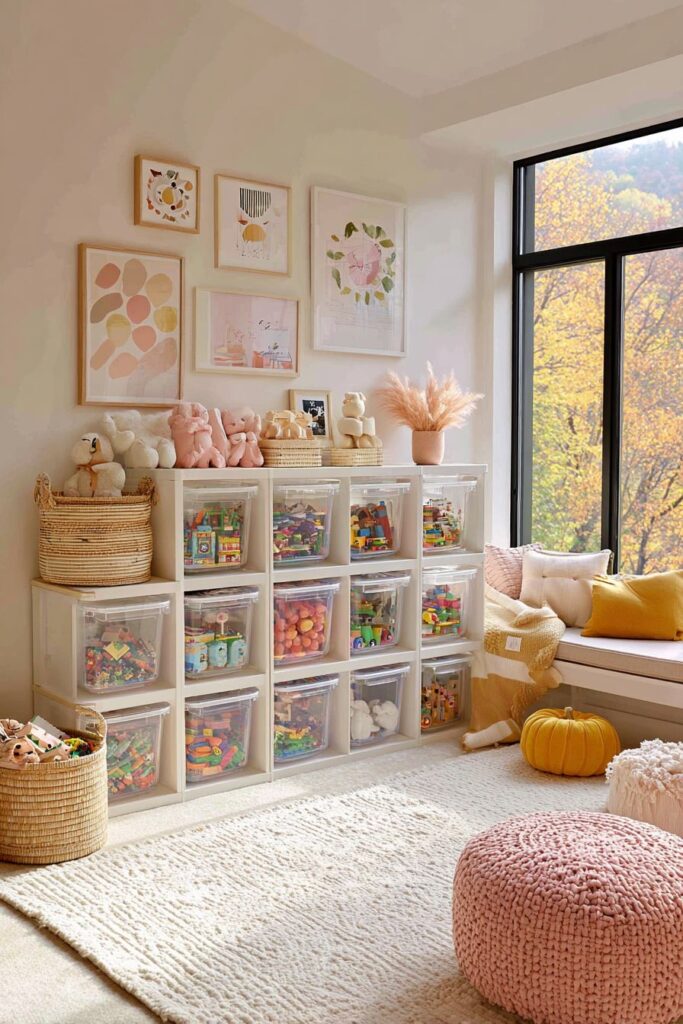
- Use open bins and baskets rather than heavy storage chests with lids
- Install soft-close hinges on any lidded storage to prevent crushing injuries
- Position storage at child height for independent access without climbing
- Choose clear or picture-labeled bins for easy toy identification
- Implement toy rotation to reduce clutter and maintain clear floor space
- Select lightweight fabric or plastic storage over heavy wooden options
6. Ensure Proper Lighting for Safety
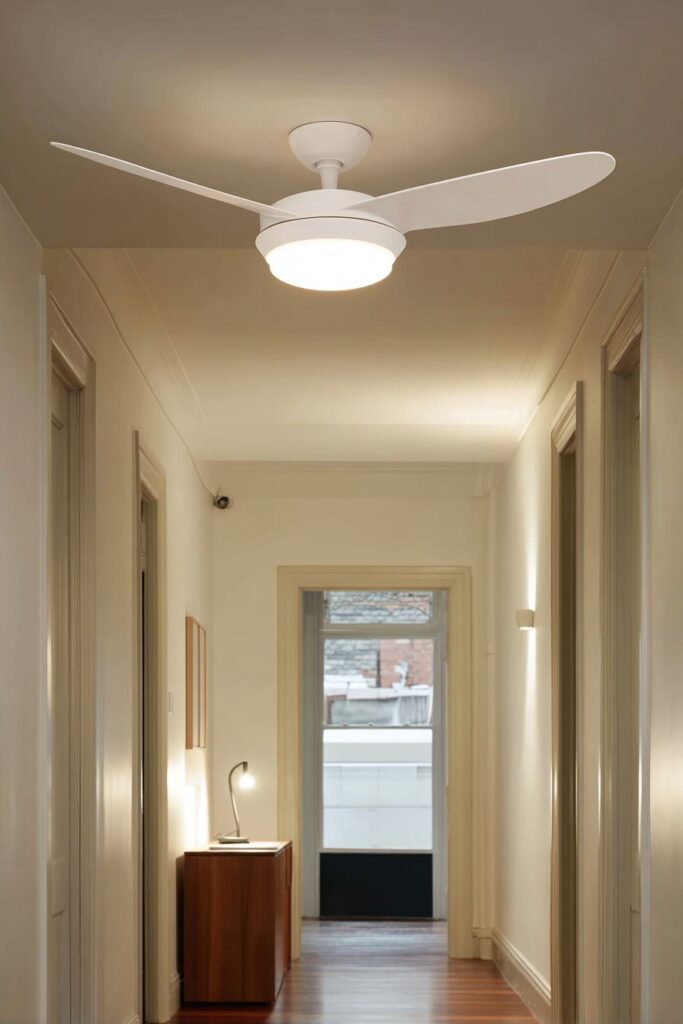
Adequate lighting prevents trips, falls, and navigation difficulties while supporting healthy sleep patterns. Layer lighting with overhead fixtures, task lighting, and night lights positioned strategically. Overhead lighting should illuminate the entire room without harsh glare. Choose fixtures with covered bulbs or shades that prevent direct light exposure and protect from broken glass if fixtures fall.
Install dimmer switches that allow lighting adjustments for different activities. Bright light supports active play and homework while dimmed lighting facilitates bedtime routines. Position task lighting at desks and reading areas with adjustable arms that direct light appropriately. Ensure all lamps have stable bases that resist tipping and cords that remain completely inaccessible to young children.
Night lights provide essential navigation lighting during nighttime bathroom trips. Choose LED night lights that remain cool to the touch even after extended use. Position them along pathways from bed to door rather than near the bed where light might disrupt sleep. Motion-activated night lights offer ideal solutions, providing light only when needed while conserving energy and minimizing sleep disruption.

- Install dimmer switches for adjustable lighting throughout the day
- Choose overhead fixtures with covered bulbs for safety and glare reduction
- Position task lighting at desks with adjustable arms for proper direction
- Use LED night lights along pathways rather than near beds
- Select motion-activated night lights that illuminate only when needed
- Ensure all lamp bases are weighted and stable to prevent tipping
7. Maintain Clear Floor Space
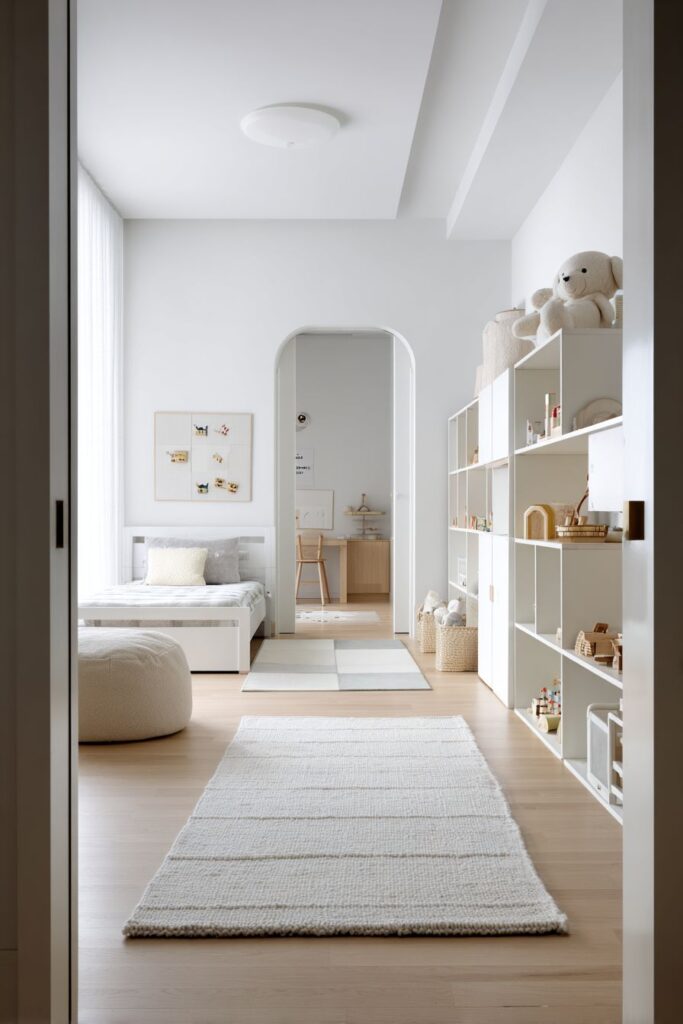
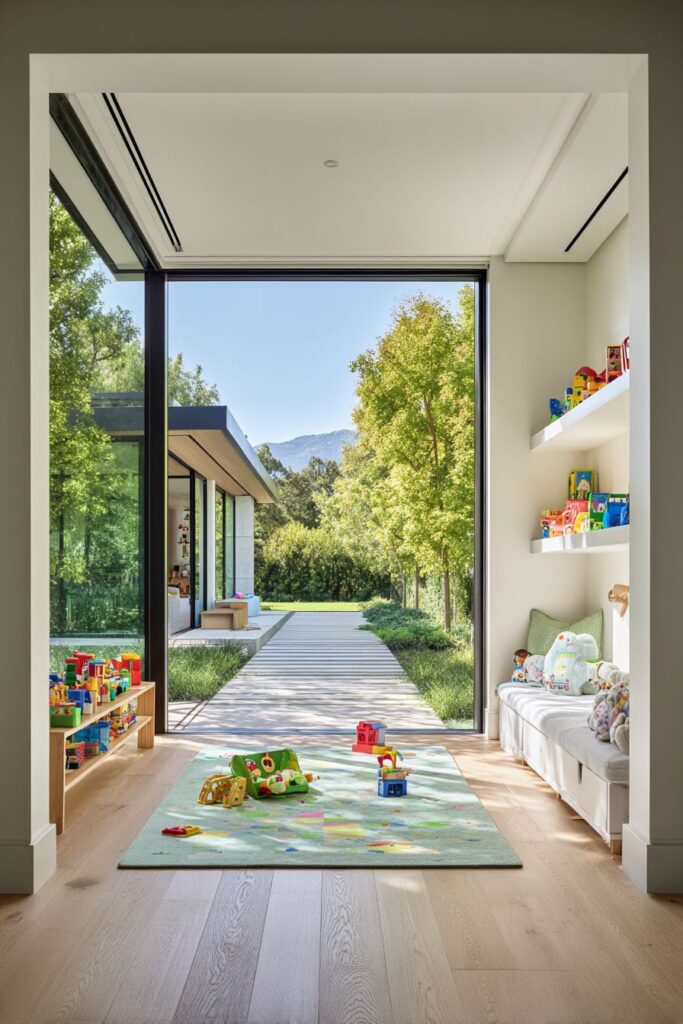
Trip hazards from scattered toys, excessive furniture, or area rugs cause countless childhood injuries. Maintain clear pathways from the bed to door that remain obstacle-free even in darkness. This becomes especially critical for middle-of-the-night bathroom trips when children are partially asleep and coordination is impaired. Adequate floor space also supports active play without constant collision risks.
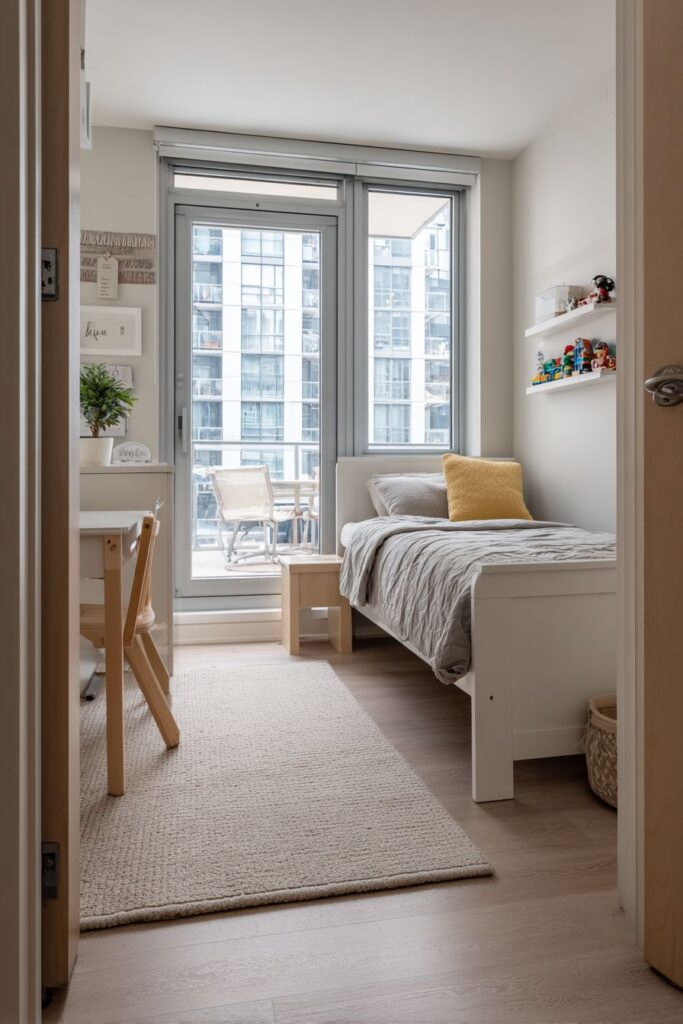
Choose area rugs with non-slip backing or use rug pads underneath to prevent slipping and bunching. Avoid rugs with loose fringe or edges that catch small feet. Better yet, consider wall-to-wall carpeting that eliminates tripping edges entirely while providing soft landing surfaces for inevitable falls. If using hard flooring, ensure proper cushioning in play areas through foam mats or thick rugs.
Establish daily tidying routines that keep floors clear before bedtime. Make this a non-negotiable part of the evening routine rather than optional tidying. Use the five-minute pickup strategy where everyone quickly returns items to designated spots. This habit prevents dangerous clutter accumulation while teaching responsibility and organization that benefit children throughout their lives.
- Maintain clear pathways from bed to door free of toys and obstacles
- Use area rugs with non-slip backing or install rug pads underneath
- Consider wall-to-wall carpeting to eliminate tripping edges entirely
- Establish nightly five-minute pickup routine before bedtime
- Add cushioned play mats in active play areas over hard flooring
- Remove excess furniture that crowds floor space unnecessarily
8. Control Temperature and Air Quality
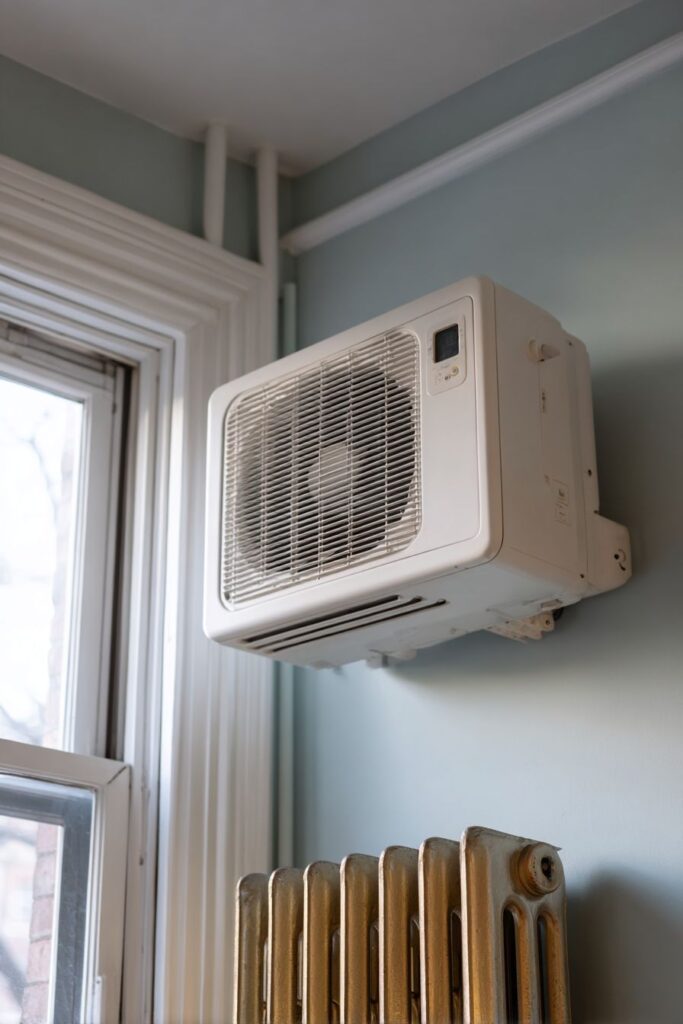
Room temperature affects both sleep quality and safety in children’s bedrooms. Maintain temperatures between 68-72°F (20-22°C) for optimal comfort and reduced SIDS risk in infants. Use thermostats or smart temperature monitors to maintain consistent conditions. Avoid space heaters entirely in children’s rooms—they present fire and burn hazards that far outweigh any heating benefits. If additional heating is necessary, use central heating or radiator covers that prevent direct contact.
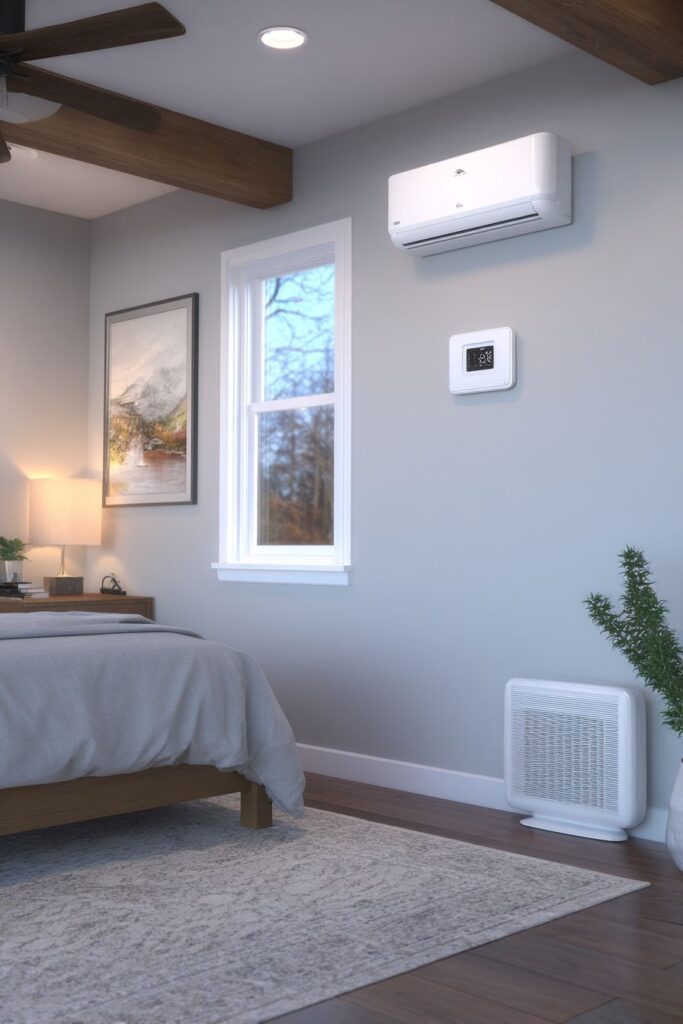
Air circulation prevents stuffiness and reduces allergen concentration. Use ceiling fans on low settings to circulate air without creating drafts directly over sleeping children. Ensure fans are properly secured to prevent falling. Open windows when weather permits, but install window guards on any openable windows above first-floor level. These guards allow ventilation while preventing dangerous falls.
Consider air purifiers with HEPA filters to remove allergens, dust, and pollutants. Position purifiers away from beds to avoid direct air streams while maintaining quiet operation that doesn’t disrupt sleep. Change filters according to manufacturer recommendations to maintain effectiveness. Avoid humidifiers unless specifically recommended by pediatricians—excess humidity promotes mold growth that compromises air quality rather than improving it.
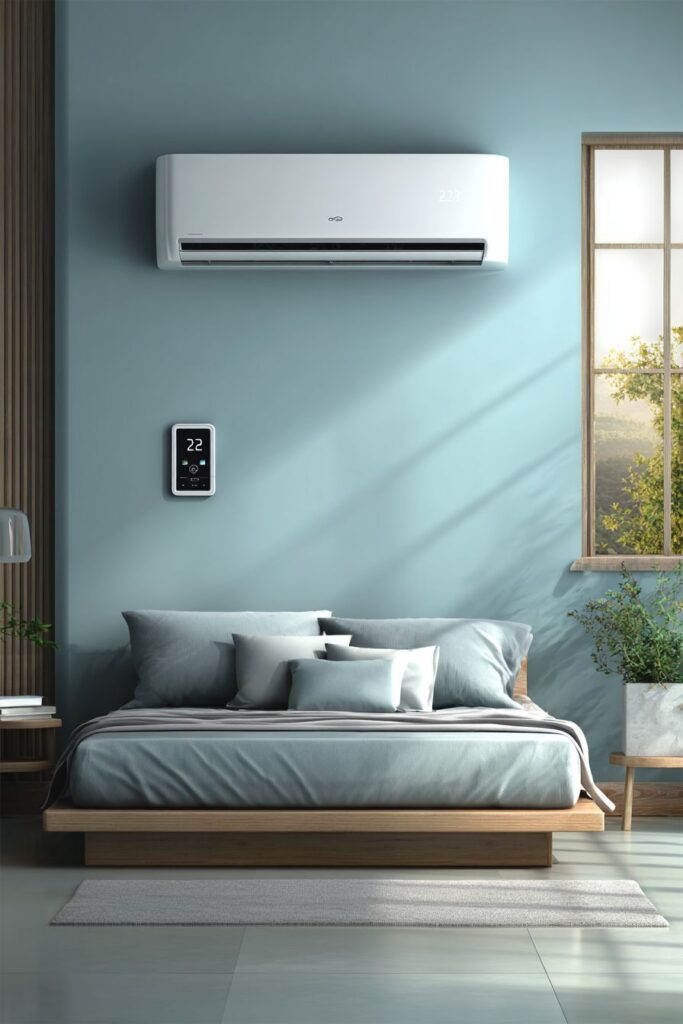
- Maintain room temperature between 68-72°F using programmable thermostats
- Avoid space heaters entirely due to fire and burn risks
- Install window guards on all openable windows above first floor
- Use ceiling fans for air circulation with proper secure installation
- Consider HEPA air purifiers positioned away from beds for allergen reduction
- Open windows regularly for fresh air when weather and security permit
9. Choose Safe Window Treatments and Guards

Window safety requires multiple layers of protection in children’s bedrooms. Install window guards on all windows above the first floor to prevent falls. These guards must meet safety standards that prevent children from squeezing through while allowing emergency egress for adults. Guards should be screwed into window frames rather than pressure-mounted for maximum security.

Select window treatments that provide light control without safety compromises. Cordless cellular shades, roller shades, or curtains with tension rods all work beautifully. If privacy isn’t a concern, consider leaving windows uncovered to maximize natural light while eliminating window treatment hazards entirely. This minimalist approach often works well for children’s rooms facing private yards or upper floors.
Install window stops or locks that prevent windows from opening more than four inches. This allows ventilation while preventing children from climbing out or falling through. Ensure no furniture sits directly under windows that might serve as climbing platforms. Maintain a furniture-free zone extending at least three feet from all windows to eliminate climbing temptation and access points.

- Install window guards meeting safety standards on all upper-floor windows
- Use only cordless window treatments like roller shades or curtains
- Install window stops limiting opening to maximum four inches
- Position furniture at least three feet away from all windows
- Remove climbing temptations like chairs or storage near windows
- Consider leaving windows uncovered if privacy isn’t a concern
10. Plan for Emergency Preparedness
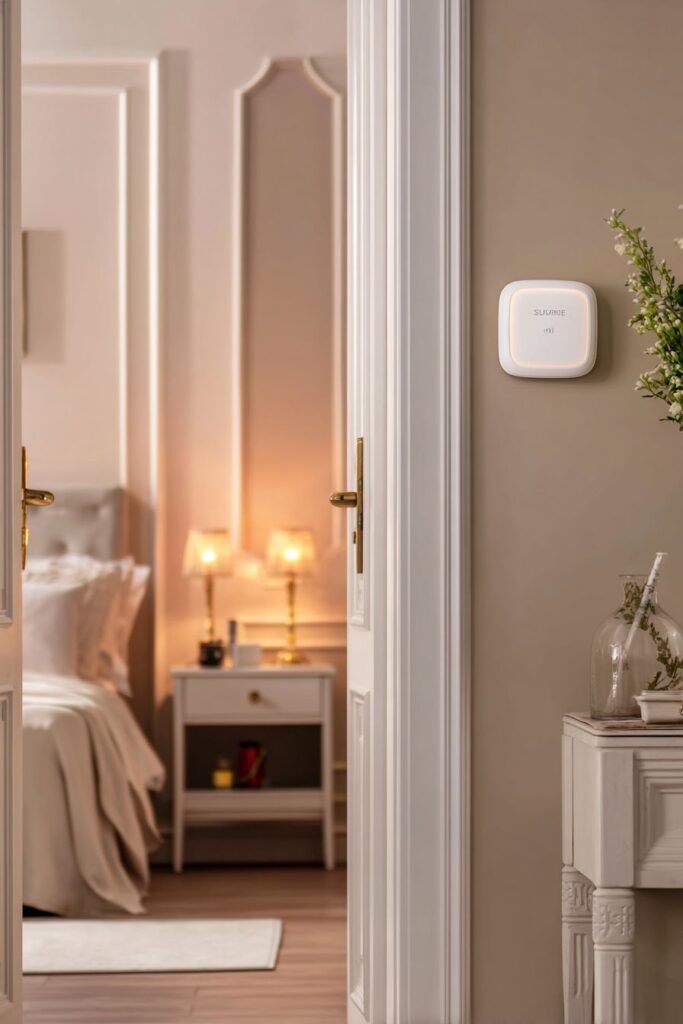
Emergency planning transforms children’s bedrooms into spaces that support quick, safe evacuation when necessary. Ensure bedroom doors open easily from inside without complicated locks that confuse frightened children. Install smoke detectors inside and outside the bedroom with monthly testing and annual battery replacement. Carbon monoxide detectors are equally essential in all sleeping areas.
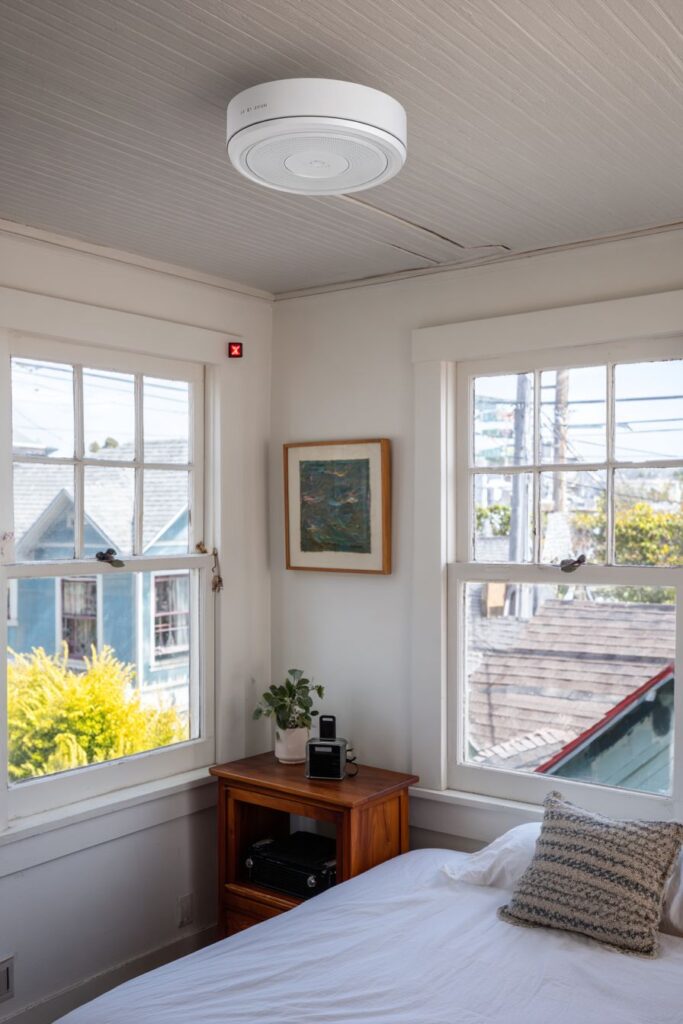
Create and practice evacuation routes from the bedroom that children understand thoroughly. Identify both primary and secondary exit routes in case one becomes blocked. For upper-floor rooms, keep approved escape ladders in easily accessible locations. Practice using these ladders with older children who can safely manage them. Make evacuation drills routine rather than scary through calm, educational approaches.
Keep a small emergency kit in children’s bedrooms containing flashlights, spare batteries, and basic supplies. Store these items where children can reach them but secure enough that they won’t become toys. Install emergency lighting along exit paths that illuminates automatically during power outages. These preparations provide critical advantages during emergencies while teaching children valuable life skills about safety and preparedness.

- Install smoke and carbon monoxide detectors with monthly testing
- Ensure bedroom doors open easily from inside without confusing locks
- Practice evacuation routes monthly using both primary and secondary exits
- Keep approved escape ladders accessible for upper-floor bedrooms
- Install emergency lighting along exit paths with battery backup
- Maintain emergency kit with flashlights and batteries in accessible location
Conclusion

Mastering safe children’s bedroom design requires ongoing vigilance as children grow and their needs evolve. These ten essential principles provide a comprehensive framework for creating spaces that protect children while supporting their development and independence. Remember that safety doesn’t end with initial room setup—regular reassessments ensure your child’s bedroom remains secure through changing developmental stages. Monthly safety checks become routine habits that prevent dangerous oversights.
The investment in safe bedroom design pays immeasurable dividends through prevented injuries and the peace of mind it provides. Start implementing these strategies today, prioritizing the highest-risk areas like furniture anchoring and cord elimination. Your child’s bedroom should be their safest sanctuary—a place where imagination flourishes without compromising protection. With thoughtful planning and consistent maintenance, you’ll create beautiful, functional spaces where children thrive securely for years to come.
"As an Amazon Associate, I earn from qualifying purchases."
